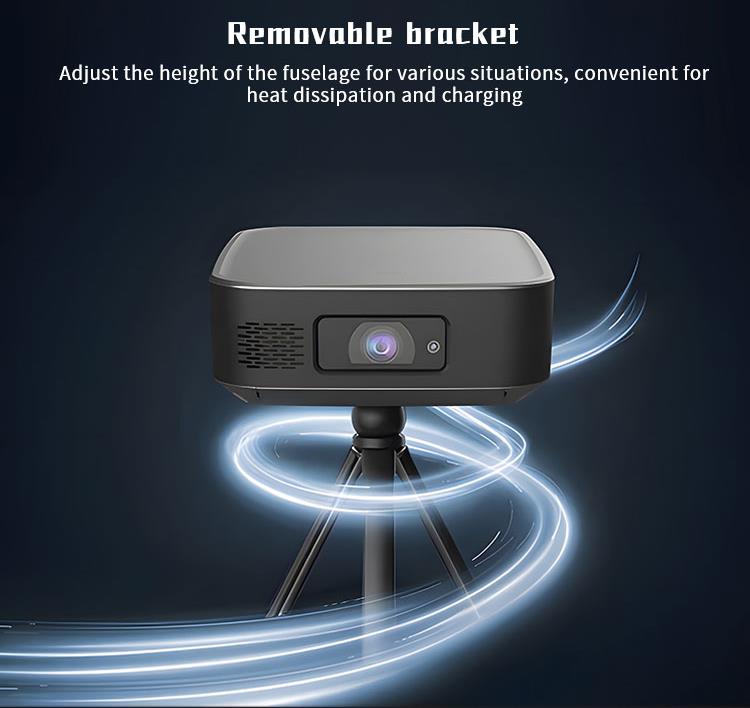
One Device, Dual Functions – A Projector and a Com...
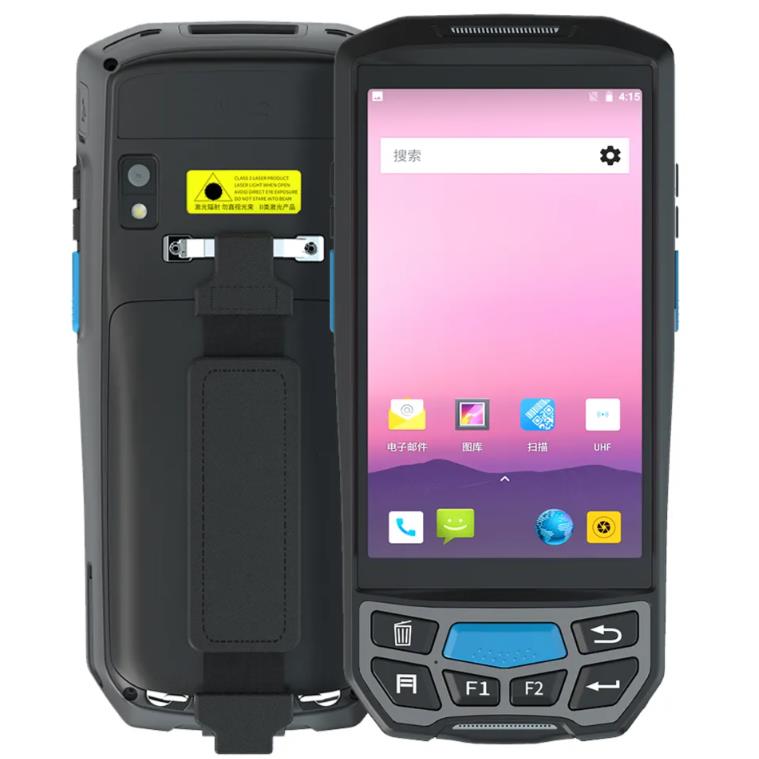
The U9000 handheld PDA combines advanced barcode s...
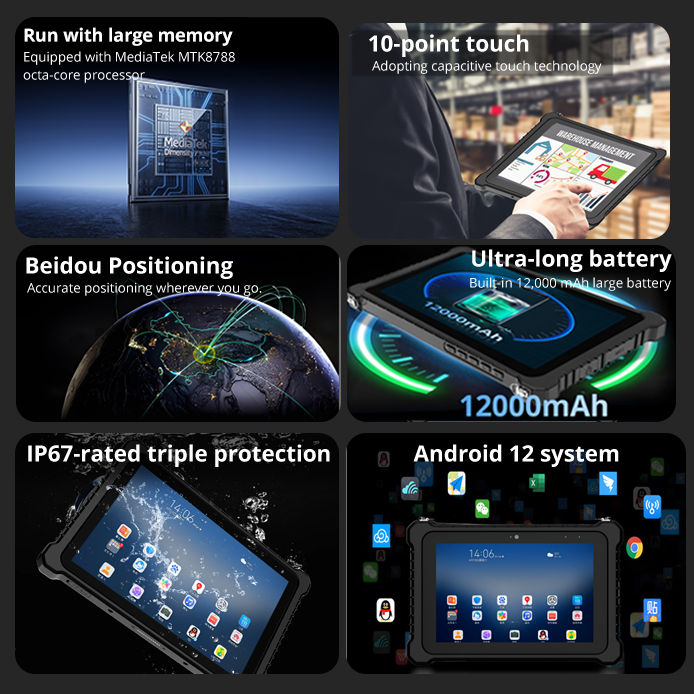
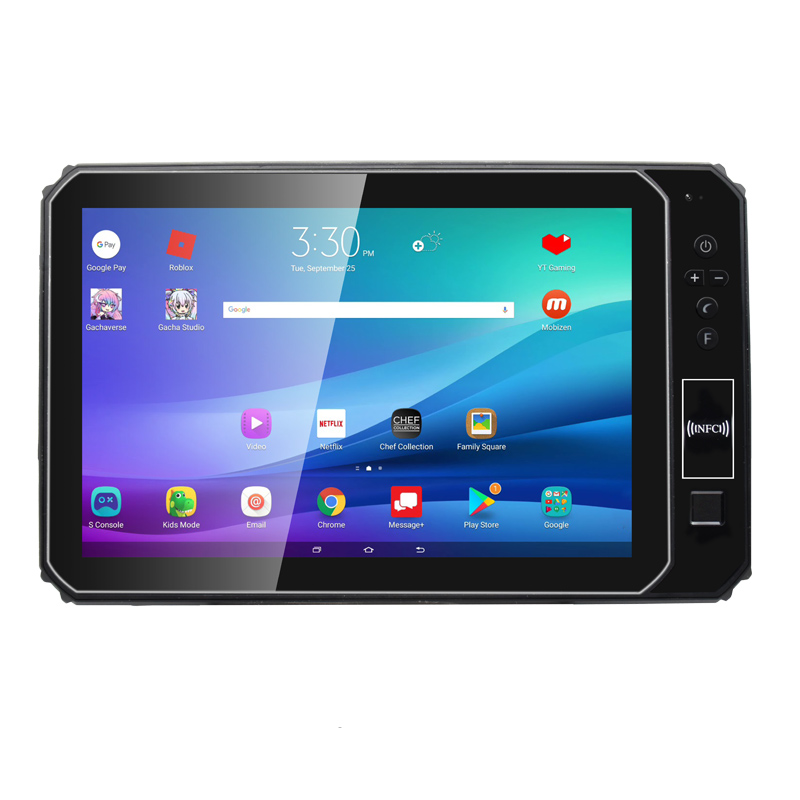
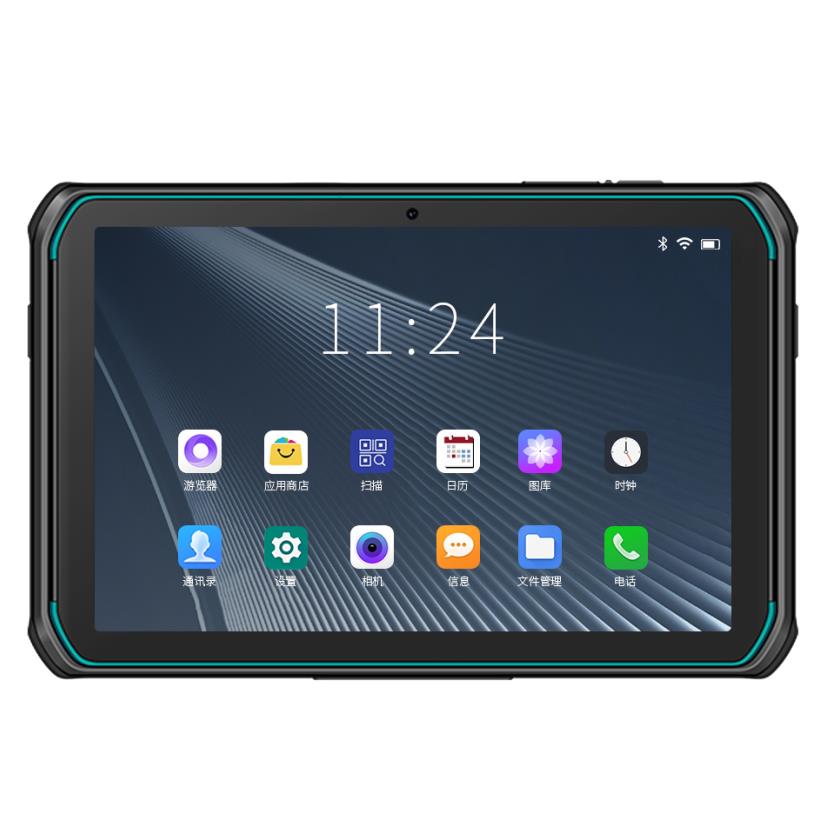
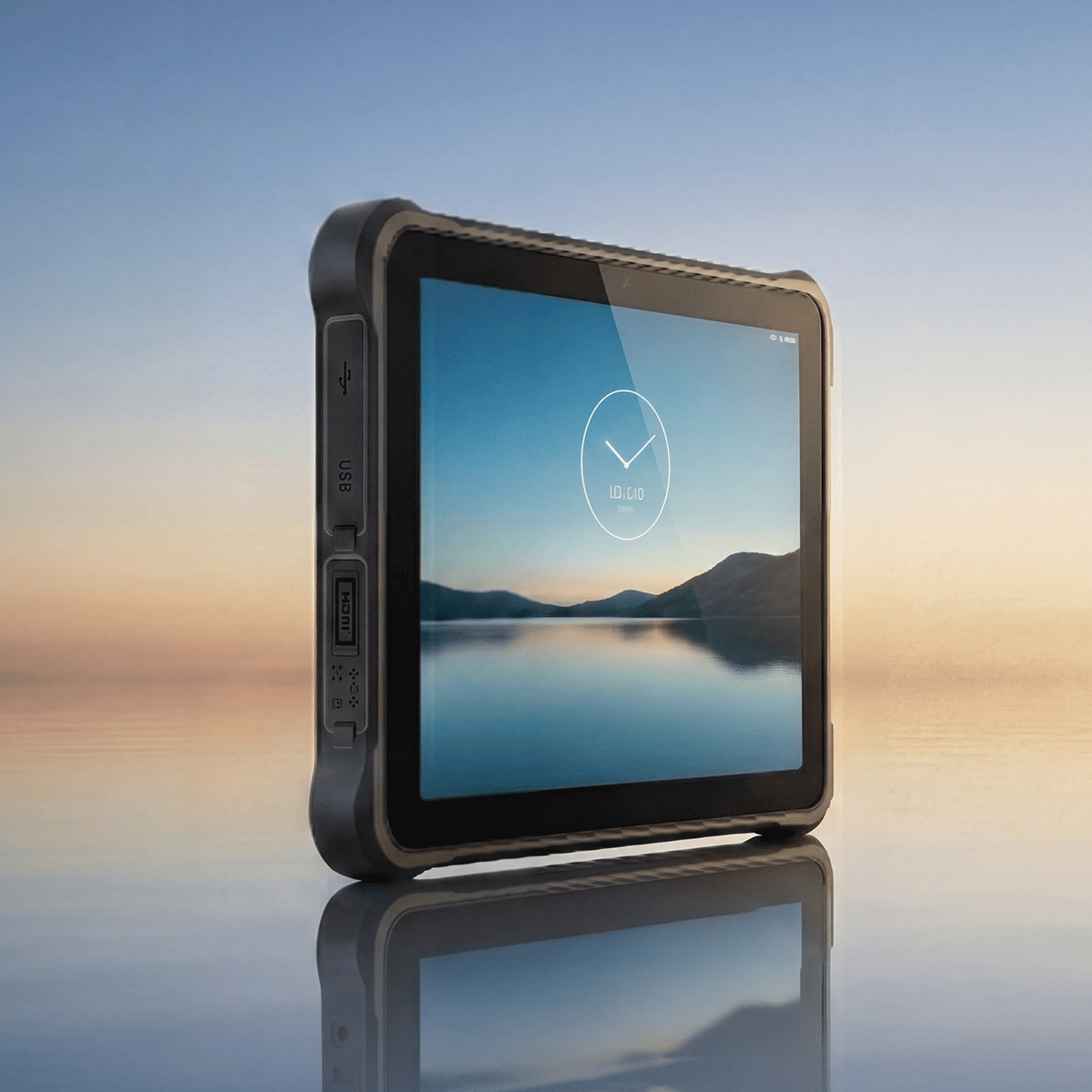
This 10-inch Android rugged tablet is designed for...
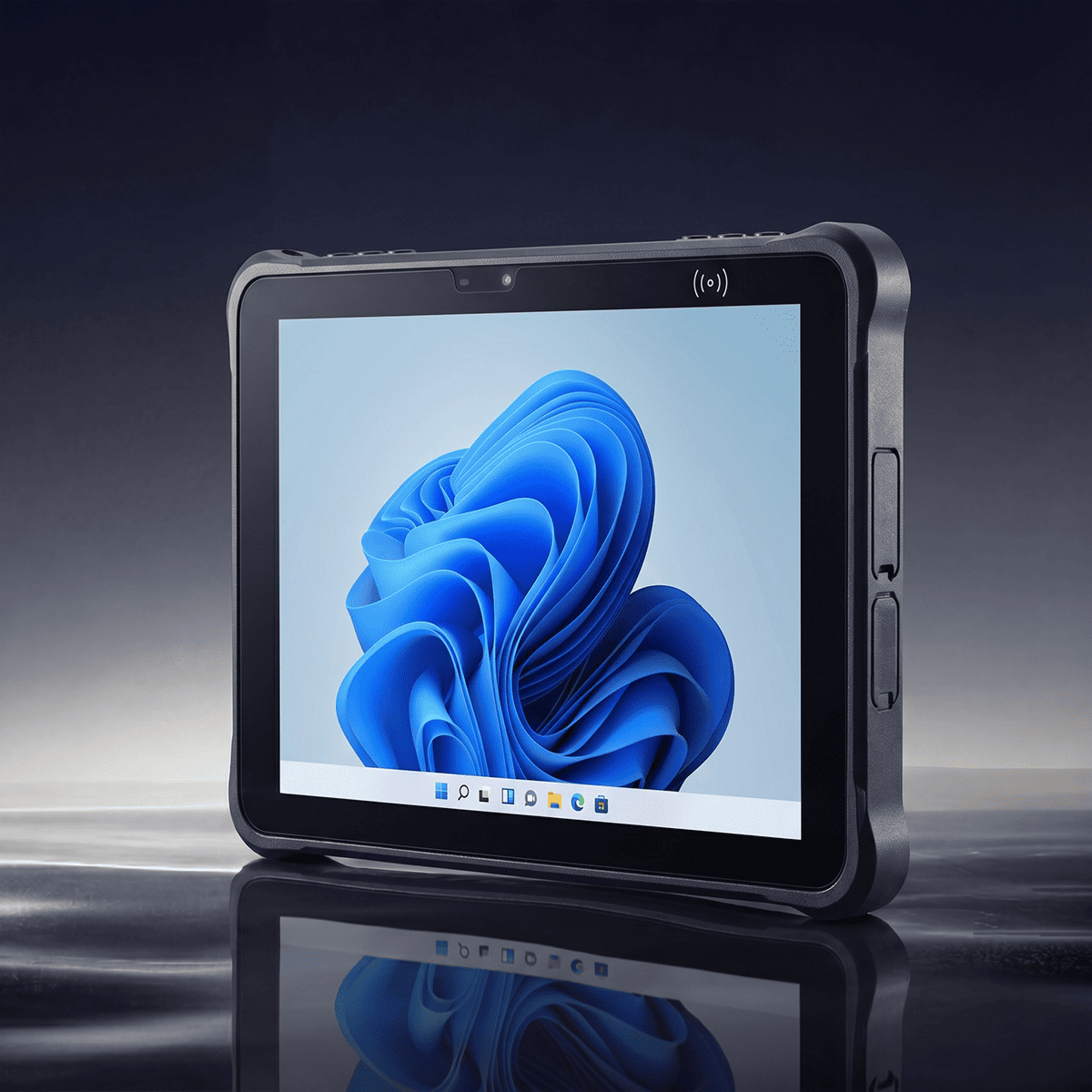
Full SpecificationsModelHotus ST11‑MOSWindows 10/1...
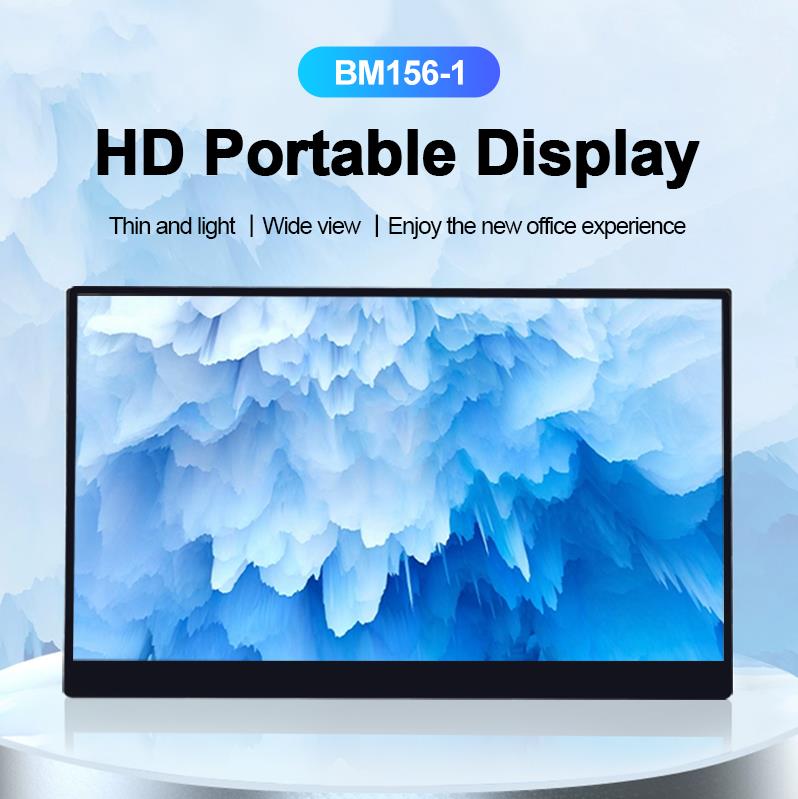
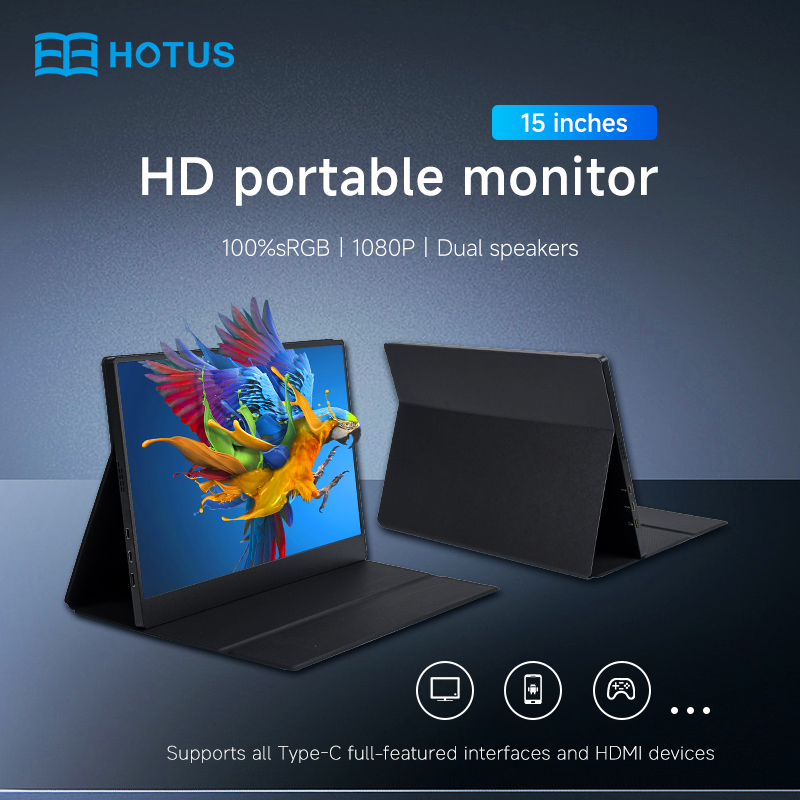
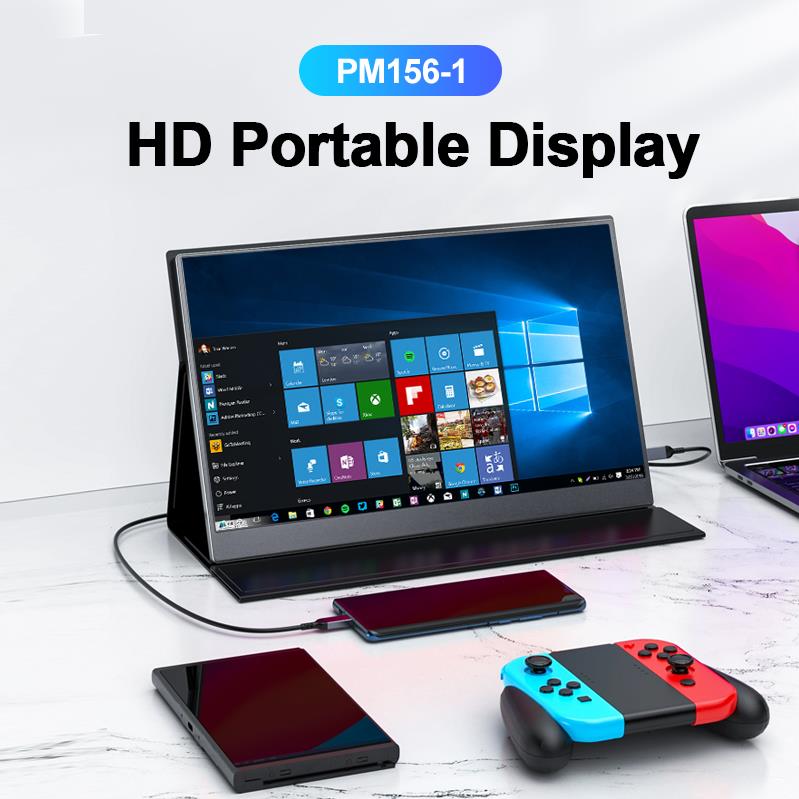
The PM156-1 is a 15.6-inch portable PC monitor fea...
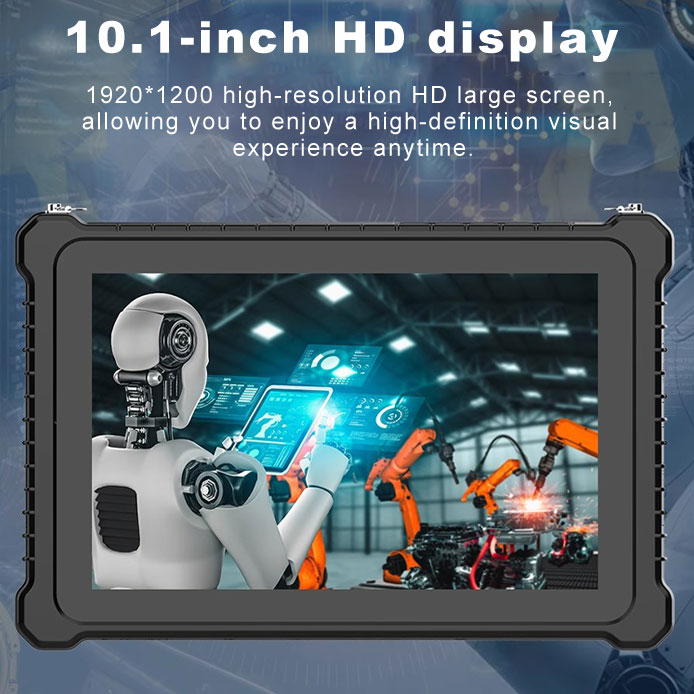
This 10-inch Android rugged tablet is designed for...
Full SpecificationsModelHotus ST11‑UOSWindows 10 P...
Precise light control, long‑term stability, natural color balance — DLP projectors deliver a visual experience that goes far beyond resolution and brightness.
DLP projectors are becoming the preferred choice of many users, but their advantages extend far beyond “high‑definition picture quality.” While resolution and brightness are often the first specs people look at, the true power of DLP lies in how it controls light — microsecond by microsecond — to deliver images that feel natural, fluid, and true to life.
We often measure projector quality by resolution and brightness, but these indicators only scratch the surface. The core advantage of DLP technology lies in its ability to control millions of micromirrors at microsecond speeds, achieving precise light modulation and color restoration. This ensures that images remain clear and smooth during fast‑motion scenes and color transitions — without smearing, ghosting, or artifacts.
What users truly want is not a pile of theoretical specifications, but real visual impact. DLP brings a projection experience that is “almost TV‑like” — no longer a compromise of traditional projectors, but a step toward genuine enjoyment.
DLP projectors contain no liquid crystal panels and do not rely on organic materials for imaging. This means they naturally have stronger anti‑aging capabilities. Whether for home or commercial use, they maintain stable performance over long periods — colors do not decay, and the picture does not develop color casts.
For users, a projector is more than just a device — it’s a trust. The technical stability of DLP addresses the quiet but real concerns of users: long‑term use, consistent image quality, and low failure rates.

Some projectors produce bright images, but they are harsh on the eyes — too blue, or unbalanced in red and green, leading to visual fatigue after prolonged viewing. DLP solves this at the hardware level using a single‑chip color wheel design or three‑color laser solutions. The result is colors that remain natural, true to life, and soft on the eyes.
This meets the needs of professional users who demand accurate color calibration, while also satisfying ordinary users’ pursuit of “comfortable viewing.” Especially in office, teaching, and display environments, DLP’s color performance signals professionalism and superior user experience.
DLP technology is exclusively developed by Texas Instruments (TI) and has over 20 years of industry accumulation. From education and medical imaging to security and high‑end home theaters, DLP has been validated by millions of professional users. Choosing DLP is not just a recognition of technology — it’s an attitude of refusing to compromise. It means having higher expectations for image quality, equipment lifespan, and overall user experience.
DLP Is Not an “Added Value” – It’s the Decisive Value
As we increasingly rely on display devices in daily life, office work, and presentations, what users truly need is not just a “bright picture” but a reliable visual experience. DLP technology delivers that reliability — frame after frame, year after year. If you value image quality, longevity, and a viewing experience that feels effortless, DLP is the clear choice.