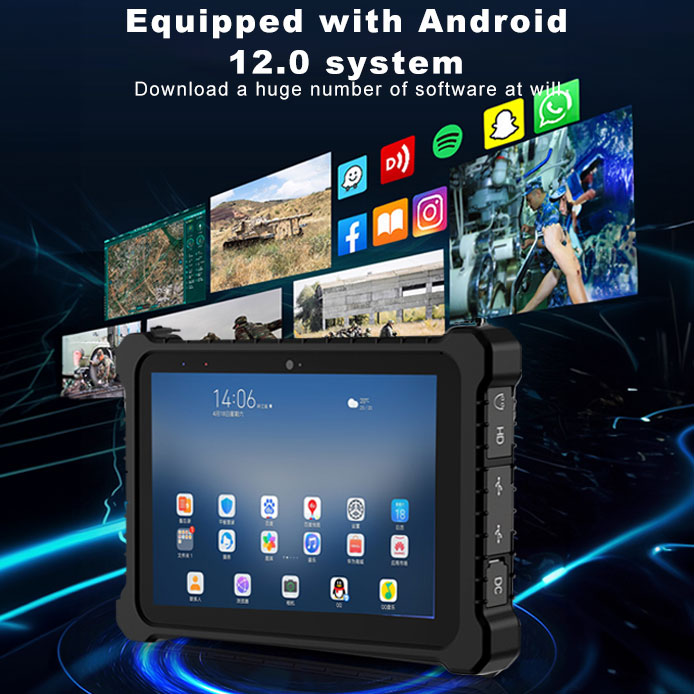
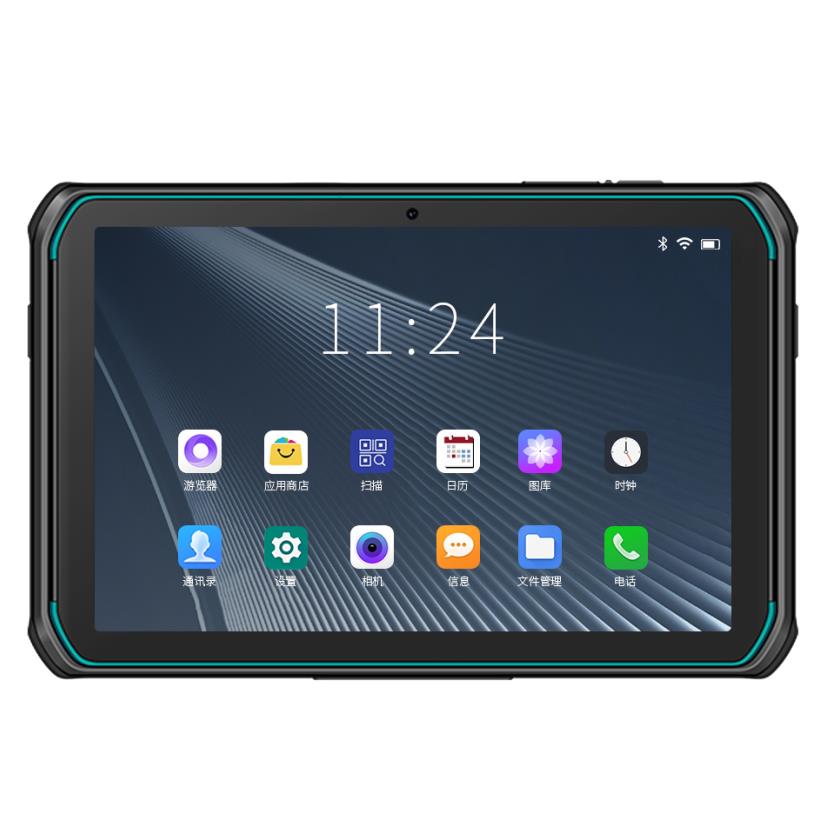
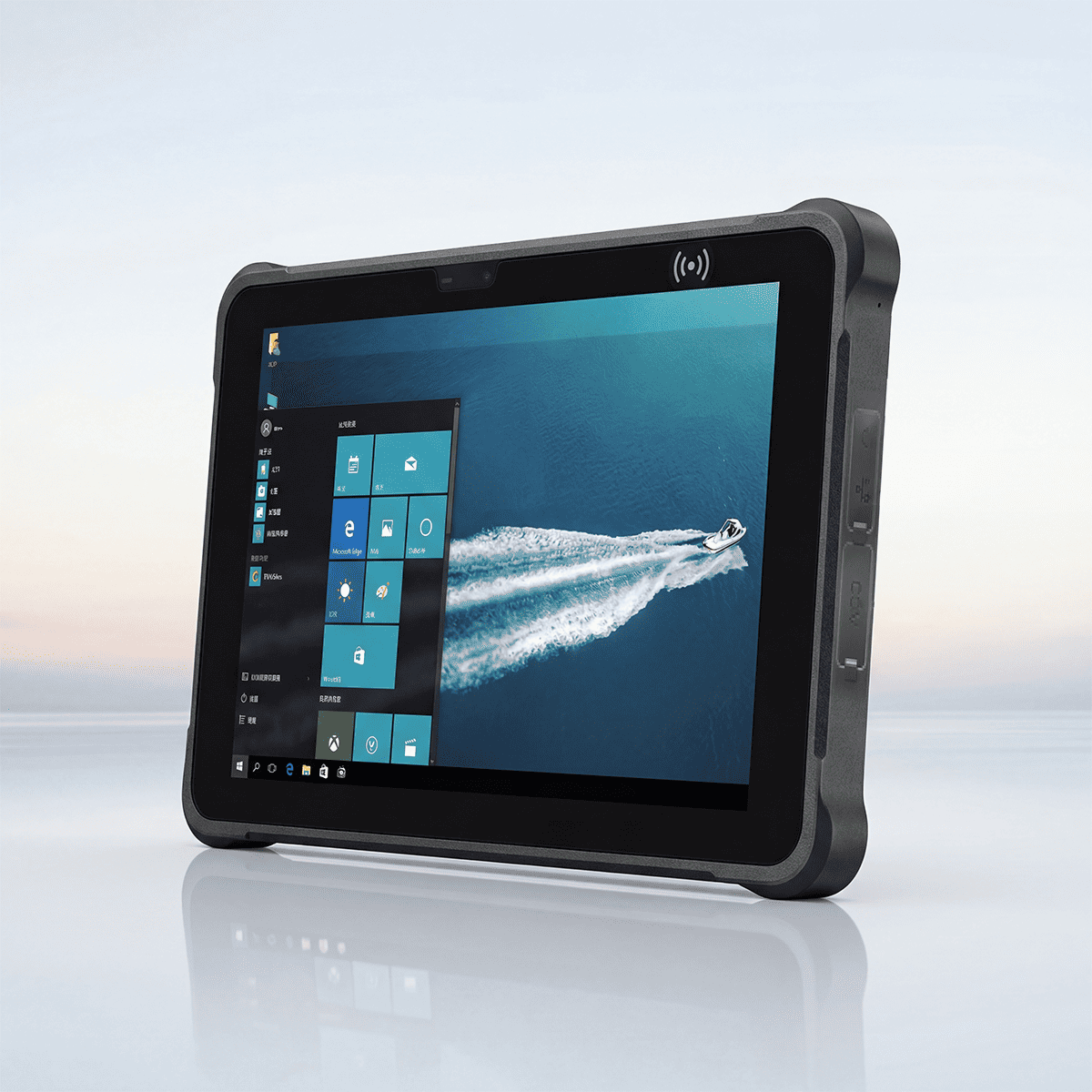
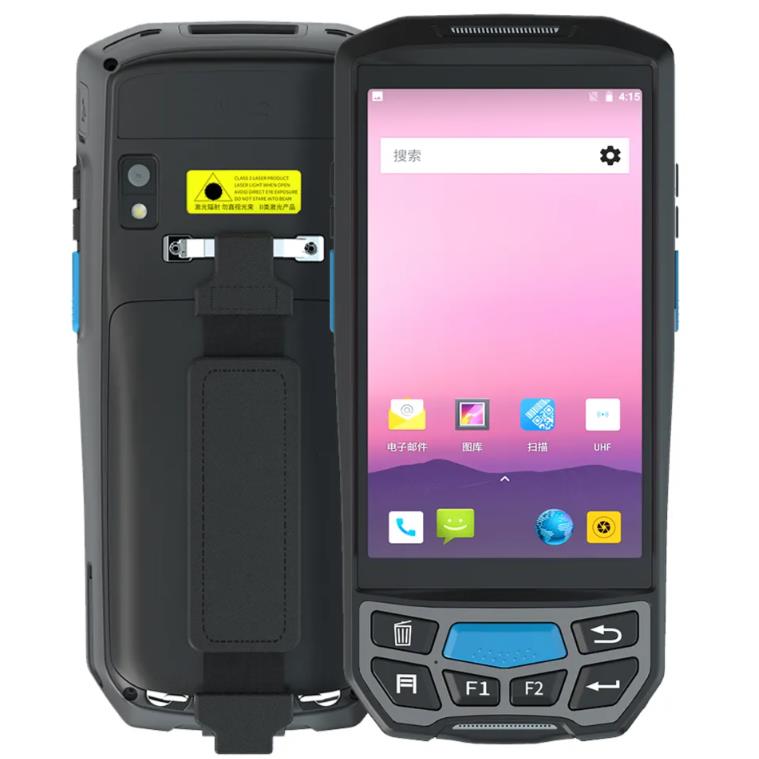
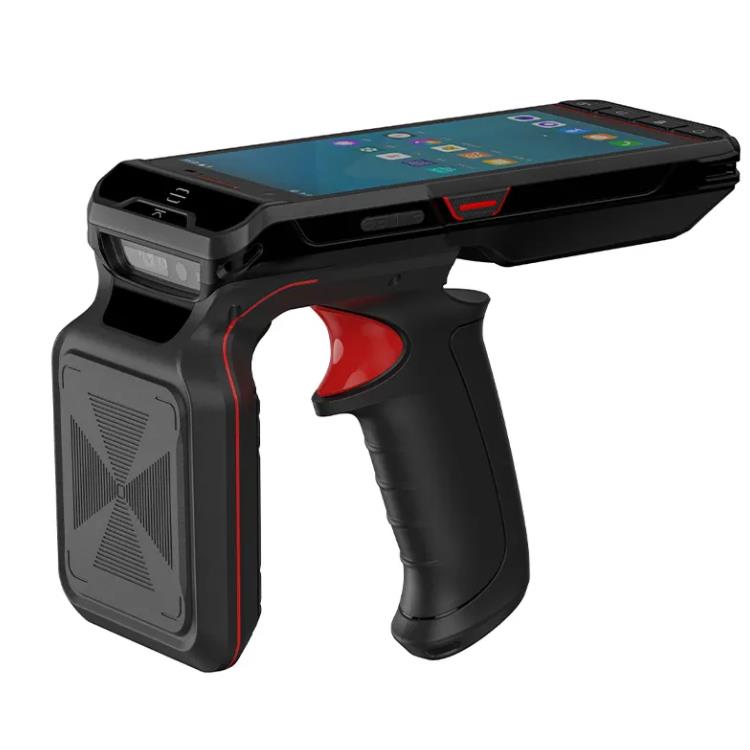
The T80 handheld PDA combines advanced barcode sca...
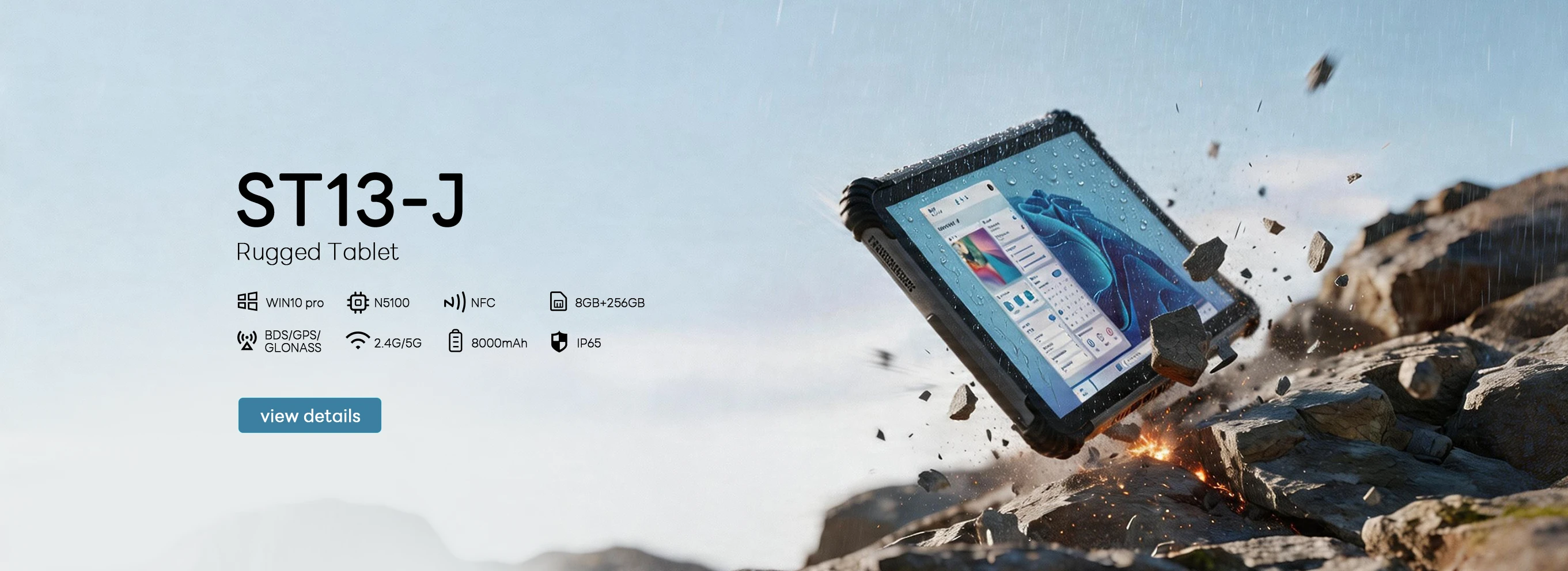
Full SpecificationsModelHotus ST11‑JOSWindows 10 P...
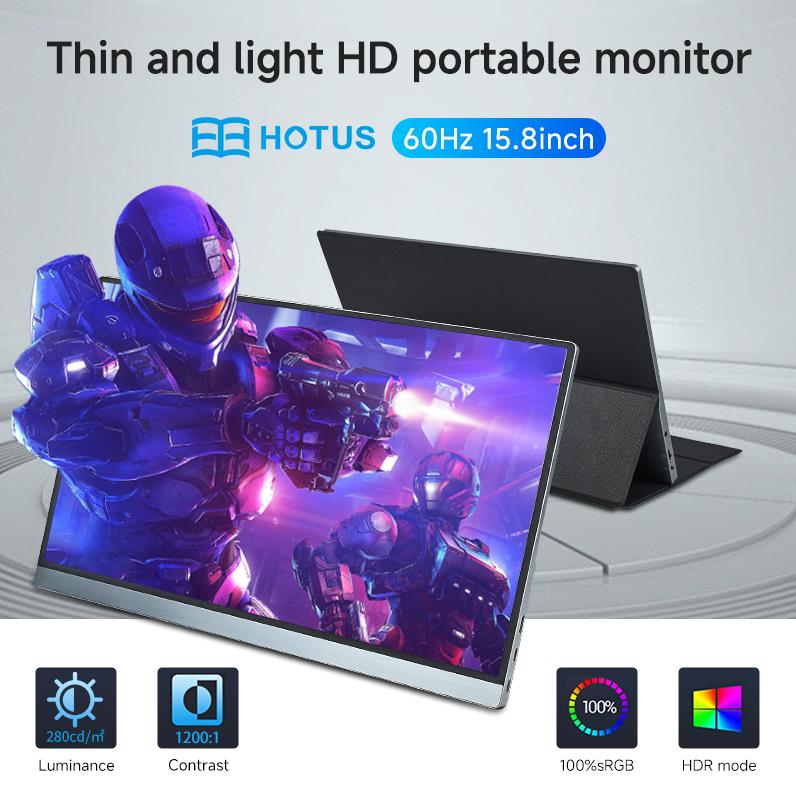
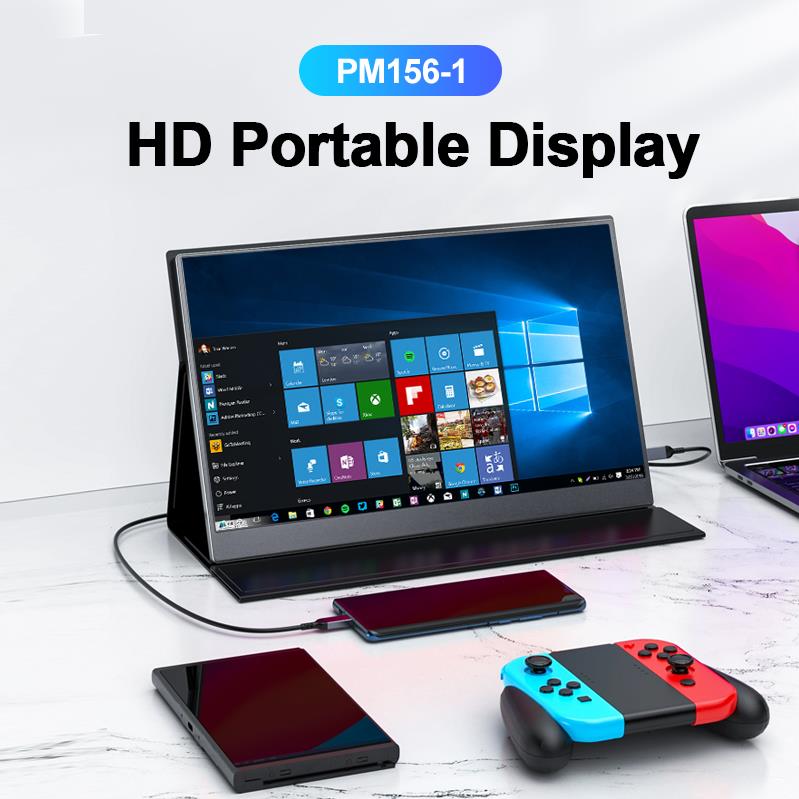
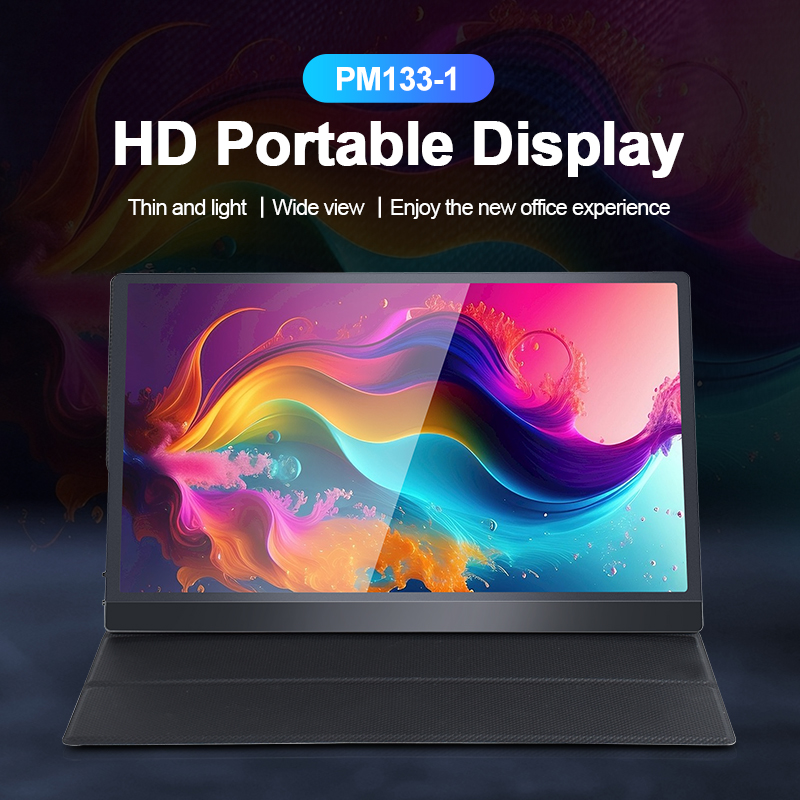
The PM156-1 is a 15.6-inch portable PC monitor fea...
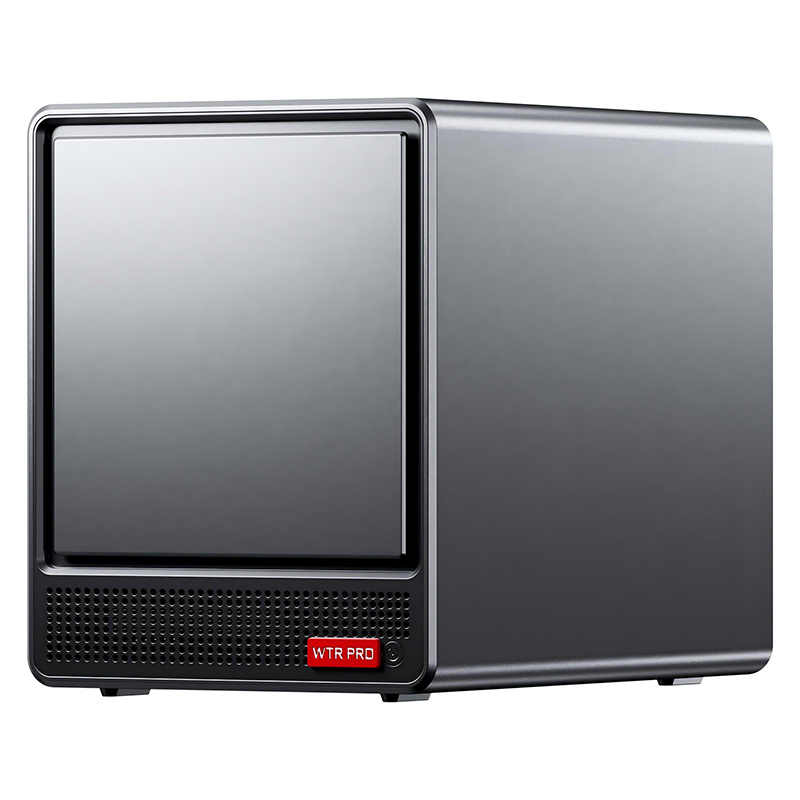
The EGPU Graphics Card Expansion Dock is a high-pe...
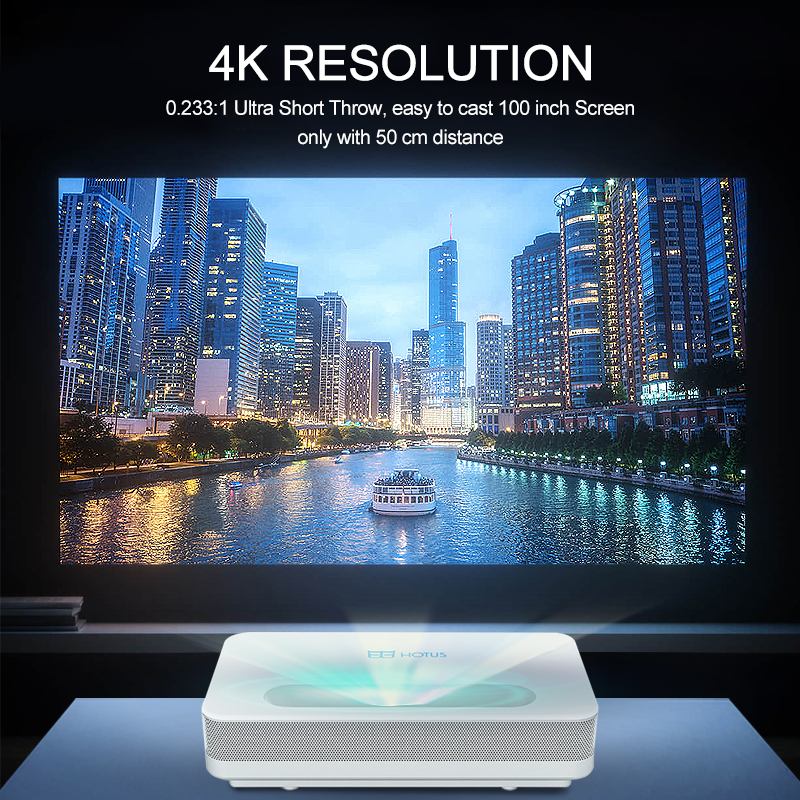
One Device, Dual Functions – A Projector and a Com...
Full SpecificationsModel Hotus SH5‑WOperating ...
The U9000 handheld PDA combines advanced barcode s...
The R501 PDA combines a powerful MT6762 Octa-Core ...
Augmented reality (AR) overlays digital info on the real world; virtual reality (VR) immerses you in a fully digital environment. Learn the differences and find your perfect fit.
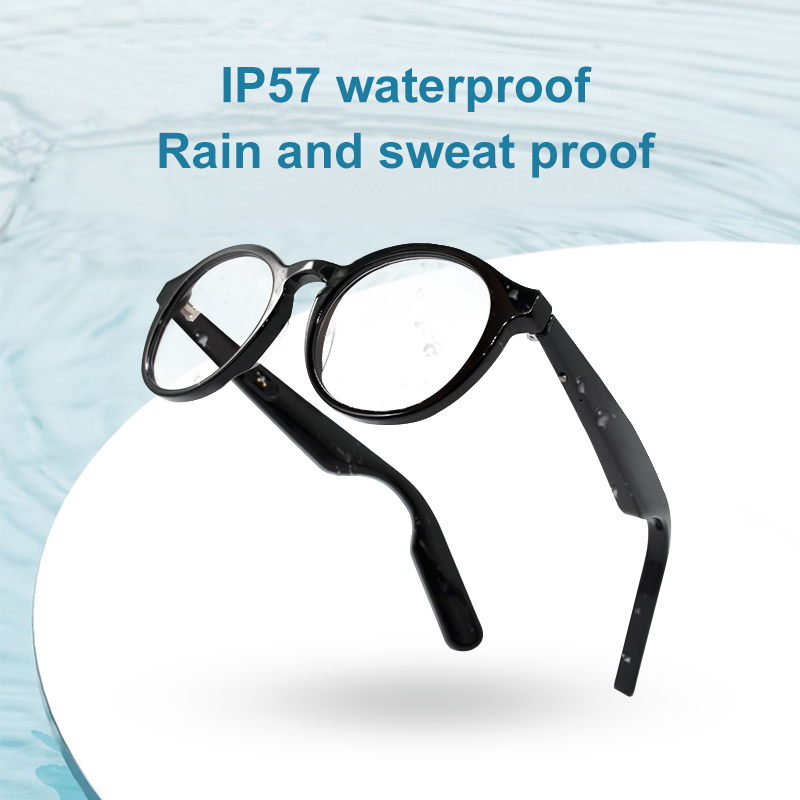
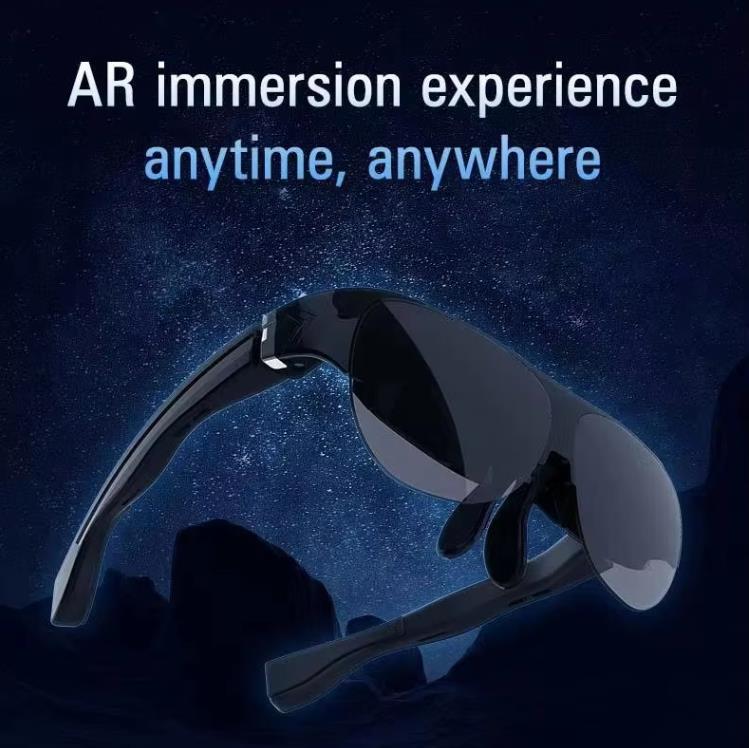
Smart glasses have become one of the most anticipated innovations for consumers and businesses. The market is currently divided into two main categories: augmented reality (AR) and virtual reality (VR). Although they may seem similar at first glance, their underlying technologies, applications, and advantages differ significantly. This guide will help you understand the differences and choose the right type for your needs.
Augmented reality (AR) smart glasses overlay digital information — text, images, or 3D objects — onto the real world. They enhance your perception without isolating you from your surroundings.
Key features: Transparent lenses (see real-world objects while interacting with digital overlays), real‑time data display (navigation, translation, work instructions), lightweight and portable design with longer battery life than VR models.
Common applications: Outdoor navigation and travel assistance, industrial training or on‑site work (assembly guidance), fitness tracking and health monitoring, minimal visual interference during social interactions.

Virtual reality (VR) smart glasses (or headsets) fully immerse users in a digital environment, blocking out the real world for a completely immersive experience.
Key features: Fully immersive 360° visuals and audio (ideal for gaming, virtual meetings, simulations), high‑resolution display for realistic effects, controller support for interactive experiences.
Common applications: Gaming and immersive entertainment, virtual travel or cinema‑quality experiences, professional simulations (medical or military training), virtual meetings and collaborative workspaces.
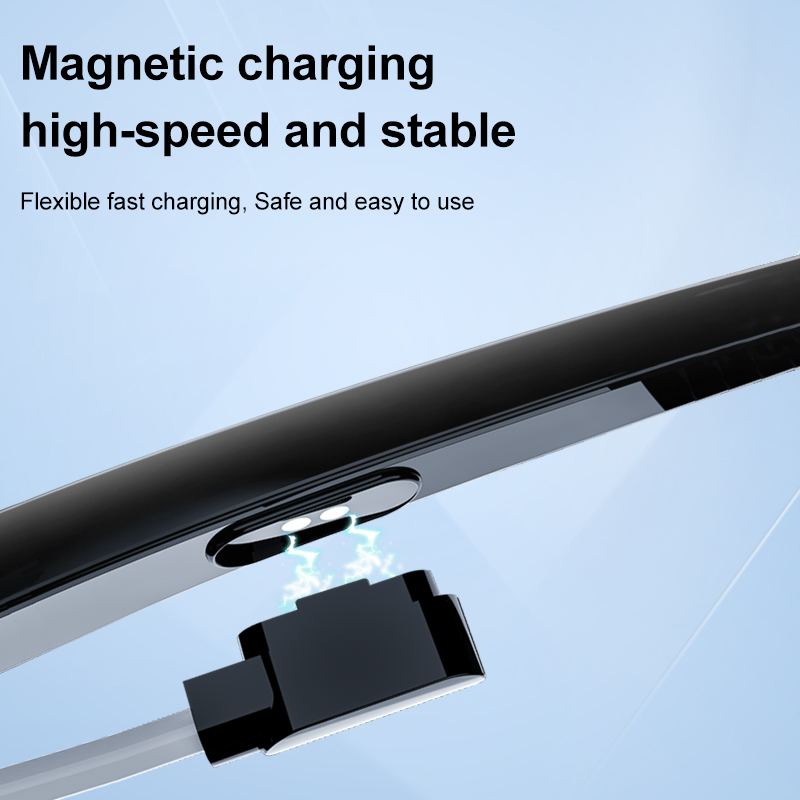
Make the Right Investment for Your Digital Life
Both AR and VR smart glasses present digital content in innovative ways, but their application scenarios differ. If you prioritize real‑world perception with digital augmentation, AR is the best choice. For an immersive virtual experience, VR offers unparalleled immersion. Align the technology with your lifestyle and needs — whether for work, travel, or entertainment — and invest in a smart glasses solution that truly enhances your daily life.