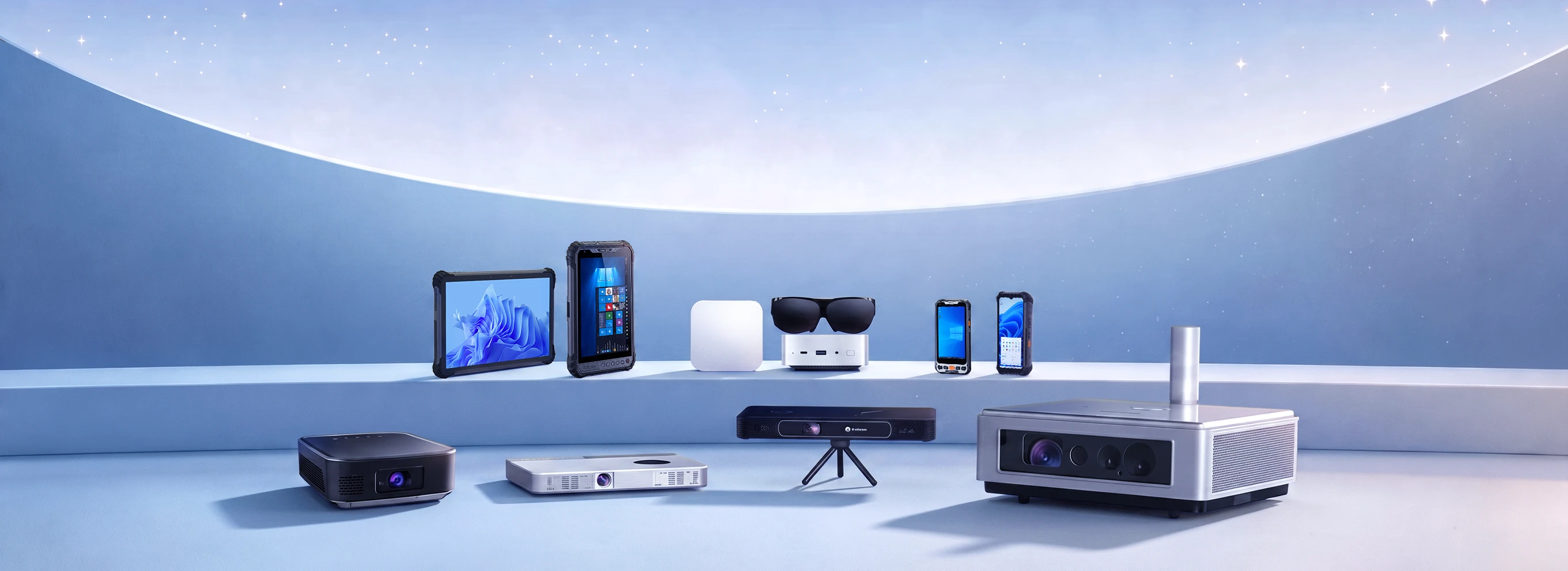
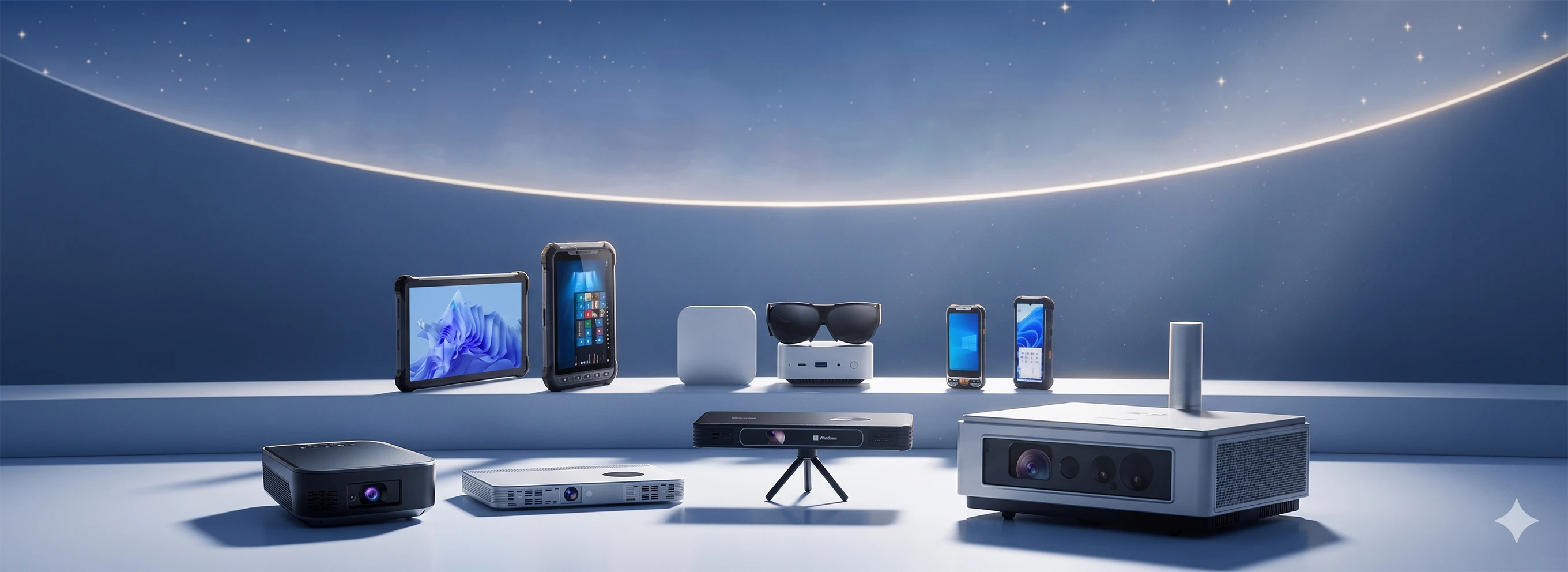
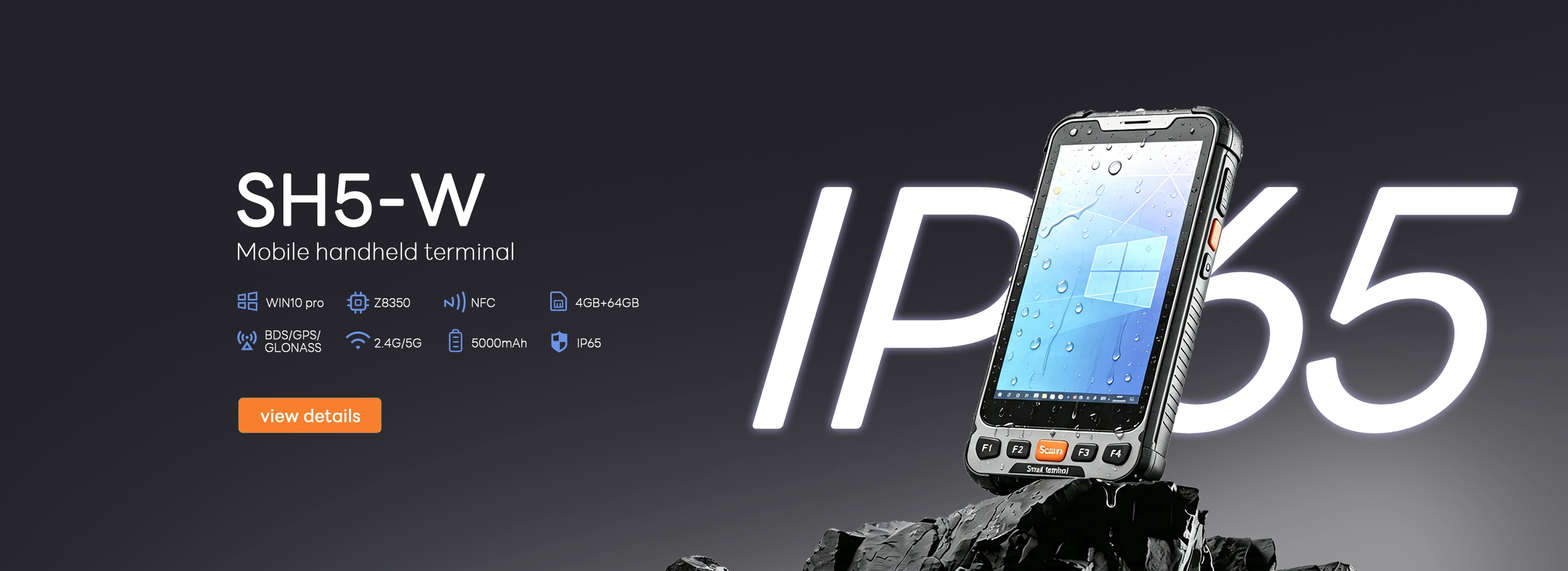
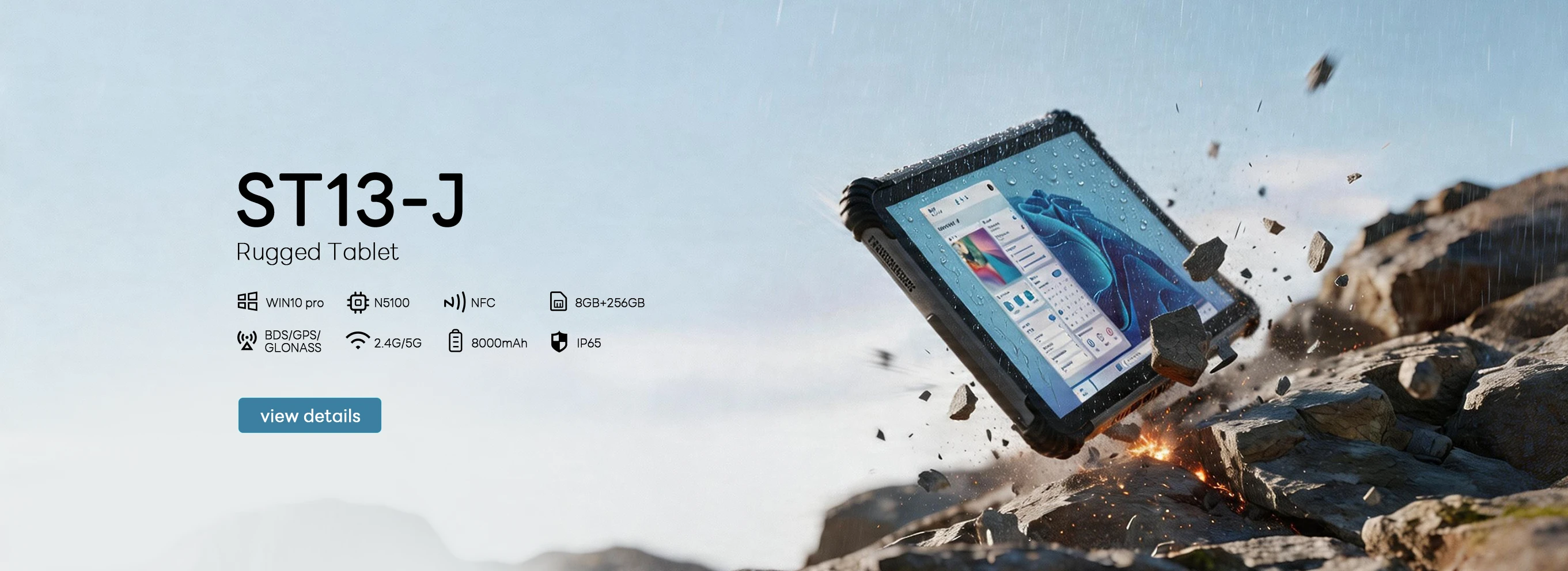
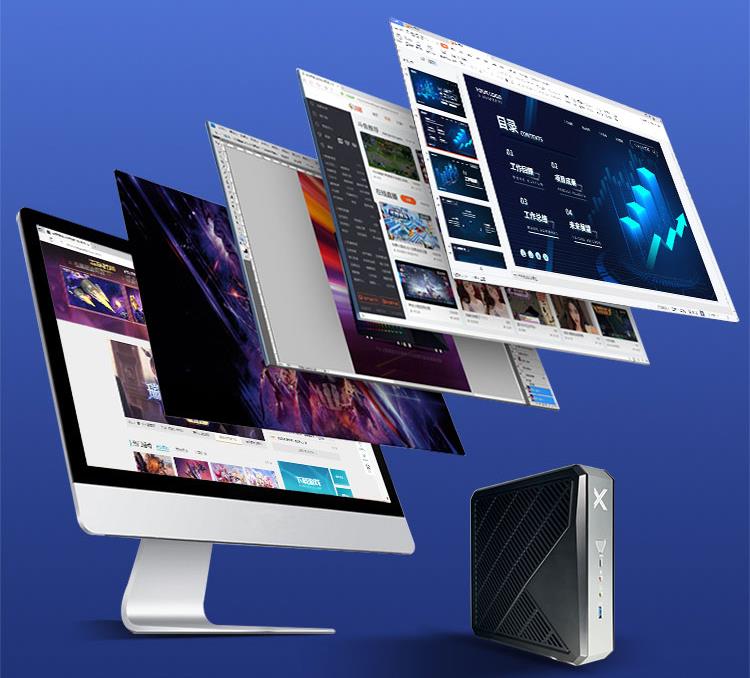
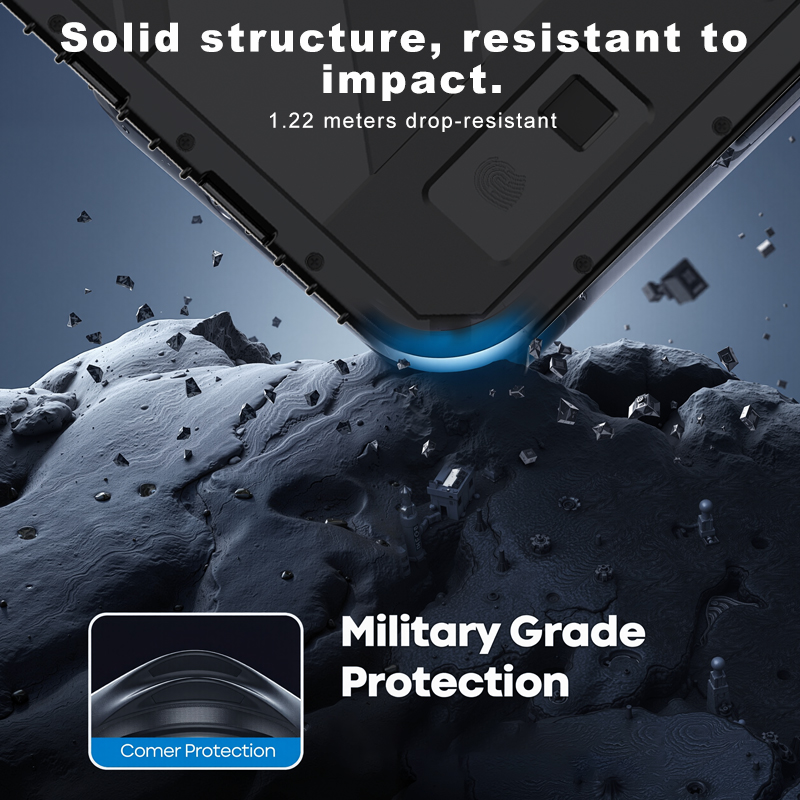
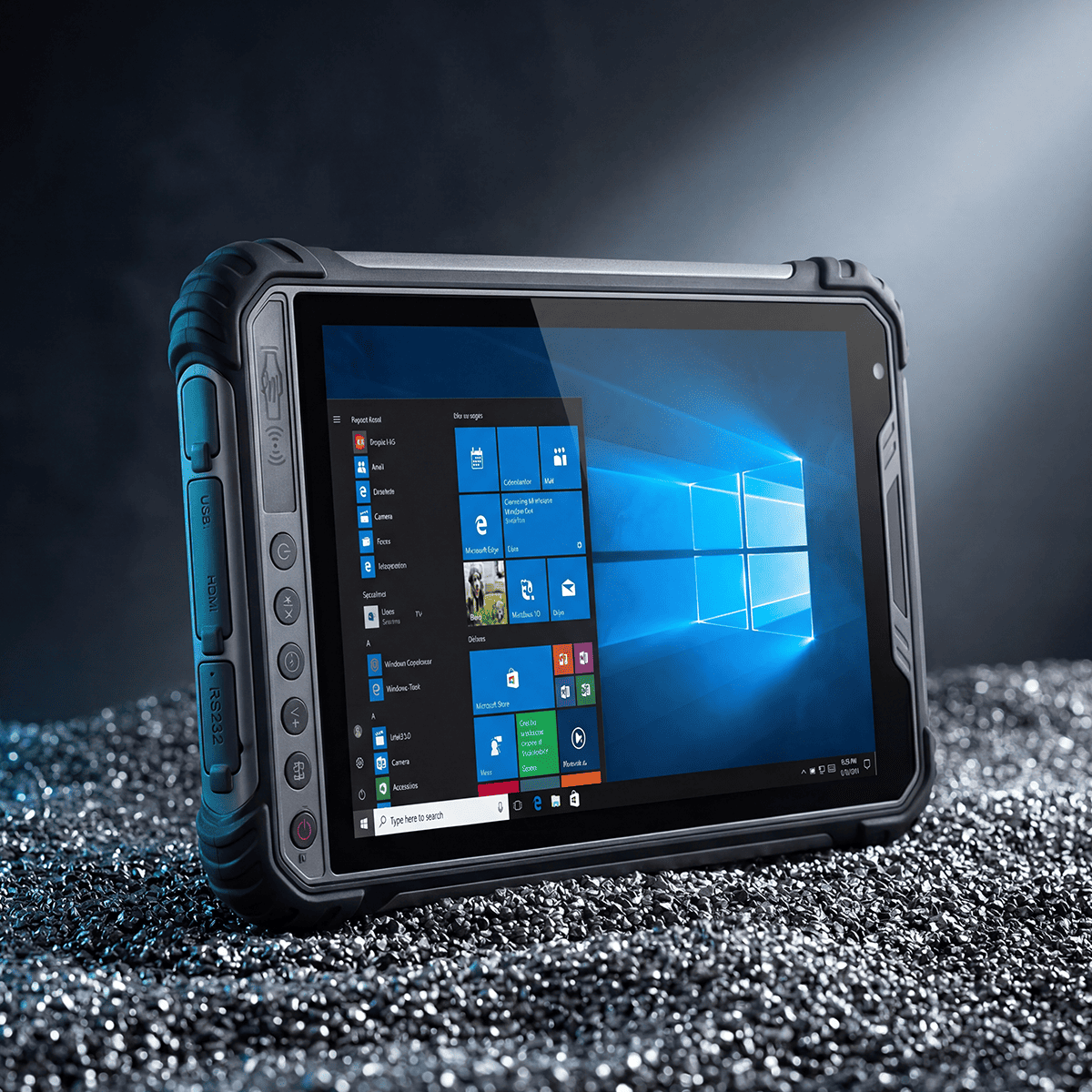
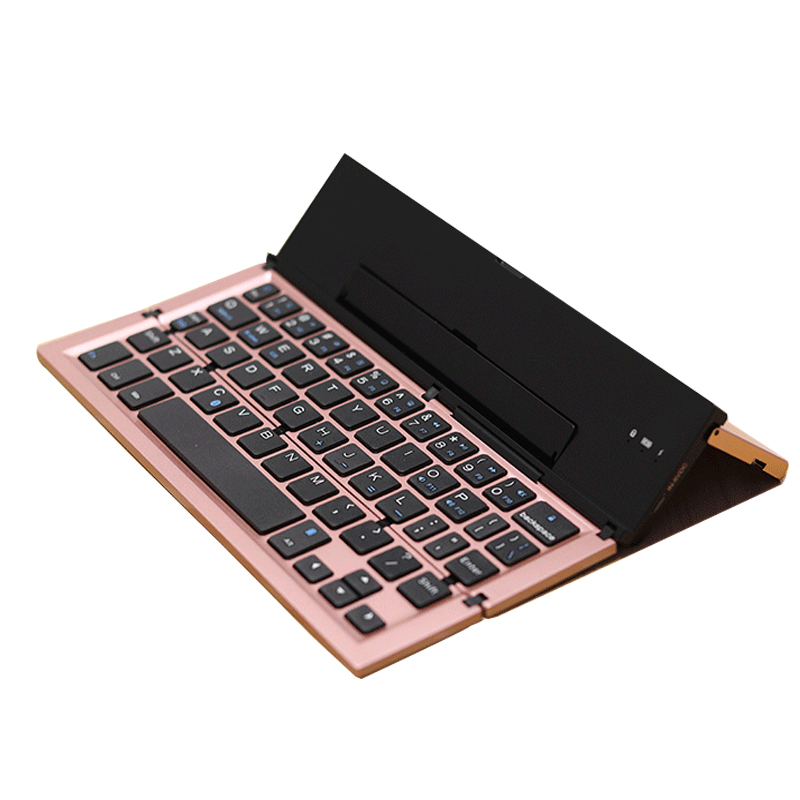
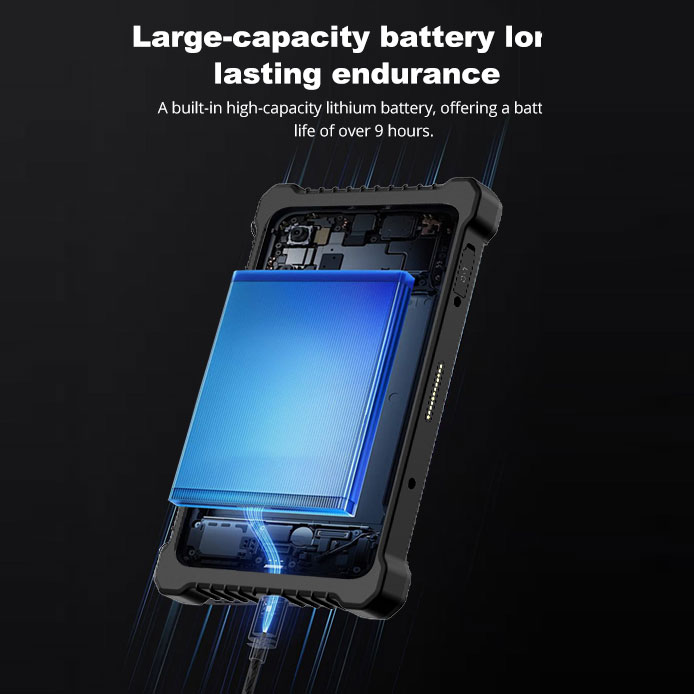
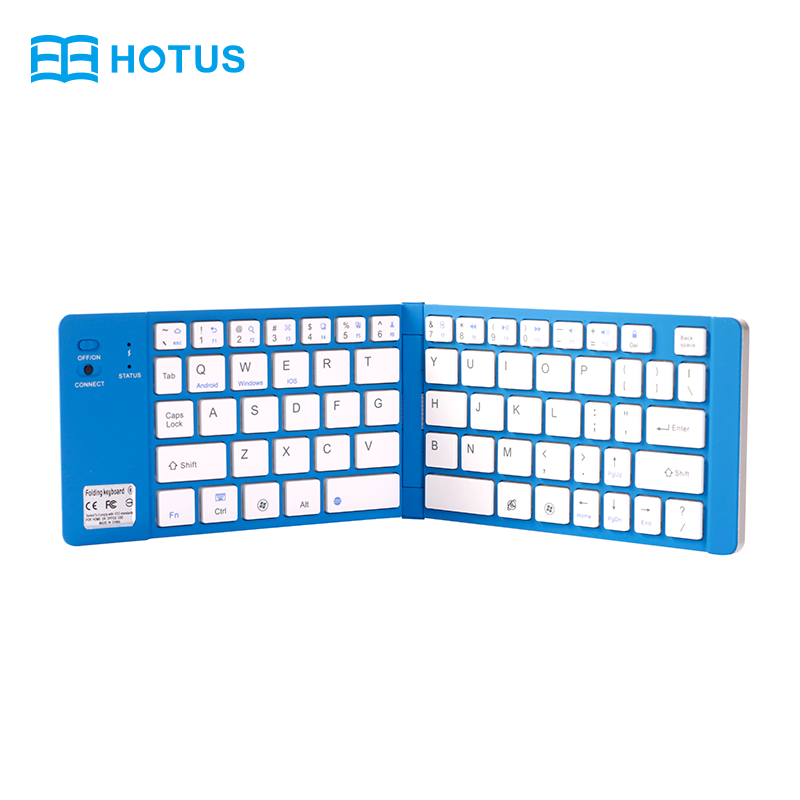
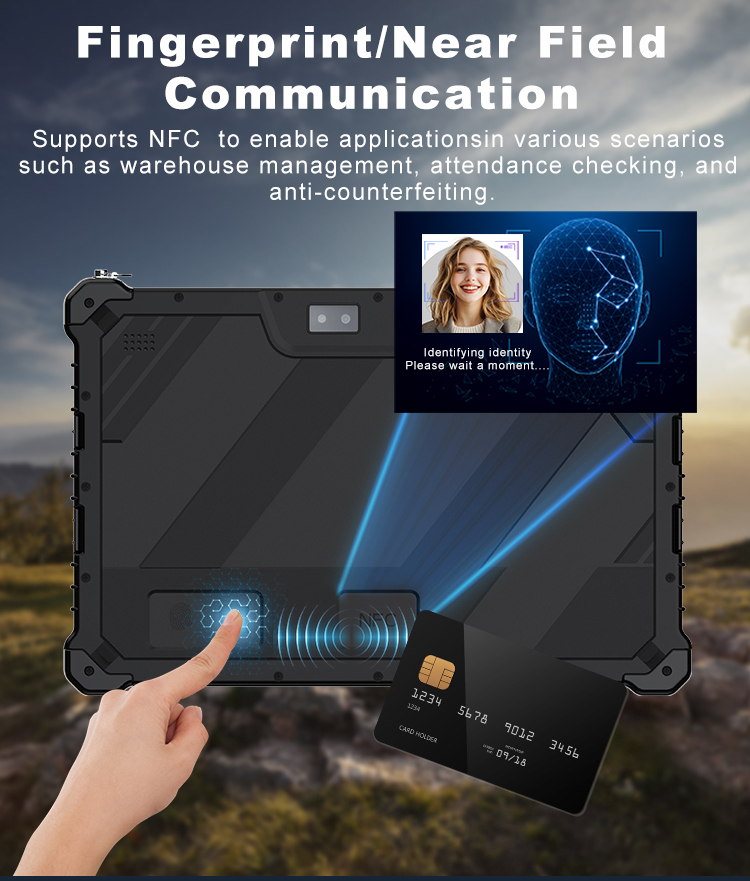
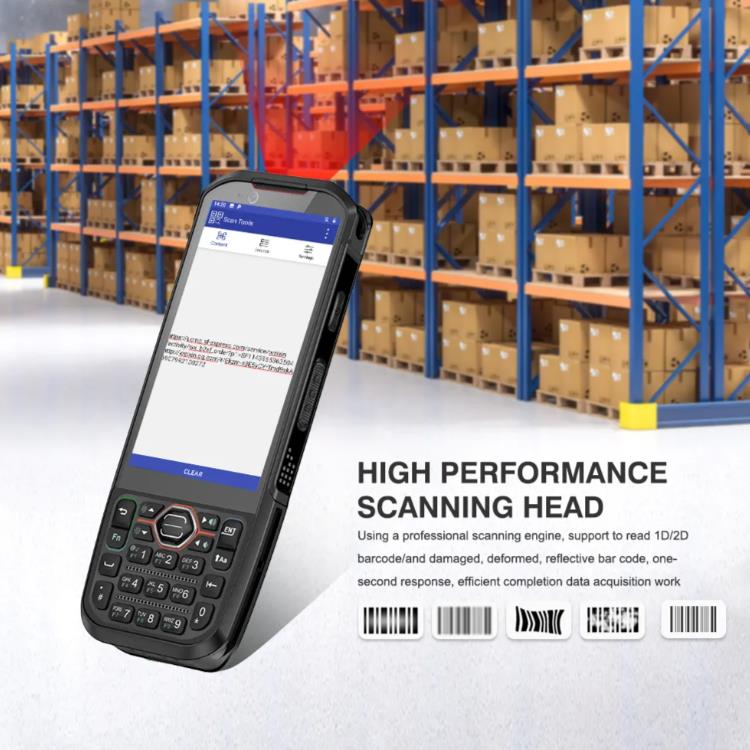
Technical SpecificationsModel: Palm-sized miniPCTy...
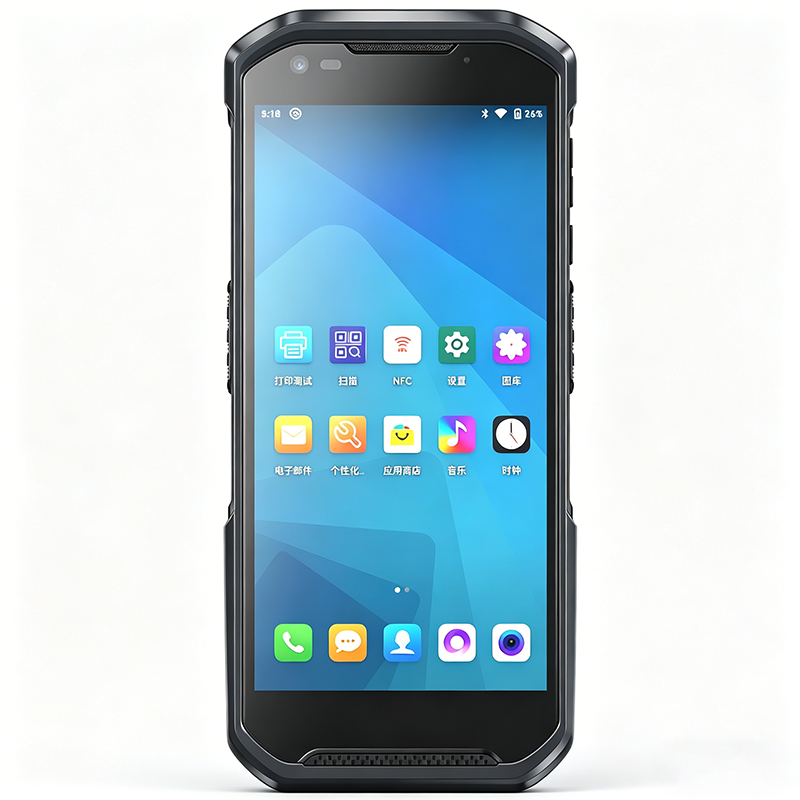
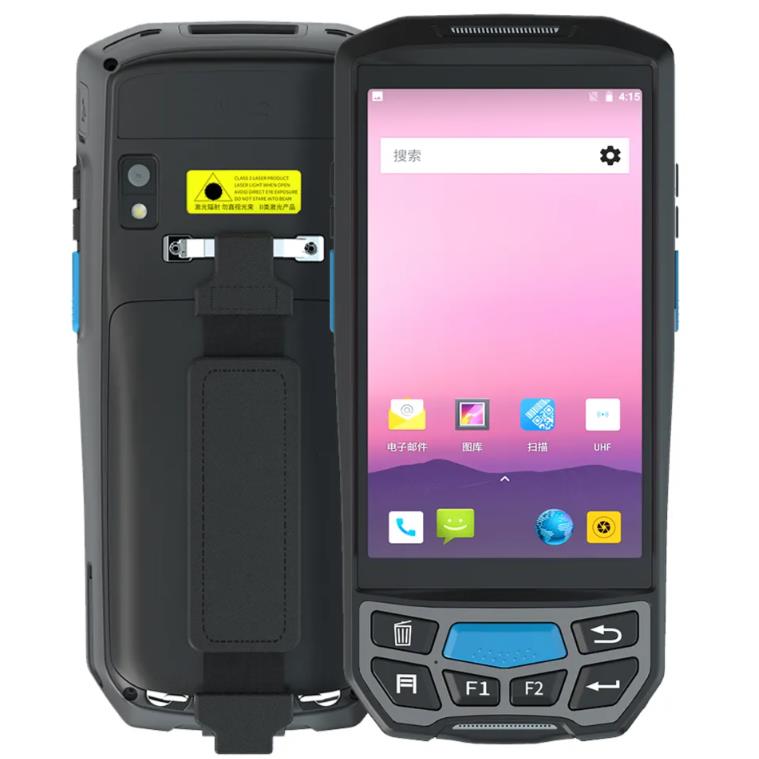
The F505 Handheld PDA is a compact, high-performan...
Maintenance instructions: Store at room temperatur...
The U9000 handheld PDA combines advanced barcode s...
The F505 Handheld PDA is a compact, high-performan...
Explore an innovative Personal Digital Assistant f...
From the unknown so simpleUsed for mobile phones, ...
From $80 audio glasses to $3,000+ enterprise AR — a complete breakdown of smart glasses pricing, features, and what to expect in the coming years.
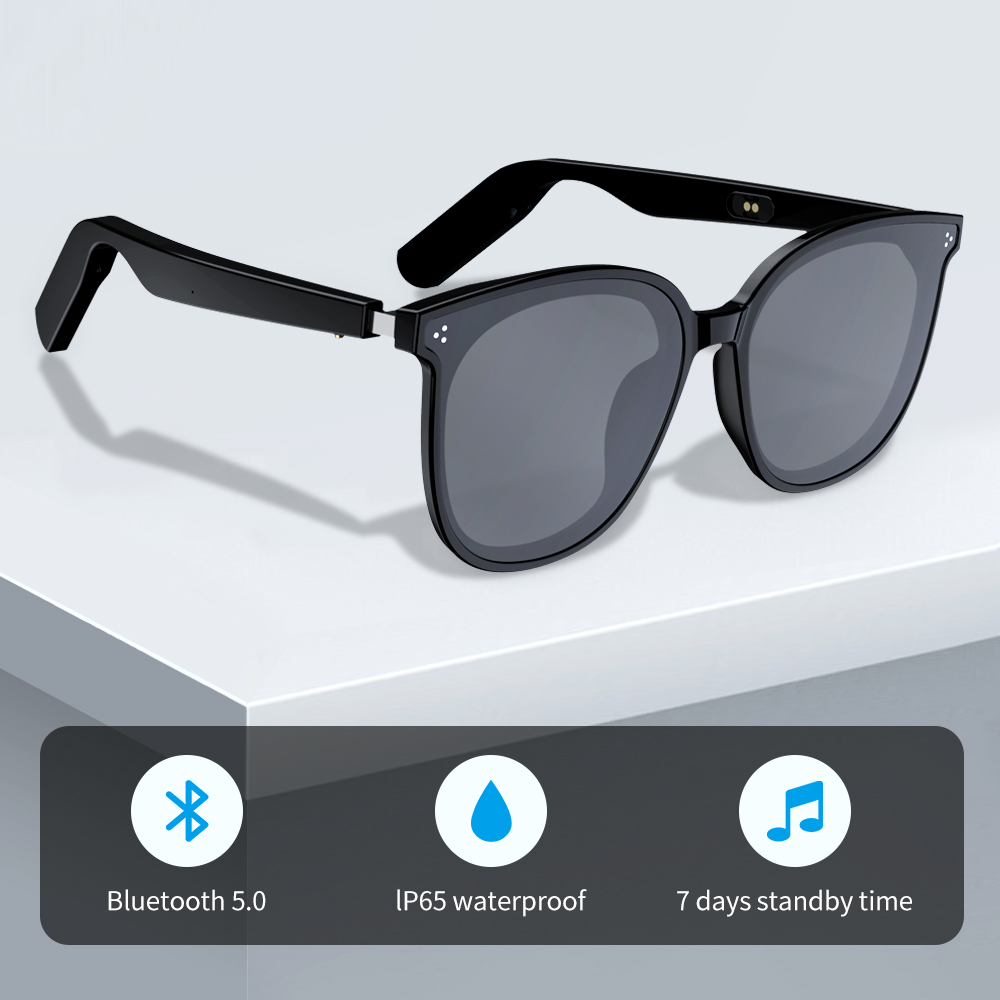
Smart glasses are no longer a niche product — they are rapidly becoming mainstream for fitness, work, AR entertainment, and AI‑assisted wear. With more brands entering the market in 2025, understanding price ranges and future trends is essential for making informed budget decisions.
Features: Open Bluetooth audio, basic call/music controls, UV‑resistant lenses, limited smart features.
Examples: Lenovo Lecoo Smart Audio Glasses (~$99), generic Bluetooth sunglasses.
Target users: Average consumers, first‑time buyers, outdoor enthusiasts.
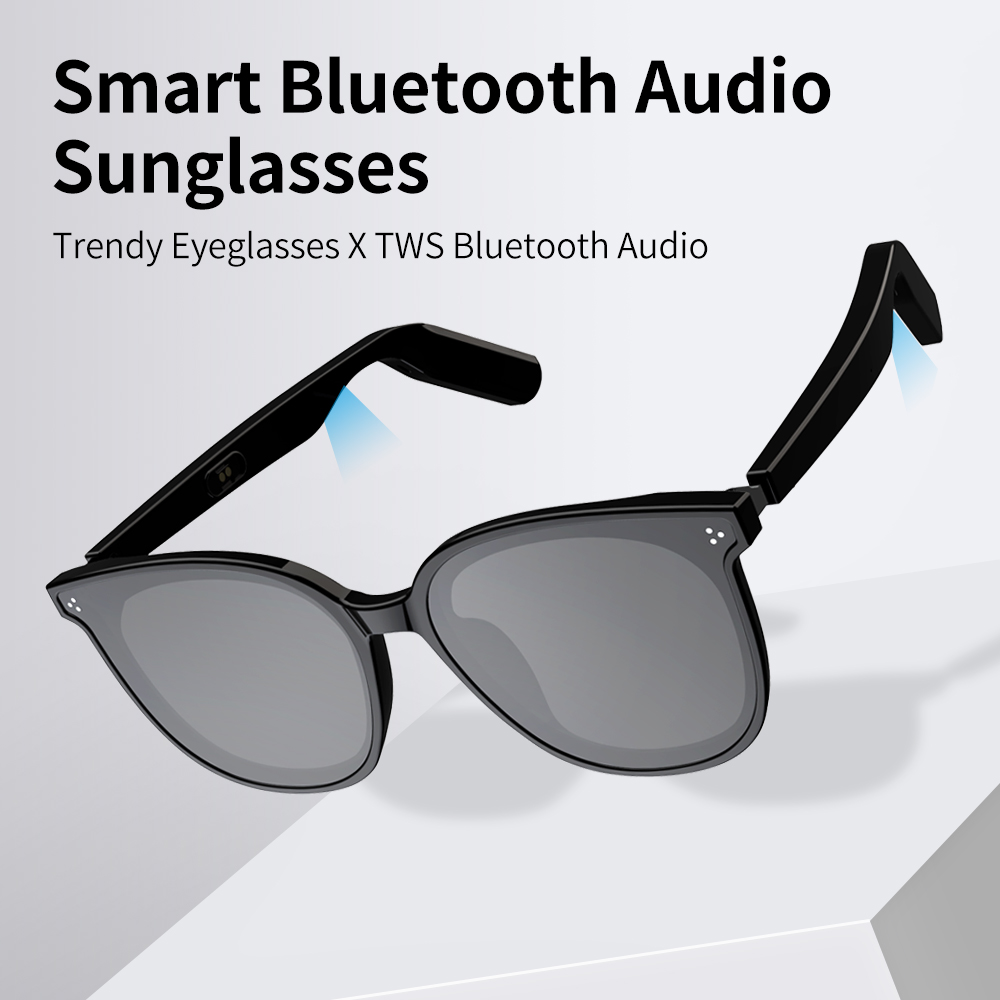
Features: AI voice assistant (Google/Meta/Alexa), built‑in camera (5–12 MP), better sound quality, 6–8 hour battery life.
Examples: Ray‑Ban Meta Wayfarer (~$329), Solos AirGo 3 (~$249).
Target users: Commuters, content creators, frequent travelers.
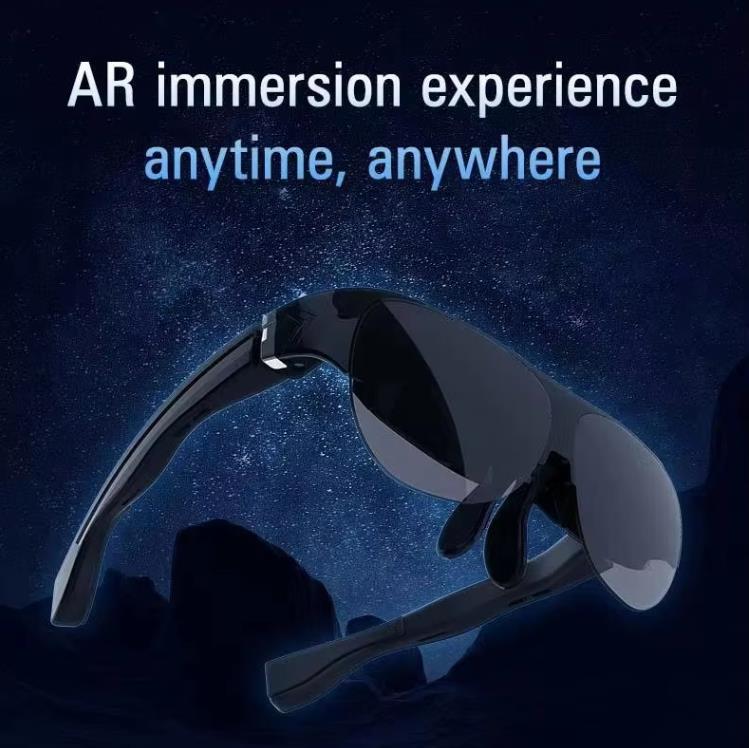
Features: AR display (OLED/Micro‑OLED, 60–120 Hz), spatial audio, real‑time translation, advanced gesture control, lightweight materials (titanium, carbon fiber).
Examples: Xreal Air 2 Pro (~$599), Viture Luma Pro (~$699).
Target users: Gamers, professionals needing virtual displays, tech enthusiasts.
Features: Full AR/VR functionality, 6DoF tracking, enterprise software integration (logistics, healthcare, manufacturing), extended battery packs, modular add‑ons.
Examples: Microsoft HoloLens 2 (~$3,500), Magic Leap 2 (~$3,299).
Target users: Industrial applications, developers, research labs.
Smart Glasses Are the Next Big Wearable
Smart glasses are evolving from niche technology to mainstream lifestyle and enterprise tools. With prices ranging from $80 to over $3,000, choosing the right model depends on your budget, intended use, and future needs. Whether you want hands‑free audio, a camera for content creation, or a full AR workstation, there’s a pair for you.