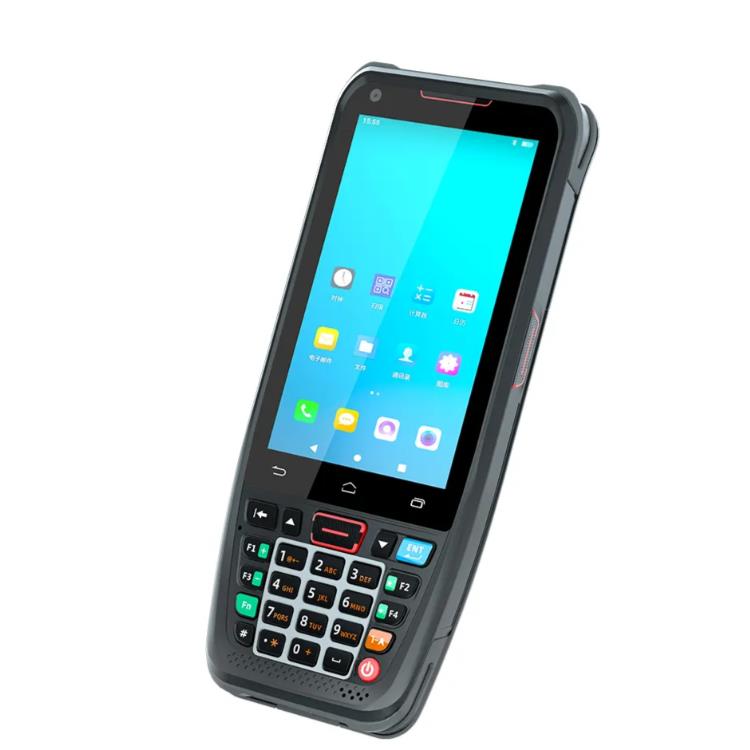
The T80 handheld PDA combines advanced barcode sca...
The R501 PDA combines a powerful MT6762 Octa-Core ...
The U9000 handheld PDA combines advanced barcode s...
Explore an innovative Personal Digital Assistant f...
Full SpecificationsModel Hotus SH5‑WOperating ...
The N40 Android smart PDA features a Cortex-A53 qu...
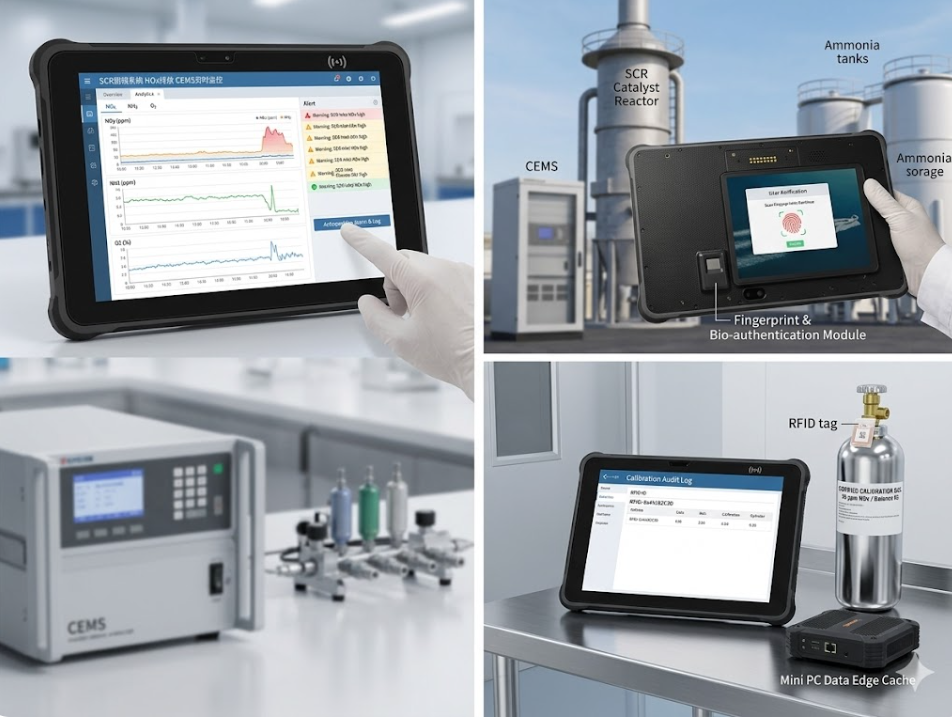
Fig 1 – A production technician in a cleanroom gown holds the F502 next to a electrolyzer stack during helium leak testing. The screen shows a leak rate of 0.02 mbar·L/s – well below the 0.1 spec. The stack passes. A green light glows. The hydrogen economy starts here, with no leaks.
My View: Hydrogen electrolyzer manufacturing capacity has tripled in 18 months, driven by EU Green Deal and US IRA incentives. But an electrolyzer stack is essentially a pressure vessel full of hydrogen and oxygen separated by a thin membrane. Even a microscopic leak can cause a catastrophic explosion. Yet many factories still record leak test results on paper – or worse, not at all. You need a cleanroom‑compatible PDA that connects to mass spectrometer leak detectors, logs every reading, and links it to the stack serial number. In electrolyzer production, a leak test is not a checkbox – it‘s a safety certificate.
By HOTUS Technology | May 2026
Hydrogen electrolyzer production capacity is expanding at an unprecedented rate. Major manufacturers – Nel, ITM Power, Siemens Energy, – have announced new gigafactories. Global manufacturing capacity is projected to exceed 100 GW per year by 2028, a 300% increase from 2025. Electrolyzers are the backbone of green hydrogen production, splitting water into H2 and O2 using renewable electricity.
The heart of an electrolyzer is the stack – a series of cells separated by proton‑exchange membranes (PEM) or diaphragm materials. The stack operates at pressure (30‑50 bar) and must be perfectly sealed. Any hydrogen leak can lead to an explosive mixture. The standard test is helium leak detection: the stack is pressurized with helium, and a mass spectrometer sniffs for escaping gas. The acceptable leak rate is vanishingly small – typically 0.1 mbar·L/s, equivalent to a pinprick hole that would take years to leak a dollar‘s worth of hydrogen.
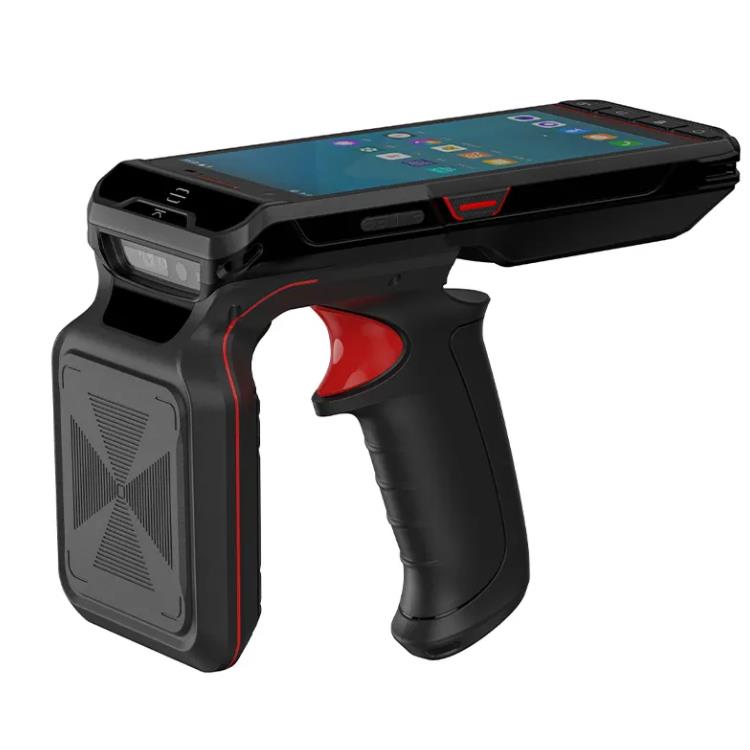
The Hotus F502 RFID PDA is designed for cleanroom manufacturing environments. Its sealed, IP67‑rated housing can be wiped down with IPA. The glove‑compatible touchscreen works with cleanroom gloves. The F502 connects via Bluetooth or USB to a mass spectrometer leak detector, reading the helium leak rate in real time. When the test is complete, the operator scans the stack‘s RFID tag, and the F502 records the leak rate, test duration, and pass/fail result.
The F502 automatically compares the leak rate to the acceptance criteria. If the stack passes, the PDA prints a QR code label (via a connected printer) that is affixed to the stack, linking it to the digital test record. If it fails, the F502 flags the stack for rework and logs the failure mode (e.g., “gasket misaligned” or “membrane puncture”).

Fig 2 – A quality engineer holds the SH5‑W, its screen showing a live dashboard of leak test results from the morning shift: 48 passes, 2 fails, 0 retests in progress. A red dot blinks – stack #47 failed the inner seal test. She taps it and assigns a technician. The cleanroom air is still; the quality moves digitally.
For quality engineers, the Hotus SH5‑W Windows rugged handheld displays a real‑time pass/fail dashboard across multiple test stations. When a stack fails a critical leak test, the SH5‑W alerts immediately, triggering a non‑conformance report.
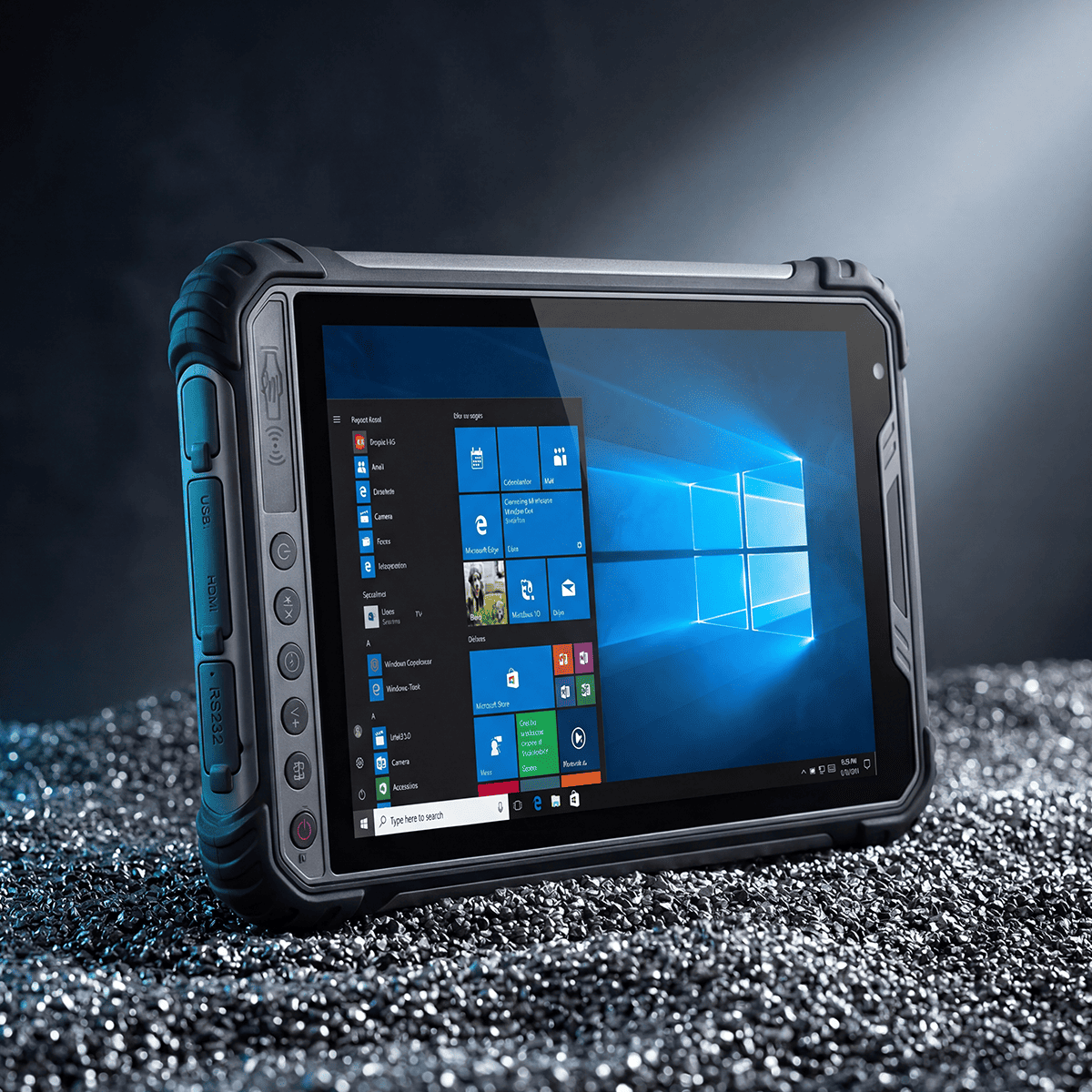
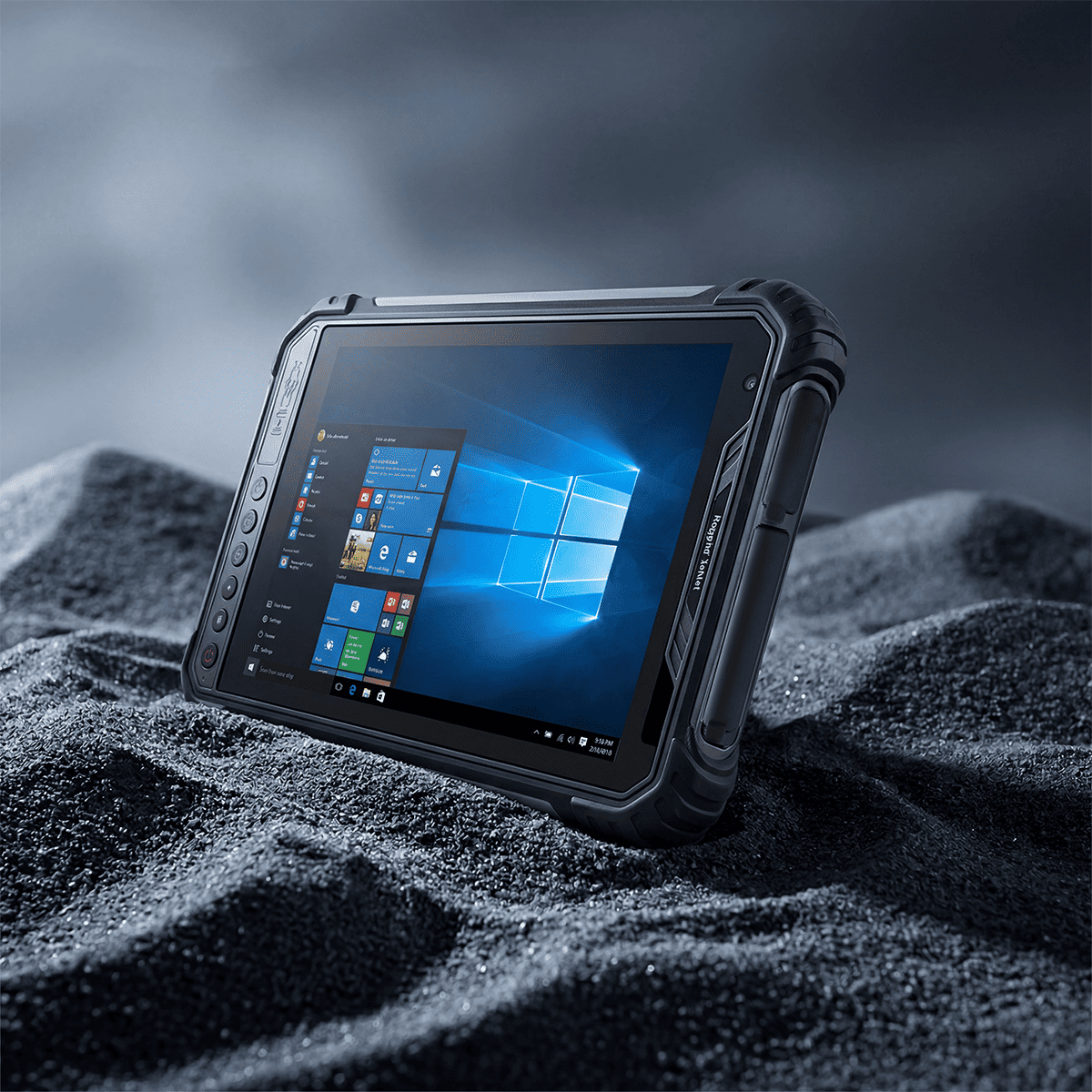
The Hotus ST11‑M 10.1″ Windows rugged tablet serves as the production manager‘s station dashboard, showing shift‑by‑shift yield and leak rate distributions. If a particular assembly line shows a spike in gasket‑related failures, the manager can investigate and correct the process within hours.
An electrolyzer gigafactory producing 5 GW of stacks annually deployed 80 F502 PDAs, 50 SH5‑W handhelds, and 30 ST11‑M tablets. After 12 months, the factory reduced leak‑test‑related rework by 55% and improved first‑pass yield from 86% to 95%. A customer audit of the plant‘s quality system noted “exceptional digital traceability of safety‑critical tests.” The factory is now a preferred supplier to a major hydrogen project developer specifically because of their auditable leak test records.
Electrolyzers are the workhorses of the hydrogen economy. A single missed leak test could be a disaster. The F502, SH5‑W, and ST11‑M give you the cleanroom‑compatible, mass‑spec‑linked, QR‑code‑tagged leak test system that high‑volume electrolyzer production demands. Don‘t let a pinhole leak become a headline.
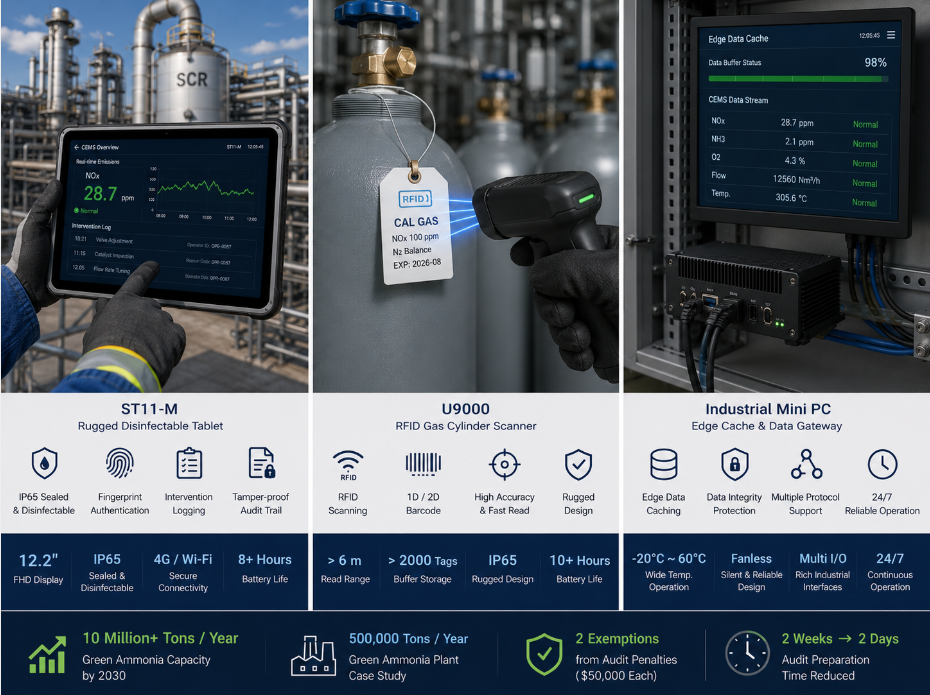
Fig 3 – The ST11‑M on a production line pedestal, its screen showing a green‑yellow‑red yield chart by shift. The afternoon shift is deep green. The manager taps a bar, sees the operator‘s name and the test duration. Quality, recorded, rewarded.
Contact HOTUS Technology to discuss your electrolyzer leak test digitization, request F502 PDA pilots, or explore SH5‑W handhelds and ST11‑M tablets for hydrogen manufacturing QA.