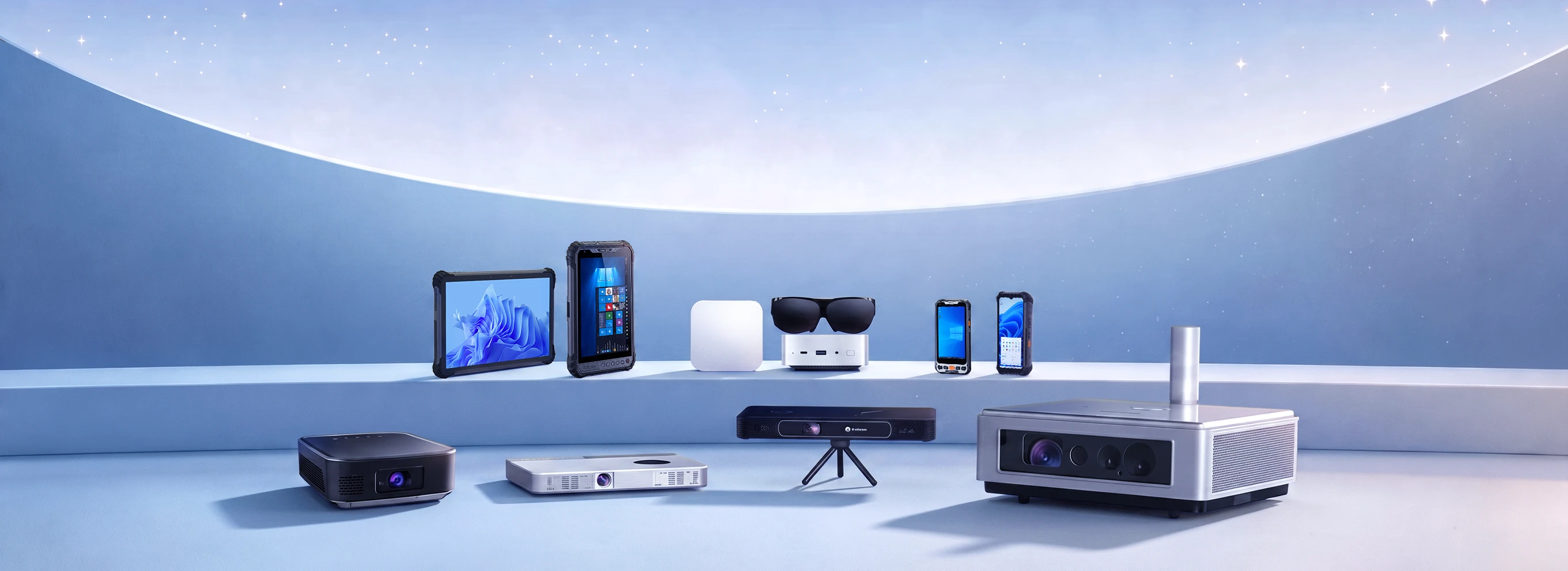
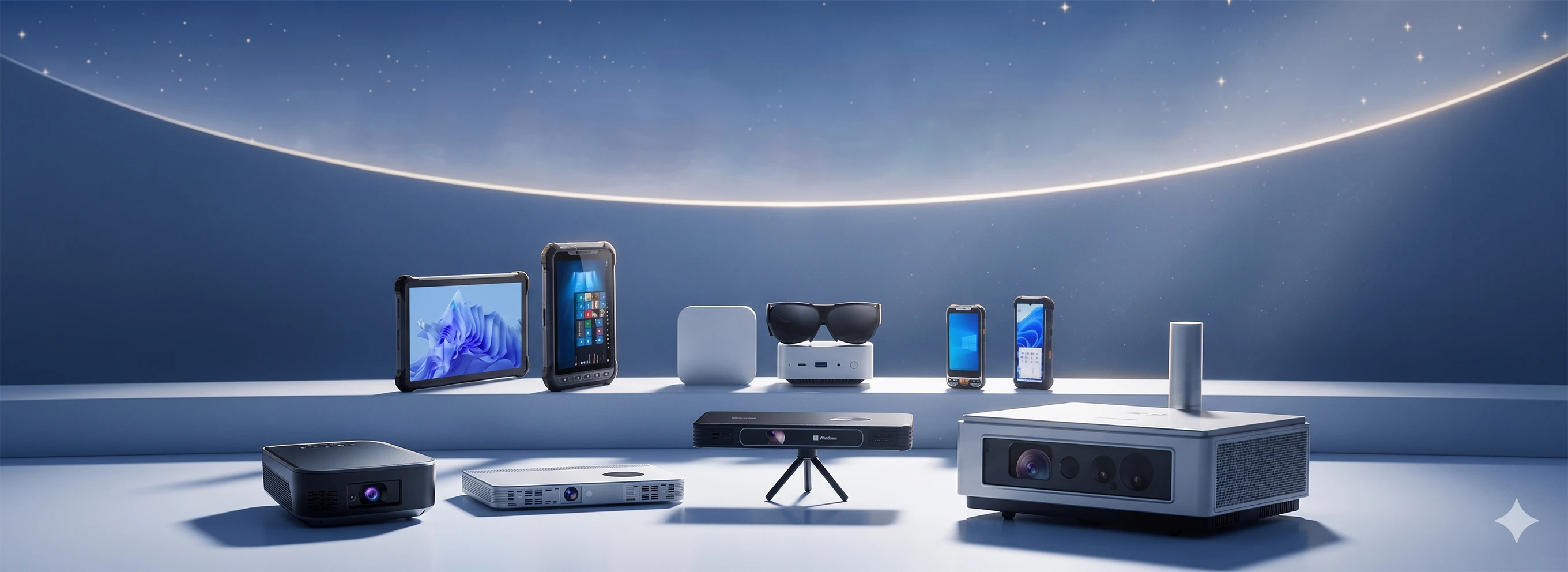
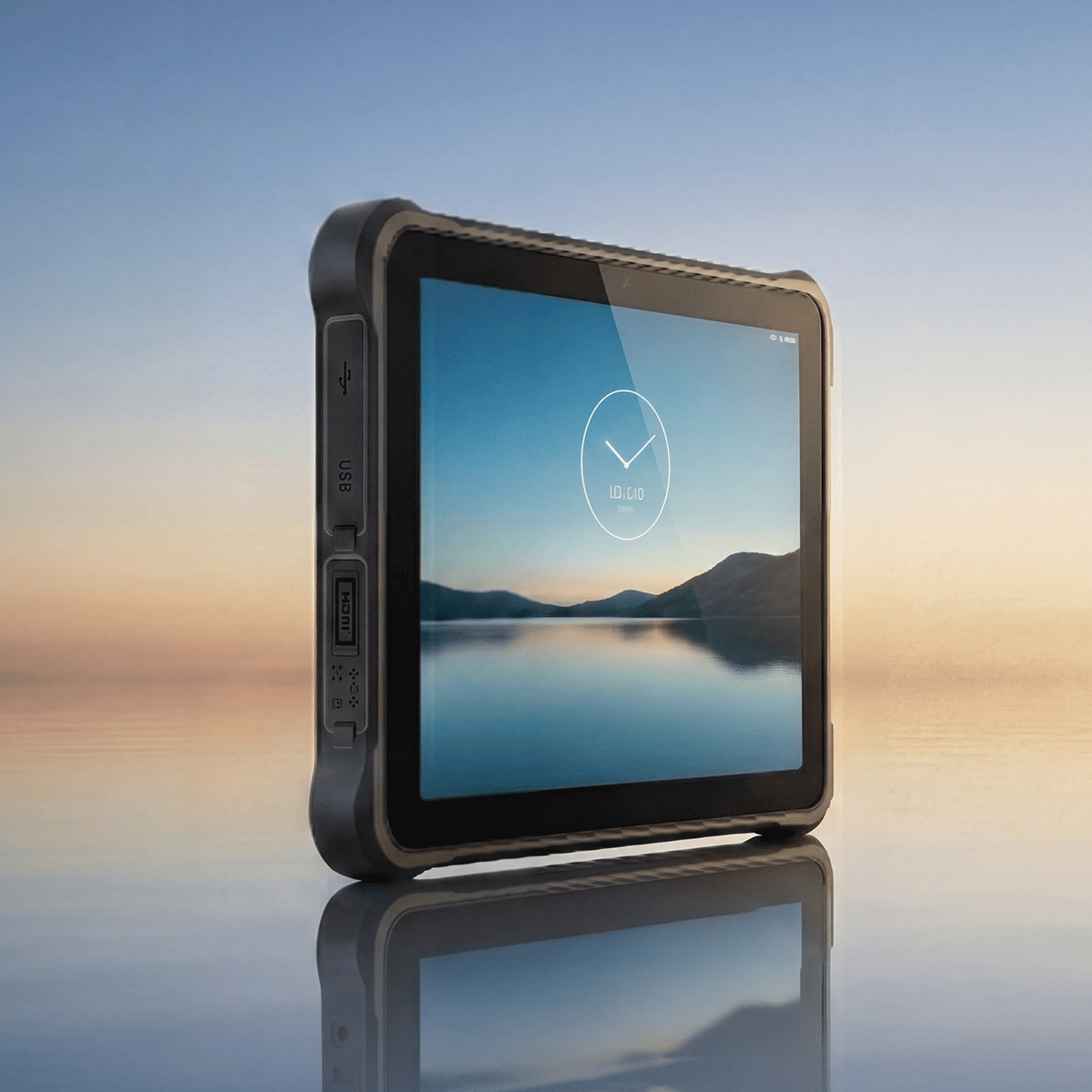
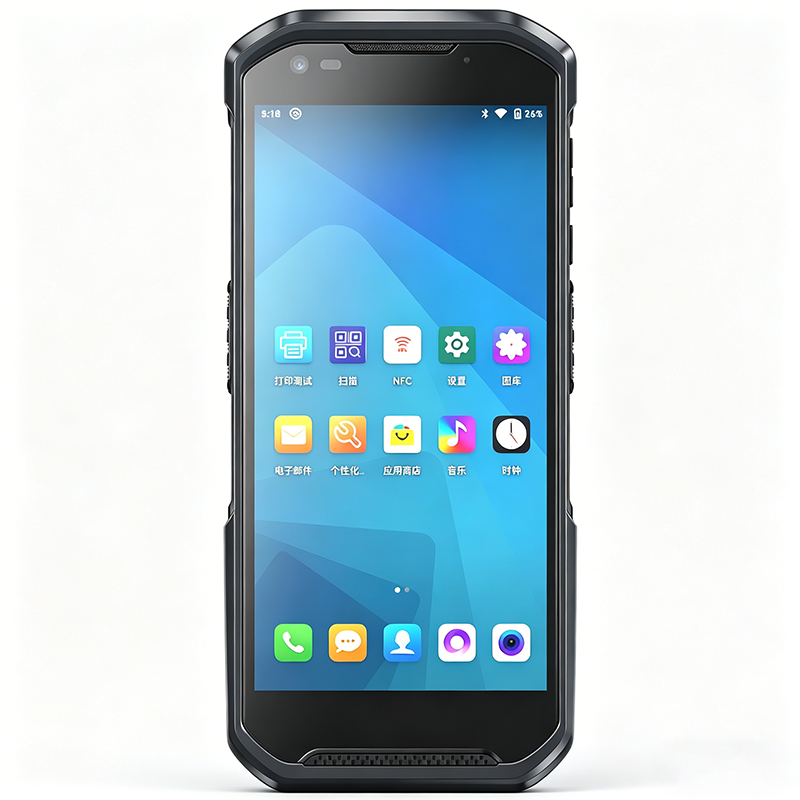
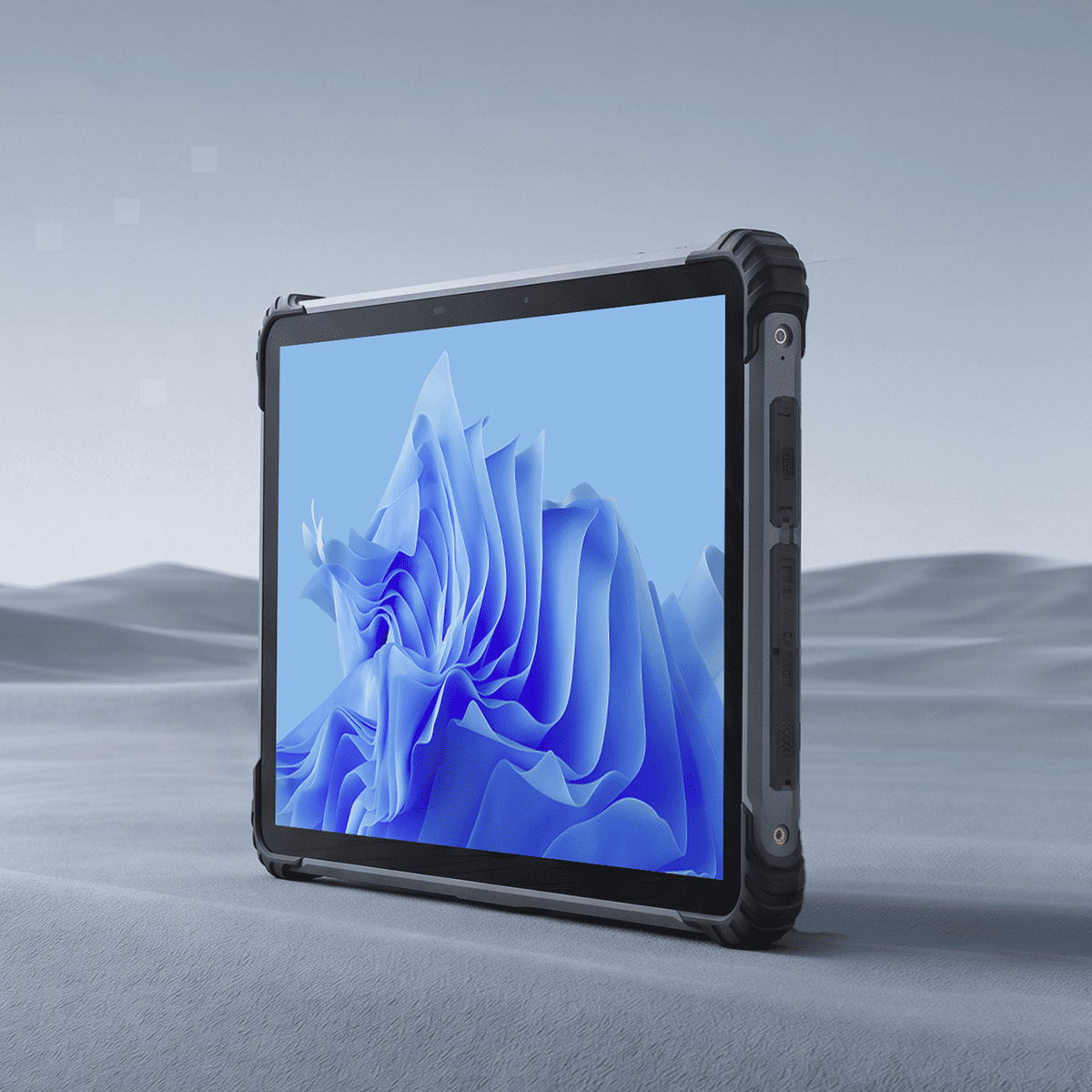
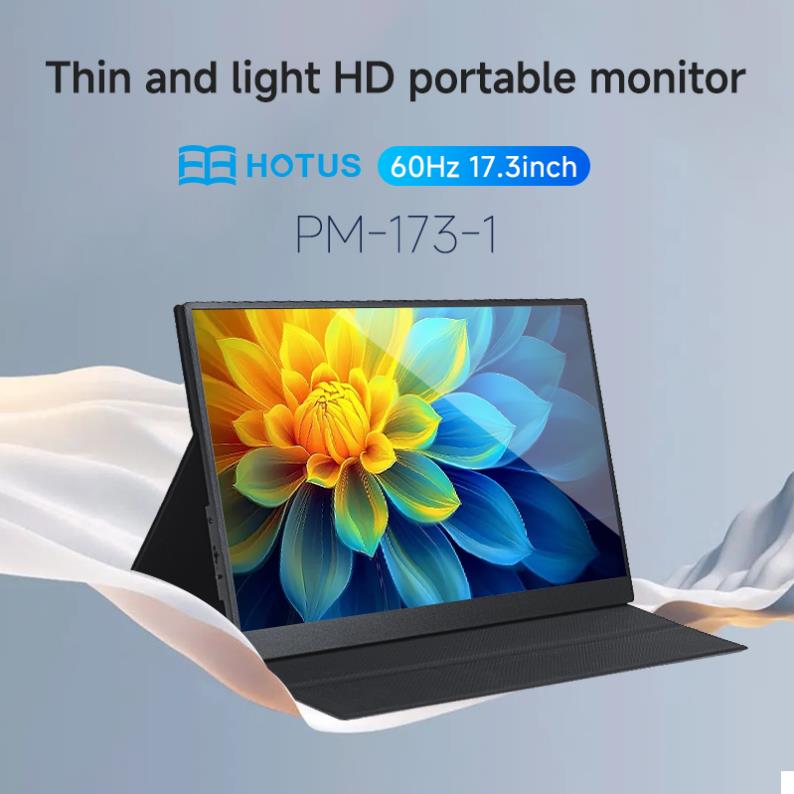
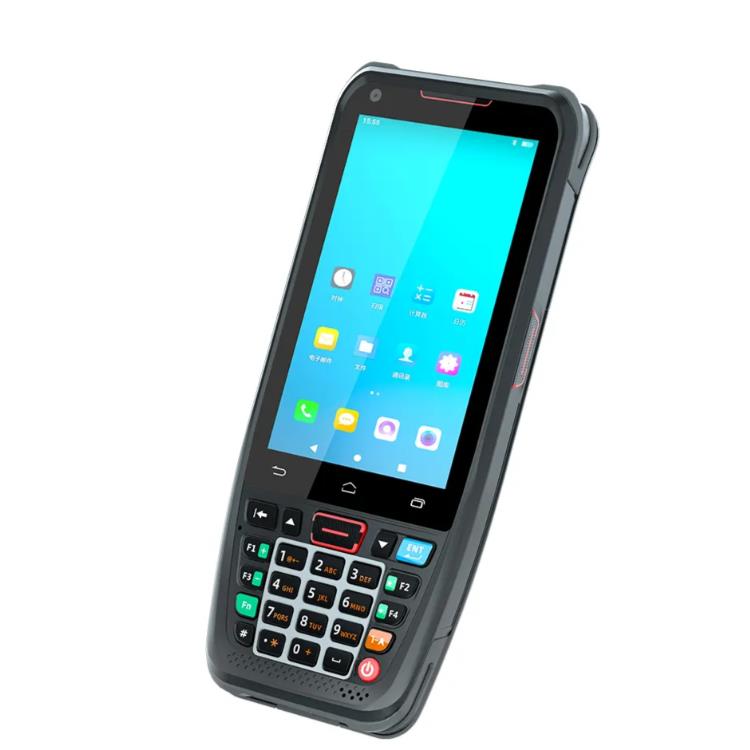
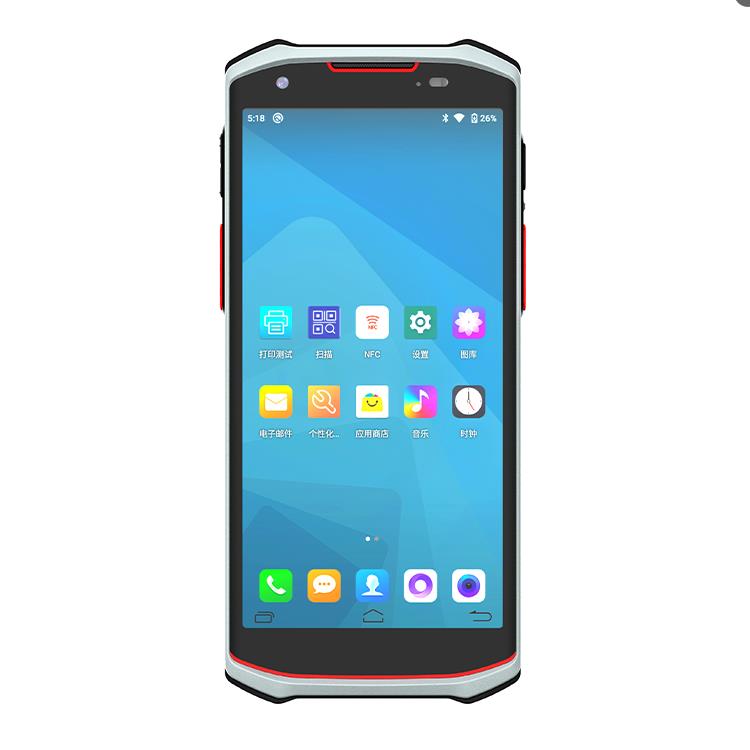
The N60 PDA is a cutting-edge device for inventory...
The F505 Handheld PDA is a compact, high-performan...
Full SpecificationsModelHotus ST13‑UOSWindows 10 P...
The N40 Android smart PDA features a Cortex-A53 qu...
Explore our customized PDA designed for versatile ...
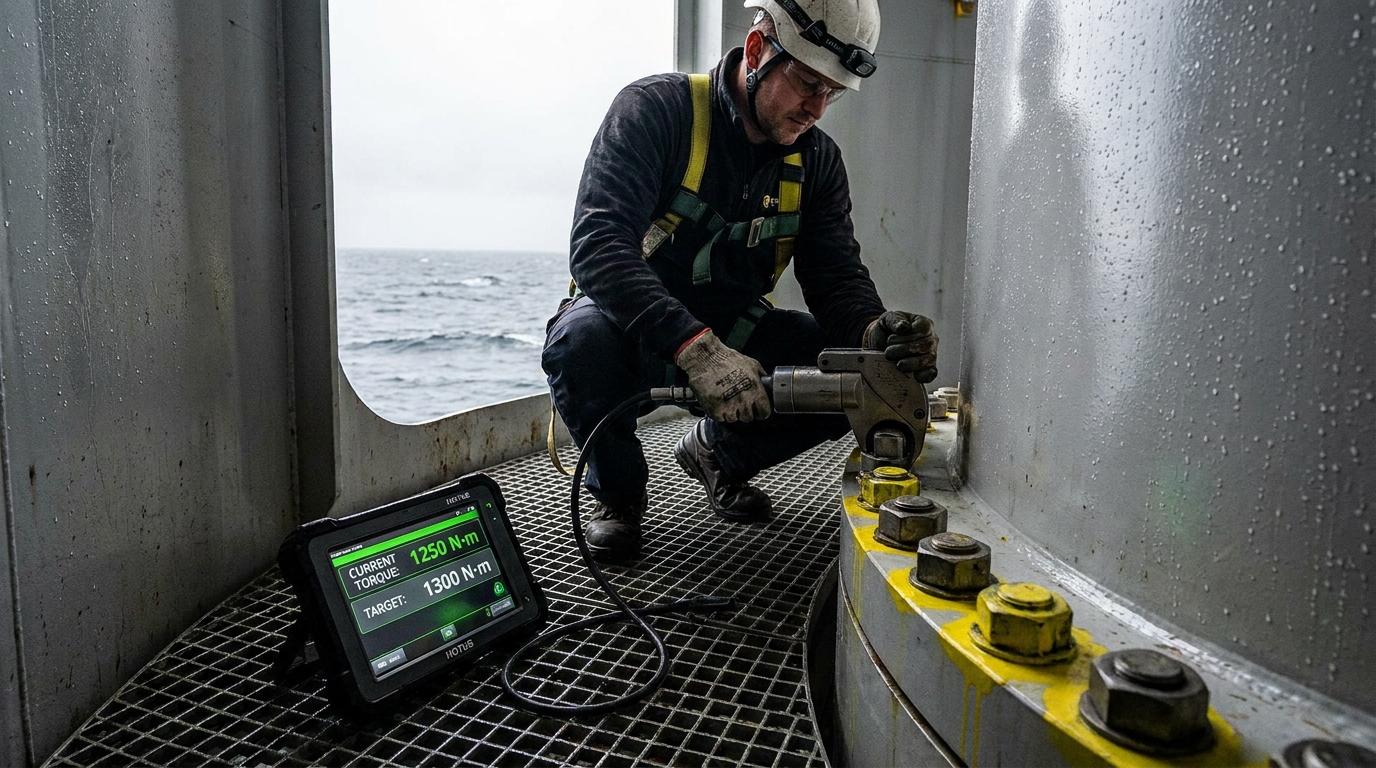
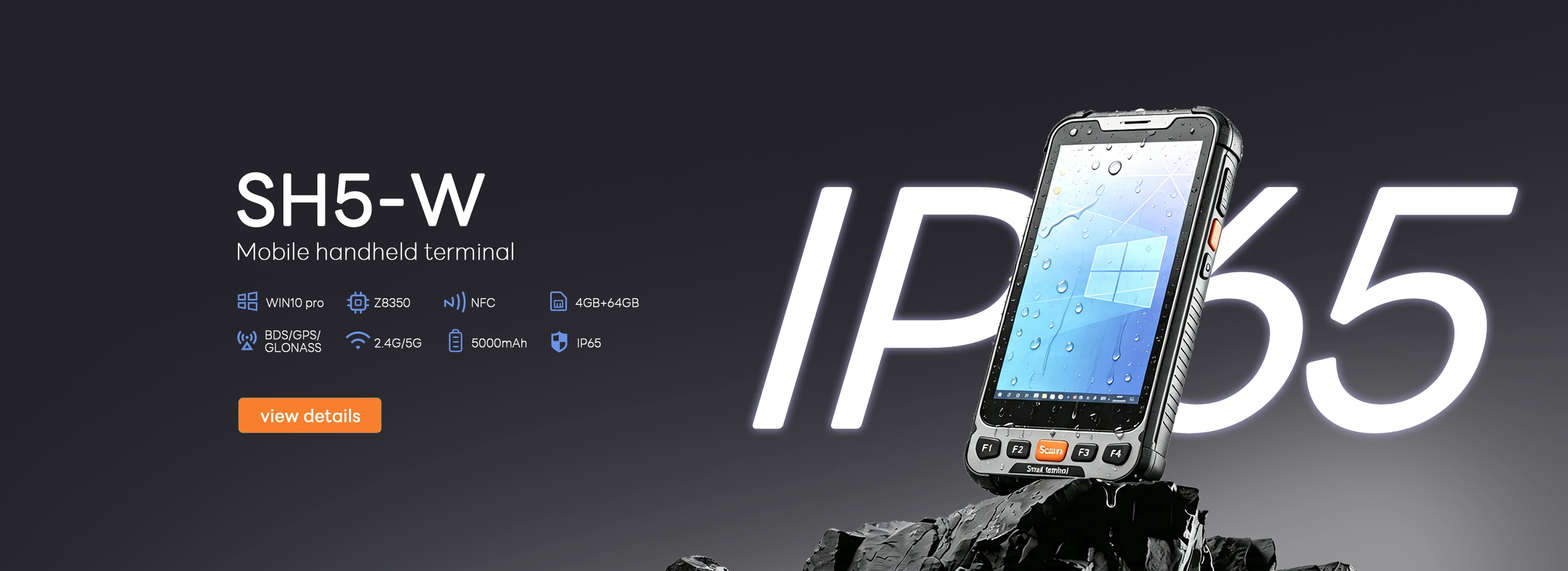
Structural Integrity at Sea: A maintenance technician uses the HOTUS SH5-W to capture real-time torque values, ensuring every flange on a floating wind platform survives the relentless fatigue of the Pacific.
"Floating offshore wind is the final frontier of renewable energy, but its viability hinges on a humble component: the bolt. In a floating environment, every flange joint is an active participant in millions of fatigue cycles. A single undertorqued bolt isn't just a maintenance oversight; it’s a structural fuse waiting to blow. By 2026, the industry is moving away from reactive 're-tightening' toward predictive 'torque-trend monitoring.' If you aren't logging every N·m of force with a digital, sensor-linked PDA, you aren't just risking a loose joint—you're risking a $50 million asset."
Offshore Structural Engineering Brief by HOTUS | May 2026
As the global capacity for floating offshore wind (FOW) accelerates toward the 15GW milestone by 2030, the technical challenges are shifting from naval architecture to long-term structural survivability. Unlike fixed-bottom turbines, floating platforms are in constant motion—pitching, rolling, and heaving in response to ocean swells. This dynamic environment subjects the thousands of bolted joints in the tower, nacelle, and mooring attachments to High-Cycle Fatigue (HCF).
The industry is reaching a critical realization: a bolt that was "tight enough" during commissioning may lose its preload within months due to vibration-induced relaxation. Standard paper-based inspection logs are proving dangerously inadequate. They provide a static snapshot but fail to reveal the Torque Decay Trend—the gradual loss of clamping force that precedes a catastrophic flange failure. In 2026, leading operators are mandating Digital Torque Verification as a core requirement for insurance and safety compliance.
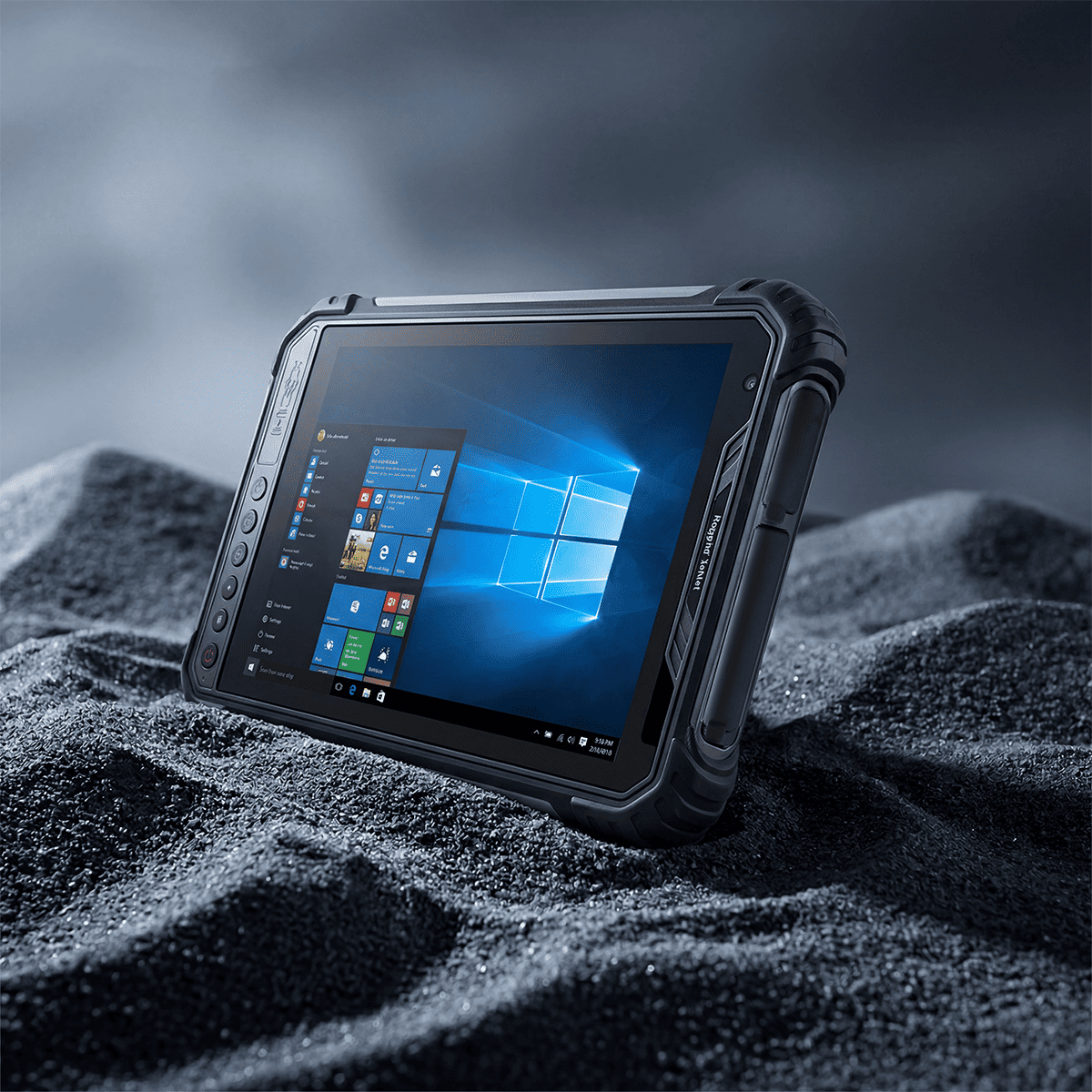
The Hotus SH5-W Windows Rugged Handheld is designed for the brutal conditions of a floating platform—high humidity, salt spray, and extreme vibration. It serves as the bridge between the technician's physical labor and the operator's digital twin database.
By pairing via Bluetooth with high-precision digital torque wrenches, the SH5-W creates an Immutable Handshake. The device won't allow a technician to move to the next bolt until the target torque and angle have been achieved and verified by the sensors. This eliminates the "human factor" of skipped bolts or pencil-whipped logs. Every reading is timestamped and geotagged, ensuring that maintenance records are 100% audit-proof.
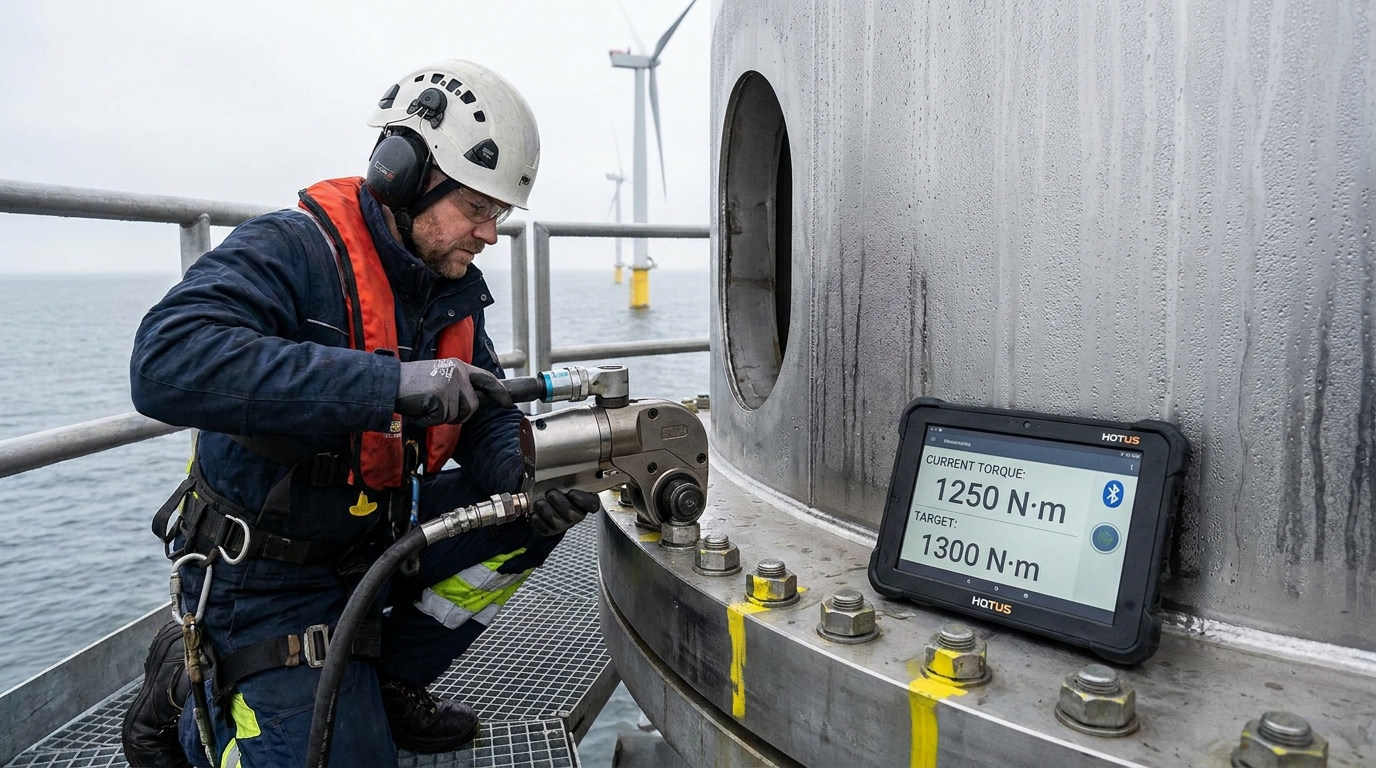
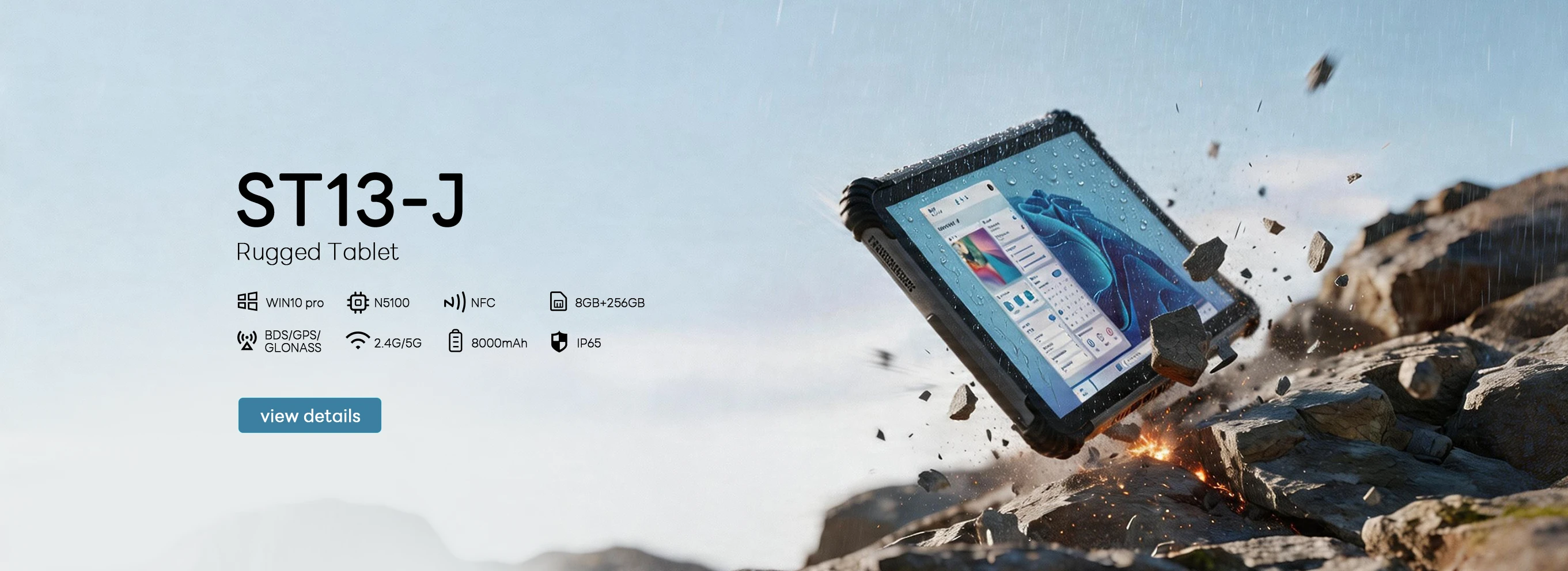
The ST11-J Tablet: Visualizing structural health through torque trend analysis across an entire floating wind farm.
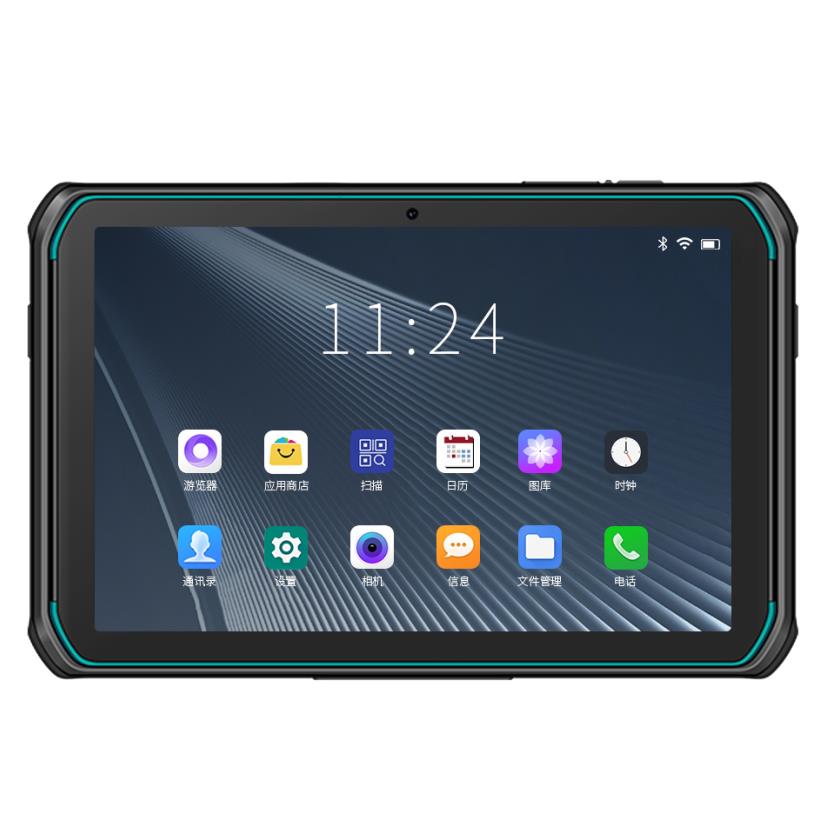
While the handhelds capture data at the bolt level, the Hotus ST11-J 10.1″ Windows Rugged Tablet acts as the command center for the maintenance lead. Its primary function is Trend Mapping.
A bolt that loses 5% of its torque every six months is a "red flag" indicating localized stress or gasket compression. The ST11-J highlights these outliers, allowing the operator to schedule Condition-Based Maintenance (CBM). Instead of blindly retightening every bolt on the platform, technicians can target the specific 2% of joints that are actually showing fatigue, reducing deck time by up to 60% and significantly lowering the LCOE (Levelized Cost of Energy).
Maintenance on a floating turbine often happens in cramped nacelles or on exposed mooring platforms where balance is difficult. The Hotus AR Smart Glasses solve the "three-hand problem."
The technician sees the torque target and the sequence pattern projected directly onto the bolts through the AR lens. As each bolt is torqued, its digital overlay turns from red to green. This real-time feedback loop ensures that even under the stress of high winds or platform motion, the sequence—critical for even flange loading—is followed perfectly.
In early 2026, a pilot project off the California coast compared two identical turbines. Turbine A used traditional paper logs, while Turbine B utilized the HOTUS Connected Ecosystem. The results demonstrated that digital oversight isn't just about safety—it's about the bottom line:
| Metric | Legacy Paper Method | HOTUS Digital Workflow |
|---|---|---|
| Inspection Accuracy | 82% (Human error margin) | 99.9% (Sensor verified) |
| Fatigue Trend Detection | None | Early Warning (3 months lead) |
| Emergency Repair Costs | $1.2M (Unplanned downtime) | $0 (Preventative action) |

The AR Advantage: Reducing cognitive load and eliminating sequencing errors in extreme offshore environments.
To rank on the first page of Google for Offshore Wind Maintenance, content must target the high-intent technical searchers. Keywords such as "Floating Wind Structural Integrity Management (SIM)," "Torque Verification for Offshore Flanges," and "Windows Rugged PDA for Turbine Inspection" are critical.
By framing the hardware as a solution to High-Cycle Fatigue and Operational Risk, HOTUS positions itself as an indispensable partner to the EPC (Engineering, Procurement, and Construction) firms building the next generation of energy infrastructure.
The future of offshore wind is floating, but the success of that future depends on the invisible security of thousands of bolts. The Hotus SH5-W, ST11-J, and AR Glasses provide the precision, traceability, and predictive intelligence that paper logs simply cannot match. In the unforgiving environment of the open ocean, don't let a missing data point be the reason your project fails. Build on a foundation of verified integrity.
Secure Your Offshore Assets Today
Contact HOTUS Technology for a technical consultation on torque-logging ecosystems and AR-assisted structural maintenance.
Explore the Structural Health Suite