- Select Language
R860-S 5.5-inch Industrial PDA with Thermal Printe...
The U9000 handheld PDA combines advanced barcode s...
Full SpecificationsModelHotus ST11‑MOSWindows 10/1...
The F505 Handheld PDA is a compact, high-performan...
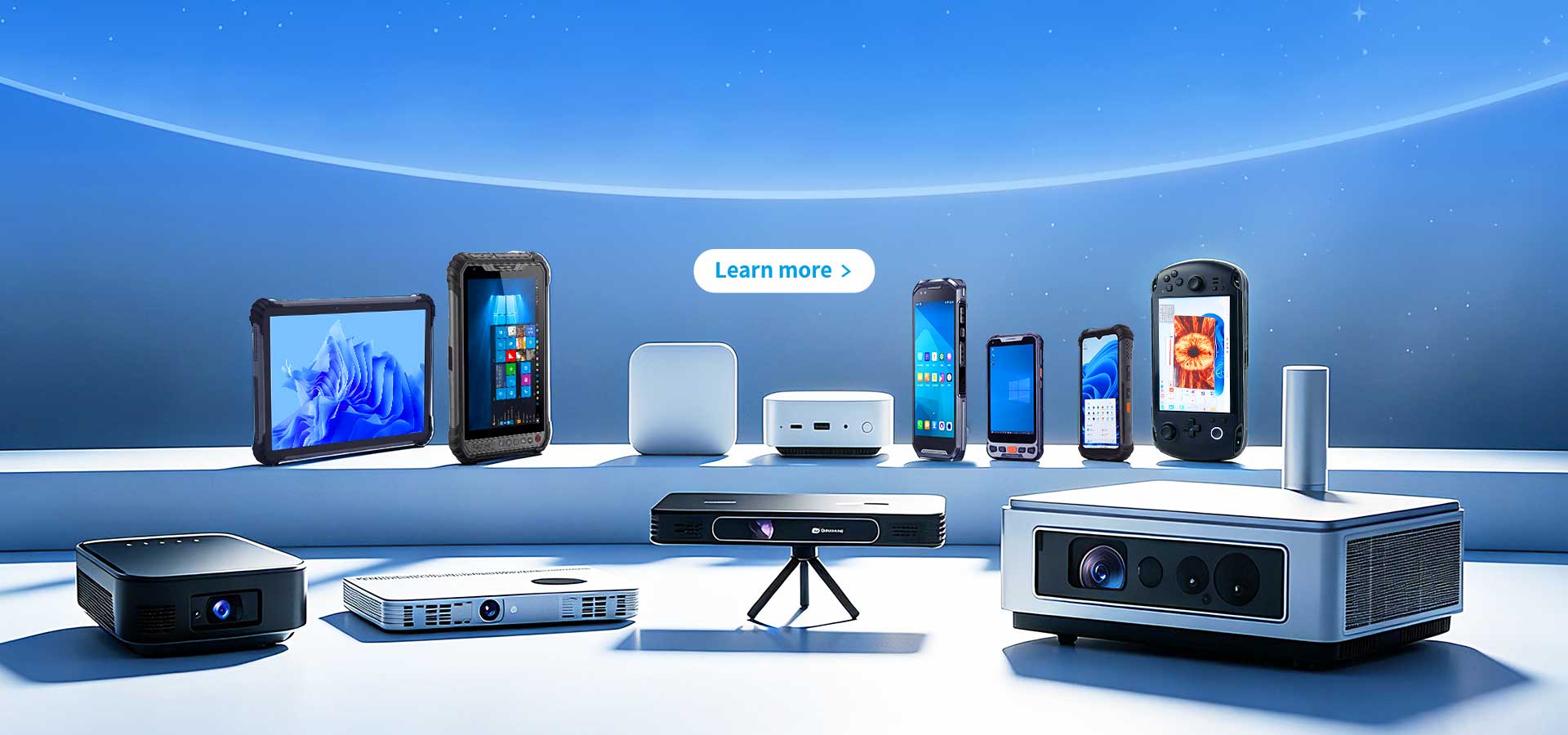
After deploying over a thousand rugged devices across logistics yards, substations, and factory floors, I can tell you the biggest mistake I see is buying a single tablet size for an entire workforce. There is no "best" rugged tablet — only the best fit for each worker’s daily tasks. A dispatcher staring at a fleet map all day needs a different tool than a warehouse picker climbing in and out of a delivery truck. That is why Hotus Technology builds three distinct sizes in their lineup. The Rugged Tablet family covers the spectrum from pocket-friendly 5.5-inch to full-dashboard 10.1-inch. Let me walk you through which size fits which role, based on real-world deployments I have personally overseen.
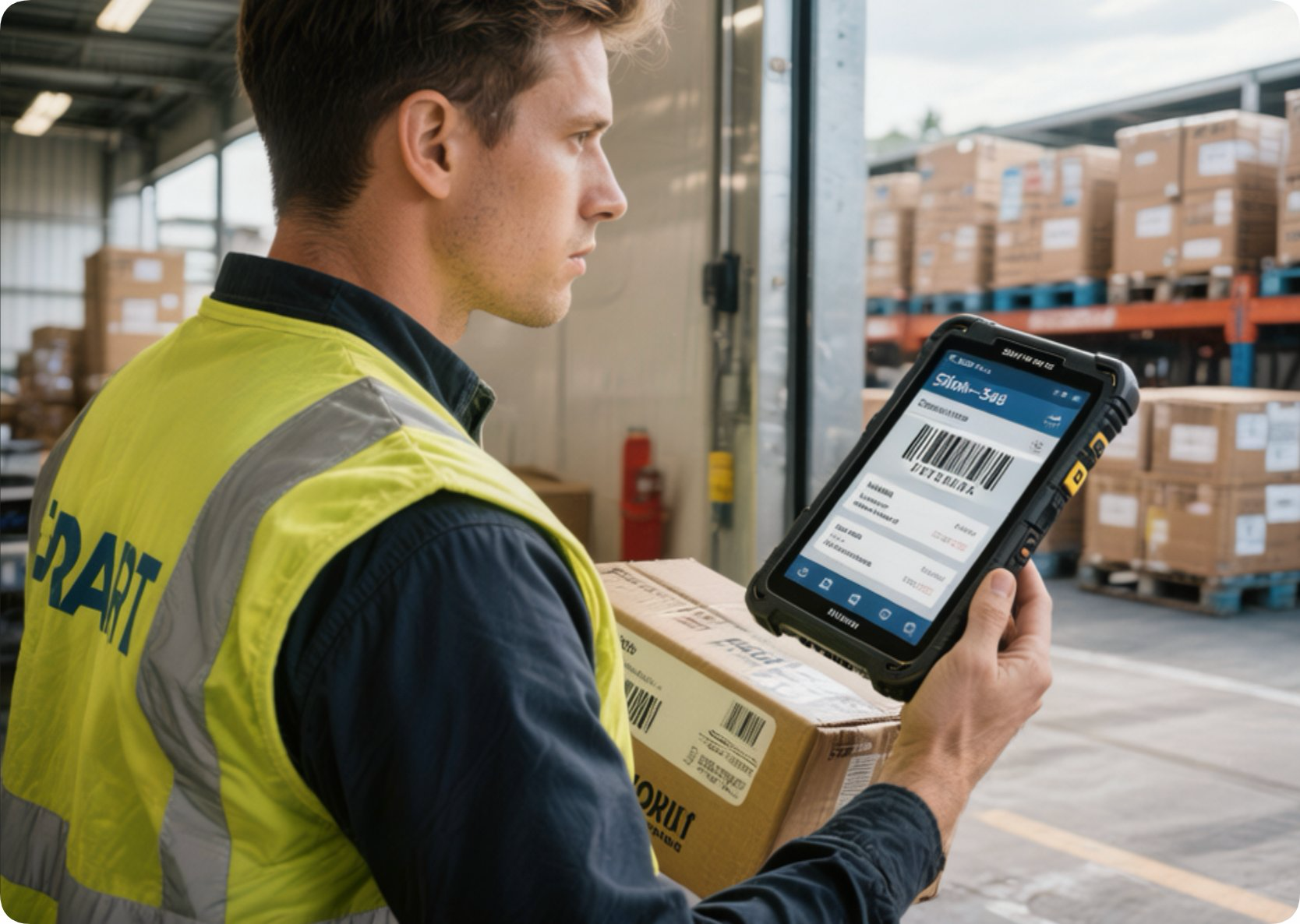
Who is this for? Logistics workers, warehouse pickers, delivery drivers, and anyone who spends their shift on their feet with both hands already full. I worked with a regional parcel carrier last year. Their sorters carried clipboards, handheld scanners, and a separate phone. The result? Dropped devices, lost packages, and workers juggling three tools while climbing onto forklifts.
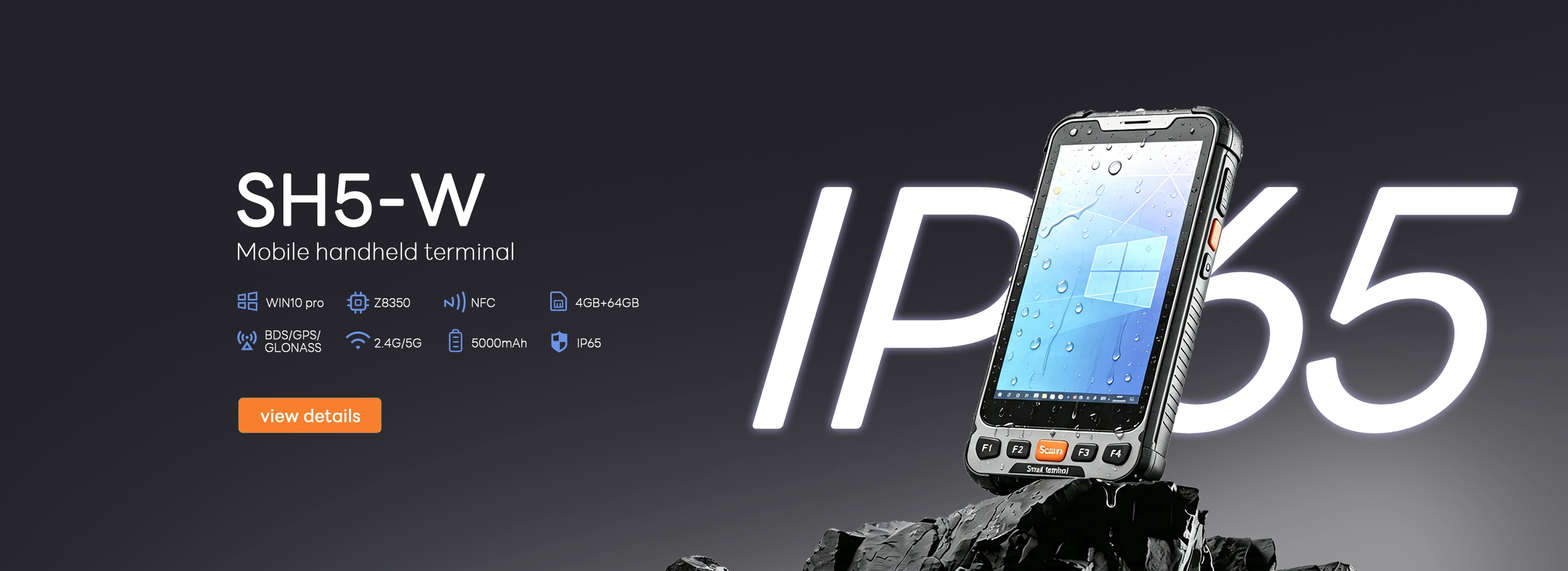
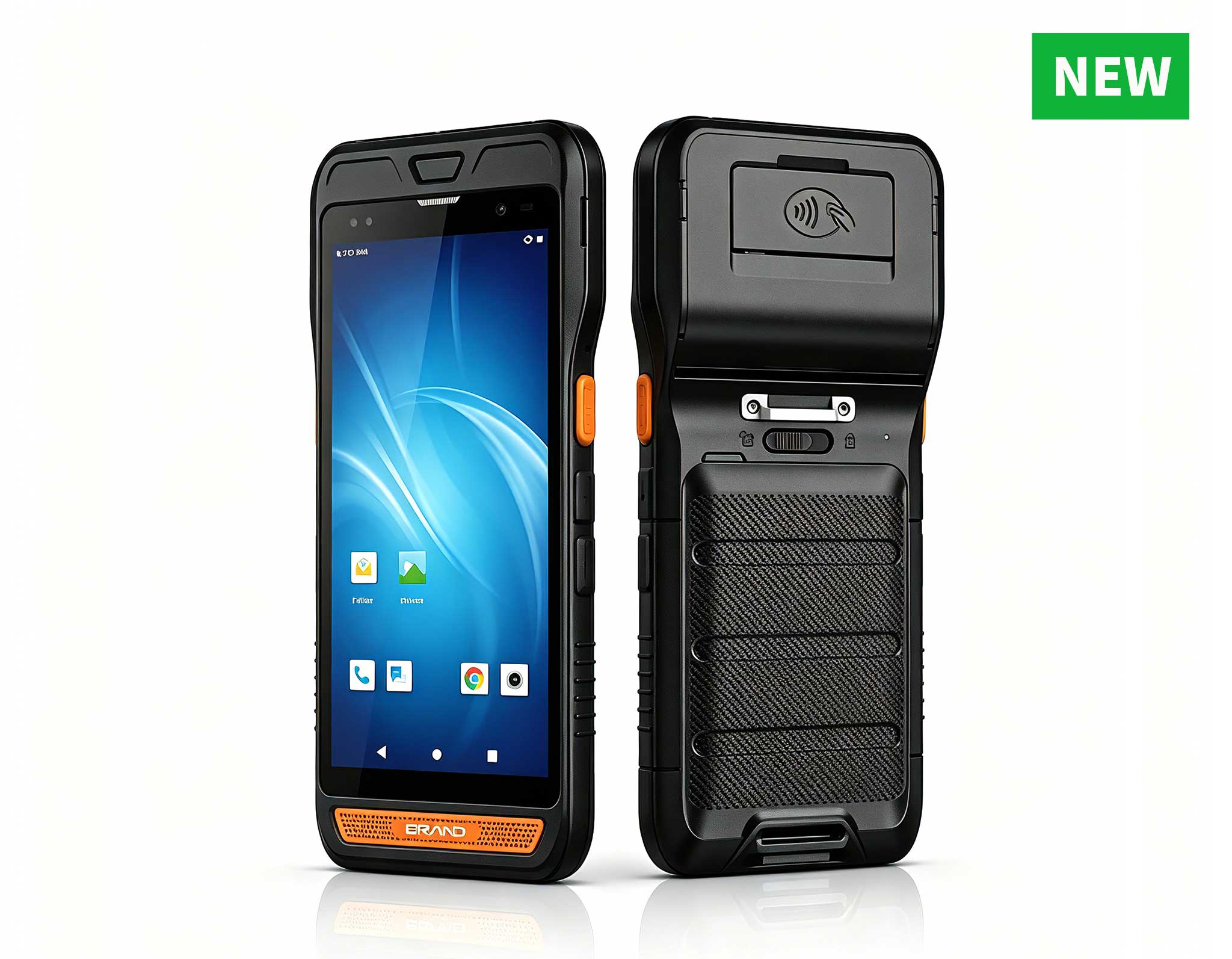
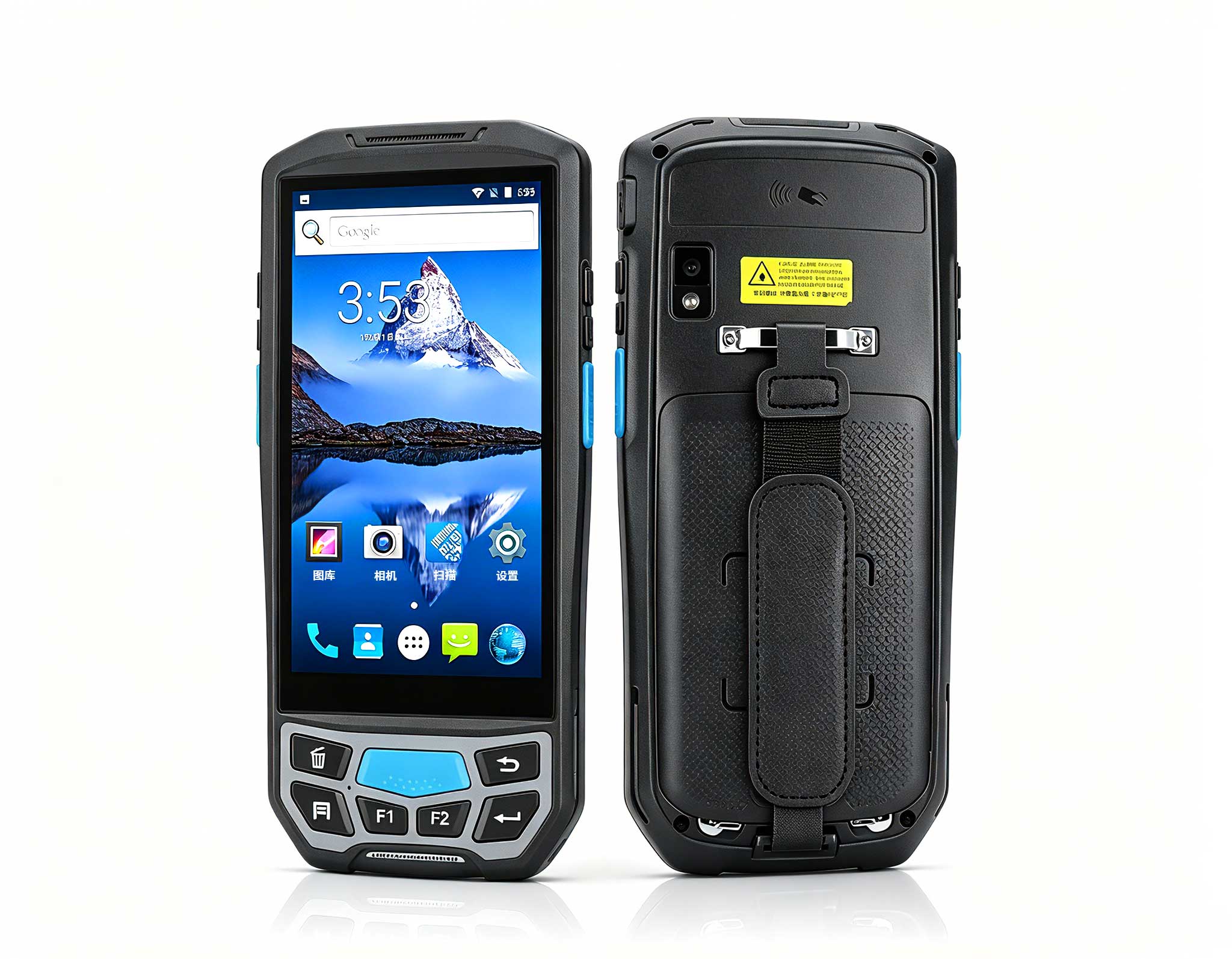
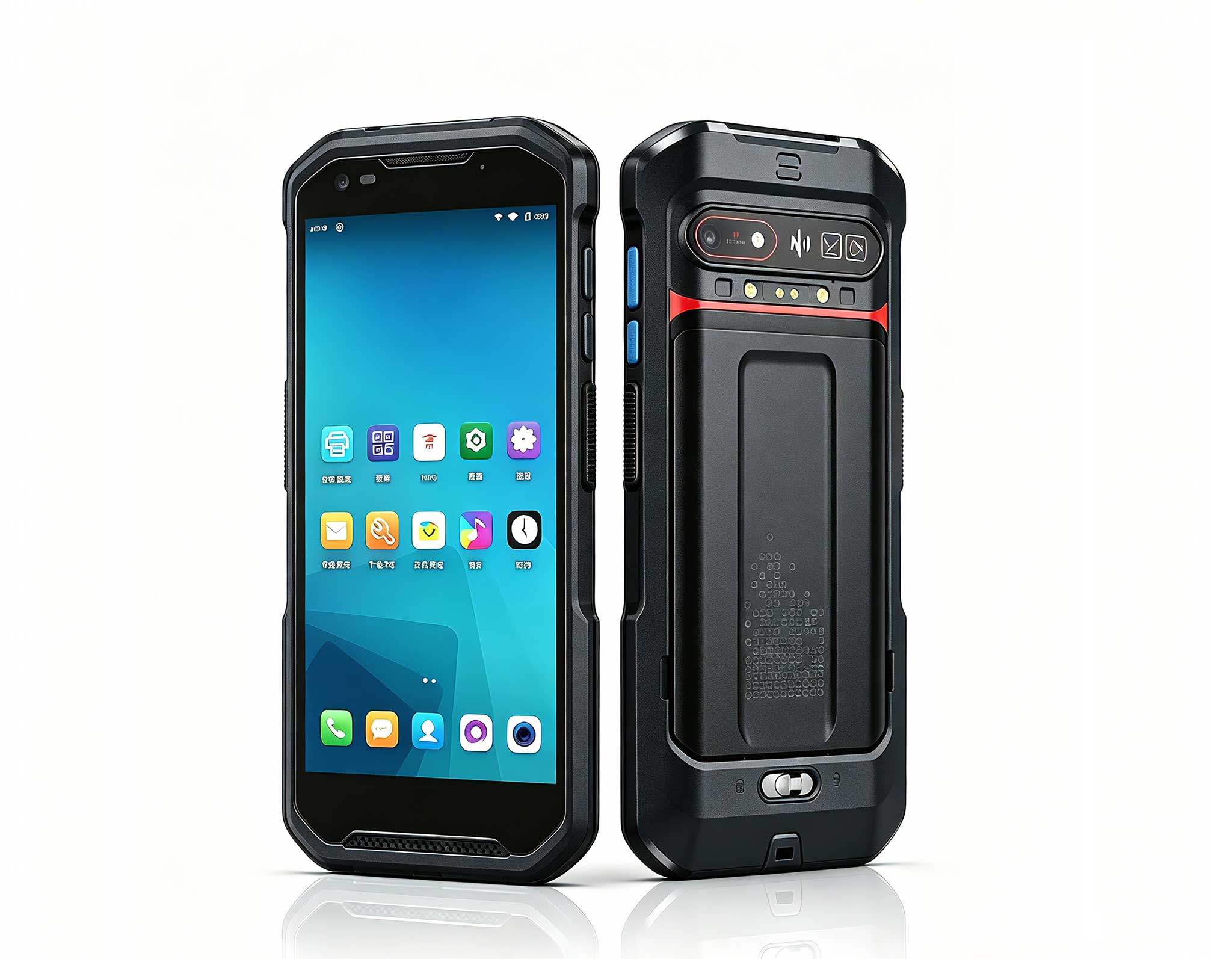
The pain point is simple: you cannot operate a 10-inch tablet with one hand while holding a package or gripping a handrail. The SH5-W solves this because it is genuinely pocketable. At 5.5 inches, it fits in a cargo pocket or a belt holster. More importantly, the narrow bezel and textured back allow a secure one-hand grip. Workers can scan a barcode, tap a checkbox, and slide it back into their pocket without breaking stride.
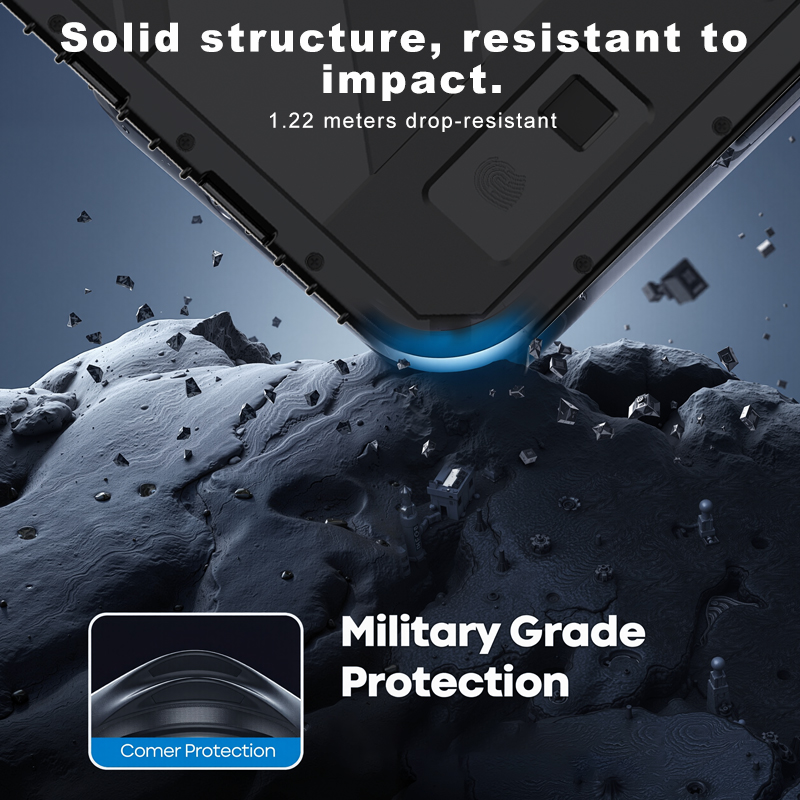
Features that matter in the field: The SH5-W 5.5-inch rugged tablet includes a glove-compatible touchscreen and physical scan buttons on the side. In freezing warehouses, workers keep their gloves on and still operate the device. The IP67 rating means dust and rain are non-issues. Battery life spans a full 12-hour shift with moderate scanning. I have seen these devices survive drops from waist height onto concrete — the rubber bumpers absorb the impact without cracking the screen. For logistics, this size is not a compromise; it is the optimal form factor.
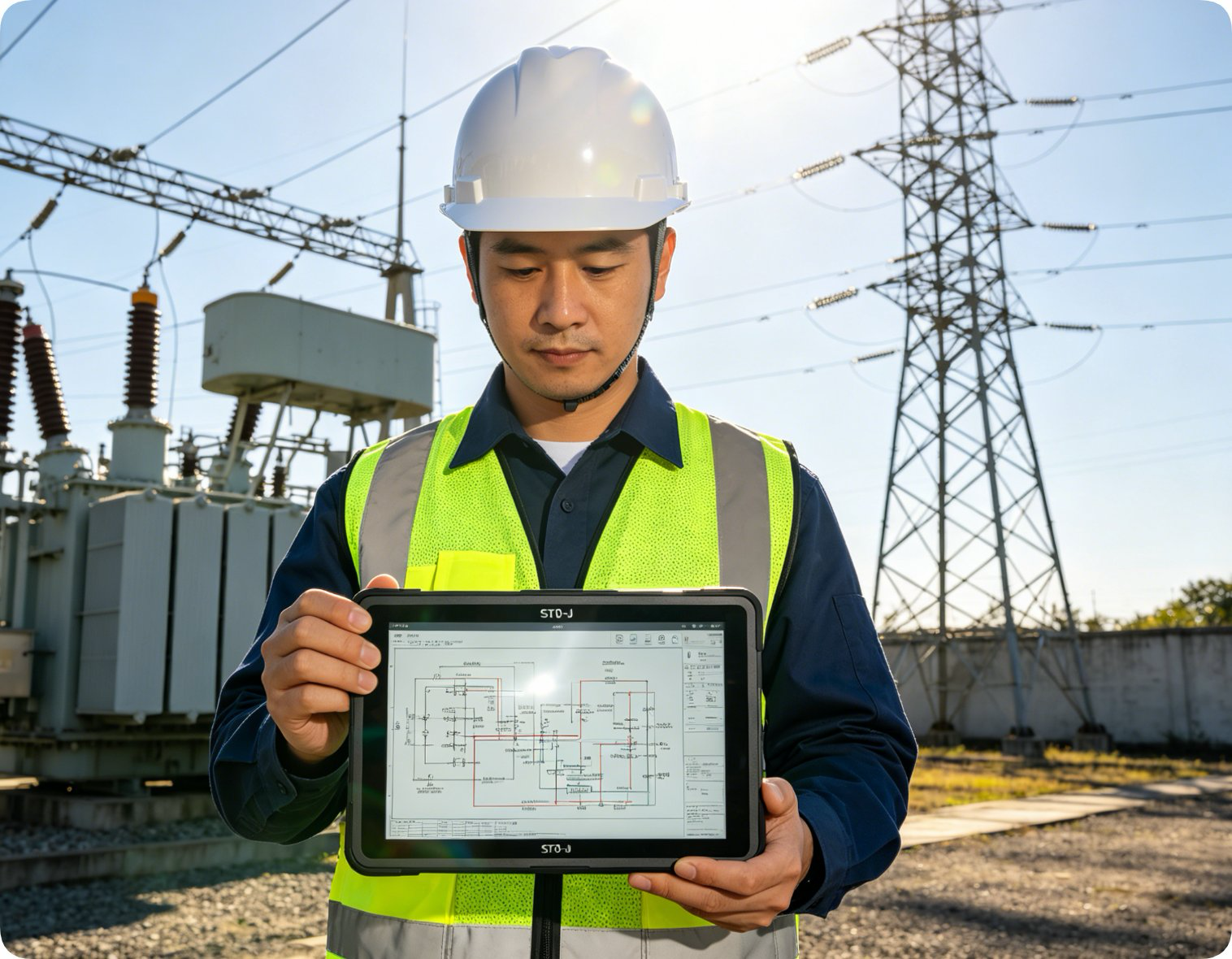
Who is this for? Field inspection technicians, utility workers, maintenance engineers, and quality assurance teams. These are the people who spend 30 minutes at one location reviewing diagrams, then walk to the next asset. They need enough screen to read a PDF schematic but not so much bulk that it becomes a burden on a tool belt.
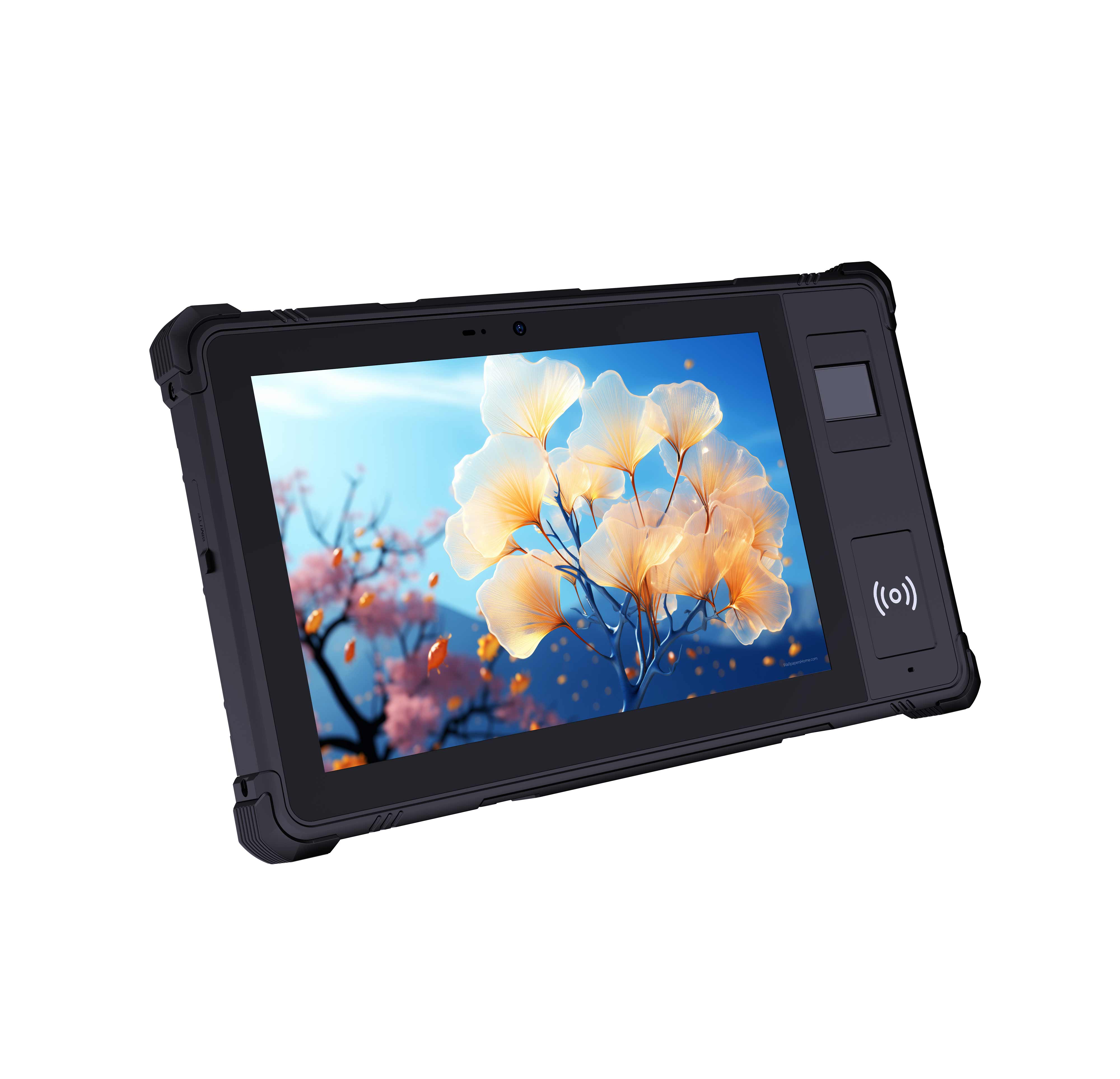
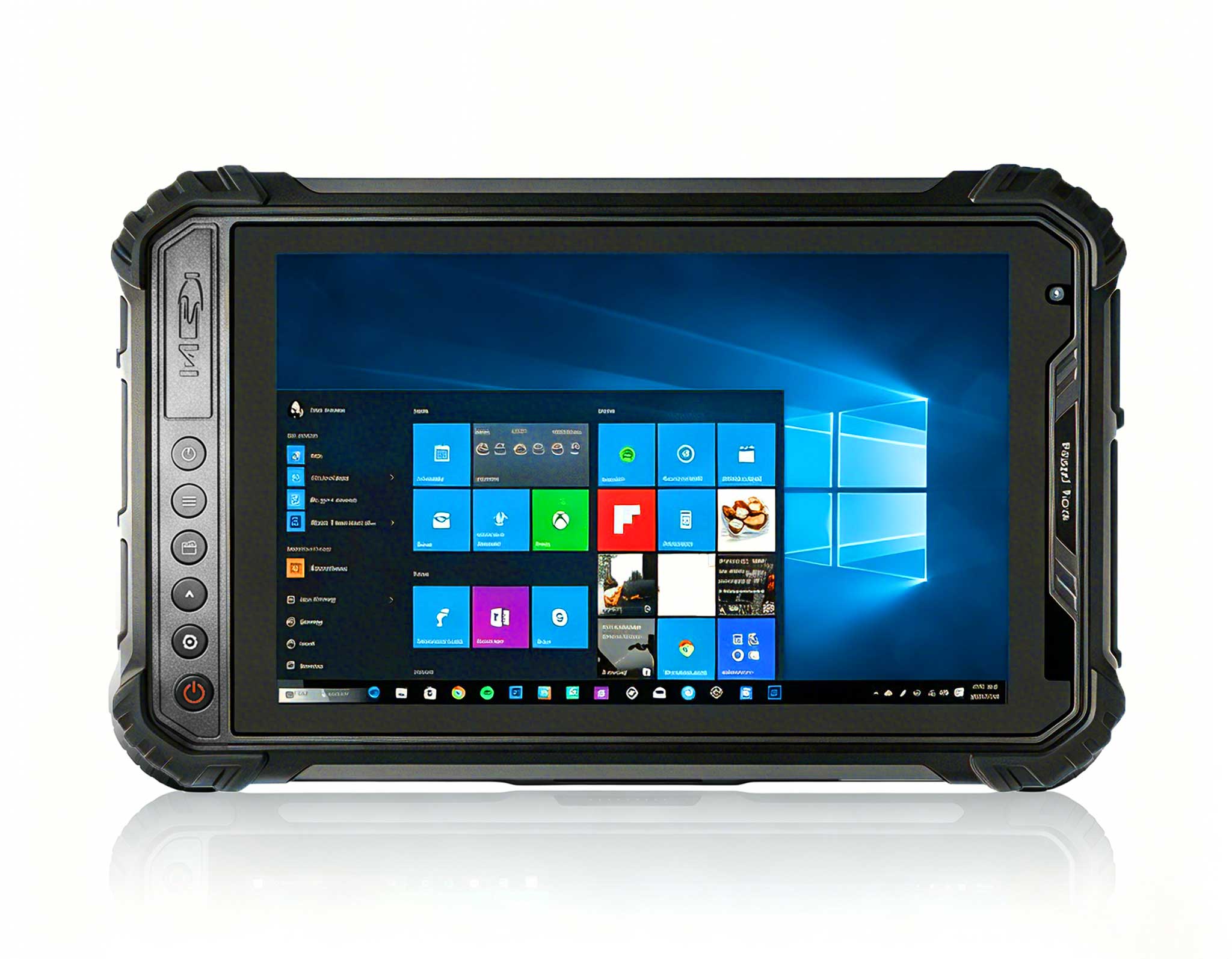
The pain point is screen real estate versus portability. I have seen technicians try to use 7-inch tablets for electrical schematics. They zoom and pan constantly, missing details. On the other hand, a 10-inch tablet strapped to their forearm causes fatigue by the third hour. The 8-inch ST9-J hits the sweet spot. It is large enough to display a full A4-sized drawing at readable scale, yet light enough to hold with one hand while taking notes with the other.
Features that matter outdoors: The ST9-J 8-inch rugged tablet uses a 1000-nit sunlight-readable display. I tested this beside a substation transformer under direct noon sun — the screen stayed crisp and glare-free. The active digitizer supports a stylus, which is critical for filling out inspection forms or marking up drawings without smudges. For technicians who work in rain or dust, the IP65 sealing and MIL-STD-810G drop rating provide peace of mind. Battery life runs 8 to 10 hours, which covers a full field shift. If you manage a team of inspectors who move between sites, this is the size that keeps them productive without tiring their arms.
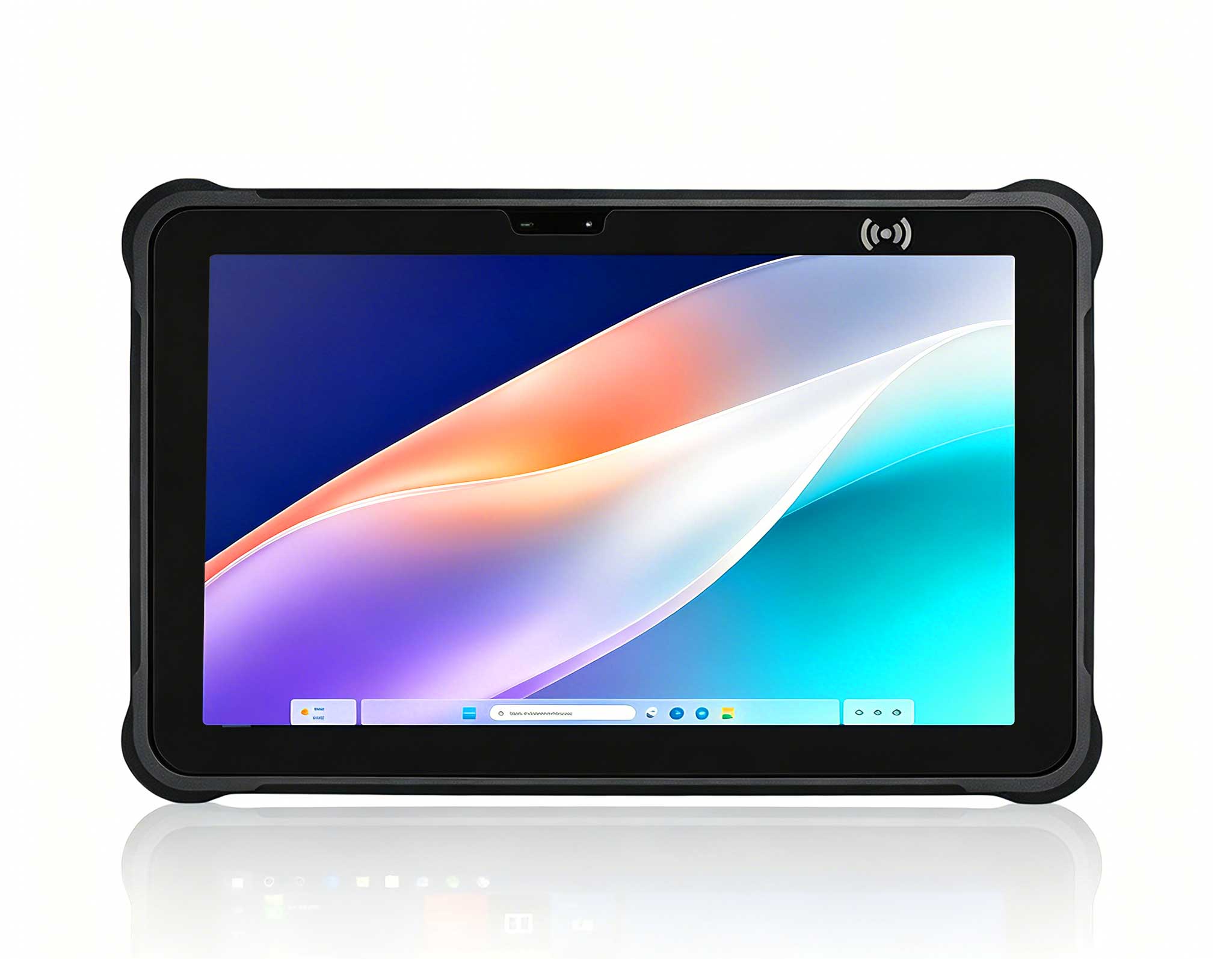
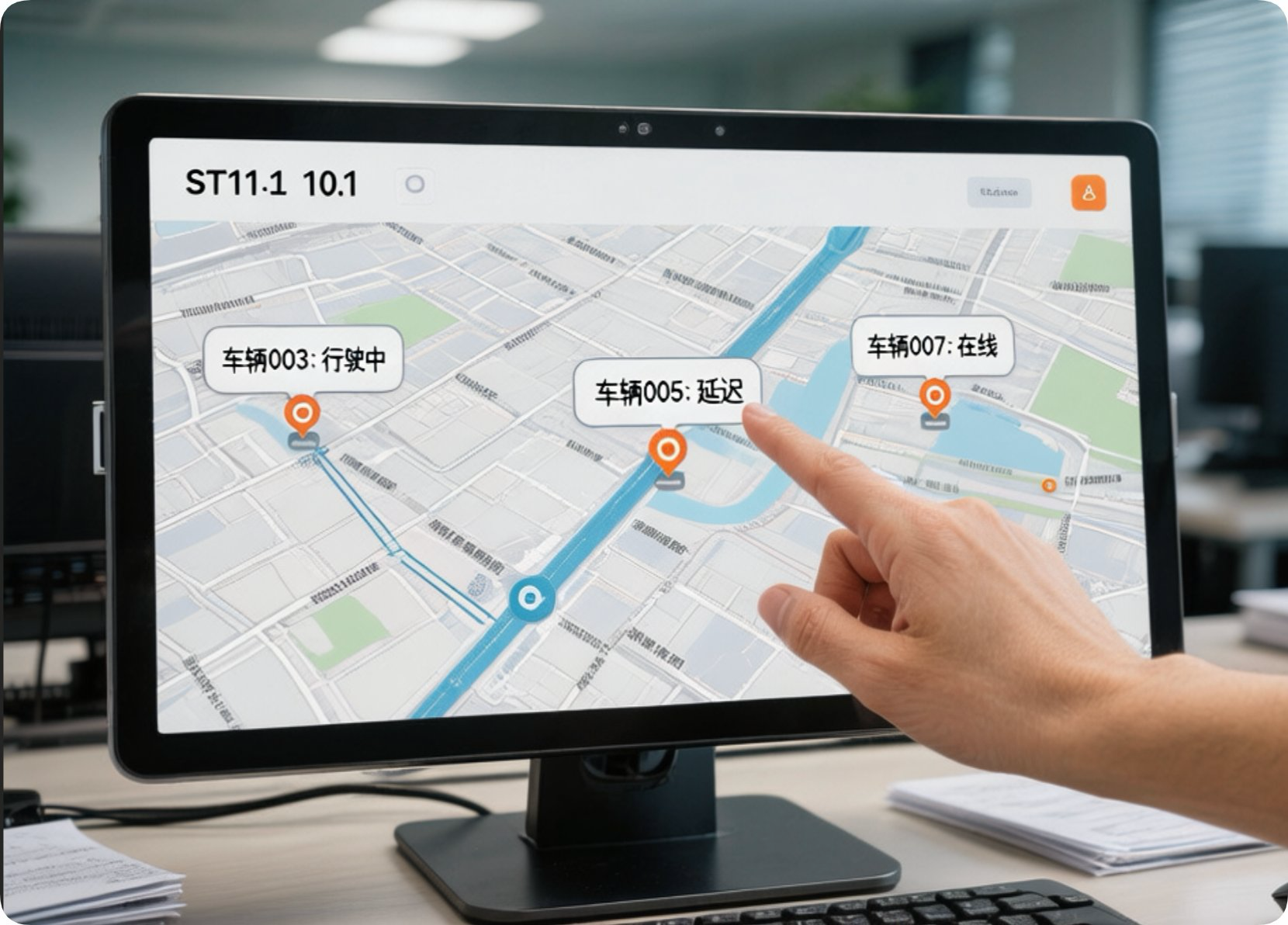
Who is this for? Fleet dispatchers, construction site supervisors, manufacturing control room operators, and anyone who uses the tablet in a fixed or vehicle-mounted position. These users rarely walk while operating the device. They need maximum information density — GPS maps, production dashboards, security camera feeds — all visible at a glance.
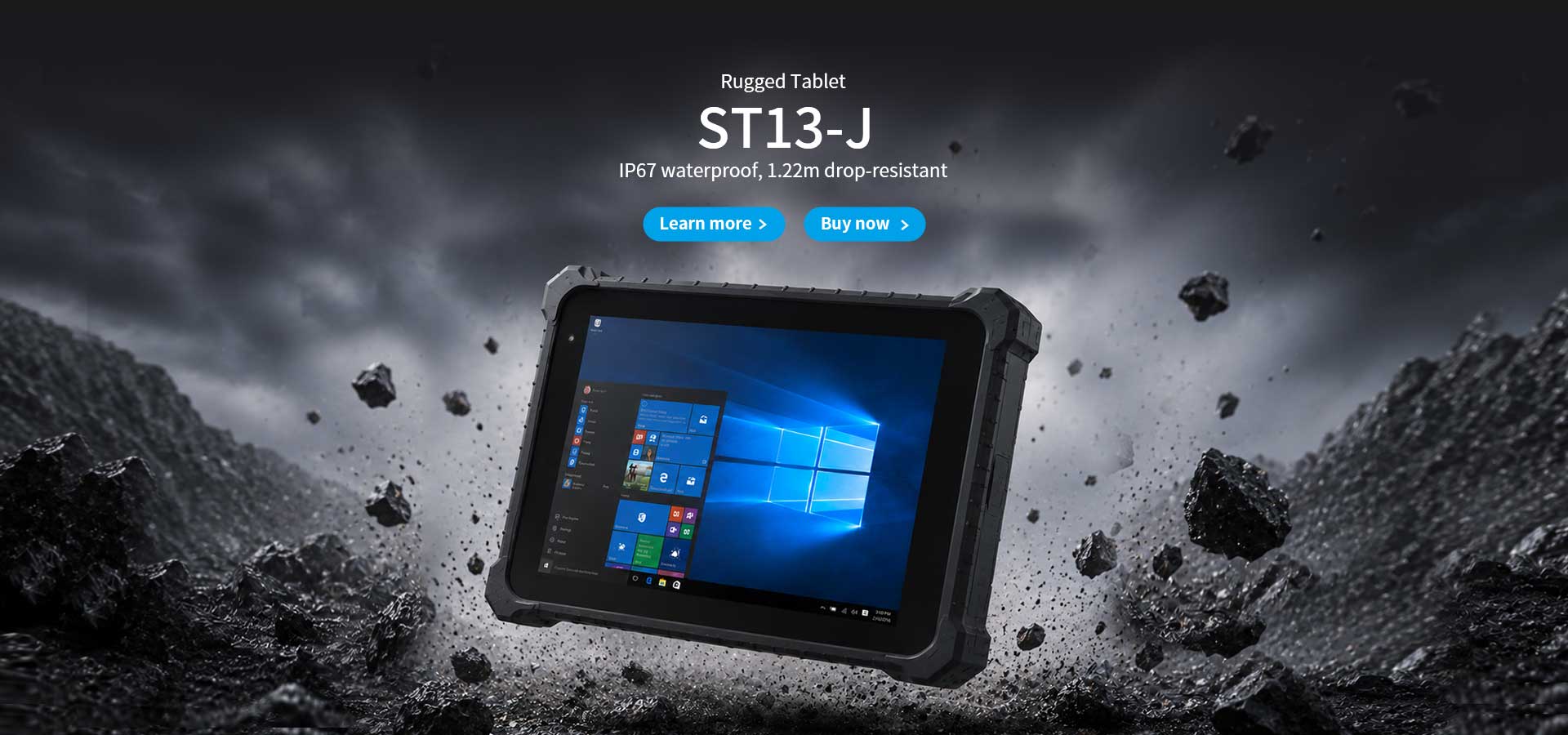
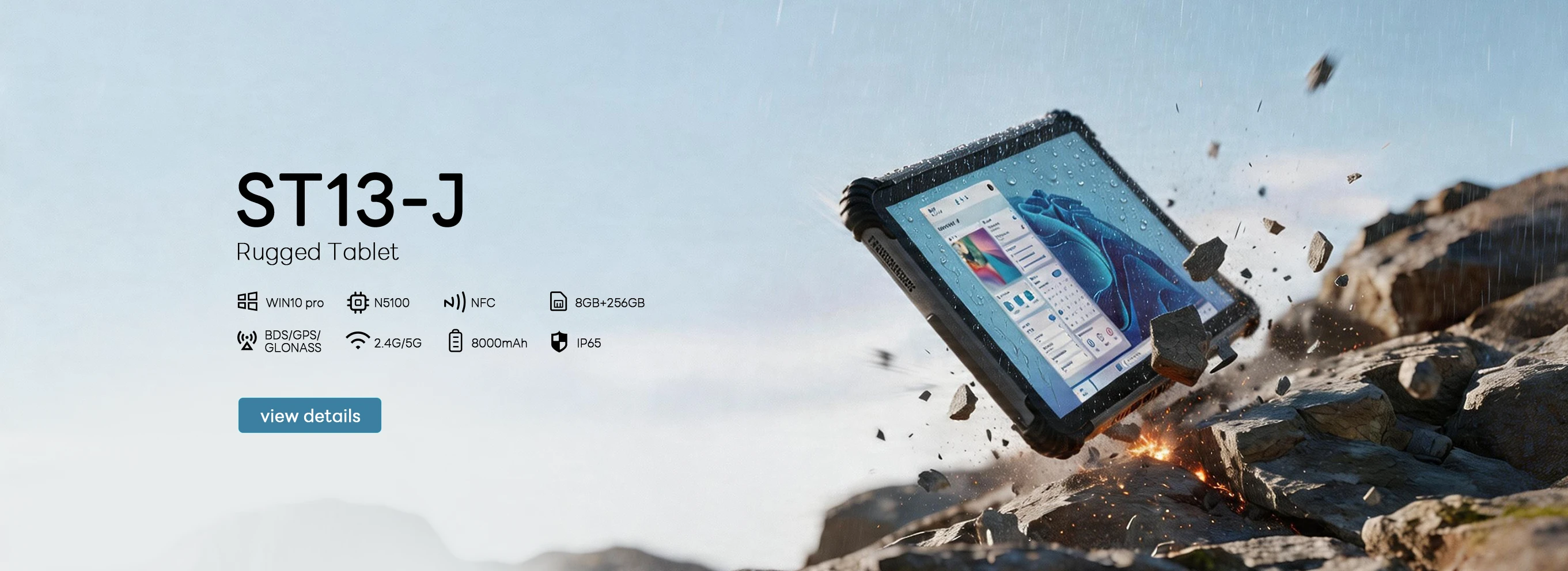
The pain point is information overload on small screens. I watched a fleet dispatcher try to manage 30 delivery trucks on a 7-inch screen. She was pinching and zooming constantly, missing route updates. When we swapped her to the ST11-J mounted on a RAM mount in her office, her reaction time to traffic alerts dropped by half. The 10.1-inch display shows a full fleet map with vehicle markers, driver status, and ETA columns all visible without scrolling.
Features that matter for stationary use: The ST11-J 10.1-inch rugged tablet includes a VESA mount pattern on the back, making it easy to attach to vehicle dashboards, swing arms, or wall brackets. The wide viewing angle (178 degrees) means the supervisor sitting three feet away can also see the screen clearly. For factory floor use, the IP65 rating protects against coolant mist and metal dust. Battery life is not as critical here because the device stays plugged in, but the hot-swappable battery option means it can run 24/7 without downtime. If your worker sits at a desk or in a vehicle cab, do not force them into a small screen — give them the ST11-J and watch their efficiency improve.
| Model | Screen Size | Weight Class | Best Grip Style | Ideal User Role | Typical Shift Duration |
|---|---|---|---|---|---|
| SH5-W | 5.5 inches | Ultra-light (under 400g) | One-hand, pocket carry | Logistics worker, warehouse picker | 10–12 hours |
| ST9-J | 8 inches | Light (approx. 600g) | Two-hand, forearm carry | Field inspector, maintenance tech | 8–10 hours |
| ST11-J | 10.1 inches | Standard (approx. 900g) | Mounted or desk-based | Dispatcher, site supervisor | 8+ hours (plugged in) |
This table summarizes what I have learned from hundreds of deployments. Notice the weight jumps significantly between sizes. That 300-gram difference between the ST9-J and ST11-J does not sound like much until you are holding it for four hours straight. Match the grip style to the task, and your team will thank you.
Choosing the right rugged tablet size is not about picking the most powerful specs or the biggest screen. It is about matching the device to the worker's physical movements and daily environment. A logistics picker needs the SH5-W for one-hand operation. A field inspector needs the ST9-J for portability and readability. A dispatcher needs the ST11-J for information density. Hotus Technology builds all three sizes for a reason — because your workforce does not do the same job. Evaluate your team by asking: How many hours do they hold the device? Do they walk or sit? Do they wear gloves? Answer those questions honestly, and the right size becomes obvious. If you want to discuss your specific use case, I am always happy to share field data from similar deployments.