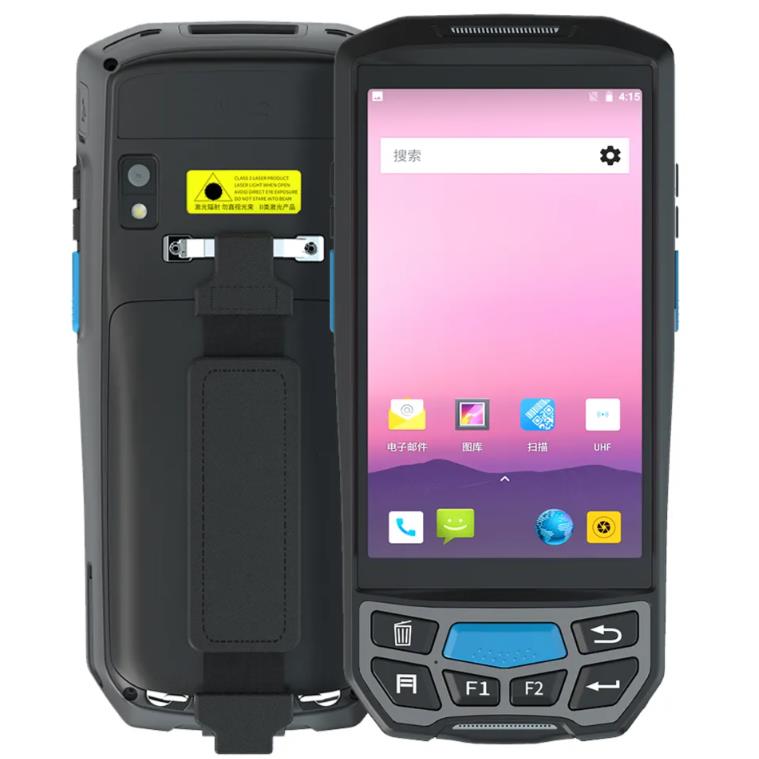
The U9000 handheld PDA combines advanced barcode s...
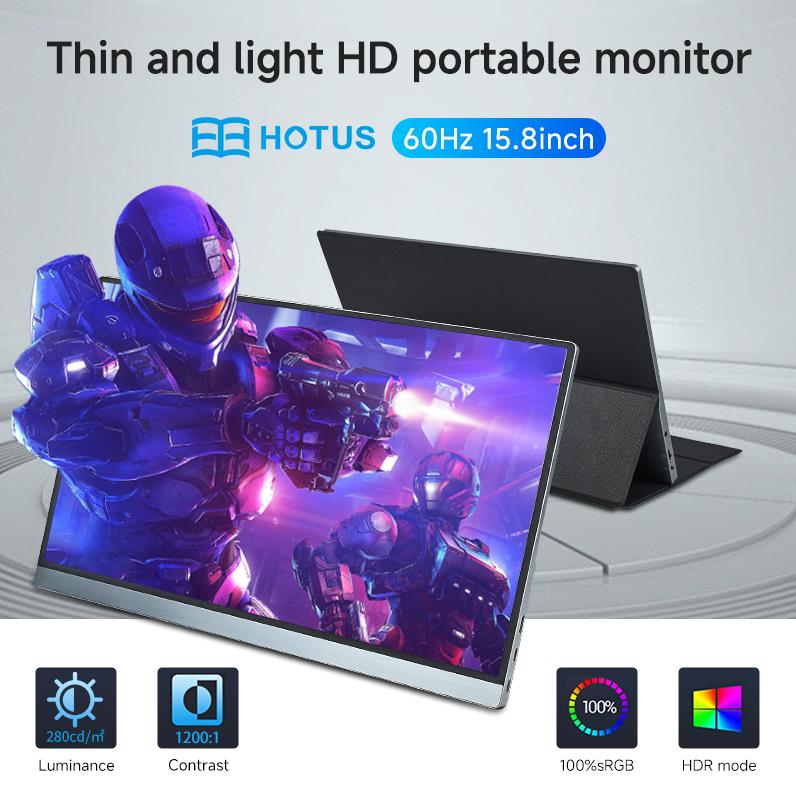
The PM158-1 is a 15.6-inch portable touchscreen mo...
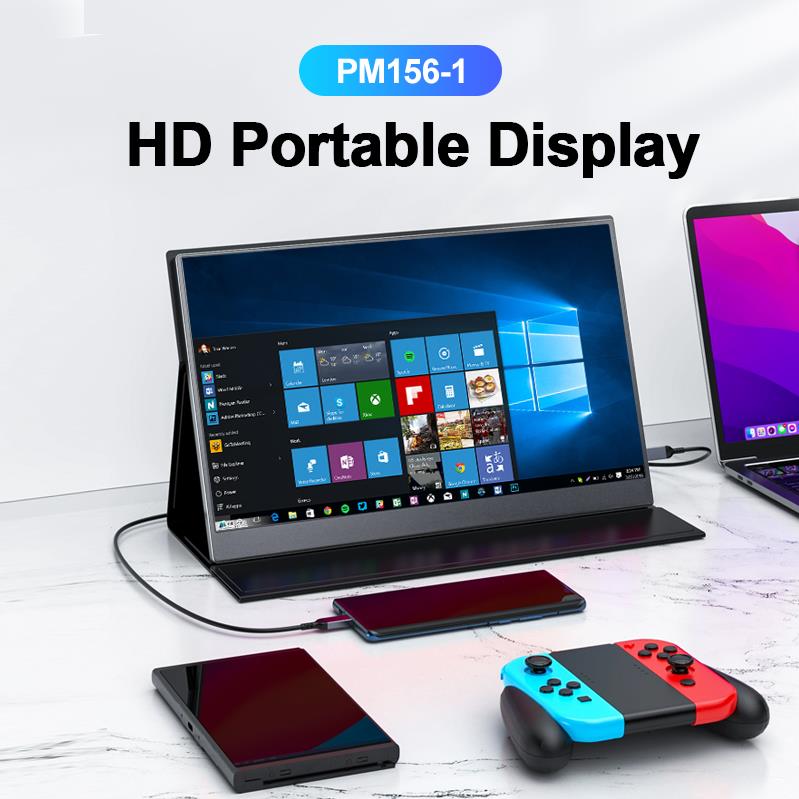
The PM156-1 is a 15.6-inch portable PC monitor fea...
The N40 Android smart PDA features a Cortex-A53 qu...
The AMD Mini PC Windows 10 Pro is a compact yet po...
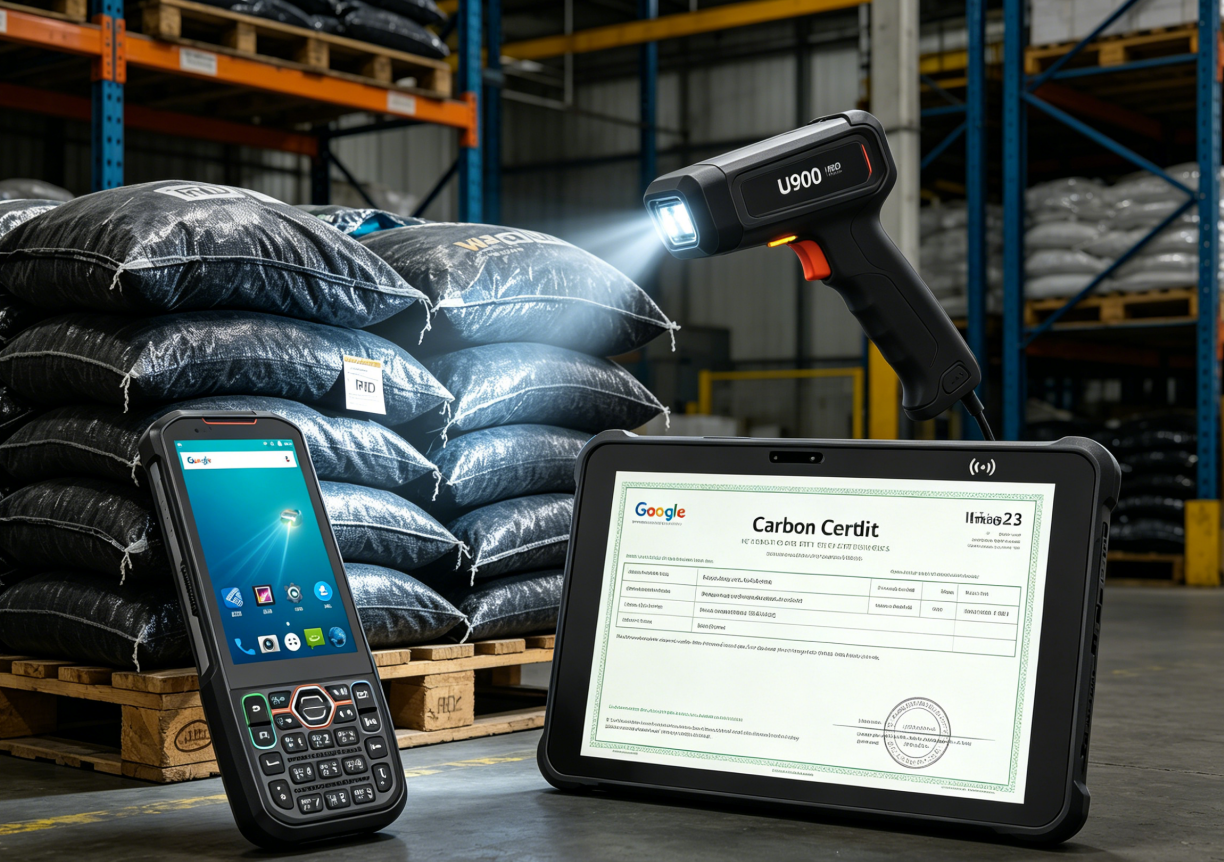
Fig 1 – An HVAC technician kneels beside an air‑to‑water heat pump outdoor unit, the ST11‑M connected to a refrigerant manifold gauge set. The screen shows superheat, subcooling, and calculated charge weight. A photo of the dataplate is attached. The system is ready for winter.
My View: Air‑to‑water heat pump sales exceeded 2 million units in 2025, driven by European and US incentives. But a heat pump‘s efficiency depends critically on correct refrigerant charge. A 20% under‑charge reduces COP by 15‑25%, wasting electricity and emissions credits. Yet many installers still record charge on paper or not at all. You need a cleanroom‑ready Windows tablet that reads digital manifold gauges, logs the final charge, and links it to the unit‘s serial number. Without digital QA, your heat pump might as well be an expensive electric heater.
By HOTUS Technology | May 2026
Air‑to‑water heat pumps are booming. Sales in Europe exceeded 2 million units in 2025, driven by REPowerEU goals and national subsidies. In the US, the Inflation Reduction Act‘s tax credits have similarly boosted adoption. These devices replace gas boilers, cutting home heating emissions by 50‑75% when powered by renewable electricity. By 2030, annual sales are expected to surpass 5 million units.
But a heat pump is only as good as its installation. The single biggest field error is incorrect refrigerant charge. Too little refrigerant reduces heating capacity and efficiency (coefficient of performance, COP). Too much increases energy consumption and risks compressor damage. A 20% under‑charge can lower COP by 15‑25% – meaning the homeowner pays more for electricity, the utility sees higher grid demand, and the CO2 reduction is less than promised.
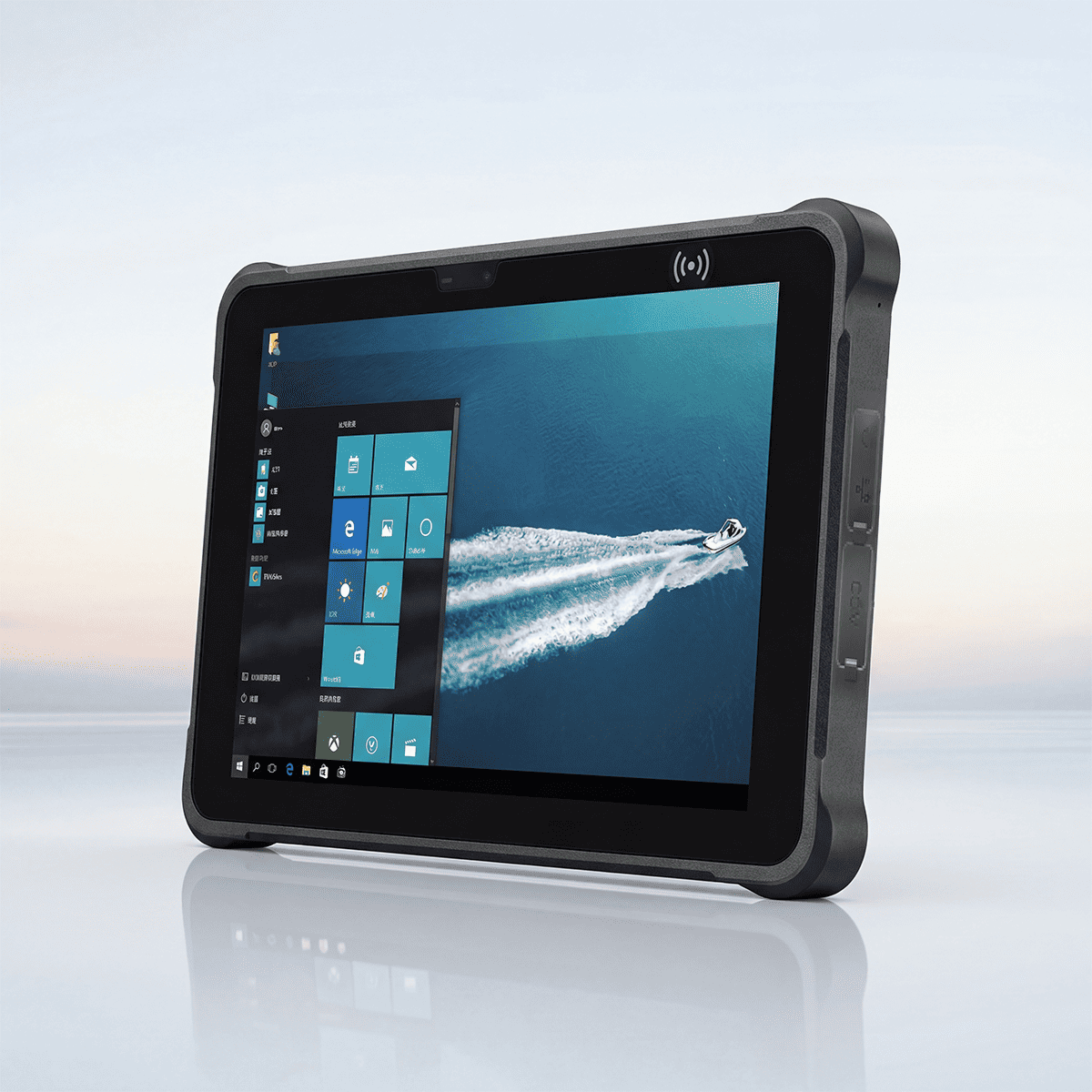
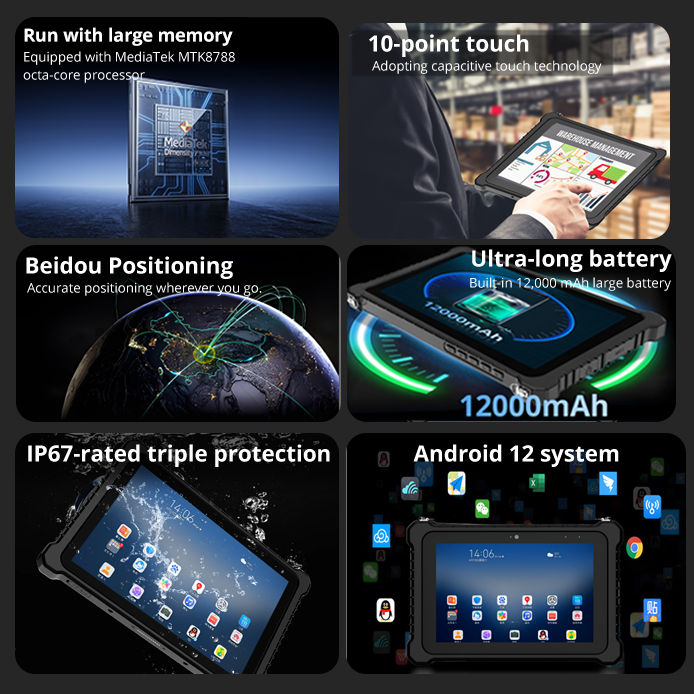
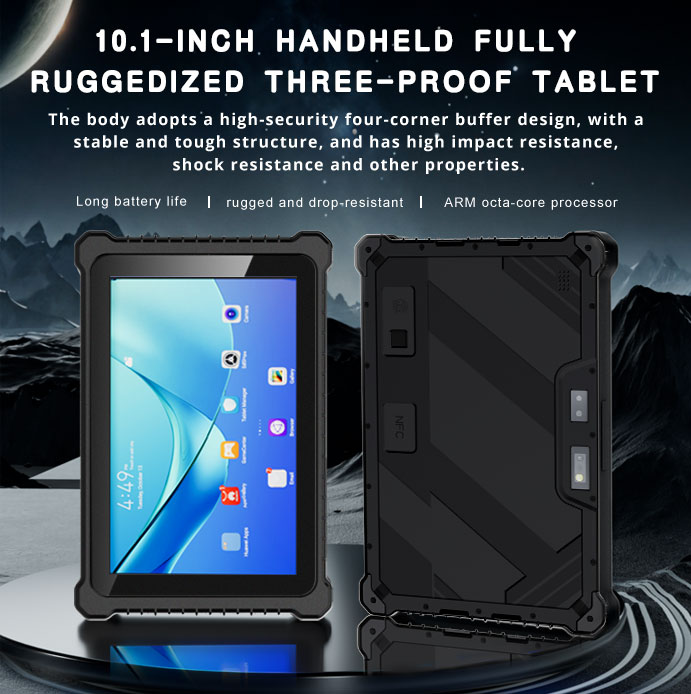
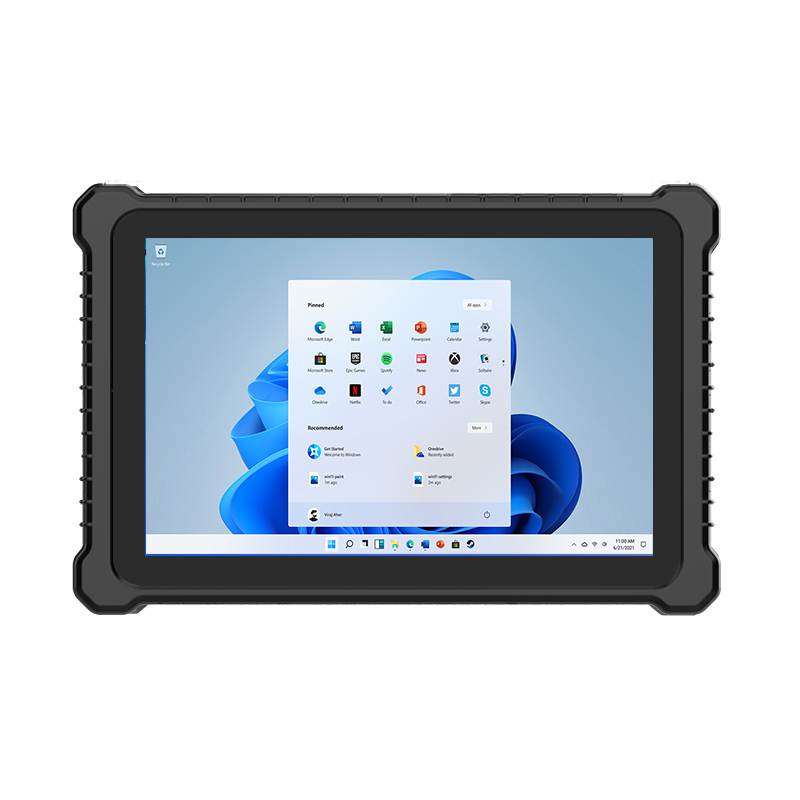
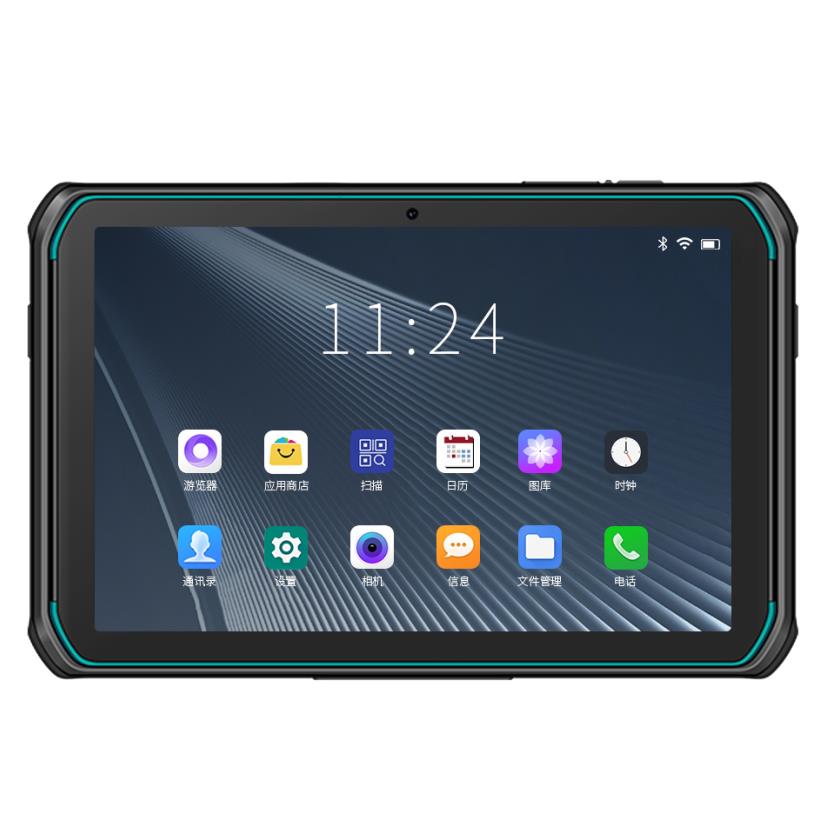
The Hotus ST11‑M 10.1″ Windows rugged tablet is designed for the outdoor installation environment – rain, dust, cold. Its IP67‑rated, chemically resistant housing withstands refrigerant oil and cleaning fluids. The glove‑compatible touchscreen works with insulated gloves. The ST11‑M connects via Bluetooth to digital manifold gauges, reading high‑side and low‑side pressures, saturation temperatures, and superheat/subcooling.
The ST11‑M calculates the actual refrigerant charge weight based on the manufacturer‘s correlation (line length, subcooling target). It then compares that to the nameplate charge. If the measured charge deviates by more than 5%, the tablet alerts the installer and prevents sign‑off. A photo of the dataplate and of the finished connections is saved. The homeowner can later scan a QR code on the unit to verify that the charge was correct per the digital log.
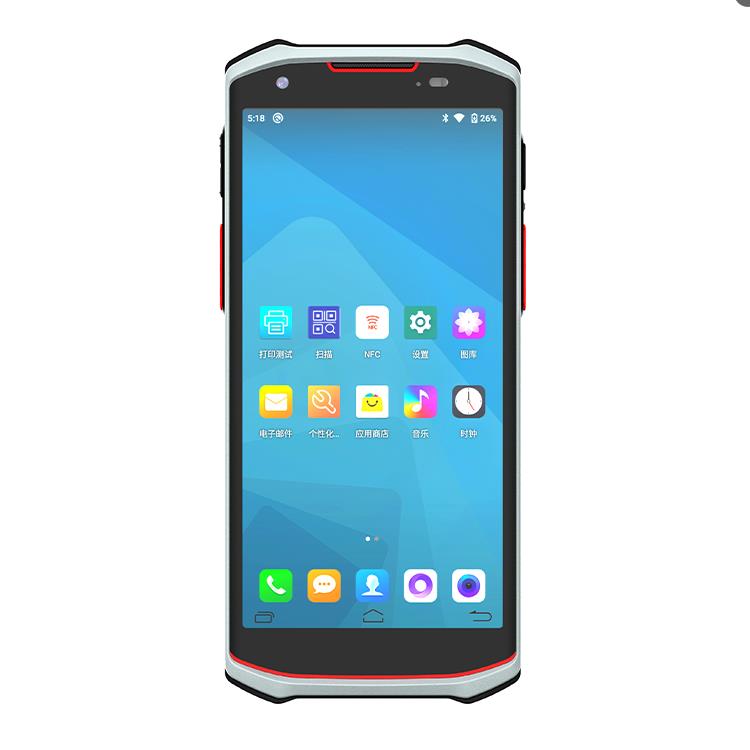
Fig 2 – A commissioning technician scans the RFID tag on a heat pump‘s electrical panel using the F502. The screen displays the unit’s factory charge, serial number, and installation date. The tablet ensures the correct job is matched to the correct serial.
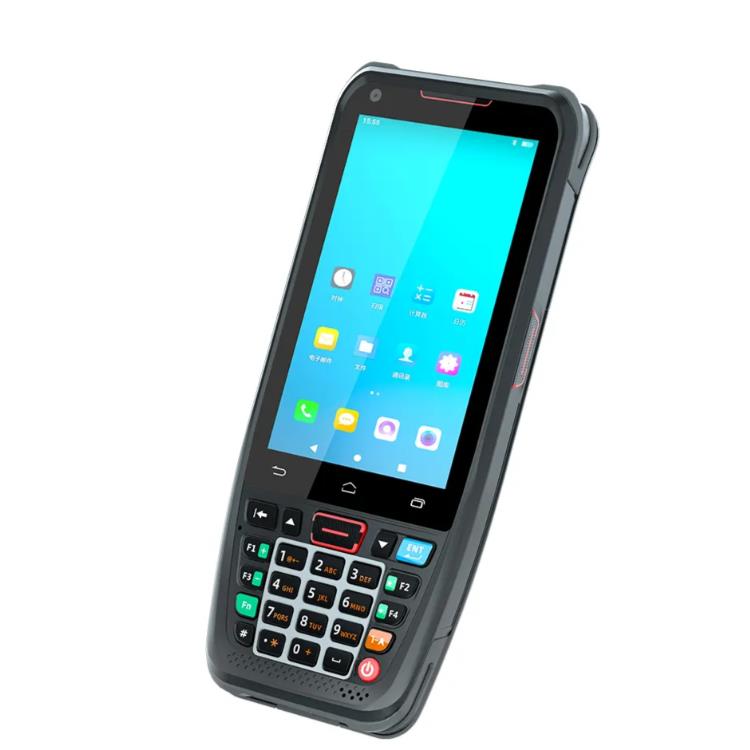
The Hotus F502 RFID PDA scans the unit‘s RFID tag, pulling up its factory specifications and linking the commissioning record. This creates a permanent digital twin of the installation, which utilities can access for rebate verification.
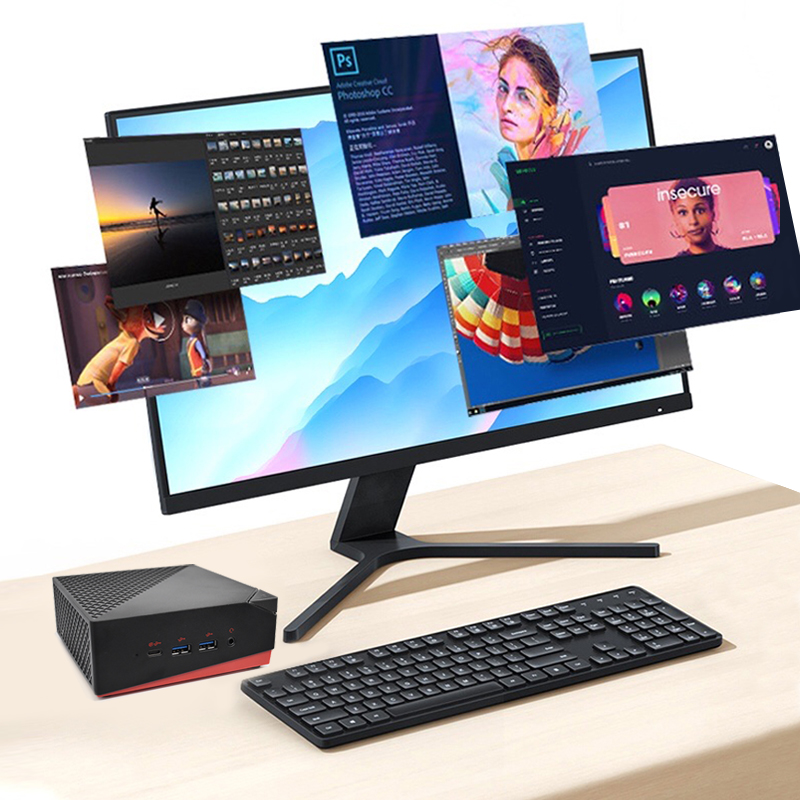
Hotus Palm‑sized Mini PC serves as a local edge gateway for the HVAC contractor‘s fleet of service vehicles, collecting charge logs from multiple tablets and syncing with the office.
A national heat pump installer completing 50,000 installations per year deployed 300 ST11‑M tablets, 200 F502 PDAs, and 100 Mini PC gateways. After 12 months, installation‑related charge errors fell from 12% to 2%. The company‘s customer satisfaction scores (heating performance) rose by 18 points. A utility rebate provider that had previously rejected 15% of their applicants due to missing documentation, now accepts 99% on first submission. The company estimates that reduced callbacks and rework saves $5 million annually.
Heat pumps are essential to decarbonization, but only if they work efficiently. Paper charge logs are not reliable enough for a multi‑million‑unit industry. The ST11‑M, F502, and Mini PC give you the digital, audit‑ready, sensor‑connected QA that heat pump deployment demands. Don‘t let an under‑charged unit waste a homeowner‘s paycheck and a grid‘s carbon budget.

Fig 3 – The Mini PC mounted in a HVAC van, its green LED blinking. It collects charge logs from three tablets used by technicians in the field. The office will see the data tomorrow morning. The fleet is invisible, but the data drives it.
Contact HOTUS Technology to discuss your heat pump installation QA, request ST11‑M tablet pilots, or explore F502 PDAs and Mini PC gateways for refrigeran t charge traceability.