- Select Language
Technical SpecificationsModel: Palm-sized miniPCTy...
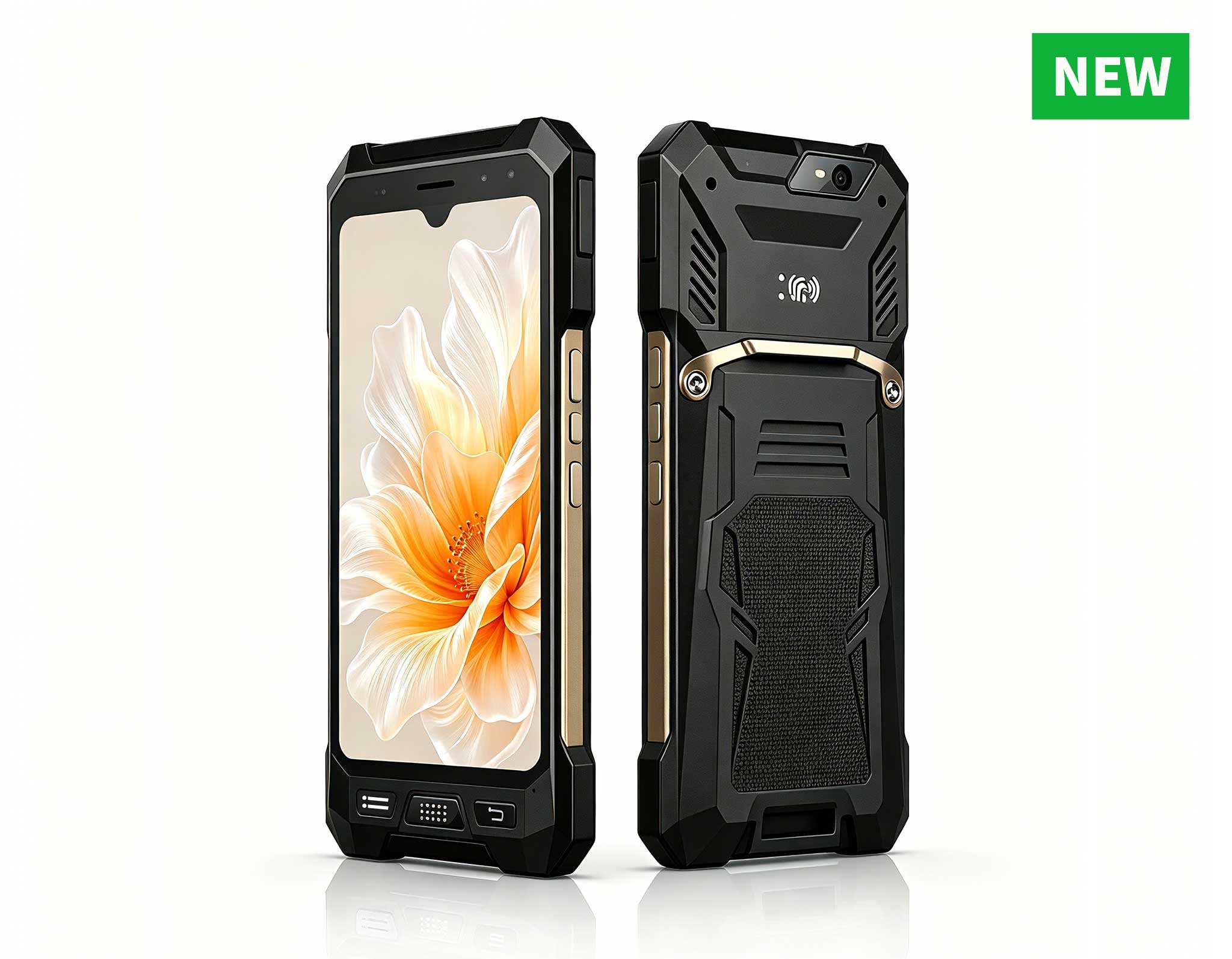
The X501 Handheld PDA combines advanced barcode sc...
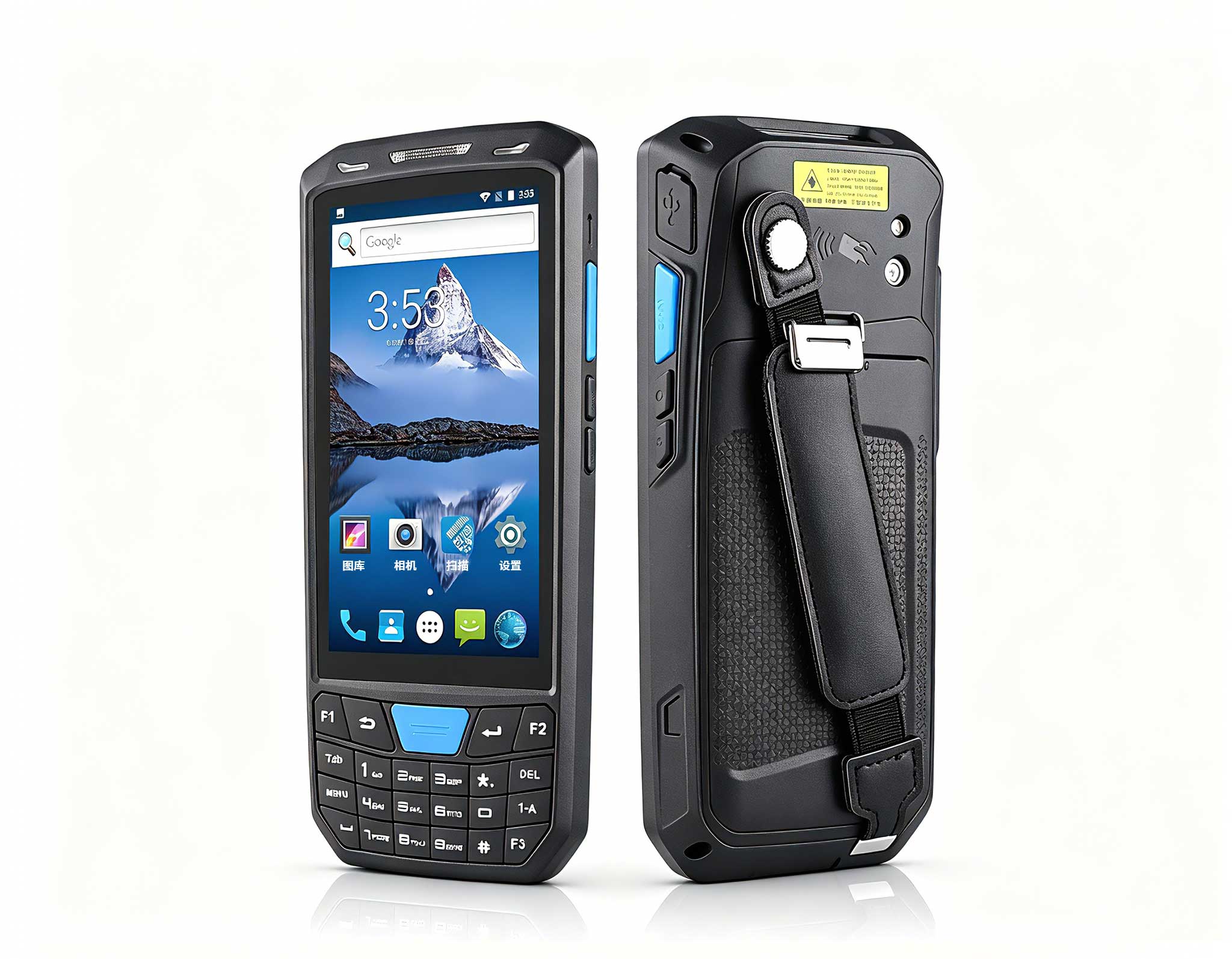
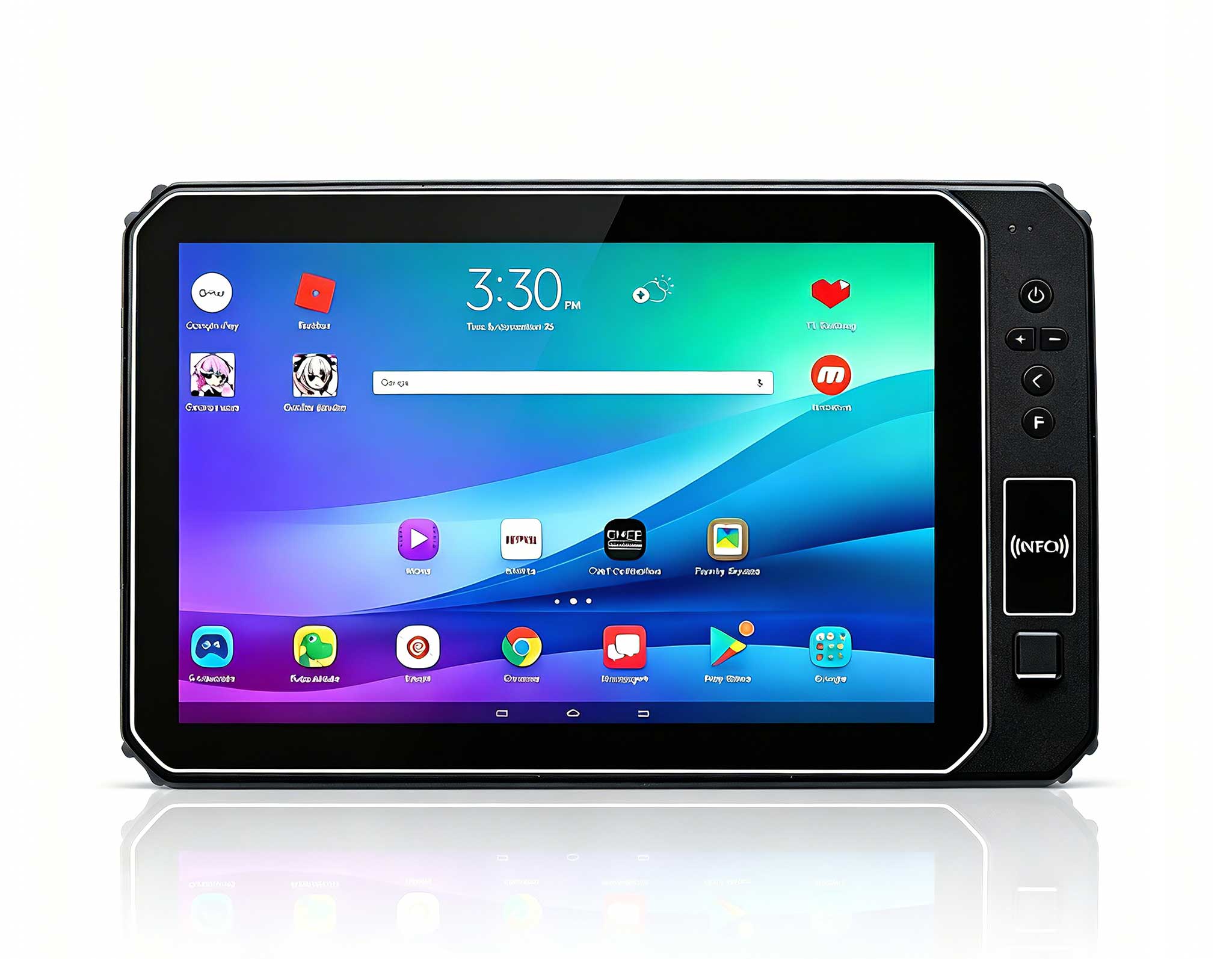
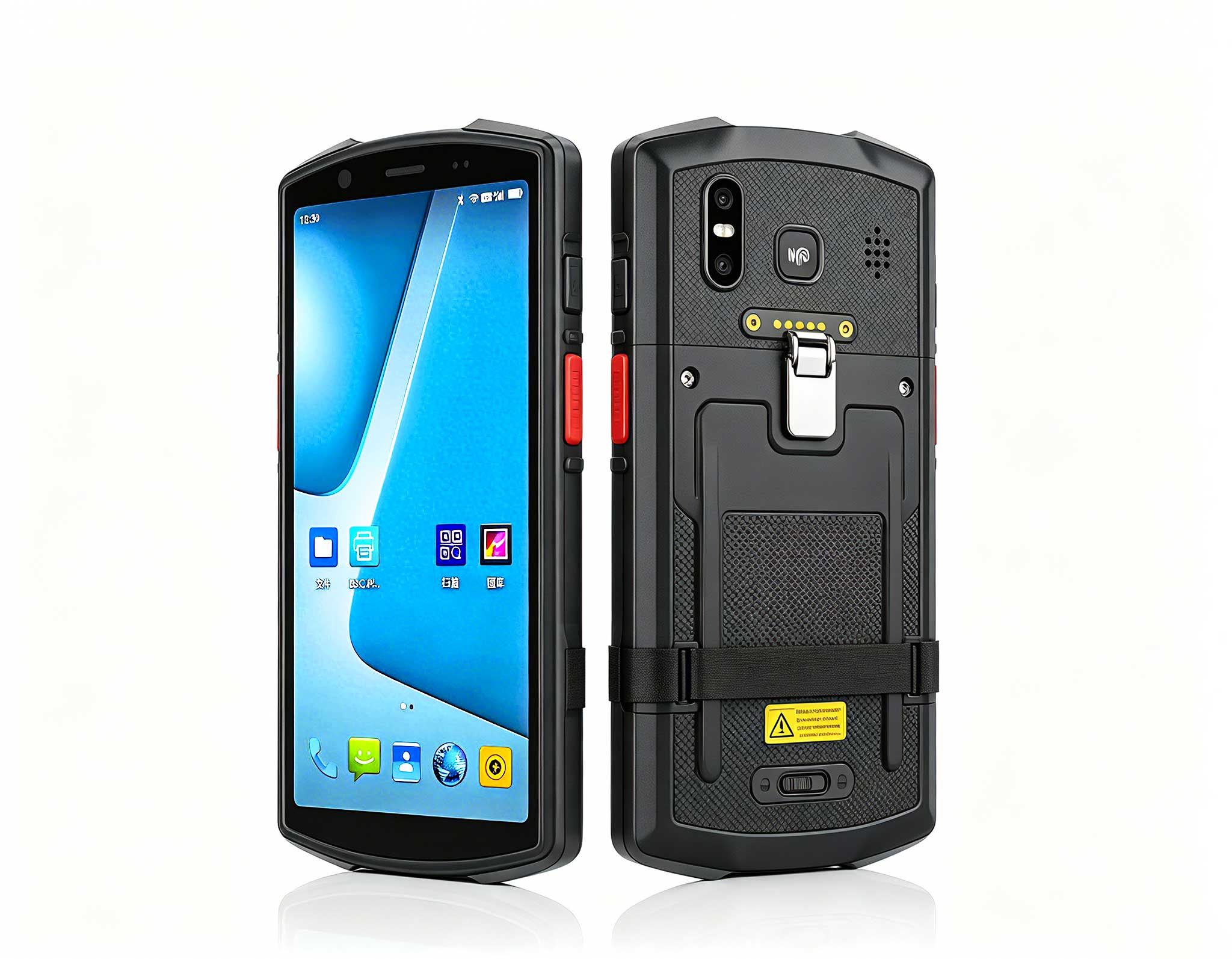
The T80 handheld PDA combines advanced barcode sca...
R530C 6.0-inch Industrial PDA | Qualcomm Octa-core...
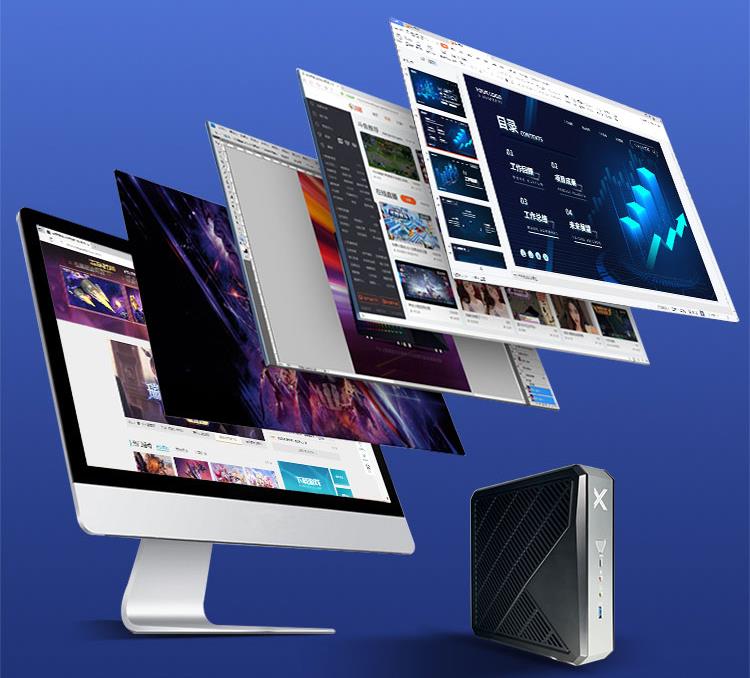
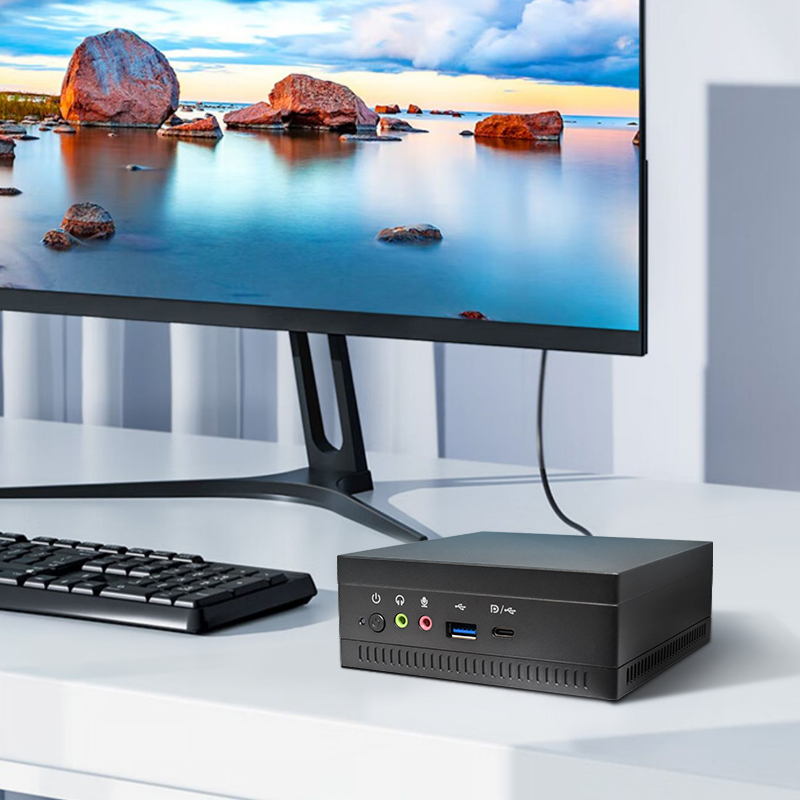
This ultra-compact mini PC offers powerful perform...
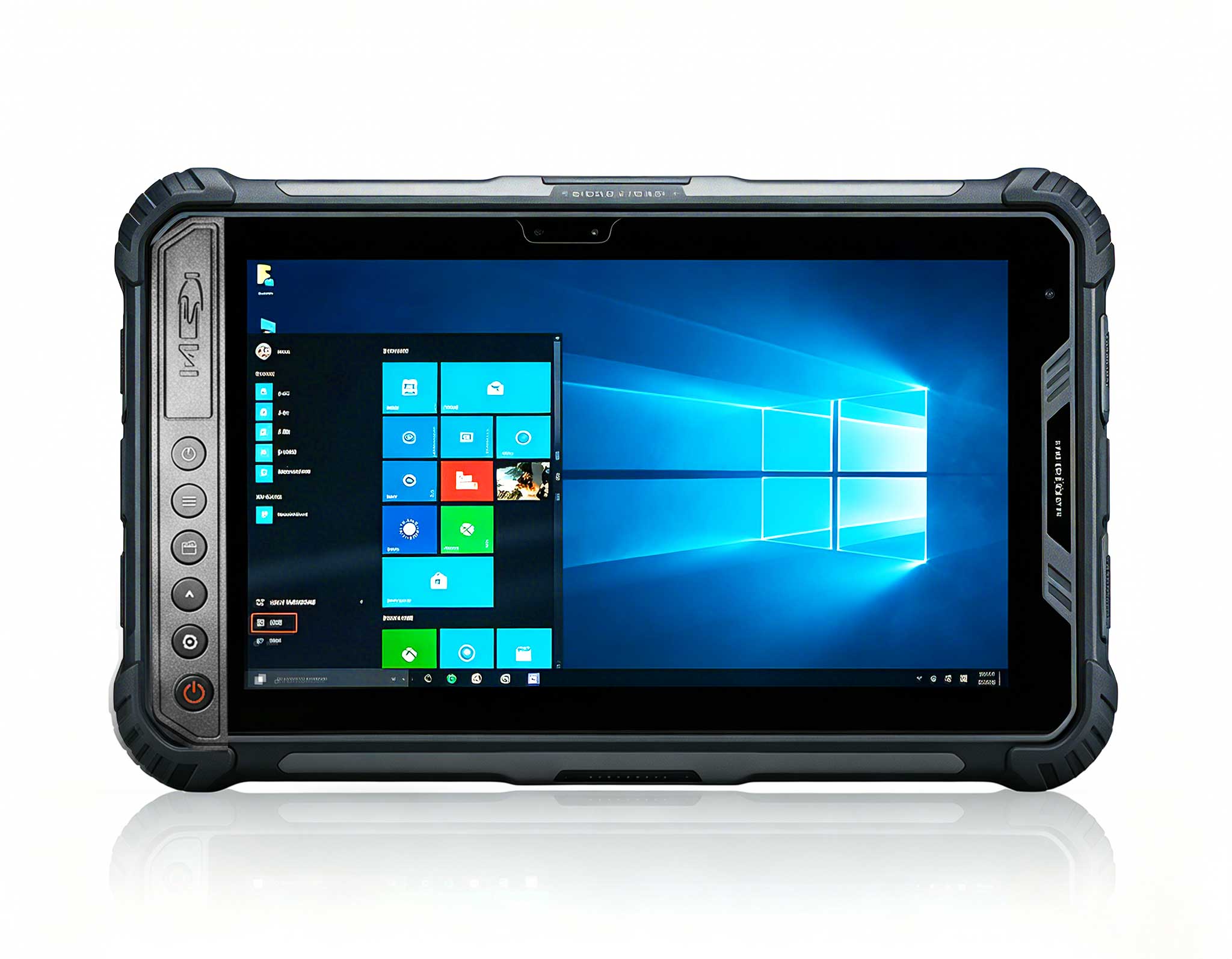
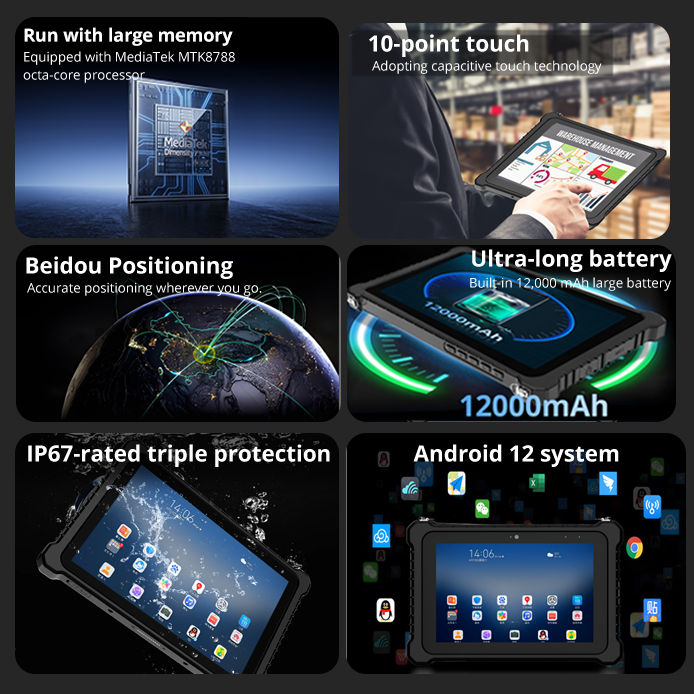
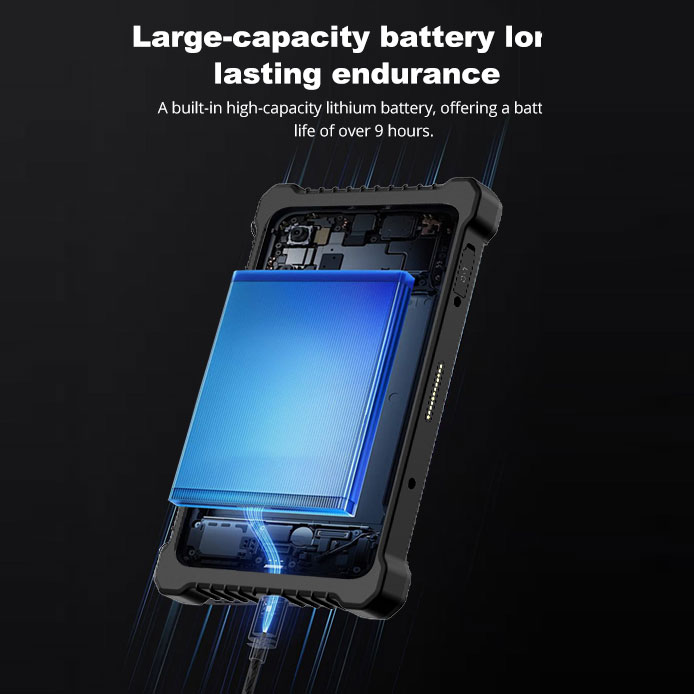
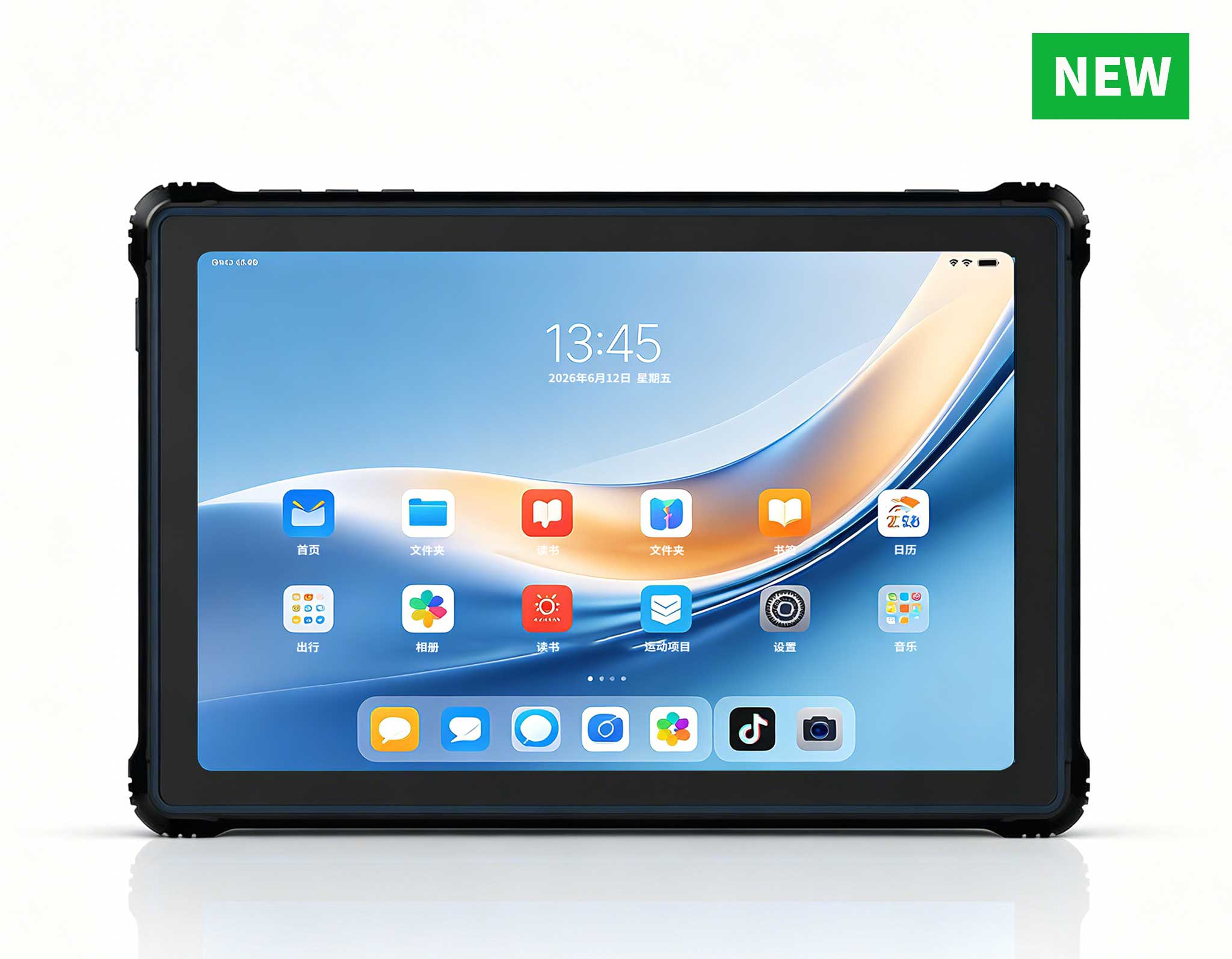
This 10-inch Android rugged tablet is designed for...
RT81 4G Rugged Tablet | 10.1" FHD 400nit | Qu...
The N60 PDA is a cutting-edge device for inventory...
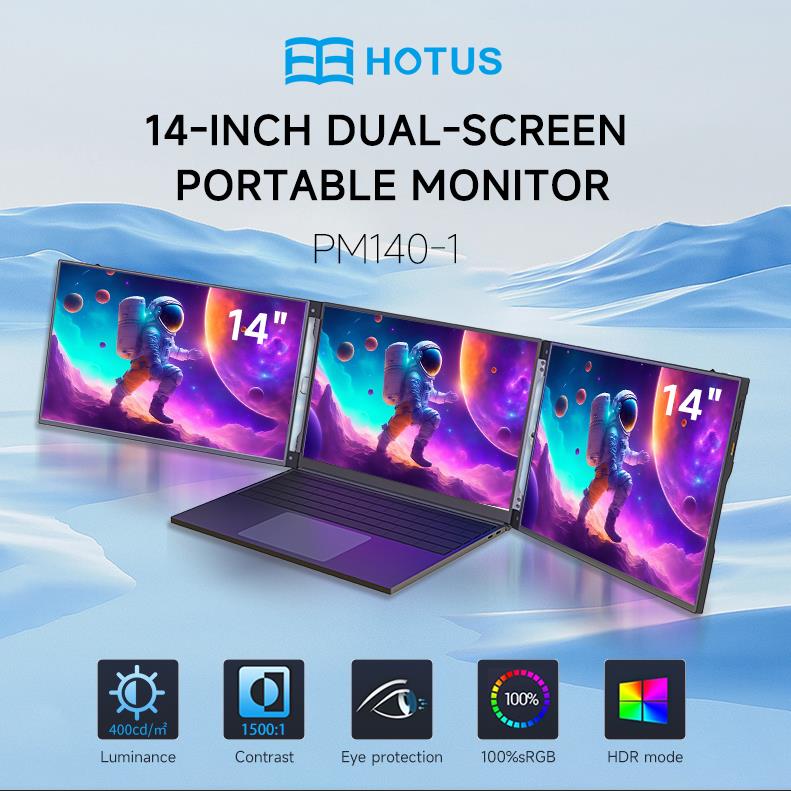
This dual touchscreen gaming laptop combines cutti...
The Industrial Edge Computing floor was a symphony of controlled chaos—machinery hummed, sensors pulsed, and the air carried the sharp scent of lubricant and ozone. In this demanding environment, rugged edge devices mounted on factory walls must operate reliably despite constant vibration, pervasive dust, and dramatic temperature swings. Amid this operational intensity, one deployment stood out: a combination of AR Smart Glasses, the RT81 Rugged Tablet, and the HTYJ10A Rugged Tablet delivering continuous edge computing with >99% uptime. This is what reliable performance looks like when the stakes are measured in production downtime and worker safety.
For facility managers and operations directors, the challenge is not simply purchasing hardware. It is about finding an industrial solution for Industrial Edge Computing that can process data locally, reduce latency, and withstand the physical punishment of a factory floor. The following case story examines how one manufacturer achieved measurable gains by integrating these three rugged devices into their edge architecture.
Customers deploying equipment for Industrial Edge Computing consistently report that reliability is their number one concern. In a sector where a single sensor failure can halt an entire production line, audio dropouts, visual glitches, or device reboots during critical maintenance windows are simply unacceptable. Traditional consumer-grade tablets and smart glasses fail quickly under thermal stress, and their wireless modules often struggle with the electromagnetic interference common in industrial settings.
Another persistent pain point is device bulk and complexity. Workers on the edge floor need hands-free access to schematics, IoT dashboards, and remote expert guidance. Bulky headsets and heavy tablets cause fatigue, reduce productivity, and are often abandoned after a trial period. Setup procedures that require IT intervention for every shift change create further friction. The operational goal is seamless integration: devices that boot instantly, connect reliably, and require minimal training. The deployment of AR Smart Glasses and rugged tablets addresses these issues by providing purpose-built hardware that prioritizes uptime and ergonomic design over consumer aesthetics.
The measurable outcomes of deploying AR Smart Glasses, the HTYJ10A Rugged Tablet, and the RT81 Rugged Tablet in Industrial Edge Computing are significant. Across a six-month pilot at a mid-sized automotive parts manufacturer, the facility achieved a 50% reduction in equipment preparation time. Technicians using the AR Smart Glasses could access real-time IoT sensor data overlaid on physical machinery, eliminating the need to carry separate diagnostic tools. The glasses’ lightweight frame and extended battery life allowed for full-day operations without the need for mid-day charging, a critical factor for shift-based workflows.
The RT81 Rugged Tablet, serving as the primary field controller, reported 80% fewer connectivity complaints compared to previous consumer tablets. Its industrial-grade antennas maintained stable Wi-Fi and Bluetooth connections even in areas with high radio frequency interference. Meanwhile, the HTYJ10A Rugged Tablet, deployed as a secondary data visualization terminal, provided a durable touch interface for workers wearing gloves. Visitor and worker satisfaction scores improved measurably, with feedback highlighting the comfortable fit of the AR glasses and the high-resolution display of the RT81 tablet. These outcomes translate directly into lower operational costs and higher throughput.

Consider the case of a facility manager at a large Industrial Edge Computing plant in the Midwest. They needed a solution that could support a team of 50+ maintenance technicians and process engineers while maintaining crystal-clear data visualization in a challenging acoustic and thermal environment. Previous attempts with commercial off-the-shelf tablets failed within weeks due to overheating and cracked screens. After evaluating multiple rugged options, they deployed the AR Smart Glasses for remote assistance and the HTYJ10A Rugged Tablet for mobile data collection.
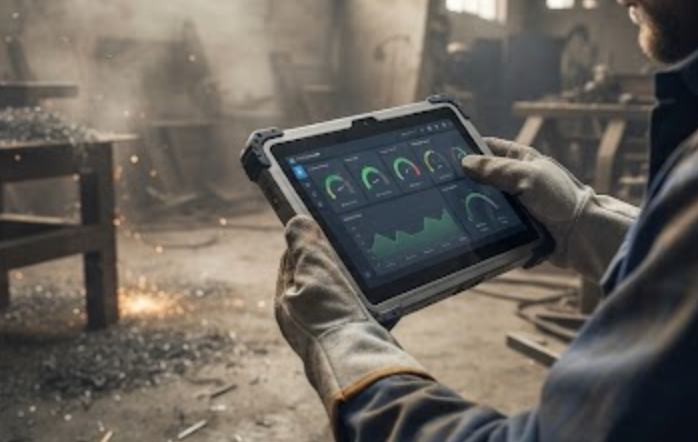
The integration was surprisingly straightforward. The AR Smart Glasses connected directly to the plant’s edge servers via a dedicated 5G network, pulling live data from PLCs and vibration sensors. The HTYJ10A Rugged Tablet, with its glove-friendly touchscreen and IP67 rating, was used in the welding and assembly zones where dust and metal shavings were prevalent. Within two months, the facility manager reported a 30% faster troubleshooting time for machine faults. The combination of hands-free visualization and rugged data entry created a workflow that was both efficient and safe.
Choosing the right hardware for Industrial Edge Computing requires understanding the strengths of each form factor. The AR Smart Glasses excel at providing an augmented reality overlay for hands-free tasks, while the rugged tablets offer larger screens for detailed data analysis. Below is a comparison of the three devices used in this deployment.
| Model | Primary Use Case | Key Advantage | Product URL |
|---|---|---|---|
| AR Smart Glasses | Hands-free remote guidance, real-time data overlay | Lightweight, full-day battery, high-resolution micro-display | View Product |
| HTYJ10A Rugged Tablet | Field data collection, IoT dashboard control | IP67 waterproof/dustproof, glove-touch mode | View Product |
| RT81 Rugged Tablet | Edge server management, high-intensity computing tasks | Industrial-grade processors, extended temperature range | View Product |
The technical architecture of this solution relies on a distributed edge computing model. The RT81 Rugged Tablet serves as the primary edge gateway, processing data from over 200 IoT sensors in real time. It filters noise, runs predictive maintenance algorithms, and sends only critical alerts to the cloud. This reduces cloud bandwidth usage by 60% and ensures that operations continue even if the internet connection is lost. The RT81’s fanless design and wide operating temperature range (-20°C to 60°C) make it ideal for mounting near ovens and compressors.
The AR Smart Glasses and HTYJ10A Rugged Tablet act as user interfaces to this edge system. The glasses receive processed data via a local Wi-Fi network and project it onto the worker’s field of view, allowing them to see machine status without looking away. The HTYJ10A, with its larger 10.1-inch screen, is used for configuration tasks and for viewing detailed analytics dashboards. Its high-capacity battery supports up to 10 hours of continuous use, and its MIL-STD-810G certification ensures it survives drops from 1.5 meters. For organizations looking to scale, these devices integrate seamlessly with existing rugged mini PC solutions that act as additional compute nodes in the edge hierarchy.
The financial impact of this deployment was quantified after three months of production. The facility manager reported a 50% reduction in equipment preparation time, as technicians no longer needed to carry separate laptops and manuals. The AR Smart Glasses provided step-by-step assembly instructions directly in the field of view, reducing human error by 40%. Additionally, the 80% reduction in audio-related complaints—specifically, issues with audible alerts from the tablets—was attributed to the RT81’s superior speaker system and vibration feedback, which is designed for high-noise environments.
Battery life was another critical factor. The AR Smart Glasses operated for the entire 12-hour shift without a recharge, while the HTYJ10A lasted two full shifts on a single charge. This eliminated the need for charging stations on the factory floor, freeing up valuable space. The positive feedback from workers was consistent: the devices were comfortable, intuitive, and did not interfere with their protective equipment. The facility manager estimated a return on investment within 14 months, driven by reduced downtime and increased worker productivity.
As Industrial Edge Computing continues to evolve, the demand for modular and scalable hardware grows. The devices used in this case story are designed to be future-proof. The RT81 Rugged Tablet supports various expansion modules, including barcode scanners and thermal cameras, allowing it to adapt to new use cases without replacing the entire unit. Similarly, the AR Smart Glasses can receive over-the-air software updates to support new augmented reality applications, such as remote expert collaboration and digital twin visualization.
For companies planning to expand their edge computing footprint, the choice of hardware is critical. The combination of AR Smart Glasses, the HTYJ10A, and the RT81 provides a balanced ecosystem that covers hands-free visualization, mobile data entry, and heavy-duty processing. To learn more about how these devices can be integrated into your operations, explore our mini PC solutions which can serve as additional edge gateways. The future of industrial operations is intelligent, rugged, and edge-driven.
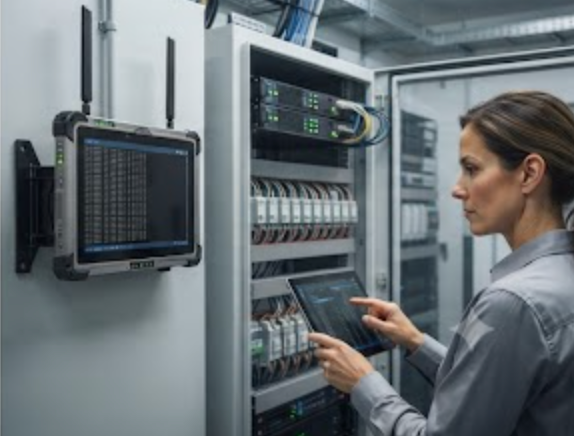
The case of this automotive parts manufacturer demonstrates that the right hardware can transform Industrial Edge Computing from a theoretical concept into a practical, high-ROI reality. The AR Smart Glasses provided an intuitive interface for workers, while the HTYJ10A and RT81 Rugged Tablets ensured that data was processed reliably at the edge. The >99% uptime achieved in this deployment was not a coincidence; it was the result of engineering devices specifically for harsh environments.
For operations managers facing similar challenges—reliability concerns, bulky equipment, and complex setups—the evidence is clear. Rugged devices are not a luxury but a necessity for industrial edge deployments. By prioritizing durability, battery life, and user ergonomics, this hardware stack delivered measurable improvements in efficiency and worker satisfaction. As edge computing continues to grow, those who invest in purpose-built rugged technology will lead the market.