- Select Language
The N60 PDA is a cutting-edge device for inventory...
The F505 Handheld PDA is a compact, high-performan...
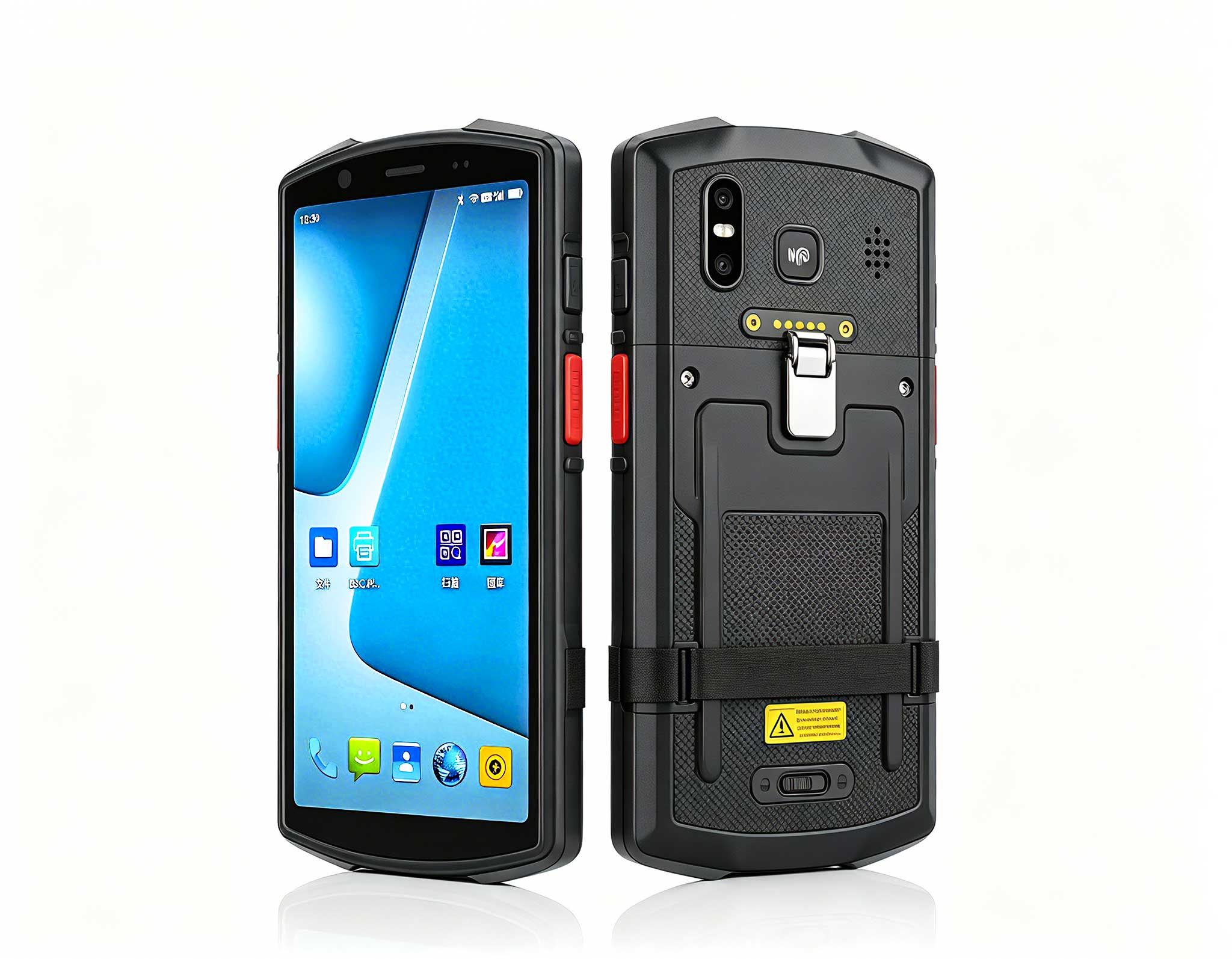
R366-S Thin 5.5-inch Industrial PDA | Qualcomm Oct...
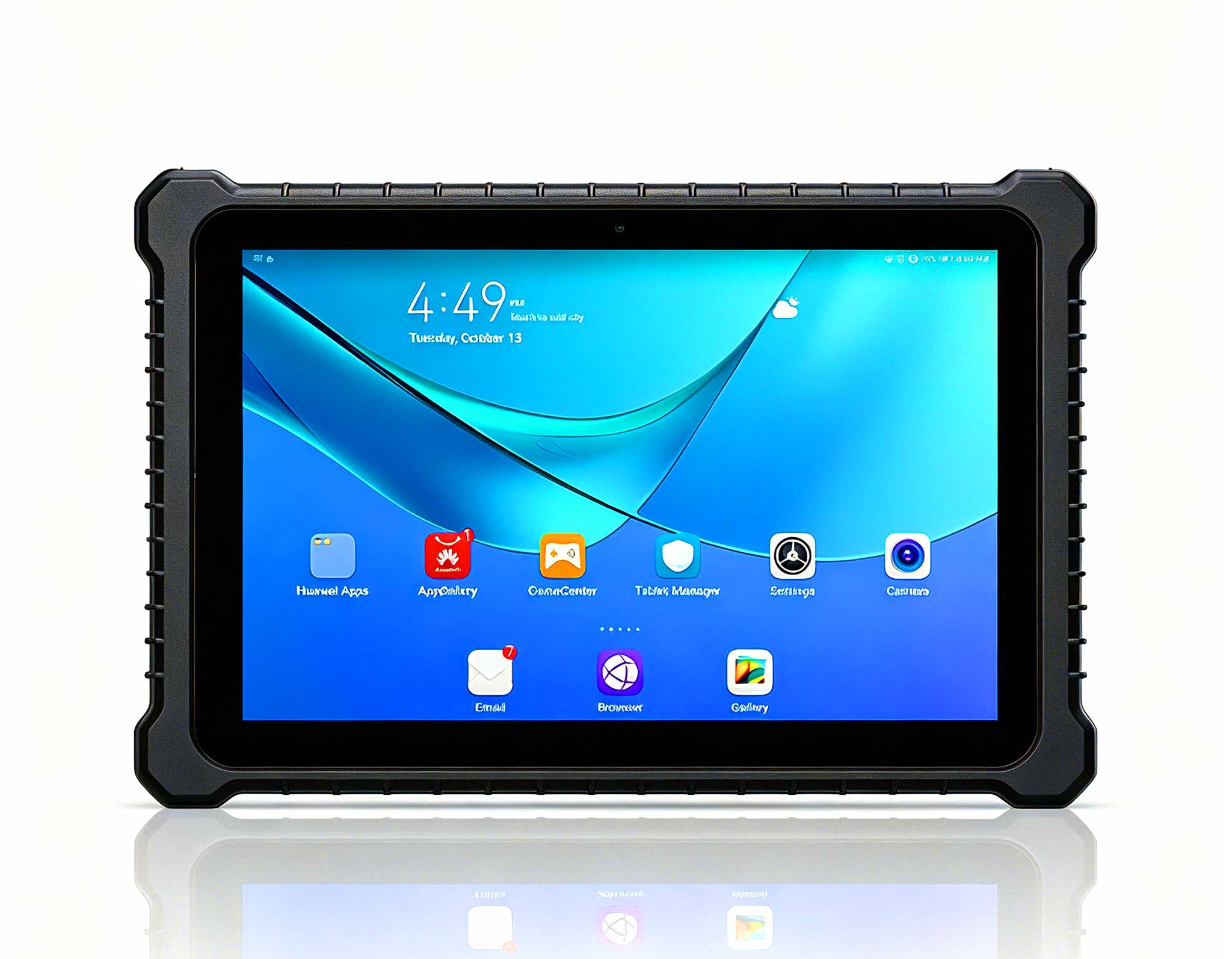
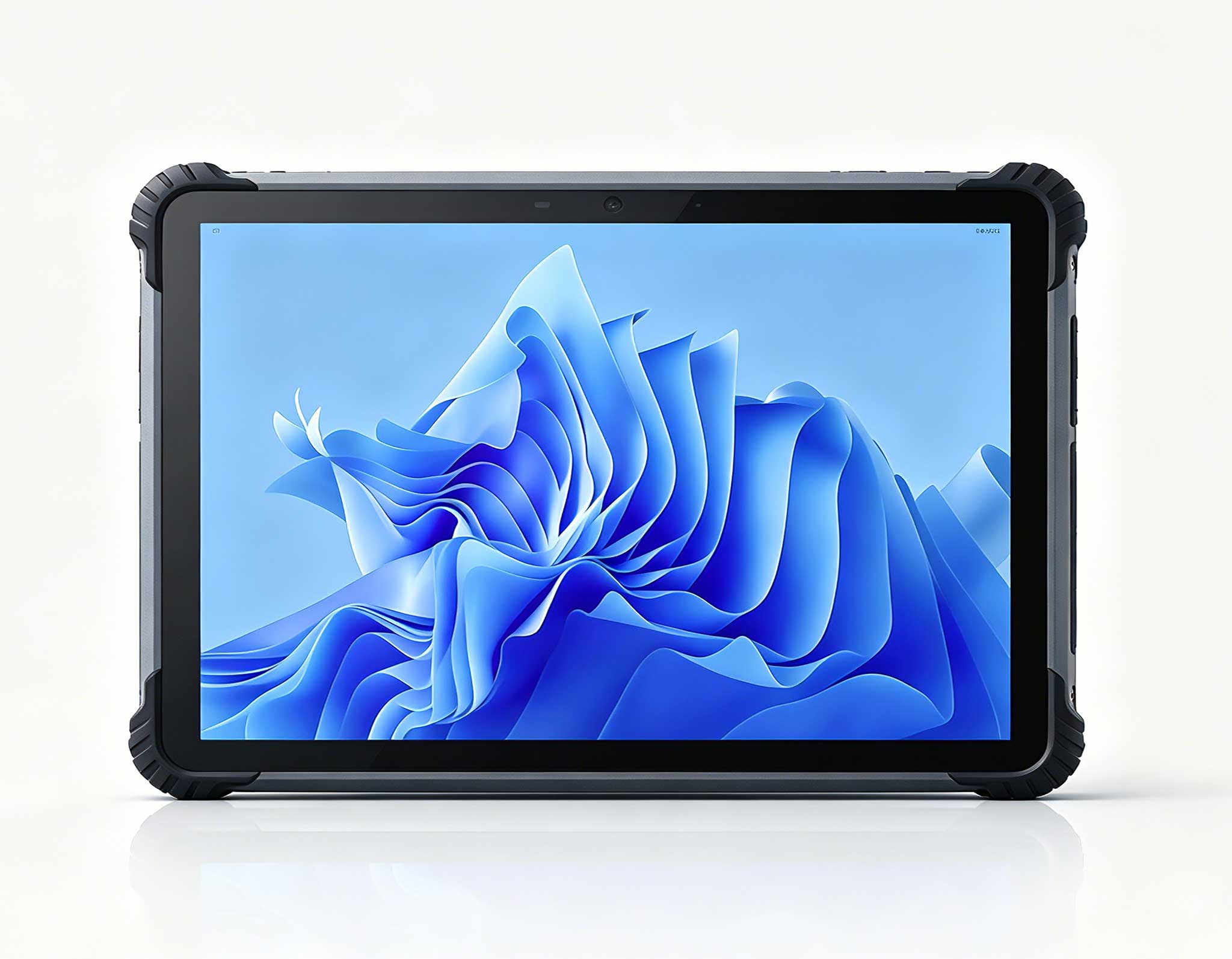
RT82 5G Rugged Tablet | 10.1" FHD 400nit | Qu...
The PM158-1 is a 15.6-inch portable touchscreen mo...
Full SpecificationsModelHotus ST13‑UOSWindows 10 P...
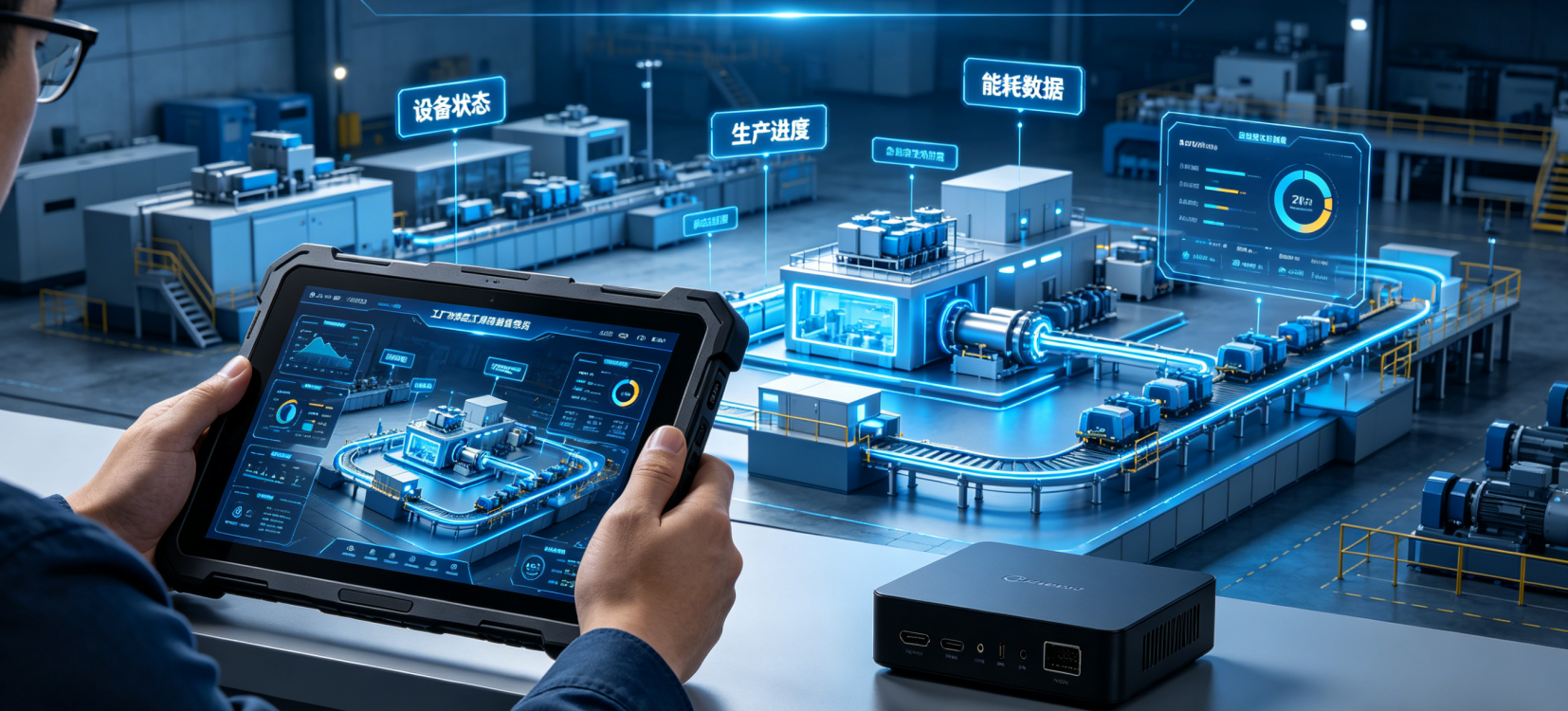
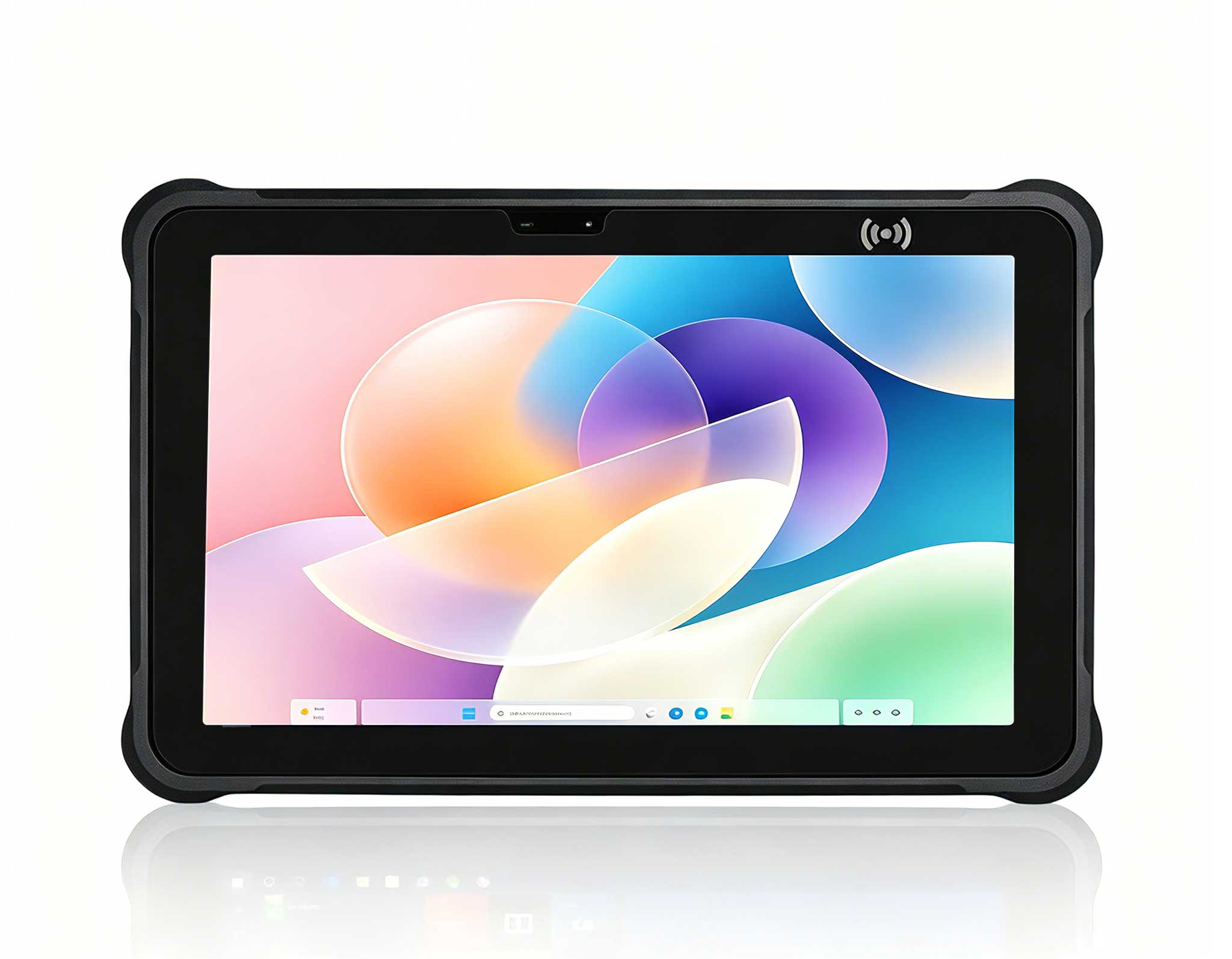
Digital twin visualization — HOTUS rugged tablet brings factory data to life
By HOTUS Technology | April 2026
Manufacturing is entering a new era of intelligence and autonomy. The global smart factory market is estimated at $426.65 billion in 2026, growing from $389.14 billion in 2025, with 2031 projections reaching $675.82 billion at a CAGR of 9.64%[reference:9]. The AI in manufacturing market is growing even faster — valued at $26.98 billion in 2025 and expected to reach $610.96 billion by 2034 at a staggering CAGR of 42.3%[reference:10].
What's driving this unprecedented growth? The convergence of industrial IoT platforms, AI-powered digital twins, machine-vision-guided robotics, and rugged mobile computing. Manufacturers are deploying these technologies to shrink changeover times, cut energy use, reduce scrap, and move toward autonomous, self-optimizing production systems[reference:11].
Digital twins — virtual replicas of production lines, machinery, and supply chains — are revolutionizing how manufacturers operate. These digital twins enable real-time monitoring, predictive maintenance, and scenario testing, helping manufacturers identify bottlenecks, prevent equipment failures, and optimize processes before real-world implementation[reference:12]. Key applications include:
The AI-powered simulation and digital twins market is growing rapidly — from $5.18 billion in 2025 to $6.89 billion in 2026 at a CAGR of 33.1%[reference:14].
The future of AI in manufacturing is moving toward intelligent and autonomous factories, where AI-driven systems handle complex production tasks with minimal human intervention. Advanced machine learning, computer vision, and predictive analytics are being integrated into robotics, assembly lines, and supply chains, enabling manufacturers to achieve higher precision, faster production cycles, and reduced operational costs[reference:15].
One notable trend is the adoption of AI-enabled collaborative robotics (cobots), which work alongside human operators to enhance productivity, safety, and quality control[reference:16]. Cloud and edge computing are playing a significant role in facilitating real-time data processing and AI-driven decision-making across distributed manufacturing facilities[reference:17].
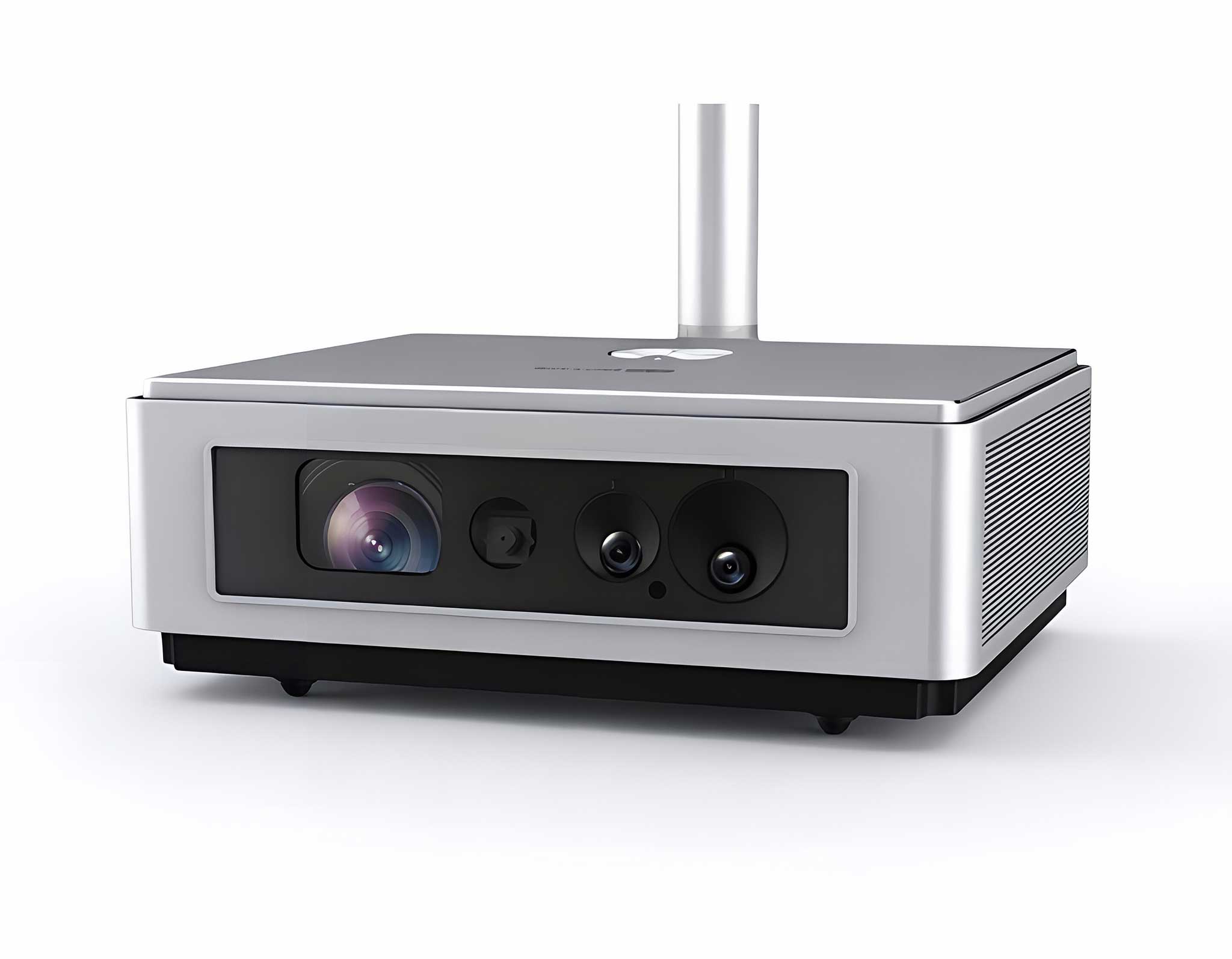
Edge intelligence — HOTUS palm‑sized mini PC powers real-time factory analytics
While digital twins and AI run on servers and cloud platforms, the human interface to these systems is increasingly the rugged tablet and mobile computer. Factory managers, supervisors, and technicians need access to digital twin data, production dashboards, and AI-driven recommendations at the point of work — on the factory floor, next to the machine, at the quality station.
Rugged tablets deployed on smart factory floors provide:
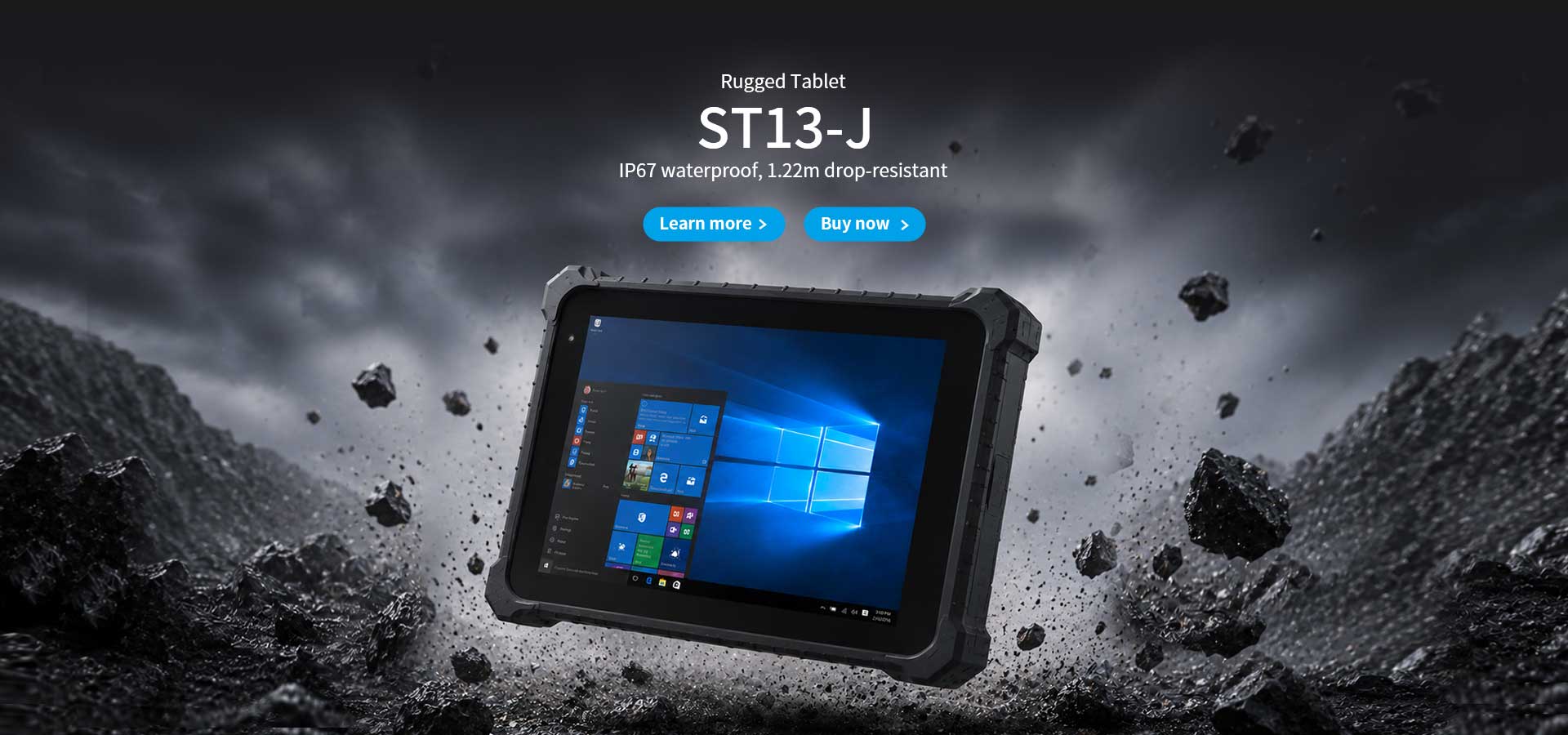
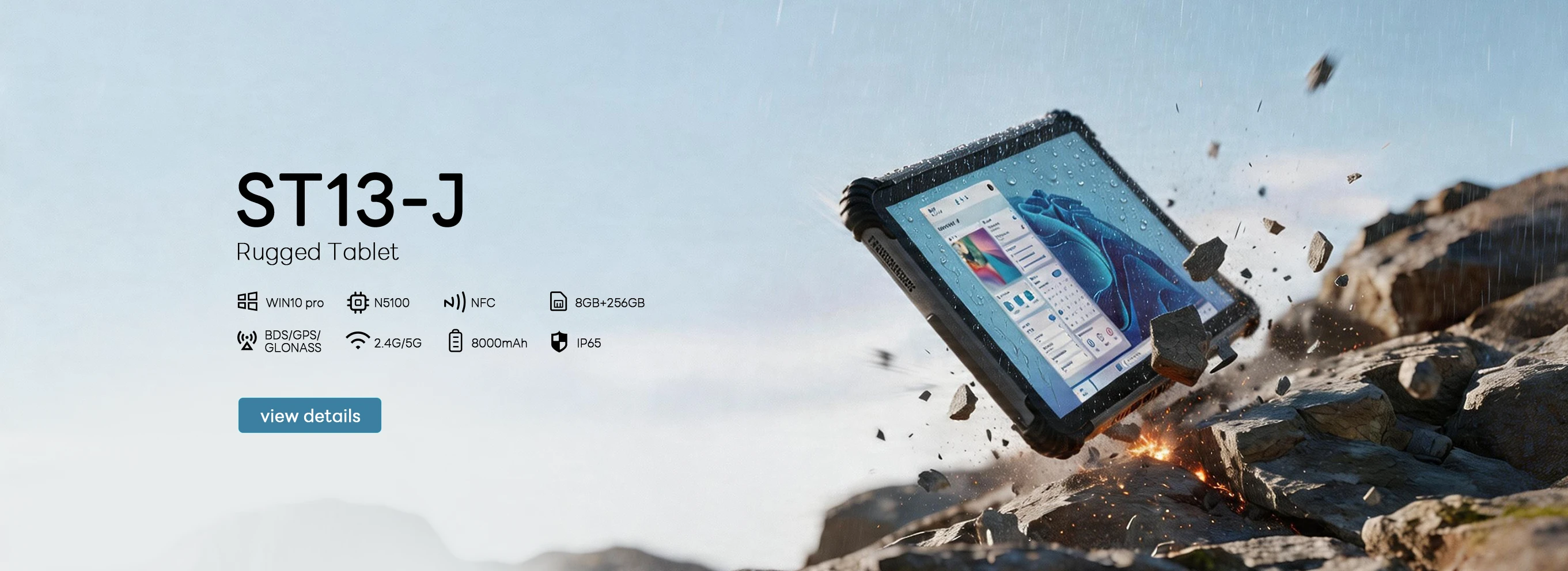
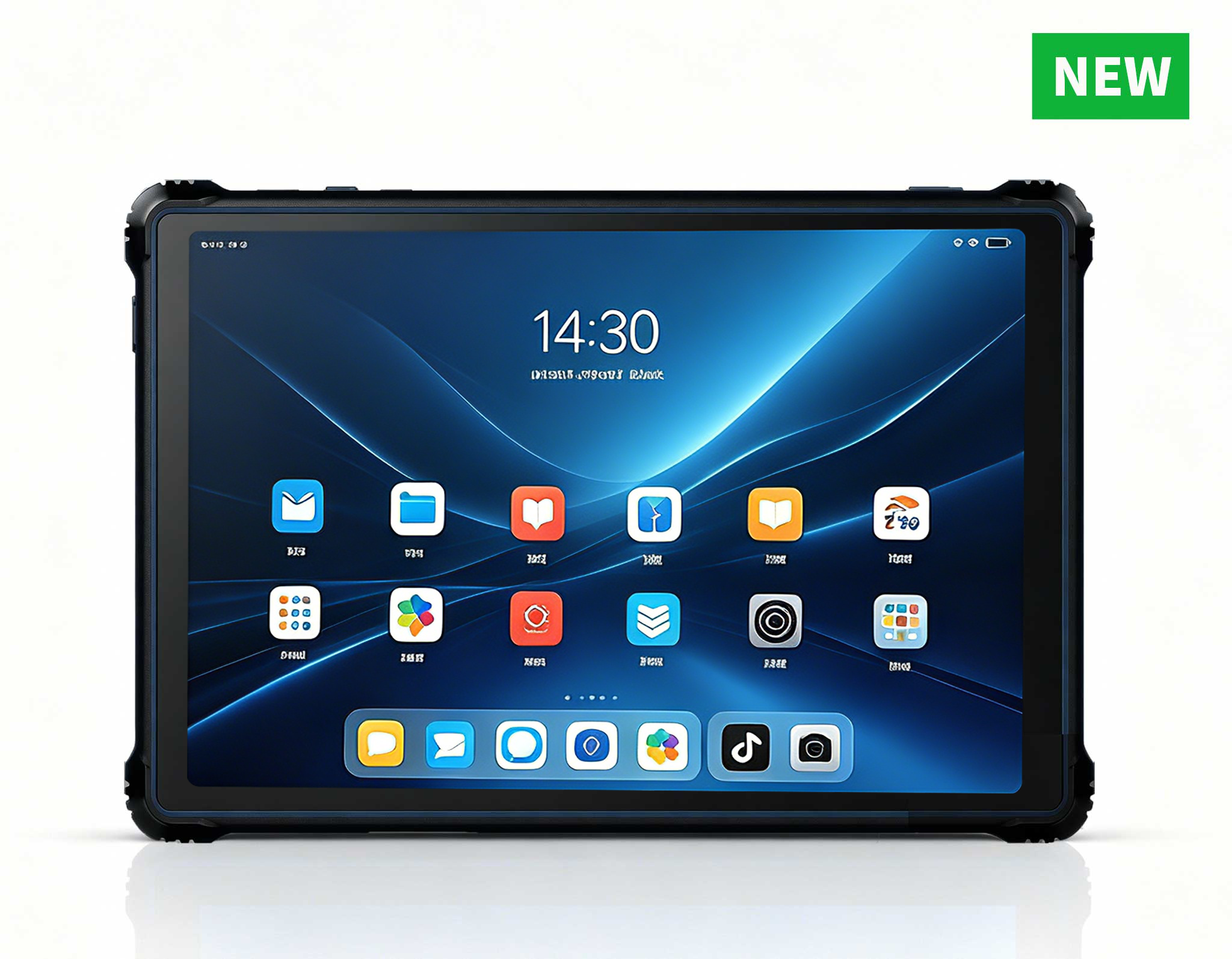
HOTUS Rugged Tablet Series – Factory‑Floor Mobile Workstations
Available in 8‑inch and 10‑inch sizes, HOTUS rugged tablets are purpose‑built for smart factory environments:
HOTUS Palm‑Sized Mini PC – Edge Computing for the Smart Factory
As factories deploy more IoT sensors and edge computing capabilities, the need for compact,
fanless, low‑power edge computers is growing rapidly. The mini PC market is projected to
reach $39.41 billion by 2032, driven partly by industrial edge applications[reference:18].
HOTUS palm‑sized mini PCs are ideal for:
A Tier 1 automotive parts manufacturer implemented digital twins across five production lines, deploying 50 rugged tablets for floor supervisors and 25 mini PCs as edge gateways. Results after 12 months:
According to Gartner's latest manufacturing trends report, "Manufacturing Predicts 2026: AI Agents, Digital Twins and the Race to Autonomous Operations," manufacturers are accelerating toward autonomous, AI-enabled operations. The convergence of OT and IT data, falling sensor and edge AI costs, and supportive policy incentives underpin this trajectory[reference:19].
Manufacturers are investing in AI platforms that combine IoT sensors, predictive analytics, and autonomous systems to create self-optimizing factories capable of adapting to changes in demand, supply chain disruptions, or equipment performance[reference:20]. Government initiatives — such as the U.S. Department of Commerce's NIST investment of $20 million to advance AI‑based technology solutions for manufacturing — are accelerating adoption[reference:21].
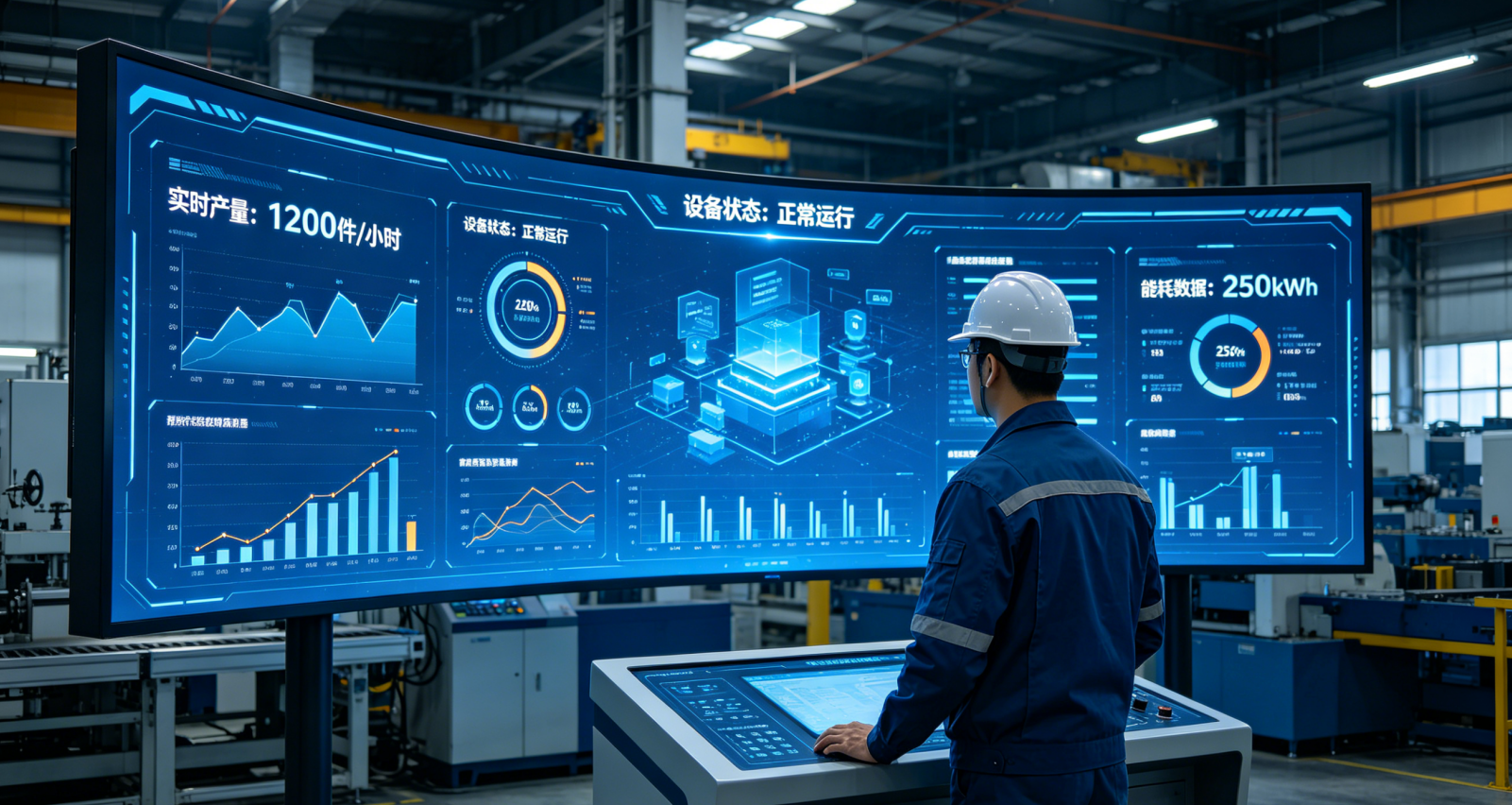
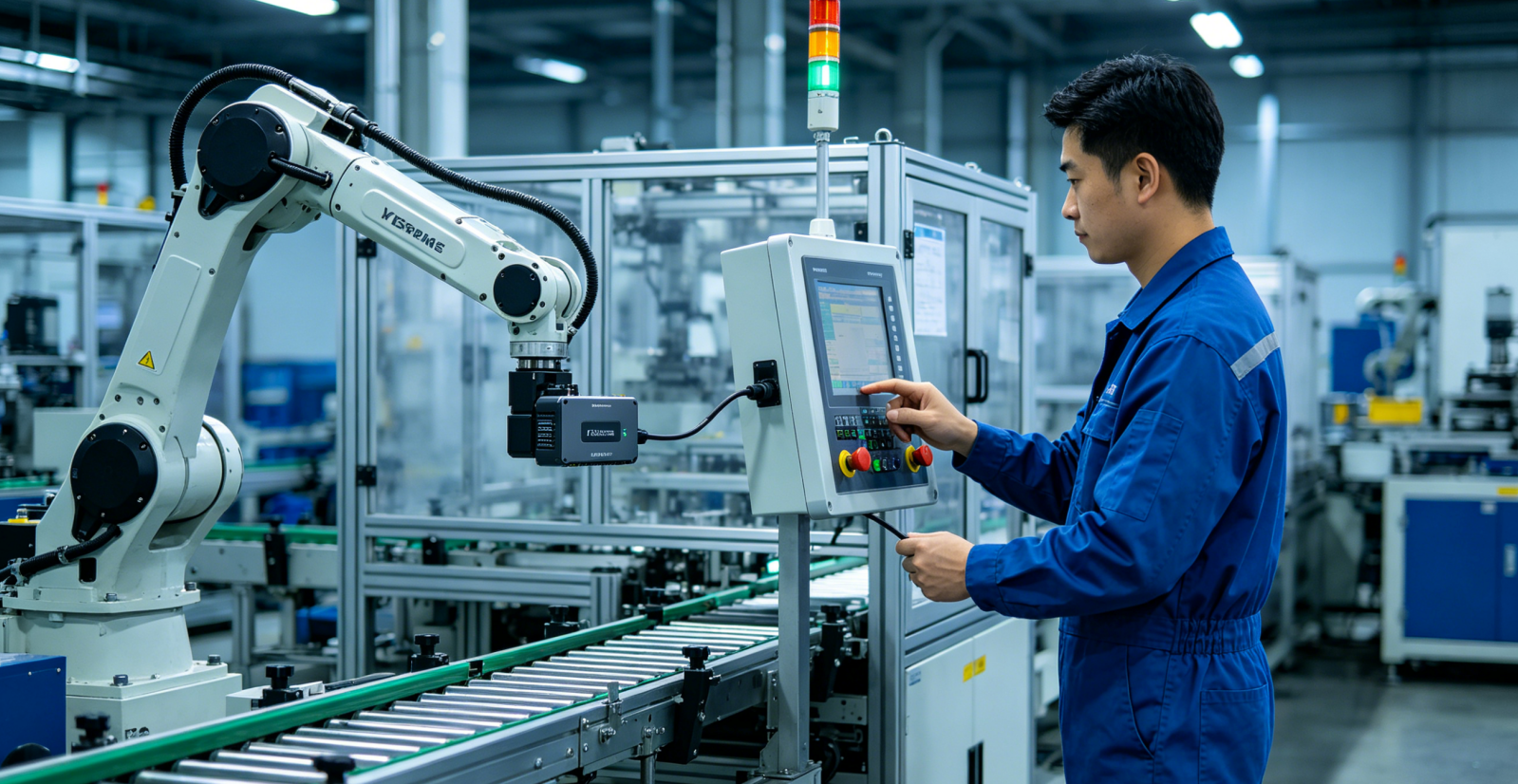
Real‑time visibility — HOTUS rugged tablet displays factory digital twin data
For Rugged Tablets: Industrial durability (IP67, MIL-STD-810G), glove‑compatible touch, high‑brightness display, long battery life (10+ hours), and connectivity to MES, ERP, and digital twin platforms.
For Edge Mini PCs: Fanless design (no dust ingress), wide operating temperature range (-20°C to 60°C), multiple I/O ports (industrial connectivity), low power consumption (15-30W), and support for AI inference workloads.
HOTUS Technology offers pilot programs for manufacturers to test rugged tablets and edge mini PCs in actual production environments. OEM/ODM customization includes factory branding, pre‑loaded software (MES integration, digital twin viewers), and custom accessory configurations.
The smart factory market is projected to reach $675.82 billion by 2031[reference:22]. The integration of AI into manufacturing operations is expected to evolve from task‑specific applications to fully autonomous and intelligent production ecosystems[reference:23]. HOTUS smart factory solutions deliver the rugged mobile computing and edge intelligence that Industry 4.0 demands.
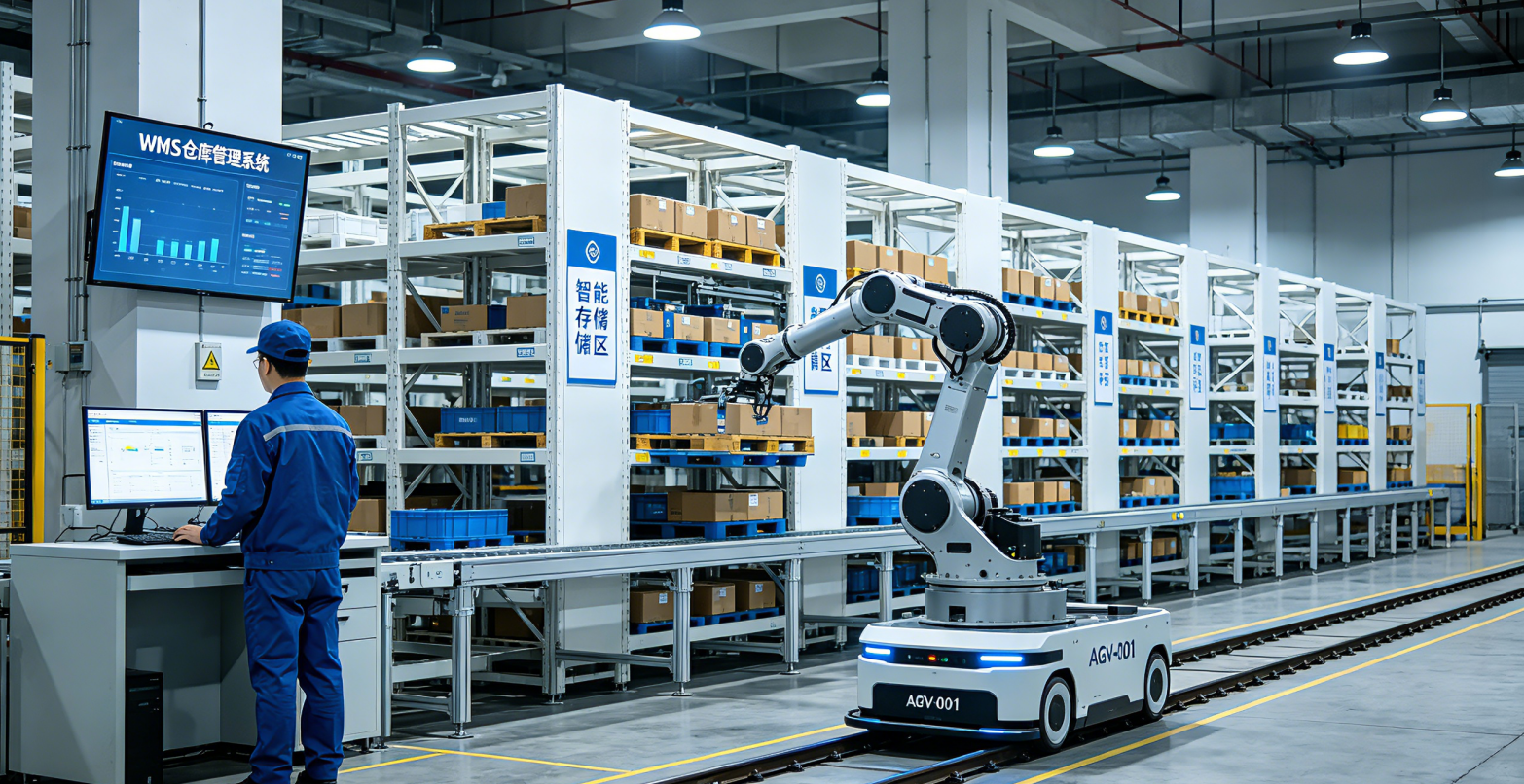
Industry 4.0 ready — HOTUS rugged tablet and edge mini PC for smart factories
Contact HOTUS Technology to discuss your smart factory needs, request pilot units,
or explore custom solutions for digital twin visualization and edge computing.