- Select Language
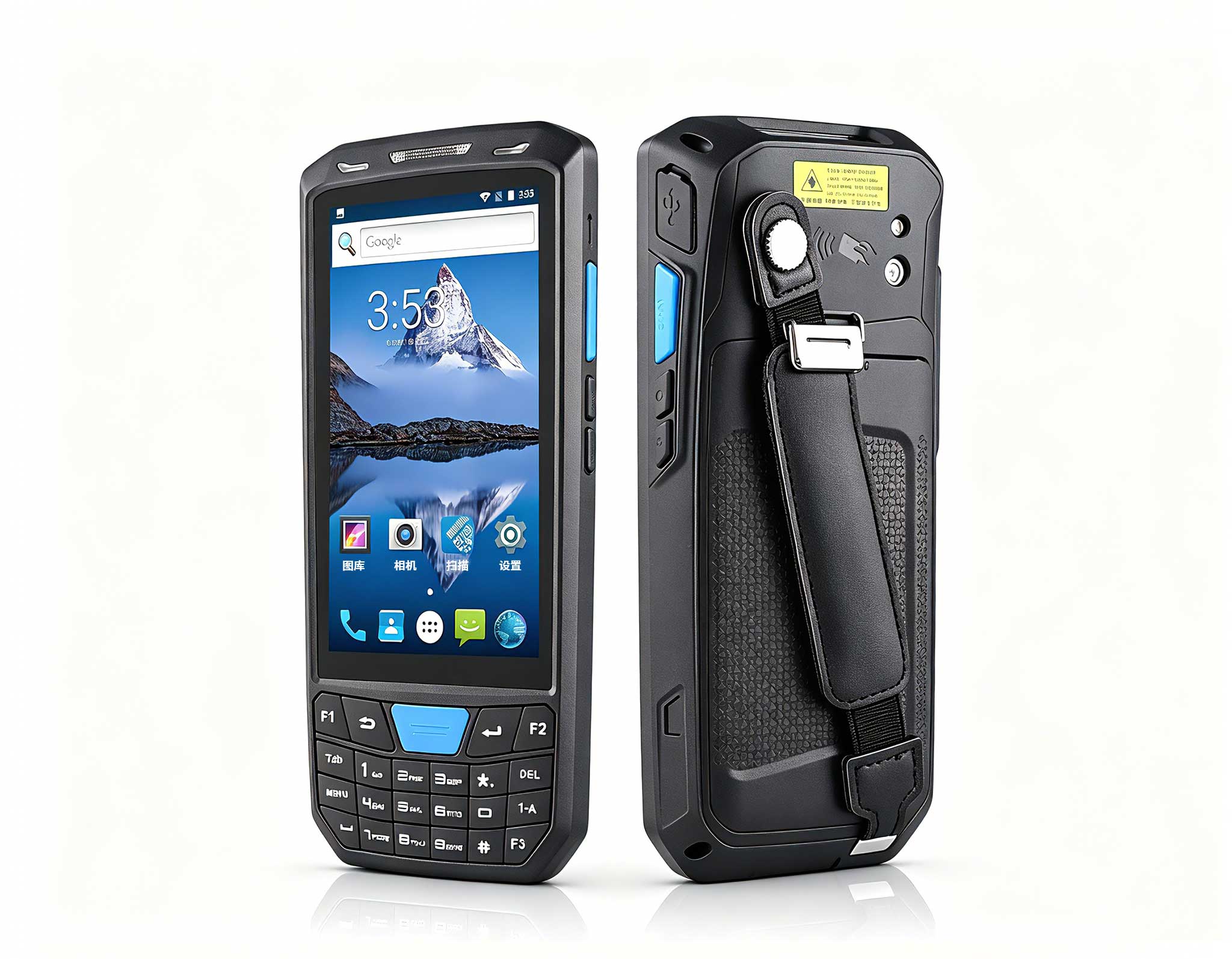
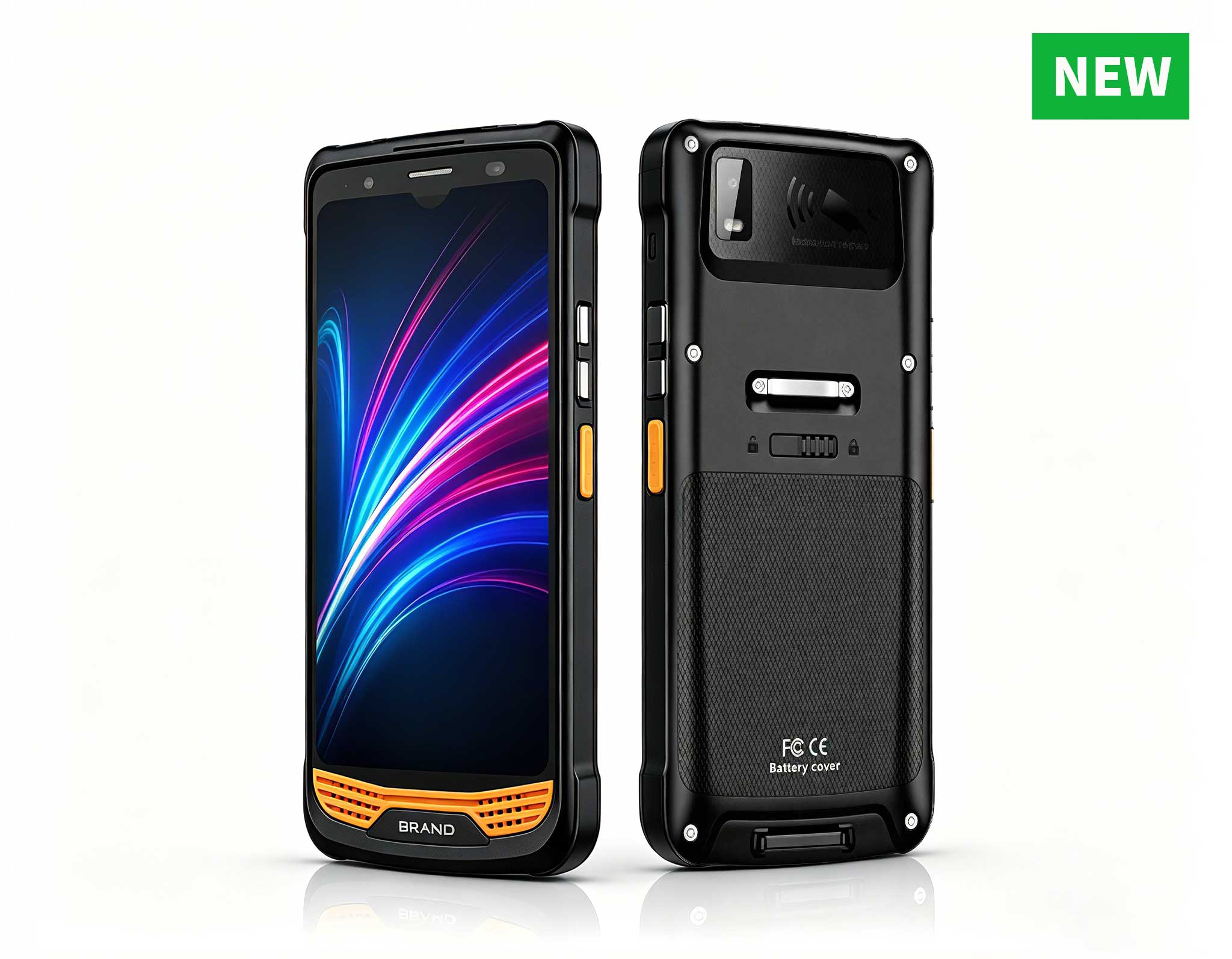
The X501 Handheld PDA combines advanced barcode sc...
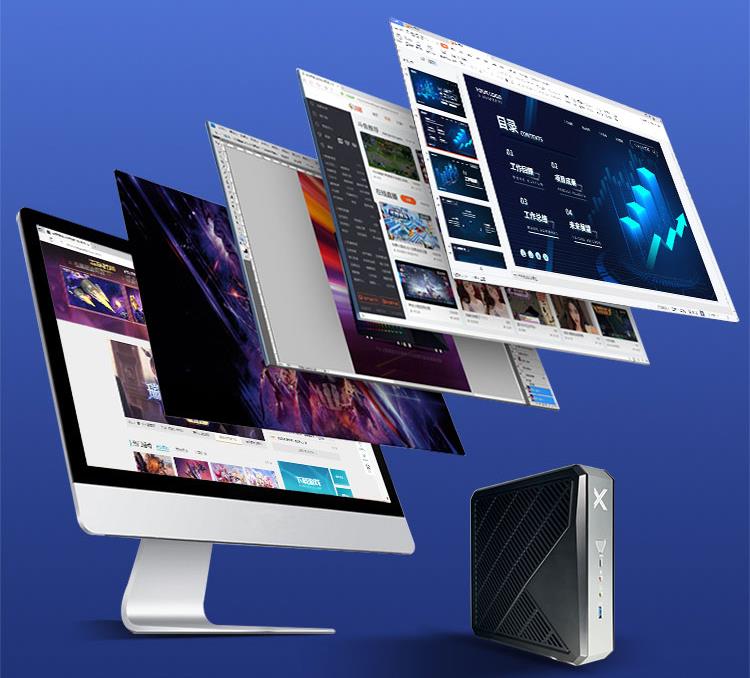
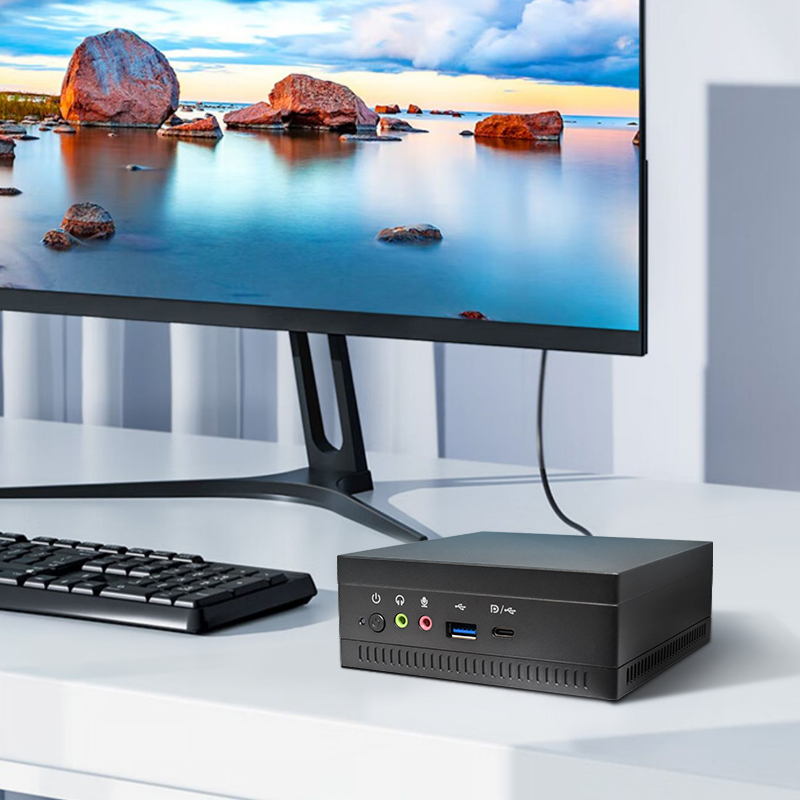
Technical SpecificationsModel: Palm-sized miniPCTy...
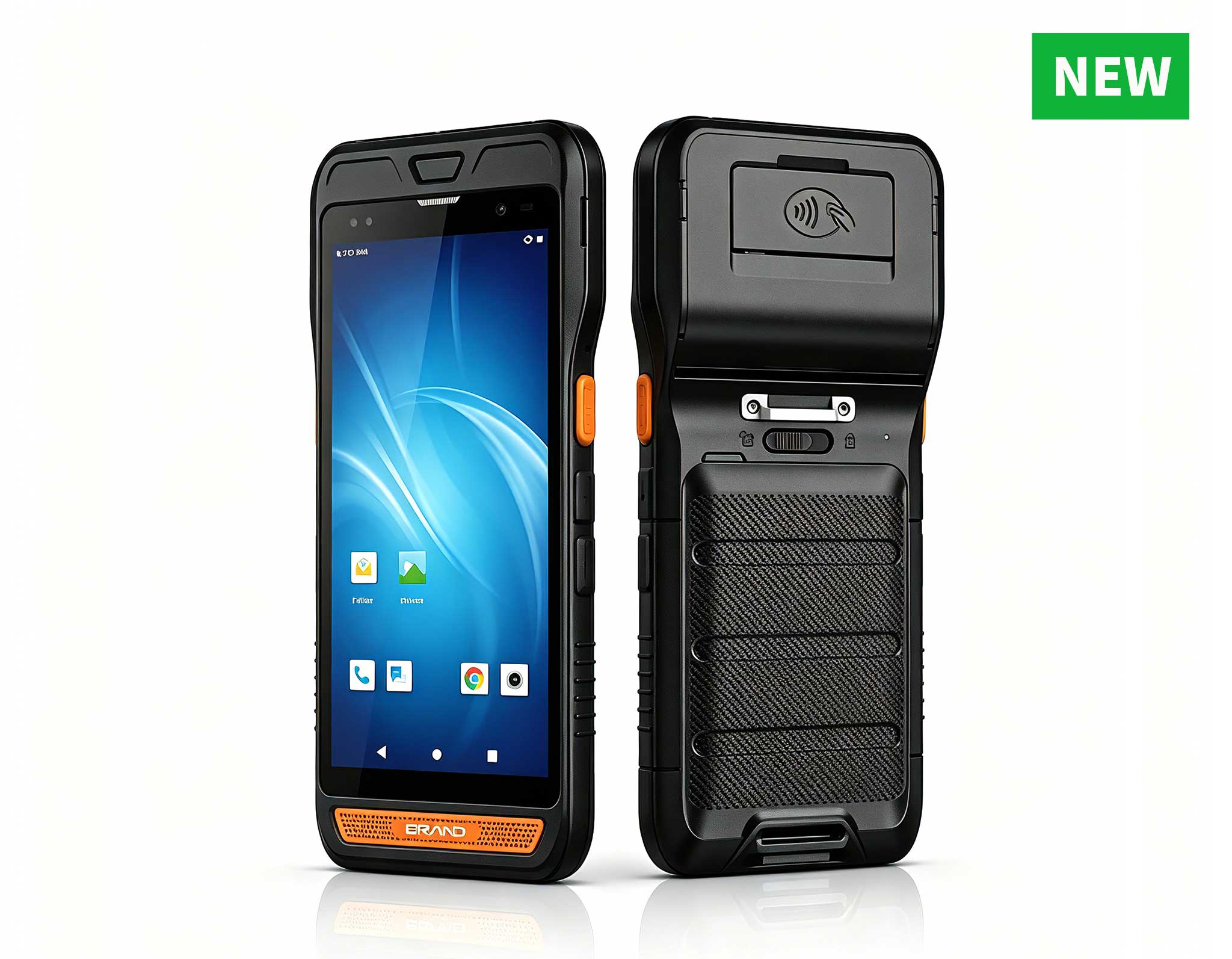
R860-S 5.5-inch Industrial PDA with Thermal Printe...
The R501 PDA combines a powerful MT6762 Octa-Core ...
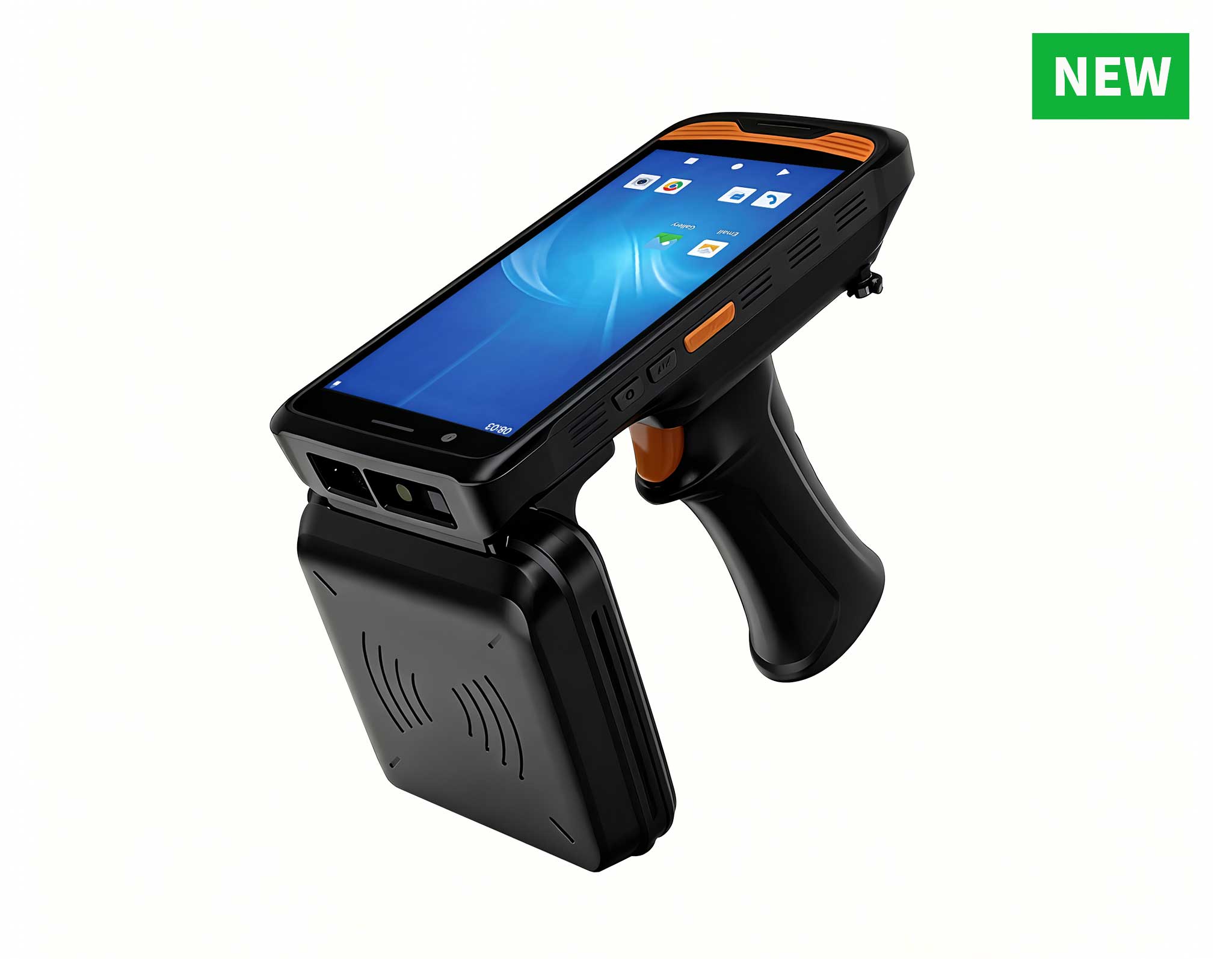
The T80 handheld PDA combines advanced barcode sca...
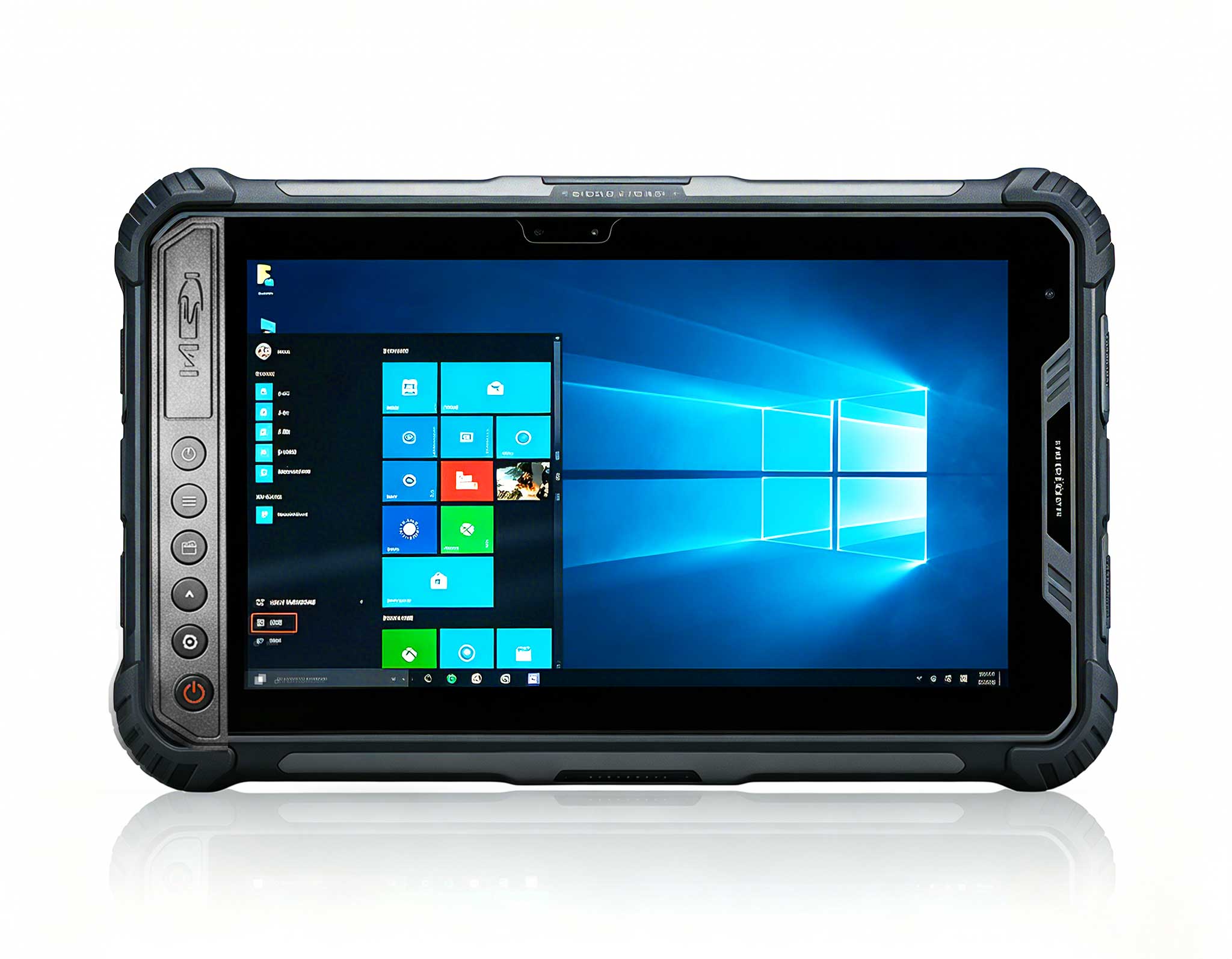
Full SpecificationsModelHotus ST9‑MOSWindows 10/11...
This ultra-compact mini PC offers powerful perform...
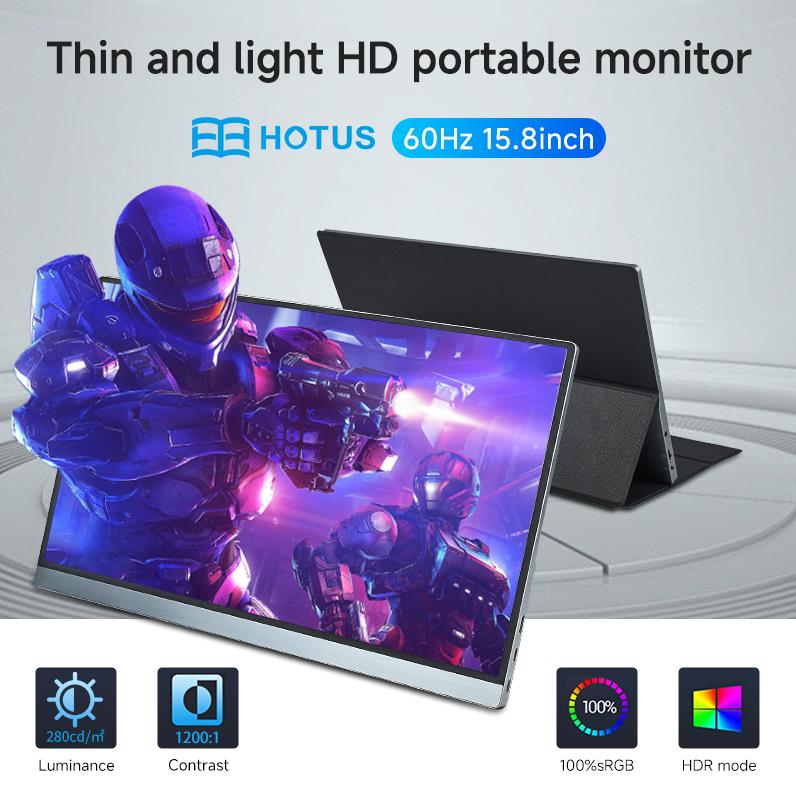
The PM158-1 is a 15.6-inch portable touchscreen mo...
R366-S 5.5-inch Industrial PDA | Qualcomm Octa-cor...
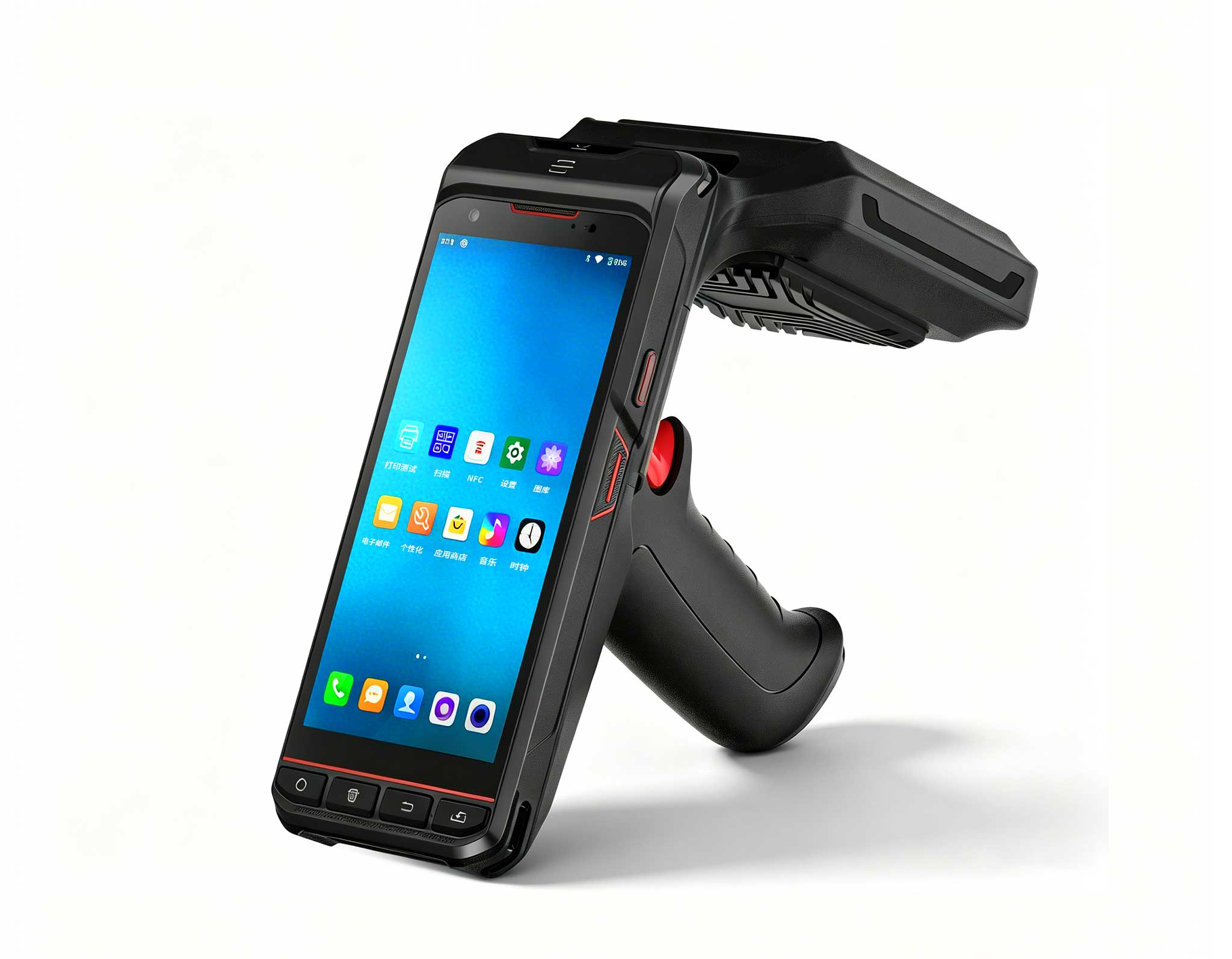
R366C-S 5.5-inch Industrial UHF RFID Reader | Qual...
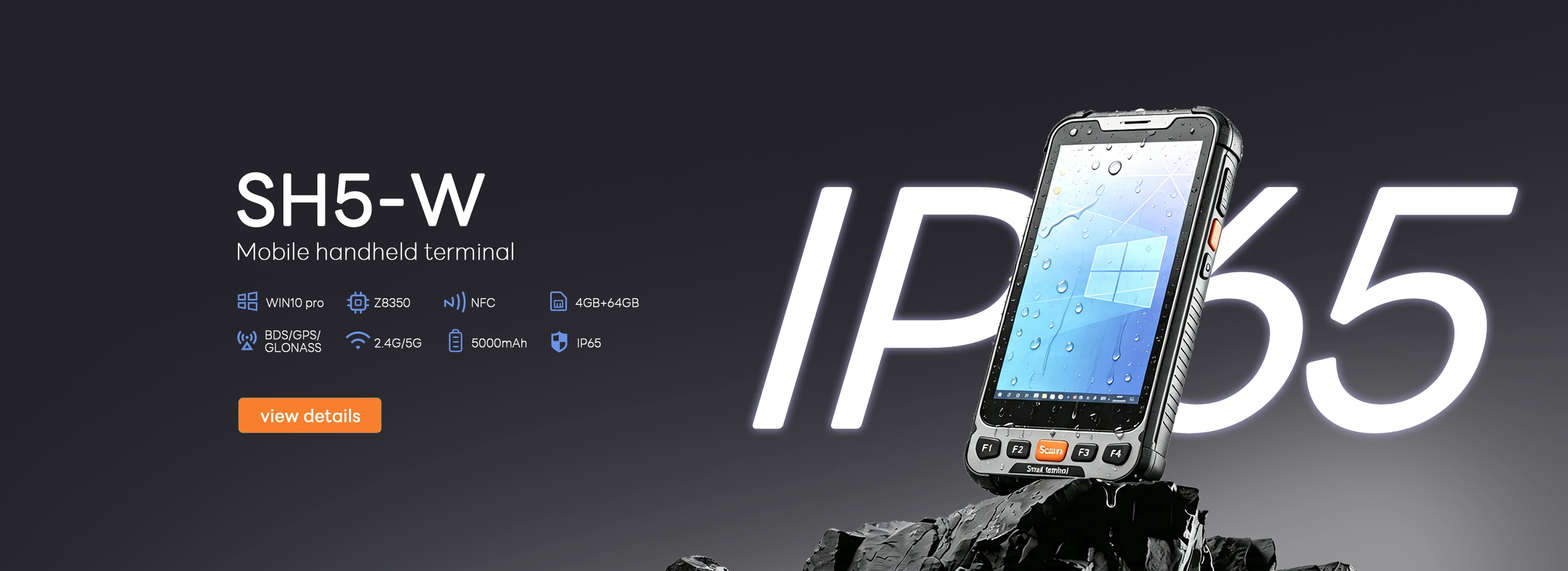
Full SpecificationsModel Hotus SH5‑WOperating ...
Hotus ST11-J – the command console for your humanoid robot workforce
By HOTUS Technology | April 2026
The humanoid robot market has exploded. China alone produced over 14,000 humanoid robots in 2025, accounting for 84.7% of global shipments, with market value of 1.55 billion RMB – 53.8% of the world total. By 2030, annual shipments are expected to hit 262,000 units. The embodied intelligence market is racing toward 238.8 billion RMB by 2030 at a staggering 73% CAGR.
This sounds like science fiction. But here’s my blunt observation: most factories are not ready for humanoid robots – not because the robots aren’t capable, but because the supporting infrastructure is missing. A single humanoid robot is impressive. A fleet of 50 or 100 humanoid robots working alongside humans becomes a management nightmare without the right edge compute and mobile command tools.
The robot companies sell you the hardware. But they often gloss over the reality that robots need real‑time supervision, exception handling, task reassignment, and predictive maintenance. A humanoid robot can pick and place parts for hours, but when it drops a component or encounters an unexpected obstacle, someone has to step in. That someone needs a rugged, Windows‑based device that can see what the robot sees, override its decision, and log the exception – all without leaving their work area.
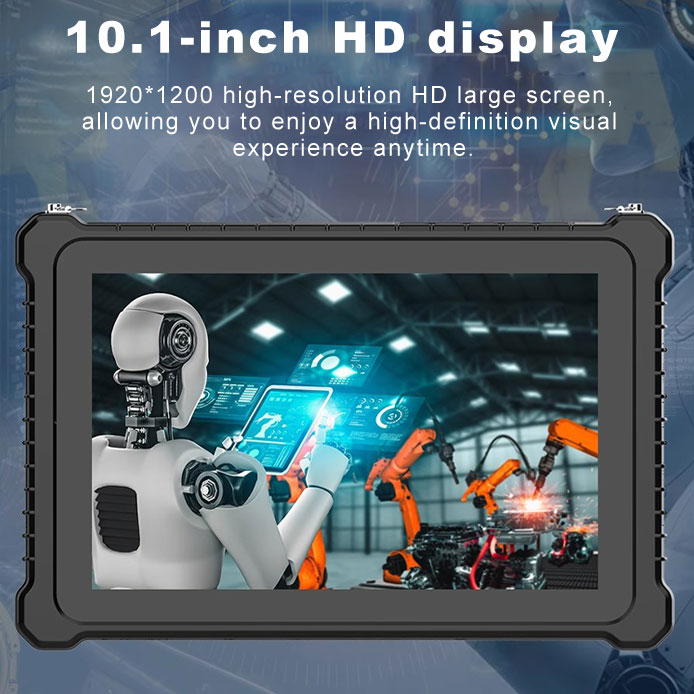
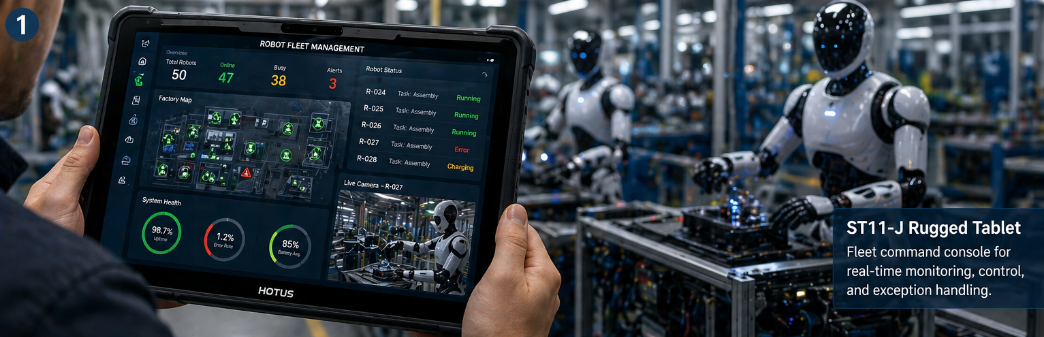
This is where the Hotus ST11‑J 10.1″ Windows rugged tablet becomes essential. The ST11‑J serves as the fleet command console for humanoid robot supervisors. With its 1000+ nit high‑brightness display, IP67 protection, and Windows 11 Pro OS, it runs robot fleet management software (like Viam, Formant, or OEM tools) natively. A single supervisor can monitor 50+ robots simultaneously, showing each robot’s location, task status, battery level, and error flags on a live map.
But monitoring is not enough. When a robot hangs, the supervisor needs to see what the robot sees. The ST11‑J can stream the robot’s camera feed, display sensor data, and provide manual override controls – all through an intuitive touch interface. That turns a potentially costly stoppage into a 30‑second intervention.
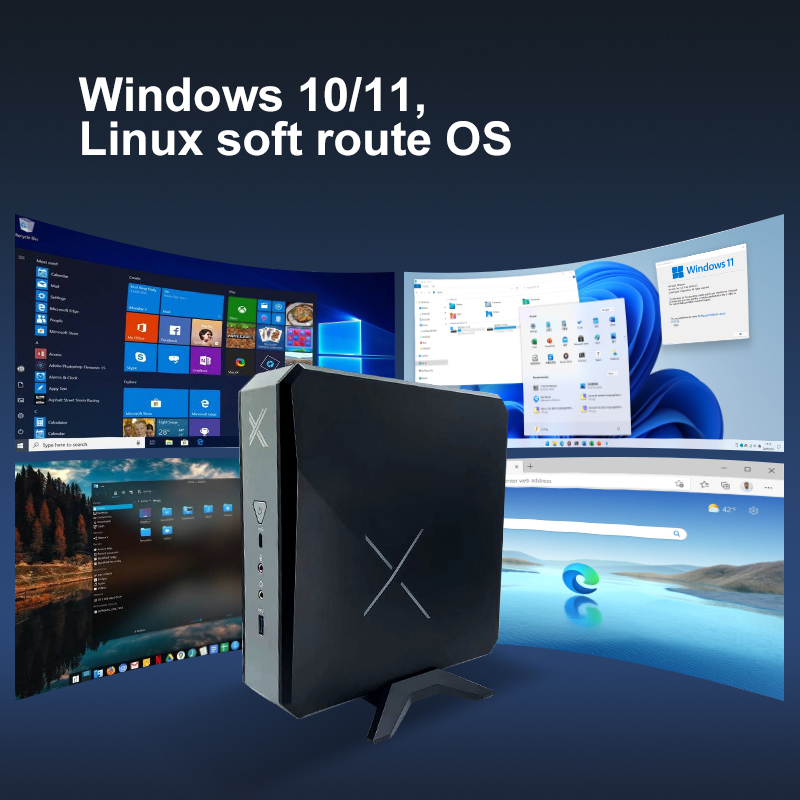
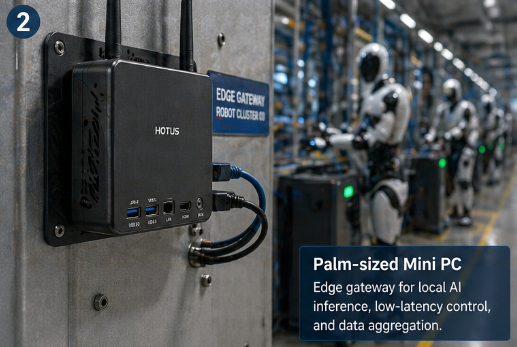
The Hotus Palm‑sized Mini PC plays an equally critical role as an edge gateway for each robot cluster. Mounted on a robot charging rack or in a nearby cabinet, the Mini PC runs local AI inference – collision avoidance, path planning, anomaly detection – with latency under 50 milliseconds. It filters and aggregates data from 5‑10 robots, sending only alerts to the cloud. This reduces network load and ensures that even if the WAN link drops, the robots can still operate safely.
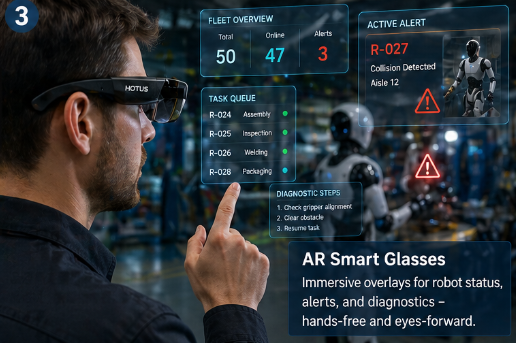
To go a step further, Hotus AR Smart Glasses give supervisors an immersive view. Instead of looking down at a tablet, a manager can wear the AR glasses and see virtual overlays of robot status, task queues, and hazard zones directly on the factory floor. When a robot flags an error, the glasses highlight the affected unit and display diagnostic steps – hands‑free.
A real automotive plant that deployed 50 humanoid robots used this exact trio: ST11‑J tablets, Mini PC edge gateways, and AR glasses. Results after 8 months: robot uptime reached 98.7%. Exception resolution averaged under 2 minutes. Production throughput increased 35%. Defect rates fell from 1.2% to 0.3%. Training time for new robot supervisors dropped from 2 weeks to 3 days. ROI is projected within 14 months.
My take is simple: the humanoid robot industry has focused too much on the robots and too little on the human interface. You cannot manage a swarm of autonomous machines with consumer tablets or paper logs. You need rugged, Windows‑based mobile devices that give supervisors real‑time visibility, remote control, and edge‑processed intelligence. The ST11‑J, Mini PC, and AR glasses are not accessories – they are the command infrastructure.
Don’t let your humanoid robot deployment fail because you skimped on the ground control system. Invest in the tools that turn a bunch of expensive prototypes into a productive, manageable workforce.
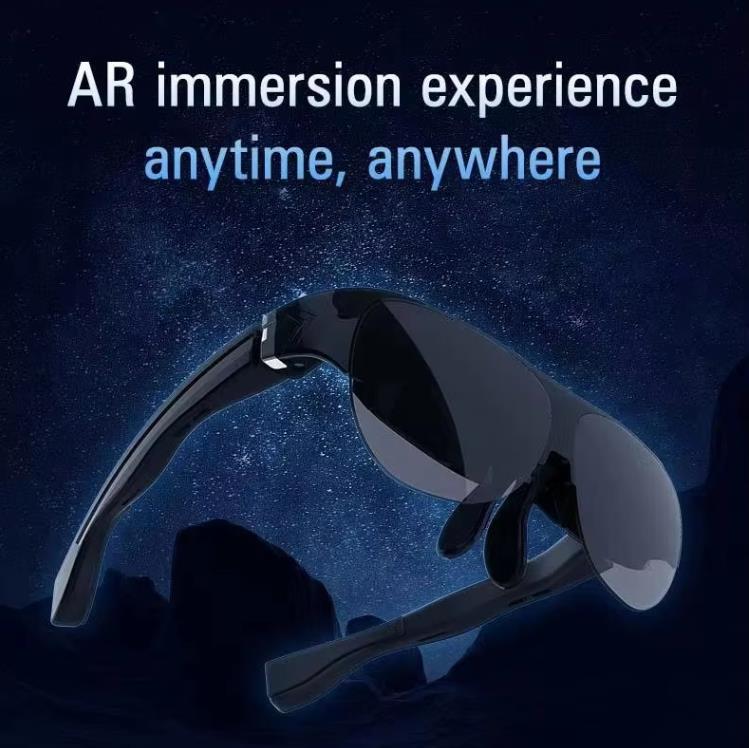
Hotus AR Smart Glasses – hands‑free supervision of robot fleets
Contact HOTUS Technology to discuss your humanoid robot deployment needs, request ST11‑J pilots, or explore custom Mini PC and AR glasses for fleet management.