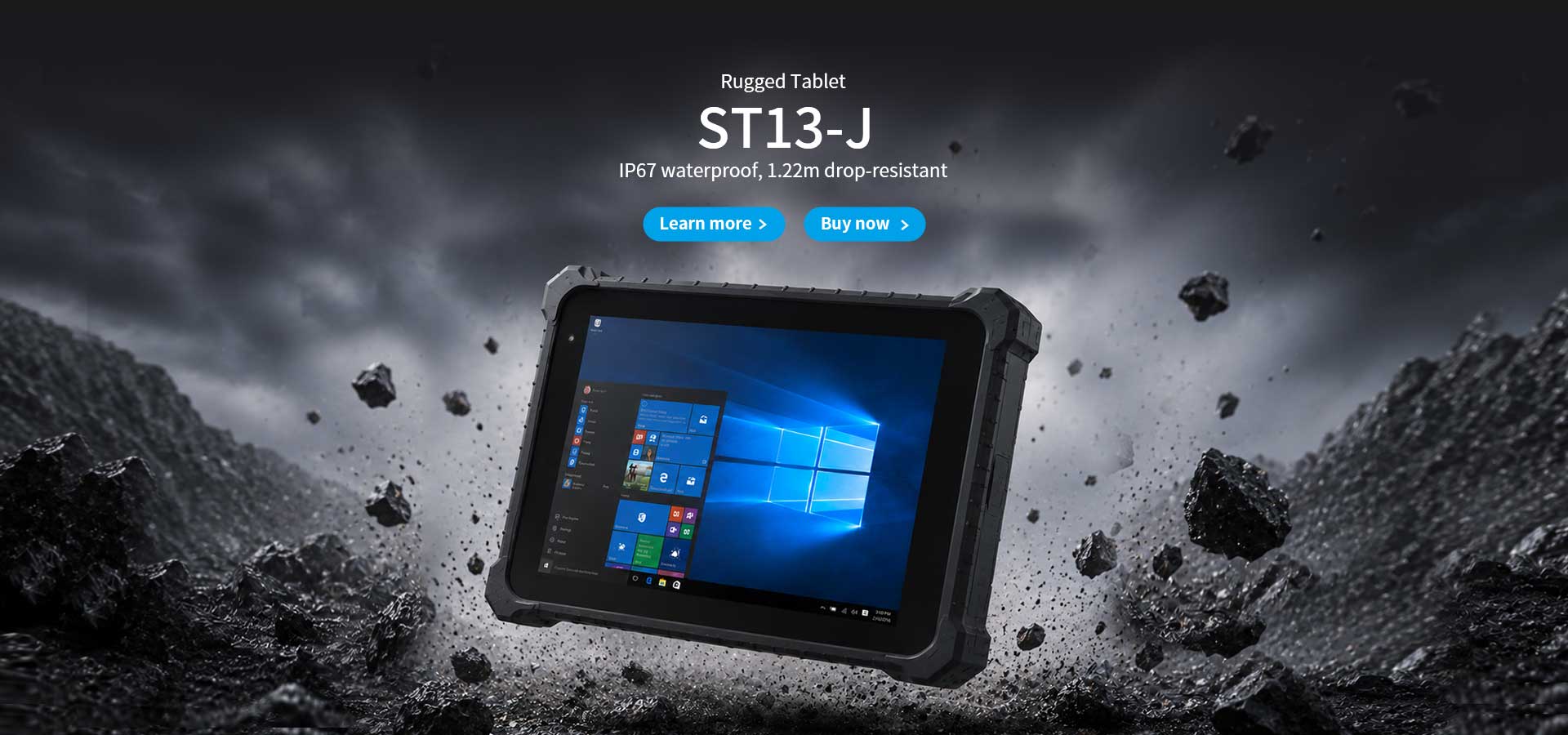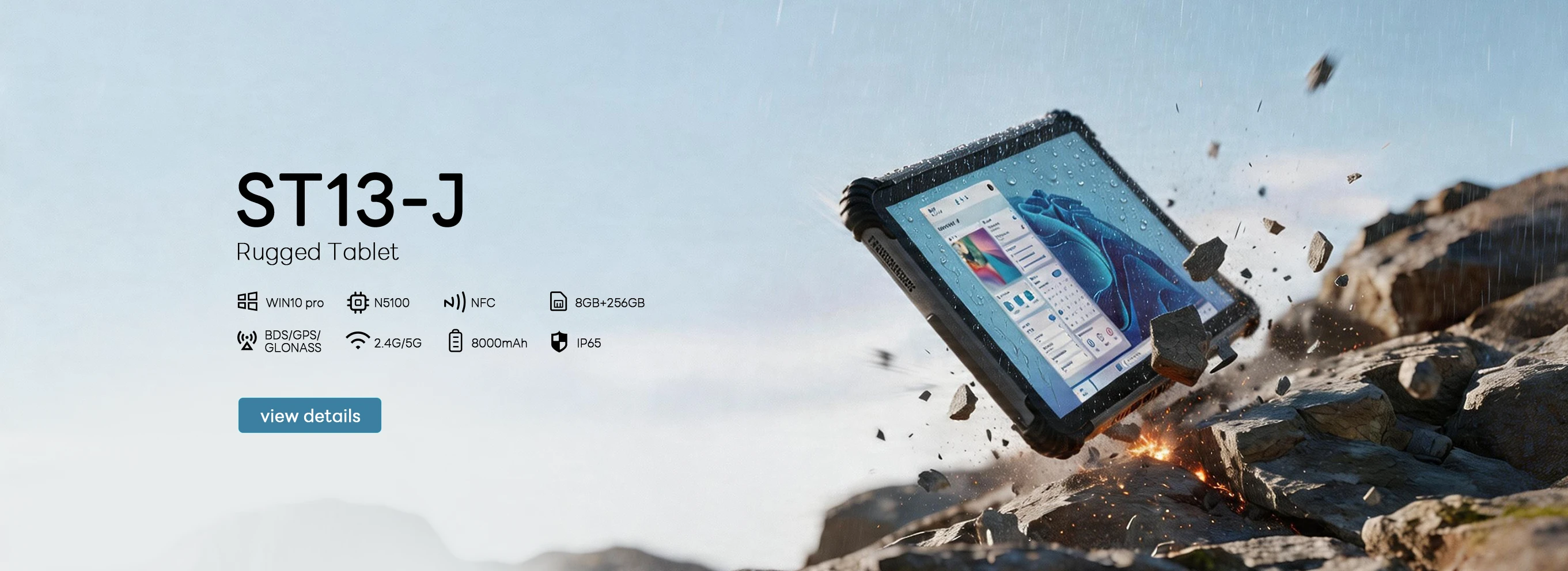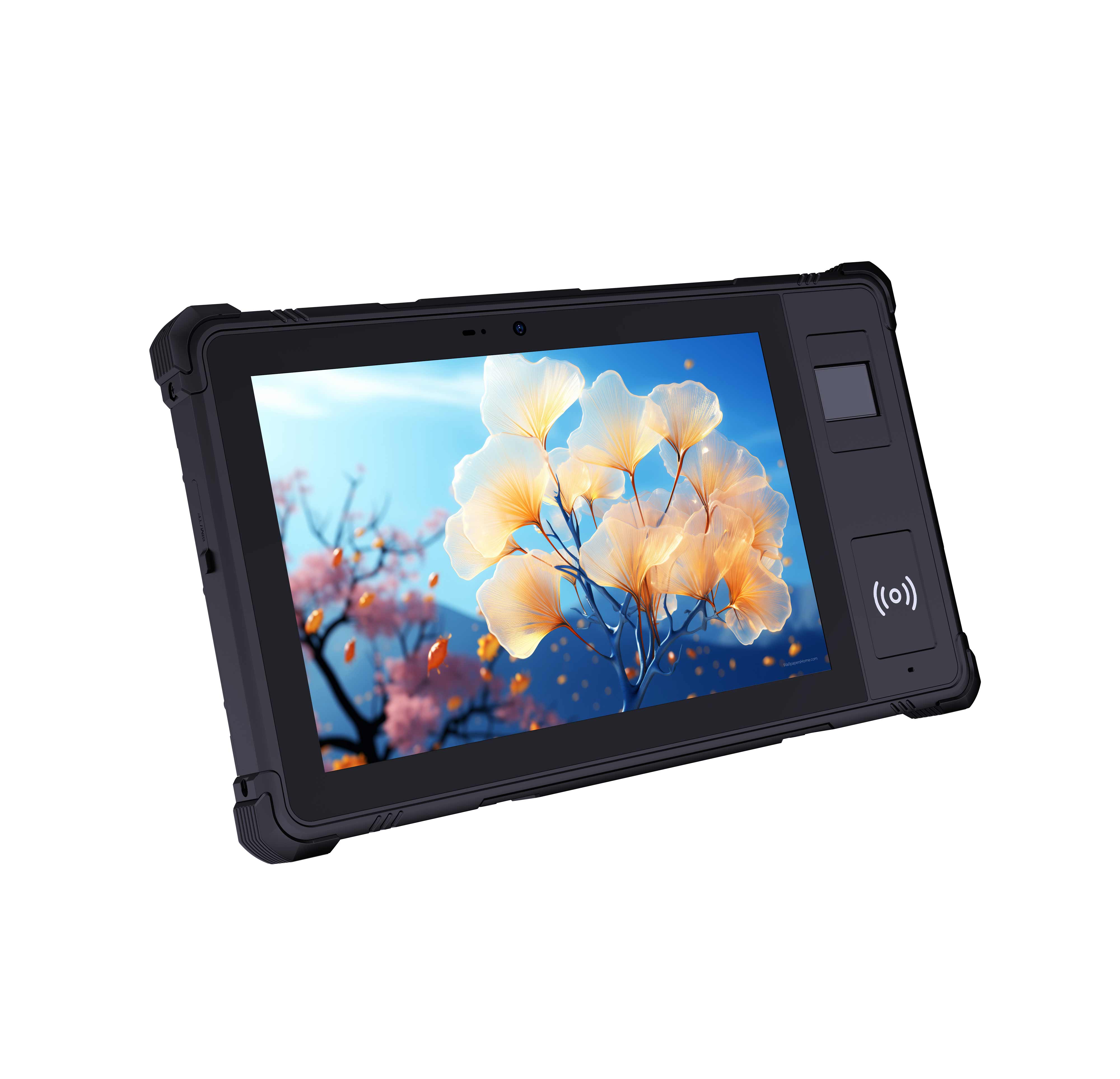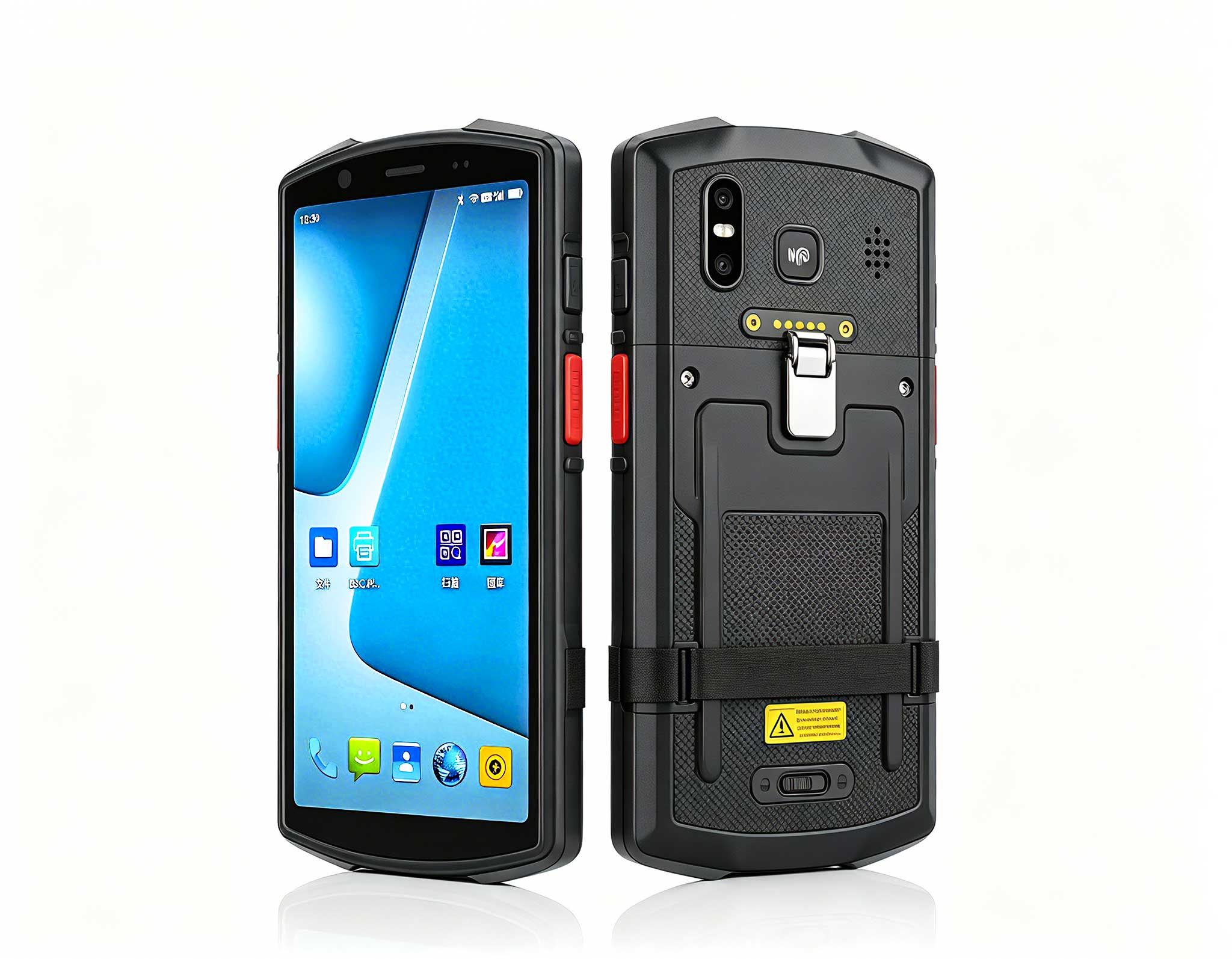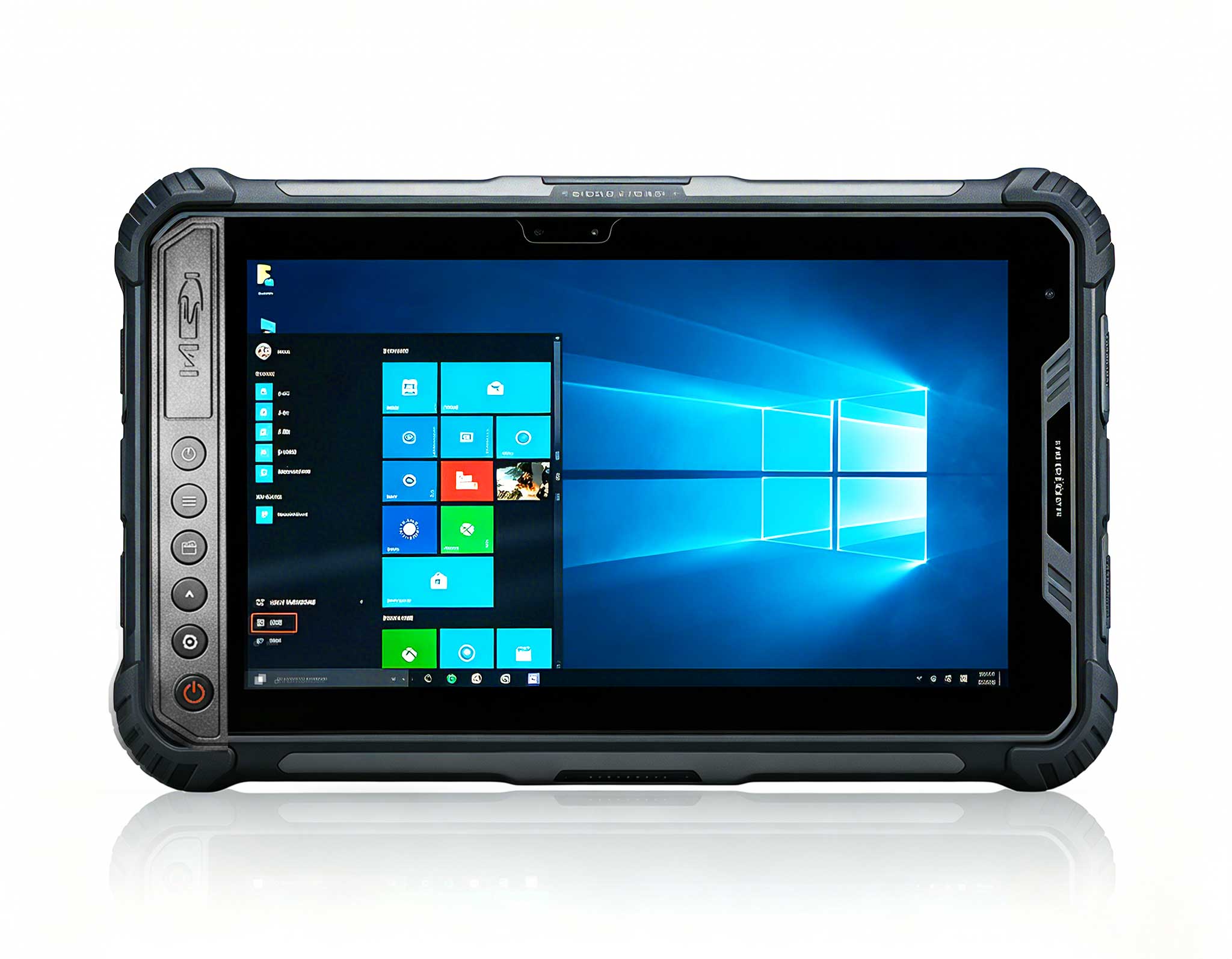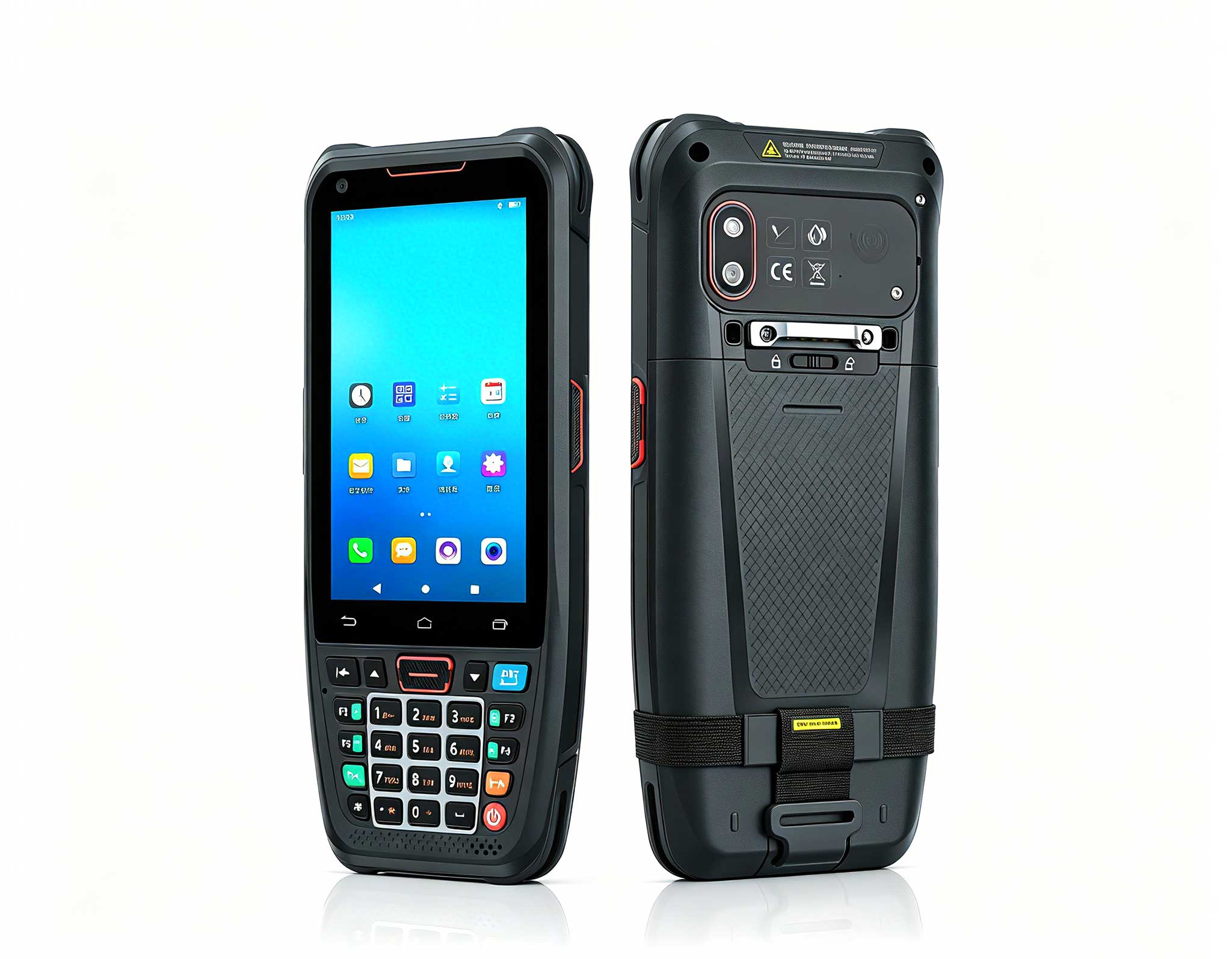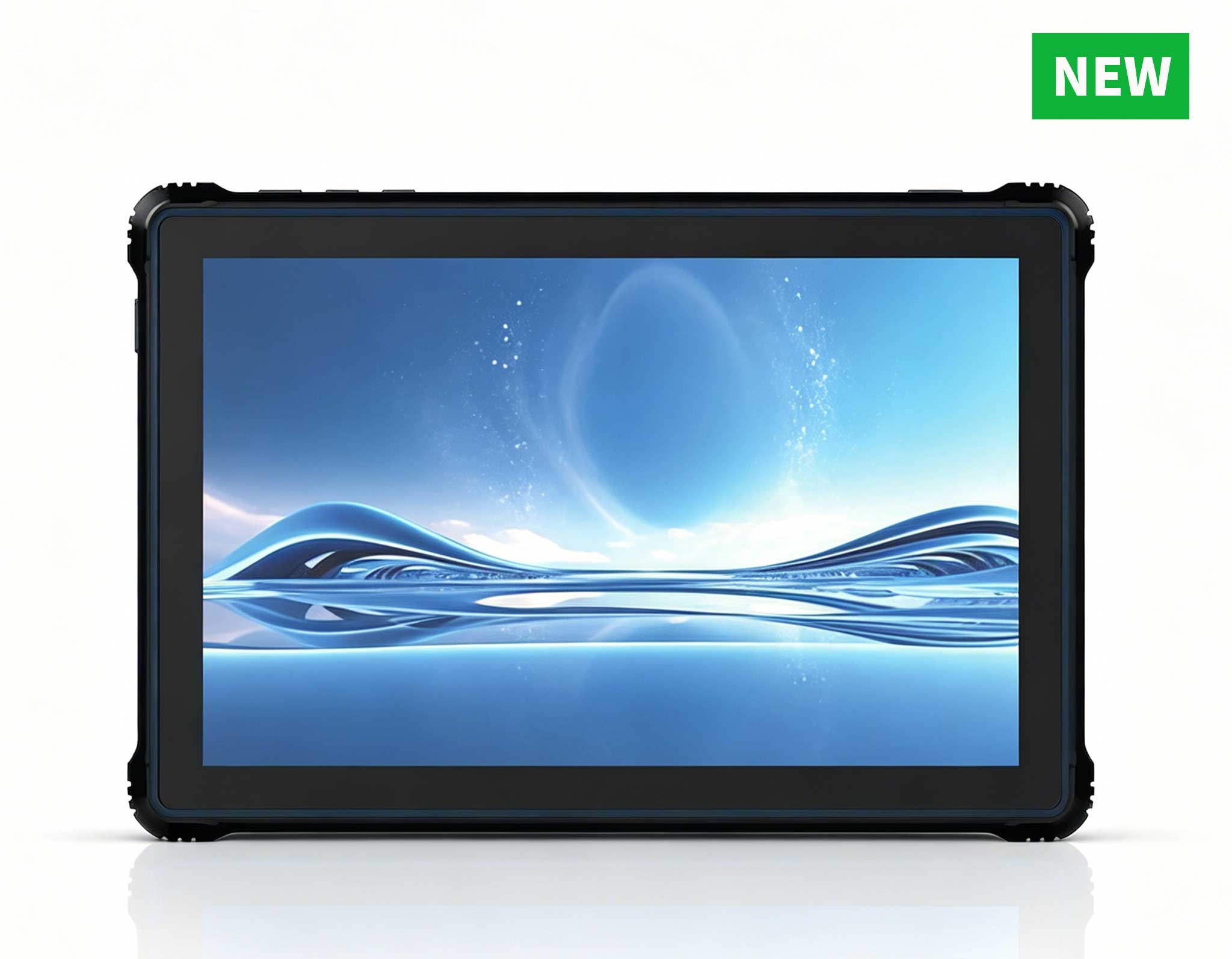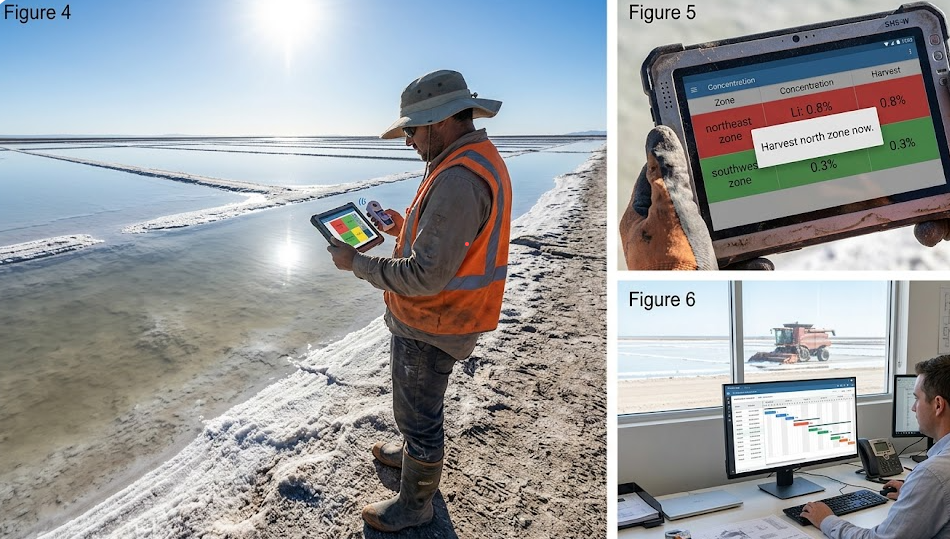
A field technician uses a corrosion‑resistant HOTUS tablet to log lithium concentration and crystal growth in an evaporation pond.
Lithium brine evaporation ponds are low‑tech but high‑value – a single pond can hold millions in lithium carbonate. But crystallization is uneven; some sections mature faster than others. Harvesting too early loses lithium; harvesting too late wastes time. The industry’s record‑keeping is a paper map and a handheld refractometer. You need a corrosion‑resistant Windows tablet with GPS to log concentration samples, map them to pond zones, and predict harvest readiness. In lithium mining, your tablet is the difference between optimal yield and leaving value in the pond.
Lithium Brine Evaporation Pond Crystallization Is Uneven – Your Harvest Log Needs A Corrosion‑Resistant Rugged Windows Tablet
By HOTUS Technology | May 2026
The Operational Complexity of Solar Evaporation in Halite Salars
Upstream lithium extraction for the global electric vehicle battery manufacturing value chain relies heavily on closed-basin continental brine deposits. Found predominantly within the high-altitude salt flats of South America’s "Lithium Triangle" and select basins in North America, these subterranean aquifers contain high concentrations of dissolved lithium chloride mixed with sodium, potassium, and magnesium salts. The industrial extraction methodology relies on a sequence of massive solar evaporation ponds. Brine is pumped into shallow earthen enclosures where wind and solar radiation drive off water content over an extended 12 to 24-month cycle, progressively concentrating the target lithium ions until they reach critical thresholds required for chemical precipitation.
Despite the mechanical simplicity of solar evaporation, chemical precipitation across multi-hectare ponds is highly variable. Micro-climates, wind-driven surface currents, variable pond geometry, and uneven halite crystal bed formations mean that crystallization kinetics fluctuate across a single square mile. The center of an evaporation cell often reaches target harvest-grade concentrations ($ \text{Li}^+ \ge 1\% $) weeks before the shallower edge margins. For procurement officers and mining asset managers looking to optimize field operations with equipment from an established Mini Projectors, Mini PCs, Rugged Tablets & RFID PDAs Factory, upgrading infrastructure with corrosion-resistant mobile devices is essential to eliminating process bottlenecks and preventing yield losses during harvesting.
The Failure Modes of Manual Records and Refractometer Sampling
To track brine maturation, field technicians perform manual checks across the ponds, using handheld digital refractometers or hydrometers to measure specific gravity and refractive index metrics. Historically, technicians recorded these field observations by hand onto laminated grid sheets or paper maps carried to individual sampling stations.
This paper-based monitoring workflow creates significant operational risks. The environment surrounding a lithium salar is highly corrosive; fine, wind-borne sodium chloride particles and hyper-saline splash residues destroy standard electronics and degrade paper logs within hours. Manual logging fails to capture real-time GPS coordinates for sampling points, which results in inaccurate mapping of localized concentration variations. Without automated logging, operations planners cannot model evaporation curves or accurately predict harvest windows. Consequently, facilities often harvest prematurely—which entrains un-concentrated impurities and complicates downstream purification—or delay harvesting, which creates process backlogs and drops total facility throughput.
Brine-Resistant Performance: Deploying the HOTUS ST11-M in Corrosive Basins
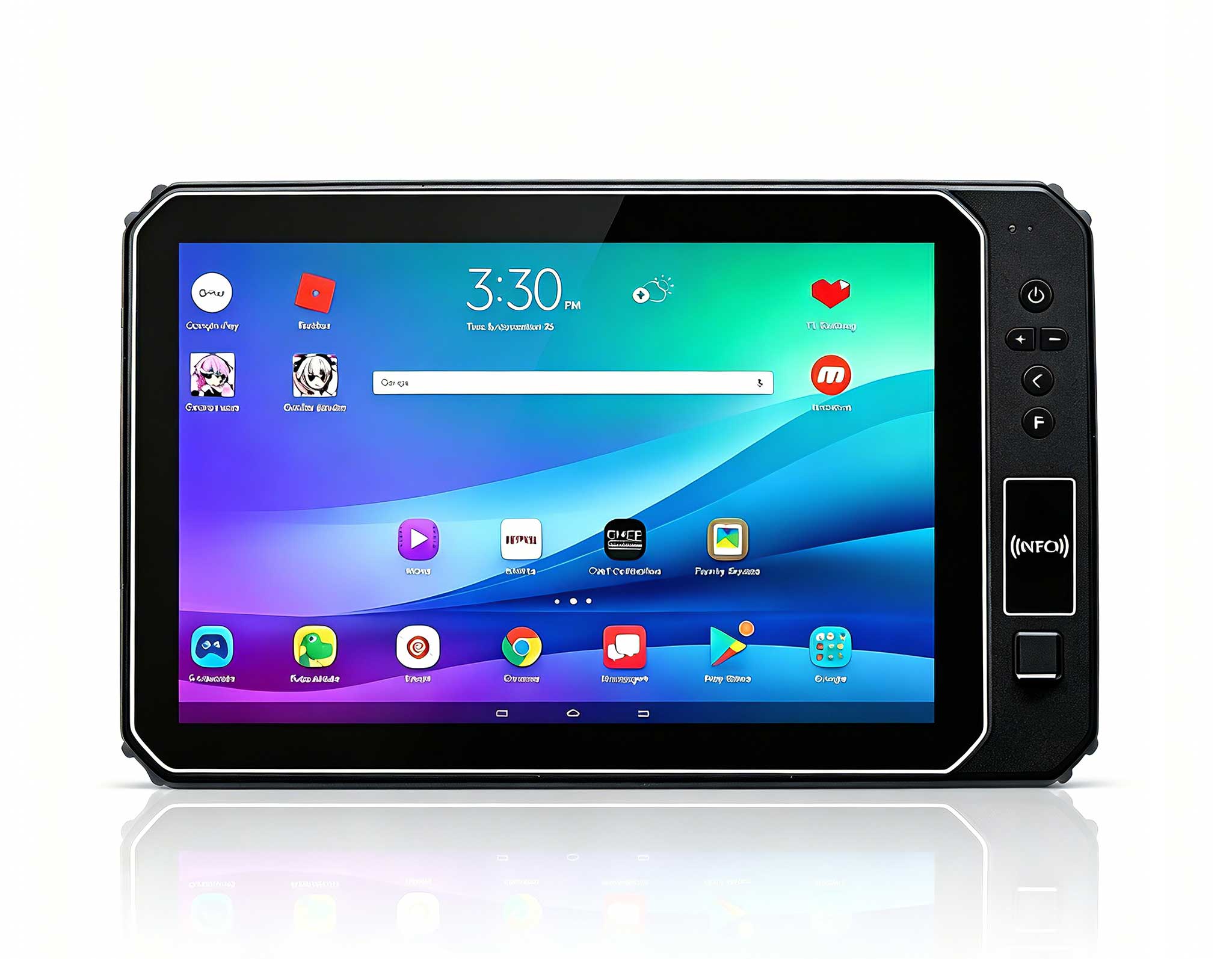
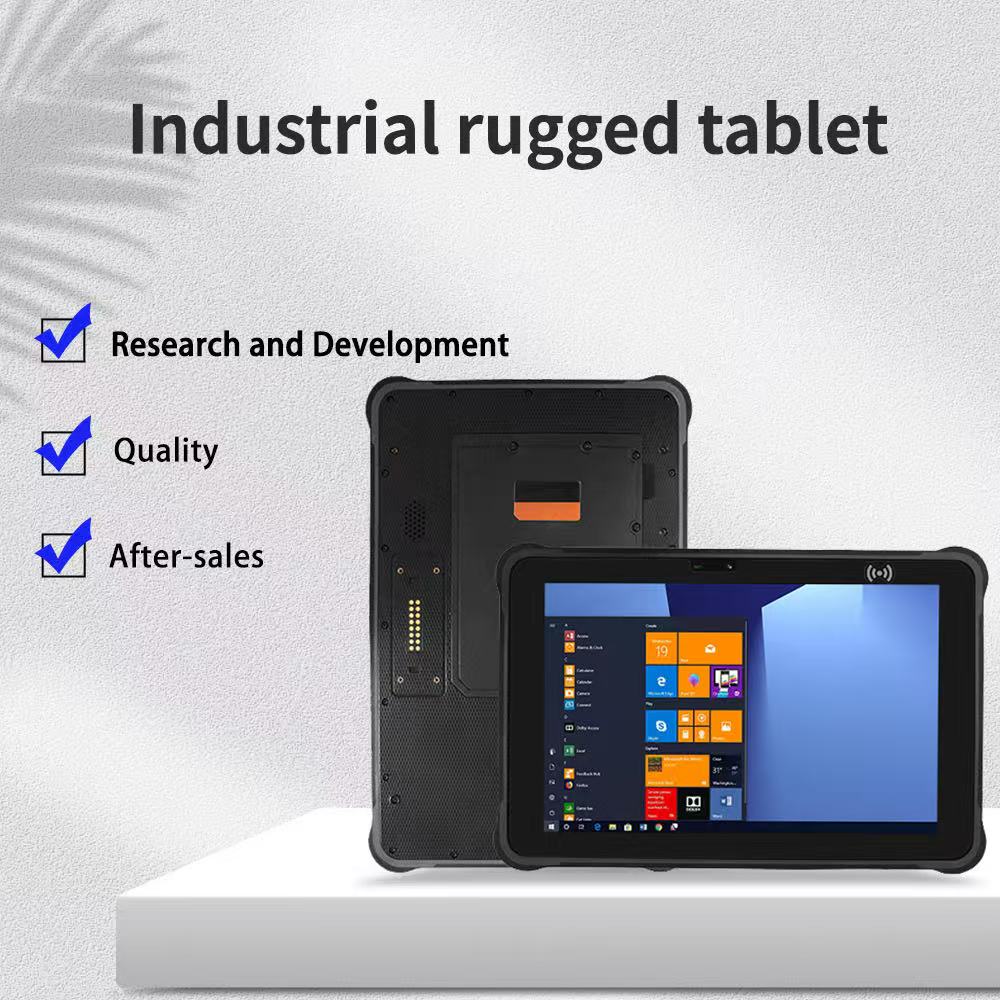
The integration of the Hotus ST11‑M 10.1″ Windows rugged tablet solves the issues of manual brine tracking in aggressive environments. Built with a specialized chemical-resistant polymer housing and boasting an IP67 environmental seal, the ST11-M withstands continuous exposure to hyper-saline brines and fine mineral dust. The tablet features a high-nit, sunlight-readable multi-touch display with advanced touch controllers, allowing operators to enter clean data even while wearing thick, salt-encrusted protective gloves. Running customized mapping applications on Windows, the ST11-M improves field testing by automating data collection loops:
- GPS-Tagged Sampling: An internal multi-constellation GPS module automatically locks and records the precise location coordinates of every brine sample taken.
- Automated Instrument Logging: The device connects via industrial Bluetooth to digital handheld refractometers, importing specific gravity and lithium concentration metrics instantly to prevent data entry errors.
- Environmental Data Integration: Operators log brine sample depths, ambient wind velocities, and localized fluid temperatures, linking physical concentration metrics with environmental variables.
By processing data locally, the ST11-M transforms point-source samples into real-time color-coded concentration maps. Operations teams can track exactly how different zones mature, allowing them to schedule targeted, staged harvests. Collecting high-grade crystallized salts from mature zones first increases refinery feed consistency without requiring the construction of new evaporation ponds.
The SH5‑W tablet displays a color‑coded concentration map of a lithium pond – red zones ready for harvest, green zones still maturing.
Cross-Platform Field Integration with the HOTUS SH5-W Handheld
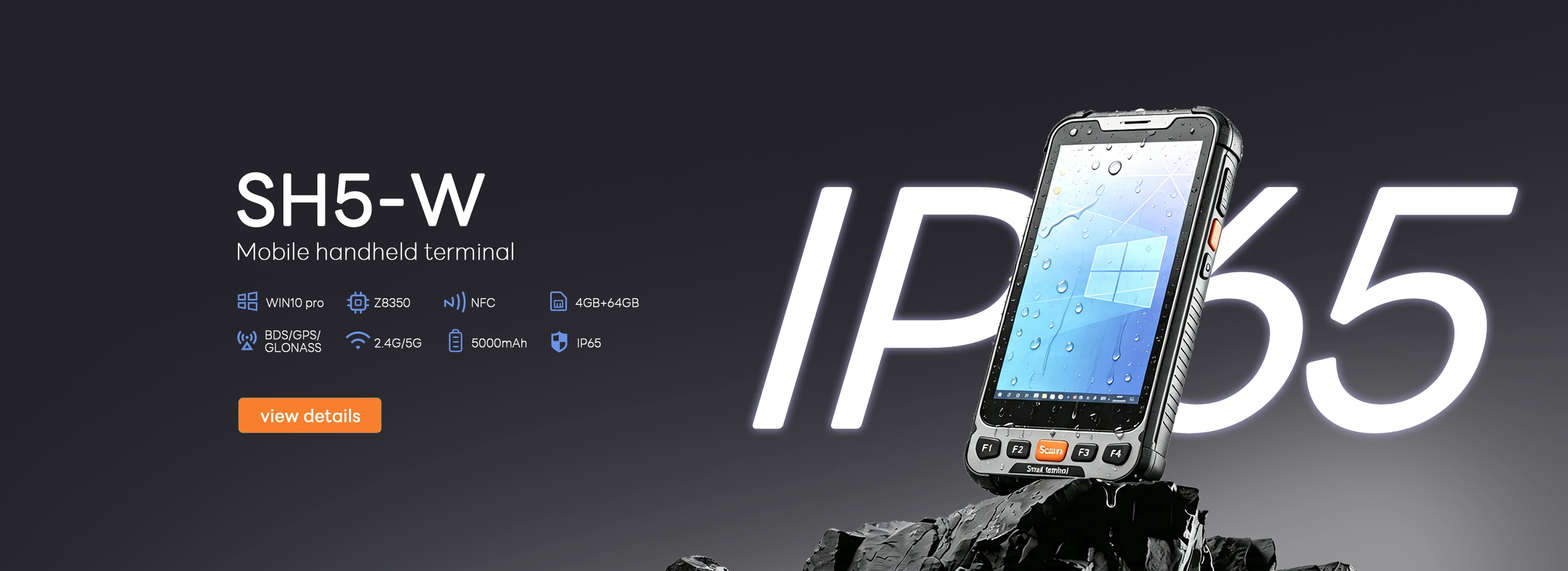
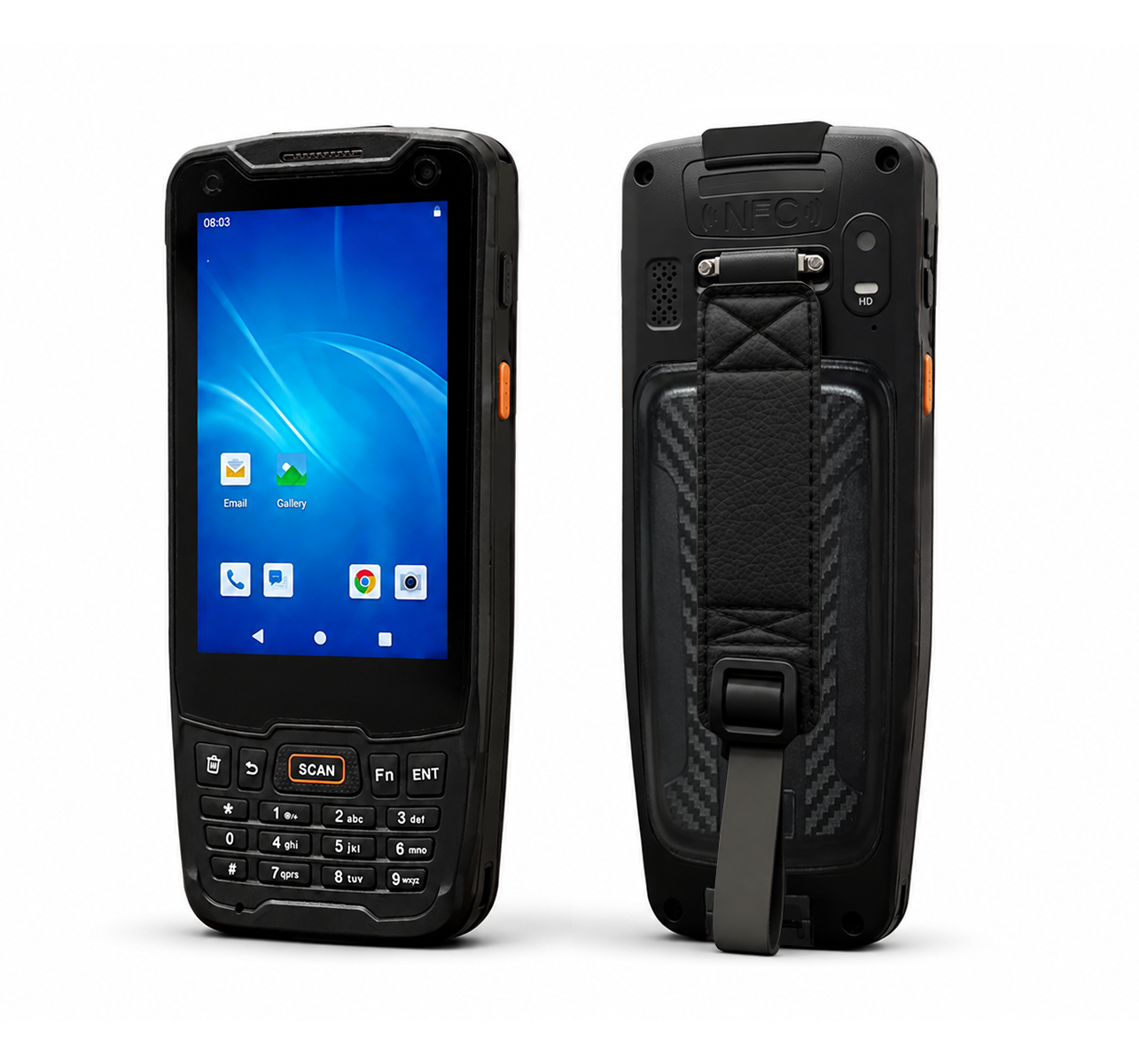
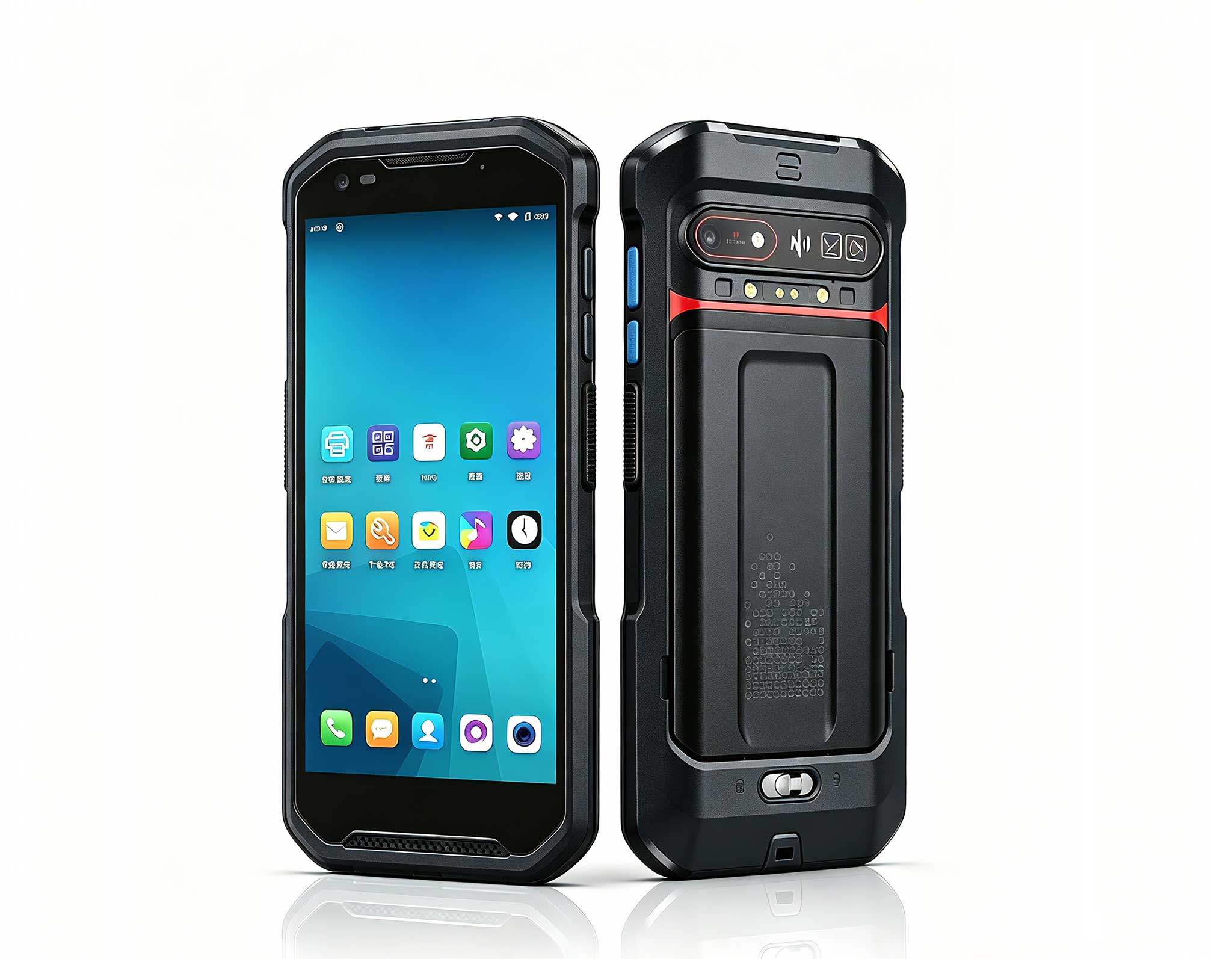
For mobile survey applications requiring a compact form factor, the Hotus SH5‑W Windows rugged handheld complements larger field tablets. The SH5-W serves as an agile tool for operators moving quickly along narrow pond dikes and sampling piers.
Its impact-resistant, sealed chassis provides reliable protection against drops onto packed salt beds, while its internal wireless hardware syncs field data back to the plant database. This real-time synchronization allows process engineers to monitor concentration curves across the entire pond network from a central station, ensuring that variations in brine density are identified well before harvesting equipment is deployed.
Predictive Resource Allocation with the HOTUS ST11-U Tablet
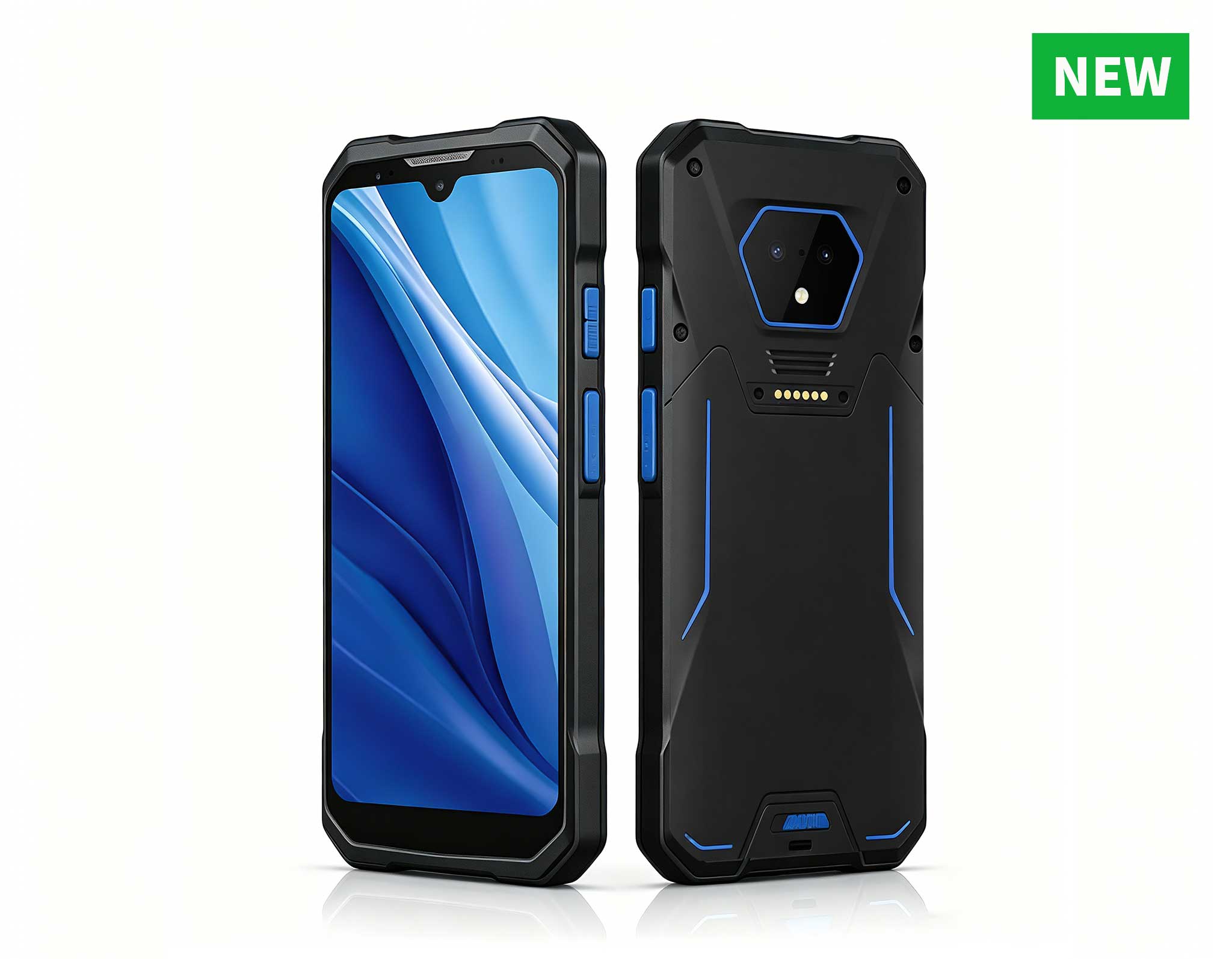
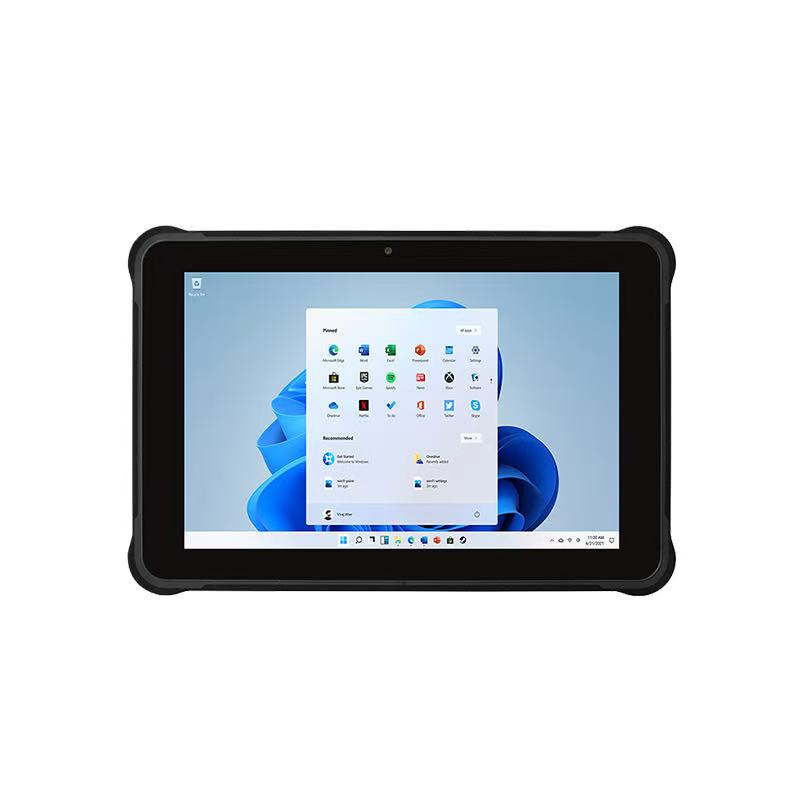
At the management and logistics tier, field metrics must be converted into structured production schedules. The Hotus ST11‑U 10.1″ Windows rugged tablet serves as the chief production planner's mobile dashboard. Powered by a high-performance Intel processor, the ST11-U runs analytical software that combines historical evaporation curves with weather forecasts to build predictive models for harvest readiness.
The tablet visualizes asset status across all active ponds, automatically highlighting cells that are approaching optimal chemical density. This predictive data stream enables operations managers to schedule the deployment of mechanical harvesters and transport trucks efficiently, preventing equipment idleness and maximizing chemical processing intake rates.
Industrial Case Study: 8% Increase in Total Carbonate Output
The measurable value of replacing manual records with rugged field computing is demonstrated by a large-scale lithium brine operation managing 20 evaporation ponds. Historically troubled by unpredictable yield drops caused by harvesting unevenly matured ponds, the company deployed 15 ST11-M tablets, 20 SH5-W handhelds, and 10 ST11-U tablets across its operations.
During the first year of implementation, digital concentration maps generated by the field tablets showed that the northeast sectors of their largest ponds matured roughly 14 days faster than the southwest corners. By moving away from uniform harvesting and utilizing the ST11-U dashboard to coordinate targeted, staged salt harvesting, the facility increased its total annual lithium carbonate production by 8% without expanding its physical pond footprint. Additionally, the secure, verified data logs provided verifiable product quality records, helping the company secure long-term supply contracts with battery manufacturers who demand strict compliance with chemical grade standards.
The ST11‑U dashboard displays a harvest schedule for all ponds, color‑coded by predicted readiness week.
Maximizing Yield Integrity with Modern Field Hardware
Solar evaporation is a time-intensive process, but monitoring brine maturation does not have to rely on guesswork. Moving away from manual paper tracking and deploying salt-proof, GPS-enabled Windows tablets allows mining facilities to build a precise, data-driven model of their lithium extraction cycle.
By combining field density readings with centralized scheduling tools via the Hotus ST11-M, SH5-W, and ST11-U, modern extraction plants can minimize chemical waste, streamline logistics, and boost mineral yields. Stop leaving high-value material in the basin due to premature harvesting. Upgrade your field infrastructure to secure a highly efficient, data-verified extraction workflow.
Ready to Optimize Your Brine Extraction Yields?
Contact our industrial hardware application engineers today to request detailed hardware specifications, discuss salt-spray resistance certifications, or coordinate trial deployments for our rugged Windows systems.
Contact HOTUS Technology