- Select Language
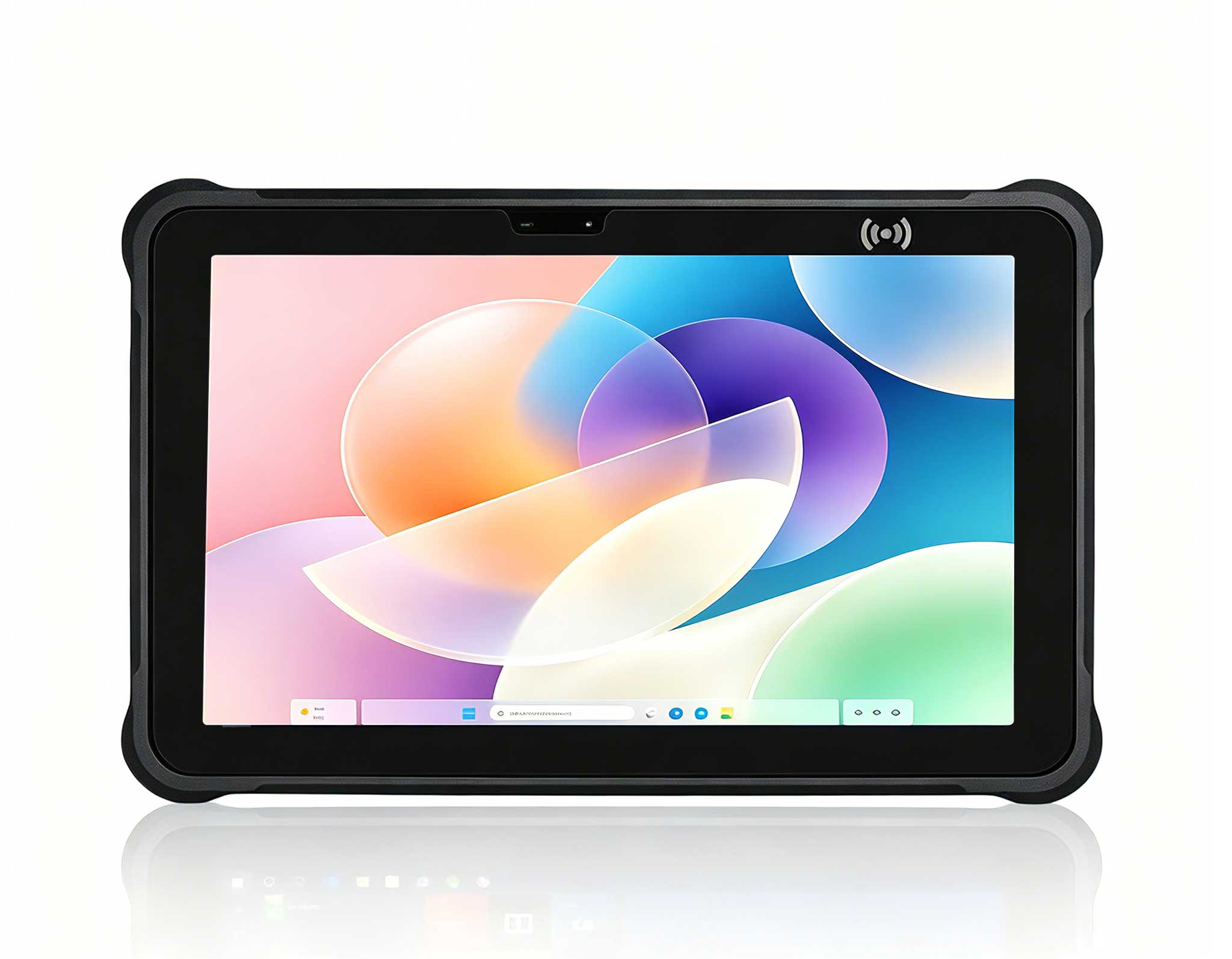
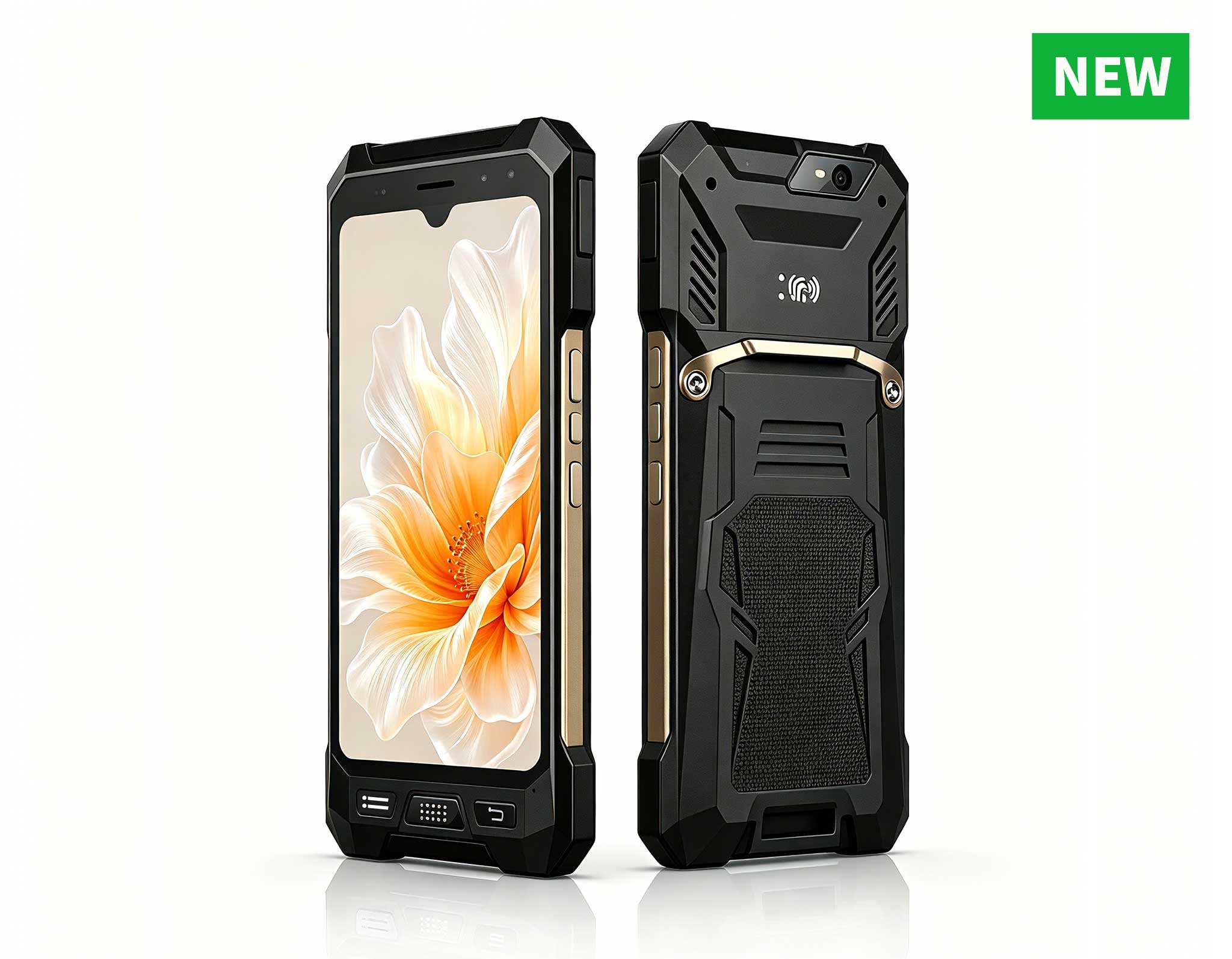
P11 Series Next-Gen Enterprise Rugged Industrial ...
Explore an innovative Personal Digital Assistant f...
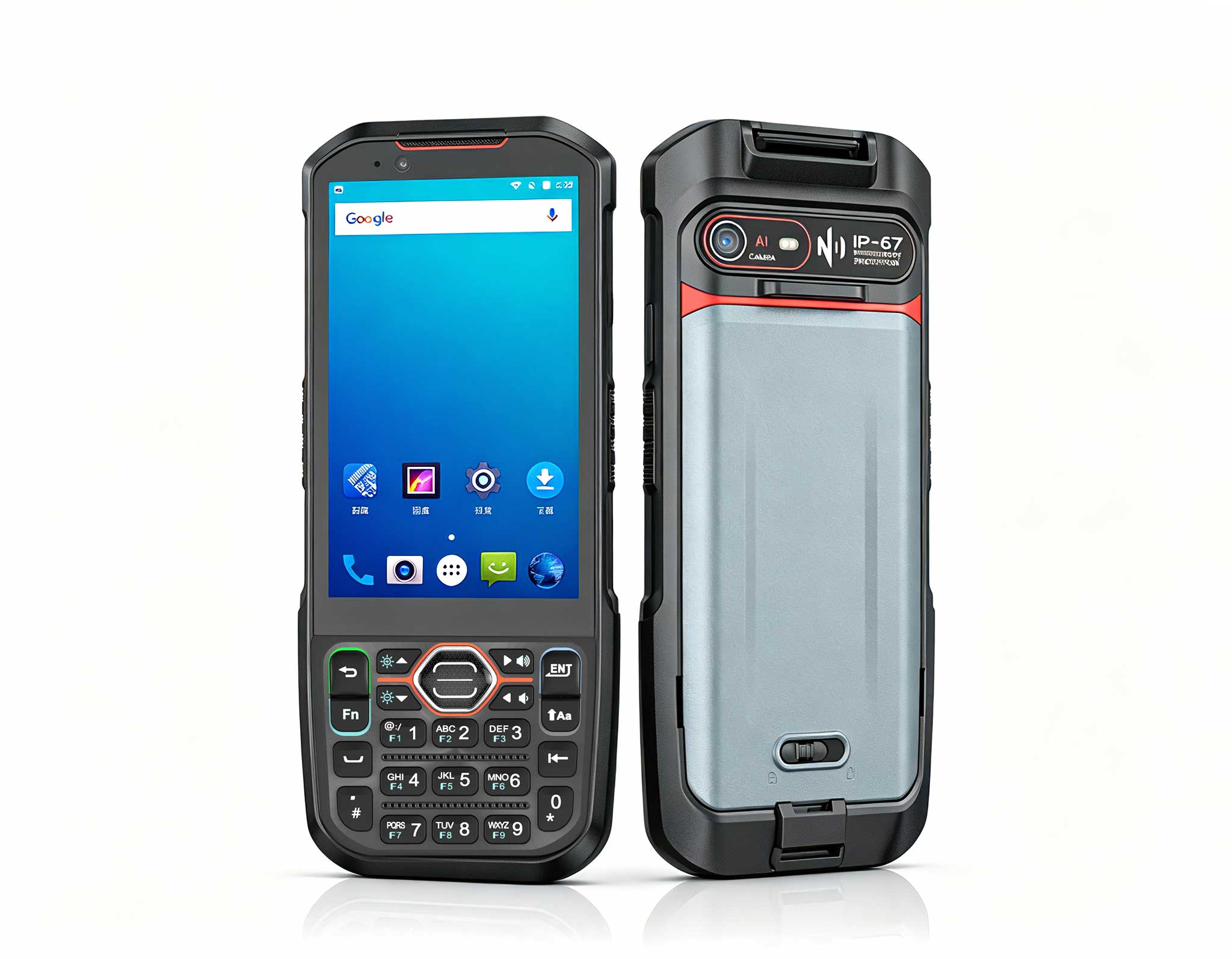
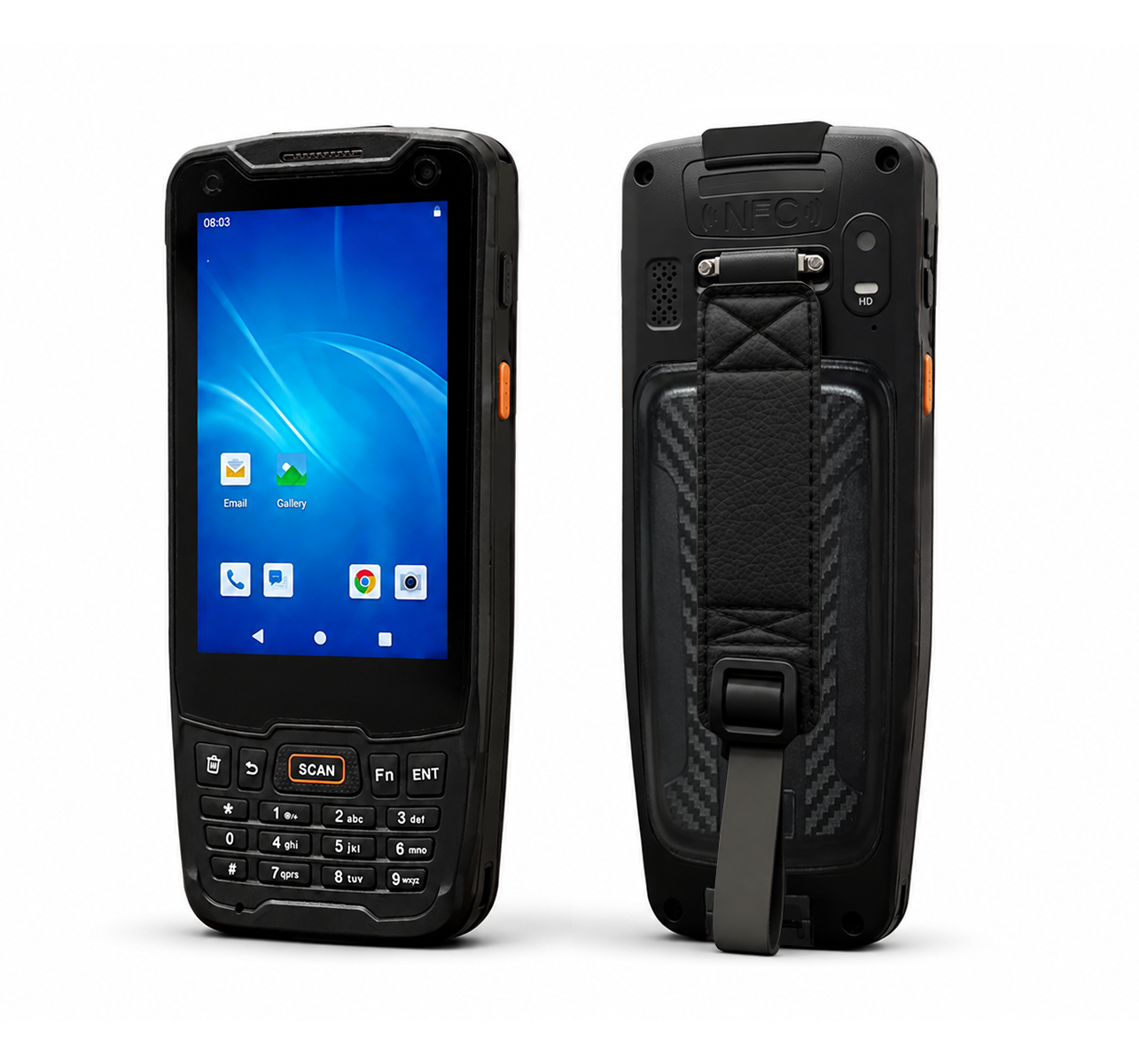
R350C 4-inch Industrial Handheld PDA | Qualcom...
Enterprise Flagship SeriesEngineered for mission-c...
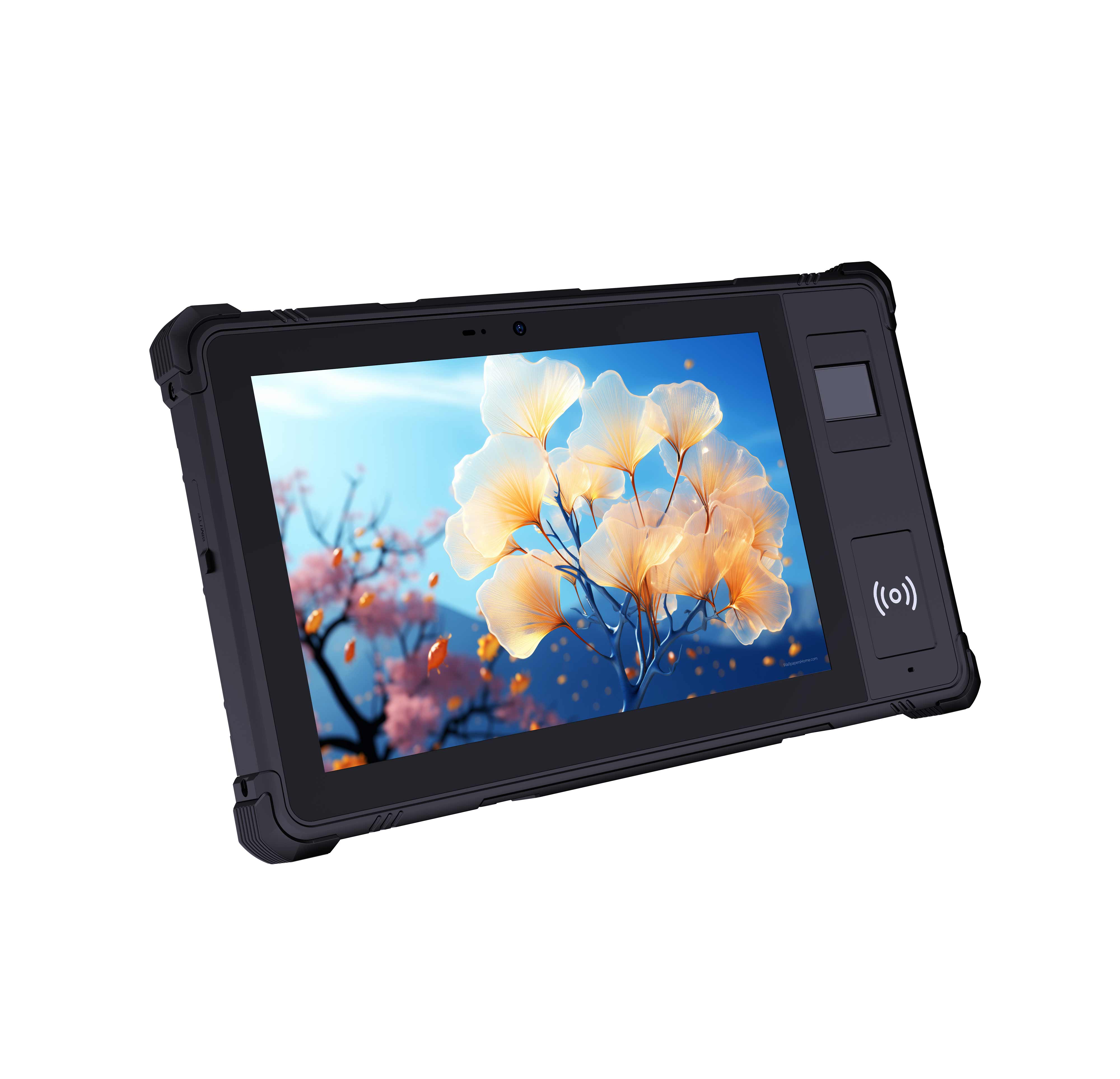
P8 Series 8-Inch Rugged Industrial Tablet PC Mobi...
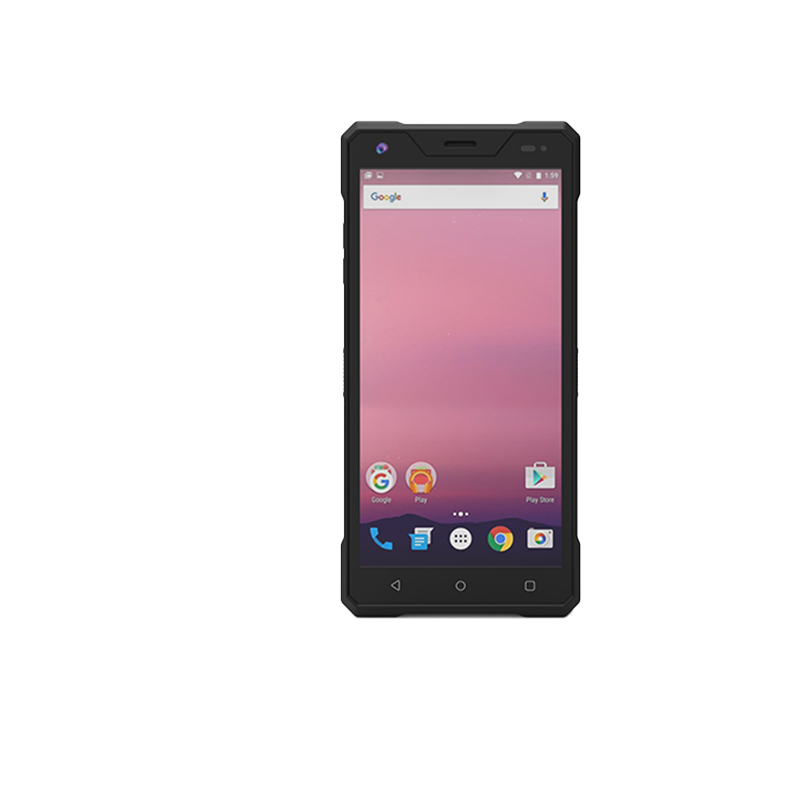
R530C 6.0-inch Industrial PDA | Qualcomm Octa-core...
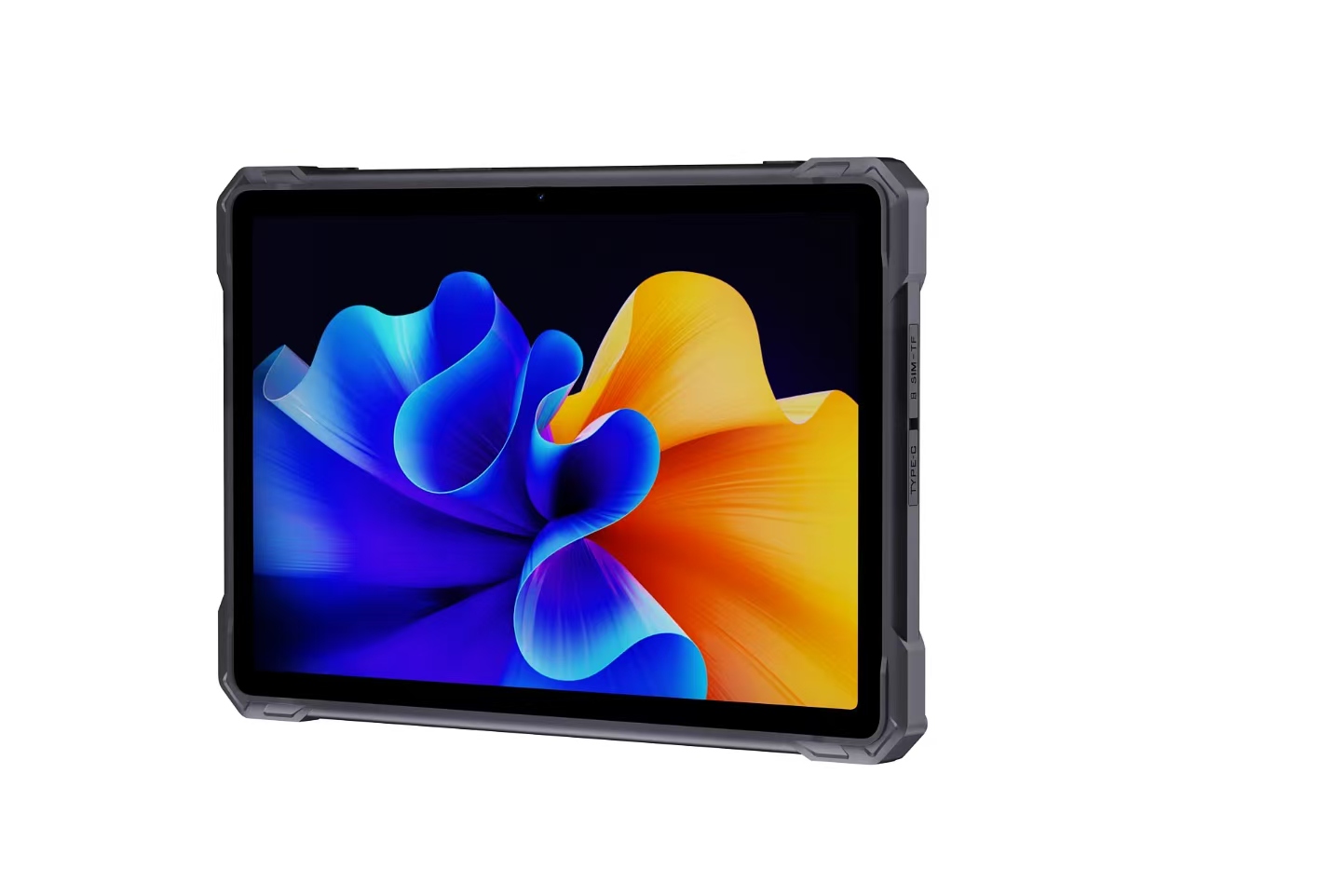
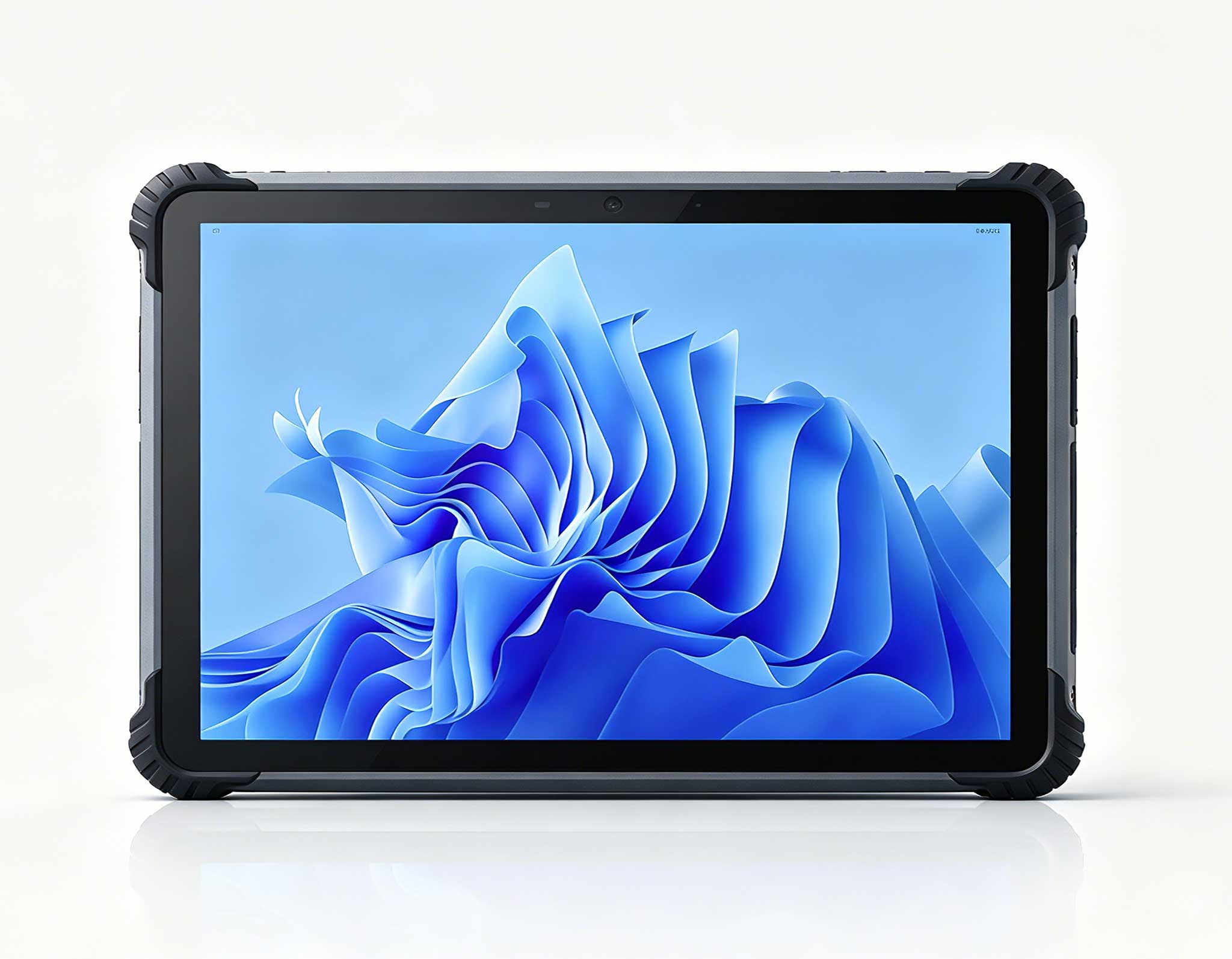
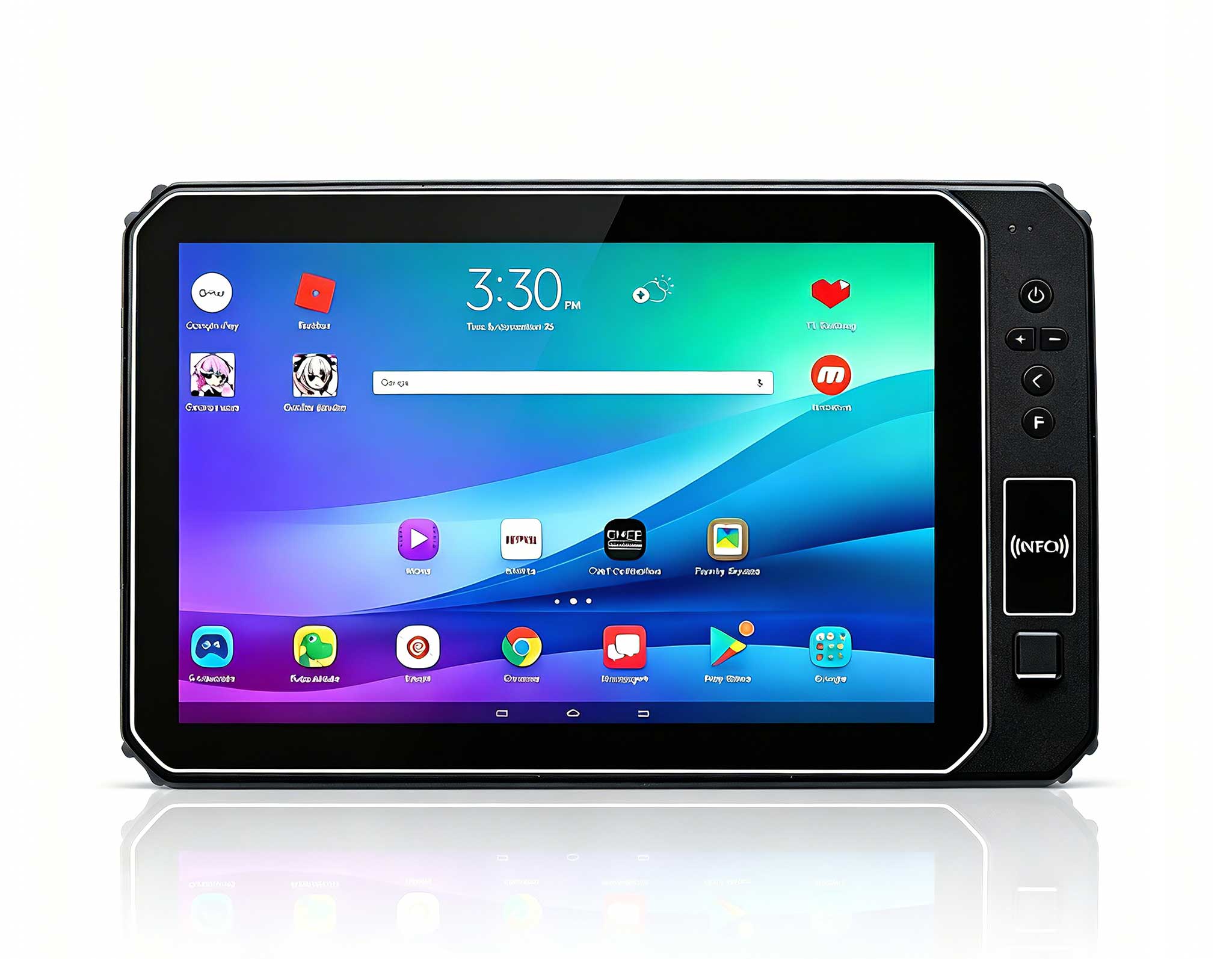
This 10-inch Android rugged tablet is designed for...
R366-S Thin 5.5-inch Industrial PDA | Qualcomm Oct...
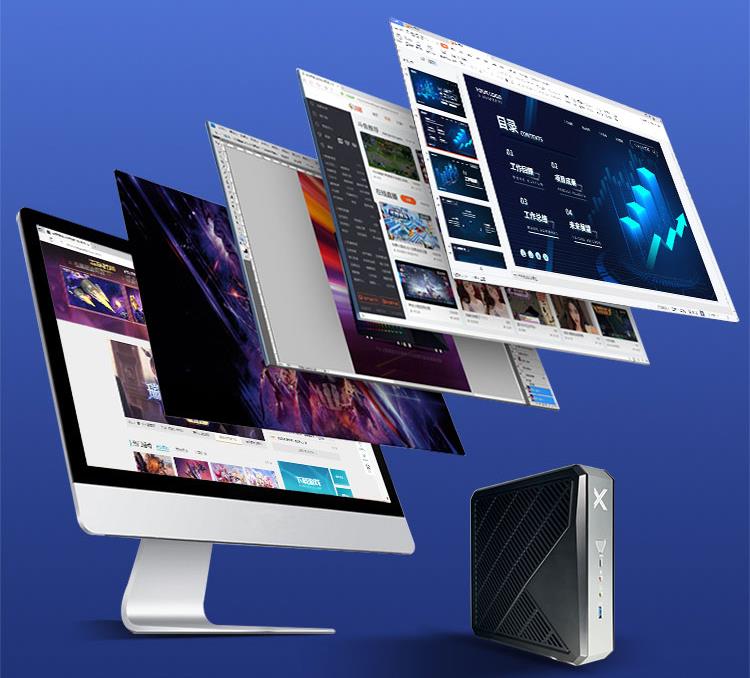
The AMD Mini PC Windows 10 Pro is a compact yet po...
In the relentless pace of modern healthcare, every second stolen by slow technology is a second taken from patient care. For Heartland Regional Health—a regional hospital group operating 7 hospitals and 23 community clinics across three states—the aging desktop fleet at their nursing stations had become a critical bottleneck. Those machines, purchased in 2012 and still running Windows 7, weren't just sluggish; they posed a genuine patient safety risk. This is the story of how a strategic shift to a Mini PC solution transformed clinical workflow, boosted efficiency by 40%, and restored peace of mind for hundreds of nurses.
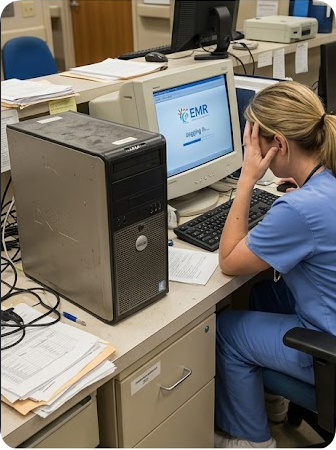
"I have seen nurses cry at the end of a shift because the computer was so slow it made their charting impossible," recalls Sarah Jenkins, RN, Nursing Director at Heartland Regional Health’s flagship medical center. "We called those old PCs 'The Fossil.' They were relics from a different era of medicine."
The numbers painted a grim picture. Each of the 2,400 nurses across the system was forced to log into four or five separate systems daily—the HIS electronic medical record, the LIS lab system, the PACS imaging viewer, the pharmacy system, and the scheduling platform. On the 2012-era PCs, this process took an average of 8 minutes per shift change. With three shifts per day, that meant 24 minutes of lost productivity per nurse, per day.
"I did the math," says Michael Chen, IT Director for Heartland. "We have 2,400 nurses. If each one is wasting 30 minutes a day waiting for a computer, that's 1,200 hours of wasted clinical labor every single day. That’s the equivalent of employing 150 people just to wait for screens to load."
The most terrifying incident occurred during a night shift in the ICU. A patient’s emergency alarm sounded, and the nurse rushed to the nursing station PC to pull up the vital sign monitor data. The machine blue-screened. The nurse had to sprint 50 meters to the doctor’s station to access the data. The round trip took 90 seconds. "In a cardiac arrest, 90 seconds is an eternity," says Jenkins. "After that, Michael said in our Monday morning meeting, 'If we keep using 2012 computers to support 2025 medicine, we are going to kill someone.'"
The quantitative data was damning. Each of the 1,200 nursing station PCs required an average of 2.3 daily reboots just to stay functional. The IT helpdesk logged 340 tickets per month related to "slow performance" or "system crashes" from nursing stations alone. The situation was unsustainable.
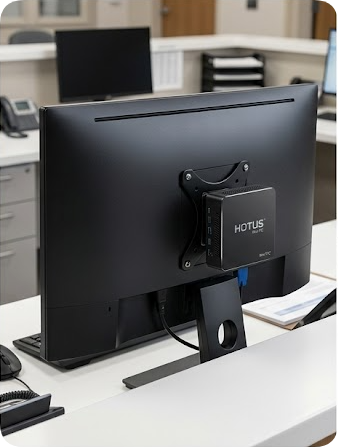
Heartland’s IT team evaluated three alternative solutions before settling on the Hotus palm-sized mini PC.
Option 1: Full-Size Desktop Refresh. The conventional approach would be to buy new standard towers. However, nursing station desks are notoriously cluttered. "We have monitors, telephones, patient call panels, and paperwork everywhere," says Jenkins. "A full tower eats up valuable floor or desk space, and they generate noise. Our nurses complained about the constant fan hum."
Option 2: Cloud Desktop / VDI. A virtual desktop infrastructure would solve the hardware issue but required a complete network upgrade. The estimated cost was $480,000, and the project timeline was 18 months. "We couldn't wait that long," says Chen.
Option 3: iPads. Tablets were considered for their portability, but the hospital’s core HIS and LIS applications were Windows-based. Running them on an iPad required complex and unreliable remote desktop sessions. "Our nurses type thousands of notes a day," explains Jenkins. "Touchscreen typing is 40% slower for clinical documentation. It was a non-starter."
The Hotus palm-sized mini PC emerged as the clear winner. Its VESA mount capability meant it could be bolted directly to the back of any VESA-compatible monitor, consuming zero desk space. Powered by an Intel chip, it ran the hospital’s entire Windows-based software suite—HIS, LIS, PACS, and pharmacy—without a single compatibility issue. With a maximum power draw of just 12W, it promised significant energy savings. And because it shipped with full Windows 10 Professional, the IT team could deploy their standard image onto it instantly.
The deployment plan was aggressive. Heartland prioritized its critical care units: the ICU, CCU, and NICU. Each nursing station received one Hotus mini PC, VESA-mounted behind a new 24-inch medical-grade monitor. Each physician office also received a unit.
"The installation was astonishingly simple," says Chen. "We created a master image with all our clinical applications pre-installed. With a disk cloning tool, we could deploy an entire nursing station in 15 minutes. It was literally plug-and-play."
The entire fleet of 128 nursing stations across the system was replaced in just three weeks. The only downtime per station was the 15 minutes it took to swap the PC and monitor. The impact was immediate.
| Metric | Before (2012 Desktop PC) | After (Hotus Mini PC) | Improvement |
|---|---|---|---|
| Shift Change Login Time | 8 minutes | 1.5 minutes | 81% faster |
| Daily Reboots per PC | 2.3 | 0.1 | 96% reduction |
| Monthly IT Support Tickets (Nursing) | 340 | 22 | 94% reduction |
| Nursing Station Desk Space Used | Full Tower (0.8 sq ft) | 0 sq ft (VESA mounted) | 100% space recovery |
| Nursing Care Efficiency | Baseline | +40% | 40% increase |
| Annual Electricity Cost (per PC) | $65 (150W avg) | $10 (12W avg) | 85% savings |
| Nurse Satisfaction Score (IT Systems) | 2.1 / 10 | 9.4 / 10 | 348% improvement |
The deployment revealed two unexpected benefits. First, the VESA mounting freed up 35% of the counter space in each nursing station. "We immediately used that space for patient education materials and emergency equipment," says Jenkins. "It made the stations more functional and less cluttered."
Second, the fanless design of the Hotus mini PC created a profound difference in the clinical environment. "The old PCs had a constant, low-level fan noise," explains Chen. "In a busy nursing station, you don't notice it. But in the NICU, where the lights are dim and the room is quiet, that fan hum was a constant irritant. With the Hotus mini PC, the silence is stunning." Nurses reported that the quiet environment allowed them to hear patient call bells from further down the hallway, improving response times. "One nurse said it was so quiet she could hear a patient pressing the call button from the other end of the corridor," Jenkins recalls with a smile.
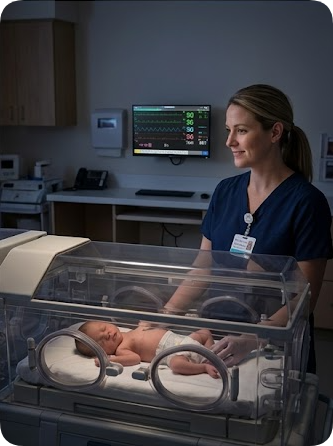
"Last week, we passed our JCI international hospital accreditation re-survey," says Jenkins. "When the surveyor came to the IT section, I was nervous. I was sweating. They checked the HIS system performance on one of our new nursing stations. The system loaded instantly, the screens switched in milliseconds, and the surveyor just nodded and turned the page. That was it. No findings. No citations. The Hotus mini PC not only improved our care—it helped us prove our quality to the world."
For Heartland Regional Health, the decision to replace their fossilized PCs with a modern, VESA-mountable, fanless mini PC was a decision to prioritize patient safety, nurse satisfaction, and operational efficiency. The results speak for themselves: an 81% reduction in login times, a 40% boost in overall nursing care efficiency, and a technology platform that is ready to support the next decade of clinical innovation.
Is your hospital or clinic still running on fossils? Contact Hotus Technology today to learn how our palm-sized mini PCs can transform your clinical workflow.