- Select Language
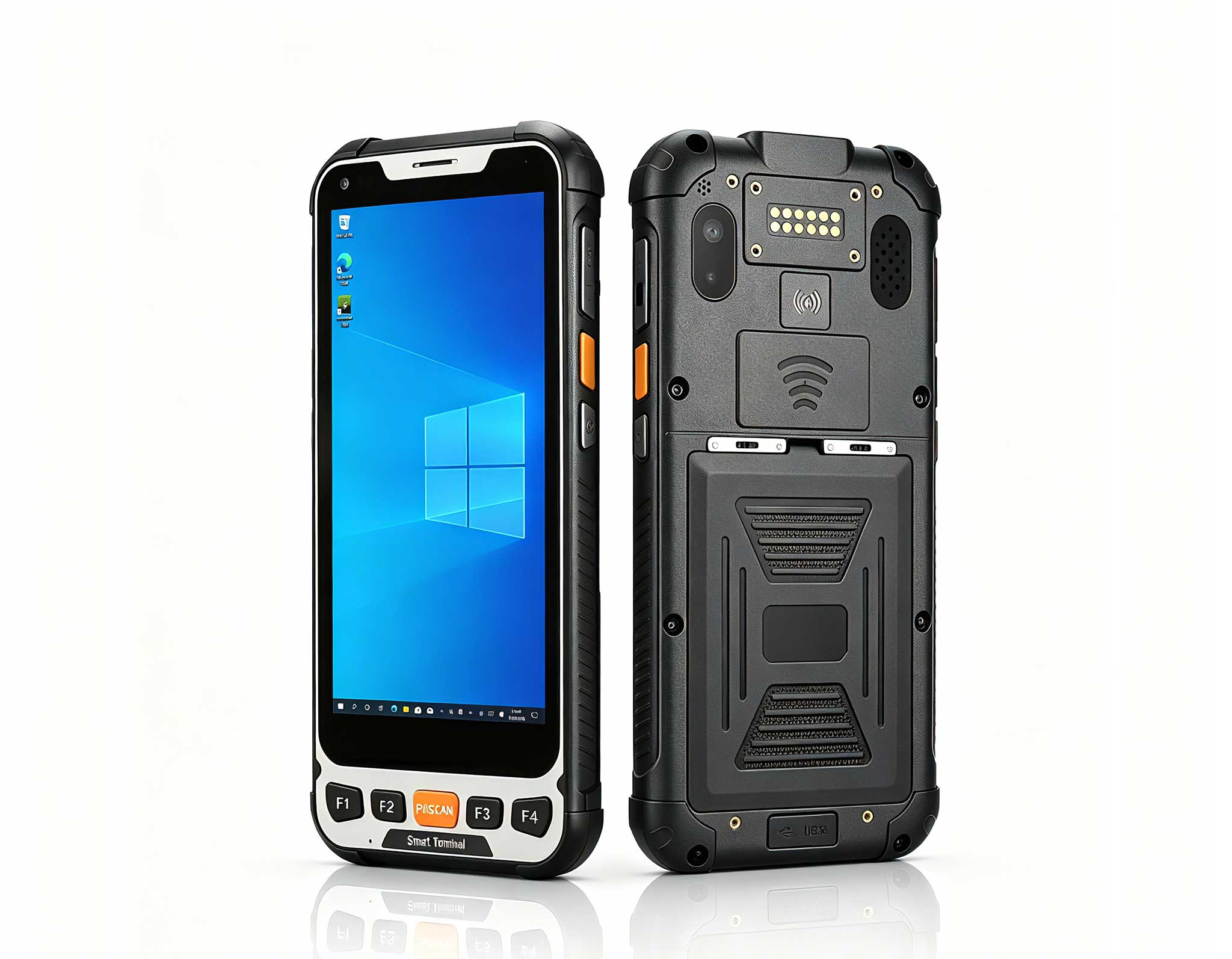
RS51 4G Rugged Handheld Terminal | 6.3" FHD+ ...
The F505 Handheld PDA is a compact, high-performan...
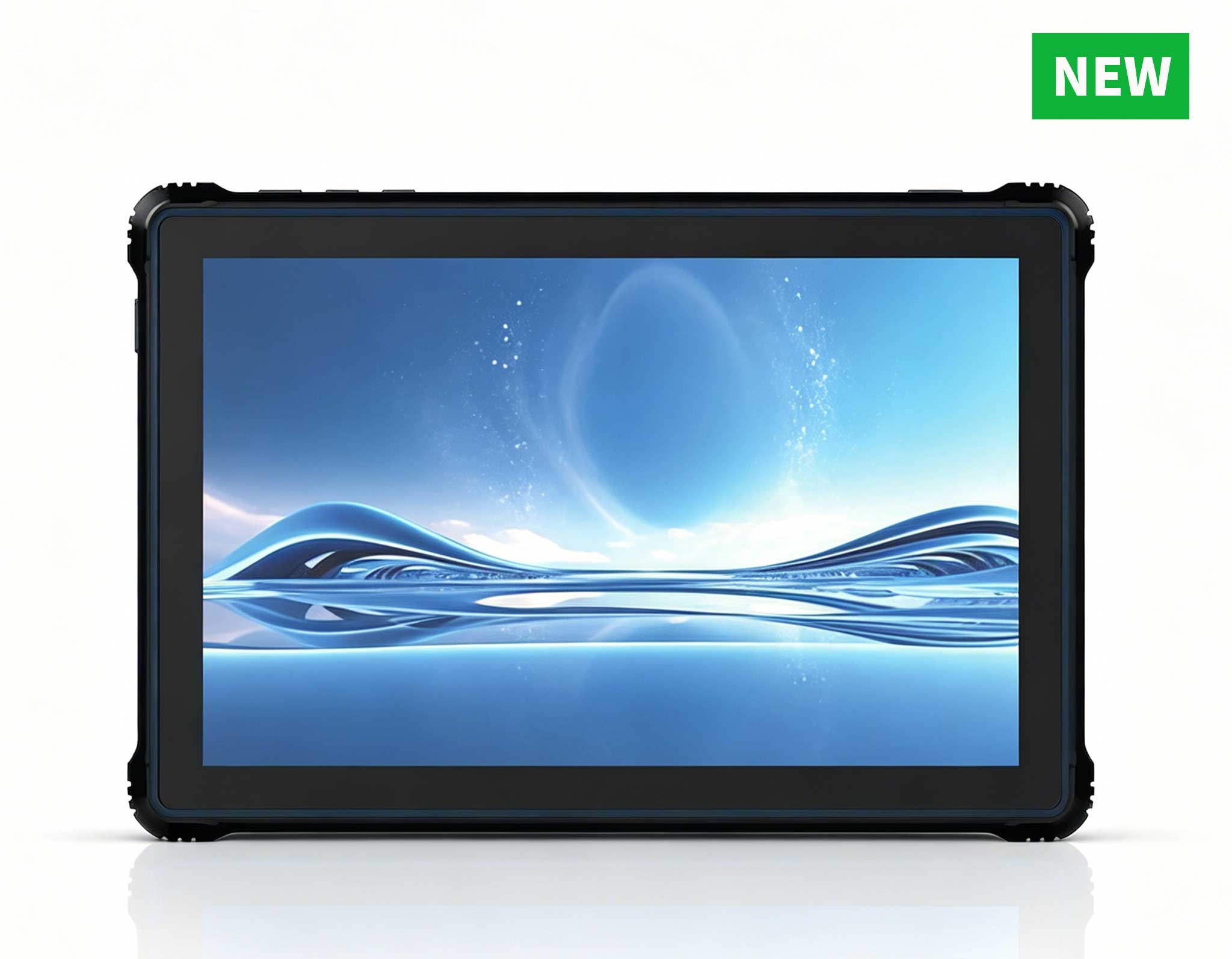
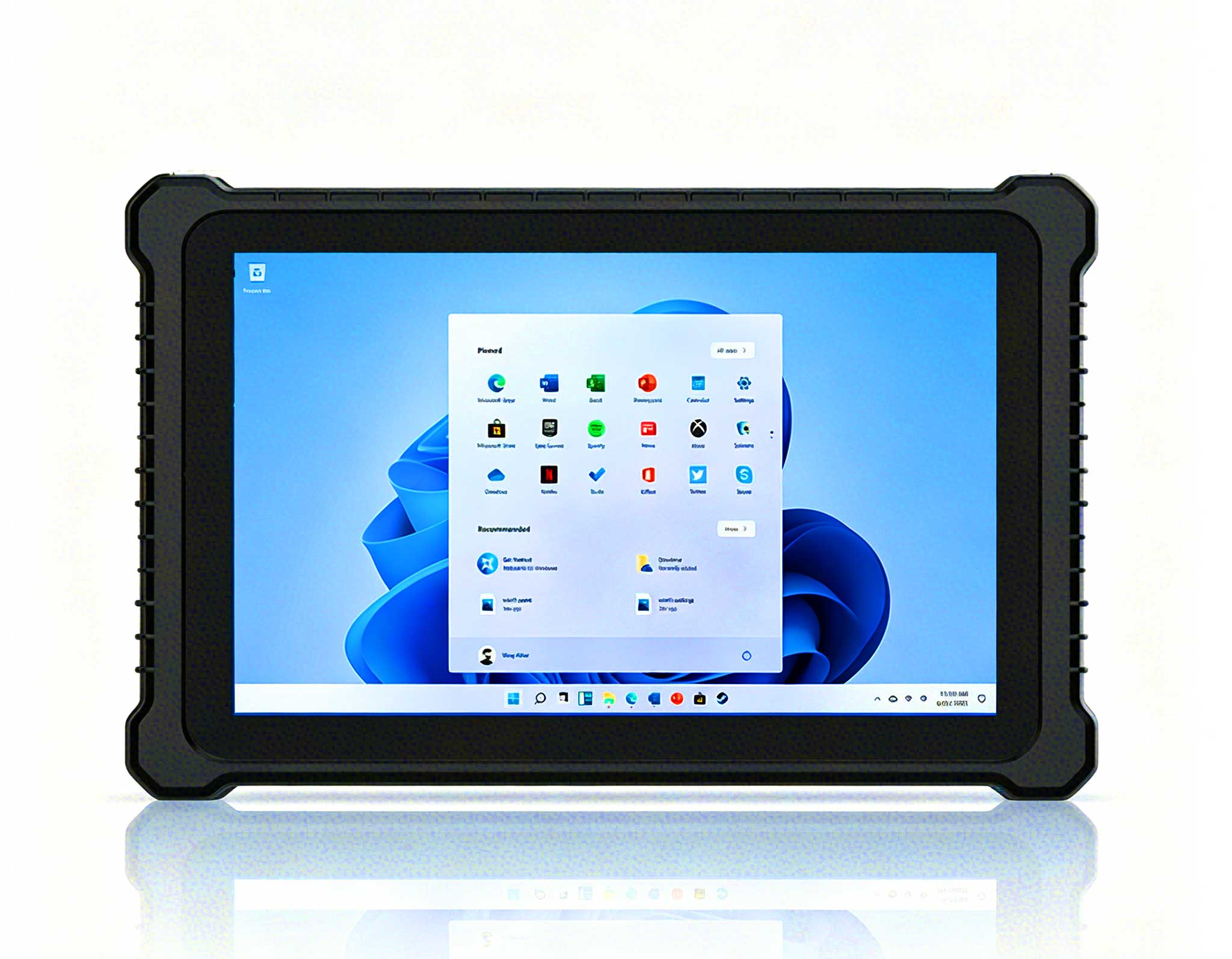
RT80 5G Rugged Tablet | 10.1" FHD 400nit | Un...
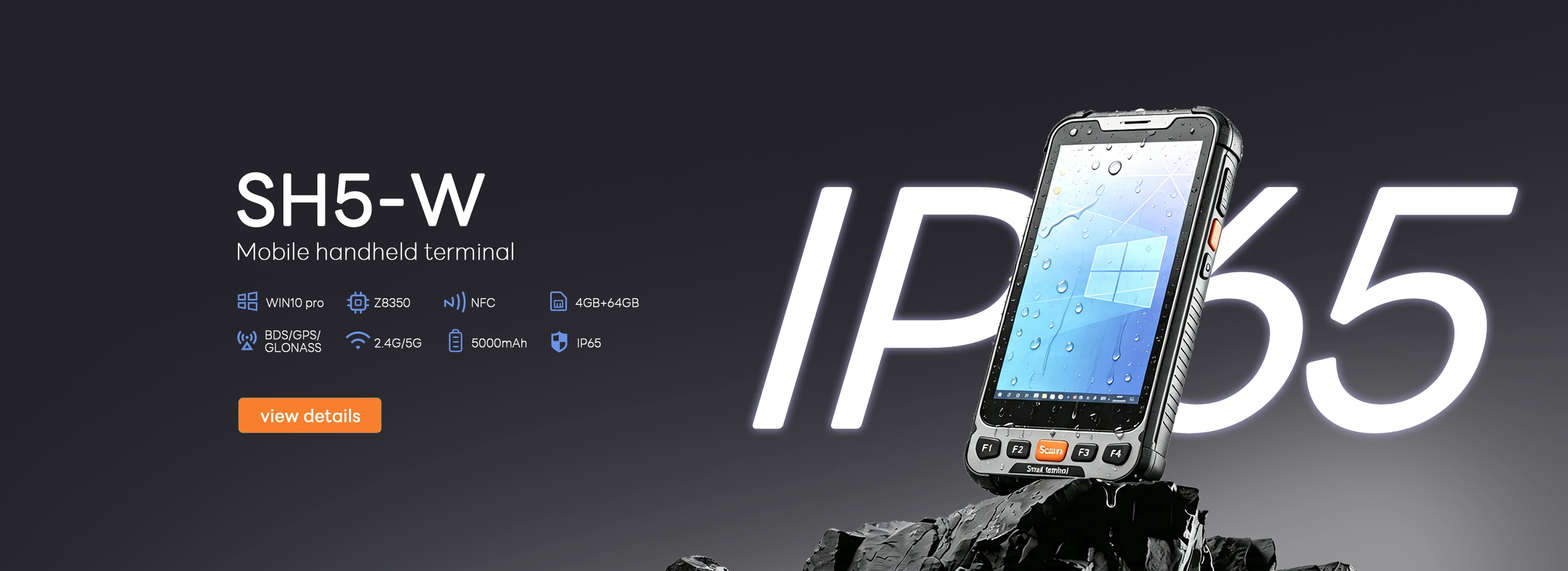
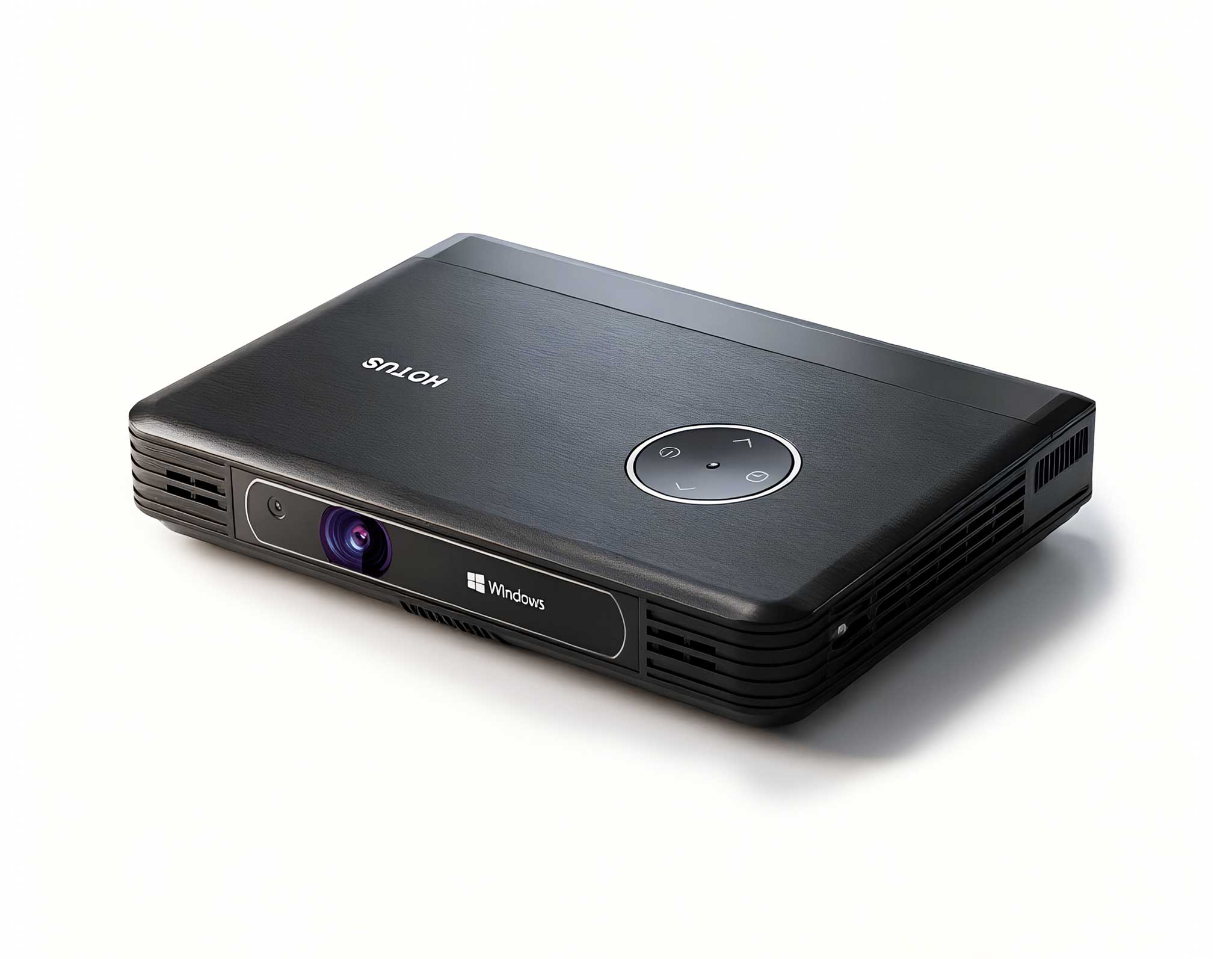
Full SpecificationsModel Hotus SH5‑WOperating ...
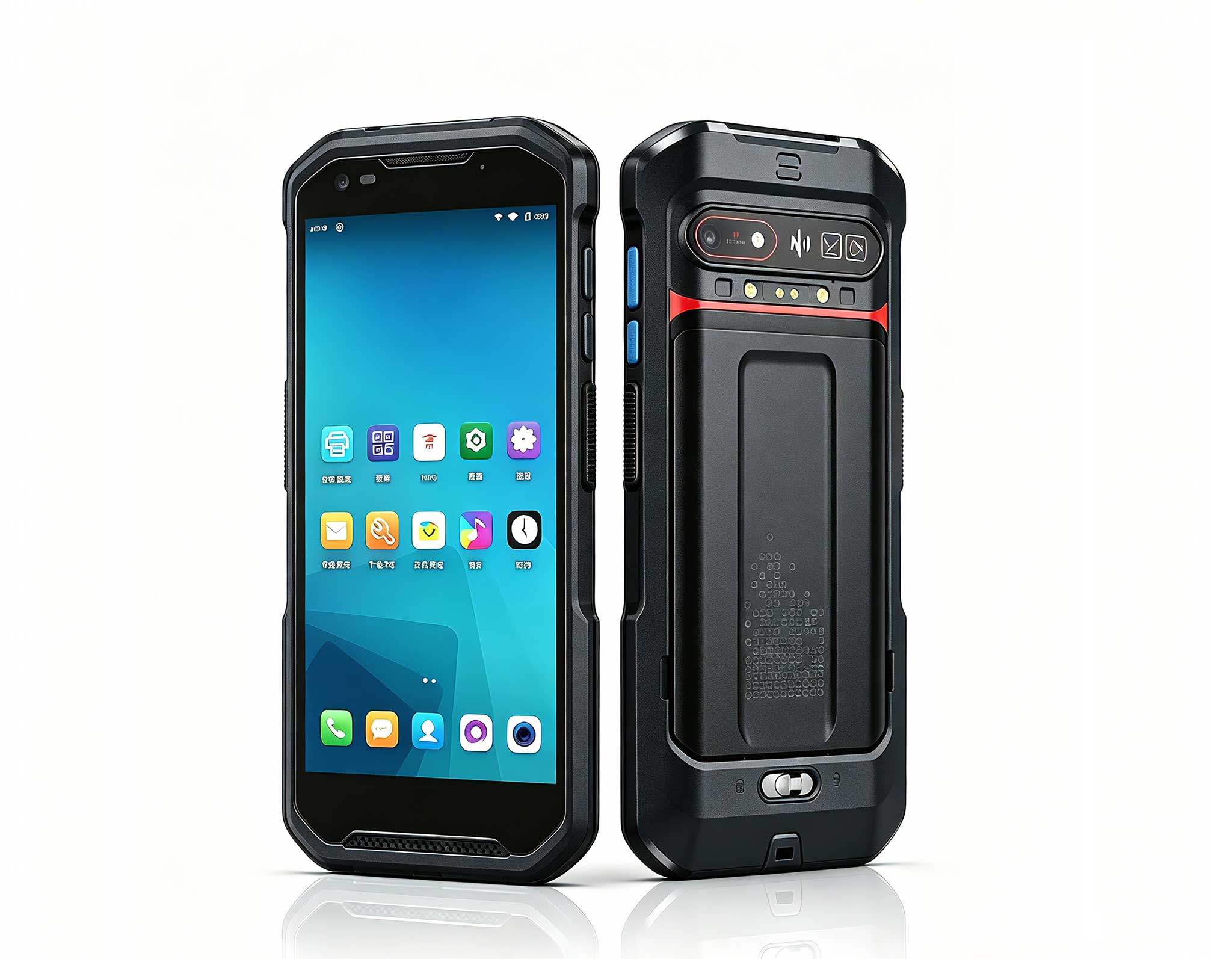
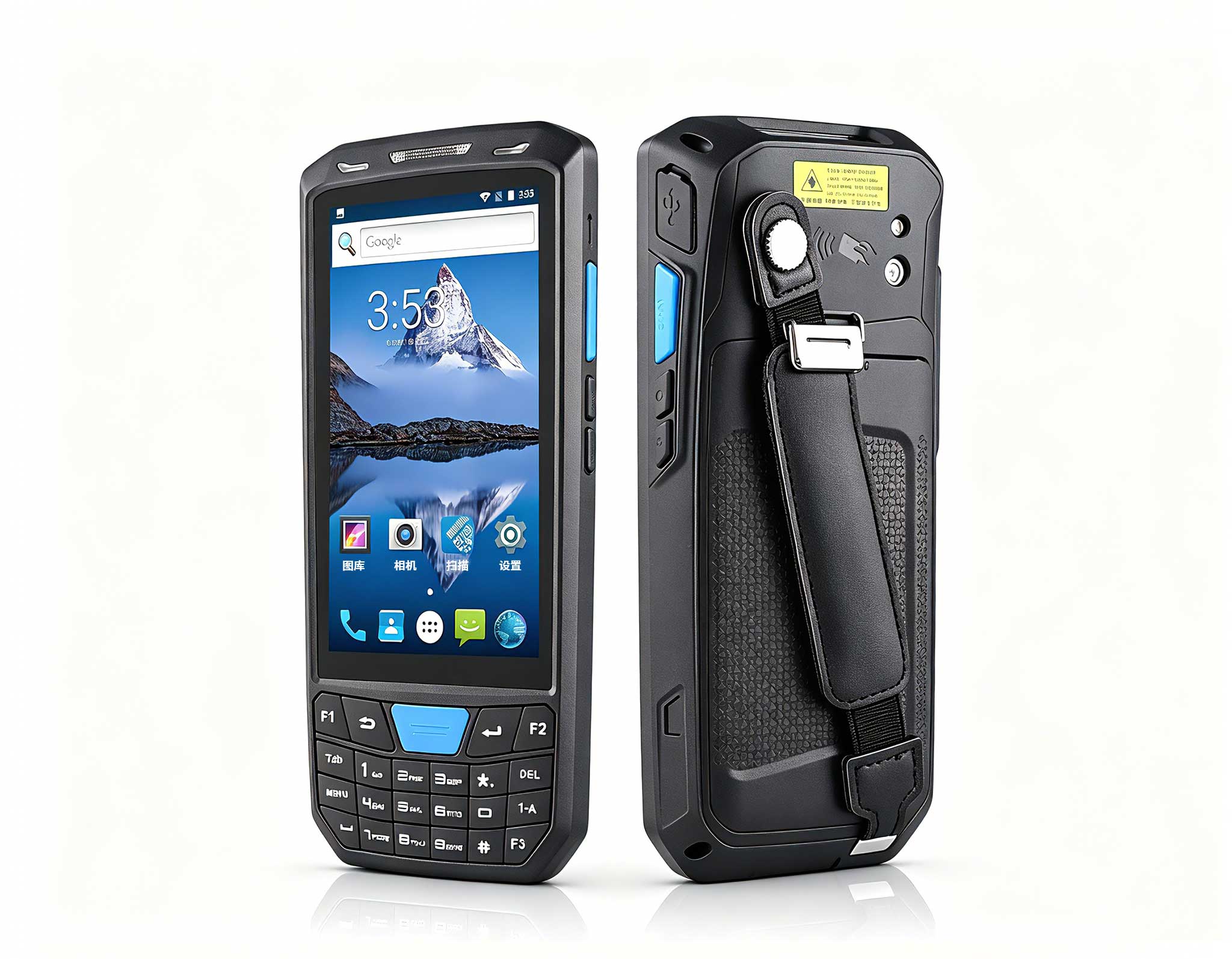
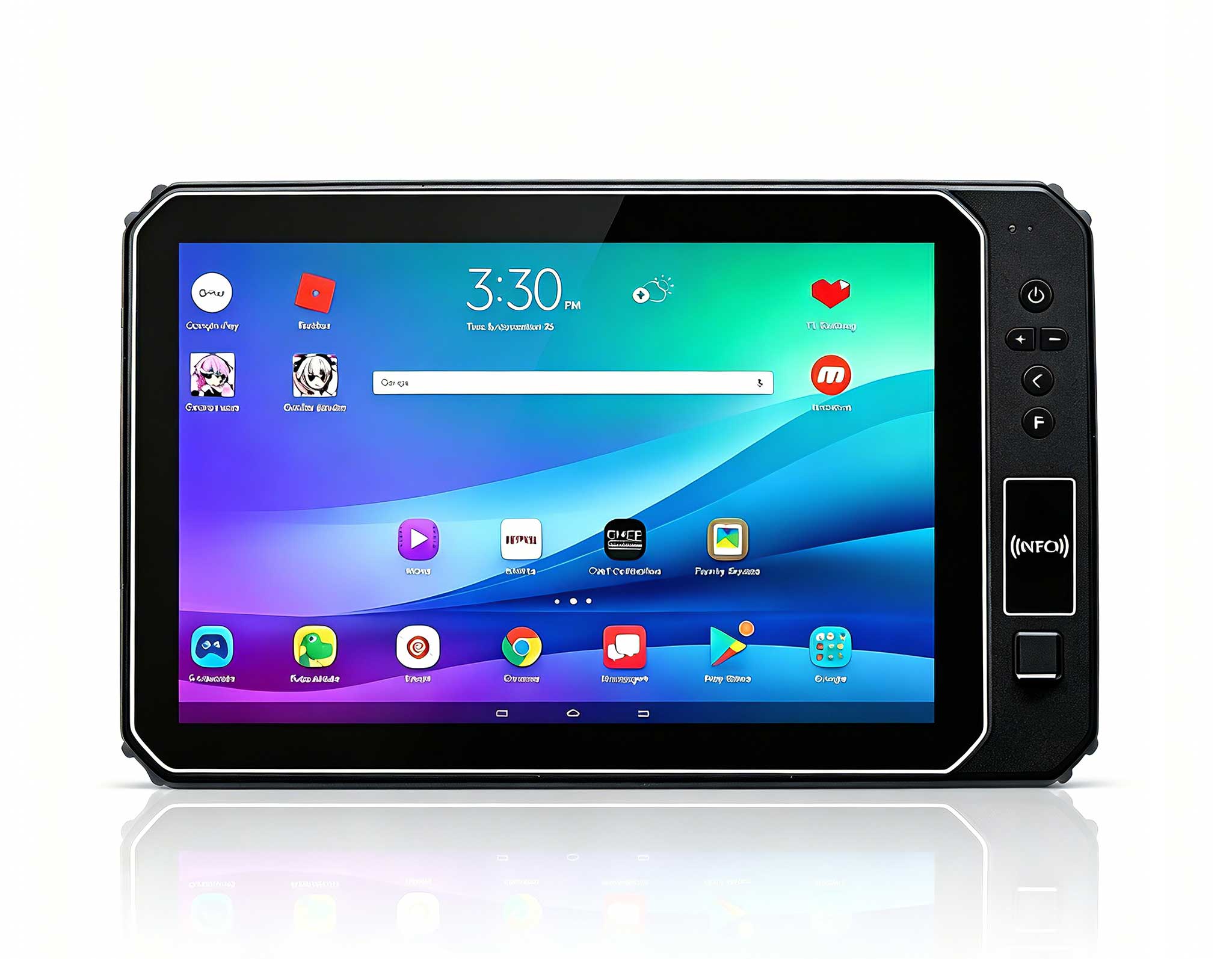
The T80 handheld PDA combines advanced barcode sca...
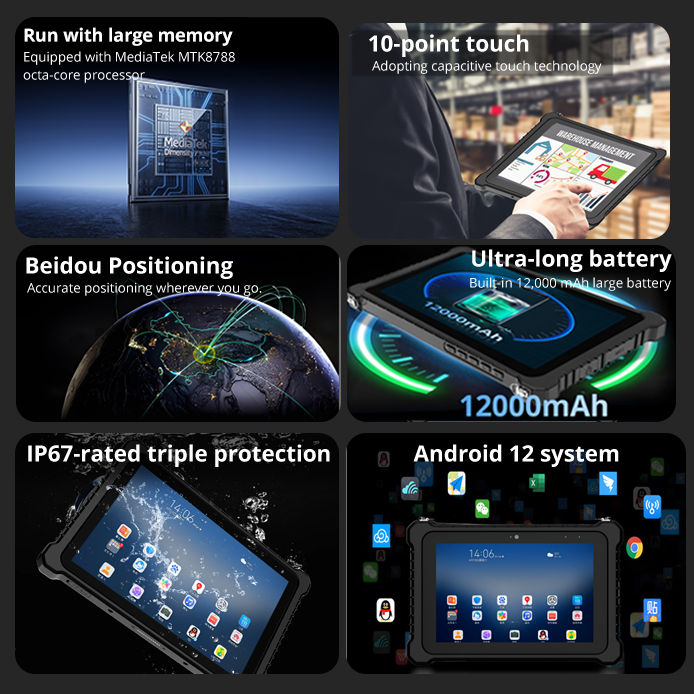
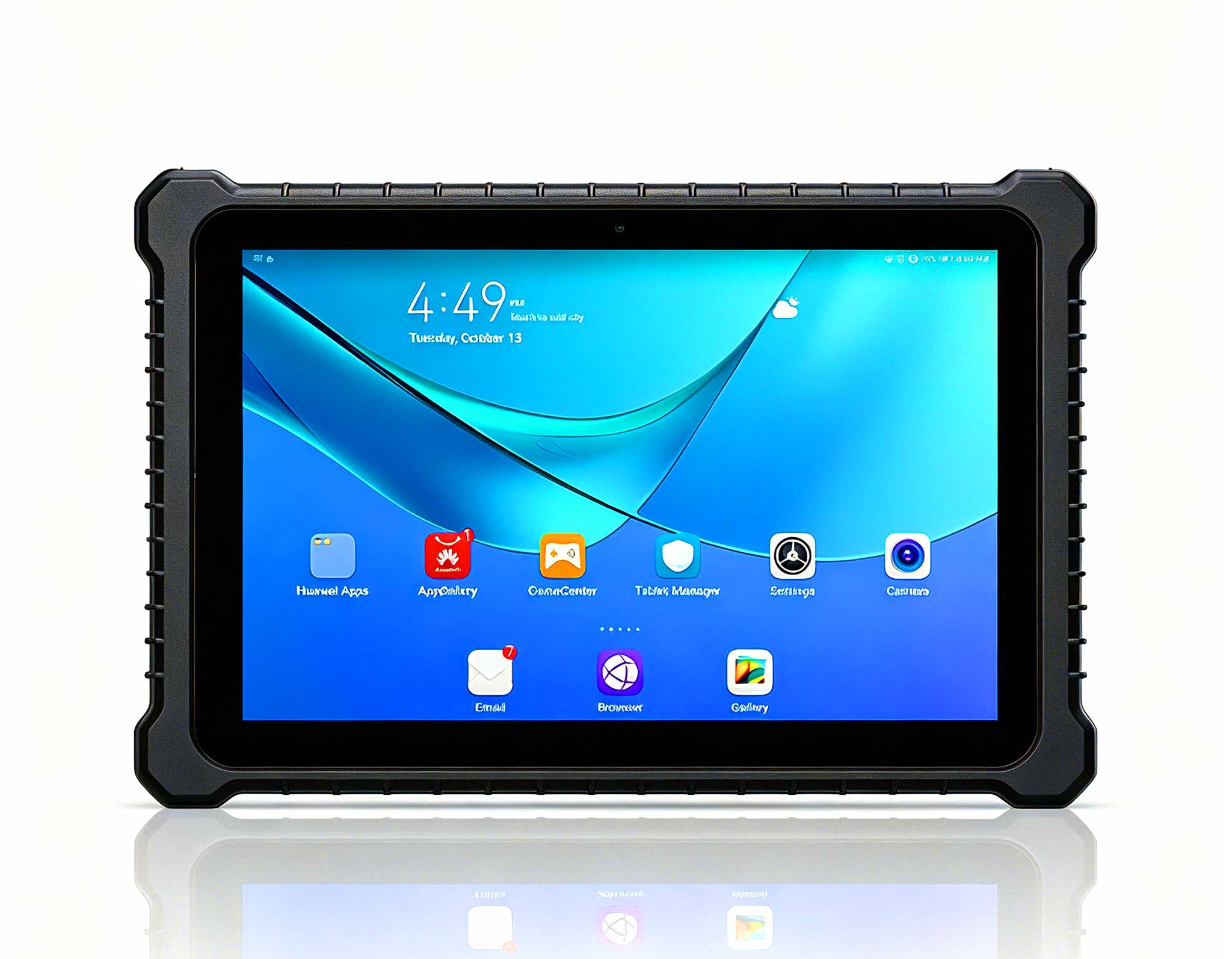
This 10-inch Android rugged tablet is designed for...
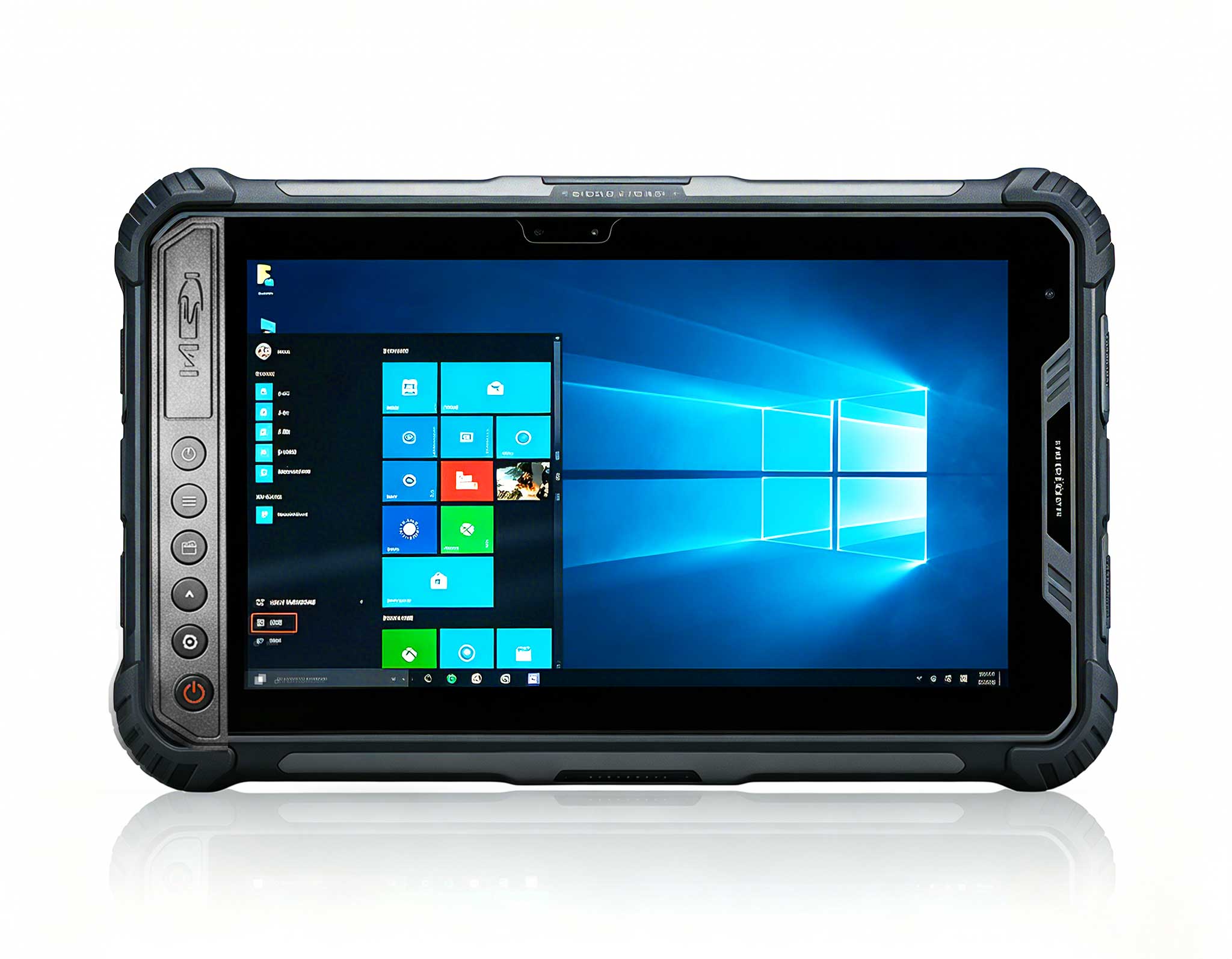
Full SpecificationsModelHotus ST9‑JOSWindows 10 Pr...
How do you deliver consistent VDI performance across a thin client fleet when budgets are tight, power is limited and user workloads change from one shift to the next? The ST11-J, ST11-U and ST13-J rugged industrial tablets are designed to answer exactly that question. In regulated workplaces such as factories, hospitals and logistics hubs, a virtual desktop endpoint carries more than a performance burden; it must also satisfy compliance requirements that span electrical safety, electromagnetic compatibility, energy efficiency and data protection. This guide reviews how each of the three models meets the standards that enterprise cloud terminal projects depend on.
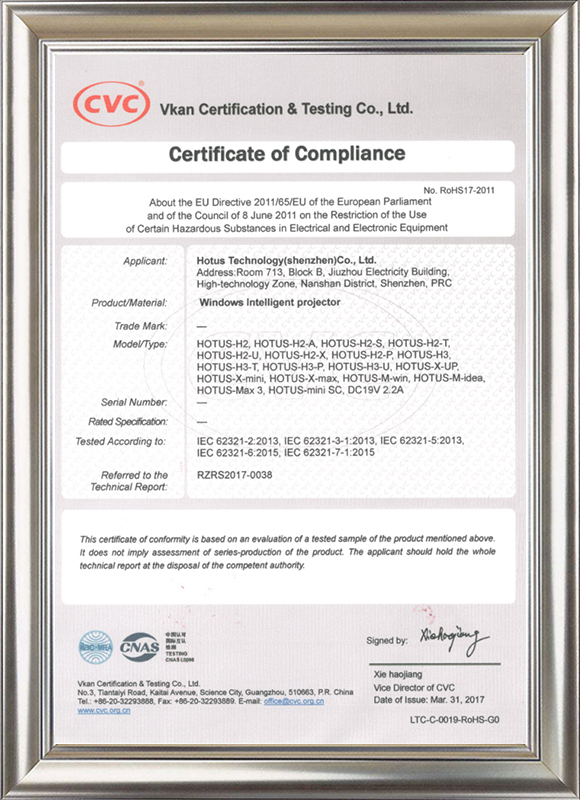
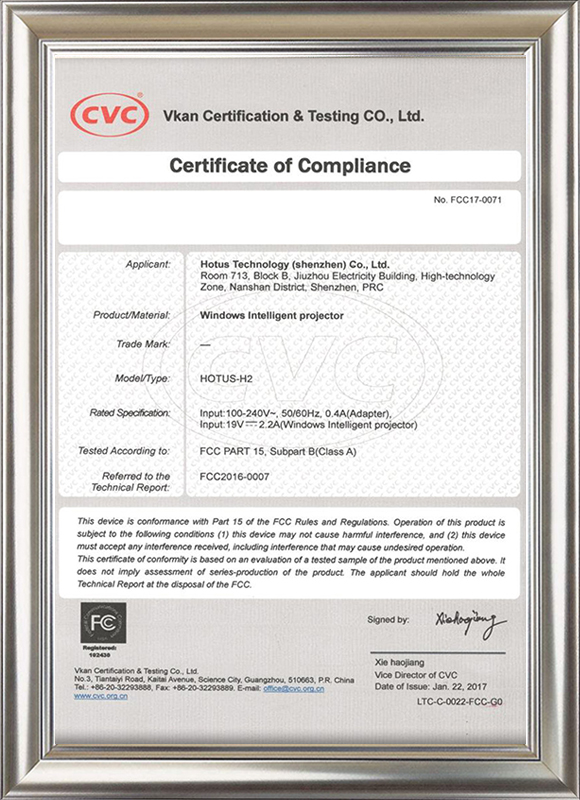
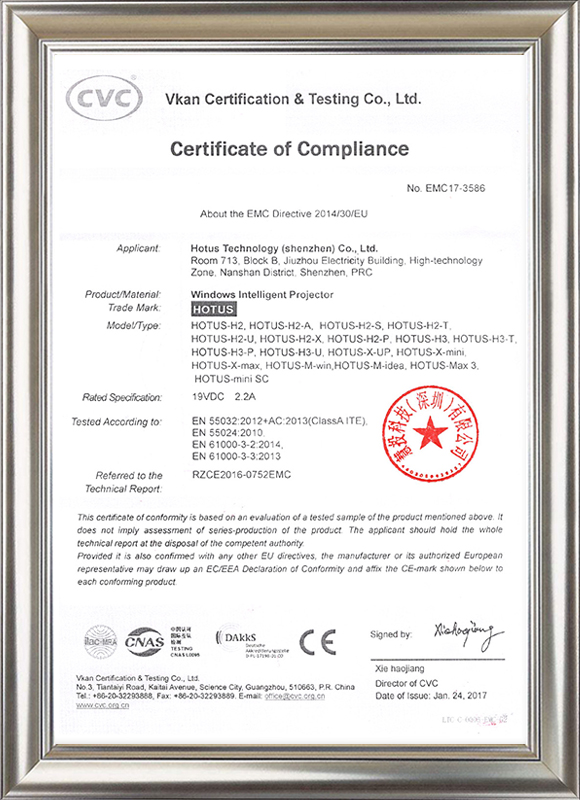
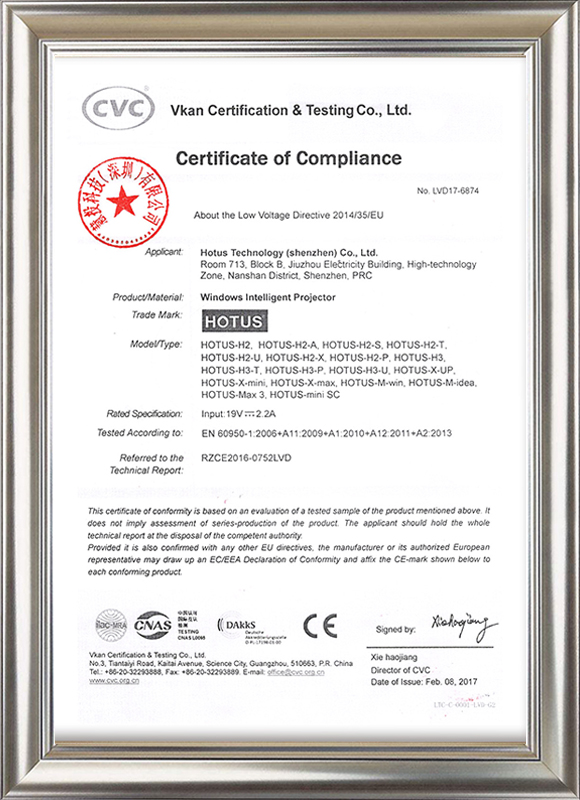
Virtual desktop infrastructure moves computing into the data center, but the endpoint that sits on the production floor still carries legal and operational obligations of its own. Products sold in the European union must carry CE marking under the Low Voltage and EMC Directives, while units shipped to North America need to satisfy FCC Part 15 rules. Compliance also protects uptime in ways that are easy to overlook. A device that fails electromagnetic compatibility testing can disrupt nearby medical instruments, programmable logic controllers or wireless networks, and a power supply that ignores energy regulations can quietly inflate electricity bills across a large fleet.
For teams evaluating an industrial solution for Thin Client Vdi, compliance is the baseline that makes predictable rollout possible. Procurement departments routinely request CE and FCC certificates, audit teams review EMC reports, and site engineers need confidence that every endpoint can withstand the temperature swings, vibration and power fluctuations found in real production environments. Hotus designs its thin clients and rugged tablets with these expectations in mind from the very first design review.
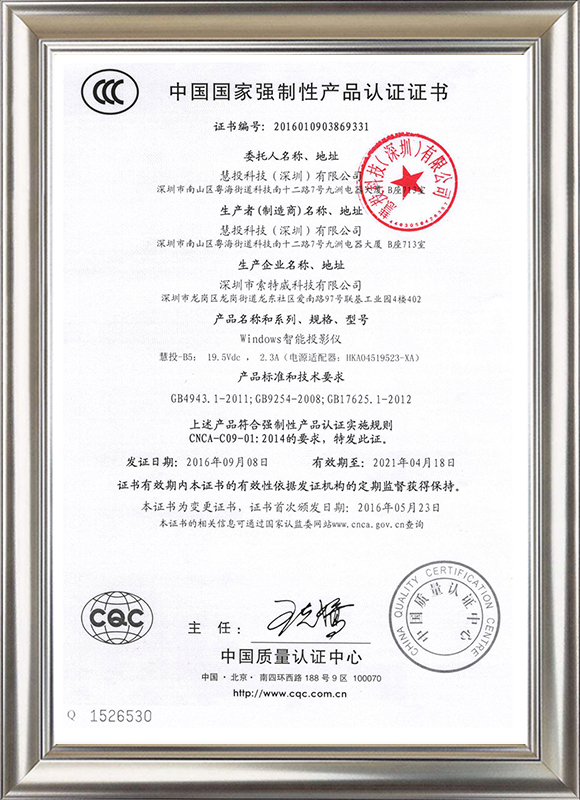
The 10.1-inch Windows ST11-J Rugged Industrial Tablet pairs a compact touchscreen with an IP65-rated housing that keeps out dust and water spray, which makes it a dependable cloud terminal for shop floor data entry, machine-side dashboards and warehouse picking. Its switching power stage is filtered to suppress conducted emissions, precisely what EMC auditors look for when a terminal sits beside servo drives and frequency converters. Each unit ships with CE and FCC certification documentation, giving integration teams a clean paper trail for their compliance folders.
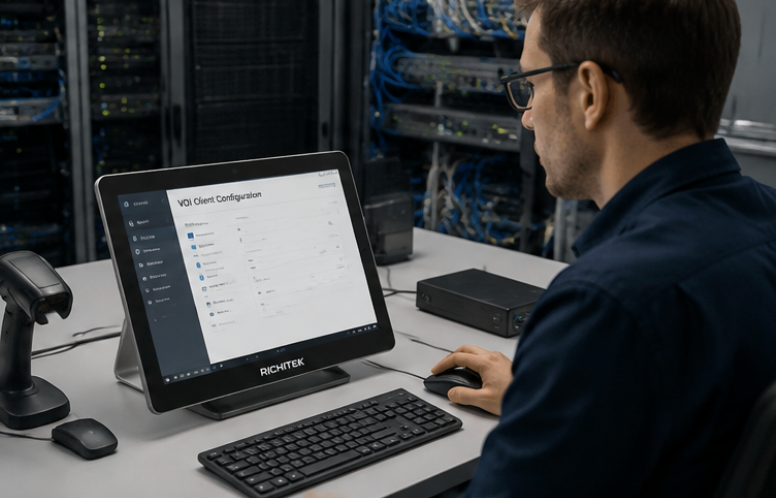
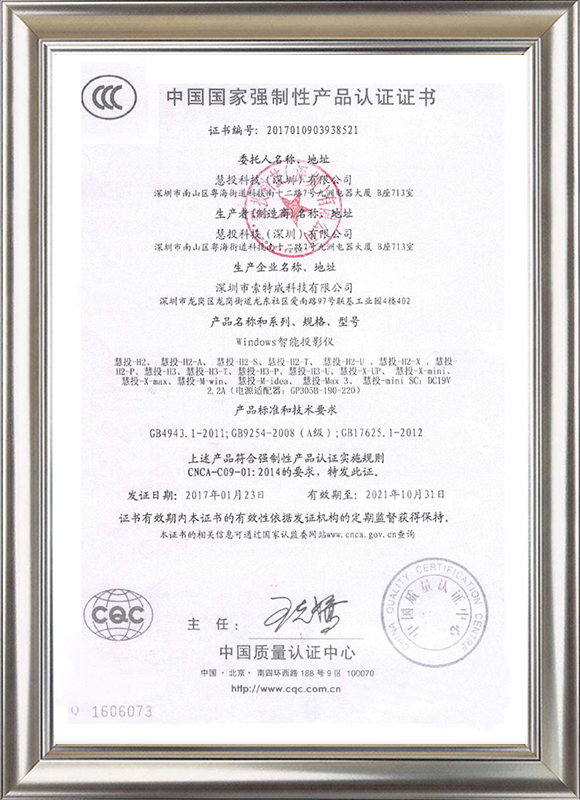
The 10.1-inch Windows ST11-U Rugged Industrial Tablet is built for control-room operators and line supervisors who need reliable access to virtual desktops over standard network connections. With a wider operating temperature range and reinforced mounting options, the ST11-U keeps its display output stable even when electromagnetic activity in the environment is high. Its compliance package includes EMC test results aligned with EN 55032 and EN 55035, which shortens the evidence collection that IT teams must submit during facility certification.

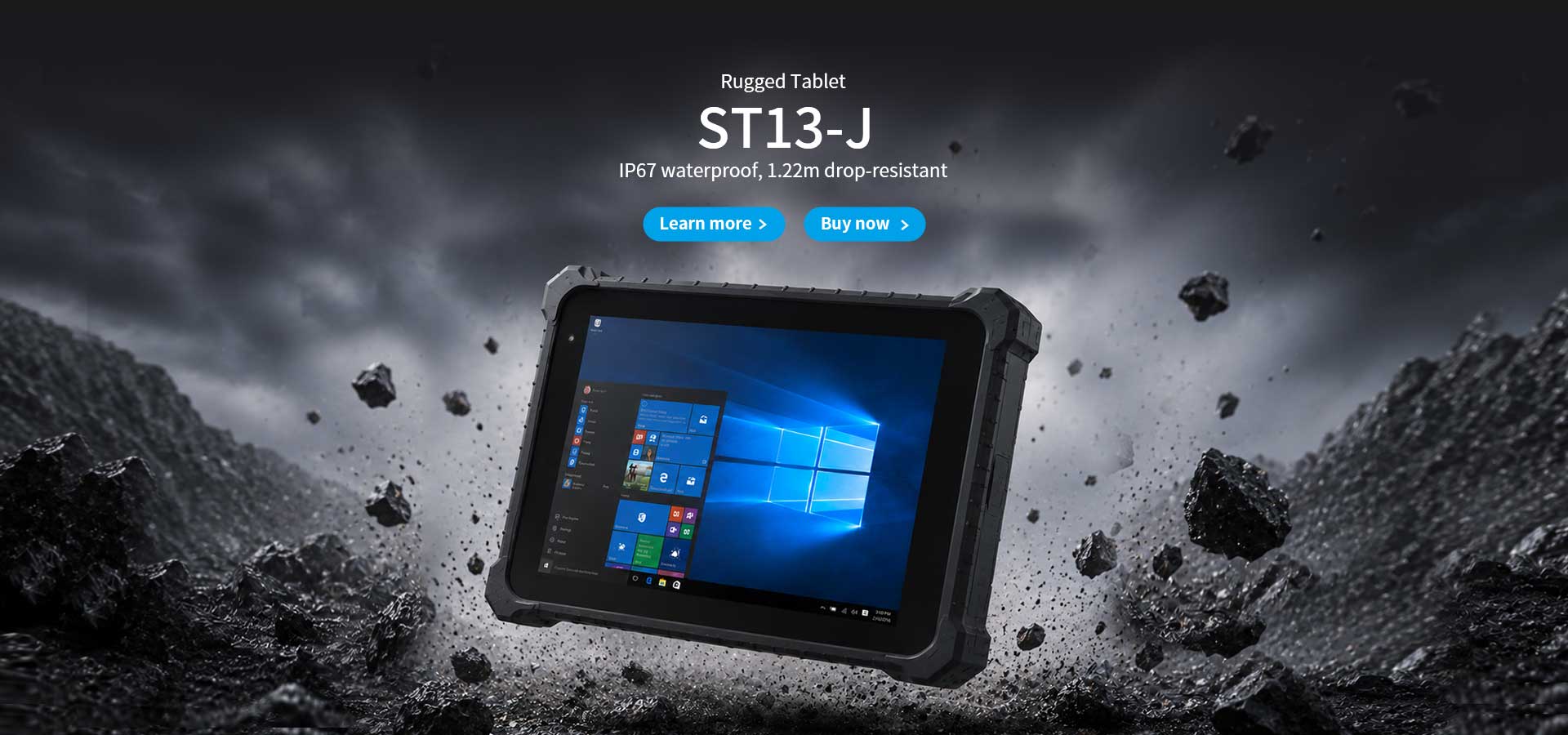
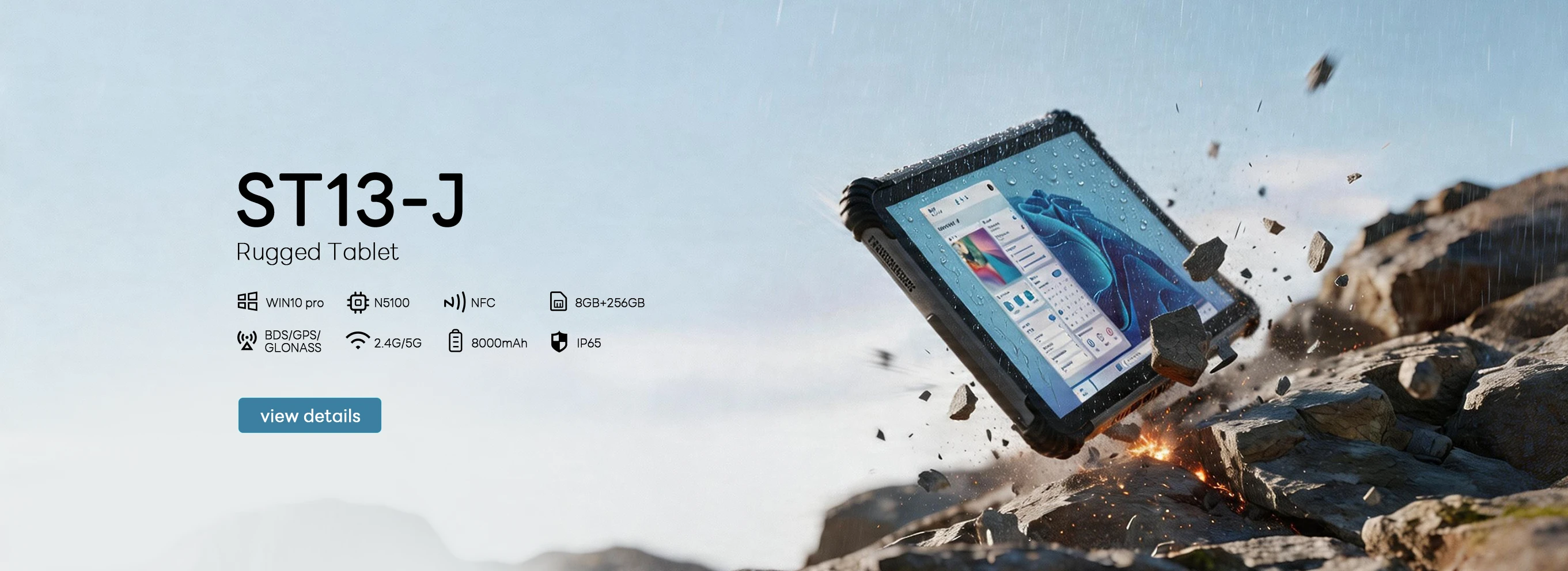
For applications that demand more screen real estate, the 13.3-inch Windows ST13-J Rugged Industrial Tablet provides a larger display for viewing multiple VDI windows, engineering drawings or live monitoring feeds. The larger chassis also leaves more room for heat dissipation, which supports the sustained performance that virtualization workloads need over long shifts. Like its siblings, the ST13-J is tested for both radiated and conducted immunity, so it keeps working reliably beside welding equipment, motor controllers and RFID readers.
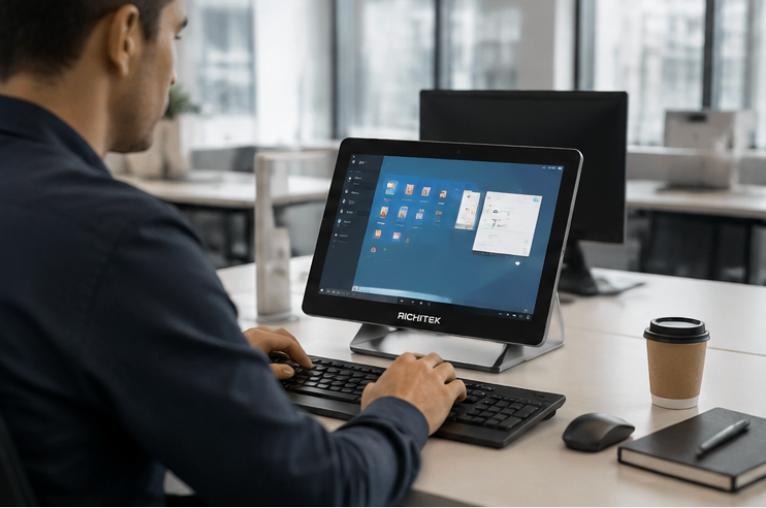
Cloud terminals often run around the clock, which makes energy efficiency both a compliance issue and a cost issue at the same time. Regulations such as the EU ErP directive and voluntary programs like ENERGY STAR reward low standby power and intelligent power management. All three models support aggressive sleep states and wake-on-LAN policies, so administrators can push endpoints into low-power modes during quiet hours and still wake them remotely for overnight patching.
Because VDI processing happens on the server, thin clients draw only a fraction of the power of a conventional workstation. When hundreds of devices are deployed across a single site, the combined savings in electricity and cooling improve the energy budget and reduce the environmental reporting burden. Pairing these cloud terminals with rugged mini PC solutions from the same family gives administrators one consistent hardware strategy, with matching power profiles and simpler spare-part logistics.
Regulations such as the GDPR place clear obligations on organizations that handle personal data, and the endpoint has a significant role to play in virtual desktop environments. Because VDI endpoints carry no local copies of business data, the risk of physical data loss is already minimized. To strengthen the chain of trust further, these tablets support TPM-based security and Secure Boot, which let IT teams verify the integrity of the operating system at every startup and enforce device encryption policies from the management console.
Network-level security is maintained through support for 802.1X authentication and VPN tunnels, so every session between the terminal and the virtual desktop server is encrypted in transit. Taken together, trusted platform modules, measured boot and encrypted remote sessions give compliance officers documented evidence that endpoint access is controlled and that data never leaves the data center.
| Model | Display Size | Typical Deployment Role | Ruggedness | Compliance Highlights |
|---|---|---|---|---|
| ST11-J | 10.1-inch | Shop floor data entry, machine-side dashboards, warehouse picking | IP65-rated housing, compact footprint | CE and FCC marked, filtered power stage for low conducted emissions |
| ST11-U | 10.1-inch | Control-room operators, line supervisors, mobile carts | Wide operating temperature range, reinforced mounting | EMC results aligned with EN 55032 and EN 55035 |
| ST13-J | 13.3-inch | Engineering review, multi-window VDI, monitoring stations | Larger chassis with enhanced heat dissipation | Tested for radiated and conducted immunity in harsh industrial EMC environments |
The table above summarizes how the three models are positioned. When selecting an endpoint, match the display size and ruggedness to the physical location, and confirm that the certification paperwork covers the operating region. Because all three models share the same thin client architecture, migrating between them does not require re-architecting the virtual desktop environment.
Industry research suggests that more than 65% of Thin Client VDI operators plan to upgrade their endpoint hardware within the next two years. The primary drivers are better display quality, lower total cost of ownership and systems that temporary staff can operate without extensive training. At the same time, sustainability programs are pushing IT teams to document the energy class of every device they purchase, which makes certified, low-power hardware the safer procurement choice.
Teams evaluating the ST11-J, ST11-U and ST13-J for Thin Client VDI environments usually ask the same questions. Do we need a dedicated technical team to run the system? No, these cloud terminals boot directly into the virtual desktop with no local administration required. Can different user groups share the same device? Yes, VDI profiles keep each session isolated and secure. What happens if a terminal is damaged on the production floor? The rugged housing keeps downtime to a minimum, and a replacement unit can be configured from the same image within minutes.
Meeting compliance standards is not an obstacle to building an efficient Thin Client VDI environment; it is the framework that makes the deployment reliable in the first place. The ST11-J, ST11-U and ST13-J deliver CE, FCC and EMC conformance, energy-efficient operation and the security foundations that modern audits expect. Combined with a unified management strategy, these rugged terminals let organizations deploy cloud terminals that pass certification today and scale into tomorrow's compliance requirements without rework.