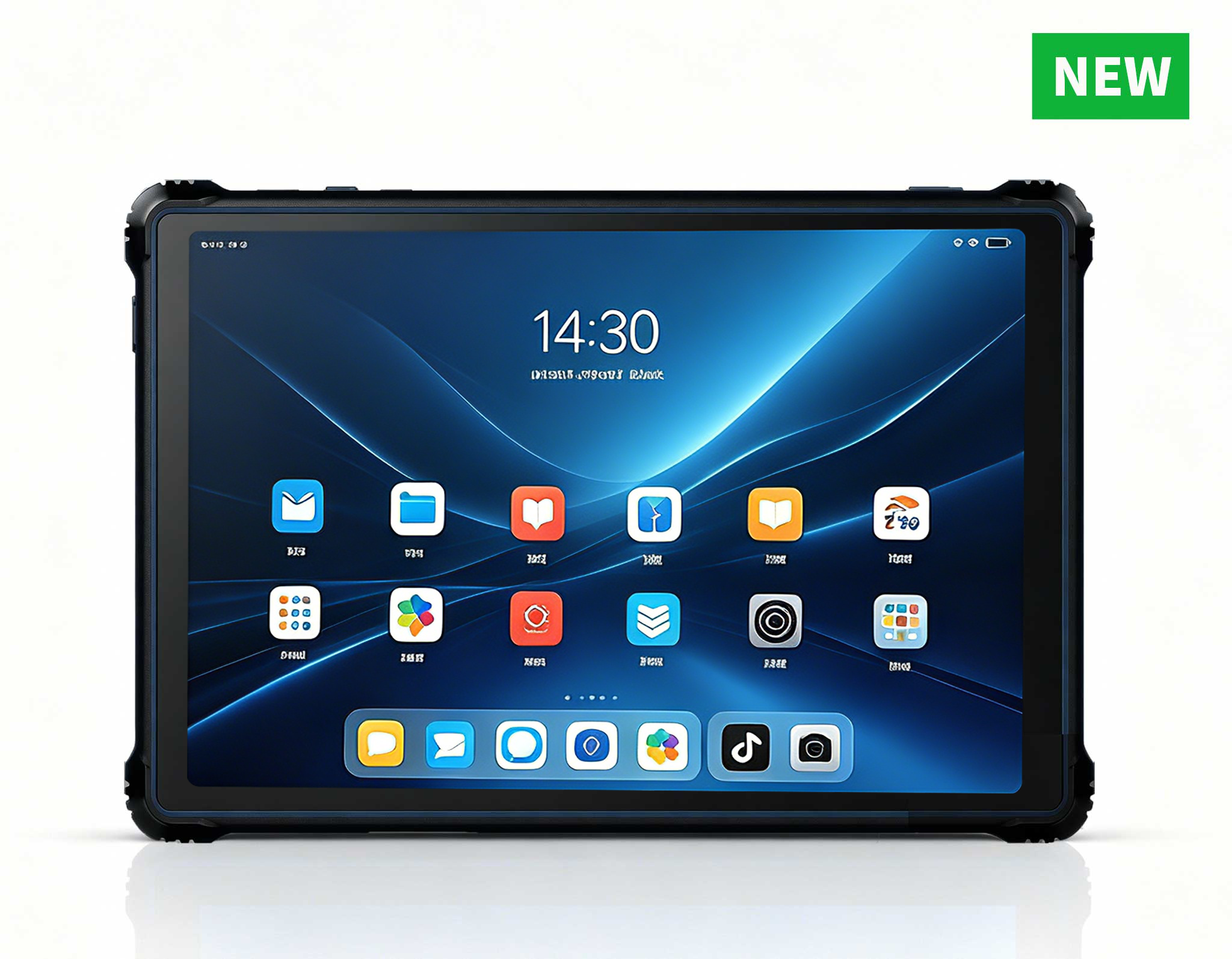
This 13.3-inch portable monitor features a 1920x10...
Contact Us
Hotus Technology (Shenzhen) Co., Ltd. Tel:+86 138 2529 5213 Skype: E-Mail:tiger@hotusprojector.com Add: 3 Floor, Building D1, Xintang Industrial Zone, East District, Baishixia Community, Fuyong Street, Baoan District, Shenzhen city, 518100 China If you have any question,Please contact us,we will give you the best service!
Maximizing Ocean Plastic Recovery: Why Saltwater-Proof Windows Tablets are Essential for Trawl Net Integrity
2026-05-12
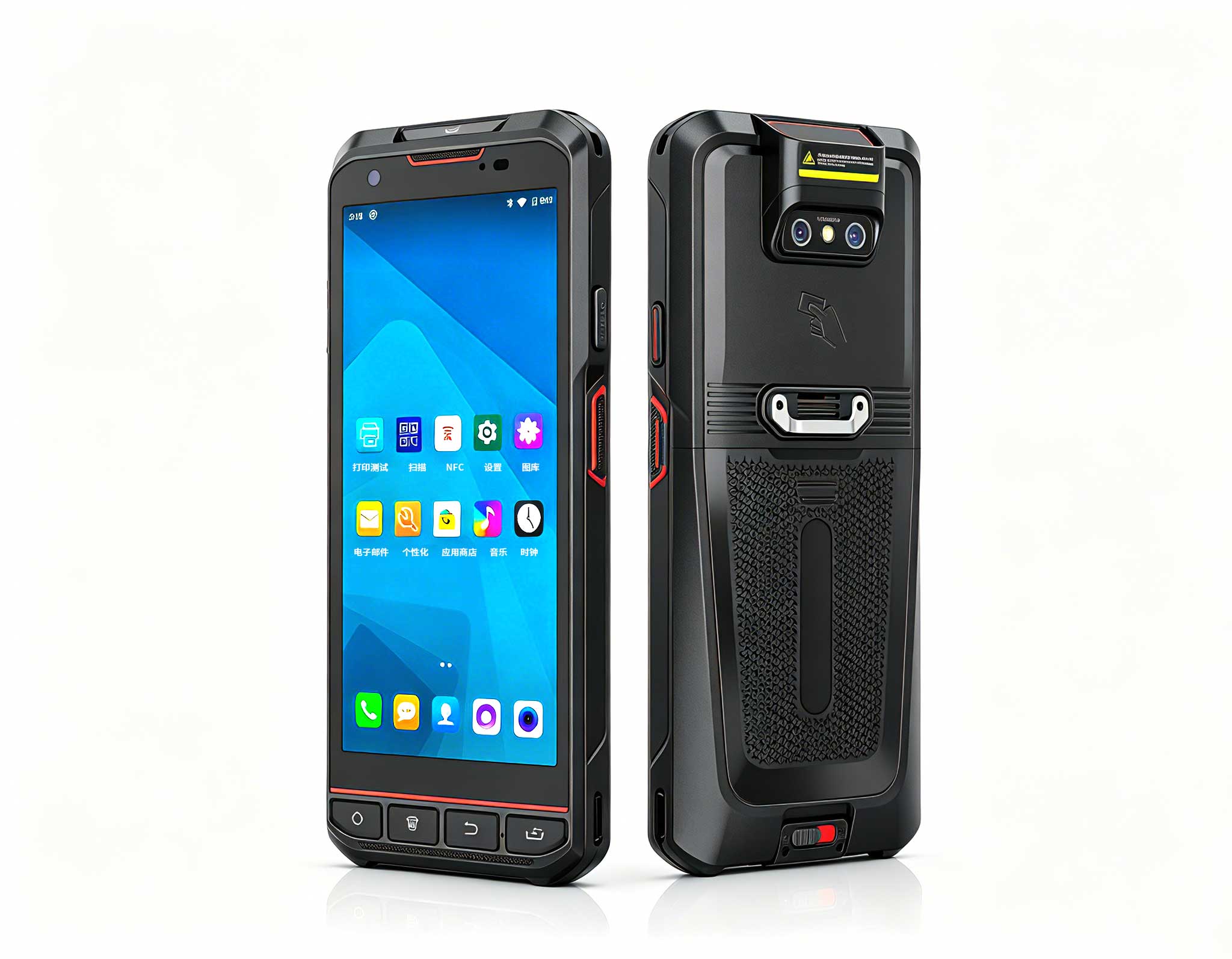
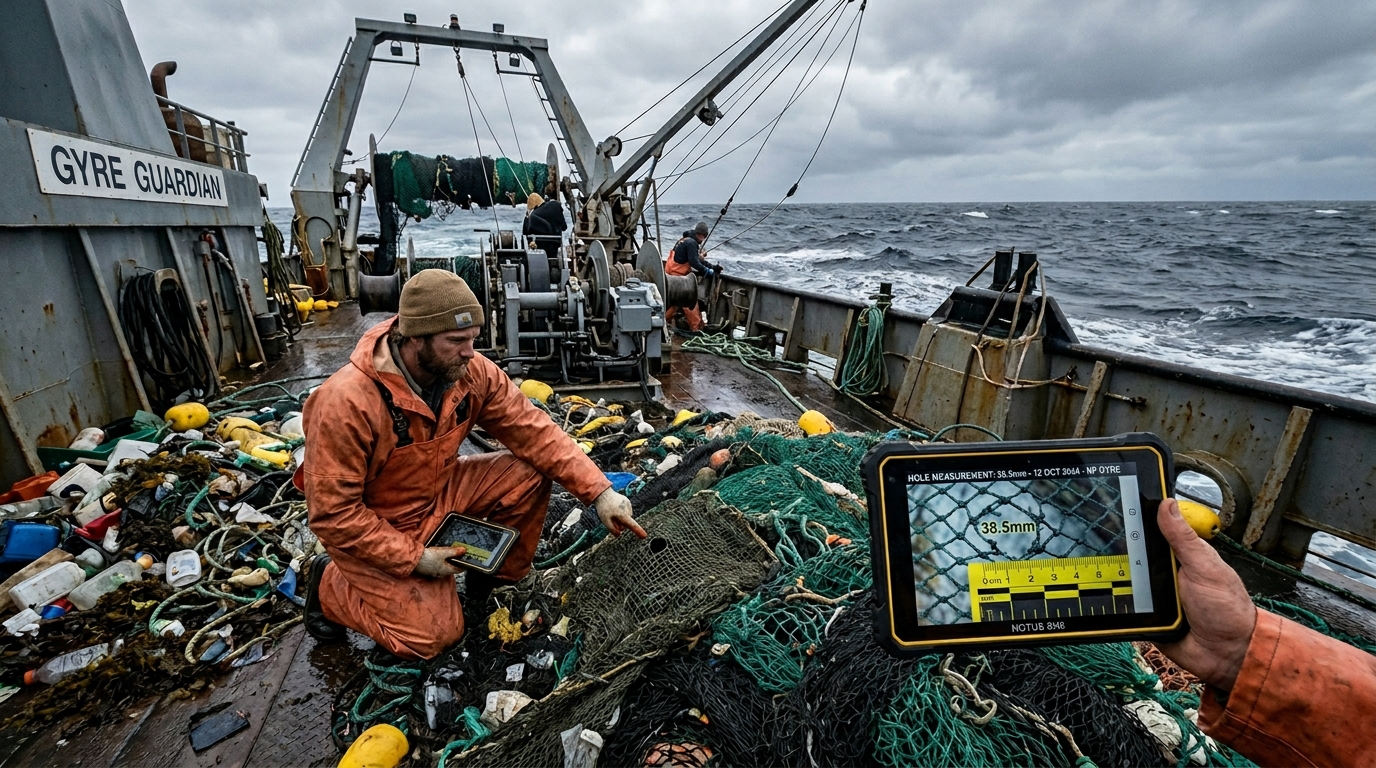
Fig 1: Crucial Deck-Side Checks: A crew member utilizes the HOTUS SH6 to document net abrasion after a 48-hour collection run.
The "Ghost" Failure: Why Visual Net Checks are Not Enough
As ocean plastic cleanup operations scale to cover 10 million square kilometers by 2030, the technical complexity of fleet management has shifted from collection to preventative maintenance. Large-scale trawlers, such as those operated by The Ocean Cleanup, pull immense trawl nets through high-density plastic patches. These nets endure brutal forces: constant tension from vessel propulsion, abrasion from microscopic plastic fragments, and the crushing weight of several tons of captured debris.
A single undetected tear in the trawl's structural seam can negate an entire 14-day voyage. When a net fails mid-trawl, the captured plastic is released back into the gyre, effectively wasting hundreds of thousands of dollars in fuel and operational man-hours. Despite these stakes, many fleets still rely on "waterproof" notepads and visual guesswork. This analog approach is blind to structural fatigue—the microscopic stretching of polymer fibers that occurs long before a visible hole appears.
"In the North Pacific Gyre, a net tear isn't just a maintenance issue; it's a mission failure. Transitioning to sensor-integrated digital logs turns our trawl nets from passive mesh into intelligent, data-generating assets."
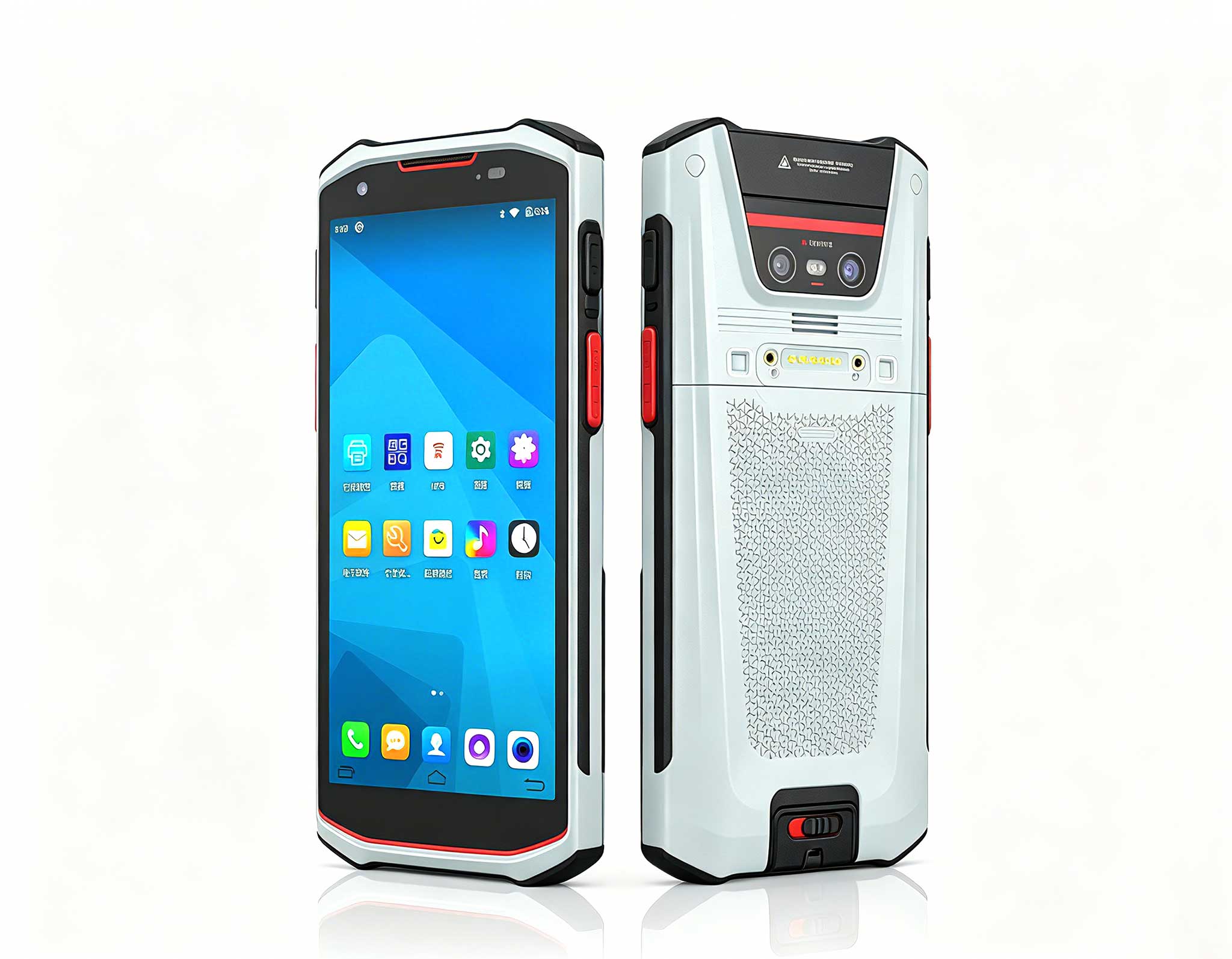
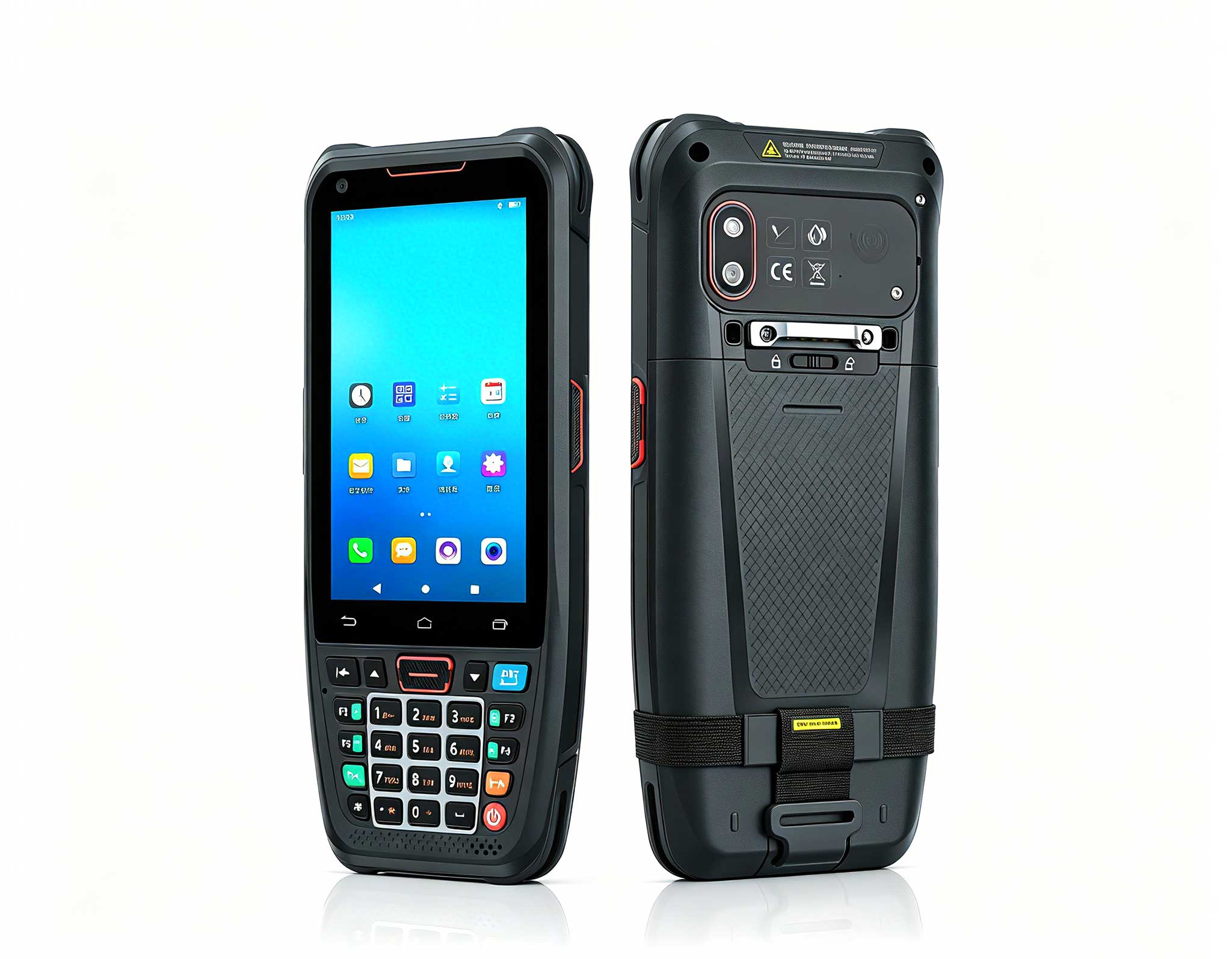
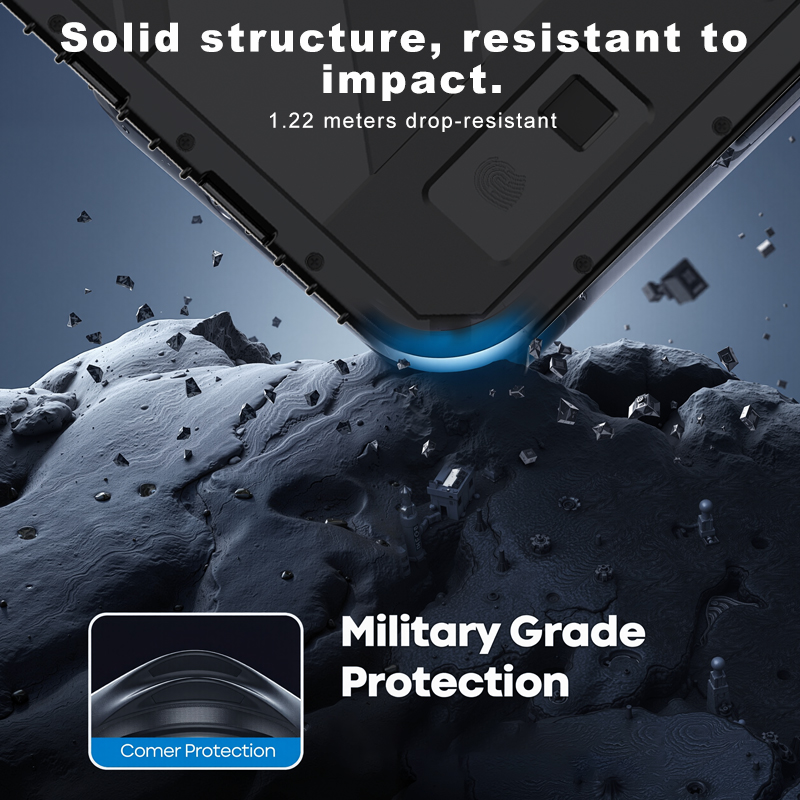
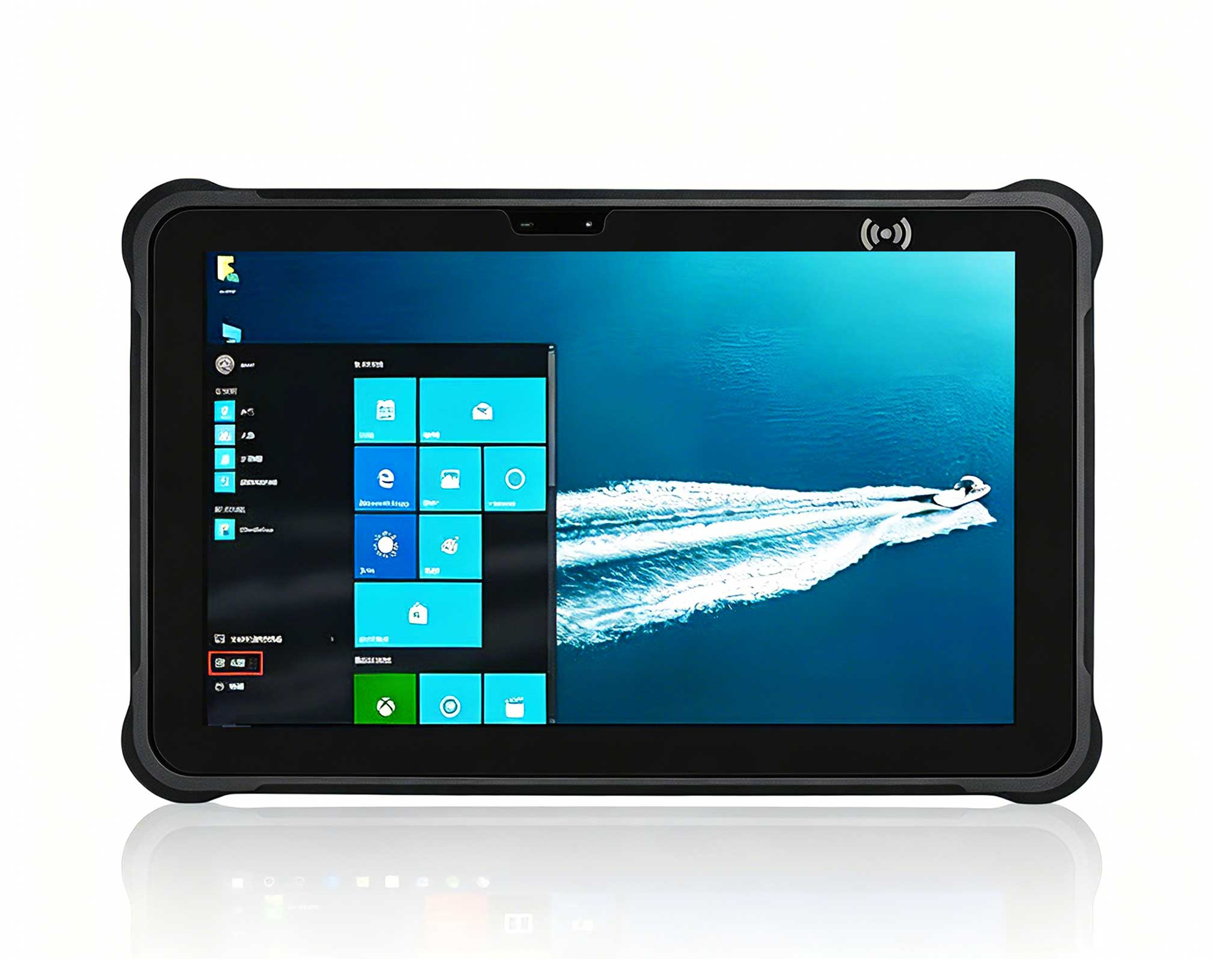
The SH6 is designed for the deck, not the office. In the corrosive, salt-laden air of the open ocean, consumer-grade devices perish within days. The SH6 provides the ruggedized Windows environment necessary to run advanced structural modeling software right at the net's edge.
Saltwater-Sealed (IP67)
Fully resistant to saltwater intrusion and high-pressure deck wash-downs, ensuring the internal electronics remain corrosion-free.
Sunlight-Readable 1000 Nit Display
Crystal clear visibility under direct equatorial sun, allowing crew members to pinpoint mesh anomalies without squinting or shade-seeking.
GPS-Tagged Photo Evidence
Each net repair is logged with sub-meter GPS accuracy and high-resolution imagery, creating an indisputable audit trail for environmental compliance.
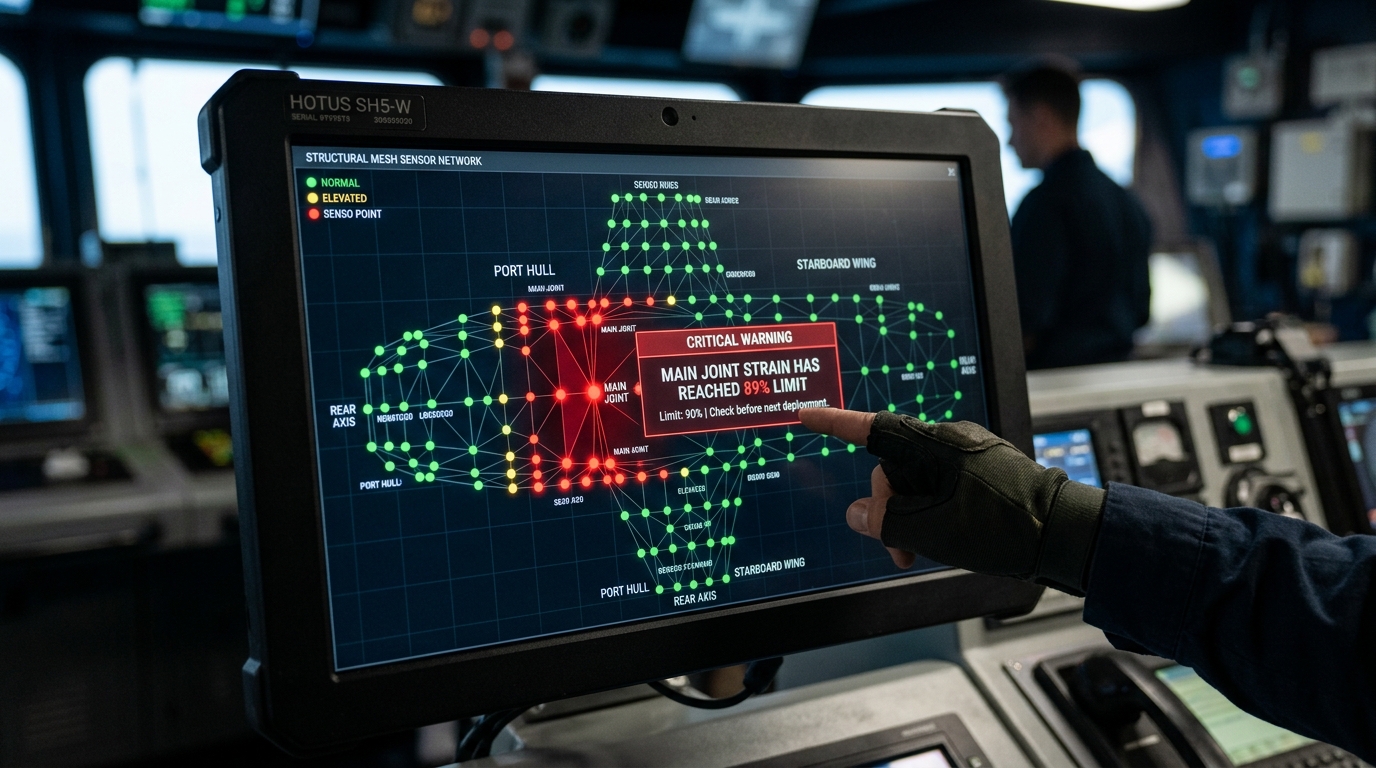
Fig 2: Predictive Maintenance: The SH5-W displays real-time tension data, flagging a seam that has reached 89% of its yield strength.
The Command Dashboard: HOTUS ST13-J
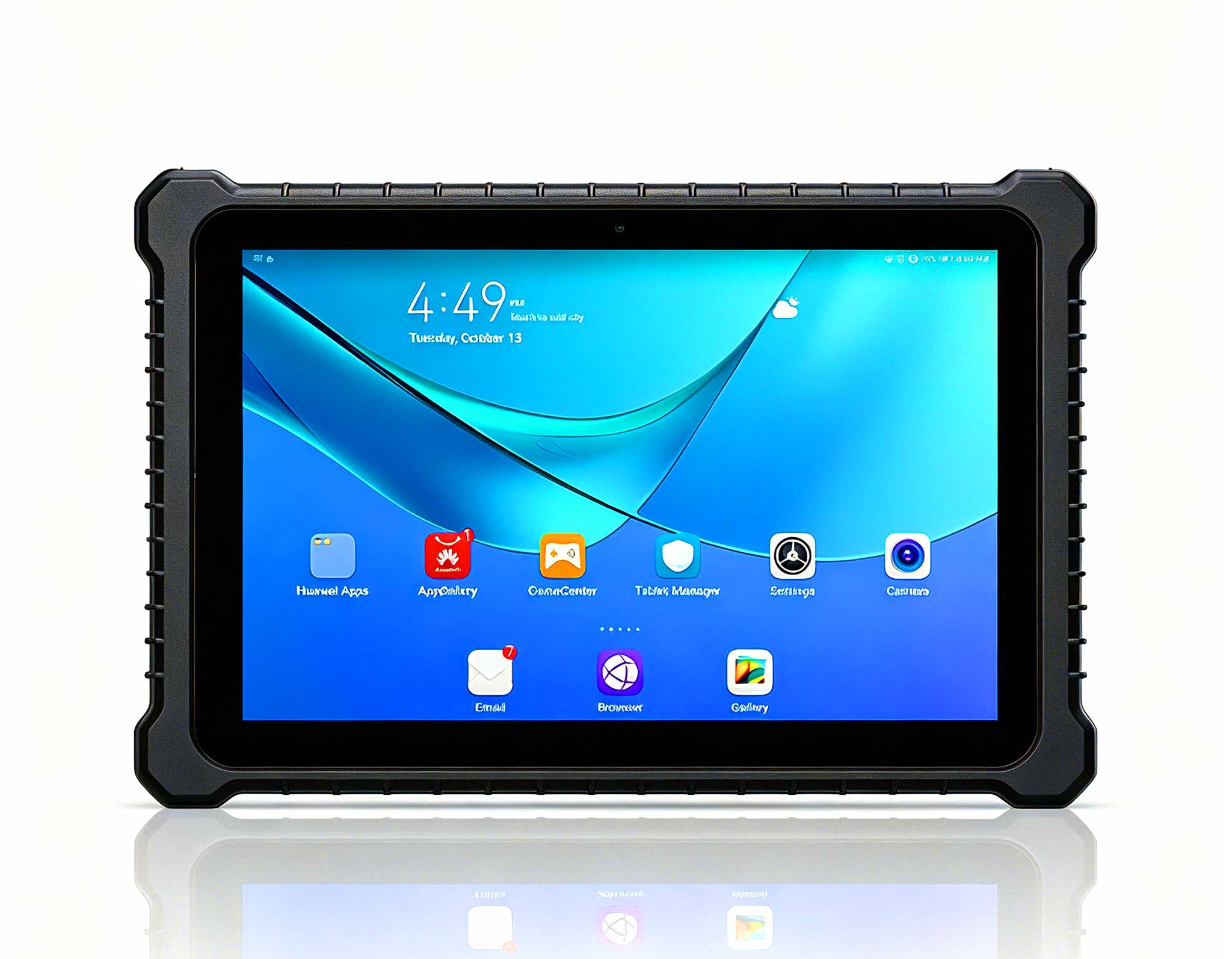
While the SH6 is on the deck, the Hotus ST13-J 13.3″ Rugged Tablet acts as the bridge's nerve center. By aggregating data from wireless strain sensors embedded in the trawl’s mouth and wings, the ST13-J provides the Captain with a live structural health report.
If the vessel hits a heavy cluster of ghost nets (discarded fishing gear) that increases drag beyond safe limits, the ST13-J triggers an immediate acoustic alert. This allows the crew to throttle back or adjust the trawl angle before the net reaches its breaking point. This data-driven navigation is the difference between a record-breaking haul and a devastating net loss.
Fleet Visibility: From Gyre to Cloud
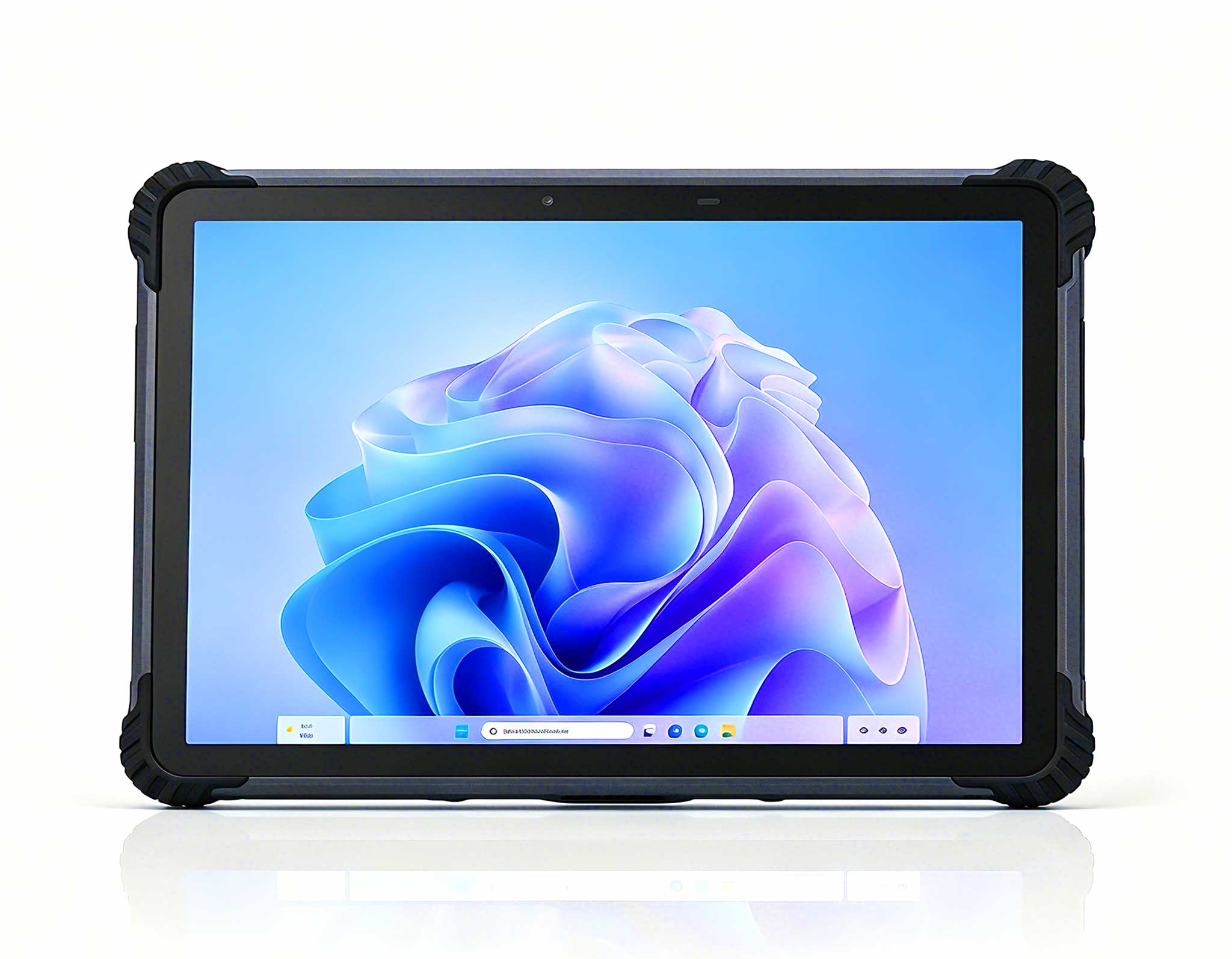
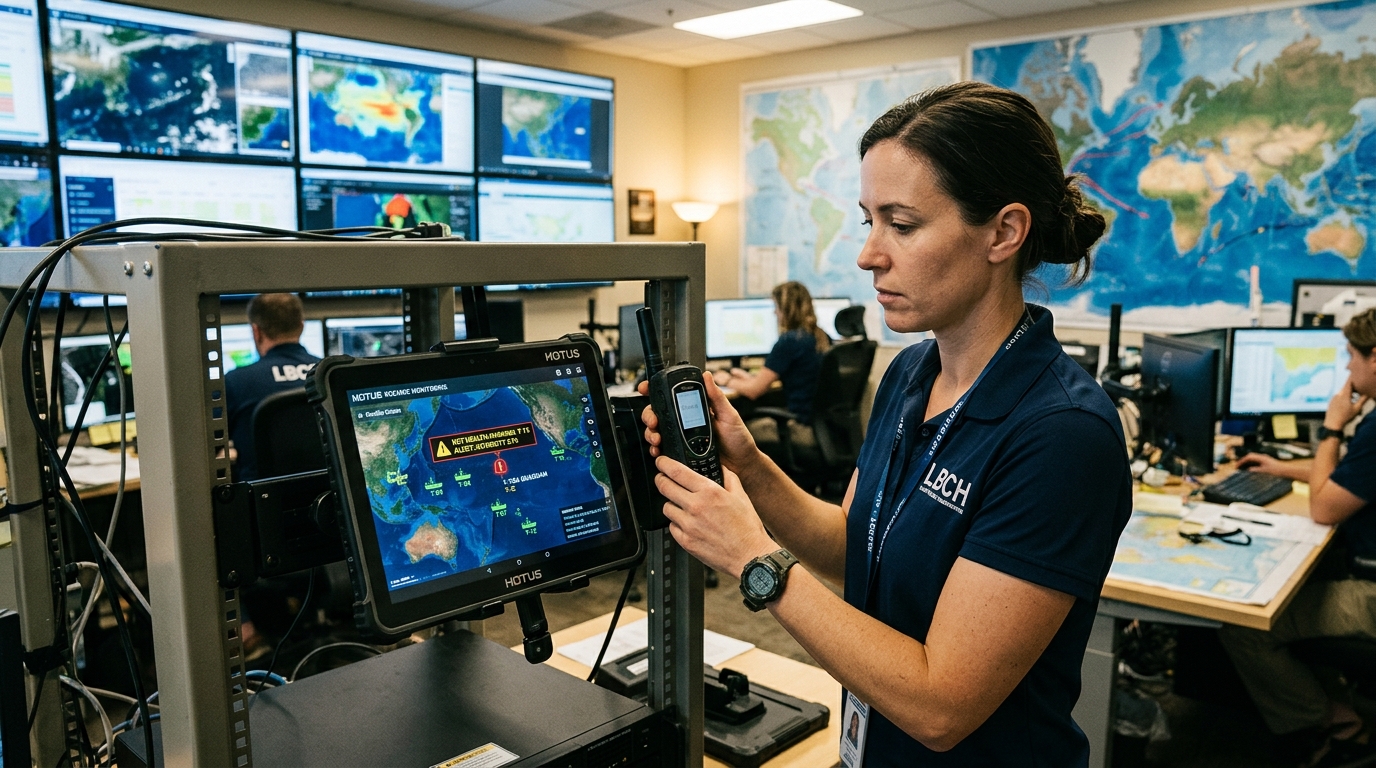
Ocean cleanup is now a global data operation. The Hotus ST11-U 10.1″ Windows Tablet is utilized by onshore logistics managers to track fleet-wide net health.
Fig 3: Regional Fleet View: Onshore managers monitor the real-time status of 8 trawlers, ensuring no vessel deploys with a compromised net.
By syncing SH6 deck data via satellite, the ST11-U dashboard highlights which vessels need to prioritize net replacement during their next port call. This centralized visibility has enabled cleanup organizations to reduce unexpected downtime by 45%, ensuring that the limited weather windows for plastic collection are never wasted.
Efficiency Benchmarks: Analog vs. HOTUS Digital Marine Inspection
Operational Metric
Legacy Notepad System
HOTUS Digital Workflow
Net Wear Tracking
Subjective (Visual only)
Objective (Sensor-Based Trend)
Failure Prediction
Reactive (After tear occurs)
Proactive (BMS-style fatigue alerts)
Plastic Loss Prevention
Moderate (Relies on luck)
High (72% reduction in net failures)
Device Survivability
N/A (Paper sogginess)
MIL-STD-810H Saltwater Certified
Protect Your Mission. Secure Your Trawl.
Ocean cleanup is a high-stakes race. Don't let a $50 tear cost you a $500,000 haul. Digitizing your net health is the most critical upgrade your fleet can make in 2026.