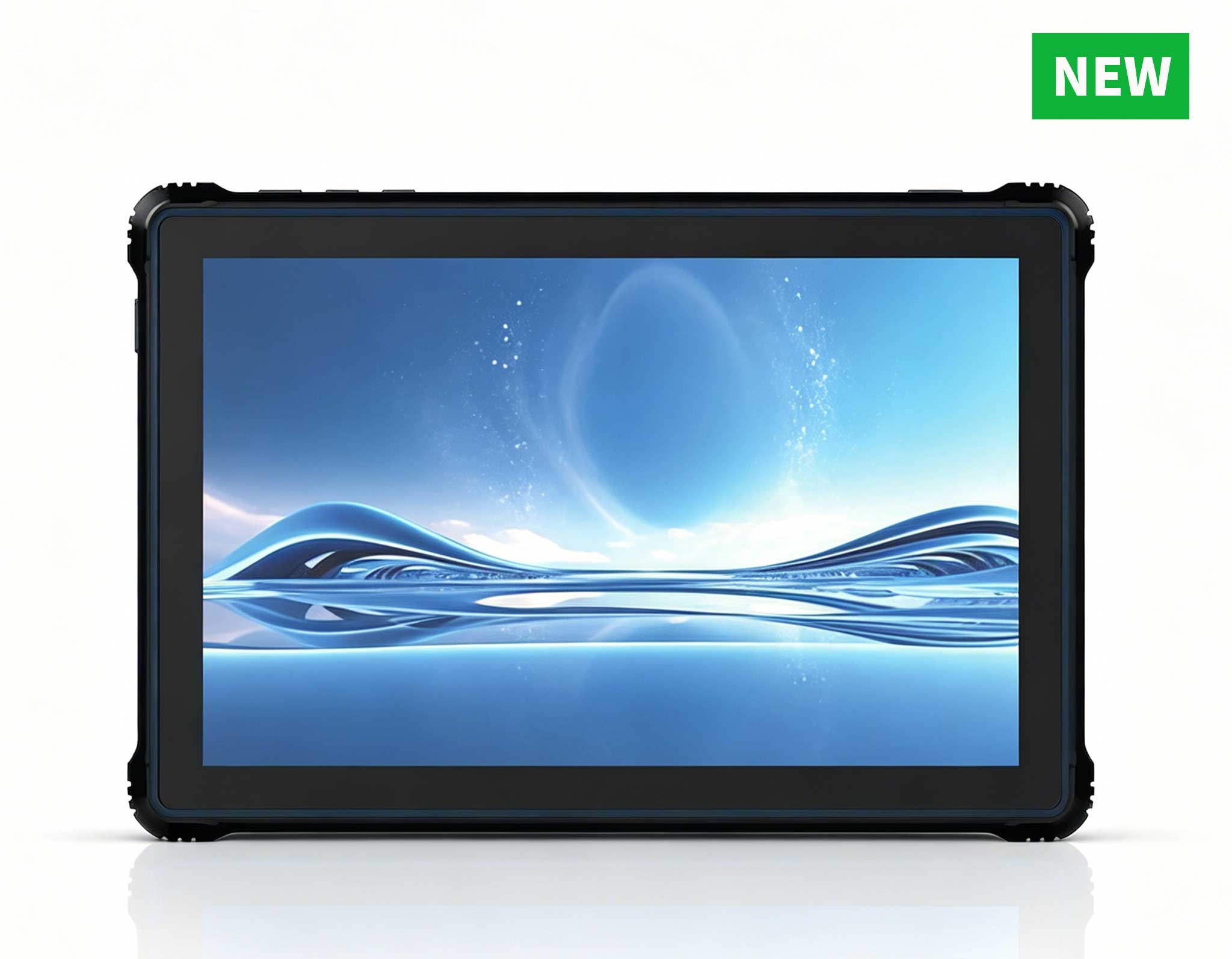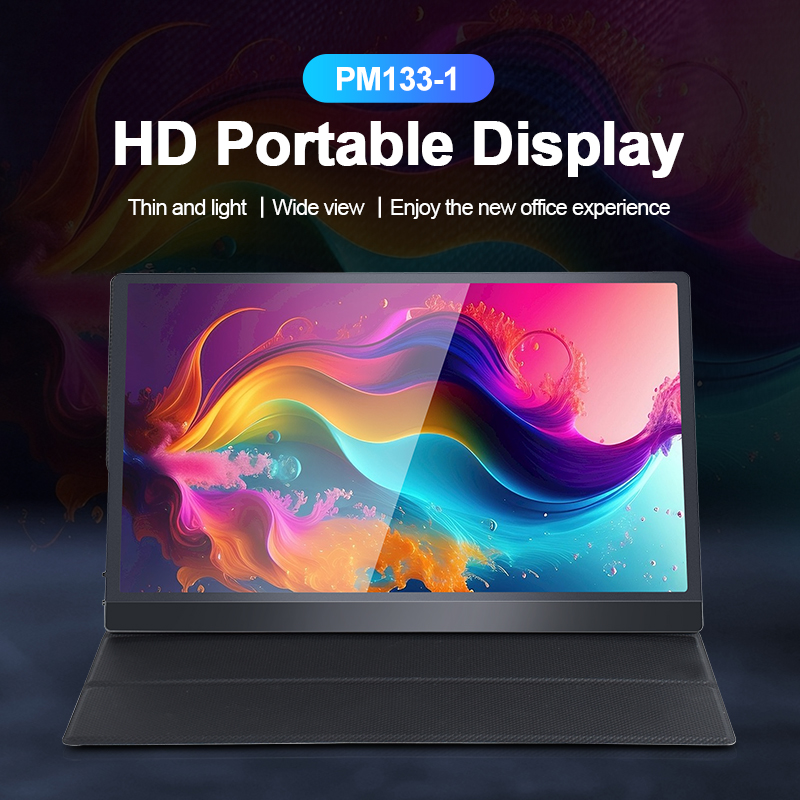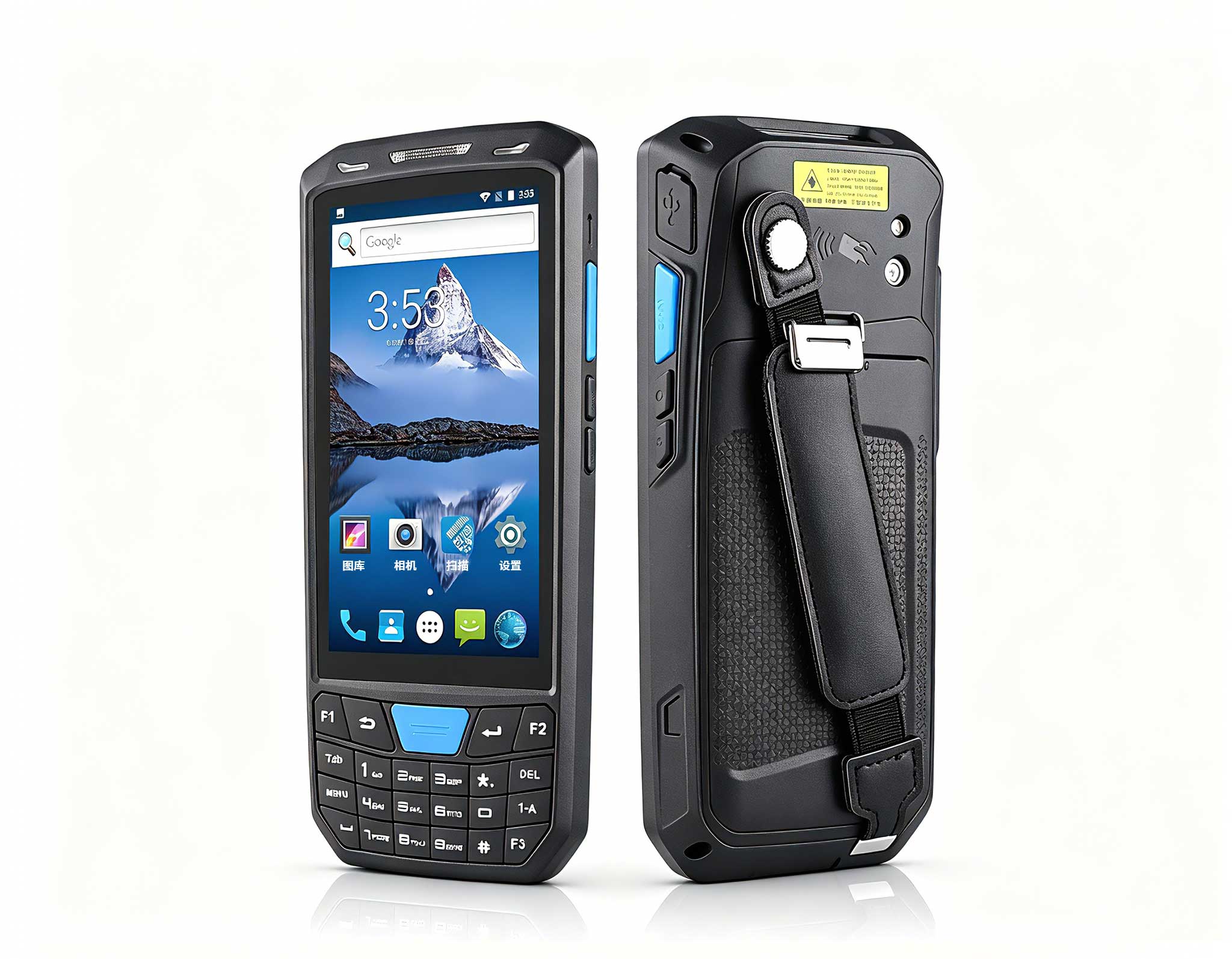
A marine ROV pilot uses the Hotus SH6 marine‑grade tablet to log dynamic subsea cable bend restrictor wear during a routine inspection.
I have watched a floating wind operator lose three full months of offshore power production because a dynamic umbilical cable failed unexpectedly right at the bend restrictor. This catastrophic failure could have been easily predicted if anyone had been tracking the subtle, progressive increase in micro‑bending. The global energy sector is pouring billions into deepwater floating wind infrastructure, yet the standard inspection regime for these critical dynamic cables remains dangerously outdated—relying on a commercial diver's visual appraisal and a grease pencil. You simply cannot see structural fatigue accumulating inside armored layers. Offshore crews require industrial marine-grade Rugged Tablets directly interfaced with distributed fiber optic sensors to map strain data and bending radii in real time. In the floating wind sector, a subsea cable is not a passive electrical conductor; it is a highly stressed structural asset under continuous hydrodynamic load. Your tablet is the ultimate load cell.
Floating Offshore Wind Dynamic Cable Fatigue Is Hidden – Why Your Subsea Asset Log Demands a Marine-Grade Rugged Tablet
By HOTUS Technology | June 2026
The global pipeline for floating offshore wind projects has entered a phase of exponential expansion. Marine engineering assessments indicate that an estimated 80 percent of global offshore wind potential is locked away in deepwater zones exceeding 60 meters in depth, where traditional fixed-bottom monopile foundations are structurally and economically non-viable. Floating tethered platforms provide the only access to these high-yield wind resources. However, operating in deep water introduces severe structural liabilities that fixed-bottom assets never encounter: the dynamic subsea power cable. These high-voltage lines hang suspended from rolling floating platforms down to the stationary seabed, enduring perpetual, multi-axial stress from breaking waves, subsurface currents, and extreme platform pitch. Over a standard 25‑year operational lifecycle, a dynamic cable must withstand millions of aggressive bending cycles without structural failure.
The underlying subsea failure mechanism is slow, hidden, and highly progressive. Micro‑cracks initially develop within the core insulation jackets, leading to localized seawater ingress that triggers rapid copper or aluminum conductor corrosion. This degradation steadily drives up electrical conductor resistance, creating thermal hotspots. Eventually, once the external steel or composite tensile armoring fatigues past its mechanical breaking point, the dynamic cable snaps under tension. Executing an emergency marine intervention to replace a damaged dynamic cable costs operators between $2 million and $5 million per incident, an expense worsened by months of unrecoverable lost power generation revenue. Despite these immense financial risks, standard maritime asset condition monitoring still depends on periodic diver drop-ins or basic Remotely Operated Vehicle (ROV) camera sweeps that only capture overt external surface anomalies. A diver cannot visually diagnose internal water ingress. An ROV camera feed cannot calculate micro-strain or insulation degradation.
The Next Generation of Subsea Asset Integrity Monitoring
Pioneering organizations are deploying highly technical monitoring systems to mitigate these subsea blind spots. For example, France's VigieCâble consortium, backed by €2.4 million in dedicated clean-energy funding, utilizes advanced distributed fiber optic sensing (DFOS) networks integrated directly within cable layers to log subsea strain, thermal profiles, and actual bending radii in real time. This system catches early acoustic and physical strain anomalies long before internal component breakdown occurs. This high-fidelity telemetry is precisely what offshore wind operators require to protect their installations. However, field crews have long lacked a highly resilient, drop-tested mobile interface that allows divers, ROV pilots, and deck engineers to interact with, log, and trend this delicate diagnostic data on-site.
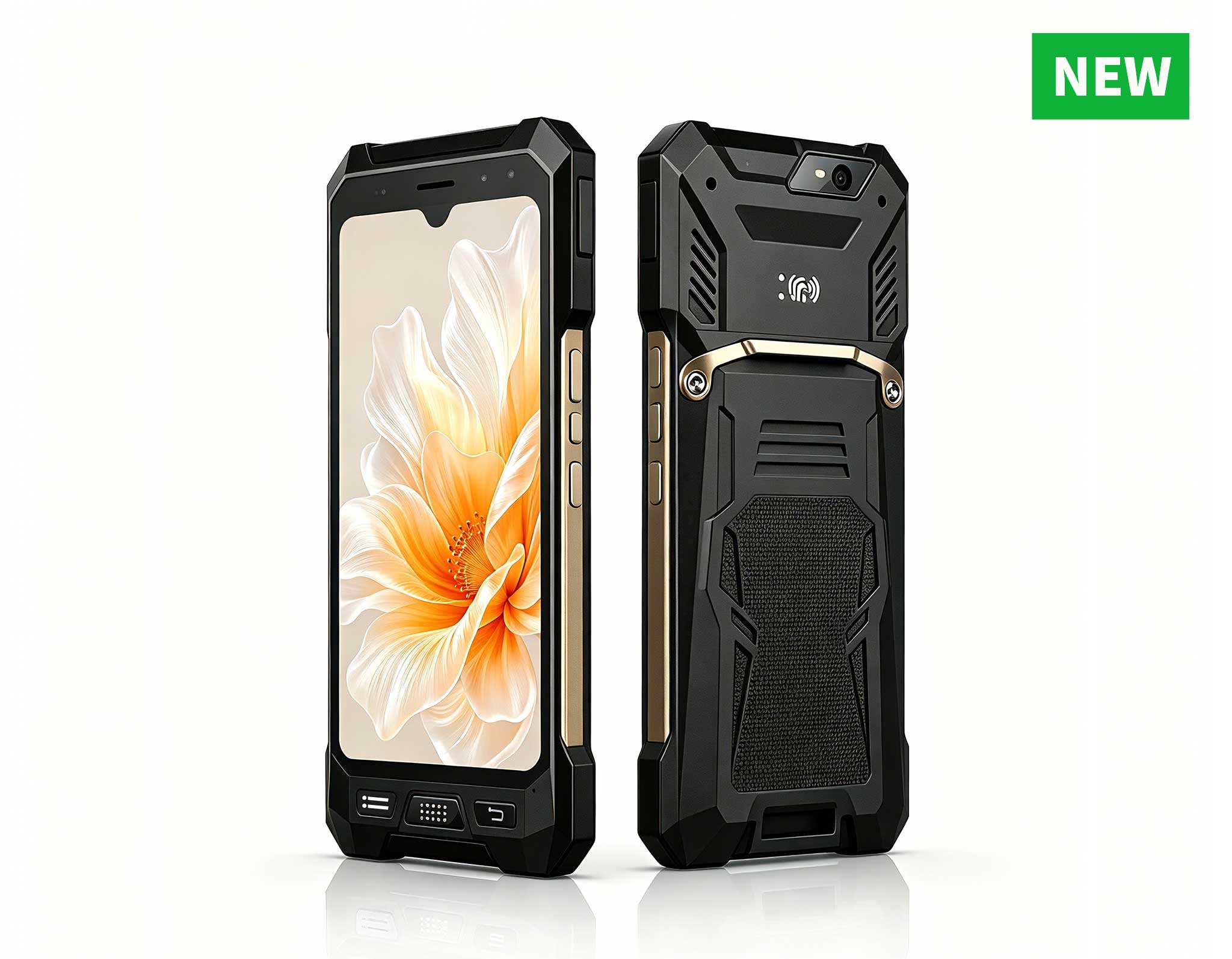
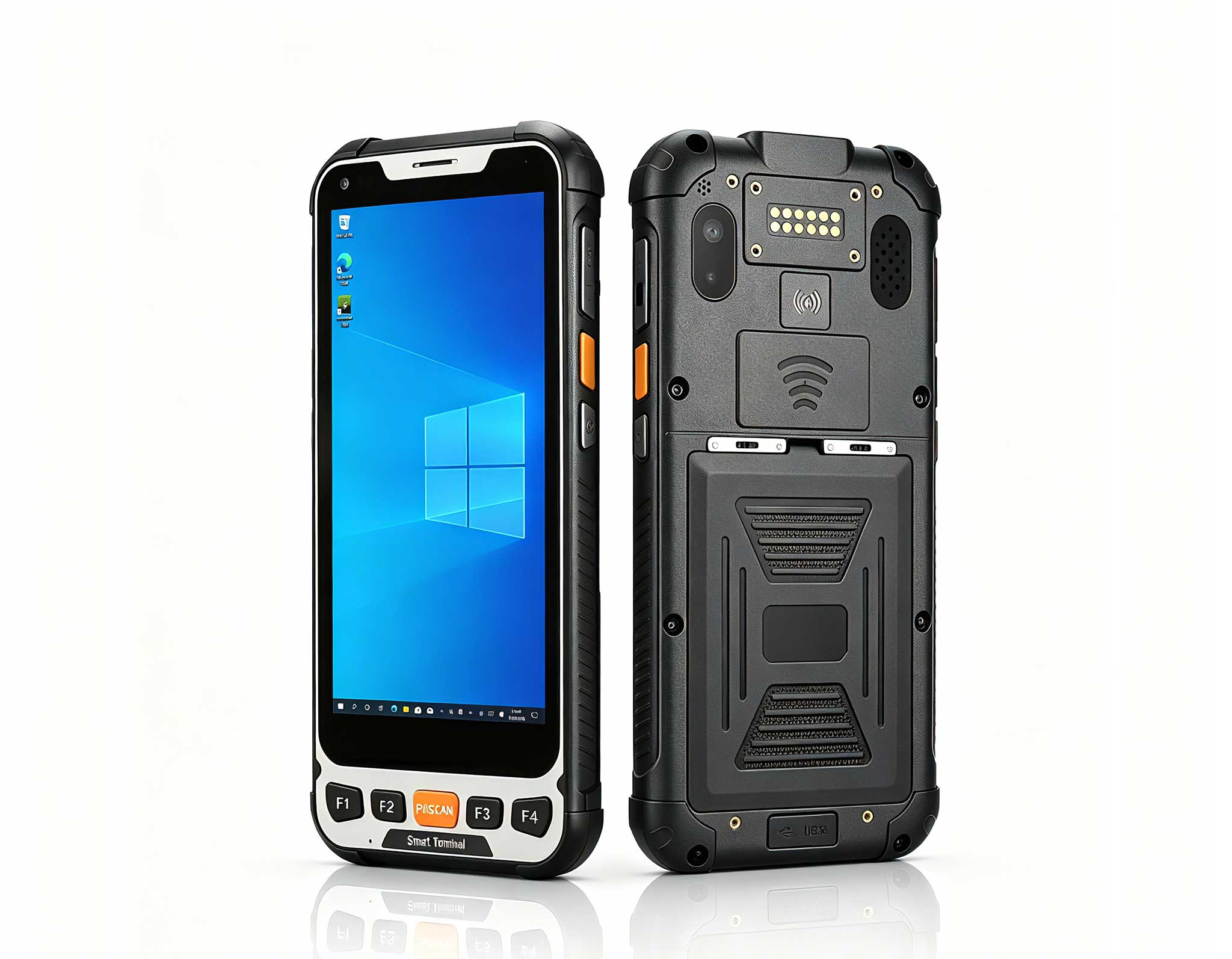
The Hotus SH6 6.5″ Windows rugged handheld was specifically engineered to fill this operational data gap. Built with an ultra-rugged, IP69K-rated structural housing, the SH6 can withstand high-pressure, high-temperature marine washdowns to clear away salt crust and corrosive seawater immediately after deck operations.
Direct Field Interface for Fiber Optic Interrogators
Its specialized 1000+ nit high-brightness display ensures perfect data legibility under intense, unshaded midday glare on open vessel decks. The SH6 hooks directly into subsea fiber optic interrogator units via marine-grade Ethernet or isolated serial interfaces, streaming granular real-time strain and thermal matrices directly into the field log. The mobile interface renders a clear, color-coded structural profile mapping the entire subsea cable span:
- Green Status Segments: Indicates baseline mechanical strain tracking safely within nominal engineering design boundaries.
- Yellow Status Segments: Highlights elevated localized strain, automatically prompting the system to increase data-sampling frequencies.
- Red Status Segments: Signals that structural strain is fast approaching ultimate mechanical tolerance thresholds—demanding immediate scheduled field intervention.
Crucially, the SH6 logs and graphs the mechanical bending radius across every subsea bend restrictor array. A continuous, measured contraction of the bending radius across successive inspection logs (such as a drop from 2.1 meters down to 1.9 meters, then trending to 1.7 meters) acts as an early warning that the external mechanical bend restrictor is wearing out, causing the internal high-voltage conductor to over-bend. Relying on legacy paper sheets makes tracking these sub-millimeter structural variances impossible. The solid-state SH6 handheld captures and trends these shifts with absolute precision.
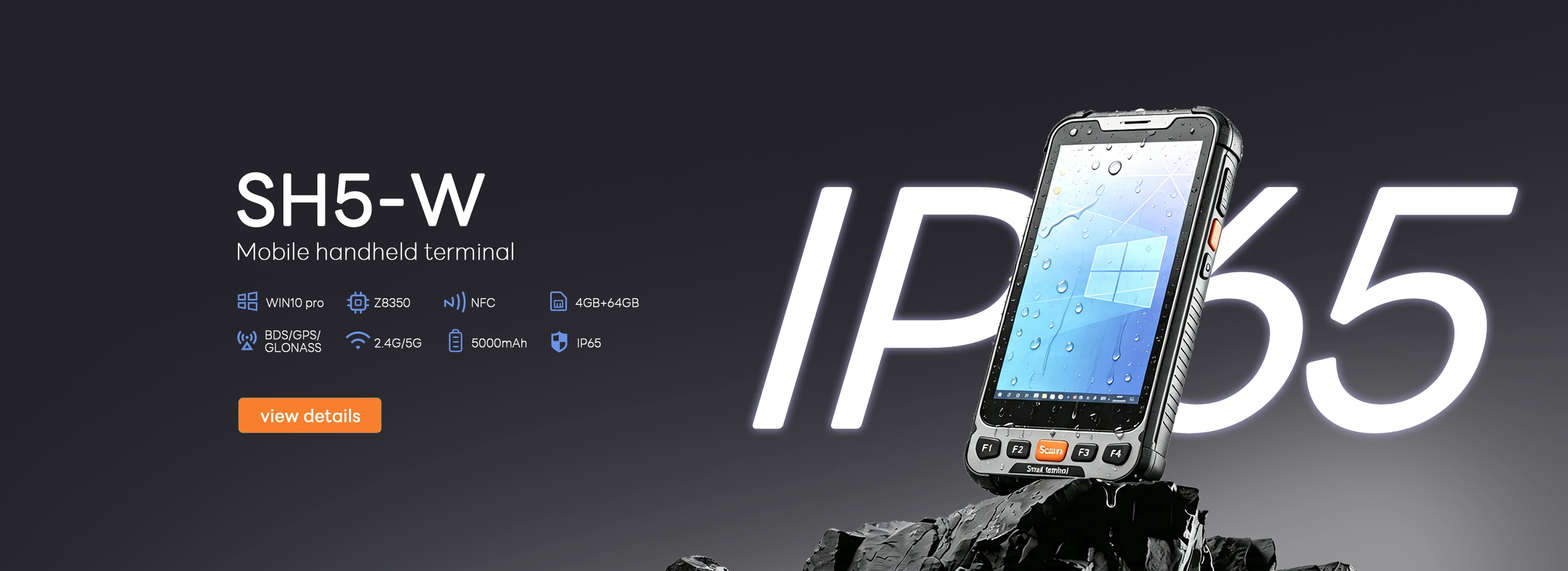
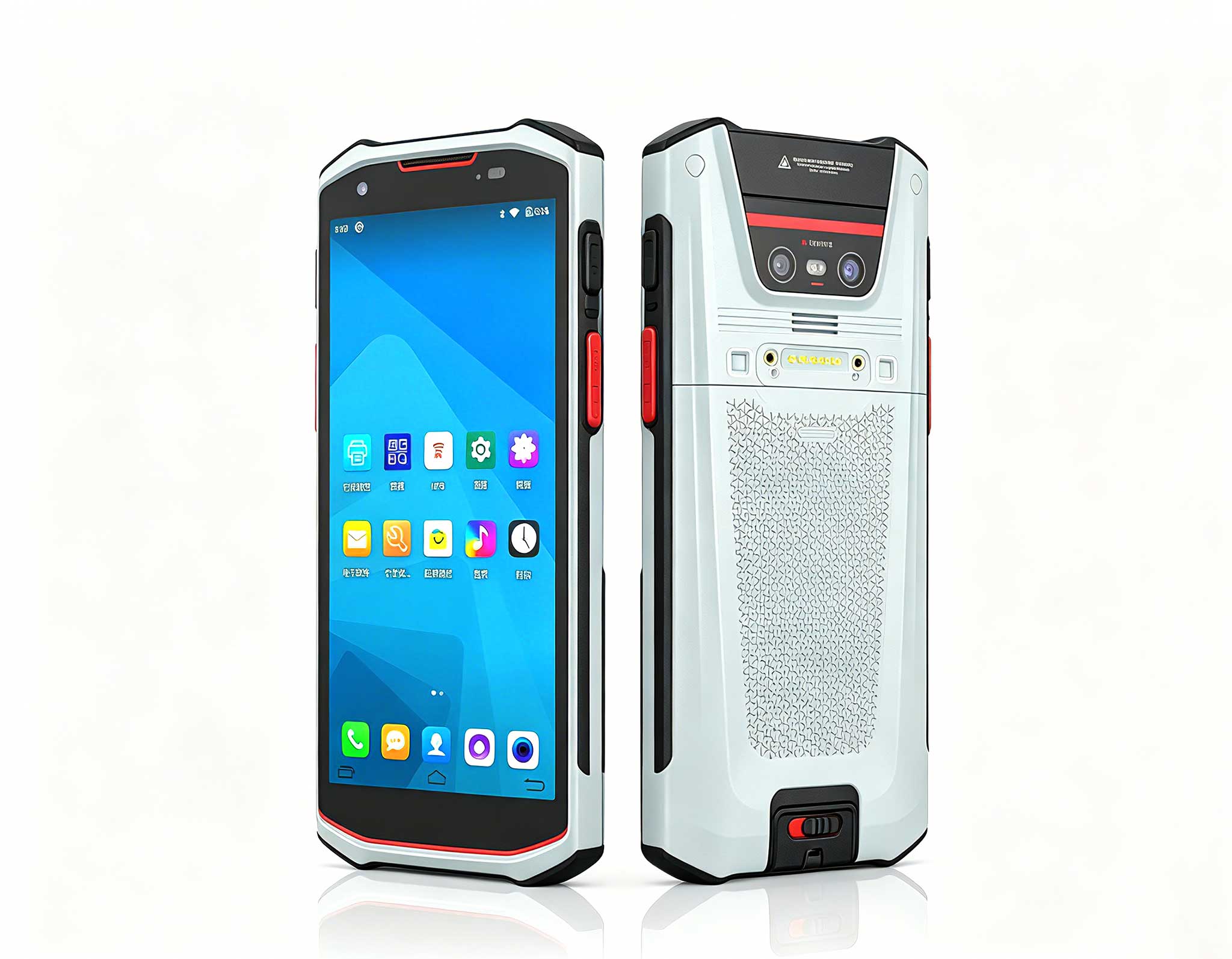
The SH5‑W handheld displays a distributed strain profile along the dynamic cable, highlighting a yellow segment where strain has increased since the last inspection.
Fleet-Wide Asset Analytics for On-Shore Engineering Teams
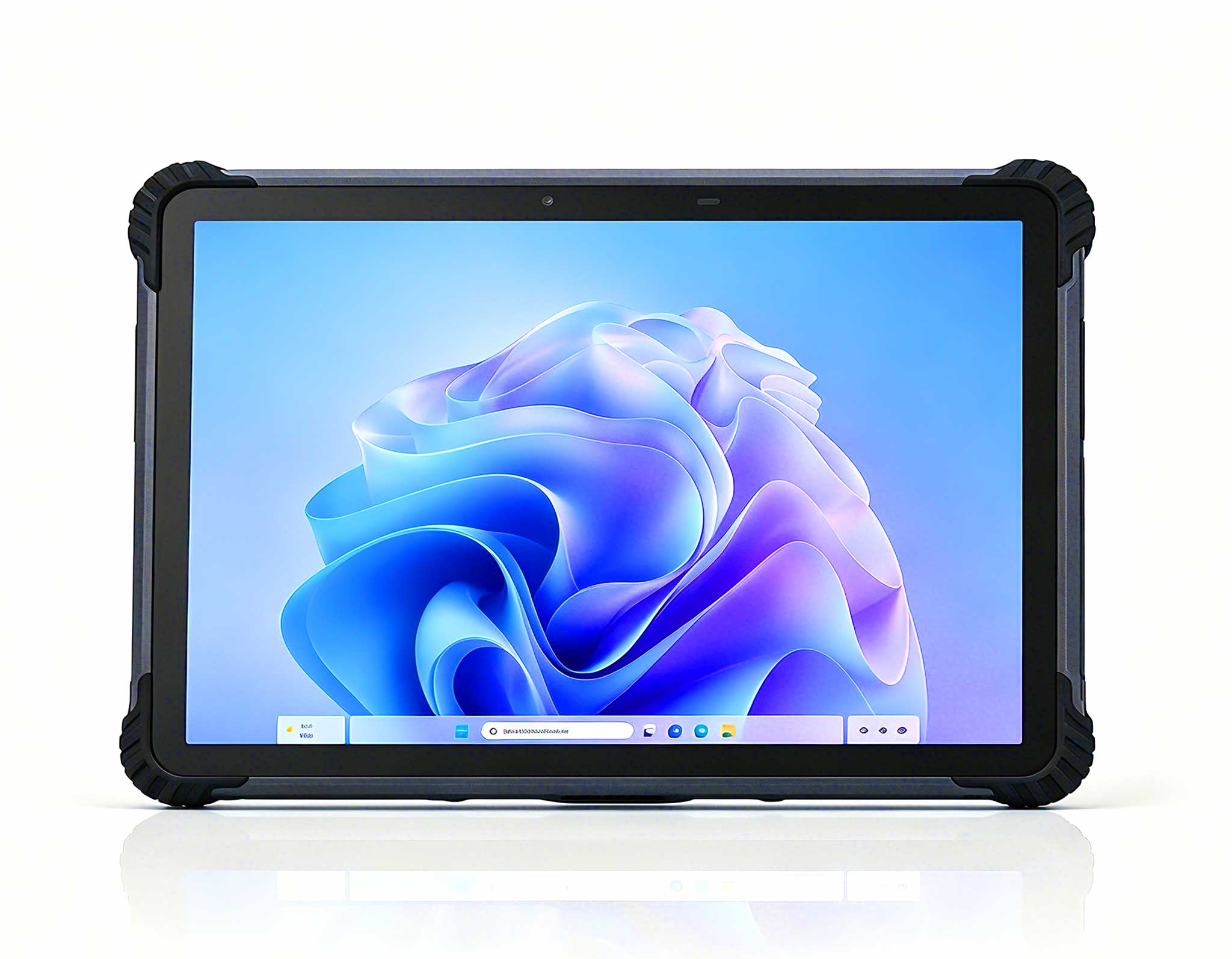
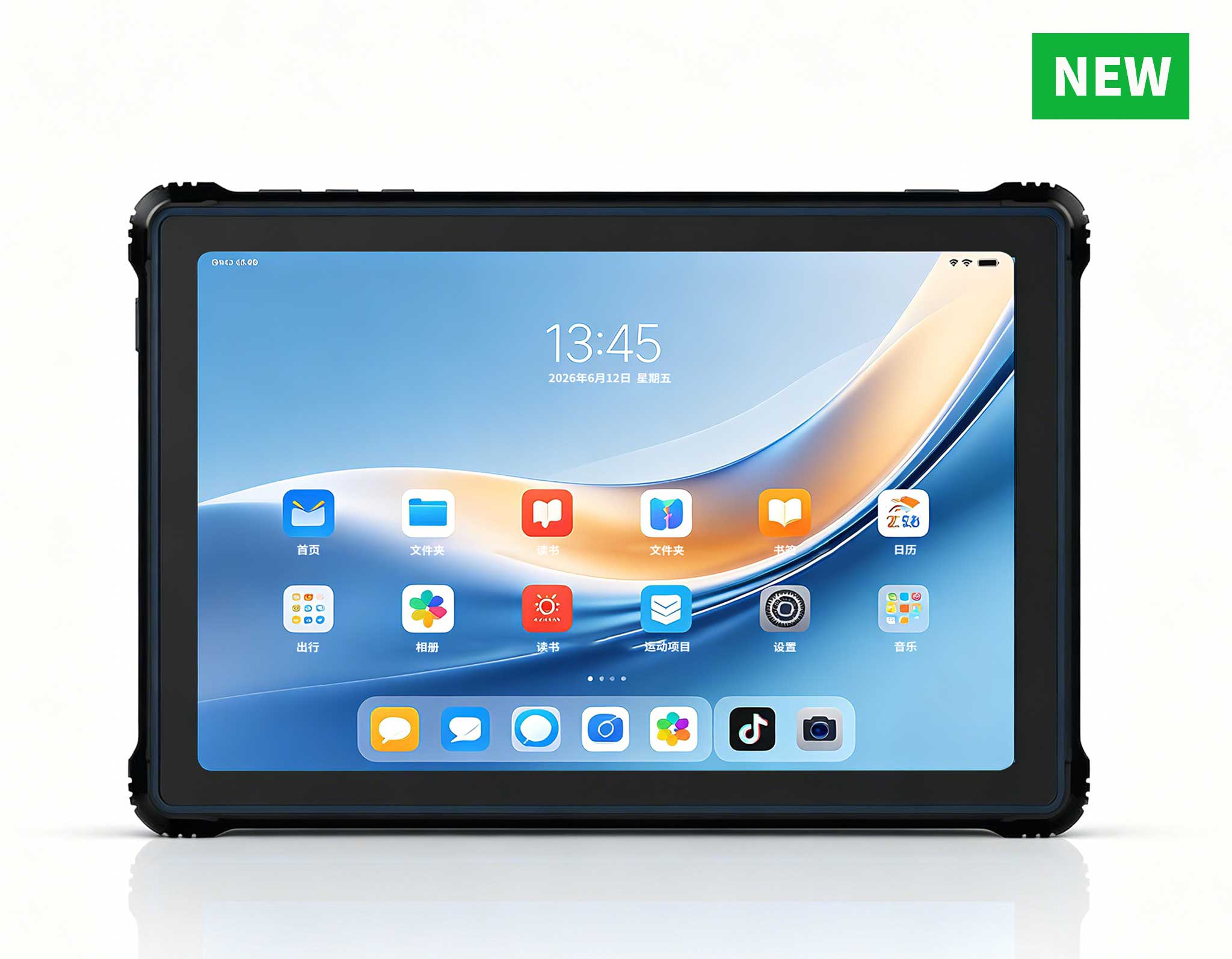
When data moves from open water to the onshore office, the Hotus ST11‑U 10.1″ Windows rugged tablet serves as the central data aggregation point for onshore cable integrity engineering specialists. The ST11-U compiles telemetry uploads from all field handhelds across the offshore wind farm, structuring historical fatigue charts for every umbilical link. This localized analytics architecture allows engineers to isolate and track which subsea cable segments are deteriorating fastest under localized wave action. A cable zone that registers as nominal green during Q1 but creeps into the yellow alert criteria by Q3 is flagged for prioritized monitoring—allowing marine management teams to organize maintenance vessels months in advance rather than responding to emergency subsea snaps.
The operational value of this synchronized data network is clear. A prominent floating wind farm developer managing a 15-turbine deepwater array integrated a fleet of 25 SH6 rugged tablets, 20 SH5‑W handheld units, and 15 ST11‑U diagnostic dashboards into their standard asset protection protocols. Within the first ten months of field deployment, the system flagged a critical subsea bend restrictor module that was wearing out 30% faster than computational models had forecasted. This accelerated wear had caused the dynamic cable's active bending radius to collapse from a safe 2.0 meters down to a critical 1.5 meters across a sequence of six automated ROV telemetry uploads.
Because this mechanical drift was spotted early, the field crew replaced the worn restrictor during a low-risk, pre-planned summer maintenance window. This simple fix averted a catastrophic $3 million dynamic cable rupture and prevented an unplanned blackout. Following this deployment, the operator mandated digitized, fiber-optic-linked cable tracking across all their deepwater wind assets globally.
Engineered for Open Waters: Fanless IP69K Durability
Dynamic power arrays are undeniably the critical vulnerability of modern floating offshore energy infrastructure. A grease pencil cannot compute mechanical strain vectors, and a diver's visual assessment cannot trace subsurface fatigue propagation. Marine-grade Windows computing systems running advanced fiber-optic telemetry software provide the only viable window into these underwater assets. The HOTUS SH6, SH5-W, and ST11-U ecosystem gives marine developers the robust, analytical field infrastructure needed to safeguard high-voltage subsea systems. Protect your offshore grid connectivity, secure your generation uptime, and do not let an invisible micro-crack compromise your multi-million-dollar maritime investment.
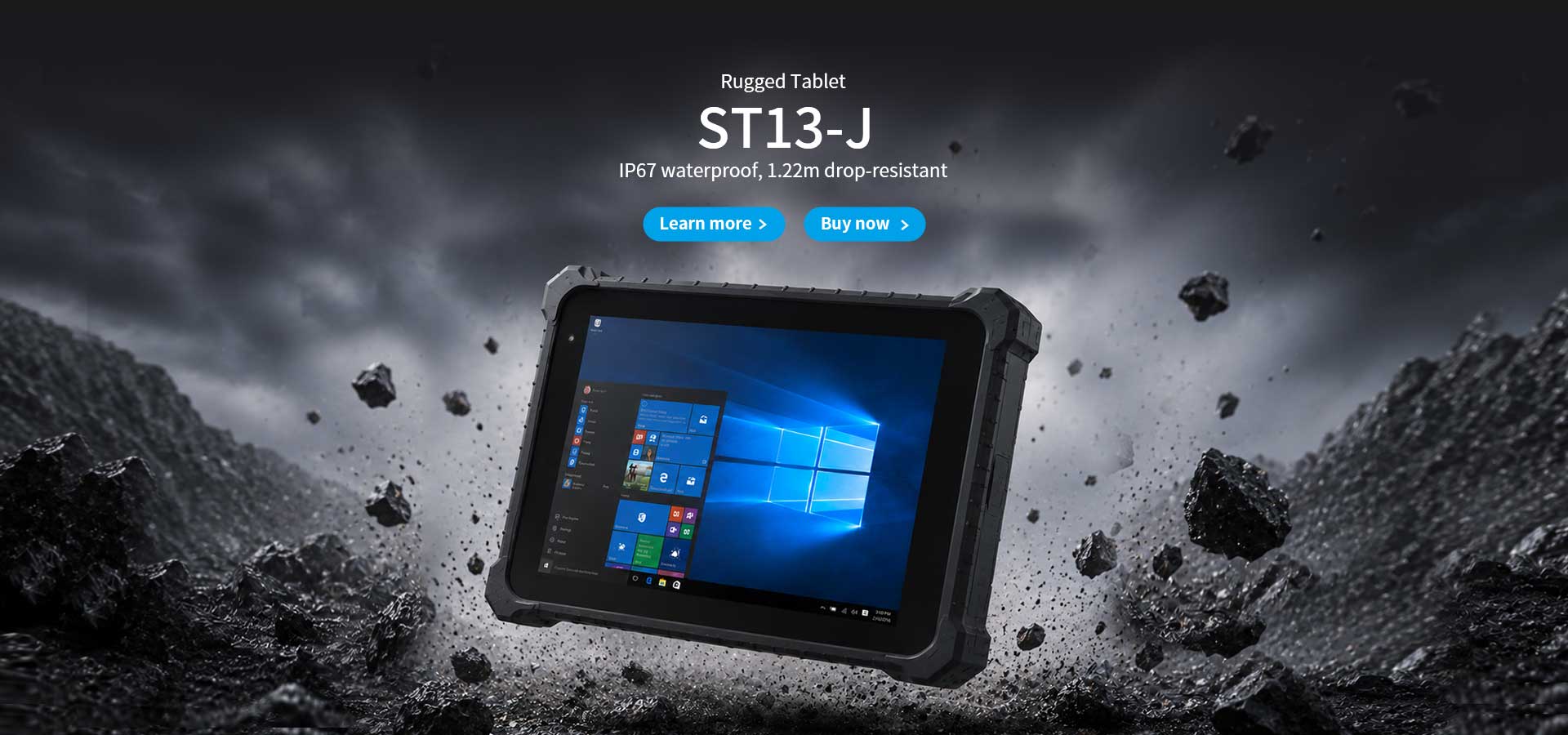
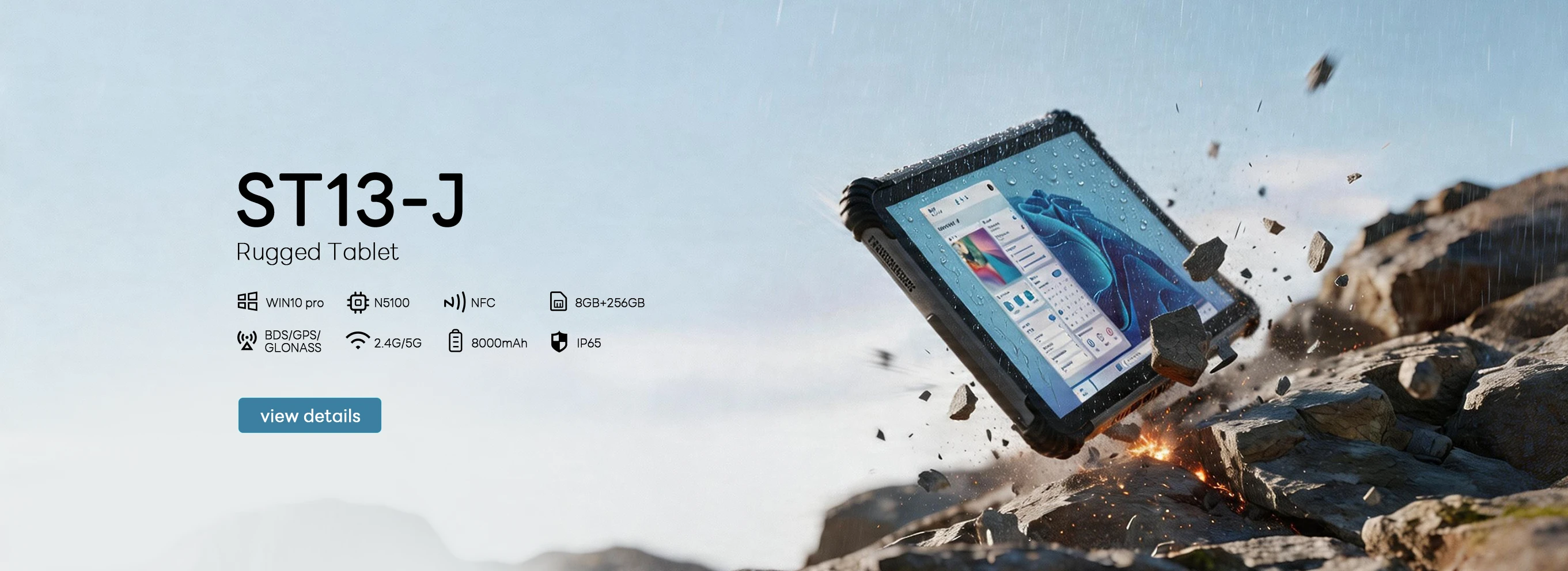
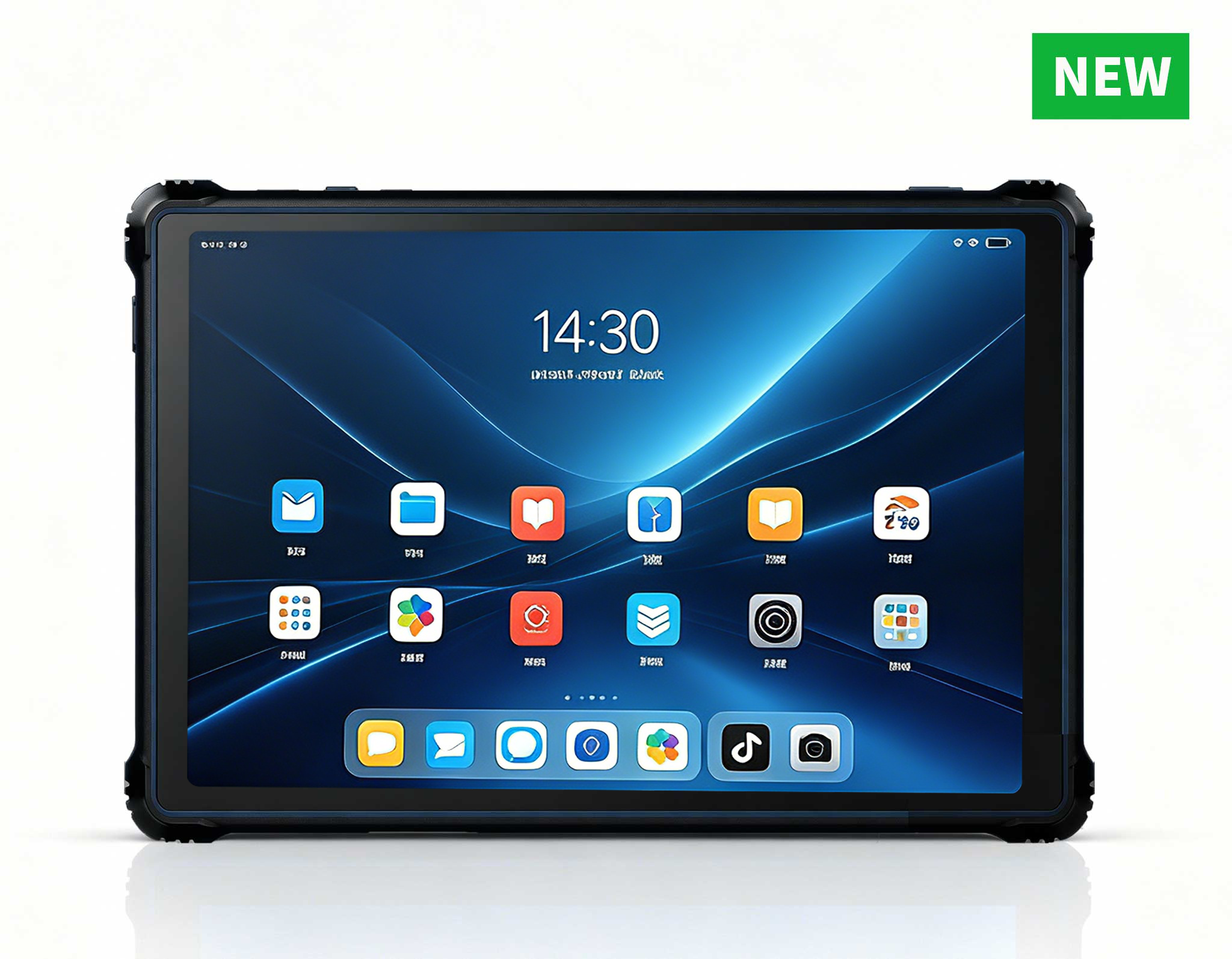
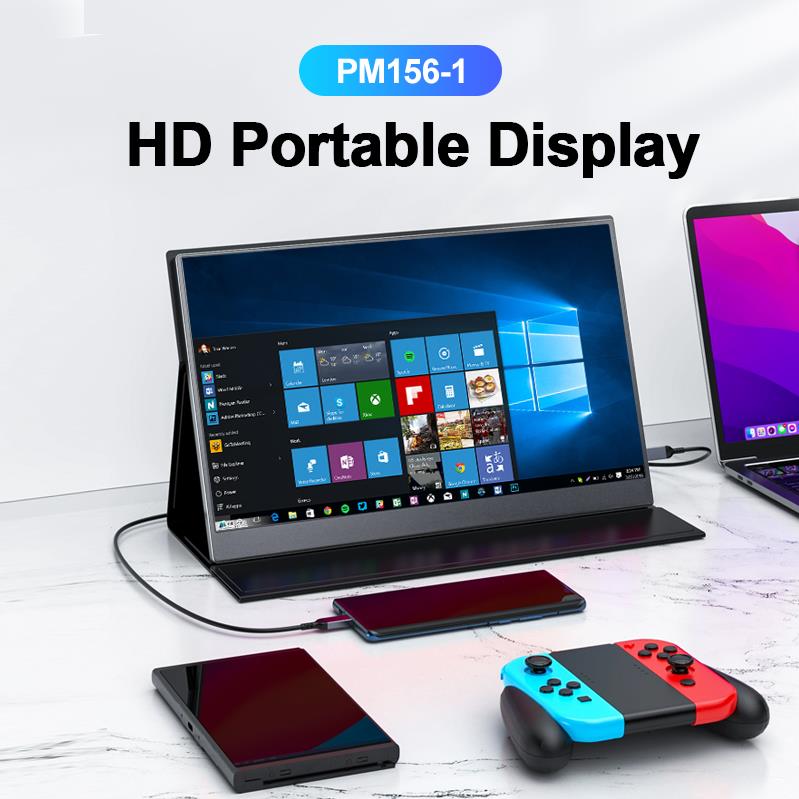
The ST13‑J dashboard shows a strain trend graph for a dynamic cable segment, with a yellow alert indicating a gradual increase over the last three inspections.
Upgrade Your Marine Asset Protection Workflows Today
Consult with the industrial hardware engineers at HOTUS Technology to integrate digital cable condition logging across your offshore operations.
Contact HOTUS Technology