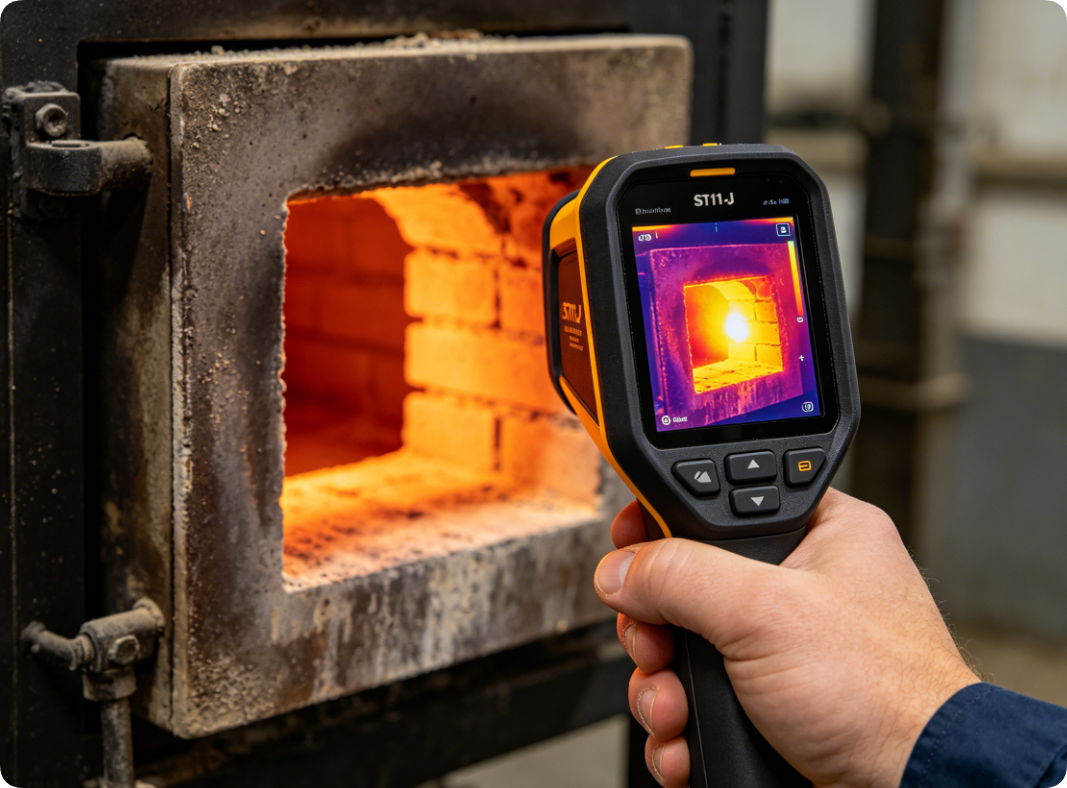
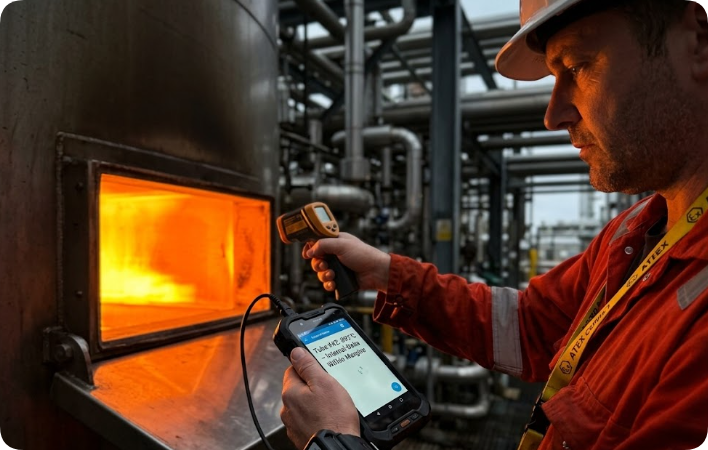
A thermographer uses a HOTUS high‑temperature tablet with a thermal camera to inspect an anode bake furnace flue.
Aluminum smelters lose millions to anode bake furnace flue leaks – hot spots that indicate cracks or spalling. The inspection is a handheld IR gun and a paper log – no 3D mapping, no trend. You need a high‑temperature Windows tablet with an IR camera that creates a thermal map of the furnace, flags anomalies, and stores images for comparison. In aluminum, a leaking flue is not a maintenance nuisance – it‘s a heat loss that increases energy consumption by 15%. Your tablet is the energy auditor.
Aluminum Smelter Anode Bake Furnace Flue Damage Is Widespread – Your Thermal Survey Log Needs A High‑Temperature Windows Tablet
By HOTUS Technology | May 2026 | 12 min read
Primary aluminum smelting requires massive amounts of electrical and thermal energy to extract pure metal from alumina ore. A critical phase within this heavy industrial flow is the production of ultra-dense carbon anodes, which must be thoroughly baked in specialized, gas-fired furnaces at extreme operating ranges between 1100°C and 1200°C. Within these refractory brick structures, specialized flue walls serve as vital thermal corridors, conducting hot exhaust gases uniformly across the stacked anode blocks. Because these brick structures encounter relentless thermal cycling, the internal refractory linings degrade over time. Flue walls inevitably develop deep stress fractures or suffer from structural spalling—a condition where internal fragments break away entirely under mechanical strain.
When these subsurface failures manifest, high-velocity flaming gases escape toward the furnace exterior. This results in prominent localized hot spots that disrupt uniform heat distribution, ruin the structural baking profile of the carbon anodes, and dramatically escalate fuel consumption. To accurately detect these anomalies before structural failure occurs, global smelting plants are optimizing their inspection hardware. Modern smelters now deploy field-ready Rugged Tablets to build automated, highly detailed thermal maps directly along the hot-zone lines.
Standard asset monitoring approaches in primary smelters have historically fallen short. Maintenance inspectors typically perform furnace walk-throughs using basic single-point infrared (IR) thermometer guns. The inspector reads a specific temperature value off the digital screen, transcribes the number onto a physical grid map clipboard, and attempts to estimate the general condition of internal brick components based on external surface anomalies. This coarse paper methodology cannot provide the visual resolution required to identify structural deterioration early. A narrow refractory crack leaking thermal energy can easily go unflagged for consecutive operational quarters, leaving maintenance supervisors entirely blind to the actual shape, expansion speed, and root cause of the underlying structural defect.
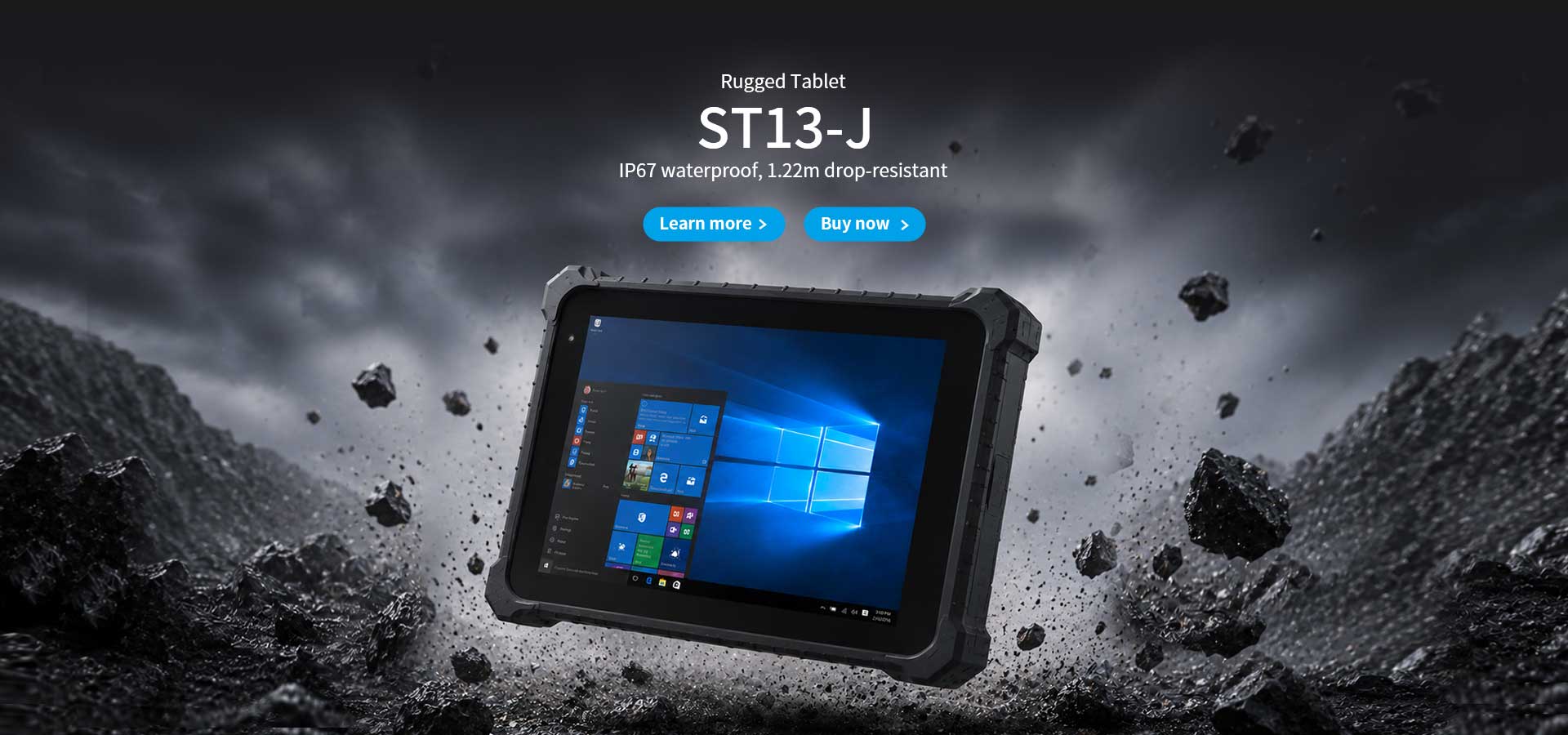
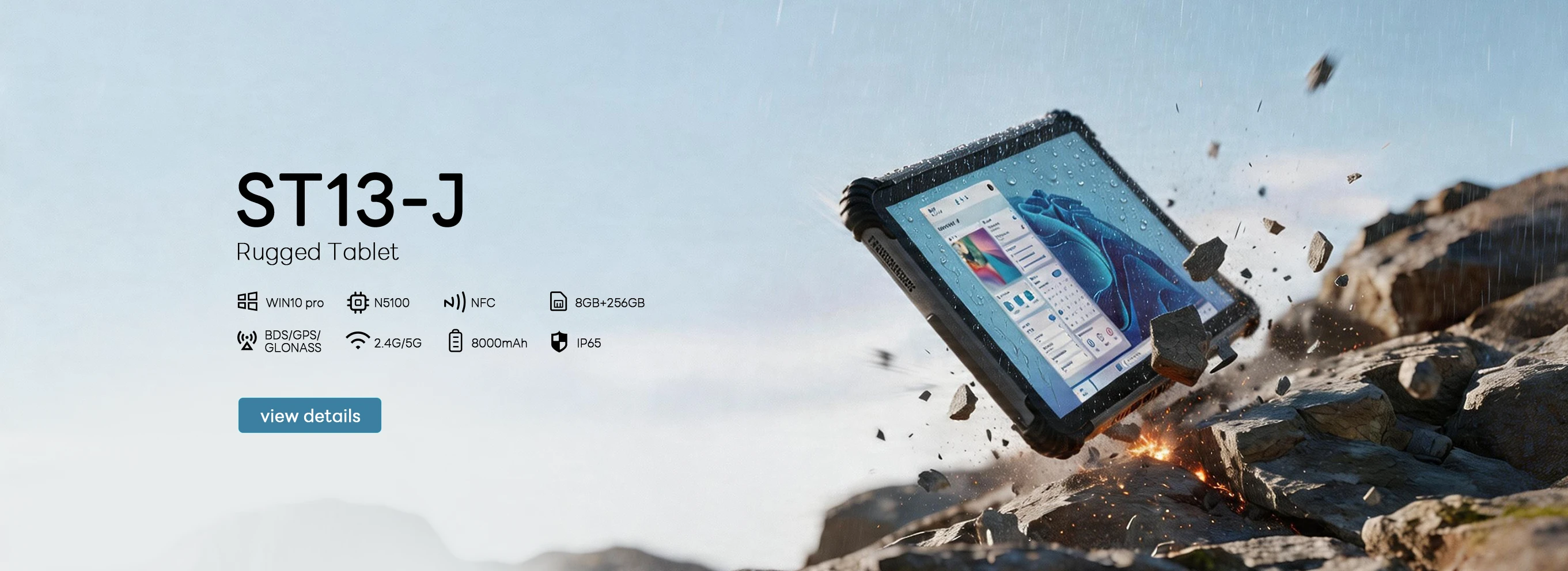
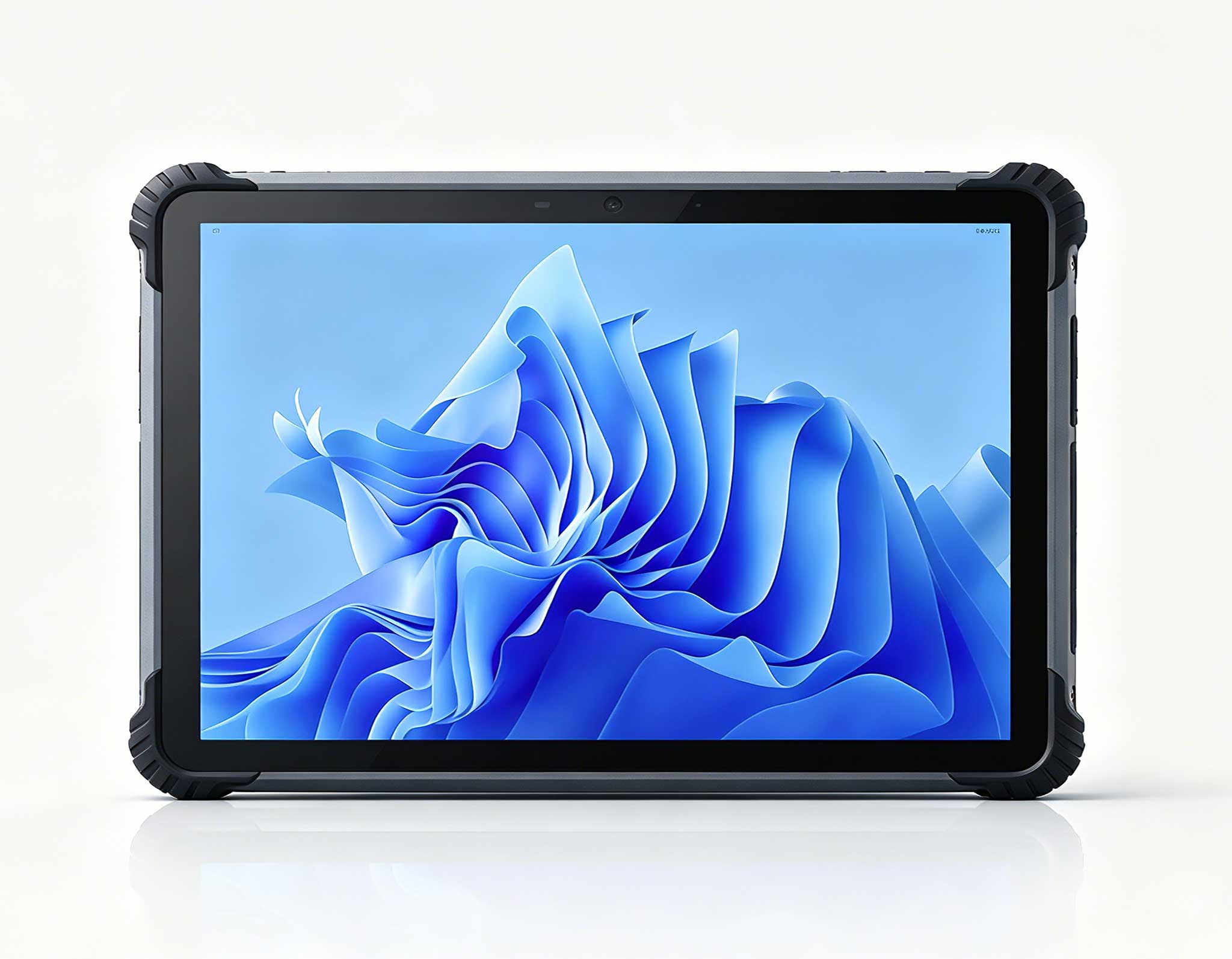
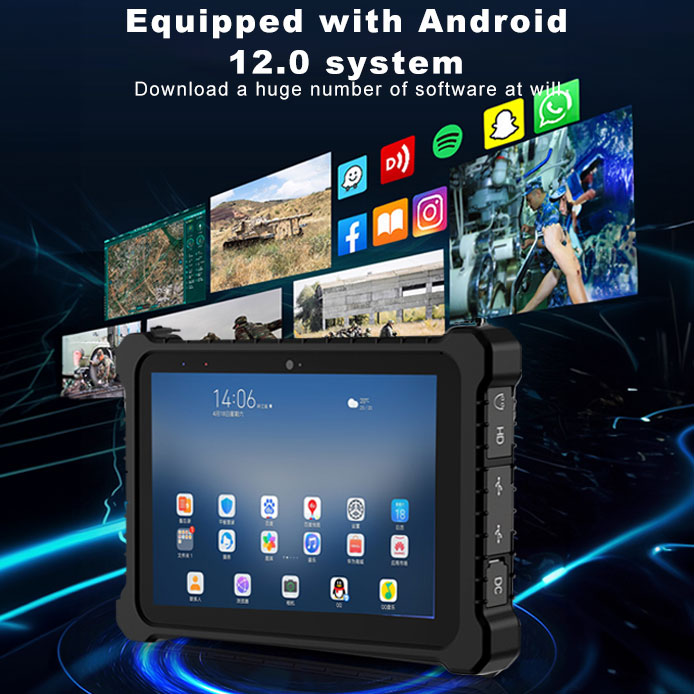
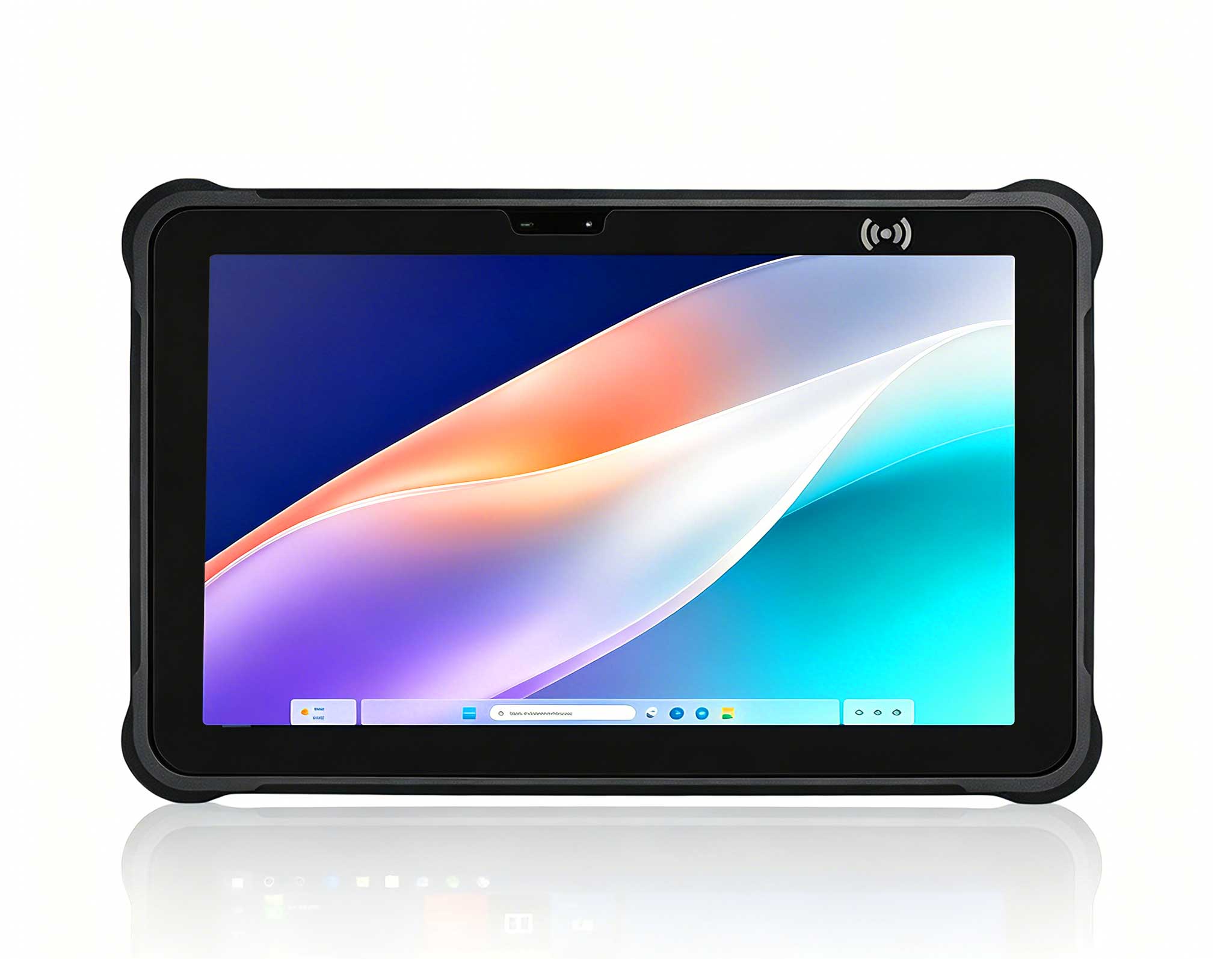
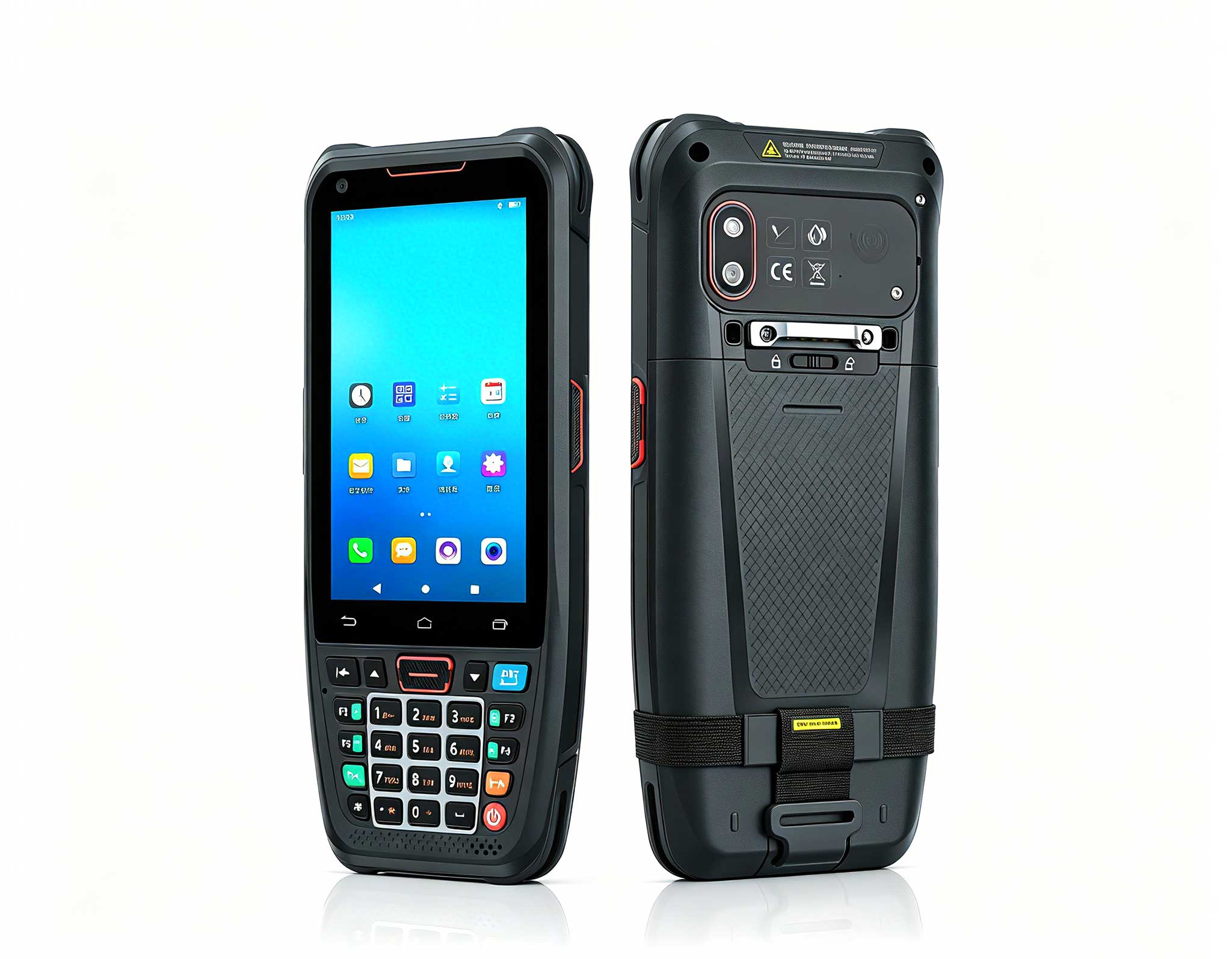
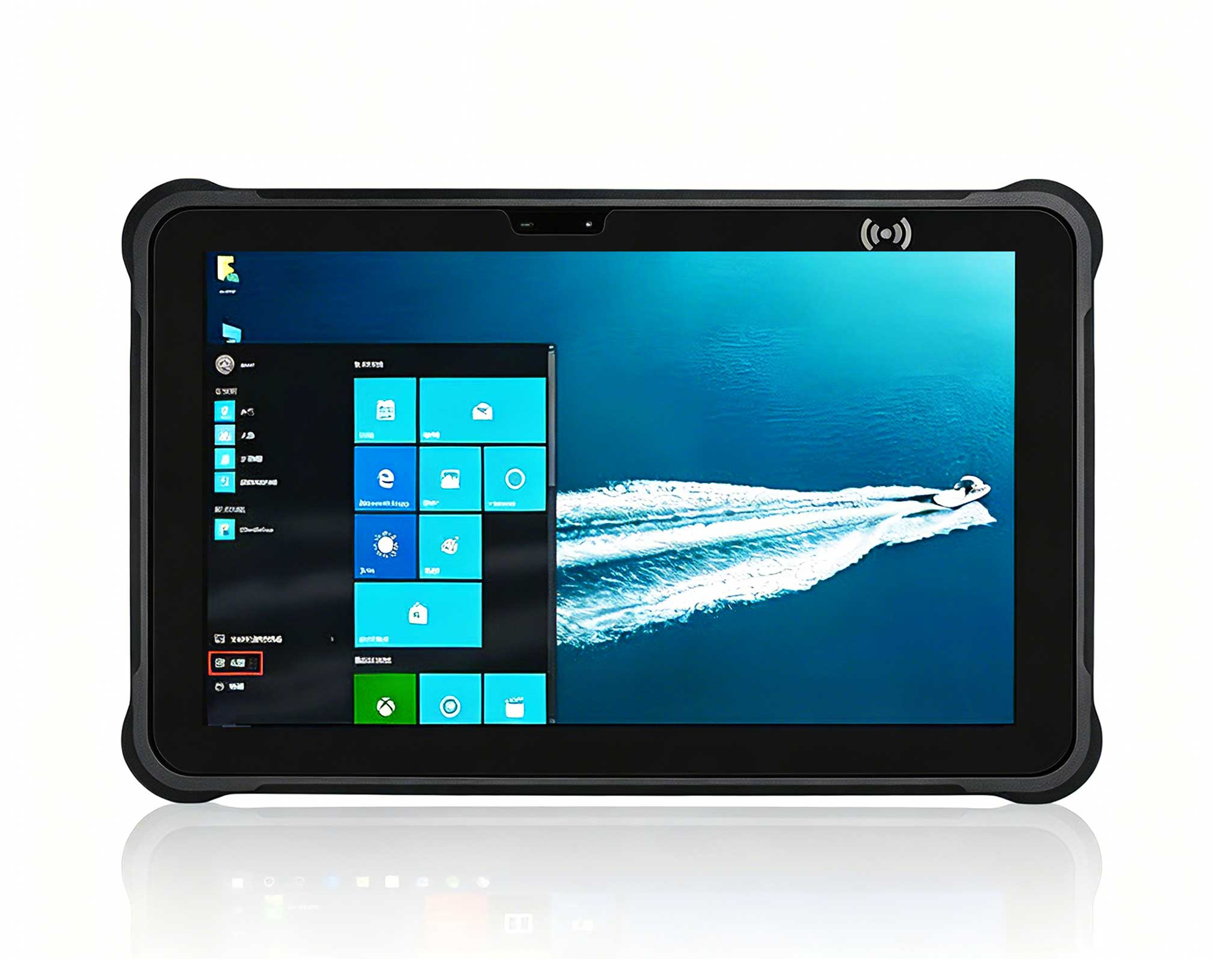
The implementation of the Hotus ST11‑J 10.1″ Windows rugged tablet features an integrated, high-resolution thermal imaging module that redefines safety and accuracy in metal smelting facilities. Engineered with heat-reflective shielding to operate reliably next to active furnace walls, the ST11-J changes how field data is gathered:
- It records multi-spectral radiometric frames across an entire flue wall matrix in a matter of seconds.
- It overlays a digital coordinate mapping grid to pinpoint internal thermal stress points with 5 cm spatial precision.
- It calculates differential mathematical temperatures ($\Delta T$) separating anomalous heat zones from normal baseline refractory conditions.
- It cross-references geographic and spatial furnace coordinates via indoor positioning data to ensure perfect data alignment.
The specialized software suite on the tablet compares live radiometric captures with historical baselines from prior furnace runs. If a new thermal signature emerges or an old anomaly expands, the system flags the issue for quick targeted maintenance. This predictive interface shows field technicians exactly where to apply localized patch-refractory composites, preventing full flue failure without needing to halt operations across the baking line.
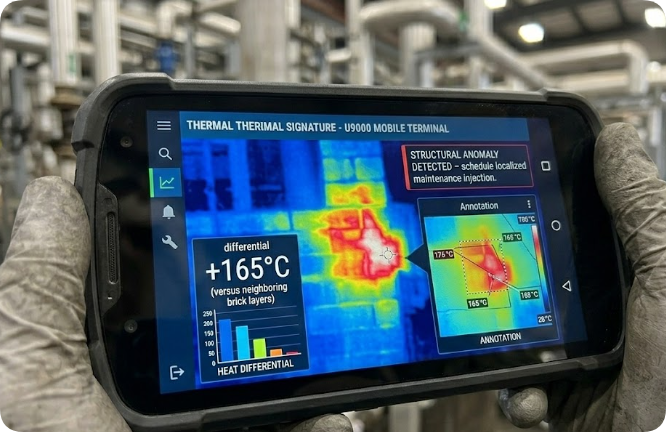
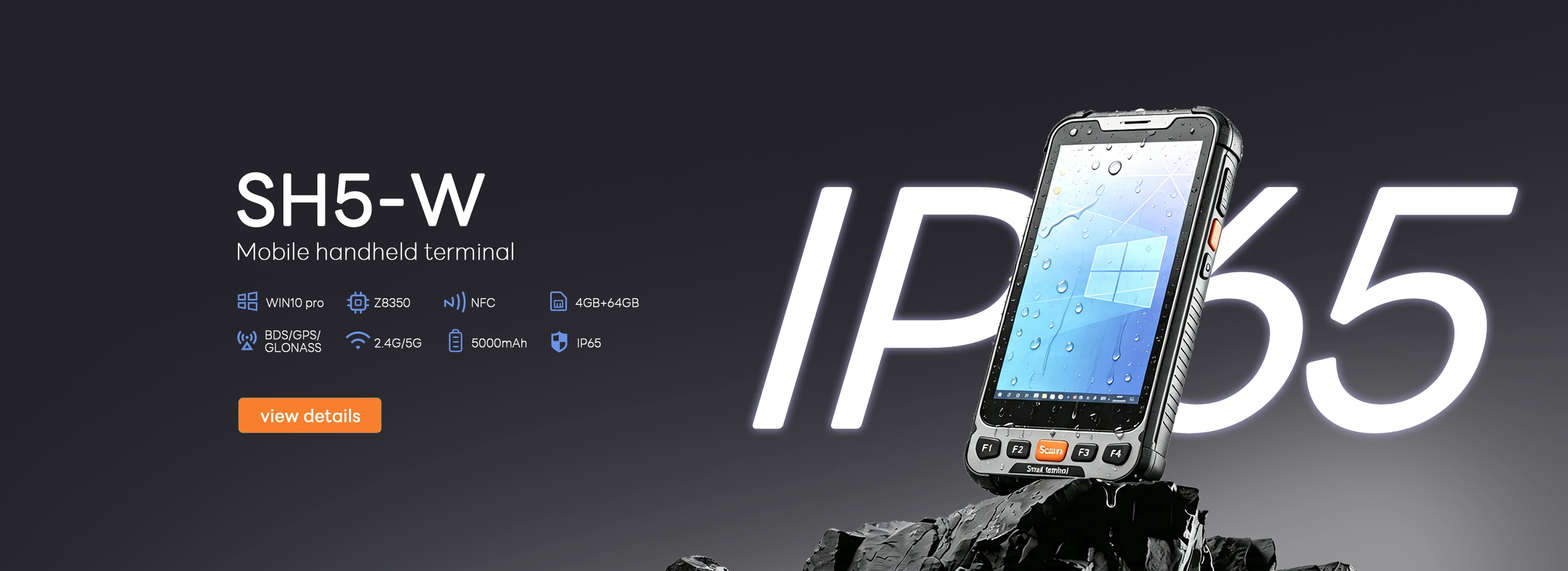
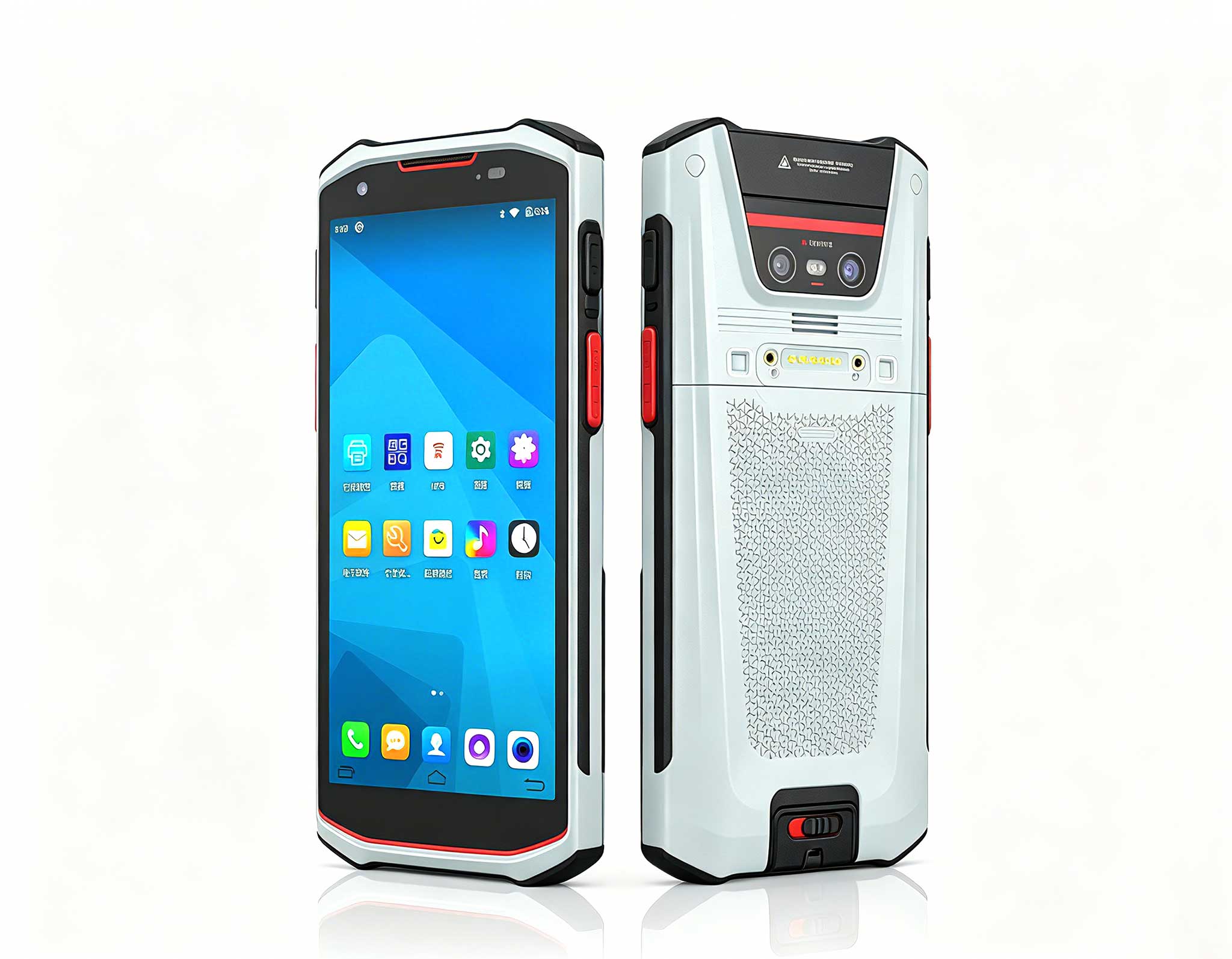
The SH5‑W tablet displays a thermal image of a furnace flue with a bright red spot – a crack causing a 150°C heat leak.
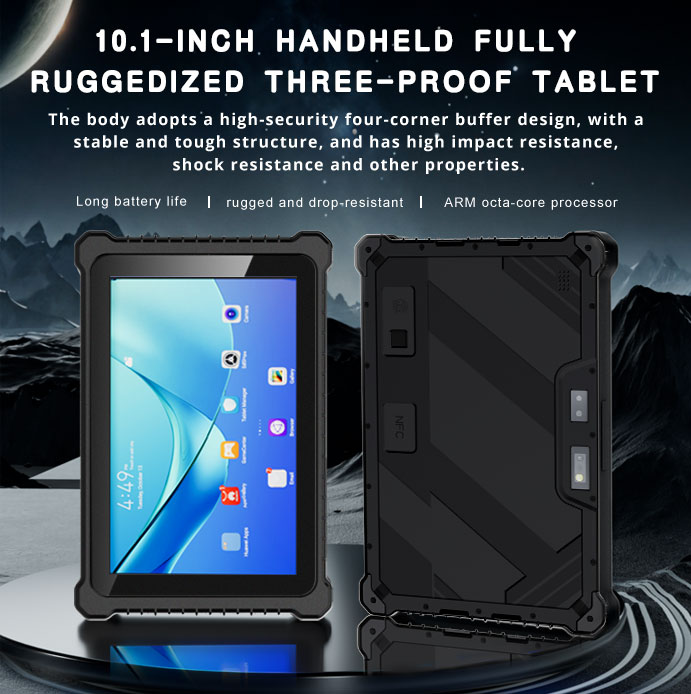
At the plant management level, the enterprise-grade Hotus ST11‑U 10.1″ Windows rugged tablet functions as an edge-computing repository. It aggregates multi-spectral thermographic records across all active baking zones to generate an exhaustive furnace structural integrity dashboard. Flue assemblies displaying complex patterns of thermal leakage are automatically prioritized for targeted repair during scheduled maintenance windows, eliminating unexpected system downtime.
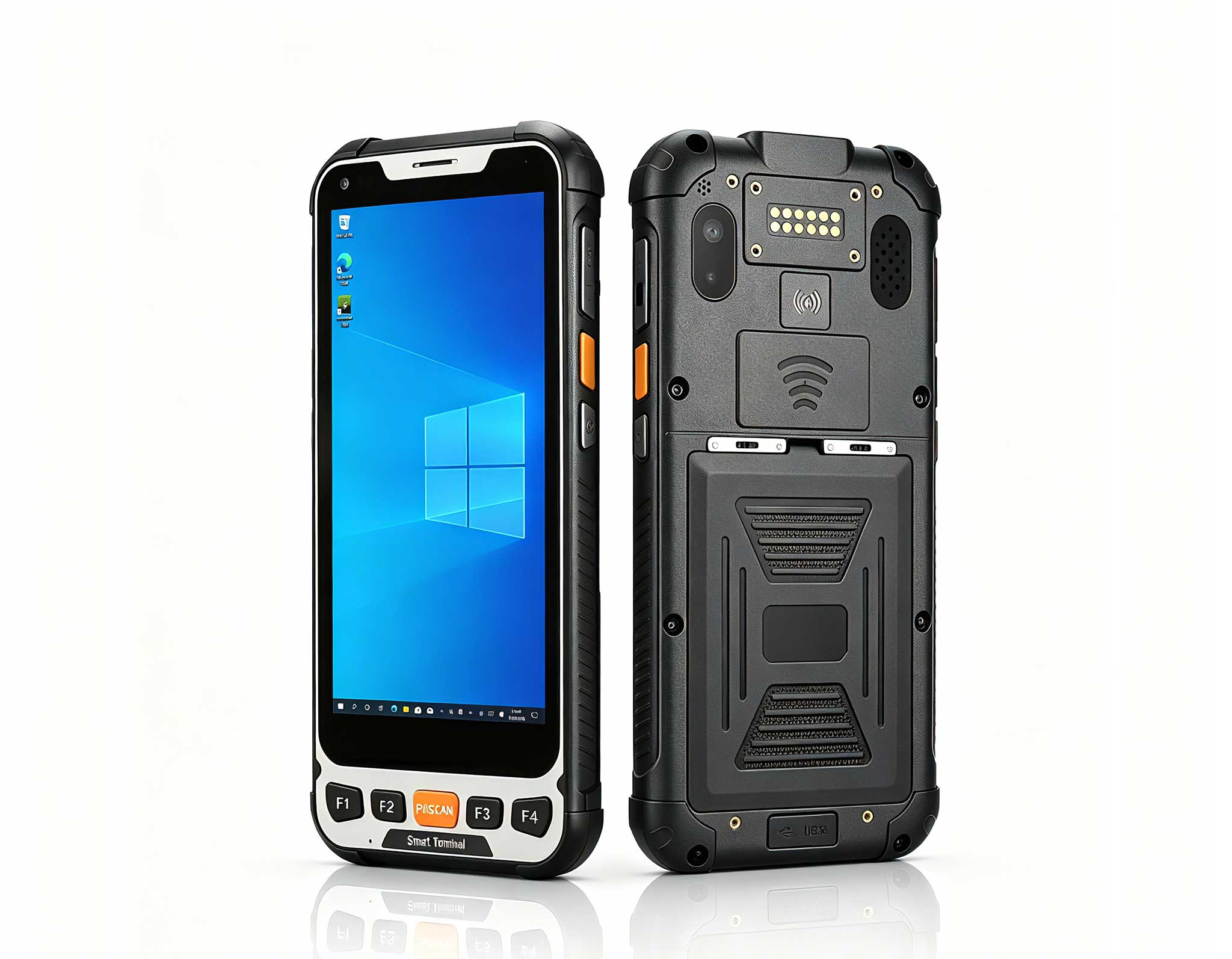
A Tier-1 aluminum smelting facility running ten active anode baking furnace networks integrated this predictive maintenance strategy. They deployed fifteen ST11-J high-resolution thermal tracking packages, twenty ultra-rugged SH5-W mobile devices, and twelve ST11-U engineering control tablets. Within its initial year of deployment, the integrated tracking system isolated three critical flues suffering from concealed internal cracks that had leaked thermal energy undetected for months. Executing early refractory repairs dropped overall furnace gas consumption by 12%, returning over $800,000 in direct annual utility savings to the plant. Furthermore, the verified digital logging historical data provided the smelter with the necessary engineering evidence to secure a structural reduction in facility insurance underwriting premiums.
An external surface hot spot is a direct window into internal brick degradation. Single-point handheld thermometer guns cannot map the geometric scale of subsurface damage, and paper logs cannot run automated trend algorithms over time. A specialized, high-temperature Windows platform with integrated thermal imaging, coordinate logging, and historical image analysis addresses this industrial challenge. The ST11-J, SH5-W, and ST11-U provide the non-destructive, high-resolution diagnostic toolkit required to protect modern aluminum production facilities. Secure your heavy industrial baking lines against invisible structural failures and costly energy loss.
The ST5‑W dashboard shows a list of furnace flues with color‑coded thermal status – a red flag on flue #7 indicates a growing hot spot.
Ready to Digitize Your Furnace Thermal Integrity Audits?
Contact HOTUS Technology today to connect with our high-temperature application engineers, schedule a demonstration of our ST11-J thermographic testing kits, or examine how our SH5-W and ST11-U hardware suites can streamline your refinery asset logging.
©2026 HOTUS Technology – Industrial Rugged Computing, High‑Temperature Smelter Solutions.