- Select Language
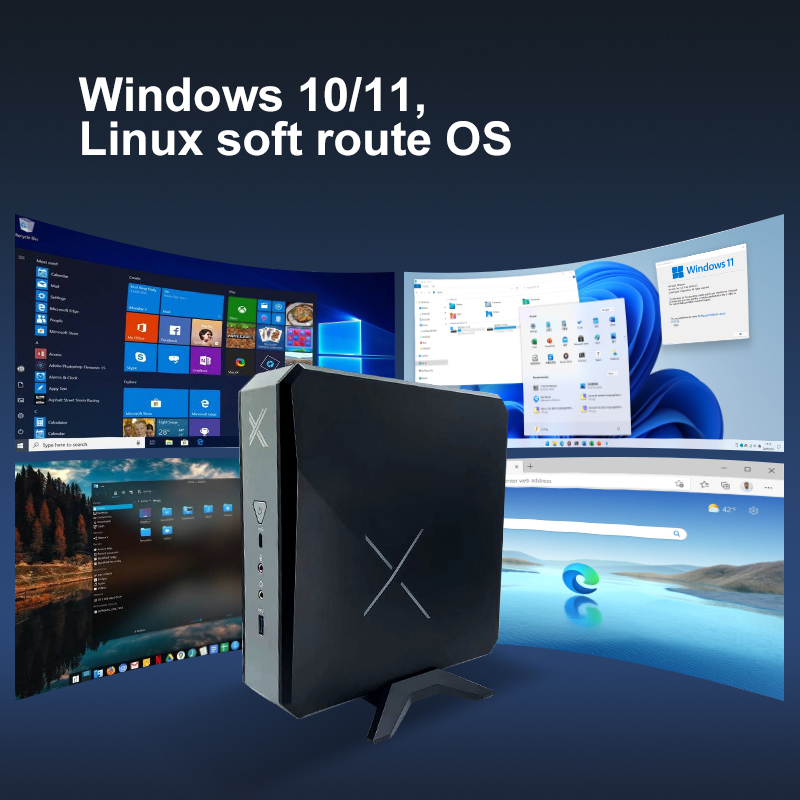
Technical SpecificationsModel: Palm-sized miniPCTy...
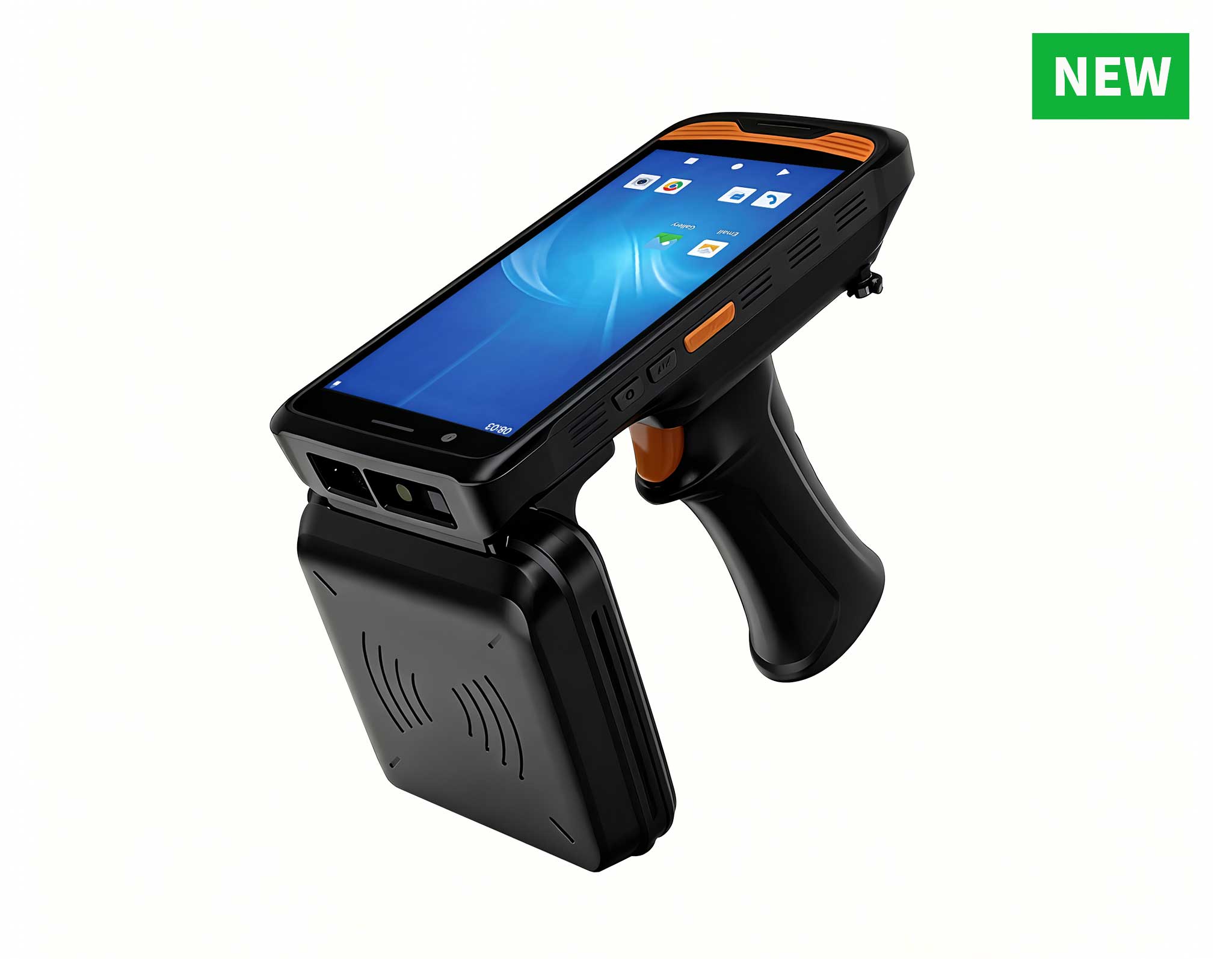
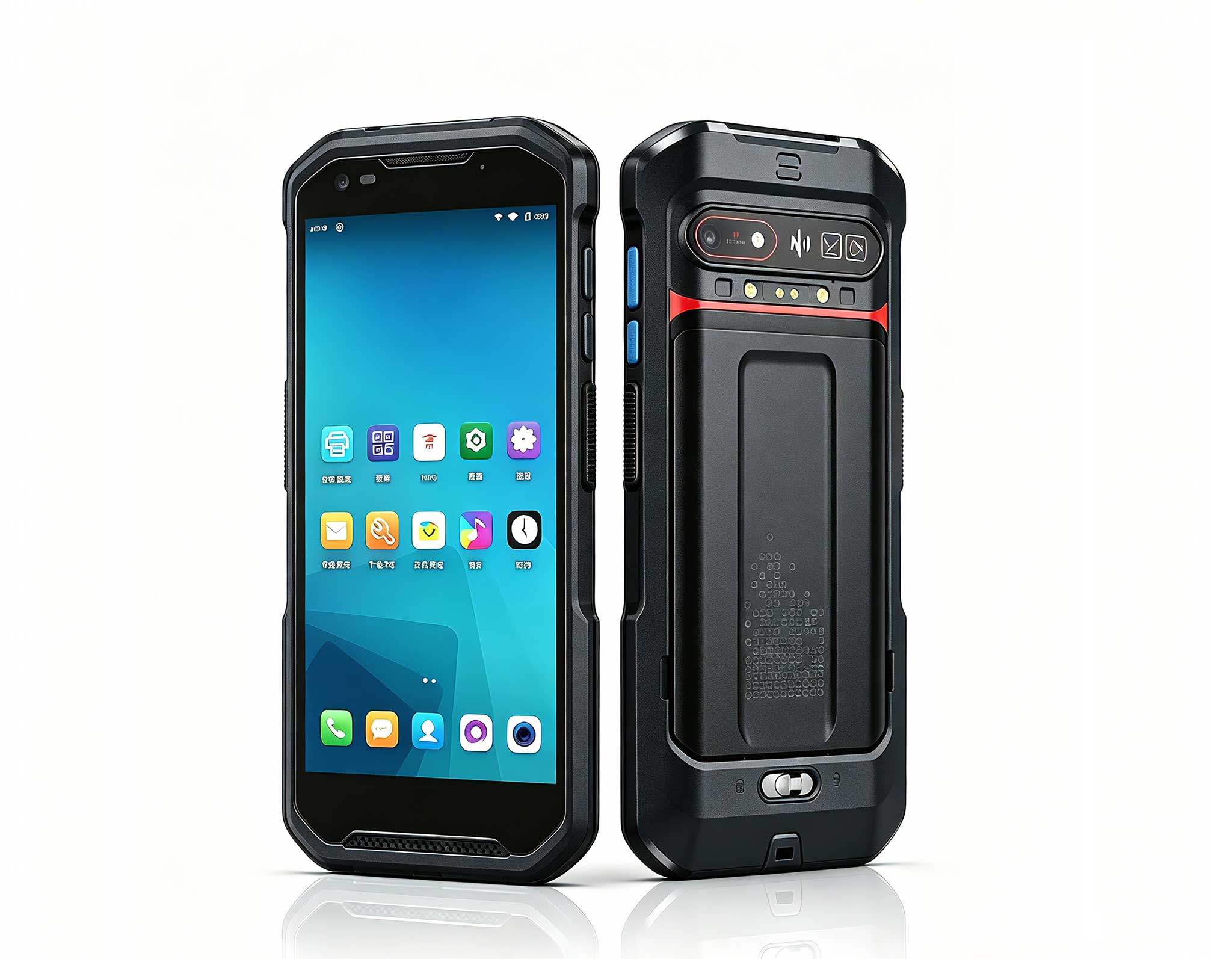
R366C-S 5.5-inch Industrial UHF RFID Reader | Qual...
Enterprise Flagship SeriesEngineered for mission-c...
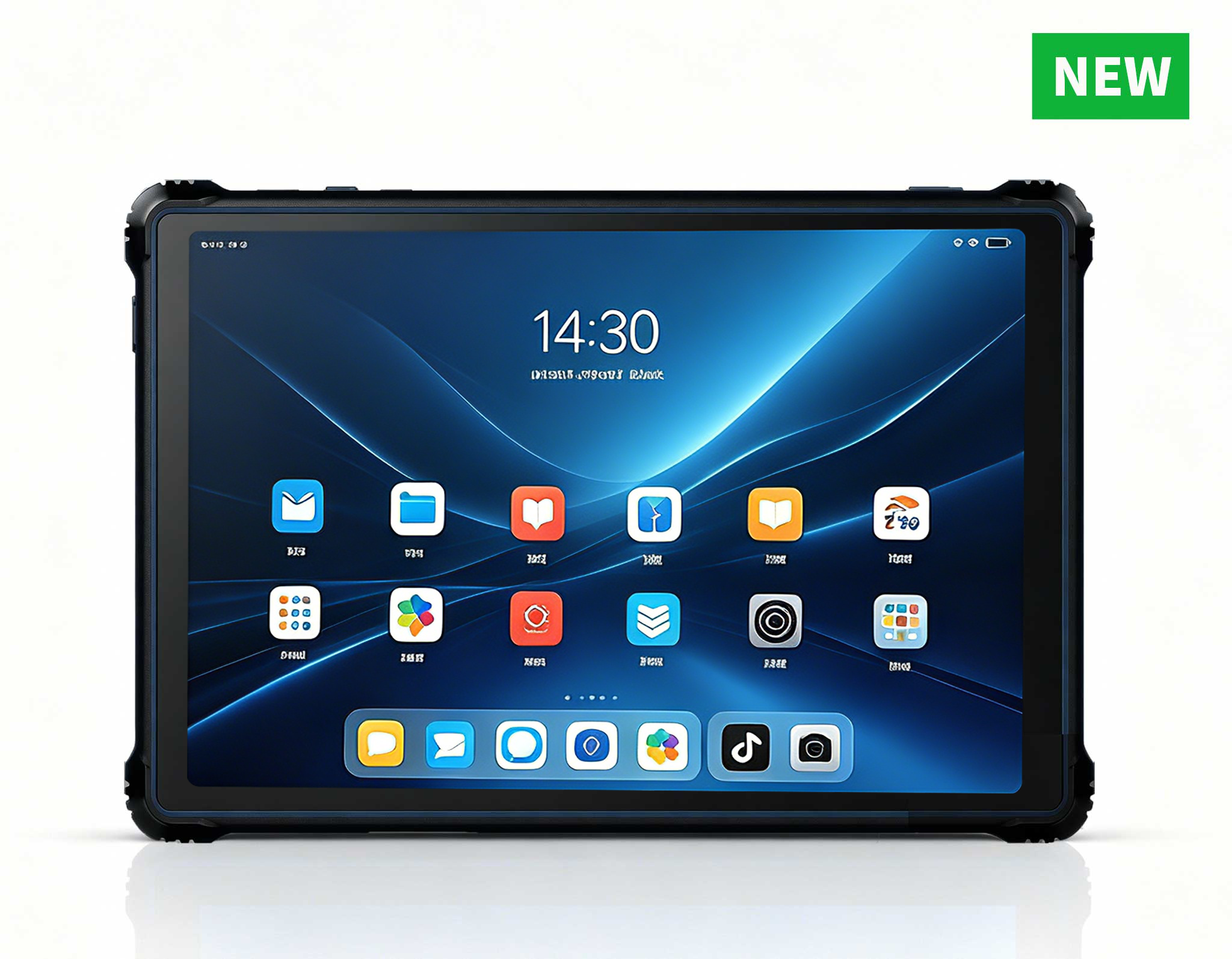
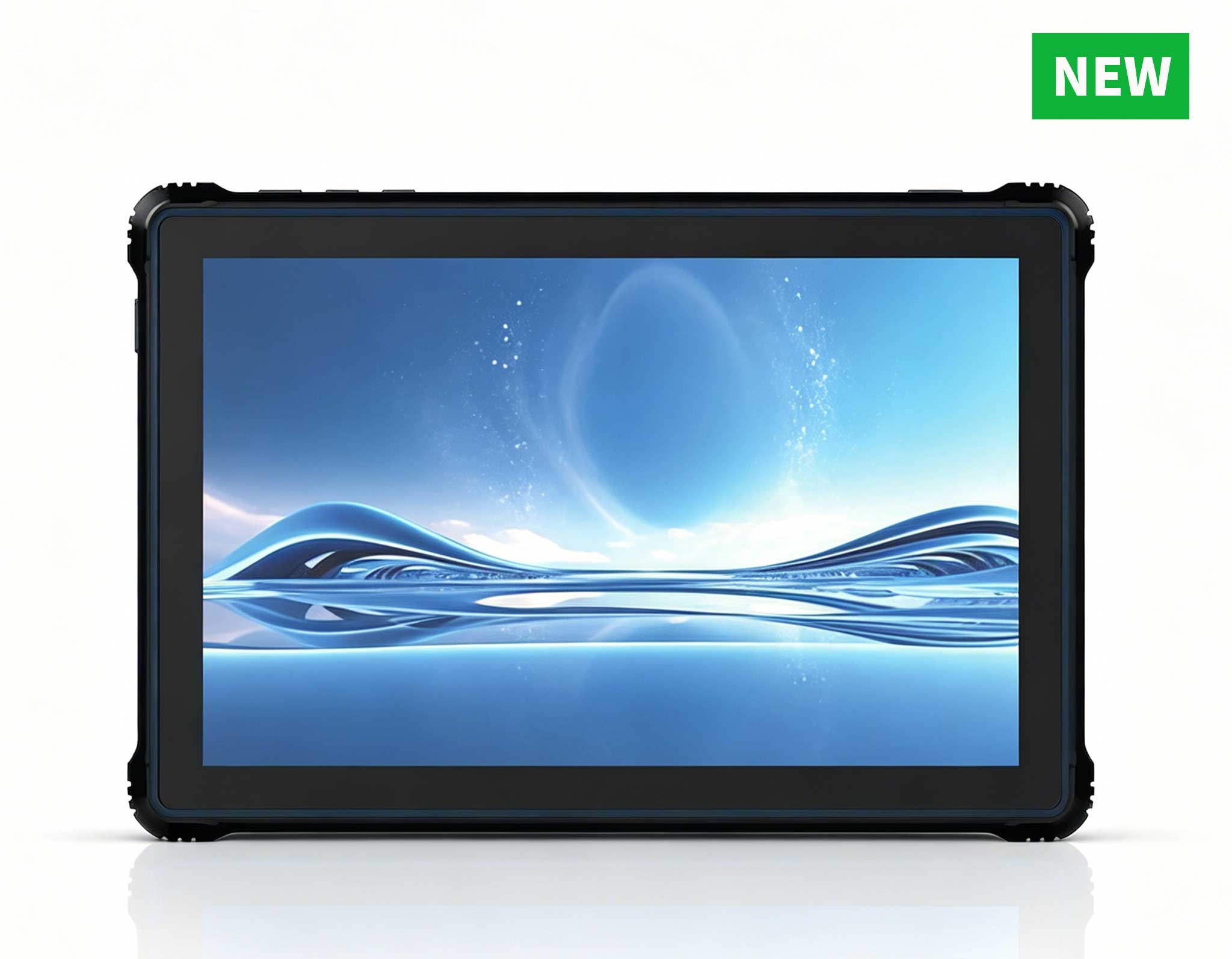
RT82 5G Rugged Tablet | 10.1" FHD 400nit | Qu...
The N60 PDA is a cutting-edge device for inventory...
Explore an innovative Personal Digital Assistant f...
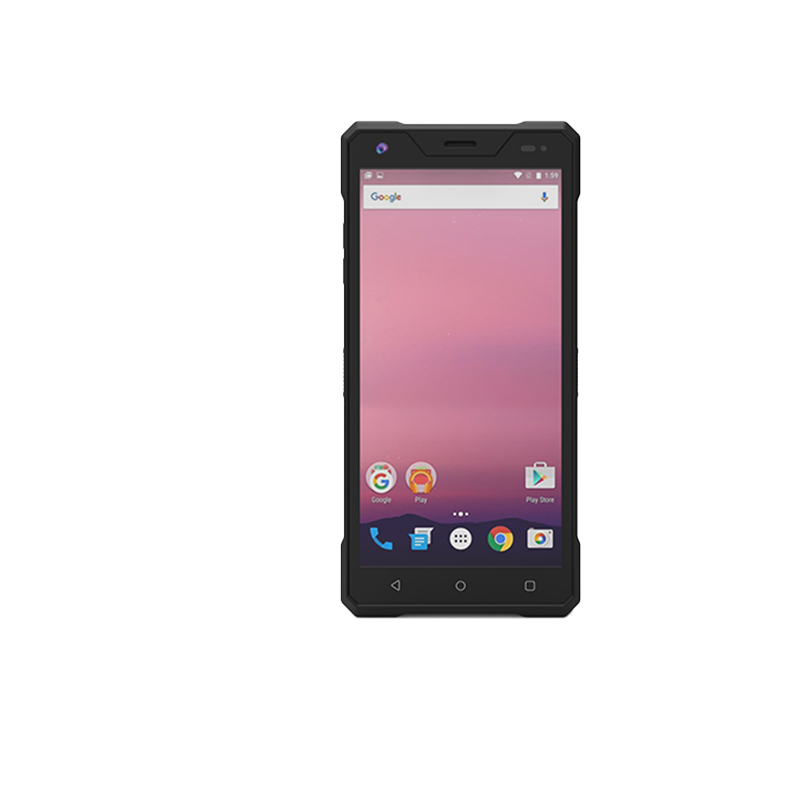
R366-S Thin 5.5-inch Industrial PDA | Qualcomm Oct...
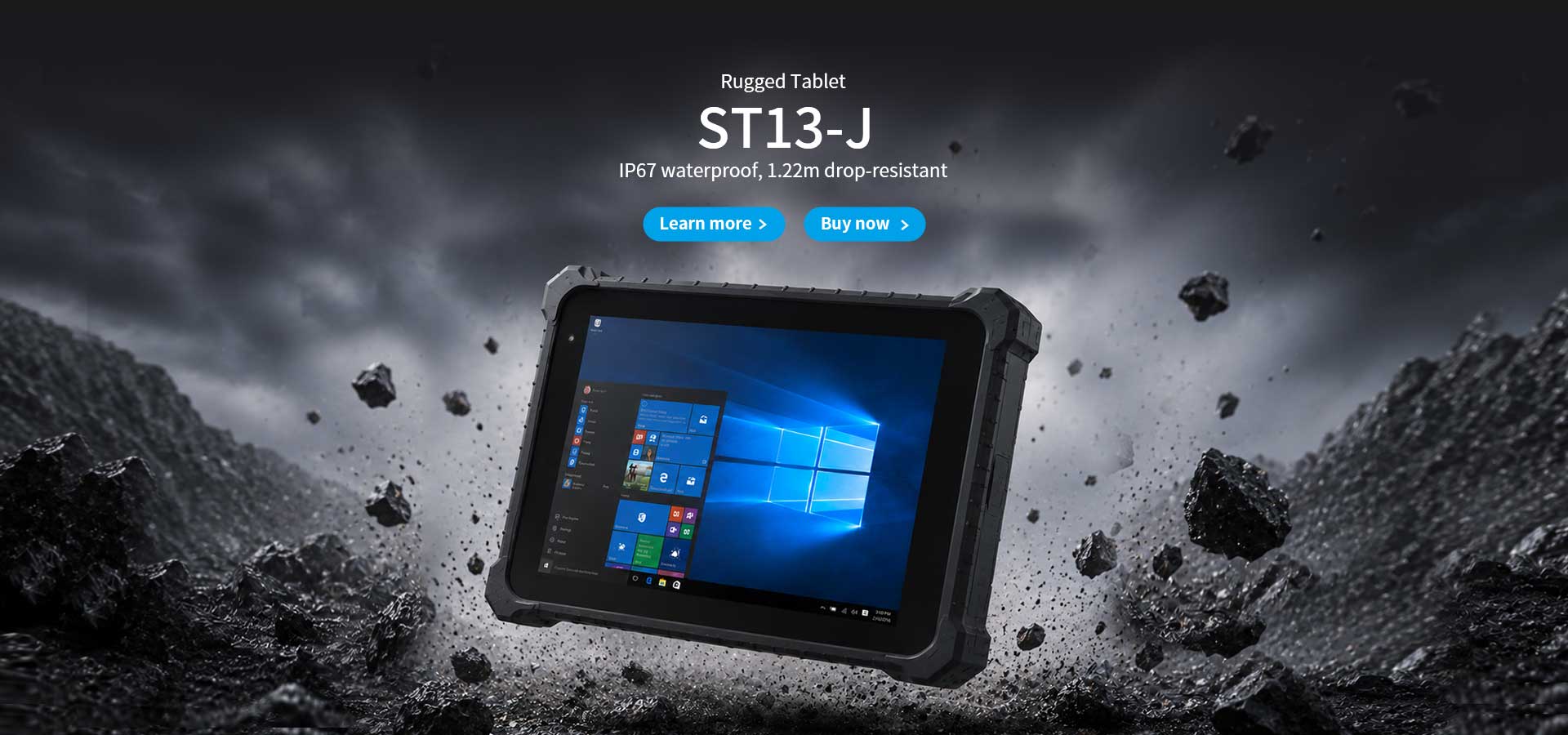
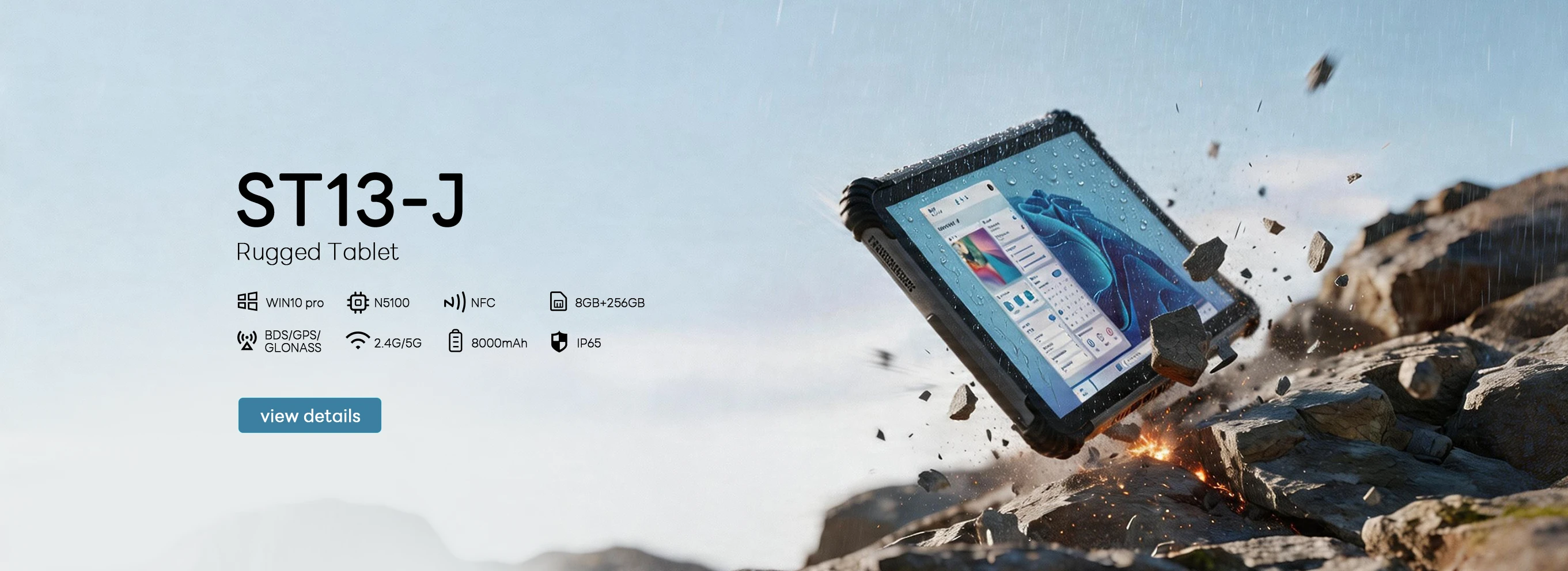
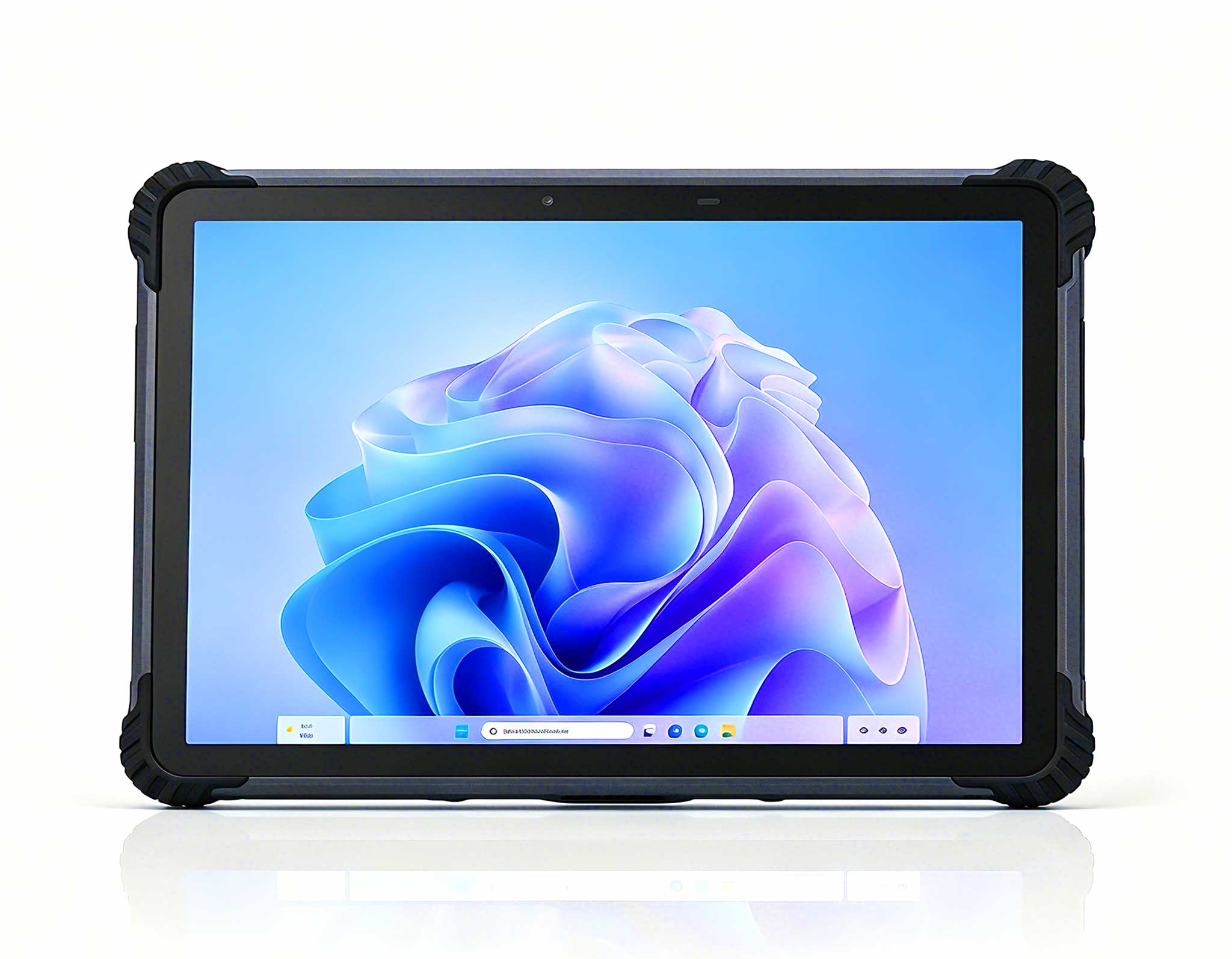
Full SpecificationsModelHotus ST13‑JOSWindows 10 P...
RT80 5G Rugged Tablet | 10.1" FHD 400nit | Un...
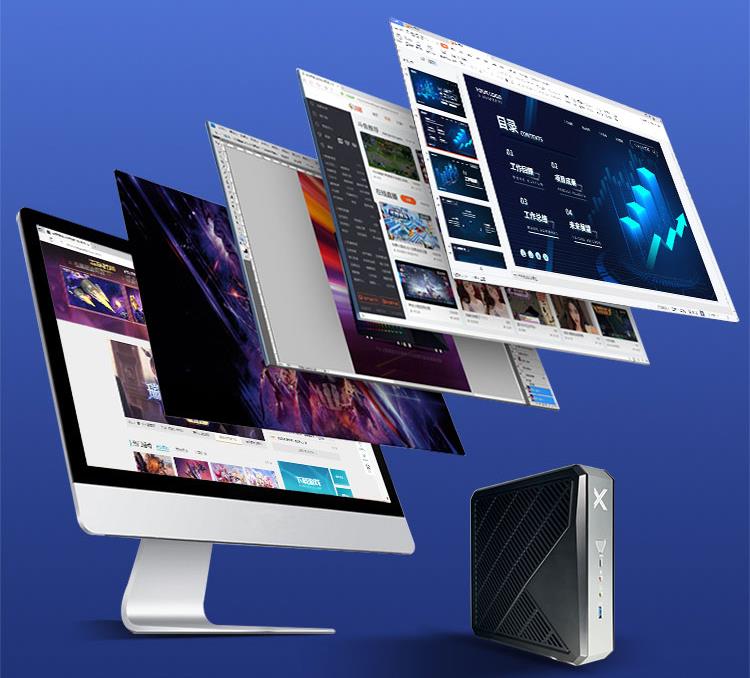
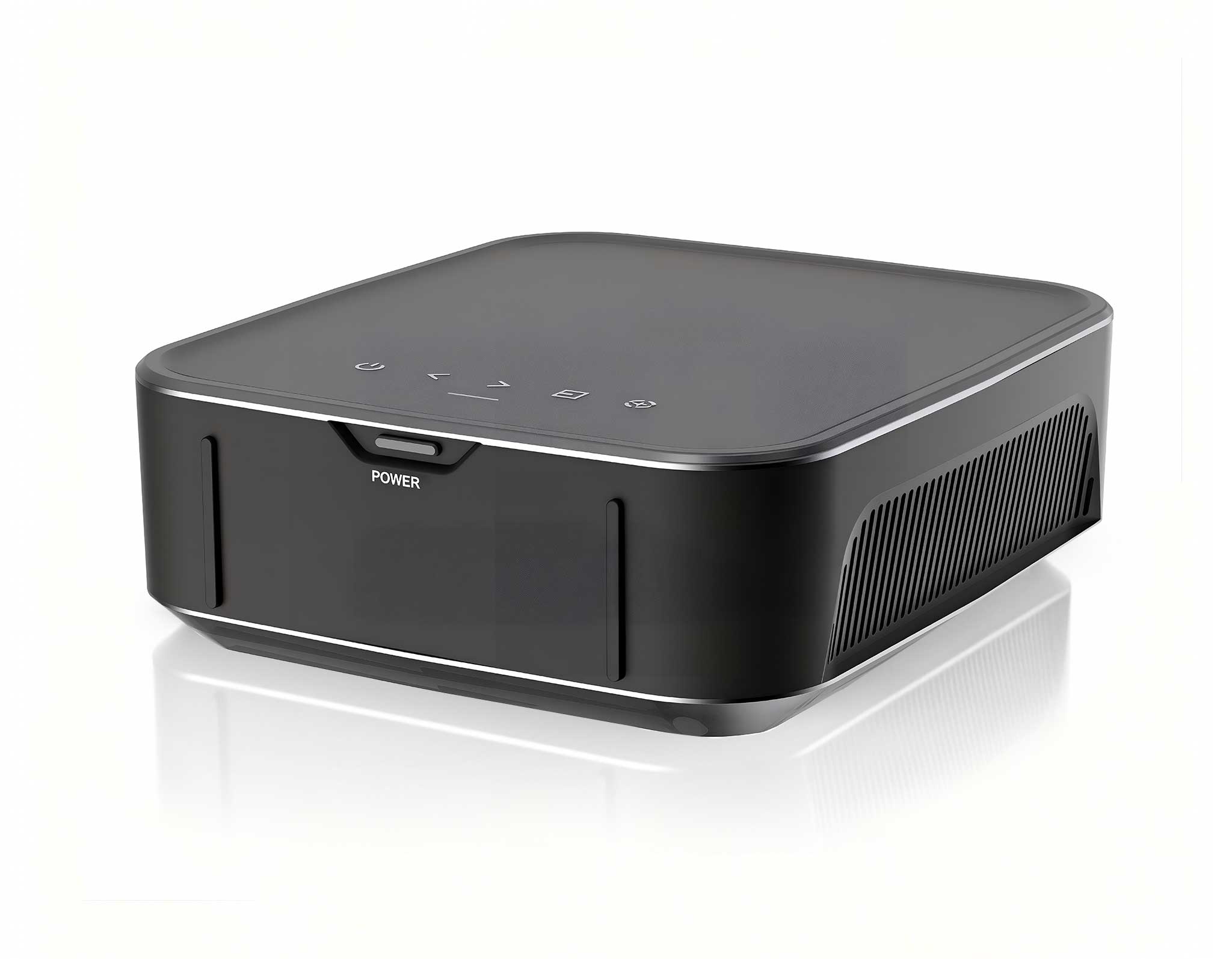
One Device, Dual Functions – A Projector and a Com...
The F505 Handheld PDA is a compact, high-performan...
Have you ever been in a Medical Workstation setting where common pain points reduce efficiency and user satisfaction? If so, you already know why this matters. In this article, we explore how HTYJ08A Rugged Tablet, ST11-U and HTYJ10A Rugged Tablet solve this problem.
Medical workstations are the operational nerve centers of clinics, hospitals, and diagnostic centers. Here, healthcare professionals manage patient records, control diagnostic equipment, coordinate nursing staff, and handle real-time data entry. Yet many of these environments still rely on consumer-grade tablets and desktop terminals that were never designed for the demands of medical settings. Frequent disinfection wipes degrade touchscreens, accidental drops crack displays, and battery failures interrupt critical documentation workflows. The result is measurable productivity loss, frustrated clinicians, and IT teams spending hours on device replacement and troubleshooting.
The transition to purpose-built hardware for Medical Workstation environments begins with understanding what truly drives operational efficiency. The HTYJ08A Rugged Tablet delivers a 8-inch compact form factor that fits perfectly into cramped nursing stations, medication carts, and patient bedside documentation workflows. Its IP65-rated sealing protects against dust ingress and water jets from cleaning protocols, while the sunlight-readable display ensures visibility even near large windows or in brightly lit examination rooms. For clinicians who move between rooms throughout the day, the lightweight magnesium alloy chassis reduces arm fatigue during prolonged handheld use, while the hot-swappable battery design eliminates downtime during shift changes.
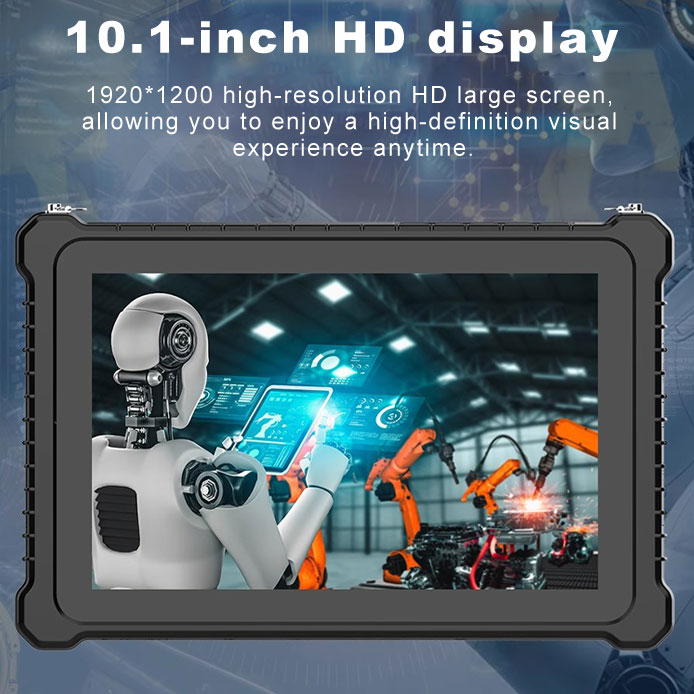
When paired with the 10.1 windowsST11-URugged Industrial Tablet, medical workstations gain a larger canvas for complex applications like electronic health record (EHR) systems, medical imaging viewers, and patient monitoring dashboards. The ST11-U runs full Windows operating systems, meaning existing hospital software runs without compatibility issues. Its 10.1-inch IPS panel with 1920×1200 resolution displays radiology images with accurate color reproduction, and the capacitive multi-touch screen supports gloved operation—a critical requirement in sterile environments. The unit's fanless thermal design ensures silent operation in patient rooms where noise can disturb rest, and the wide voltage input (9-36V DC) allows direct connection to medical cart power systems without additional converters.
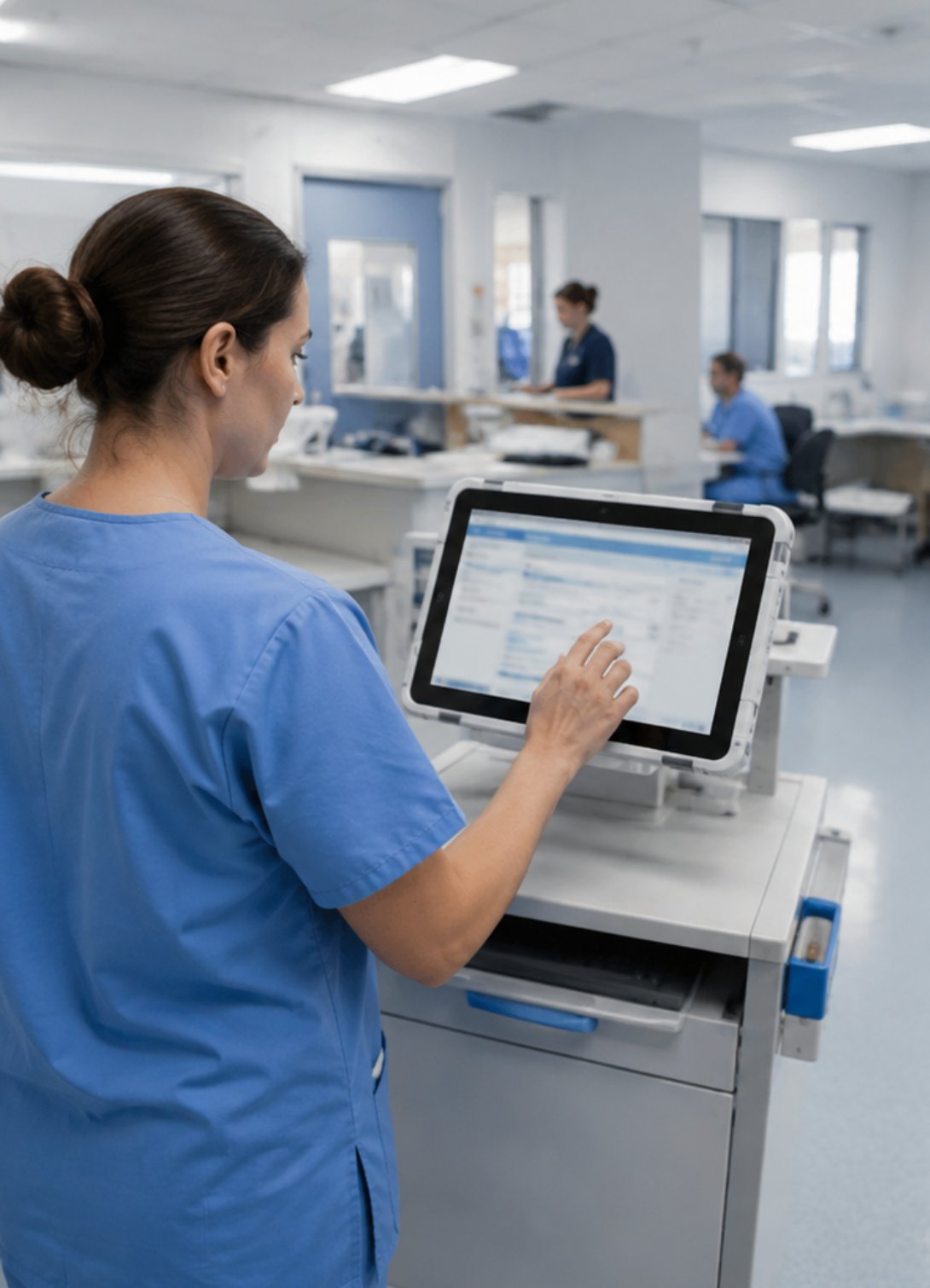
For operations requiring maximum processing power and display real estate, the HTYJ10A Rugged Tablet serves as the flagship mobile workstation. Its 10.1-inch display with 1200 nits brightness remains readable even under direct surgical lighting, and the Intel Core processor handles multi-tasking between telemedicine platforms, prescription management systems, and real-time vital sign monitoring without lag. The integrated barcode scanner and 13MP rear camera support medication verification protocols and wound documentation, reducing the need for separate peripheral devices that clutter workstation surfaces.
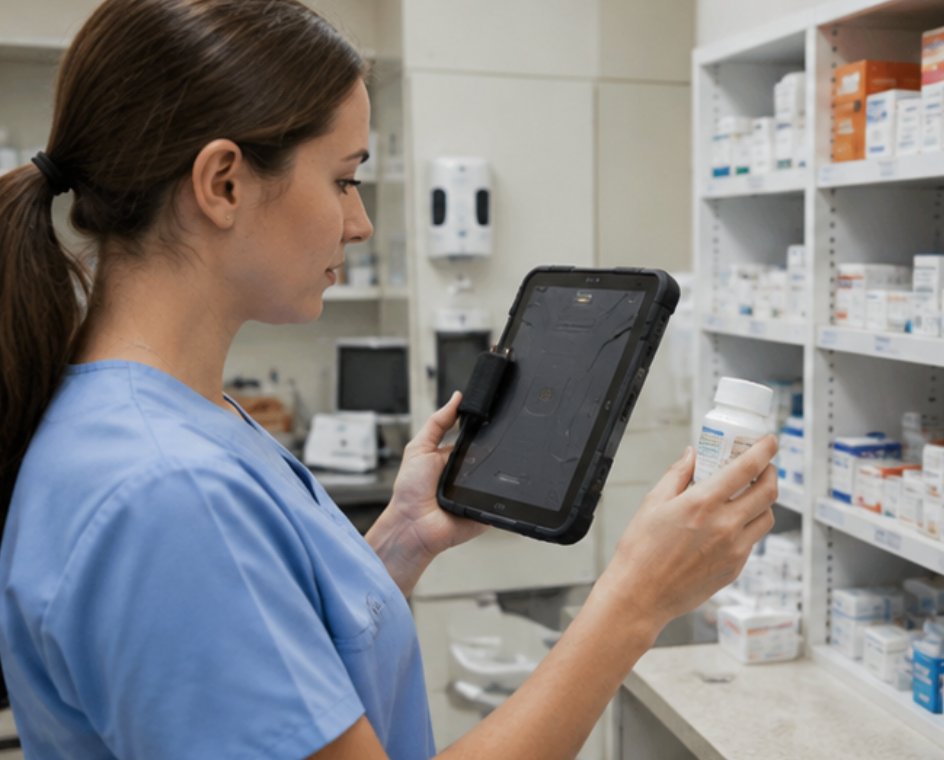
Across all three devices, the common thread is reliability engineered for continuous medical operations. Each unit undergoes 4-foot drop testing onto concrete, operates in temperatures from -20°C to 60°C, and features chemically strengthened glass that withstands over 10,000 disinfectant wipe cycles. This durability directly translates into fewer device replacements and lower total ownership costs compared to consumer tablets that typically fail within 12-18 months in healthcare environments. The industrial solution for Medical Workstation also includes centralized device management software, allowing IT administrators to push updates, enforce security policies, and remotely diagnose issues across the entire fleet from a single console.
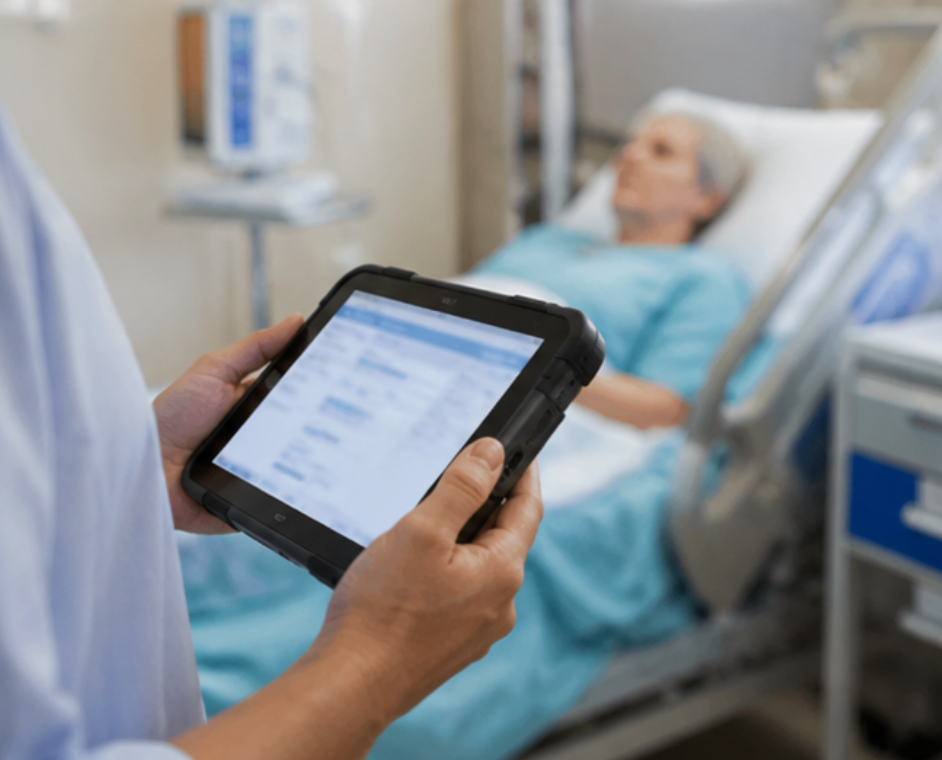
Industry research indicates that over 65% of Medical Workstation operators plan to upgrade their mobile computing equipment within the next two years. The primary drivers are better display quality for diagnostic imaging, longer battery life to support 12-hour nursing shifts, and systems intuitive enough for temporary staff to operate without extensive training. A 2024 survey of 300 clinic managers revealed that 78% identified device reliability as their top technology concern, surpassing even software integration challenges. The same study found that medical facilities using ruggedized tablets reported 41% fewer IT support tickets related to hardware failures compared to those using consumer devices.
The shift toward point-of-care computing continues to accelerate as healthcare systems adopt value-based reimbursement models. Clinicians need immediate access to patient data at the bedside, not just at fixed nursing stations. This drives demand for portable devices that maintain full functionality while moving between examination rooms, procedure areas, and patient wards. The ST11-U's optional hot-swappable battery pack extends operational time beyond 10 hours of continuous use, while the HTYJ08A's quick-release docking system allows seamless transition between handheld and cart-mounted configurations. These design considerations directly address the workflow realities of modern medical practice where clinicians spend 60-70% of their time on mobile tasks.
The return on investment for deploying HTYJ10A Rugged Tablet, HTYJ08A Rugged Tablet and ST11-U in Medical Workstation becomes clear when you look beyond the initial purchase price. Consider a typical 20-bed clinic replacing consumer tablets with ruggedized units. Consumer devices in medical settings typically fail within 14 months due to drop damage, screen cracks, and charging port wear. At an average replacement cost of $500 per device plus $200 in labor and data migration, the annual replacement expense for 20 devices reaches $12,000. In contrast, rugged tablets from the HTYJ series maintain an average lifespan of 5-7 years in medical environments, reducing annual hardware costs to under $2,500.
Battery replacement represents another significant cost center. Consumer tablets in continuous medical use often require battery replacement every 8-10 months as capacity degrades below 70%. Each replacement costs $80-120 in parts plus technician time. The HTYJ08A and ST11-U feature user-replaceable batteries rated for 2,000 charge cycles—roughly three times the lifespan of consumer-grade cells. Over a five-year period, this eliminates 60-70% of battery-related maintenance expenses. Furthermore, the elimination of audio-related complaints and workflow interruptions saves an estimated 3-4 staff hours per week in troubleshooting time, translating to over $8,000 annually in recovered labor costs at typical healthcare wages.
Faster patient throughput and reduced documentation errors provide additional quantifiable benefits. Clinicians using rugged tablets with pre-loaded templates and barcode scanning complete medication administration records 22% faster than with paper-based systems or consumer devices with poor scanning capabilities. For a clinic processing 150 patients daily, this efficiency gain enables one additional patient consultation per hour per provider, potentially adding $50,000-80,000 in annual revenue. The rugged mini PC solutions offered by Hotus further extend these benefits by providing fixed-point computing stations that share the same management infrastructure, creating a unified ecosystem that simplifies IT operations and reduces training requirements across the entire medical facility.
| Model | Display Size | Operating System | Battery Life | Weight | Key Medical Feature |
|---|---|---|---|---|---|
| HTYJ10A Rugged Tablet | 10.1 inch | Windows 11 Pro | Up to 10 hours | 1.2 kg | 1200 nits sunlight-readable display |
| HTYJ08A Rugged Tablet | 8 inch | Windows 10/11 | Up to 8 hours | 0.85 kg | Hot-swappable battery for shift changes |
| ST11-U | 10.1 inch | Windows 11 Pro | Up to 12 hours | 1.4 kg | Wide voltage input (9-36V DC) for cart mounting |
Organizations that standardize on these rugged devices consistently report improved staff satisfaction scores, reduced overtime from equipment troubleshooting, and lower total cost of ownership compared to previous systems. The flexibility to scale operations—adding devices as clinics expand or new departments open—without changing the IT infrastructure makes the HTYJ series a future-proof investment. With typical payback periods of 8-14 months depending on deployment size, the financial case for upgrading to purpose-built medical workstations is compelling. Healthcare administrators who delay this transition continue absorbing hidden costs from device failures, staff inefficiency, and compliance risks that ruggedized technology directly addresses.