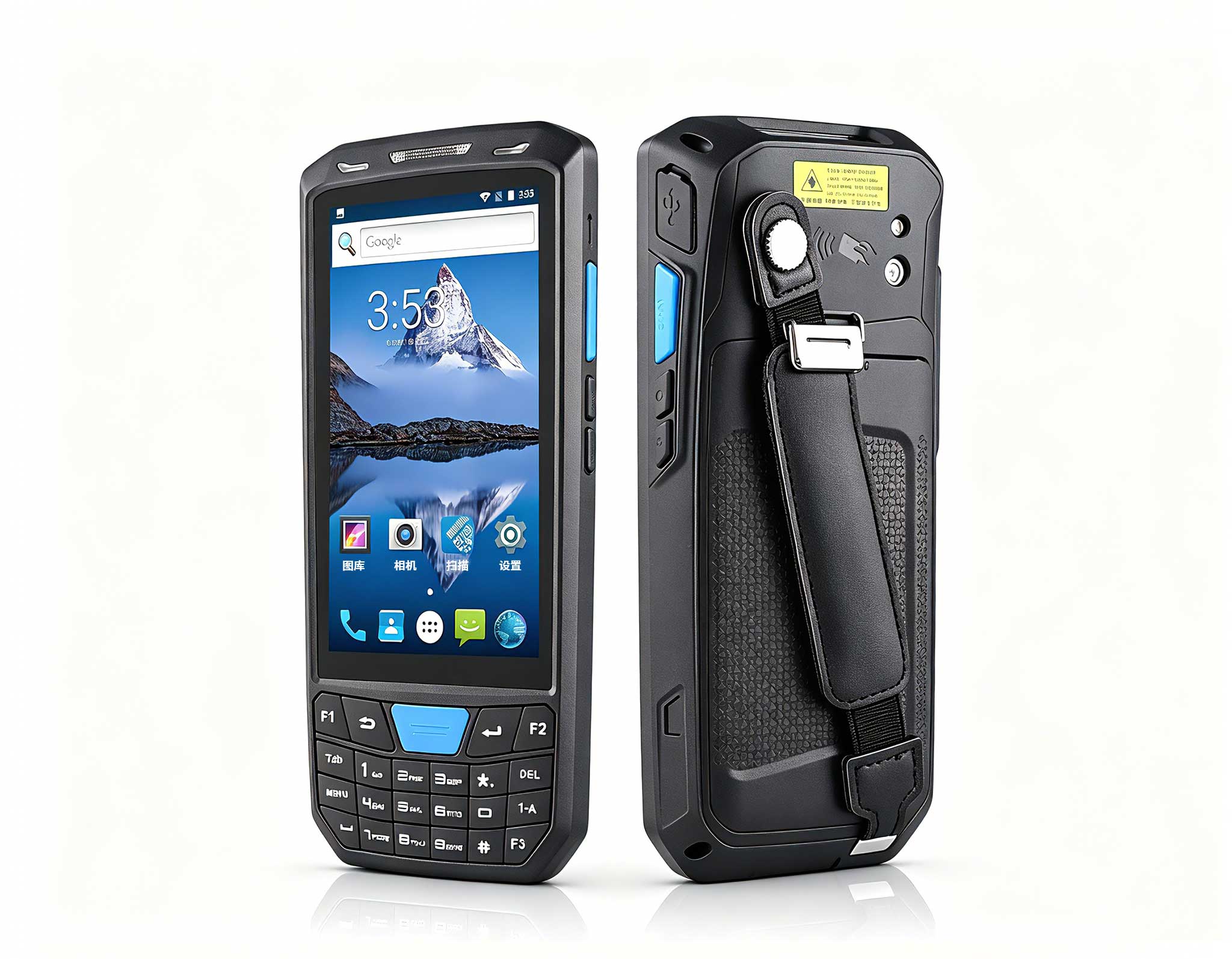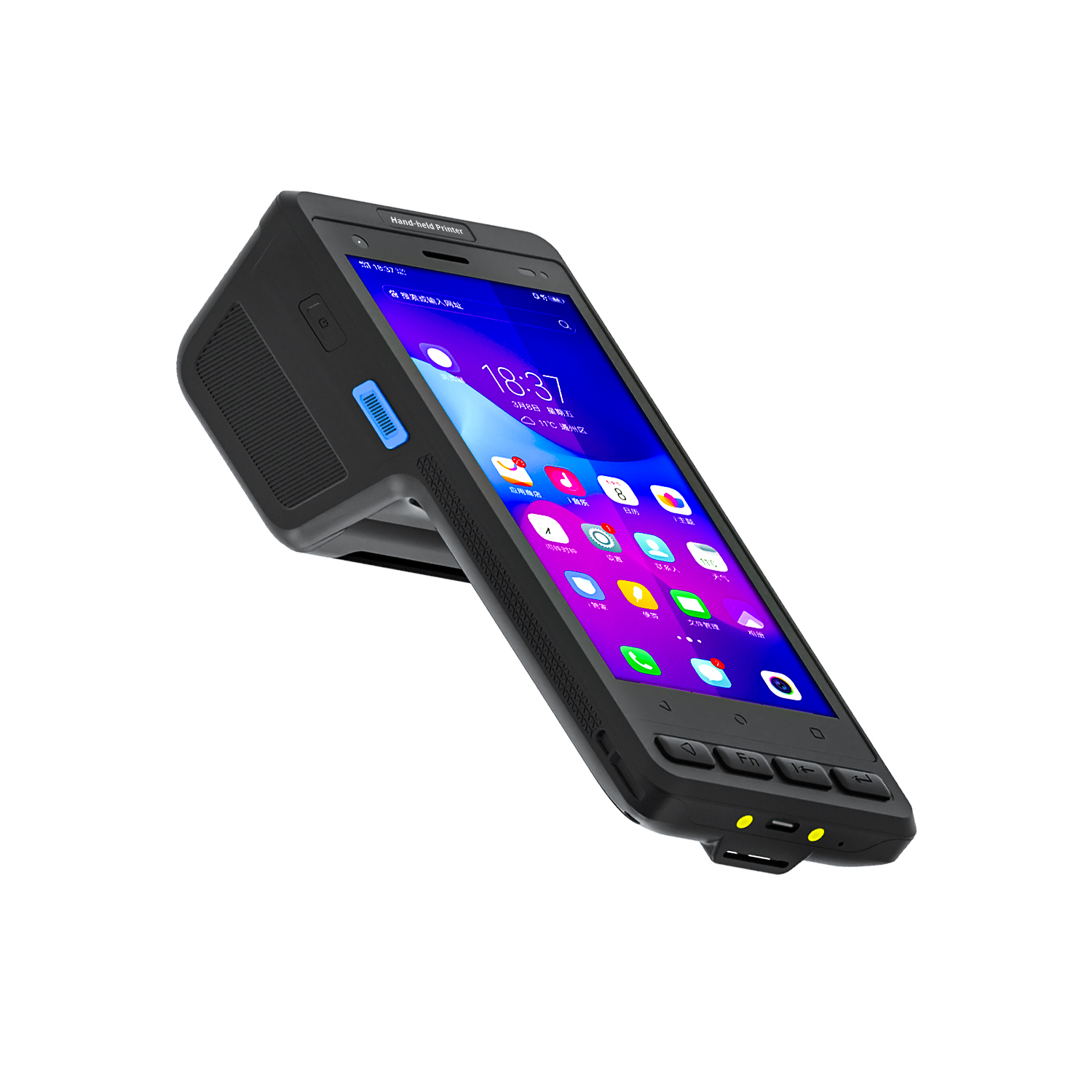
- Select Language
Full SpecificationsModelHotus ST9‑MOSWindows 10/11...
The T80 handheld PDA combines advanced barcode sca...
️ X8 Series Handheld Label & Thermal Printing ...

My View: The edge AI market is growing at 21% annually, but most factories have a huge hidden problem: they can’t get data out of their old PLCs. The sensors and controllers installed 10 or 15 years ago weren’t designed for cloud connectivity or AI processing. You don’t need to rip them out – you need an edge gateway that speaks Modbus, Profibus, or EtherNet/IP. The Hotus Mini PC is that gateway.

Fig 1 – Hotus Mini PC: bridging legacy PLCs to edge AI without replacing controls
By HOTUS Technology | April 2026
The global edge AI market is on fire. It will grow from $29.5 billion in 2026 to $63.59 billion by 2030 (21.2% CAGR). Autonomous industrial AI deployments are delivering 5–10× ROI within three years. AI inference demand has already surpassed training demand in many regions. The technology is ready. The business case is proven. The competitive pressure is immense.
Yet I walk through factories where the PLCs are running on Modbus over RS‑485 and the only data leaving the cabinet is a single analog 4‑20mA signal. These plants have millions of dollars invested in legacy controls – and no way to extract the high‑resolution vibration, temperature, and current data needed for modern predictive maintenance. Ripping out and replacing all those PLCs is not economically feasible.
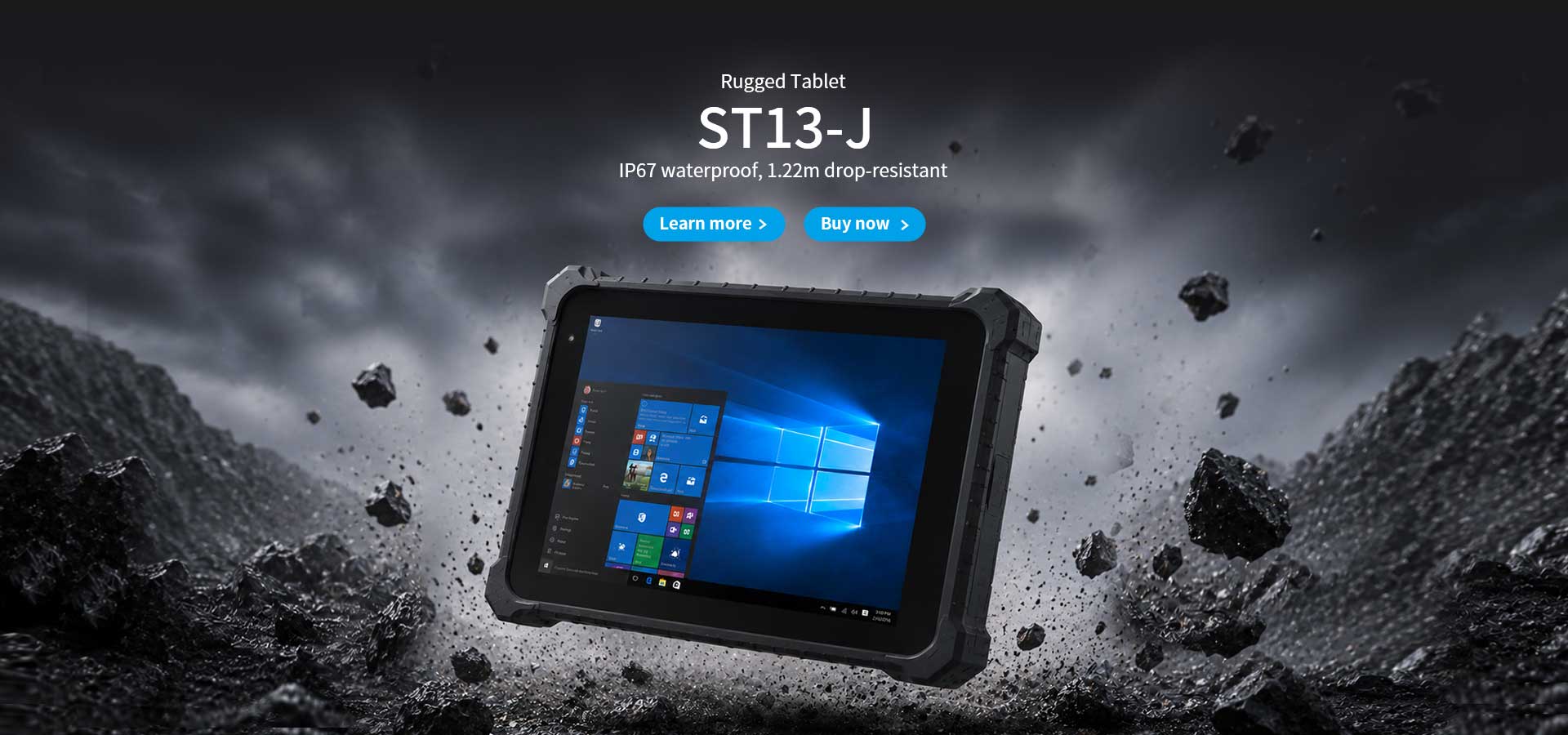
The solution is an edge gateway that speaks industrial protocols. The Hotus Palm‑sized Mini PC is designed for exactly this. With its rich I/O – including serial ports, USB, and Ethernet – it connects directly to legacy PLCs, sensors, and HMIs. It runs protocol gateways that translate Modbus, Profibus, EtherNet/IP, or CC‑Link into MQTT or OPC‑UA. It aggregates data from multiple devices, runs lightweight AI inference locally, and sends only alerts to the cloud.
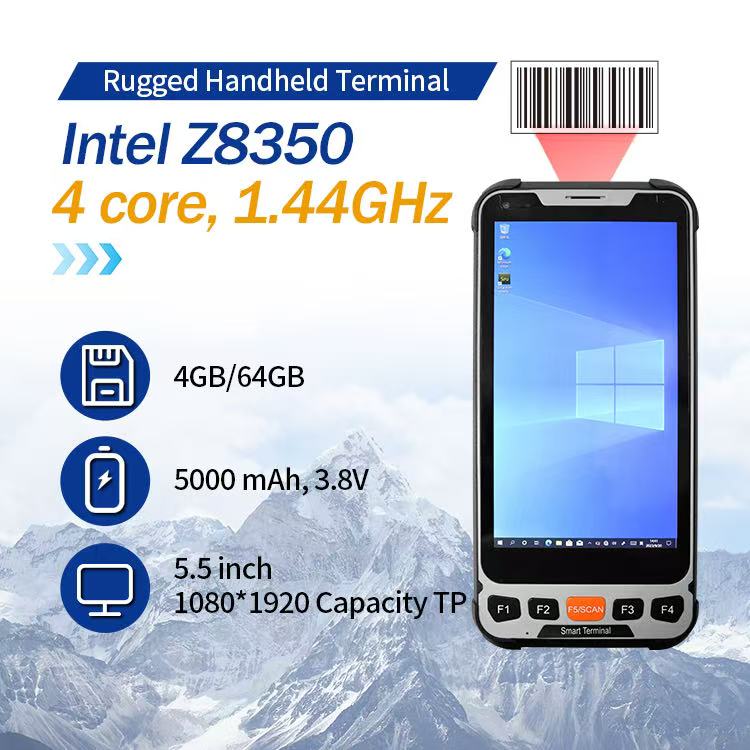
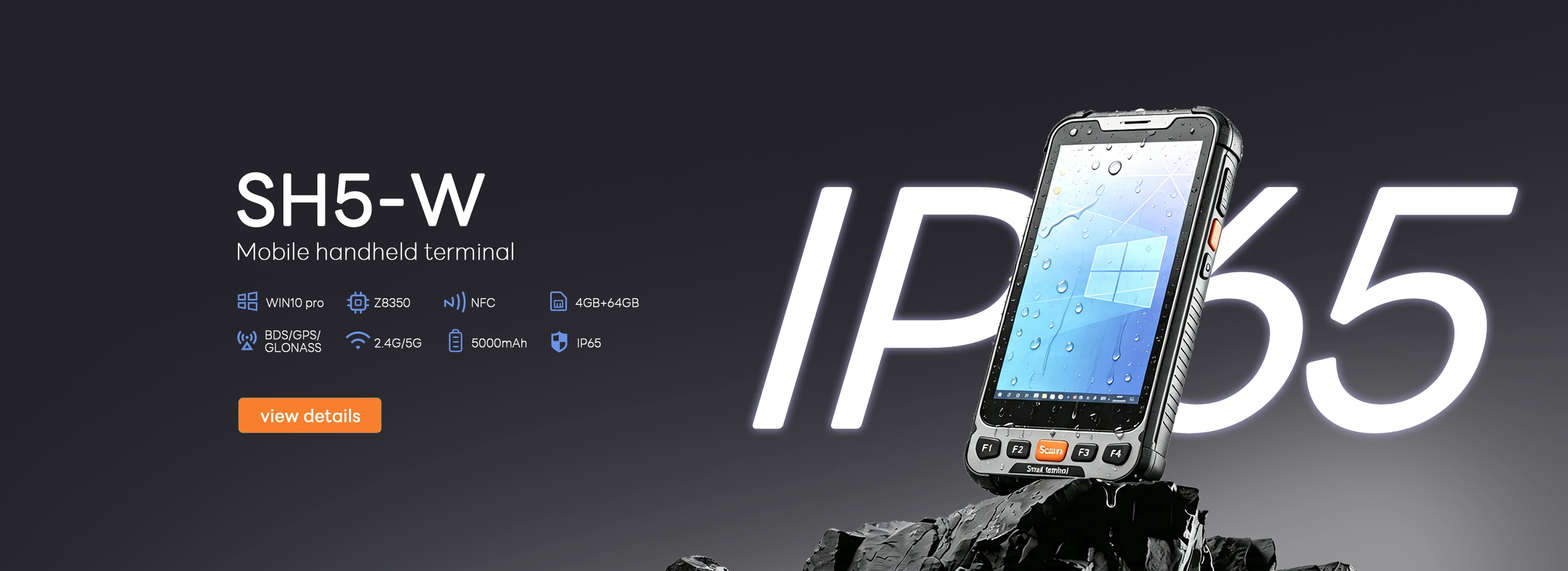
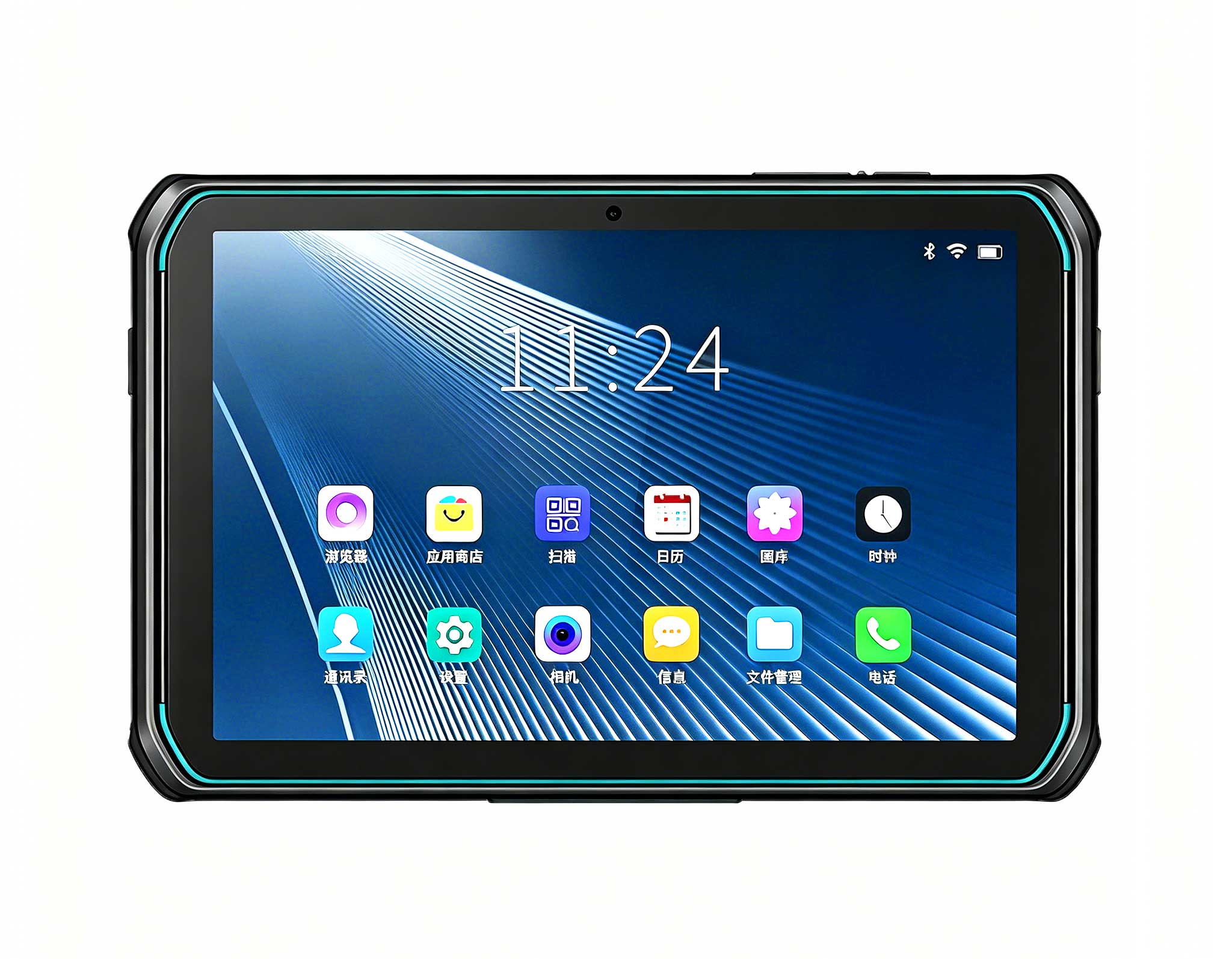
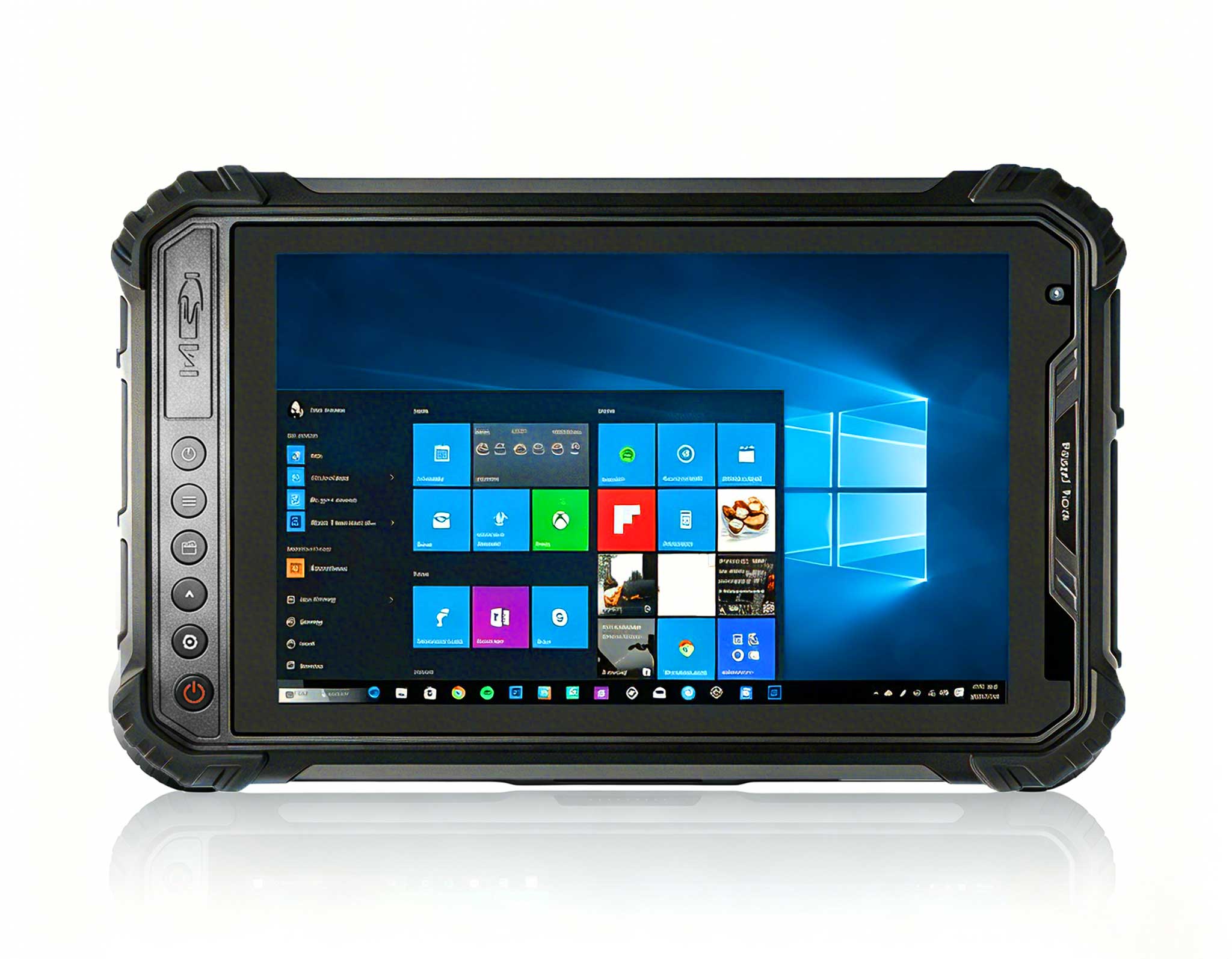
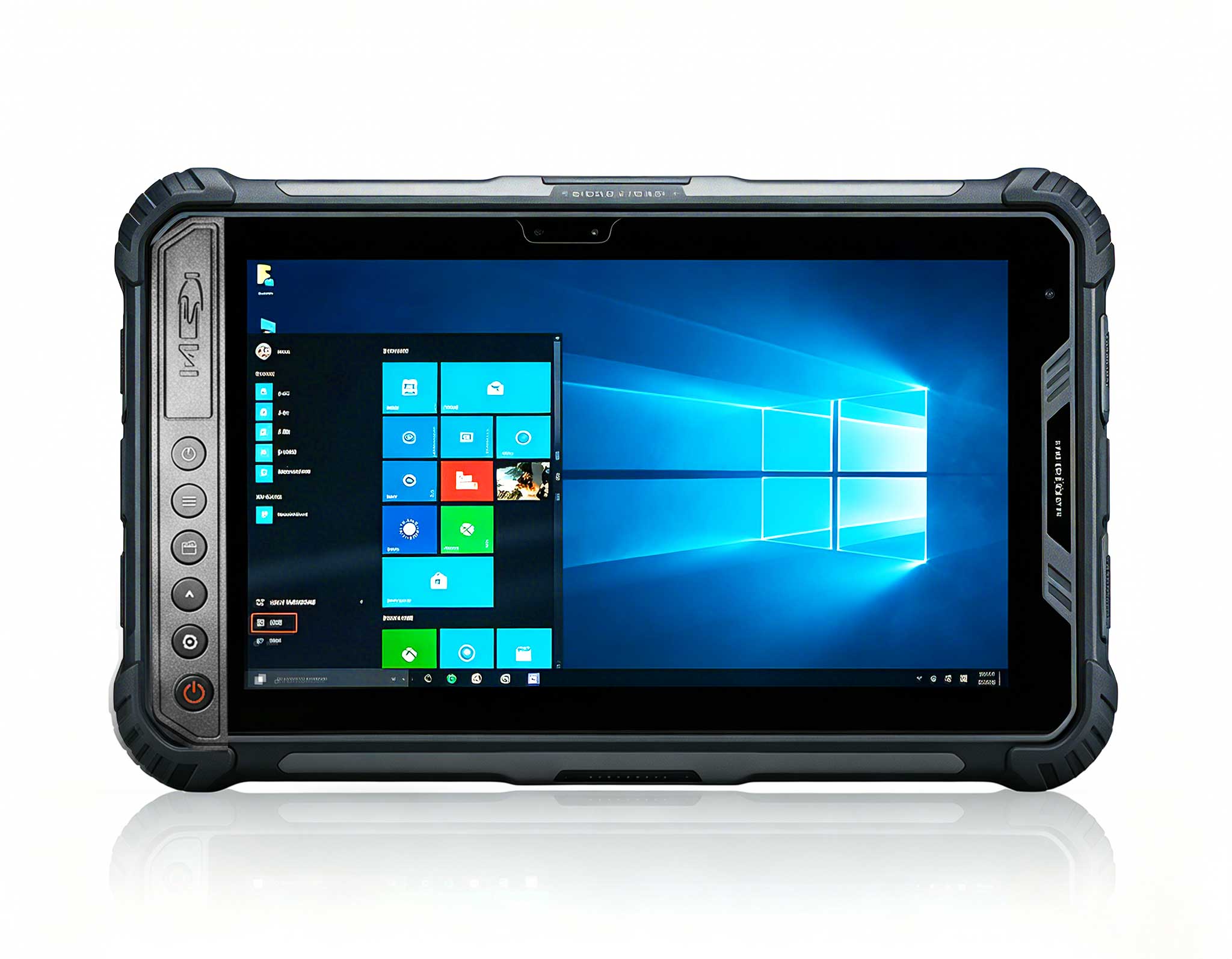
Fig 2 – Hotus SH5‑W: receiving edge AI‑generated maintenance alerts on the factory floor
The SH5‑W isn’t just for legacy integration. For newer equipment with native Ethernet, the Mini PC can also collect high‑speed data streams – vibration at 20 kHz, current at 10 kHz, thermal images every second – and run real‑time anomaly detection models. When a spindle bearing starts to drift, the Mini PC flags the anomaly, logs it, and sends an alert to a Hotus SH5‑W Windows handheld carried by the maintenance supervisor. The supervisor sees the alert, acknowledges it, and assigns a work order – all within seconds.
The industrial edge market is projected to reach $28.73 billion by 2032 (9.82% CAGR), driven by predictive maintenance, asset performance management, and smart factory initiatives. But those projections assume you can get data out of your machines. The Mini PC is the bridge between your legacy investment and your AI future.
A steel mill put this to the test. They installed 30 Hotus Mini PCs on rolling mill stands – each connected to existing PLCs via RS‑485. Within three months, the edge AI models predicted bearing failures an average of 48 hours in advance with 92% accuracy. Unplanned downtime dropped 67%. Maintenance costs fell 35%. The SH5‑W handhelds displayed alerts on the floor. ROI came in 14 months – without replacing a single PLC.
The edge AI revolution is real, but it requires an industrial‑grade gateway that can talk to the machines you already have. The Hotus Mini PC provides that connectivity. The SH5‑W puts the insights into action. Don’t let legacy controls hold you back.
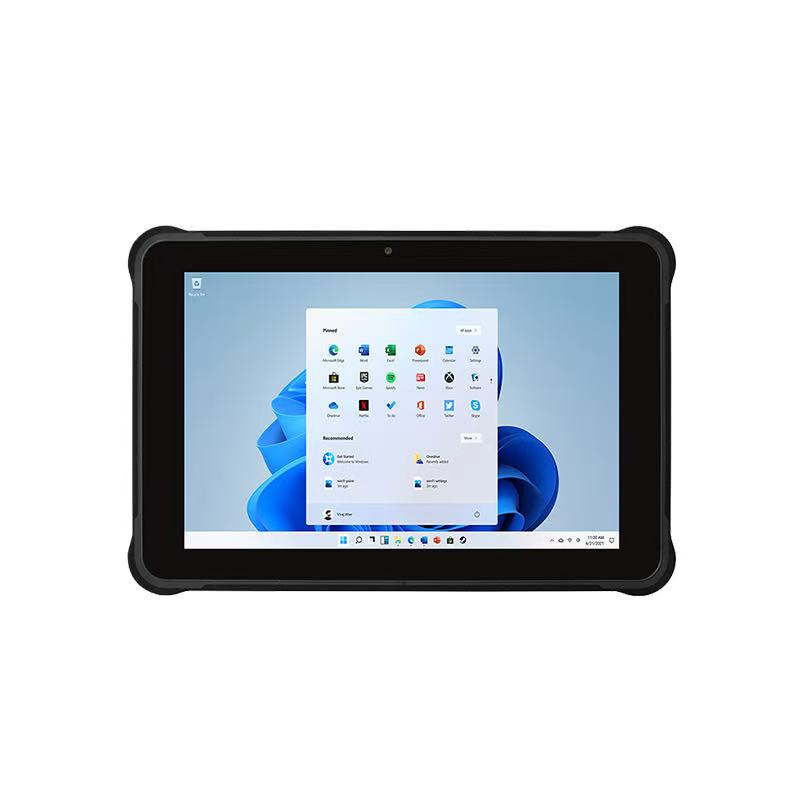
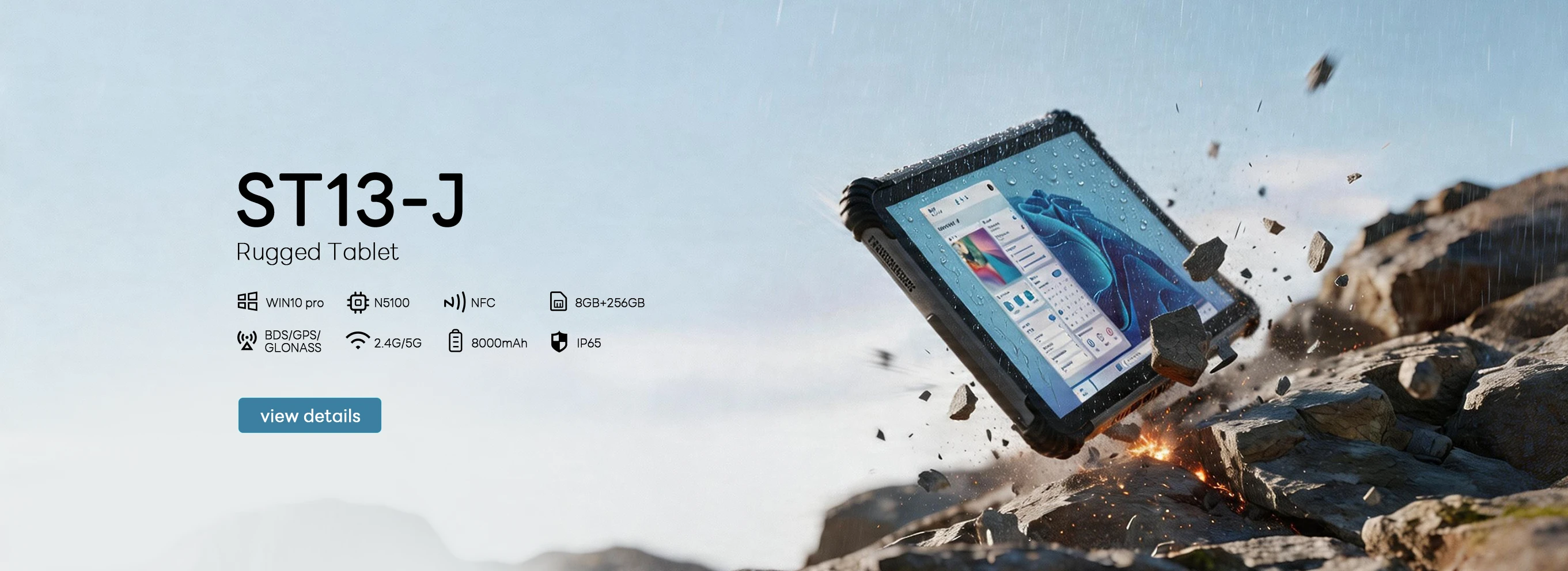
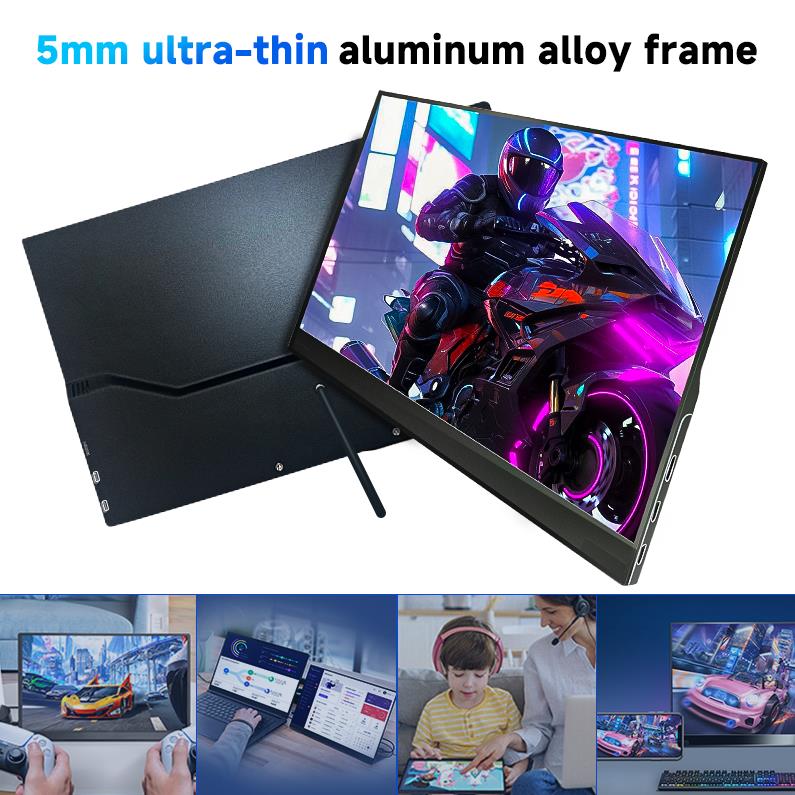
Fig 3 – Hotus ST11‑U: edge AI dashboard with predicted failure timelines and work orders
Contact HOTUS Technology to discuss your edge AI strategy, request Mini PC pilot units for legacy PLC integration, or explore SH5‑W handhelds for real‑time alert management.