- Select Language
Enterprise Flagship SeriesEngineered for mission-c...
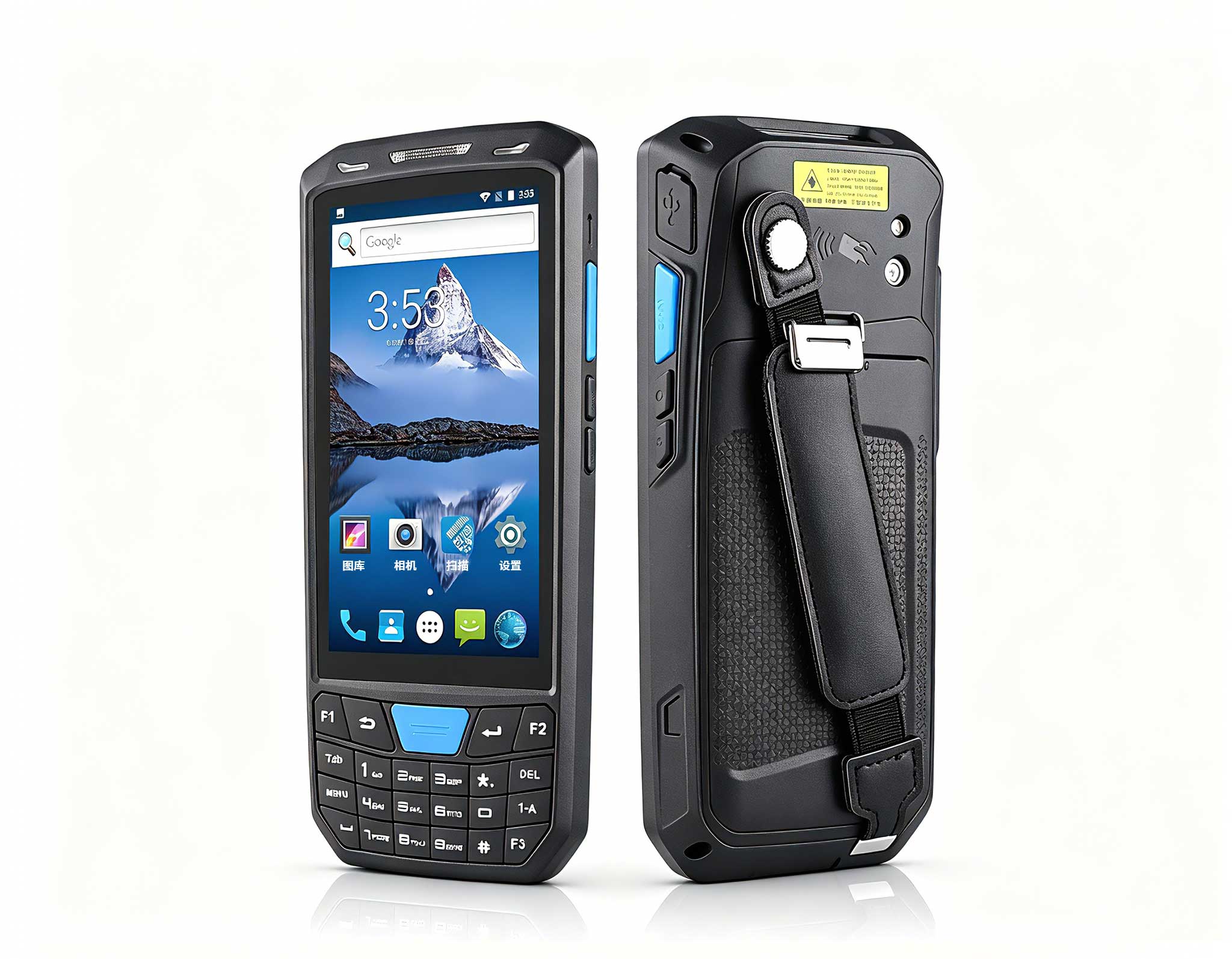
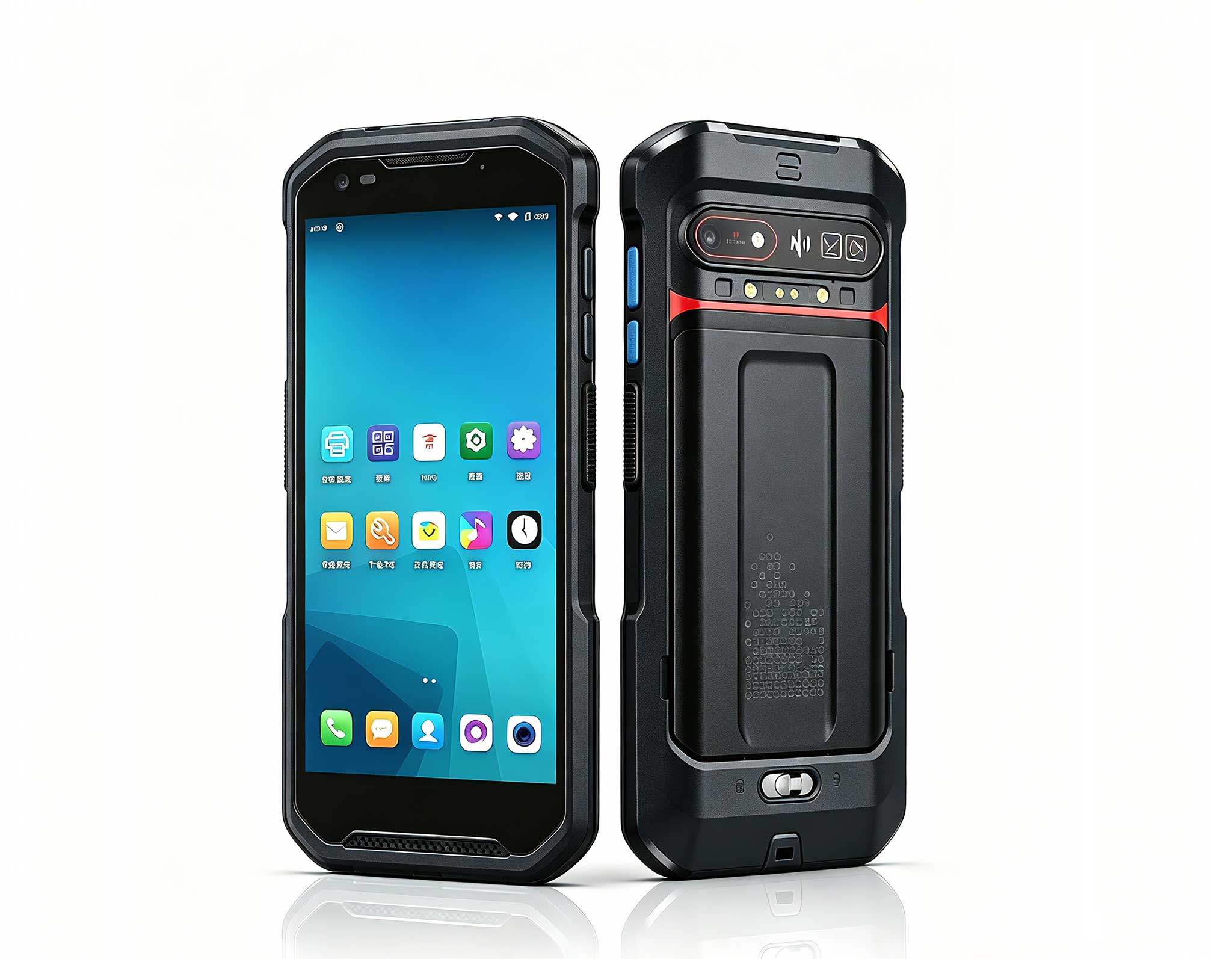
The T80 handheld PDA combines advanced barcode sca...
The F505 Handheld PDA is a compact, high-performan...
️ X8 Series Handheld Label & Thermal Printing ...
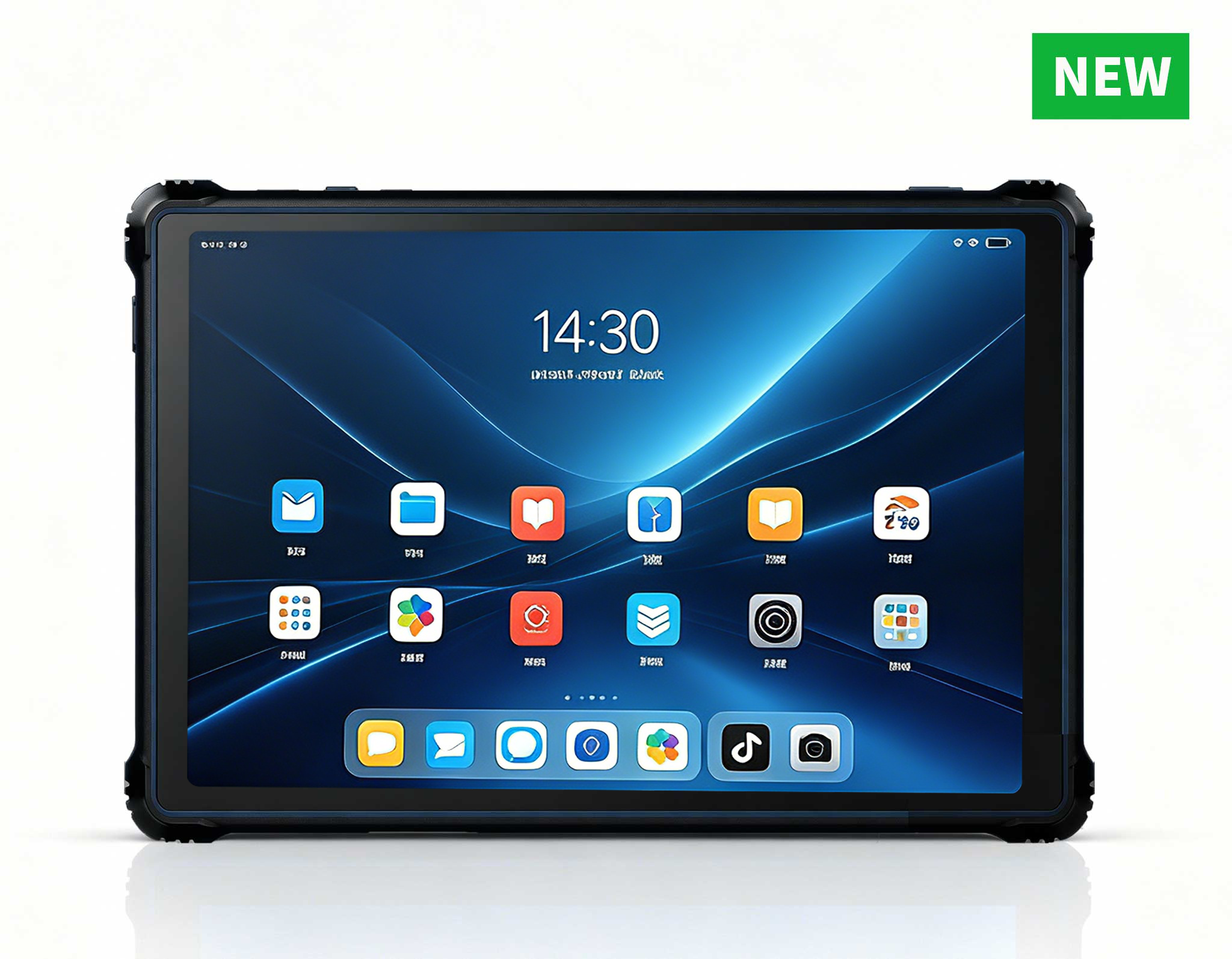
RT80 5G Rugged Tablet | 10.1" FHD 400nit | Un...
RT82 5G Rugged Tablet | 10.1" FHD 400nit | Qu...

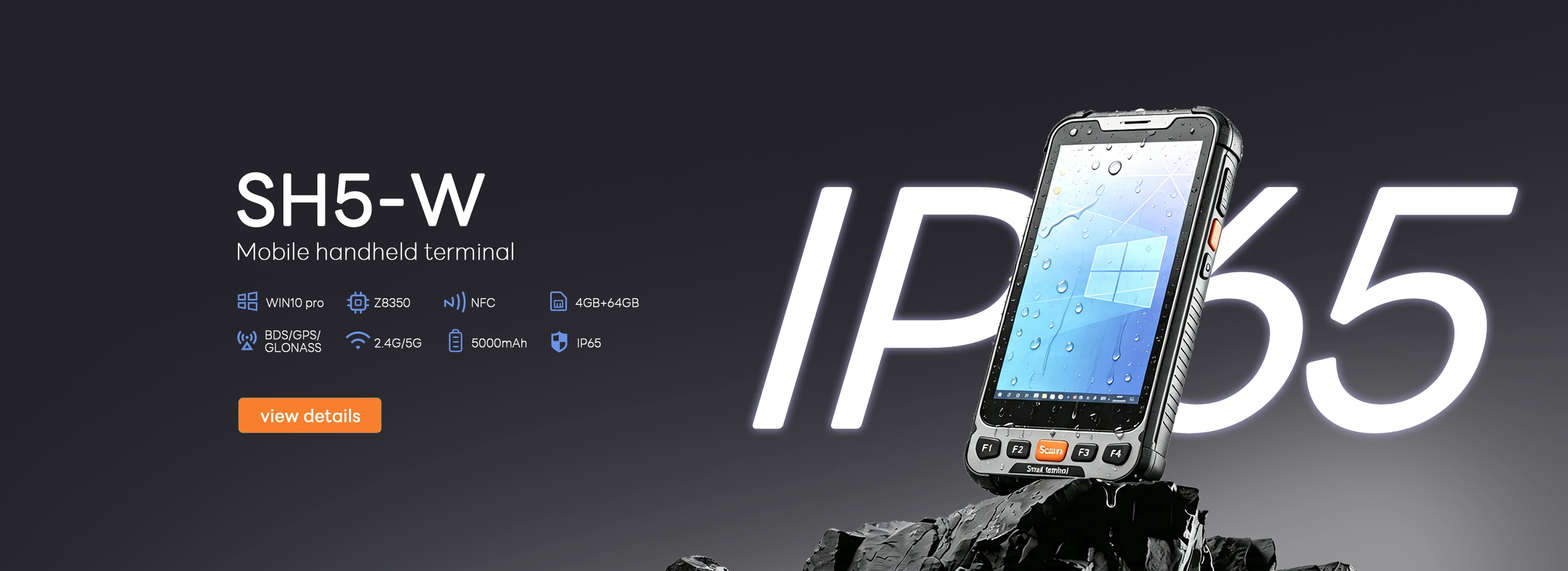
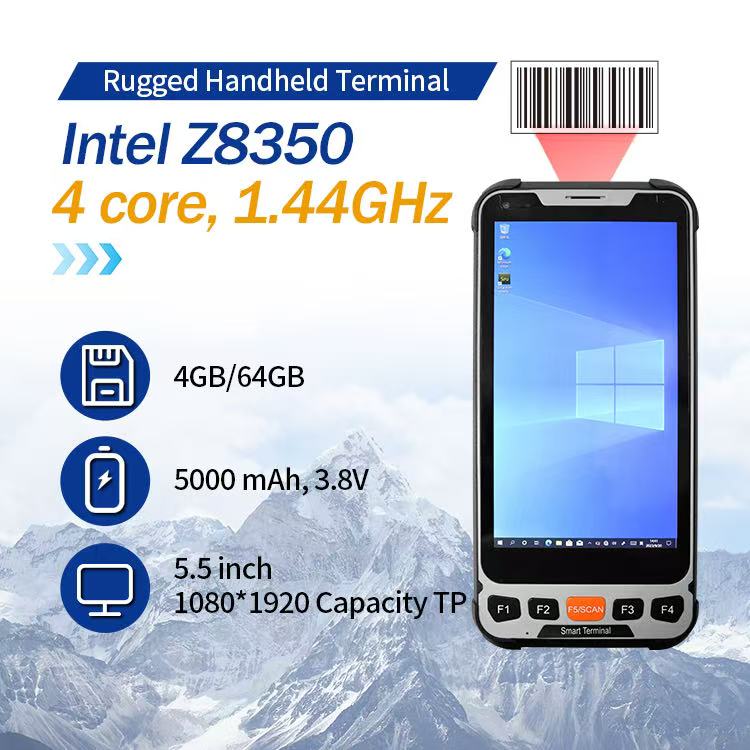
Fig 1 – Hotus SH5‑W: digital inspection of battery storage inverters
My View: The global energy storage market is doubling every two years, yet most field inspectors are still using paper checklists and consumer phones that fail in extreme temperatures. A battery storage facility isn’t a friendly office – it’s a harsh environment with high voltage, temperature swings, and dirt. If your inspection tools can’t survive that, your data quality will suffer, and so will your safety.
By HOTUS Technology | April 2026
The energy storage market is one of the fastest‑growing segments in the global economy. According to BloombergNEF, cumulative global battery storage capacity will reach 1,200 GWh by 2030, driven by grid‑scale projects, behind‑the‑meter commercial systems, and EV charging infrastructure. The market is effectively doubling every two years. Investment in renewable energy plus storage surpassed $500 billion in 2025, and the pace is accelerating.
But here is my frustration: most field inspection workflows for energy storage are still paper‑based or running on consumer devices that can’t handle the environment. A battery container in the desert sees temperatures above 50°C. An outdoor inverter station in the Midwest deals with dust, snow, and ice. A technician needs a rugged Windows handheld that works in -20°C to 60°C, has a screen readable in direct sunlight, and can run the same enterprise inspection software as the office.
The Hotus SH5‑W 5.5″ Windows rugged handheld is built for exactly this environment. With Windows 11 Pro, IP67 ingress protection, a 1000+ nit display, and an operating temperature range of -20°C to 60°C, it survives where consumer iPhones and Android phones fail. A field inspector can carry it for a full 10‑hour shift, scanning equipment RFID tags, logging thermal imaging readings, and completing digital checklists – all without worrying about battery life or screen glare.
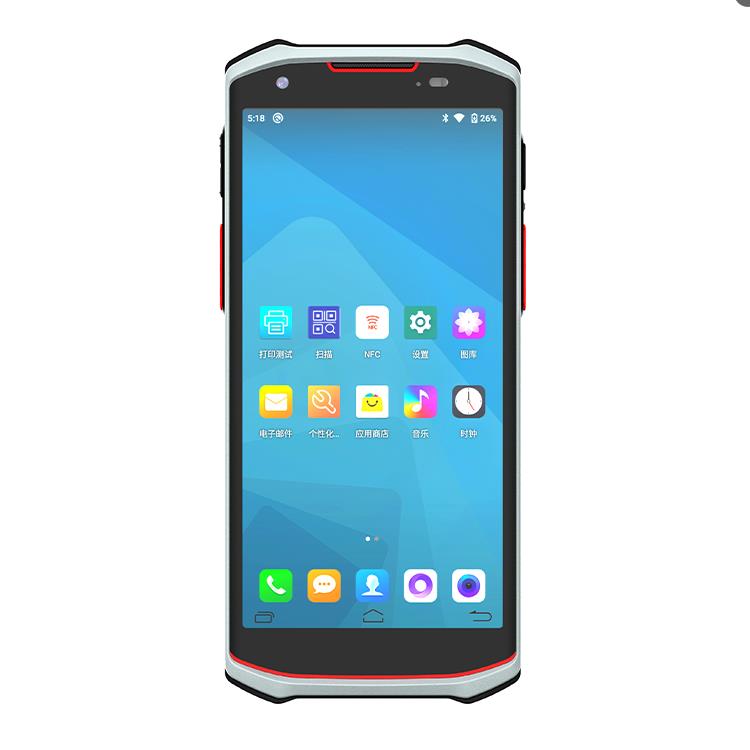
Fig 2 – Hotus F502: scanning battery module QR codes for end‑to‑end traceability
For deeper traceability, the Hotus F502 RFID PDA adds UHF RFID capability. A technician can wave the F502 over a rack of battery modules and instantly read all serial numbers, manufacture dates, and test results – without line‑of‑sight. This is critical for warranty tracking, safety recalls, and end‑of‑life recycling.
The data doesn’t stop at the field. Back in the office, the Hotus Palm‑sized Mini PC serves as an edge gateway at each storage site. It aggregates data from the battery management system (BMS), weather sensors, and the SH5‑W field logs. It runs local analytics to detect thermal runaway precursors or efficiency degradation, and sends only alerts to the cloud. This reduces bandwidth costs and ensures the site remains operational even if the network drops.
A renewable energy operator managing 50 battery storage sites deployed 100 SH5‑W handhelds, 50 F502 PDAs, and 30 Mini PC edge gateways. After 18 months, inspection time per site fell 55%. Data accuracy improved from 87% to 99.2%. They caught three thermal anomalies early, preventing potential fires. Maintenance costs dropped 40%. ROI achieved in 16 months.
The energy storage boom is creating thousands of new field inspection jobs. Don’t send those workers into the field with tools that can’t handle the job. The SH5‑W, F502, and Mini PC give you a complete, rugged, Windows‑based workflow – from field data capture to edge analytics to cloud reporting.

Fig 3 – Hotus Mini PC: edge gateway for real‑time battery site monitoring
Contact HOTUS Technology to discuss your energy storage field inspection needs, request SH5‑W pilot units, or explore F502 PDAs and Mini PC edge gateways for renewables.