- Select Language
The F505 Handheld PDA is a compact, high-performan...
R860-S 5.5-inch Industrial PDA with Thermal Printe...
R350C 4-inch Industrial Handheld PDA | Qualcom...
This dual touchscreen gaming laptop combines cutti...
Enterprise Flagship SeriesEngineered for mission-c...
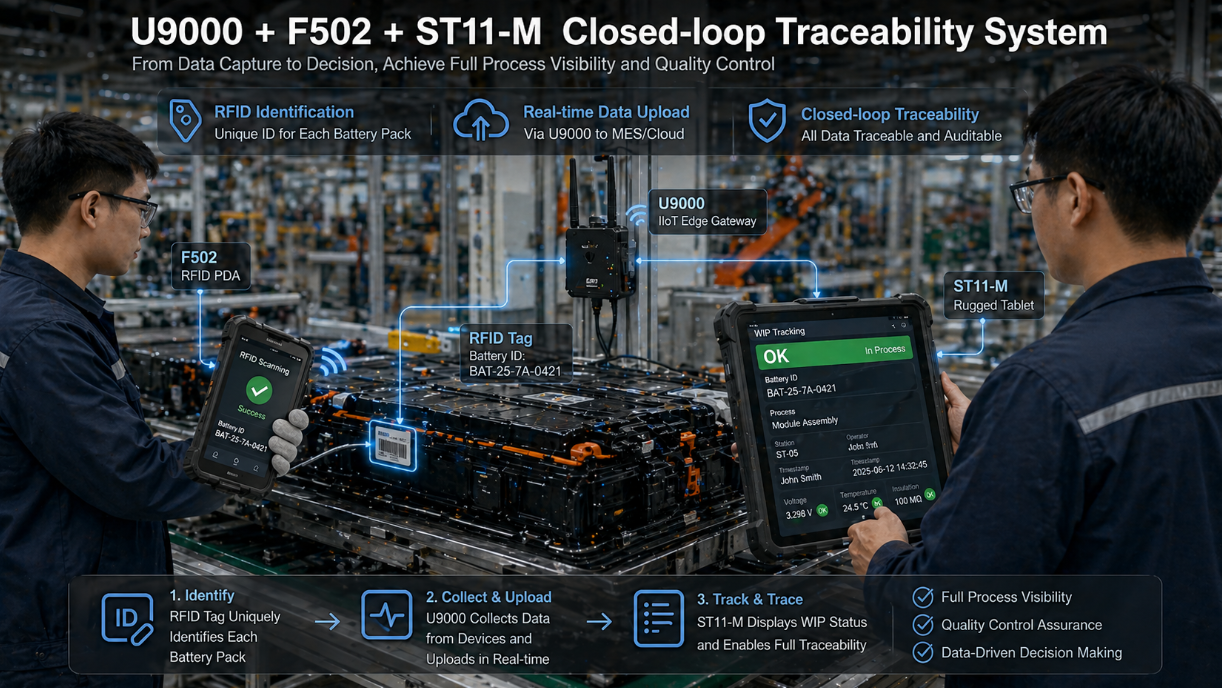
My View: EV battery production is growing at a frantic pace – 50% year‑on‑year – yet many gigafactories still track work‑in‑process (WIP) with paper tags and clipboards. A single misplaced battery module can delay a production line for hours. A missing quality record can trigger a recall of thousands of vehicles. In a industry with zero margin for error, analog tracking is a business risk you cannot afford.
By HOTUS Technology | April 2026
The electric vehicle revolution is accelerating. Global EV sales passed 20 million units in 2025, and battery demand is growing at 50% annually. Gigafactories are being built at an unprecedented rate – CATL, BYD, LG Energy Solution, and Panasonic are all expanding capacity. By 2030, annual battery production is expected to exceed 4,000 GWh.
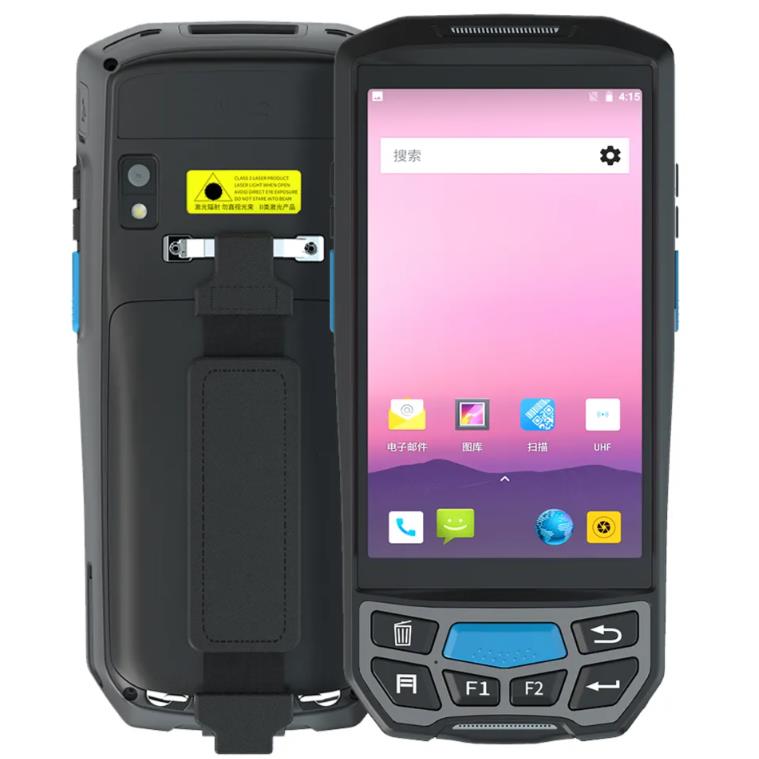
Fig 1 – Hotus U9000: scanning battery modules for real‑time work‑in‑process tracking
Yet inside these factories, many WIP tracking systems are shockingly primitive. A battery cell moves through dozens of process steps: electrode coating, stacking, electrolyte filling, formation, aging, and final assembly. Each step requires serial number scanning, test data logging, and quality verification. When those steps are recorded on paper or scanned with slow consumer barcode readers, errors accumulate. A misplaced module can cause a line stoppage. A missed test can lead to a dangerous battery later.
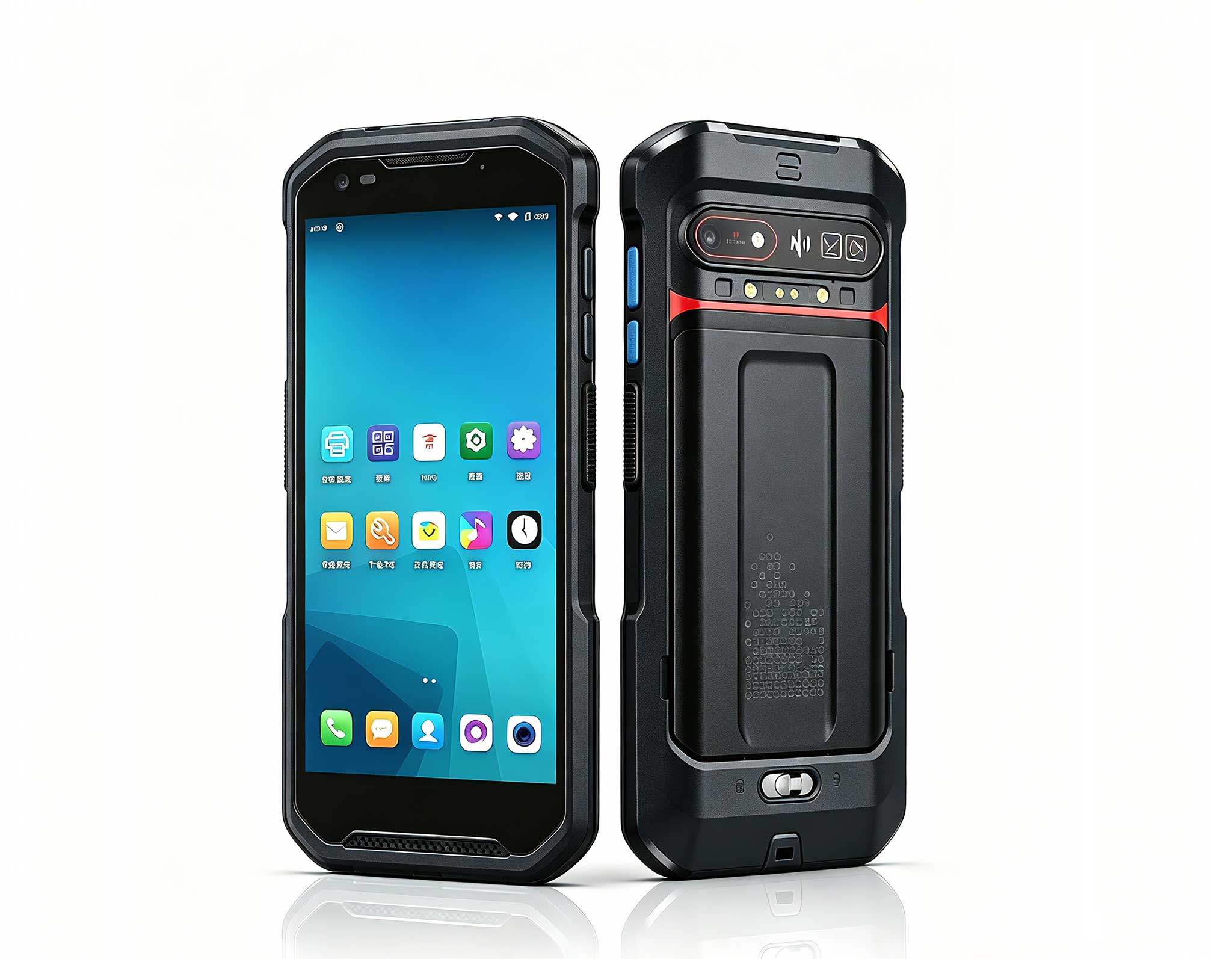
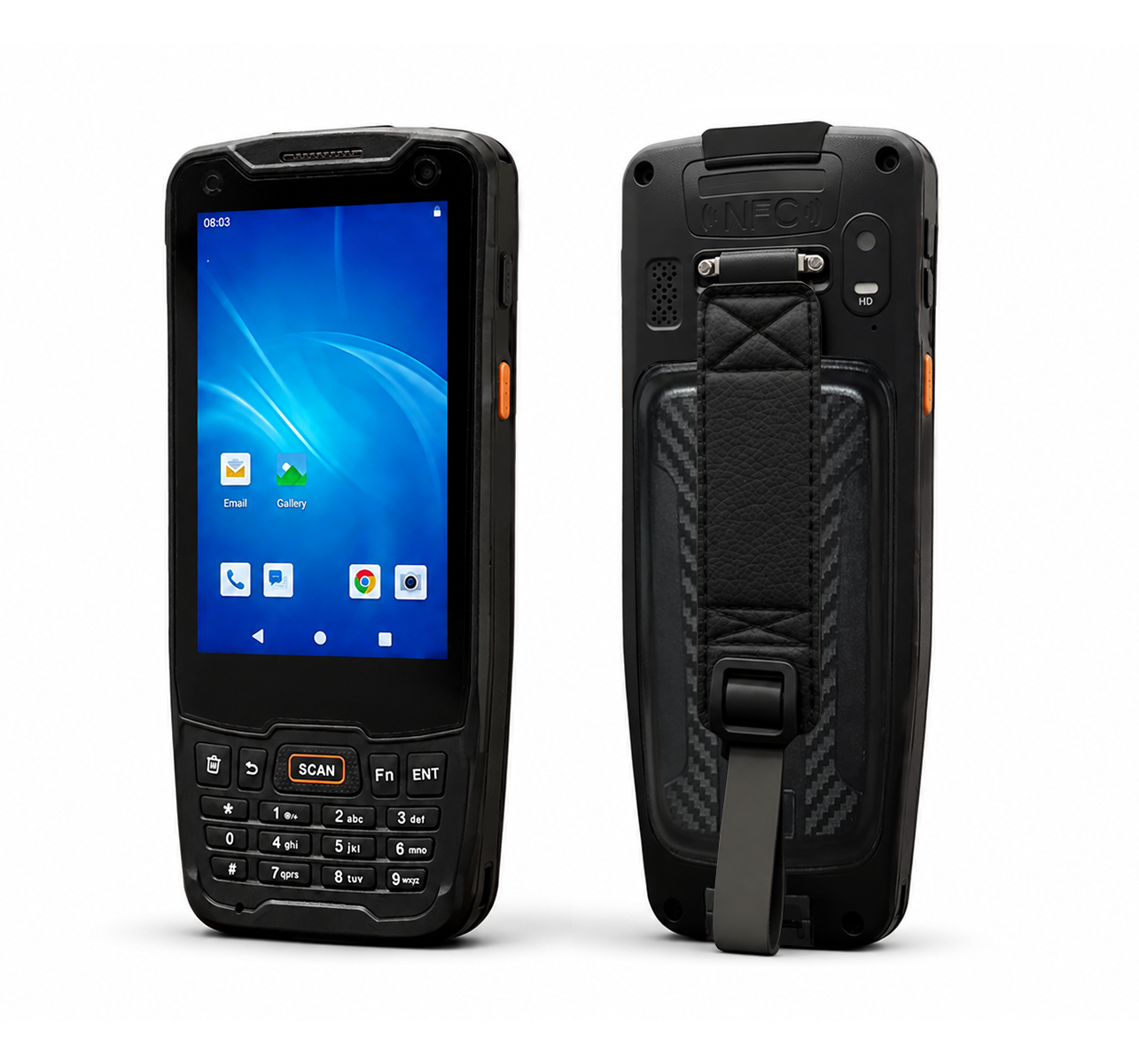
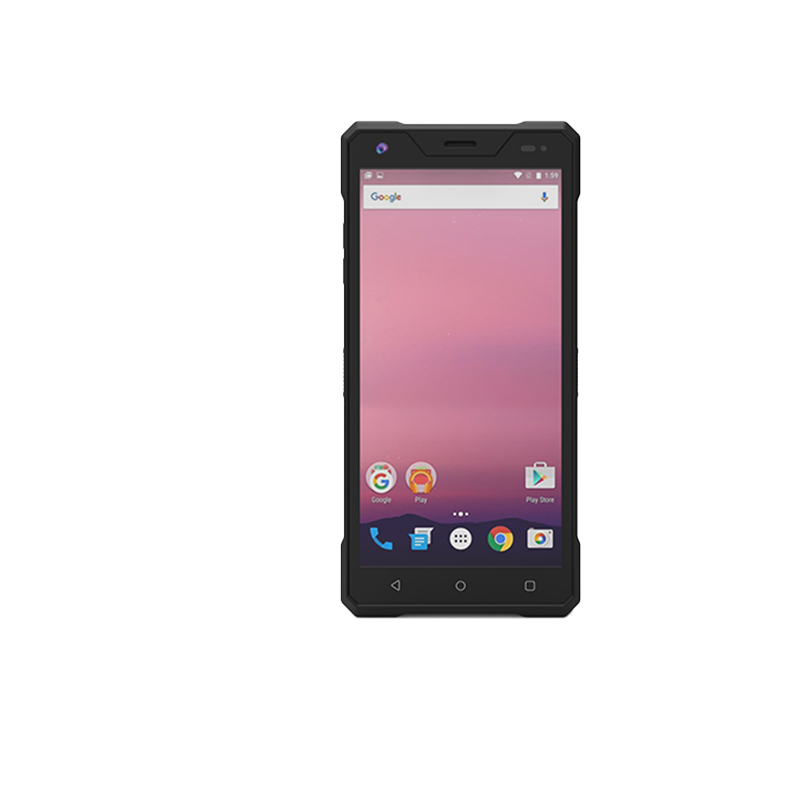
The Hotus U9000 Handheld PDA is built for high‑speed, high‑reliability WIP tracking. It combines UHF RFID and high‑performance 1D/2D barcode scanning in an IP67‑rated, glove‑compatible device. A technician can wave the U9000 over a pallet of battery cells and instantly read all 200 serial numbers – no line‑of‑sight required. This reduces cycle counting time by 70% and eliminates manual entry errors.
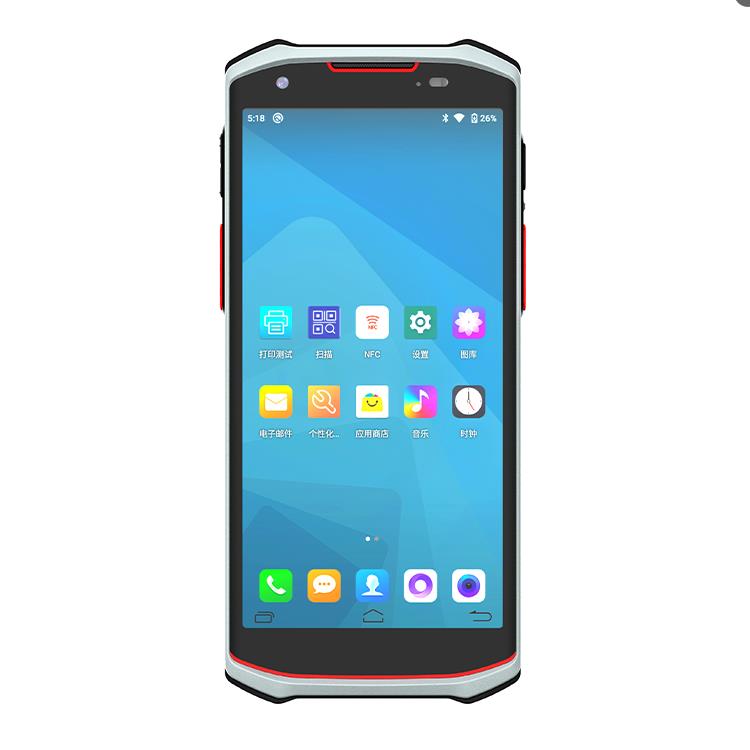
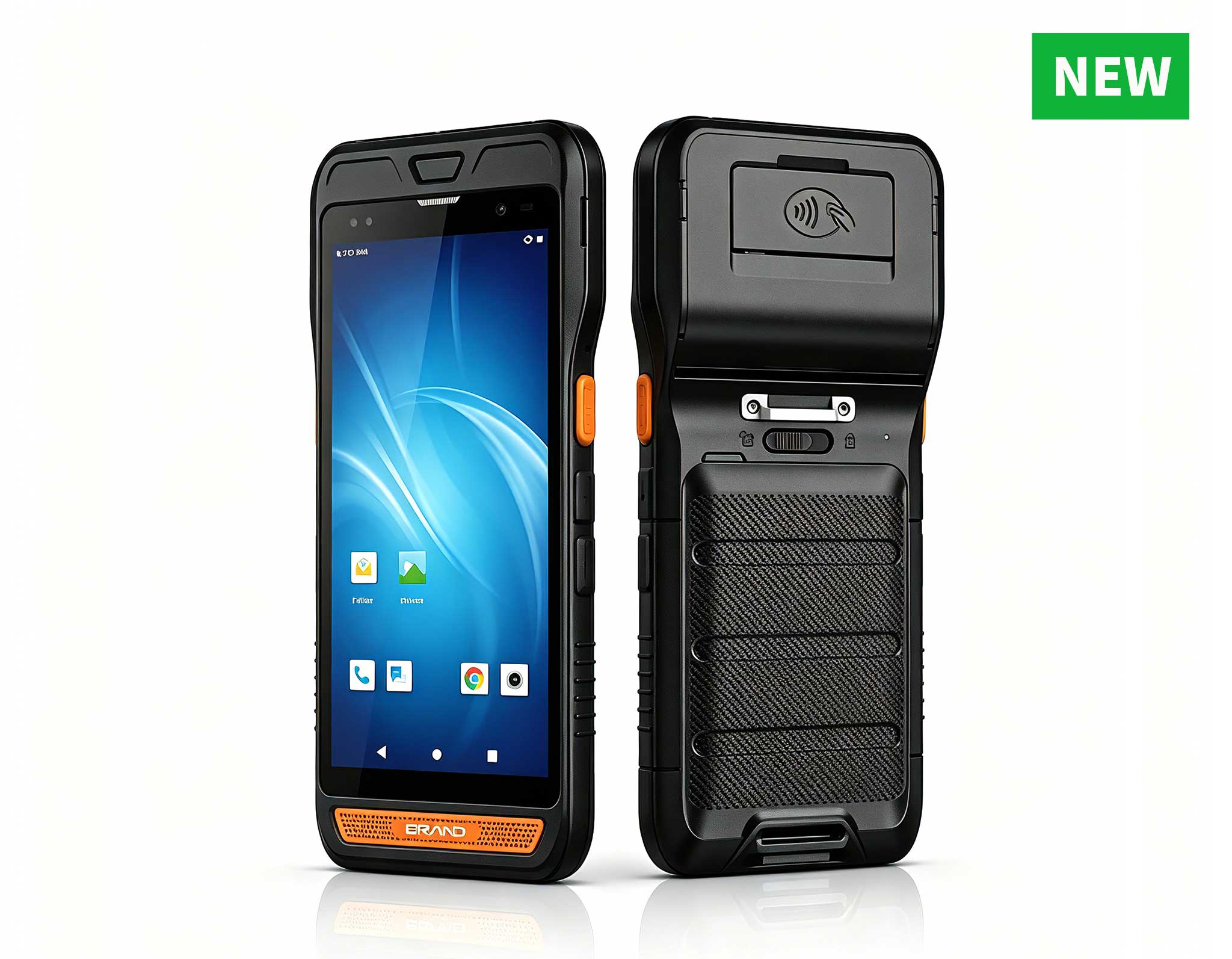
Fig 2 – Hotus F502: traceability of electrolyte batches from receiving to mixing
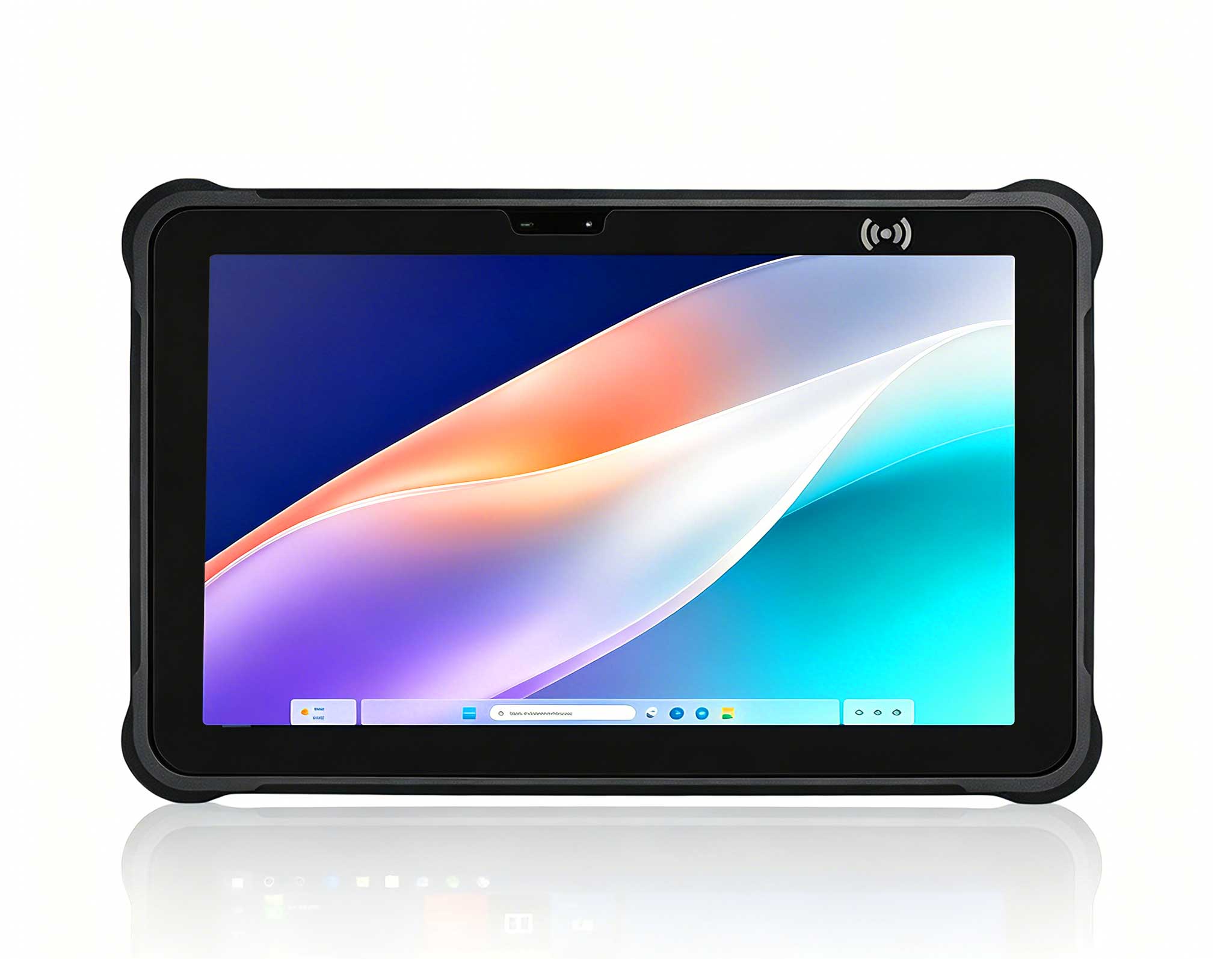
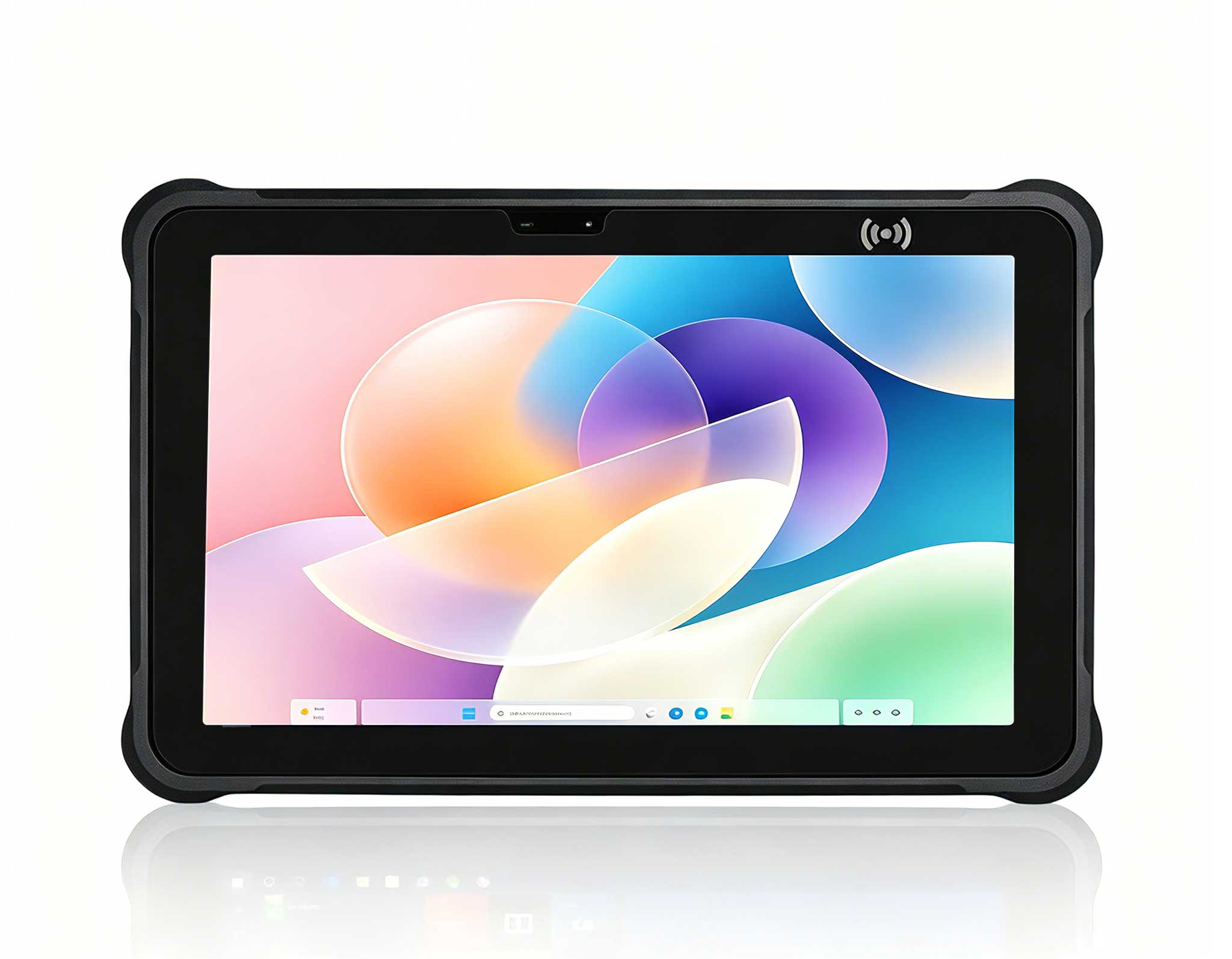
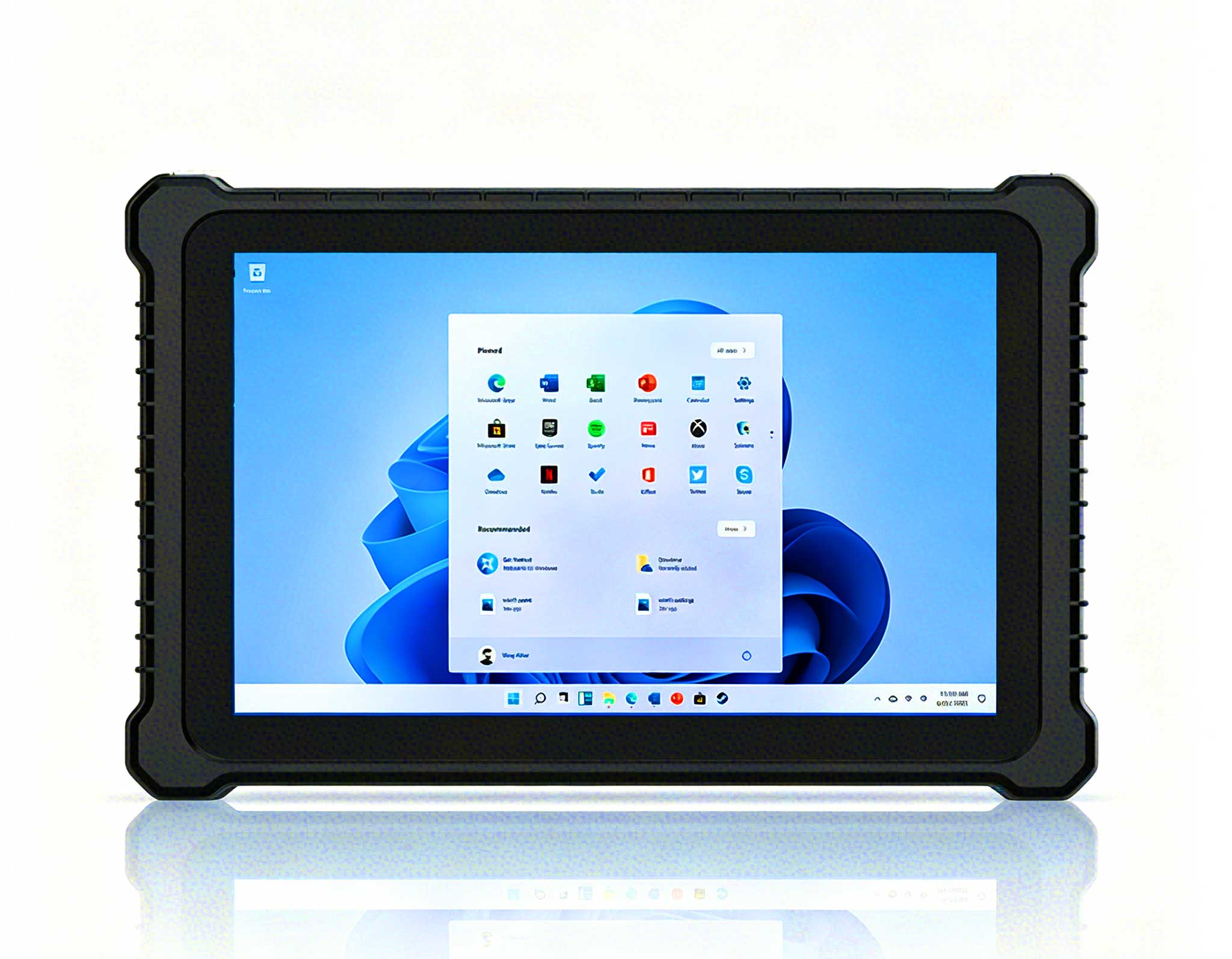
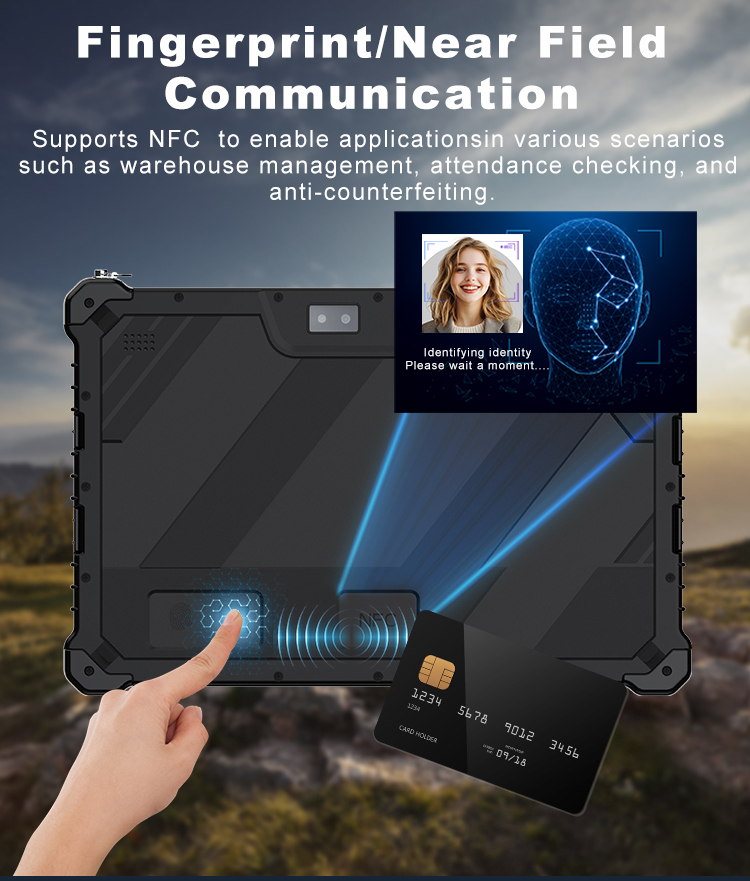
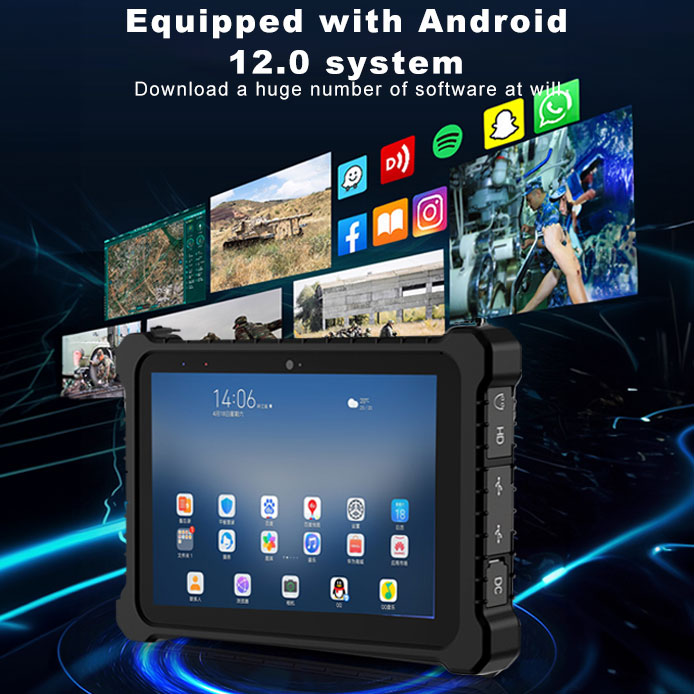
For superintendents, the Hotus ST11‑M 10.1″ Windows rugged tablet provides a real‑time WIP dashboard. The ST11‑M‘s high‑brightness display works in the intense lighting of a dry room. Its sanitizable housing withstands alcohol wipes, critical for battery production cleanliness. Windows 11 Pro runs native manufacturing execution systems (MES) like Siemens Opcenter or Rockwell PharmaSuite.
The combination of U9000 PDA and ST11‑M tablet creates a closed‑loop traceability system. When a battery later fails in field testing, the tablet can trace back to which cell batch, which forming machine, which operator, and which test result. That turns a potential multi‑million‑dollar recall into a surgical replacement of a few dozen cells.
A battery gigafactory producing 100,000 cells per day deployed 200 U9000 PDAs and 50 ST11‑M tablets. After 12 months, WIP tracking accuracy improved from 89% to 99.5%. Misplaced modules – a costly problem – dropped by 85%. Cycle counting time fell from 4 hours to 1 hour per shift. When a defect was later traced to a specific electrolyte batch, the system identified all affected cells in under 10 minutes. The recall cost was reduced by an estimated 60%.
The EV battery industry is growing too fast to rely on manual WIP tracking. Digitization is not a luxury – it’s a capacity enabler. The U9000 and ST11‑M give you the speed, accuracy, and traceability you need to scale production safely.
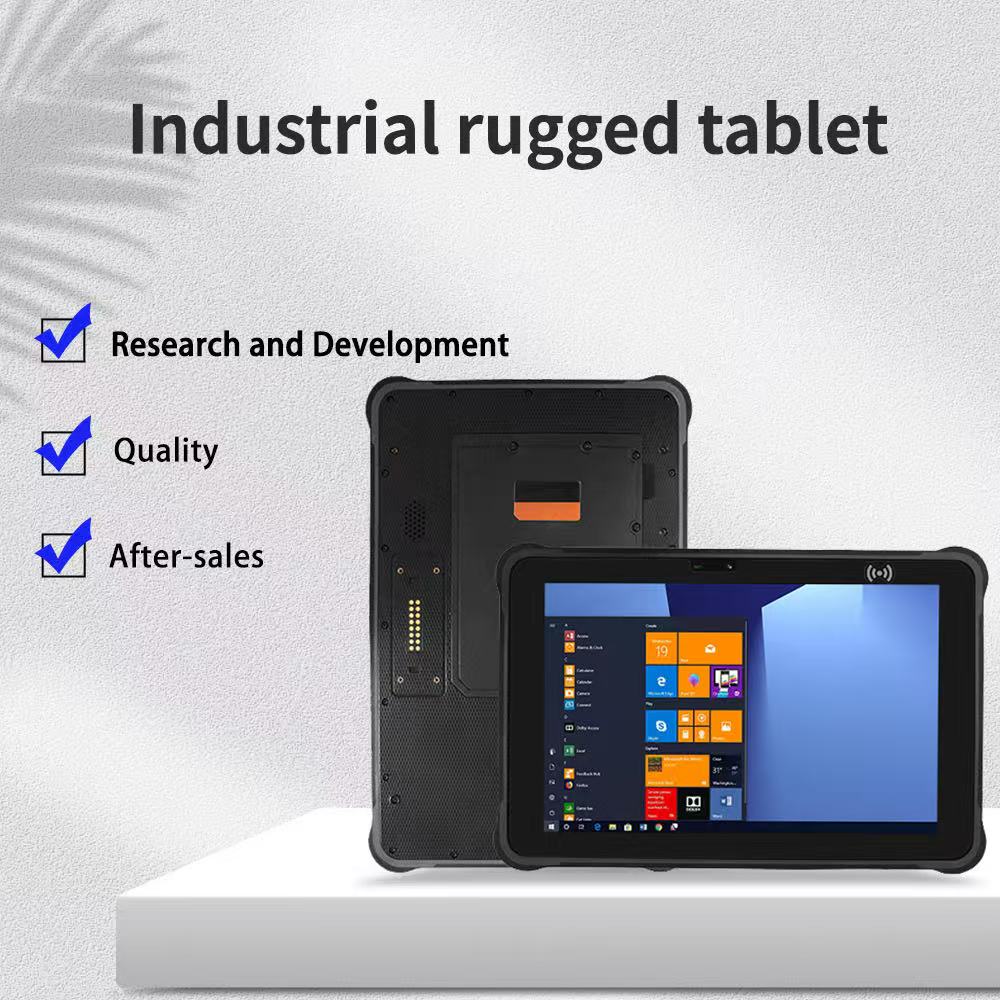
Fig 3 – Hotus ST11‑M: real‑time WIP dashboard for battery cell production lines
Contact HOTUS Technology to discuss your EV battery traceability needs, request U9000 PDA pilots, or explore ST11‑M tablets for gigafactory WIP management.