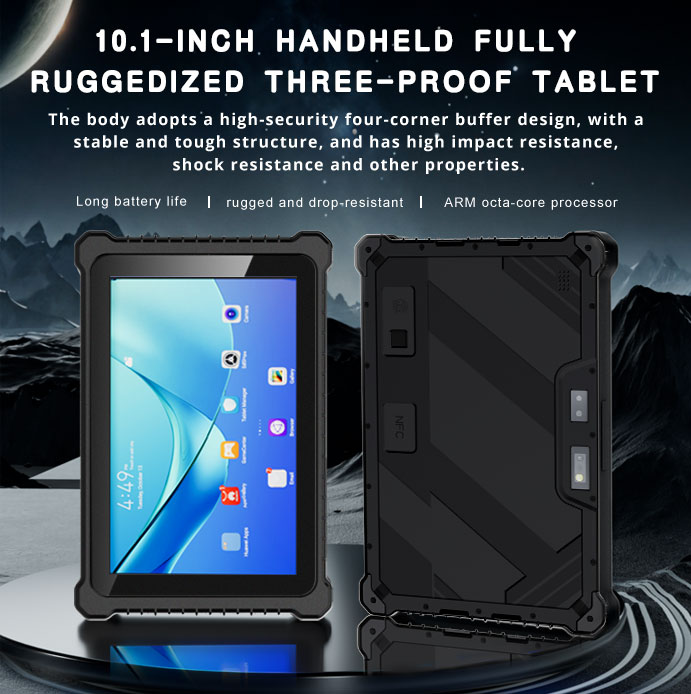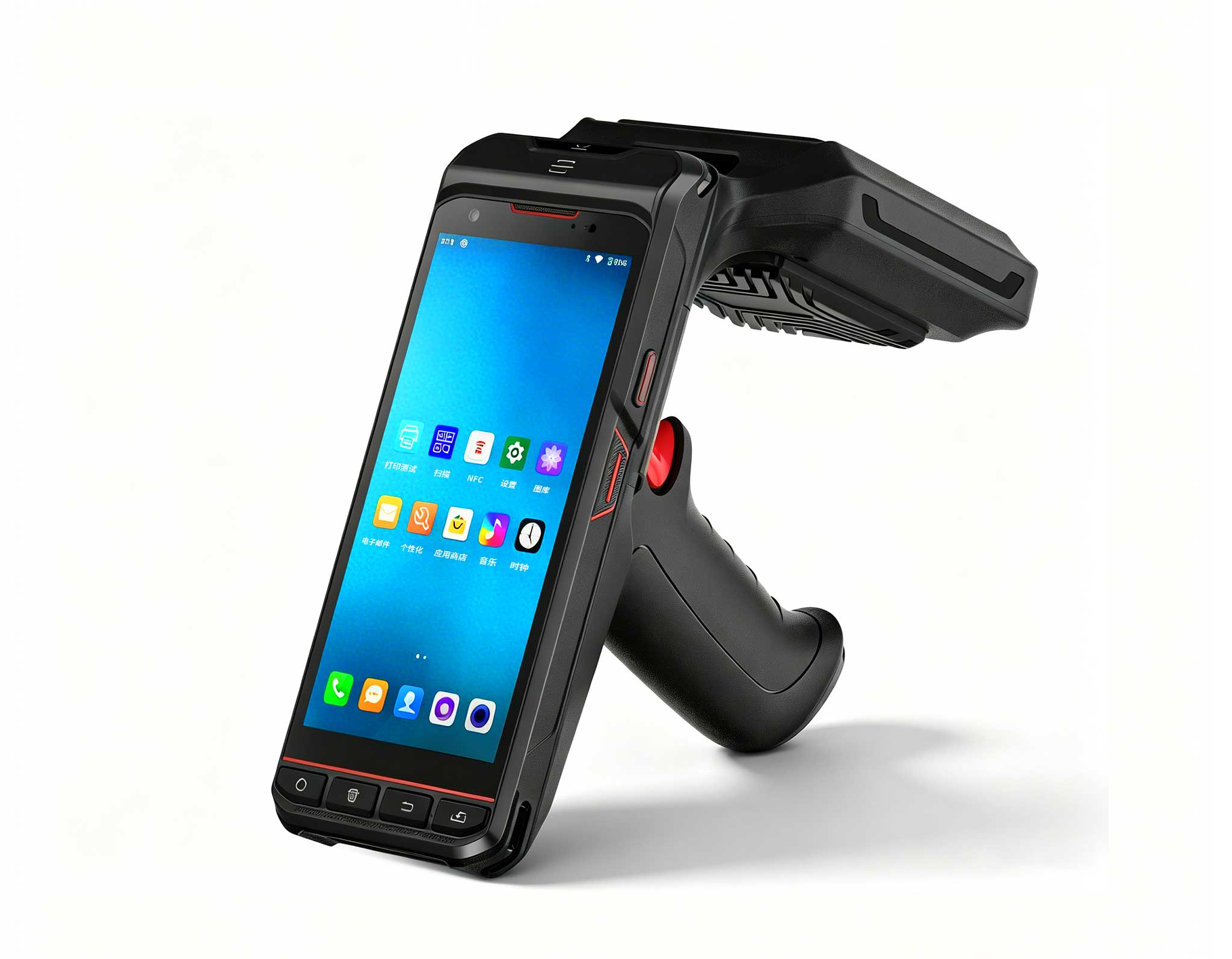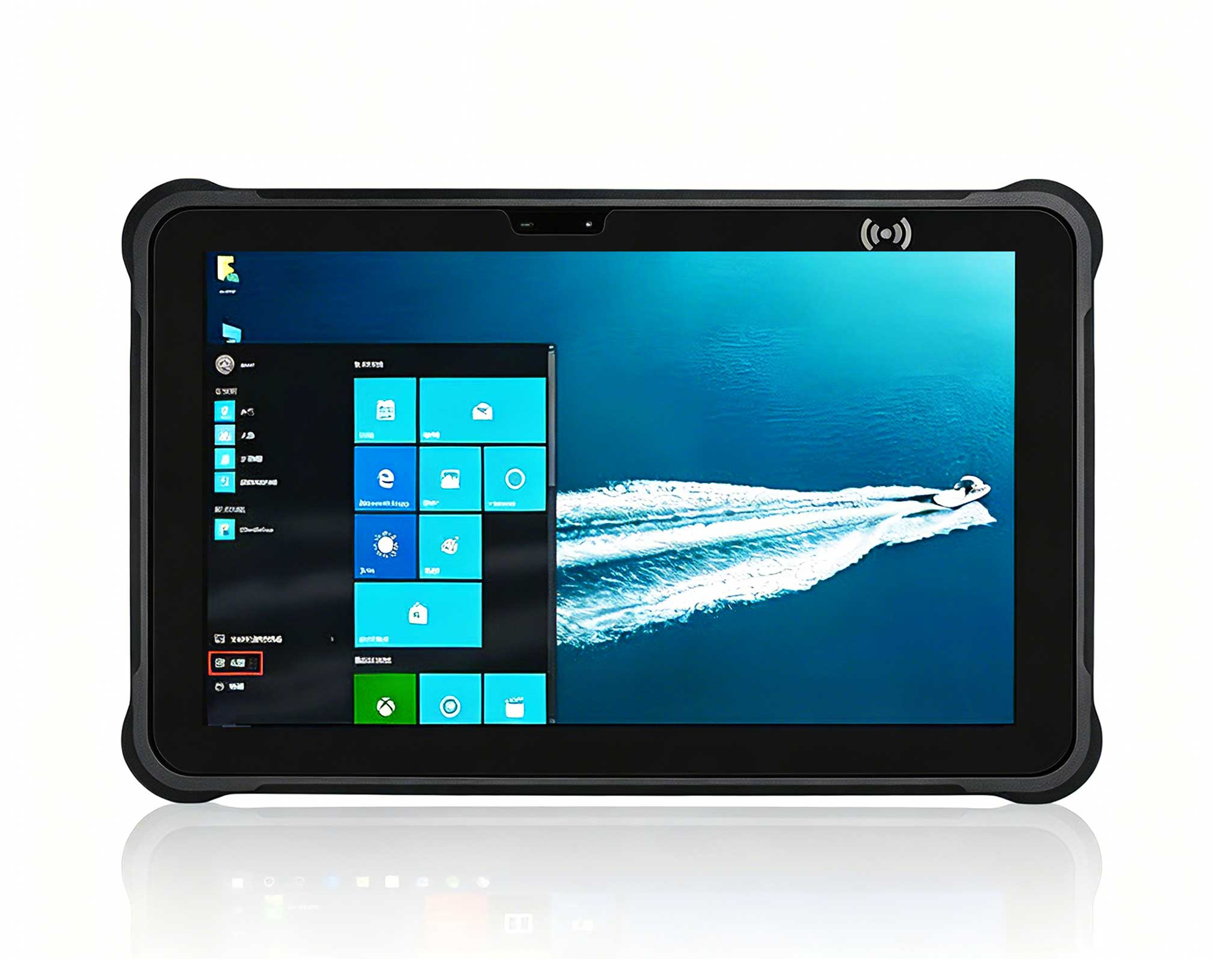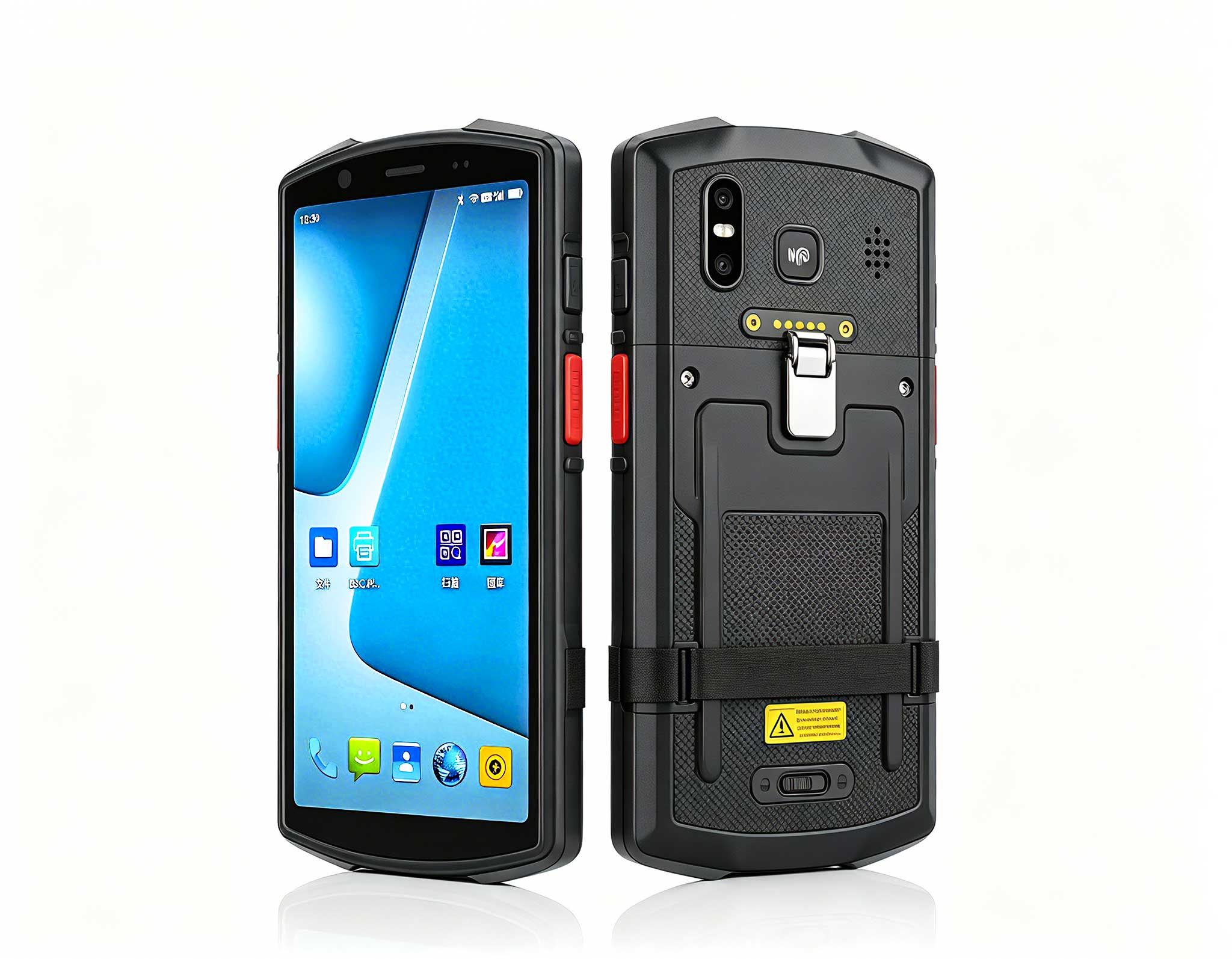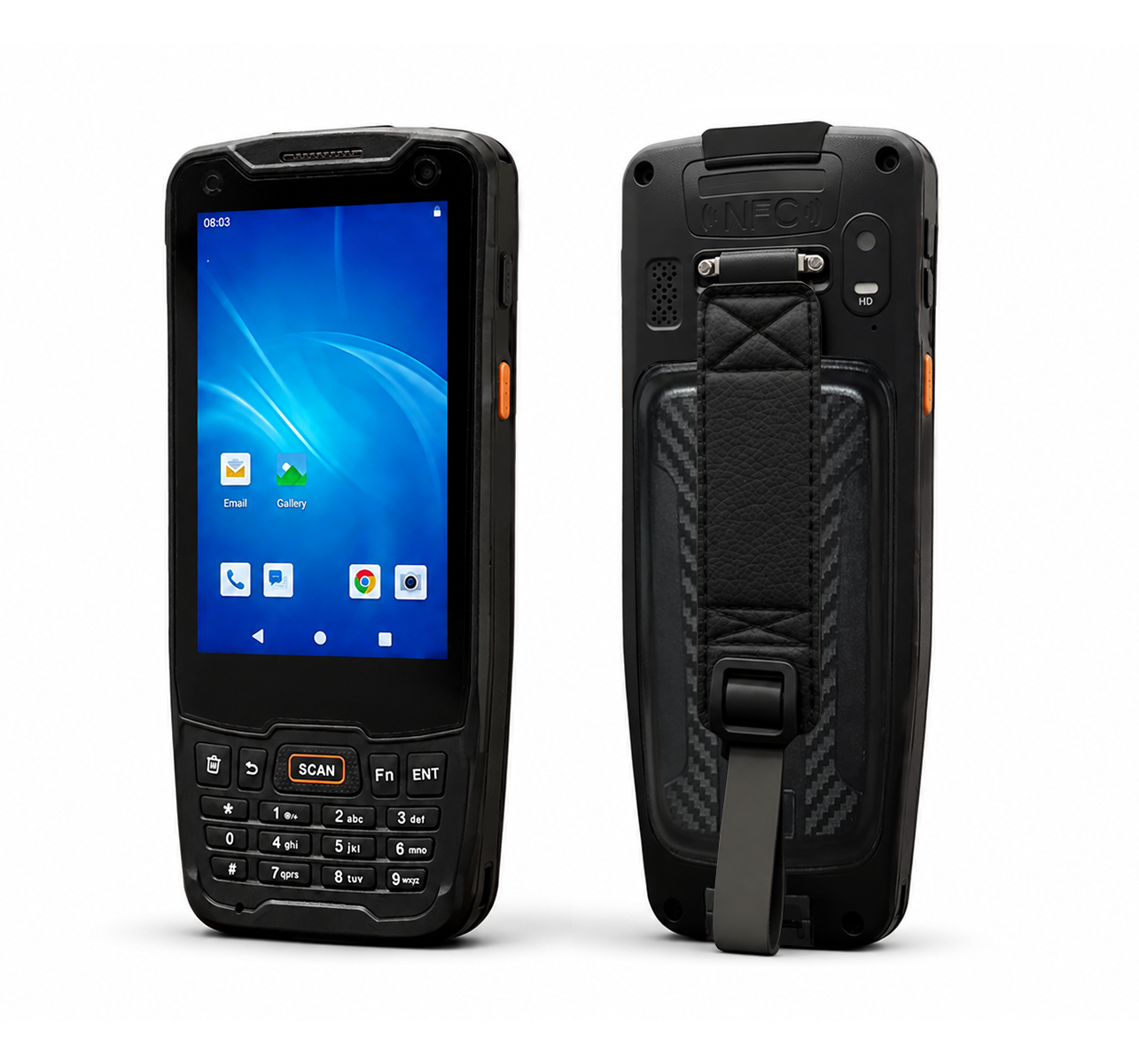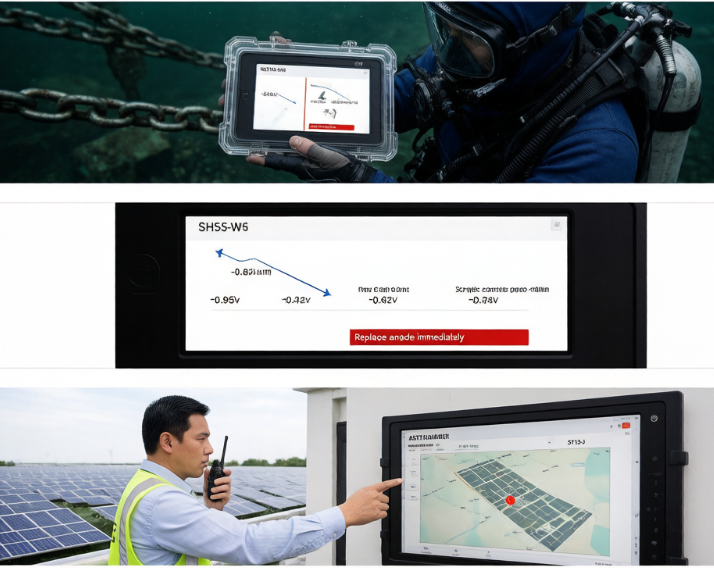
Field Engineer utilizing a HOTUS SH6 subsea-rated handheld to verify cathodic protection potential on deep-water anchor chains.
The Silent Crisis in Floating Solar Integrity
Global floating solar (FPV) assets face a hidden degradation: anchor chain corrosion rates are exceeding initial design models by 180% in high-salinity environments. Relying on "visual inspection" of zinc anodes is a high-stakes gamble. When a chain snaps, the entire array is at risk. Real-time potential logging via subsea-rated Windows tablets is no longer a luxury—it is the only way to prove your asset is protected beneath the waterline.
Beyond Visual Guesstimation: Why Floating Solar Anchor Cathodic Protection Requires Digital Potential Logging
Technical Report by HOTUS Industrial Computing Division | Updated May 2026
The Failure of "Eye-Ball" Inspections in FPV Assets
As floating solar farms scale into the megawatt and gigawatt range, the structural focus shifts from the panels to the mooring systems. These systems stay submerged for decades, subjected to constant mechanical stress and aggressive electrochemical attacks. The industry standard for preventing steel loss is Galvanic Cathodic Protection (GCP) using sacrificial zinc or aluminum anodes.
However, the offshore industry is learning a hard lesson: Anode presence does not equal protection. A diver may report a zinc block is "50% remaining," but if that anode has developed a high-resistance passivation layer or if the electrical continuity to the chain is compromised, the steel is actively pitting. Without a quantitative voltage reading—specifically the potential difference between the steel and the seawater—the operator is essentially flying blind.
Technical Standard: The -850mV Threshold
To ensure absolute protection in seawater, the potential of the steel mooring components must be shifted to a more negative value than its natural open-circuit potential. Using a Copper/Copper-Sulfate (Cu/CuSO4) or Silver/Silver-Chloride (Ag/AgCl) reference electrode, the digital data logged on a Hotus SH6 Windows rugged handheld provides the following critical diagnostics:
- Target Protected Zone: Readings more negative than -850mV indicate the steel is fully polarized and corrosion has ceased.
- Marginal Risk Zone: Readings between -750mV and -850mV suggest the anodes are nearing the end of their life or current demand has increased due to coating failure.
- Active Corrosion Zone: Readings less negative than -750mV confirm that the anchor chain is sacrificing itself. Structural integrity is being lost every hour.
The Hardware Gap: Why Standard Tablets Fail Subsea
Logging this data traditionally involved a diver shouting numbers through a comms-link to a surface officer holding a clipboard. Errors are frequent, and GPS synchronization is non-existent. Moving to a digital workflow requires a device that can survive the splash zone and integrate directly with multi-meter peripherals.
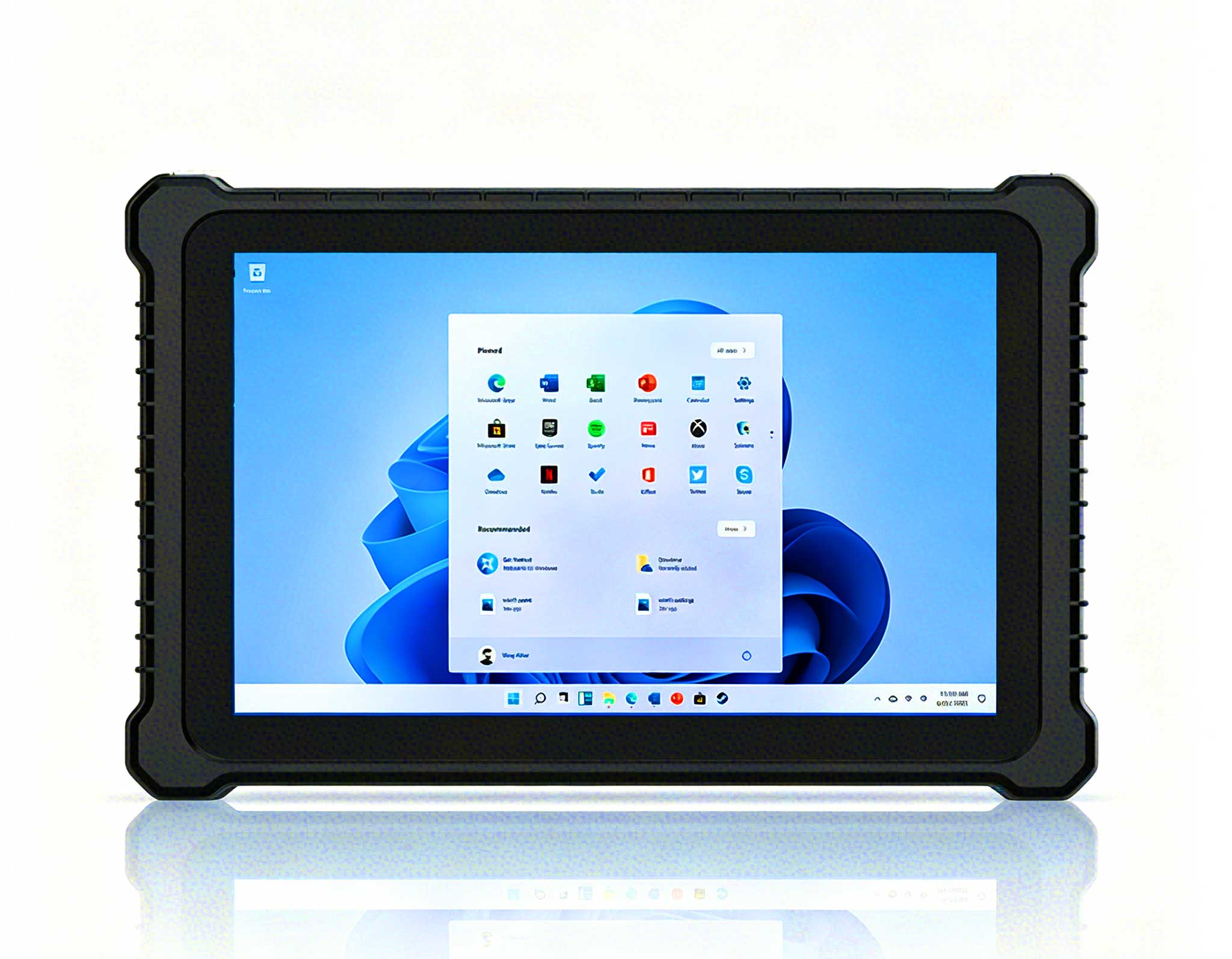
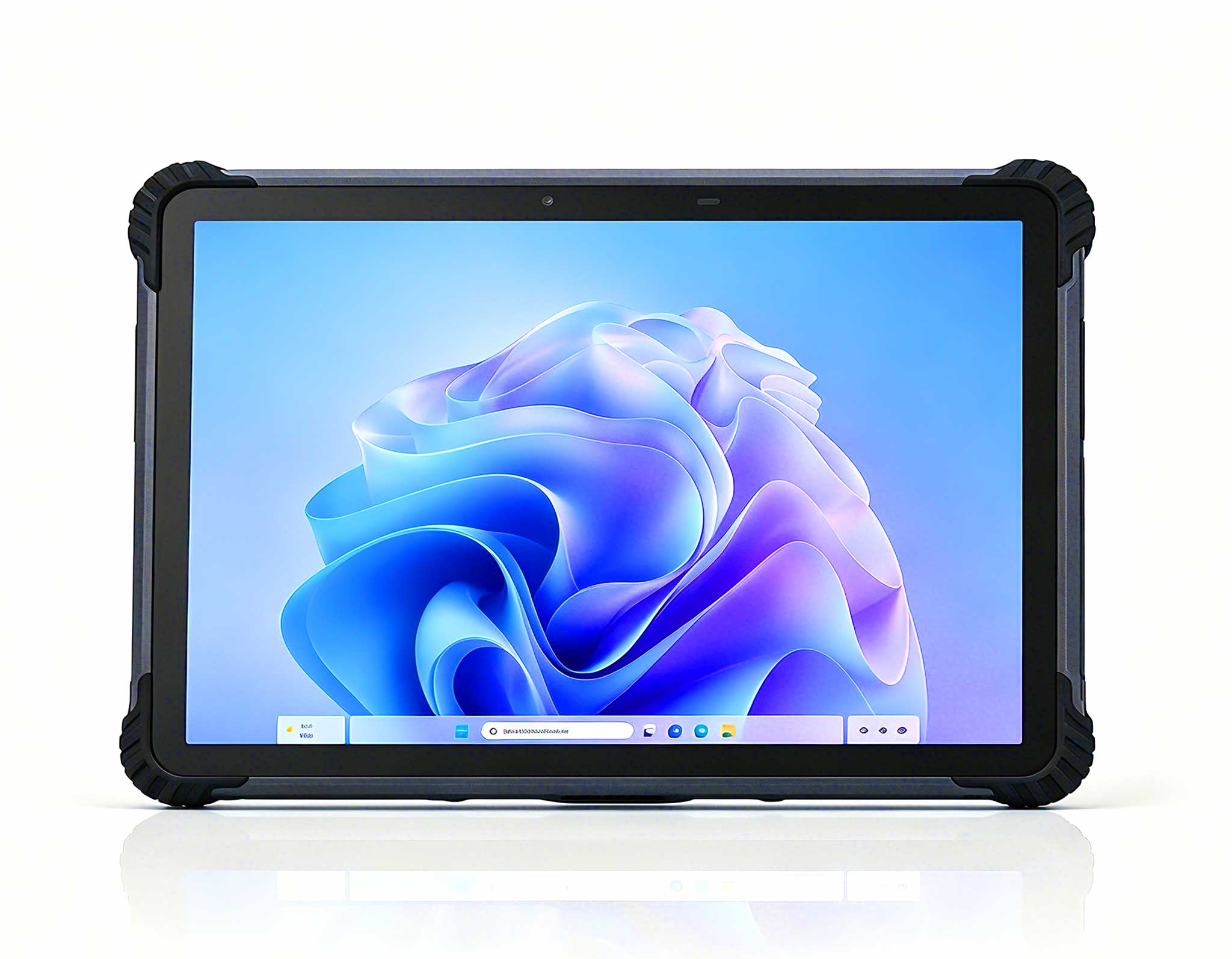
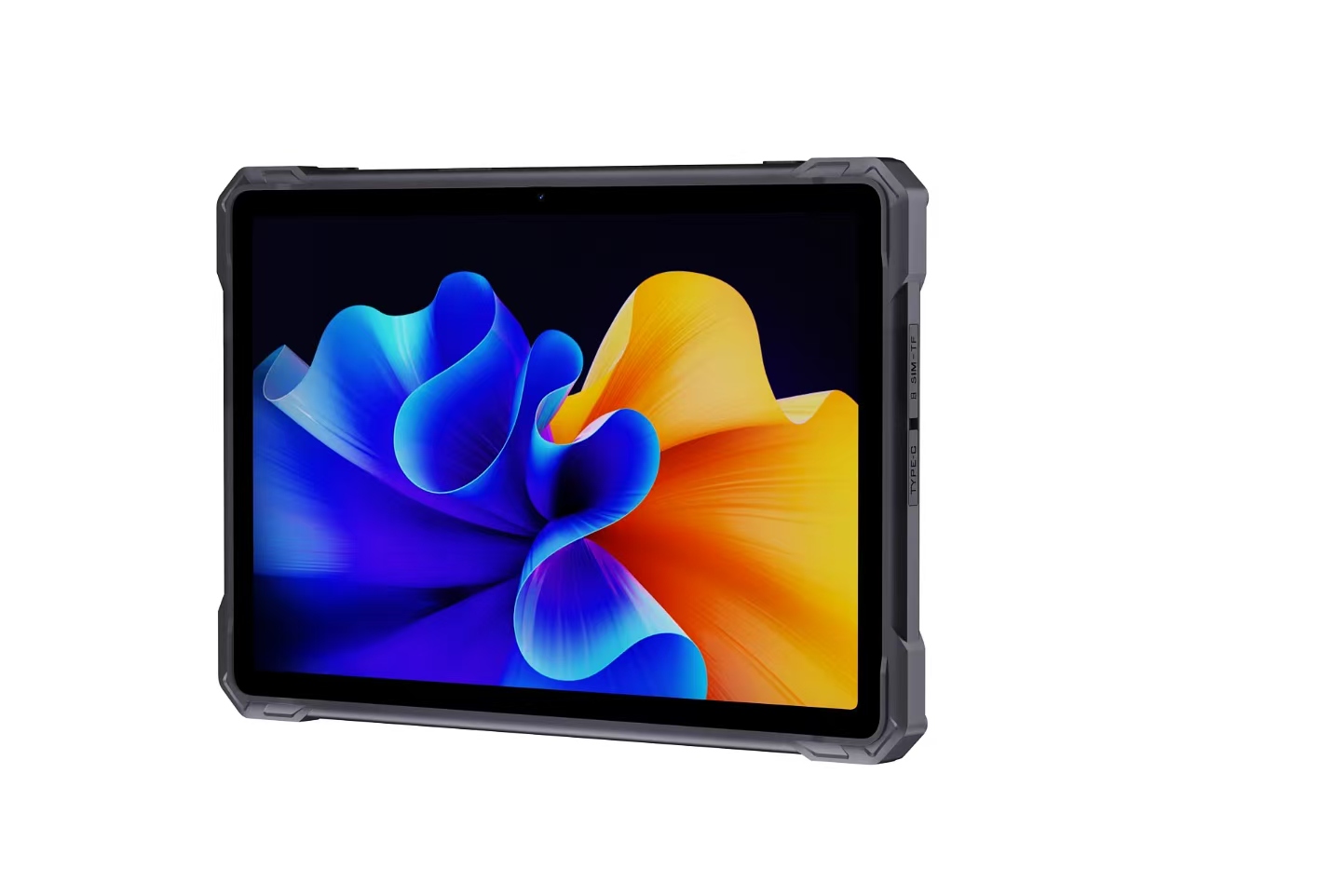
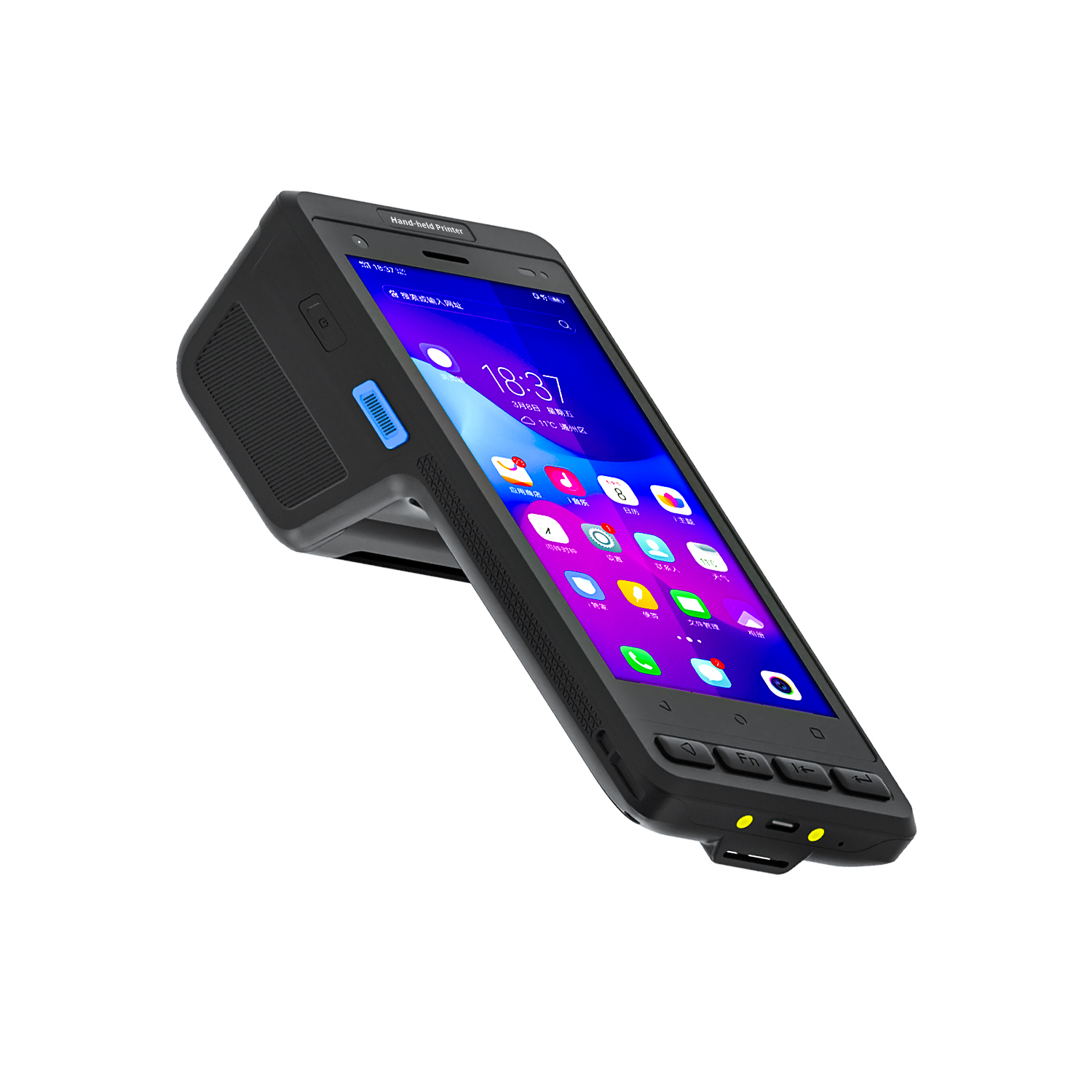
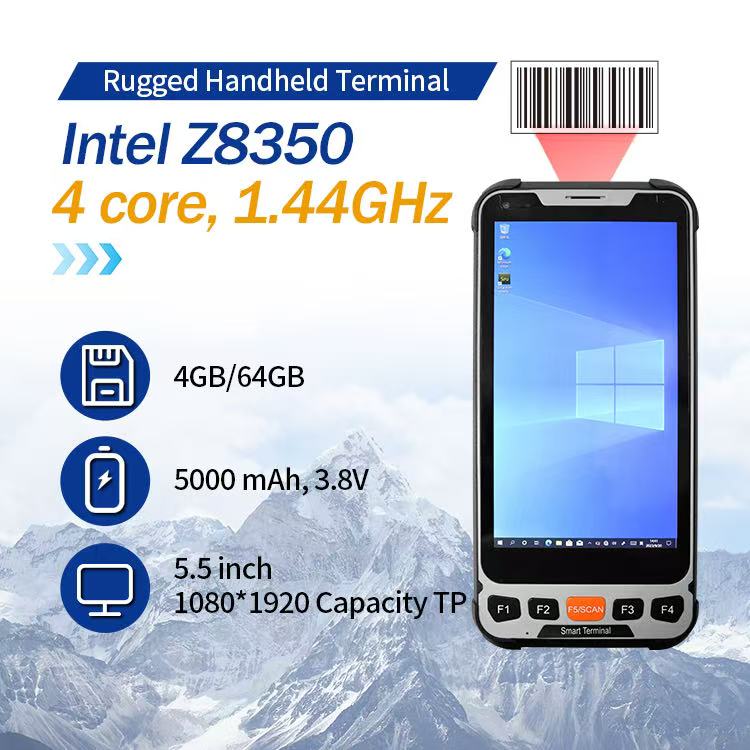
The HOTUS SH6 and SH5-W handhelds bridge this gap. Encased in specialized IP68 housings with waterproof I/O ports, these devices allow the reference electrode to plug directly into the tablet. The Windows-based architecture runs full-scale Asset Integrity Management (AIM) software, allowing the diver to see real-time voltage curves as they move the probe along the anchor chain. This immediate feedback ensures that "dead spots" in protection are identified instantly, not weeks later during a report review.
The SH5-W interface displaying a 12-month potential trend: A clear visualization of declining anode performance before physical failure occurs.
ST13-J: The Command Center for FPV Maintenance
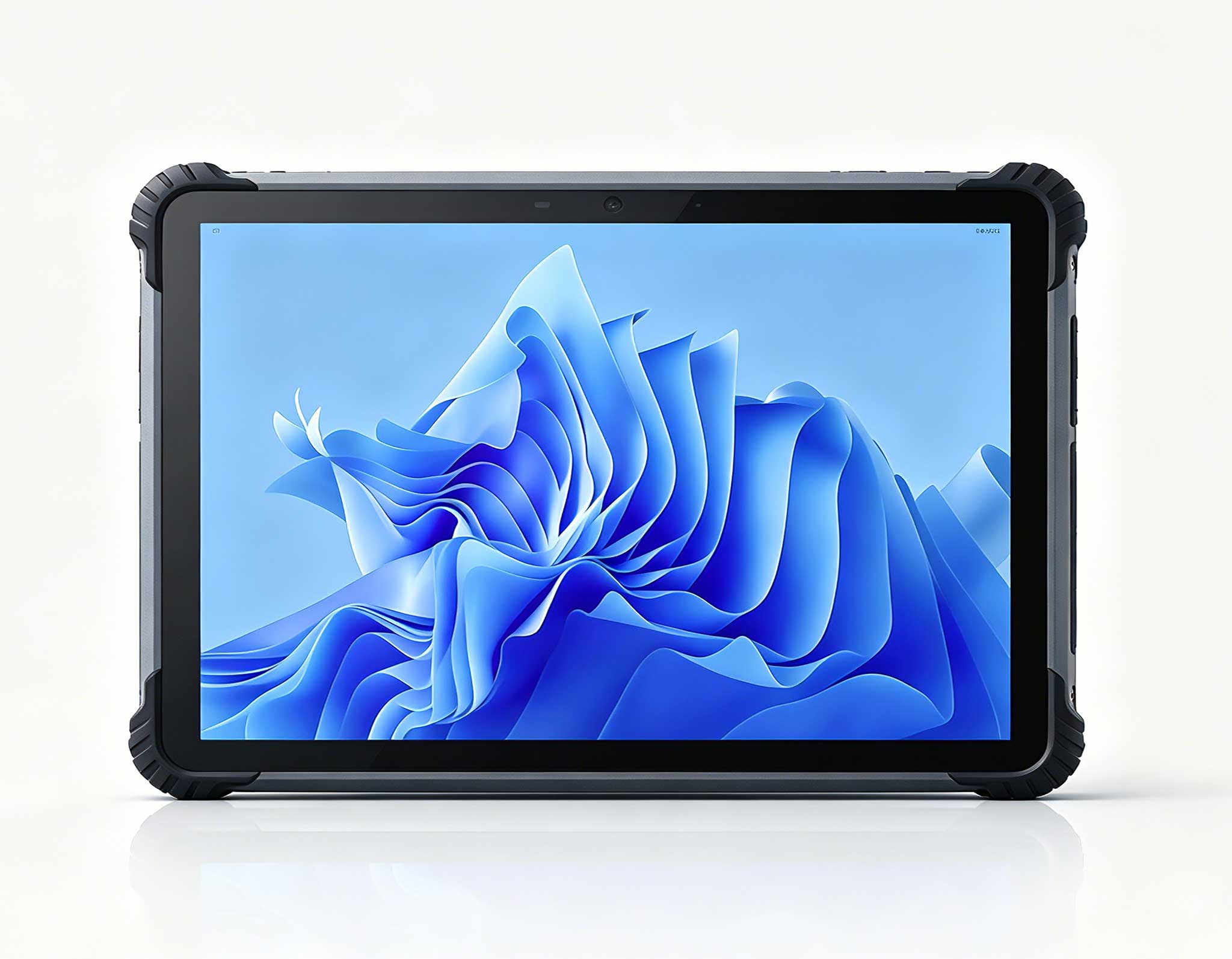
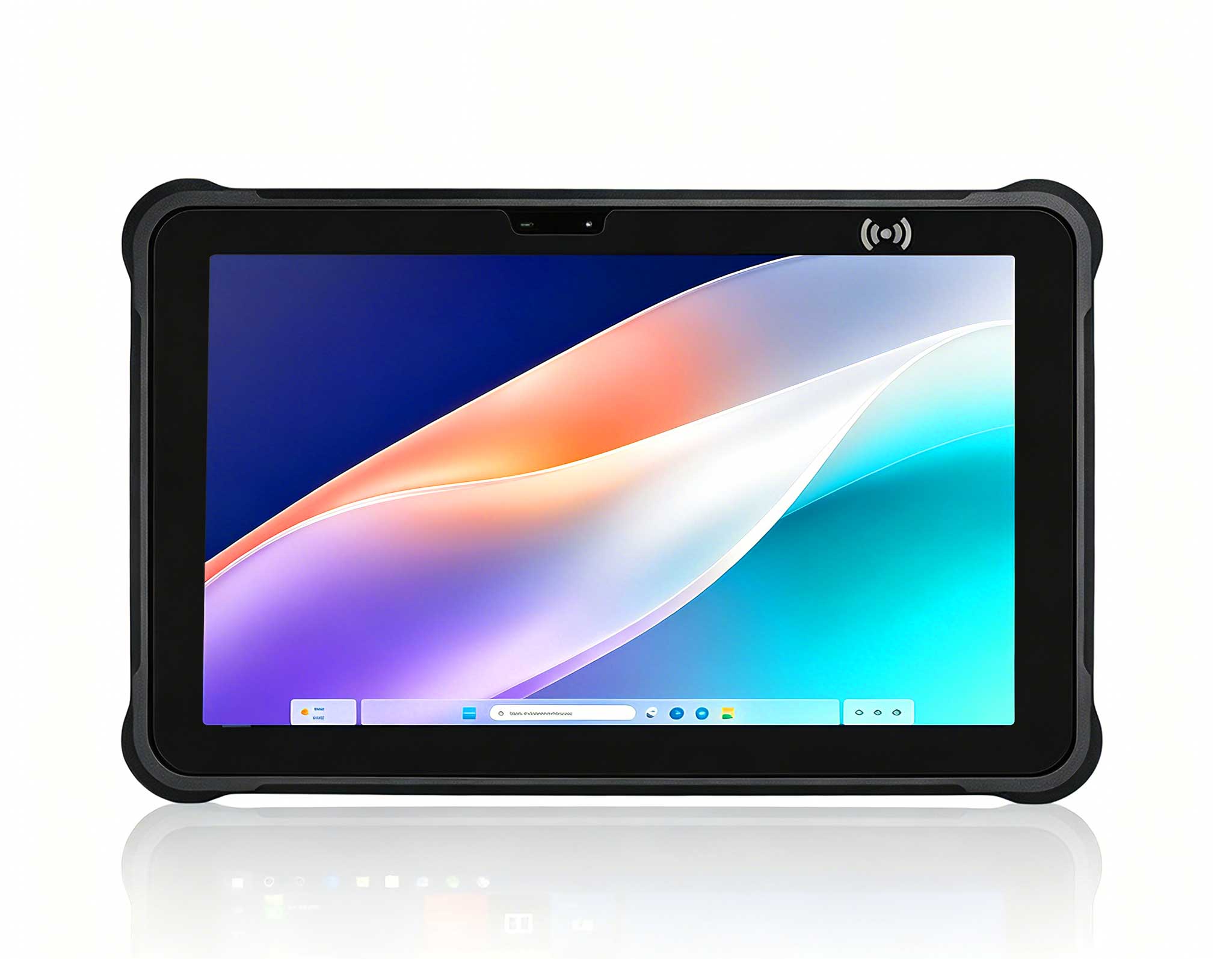
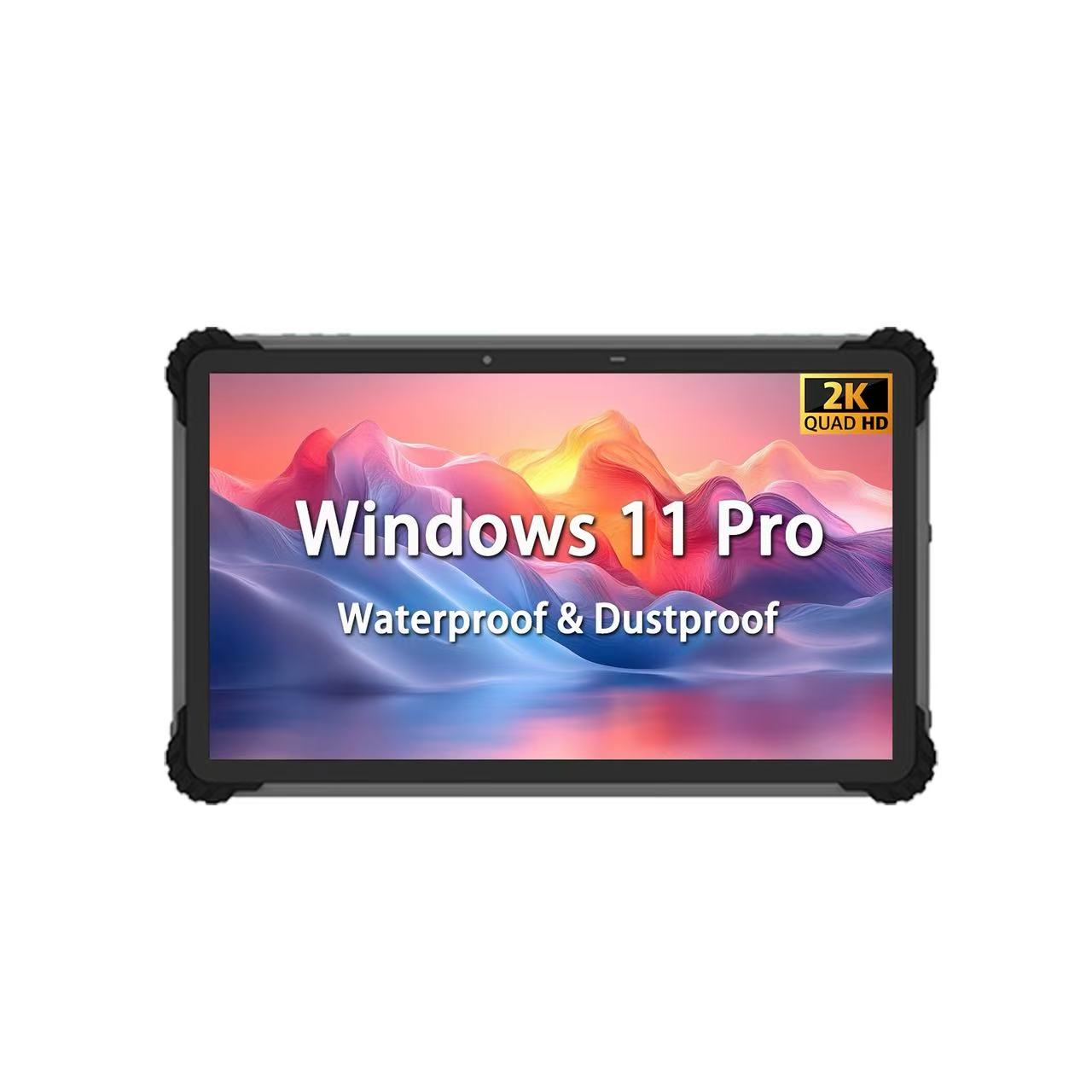
While the divers work below, the asset manager requires a macro view. The Hotus ST13-J 13.3" Windows Rugged Tablet is the centralized hub for this data. With high-brightness sunlight-readable screens (1000+ nits) and 5G connectivity, it aggregates the logs from every SH6 unit in the field.
The ST13-J doesn't just store numbers; it creates a Heat Map of Corrosion Risk across the entire floating solar array. By correlating potential readings with GPS coordinates, the software highlights clusters where environmental factors—such as local currents or higher salinity—are depleting anodes faster than the rest of the field. This allows for "Surgical Maintenance"—replacing only the anodes that are failing, rather than a costly blanket replacement of thousands of units.
Case Study: Preventing a $1.5M Mooring Failure
In a recent deployment at a 100MW offshore floating solar facility in Southeast Asia, the operator shifted from visual-only inspections to a HOTUS-led digital potential logging protocol. During the first quarterly audit using the SH6 handhelds, the team discovered that 12% of the anchors in the western quadrant showed potentials of -720mV. Visually, the anodes looked "usable."
Upon closer inspection facilitated by the tablet's high-resolution camera and data logging, it was found that the stainless-steel fastening bolts had caused unexpected galvanic interference, effectively "disconnecting" the anodes. The proactive replacement of these fasteners and anodes cost less than 3% of what a single anchor chain snap and subsequent array collision would have cost. The data didn't just save money; it saved the project's insurance rating.
The ST13-J dashboard: Red markers indicate high-risk anchors where potential has dropped below the -750mV safety threshold.
Conclusion: Data as the Ultimate Shield
The transition from "inspect and hope" to "measure and know" is the hallmark of a mature renewable energy industry. Floating solar is a brilliant solution to land scarcity, but it demands a higher standard of subsea maintenance. By integrating subsea-rated Windows tablets into your diving and ROV workflows, you turn invisible electrochemical processes into actionable management data.
Don't wait for a storm to reveal a corroded chain. Equip your maintenance teams with the HOTUS SH6, SH5-W, and ST13-J. Ensure your anchors remain anchored, and your investment remains secure for its full 25-year design life.
Protect Your Floating Solar Infrastructure Today
Ready to upgrade your cathodic protection monitoring? Our technical team can help you configure the right subsea-rated tablet solution for your specific environment.
Contact HOTUS Technical SupportExplore our full range of Industrial Rugged Tablets and Subsea Handhelds.