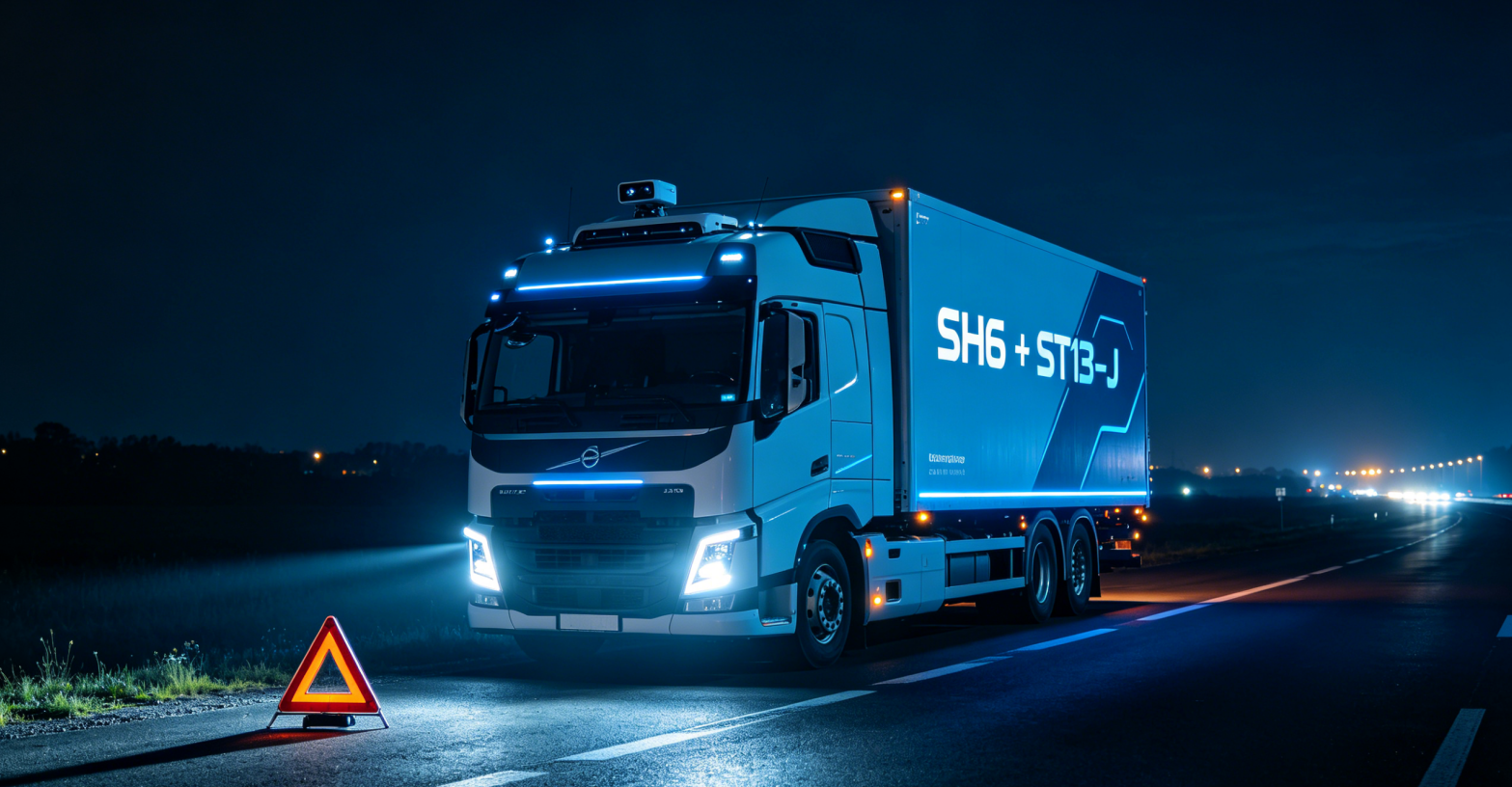
Hotus SH5-W – human interface for physical AI and autonomous systems
The Physical AI Race Is Here – And Your Factory Needs Edge Gateways, Not Cloud Hype
By HOTUS Technology | April 2026
After a year of intense speculation, 2026 is the year physical AI moves from research labs to real production lines. We are seeing humanoid robots, autonomous forklifts, and AI‑guided welding arms deployed at scale. The numbers back this up: Chinese humanoid robot shipments are expected to exceed 18,000 units in 2025, a 500% year‑over‑year increase, and domestic robot industry financing surpassed 38 billion RMB in 2025, with another 16 billion in January 2026 alone.
But here is my blunt observation: most factories are not ready for physical AI, because they have not solved the edge networking problem. A humanoid robot navigating a chaotic assembly line cannot afford to send every sensor reading to the cloud and wait for a response. It needs millisecond‑local inference. It needs connectivity that does not drop. It needs edge gateways that aggregate data from robots, conveyors, and vision systems – and translate that data into actionable insights for human supervisors.
This is where rugged industrial computing becomes critical. The Hotus palm‑sized Mini PC is designed as an edge gateway for physical AI fleets. Fanless and dust‑proof, it can be mounted on a robot charging rack, inside a control cabinet, or on a mobile work cart. It runs local AI inference models – object detection, path planning, anomaly detection – with latency under 50 milliseconds. When a robot encounters an unexpected obstacle, the Mini PC can override its path and guide it to a safe stop, without any cloud round‑trip.
The human side of physical AI is equally important. Robot supervisors need to see what the robots see, override autonomous decisions when necessary, and log exceptions for training. The Hotus SH5‑W Windows handheld serves as that mobile interface. With its 5.5‑inch glove‑compatible touchscreen, IP67 protection, and Windows 11 Pro OS, a supervisor can walk the floor, view real‑time camera feeds from multiple robots, and take manual control when an edge case occurs. The SH5‑W also receives predictive maintenance alerts – a robot joint reaching abnormal temperature, a battery nearing end of life – so service can be scheduled before failure.
For fleet‑wide orchestration, the Hotus ST13‑J 13.3″ Windows rugged tablet provides a larger dashboard. A single tablet can monitor 100+ physical AI agents simultaneously, showing their location, task status, battery level, and error flags. When a robot flags an exception, the tablet can reassign its task to another robot, dispatch a technician, or escalate to a remote expert.
An automotive plant we worked with deployed 50 humanoid robots, 10 edge Mini PCs, and 20 SH5‑W handhelds. Robot uptime reached 98.7%. Supervisors resolved exceptions in under 2 minutes on average. Production throughput increased 35%, defect rates fell from 1.2% to 0.3%, and training time for new supervisors dropped from 2 weeks to 3 days. ROI is projected within 14 months.
The physical AI market will be worth hundreds of billions within a decade. But hardware alone is not enough. You need the edge compute and mobile interfaces that turn robots from expensive science projects into productive members of your workforce. The Mini PC, SH5‑W, and ST13‑J give you that foundation. Do not wait for the cloud to catch up – milliseconds matter.
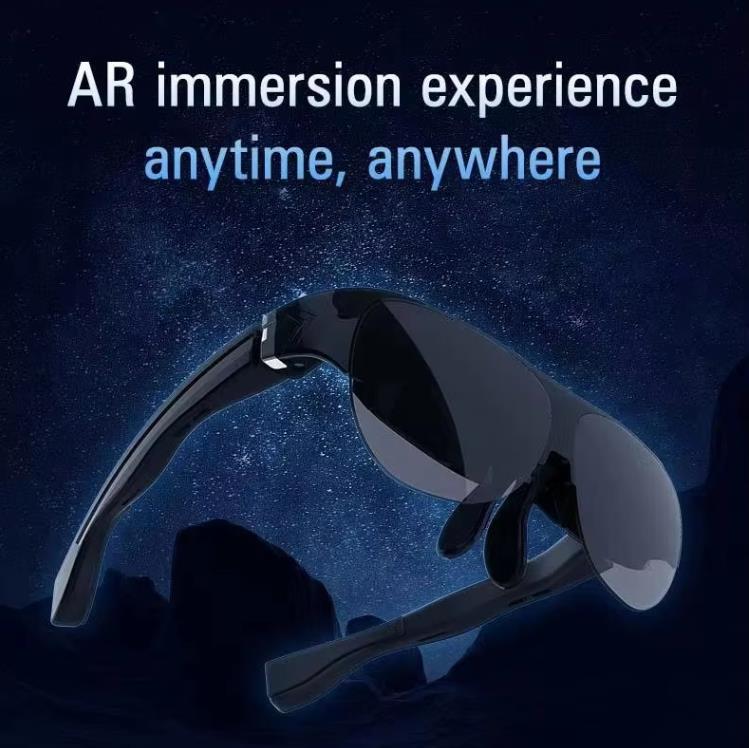
Hotus AR Smart Glasses – immersive supervision for physical AI fleets
Contact HOTUS Technology to discuss your physical AI deployment needs, request pilot units, or explore custom edge Mini PC and Windows handheld solutions for autonomous systems.