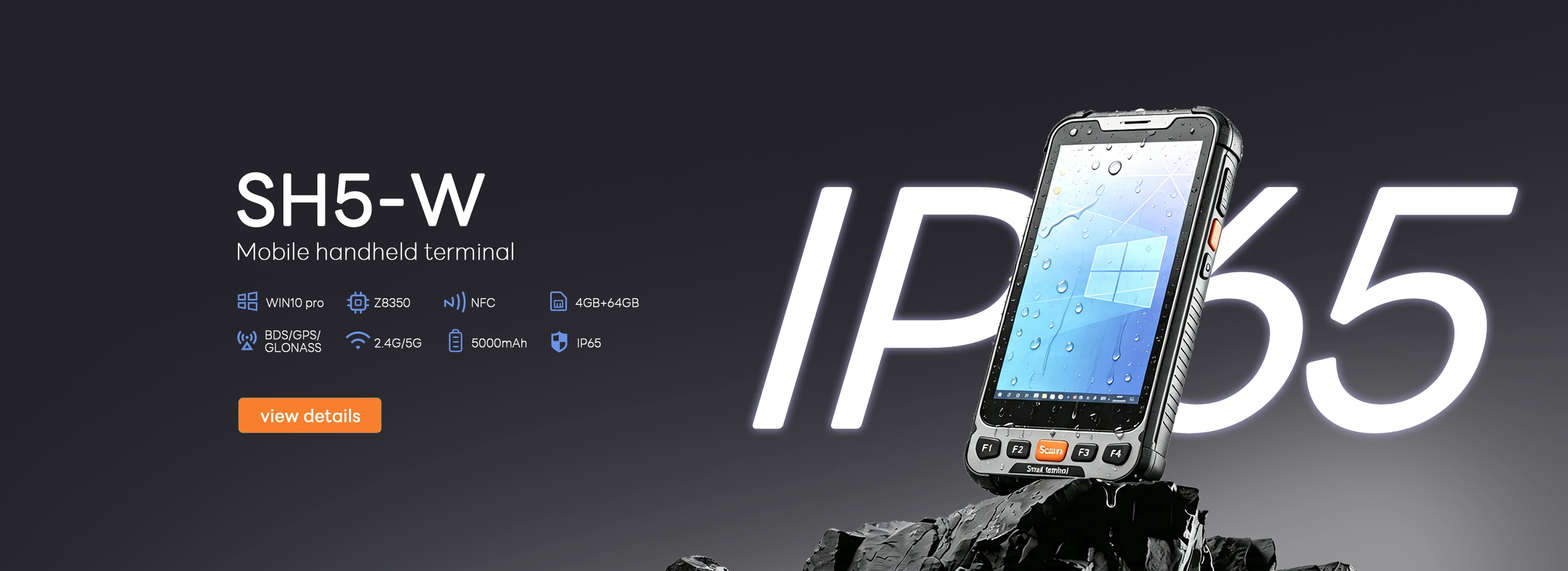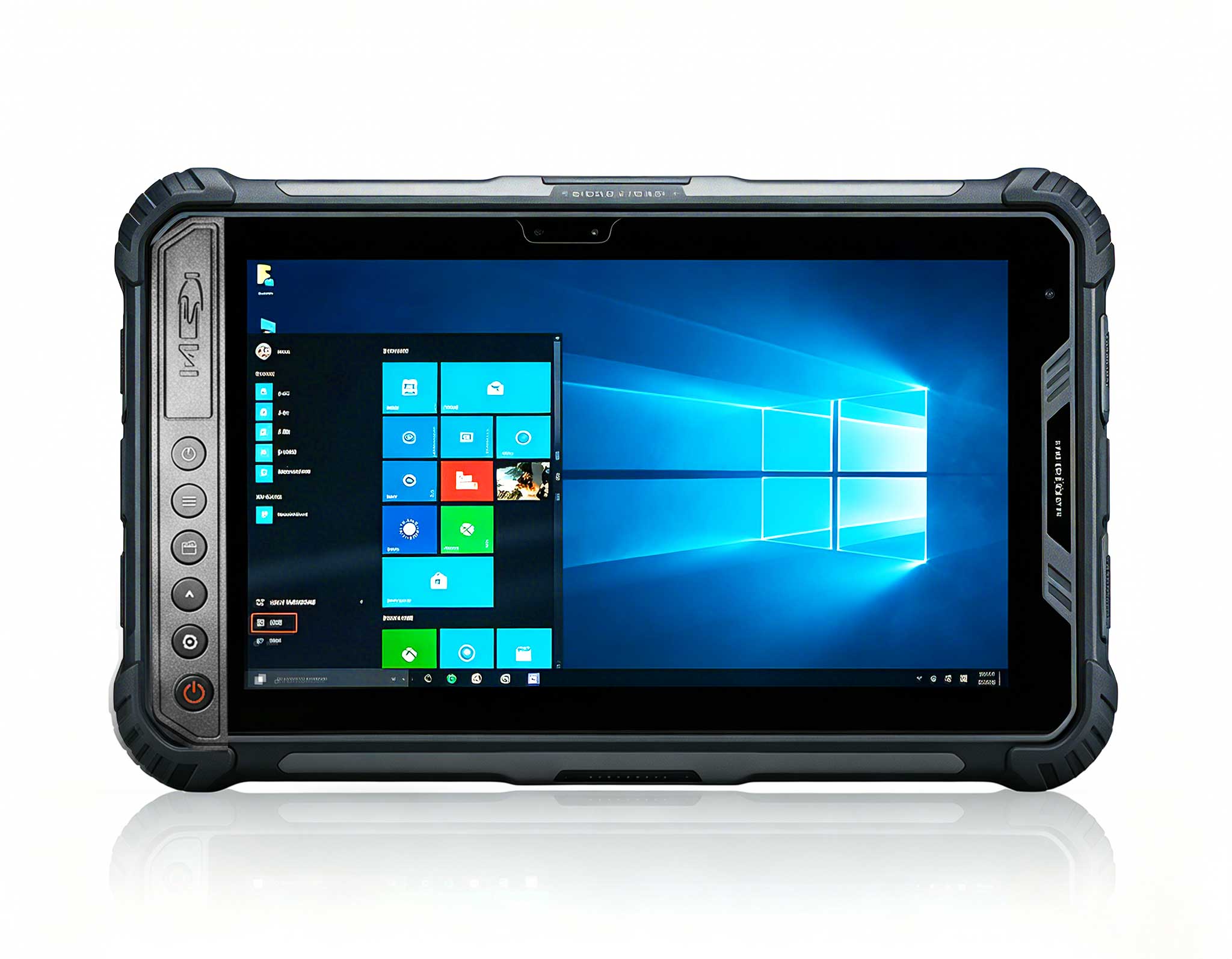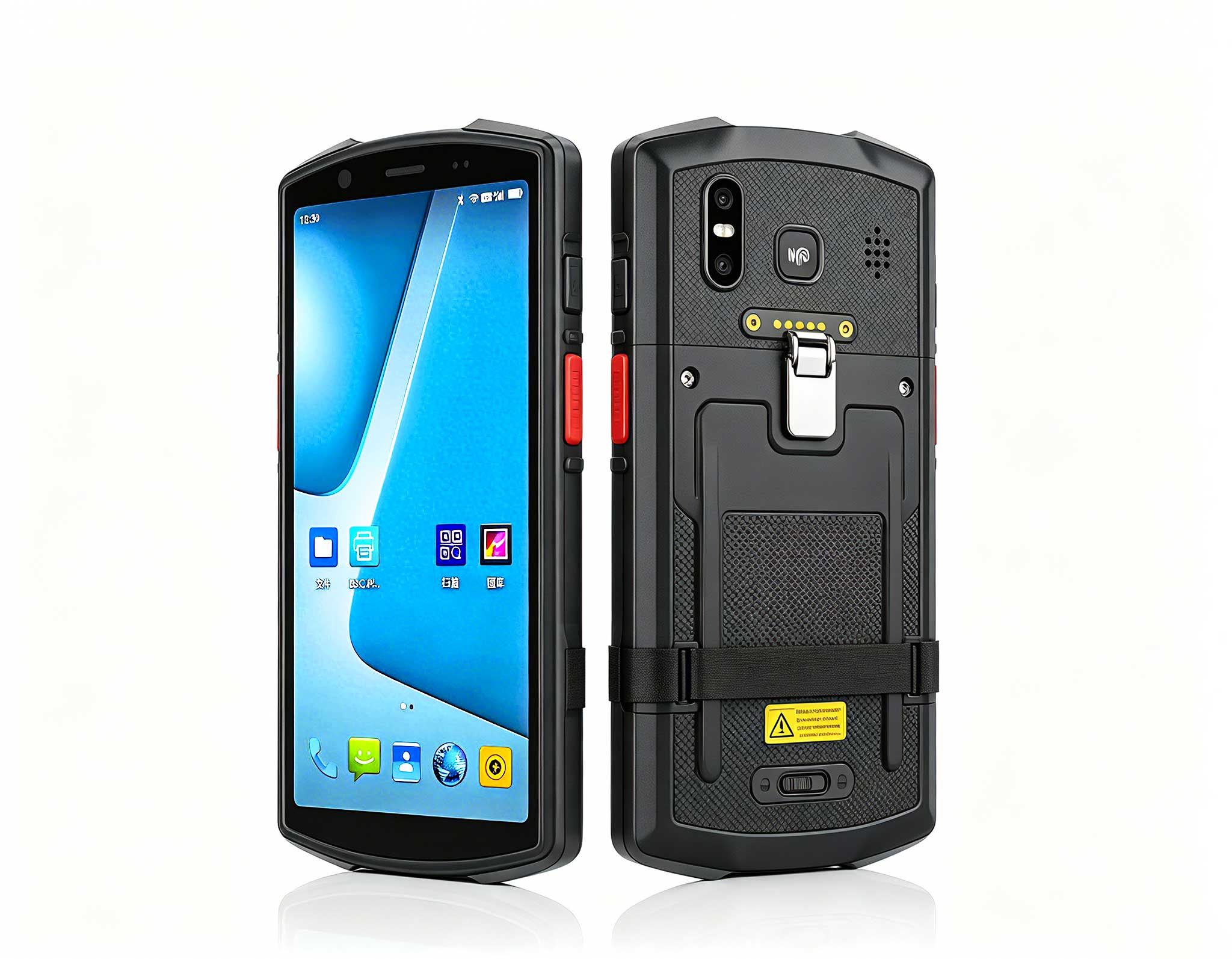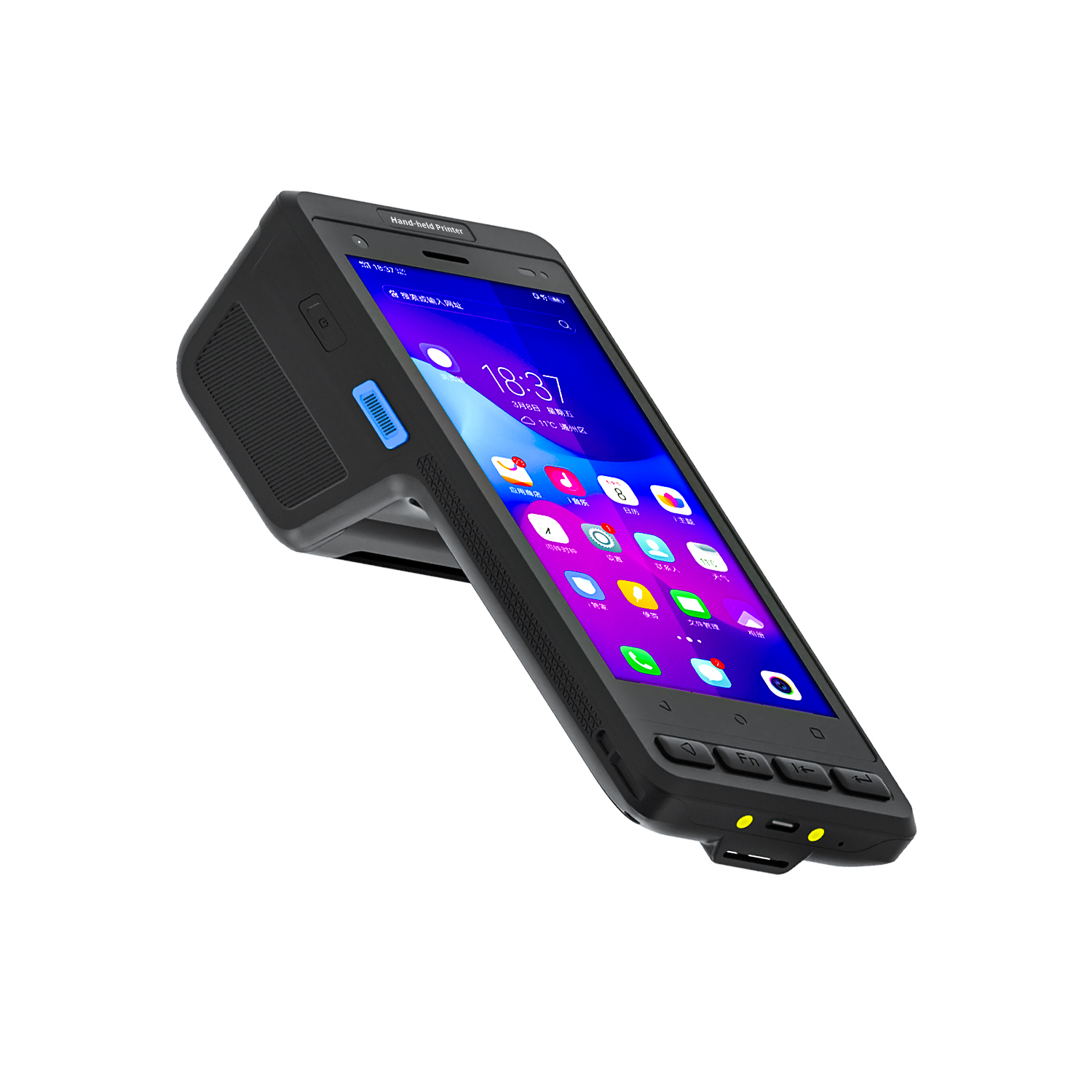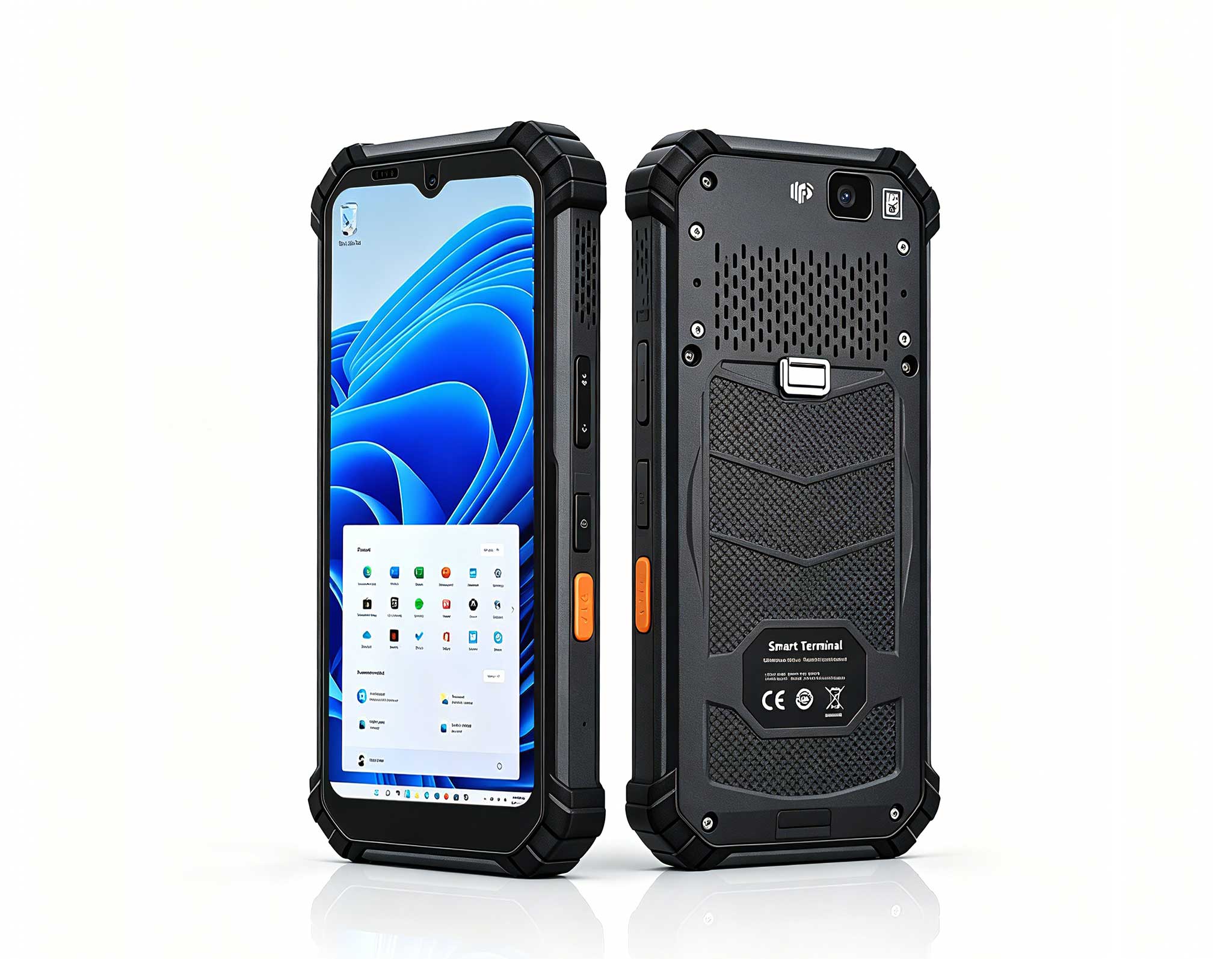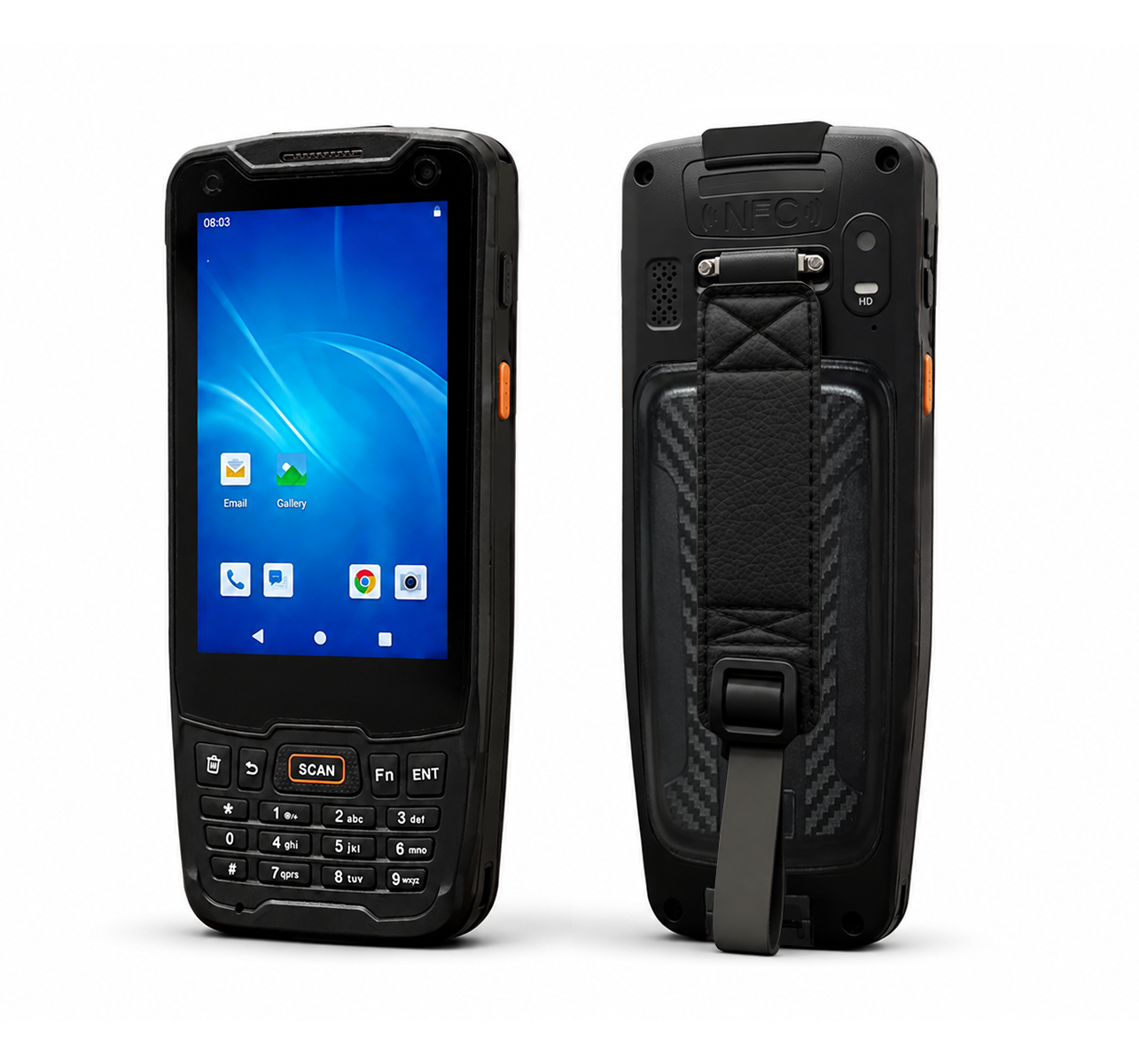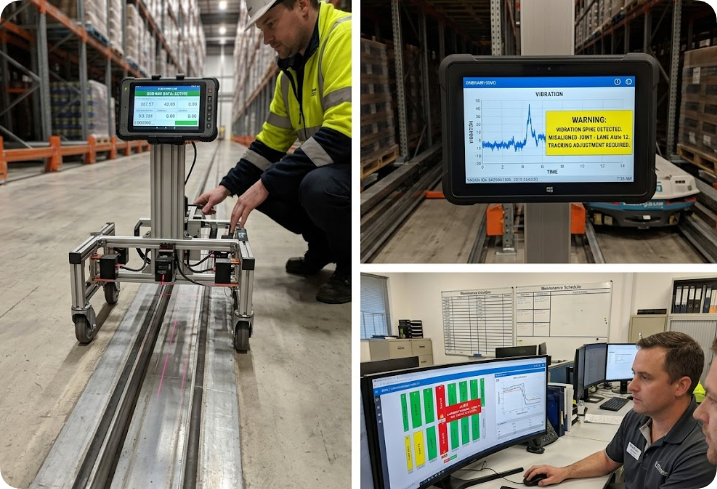
An infrastructure engineer deploying a HOTUS SH5‑W ATEX‑rated PDA alongside specialized non-destructive acoustic equipment to monitor structural integrity parameters.
"A commercial hydrogen refueling facility in Germany recently experienced a high-pressure containment compromise that remained entirely undetected for months because site safety protocols relied on basic visual walk-downs and legacy manual logbooks. Piezoelectric acoustic emission hardware can readily capture the ultra-high-frequency stress wave energy emitted by active micro-fissure growth, but the gathered signals provide zero protection without persistent data logging and historical vector trending. Safe clean-energy infrastructure demands an intrinsically safe, ATEX-certified industrial handheld that interfaces directly with localized acoustic wave analyzers, records precision hit amplitude distributions, and triggers immediate plant warnings before micro-defects compromise structural boundaries. Within explosive fuel processing environments, an unmonitored structural flaw is not an ordinary maintenance delay—it is a critical fragmentation hazard. Your mobile data terminal serves as the active digital ear for your facility."
Hydrogen Refueling Station High‑Pressure Vessel Security: Mitigating Material Fatigue with ATEX-Certified Computing
Technical Compliance Review by HOTUS Technology | May 2026
The global expansion of green energy infrastructure has driven the deployment of over 1,500 retail and commercial hydrogen refueling stations globally. To optimize storage footprints and fuel delivery rates, these facilities utilize specialized Type II or Type III high-pressure containment vessels operating under continuous gas pressures ranging from 500 to 1,000 bar ($50 \text{ MPa}$ to $100 \text{ MPa}$). Under these extreme mechanical stresses, metallic linings and composite wraps are highly vulnerable to hydrogen embrittlement. Subatomic hydrogen atoms progressively diffuse into the structural steel matrix, causing localized lattice friction, severe reduction in material ductility, and the eventual initiation of micro-cracks. Standard inspection protocols historically require asset operators to completely depressurize the fuel cell, isolate the station infrastructure, empty the containment volume, and execute intrusive non-destructive testing (NDT), a practice that creates major financial losses and disrupts fuel supply lines.
Continuous online acoustic emission (AE) monitoring offers a highly efficient alternative for active facility protection. Whenever a microscopic crack grows under pressure, it releases localized strain energy that travels through the container walls as high-frequency stress waves, generally between $100 \text{ kHz}$ and $1 \text{ MHz}$. Piezoelectric sensors attached to the outer shell instantly capture these acoustic events. However, the primary challenge facing modern facility managers is not sensor sensitivity, but fragmented field data collection. Many green-energy sites still utilize standard, uncertified consumer laptops or manual paper tracking systems to document weekly checks. A field technician notes an isolated hit count count every seven days, completely missing a slow-growing fissure that emits just a few structural hits per hour until the defect reaches an advanced, dangerous state.
The Invisible Risks of Legacy Inspection Tracking
Using manual entry logs or unmapped mobile databases to manage high-pressure gas installations introduces severe structural vulnerabilities:
- No Real-Time Frequency Corroboration: Isolated weekly data points cannot cross-reference hit frequencies against localized pressure adjustments, making it impossible to separate background pump noise from structural cracking sounds.
- Absence of Amplitude Tracking: Paper logs typically document simple bulk counts while missing changes in signal amplitude and duration, which are vital for determining whether a crack is expanding through the steel shell.
- Hazardous Area Entry Barriers: Standard commercial data entry equipment cannot be brought onto the active refueling pad due to strict spark mitigation laws, forcing technicians to document critical metrics from memory.
Deploying the HOTUS SH5-W ATEX-Rated Handheld for Intrinsic Infrastructure Tracking
To eliminate compliance blind spots and secure high-pressure fuel setups, energy companies are integrating high-performance Rugged Tablets and portable computers into their active inspection workflows. The ultra-rugged HOTUS SH5‑W Windows rugged handheld features certified explosion-proof protection for Zone 1 and Zone 2 hazardous areas, allowing technicians to collect data directly on the active fueling pad:
- Direct Acoustic Instrument Coupling: The handheld establishes a secure connection with portable digital wave analyzers via USB or low-energy Bluetooth, logging acoustic hits, peak amplitudes, and wave durations directly during pressurized holds.
- Automated Background Filtering: Integrated analytical software screens out ambient refueling station noises, helping technicians isolate the true structural frequencies produced by material degradation.
- Dynamic Baseline Evaluations: The mobile operating system automatically compares incoming test results with past calibration benchmarks, instantly flagging any sudden jump in acoustic activity.
- Cryptographic Audit Trails: The terminal links every inspection run with specific vessel serial numbers, barometric data, and digital operator signatures, exporting secure, tamper-proof compliance logs for safety regulators.
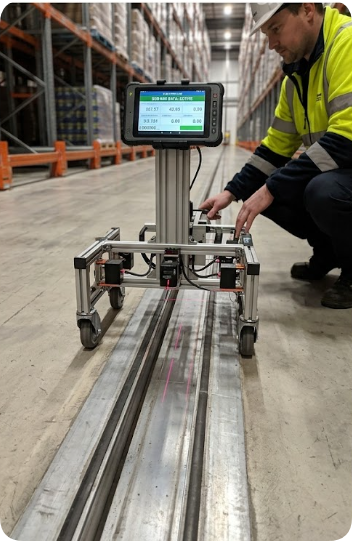
The mid-size HOTUS ST11-U rugged tablet visualizing multi-week acoustic sensor trends to reveal acceleration anomalies before structural margins drop.
The Connected Infrastructure Fleet: Scaling from Handheld Terminals to Enterprise Dashboards
For facility operations supervisors, the larger HOTUS ST11‑U 10.1″ Windows rugged tablet functions as a high-visibility data dashboard. It aggregates chemistry streams across multiple server rooms, allowing facilities to track long-term fluid performance and isolate outliers before they cause hardware damage.
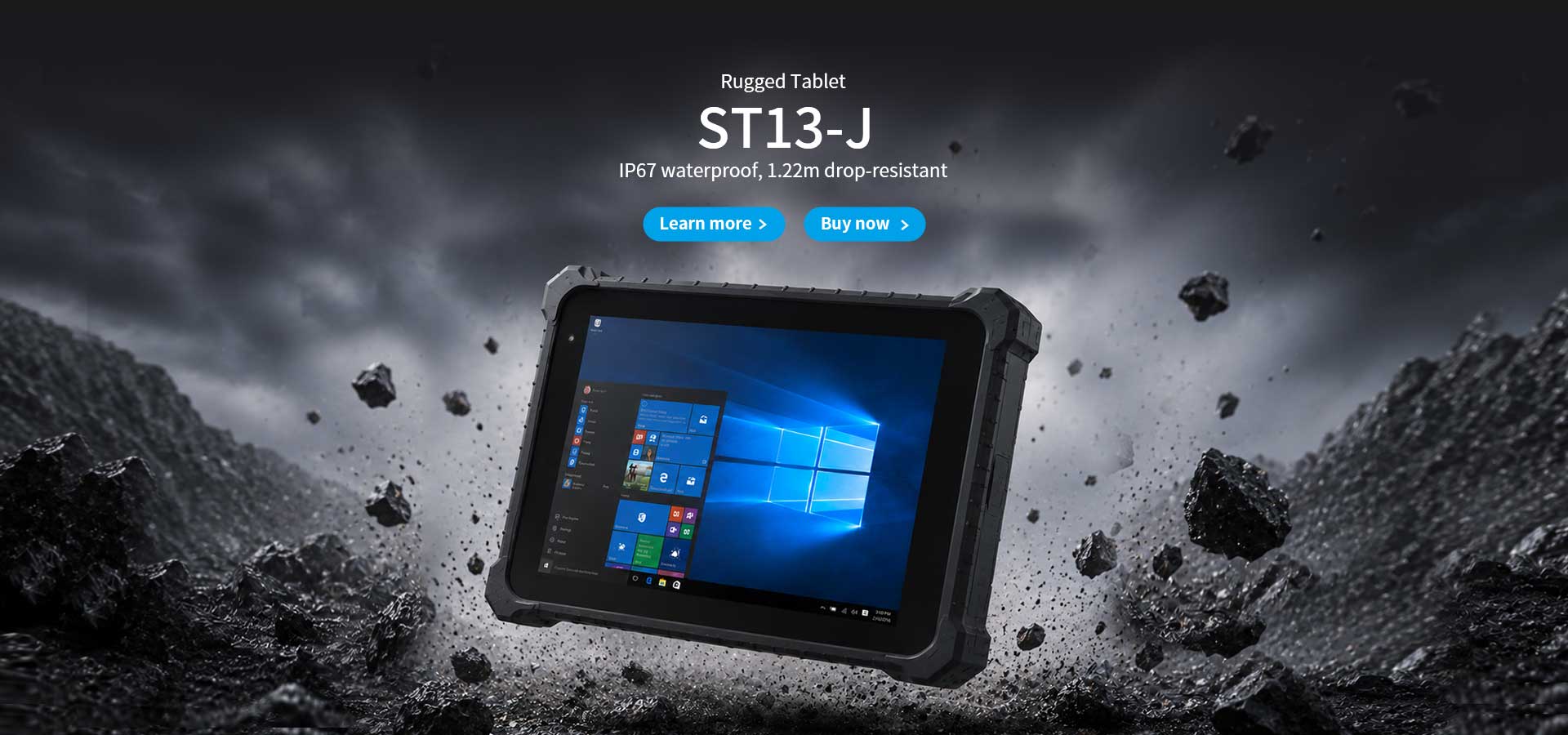
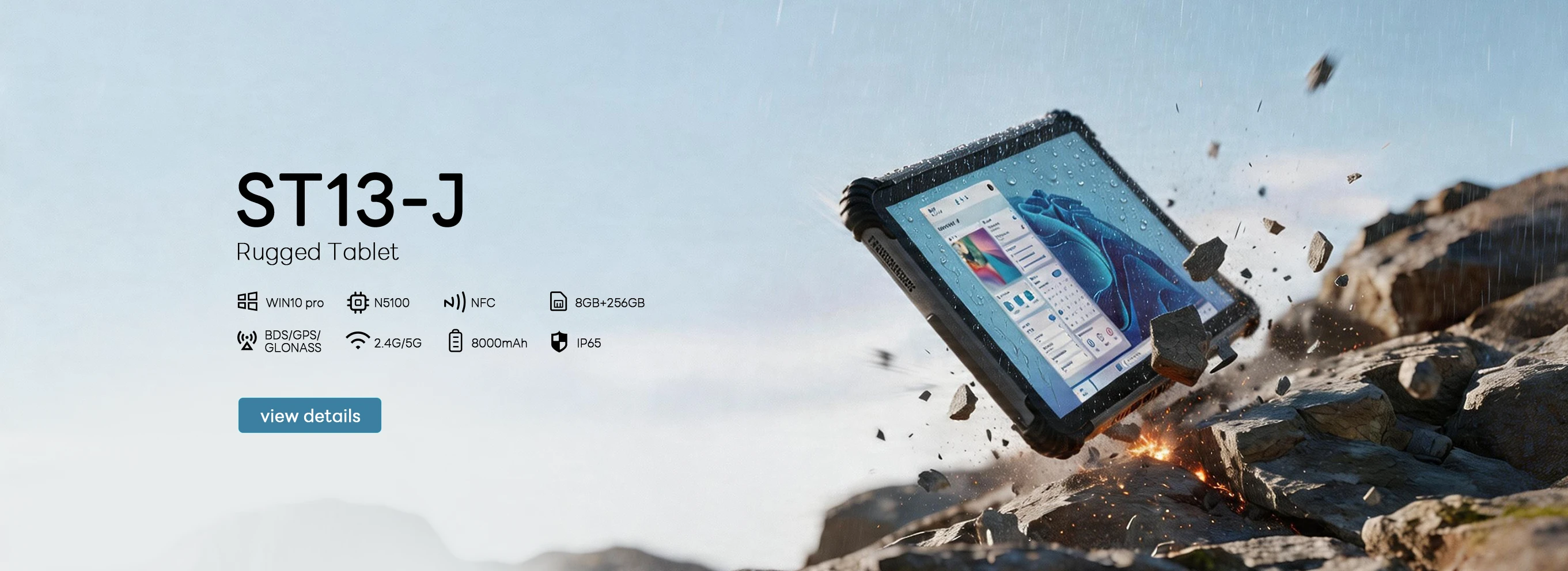
At the regional management level, the large-format HOTUS ST13‑J 13.3″ Windows rugged tablet serves as an enterprise-wide asset dashboard. It processes field inspection logs from dozens of remote distribution stations, using predictive models to track equipment health across the entire network and automatically generating preventative maintenance work orders before micro-cracks risk failure.
Field Verification: Protecting a 50-Station Retail Fuel Infrastructure
The safety and financial benefits of digital asset tracking are proven by a major clean-energy utility managing a network of 50 hydrogen refueling stations. To replace unreliable paper logs and protect their high-pressure assets, they deployed an integrated system consisting of 40 SH5-W explosion-proof handheld units, 30 ST11-U field dashboards, and 25 ST13-J master diagnostic displays.
During its first year of use, the trend analysis software running on a central tablet flagged an issue: a storage vessel at a high-volume metropolitan station showed a steady increase in acoustic emissions over four months, with hits rising from 5 to 45 per hour. Crucially, the vessel passed all visual checks and showed no external leaking, meaning traditional inspections would have missed the internal degradation entirely.
The automated alert allowed the utility to schedule a targeted ultrasonic scan during off-peak hours. The detailed test revealed a 3-mm crack developing along the inner protective liner, caused by localized hydrogen embrittlement. Crews took the affected tank offline and replaced it safely, preventing a catastrophic failure and saving the operator from expensive emergency shutdowns, regulatory fines, and reputational damage.
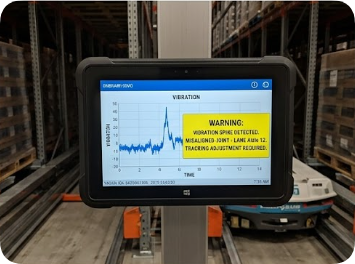
The comprehensive station layout matrix displayed on a premium HOTUS ST13-J enterprise dashboard, providing immediate risk categorization across multiple regional facilities.
Protect Your Green Energy Infrastructure with Enterprise-Grade Data Systems
Material fatigue and hydrogen embrittlement are ongoing operational risks in modern high-pressure gas installations, but safety teams can manage these threats with advanced data tools. Relying on slow, manual documentation leaves facilities vulnerable to hidden crack propagation that can compromise containment boundaries. Shifting to an integrated tracking network provides the clear visibility and audit logs required to optimize preventative maintenance and protect your hardware investments.
By pairing the portable, explosion-proof SH5-W handheld with ST11-U data management tablets and the ST13-J enterprise dashboard, infrastructure managers can identify structural defects before they impact facility safety. Contact us today to learn how integrating advanced, high-performance data systems into your energy operations can improve asset reliability, protect your field personnel, and ensure your fueling network maintains peak safety and compliance.
Contact HOTUS Technology to speak with an industrial automation hardware specialist, request an evaluation package for the SH5‑W profiling system, or explore our complete line of ST11‑U and HOTUS ST13‑J 13.3″ Windows rugged tablet management terminals.