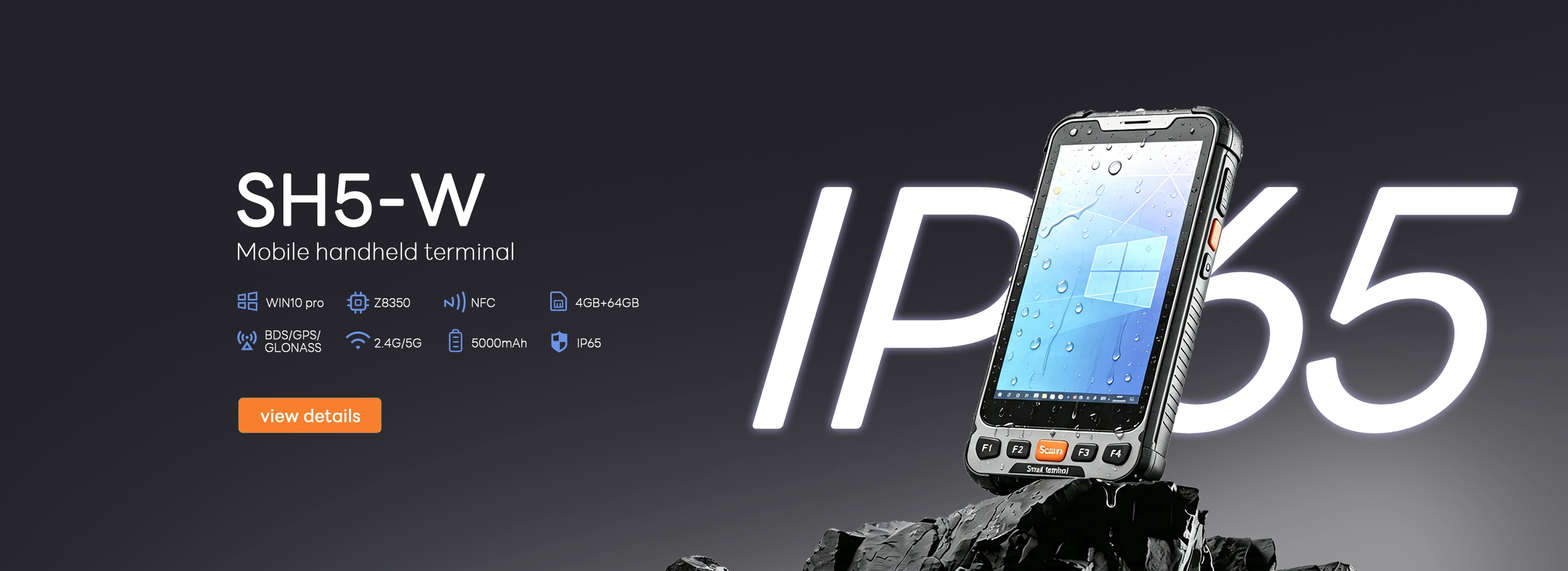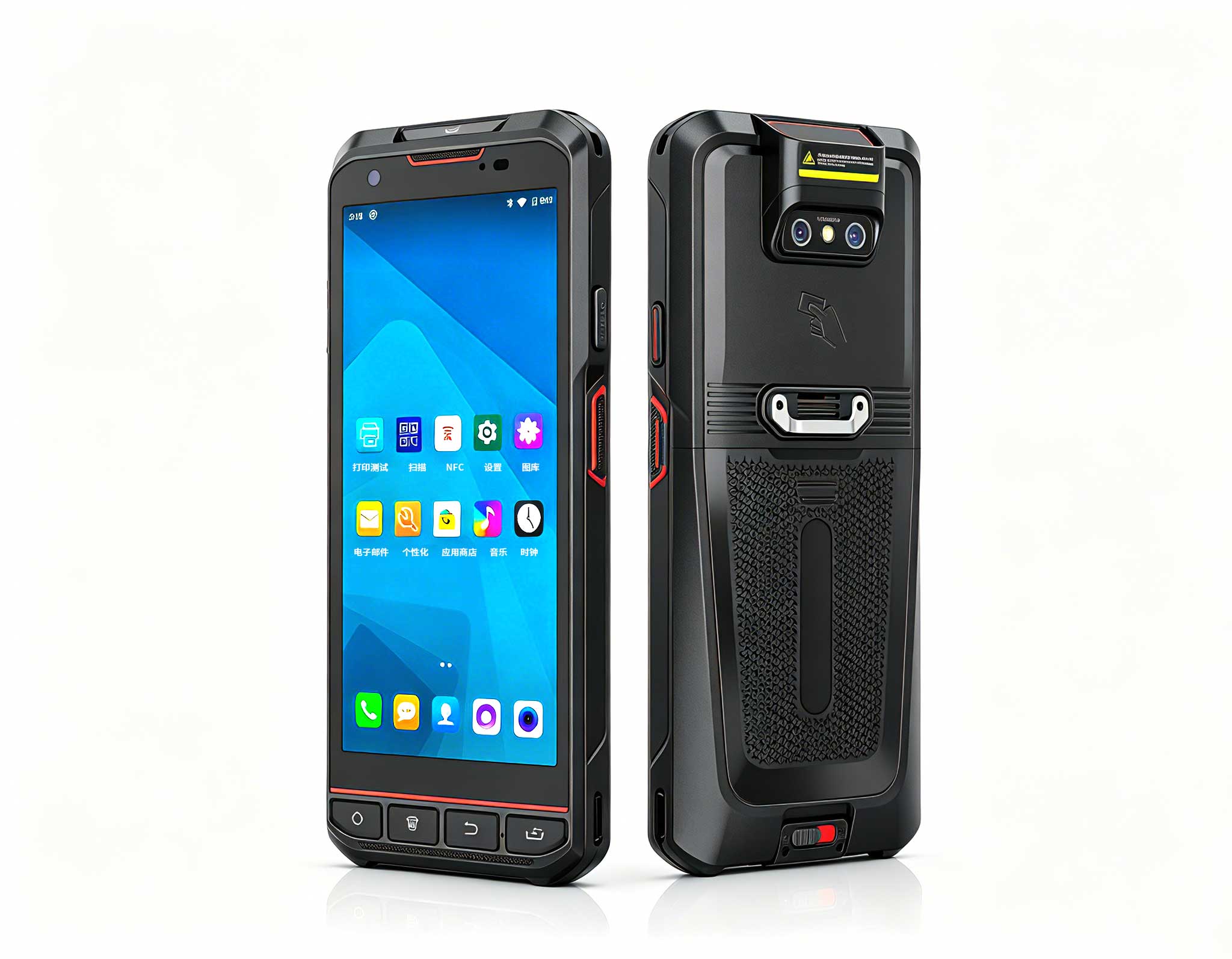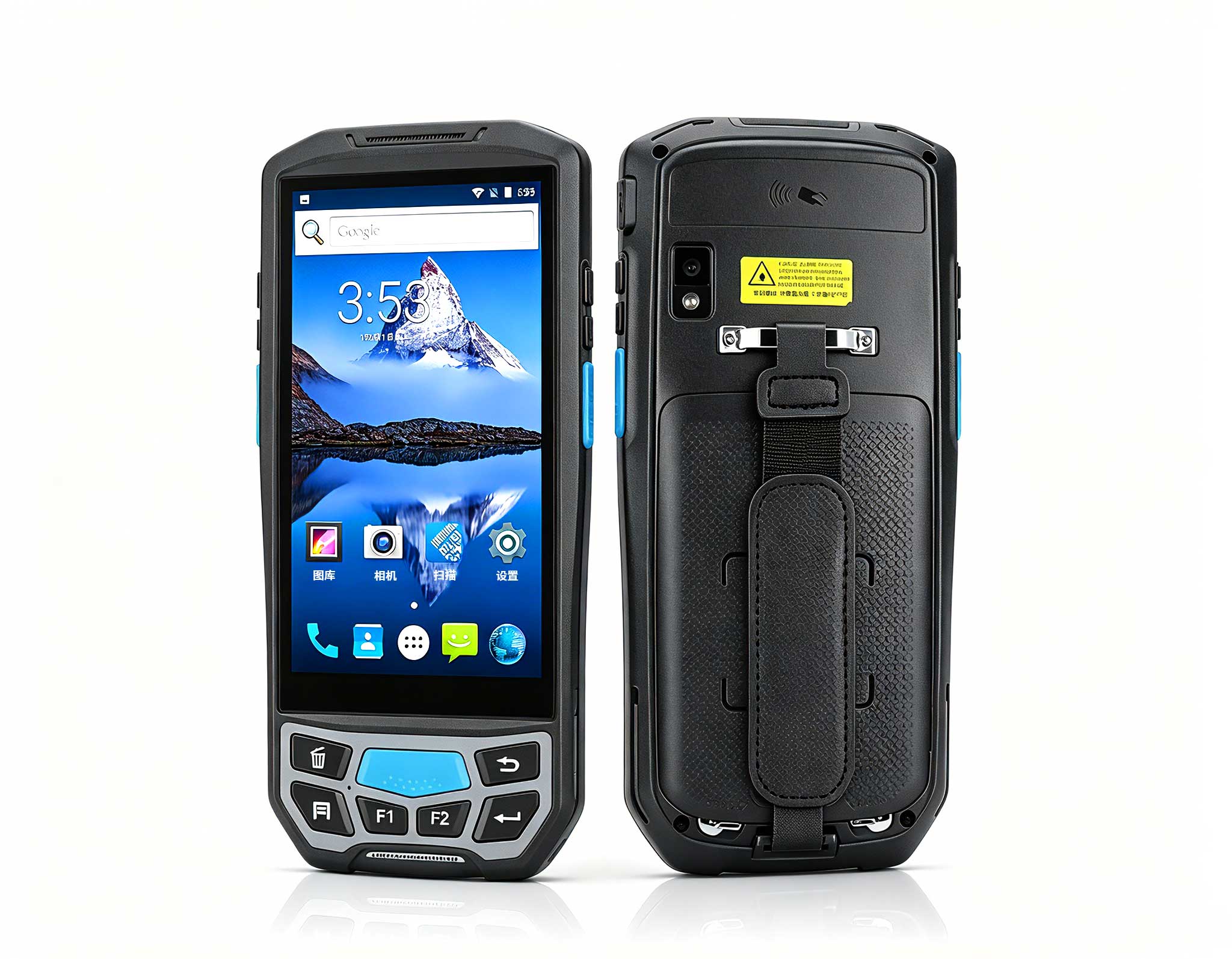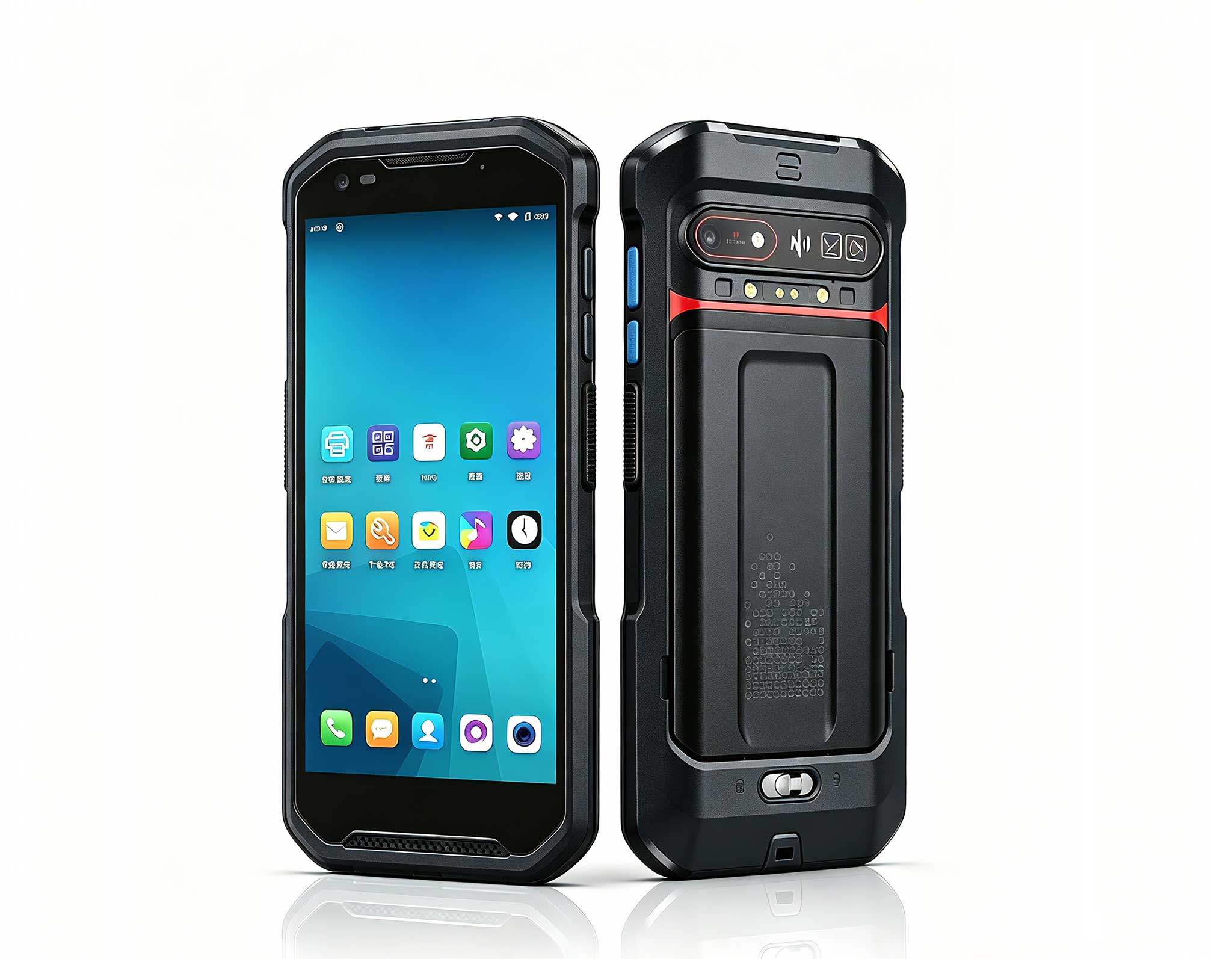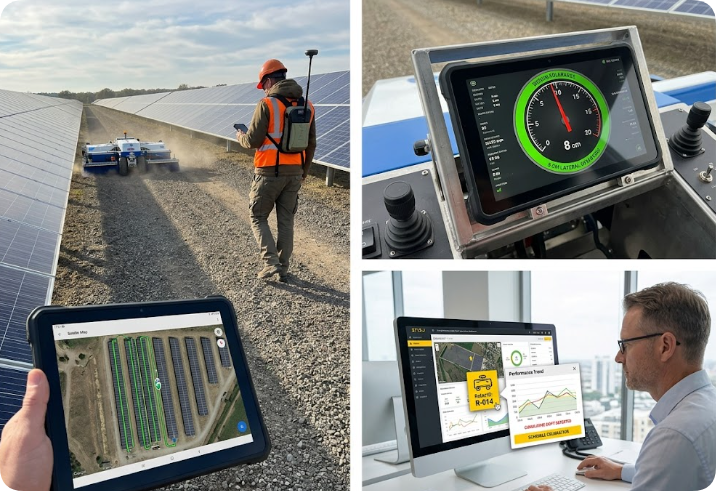
A field technician uses a HOTUS SH5‑W PDA with RTK GPS to validate the navigation accuracy of a solar farm cleaning robot.
A 100 MW solar farm was losing 5% of its output because the cleaning robots were missing rows. The path deviation was 15 cm per 100 m – cumulative drift meant the robots were cleaning gravel instead of panels. The operator’s log was a paper map with hand‑drawn lines. You need a rugged Windows PDA with RTK GPS that logs the robot‘s actual path, compares it to the intended path, and calculates the lateral deviation every 10 meters. In solar farming, a cleaning robot that misses panels is not a robot problem – it’s a revenue problem. Your tablet is the navigation referee.
Solar Farm Cleaning Robot Navigation Path Accuracy
By HOTUS Technology | May 2026
Utility-scale solar power generation demands absolute structural efficiency across expansive geographic footprints. To battle the constant accumulation of dust, pollen, bird droppings, and snow, modern plant operators deploy autonomous cleaning robots across photovoltaic arrays. When performing as intended, these automated clean energy assets recover between 15% and 30% of lost module efficiency, protecting significant capital investments. However, a major bottleneck occurs when autonomous machinery drifts off course. Even a tiny lateral navigation deviation of 10 centimeters per row causes cleaning brushes to pass over empty air or structural racking rather than glass surfaces, leaving large portions of the solar panels covered in performance-stifling soil.
Standard global positioning system (GPS) infrastructure lacks the necessary precision for modern utility-scale solar arrays. Traditional commercial GPS hardware provides location telemetry accurate to a wide 2 to 5 meters, which cannot differentiate between distinct panel rows or tight track corridors. While advanced Real-Time Kinematic (RTK) differential correction allows automated systems to theoretical target sub-centimeter thresholds, real-world operational factors—including chassis vibration, gear backlash, thermal expansion, and uneven soil shifting—introduce ongoing mechanical drift. Left unmanaged, small errors compound across thousands of consecutive tracker strings, causing robots to systematically miss entire panel edges while consuming battery power cleaning baseline gravel.
To eliminate these operational losses, solar asset managers are replacing traditional clipboard audits with connected field computers. Operators seeking high-durability hardware can view the entire enterprise line by visiting our primary portfolio for Rugged Tablets to source industrial field systems built for extreme outdoor environments. Deploying specialized data-logging terminals allows field engineers to directly audit autonomous guidance arrays, converting invisible mechanical drift into real-time operational insights before uncleaned modules hit generation revenues.
Centimeter-Level Path Validation in Harsh Photovoltaic Fields
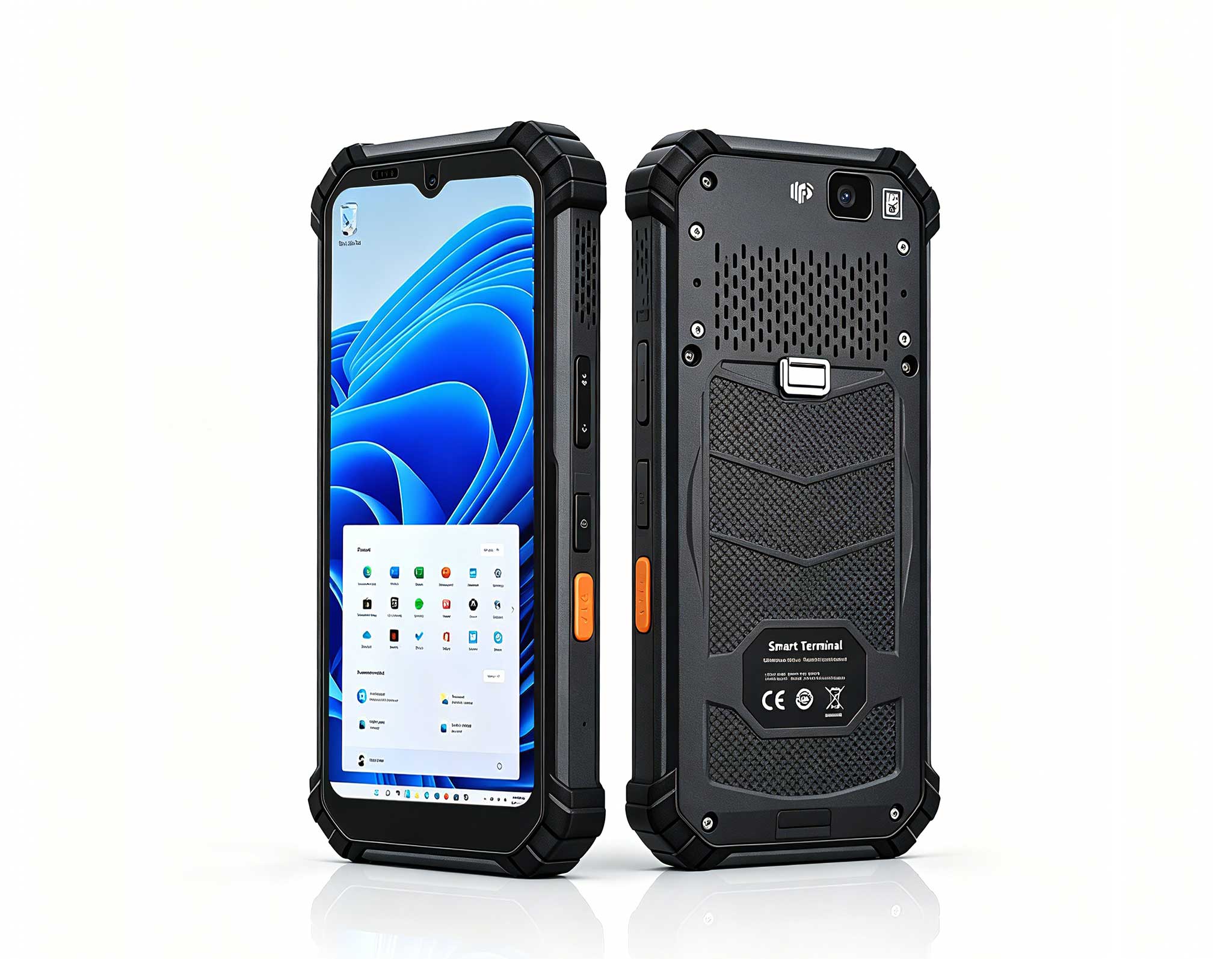
The pocket-sized Hotus SH5‑W Windows rugged handheld is engineered to deliver reliable data tracking across high-temperature utility fields. Boasting an IP67-rated enclosure, the terminal withstands blowing sand, fine silica dust, and high solar radiation levels. When linked to an external dual-frequency RTK GPS antenna assembly, the SH5-W provides field technicians with a highly mobile precision audit toolkit capable of validating equipment coordinates within a strict 2-centimeter margin of error.
By trailing the operating automated clean energy machinery or driving alongside rows in a utility vehicle, the inspection technician executes a standardized digital tracking workflow:
- Establishes an interface loop with the robot's onboard controller to download the pre-programmed vector path map.
- Records high-precision coordinate points every second to log the exact trajectory traveled by the equipment.
- Processes actual coordinates against intended routing vectors in real time to isolate lateral tracking drift.
- Flags any tracker section where lateral mechanical deviation exceeds the structural 10-centimeter threshold.
The SH5-W processes this spatial telemetry into a color-coded field deviation chart, marking accurate trajectories in green, warnings in yellow, and structural tracking failures in red. This digital profile is stored alongside precise time-stamps and high-resolution inspection photos, creating an unalterable performance audit record for field engineering teams.
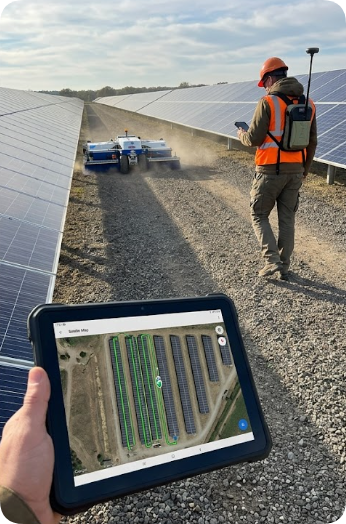
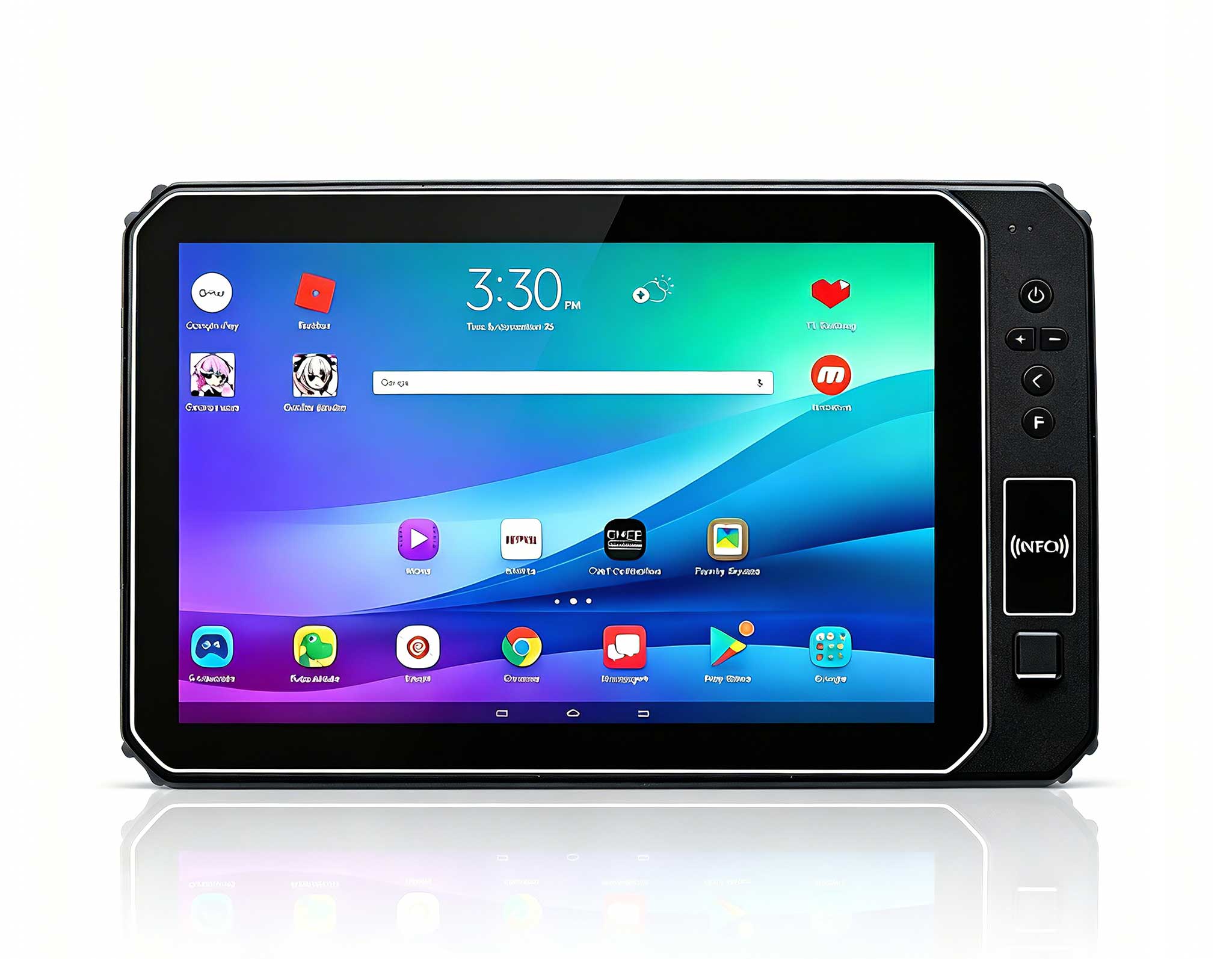
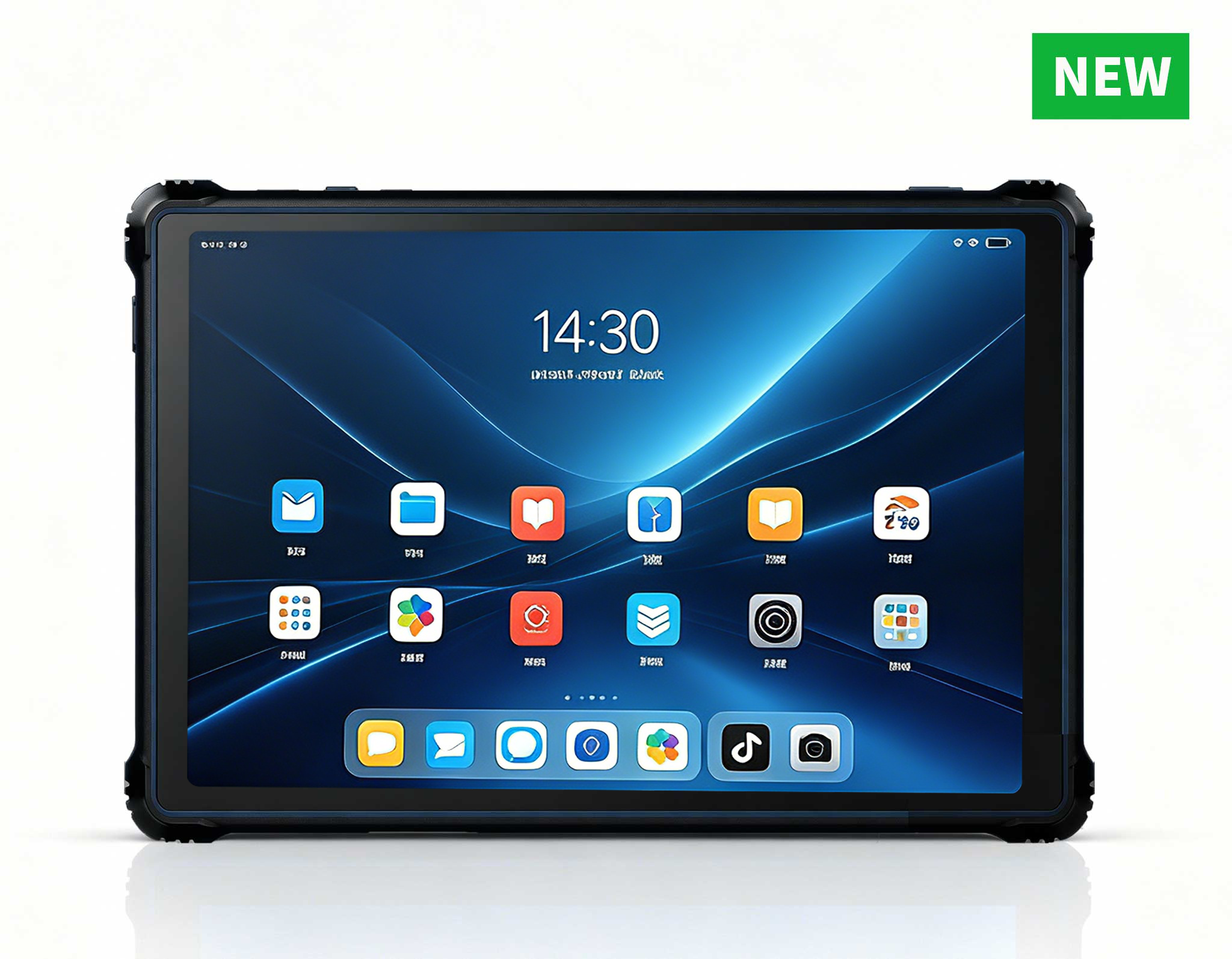
The SH6 marine‑grade tablet is mounted on a cleaning robot to provide real‑time path deviation alerts to the operator.
Integrating Real-Time Hardware Monitors with Fleet Management Dashboards
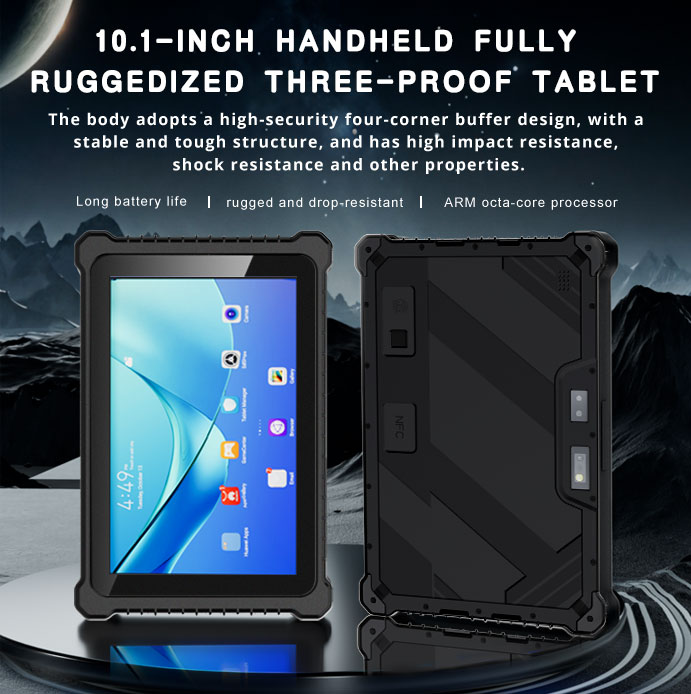
For persistent monitoring on large-scale automated assets, the highly durable Hotus SH6 Windows rugged handheld terminal can be bolted directly inside the robot’s main control bay. Serving as a continuous on-chassis tracking dashboard, this marine-grade screen outputs immediate diagnostic telemetry for ground crews, monitoring for sensor abnormalities or mechanical misalignment before guidance errors distort overall facility cleanliness metrics.
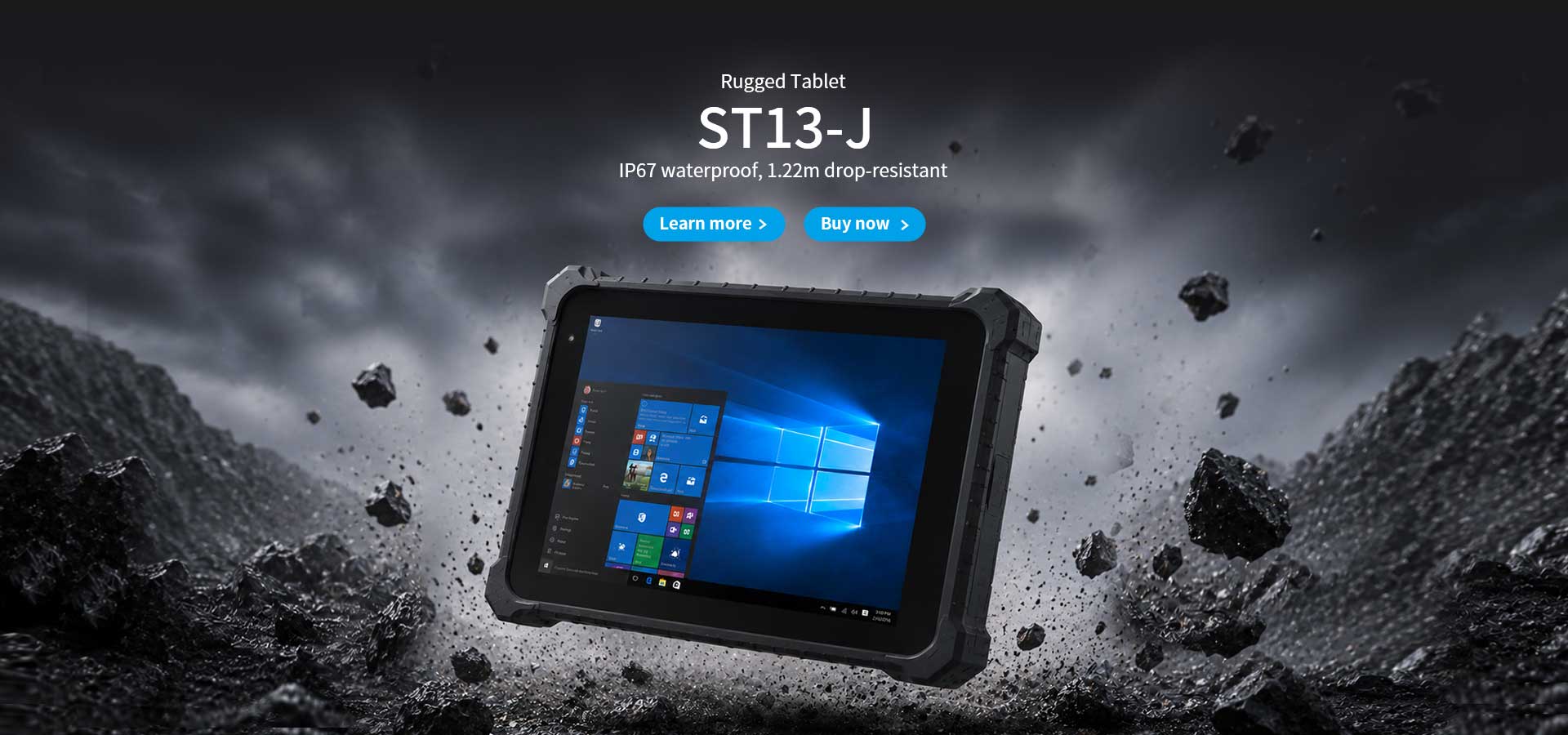
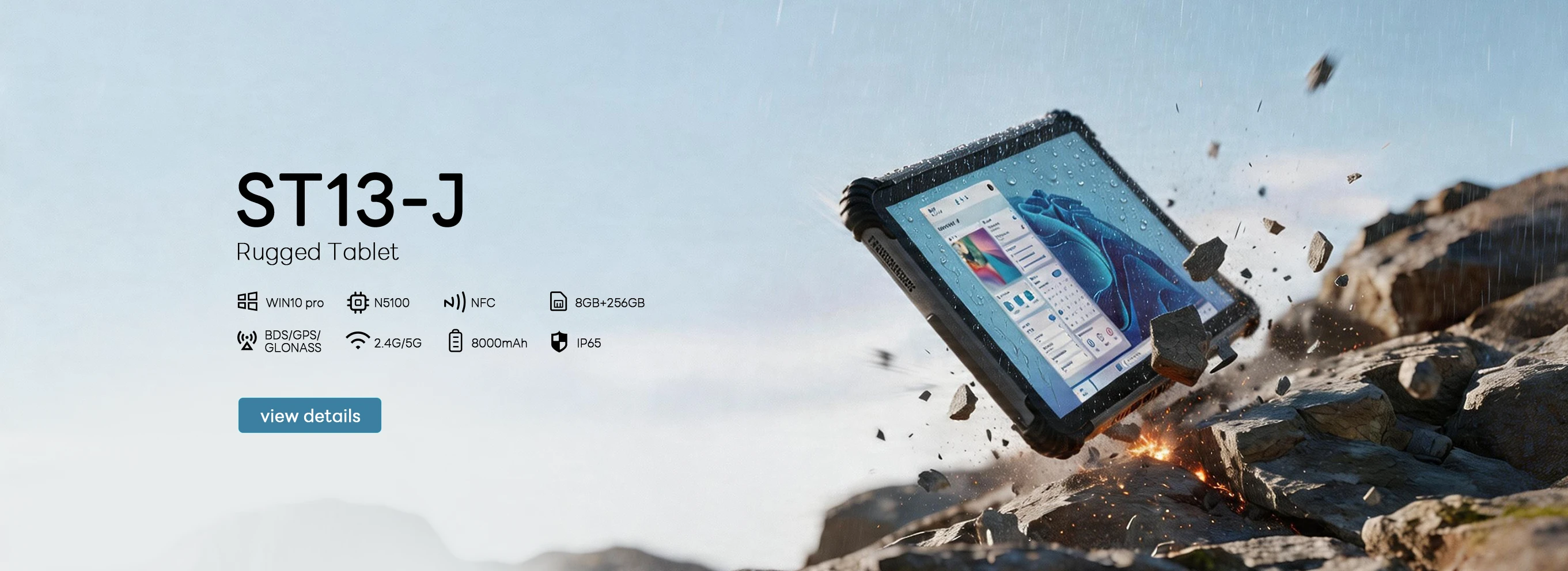
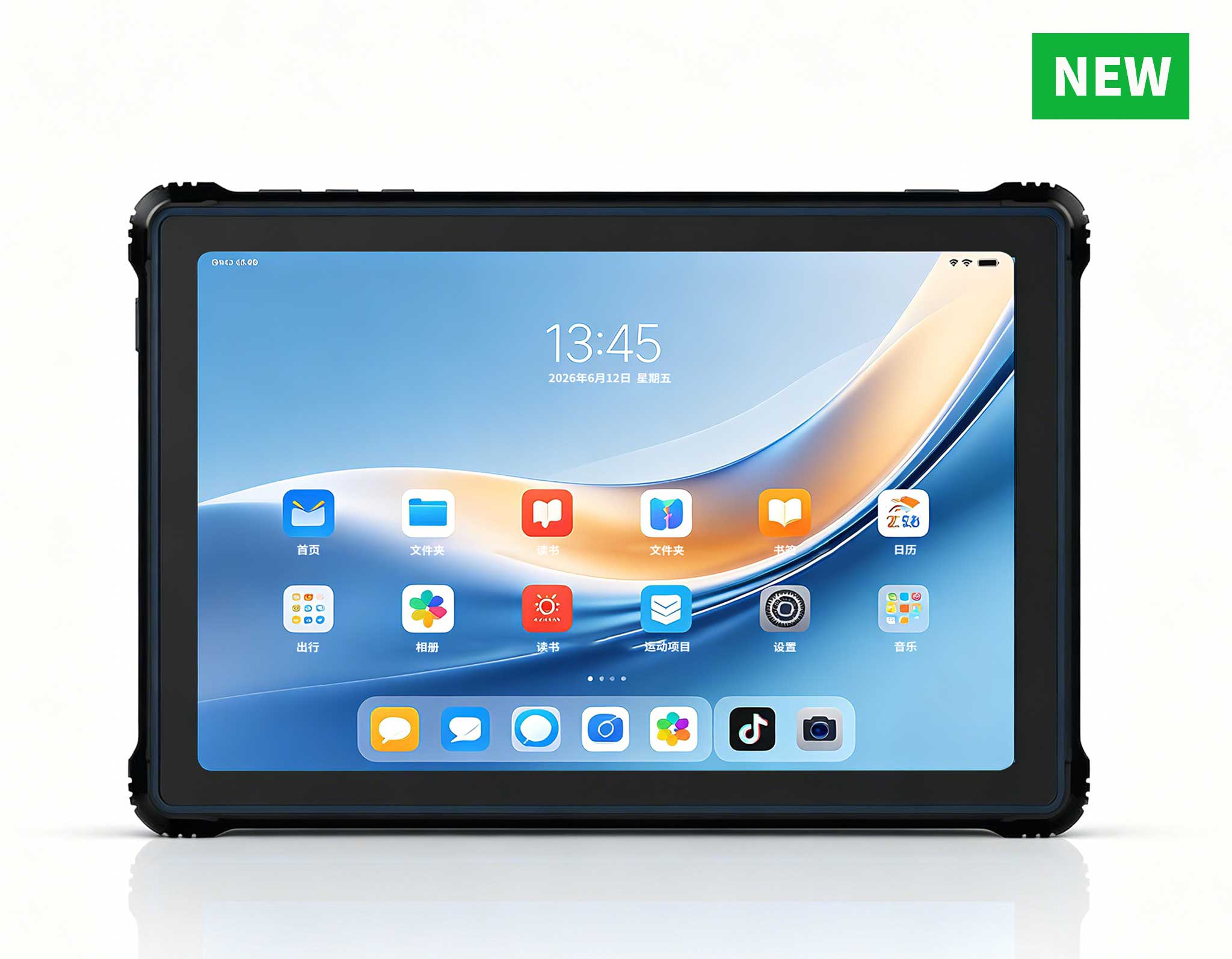
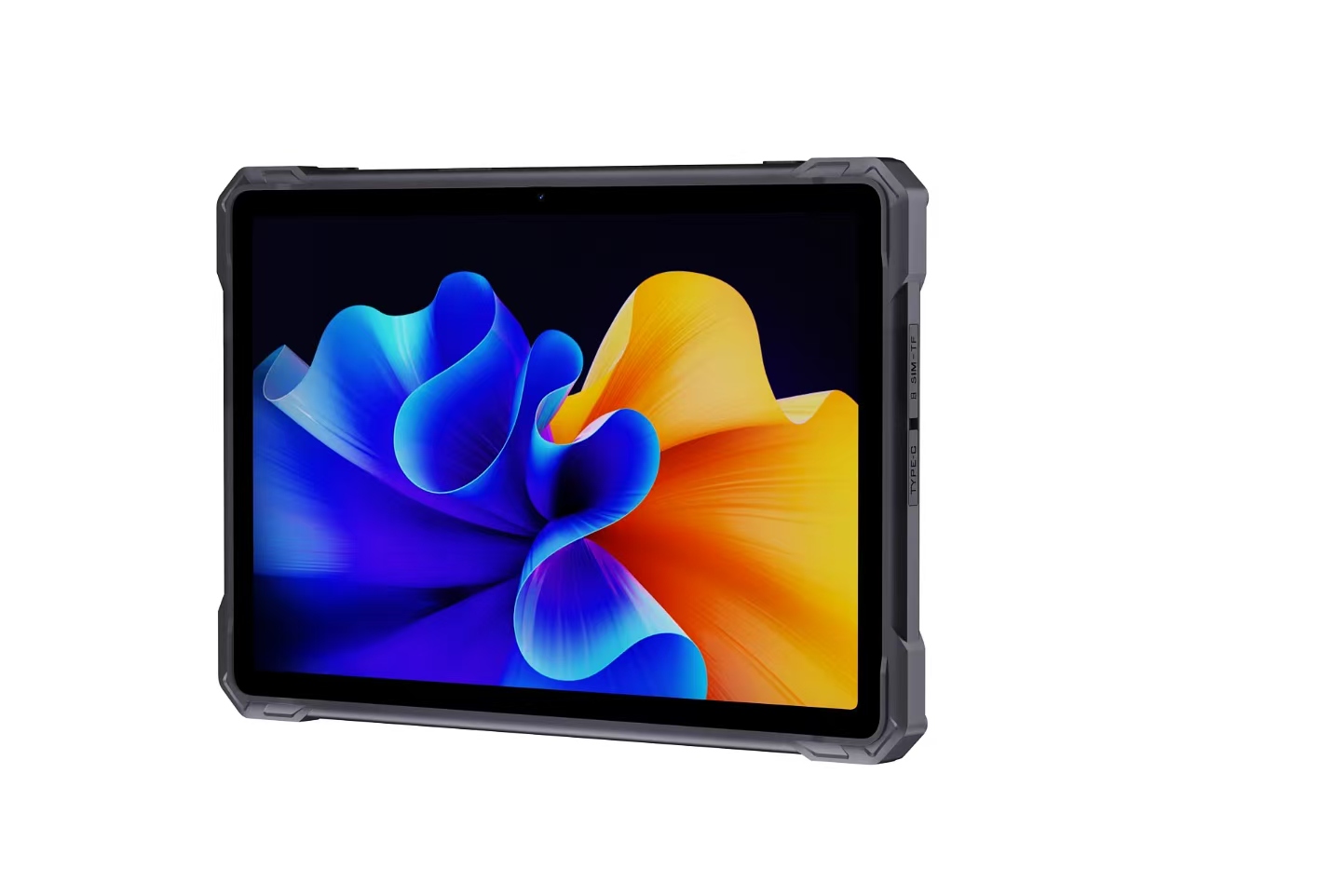
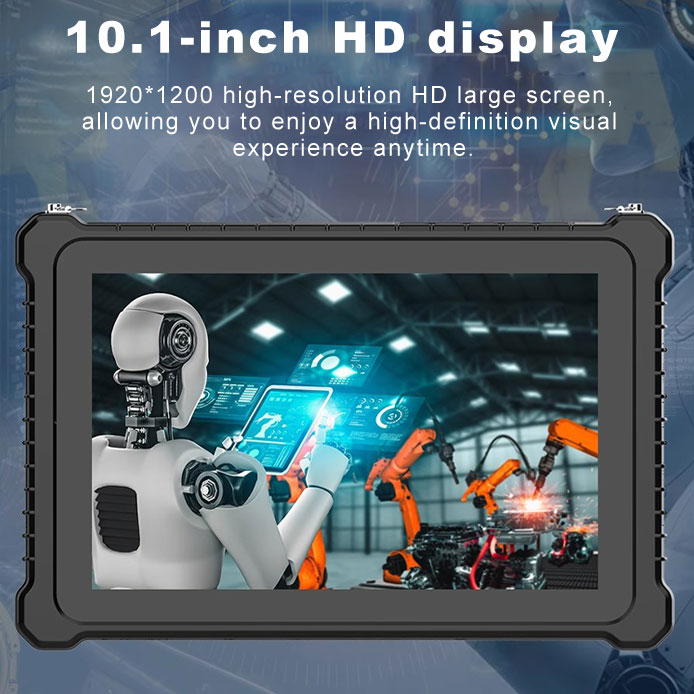
At the central facility operations center, tracking logs from dozens of field arrays consolidate onto the expansive screen of the Hotus ST13‑J 13.3″ Windows rugged tablet. This high-performance terminal gives engineering supervisors a comprehensive view of overall cleaning efficiency across the entire solar farm. The software flags any automated cleaner showing a recurring lateral drift trend, allowing technical teams to quickly identify failing inertial measurement sensors, loose wheel-drive motors, or buggy pathing firmware before errors degrade generation yield.
Recovering Generation Losses: Real-World Solar Asset Tracking
Transitioning from unverified autonomous operations to a connected digital verification framework delivers immediate financial paybacks for green energy providers. A large solar farm operator managing a 500 MW utility-scale facility integrated this predictive tracking workflow by deploying 20 SH5-W high-precision RTK diagnostic kits, 30 machine-mounted SH6 telemetry interfaces, and 15 ST13-J centralized operations dashboards.
During the initial system roll-out, the high-resolution field mapping network discovered that three primary cleaning units had developed a systematic 12 to 15-centimeter pathing bias across long panel rows. The error stemmed from a hidden firmware calculation bug within the robot's local navigation path planner. Using the high-density coordinate logs generated by the tablets, engineering teams recoded the steering coefficients, returning tracking deviation back down below 3 centimeters. This simple operational fix recovered over $200,000 in annual energy production that would have otherwise vanished due to uncleaned panel surfaces and heavy localized soiling.
The ST13‑J dashboard displays a map of a solar farm with cleaning robot paths color‑coded – green for accurate, red for segments with excessive deviation.
Protecting Megawatt Output with Connected Industrial Hardware
Maximizing generation revenues at utility-scale solar farms requires robust industrial field terminals that combine high-accuracy location tracking with heavy-duty durability. Relying on simple eyeball checks cannot measure the centimeter-level steering drift that lowers clean energy production. Moving to a synchronized ecosystem of rugged Windows tablets and handhelds provides supervisors with absolute visibility over autonomous maintenance machinery, transforming raw position telemetry into verified yield protection.
Deploying purpose-built industrial field hardware like the SH5-W, SH6, and ST13-J lets solar asset teams manage automated operations with total precision, optimize cleaning schedules, and stop financial losses. This reliable, data-driven approach guarantees that every cleaning asset path is tracked perfectly, ensuring maximum efficiency and long-term production consistency across massive solar power infrastructures.
Ready to Secure Your Solar Facility's Navigation Accuracy?
Contact HOTUS Technology today to connect with our industrial systems engineers, request specialized SH5-W RTK evaluation units for field testing, or schedule a comprehensive system demonstration of our robot-mounted monitors and multi-device asset dashboards.