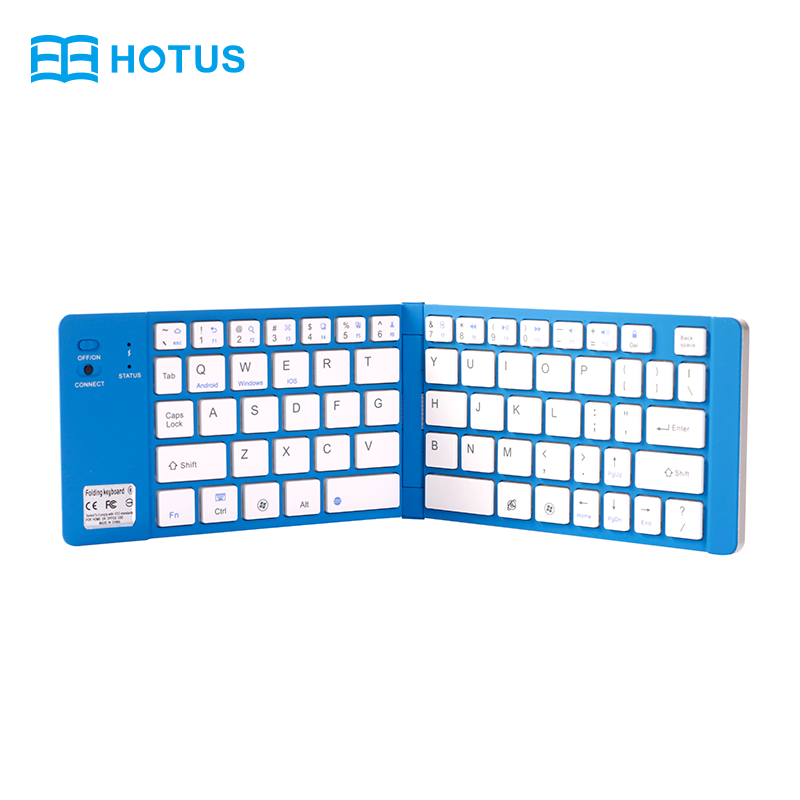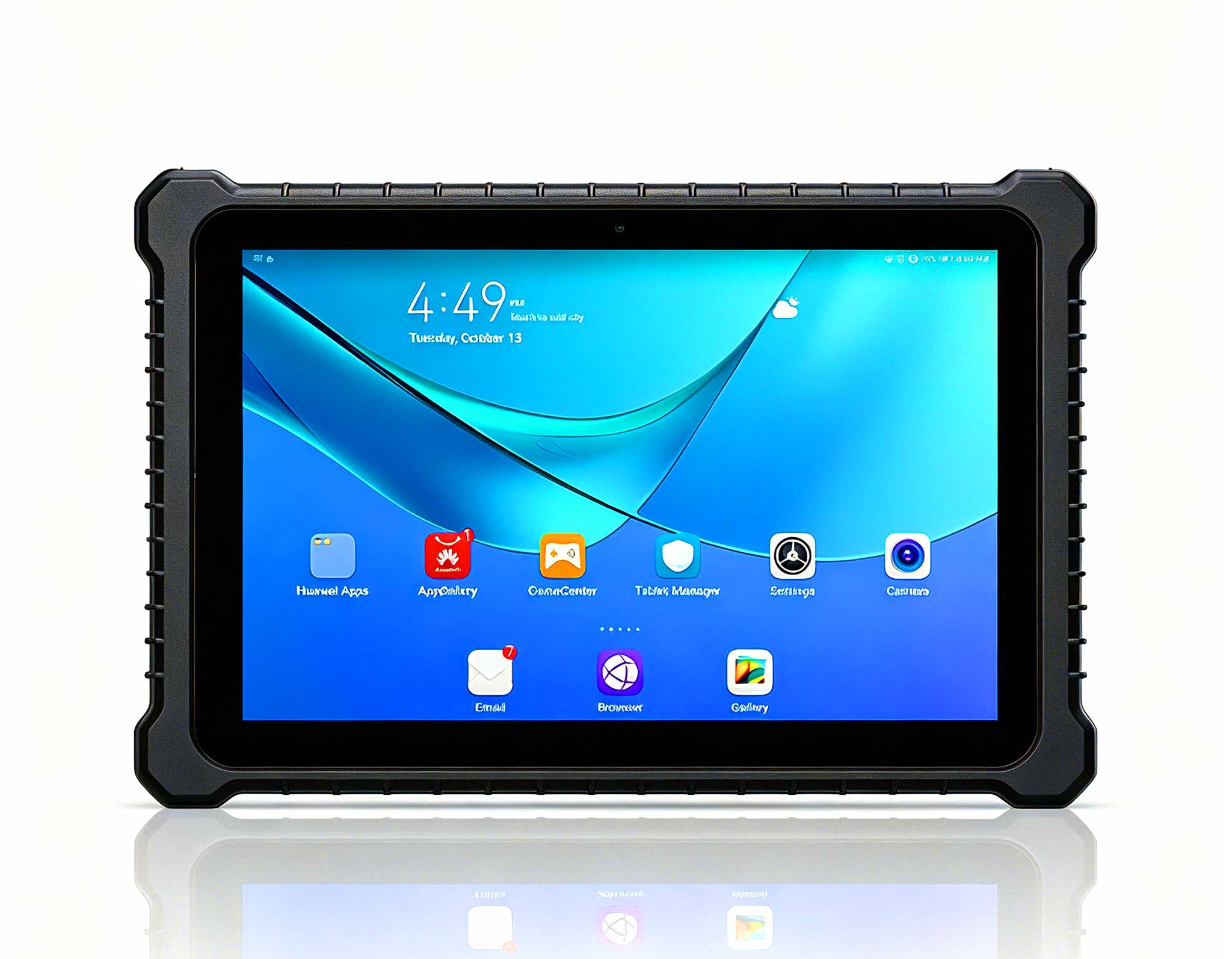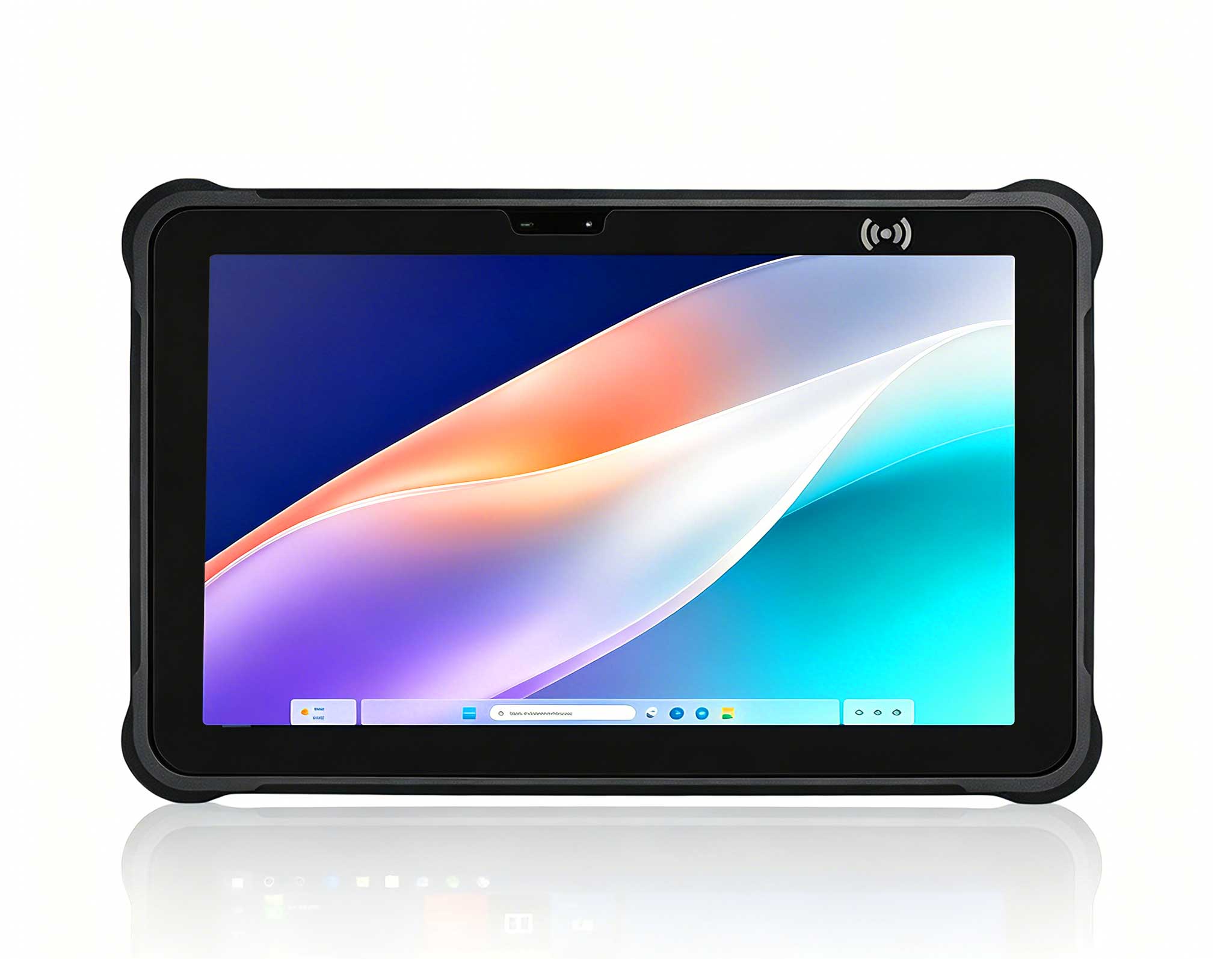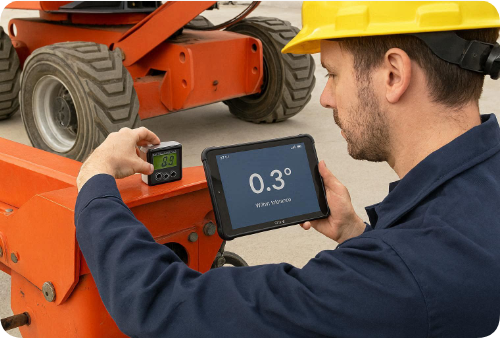
A certified inspector utilizes the HOTUS ST11-U rugged Windows tablet alongside a high-precision inclinometer to validate the critical tilt sensor accuracy of an aerial boom lift.
"Last year, I investigated a catastrophic boom lift tip-over where the machine’s internal tilt sensor reported a safe 3-degree incline, while the chassis was actually sitting at a dangerous 6 degrees. The site’s maintenance log was a simple paper slip marked 'OK'—no measurement, no data, no safety assurance. A deviation of just one degree can transform a stable machine into a lethal fall hazard. We must stop relying on outdated visual checks. If you manage aerial access equipment, your tablets shouldn't just be for logs; they must act as precision safety bridges that compare real-world gravity data against machine output."
Eliminating Aerial Fall Hazards: Mastering Tilt Sensor Calibration in 2026
Aerial work platforms and boom lifts are the backbone of modern construction and industrial maintenance. Yet, these machines rely on a singular, invisible safety mechanism: the tilt sensor. Designed to automatically lock out operations when the chassis exceeds safe operating angles—typically between 3 and 5 degrees—these sensors are subject to inevitable electronic and mechanical drift. When a sensor reports 2 degrees while the machine is leaning at 4 degrees, the machine’s critical safety fail-safes are effectively silenced. In the world of high-altitude access, this is not a minor maintenance nuisance; it is a life-critical equipment failure.
The Fallacy of Legacy Calibration Methods
For decades, the industry has relied on "bubble level" inspections—a subjective, error-prone practice that fails to meet modern safety requirements. A mechanic places a manual level on the chassis, glances at the console, and confirms the machine is "within limits." This process lacks the resolution required for modern safety standards. A bubble level cannot reliably detect a 0.5-degree drift, nor can it provide a digital footprint for future audits. Relying on handwritten logs is a liability; it hides the creeping degradation of sensor accuracy that occurs over months of harsh worksite vibration and climate exposure.
The HOTUS Precision Approach
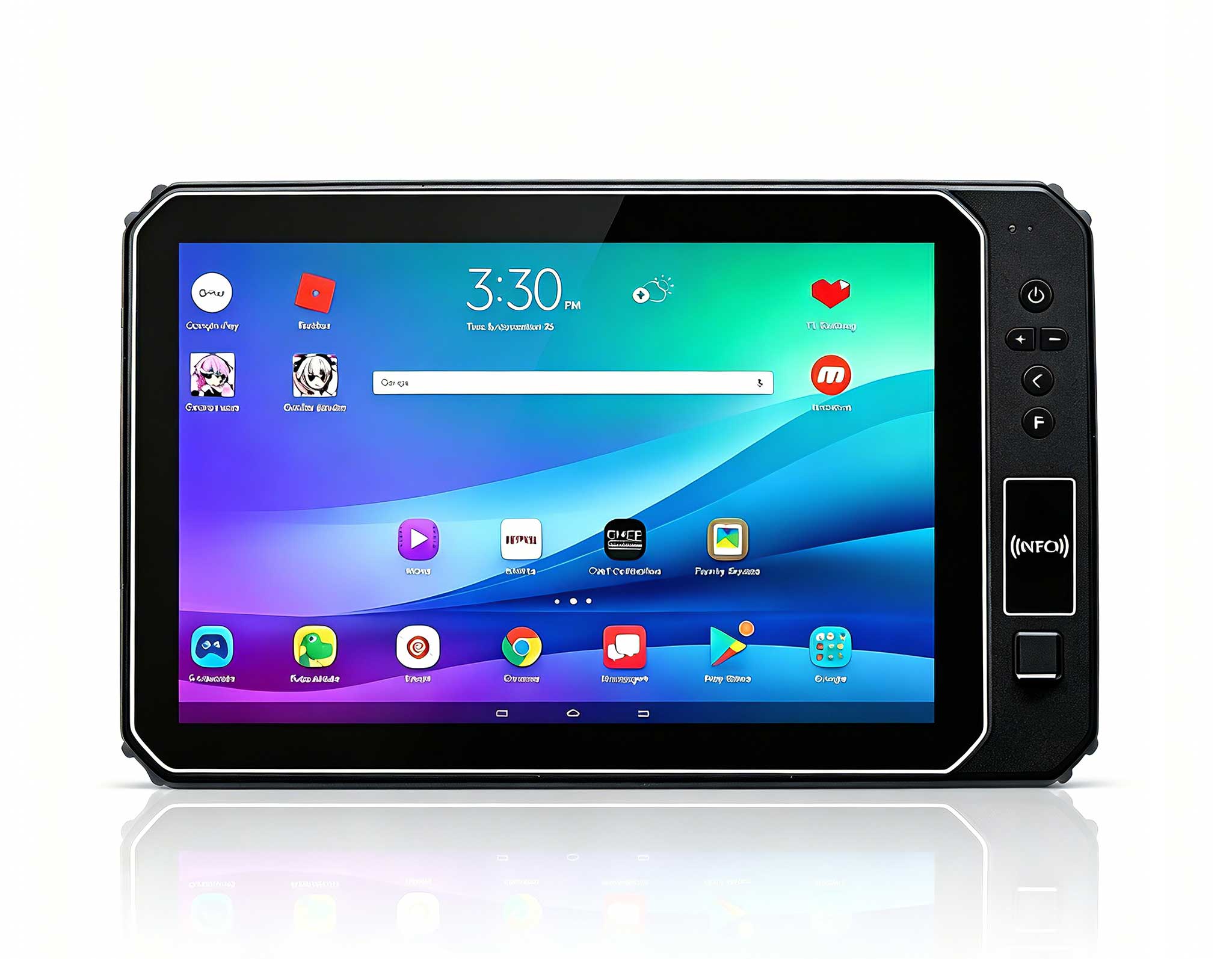
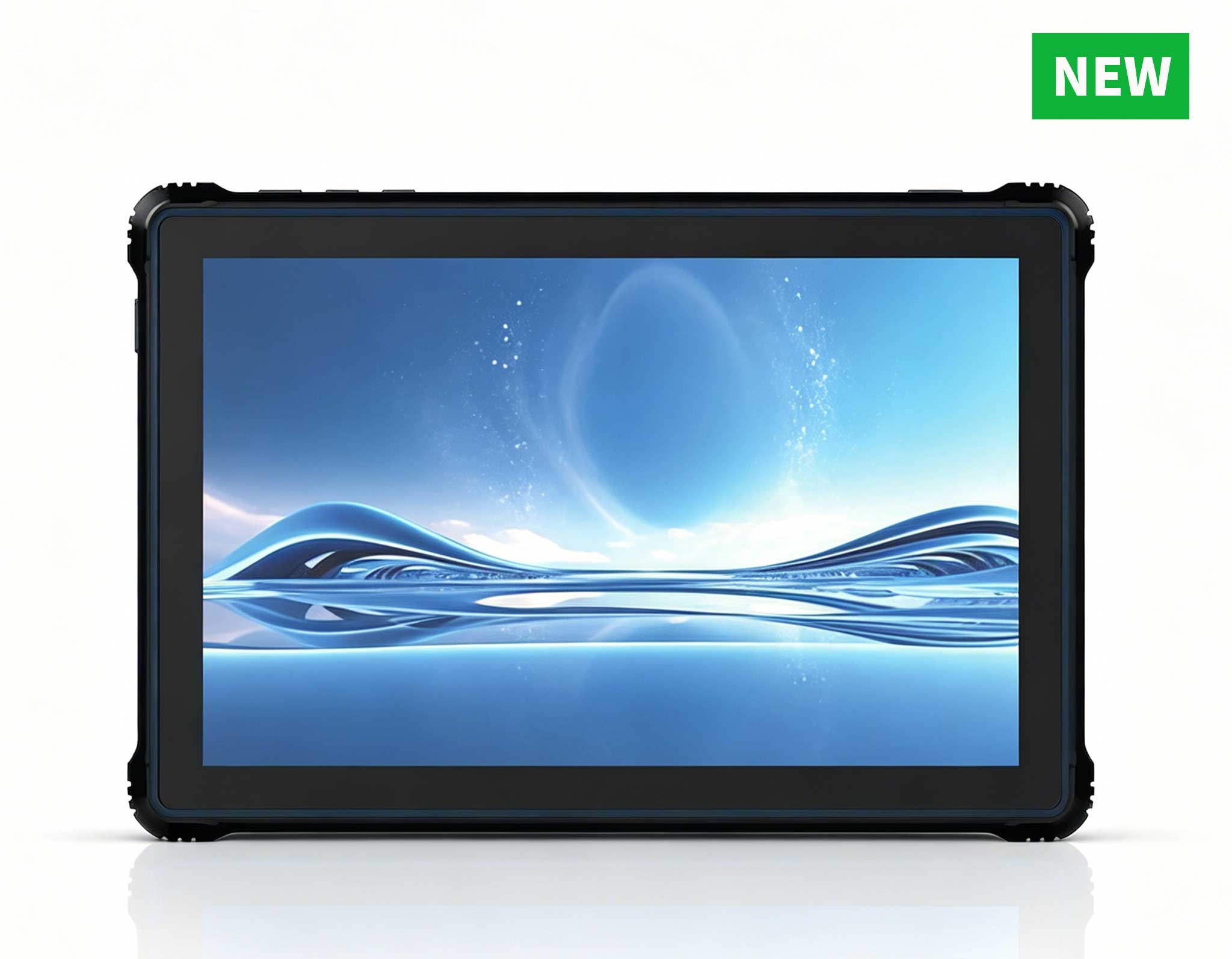
To ensure total fleet compliance and worker safety, the industry requires high-fidelity, ruggedized diagnostic tools. The Hotus ST11-U 10.1″ Windows rugged tablet enables a standardized, repeatable calibration protocol that removes human error from the equation.
- Digital Accuracy: Connect the ST11-U via Bluetooth to industrial-grade inclinometers capable of 0.1° resolution.
- Quantitative Validation: The tablet logs the physical inclination alongside the machine’s reported sensor value, calculating the exact deviation instantly.
- Data Integrity: Every calibration event is time-stamped and tagged with the machine’s serial number and GPS coordinates, creating an immutable safety record for insurance and OSHA compliance.
- Automated Thresholds: The software is configured to trigger an immediate "Maintenance Required" flag if the deviation exceeds a 0.5° threshold, preventing the machine from returning to the job site.
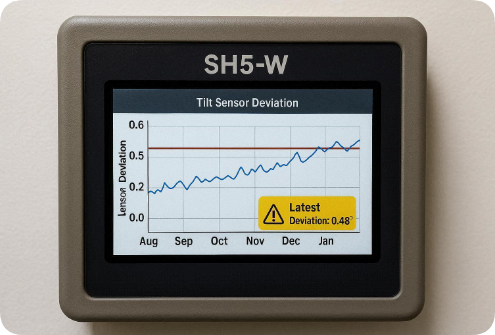
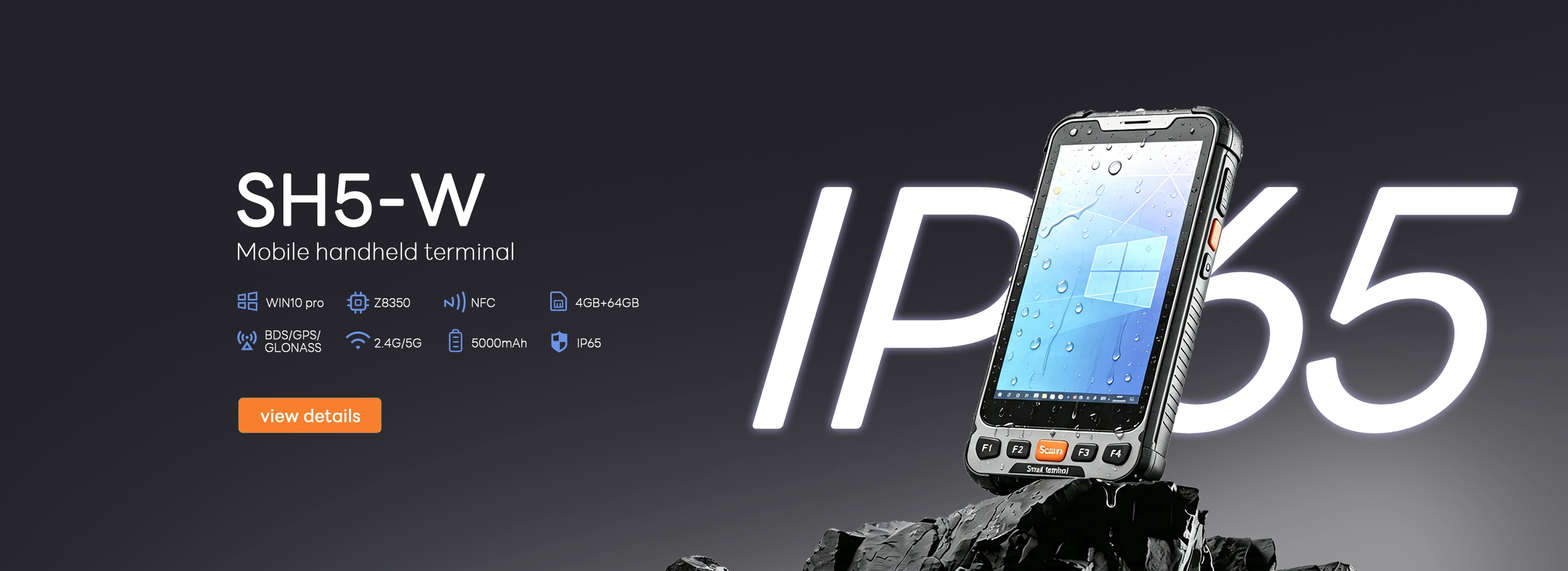
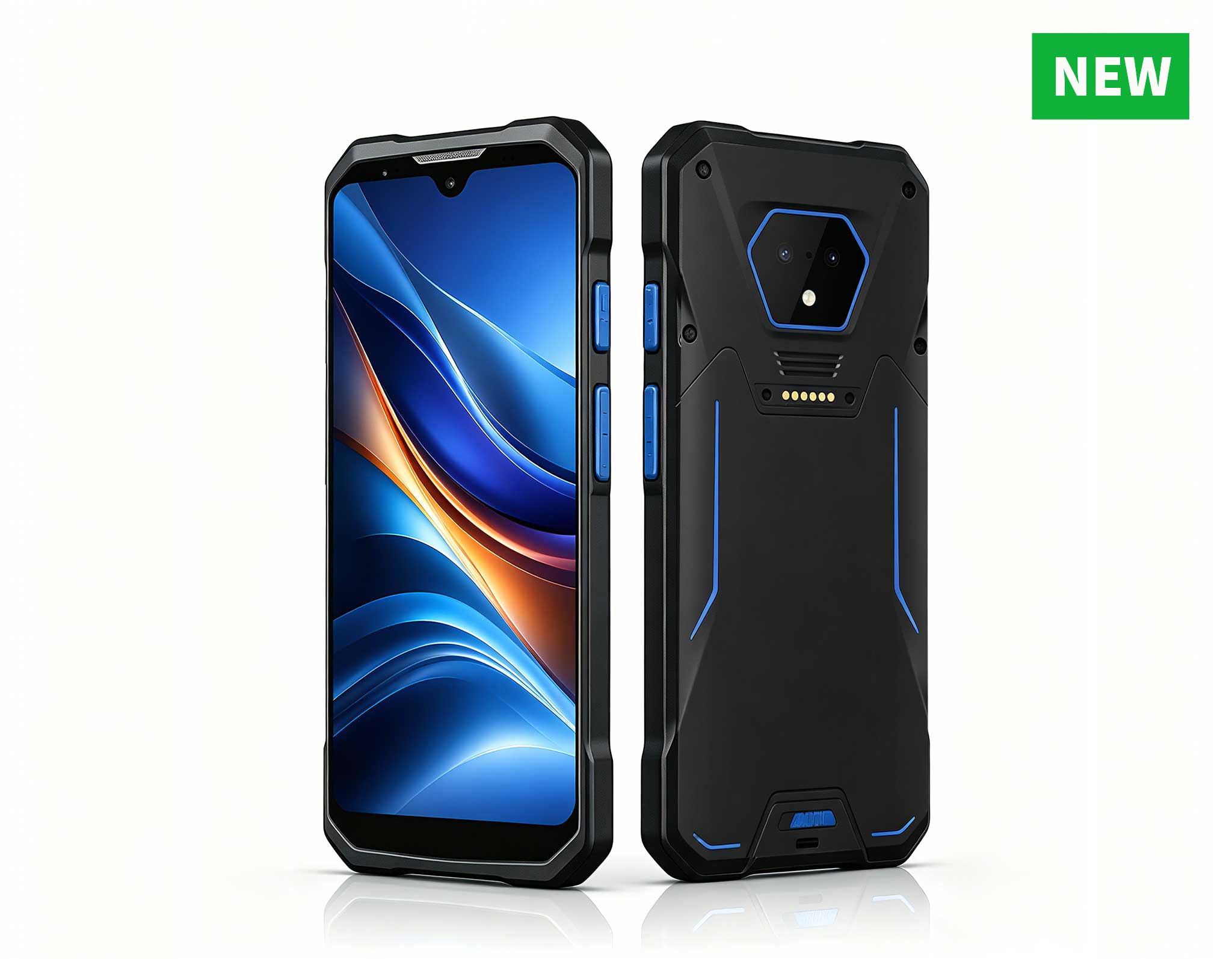
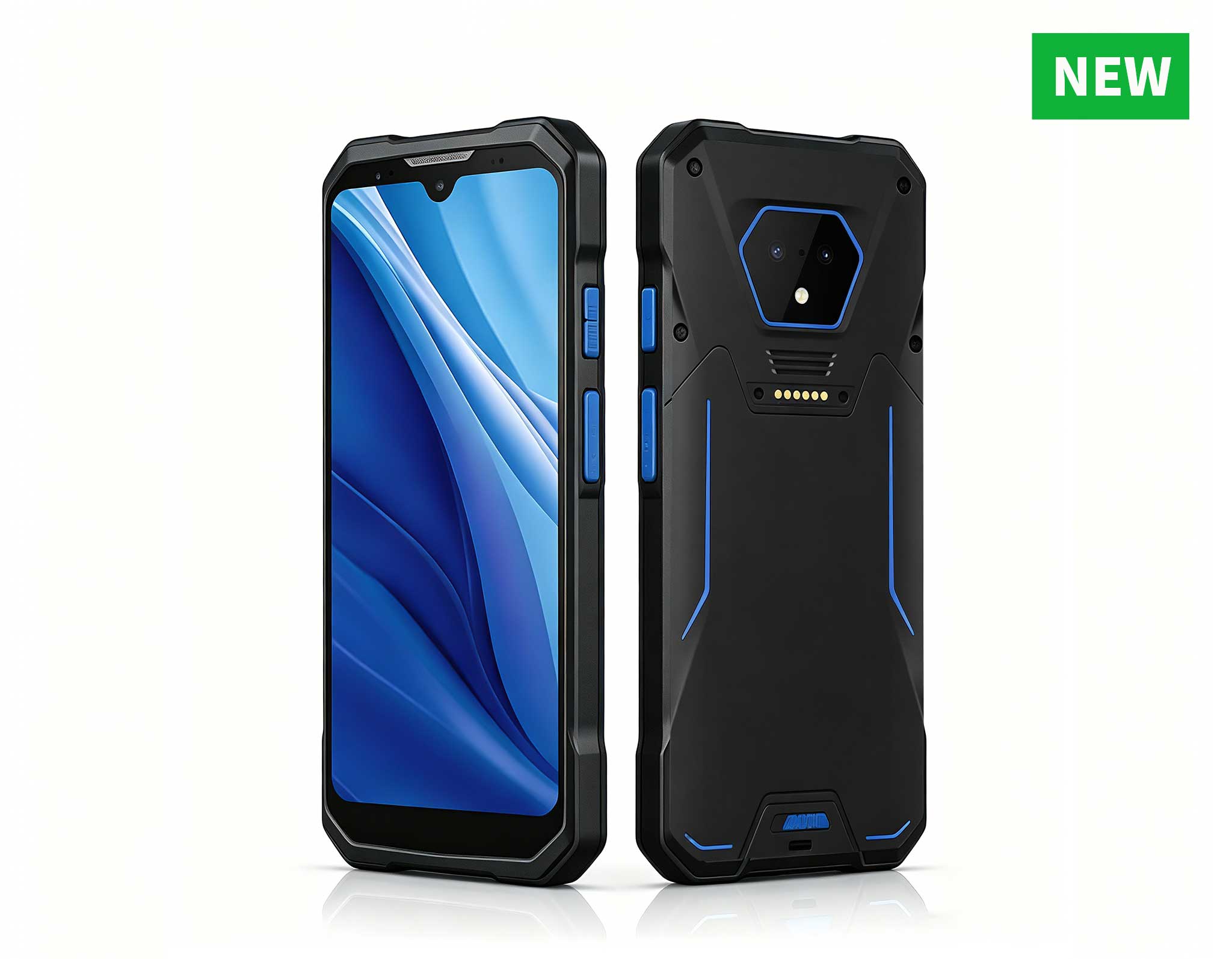
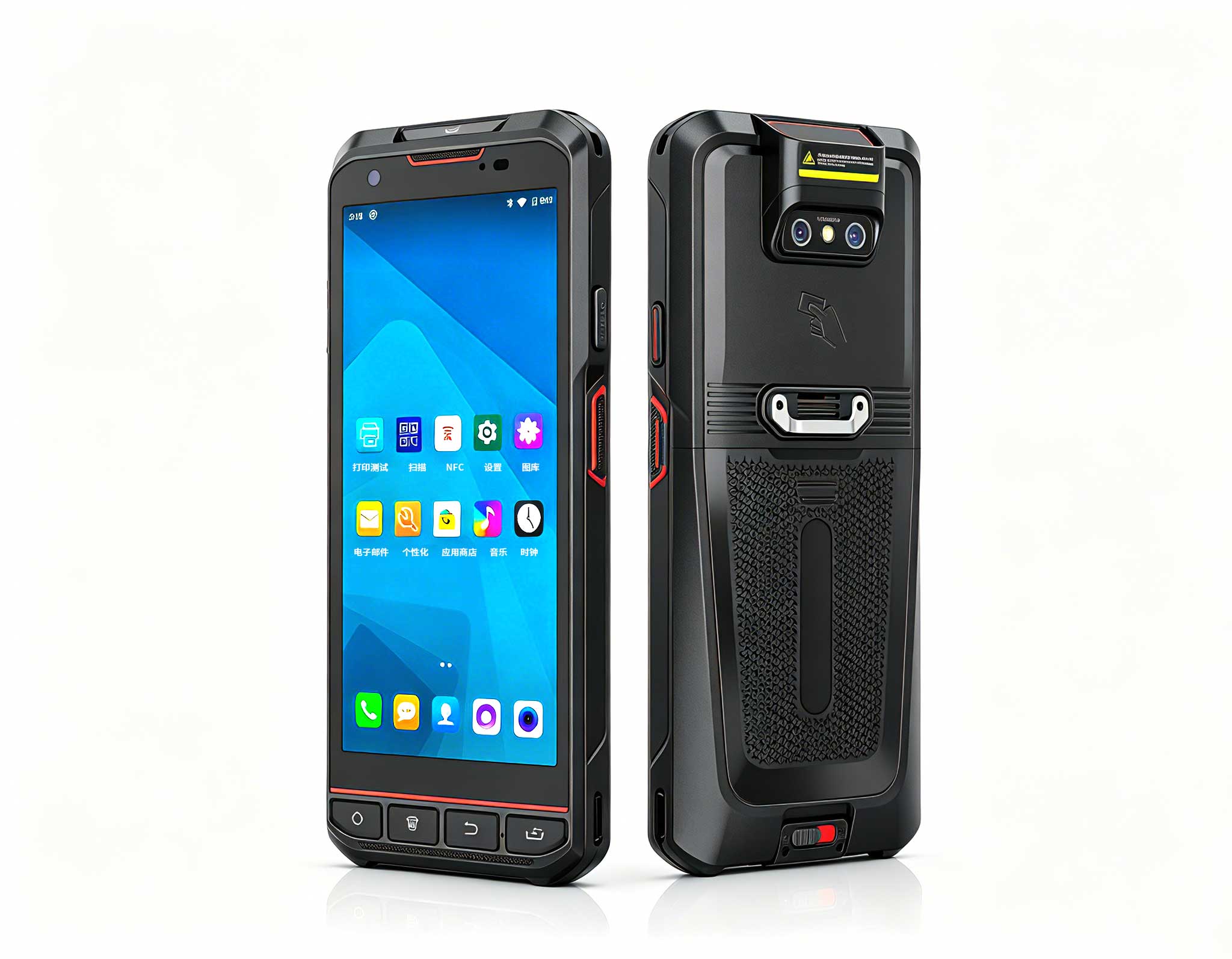
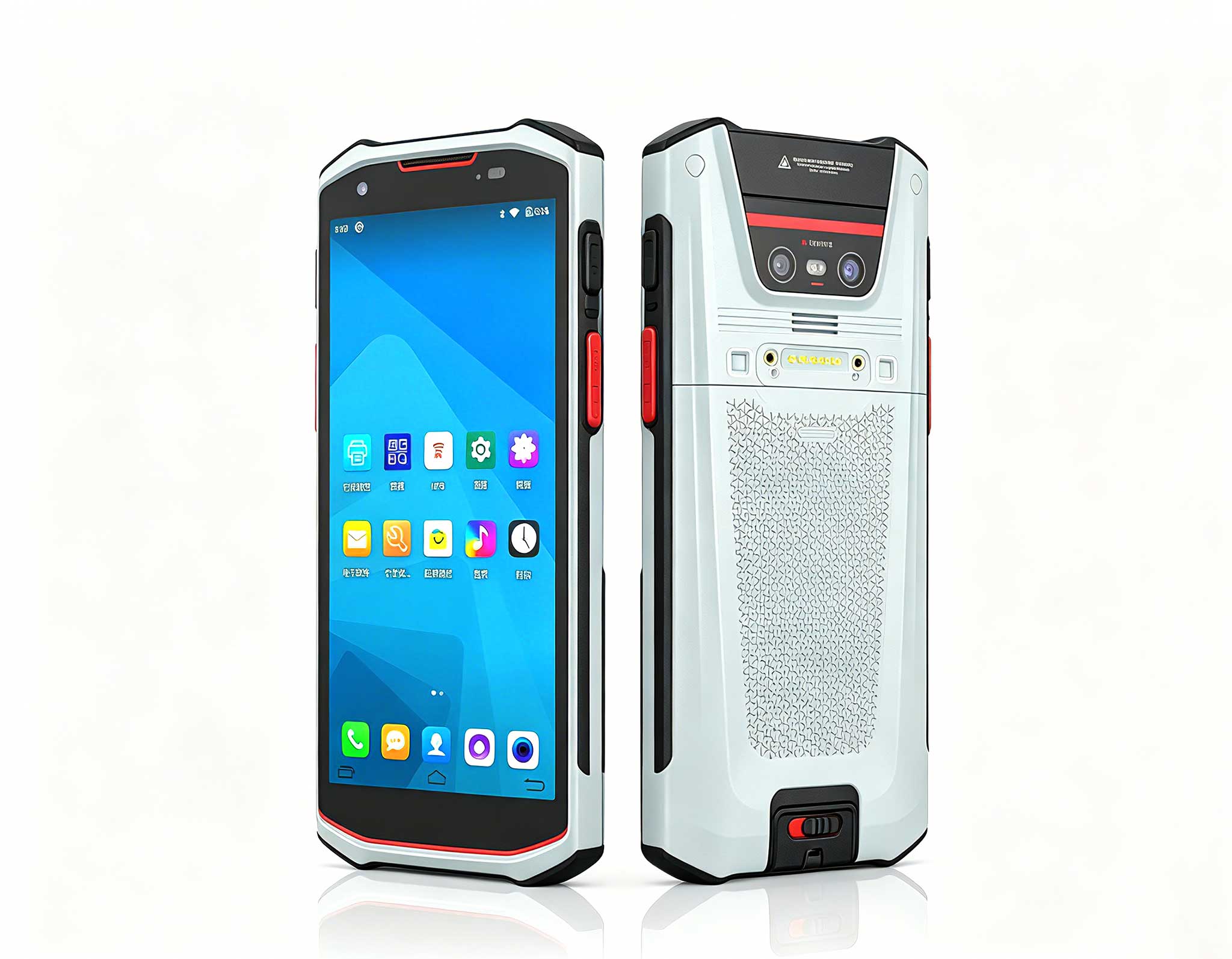
The SH5-W handheld provides mobile, real-time diagnostic insights, tracking the drift history of a boom lift's sensor to predict failure before it happens.
Fleet-Wide Visibility: The Safety Manager's Dashboard
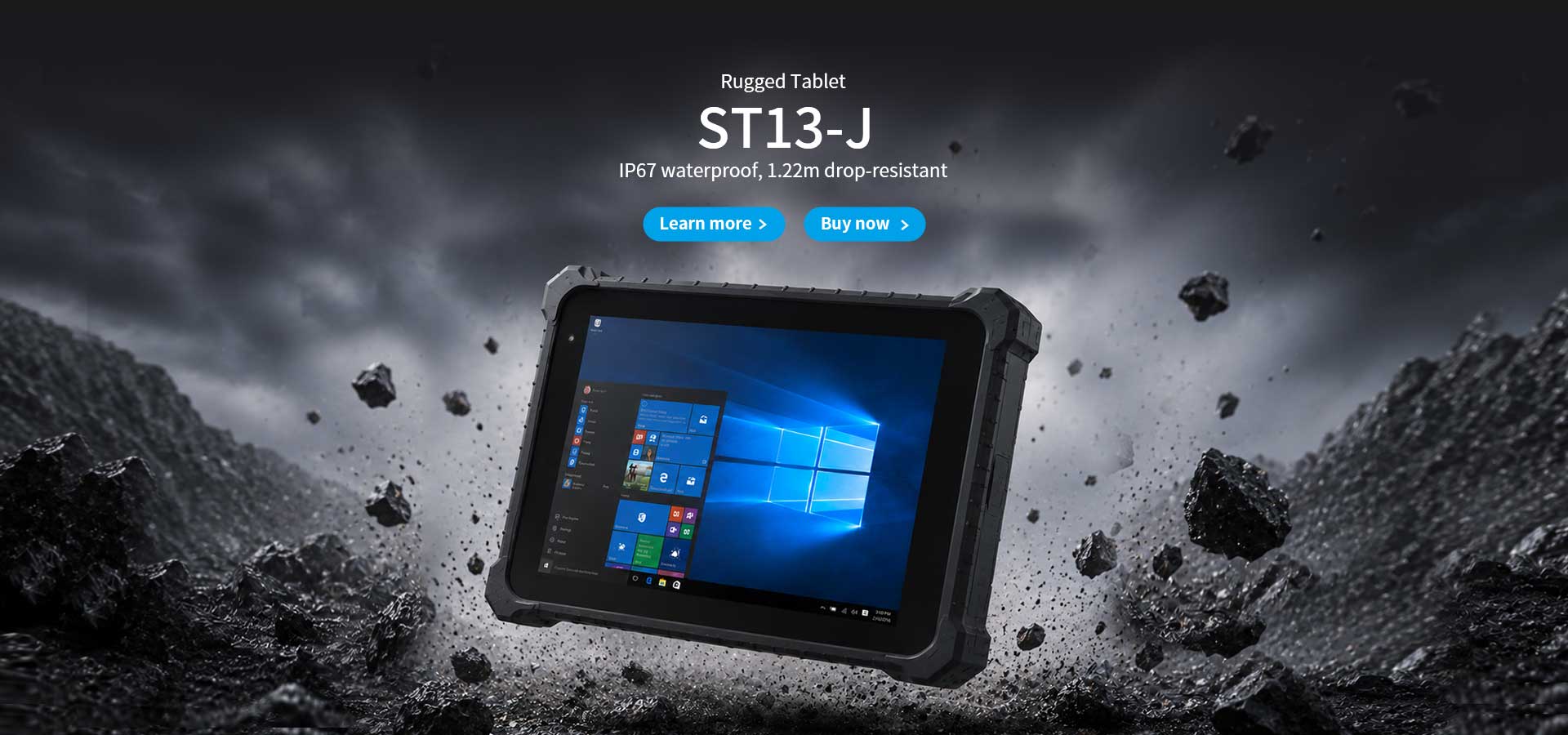
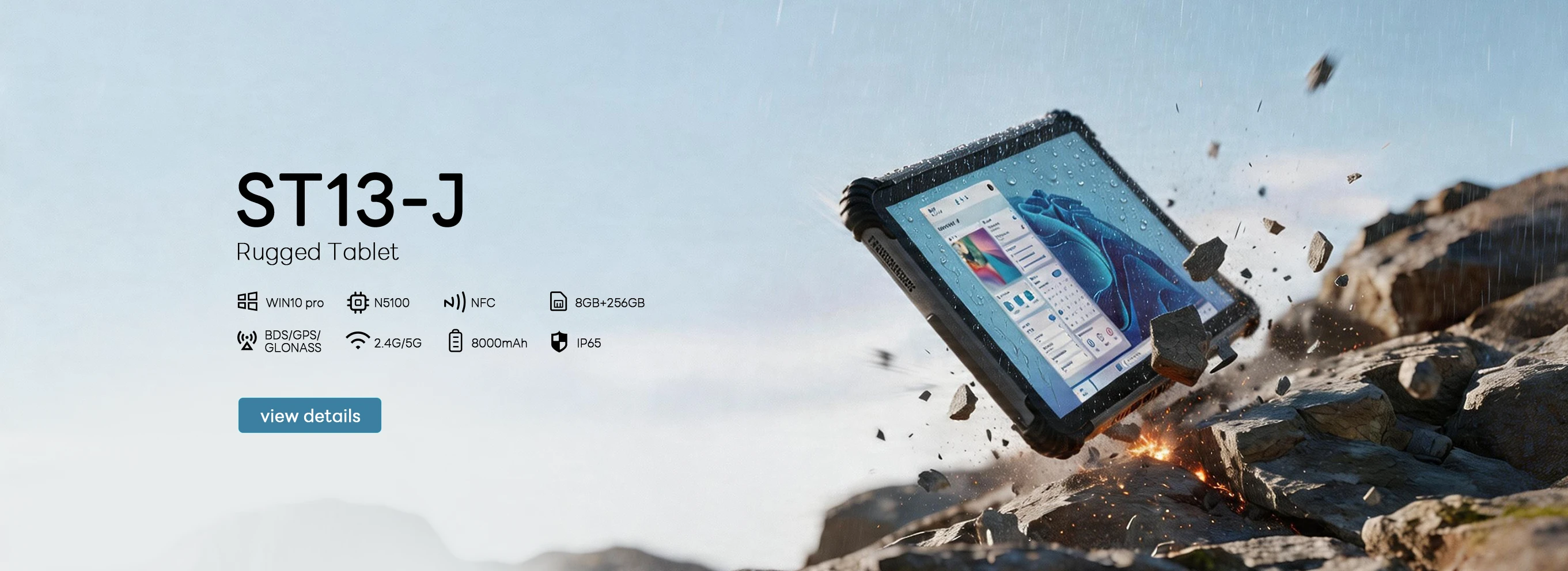
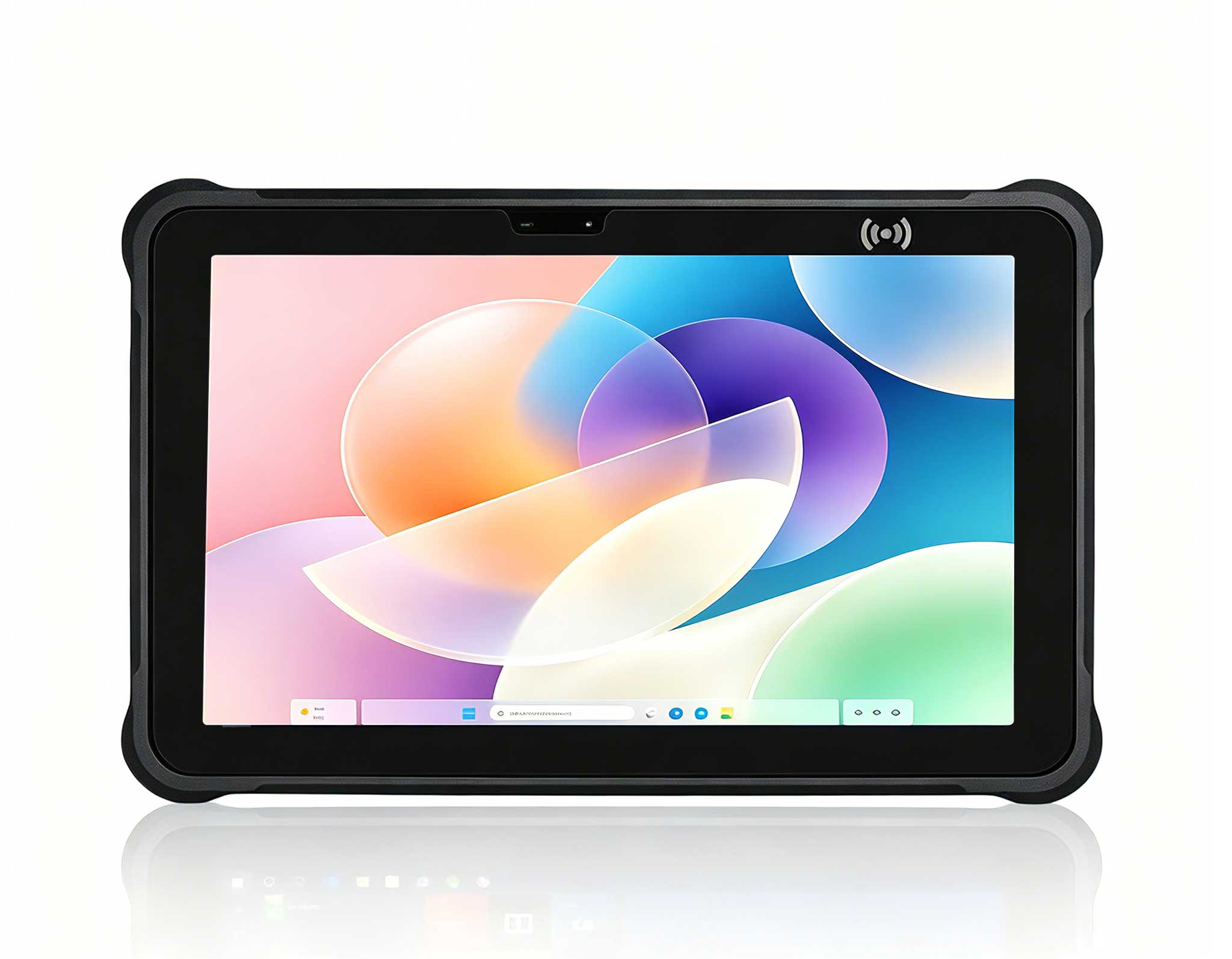
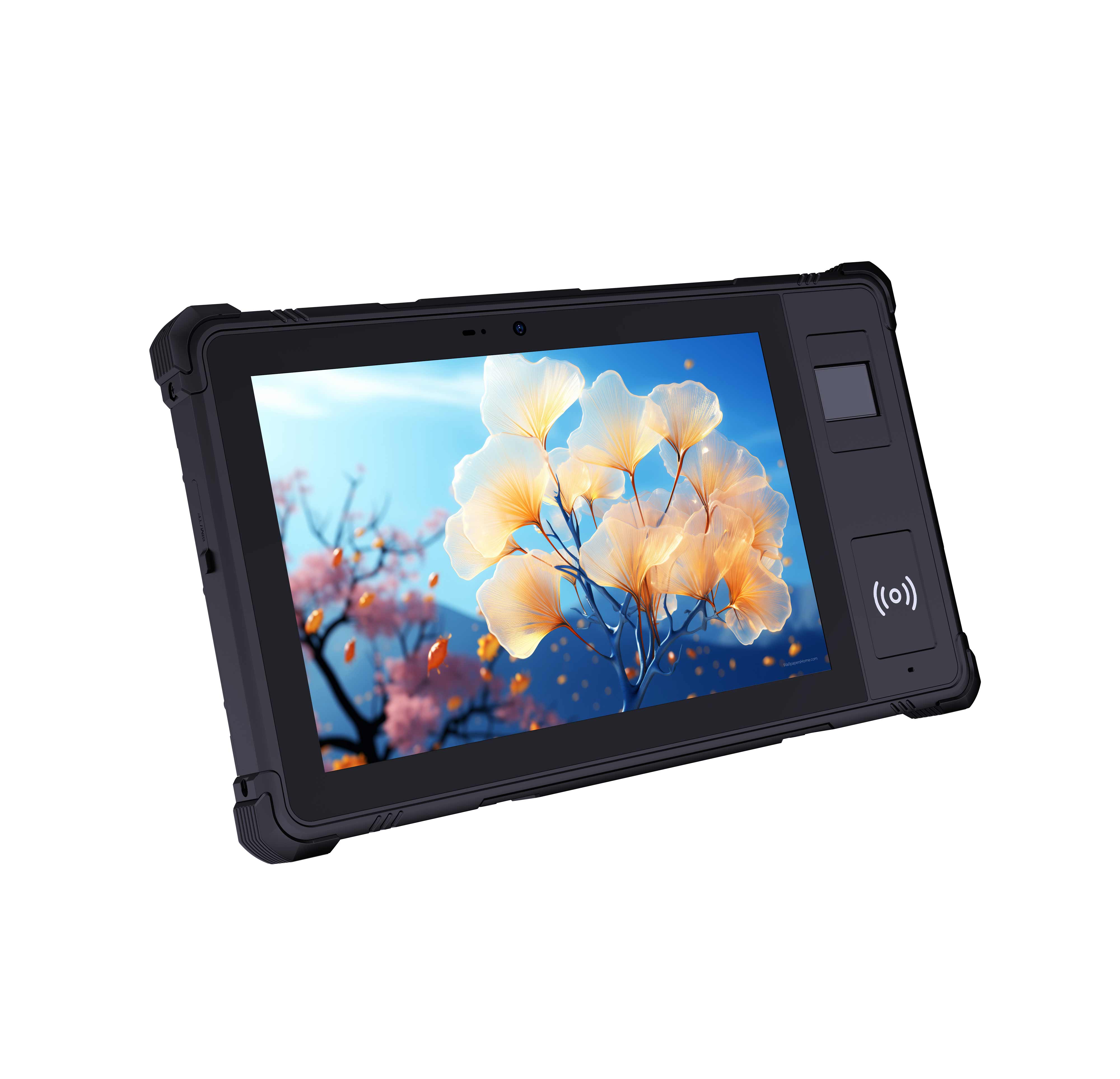
For operations teams managing hundreds of assets, the Hotus ST13-J 13.3″ Windows rugged tablet serves as the centralized hub for safety management. By aggregating fleet data, safety managers can identify "drift trends"—detecting which specific machines or environments (such as high-vibration sites) are causing sensors to degrade faster than others.
In one recent implementation for a large equipment rental firm with 200 boom lifts, the deployment of 30 ST11-U kits and centralized dashboarding resulted in the early identification of 15 machines with dangerous levels of sensor drift (>1.0°). By recalibrating these units, the firm avoided not only potential mechanical failure but also millions of dollars in liability risk. This is the definition of data-driven safety.
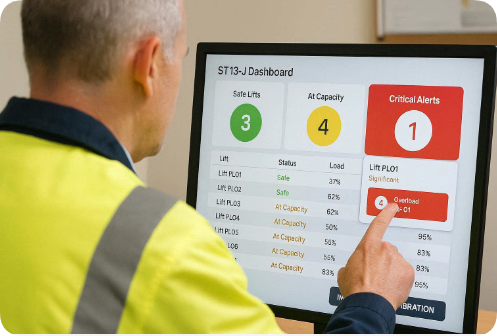
The ST13-J dashboard visualizes fleet health through a simple, color-coded interface, allowing managers to prioritize maintenance schedules for machines nearing critical drift limits.
Conclusion: Investing in Worksite Reliability
A drifting sensor is a hidden danger that standard paper logs are fundamentally incapable of catching. By transitioning to a robust, Windows-based digital inspection ecosystem, you shift from reactive "fixing" to proactive "safety assurance." Whether it is the portability of the SH5-W or the comprehensive overview of the ST13-J, these tools give you the command and control required in the modern construction environment. Protect your workforce, secure your assets, and ensure every lift reaches the height of safety.
Is your aerial fleet safety compliant?
Contact HOTUS Technology Today to explore our high-precision calibration solutions and see how our rugged tablets can harden your site safety protocols.
Strategic Implementation Tips:
* Standardization: Implement the ST11-U calibration workflow as a mandatory step in every semi-annual service inspection.
* Trend Monitoring: Use the ST13-J historical view to identify machines that consistently fail calibration, indicating a potential hardware defect in the sensor mount.
* Documentation: Attach digital calibration certificates generated by the ST11-U to each machine's master digital file for immediate retrieval during safety audits.