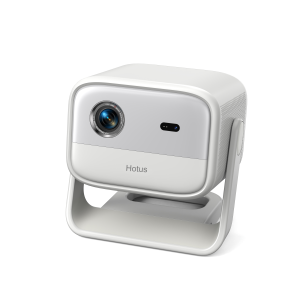
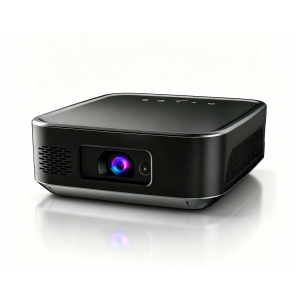
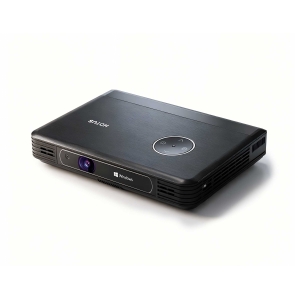
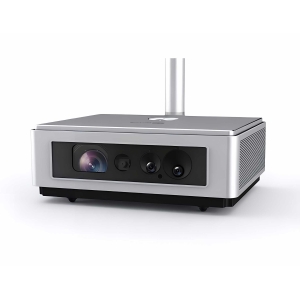
PROJECTOR OEM & ODM
CUSTOMIZATION SERVICES
HOTUS | B2B Projector Manufacturing & Customization
HOTUS supports business customers seeking branded projector products and customized projection solutions. Depending on project requirements, cooperation can focus on OEM customization of an existing platform or ODM development from product definition through design validation and production preparation. Available options, feasibility, MOQ, lead time and costs are confirmed for each project.
1. Projector OEM Customization
OEM is suitable for customers who want to build their own projector brand using an existing or selected product platform, with agreed changes to appearance, configuration, software, packaging and accessories.
1.1 Branding & Appearance Customization
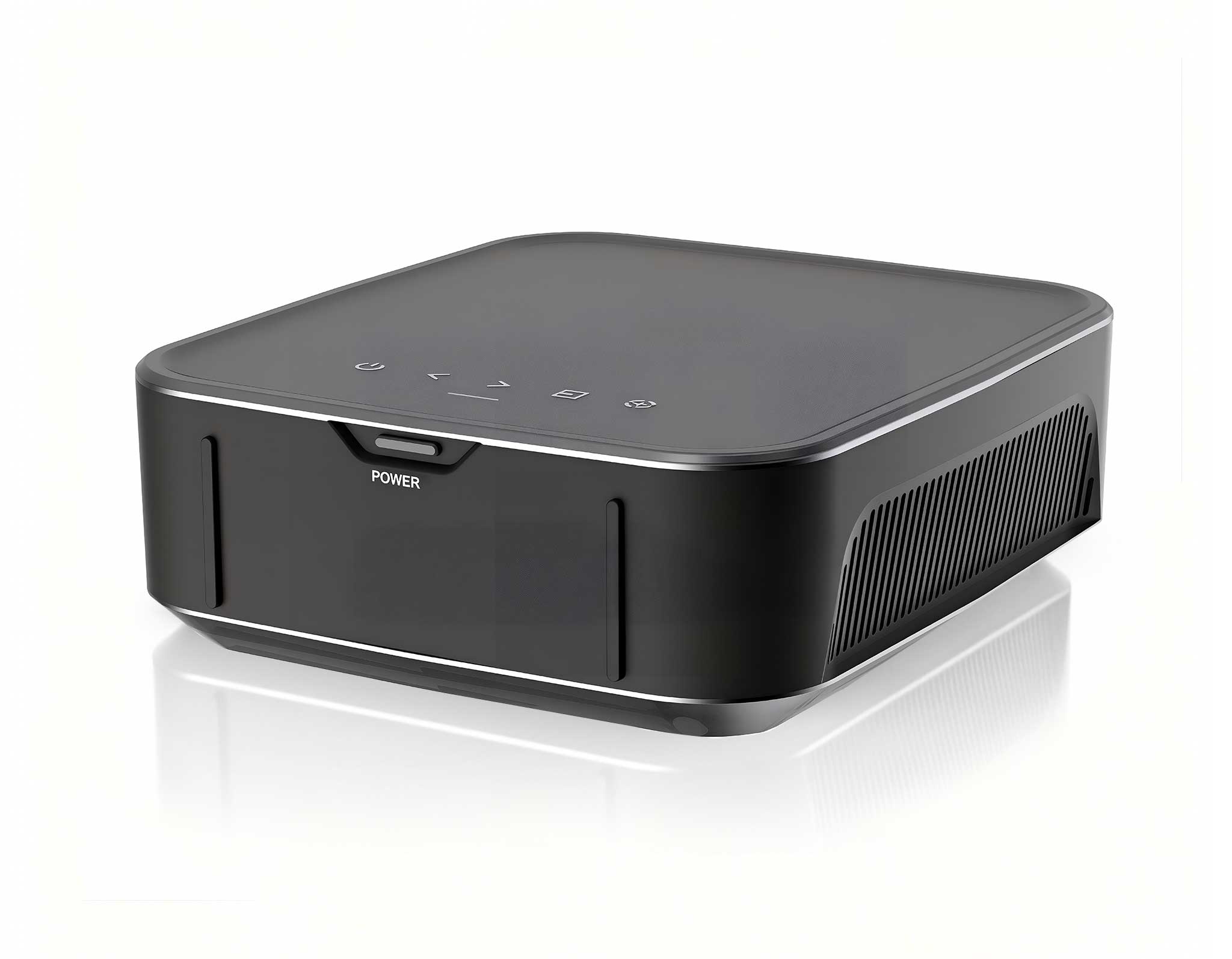
· Customer logo on approved product surfaces, subject to available marking methods and placement.
· Customized color, finish and selected housing details where the existing platform allows.
· Product labels, model names, serial-number labels and regulatory label layouts, subject to compliance review.
· Customized user-facing startup logo or interface branding where supported by the system.
1.2 Hardware & Configuration Options
· Selection of a suitable projector platform based on target use, brightness class, resolution, portability and budget.
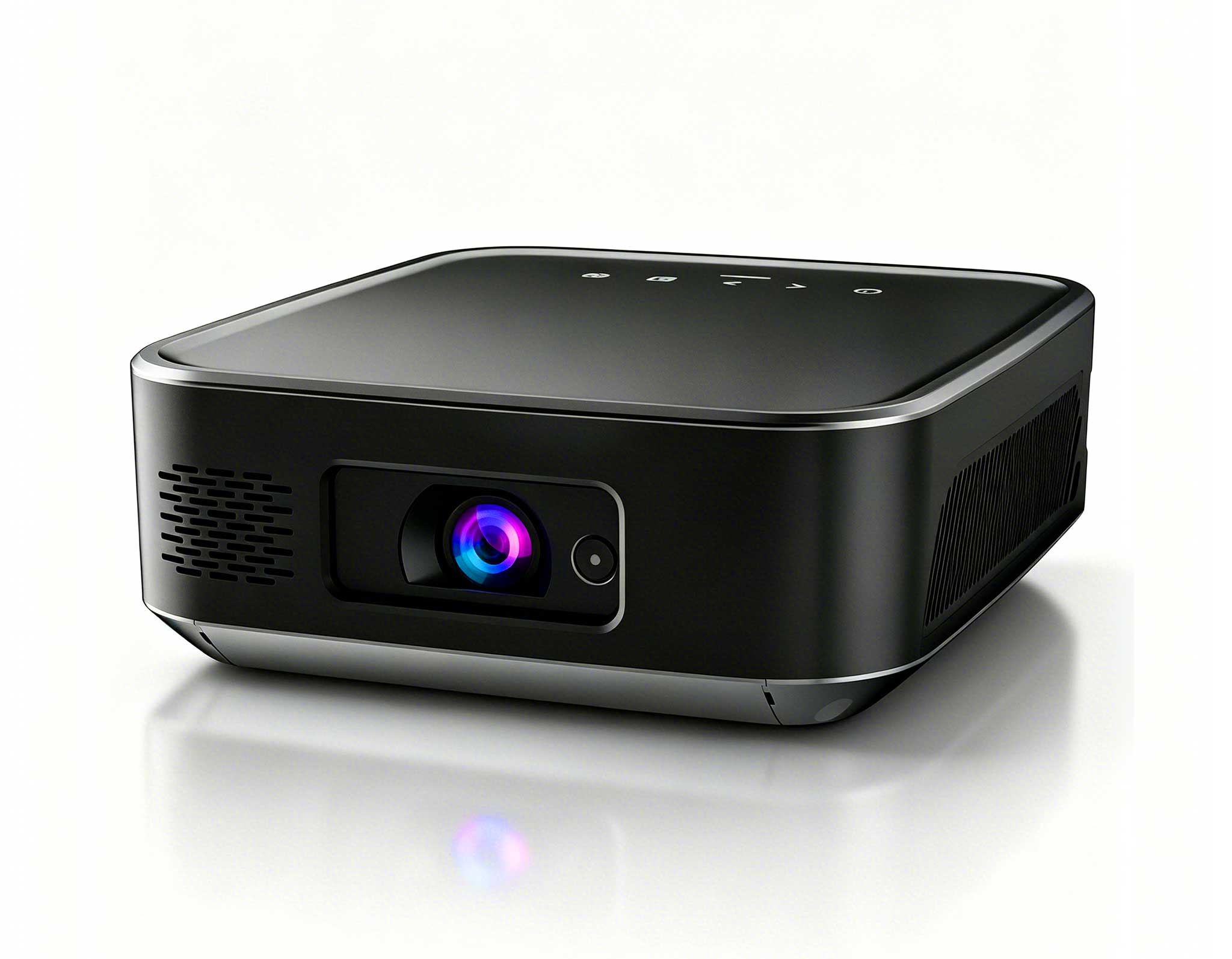
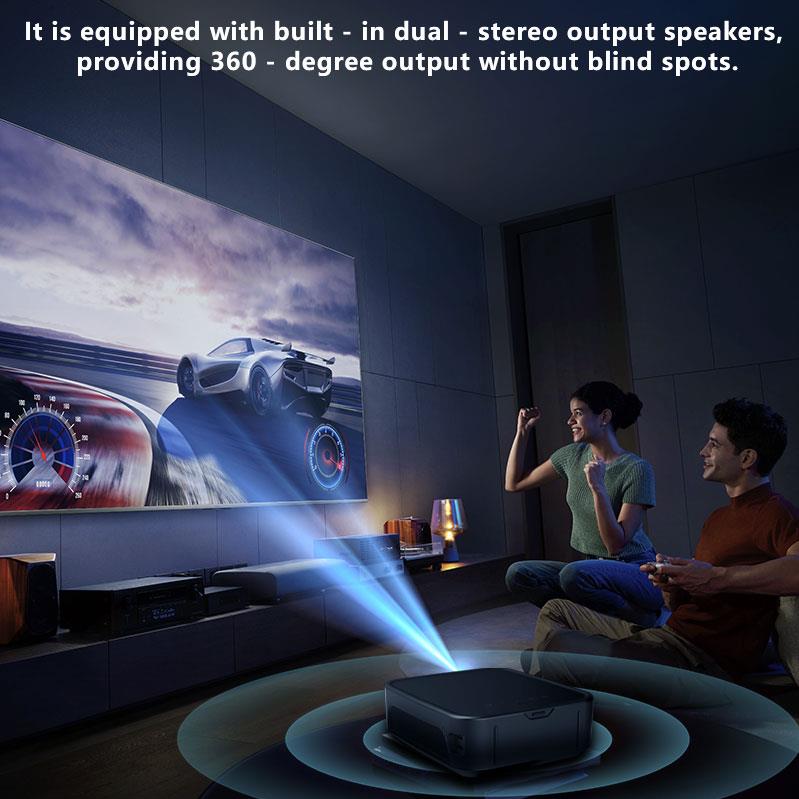
· Configuration review for supported light source, optical engine, cooling design, speakers and connectivity.
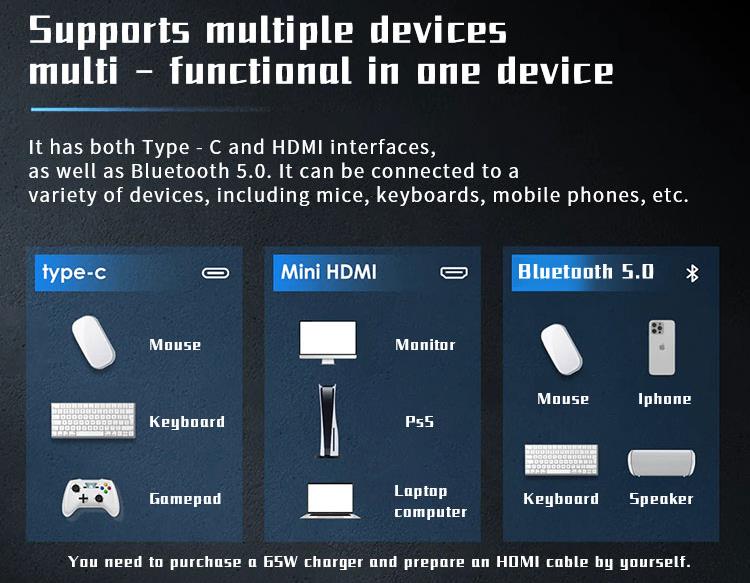
· Selection of supported interfaces and wireless functions according to the chosen platform.
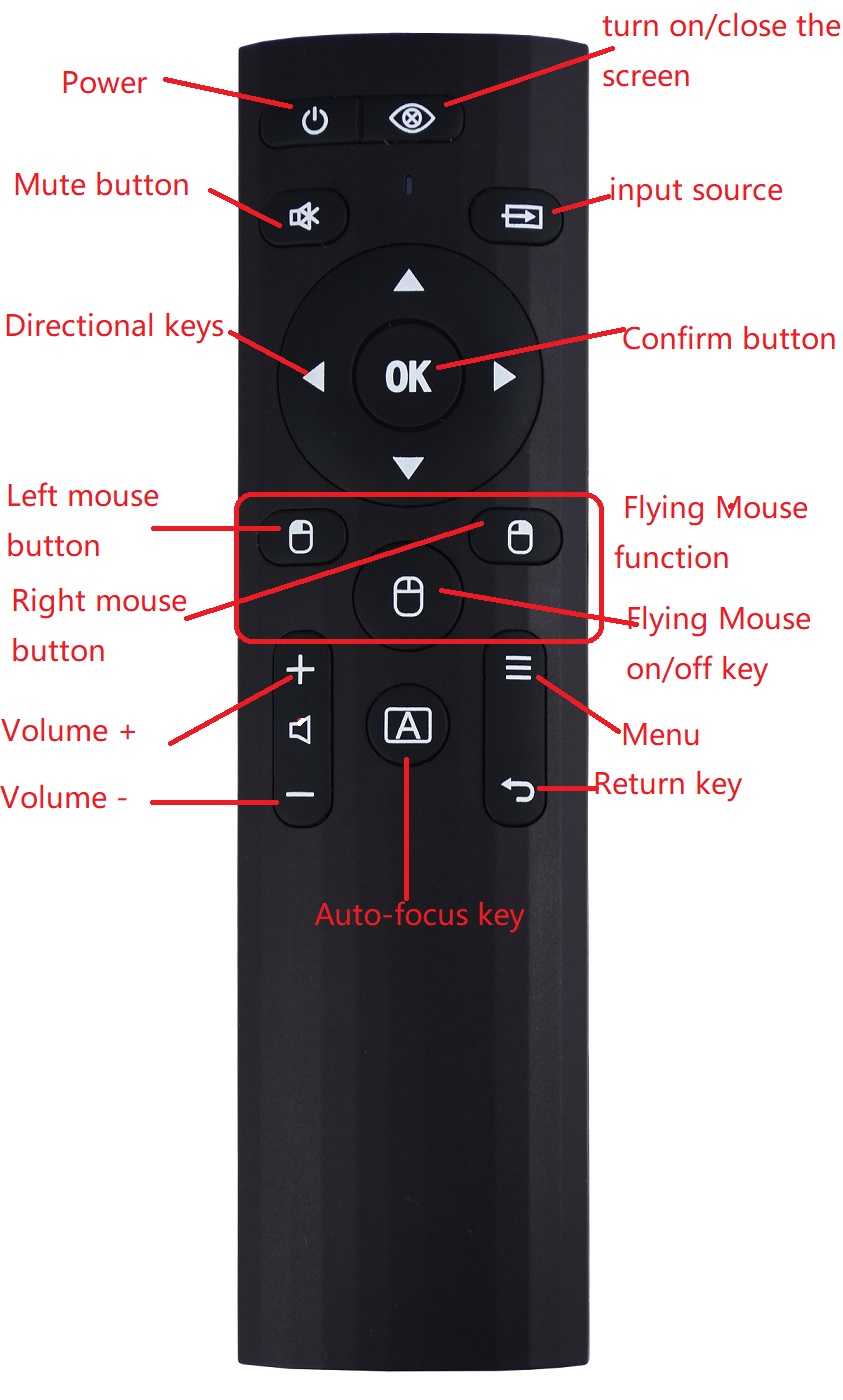
· Accessory configuration, such as remote control, power adapter, cables, lens cap or carrying case, where applicable.
1.3 Firmware, Software & User Experience
· Supported startup screen, menu language and default-setting customization.
· Pre-configuration of approved system settings and supported applications.
· Customer-specific user guides and setup instructions.
· Software changes are subject to the platform, operating-system licensing and technical feasibility.
1.4 Packaging & Documentation
· Neutral packaging or customer-branded color boxes and outer cartons.
· Customized manuals, quick-start guides, warranty cards and product inserts.
· Barcode, SKU, carton-marking and shipment-label coordination.
· Accessory kits and protective inserts tailored to the agreed sales channel.
1.5 OEM Project Workflow
· Share target market, sales channel, expected volume and required specifications.
· Select a suitable platform and confirm customization scope.
· Review artwork, labels, packaging and sample requirements.
· Approve samples and agreed quality criteria before mass production.
· Confirm production schedule, inspection plan and shipment requirements.
2. Projector ODM Development
ODM is suitable for customers who need more extensive product definition, industrial design or engineering collaboration. The development scope is agreed project by project and may use an existing technical platform as a starting point; not every project requires a completely new design.
2.1 Product Planning & Requirement Definition
· Define target users, use scenarios, target price range, market positioning and expected annual volume.
· Create a product requirement brief covering portability, image performance goals, connectivity, sound, thermal limits and user experience.
· Review feasibility, key risks, indicative development stages and cost drivers before project launch.
2.2 Industrial Design & Mechanical Development
· Industrial design direction, product appearance concepts and design-for-manufacturing review.
· Mechanical structure, housing layout, port placement, mounting features and serviceability considerations.
· Thermal management, airflow and acoustic considerations appropriate to the selected architecture.
· Design adjustments based on engineering review and prototype feedback.
2.3 Optical, Electronic & System Integration
· Evaluate suitable optical and imaging solutions against the agreed performance targets.
· Coordinate mainboard, power, connectivity, audio, control and thermal subsystems within platform constraints.
· Integrate supported firmware, system settings, interface languages and approved applications.
· Assess compatibility, reliability and regulatory requirements relevant to the intended markets.
2.4 Prototype, Verification & Design Refinement
· Build or arrange prototypes according to the agreed development plan.
· Review focus and image uniformity, brightness consistency, connectivity, audio, thermal behavior and operating stability as applicable.
· Record issues, track corrective actions and review design changes with the customer.
· Define acceptance criteria and test coverage before production release.
2.5 Pilot Run & Mass-Production Preparation
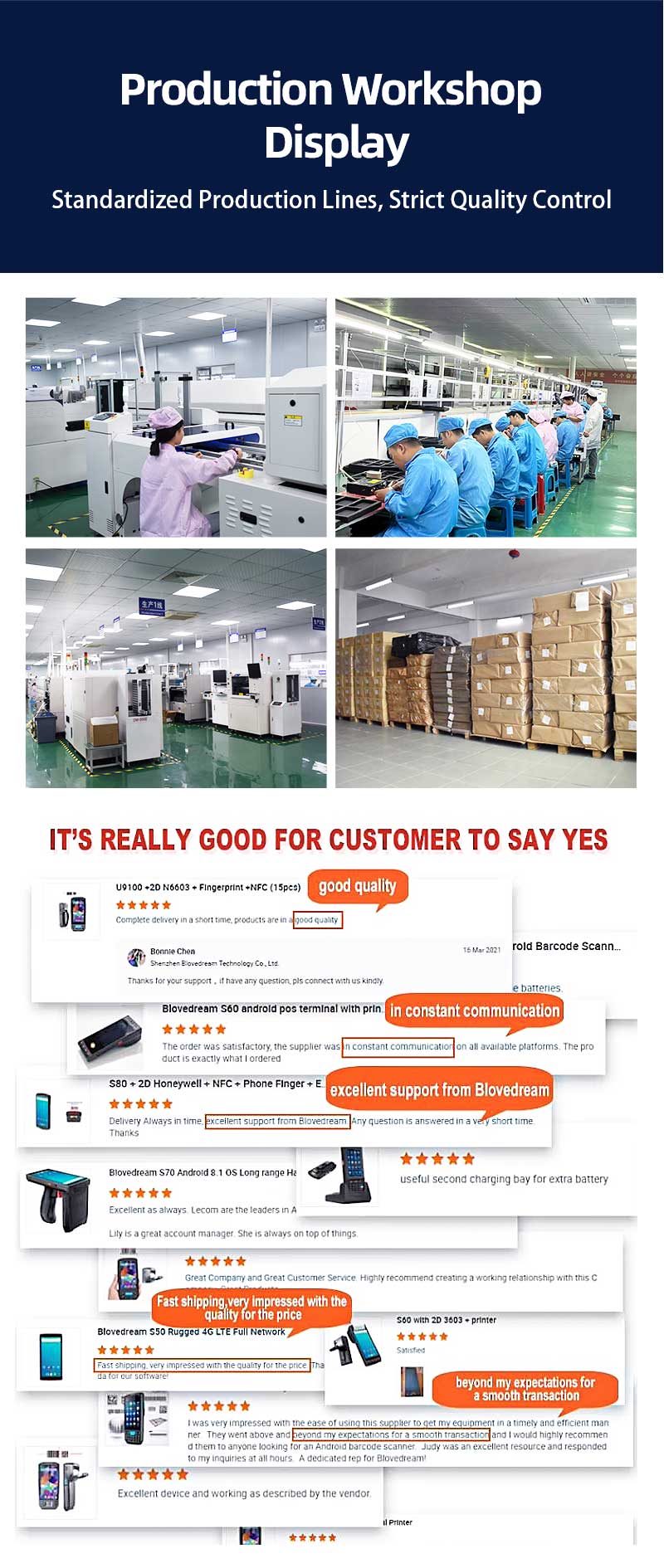
· Review bill of materials, approved suppliers and component availability.
· Prepare assembly instructions, inspection checkpoints and product configuration controls.
· Conduct a pilot build and review identified manufacturing or quality issues.
· Confirm final specifications, packaging, labeling, inspection requirements and production release.
2.6 ODM Deliverables & Project Governance
· Project-specific requirement and specification documents, as agreed.
· Approved appearance artwork, sample records and verification summaries where included in the scope.
· Change control for specification, component, firmware and packaging revisions.
· Development schedule, responsibilities, tooling ownership, intellectual-property terms and deliverables to be defined in the project agreement.
3. OEM vs. ODM: Which Model Fits Your Project?
Item | OEM | ODM |
Starting point | Existing or selected product platform | Product brief; may start from an existing platform |
Typical scope | Branding, configuration, software settings, packaging | Product definition, design/engineering coordination, prototypes and validation |
Best suited for | Brand owners and distributors launching a branded model | Brands seeking a more differentiated product or tailored solution |
Development effort | Usually lower when changes stay within platform capability | Depends on design novelty, engineering scope and validation needs |
Key decision | Confirm platform fit and customization list | Confirm requirements, feasibility, development plan and ownership terms |
4. Quality, Compliance & After-Sales Coordination
· Project quality criteria, sampling plan, inspection scope and acceptance method should be agreed before production.
· Applicable electrical safety, EMC, radio, energy-efficiency, environmental and other market requirements must be reviewed for the specific model and destination market.
· Certificates, test reports and declarations should only be stated or supplied when they are valid for the exact product configuration and market.
· Warranty term, covered components, exclusions, repair or replacement process, spare-parts support and shipping responsibilities must be confirmed in the quotation or sales agreement.
· Any product-specific performance figures, including brightness, resolution, contrast, throw ratio, lamp or light-source life, operating-system features and wireless functions, must be confirmed against the approved specification.
5. Information to Start a Project
· Target market and sales channel
· OEM or ODM preference and expected customization depth
· Target price, estimated order quantity and annual demand
· Required image performance, portability and installation scenario
· Preferred operating system, apps, interfaces and wireless functions
· Branding, packaging, accessories and language requirements
· Required certifications, target launch date and sample expectations
6. Important Notes
All customization options are subject to platform capability, engineering evaluation, component availability, licensing, certification requirements, minimum order quantity and project approval. Development fees, tooling, sample charges, lead times, warranty terms and deliverables are confirmed in the project quotation or agreement. This document describes potential service categories and is not a guarantee that every option is available for every projector model.
HOTUS | Projector OEM & ODM Customization