- Select Language
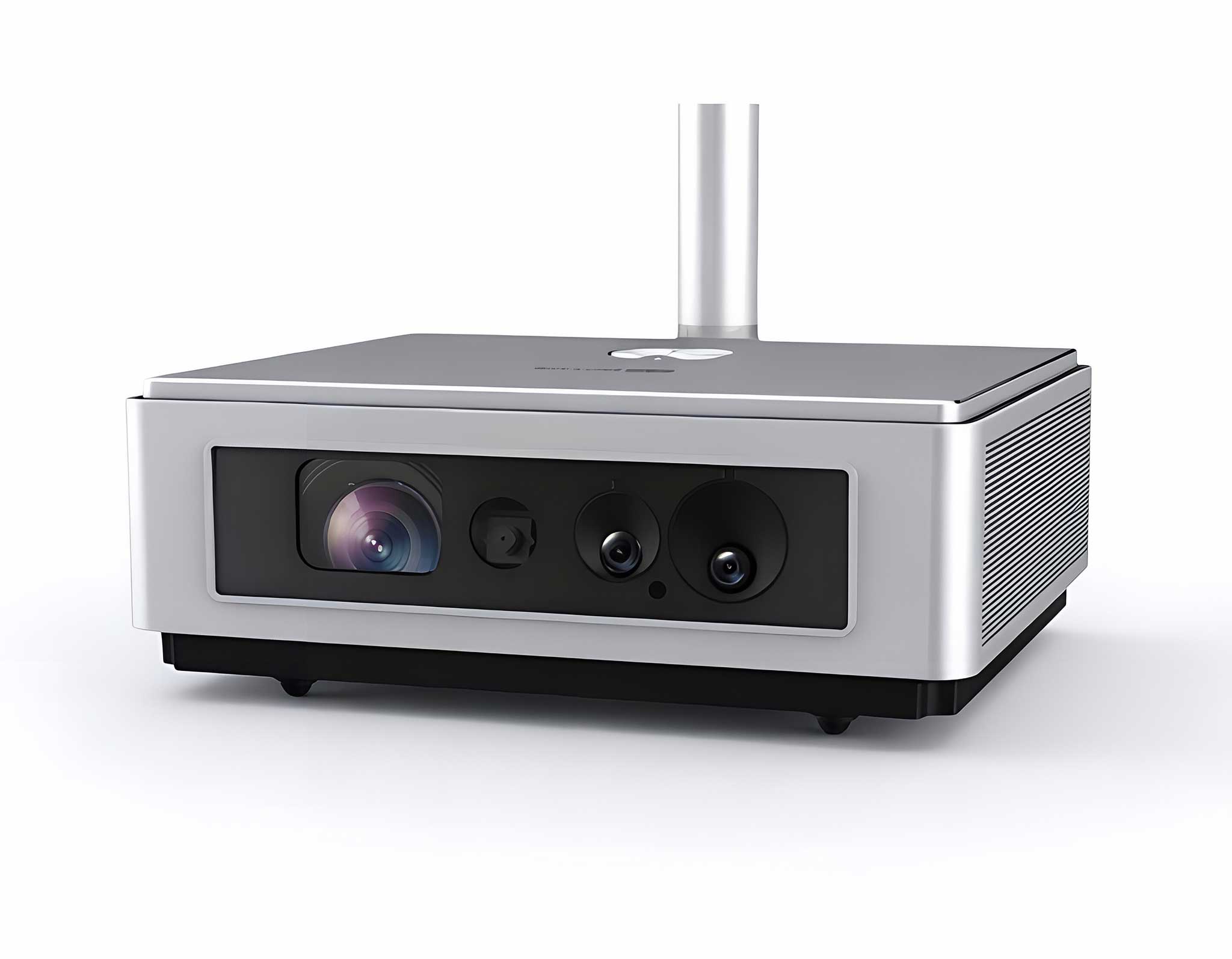
Technical SpecificationsModel: Palm-sized miniPCTy...
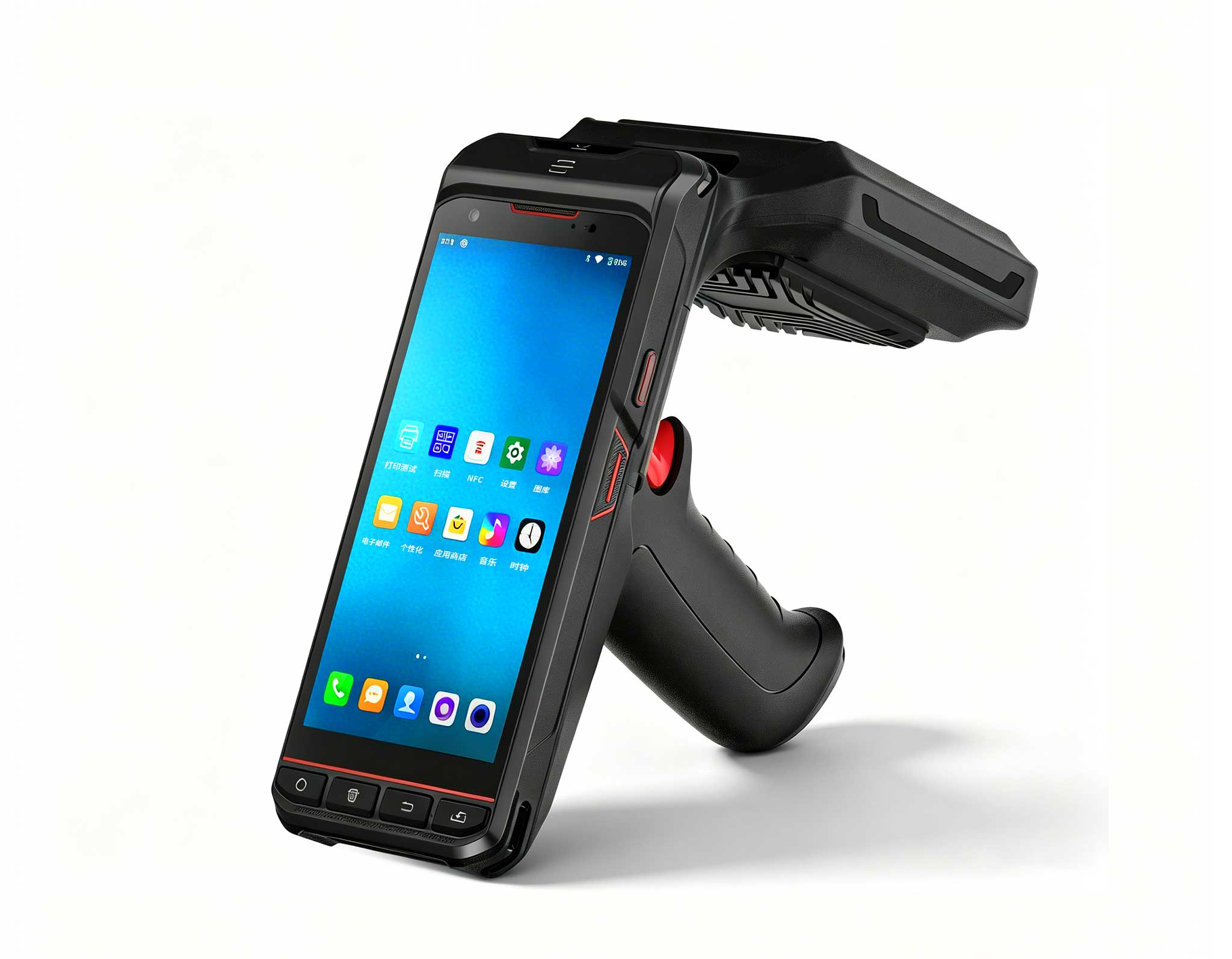
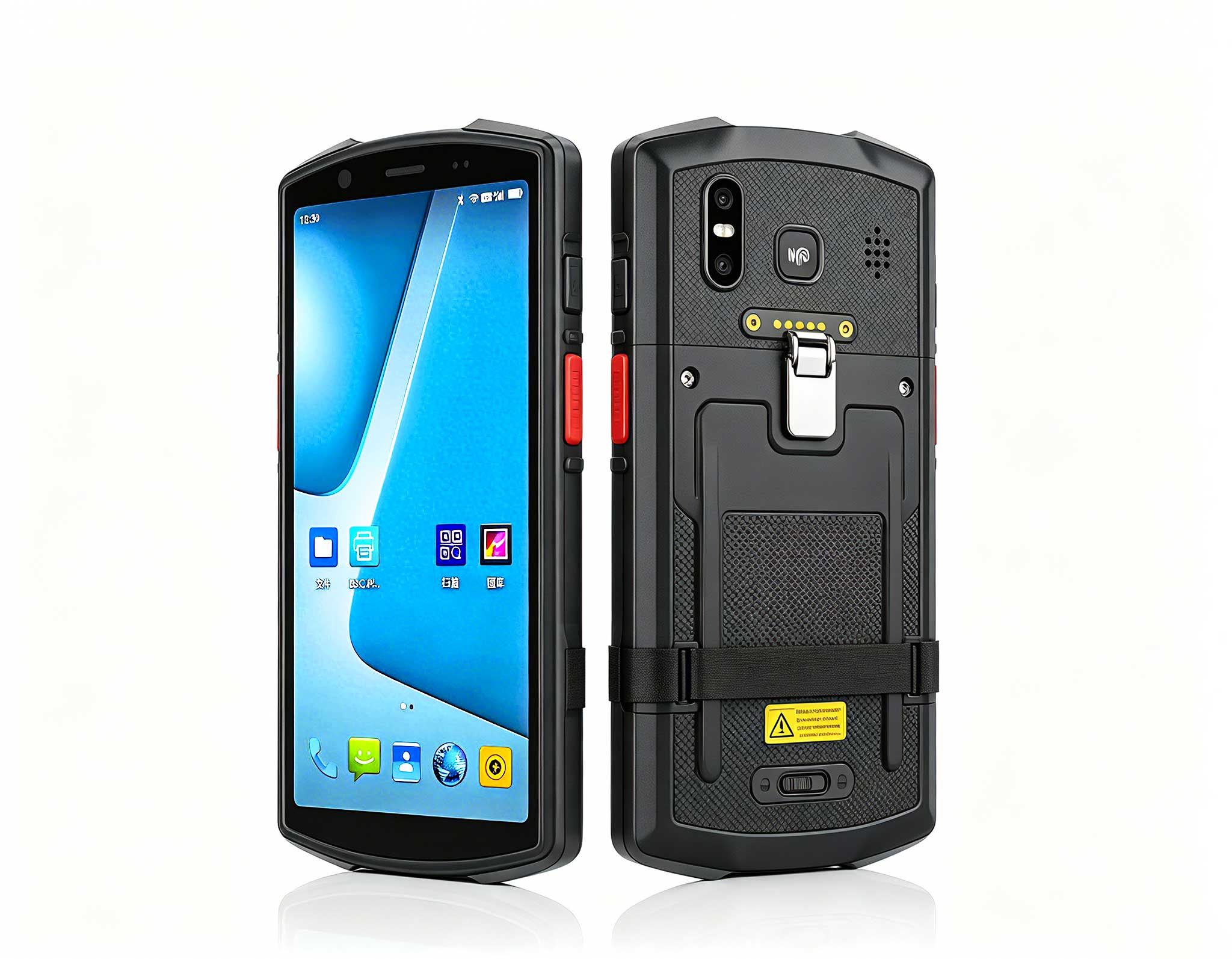
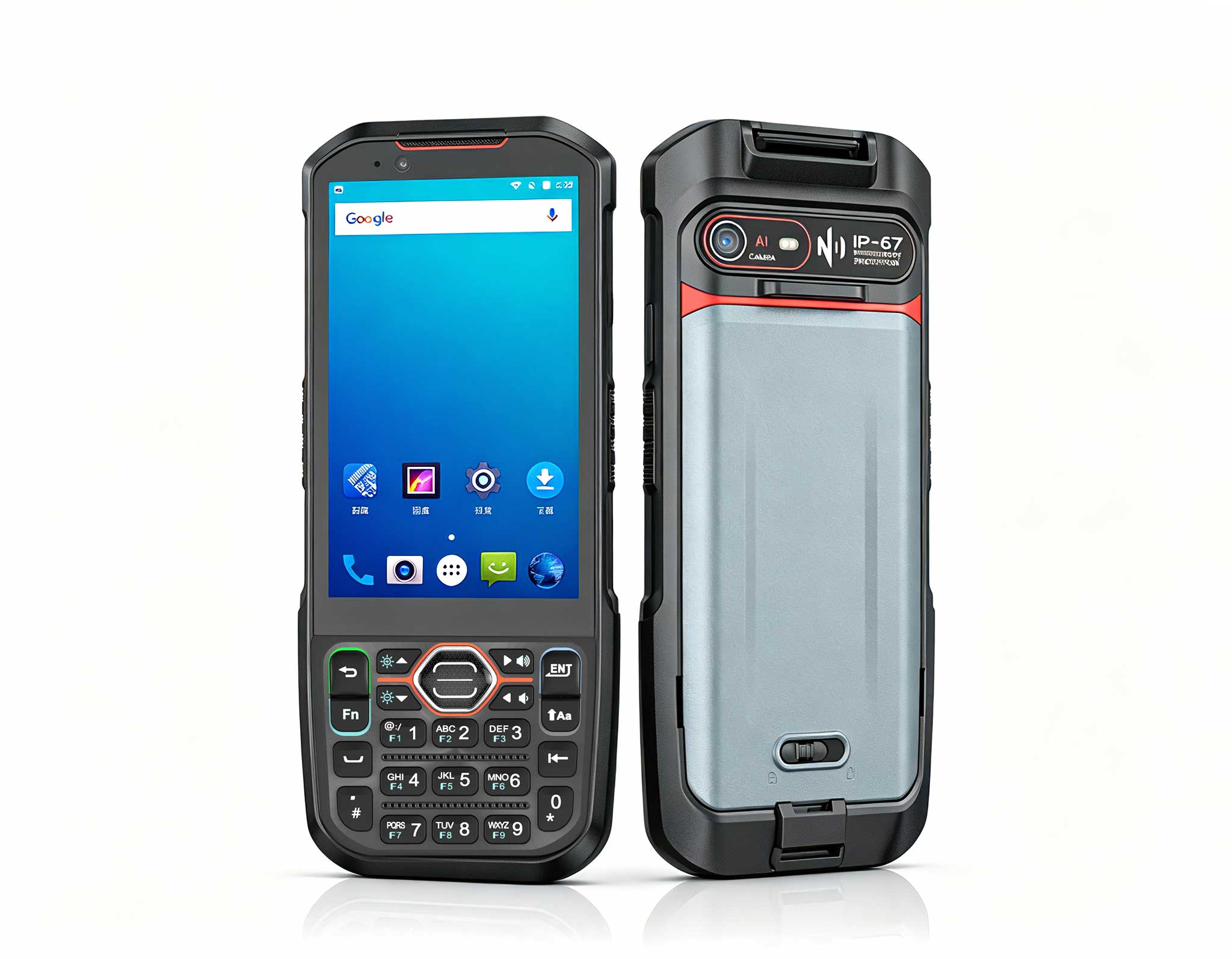
The R501 PDA combines a powerful MT6762 Octa-Core ...
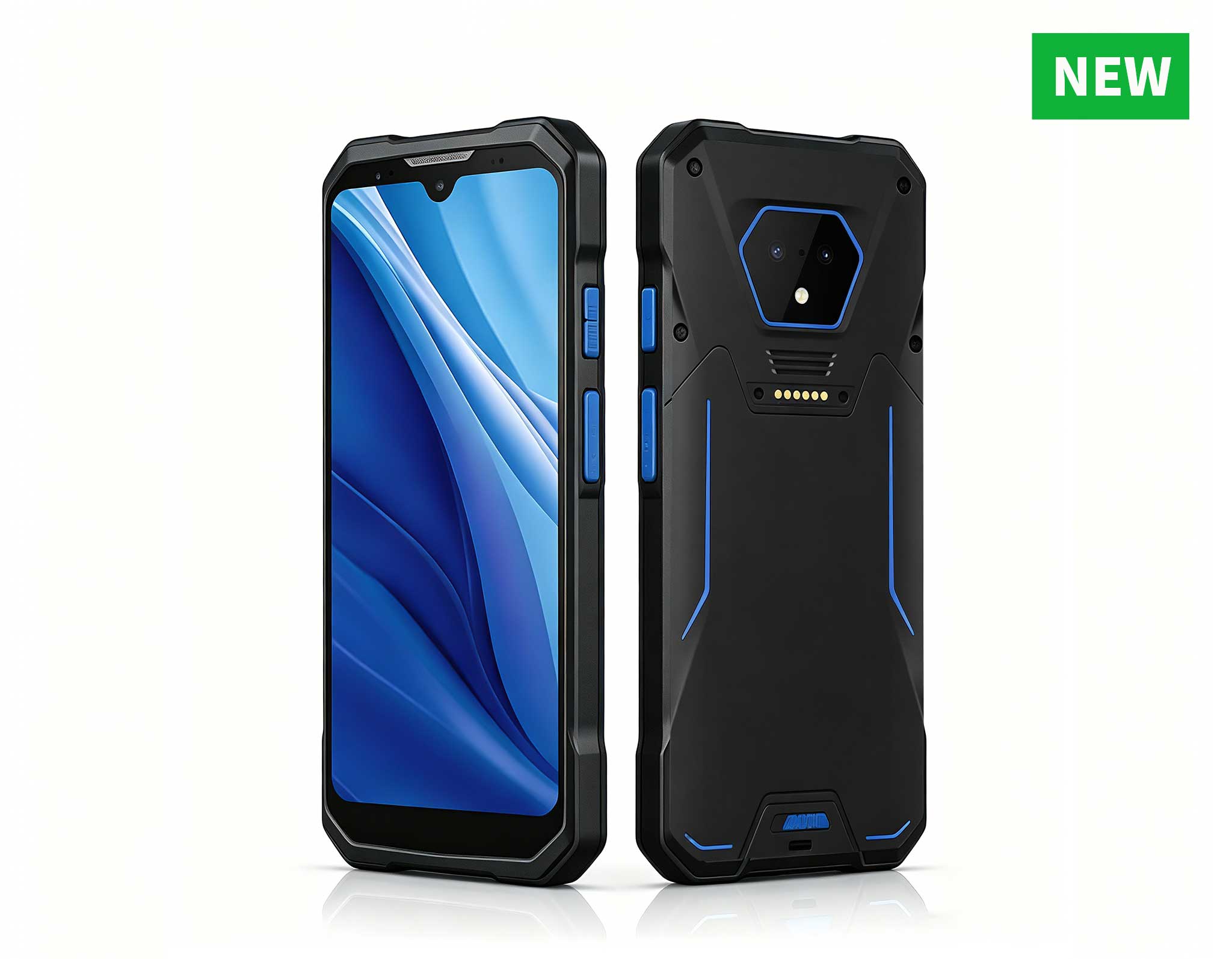
RS50 5G Rugged Handheld Terminal | 6.3" FHD+ ...
The N60 PDA is a cutting-edge device for inventory...
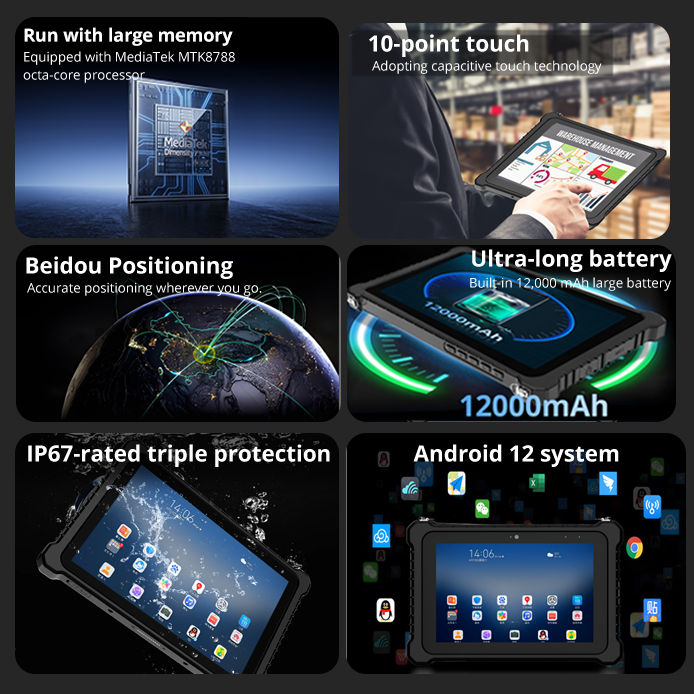
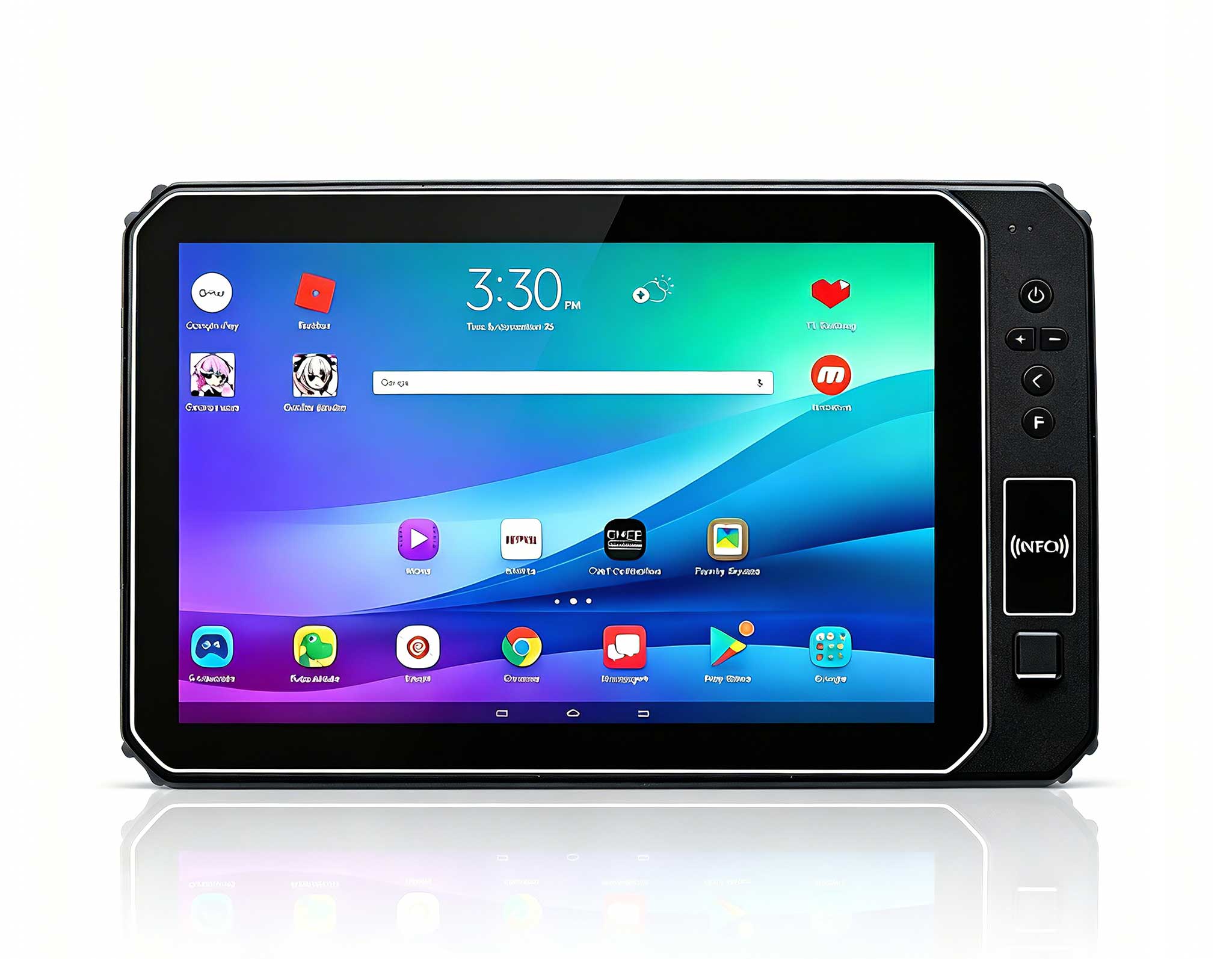
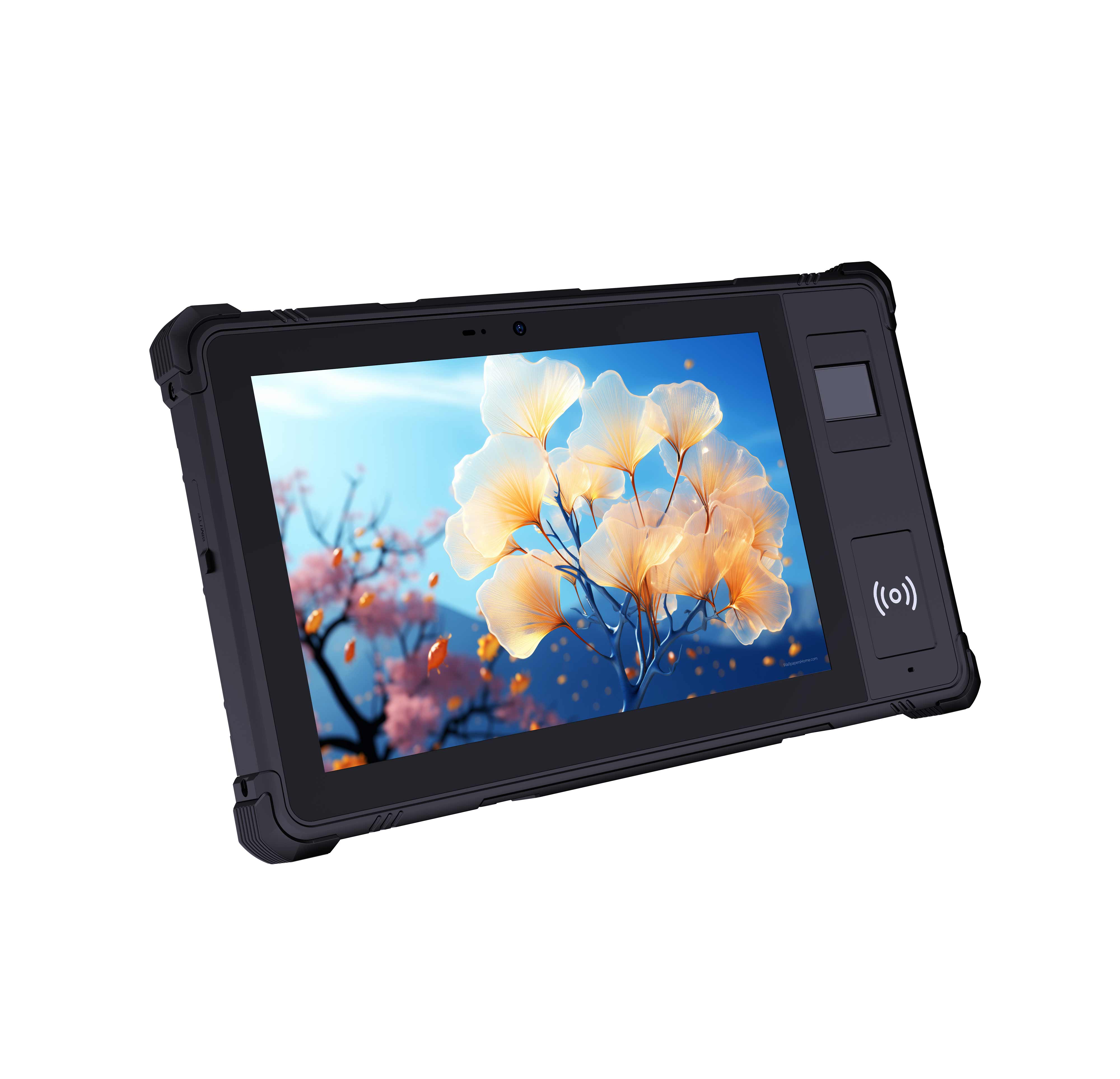
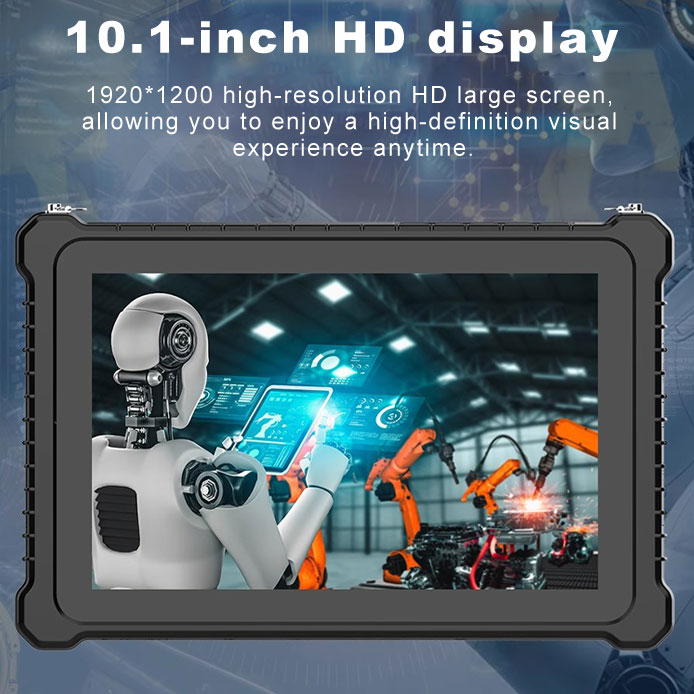
This 10-inch Android rugged tablet is designed for...
P8 Series 8-Inch Rugged Industrial Tablet PC Mobi...
Explore an innovative Personal Digital Assistant f...
In my years working with manufacturing teams transitioning from traditional PLC architectures to edge computing, I’ve seen a recurring pattern. Engineers spend months perfecting their data pipeline, selecting the right cloud platform, and training machine learning models. Then they hit a wall: the hardware. The industrial PC they planned to use is too bulky for the cramped cabinet next to the conveyor belt. The fanless unit they tried overheats under continuous AI inference. The “rugged” box they sourced costs twice the budget and takes three weeks to ship. This is the first real bottleneck. And increasingly, the solution I recommend is a Industrial Device that fits in your palm but delivers workstation-class performance: the Mini PC. Why? Because a mini PC bridges the gap between the raw compute required for real-time analytics and the physical constraints of a production floor. It’s not just about size; it’s about deploying intelligence exactly where it’s needed, without redesigning your entire control architecture. Over the past decade, I’ve deployed these units in automotive assembly lines, food processing plants, and semiconductor fabs, and the pattern is consistent: the hardware choice dictates the project’s success more than any software stack.
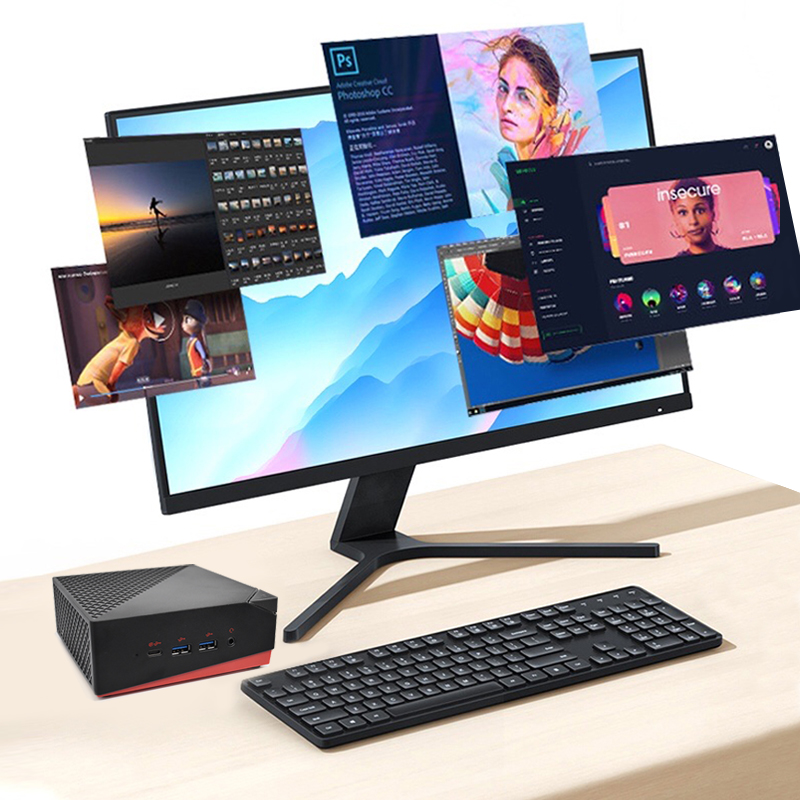
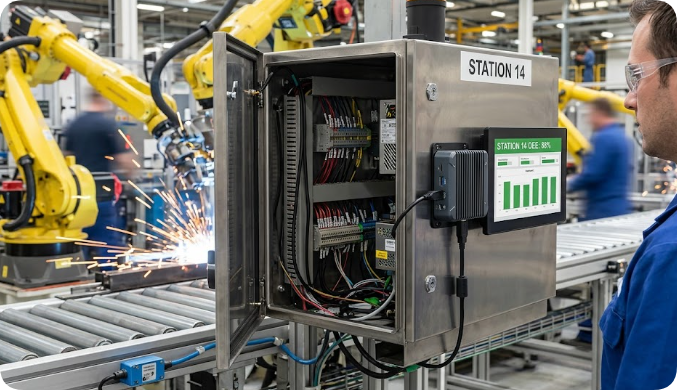
Consider the most common edge scenario in smart manufacturing: capturing data from sensors, PLCs, and HMIs right at the production line. Space is the enemy. Control cabinets are already packed with relays, drives, and terminals. There is no room for a tower PC or even a standard mini-tower. This is where the Palm-sized miniPC changes the game. Weighing just 200 grams, this device can be mounted directly onto the back of a monitor using a standard VESA bracket, effectively disappearing from the workspace. But don’t let the size fool you. It packs enough processing power to run a real-time OEE (Overall Equipment Effectiveness) dashboard, aggregate data from multiple serial and USB sensors, and push it to your SCADA or MES system. The thermal design is critical here: in a sealed cabinet with no active airflow, a standard PC would throttle. This mini PC uses a carefully engineered passive heatsink that leverages the metal chassis for heat dissipation, allowing it to operate reliably in ambient temperatures up to 50°C. It turns a space constraint into a deployment advantage. I’ve seen plant managers literally tape these units inside junction boxes, and they run for years without a single thermal shutdown.
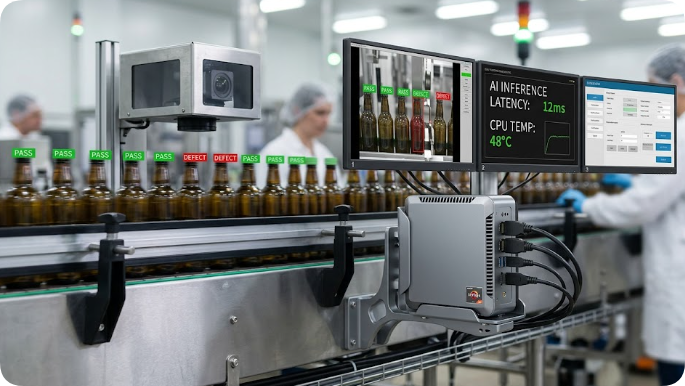
When the edge scenario shifts from simple data aggregation to running AI inference—such as real-time machine vision for defect detection or predictive maintenance algorithms—the hardware requirements leap. You need a GPU-class processor, multiple high-resolution display outputs, and enough RAM to handle model loading. The HCAR5000 MI is purpose-built for this. Powered by the AMD Ryzen 5000H series, it delivers the multi-core performance necessary for both the AI inference pipeline and the supporting data processing tasks. What sets it apart in an industrial context is its triple-display output capability. In a typical machine vision deployment, you need one screen showing the live camera feed with AI-annotated defects, a second screen for system diagnostics (CPU temperature, inference latency), and a third for the operator HMI. The HCAR5000 MI handles this natively. Its 500-gram form factor allows it to be tucked inside a network cabinet or mounted directly on a machine frame, placing the AI logic exactly where the camera is, reducing latency to milliseconds and eliminating the need to send raw video data to a central server. I’ve worked with integrators who cut their vision system latency from 200ms to under 15ms just by moving the inference engine from a server room to the edge with this unit.
| Feature | Palm-sized miniPC | HCAR5000 MI |
|---|---|---|
| Physical Volume | Ultra-compact (palm-sized, 200g) | Compact (500g, slightly larger chassis) |
| Processor | Efficient low-power CPU (Intel/AMD embedded) | AMD Ryzen 5000H Series (high-performance) |
| Memory Expansion | 8GB onboard, non-expandable | Up to 64GB DDR4, dual SODIMM slots |
| Display Output | 1x HDMI, 1x DP (dual display support) | 3x HDMI/DP (triple display independent support) |
| Typical Deployment | Line-side HMI, data collection, OEE dashboard | AI machine vision, predictive maintenance, edge inference |
The decision between these two platforms comes down to the complexity of the workload at the edge. If your primary need is to collect, visualize, and transmit data from a single machine or production cell—for example, reading temperature and vibration sensors and displaying an OEE dashboard—the Palm-sized miniPC is the optimal choice. Its ultra-compact form factor and passive cooling make it ideal for direct installation inside control cabinets or behind operator screens. You get the data you need without the overhead of a high-performance CPU. I’ve seen teams deploy a dozen of these units across a single production line, each one handling local data aggregation and pushing summaries to a central historian, all without a single fan or moving part.
However, if your edge node needs to run a computer vision model that inspects every passing product on a conveyor belt, or if you are performing real-time vibration analysis using a machine learning algorithm, you need the HCAR5000 MI. The AMD Ryzen 5000H processor provides the necessary floating-point performance for AI inference, while the triple-display output allows operators to monitor both the detection results and system health simultaneously. Think of it this way: for data collection, choose the Palm-sized miniPC for its density and thermal resilience. For AI inference, choose the HCAR5000 MI for its raw compute and multi-display flexibility. I’ve personally recommended the HCAR5000 MI for a packaging line that needed to inspect 120 bottles per minute for cap defects, and it handled the workload with headroom to spare.
Choosing the right edge hardware is the first step toward a truly responsive and intelligent manufacturing floor. Whether you are starting with data collection or jumping straight into AI-driven inspection, Hotus Technology has the mini PC solution that fits your physical and computational constraints. Contact our team today to discuss your specific deployment scenario and get a customized hardware recommendation. Let’s build the edge that works for your factory. The difference between a smart factory that delivers results and one that stalls in pilot phase often comes down to this single decision: picking the right hardware for the job.