- Select Language
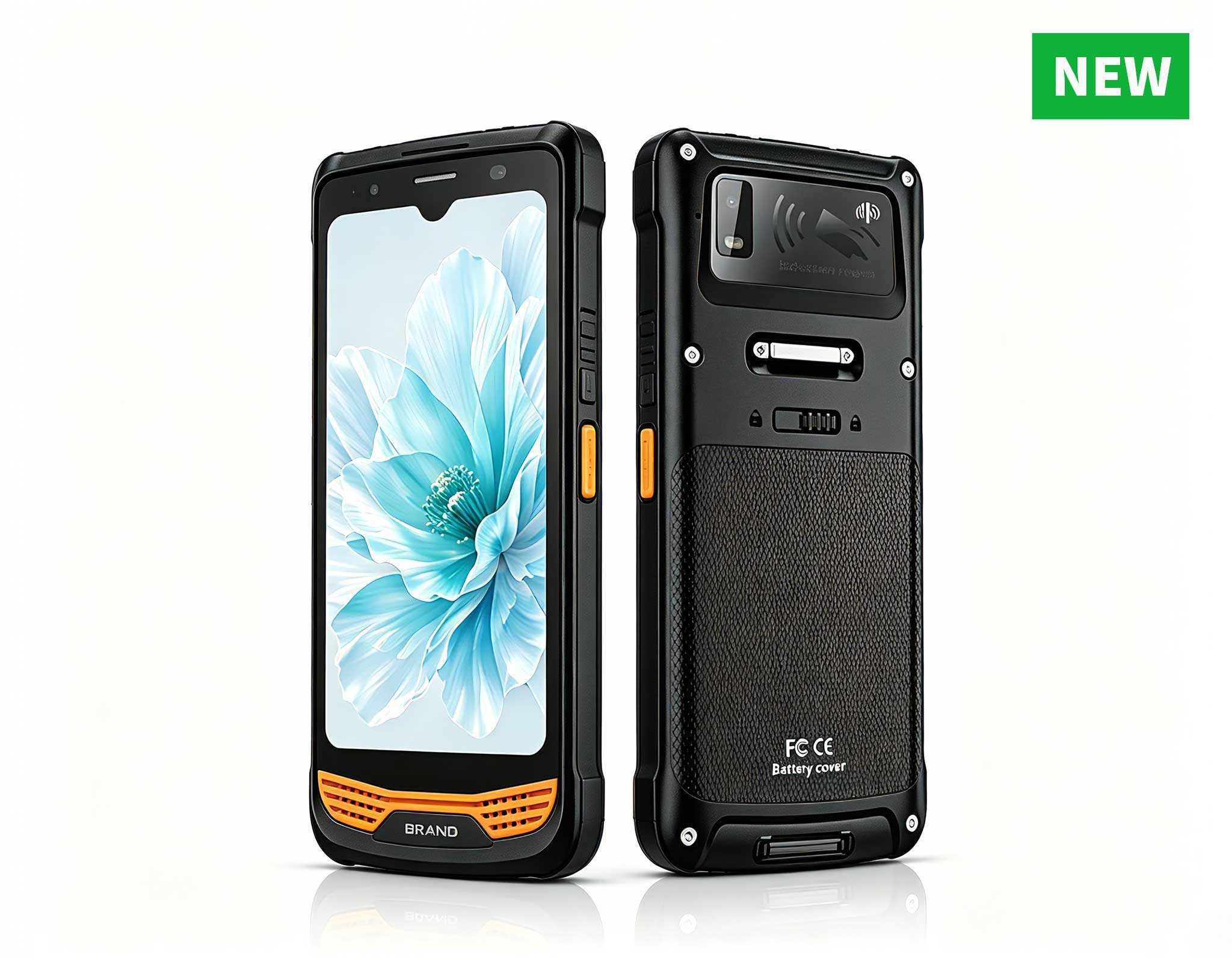
R366-S Thin 5.5-inch Industrial PDA | Qualcomm Oct...
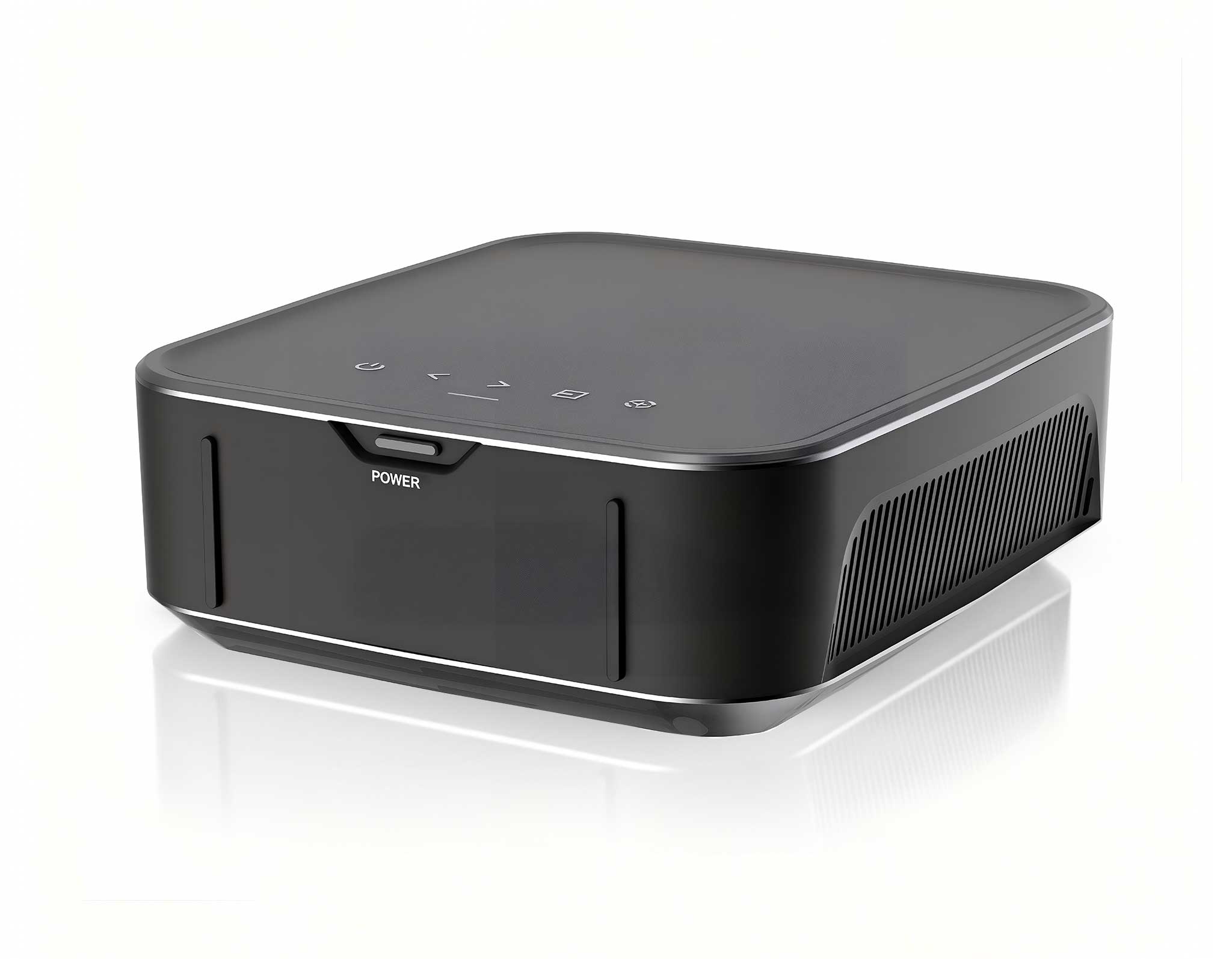
One Device, Dual Functions – A Projector and a Com...
Technical SpecificationsModel: Palm-sized miniPCTy...
Full SpecificationsModelHotus ST11‑UOSWindows 10 P...
Brightness is the #1 factor for daylight viewing, classrooms, offices, and outdoor events. Learn what ANSI lumens really mean and how to avoid inflated specs.
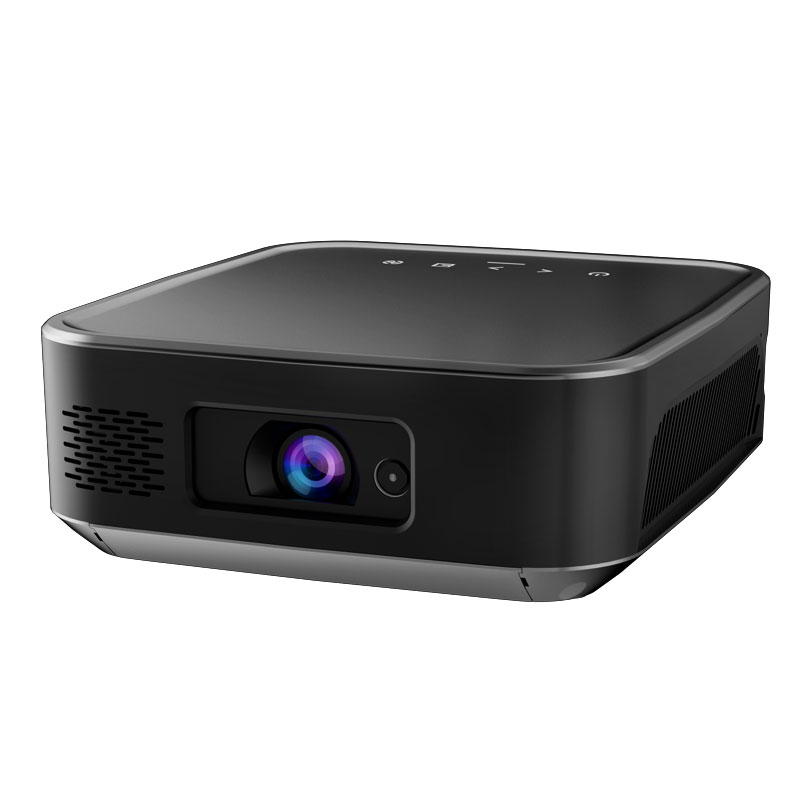
Brightness has become one of the most critical factors when choosing an LED projector — especially for customers who use projectors in living rooms, classrooms, offices, event venues, or any space with daylight. But with dozens of models claiming “high brightness,” how do you decide which one truly performs well? This guide explains what brightness really means, what specs matter, and how to choose a high brightness LED projector that delivers crystal‑clear images even in challenging lighting conditions.
The real pain point is ambient light killing projection clarity. Most users face similar frustrations:
In all these scenarios, insufficient brightness is the core problem. A high brightness LED projector solves these issues by delivering stronger light output, better color visibility, and stable performance regardless of ambient light.
Before choosing an LED projector, it’s important to understand the difference:
Recommended ANSI lumens for different environments:
If your usage scenario includes daylight, bright rooms, business presentations, or outdoor events, choose at least 1200+ ANSI lumens.
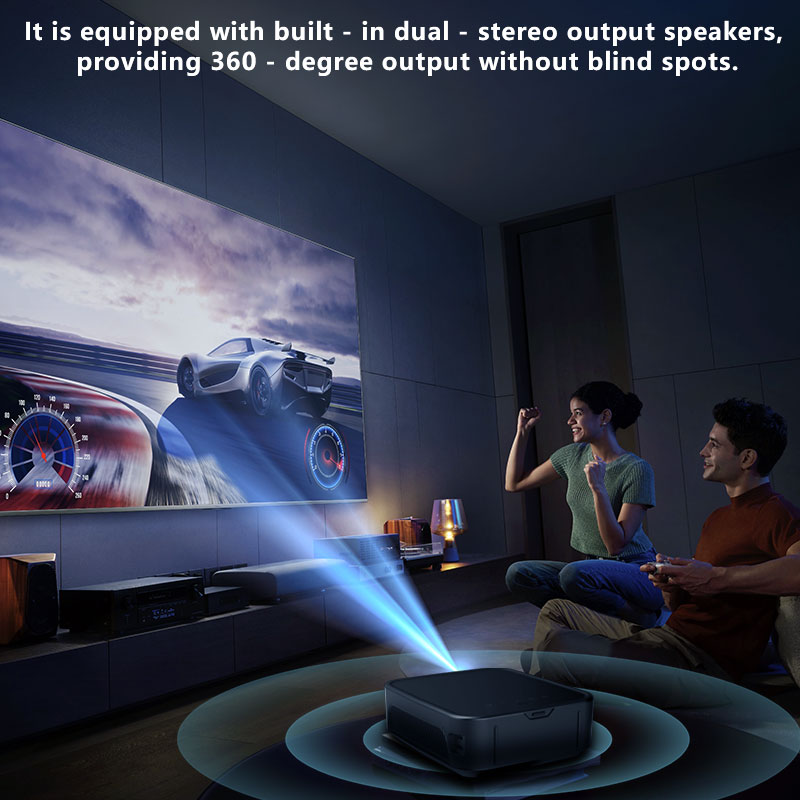
The most important metric. Higher brightness = clearer images in bright environments.
DLP LED projectors offer higher perceived brightness, richer color saturation, sharper and more stable images, and better performance under ambient light. DLP is ideal for business, education, and outdoor use.
Brightness alone isn’t enough. Contrast ensures deep blacks, clear text, better color separation, and enhanced visibility in bright rooms. Choose 2000:1 or above, with premium models reaching 10,000:1+.
A projector with poor optics will look blurry even at high brightness. Look for glass lens or multi‑layer coated lens, high clarity projection, and uniform brightness across the screen.
LED projectors naturally offer better color saturation than lamp projectors. Choose models supporting wide color gamut, high color accuracy, and optionally HDR10.
Brightness won’t help if the projector cannot achieve the desired screen size. Choose based on your environment: short throw (0.6–1.0) for small rooms/classrooms, standard throw (1.2–1.5) for living rooms/offices/home use, long throw (1.5+) for big venues.
High brightness requires efficient cooling. Look for dual‑fan cooling, long LED life (≥ 30,000–50,000 hours), and stable brightness output over years.
For business & education: HDMI, USB, VGA, Audio‑out, wireless screen mirroring optional. For home & entertainment: WiFi 6, Bluetooth 5.0, Smart OS, app support.
Conclusion — How to Choose a High Brightness LED Projector
To choose a high brightness LED projector successfully, focus on: brightness (1200–2000+ ANSI lumens), DLP LED display technology, strong contrast ratio, high‑quality lens system, color brightness performance, and the correct throw ratio for your space. With these specs in mind, you can confidently select an LED projector that delivers clear, vibrant images — whether in a bright classroom, office, living room, or outdoor setting.