- Select Language
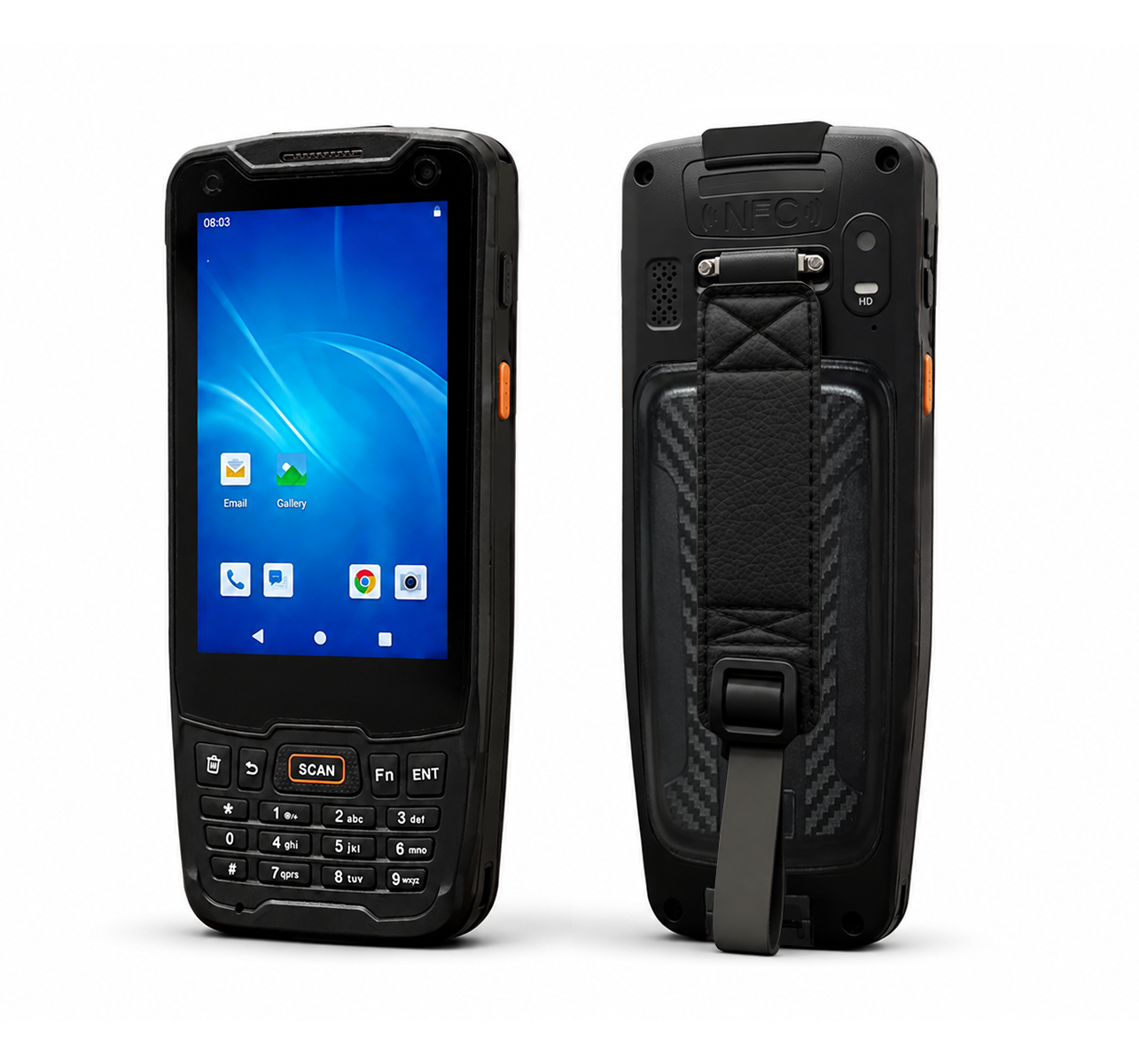
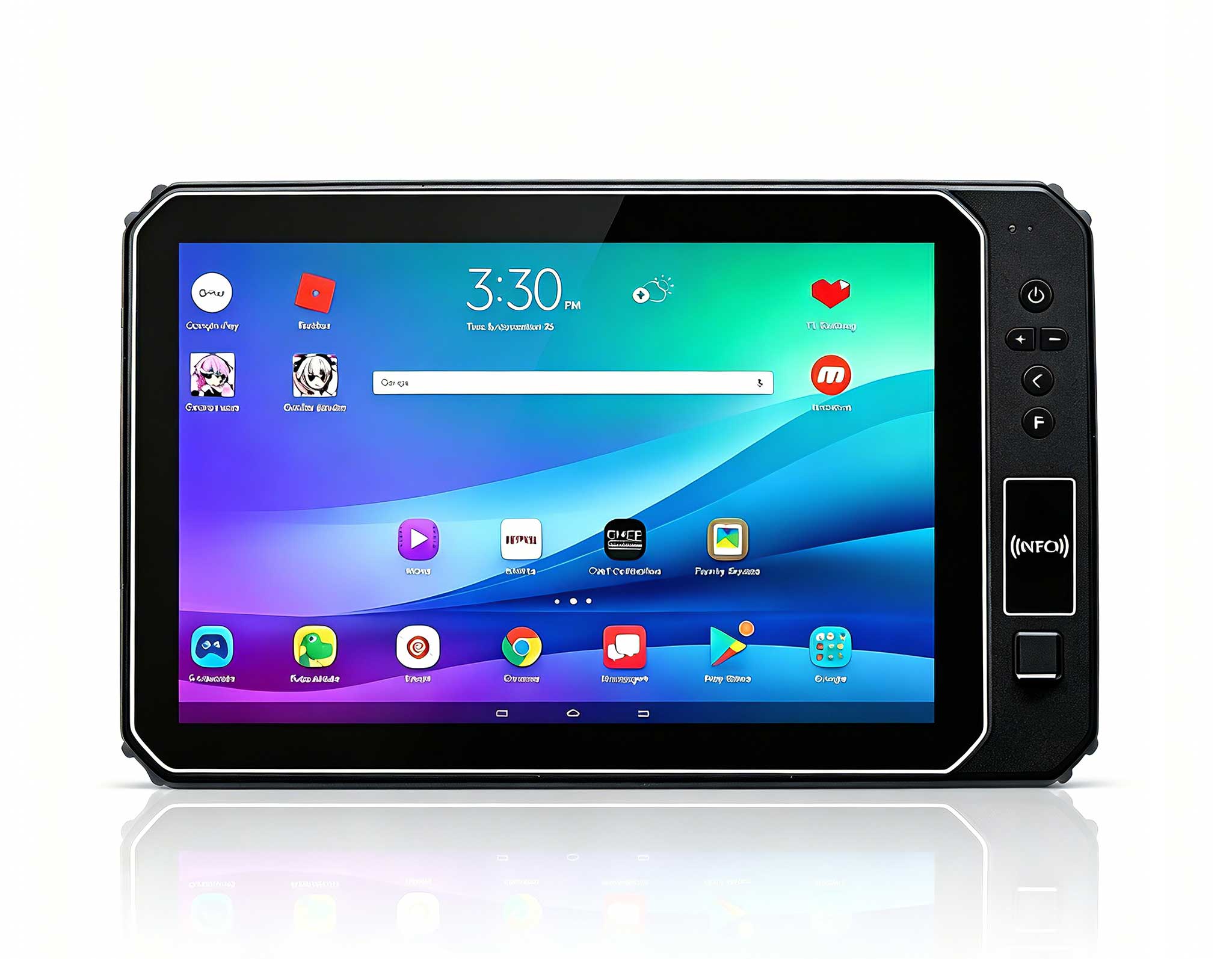
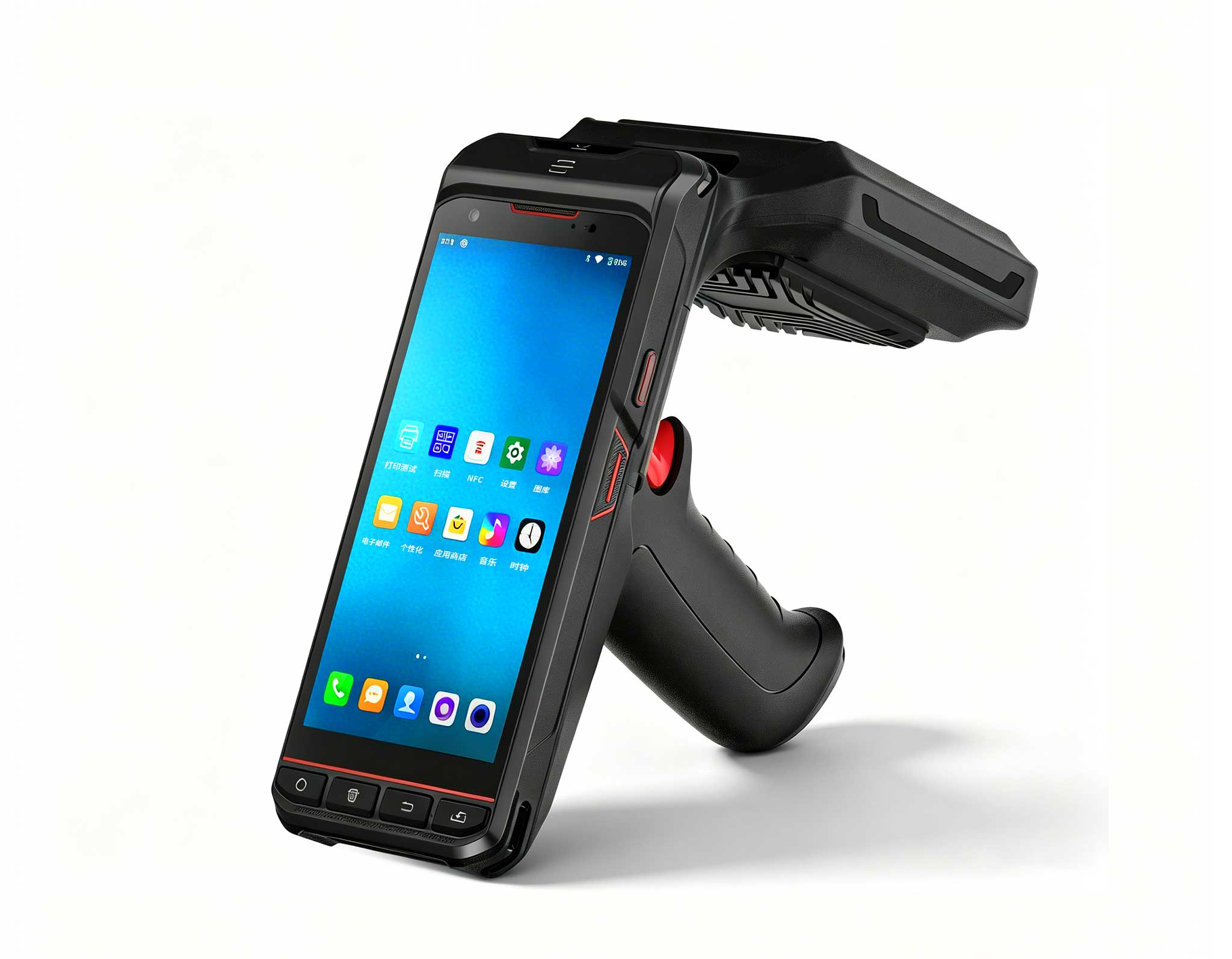
R350C 4-inch Industrial Handheld PDA | Qualcom...
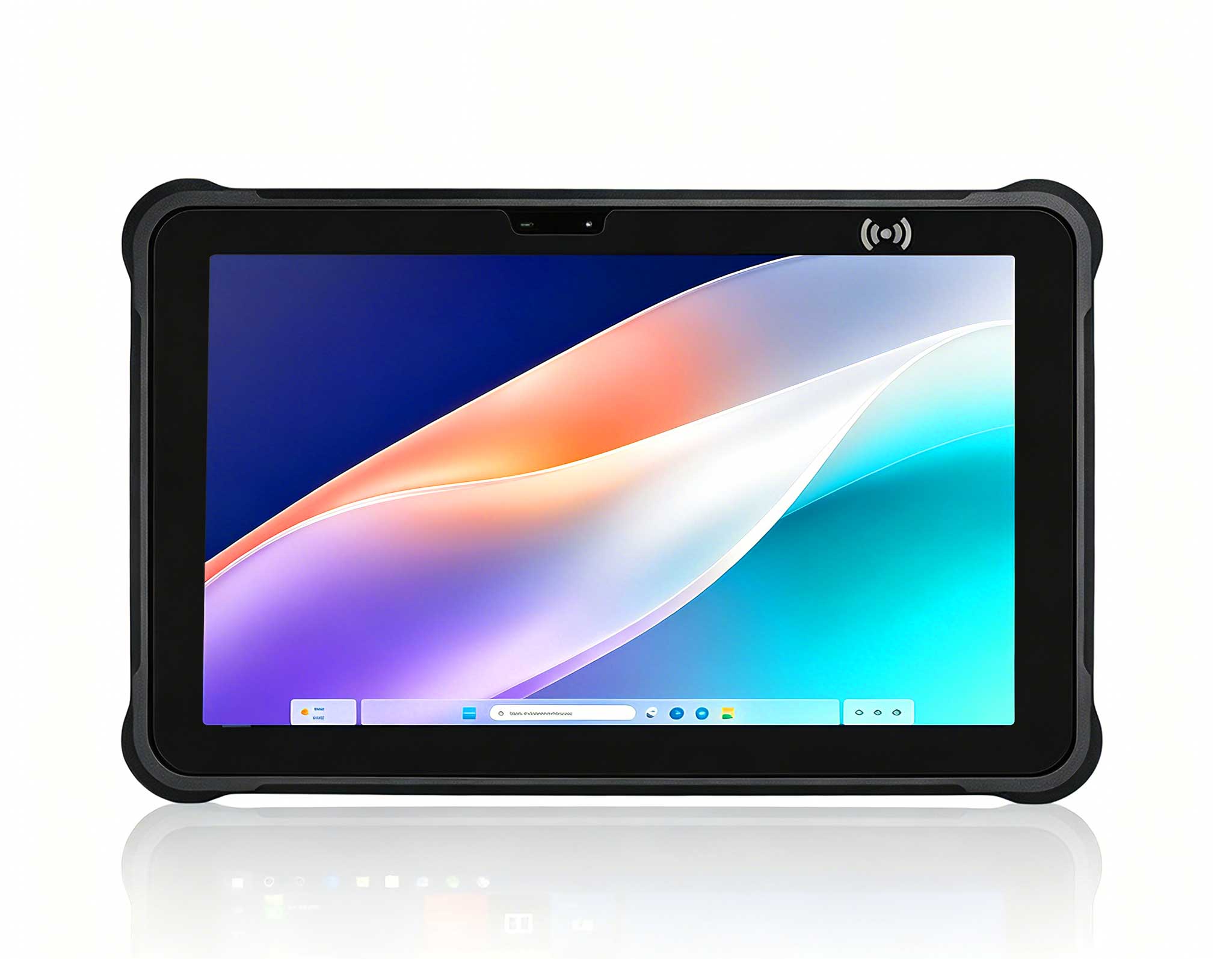
P11 Series Next-Gen Enterprise Rugged Industrial ...
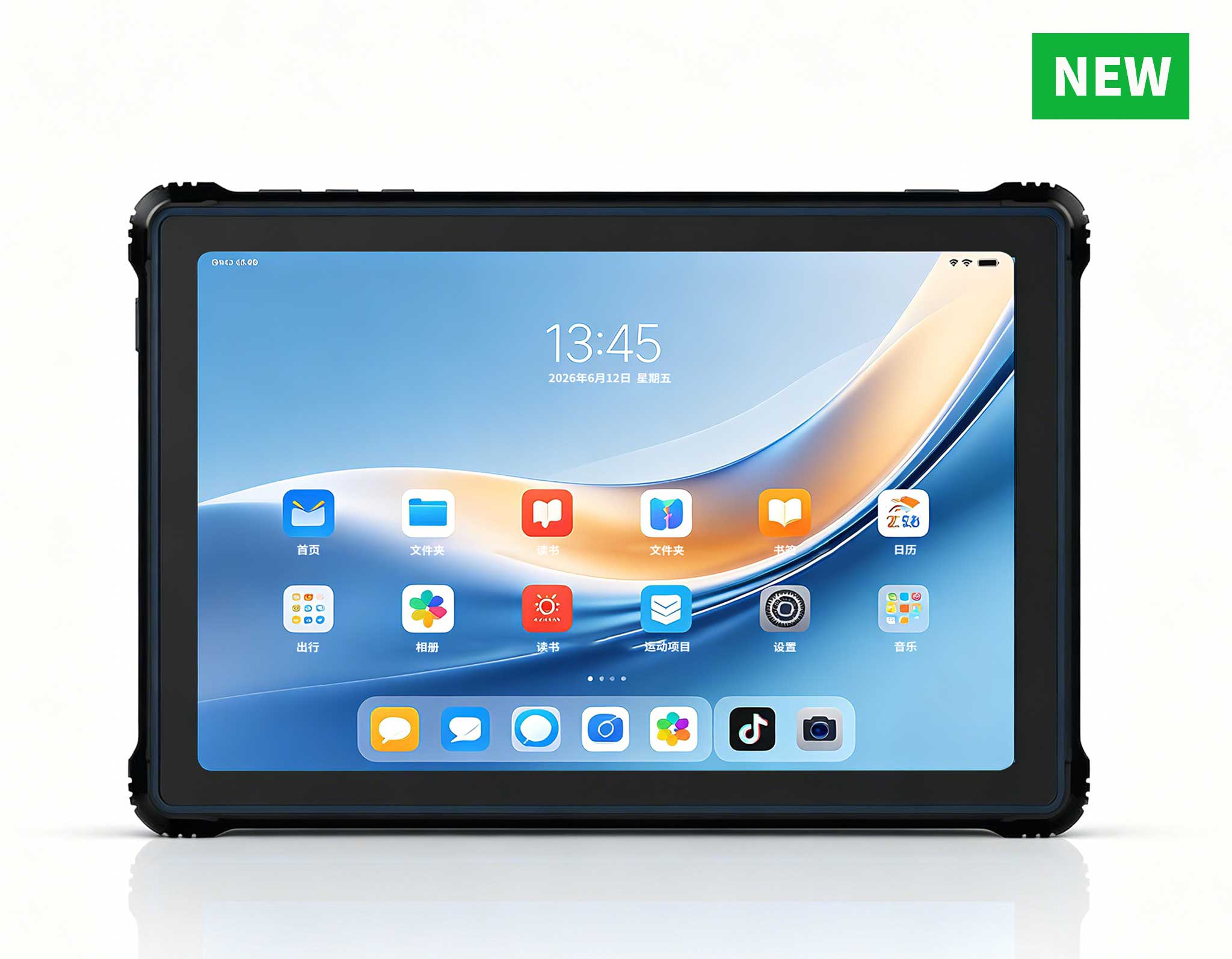
This 10-inch Android rugged tablet is designed for...
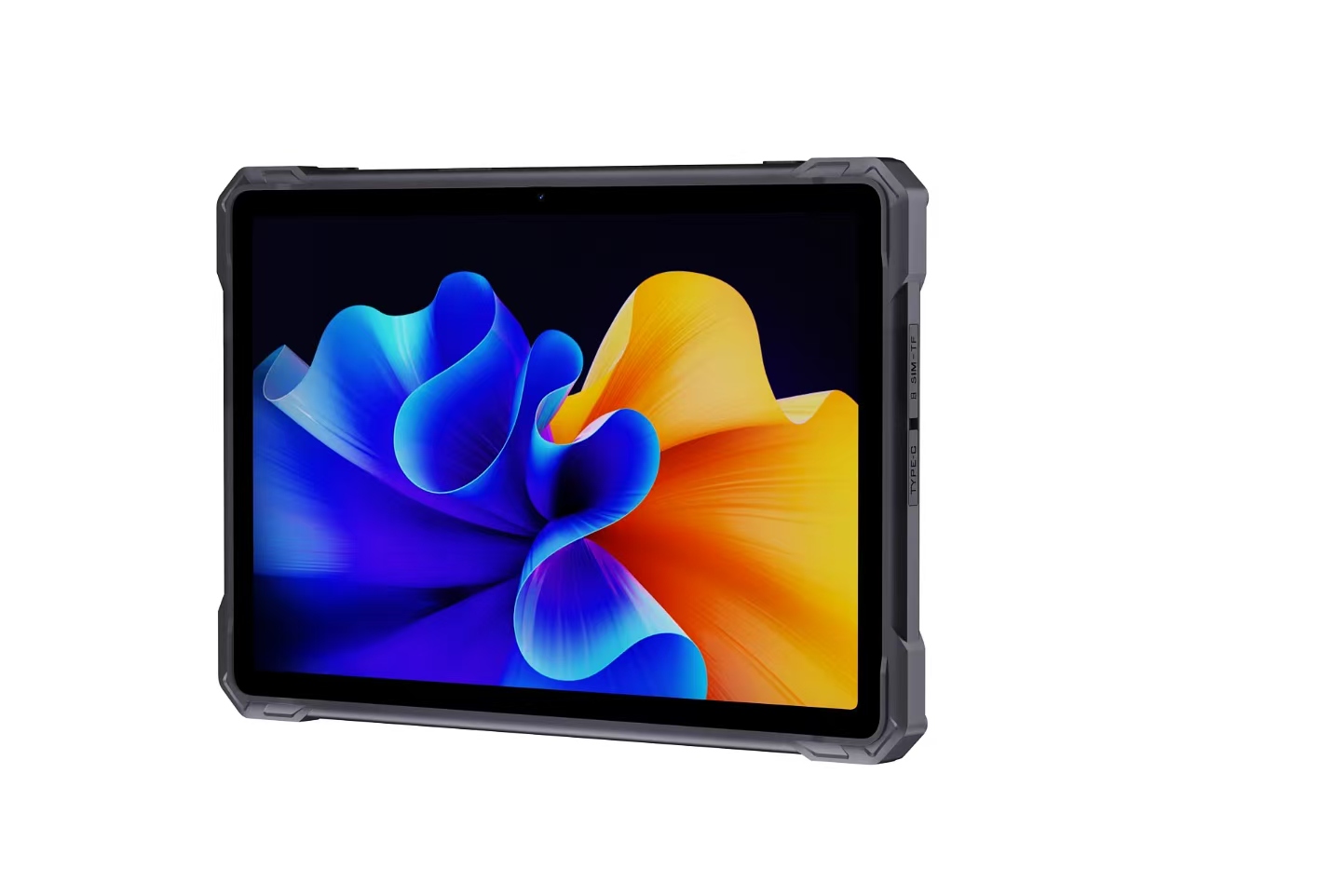
RT81 4G Rugged Tablet | 10.1" FHD 400nit | Qu...
Full SpecificationsModelHotus ST11‑MOSWindows 10/1...
The R501 PDA combines a powerful MT6762 Octa-Core ...
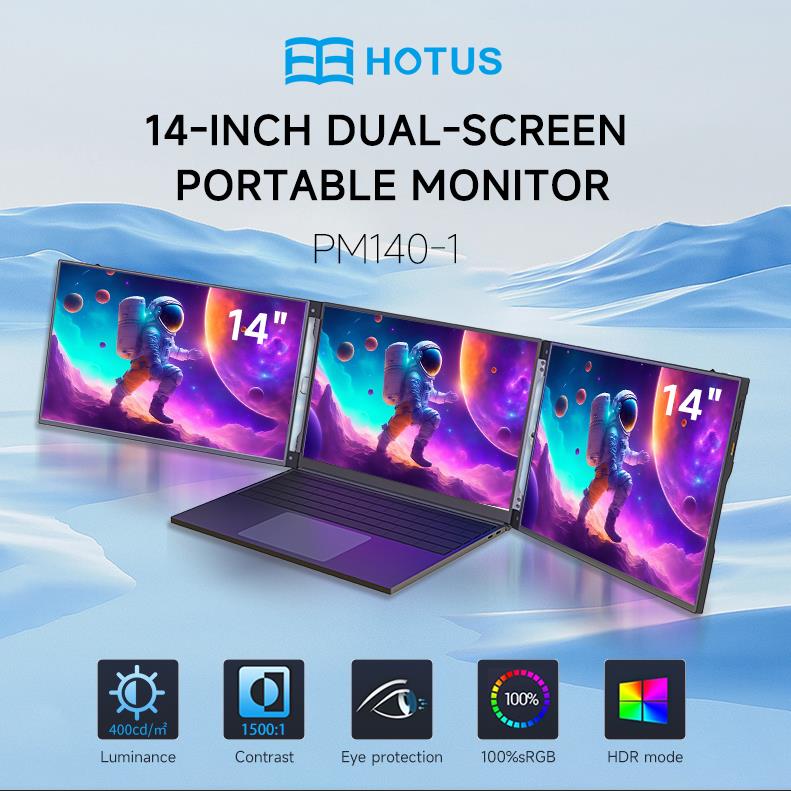
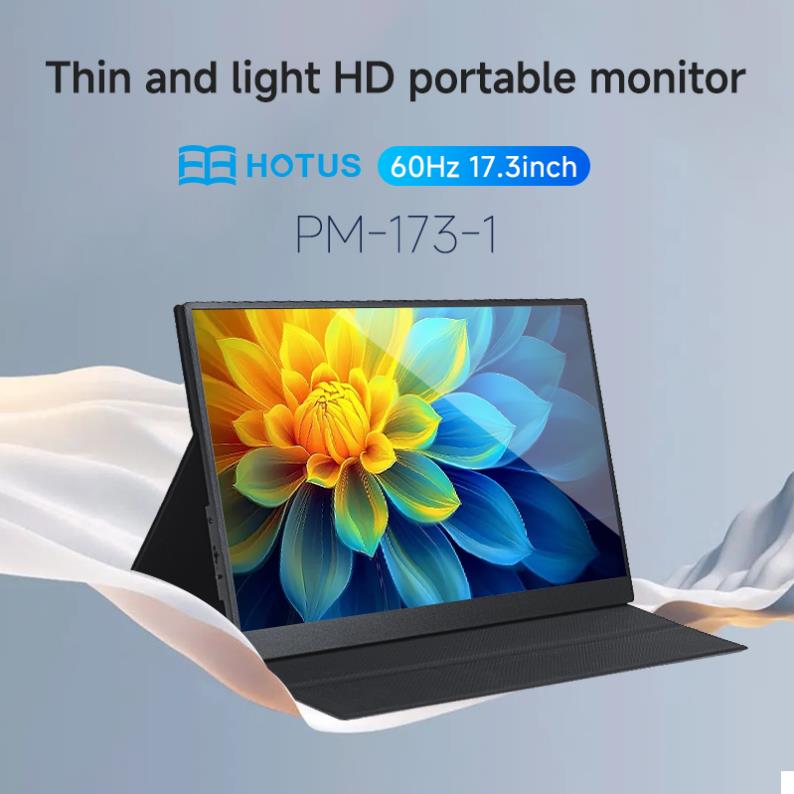
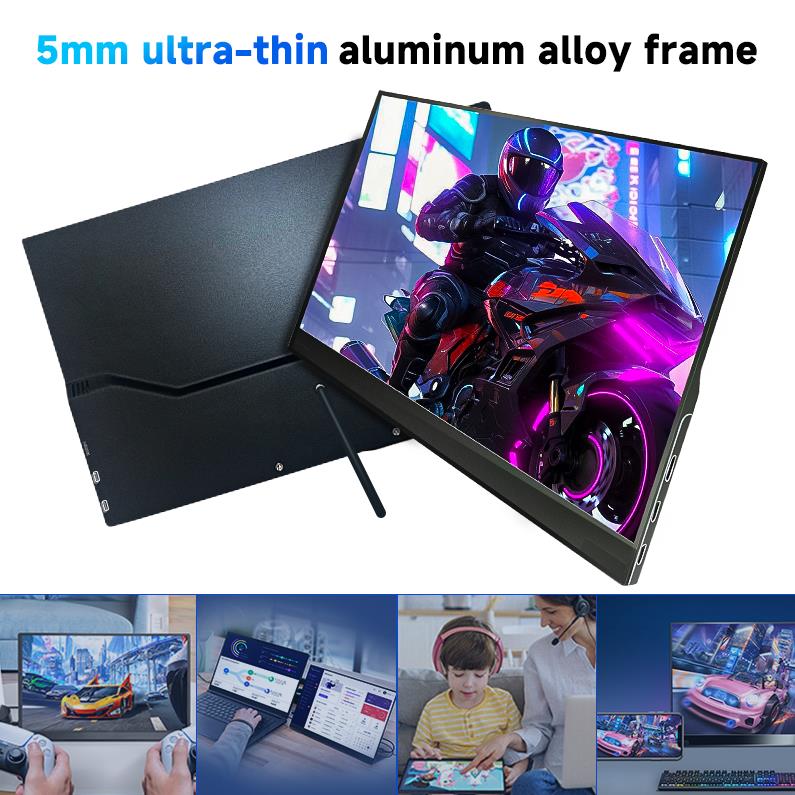
The PM133-2 is a 13.3-inch portable monitor featur...
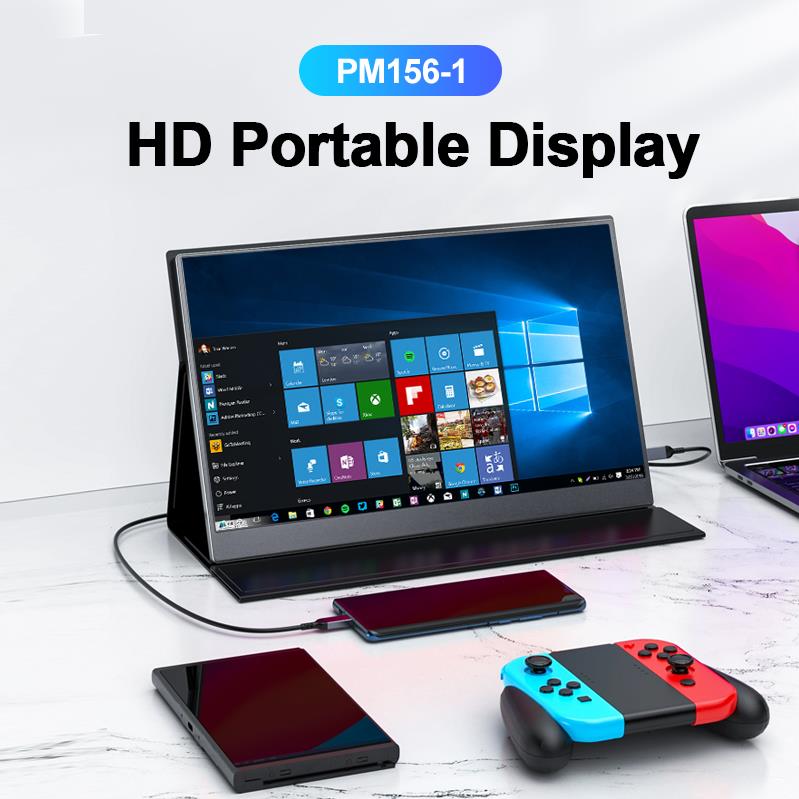
The PM156-1 is a 15.6-inch portable PC monitor fea...
This 10-inch Android rugged tablet is designed for...
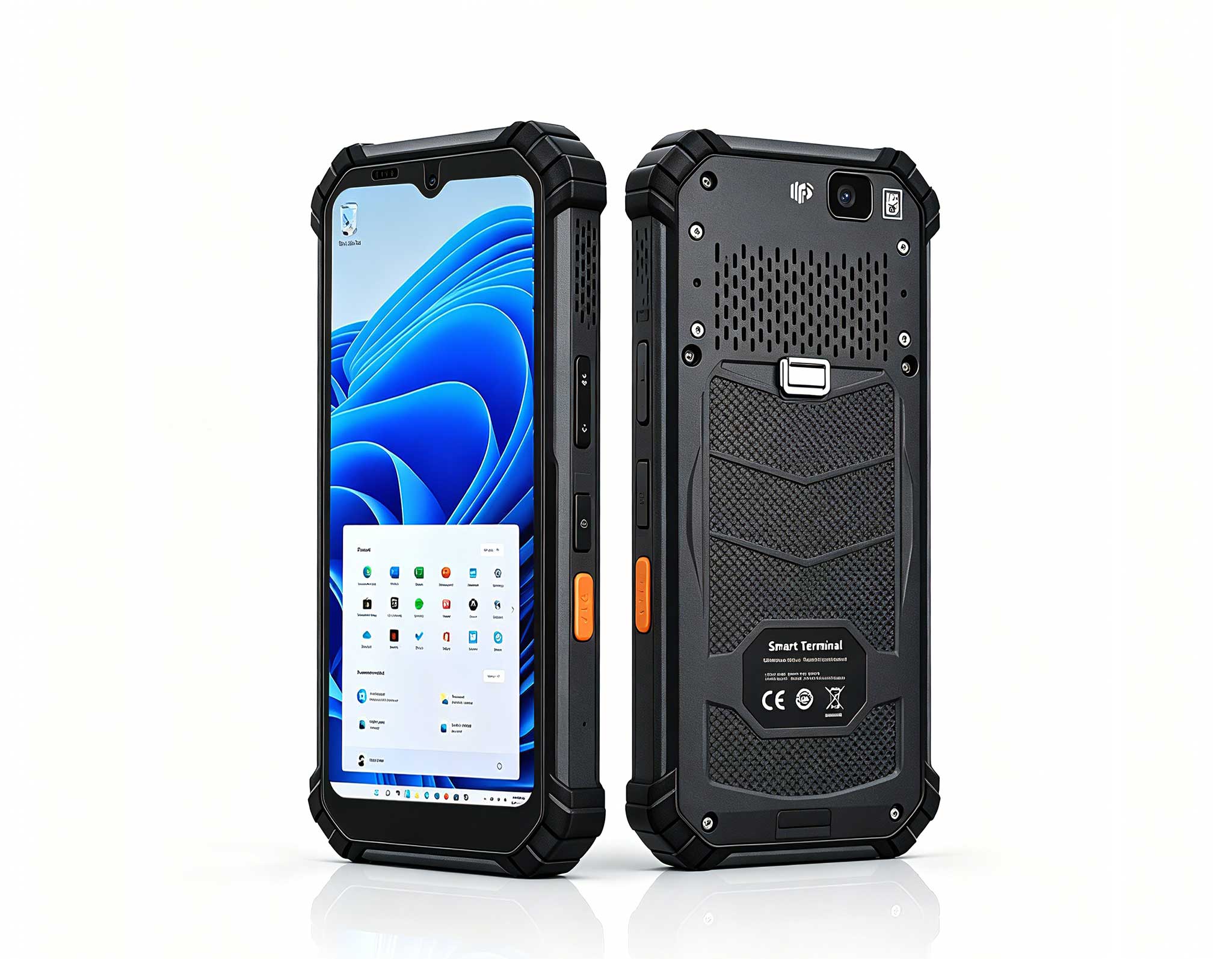
RS51 4G Rugged Handheld Terminal | 6.3" FHD+ ...
From brightness and resolution to contrast and connectivity — how to choose the perfect LED projector for cinematic movie nights, gaming, or everyday family entertainment.
Building a home theater is an amazing way to enjoy movies, shows, and games — but the projector is the heart of the setup. With so many LED projector options on the market, how do you know which one is right for your space? This guide walks you through exactly what to look for: brightness, resolution, contrast, portability, connectivity, and overall value — so you can choose a projector that delivers a true cinematic experience at home.
When shopping for a home theater projector, prioritize these qualities:
For a comfortable viewing experience without needing full darkness, choose a projector with 500–1500 ANSI lumens. For dark, dedicated home theaters, 500–800 lumens is sufficient. For living rooms with ambient light, aim for 1000–1500 lumens. This ensures the image remains vivid even when curtains aren’t fully closed.
Movies and series benefit greatly from 1080p (Full HD) or 4K support. Fine details, subtitles, and overall cinematic quality depend heavily on native resolution. For most home theaters, 1080p is the sweet spot; 4K‑compatible models offer future‑proofing.
A high contrast ratio (≥ 3000:1) ensures deep blacks and vibrant colors, which greatly enhances cinematic immersion. LED light engines often provide richer color reproduction than traditional lamps — perfect for home theaters.
For home theaters, you want the projector to be quiet and cool. LED projectors typically generate less heat and run with quieter fans — ideal for late‑night movies without distracting fan noise.
For the best home experience, look for: HDMI (for consoles and streaming boxes), USB (for media playback), Wi‑Fi and Bluetooth (for wireless streaming and audio), and built‑in apps or easy casting to reduce the need for external devices.
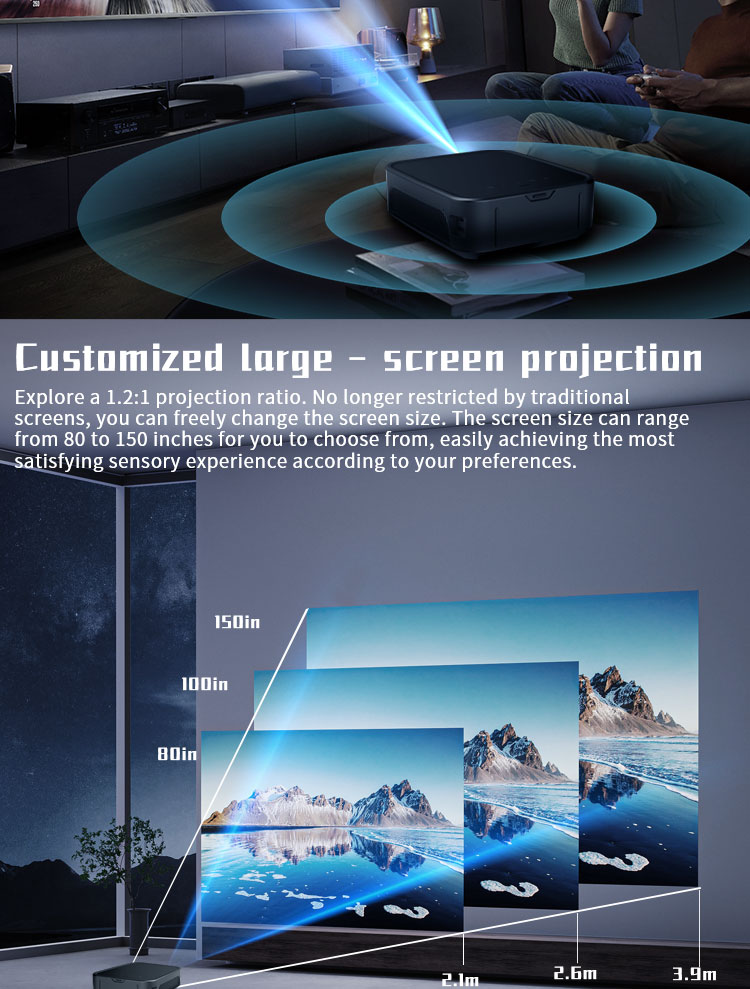
If you have a small room or living room, short‑throw projectors (throw ratio less than 1.5) are best. For larger rooms or dedicated theaters, standard throw can produce screens 100 inches or more.
If you have a spare room with full light control: a lower lumen projector (500–800) works great, paired with Full HD or 4K native resolution and high contrast for cinema‑grade visuals. Perfect for movie buffs who want theater quality at home without overspending.
For families and shared apartments: choose a 1000–1500 lumen projector with good contrast and color, plus Wi‑Fi and HDMI for streaming devices. The result is bright, vivid images even without full blackout — ideal for everyday movie nights.
For gamers who also love movies: look for Full HD or 4K input with low input lag (if supported), a 120‑inch or larger screen for immersive gameplay, and a portable design or ceiling‑mount flexibility.
Need portability and small‑room compatibility: choose a short‑throw, compact LED projector with built‑in speakers or Bluetooth for easy audio, and medium brightness (600–900 lumens) for darkened rooms.
For home theater users who want little maintenance and long‑term reliability, LED projectors offer better long‑term value than traditional lamp‑based models.
Conclusion — Which LED Projector is Best for You?
If you are looking for a projector that delivers cinematic visuals, low maintenance, and long‑term reliability, choose a high‑quality LED projector with: 800–1500+ ANSI lumens brightness, Full HD or 4K resolution, high contrast and rich colors, quiet cooling, flexible connectivity, and the right throw ratio for your room. Whether you’re creating a dedicated home theater, enjoying family movie nights, or combining gaming and streaming, a modern LED projector gives you the best balance of quality, convenience, and value.