
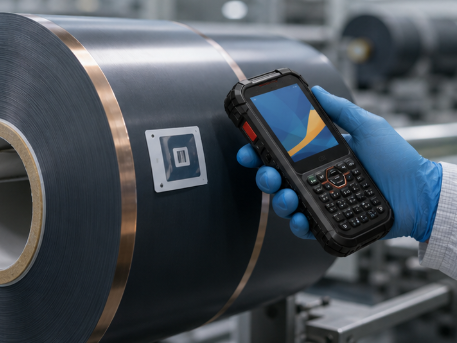
Fig 1 – Electrode coating inspection inside a dry room environment. Digital measurement tools capture micron-level data in real time, ensuring process stability across continuous production.
Manufacturing Insight: In solid-state battery production, precision is not optional. Minor deviations in coating thickness can propagate through the entire cell structure, making early detection and continuous monitoring essential.
Solid-State Battery Manufacturing QA – Digital Coating Inspection and Cleanroom Data Capture
By HOTUS Technology | Updated May 2026
Solid-state battery technology is advancing toward commercial-scale production, driven by demand for higher energy density and improved safety. Automotive, aerospace, and advanced electronics sectors are investing heavily in next-generation battery systems, accelerating the construction of pilot lines and gigafactories.
At the core of this transition lies a critical challenge: maintaining consistent electrode quality under extremely tight tolerances. Unlike conventional lithium-ion manufacturing, solid-state processes demand far stricter control over coating uniformity and material distribution.
Why Electrode Coating Quality Control Is Critical
Electrode coating directly impacts battery performance and safety. Variations at the micron level can lead to:
- Uneven current distribution within the cell
- Mechanical stress during cycling
- Formation of internal defects or short circuits
- Reduced cycle life and reliability
In continuous roll-to-roll production, even small deviations can affect hundreds of meters of material before being detected if monitoring is not real-time.
Limitations of Manual Inspection Methods
Traditional quality control methods rely heavily on manual sampling and paper-based records. These approaches are no longer sufficient for high-throughput manufacturing environments.
- Inability to capture continuous measurement data
- Delayed detection of process drift
- Risk of incomplete or inconsistent documentation
- Lack of integration with production systems
As production speeds increase, manual recording becomes a bottleneck that limits both quality assurance and operational efficiency.
Real-Time Data Capture with Cleanroom-Compatible PDA
The Hotus F505 handheld PDA enables real-time data collection directly from measurement instruments. Designed for cleanroom use, it supports frequent sanitization and operates reliably in controlled environments.
Key capabilities include:
- Automatic logging of coating thickness from laser gauges
- Continuous data recording during roll-to-roll processing
- Instant alerts when measurements exceed tolerance limits
- Operator input for corrective actions and process adjustments
By capturing data at high frequency, the system provides full visibility into coating performance across the entire production run.
Batch Traceability and Process Transparency
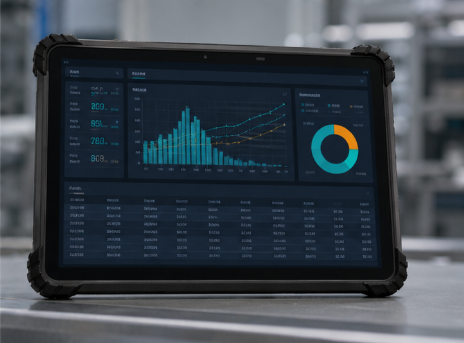
Fig 2 – Digital tracking of electrode rolls ensures full visibility into production history, from coating parameters to downstream processing.
The Hotus F502 RFID PDA provides end-to-end traceability of materials and production batches.
Each electrode roll can be linked to:
- Coating line and process parameters
- Raw material batches
- Operator actions and adjustments
- Quality inspection results
This structured data enables rapid root-cause analysis when defects are detected, minimizing waste and reducing investigation time.
Cleanroom Monitoring and Process Visualization
The Hotus ST11-M rugged tablet acts as a real-time monitoring interface for supervisors and engineers.
Installed within the production area, it displays:
- Coating thickness distribution charts
- Process stability indicators
- Alerts for out-of-spec conditions
- Historical trends for quality analysis
With a sealed, wipeable surface, the device meets cleanroom hygiene requirements while providing continuous access to critical production data.
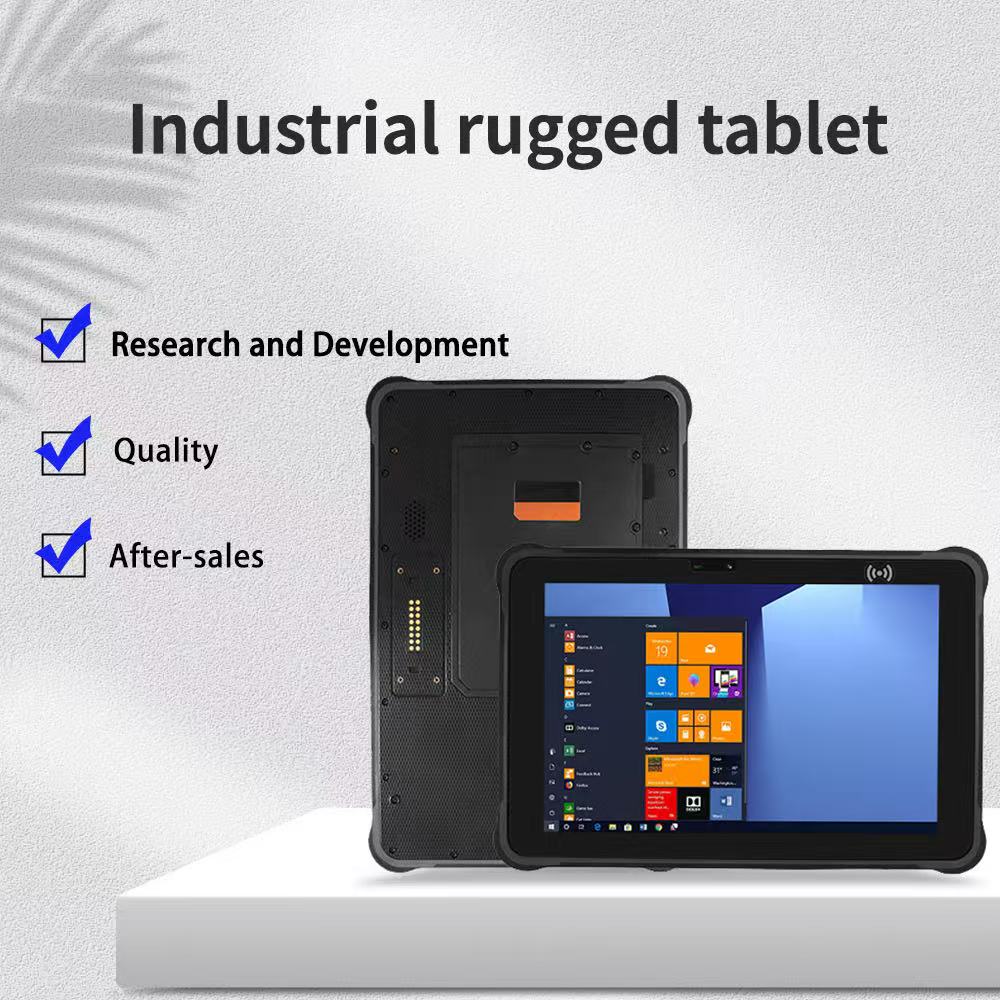
Fig 3 – Live visualization of coating thickness distribution allows operators to detect and correct deviations before they impact downstream processes.
Benefits of Digital Quality Assurance in Battery Manufacturing
Implementing a digital QA system provides clear advantages:
- Improved coating uniformity and yield rates
- Early detection of process deviations
- Reduced material waste and rework
- Enhanced traceability for compliance and reporting
Continuous monitoring transforms quality control from reactive inspection to proactive process management.
Conclusion: Data-Driven Manufacturing for Solid-State Batteries
As solid-state battery production scales, maintaining consistent quality across high-speed manufacturing lines becomes increasingly complex. Digital inspection and data capture systems are essential to meet these demands.
By integrating rugged handheld devices and real-time monitoring tools, manufacturers can ensure that every layer, every measurement, and every batch meets the required standards.
Contact HOTUS Technology to explore cleanroom-ready data capture solutions, request pilot devices, and build a scalable quality control system for solid-state battery production.