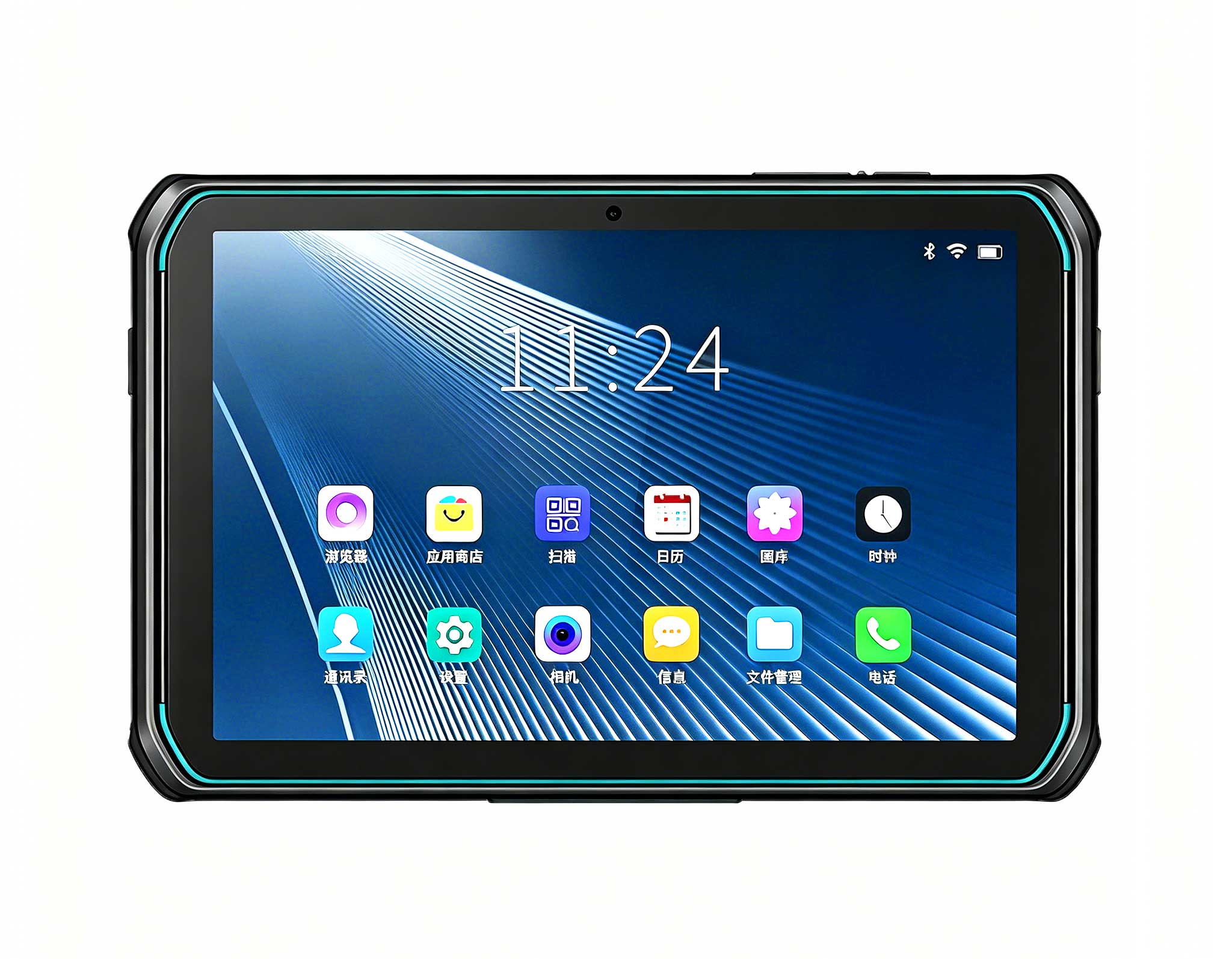
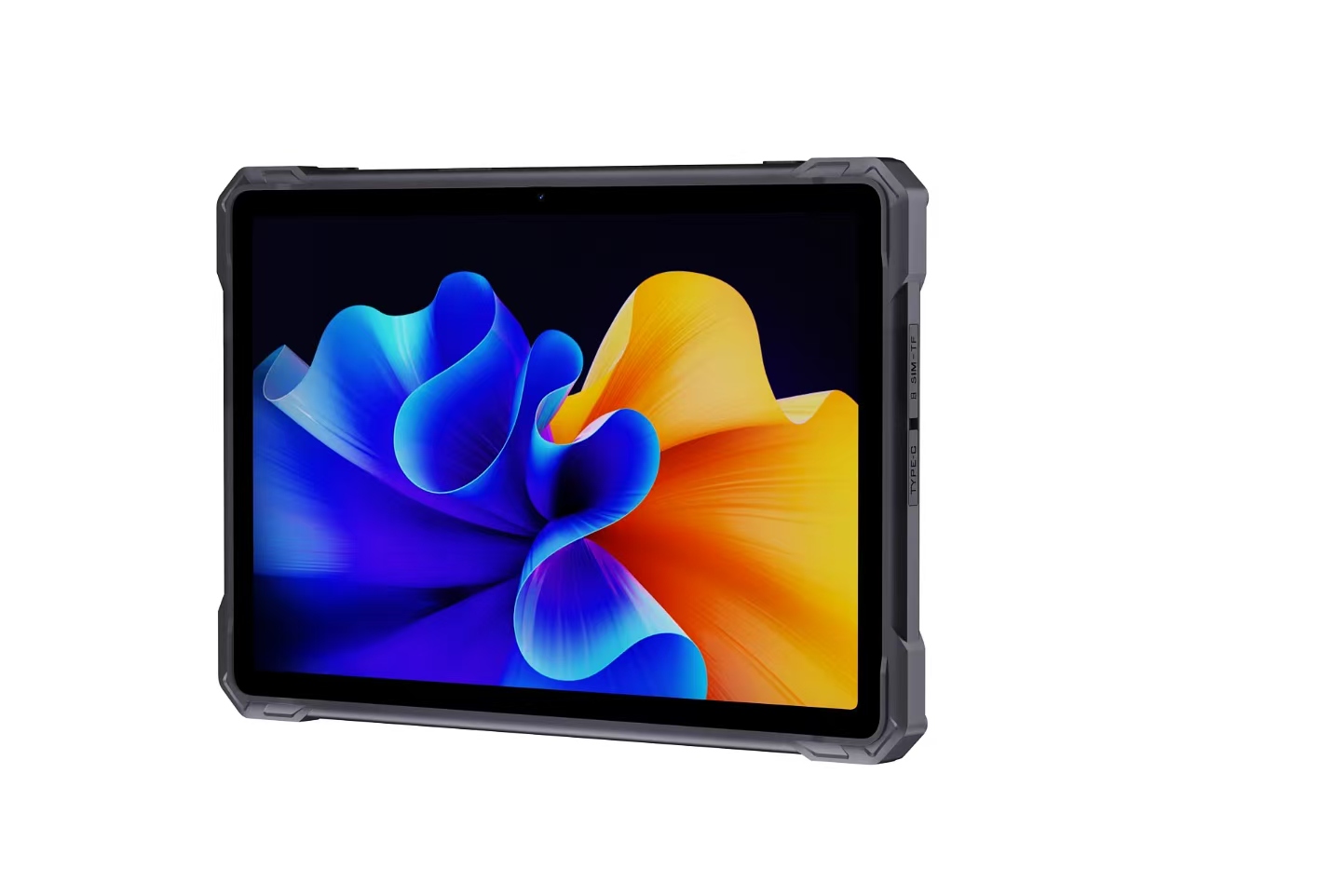
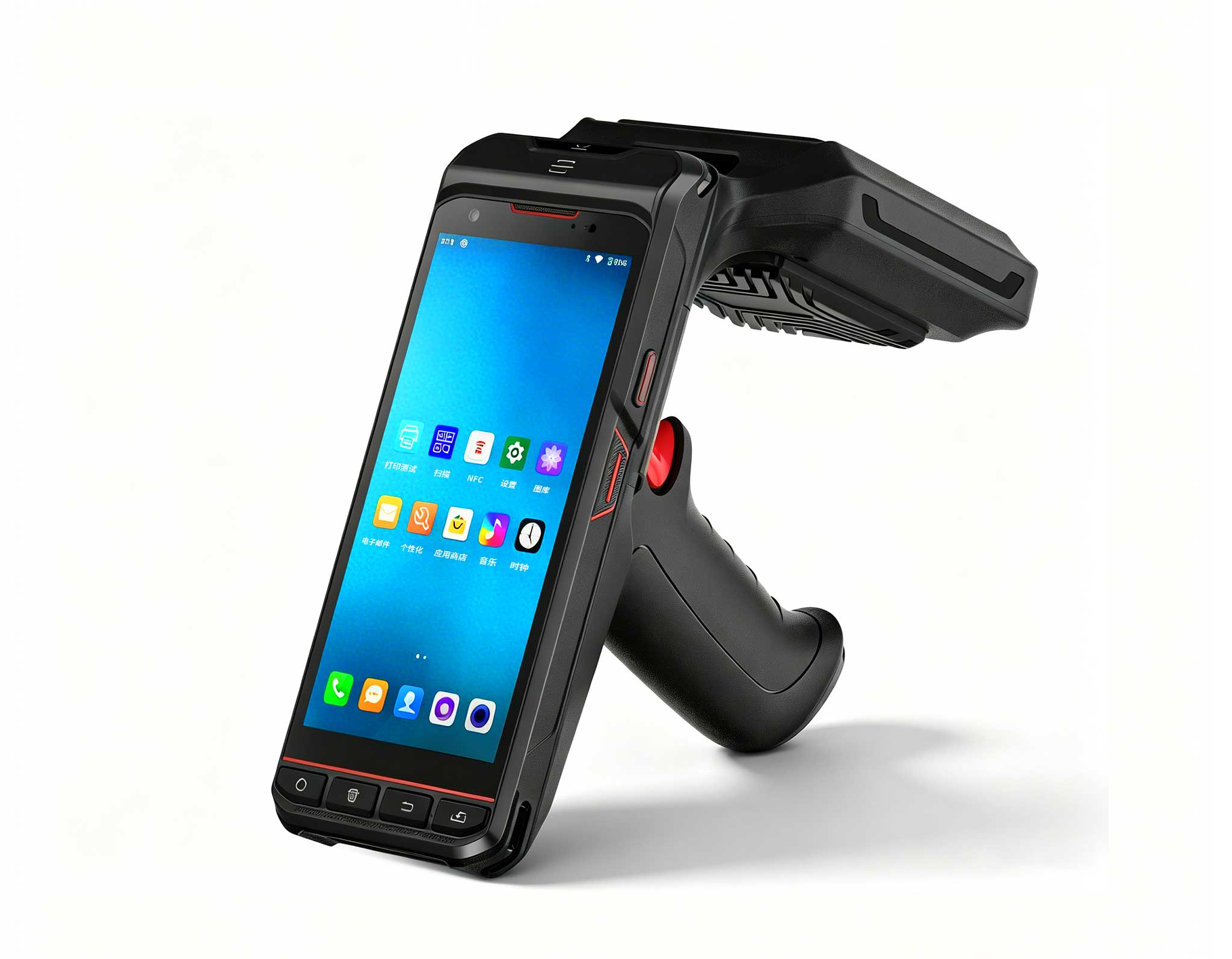
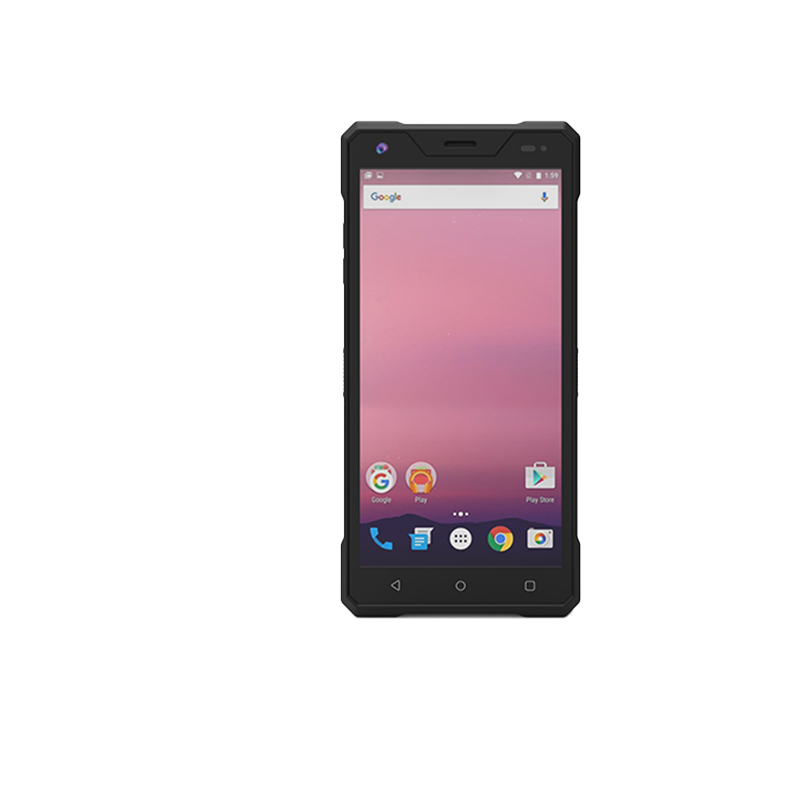
Track maintenance personnel utilizing the HOTUS SH5-W shock-resistant handheld to sync laser-rangefinder data on a high-speed catenary section.
The Critical Failure of Sparse Data in Railway Maintenance
In the world of electrified rail, the contact wire is a consumable asset under constant assault from friction, electrical arcing, and mechanical tension. The difference between a safe operation and a catastrophic "dewirement" is measured in millimeters of copper. Yet, most operators still rely on manual caliper readings taken at 100-meter intervals. This sparse sampling creates massive "blind zones" where localized wear goes undetected. A snapped contact wire doesn't just halt a train; it destroys pantographs and tears down kilometers of infrastructure. Real-time, high-frequency digital logging via shock-resistant Windows handhelds is the only path to predictive rail integrity.
Preventing Dewirement: Why Railway Contact Wire Wear Monitoring Needs Shock-Resistant Windows Handhelds
Technical Whitepaper by HOTUS Railway Systems Division | Updated May 2026
The Tribology of Catenary Systems: Understanding Wear Mechanisms
Electrified railways depend on a consistent physical and electrical connection between the overhead contact wire and the locomotive's pantograph. This interface is a high-stress environment. Wear occurs through two primary mechanisms: mechanical abrasion from the carbon strips of the pantograph and electrical erosion caused by micro-arcing. As the cross-sectional area of the wire decreases, its electrical resistance increases and its mechanical tensile strength plummets.
Standard copper-magnesium or copper-silver wires are designed with a safety margin, but once the "wear limit" (typically 20% to 30% of the original diameter) is reached, the risk of a tension-induced snap rises exponentially. Environmental factors—such as coastal salt spray or industrial pollution—can accelerate this process in specific, localized sections. Without high-resolution data logging, these "rapid-wear zones" remain invisible to traditional inspection teams.
SH5-W: Field-Hardened Precision for Trackside Logistics
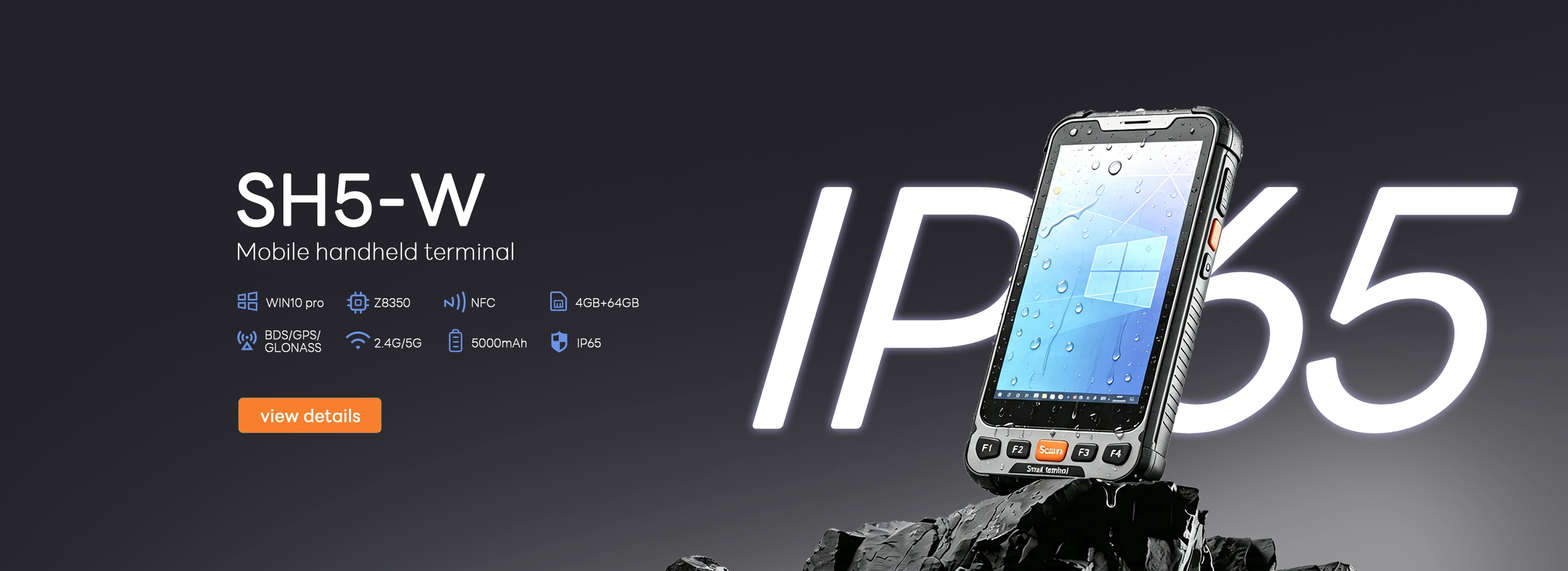
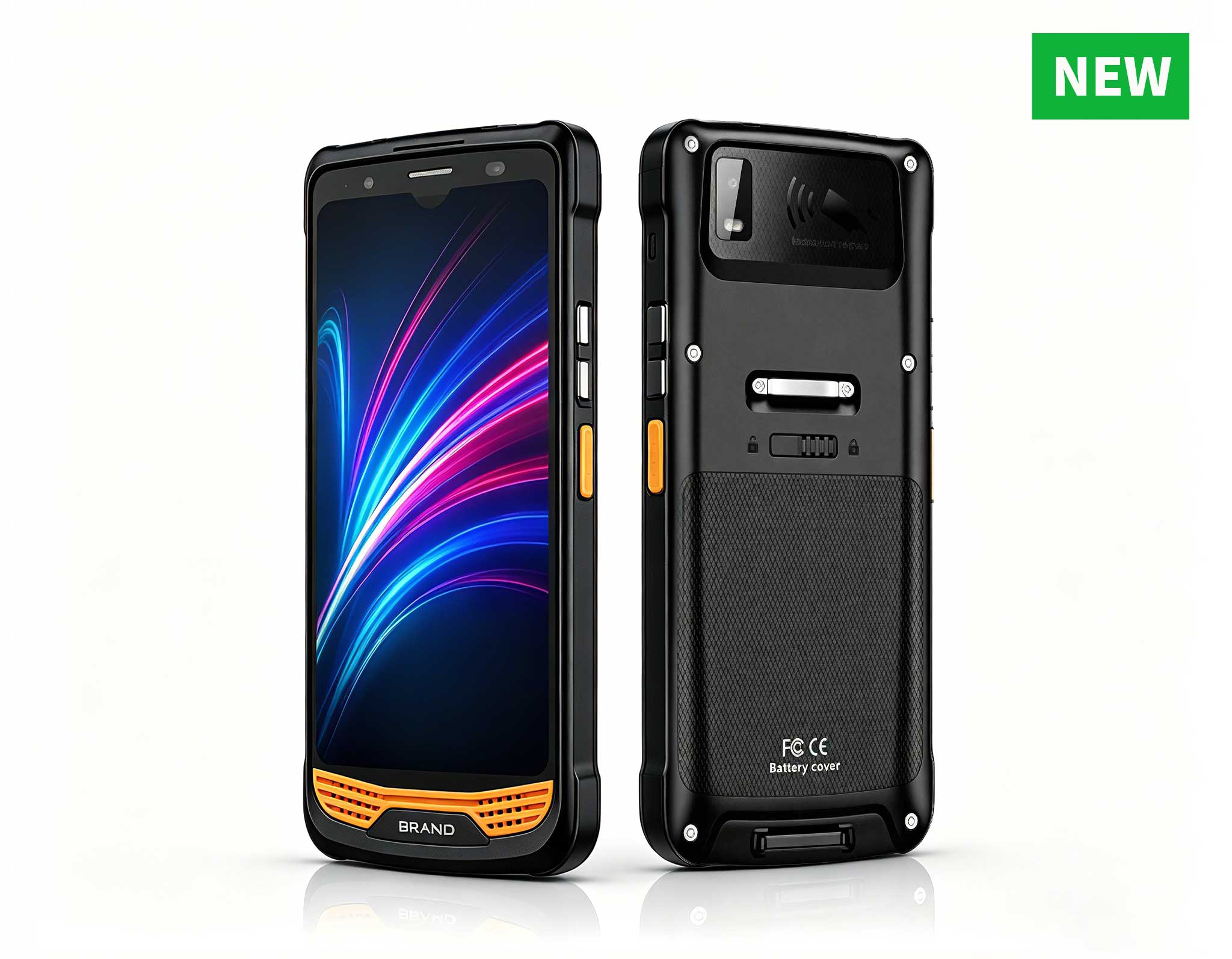
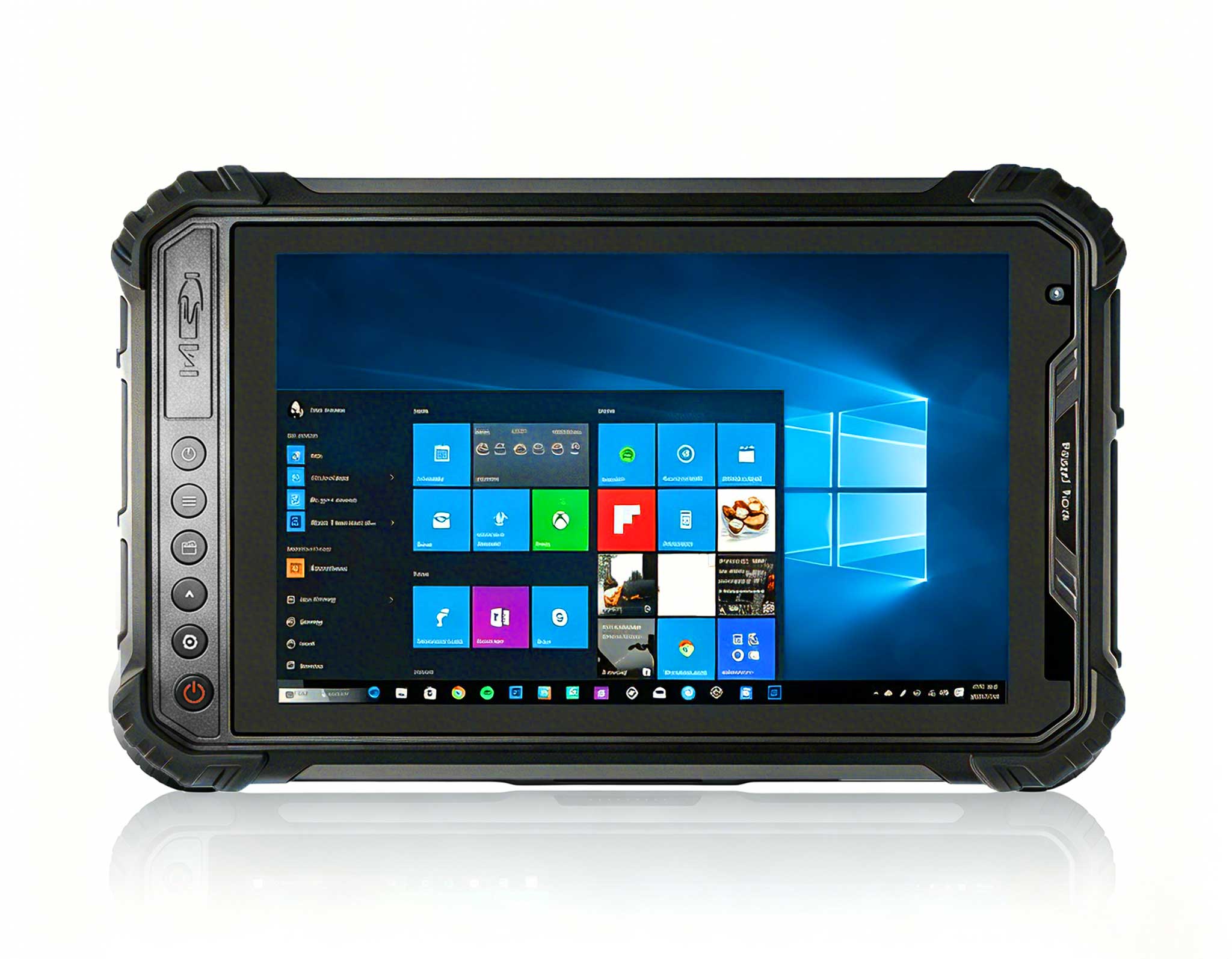
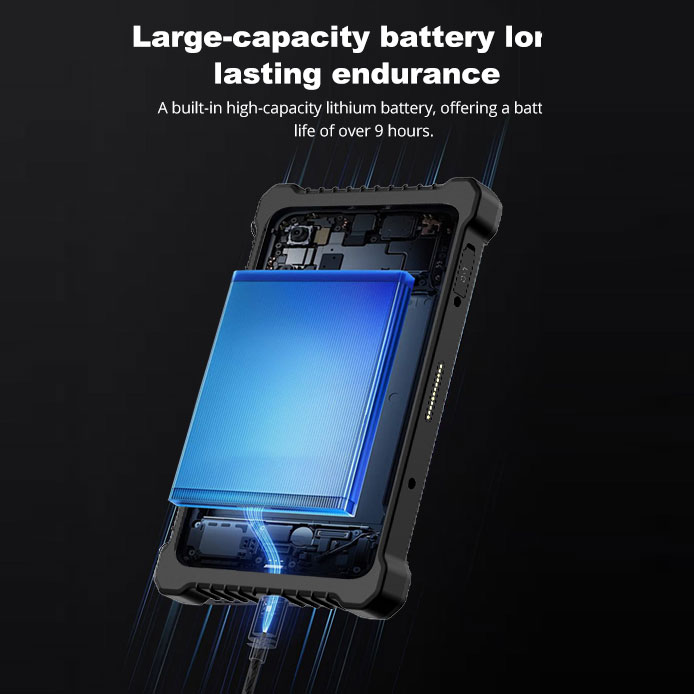
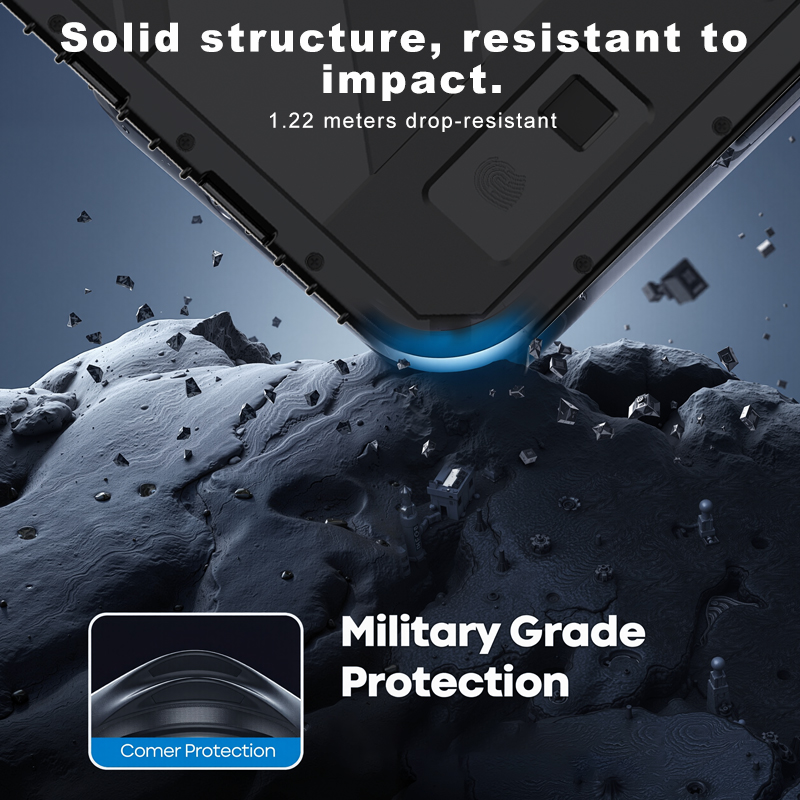
Track inspection is physically demanding. Equipment must withstand rain, ballast dust, and accidental drops onto concrete or steel rails. The Hotus SH5-W Windows rugged handheld is built for this "zero-failure" environment. Unlike consumer smartphones that fail under vibration or cold weather, the SH5-W is MIL-STD-810G certified, ensuring it remains operational after repeated 1.2-meter drops.
The SH5-W serves as the digital brain of the measurement process. When paired with a laser-based wear gauge via its high-stability Bluetooth 5.0 or waterproof I/O ports, it transforms a slow manual process into a high-speed data stream. Key field advantages include:
- High-Frequency Logging: Records diameter readings every 5-10 meters, compared to the 50-100m standard, ensuring no "thin spots" are missed.
- Geotagging & Pole Association: Uses internal high-precision GNSS to link every measurement to a specific catenary pole ID and GPS coordinate.
- Visual Evidence: The 13MP camera captures high-resolution photos of the wire surface, documenting arcing burns or "grooving" that numbers alone can't describe.
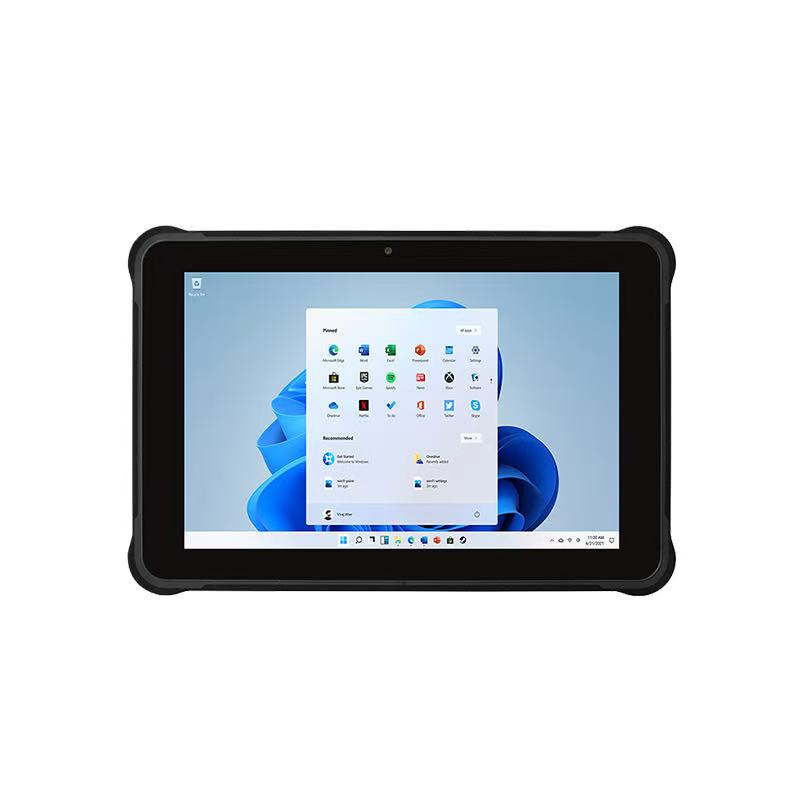
The HOTUS ST11-U interface visualizing a 5km catenary section. The red "dip" indicates a localized wear zone requiring immediate tension adjustment.
ST11-U: The Macro-View of Line Integrity
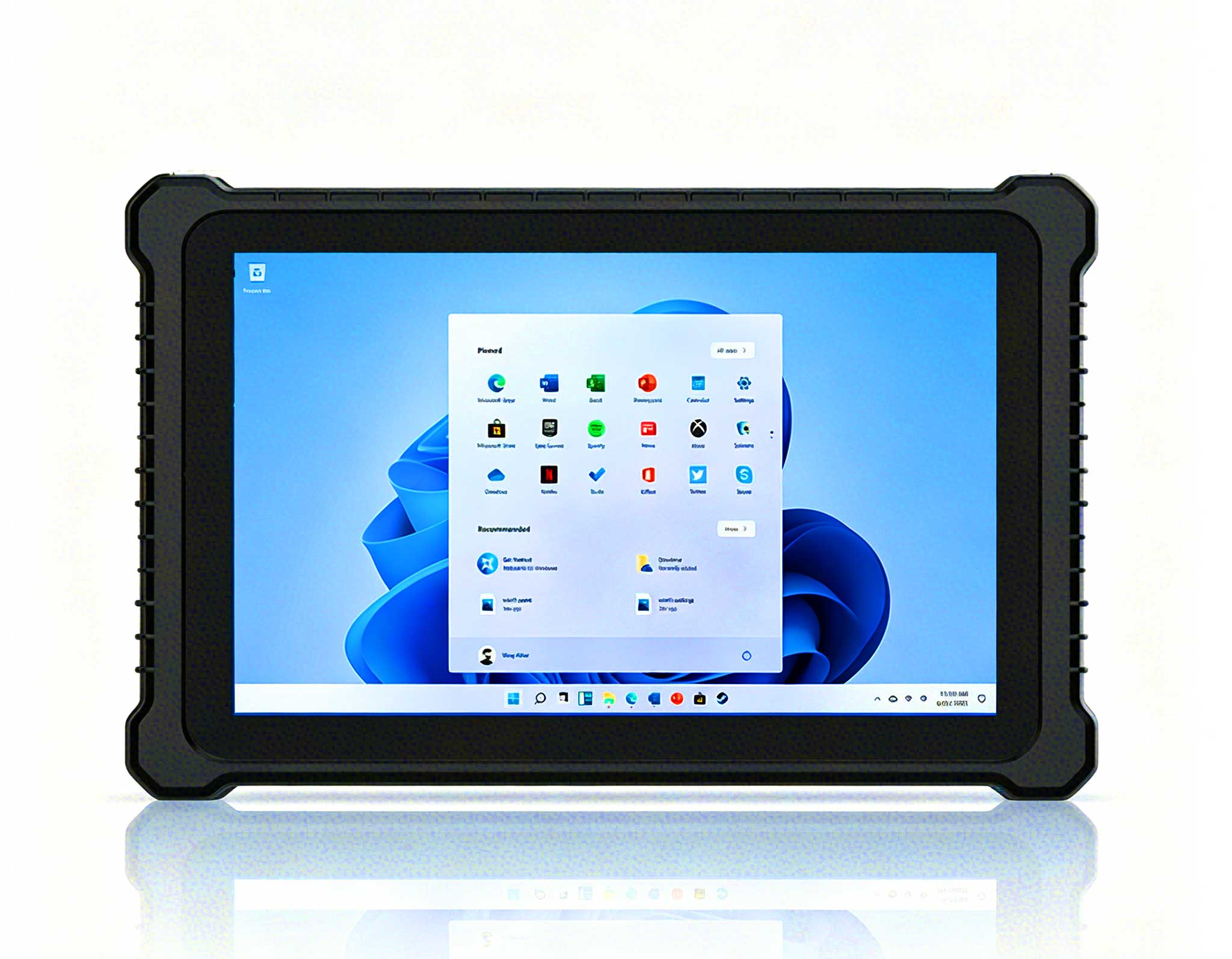
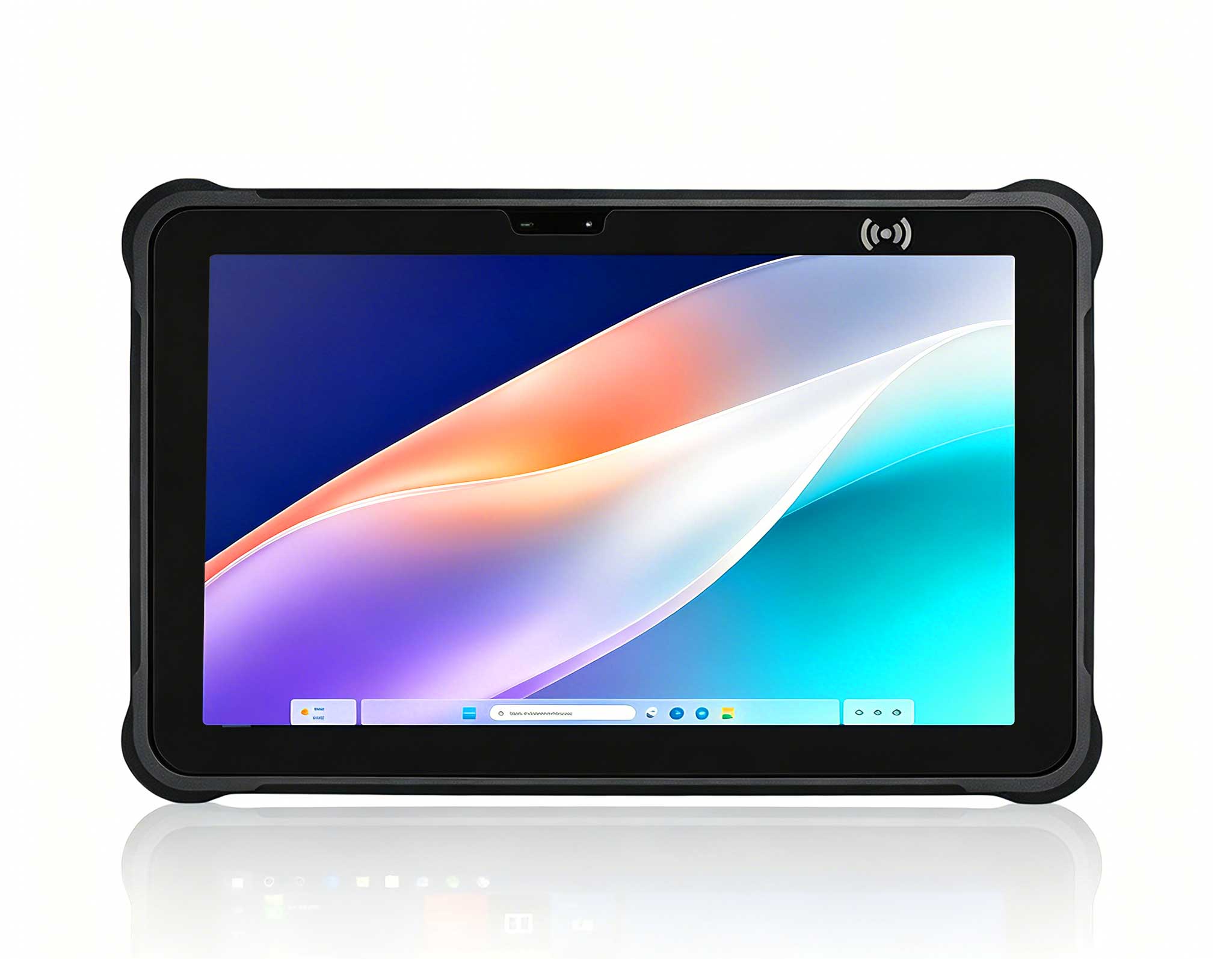
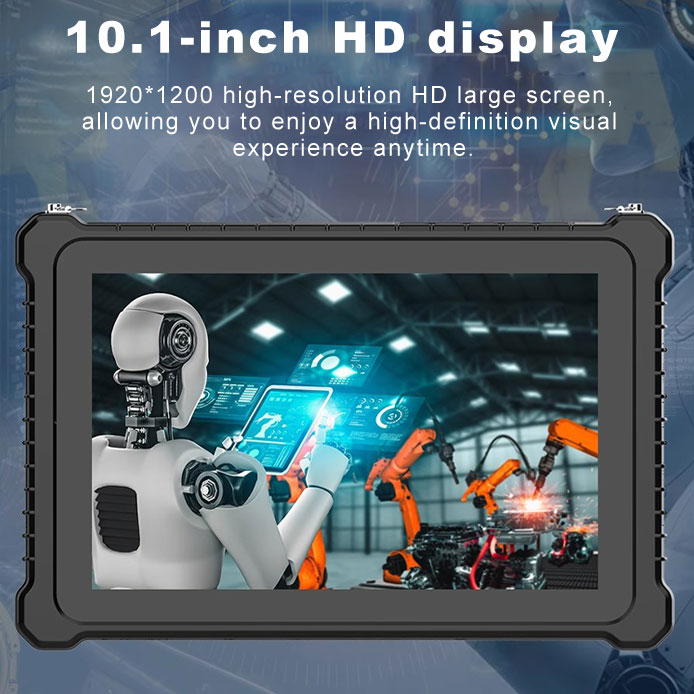
While the SH5-W is the tool for the field, the Hotus ST11-U 10.1″ Windows rugged tablet is the command center for the maintenance planner. The ST11-U’s large, sunlight-readable display allows engineers to review continuous wear profiles for hundreds of kilometers of track.
The tablet’s Intel-based architecture is powerful enough to run predictive wear-rate algorithms. By overlaying traffic density data with historical measurement logs, the ST11-U can predict the exact month a wire section will reach its safety threshold. This "just-in-time" replacement strategy saves millions by preventing premature scrap of healthy wire while ensuring 100% safety against breakages.
U9000 & RFID: Closing the Asset Management Loop
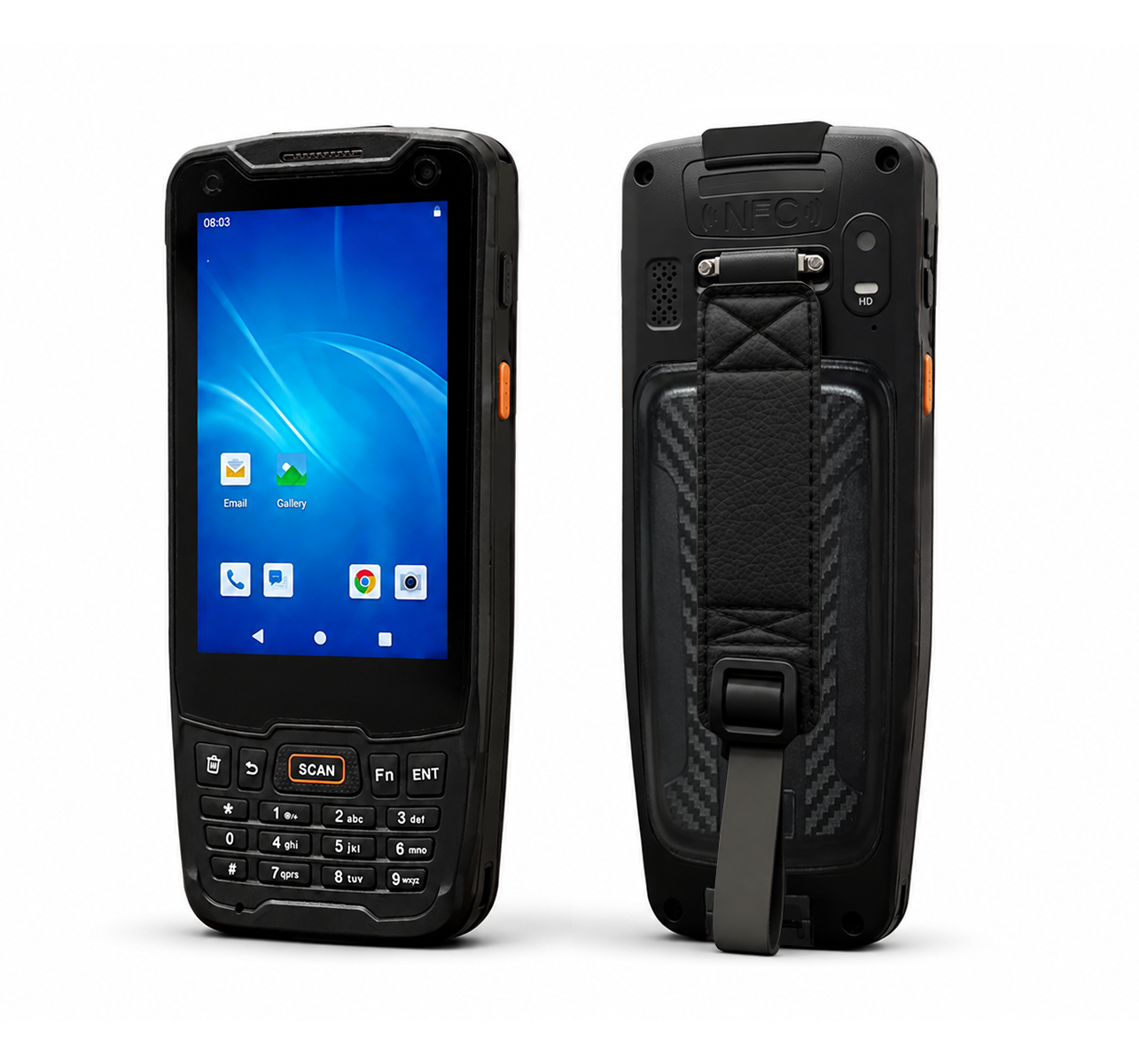
Effective maintenance requires knowing the "pedigree" of every component. The Hotus U9000 PDA integrates RFID and barcode scanning to track the installation date, batch number, and supplier of every contact wire reel and catenary pole. When a wear anomaly is detected by the SH5-W, the technician uses the U9000 to scan the pole tag, instantly pulling up the original installation specs. This full-lifecycle traceability is essential for insurance compliance and root-cause analysis after equipment failures.
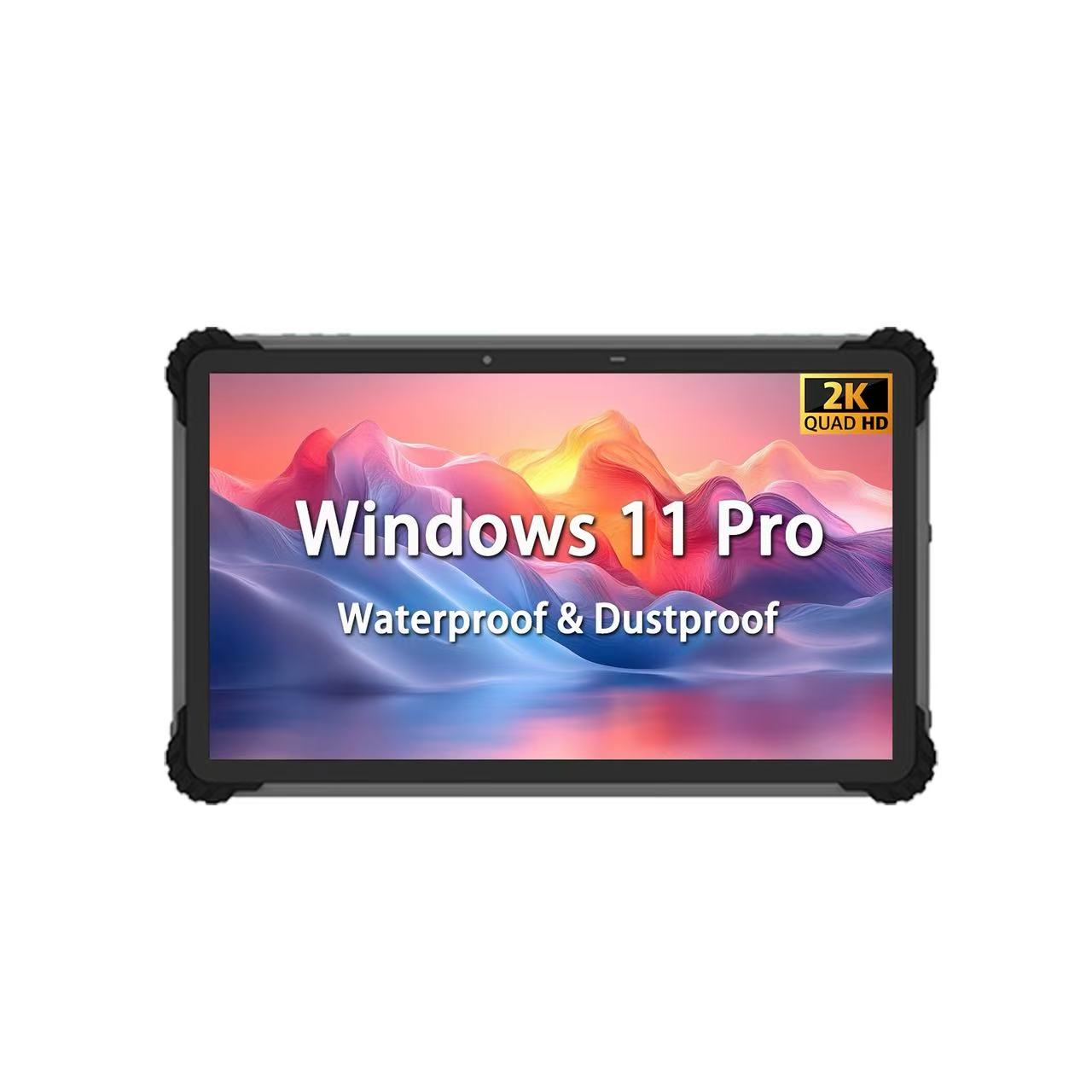
The ST11-U reliability dashboard: Red line markers indicate sections scheduled for replacement during the next maintenance window.
Success Story: A 40% Reduction in Emergency Downtime
A major European metro operator faced rising costs from "emergency wire repairs" that disrupted service for 300,000 daily commuters. By deploying a fleet of HOTUS SH5-W handhelds and ST11-U tablets, they moved from a 100-meter manual inspection cycle to a 10-meter digital cycle.
Within the first six months, the system flagged a "hot zone" in a tunnel section where wear was 3x higher than predicted. The high-resolution data revealed that an overhead fan was causing the contact wire to vibrate at a frequency that increased friction with the pantographs. The fan was recalibrated, and the wire was scheduled for a planned replacement. Total cost avoided: $1.2M in potential service penalties and repair labor. The operator reported a 40% reduction in emergency line outages in the following year.
Conclusion: Digitizing the Iron Road
The future of railway uptime is digital. As train speeds increase and schedules become tighter, the tolerance for "maintenance by guesswork" disappears. The HOTUS SH5-W, ST11-U, and U9000 provide the high-durability, high-precision ecosystem needed to manage catenary wear with absolute confidence. Protect your infrastructure, safeguard your passengers, and ensure your rail network remains the most reliable link in the transport chain.