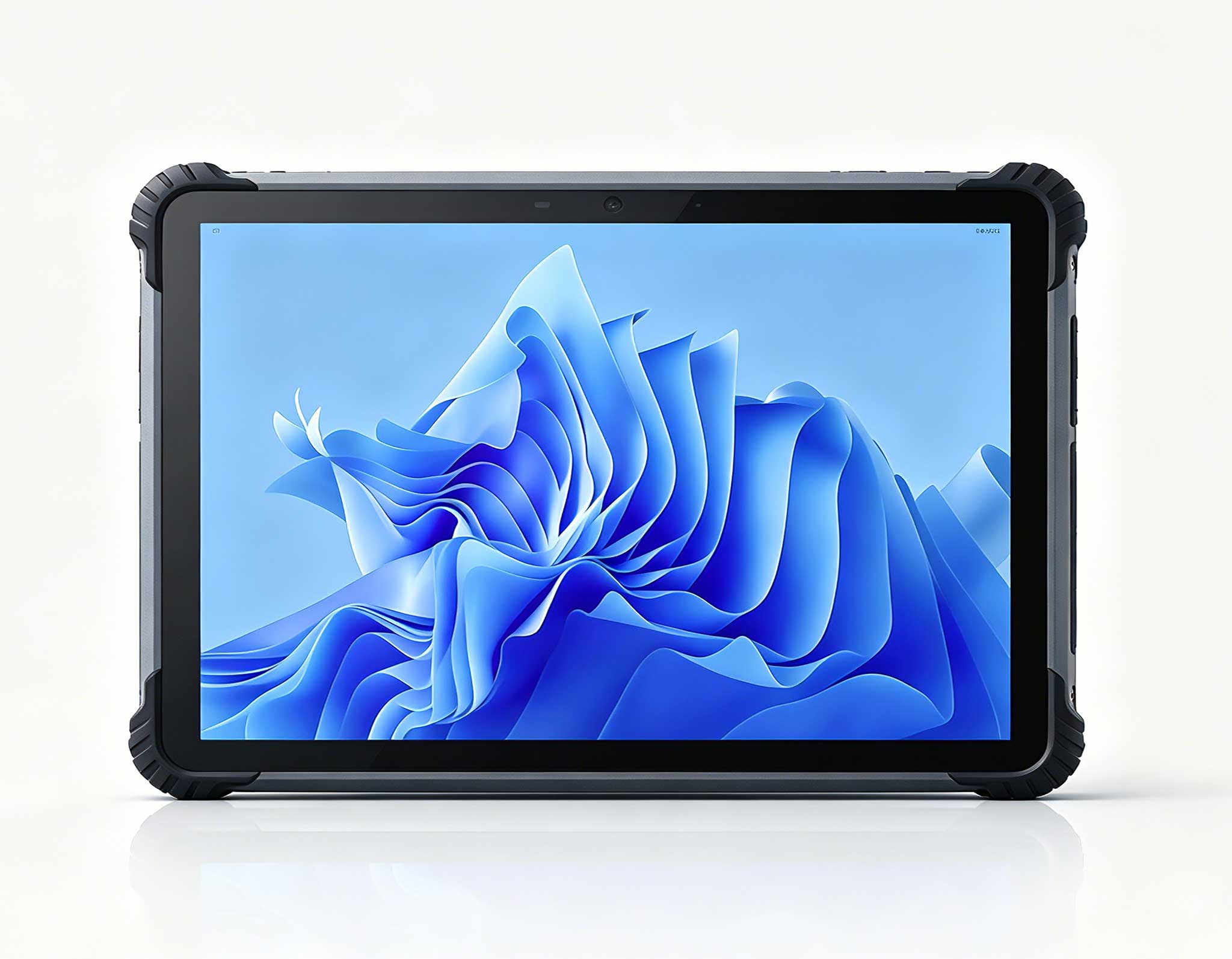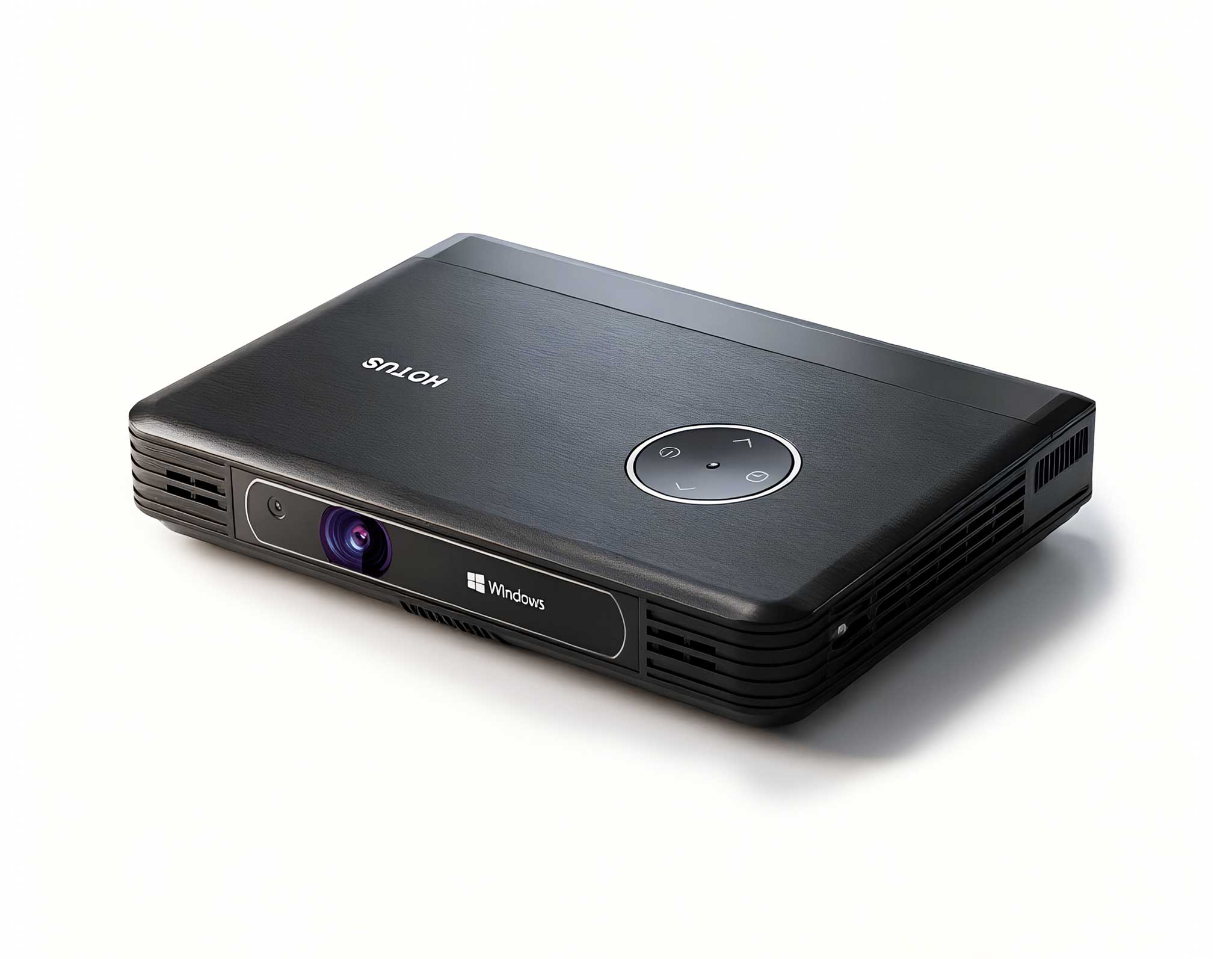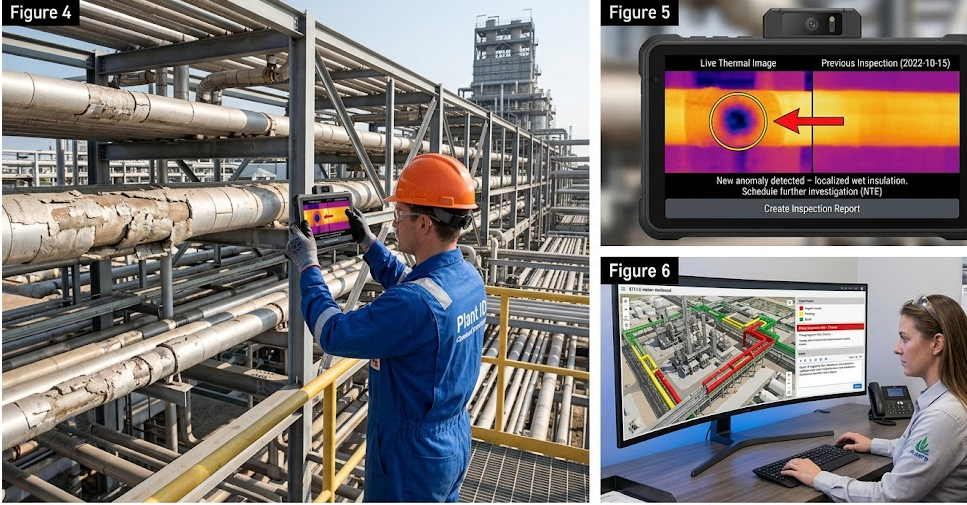
An NDT technician uses a HOTUS thermal imaging tablet to scan a pipe for corrosion under insulation (CUI).
Corrosion under insulation is the silent killer of industrial piping. It hides under fiberglass, invisible until a leak sprays steam. Most plants inspect for CUI by removing insulation – expensive, time‑consuming, and you always miss a spot. You need a thermal imaging Windows tablet that scans the pipe surface, highlights hot spots caused by wet insulation, and logs the location for repeat surveys. In process plants, a leaking CUI pipe can cost $100,000 in unplanned downtime. Your tablet is the X‑ray vision you never knew you needed.
Pipeline Corrosion Under Insulation Is Invisible – Your CUI Inspection Log Needs A Thermal Imaging Windows Tablet
By HOTUS Technology | May 2026
The Geochemical Mechanics of Corrosion Under Insulation (CUI)
Within heavy industrial facilities—including chemical processing infrastructure, oil refineries, and high-pressure steam plants—corrosion under insulation represents a critical threat to structural integrity. This specific degradation mechanism occurs when moisture enters the interstitial gap between the outer weather-protective jacketing and the metallic outer surface of the pipe wall. The source of water varies, ranging from external precipitation and washdown spray to atmospheric condensation driven by cyclic thermal processes.
Once trapped under protective layers of rockwool, calcium silicate, or polyurethane foam, moisture mixes with leachable chlorides, sulfates, or acidic processing emissions. This trapped fluid creates an aggressive localized galvanic cell against carbon steel or stainless steel pipe substrates. Operating across temperatures from $-4\text{°C}$ up to $175\text{°C}$, the rate of oxidation increases rapidly, thinning walls out of sight beneath the outer insulation wrap. For technical sourcing teams choosing hardware from an established HOTUS Industrial Manufacturing: Custom Mini PCs, Rugged Tablets, and Smart Projectors supplier, replacing destructive testing with non-destructive testing (NDT) mobile solutions is necessary to maintain pressure boundaries and ensure field safety.
Limitations of Traditional Stripping and Manual Thickness Logging
Traditional approaches to identifying CUI are notoriously inefficient and costly. The standard strategy relies on stripping segments of insulation cladding at predetermined cross-sections to allow direct visual inspection and ultrasonic thickness (UT) testing. This approach is highly disruptive, labor-intensive, and introduces mechanical risks; stripping insulation can inadvertently break weather seals, introducing moisture into pristine areas of the line.
Furthermore, tracking these inspection cycles via paper logs or spreadsheet databases leaves massive diagnostic gaps. Because localized water wicking occurs unpredictably across long pipe racks, a critical wall-thinning zone can sit less than half a meter away from a cleared, manual check-point and remain undetected for years. Paper-based field updates cannot map continuous thermal trends, cross-reference previous data profiles, or provide immediate visibility of hidden anomalies to process safety teams before catastrophic wall failures happen.
Non-Destructive Thermal Profiling via the HOTUS ST11-J Tablet
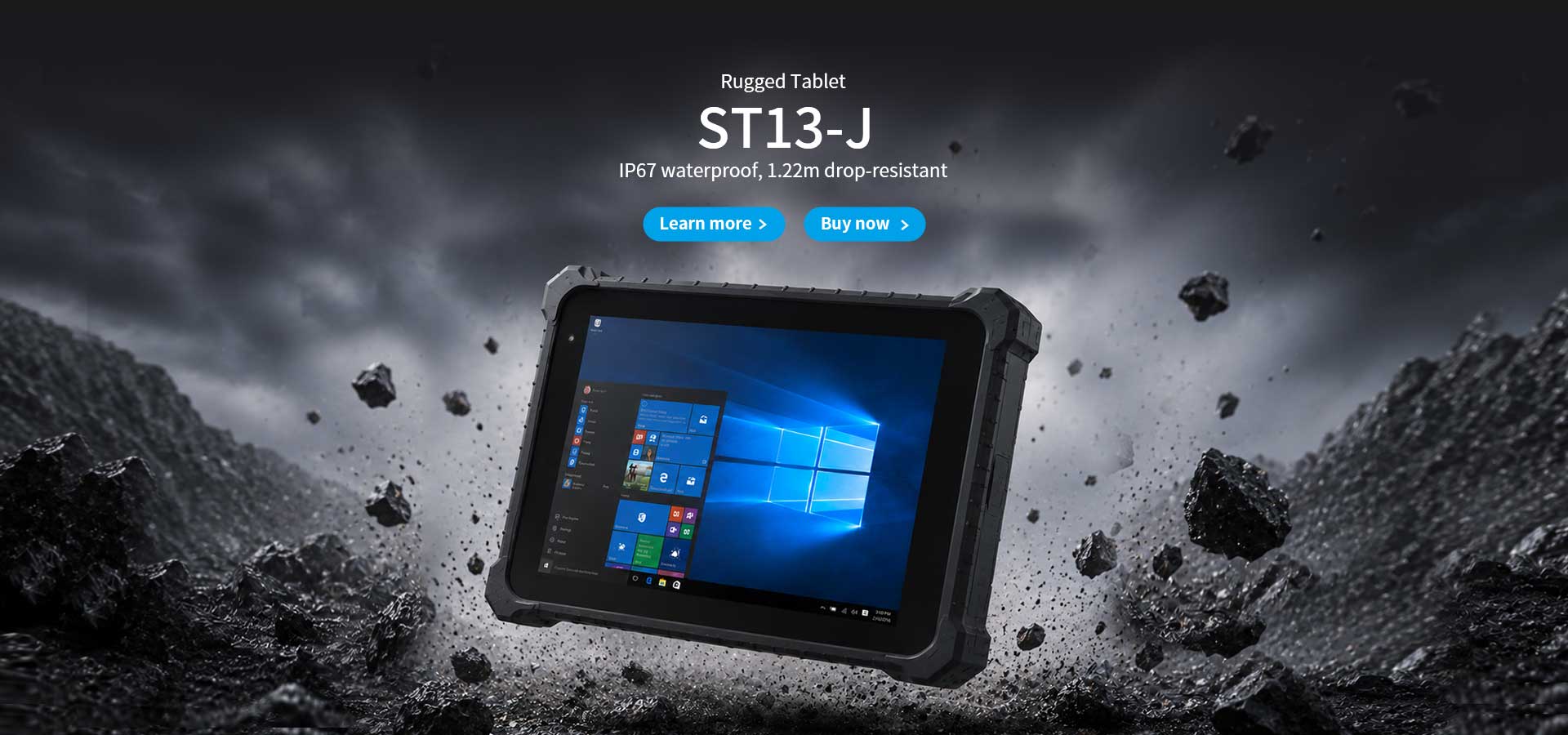
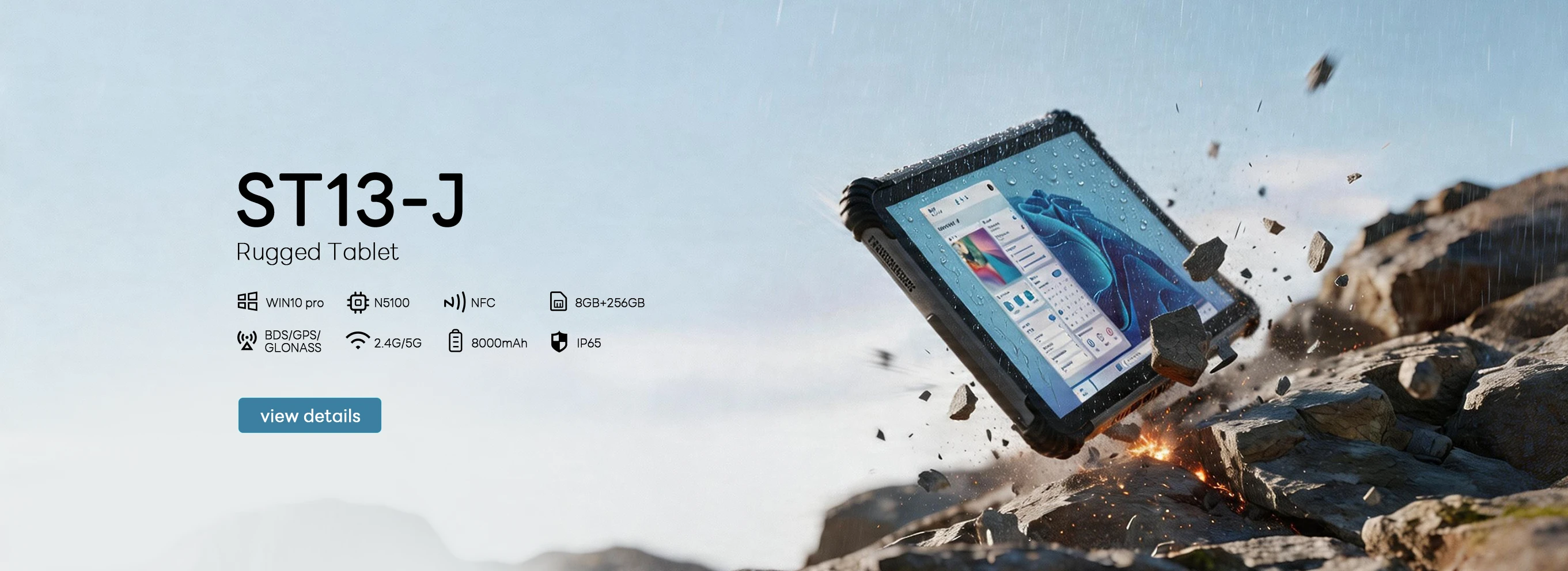
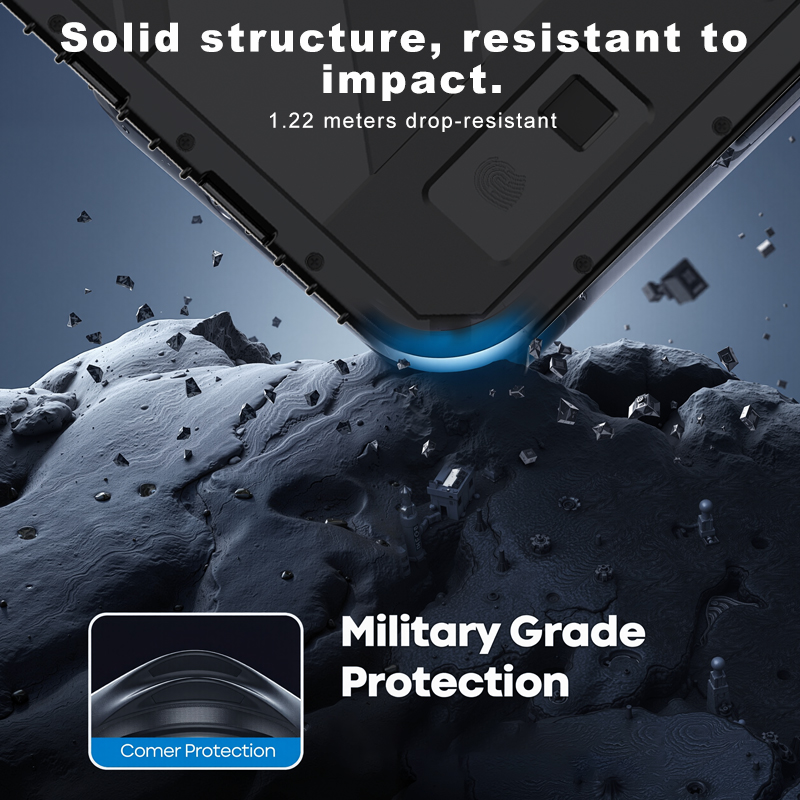
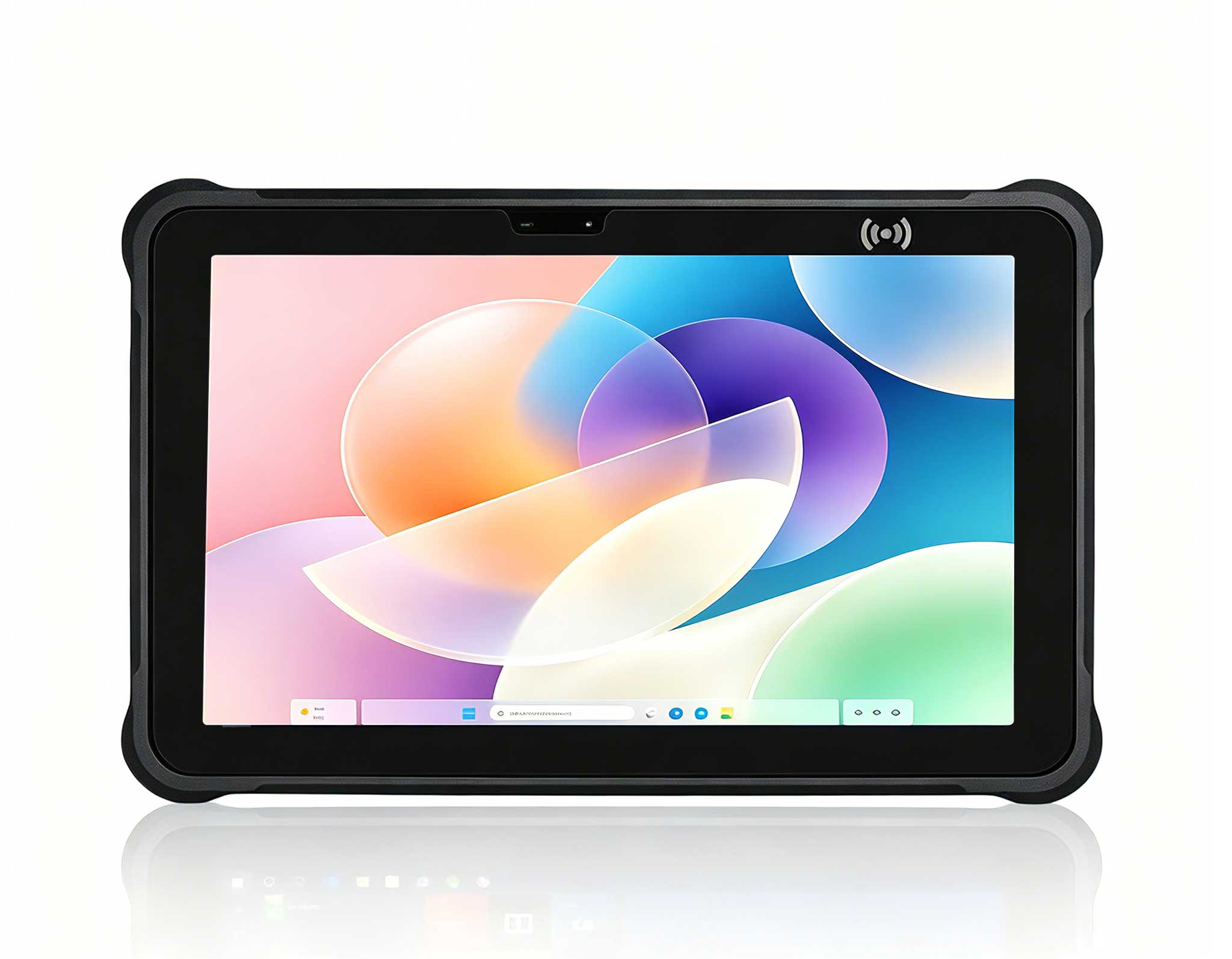
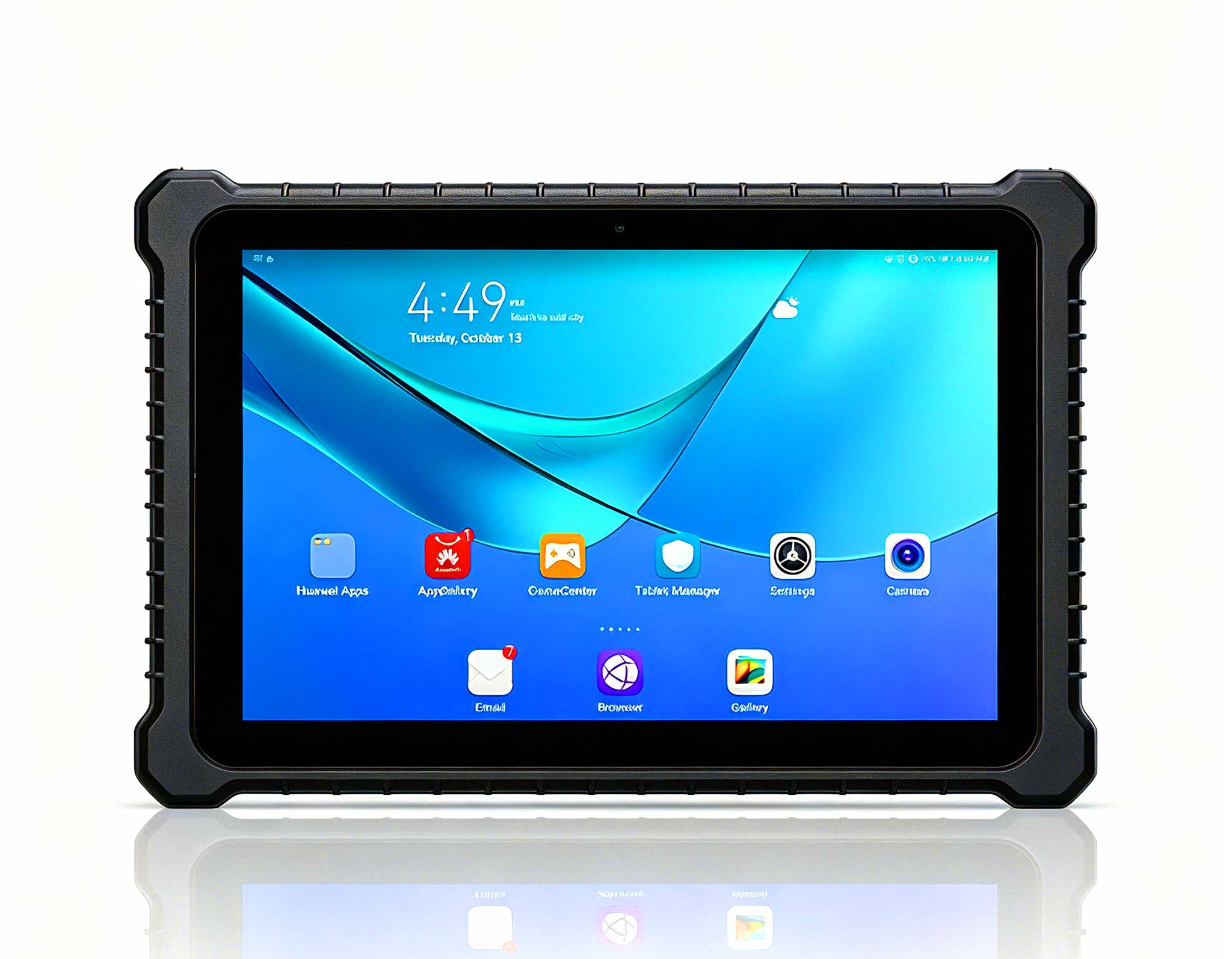
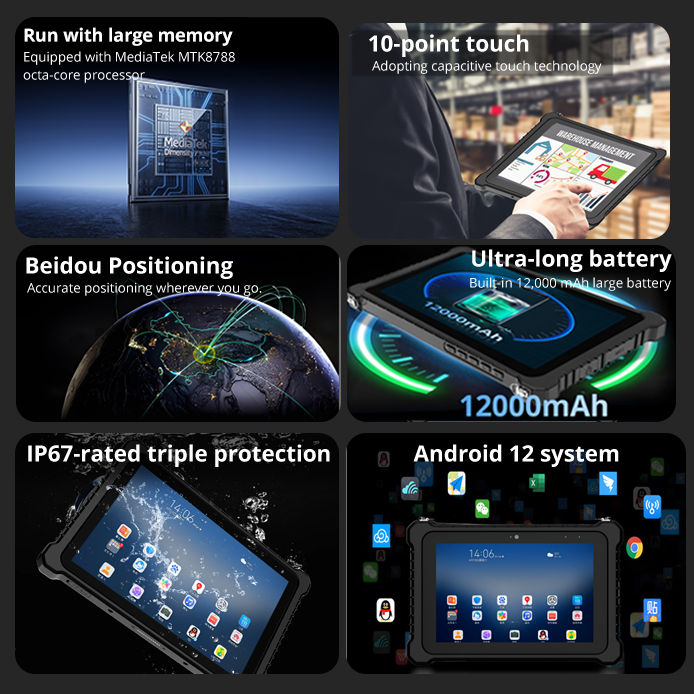
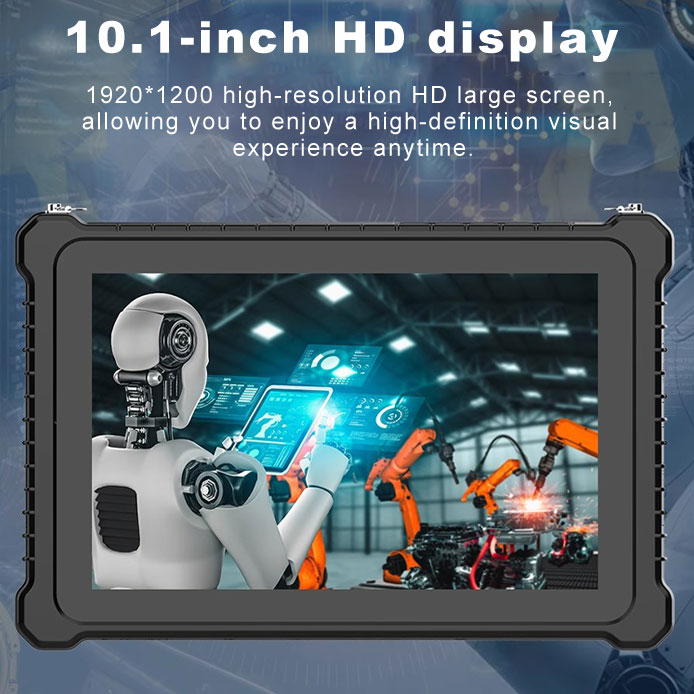
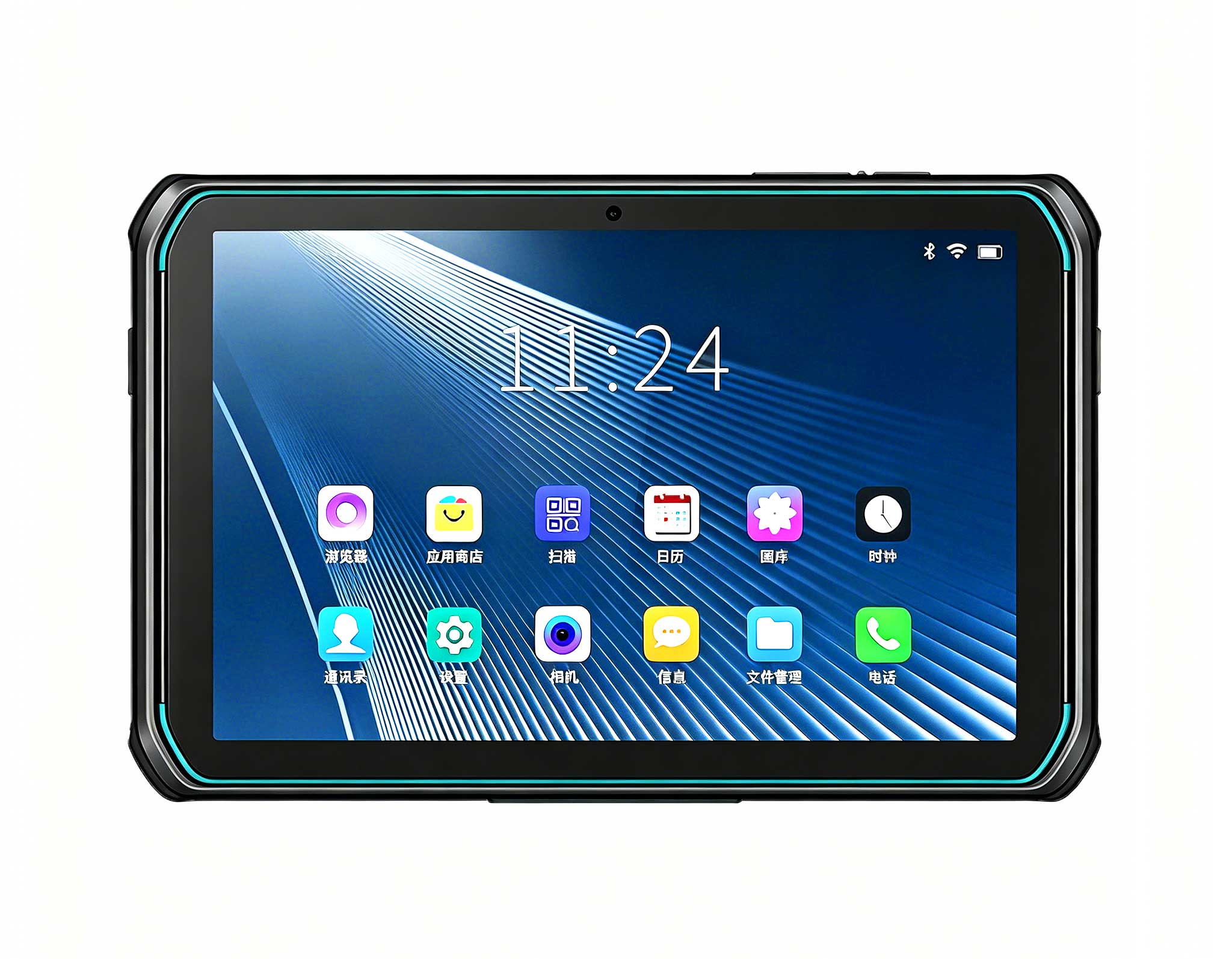
Deploying the Hotus ST11‑J 10.1″ Windows rugged tablet with an integrated thermal imaging camera transforms how field teams approach non-destructive testing. Encased in an impact-tested chassis designed for high-altitude pipe racks and refineries, the ST11-J lets technicians view subsurface moisture distributions without removing a single square inch of protective cladding. The inspection process capitalizes on thermodynamics: water possesses a high specific heat capacity compared to dry insulation materials, creating clear thermal anomalies on the outer protective jacket. The ST11-J streamlines data-capture workflows by automating core field tasks:
- Real-Time Infrared Analysis: The integrated thermography core captures surface temperature matrices, highlighting localized cold spots where moisture has wicked heat away on hot process lines, or hot spots on chilled fluid infrastructure.
- Automated Differential Flags: The processing system flags zones exhibiting thermal deviations greater than $5\text{°C}$ compared to the surrounding cladding baseline, pinpointing exact moisture boundaries.
- GPS Inspection Anchors: An integrated GPS module tracks coordinates for every thermal image, linking inspection files to exact locations across complex pipeline corridors.
By identifying moisture points before corrosion takes hold, maintenance managers can direct stripping and repair crews only to confirmed anomaly zones. This targeted workflow eliminates random manual cutting and preserves the integrity of intact weather jacketing across the plant.
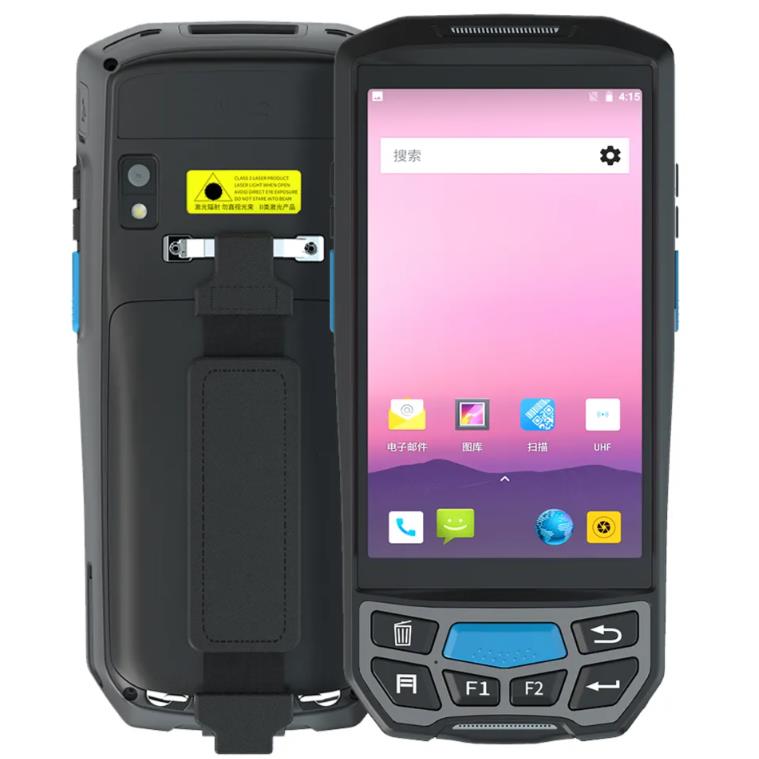
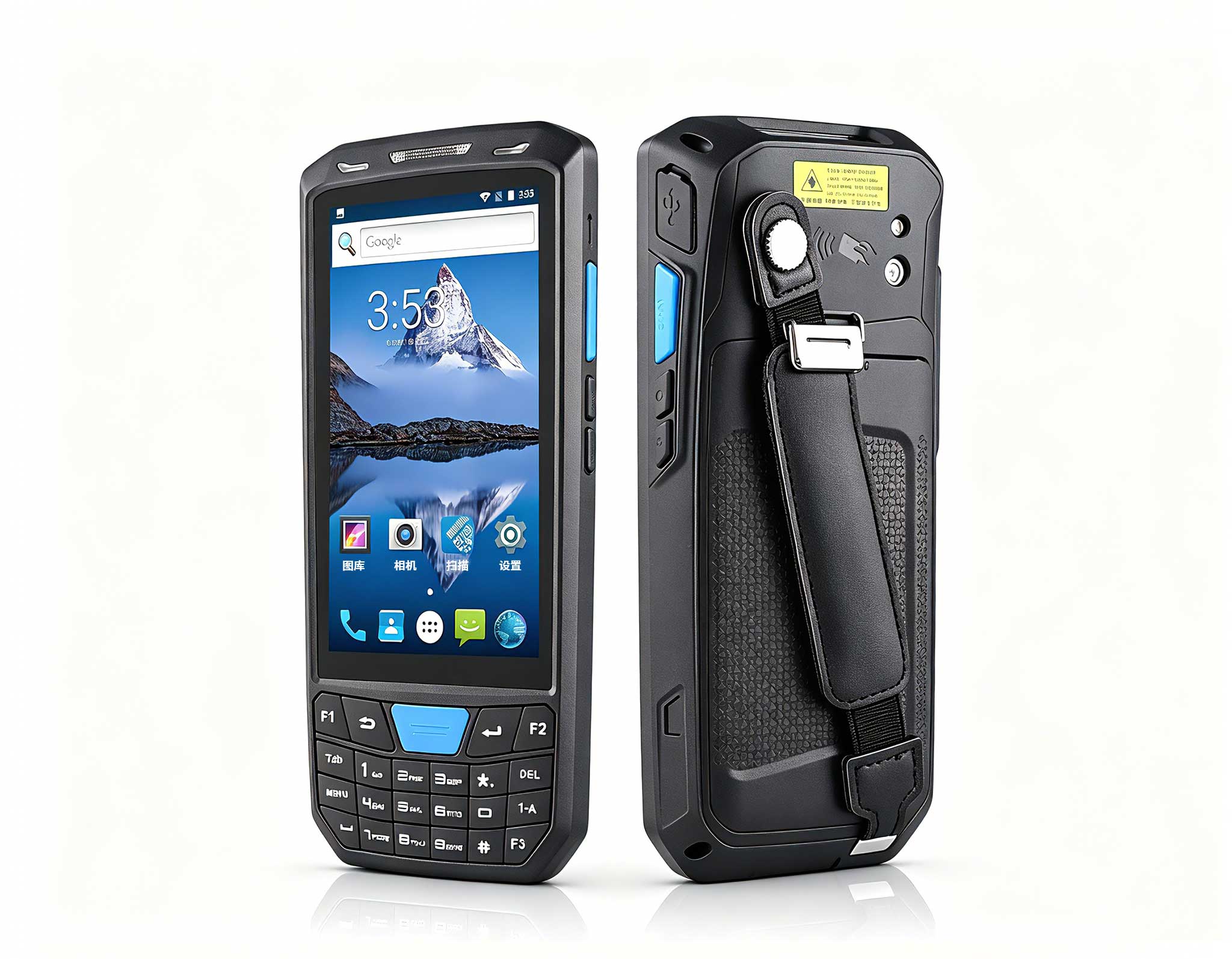
The U9000 PDA scans an RFID tag on a pipe flange, pulling up its CUI inspection history and thermal images from previous surveys.
Component-Level Identification via the HOTUS U9000 RFID PDA
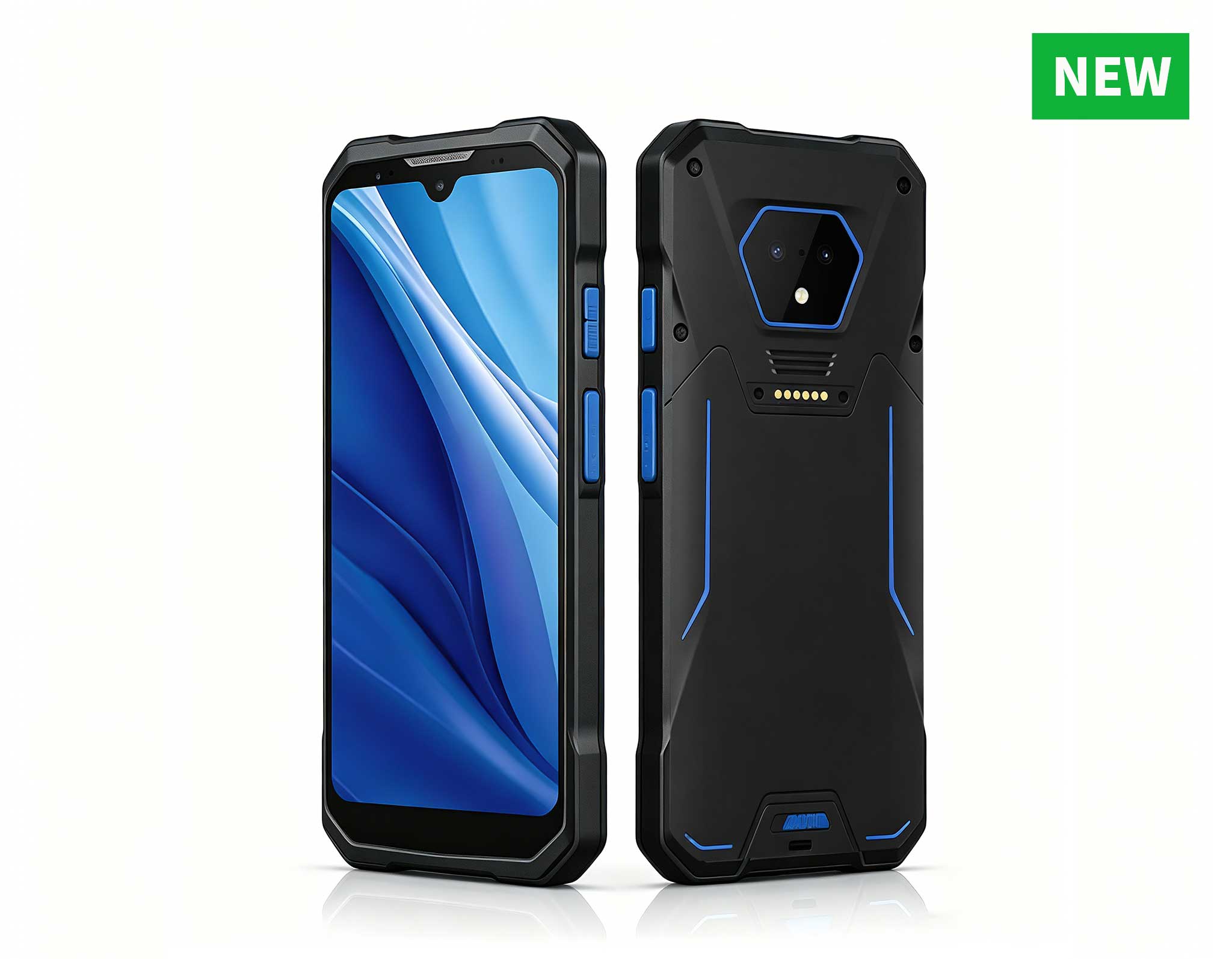
Where structural components require precise identification across thousands of distinct line sections, the Hotus U9000 Handheld PDA complements heavy thermography hardware. Equipped with an industrial UHF RFID reader, the U9000 identifies pipe spools, valves, and insulation sleeves instantly by scanning high-temperature tags fixed to pipe flanges.
Upon scanning a tag, the U9000 pulls up the asset's full NDT log, including ultrasonic thickness trends, thermal baselines, and historical maintenance dates. This direct data access allows field technicians to verify whether a detected moisture spot is a new issue or a known anomaly scheduled for repair, eliminating tracking confusion across vast process facilities.
Centralized Asset Management using the HOTUS ST11-U Enterprise Engine
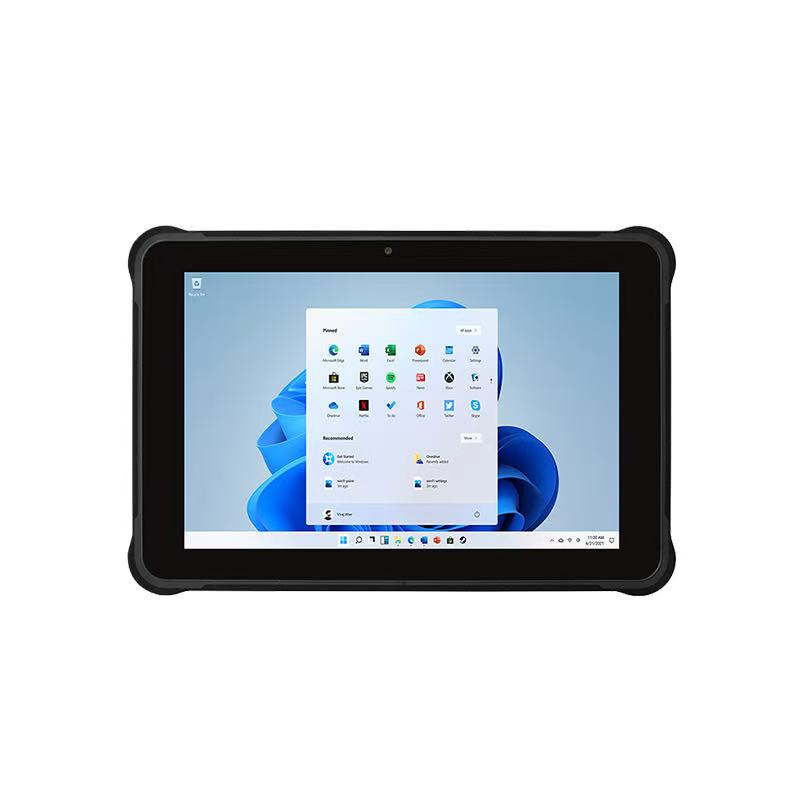
To turn individual line checks into an actionable maintenance plan, data collected by field units is consolidated on the Hotus ST11‑U 10.1″ Windows rugged tablet. Running enterprise asset management applications on Windows, the ST11-U functions as an interactive control hub for the facility's asset integrity team.
The ST11-U software processes field data to generate color-coded plant schematics that rank pipeline risks based on thermal variations, service ages, and operating temperatures. Pipe segments showing persistent moisture profiles are flagged for targeted insulation replacement during planned shutdowns, allowing managers to replace failing cladding before structural steel walls can degrade.
Industrial Performance Study: Mitigating Major Capital Risks
The financial advantages of switching to data-driven, non-destructive CUI monitoring are illustrated by a chemical processing facility managing $15\text{ km}$ of insulated carbon steel process piping. Previously dependent on manual inspection routines, the site adopted an integrated predictive system consisting of 20 ST11-J tablets, 30 U9000 PDAs, and 15 ST11-U tablets.
In the first year of deployment, field crews used the ST11-J’s thermography engine to identify 23 specific points where moisture had penetrated outer weather seals, despite the insulation looking completely dry from the outside. Maintenance teams replaced insulation only on those 23 sections, discovering active oxidation beneath the wraps. This early action prevented catastrophic wall failures and product leaks, saving an estimated $1,200,000 in emergency line replacement costs and unplanned downtime. Furthermore, by replacing random insulation removal with targeted thermal scanning, the facility reduced its annual CUI inspection labor costs by 40%.
The ST11‑U dashboard displays a plant pipe map with color‑coded CUI risk – red segments flagged for insulation replacement.
Securing Facility Infrastructure with Predictive Hardware Solutions
Corrosion under insulation remains a leading cause of unexpected asset failure in high-pressure process industries, but managing it does not require destructive testing or manual guesswork. Switching to integrated thermal imaging tablets and RFID-enabled data logging allows industrial facilities to build a complete, non-destructive model of pipeline health.
By matching real-time thermal analysis with automated component tracking via the Hotus ST11-J, U9000, and ST11-U, operations teams can identify risks early, optimize maintenance budgets, and prevent dangerous line failures. Secure your process boundaries and maintain system uptime with data-driven field computing solutions designed for extreme environments.
Ready to Upgrade Your Asset Integrity Strategy?
Contact our application engineering specialists today to request comprehensive hardware documentation, evaluate infrared sensor resolutions, or arrange on-site trial evaluations for our rugged Windows systems.
Contact HOTUS Technology