Battery Storage Module Thermal Runaway Precursors Are Subtle – Your IR Camera Log Needs A Rugged Windows Tablet
By HOTUS Technology | Battery Energy Storage Systems (BESS) Technical Report | Published May 2026

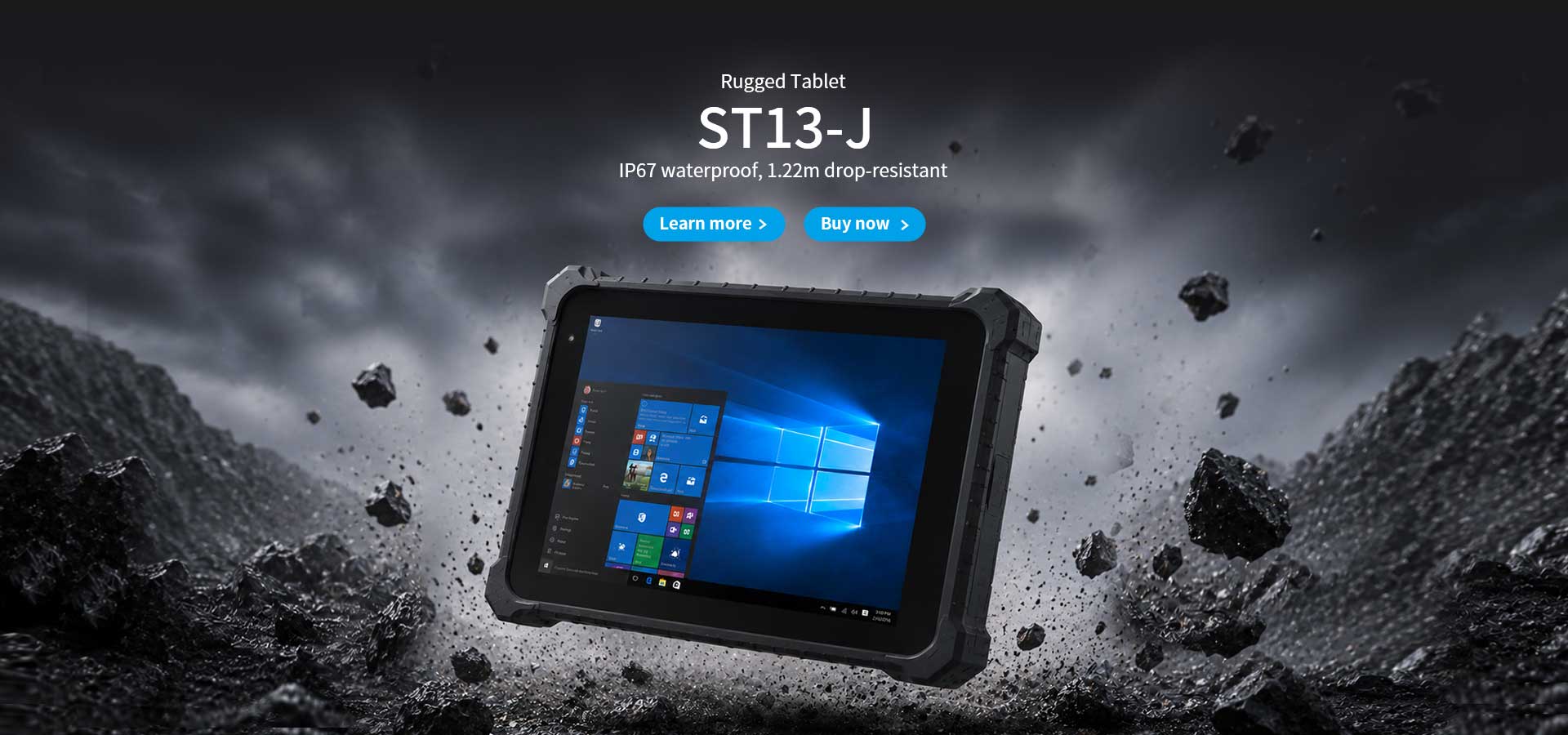
A technician scans a battery module with a HOTUS tablet equipped with an IR camera, looking for thermal anomalies.
"The fire at the 2025 grid battery storage facility was traced to a single module that was 5°C hotter than its neighbors – recorded nowhere. The industry’s thermal inspection is a handheld IR gun and a paper checkmark. You need a rugged Windows tablet with an integrated IR camera, logging each module‘s temperature, flagging outliers, and building a thermal history. In battery storage, a hot module is not a maintenance issue – it’s a pre‑fire alert. Your tablet is the smoke detector."
Grid-scale battery energy storage systems (BESS) are expanding at an unprecedented rate, with global deployed capacity pushing past 200 GWh. These massive industrial installations rely on dense arrays containing thousands of high-capacity lithium-iron-phosphate (LFP) or nickel-manganese-cobalt (NMC) battery modules. While these chemistries deliver excellent energy density, they require strict thermal management. Under-the-radar cell degradation, manufacturing micro-defects, or localized internal resistance fluctuations can trigger localized heating.
The initial warning signs of catastrophic thermal runaway are incredibly small. A compromised cell or interconnect component might operate only 3°C to 5°C warmer than surrounding hardware. However, if this minor temperature delta is left unchecked, it can breach the thermal stability threshold of the surrounding polymer separators. This initiates a self-sustaining exothermic chain reaction that breaches cell casings, ignites combustible electrolyte vapors, and rapidly spreads across entire equipment racks, turning a high-value utility asset into a severe industrial fire hazard.
The Dangerous Failure Rates of Manual Infrared Point Checking
Standard maintenance protocols at many BESS facilities are ill-equipped to track these subtle thermodynamic shifts. Field service technicians typically complete site walks using basic handheld infrared point guns, pointing the sensor laser at random areas on the front panels. They then log their notes using basic paper checklists, ticking off binary boxes to verify inspection completion.
This spot-check approach introduces significant blind spots. Handheld point sensors measure averaged temperatures over a broad surface area, missing small, localized hotspots concealed between tightly packed cells or behind wiring looms. Furthermore, static paper logs cannot track slow, long-term temperature shifts, such as a module warming by 1°C month-over-month. Without an integrated digital history, these slow thermal variations remain completely invisible until the cell reaches its thermal flashpoint.
Deploying Radiometric Windows Terminals for Active Diagnosis
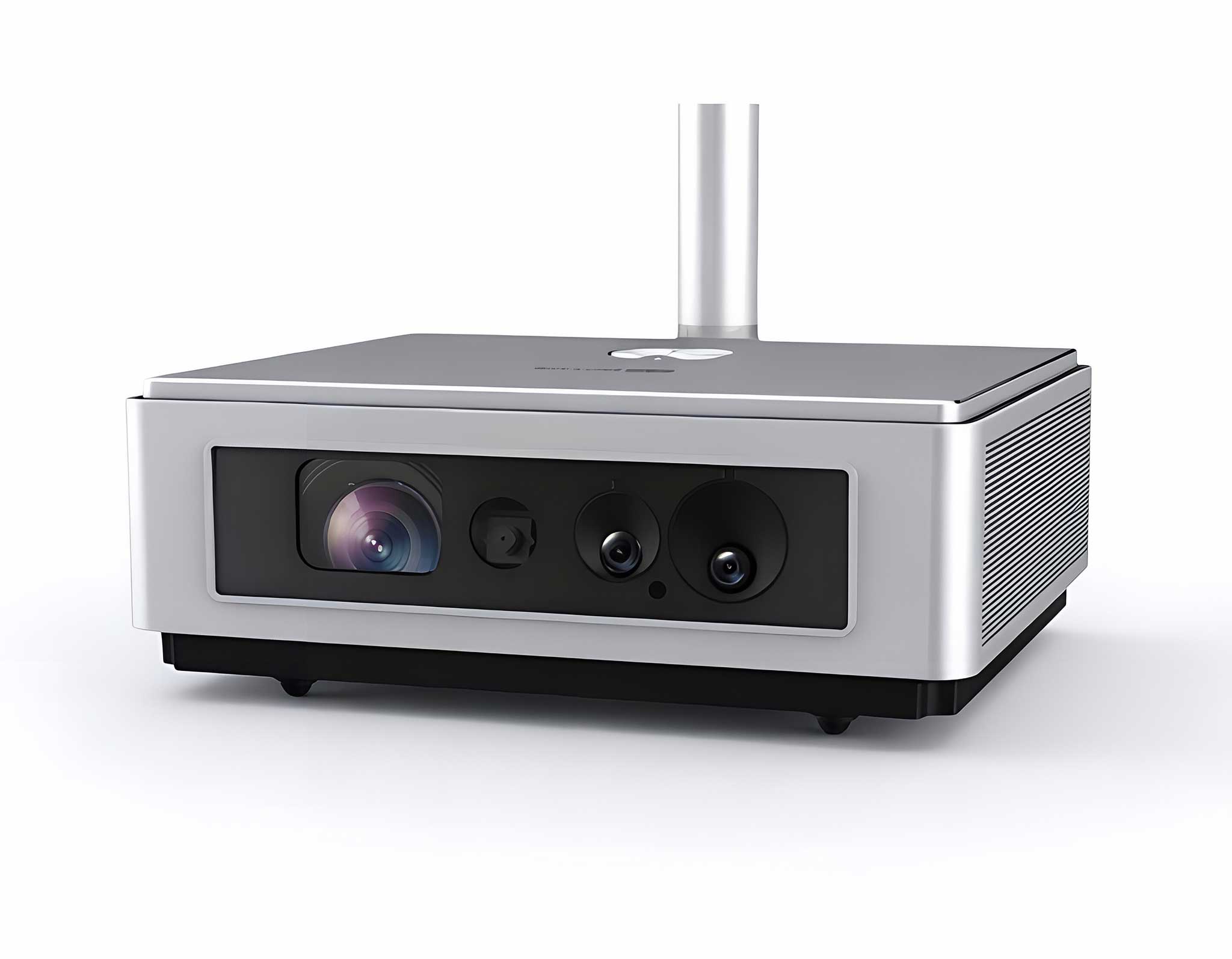
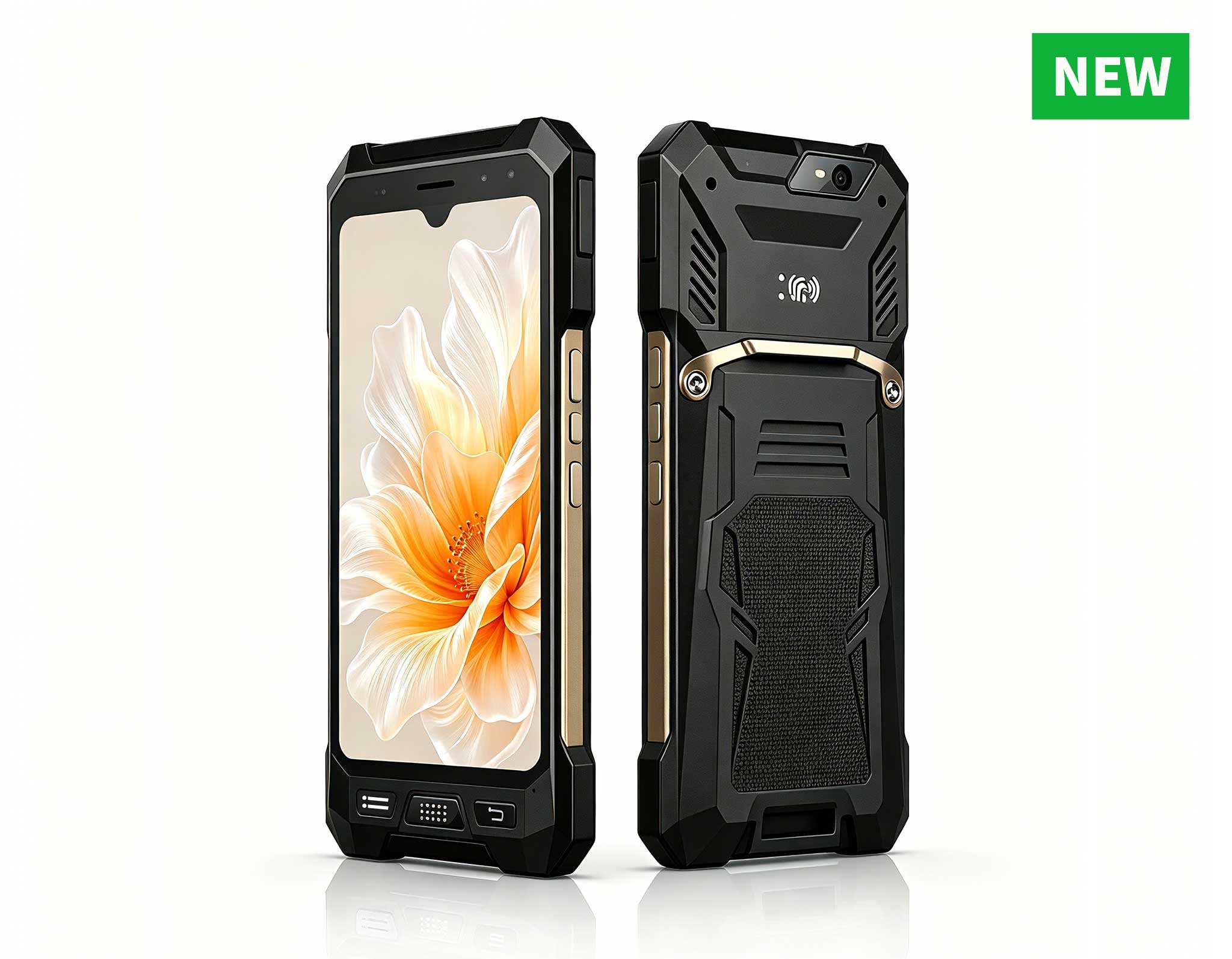
Preventing unexpected field failures requires migrating to continuous, high-definition radiometric recording systems built for rugged field use. Field teams are now utilizing enterprise-grade Rugged Tablets to execute automated thermal inspections. The Hotus ST11‑J 10.1″ Windows rugged tablet features a high-resolution, fully integrated infrared thermal imaging camera, allowing field technicians to capture entire equipment racks in a single comprehensive scan.
Rather than relying on uncalibrated visual approximations, the ST11-J captures true radiometric temperature data for every square centimeter of the rack facade. The onboard software analyzes the image in real time, comparing temperature readings against surrounding components to isolate anomalies immediately.
Active Thermodynamic Scan Capabilities:
- Automated RFID Metadata Layer: Links physical asset IDs from integrated RFID scans directly with radiometric heat maps.
- Rack-Average Delta Alarms: Flags any individual cell block showing a temperature deviation greater than 5°C above the rack baseline.
- BMS Telemetry Integration: Pairs live surface temperature profiles with internal cell voltage data via secure wireless protocols.
- Historical Trend Graphing: Automatically builds a long-term thermal timeline for every serialized module across its operational lifespan.
By establishing this automated diagnostic baseline, operators can spot internally degraded cells and poor electrical terminations long before they escalate into high-risk safety hazards. This data-driven history gives plant managers clear, undeniable proof of performance anomalies, enabling them to file successful warranty claims with battery manufacturers before field components fail.
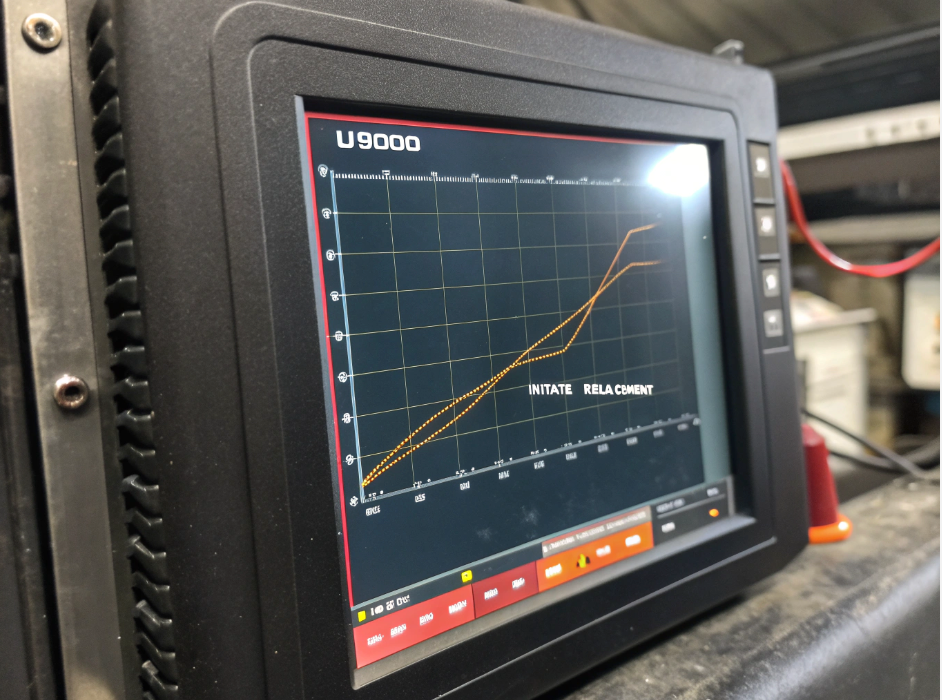
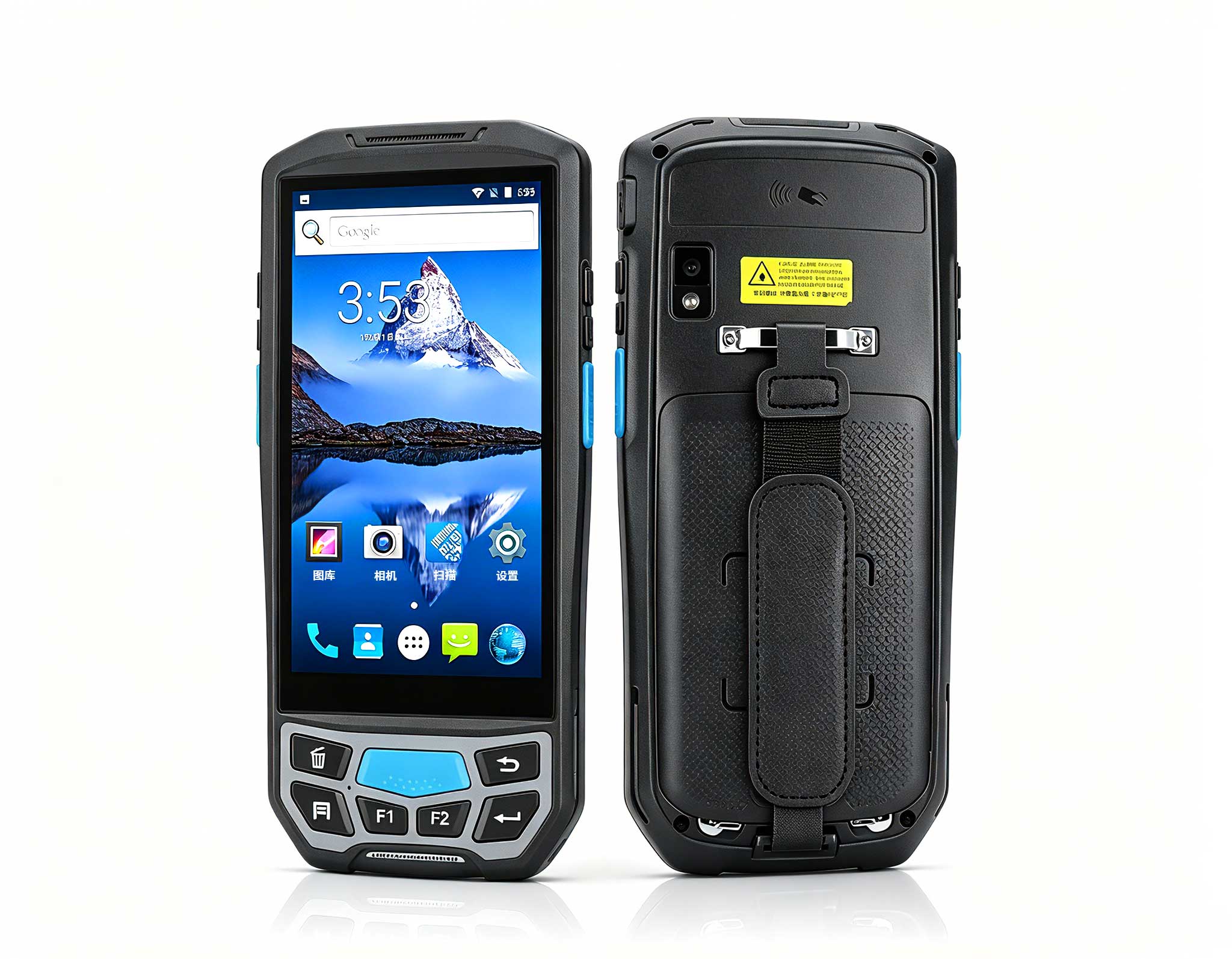
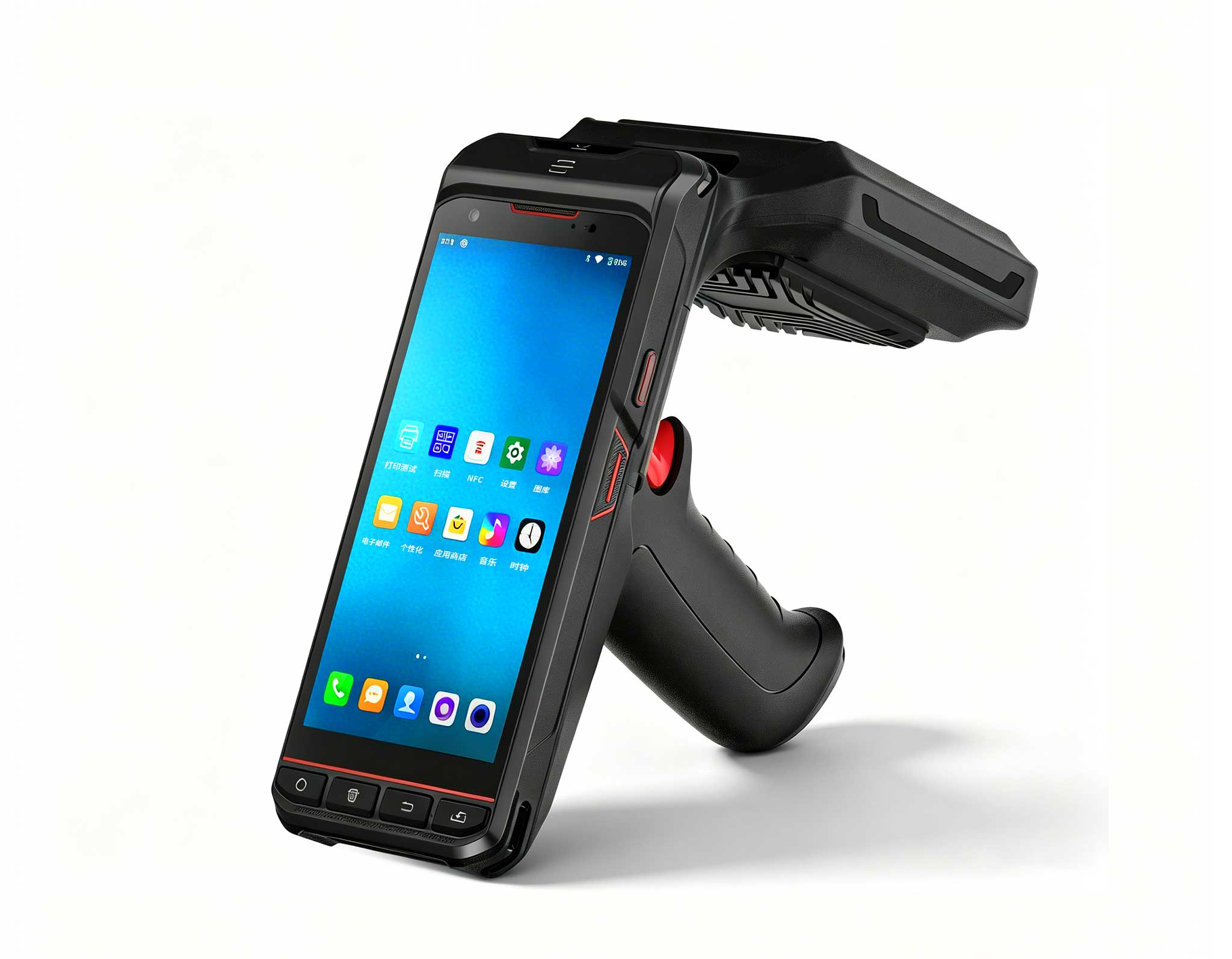
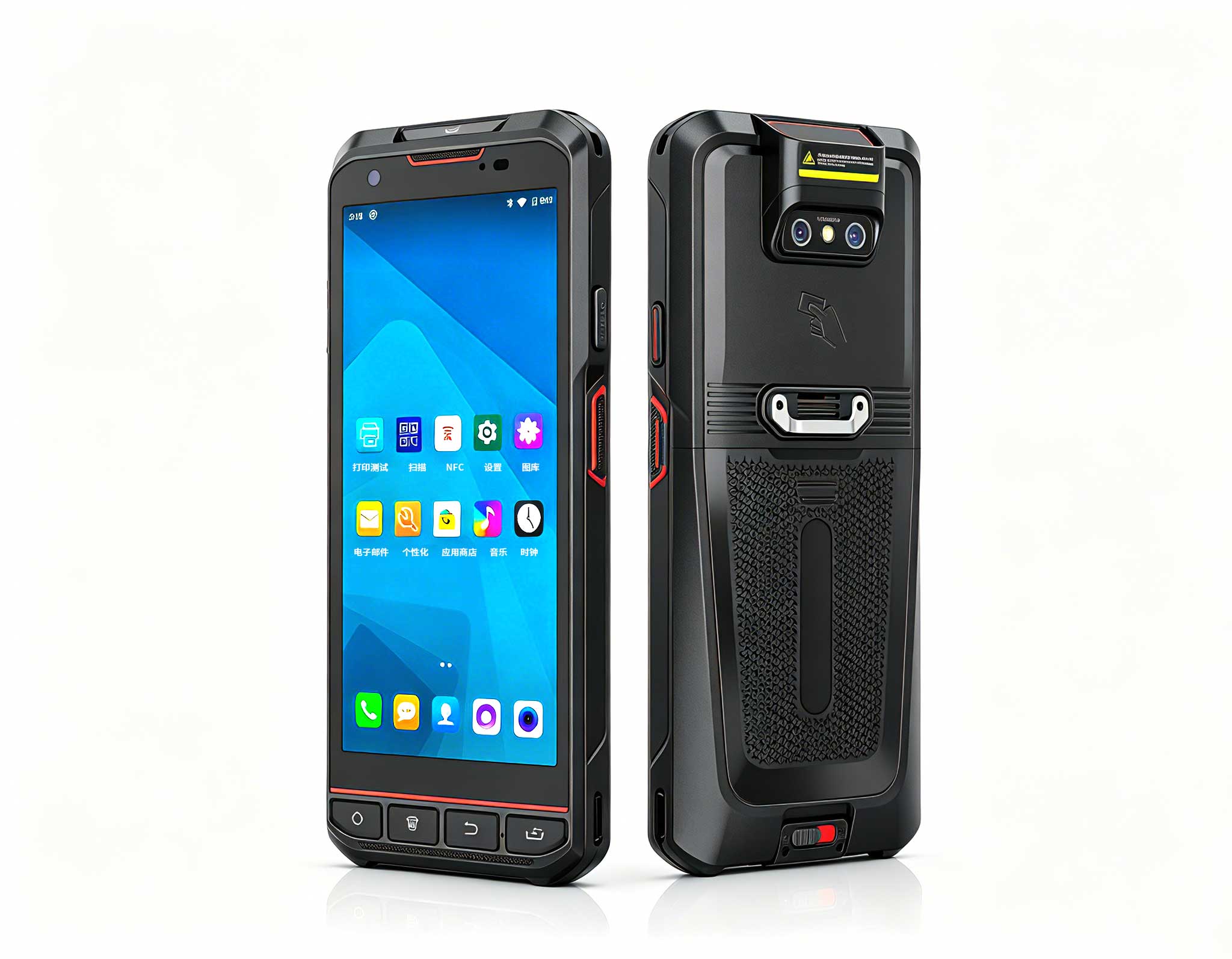
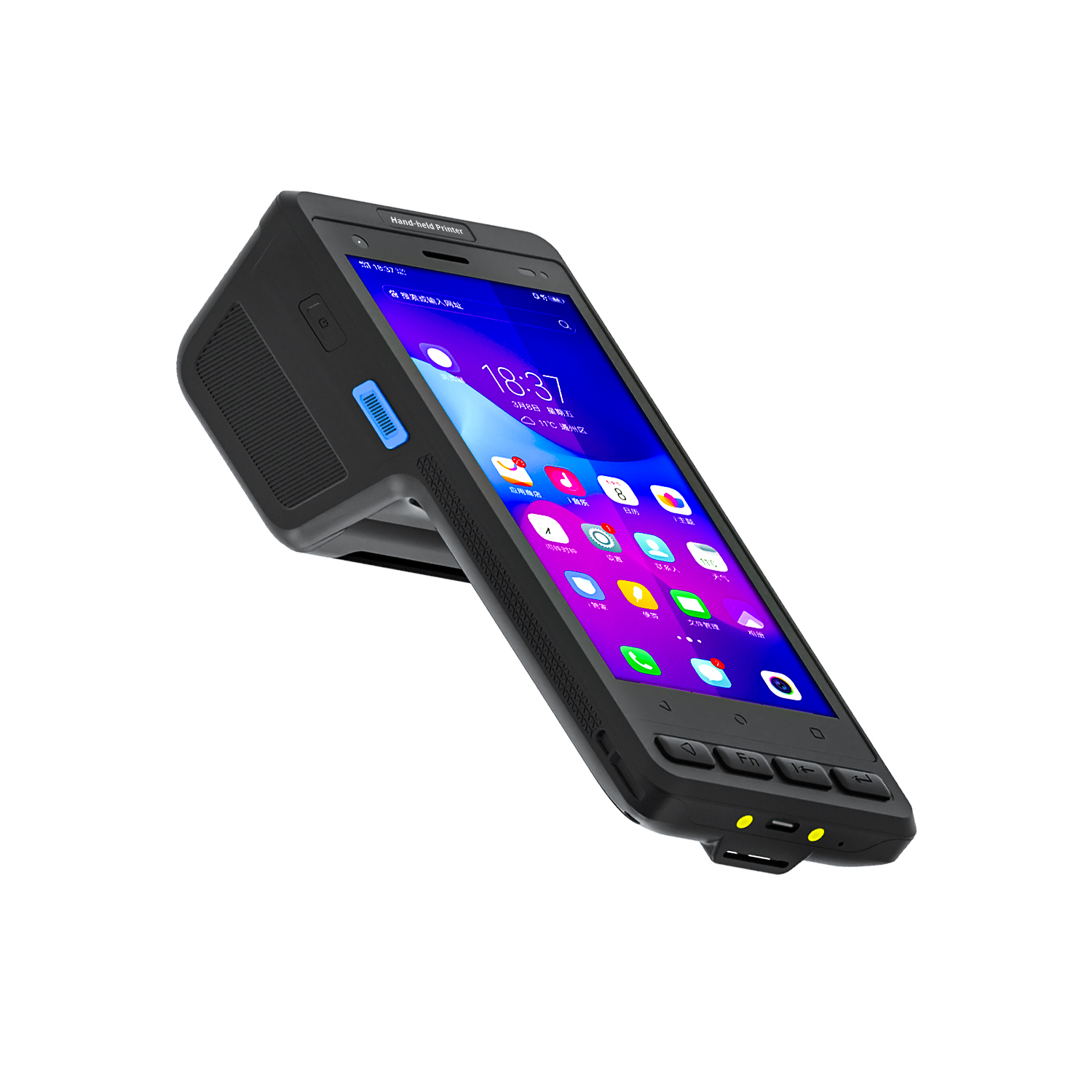
The U9000 PDA scans an RFID tag on a battery module, displaying its thermal history graph and flagging a rising temperature trend.
Fleet-Wide Thermal Telemetry Tracking and Serialization
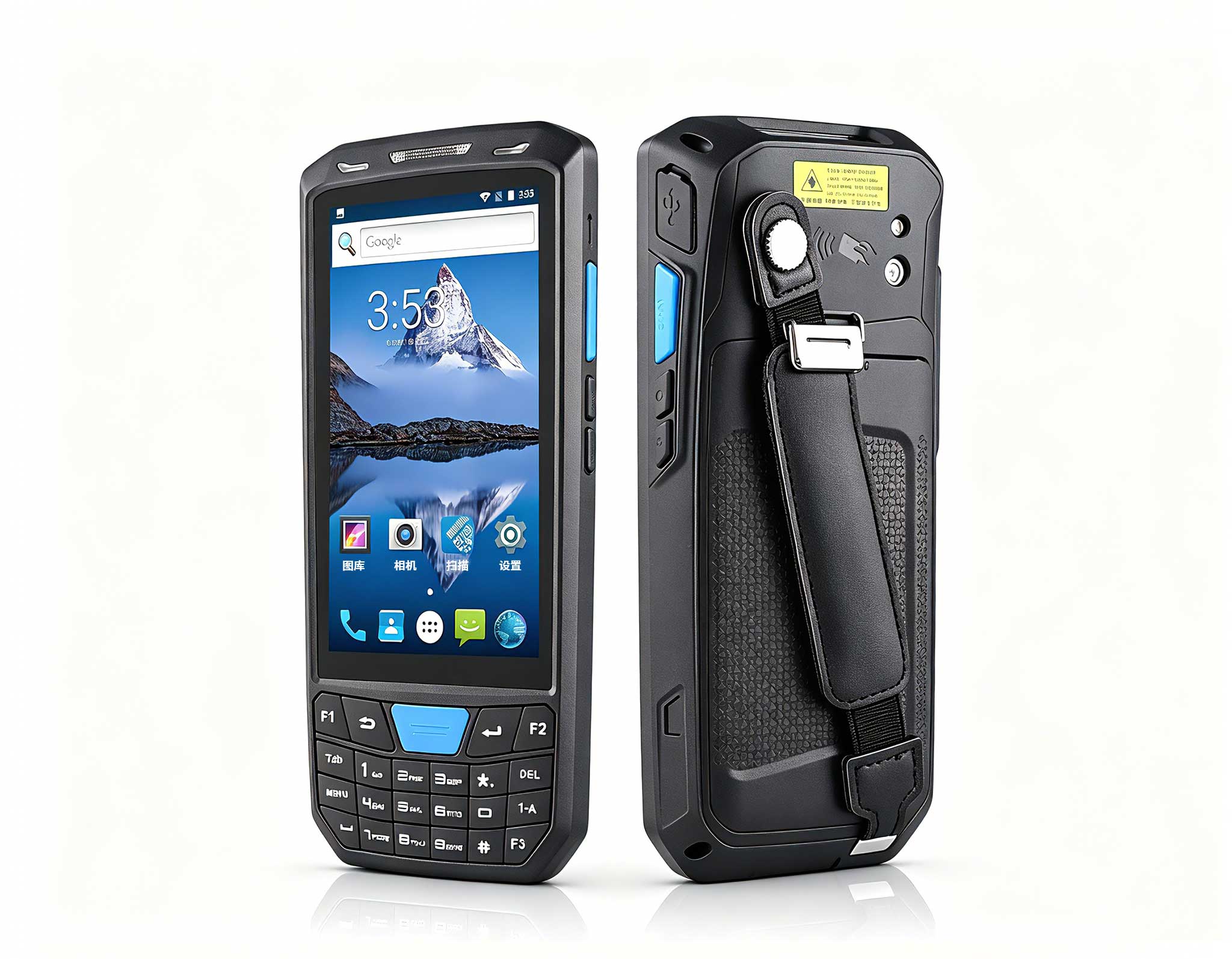
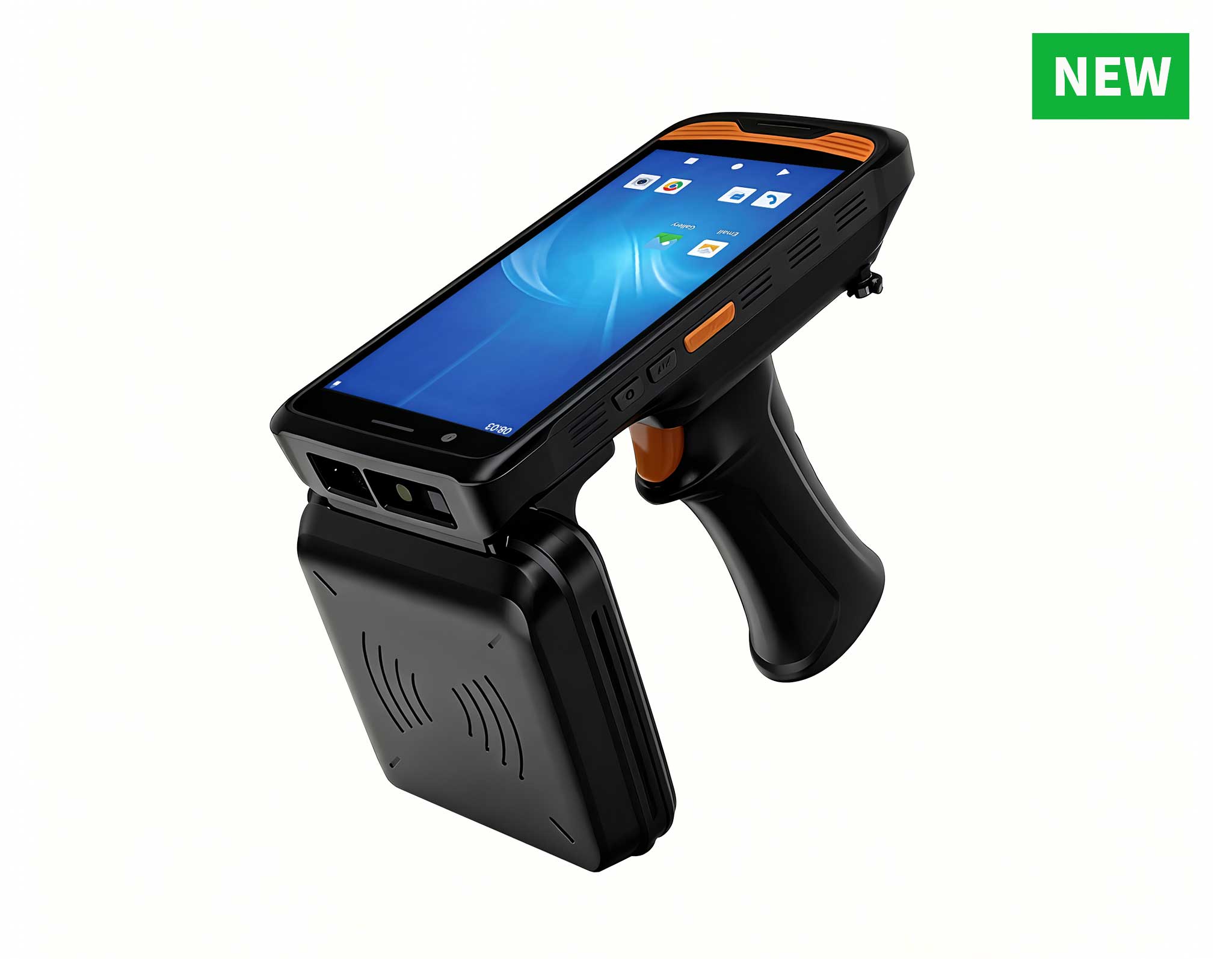
Isolating localized hotspots solves the immediate problem, but protecting an entire utility site requires combining field data into a unified asset monitoring platform. Field technicians can utilize the Hotus U9000 Handheld PDA to scan asset markers on individual enclosures, instantly bringing up long-term internal resistance records and maintenance histories.
To manage this high-volume inspection data, plant managers rely on central monitoring terminals. The Hotus ST11‑U 10.1″ Windows rugged tablet aggregates the radiometric logs imported from field devices, presenting a live thermal dashboard of the entire facility. The platform tracks temperature trend slopes across thousands of modules simultaneously, flagging units that exceed a 2°C monthly increase for immediate preventative maintenance.
Real-World Asset Protection and Enterprise ROI
The absolute value of migrating to digital thermal logging is demonstrated by a large 100 MWh utility storage facility. To improve site safety and operational reliability, the asset owner deployed 15 ST11-J infrared imaging tablets, 20 U9000 handheld terminals for component asset serialization, and 10 ST11-U central monitoring dashboards.
During the first year of operation, this integrated monitoring system successfully caught five separate modules exhibiting abnormal internal thermal behavior. Detailed diagnosis of one flagged module revealed an internal manufacturing micro-short that had caused a persistent 3°C temperature elevation. Catching this defect early allowed the engineering team to swap the compromised hardware safely under factory warranty terms, completely avoiding a potential thermal runaway event that could have cost over $10 million in equipment damage and lost uptime.
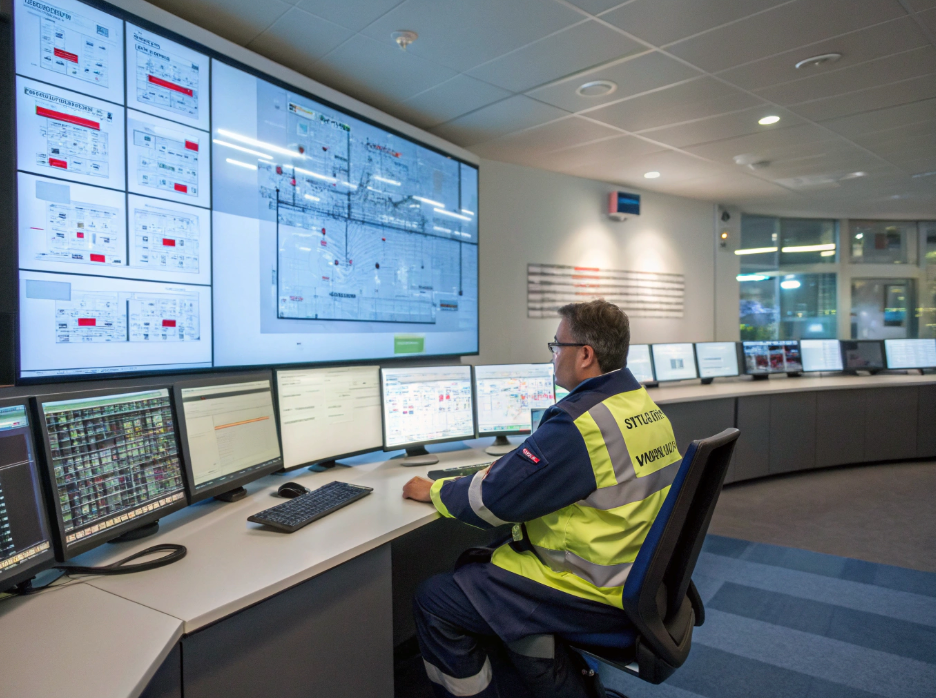
The ST11‑U dashboard shows a thermal map of a battery rack – one module flagged red, 6°C above average.
Thermal runaway risks do not develop instantly out of nowhere; they show up early as subtle changes in structural heat generation. Relying on basic spot check tools and hand-written logs leaves utility operators exposed to hidden system anomalies. Integrating high-performance infrared sensors with rugged Windows tablets gives site teams clear, actionable visibility into battery performance. Implementing specialized industrial networks like the ST11-J, U9000, and ST11-U provides the comprehensive data tracking required to catch internal defects early, secure asset lifespans, and protect grid infrastructure.
Secure Your Battery Storage Facility Assets
Eliminate thermal monitoring blind spots across your utility energy storage assets. Reach out to our technical engineering specialists today to request comprehensive device specifications, schedule an ST11-J pilot demonstration, or evaluate custom software integrations for your site's SCADA framework.
Contact HOTUS BESS Specialists