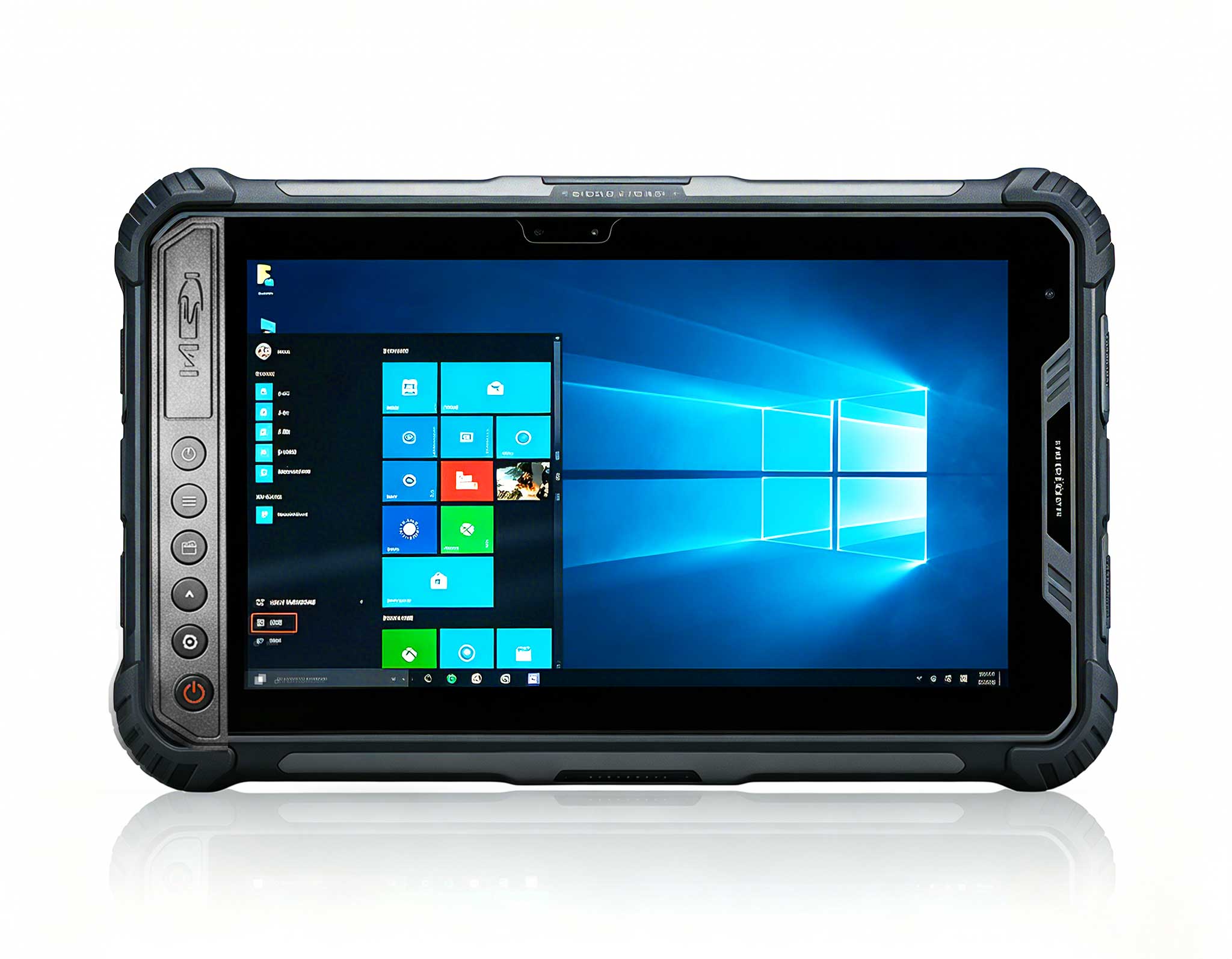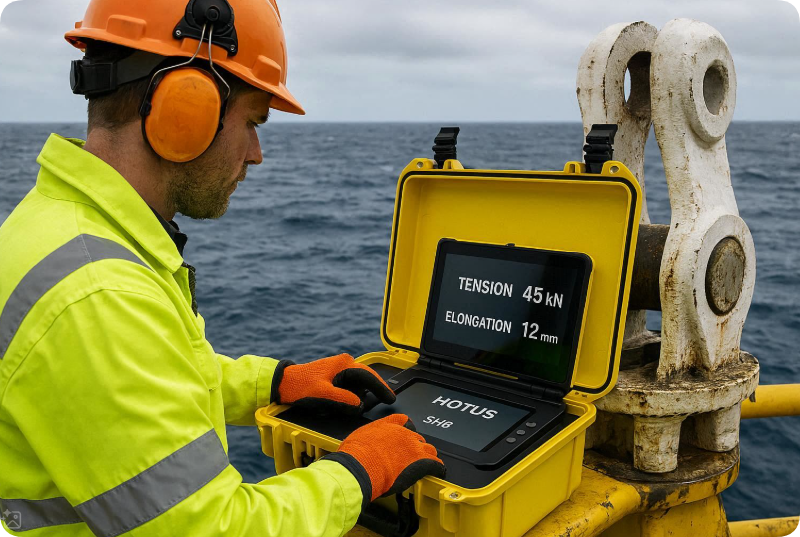
A marine technician records mooring line tension data on a HOTUS IP69K‑rated tablet during a floating wind inspection.
I’ve watched floating wind operators lose millions because mooring line creep went undetected. A 2% elongation over a year changes the platform‘s position, stressing cables and increasing fatigue. The industry’s log is a dive slate and a mechanical gauge – no trend, no predictive data. You need an IP69K Windows tablet that logs tension, elongation, and temperature with GPS positioning. In floating wind, a creeping mooring line is not a slow process – it‘s a financial leak. Your tablet is the pressure gauge.
Floating Wind Mooring Line Creep Is Under‑Measured – Your Tension Log Needs An IP69K Windows Tablet
By HOTUS Technology | May 2026 | 11 min read
Floating offshore wind infrastructure is rapidly migrating into deep-water territories. In these remote marine environments, complex arrays of mooring lines—engineered from heavy steel chains, wire ropes, or advanced synthetic fiber constructions—secure massive floating turbine platforms directly to the seabed. While stationary, these tensioned frameworks face unrelenting multi-axial cyclic loading generated by deep-sea swell, storm surges, and subsurface currents.
Over prolonged deployment windows, synthetic fiber mooring assemblies undergo a mechanical phenomenon known as material creep. This continuous structural stretching yields permanent elongation, subtly modifying the global position of the floating platform. When a multi-megawatt offshore platform drifts by as little as two radial meters, it induces immediate structural fatigue along dynamic subsea power export cables. This structural strain accelerates electrical breakdown, ultimately precipitating catastrophic subsea line failures. To maintain operational safety, marine energy operators are moving away from standard consumer hardware and adopting heavy-duty industrial Rugged Tablets to secure field telemetry.
Traditional subsea assessment methods rely on manual, intermittent tracking. Field divers or Remotely Operated Vehicles (ROVs) inspect underwater anchors on annual schedules, calculating physical displacement using hand-held mechanical calipers and scratching raw metrics onto plastic underwater slates. This antiquated method strips out spatial GPS telemetry, lacks simultaneous temperature profiling, and prevents any form of continuous predictive analytics. Microscopic creep averaging 0.5% annually goes unflagged by operators until significant structural displacement occurs across the entire mooring array.
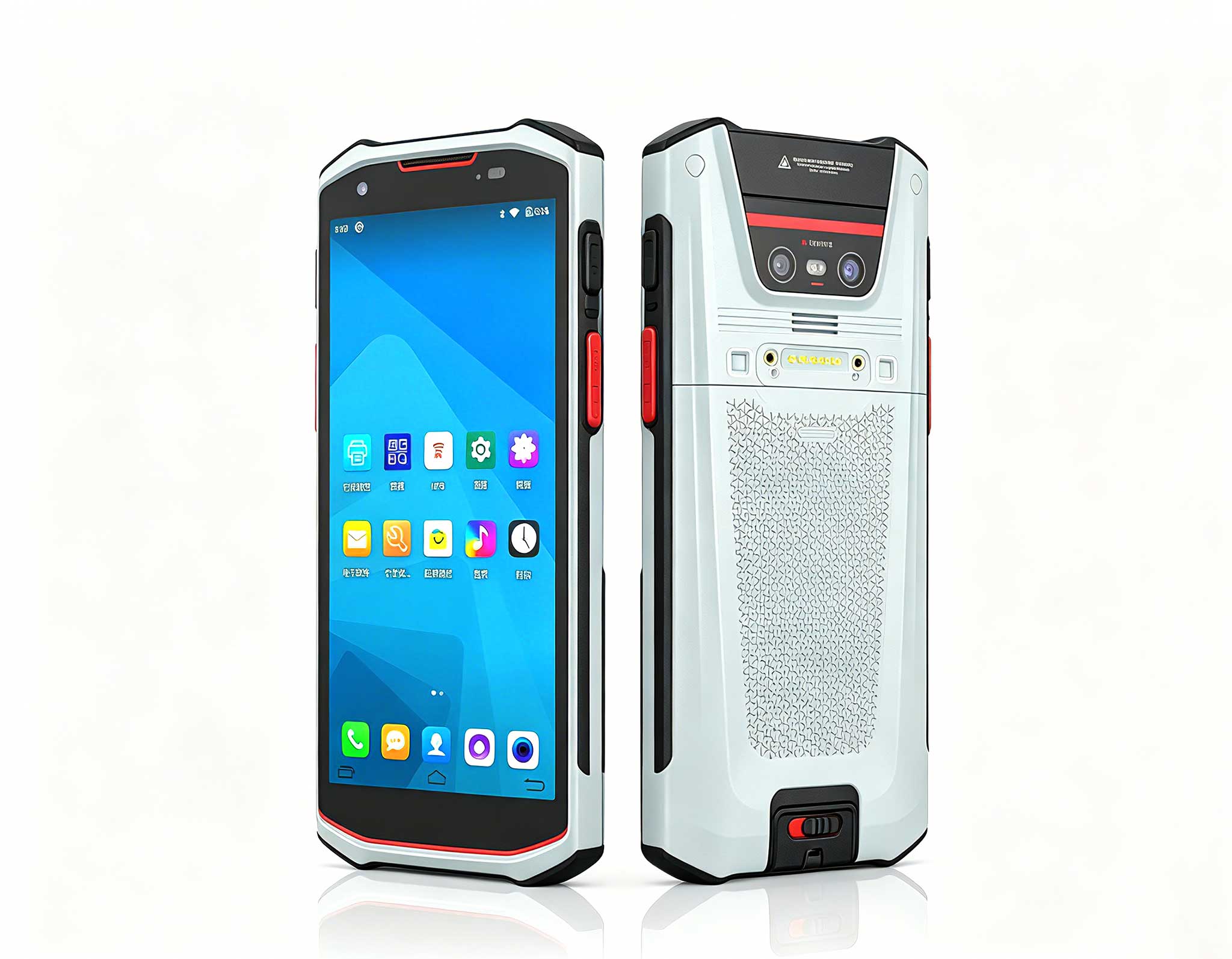
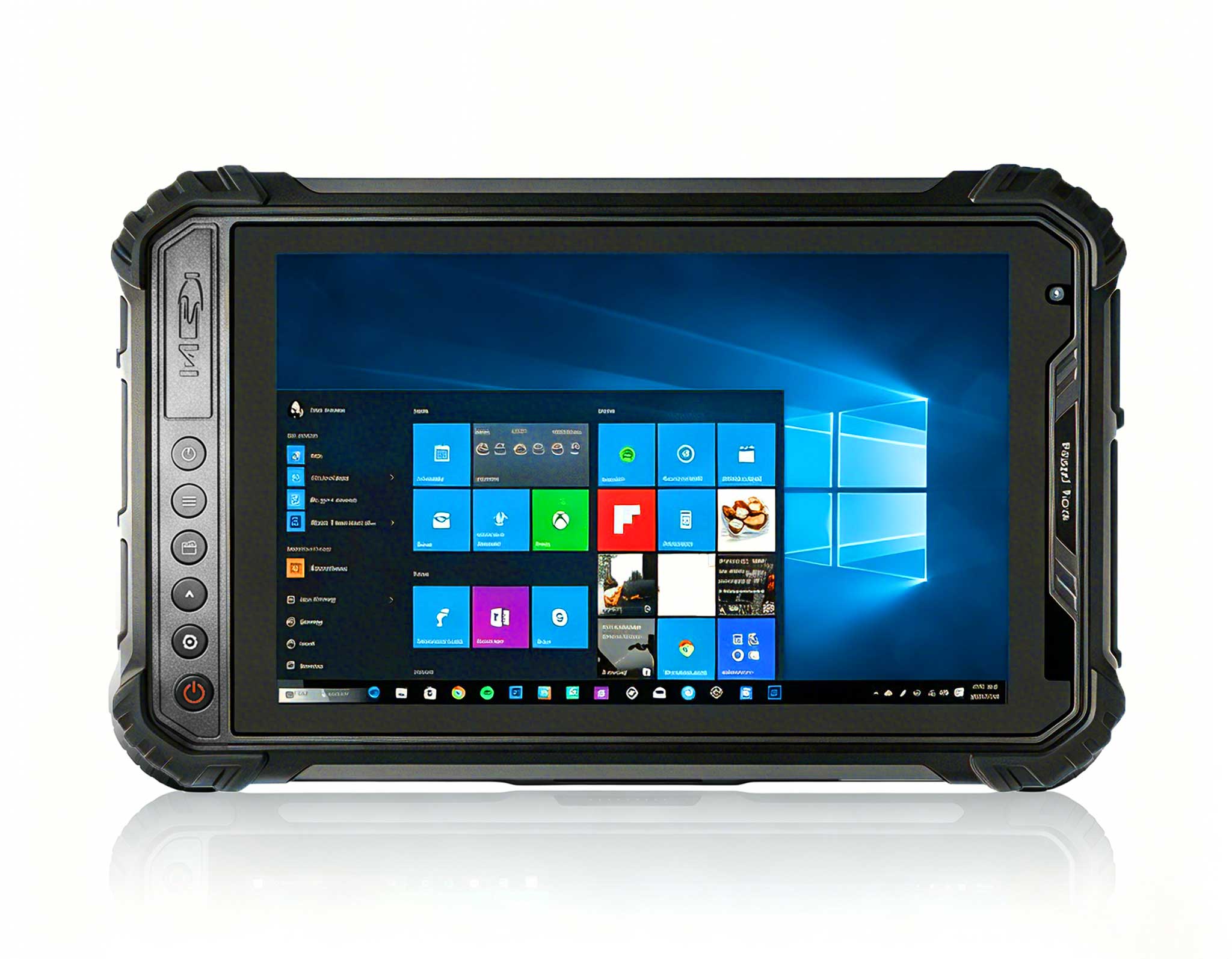
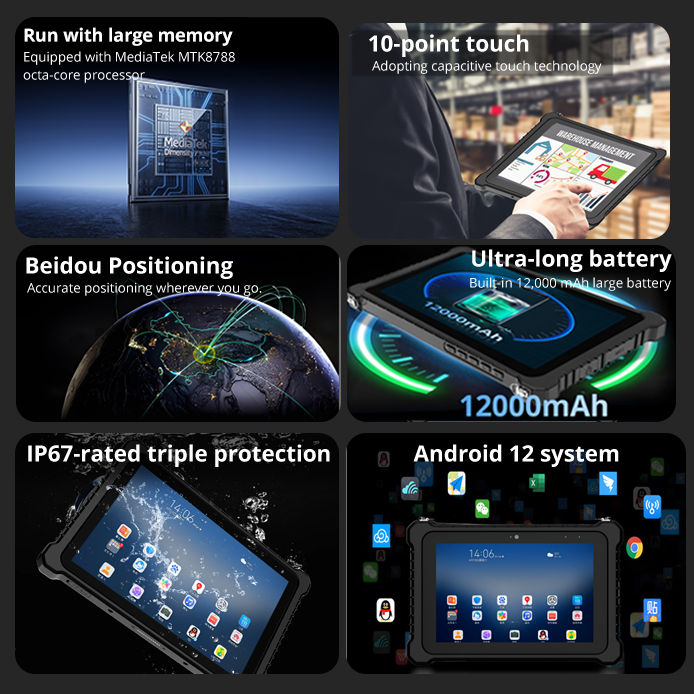
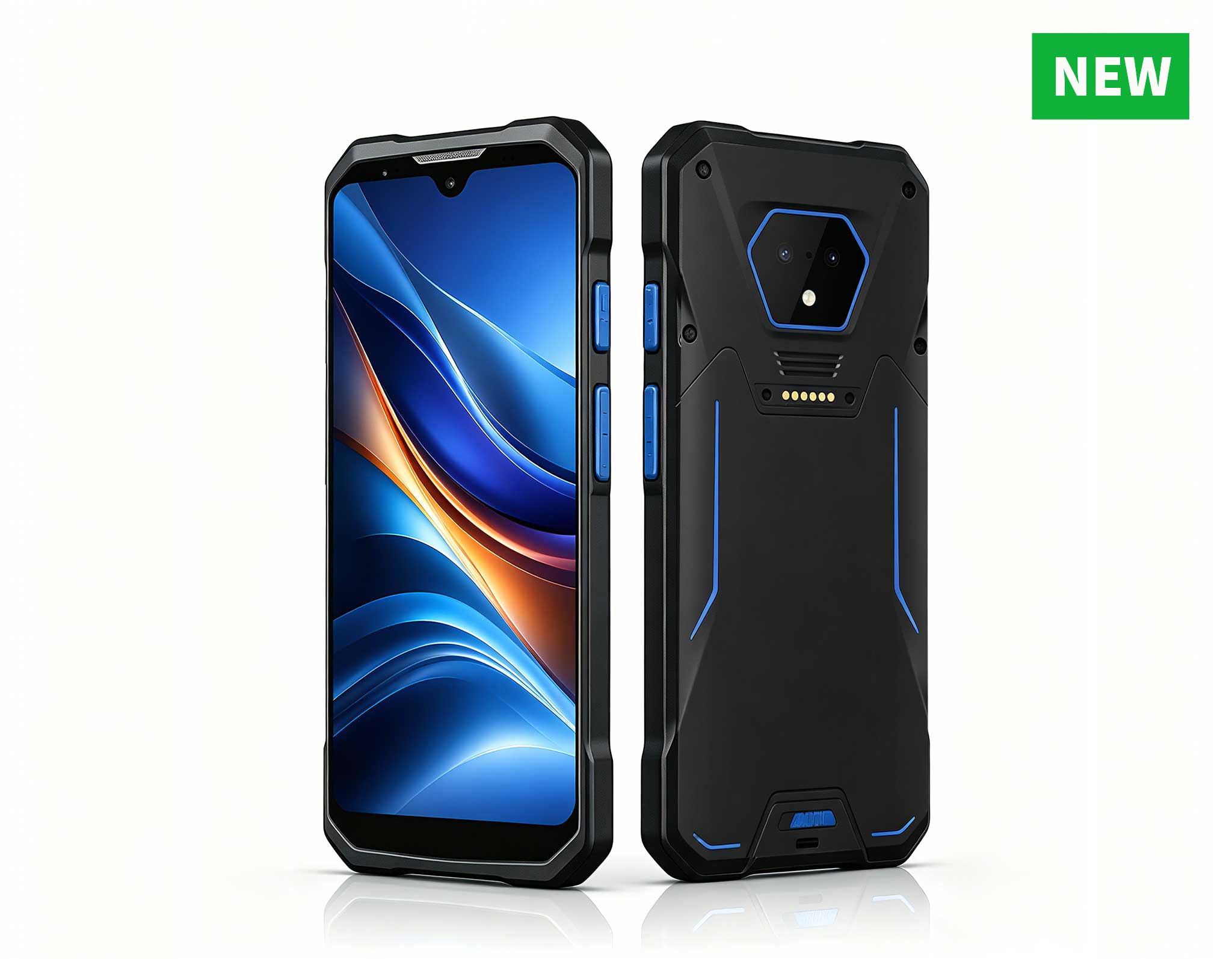
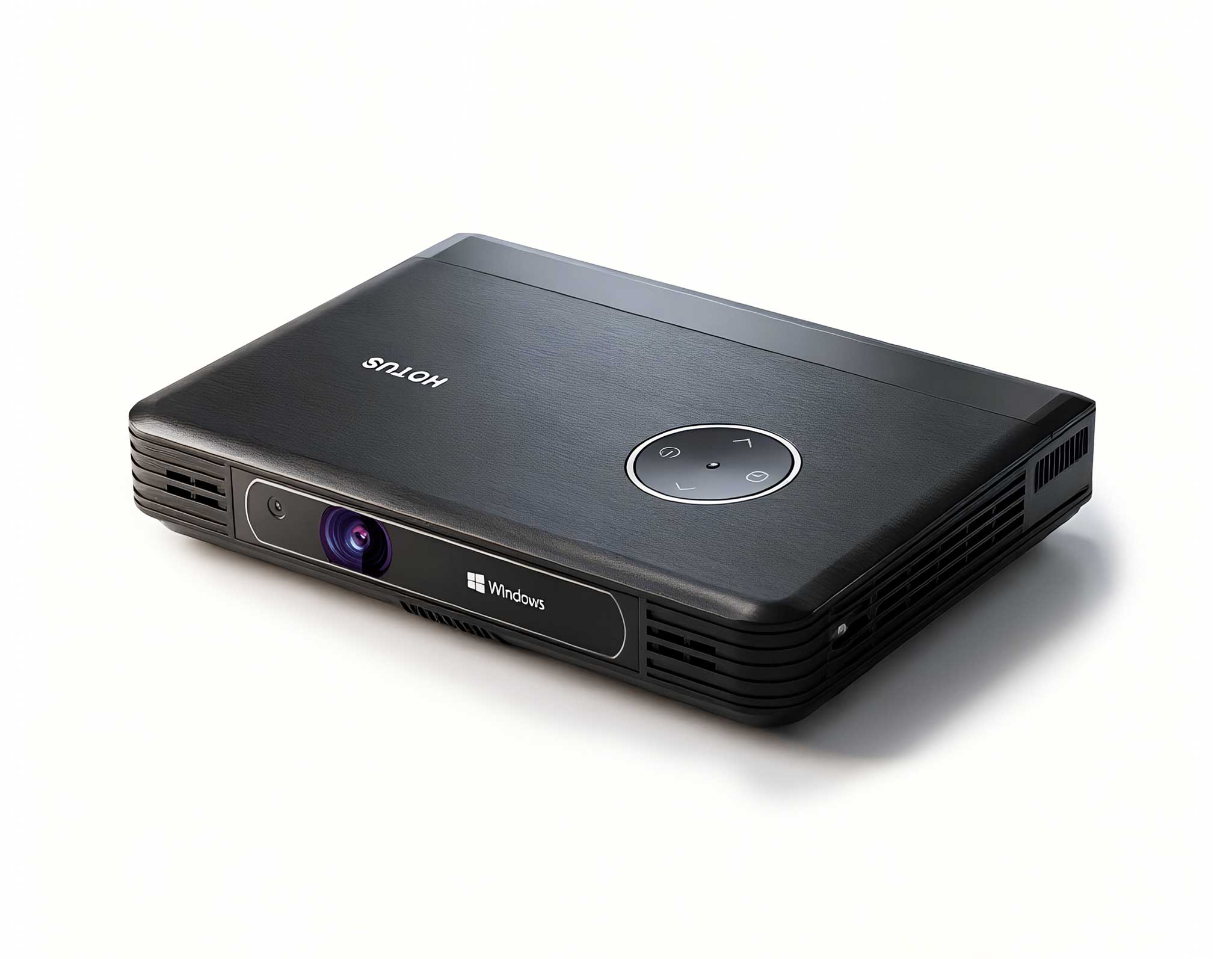
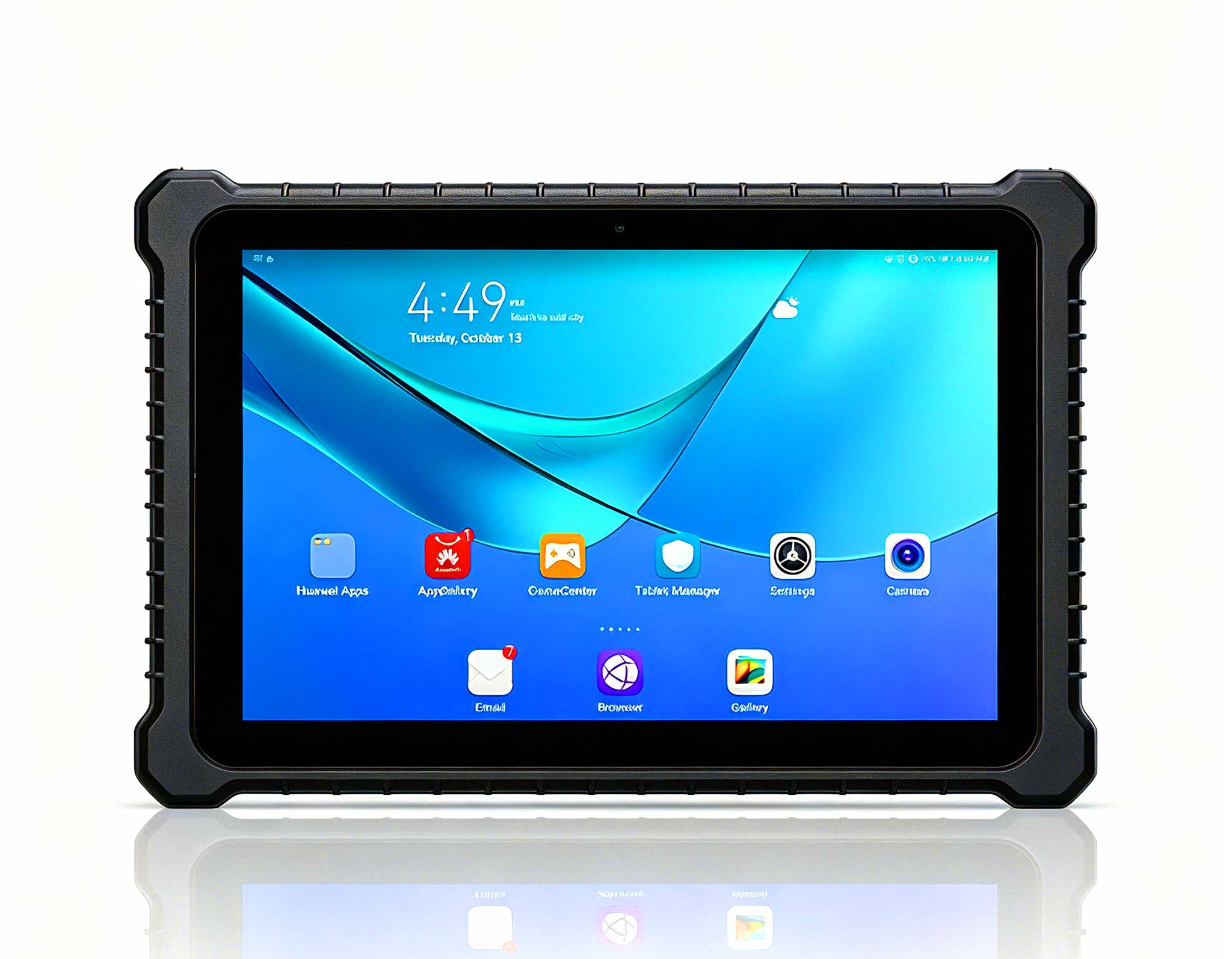
The Hotus SH6 6.5″ Windows rugged handheld features a fully sealed IP69K housing engineered specifically to withstand punishing marine spray and prolonged deep-water immersion. Protected by an impact-resistant polymer chassis, the internal computing architecture of the SH6 establishes secure, encrypted Bluetooth and sub-GHz wireless links directly with marine sensing arrays, including:
- Subsea load cells monitoring instantaneous tension thresholds across anchor lines.
- Laser-based displacement systems measuring accurate elongation shifts between physical rope markers.
- Submersible ambient temperature and hydrostatic depth sensors.
The SH6 software platform automatically logs incoming data streams, appending precise geographic GPS coordinates to the specific line terminal point under review. By comparing live data against the initial baseline parameters captured during installation, the portable unit automatically builds localized creep profiles mapping line tension and elongation over extended operational timelines. When structural deformation rates deviate past a strict 0.2% monthly threshold, the SH6 immediately fires an automated alert across the network, signaling field crews to schedule proactive line retensioning or material replacement.
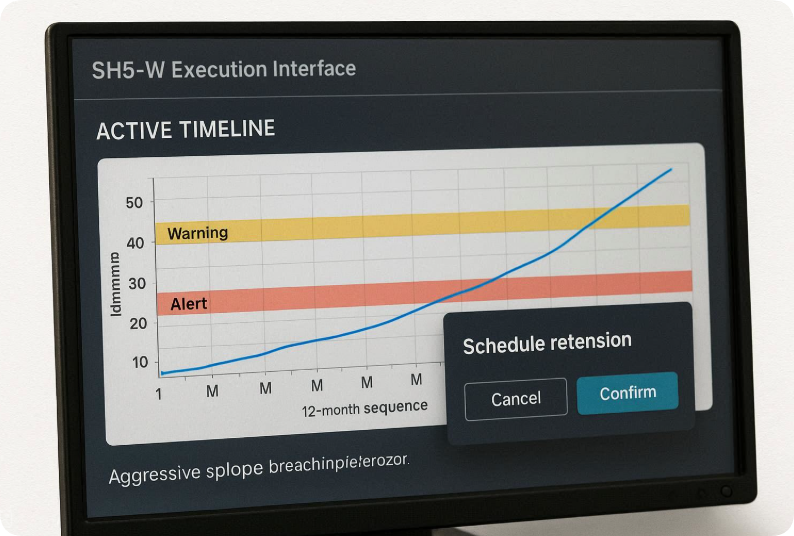
The SH5‑W tablet displays a creep trend graph – elongation vs. time – with a yellow warning as the line approaches the service limit.
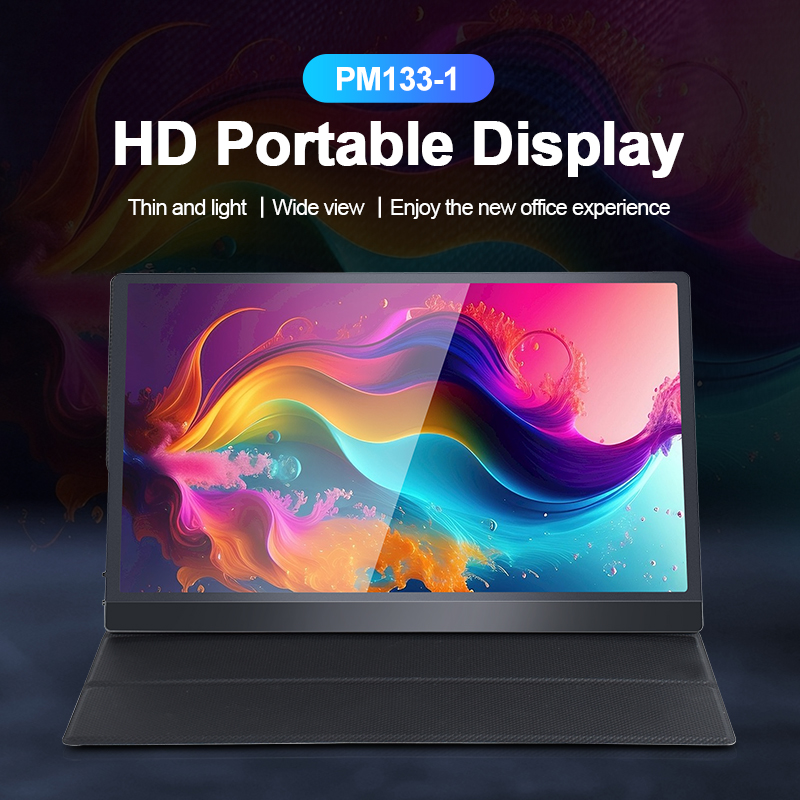
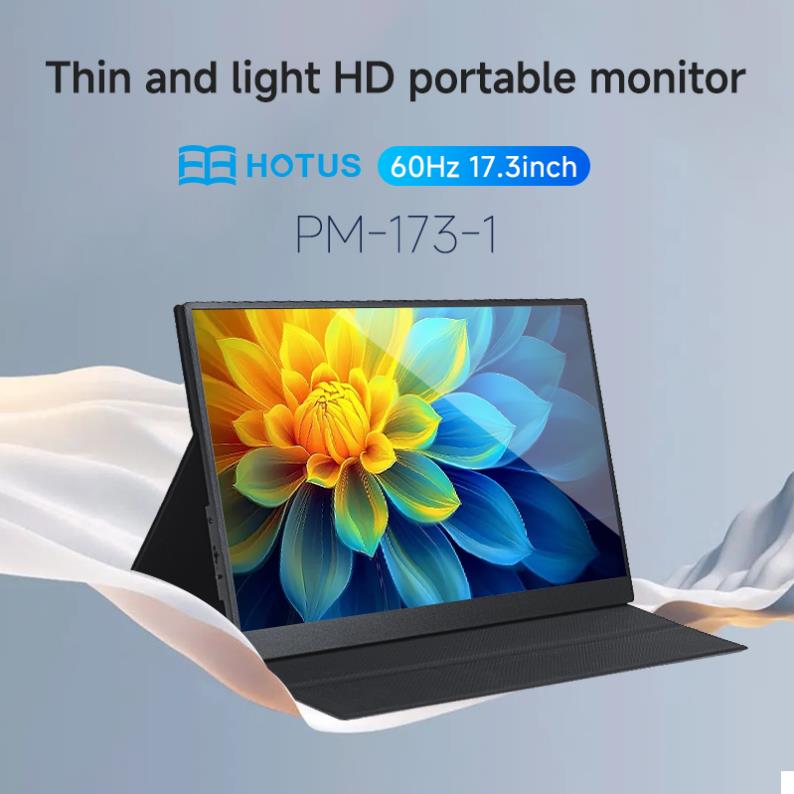
For onshore engineers and marine logistics coordinators, the large-format Hotus ST13‑J 13.3″ Windows rugged tablet serves as a localized asset management dashboard, consolidating field-wide telemetry across multiple floating wind sectors. The diagnostic dashboard displays real-time, color-coded health statuses for every anchor line: nominal operations show green, assets requiring active monitoring show yellow, and critical limits register as red alerts. An active red notification automatically prompts the platform to compile detailed engineering work orders, allowing teams to swap components before out-of-spec platform movement degrades subsea cable lifespans.
A commercial floating wind installation operating fifteen deep-water turbines in a 100-meter deep marine sector deployed an integrated fleet of twenty SH6 portable modules, fifteen SH5-W handheld units, and twelve ST13-J master control tablets. Within its inaugural year of service, the unified tracking network identified a specific mooring rope exhibiting a creep acceleration rate of 0.4% per month—double the laboratory-certified engineering parameters. Subsequent physical analysis pointed to a specific manufacturing void hidden inside the synthetic fiber weave. Because the flaw was caught early, crews swapped out the line under warranty, eliminating a projected $3 million dynamic cable failure. Following this incident, the operator mandated digitized tension tracking across all operational deep-water assets.
Structural mooring line creep develops invisibly but carries significant operational risk. Plastic dive boards cannot generate multi-variable predictive curves, and manual mechanical gauges cannot transmit critical network warnings. HOTUS IP69K Windows-powered tablets bridge this technical gap via integrated wireless sensor networks and localized data processing engines. Deploying the SH6, SH5-W, and ST13-J across your fleet delivers the marine-certified, predictive tracking system modern offshore wind operations require to maintain structural integrity. Protect your dynamic subsea cabling assets from out-of-spec alignment failures.
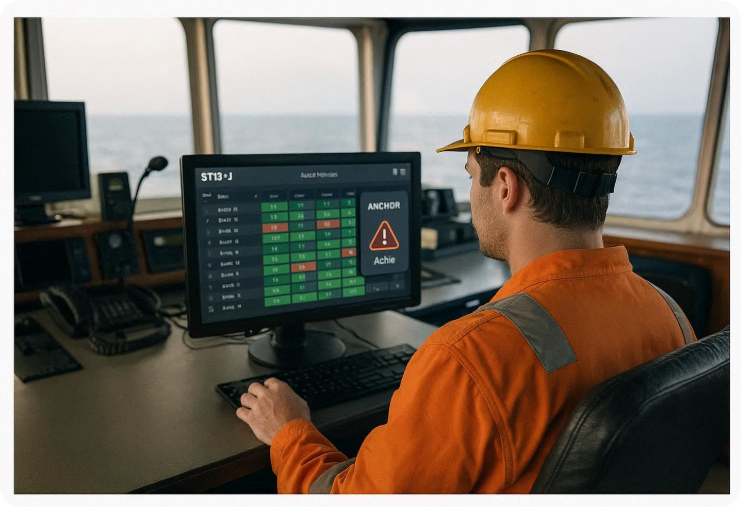
The ST13‑J dashboard displays a map of the wind farm with mooring lines color‑coded – one red line flagged for replacement.
Ready to Upgrade Your Marine Asset Tracking Workflow?
Contact HOTUS Technology today to consult with our marine hardware engineers, request specialized IP69K SH6 demonstration kits, or evaluate our SH5-W and ST13-J rugged computing options for high-reliability offshore deployment.
©2026 HOTUS Technology – Marine-Grade Computing, Uncompromising Subsea Reliability.