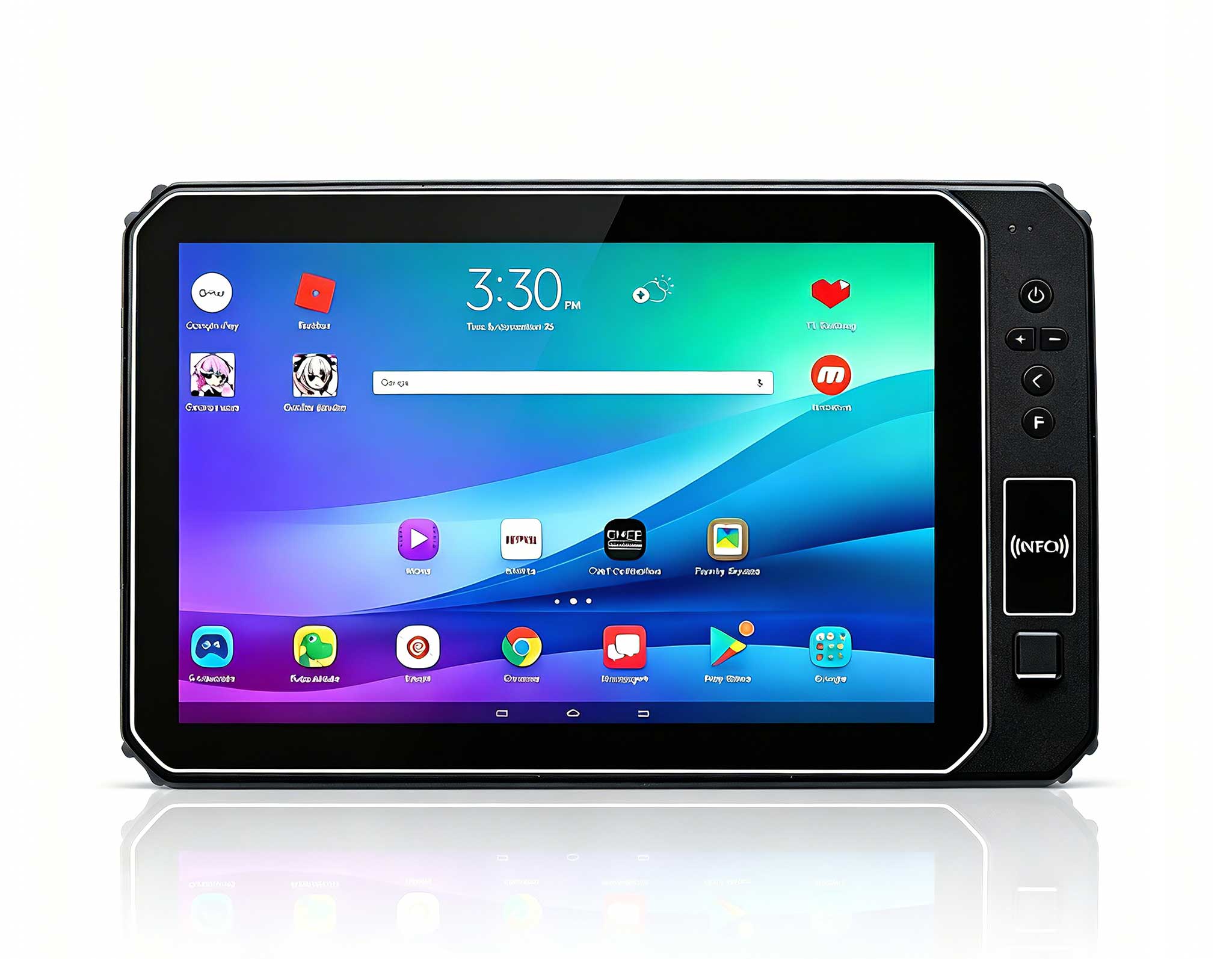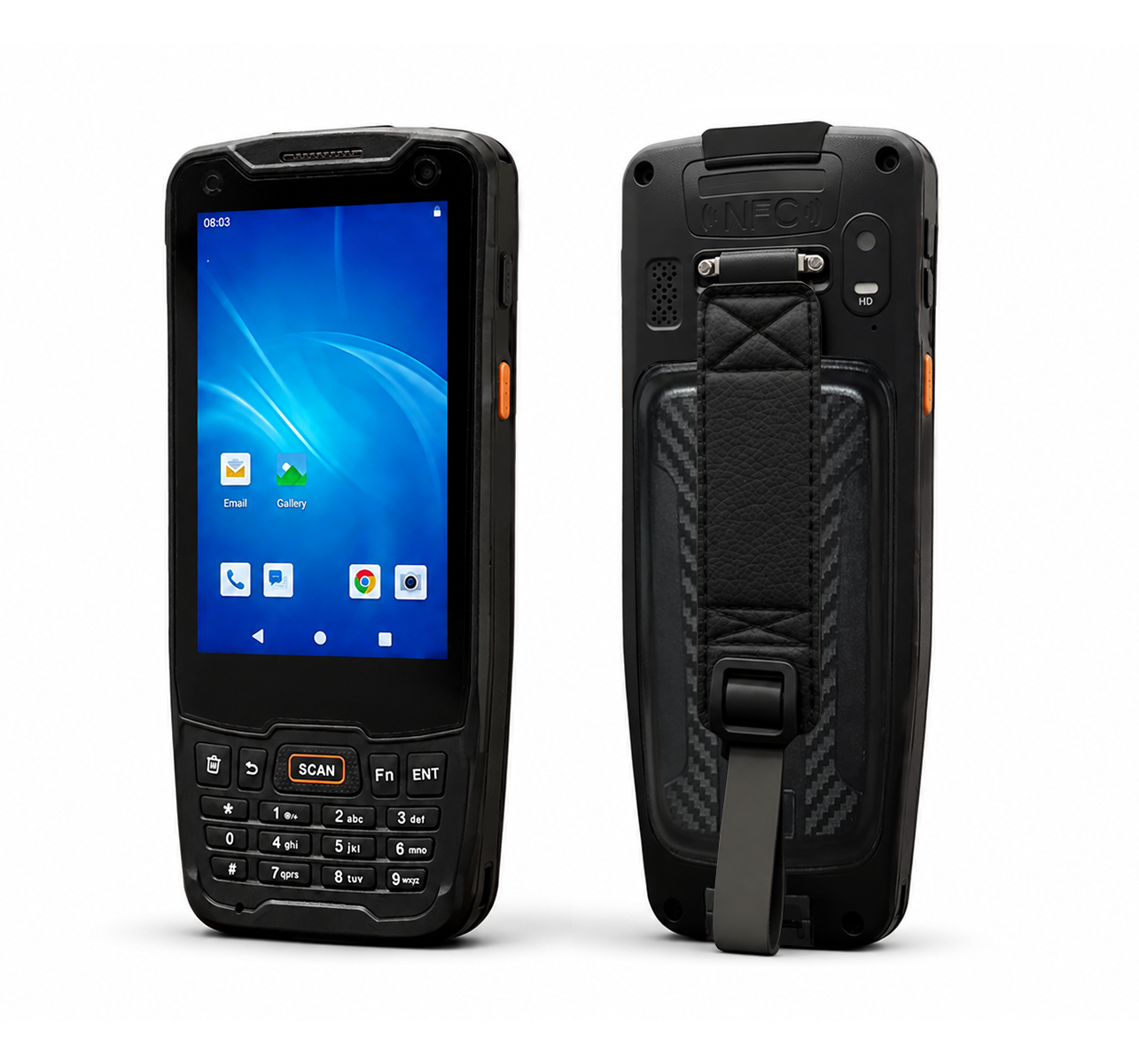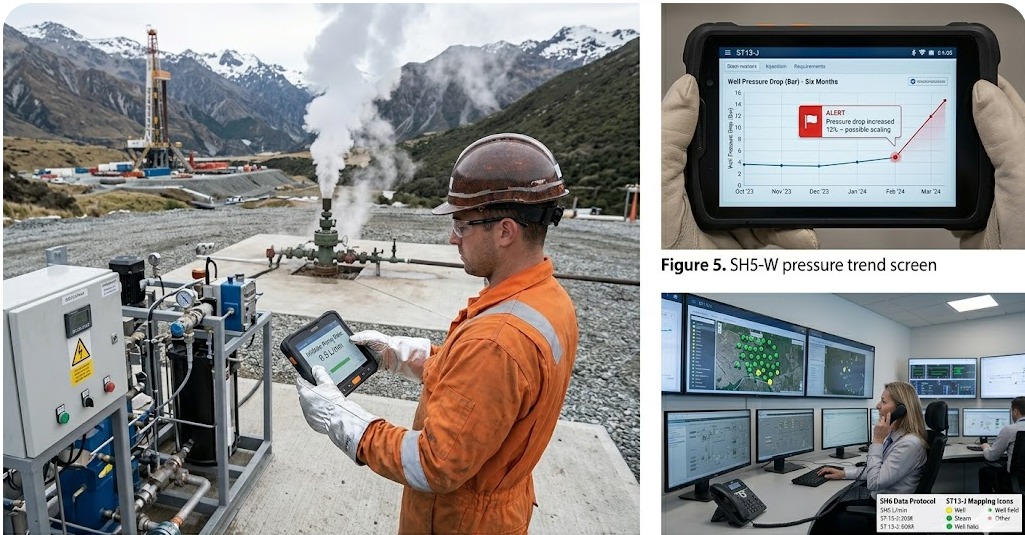
A geothermal technician uses a high‑temperature HOTUS tablet to log scale inhibitor injection rates at a wellhead.
Industrial geothermal wells are scaling up – literally. Calcium carbonate and silica scale reduce flow by 30% within a year if not managed. The industry’s answer is a scale inhibitor injected at the wellhead. But the injection log is often a paper notebook that gets soaked with brine. You need a high‑temperature Windows tablet that logs inhibitor pump rate, well pressure drop, and downhole temperature, then alerts when scaling accelerates. In geothermal, a scaled well is a dying well. Your tablet is the scalpel.
Industrial Geothermal Well Scaling Is Accelerating – Your Scale Inhibitor Log Needs An ATEX-Ready High‑Temperature Windows Tablet
By HOTUS Technology | May 2026
The Thermodynamic Threat of Mineral Precipitation in Subsurface Brines
Modern deep-reservoir geothermal extraction operates under extreme thermodynamic conditions, retrieving hyper-saline brines at temperatures spanning 150°C to 250°C. These high-enthalpy fluids contain a complex matrix of dissolved ionic species, including calcium, silica, heavy metal sulfides, and volatile carbonate fractions. As these supersaturated brines ascend to the surface and pass through flash vessels or binary fluid heat exchangers, they experience rapid thermal drops and pressure transitions. The flashing of steam shifts the chemical equilibrium by stripping carbon dioxide ($ \text{CO}_2 $), triggering an immediate rise in fluid pH.
This geochemical shift accelerates the rapid precipitation of calcium carbonate ($ \text{CaCO}_3 $), amorphous silica ($ \text{SiO}_2 $), and complex barium or strontium sulfates directly onto the internal walls of production well casings, downhole pumps, and surface infrastructure. Within short periods of unmonitored operation, these rugged crystalline matrices compress hydraulic diameters, driving a flow restriction of up to 30% inside a single year. For field operations engineering teams sourcing hardware from an established Mini Projectors, Mini PCs, Rugged Tablets & RFID PDAs Factory, replacing manual records with hazardous-area digital solutions is critical to preventing wellbore choking and maintaining continuous power output.
The Structural Vulnerabilities of Manual Chemical Logging at the Well Pad
To mitigate this scale formation, geothermal facilities introduce specialized threshold chemical treatments—primarily organophosphonates, polyacrylates, or blended polymeric scale inhibitors—via high-pressure capillary injection lines directly into the deep wellbore or at the wellhead. The continuous efficacy of these chemical programs depends on tight fluid tracking: chemical injection velocity must be adjusted to match fluctuating brine mass flow rates and shifting reservoir chemical compositions. Under-dosing allows scale to form on the structured packing, while over-dosing squanders chemical budgets and causes downstream thermal fouling.
Despite these tight requirements, chemical tracking at the well pad often relies on manual logs written on paper clipboards or inside field logs kept by operators at individual injection skids. Well pads are aggressive, unforgiving environments exposed to corrosive hydrogen sulfide ($ \text{H}_2\text{S} $) gas, abrasive silica dust, ambient heat, and high-salinity brine sprays. Paper records degrade rapidly, tear, and are vulnerable to human entry errors. More importantly, isolated paper logs cannot cross-reference chemical flow rates with real-time pressure drops or downhole temperature trends. This lack of data integration leaves engineers blind to slow, ongoing scale buildup until production rates experience a sudden drop.
Edge Computing in Corrosive Climates: The HOTUS SH6 Industrial Handheld
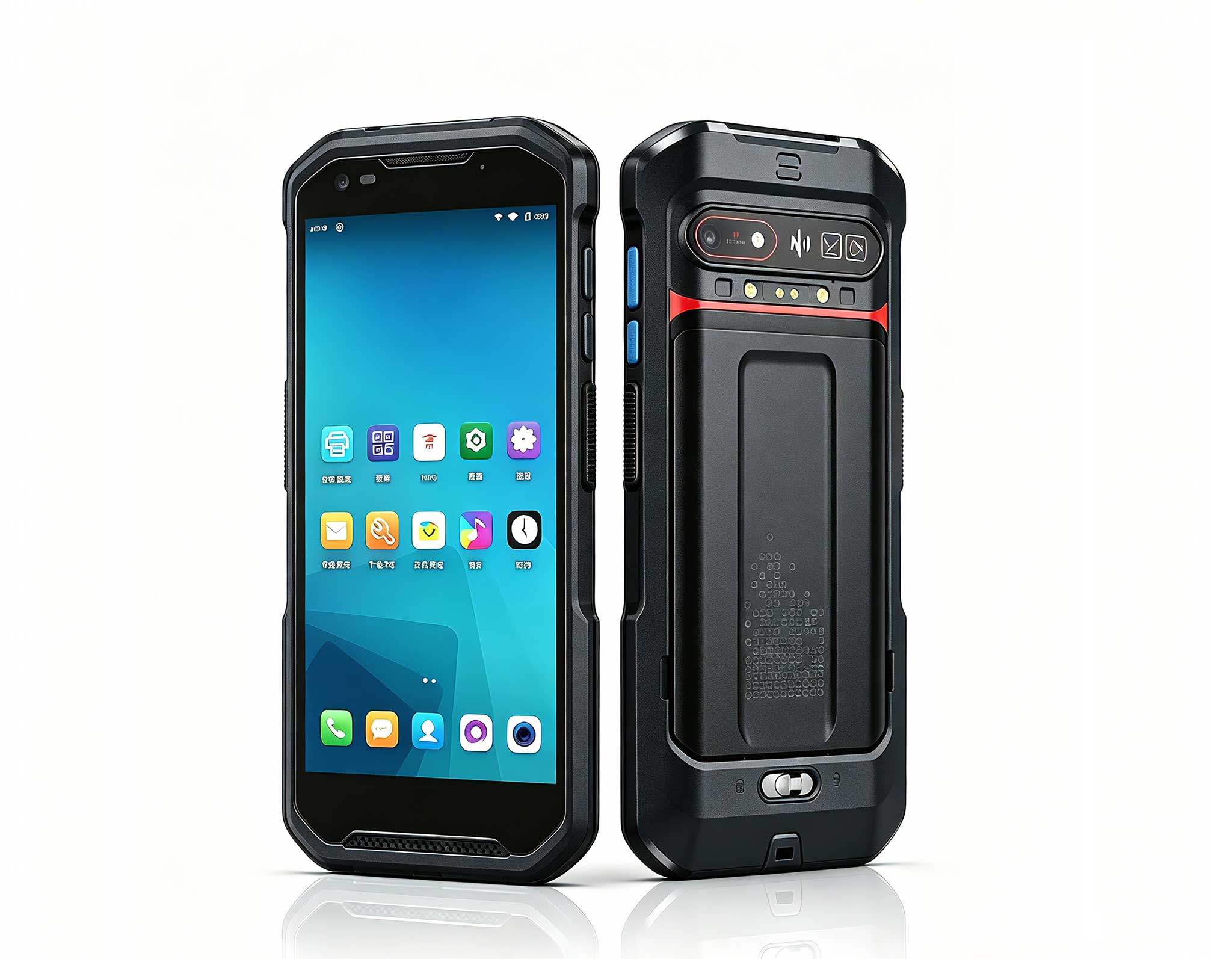
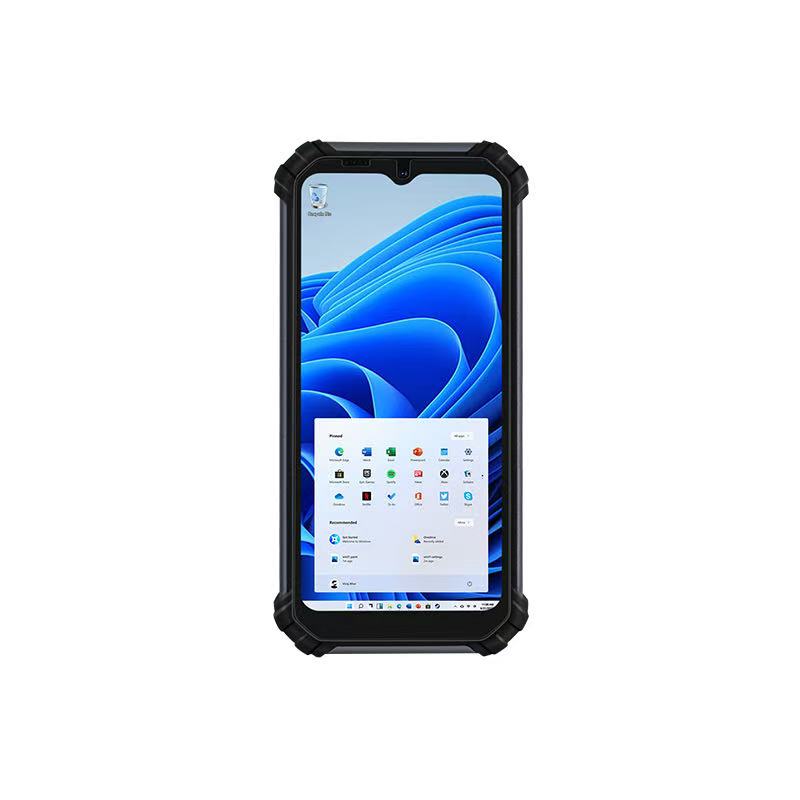
Deploying the Hotus SH6 6.5″ Windows rugged handheld directly onto the chemical injection platform solves these field data tracking vulnerabilities. Engineered to withstand continuous exposure in harsh industrial settings, the SH6 features a rugged IP67-sealed enclosure that resists brine corrosion and operates reliably in ambient thermal zones up to 50°C. Rather than forcing operators to manage separate pieces of diagnostic equipment, the SH6 serves as a central data collector, using industrial Class 1 Bluetooth and Wi-Fi modules to pull field data directly from local hardware:
- Digital Flow Transmitters: The device reads chemical dosing metrics directly from positive displacement inhibitor pump controllers, tracking injection totals down to milliliter precision.
- Differential Pressure Integration: The device logs data from pressure transmitters across the wellhead, monitoring pressure drop changes ($ \Delta P $) over months of operation.
- Thermal Sensor Arrays: The handheld records downhole thermistor and RTD data, linking chemical performance with temperature drops across flash steps.
Running on a full Windows operating system, the SH6 calculates real-time chemical concentration ratios by dividing inhibitor injection rates by the total volumetric brine flow. If changes in well flow drop the inhibitor ratio below target baselines, the SH6 triggers a high-visibility on-screen warning, instructing field crews to adjust pump configurations before scale can seed the wellbore casing.
The SH5‑W tablet displays inhibitor injection rate and well pressure drop trend – a rising ΔP despite adequate chemical, signaling possible scaling.
Cross-Platform Asset Tracking via the HOTUS SH5-W Handheld
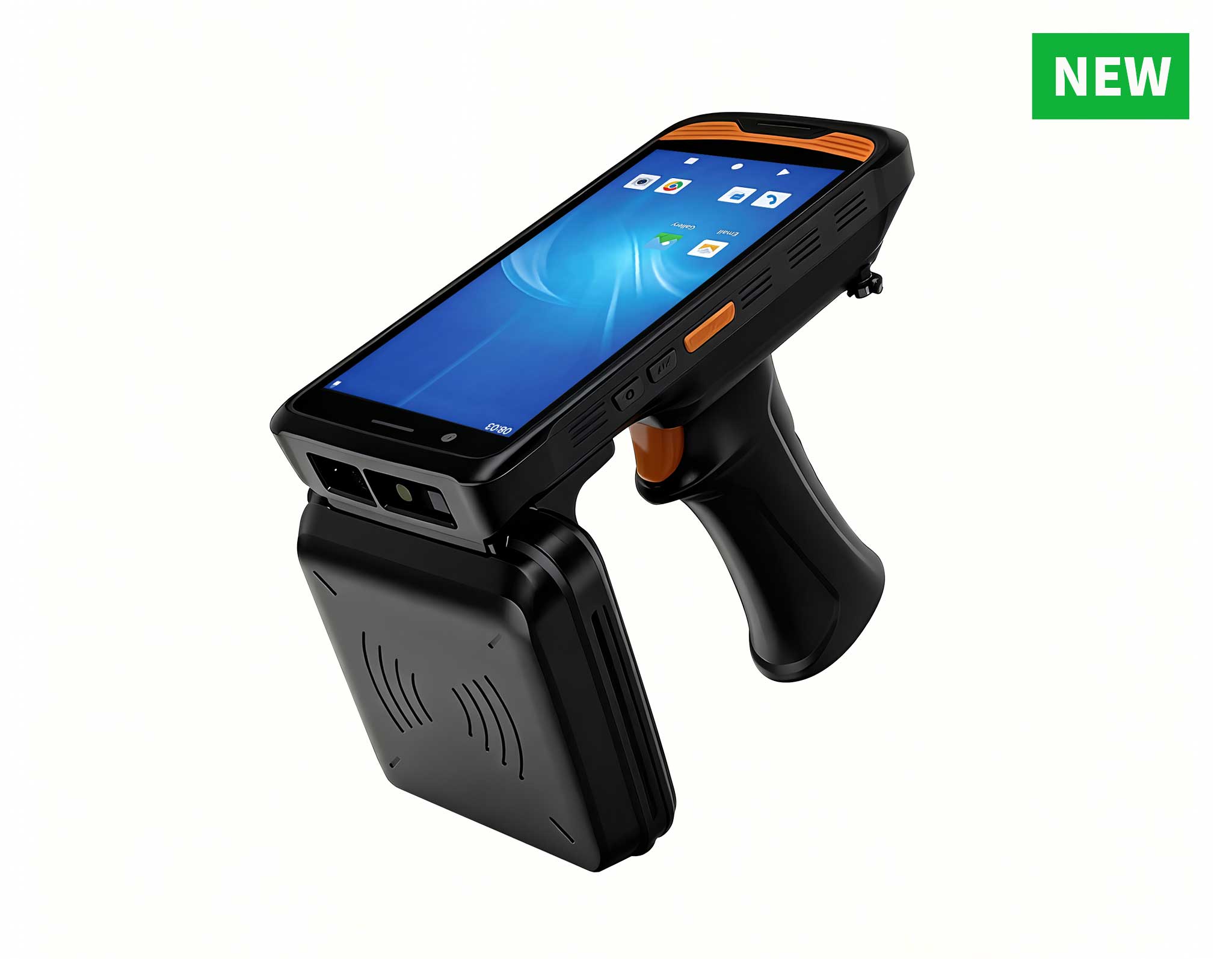
Where field conditions require a balanced, versatile interface, the Hotus SH5‑W Windows rugged handheld fits seamlessly into the operator's maintenance schedule. Operating as an active data hub on the well pad, the SH5-W enables maintenance teams to transition between tracking chemical drum inventory and recording real-time scale data.
By logging physical pipeline inspection data alongside automated pump outputs, the SH5-W bridges the gap between manual field observations and automated control systems. Its high-brightness, glove-compatible touchscreen allows field technicians to view multi-layered fluid trend graphs directly at the injection skid, ensuring that decisions about chemical dosage are backed by historical field data.
Centralized Well Field Visualization: The HOTUS ST13-J Enterprise Dashboard
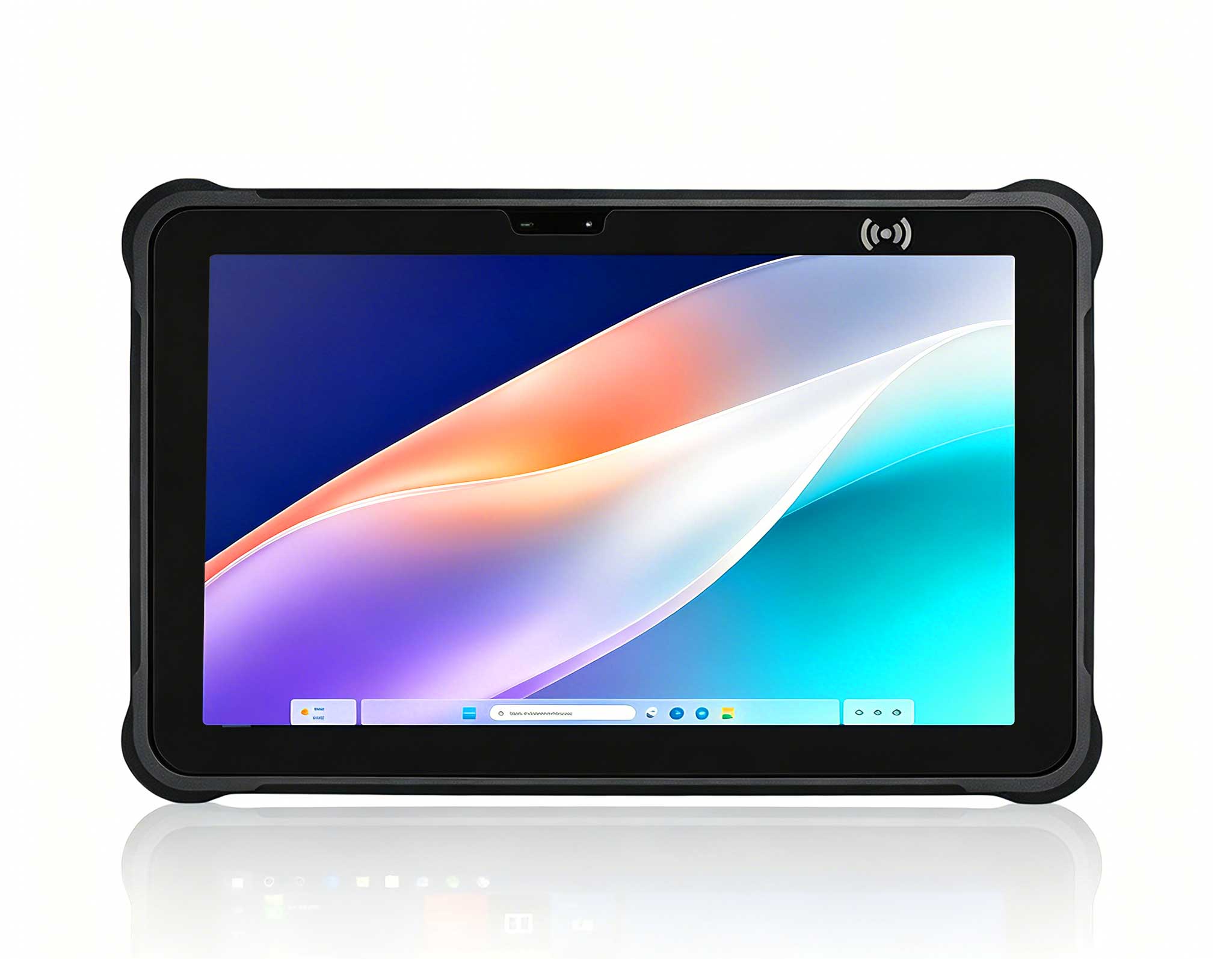
When scaling data must be aggregated from multiple deep production wells spread across miles of rugged terrain, the Hotus ST13‑J 13.3″ Windows rugged tablet serves as the plant operations center's main screen. Built around a broad, high-definition, sunlight-viewable screen and powered by an efficient Intel core architecture, the ST13-J runs central database software that compiles data from every deployed SH6 and SH5-W unit via mesh Wi-Fi or LTE networks.
The ST13-J engine continuously charts wellhead flow velocities against downhole pressure curves. If an individual well exhibits an anomalous drop in flow alongside an escalating pressure drop, the dashboard flags the well asset as yellow or red. This automated system alerts plant engineers to coordinate chemical clean-outs or mechanical milling runs before the well casing chokes completely, saving hundreds of thousands of dollars in emergency workover costs.
Measurable Plant ROI: Preventing Million-Dollar Production Loss Events
The financial value of switching to automated, rugged data logging is demonstrated by a 50 MW flash-steam geothermal facility utilizing 12 separate production wells. Historically vulnerable to rapid amorphous silica deposition due to seasonal flash temperature drops, the facility replaced its old paper logs with a synchronized field tracking system consisting of 20 SH6 handhelds, 15 SH5-W units, and 10 ST13-J tablets.
During its first year of field deployment, trending software on an ST13-J tablet identified a gradual, continuous rise in pressure drop across two deep wellheads. Reviewing the logs showed that while chemical pumps were injecting inhibitor at the supplier's standard rate, the brine chemistry had shifted, bringing a higher silica saturation downhole. The early warning allowed engineers to scale up polymer inhibitor dosing and arrange a targeted chemical clean-out during a scheduled maintenance window. This proactive intervention prevented a projected 15% drop in total plant electrical output, saving approximately $1,000,000 in annual revenue and protecting the mechanical integrity of downstream turbine systems.

The ST13‑J dashboard displays a color‑coded status of all geothermal wells – one flagged yellow for increasing pressure drop.
Transitioning Geothermal Operations into the Era of Data Integrity
Mineral scale formation is an inevitable chemical reality of geothermal energy extraction, but unmonitored scale accumulation is a choice. Moving away from weathered paper logs and embracing high-temperature, data-connected Windows tablets allows field operations teams to build a predictive protection layer around their thermal assets.
By matching chemical injection tracking with physical pressure feedback via devices like the Hotus SH6, SH5-W, and ST13-J, modern power stations can maximize uptime, manage chemical asset expenses, and stabilize fluid flow rates. Protect your subsurface assets from mineral fouling and secure your renewable energy output with data-driven field hardware.
Ready to Protect Your Geothermal Production Assets?
Contact our industrial hardware application engineers today to request technical specifications, inquire about high-temperature operational data, or arrange field testing for our rugged Windows systems.
Contact HOTUS Technology