- Select Language
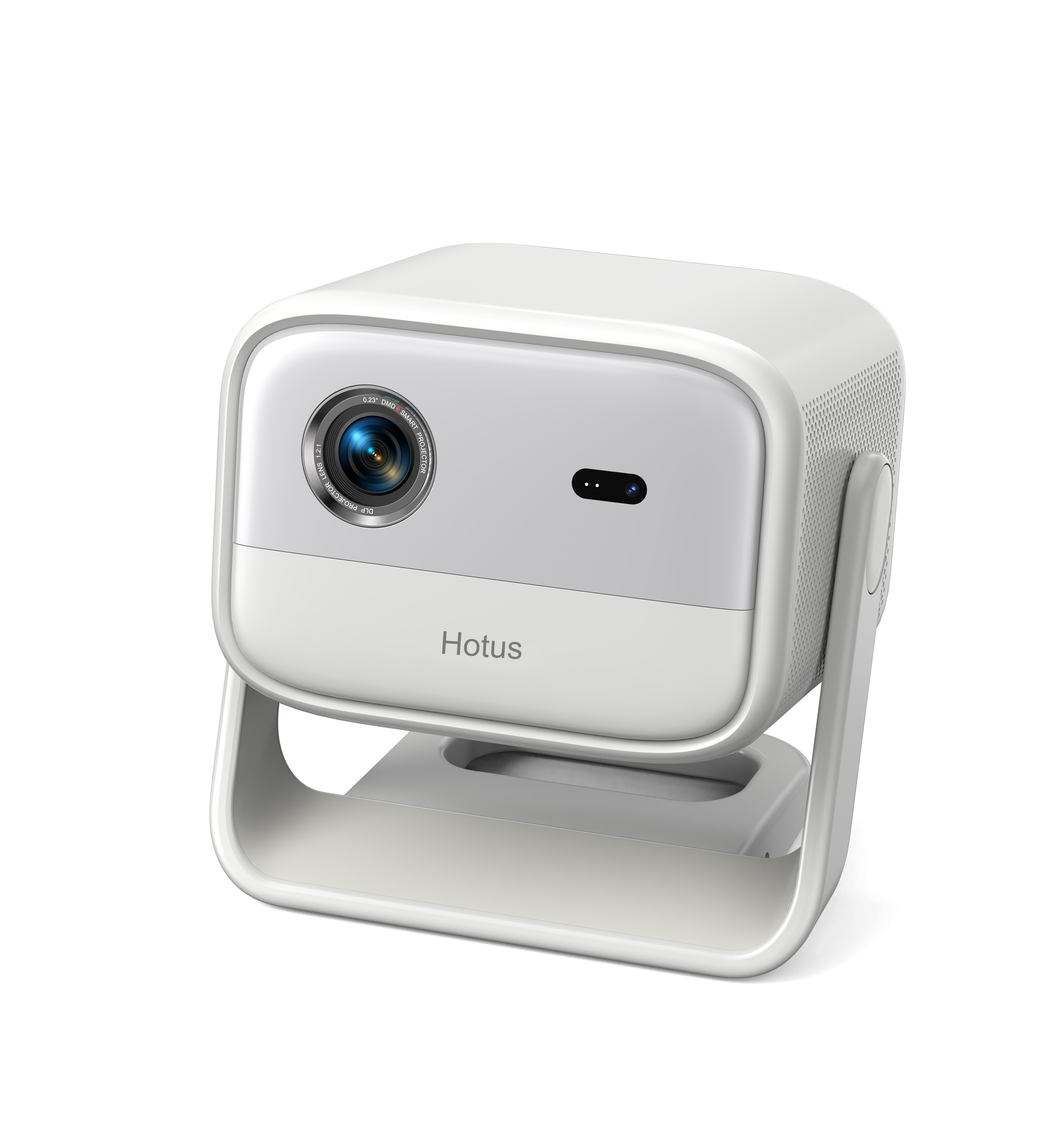
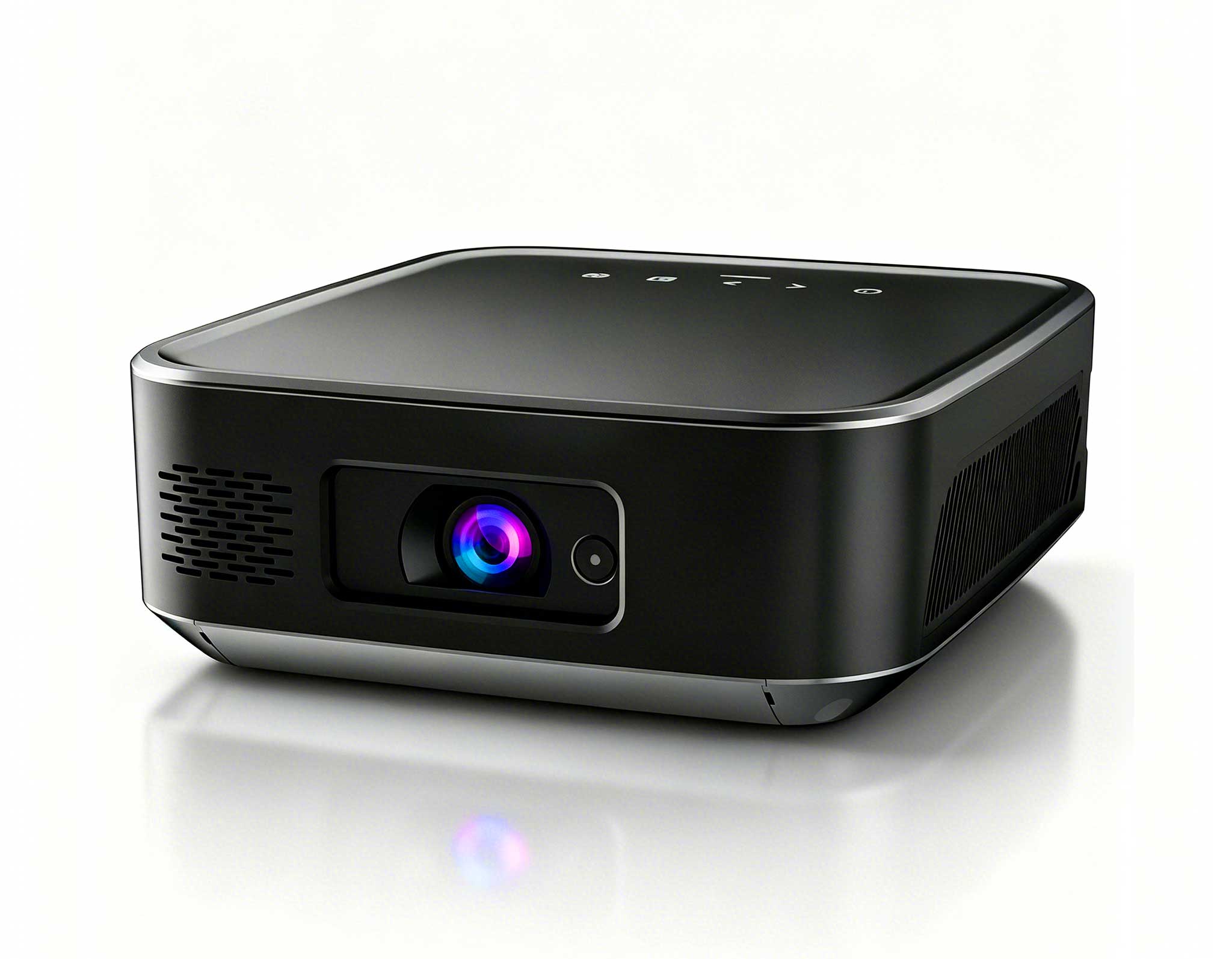
One Device, Dual Functions – A Projector and a Com...
The PM158-1 is a 15.6-inch portable touchscreen mo...
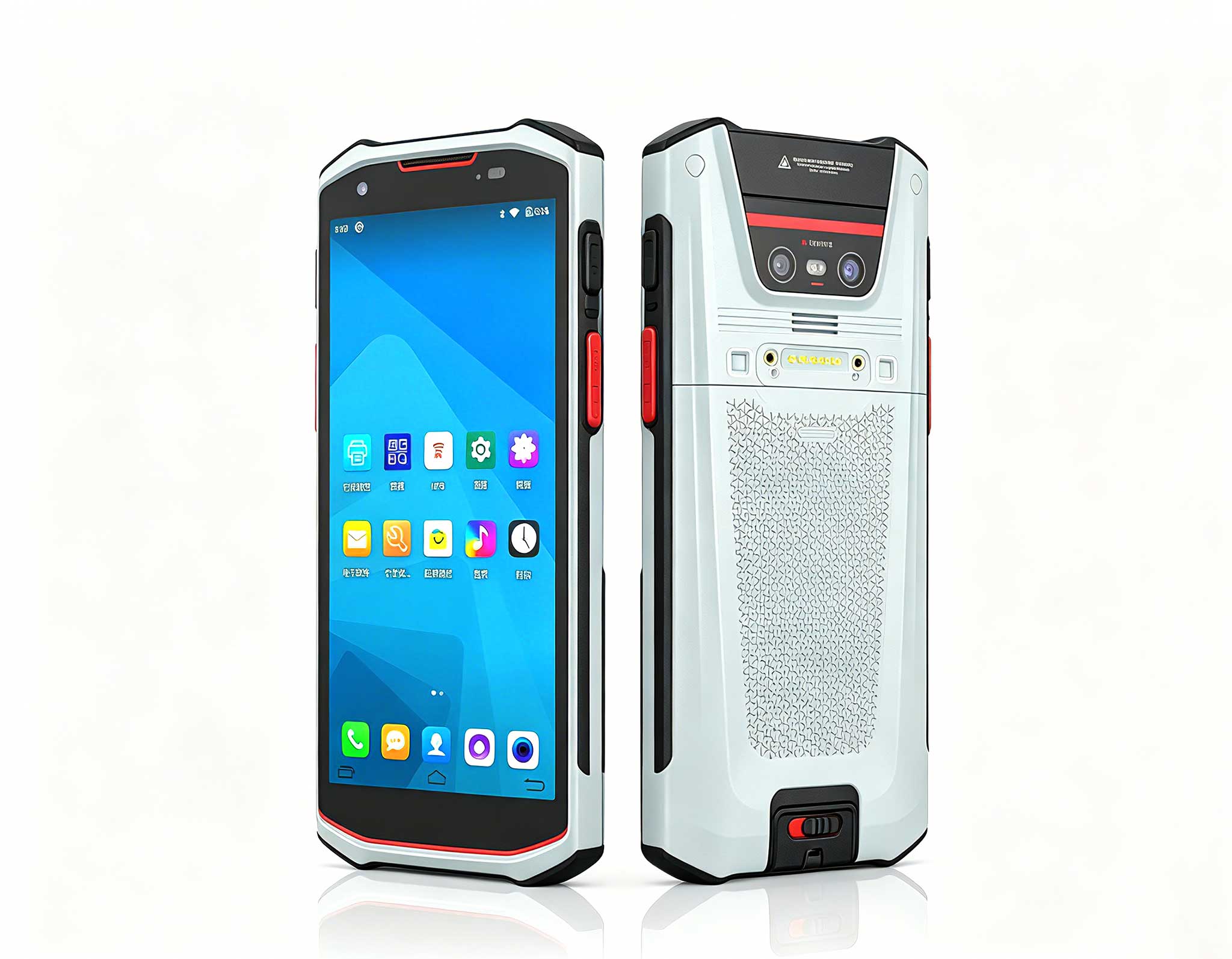
R366-S Thin 5.5-inch Industrial PDA | Qualcomm Oct...
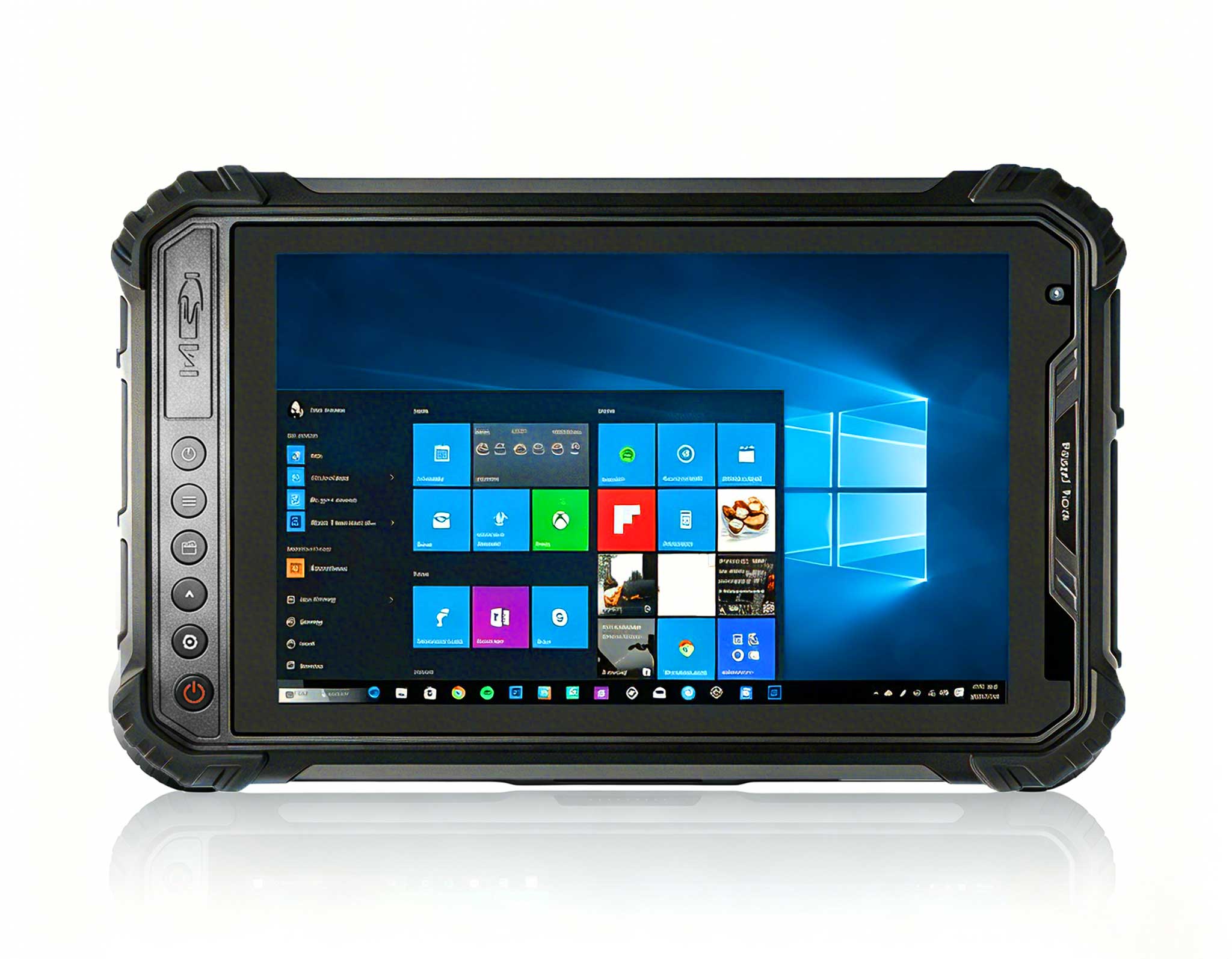
Full SpecificationsModelHotus ST9‑JOSWindows 10 Pr...
Explore an innovative Personal Digital Assistant f...
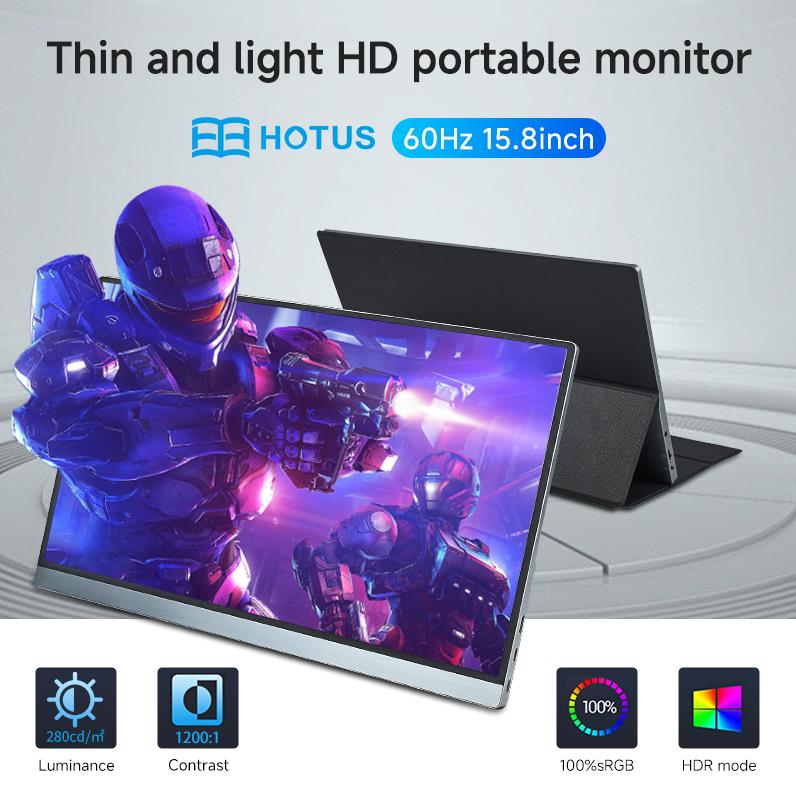
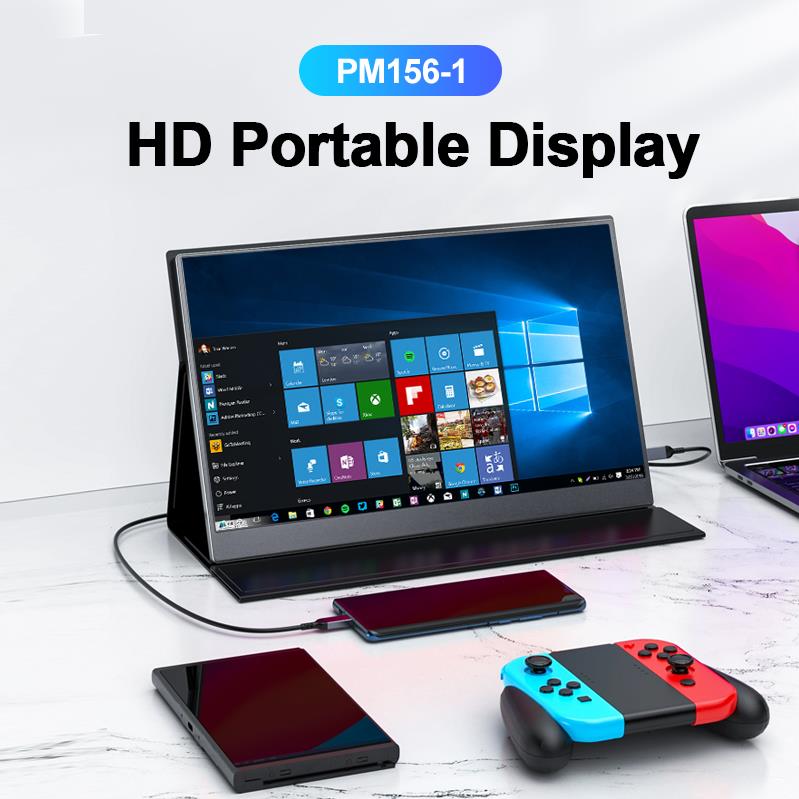
The PM156-1 is a 15.6-inch portable PC monitor fea...
Warehouse hardware used to be bought on one question: how far will it scan. That question has not disappeared, but it now sits at the bottom of a much longer list. Operators I talk to are asking about thermal printing at the point of work, about secure credentials on the device itself, and about whether a fleet bought this year will still be supportable in four. This is a look at where that list is heading, told through three units that show the direction clearly: the RT82, the R860-S, and the R366-S.
Three changes are doing most of the work. First, the device is no longer only a scanner; it is the place where the task is confirmed, labelled, and signed. Second, credentials and secure elements are moving onto the handheld, because shared logins are no longer defensible. Third, connectivity expectations have jumped, with buyers assuming a device will hold a session while moving between aisles and across a yard. None of these are exotic. Together they explain why the specification sheets coming out of the sector look so different from the ones written three years ago, and why the category has moved toward rugged mobile hardware for warehouse floors built around these assumptions.
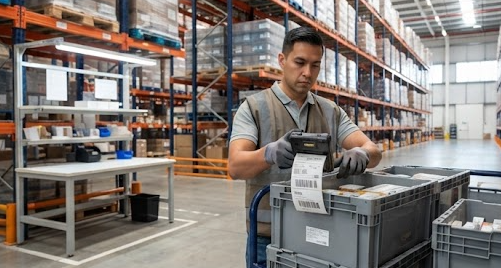
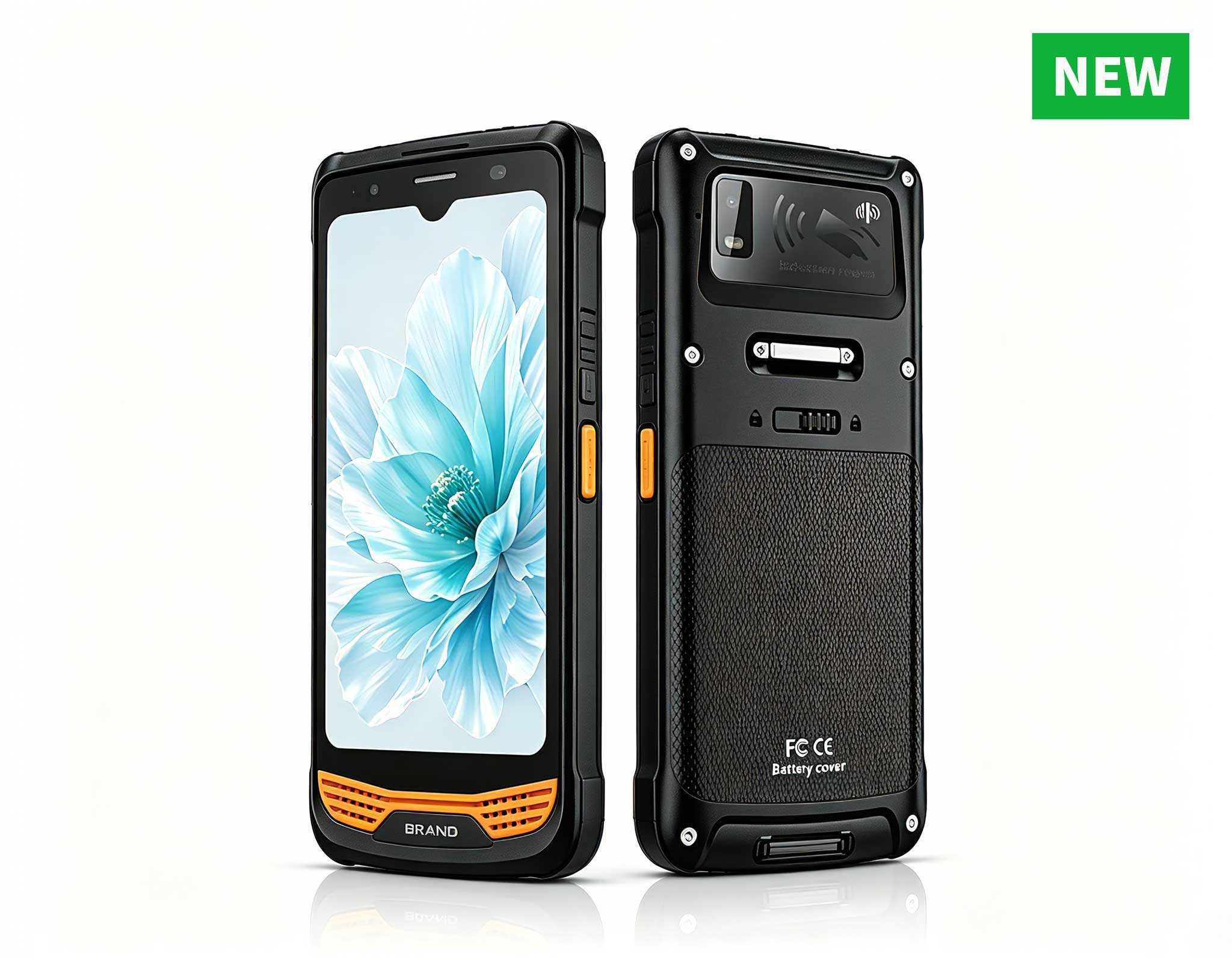
The clearest change is that labelling has moved to the picker rather than to a bench. A unit that prints at the point of work removes a round trip, and in a high-volume operation that round trip is the single largest block of walking anyone can remove. The R860-S puts a thermal printer in the handheld, which sounds like a small thing until you watch a picker label a tote without breaking stride. The operational result is fewer staging areas, fewer mislabelled totes, and a picking loop that is measurably shorter.
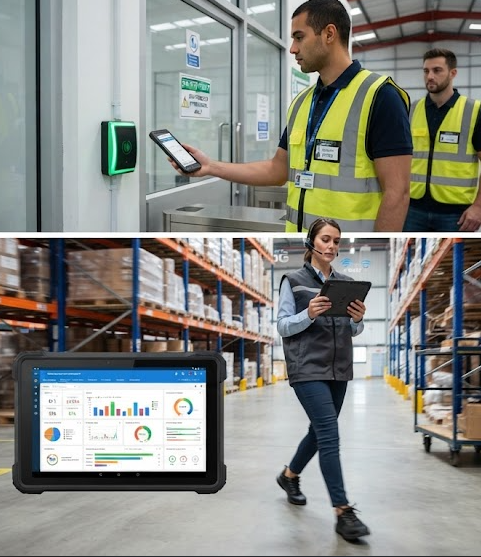
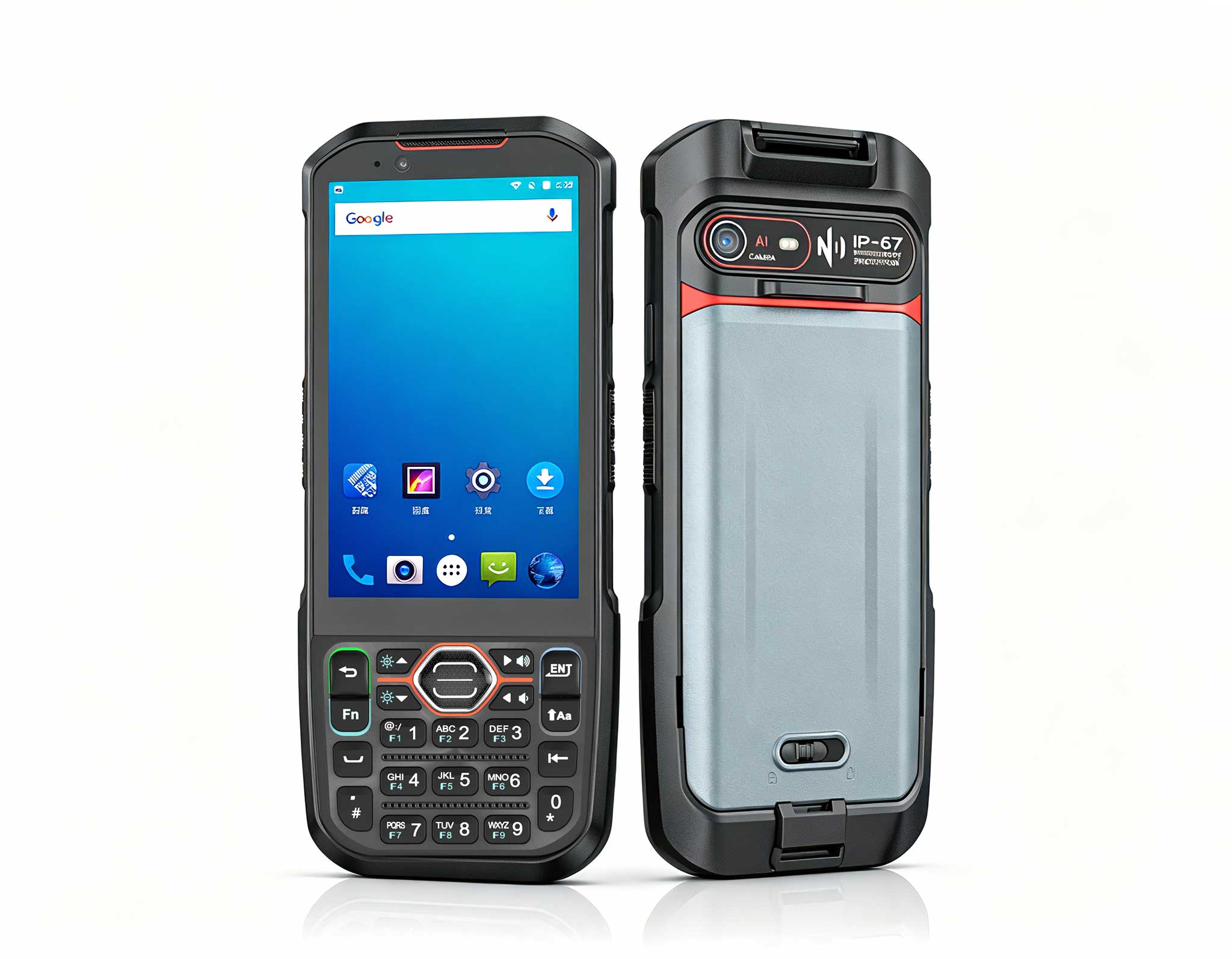
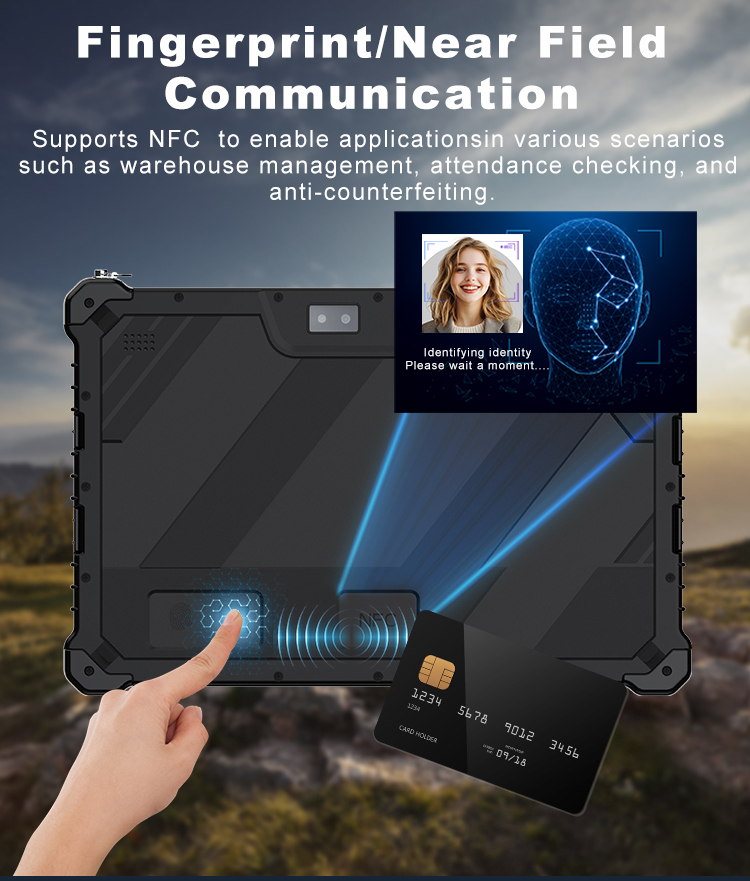
The second change is quieter and more consequential. Secure elements, NFC credentials, and PSAM support are turning the handheld into an identity device rather than a shared tool. That matters for any operation with contractor labour, because it lets a supervisor grant and revoke access per shift instead of per person per week. The R366-S carries this in a thin, one-handed body, which is the part that determines whether the security feature actually gets used: a secure handheld that is uncomfortable for a full shift ends up in a locker.
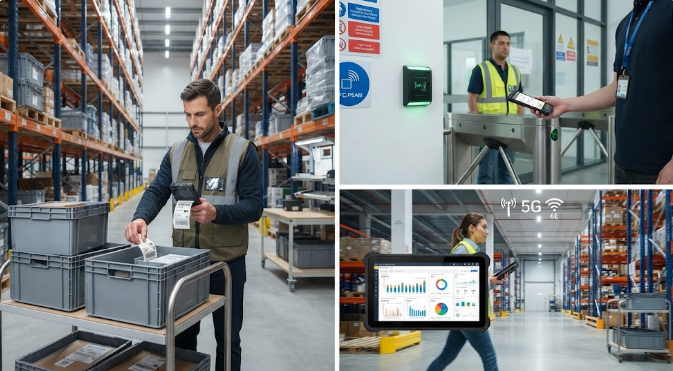
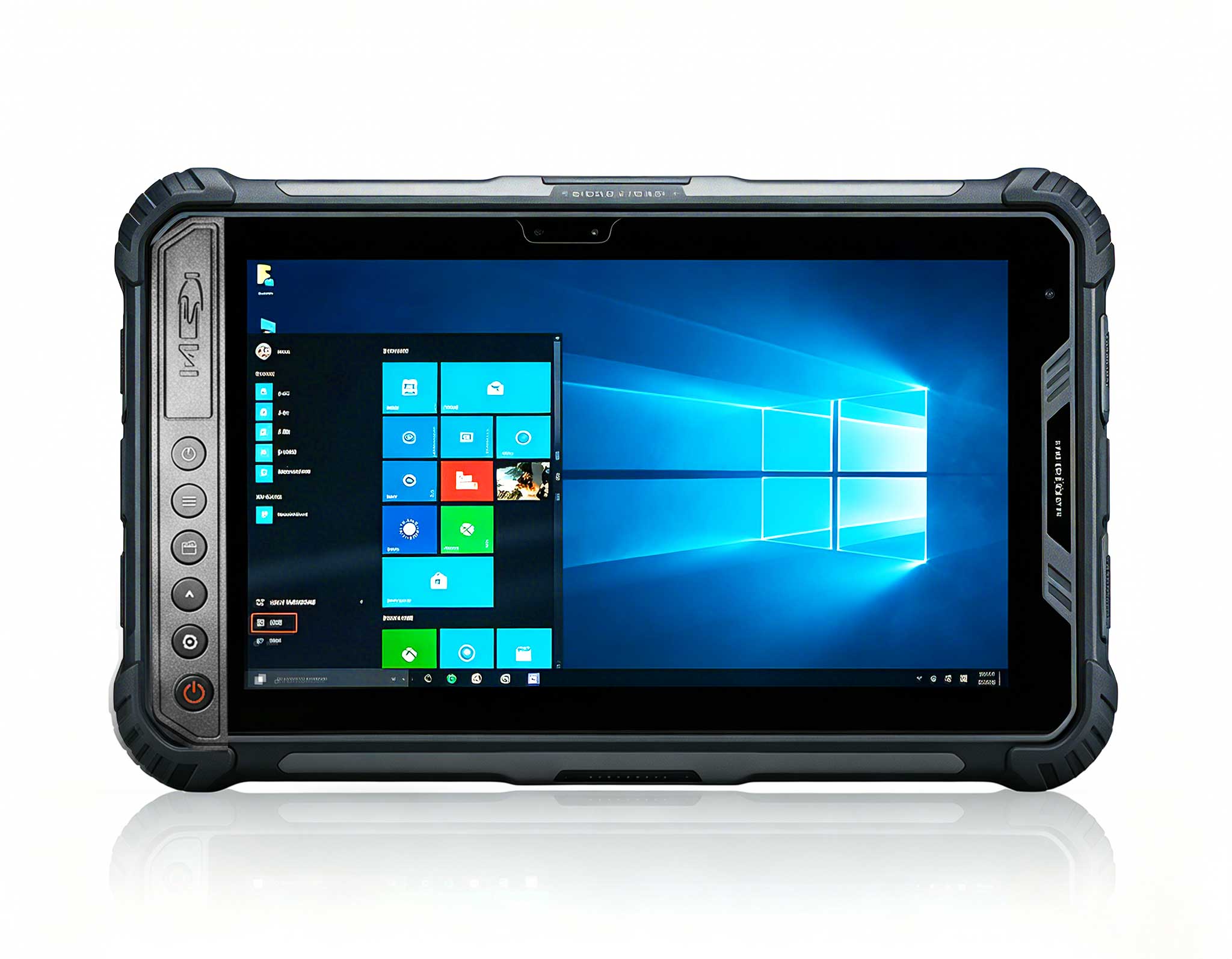
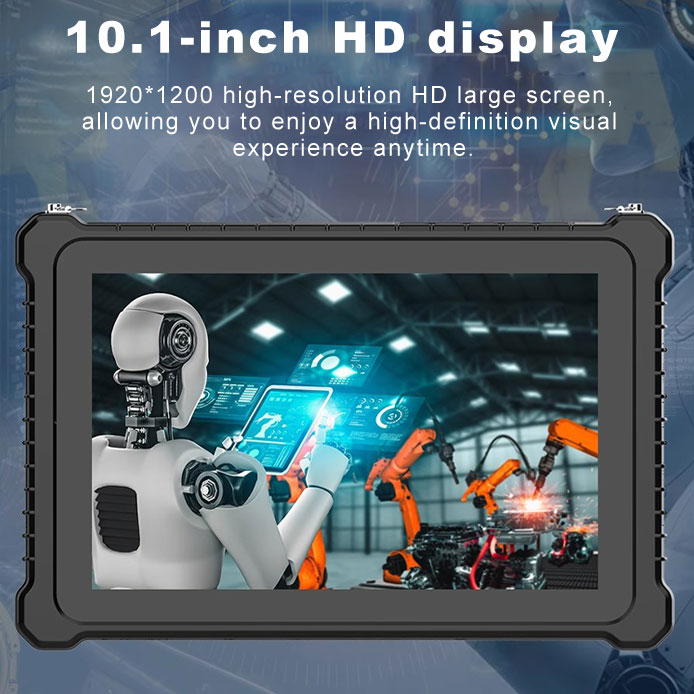
The third change is connectivity, and it is the one that reshapes what a tablet can do on a floor. Wi-Fi 6E and 5G change the assumption that a device will drop its session at the far end of a racking run, which in turn makes larger screens genuinely useful rather than aspirational. The RT82 is a ten-inch tablet built on that premise, and the practical effect is that a supervisor can hold a live dashboard while walking the floor instead of returning to a desk to see the same numbers.
Ergonomics has quietly become a specification rather than a preference. A device that a picker holds for nine hours is judged on weight and balance long before it is judged on processor speed, and the sector has responded by thinning the bodies without shrinking the batteries. One-handed operation is now the default expectation for anything used at the shelf edge, and two-handed devices are increasingly confined to vehicle mounts and benches. This is the least discussed trend and probably the one with the largest effect on whether a rollout actually sticks.
The questions in a current tender read very differently from those in a 2021 one. Buyers ask whether the device prints, whether it carries a secure element, whether it will hold a session across the whole site, and how long the vendor will support the build. Scan range appears, but rarely first. That reordering is the clearest signal of where the category is going: the scanner is assumed, and the differentiators are everything wrapped around it.
| Shift | What changed | Why it matters | Device showing it |
|---|---|---|---|
| Printing at the point of work | Thermal printer in the handheld | Removes the walk to a labelling bench | R860-S |
| Credentials on the device | NFC, secure element, PSAM | Access granted and revoked per shift | R366-S |
| Connectivity expectations | Wi-Fi 6E and 5G indoors | Session survives the whole site | RT82 |
| Ergonomics as a specification | Thin, one-handed, balanced | Determines whether it gets carried | All three |
Almost no site ends up with one device. The pattern that works is to allocate by task rather than by team: printing units where labelling happens, credential units where access control matters, and larger screens for anyone who needs a live view while moving. That allocation is easier to support than a single-model fleet, because a failure affects one task rather than the whole shift. It also makes replacement cyclical rather than catastrophic, since each category ages on its own schedule.
If you are specifying now, buy for the task and not for the headline specification. Ask which of the three shifts actually applies to your floor, because most sites need two of them rather than all three. Then you can explore our mini PC solutions for the fixed tiers that sit behind these handhelds, and read a field-proven installation plan for warehouse logistics fleets for the staging detail that decides whether the rollout lands cleanly on day one.