- Select Language
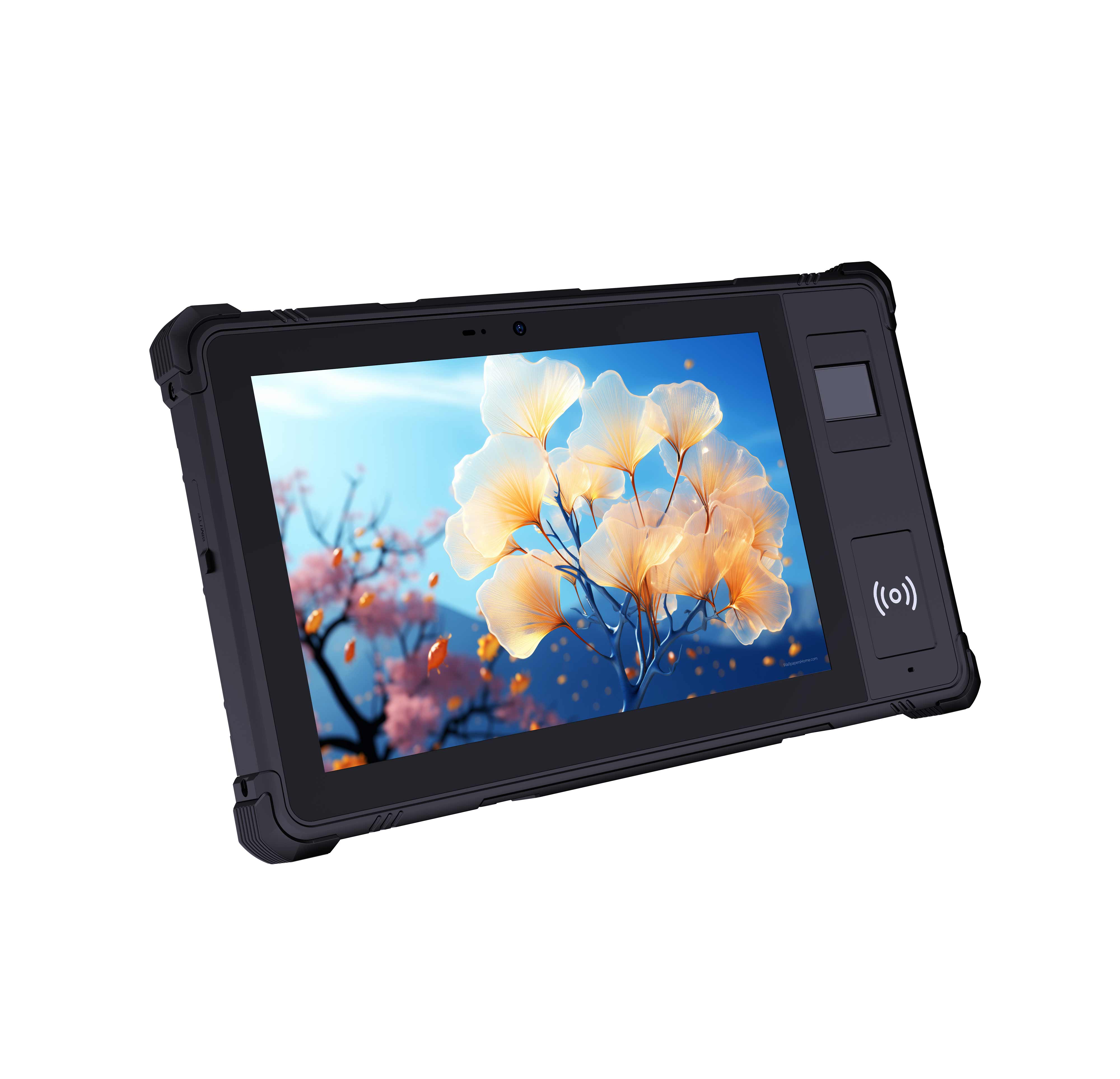
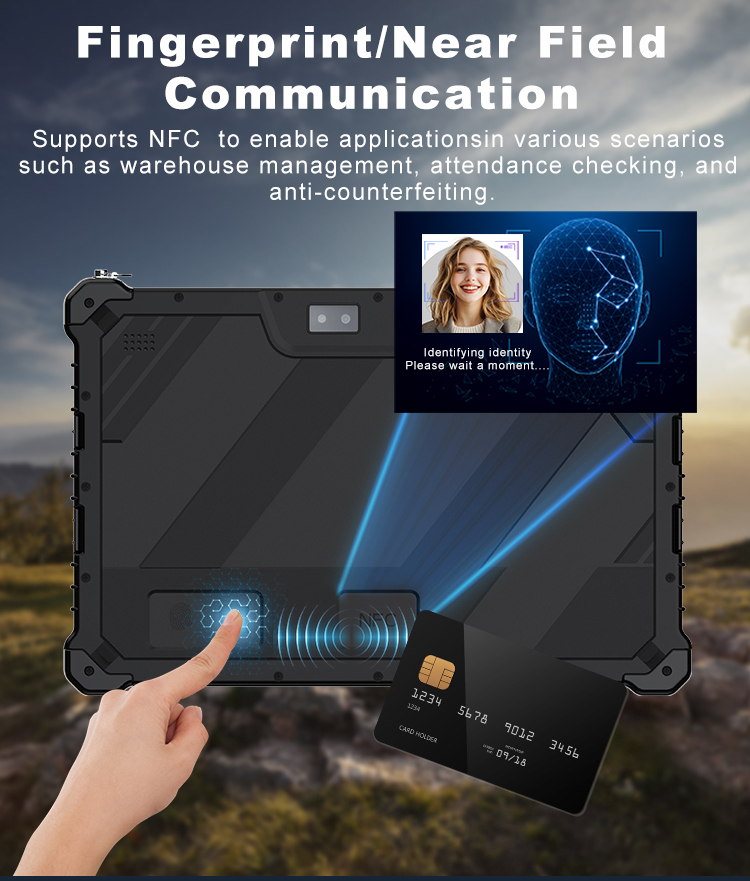
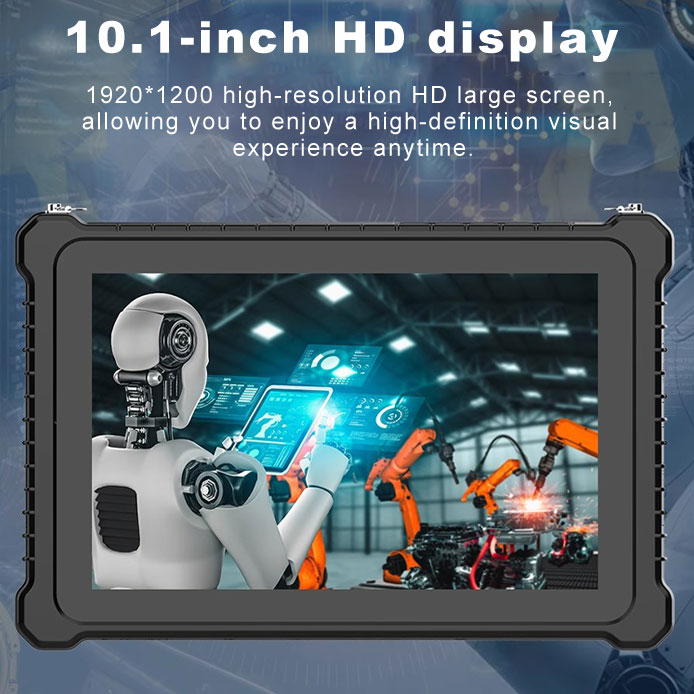
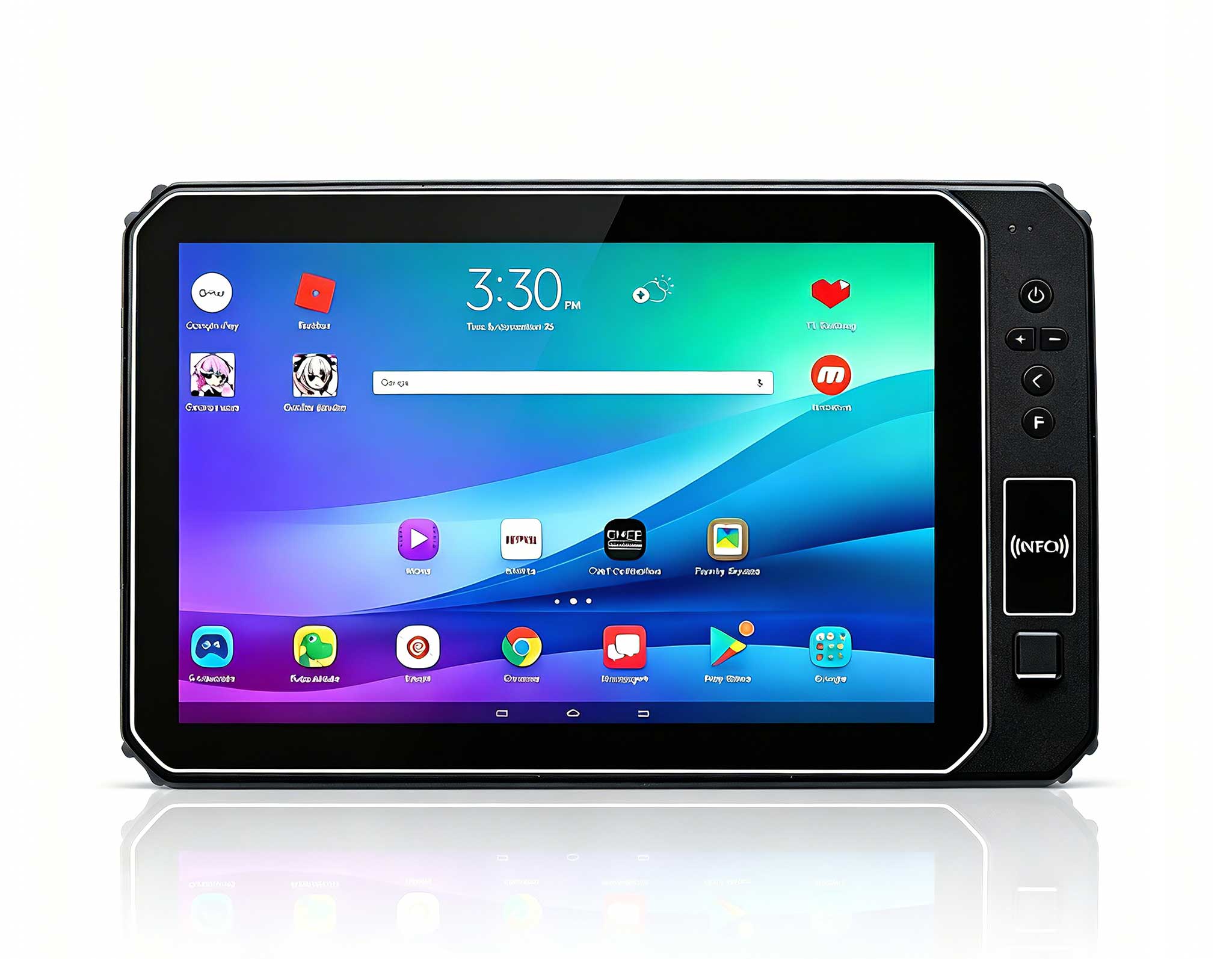
This 10-inch Android rugged tablet is designed for...
Full SpecificationsModel Hotus SH5‑WOperating ...
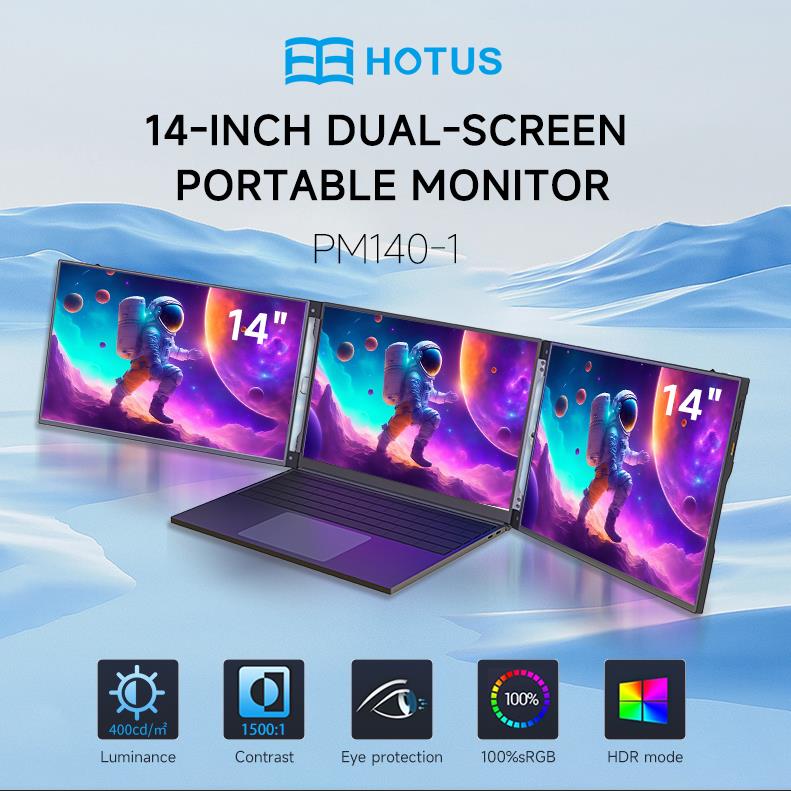
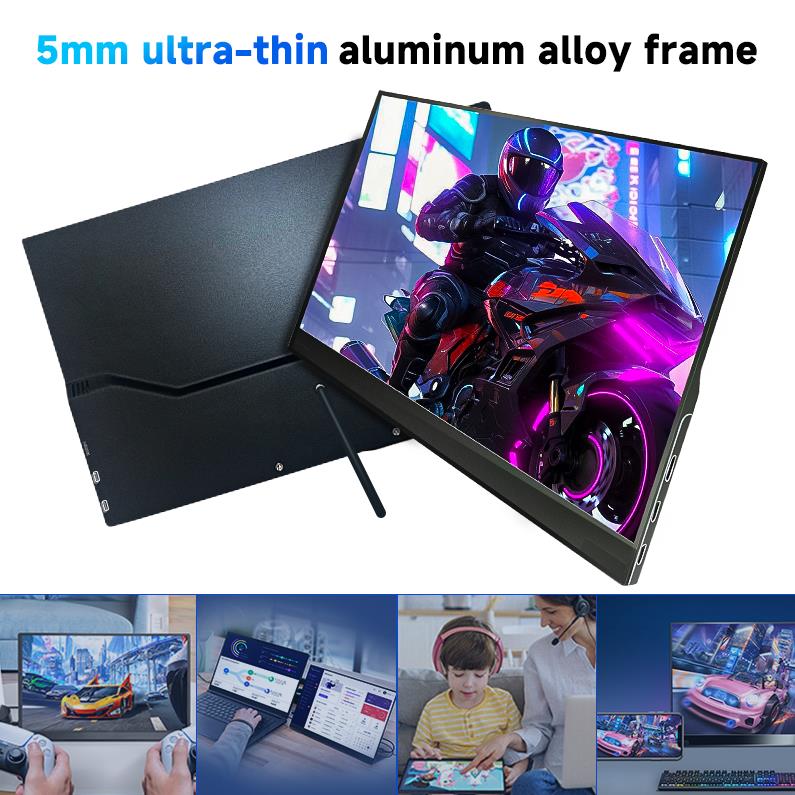
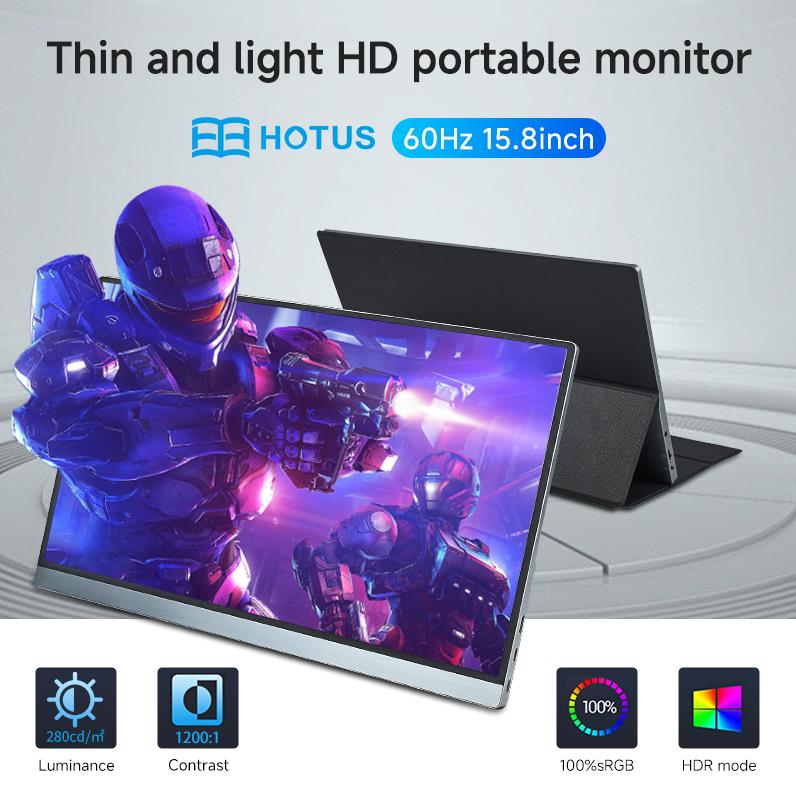
The PM158-1 is a 15.6-inch portable touchscreen mo...
The PM133-2 is a 13.3-inch portable monitor featur...
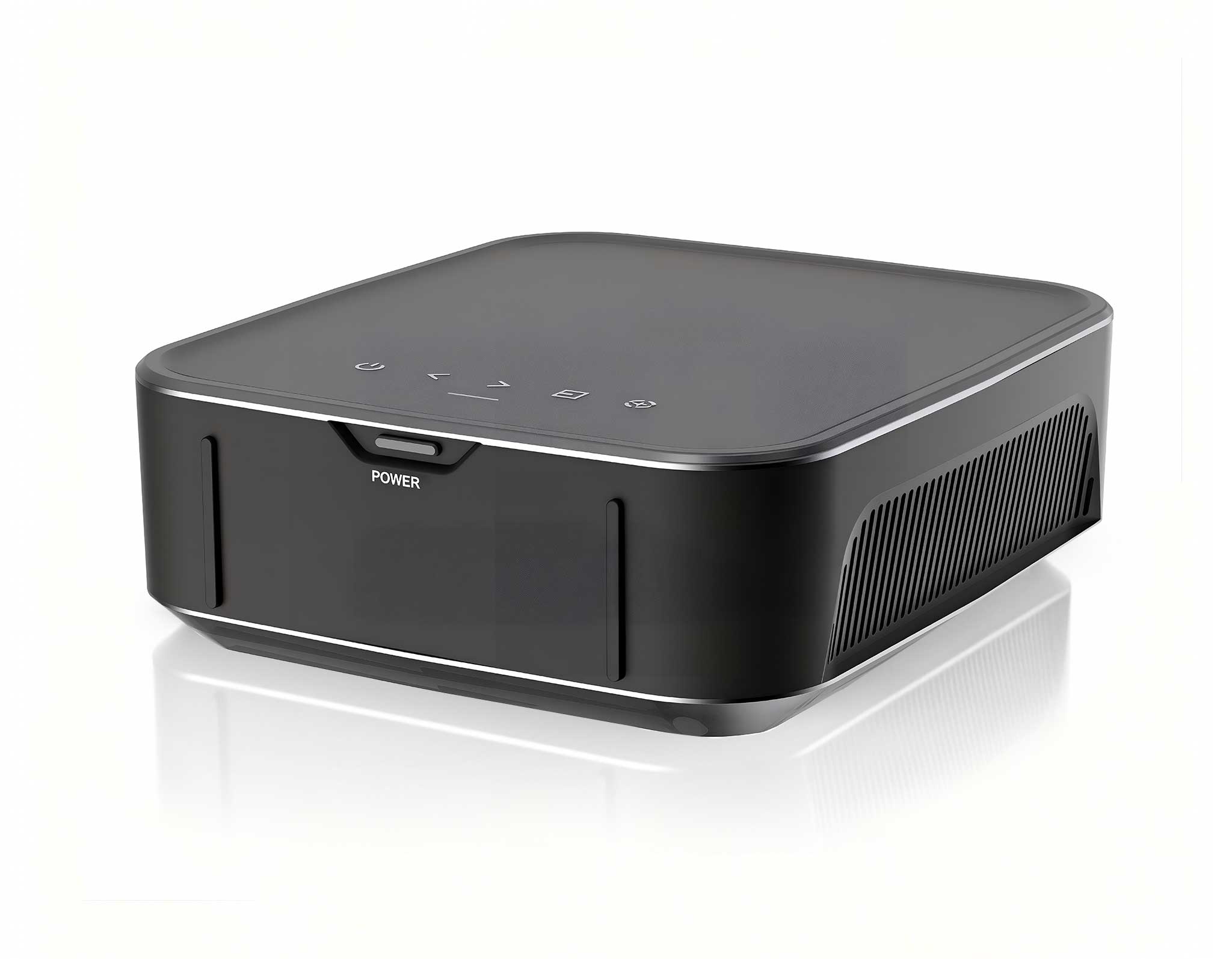
Technical SpecificationsModel: Palm-sized miniPCTy...
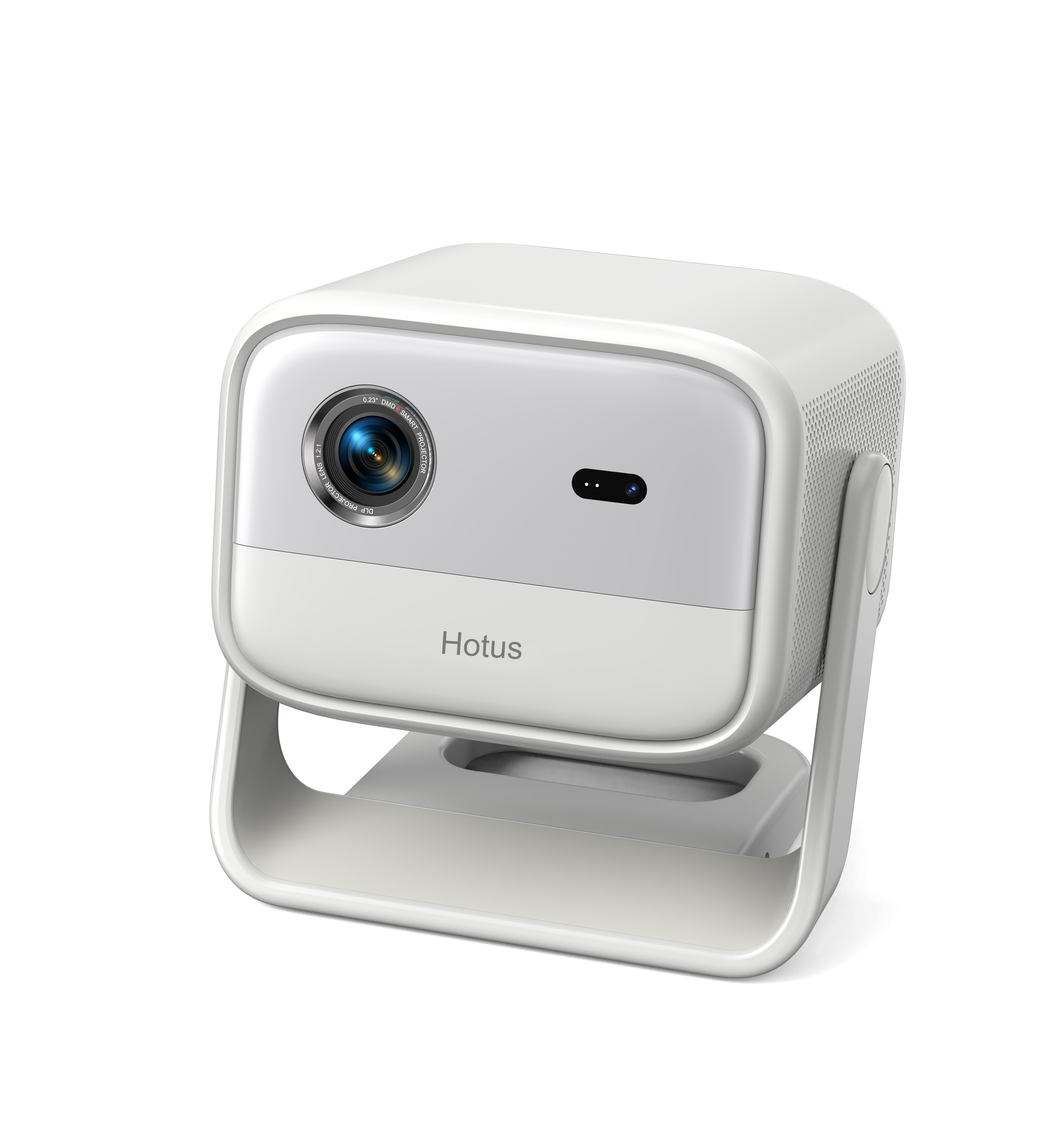
One Device, Dual Functions – A Projector and a Com...
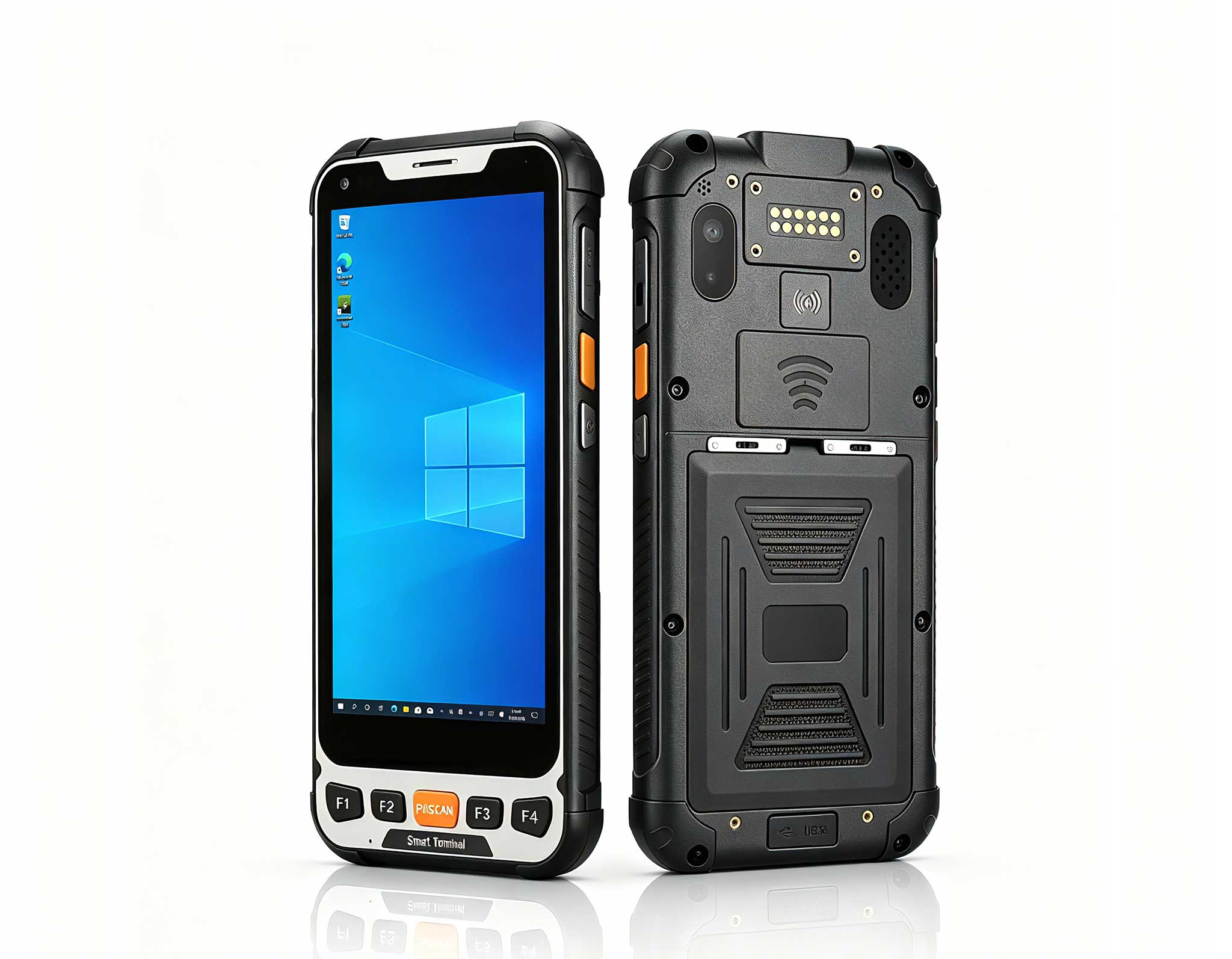
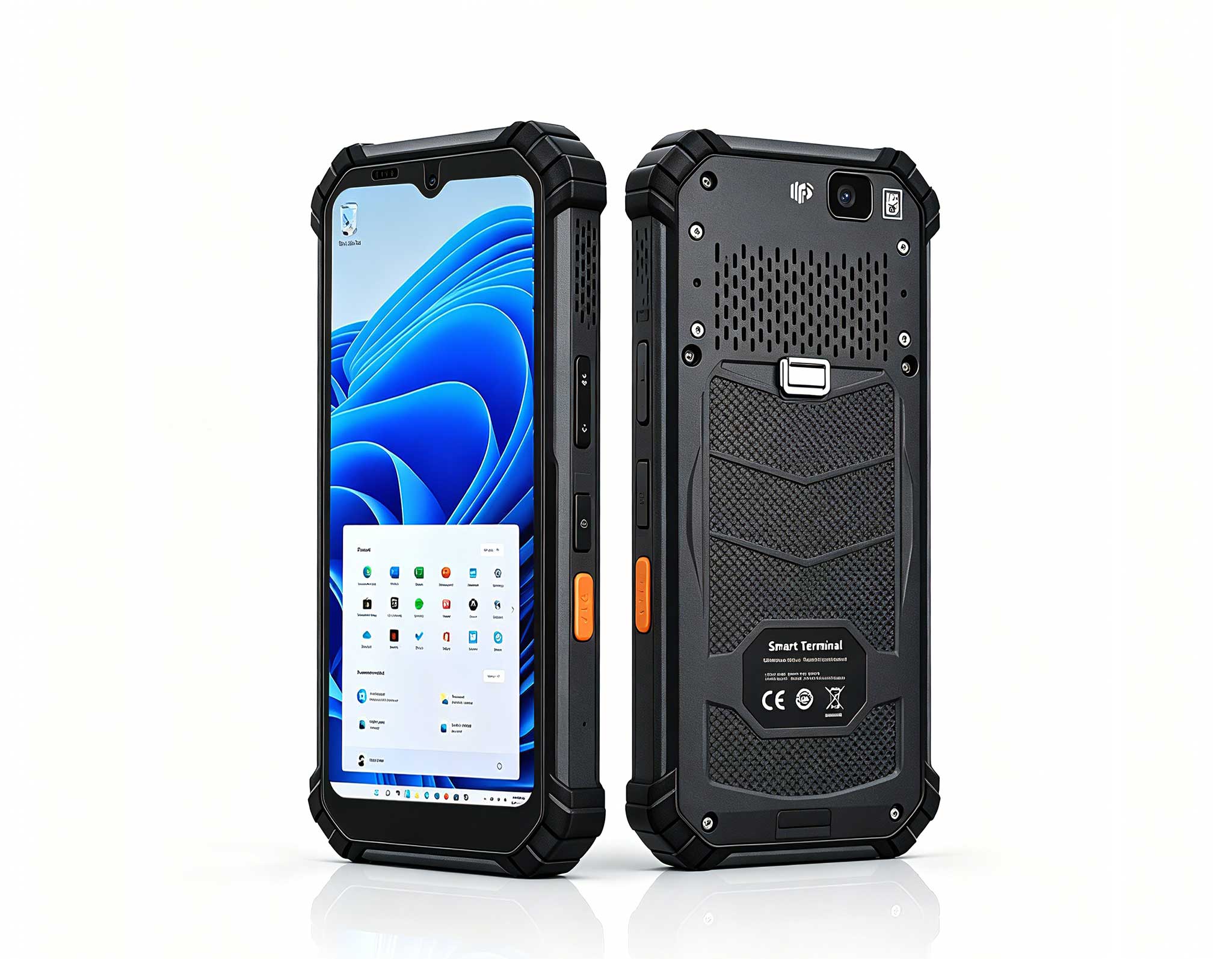
R530C 6.0-inch Industrial PDA | Qualcomm Octa-core...
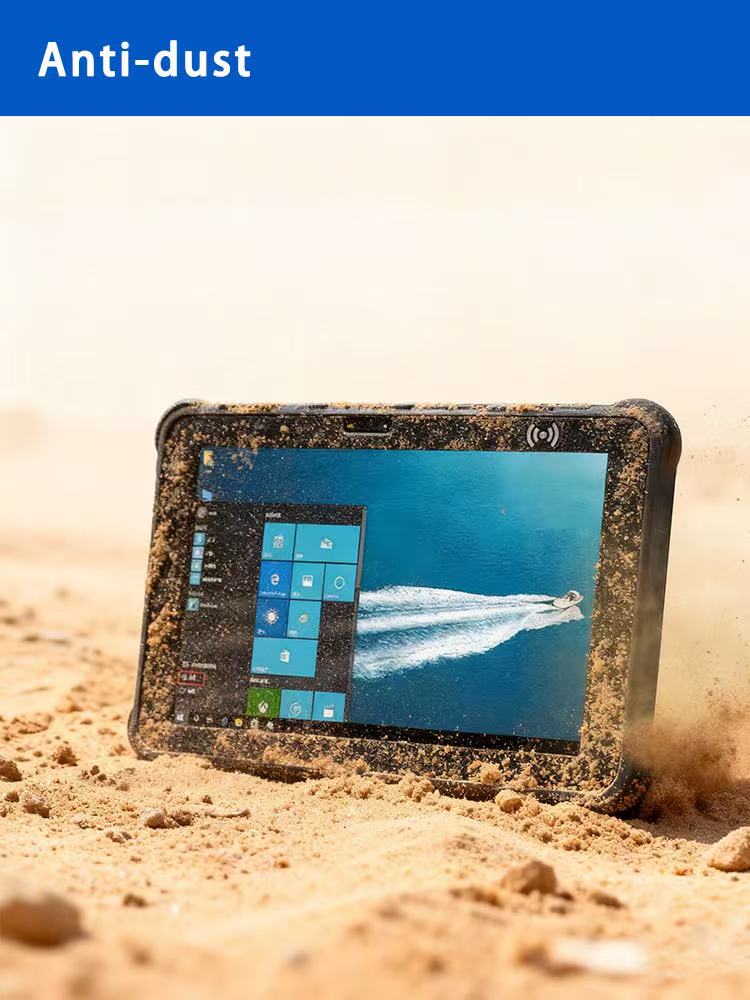
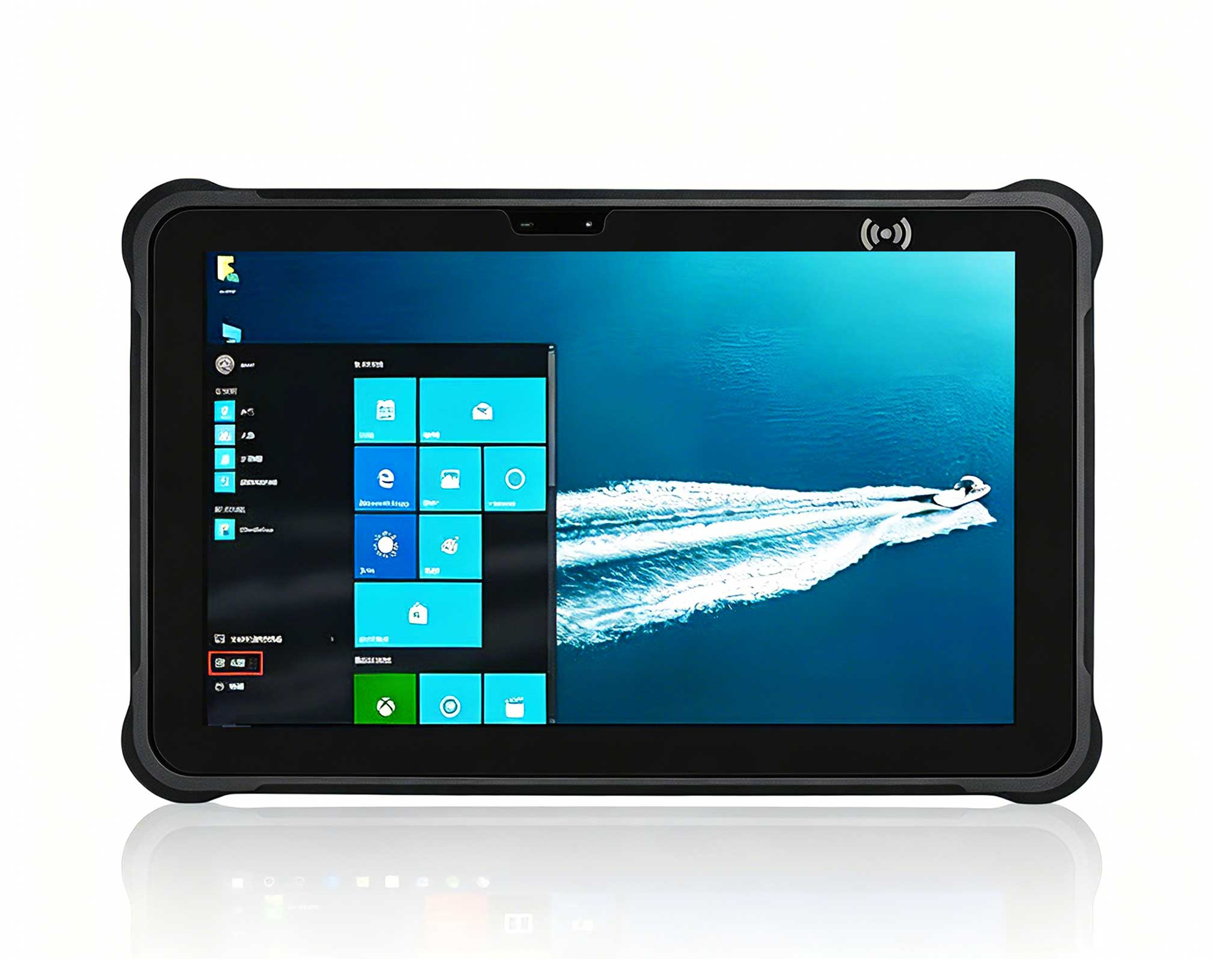
Hotus ST11‑J — Windows tablet for supply chain digital twins and agentic AI orchestration
By HOTUS Technology | April 2026
The global supply chain sector is navigating a pivotal era of accelerated transformation. As emerging technologies mature and stakeholder expectations evolve, logistics providers face mounting pressure to modernize infrastructure, fortify network resilience, and adhere to rigorous ESG standards. By 2026, comprehensive digitalization will serve as the bedrock of international transportation management. The era of fragmented data is ending; real‑time freight tracking across ocean, air, road, and rail will become the baseline industry standard[reference:13].
Advanced IoT sensors and telematics will go beyond simple location tracking to monitor critical cargo conditions — temperature, humidity, and shocks — ensuring granular visibility for high‑value supply chains[reference:14]. According to SAP, in 2026, leading organizations will start to move from firefighting to true orchestration — connecting planning, logistics, procurement, manufacturing, and the extended business network on a common, real‑time data foundation. AI in the supply chain will move from proof‑of‑concept experiments to embedded, agentic capabilities that sit inside core business processes[reference:15].
Digital twins are evolving beyond basic asset tracking into full network simulations that predict disruption before it occurs. By linking data from ERP, warehouse, and transport systems, these models allow companies to test “what‑if” scenarios such as port strikes, extreme weather, or fuel price increases. By 2026, digital twins will become a central management tool, automatically triggering contingency plans when potential bottlenecks are identified[reference:16]. Unified platforms merging Transportation Management Systems (TMS) with Warehouse Management Systems (WMS) will leverage data streaming to predict bottlenecks and dynamically optimize capacity, moving beyond historical analysis to real‑time situational awareness[reference:17].
By 2026, AI is transitioning from “predictive” to “agentic” — systems that can not only identify problems but execute solutions autonomously. These “self‑healing” supply chains use AI agents to renegotiate freight rates, reroute shipments in real‑time during port closures, or adjust inventory levels without human intervention. This trend marks a move toward a truly autonomous supply chain where the technology acts as a proactive partner, significantly reducing response times to global volatility[reference:18].
According to Ziegler Group‘s analysis, by the end of 2026, the emphasis will shift away from large centralized warehouses towards flexible, automated urban units that use AI to position high‑demand products closer to consumers, reducing both lead times and emissions[reference:19]. Warehouse teams will rely on AR‑guided picking, while planners oversee fleets of AI‑driven tools as system orchestrators. The goal is to upskill employees so they can manage exceptions and provide strategic oversight, ensuring automated systems remain aligned with complex business objectives[reference:20].
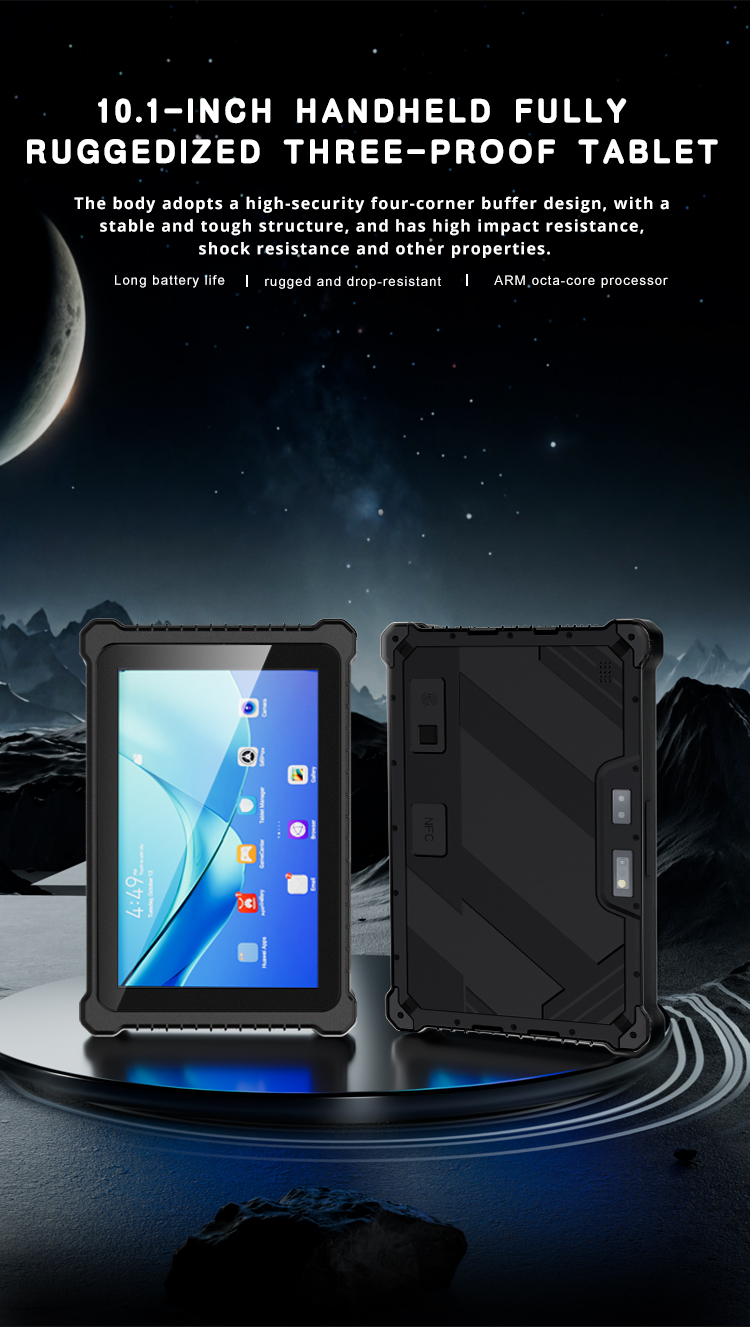
Hotus ST11‑J 10.1″ Windows Rugged Tablet — Supply Chain Command Center
For supply chain planners and logistics managers:
Hotus Palm‑sized Mini PC — Edge Analytics Gateway
For warehouse and distribution center edge deployments:
A national third‑party logistics provider managing 2 million square feet of warehouse space deployed 200 ST11‑J Windows tablets and 50 Mini PC edge gateways across five distribution centers. Results after 12 months:
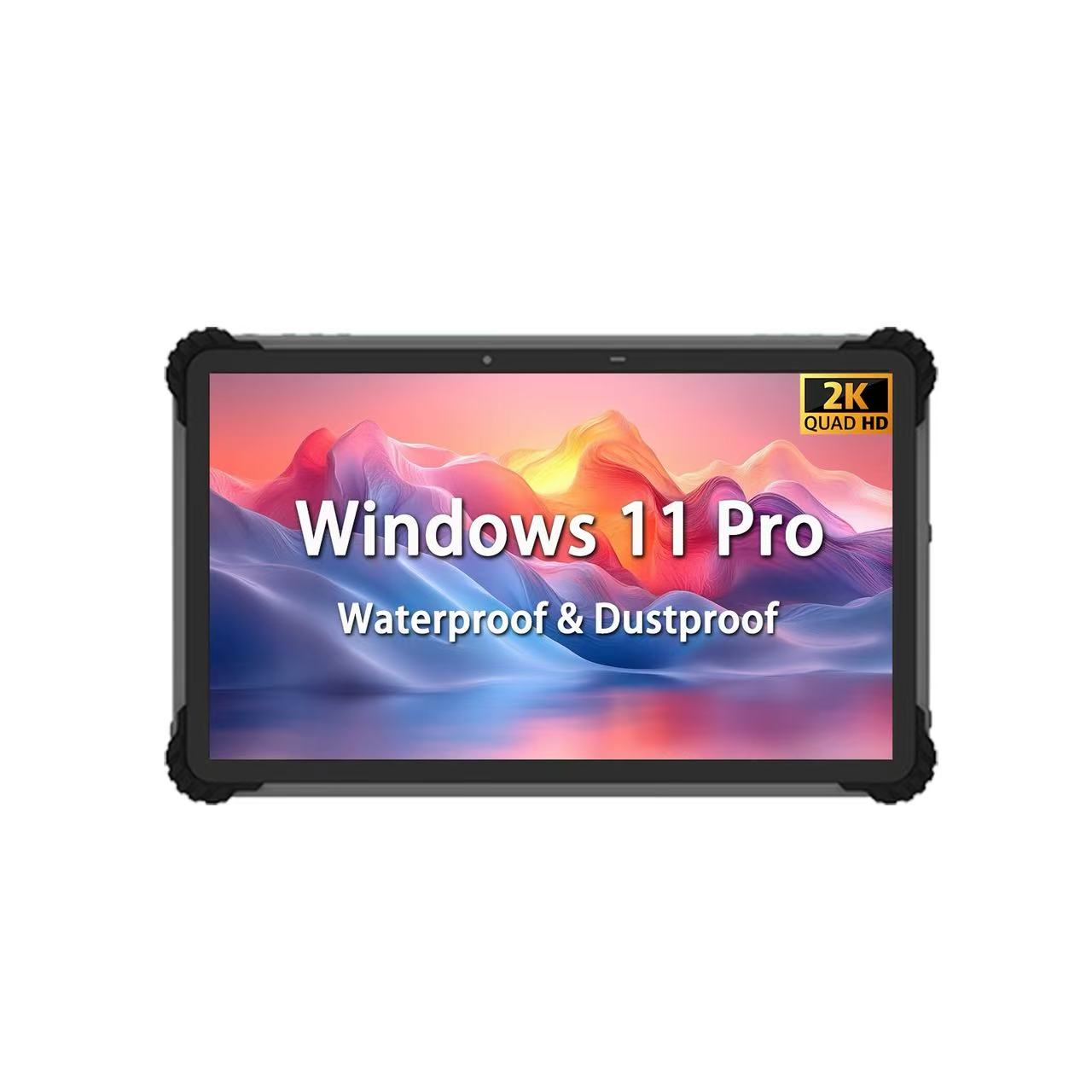
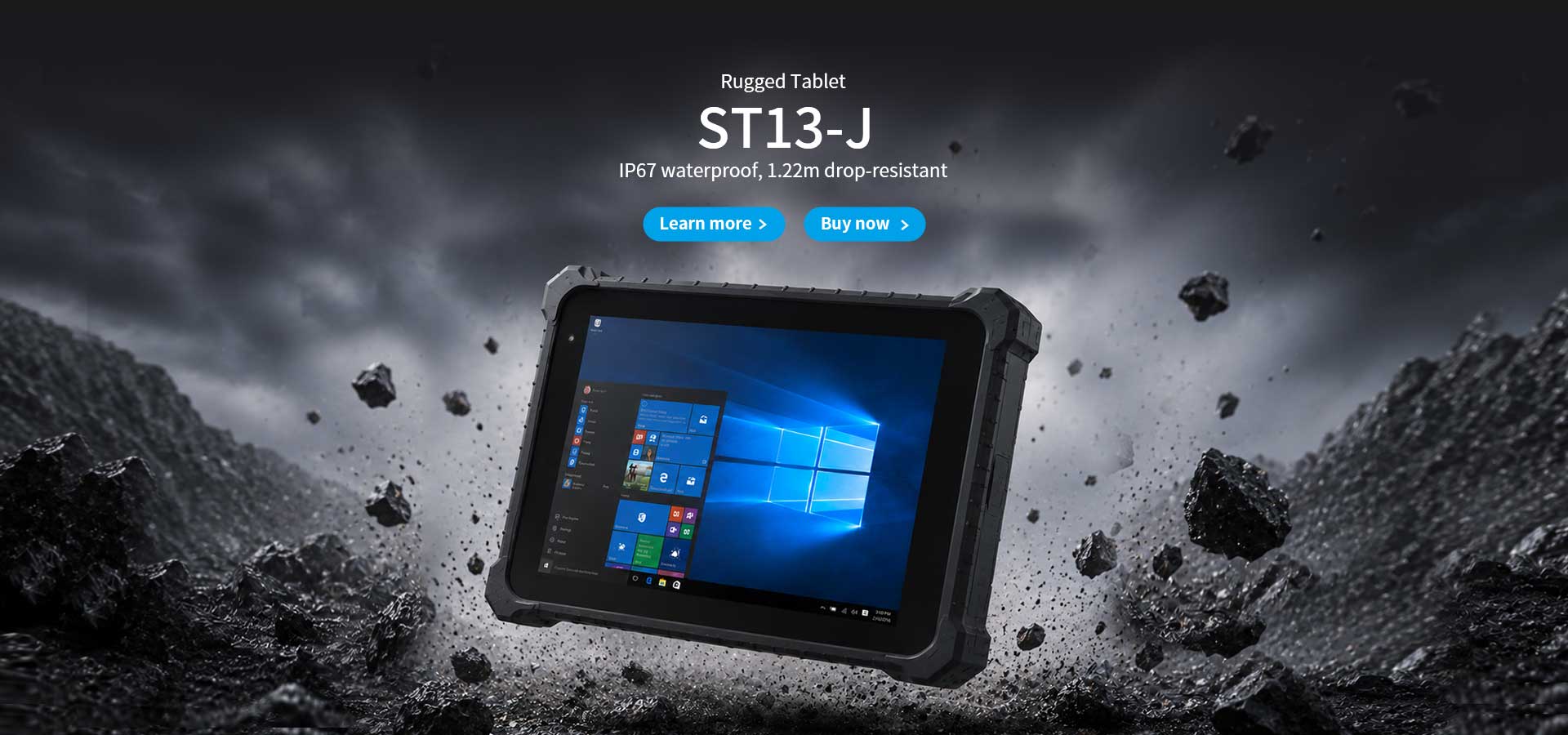
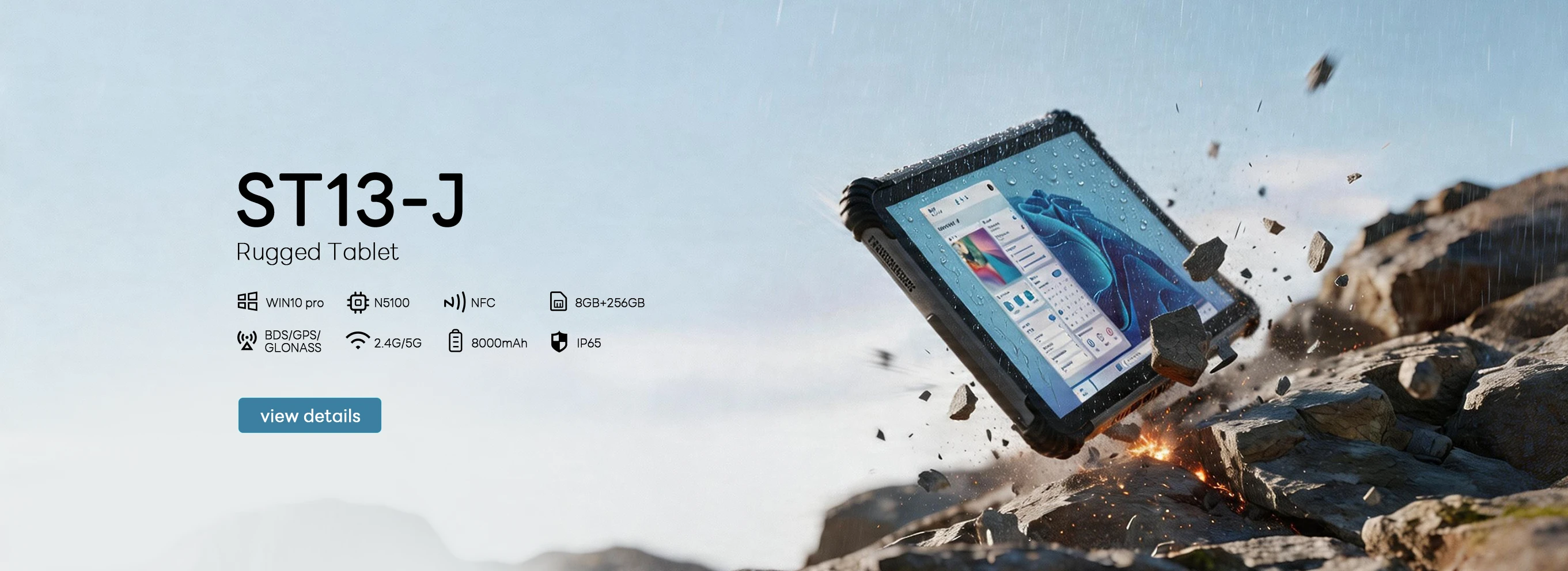
Hotus ST13‑J — large‑screen Windows tablet for supply chain command center operations
Contact HOTUS Technology to discuss your supply chain orchestration needs, request pilot units, or explore custom Windows tablet and Mini PC solutions for digital twin and agentic AI deployments.