Product

news

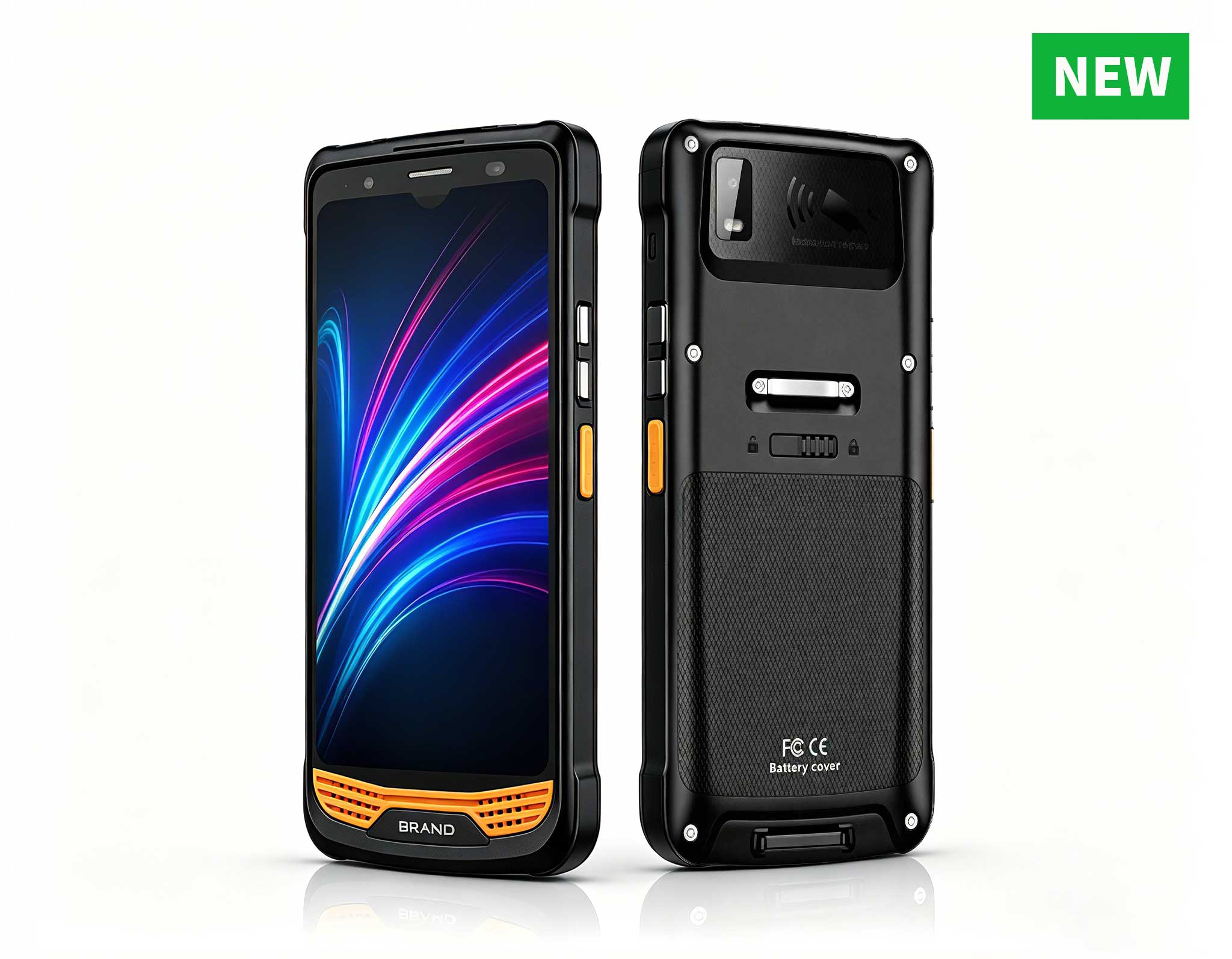
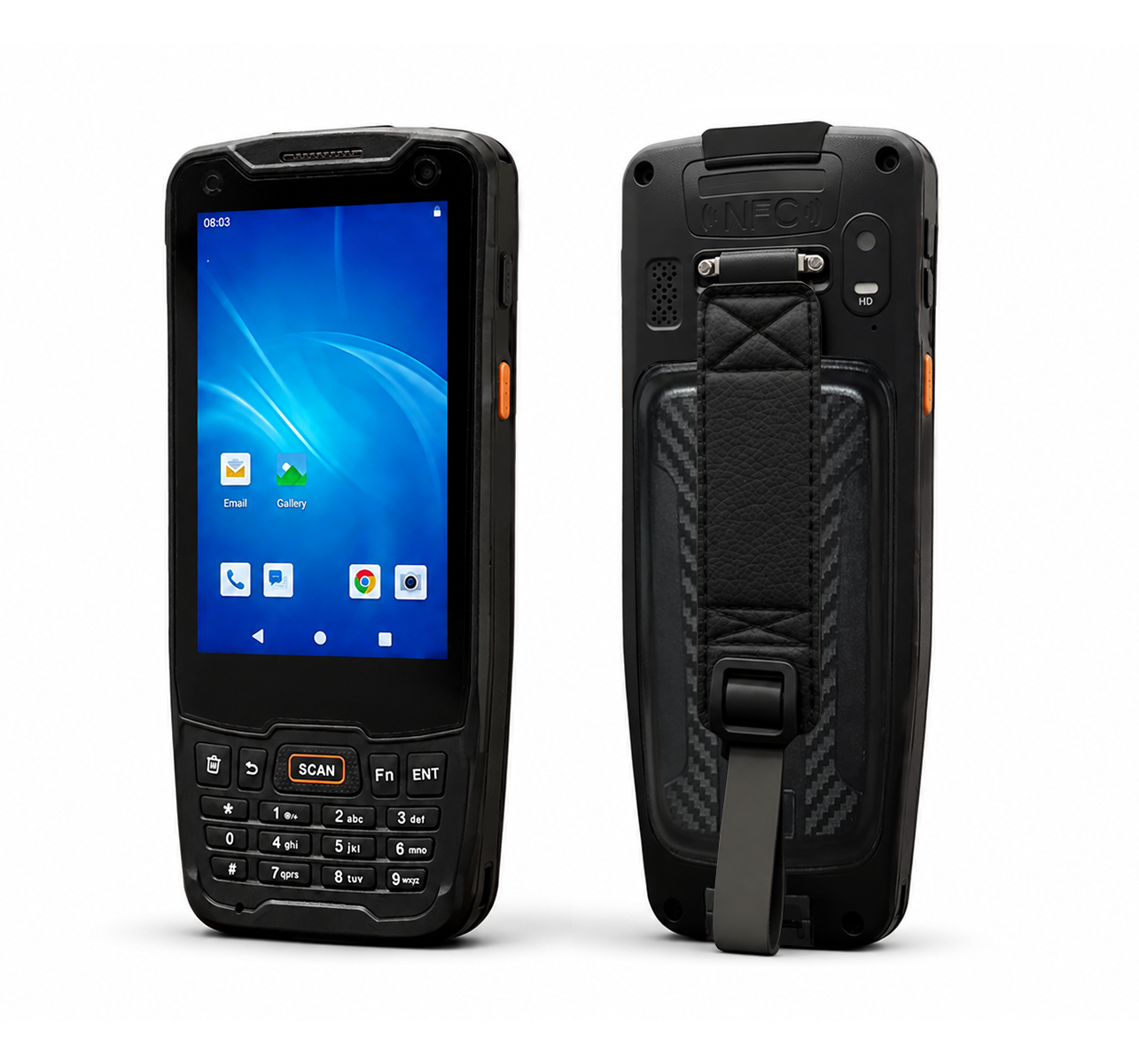
R501 Tag RFID & Barcode Scanner PDA | Rugged Android Handheld Device

2026-04-17

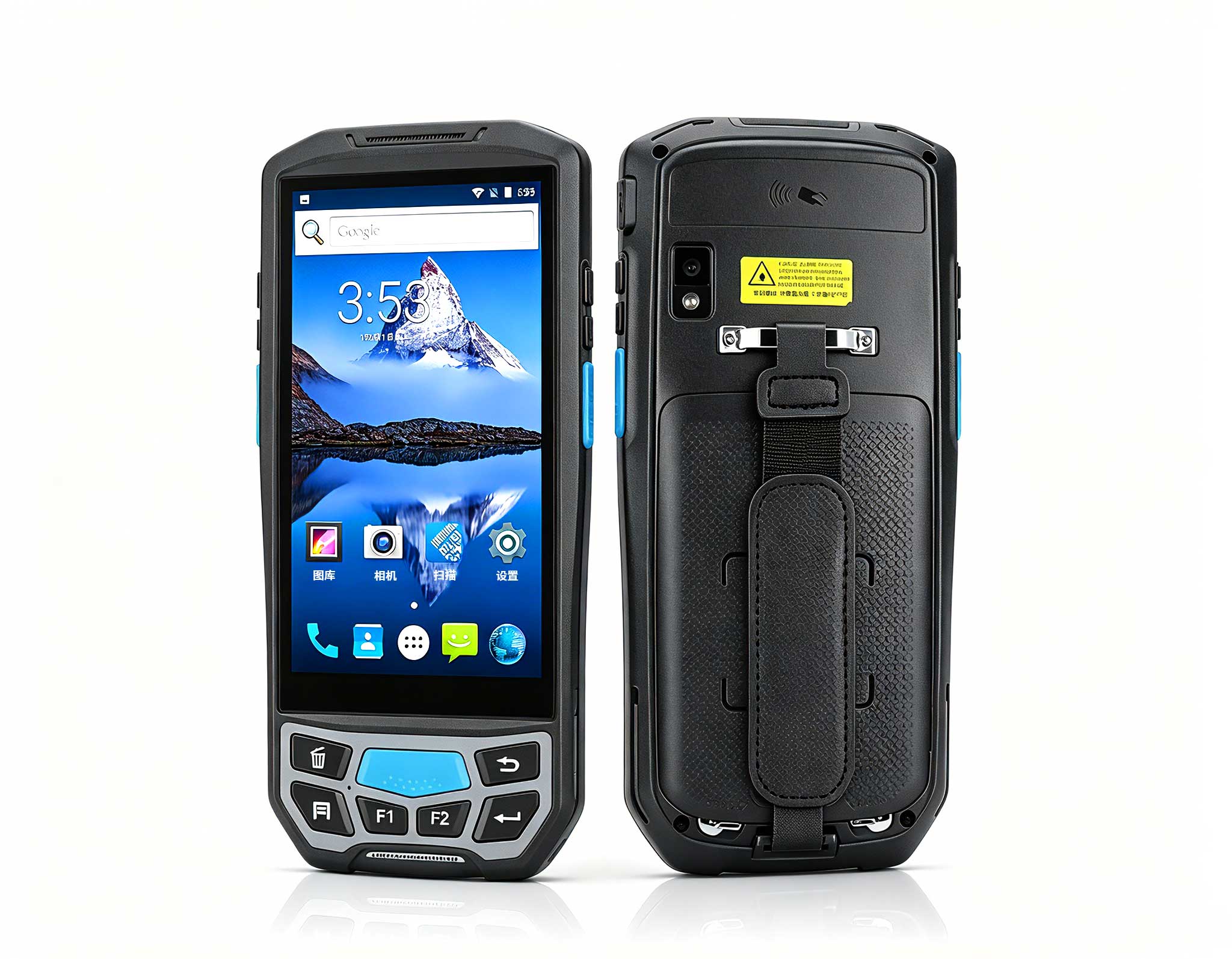
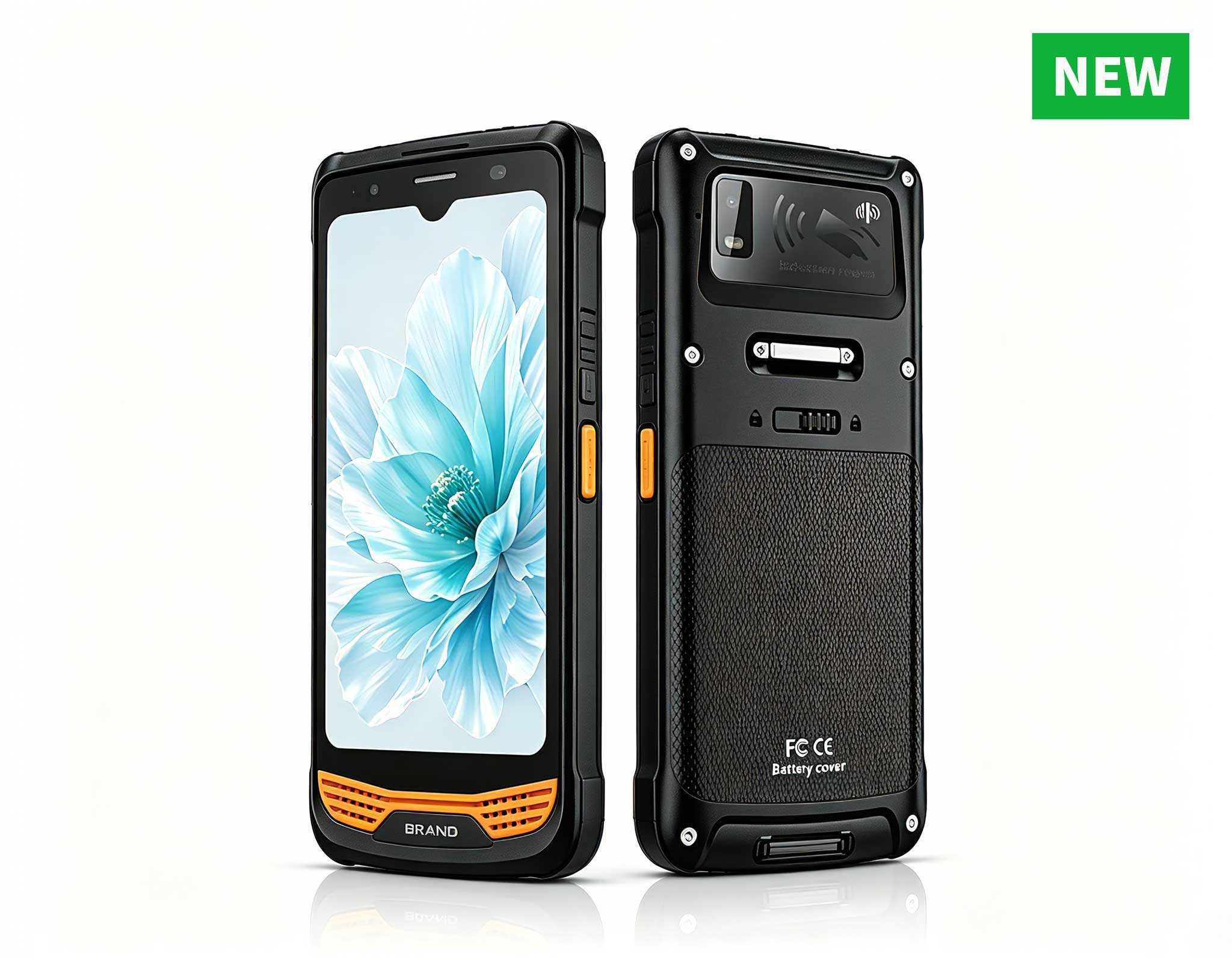
The R501 PDA combines a powerful MT6762 Octa-Core ...

Smart Touch Interactive Projector

2026-04-17

HOUTS HT1500 interactive touch projector, equipped...

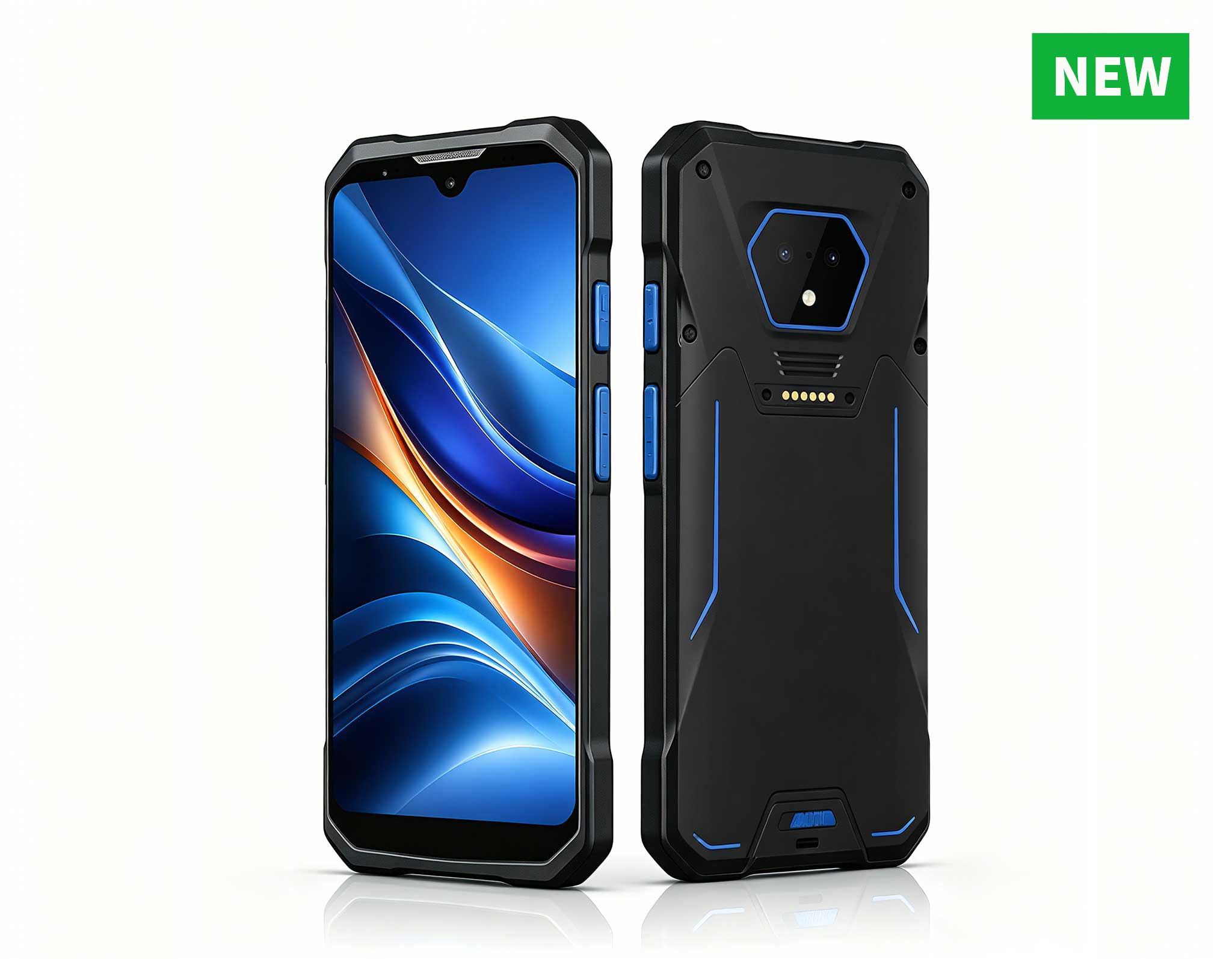
Hotus ST9‑M 8" Rugged Industrial Tablet

2026-04-17

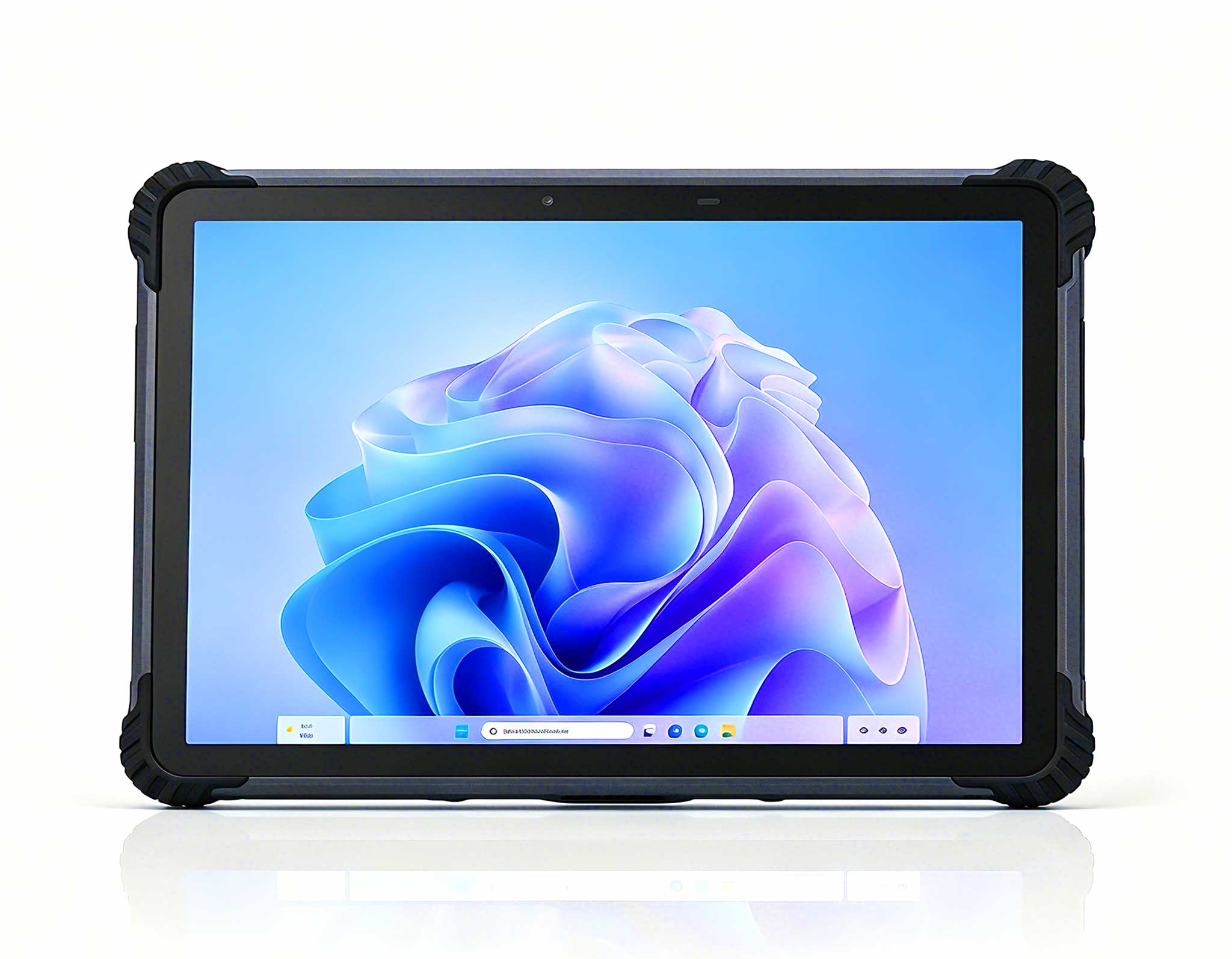
Full SpecificationsModelHotus ST9‑MOSWindows 10/11...

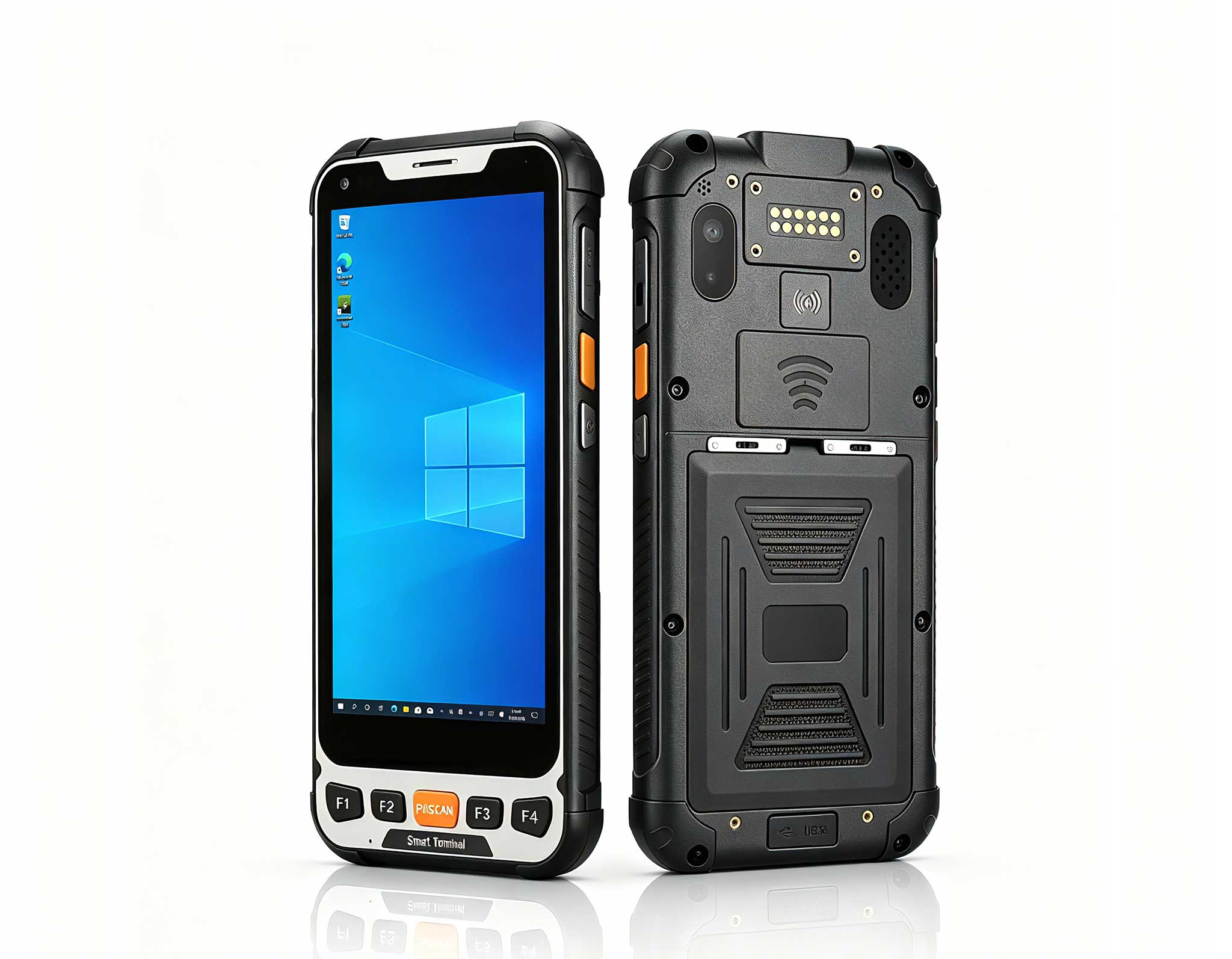
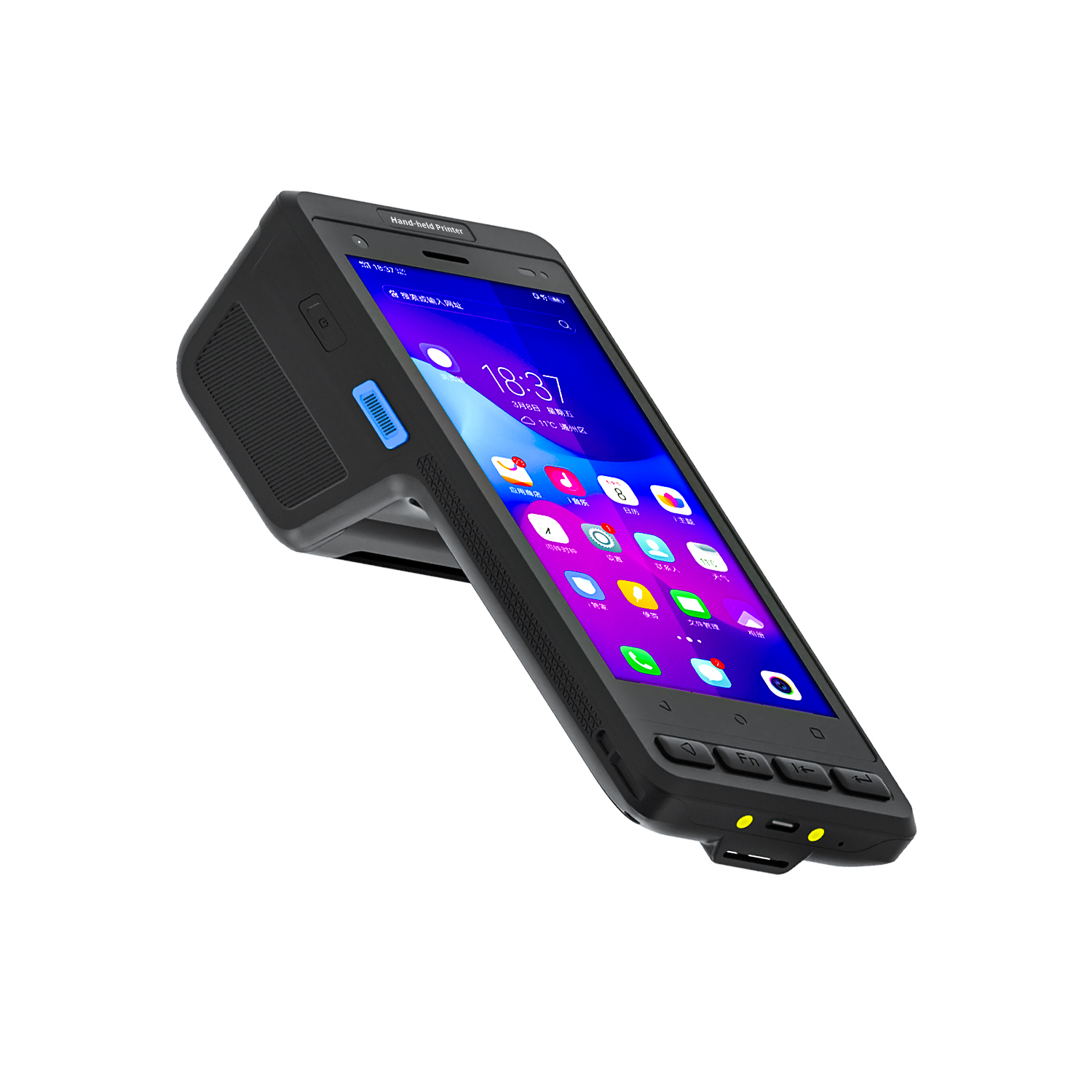
X501 Handheld PDA | Barcode Scanner & RFID Reader

2026-04-17

The X501 Handheld PDA combines advanced barcode sc...

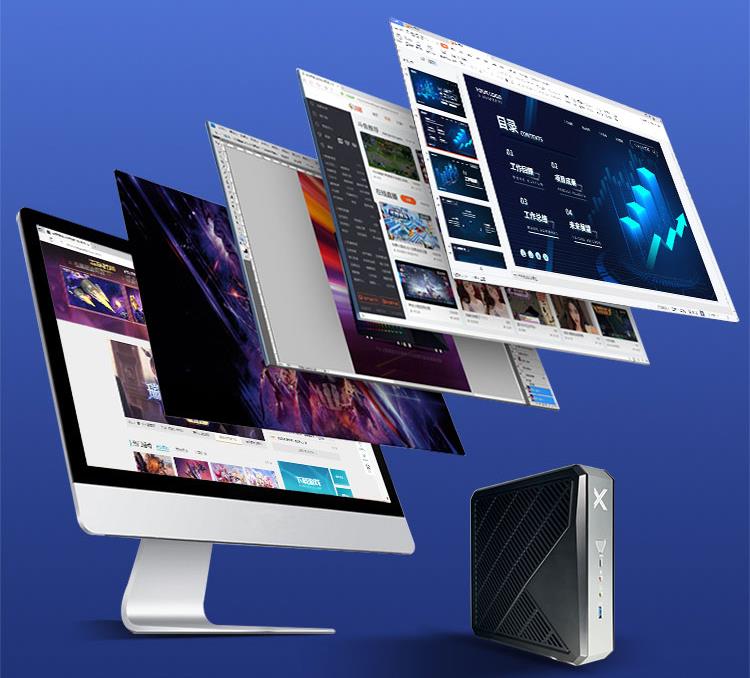
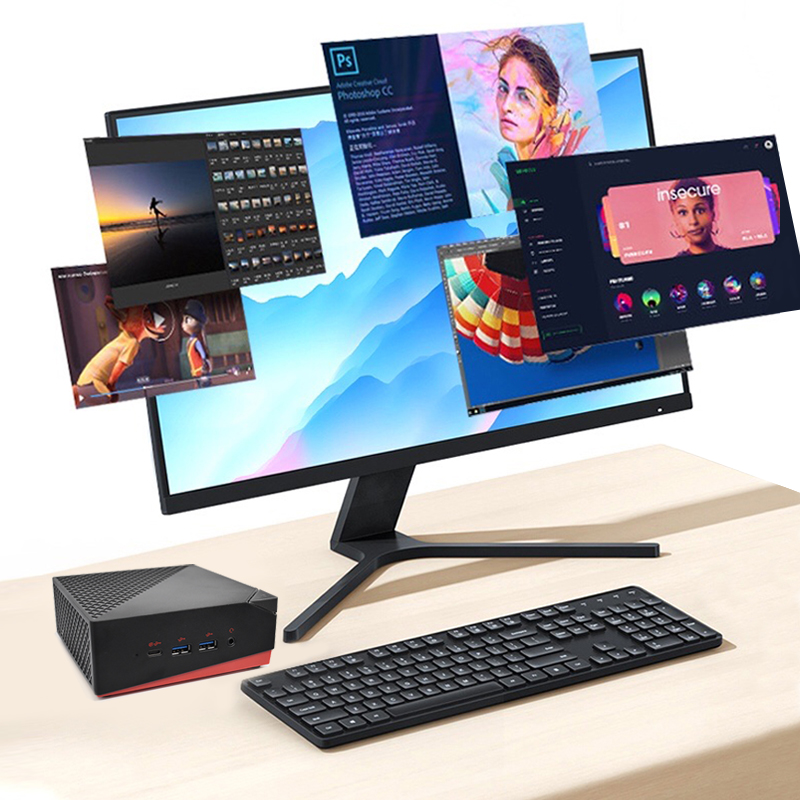
Mini PC HCAR357

2026-04-17

This versatile mini PC is designed for performance...

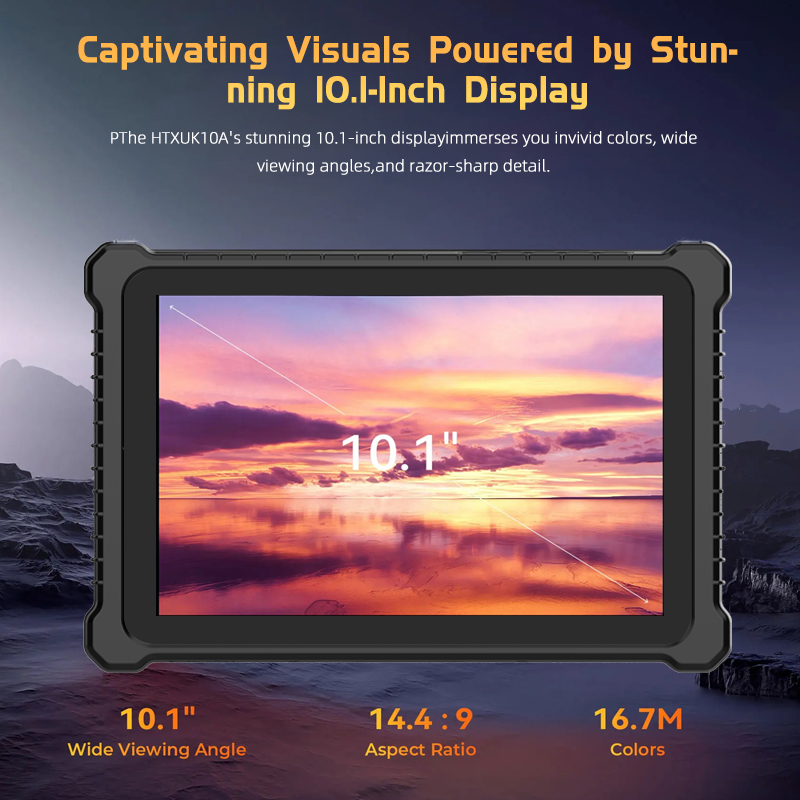
HTXUK10A-55 10" Rugged Tablet

2026-04-17

In industries where reliability, durability, and p...

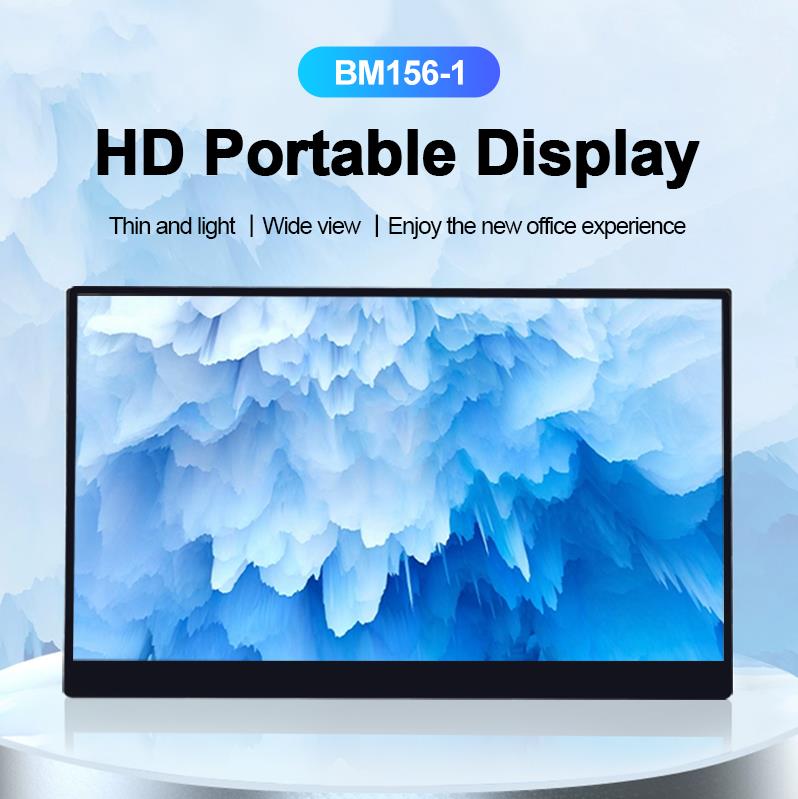
15.6-inch Portable Touch Monitor PM158-1

2026-04-17

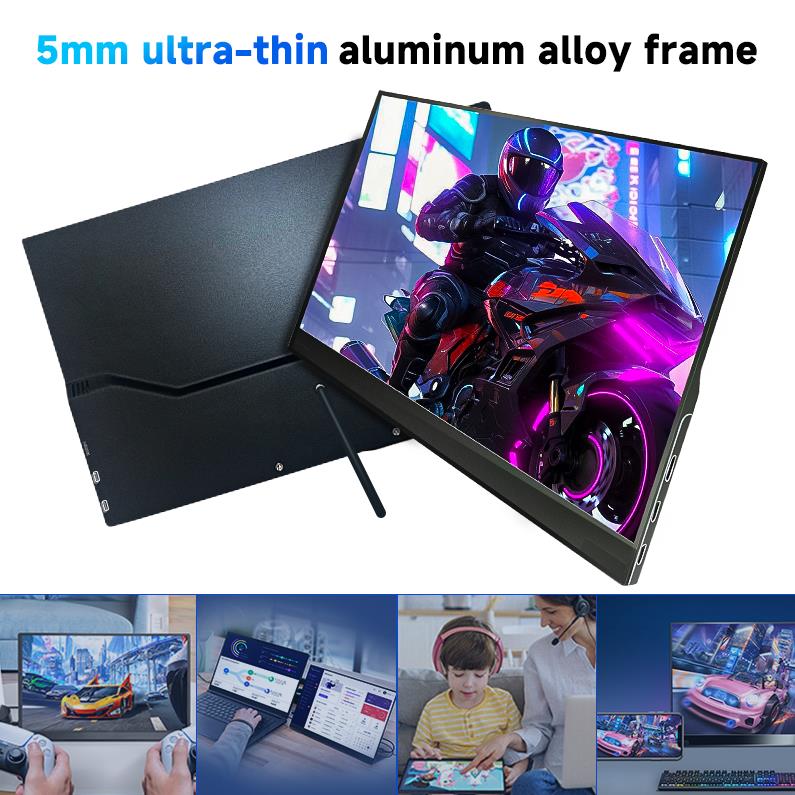
The PM158-1 is a 15.6-inch portable touchscreen mo...

Contact Us

Hotus Technology (Shenzhen) Co., Ltd.
Tel:+86 18922879583
Skype:tiger.wang@richitek.com
E-Mail:tiger.wang@richitek.com
Add: 3 Floor, Building D1, Xintang Industrial Zone, East District, Baishixia Community, Fuyong Street, Baoan District, Shenzhen city, 518100 China
If you have any question,Please contact us,we will give you the best service!
Contact Now

The Generative AI, Agentic AI, Edge Computing, and Digital Twins Convergence in 2026: How Hotus Rugged Handhelds and Tablets Are Powering Smart City Infrastructure Management

2026-04-17
The Generative AI, Agentic AI, Edge Computing, and Digital Twins Convergence in 2026: How Hotus Rugged Handhelds and Tablets Are Powering Smart City Infrastructure Management(图1)

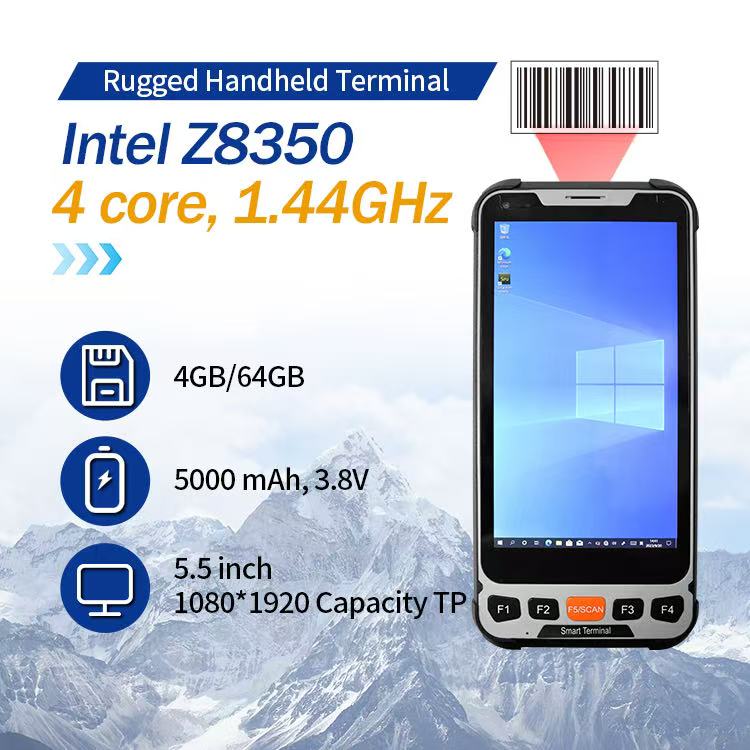
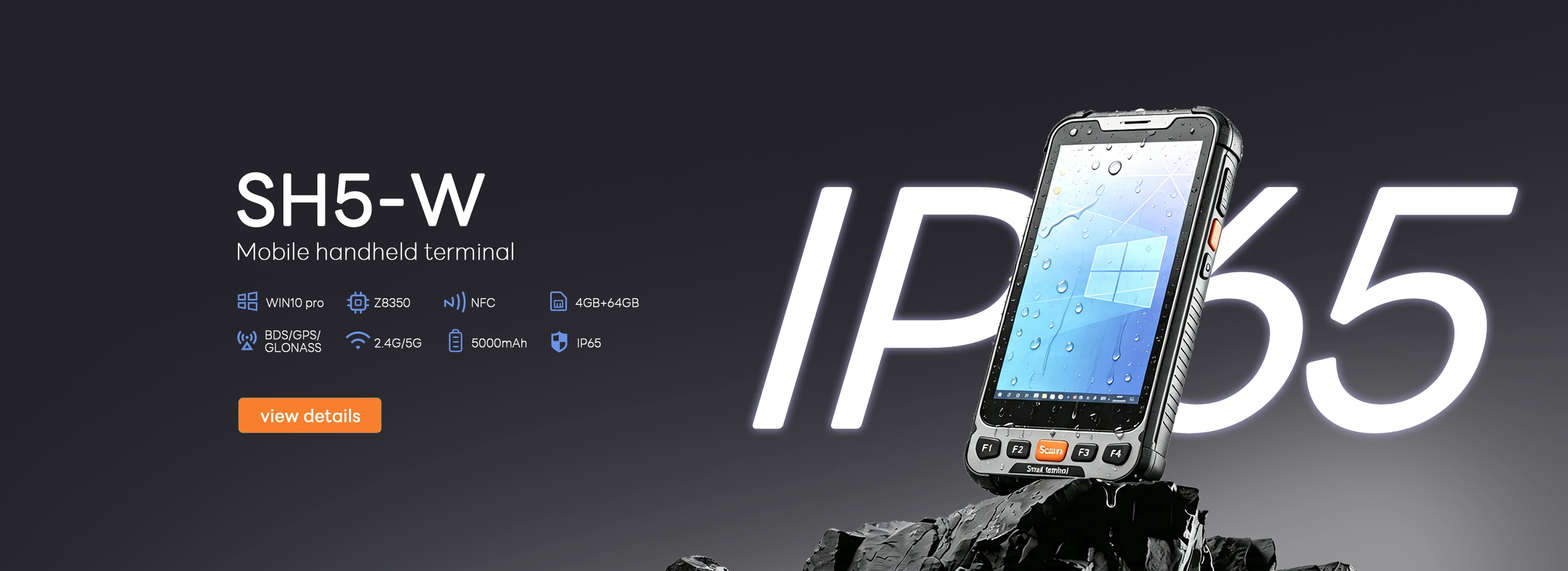
Hotus SH5‑W — Windows rugged handheld for smart city infrastructure digitization

The Generative AI, Agentic AI, Edge Computing, and Digital Twins Convergence in 2026: How Hotus Rugged Handhelds and Tablets Are Powering Smart City Infrastructure Management

By HOTUS Technology | April 2026

Smart city technology has reached a new stage of maturity in 2026, shifting from experimental initiatives to fully    integrated systems that reshape how governments manage urban infrastructure. According to IDC FutureScape 2026,    the convergence of generative AI, agentic AI, edge computing, and digital twins is enabling cities    to achieve a “perceive‑analyze‑decide‑act” closed‑loop autonomy for the first time[reference:26]. Technology is    moving from a tool to a core participant and rule‑shaper in urban governance.

Governments worldwide are accelerating smart city deployments. South Korea‘s K‑City Network project is applying    Korean smart city models to overseas cities based on intergovernmental cooperation, supporting smart city planning    and overseas demonstration of domestic smart solutions[reference:27]. In China, cities like Guangzhou and Gansu are    implementing comprehensive digital transformation of municipal infrastructure — including water supply, drainage,    heating, and utility tunnels — as part of broader smart city initiatives[reference:28].
The Generative AI, Agentic AI, Edge Computing, and Digital Twins Convergence in 2026: How Hotus Rugged Handhelds and Tablets Are Powering Smart City Infrastructure Management(图2)

Digital Infrastructure: The Backbone of Smart Cities

Key trends shaping smart city infrastructure in 2026 include:

  • Edge AI for real‑time response — AI‑powered edge devices process sensor data locally for traffic management, disaster response, and environmental monitoring
  • Digital twins for urban planning — cities create virtual replicas of physical infrastructure to simulate scenarios and optimize operations
  • Agentic AI for autonomous workflow — AI agents automatically trigger maintenance requests, dispatch crews, and reroute traffic during emergencies
  • Municipal infrastructure digitalization — gas pipelines, bridges, water systems, and utility tunnels are being equipped with IoT sensors for real‑time condition monitoring

IDC‘s analysis highlights that generative AI, agentic AI, edge computing, and digital twins are converging to enable    a closed‑loop autonomous urban governance model. The next phase of smart cities is no longer about “adding more systems” —    it is about technology‑driven processes, real‑time edge AI response, and citizen‑centric service delivery[reference:29].

Hotus Solutions for Smart City Infrastructure

Hotus SH5‑W 5.5″ Windows Rugged Handheld — Field Inspector Device
   For field inspectors conducting municipal infrastructure assessments:

  • Pocketable, lightweight design — fits in tool belt or field kit
  • Windows 11 Pro — runs GIS mapping, asset management, and inspection applications
  • IP67 ingress protection — dust‑tight and waterproof for all‑weather field work
  • Integrated GPS/GLONASS/Galileo — precise location tracking for asset mapping
  • Long battery life — full shift operation for inspectors
  • Glove‑compatible touchscreen — usable with work gloves in all weather conditions

Hotus ST11‑U 10.1″ Windows Rugged Tablet — Supervisor Console
   For infrastructure managers and control room operators:

  • High‑brightness 1000+ nit display — readable in bright outdoor and control room lighting
  • Windows 11 Pro — runs digital twin platforms and city management systems
  • IP67 ingress protection — durable enough for field and control center use
  • Hot‑swappable battery — 24/7 operation for critical infrastructure monitoring
  • Optional UHF RFID — asset tracking for city infrastructure components

Case Study: Municipal Utility Deploys Digital Infrastructure Management

A major municipal utility managing 5,000 miles of water and sewer infrastructure deployed    300 SH5‑W handhelds and 50 ST11‑U tablets for field inspection and asset management.    Results after 12 months:
  • Inspection time reduced by 45% — digital forms replaced paper checklists
  • Asset location accuracy improved by 95% — GPS‑tagged inspections eliminated mapping errors
  • Maintenance response time reduced from 48 hours to 12 hours — real‑time work order dispatch
  • Regulatory compliance documentation time reduced by 70% — searchable digital records
  • Device replacement rate: 3% (compared to 35% with consumer devices previously used)
  • Annual paper usage eliminated: 50,000+ sheets — environmental and efficiency gains
  • ROI achieved in 10 months
The Generative AI, Agentic AI, Edge Computing, and Digital Twins Convergence in 2026: How Hotus Rugged Handhelds and Tablets Are Powering Smart City Infrastructure Management(图3)

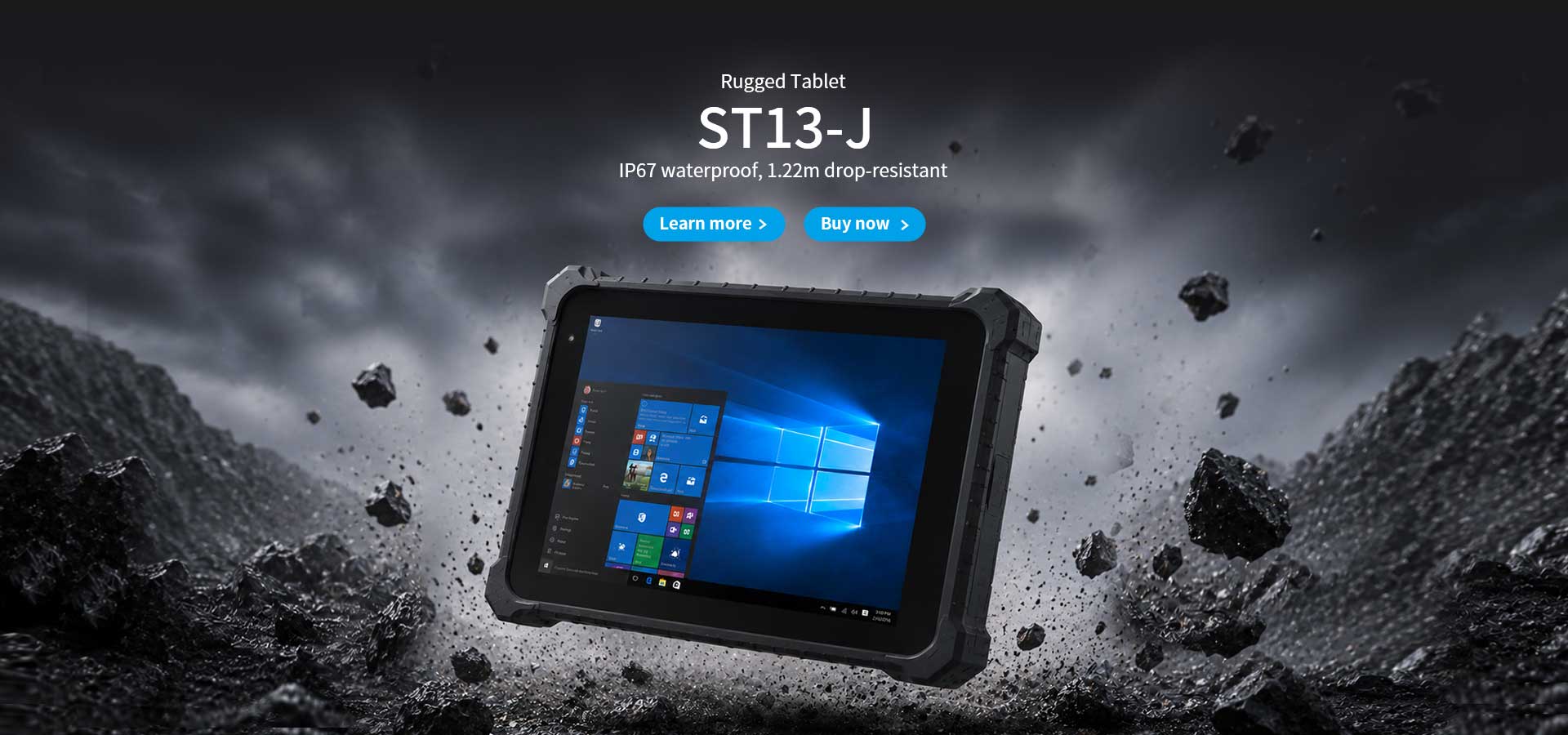
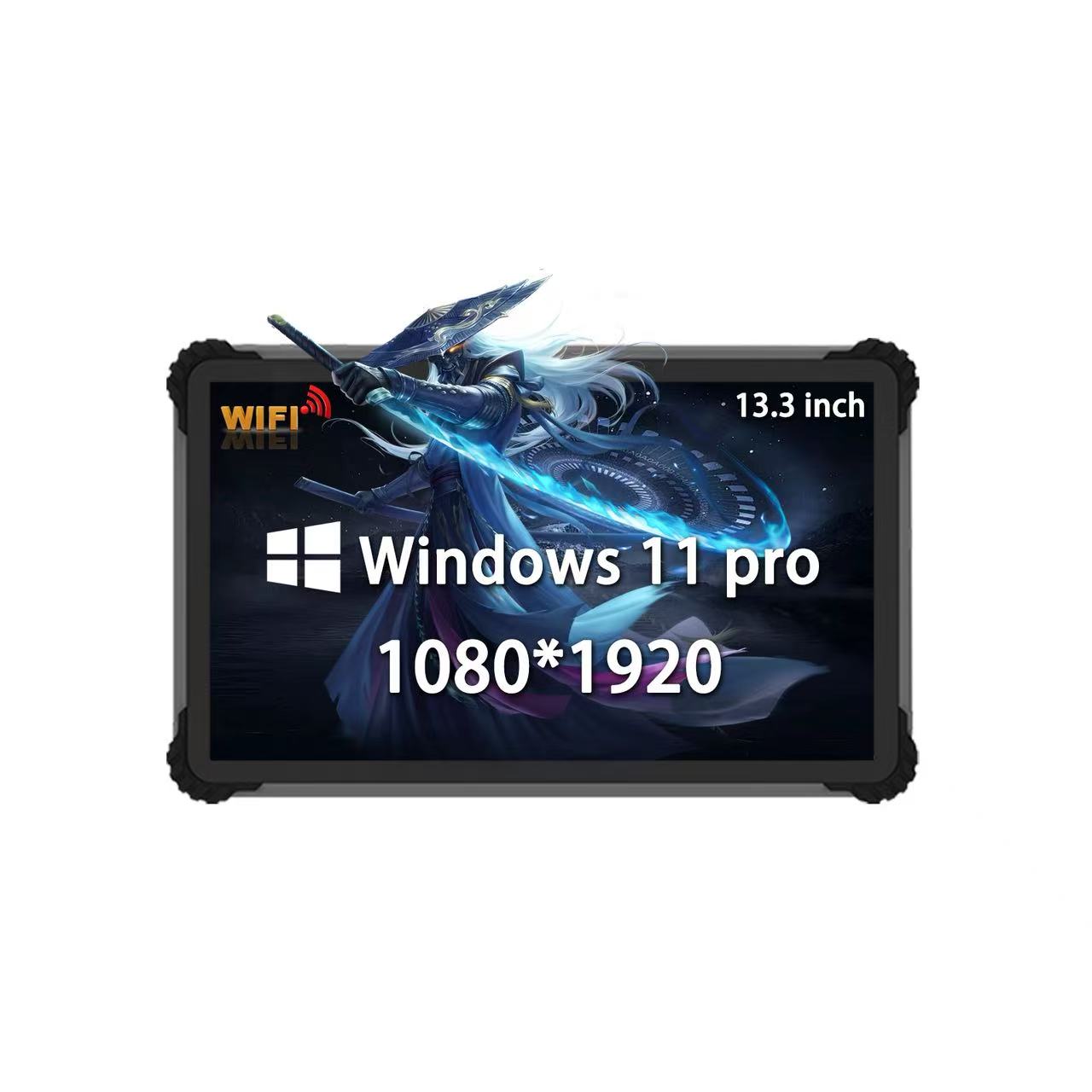
Hotus ST13‑U — large‑screen Windows tablet for smart city control room dashboards

Contact HOTUS Technology to discuss your smart city infrastructure needs, request pilot units,    or explore custom Windows rugged handheld and tablet solutions for municipal digital transformation.

×

Contact us

email:
name:
subject :
content: