- Select Language
The X501 Handheld PDA combines advanced barcode sc...
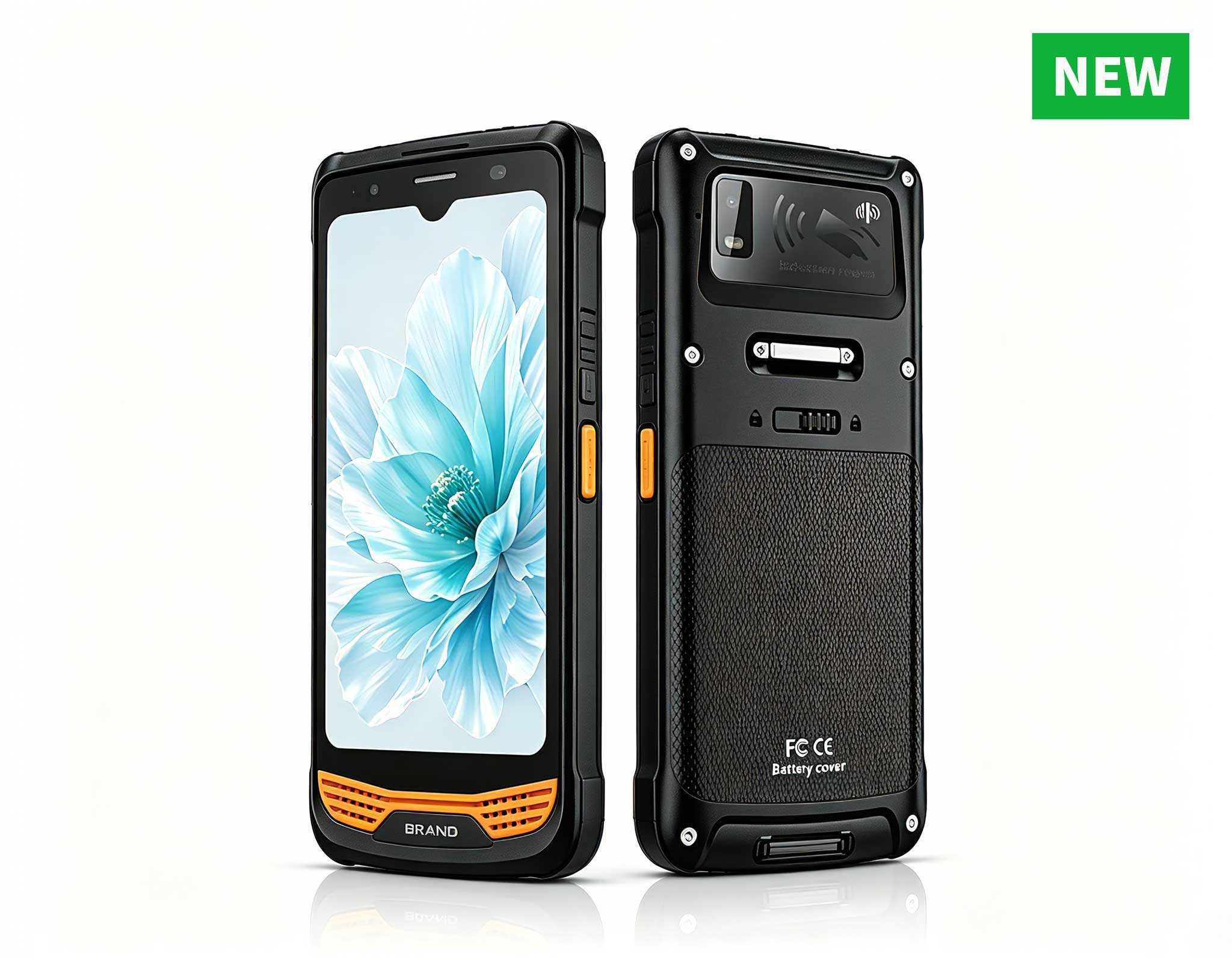
P11 Series Next-Gen Enterprise Rugged Industrial ...
R366-S Thin 5.5-inch Industrial PDA | Qualcomm Oct...
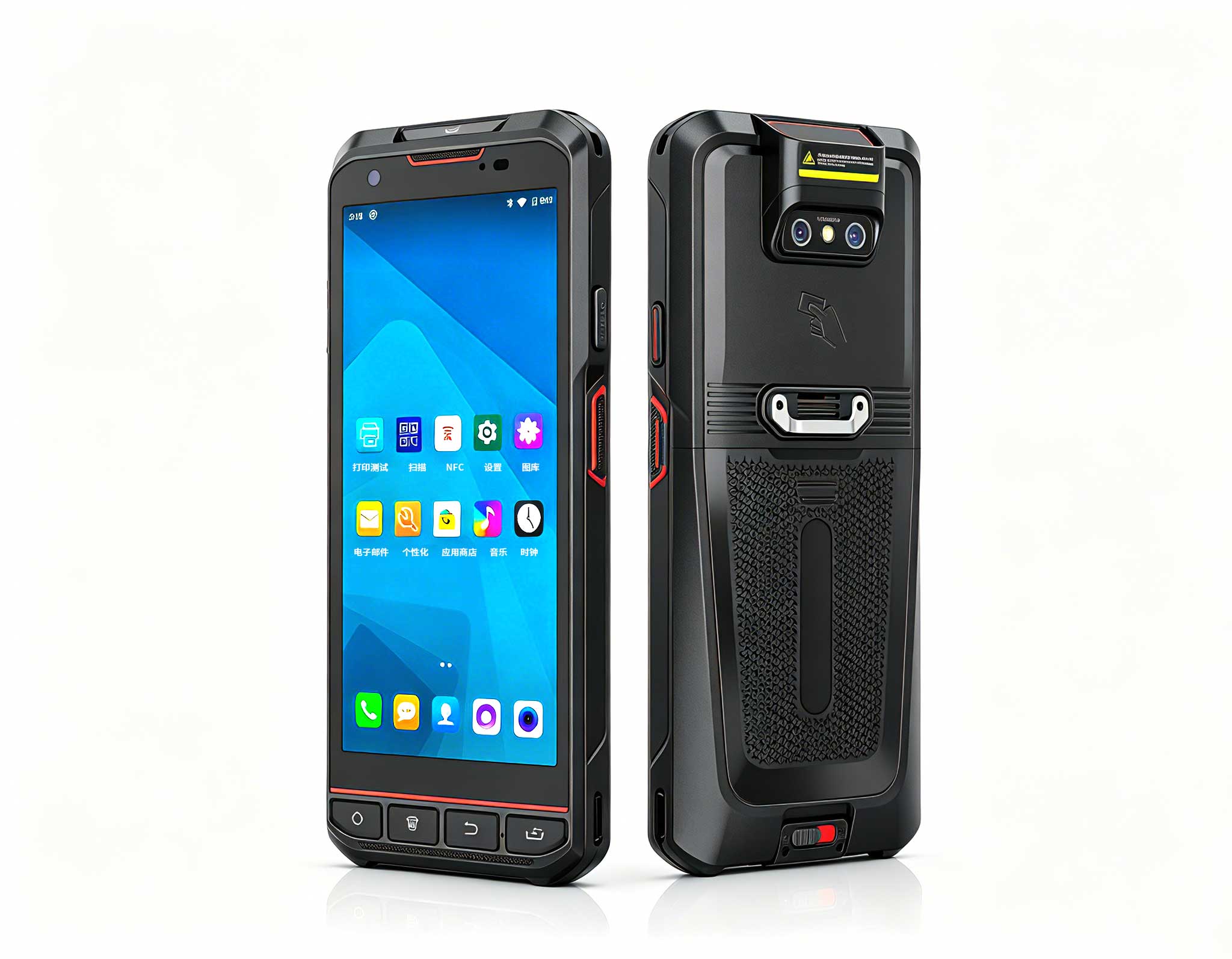
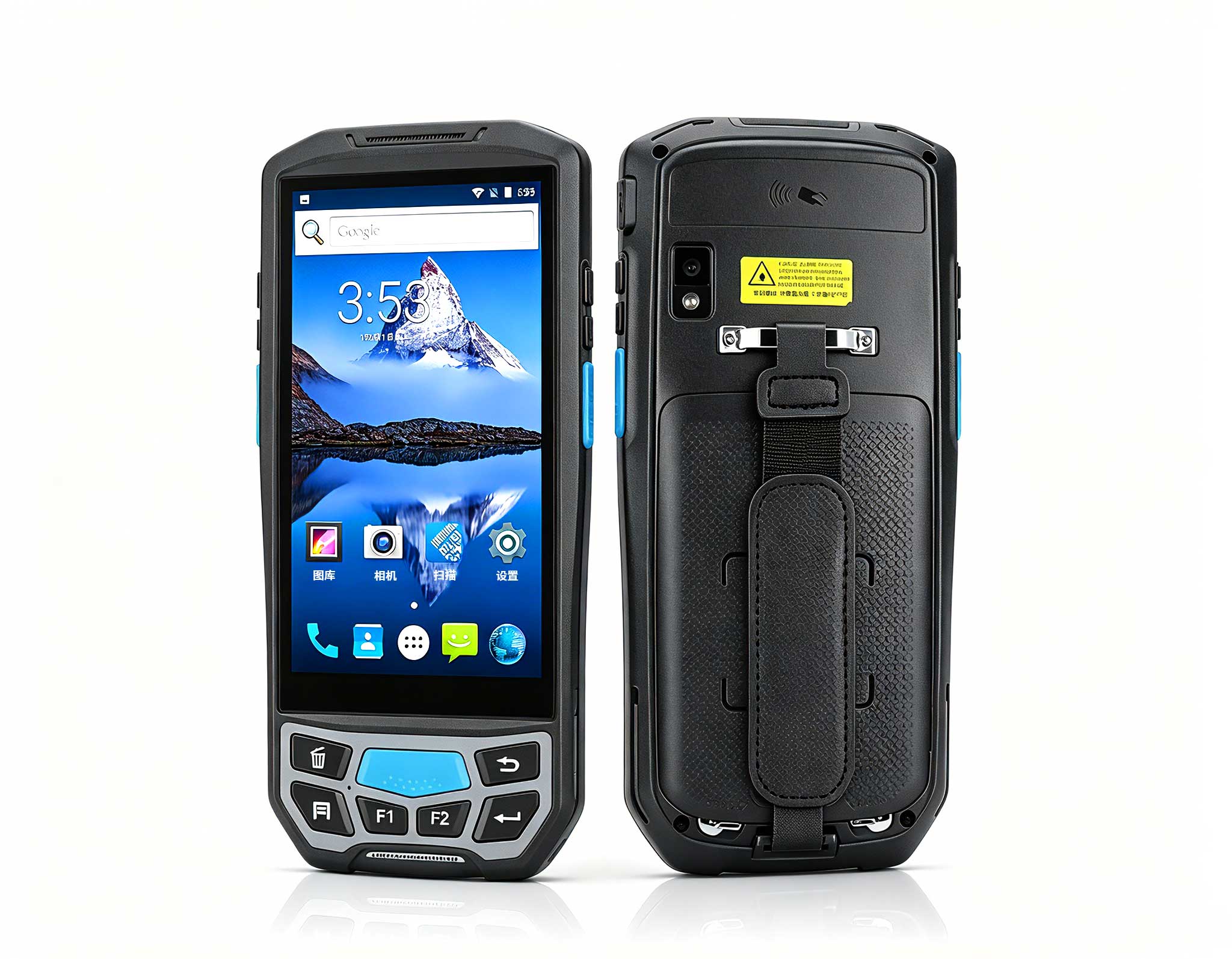
The U9000 handheld PDA combines advanced barcode s...
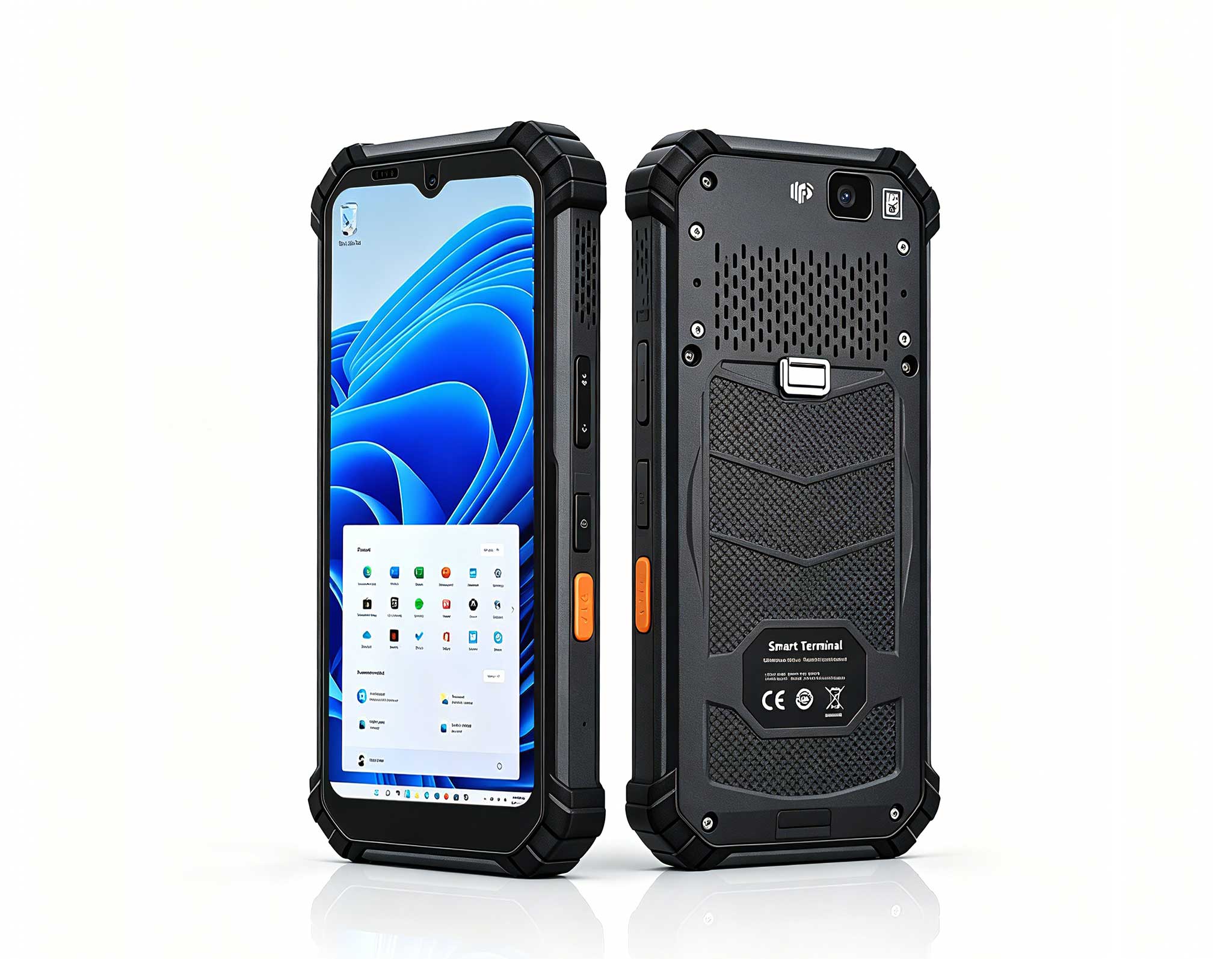
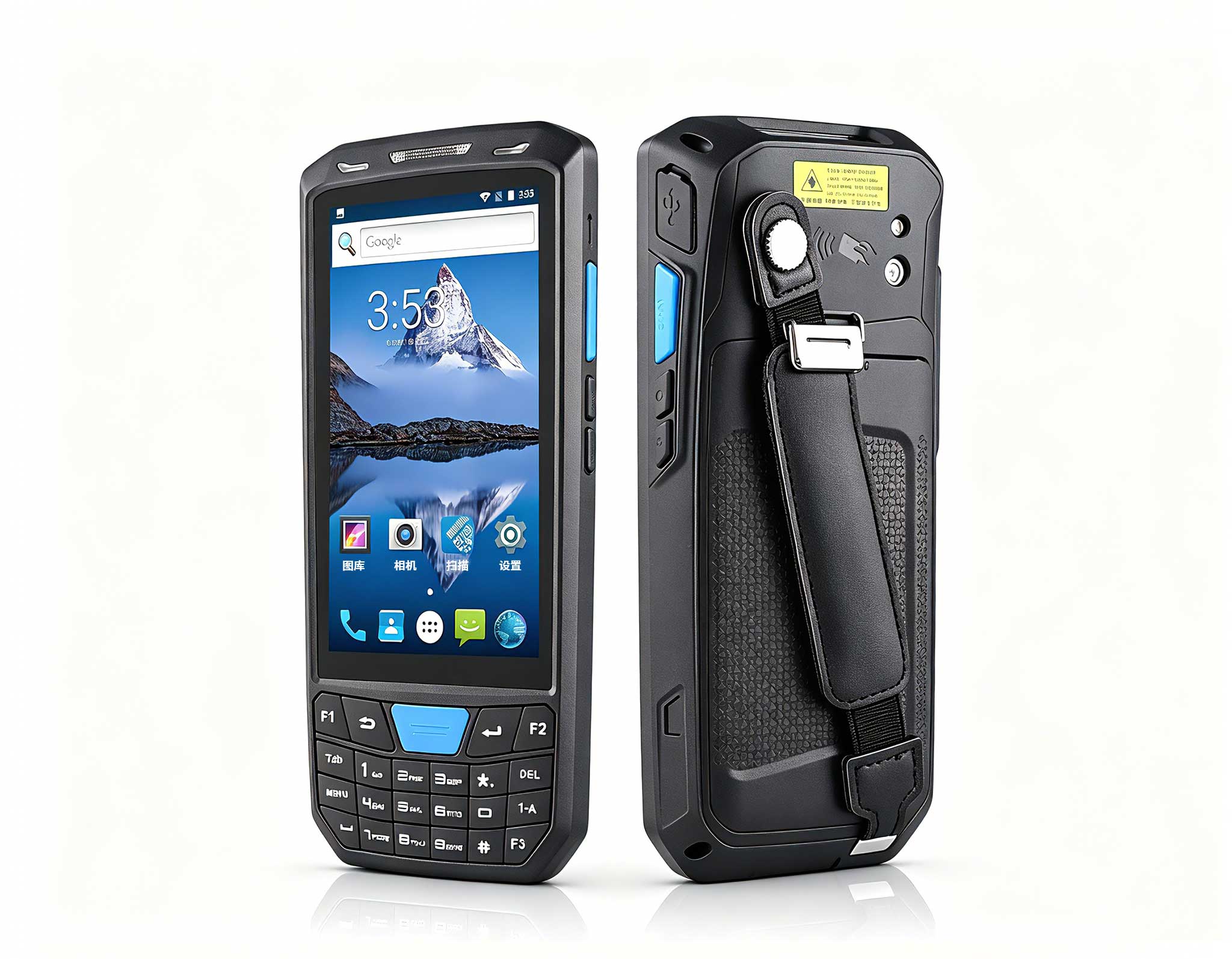
The T80 handheld PDA combines advanced barcode sca...
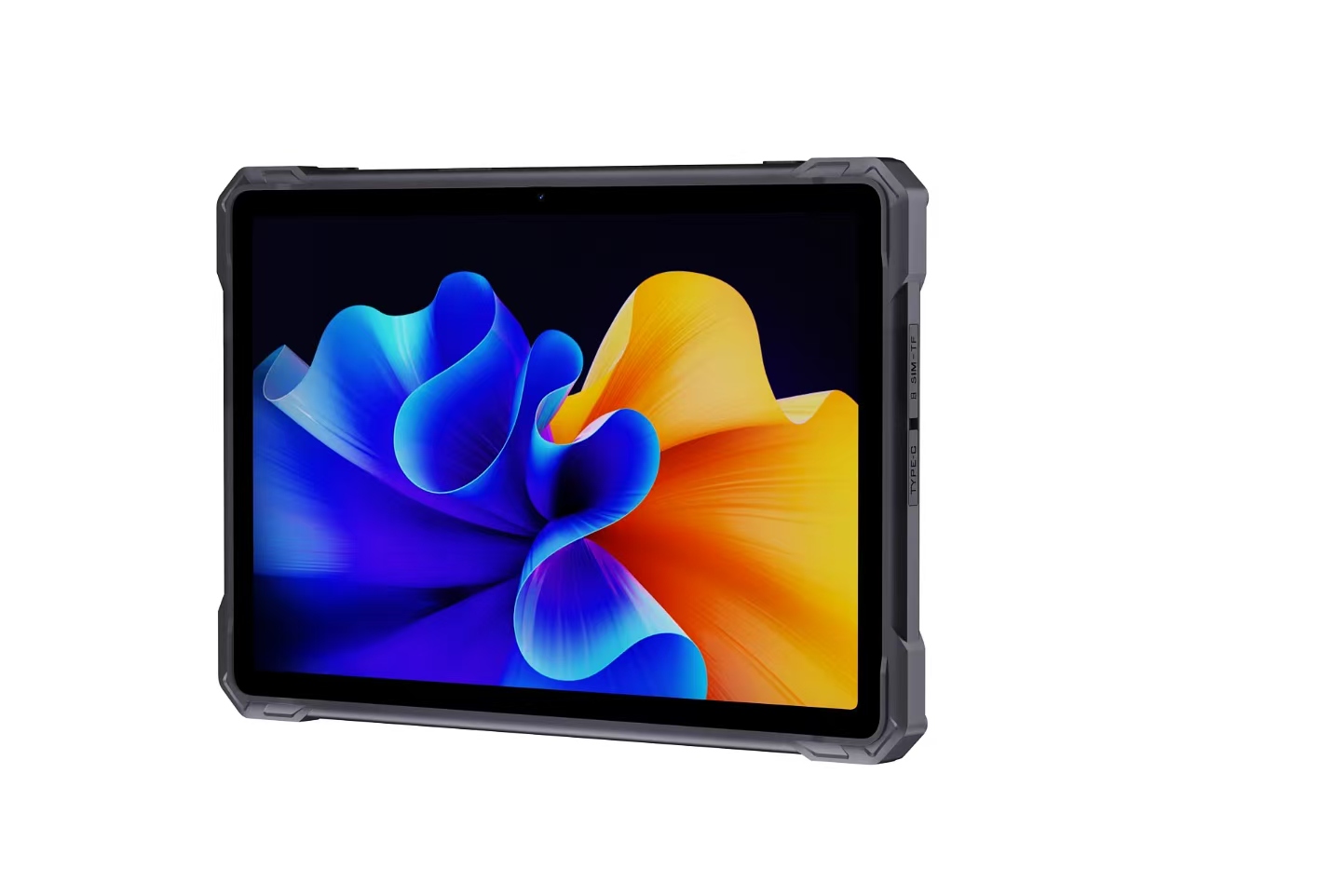
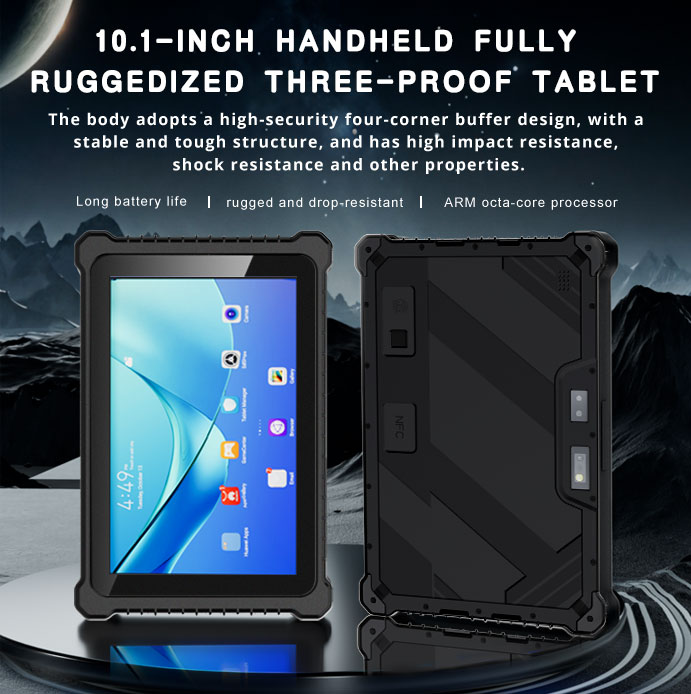
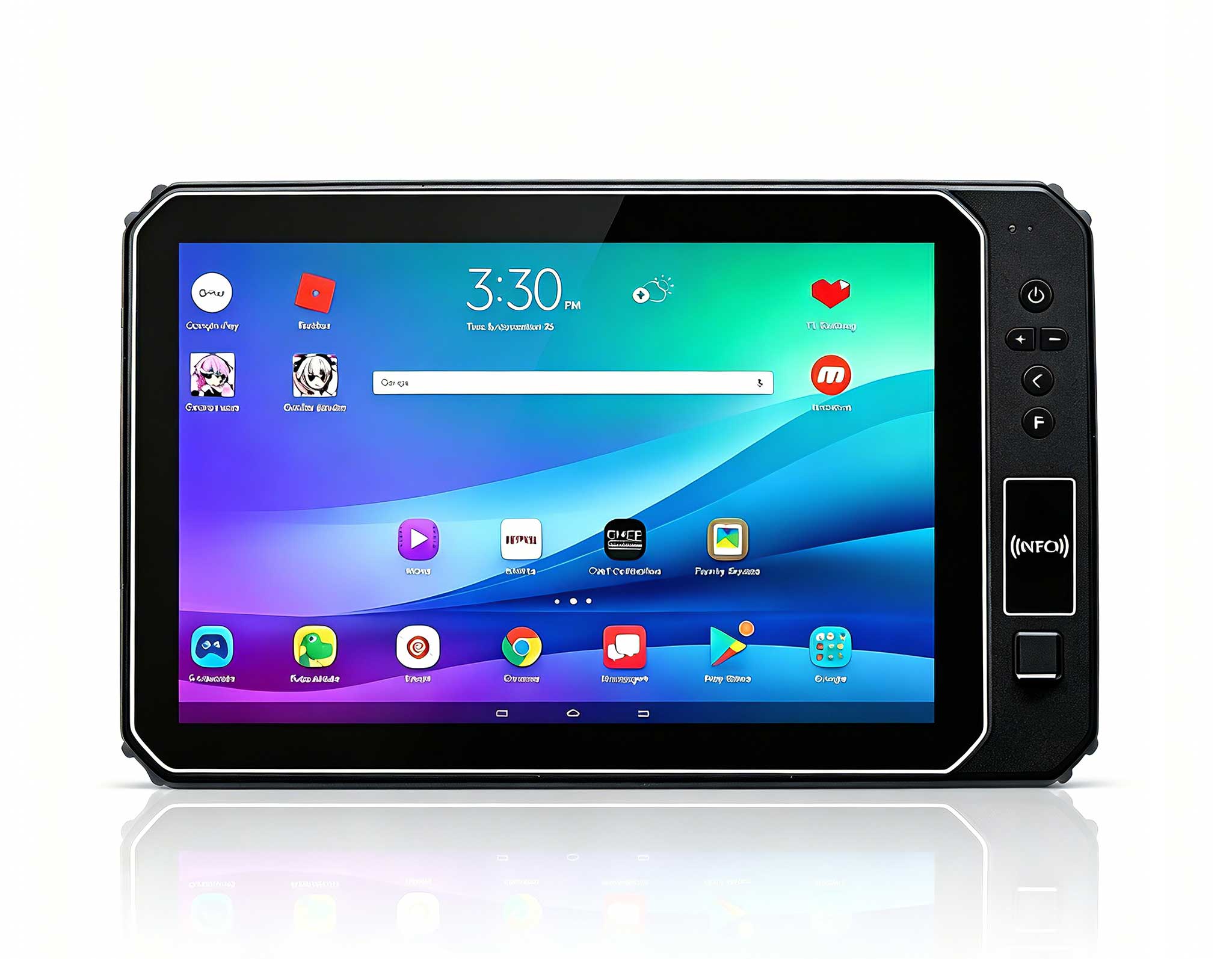
This 10-inch Android rugged tablet is designed for...
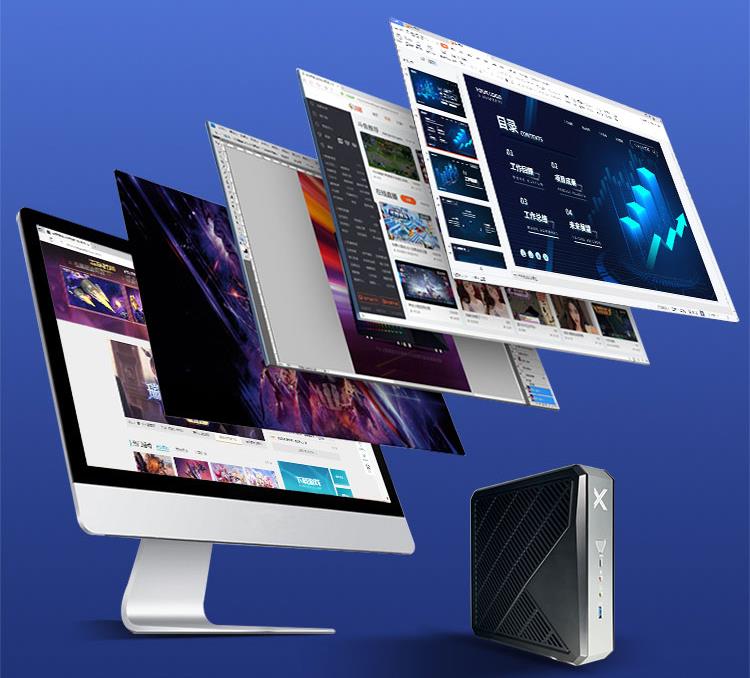
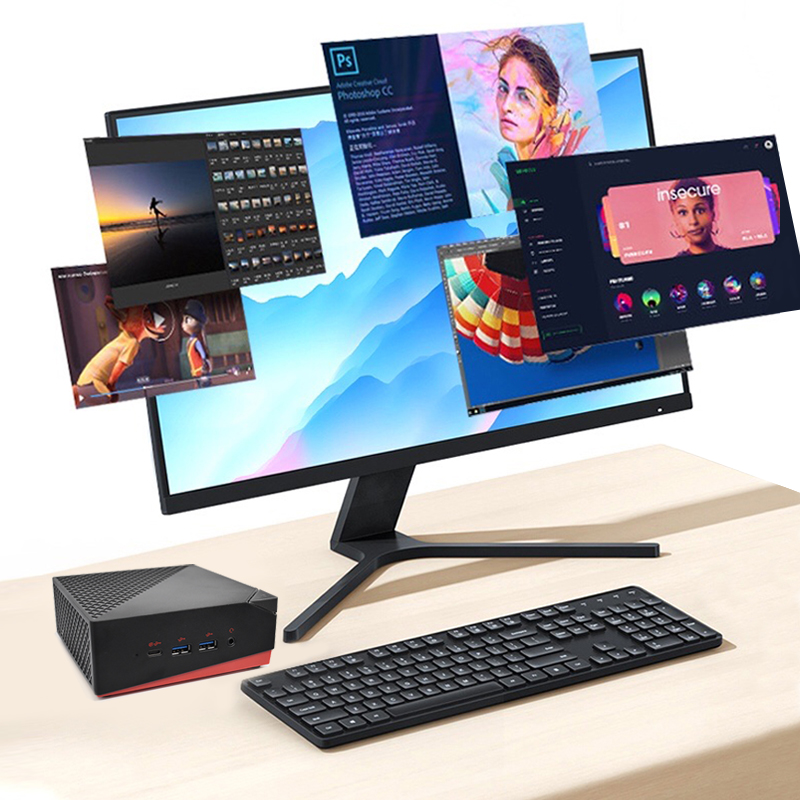
The AMD Mini PC Windows 10 Pro is a compact yet po...
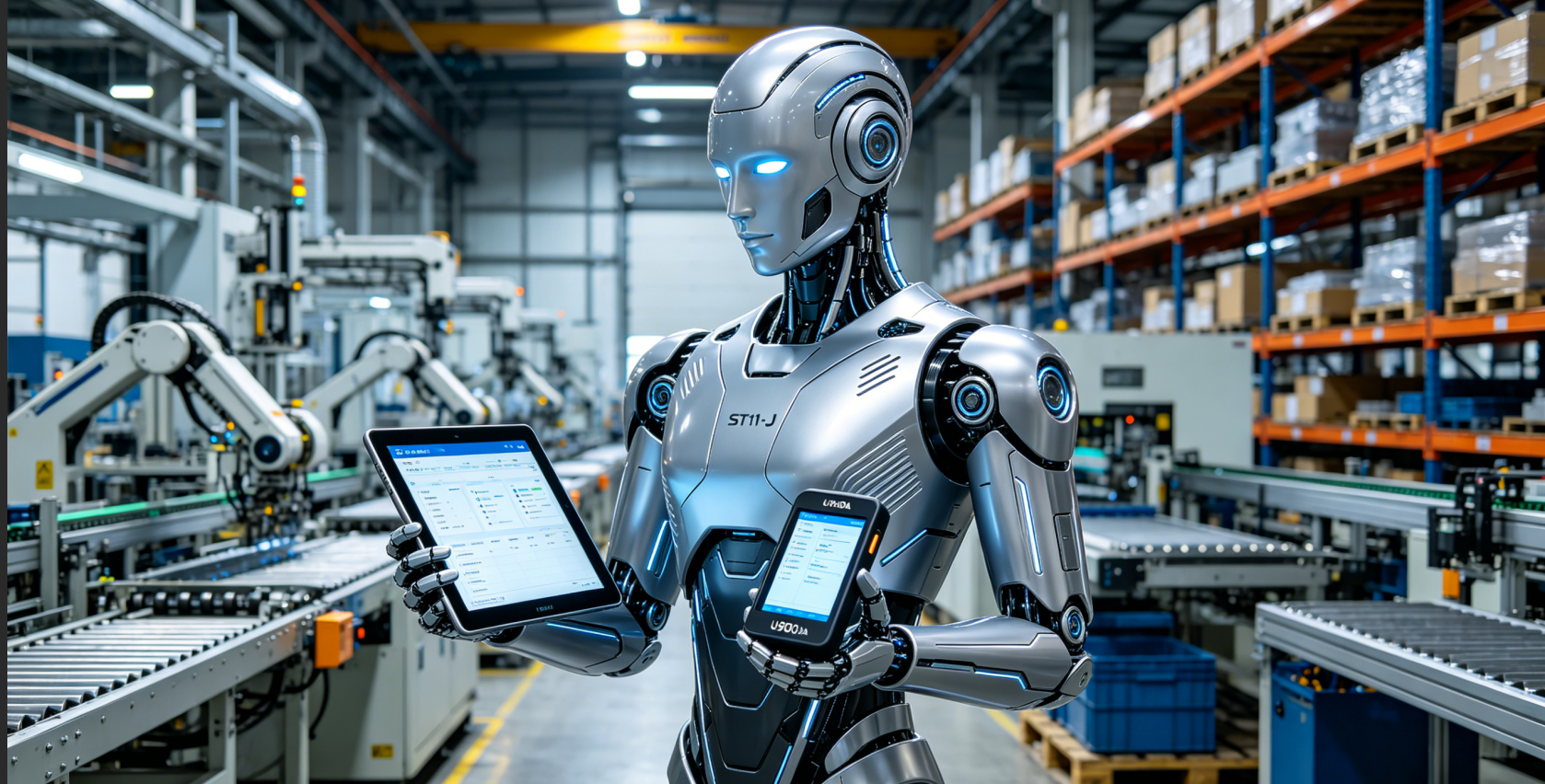
Hotus ST11‑J — Windows tablet for humanoid robot fleet command and supervision
By HOTUS Technology | April 2026
On April 14, 2026, something remarkable happened in a tablet manufacturing factory in Nanchang, China. Zhiyuan Robotics‘ humanoid robot, Spirit G2, worked alongside human operators for eight continuous hours with zero major exceptions. The robot performed precision material handling and human‑robot collaborative assembly on a high‑speed production line. Single‑step cycle time: 18–20 seconds. Throughput: 310 units per hour. Overall success rate: 99.5%.
This wasn‘t a one‑off demonstration. According to industry data, global humanoid robot shipments exceeded 18,000 units in 2025, a staggering 500% year‑over‑year increase. Domestic robot industry financing exceeded 38 billion RMB in 2025, with another 16 billion RMB pouring in during January 2026 alone. The International Data Corporation (IDC) predicts that the global smart robot hardware market will approach $30 billion in 2026, with China becoming the core driver of market expansion. By 2026, China‘s embodied AI robot market is expected to surpass $11 billion.
Here‘s what the headlines don‘t tell you: robots don‘t manage themselves. Every humanoid robot on a factory floor requires supervision, task assignment, exception handling, and performance monitoring. And that‘s where the unsung heroes of automation come in — the humans with rugged mobile devices who manage the robot fleet.
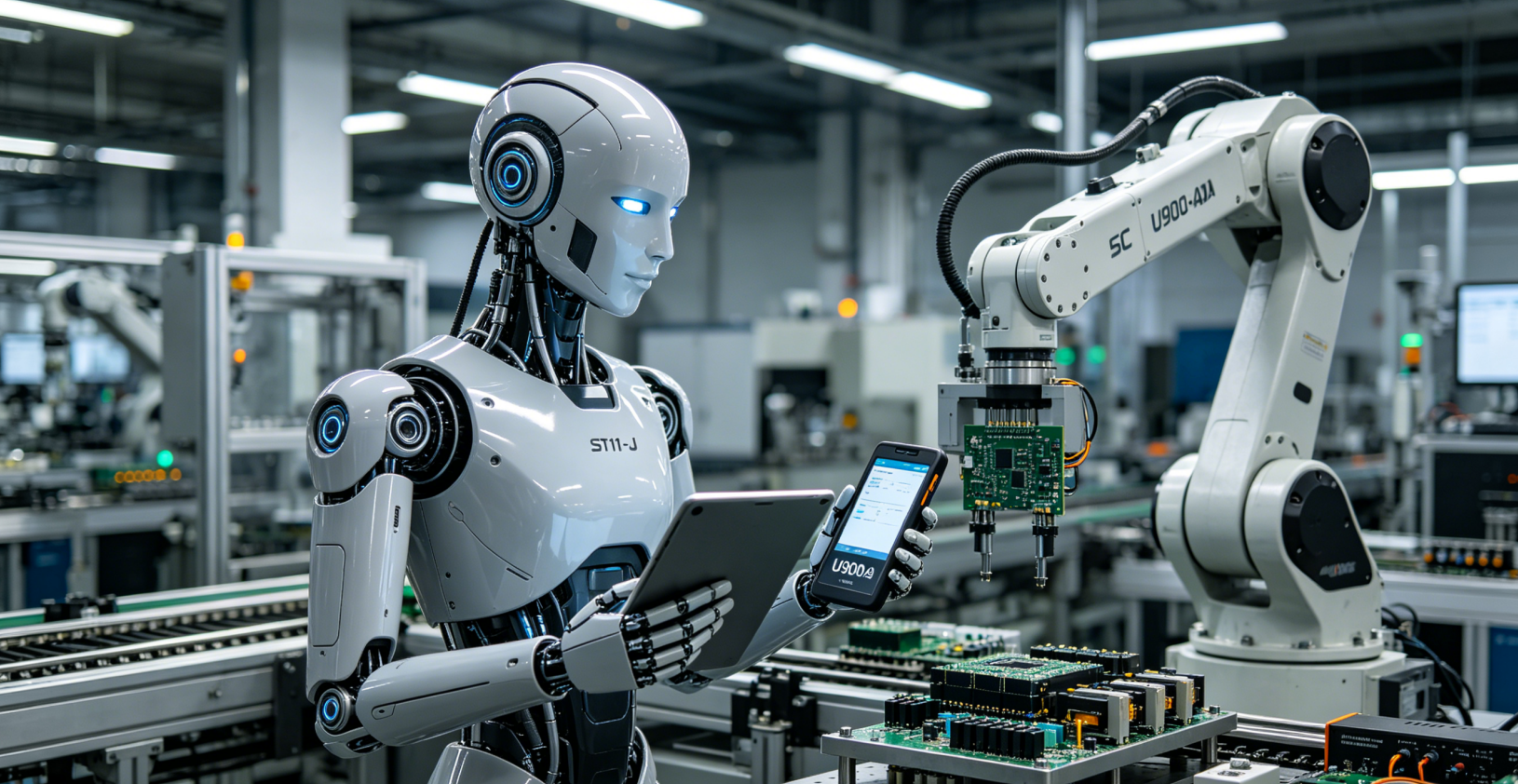
The industry is rapidly moving from proof‑of‑concept single‑robot deployments to multi‑robot collaborative operations. Industry experts note that industrial products will inevitably move toward “point‑to‑area, cluster operations” — a single robot can only validate the concept; multi‑robot collaborative systems and supporting backend management are what truly meet customer needs.
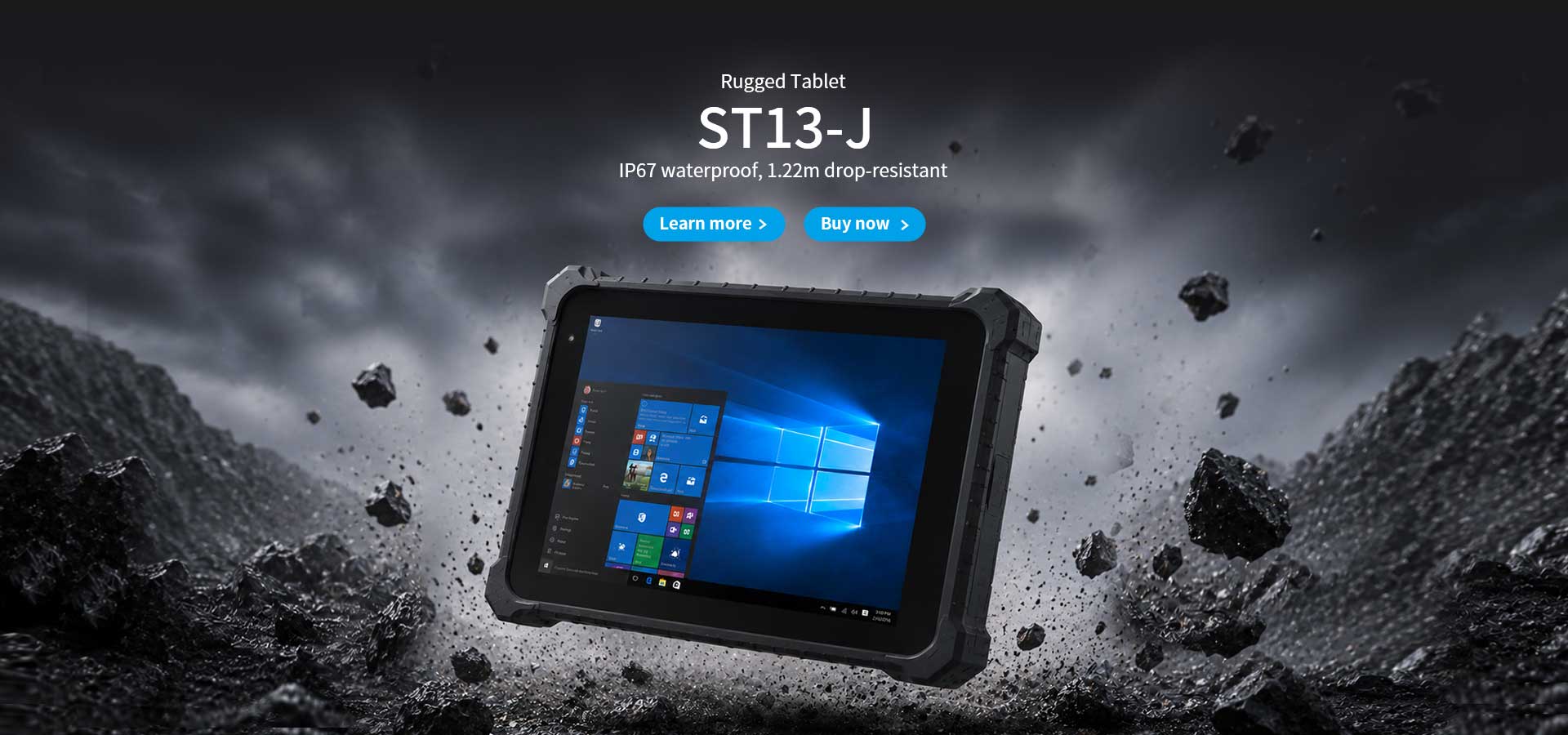
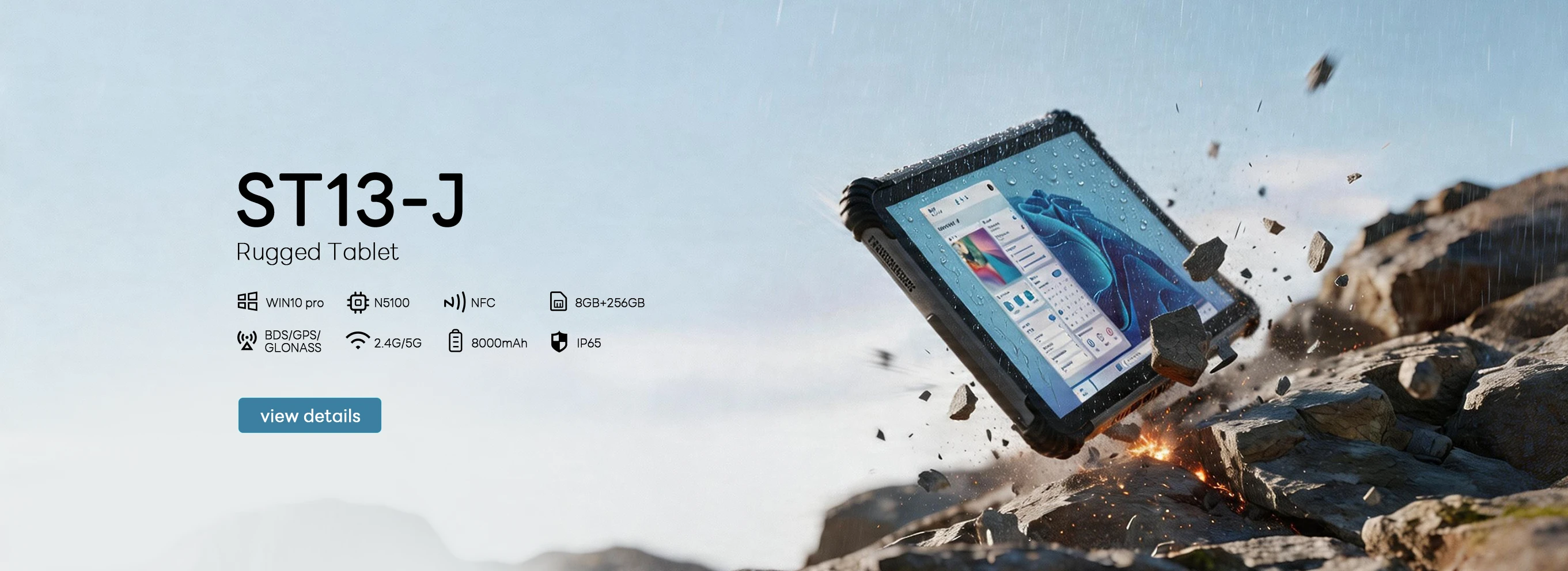
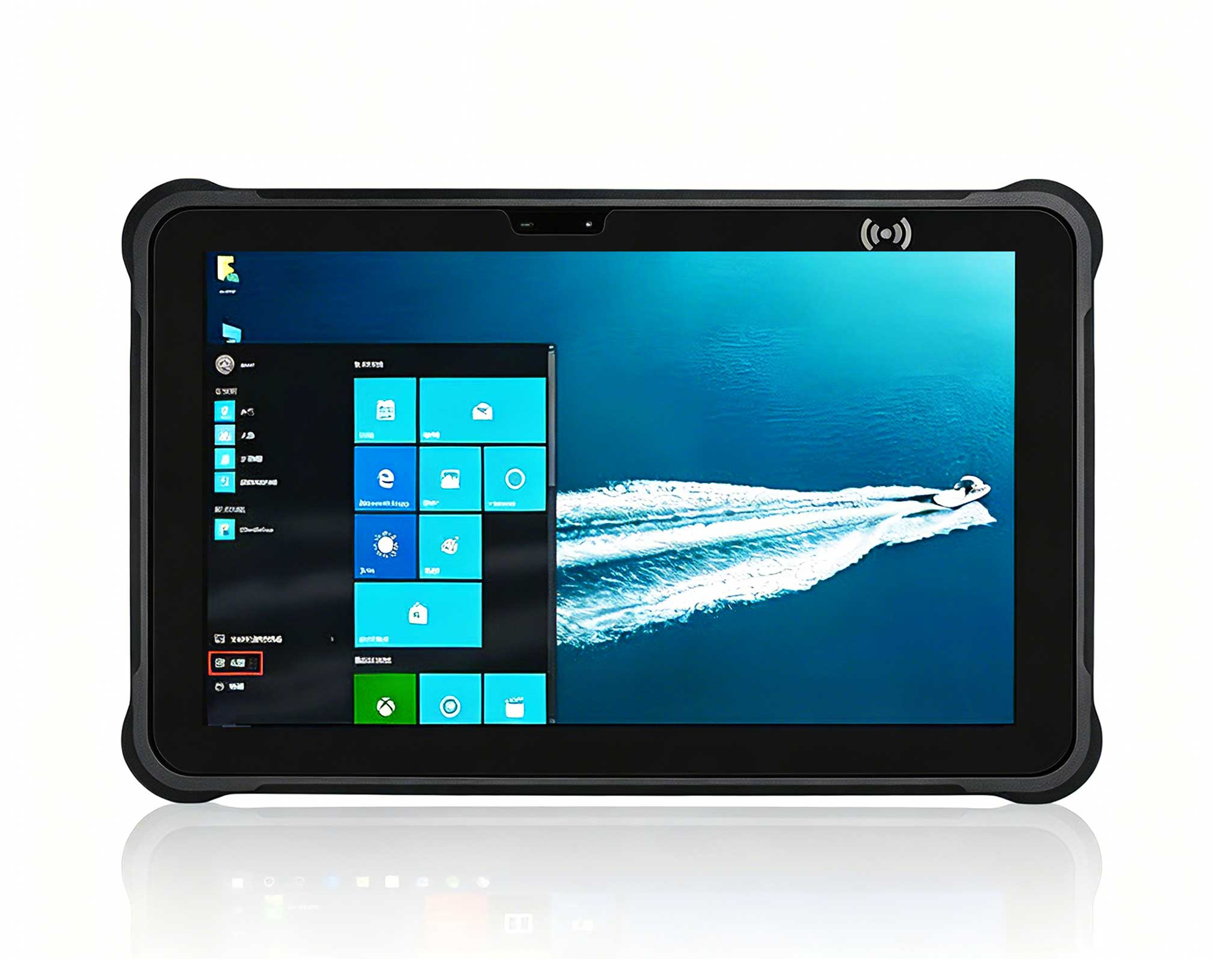
The Hotus ST11‑J 10.1″ Windows Rugged Tablet serves as the fleet command console for robot supervisors. With its 10.1‑inch high‑brightness display (1000+ nits), Windows 11 Pro OS, and IP67 rugged protection, it enables:
The Hotus U9000 Handheld PDA complements the tablet by handling the physical tracking of components, tools, and finished goods that robots interact with:
The 3C electronics industry — encompassing computers, communications equipment, and consumer electronics — is a $2 trillion market in China alone. The sector‘s industrial robot market exceeded 70,000 units in 2025, a 13.8% year‑over‑year increase. In the automotive sector, robots still dominate (49.2% of the market), but humanoid robots are rapidly expanding into new territory: semiconductor fabrication, energy, and general manufacturing. Collaboration between humanoid robots and collaborative robots (cobots) is becoming the standard.
My take: the “robot as a standalone worker” model is a myth. The reality is that robots operate within ecosystems that include humans, other robots, conveyor systems, and MES platforms. The human supervisor with a rugged tablet is the orchestrator of this ecosystem — assigning tasks, handling exceptions, and ensuring quality. The companies that succeed in automation won‘t be those that buy the most robots; they‘ll be those that equip their human workforce with the tools to manage them effectively.
A tablet manufacturing facility in Nanchang deployed 10 humanoid robots, 5 ST11‑J tablets, and 20 U9000 PDAs for precision assembly and material handling. Results after 6 months:
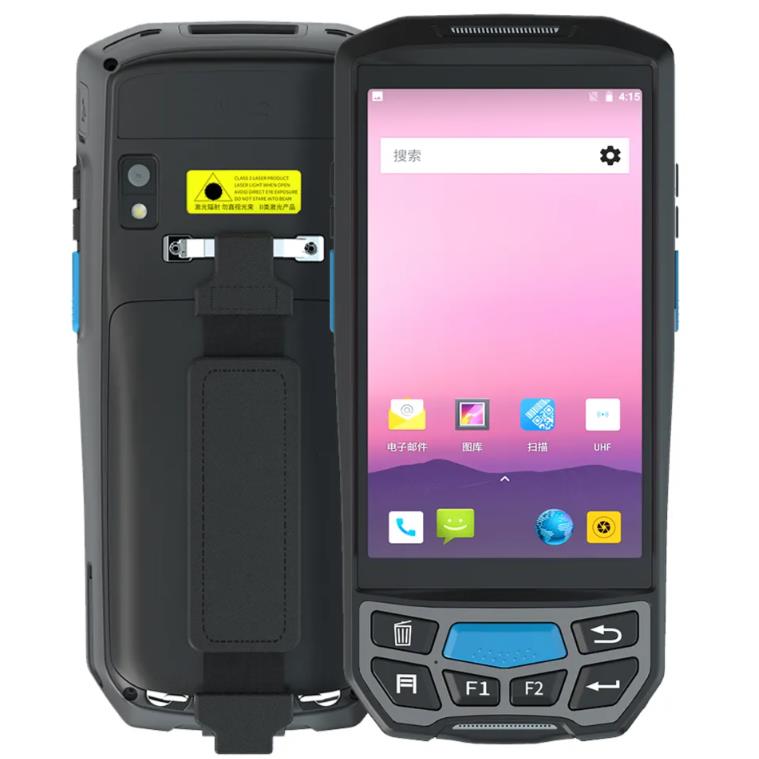
Hotus U9000 — RFID PDA for component verification and robot task logging
Contact HOTUS Technology to discuss your humanoid robot deployment needs, request pilot units, or explore custom Windows tablet and PDA solutions for robot fleet management.