- Select Language
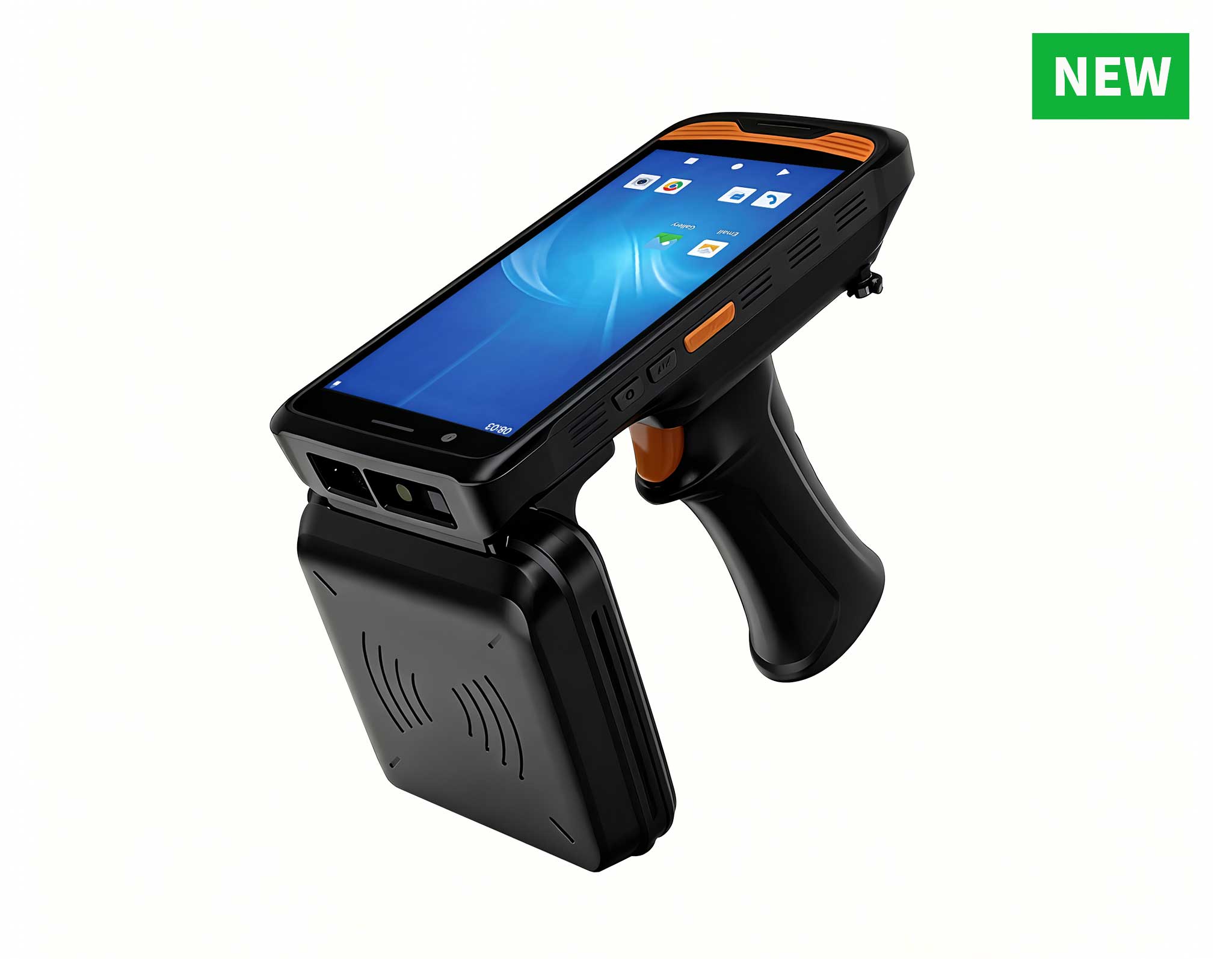
R366C-S 5.5-inch Industrial UHF RFID Reader | Qual...
The N60 PDA is a cutting-edge device for inventory...
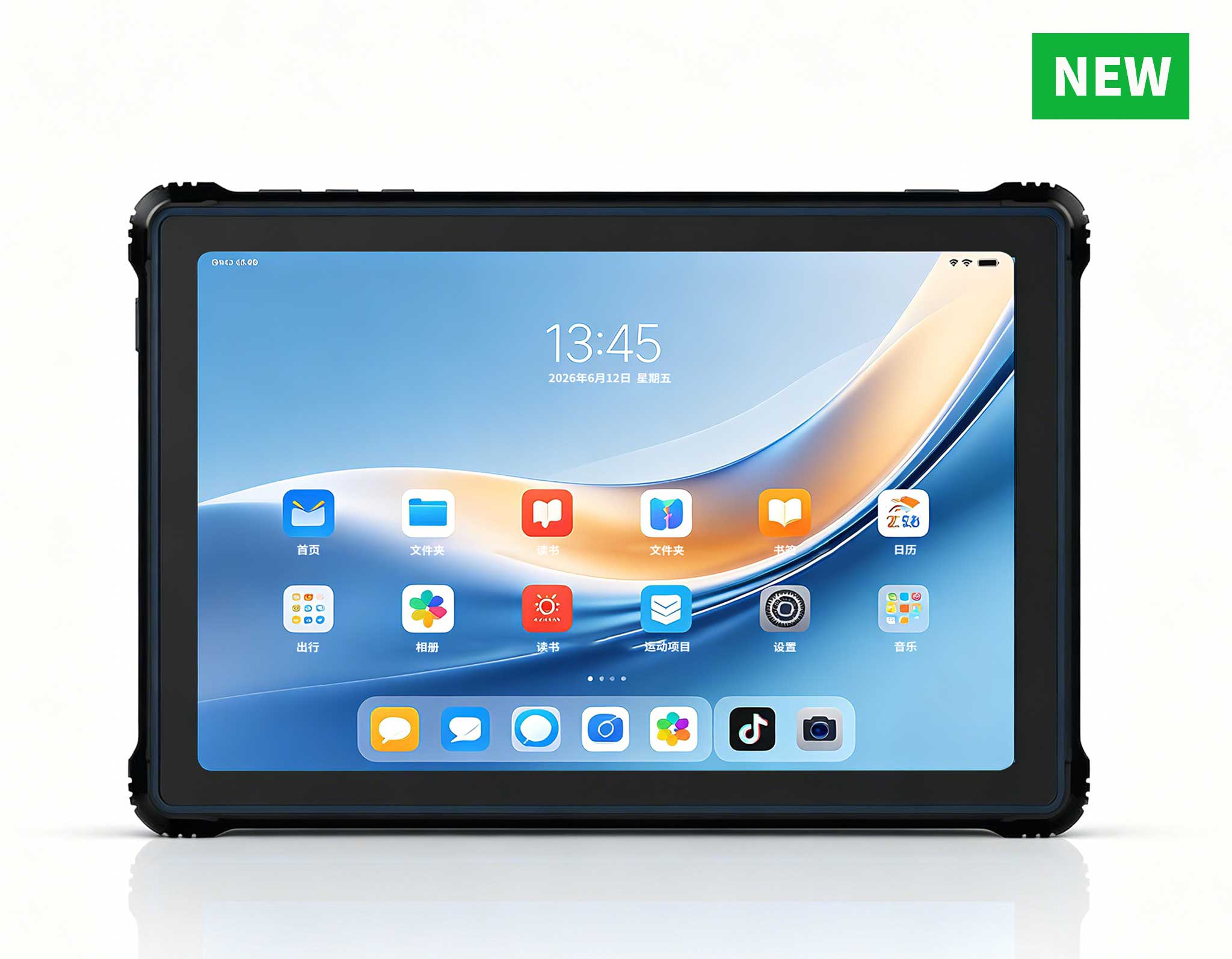
RT81 4G Rugged Tablet | 10.1" FHD 400nit | Qu...
P11 Series Next-Gen Enterprise Rugged Industrial ...
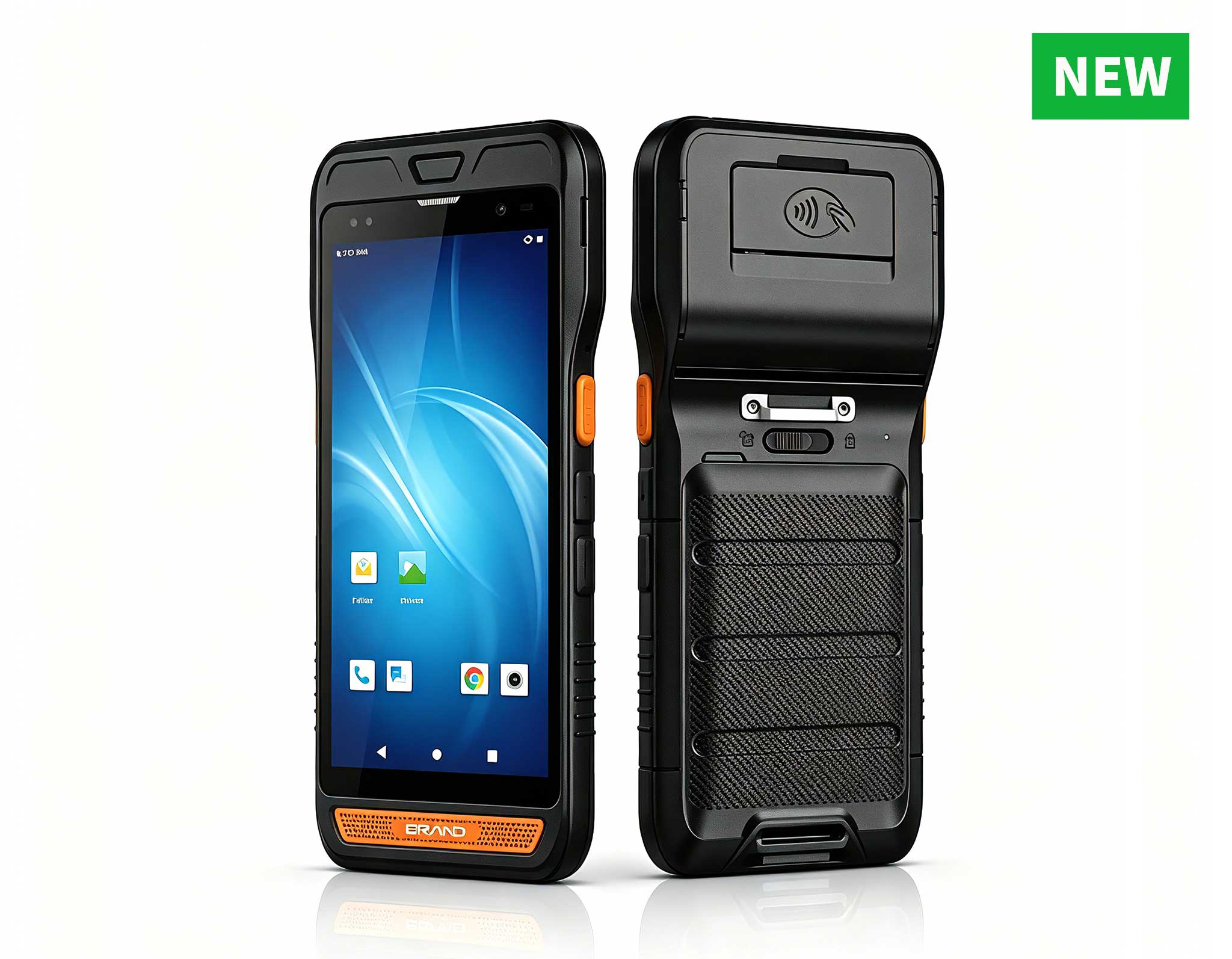
R860-S 5.5-inch Industrial PDA with Thermal Printe...
The N60 PDA is a cutting-edge device for inventory...
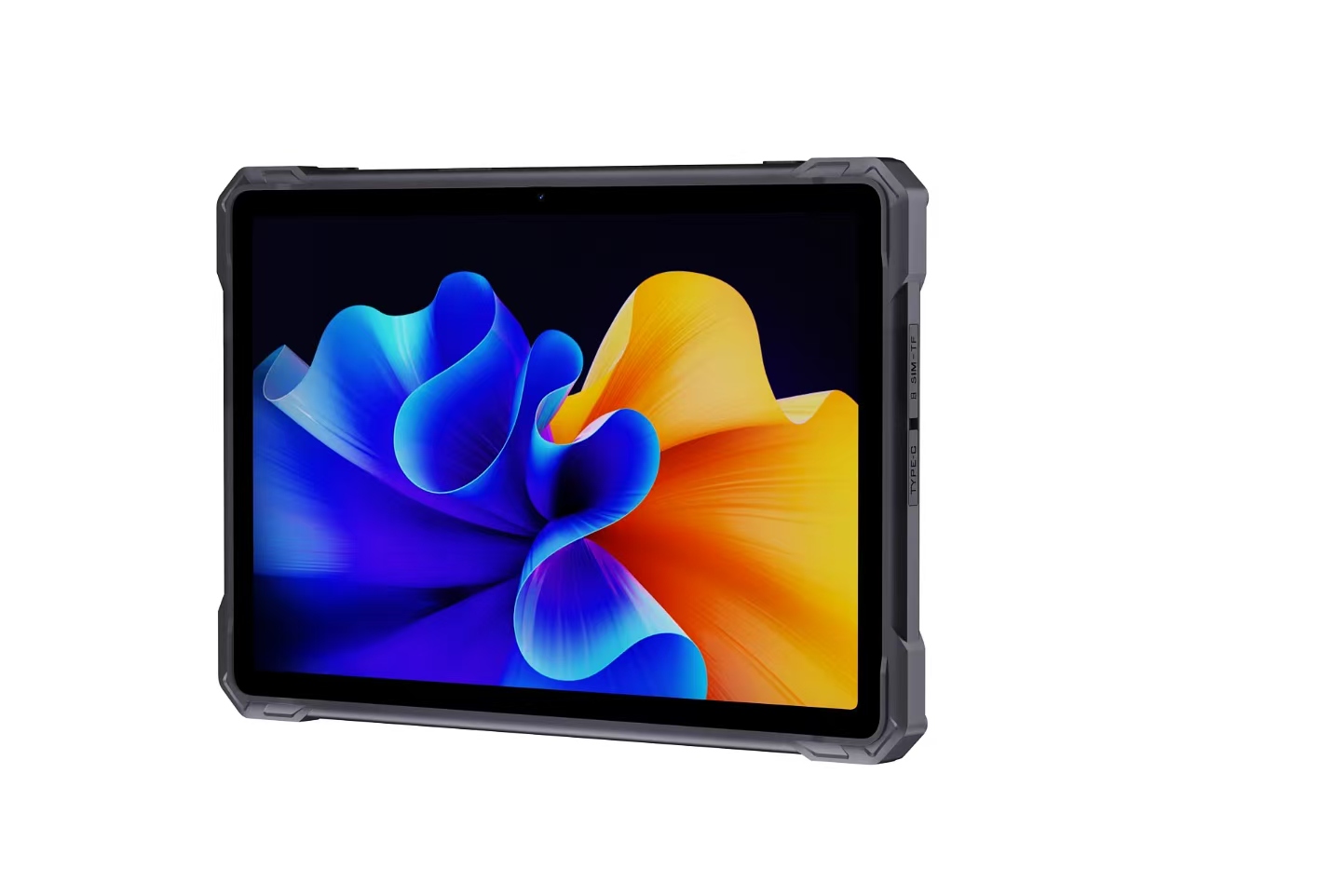
RT82 5G Rugged Tablet | 10.1" FHD 400nit | Qu...
This ultra-compact mini PC offers powerful perform...
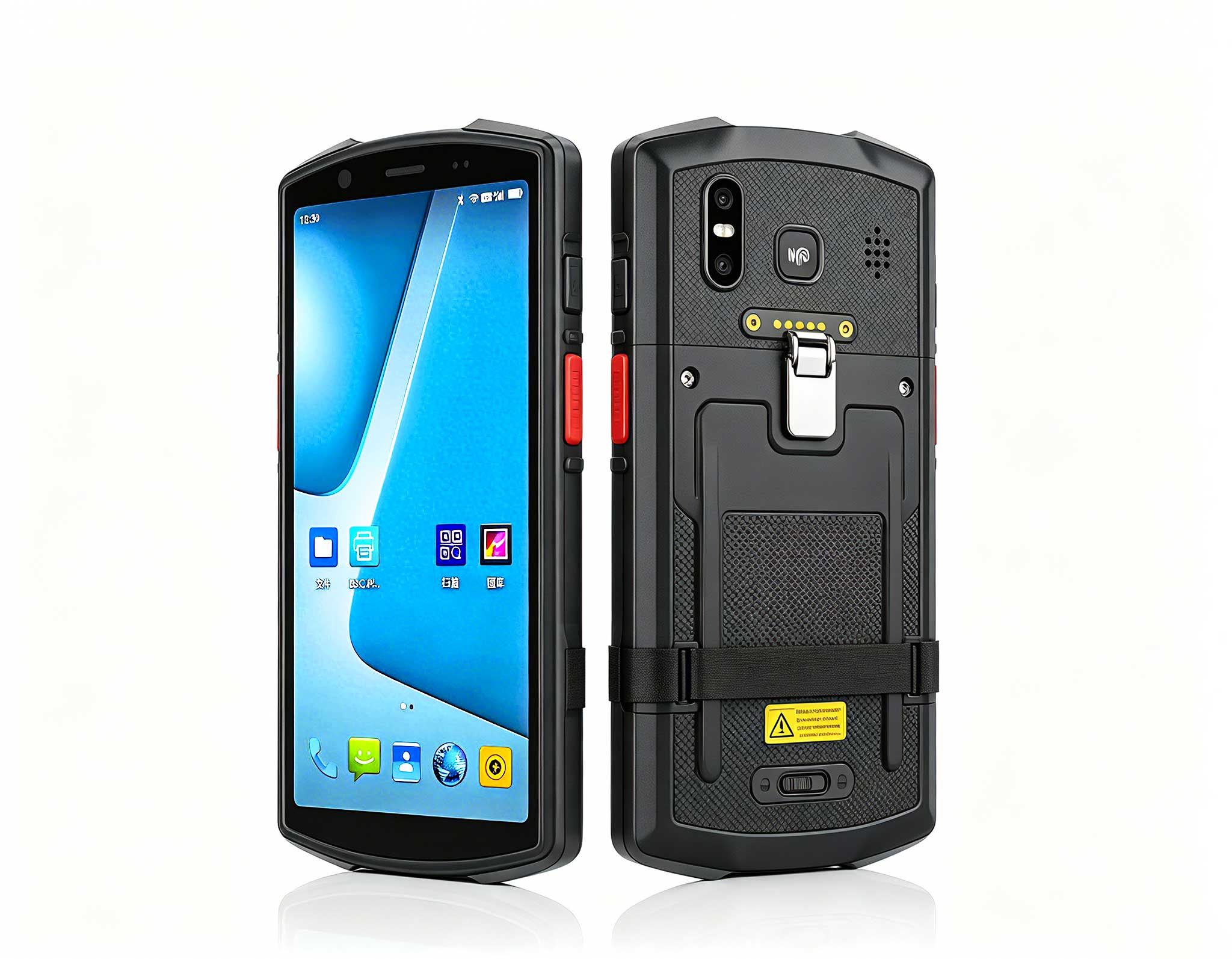
RS50 5G Rugged Handheld Terminal | 6.3" FHD+ ...
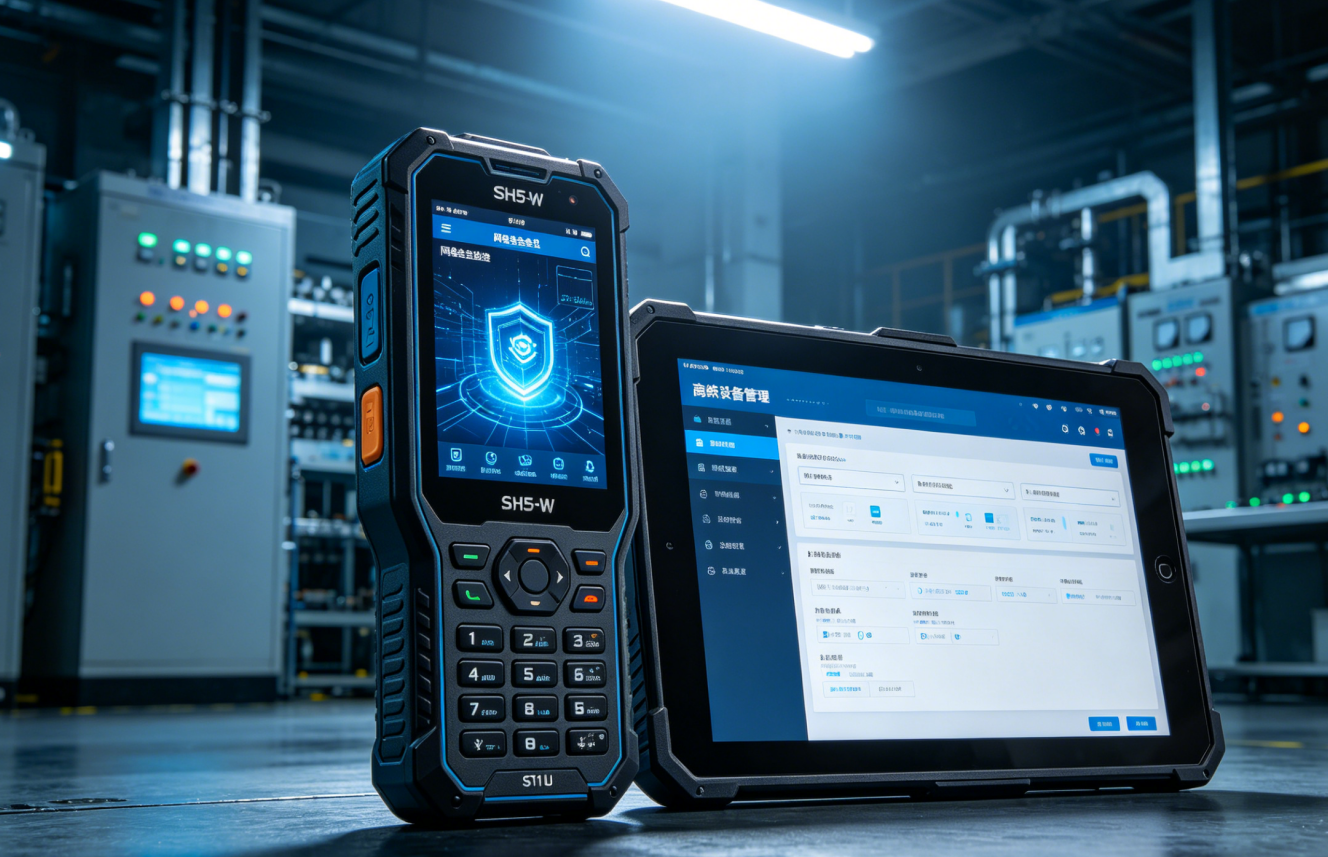
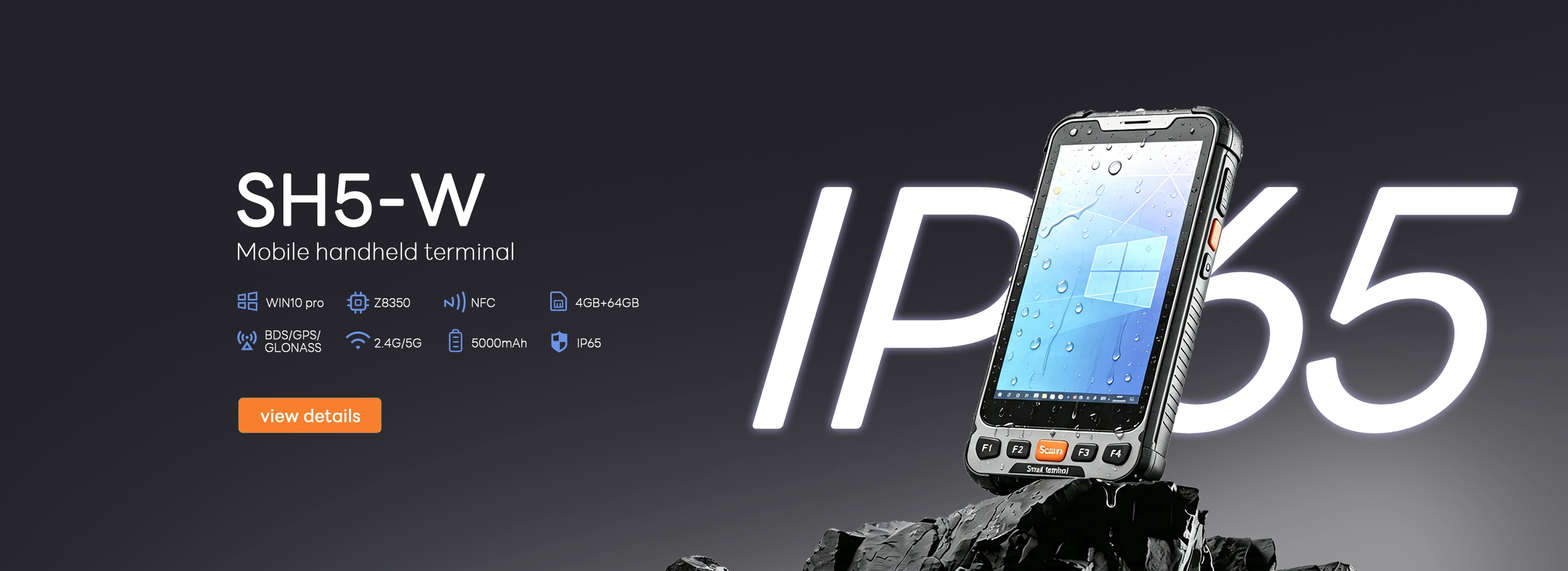
Hotus SH5‑W — offline‑first Windows handheld for secure industrial asset management
By HOTUS Technology | April 2026
In March 2026, the U.S. Cybersecurity and Infrastructure Security Agency (CISA) issued an urgent warning: Iran‑affiliated hackers were actively exploiting internet‑facing programmable logic controllers (PLCs) manufactured by Rockwell Automation. The attackers weren‘t using sophisticated zero‑day exploits. They were using legitimate industrial software tools to gain direct access, extract project files, and manipulate HMI and SCADA displays — causing operational disruptions and significant financial losses across energy, water, and government systems.
This wasn‘t an isolated incident. In the same month, the Interlock ransomware gang exploited CVE‑2026‑20131, a critical deserialization vulnerability in Cisco Secure Firewall Management Center Software, allowing unauthenticated remote attackers to execute arbitrary Java code as root on affected devices. According to Check Point Research, the average weekly number of cyber‑attacks per organization reached 1,995 in March 2026 — down slightly from peaks but still at historically elevated levels.
Here‘s my take: the industrial sector has been treating cybersecurity like an IT problem when it‘s fundamentally an OT problem. The assumption that “our SCADA systems are air‑gapped” has proven dangerously naive. More than 3,800 industrial devices were reportedly exposed to these attacks. The attackers exploited something simpler: internet‑connected devices that should never have been online in the first place.
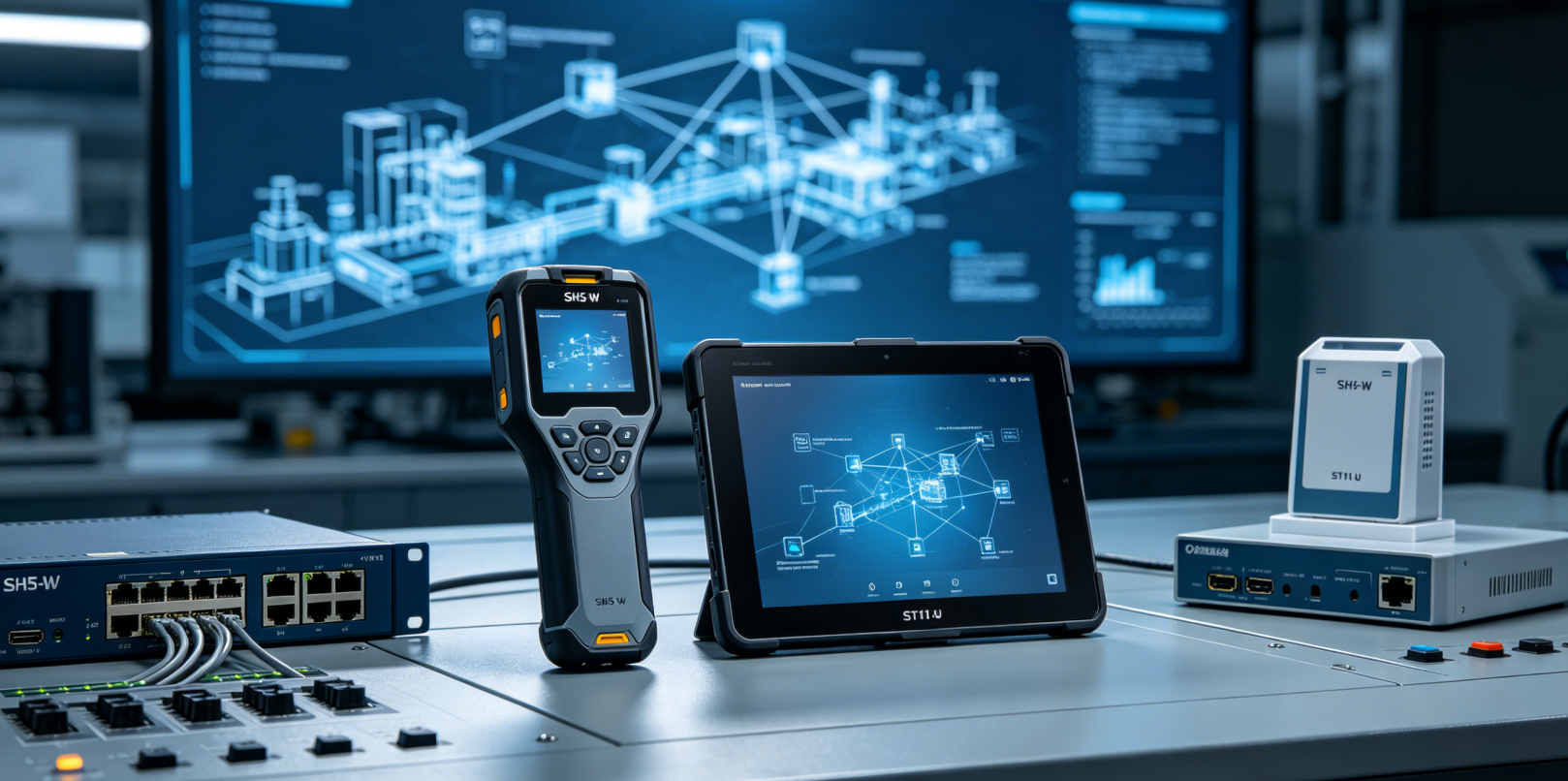
The most secure industrial device is one that isn‘t connected to the internet at all. But how do you manage fleets of PLCs, HMIs, sensors, and actuators without network connectivity? The answer lies in offline‑first mobile computing — devices that store and process data locally, sync only when safe, and never expose industrial assets to external networks.
The Hotus SH5‑W 5.5″ Windows Rugged Handheld and Hotus ST11‑U 10.1″ Windows Rugged Tablet are designed for exactly this paradigm. With Windows 11 Pro, IP67 rugged protection, and offline‑capable data capture, they serve as:
CISA‘s guidance was explicit: remove PLCs from direct internet exposure via secure gateway and firewall; query logs for suspicious traffic on OT ports (44818, 2222, 102, 502); for Rockwell Automation devices, place the physical mode switch on the controller into the run position. But these are reactive measures. The proactive approach is to design industrial workflows that don‘t require internet connectivity at all.
Industrial organizations have invested decades in Windows‑based SCADA, MES, and asset management software. Rewriting these systems for Android or Linux would cost millions and introduce new security risks. Hotus Windows rugged handhelds run existing industrial software without modification — but they run it offline. The SH5‑W and ST11‑U:
The industrial sector is caught in a paradox. We want the efficiency of connected systems but fear the vulnerabilities they introduce. The solution isn‘t to abandon connectivity — it‘s to be intentional about where and when we connect. Offline‑first mobile devices give industrial operators the best of both worlds: the ability to manage complex assets without exposing them to the internet. The SH5‑W and ST11‑U are designed for technicians who need to download a PLC program, walk to a pump station, upload the changes, and verify operation — all without once touching a network cable.
A regional water utility serving 500,000 customers deployed 75 SH5‑W handhelds and 25 ST11‑U tablets for offline SCADA access and PLC programming. Results after 12 months:
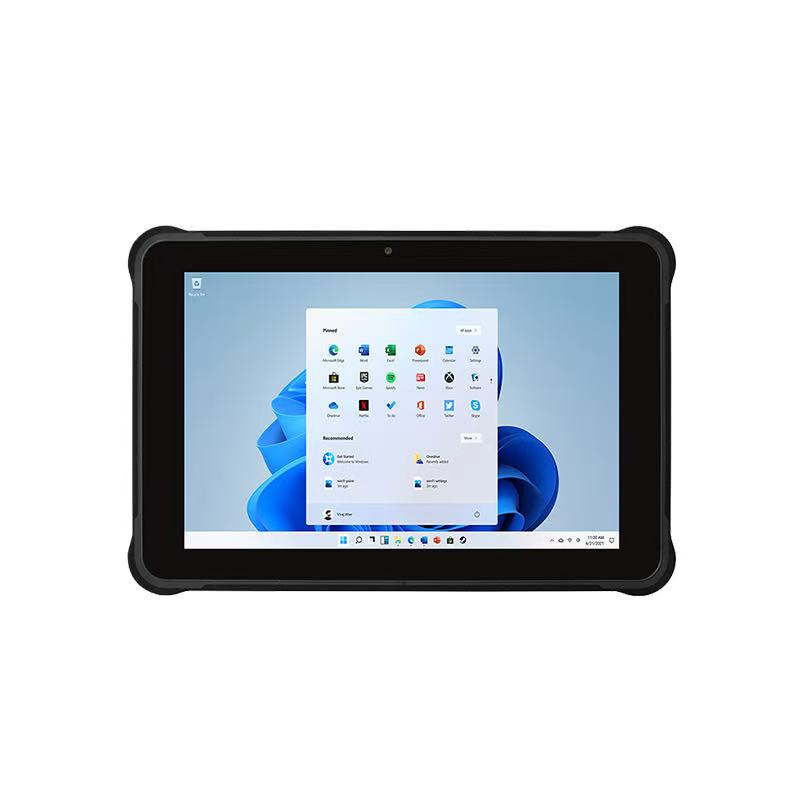
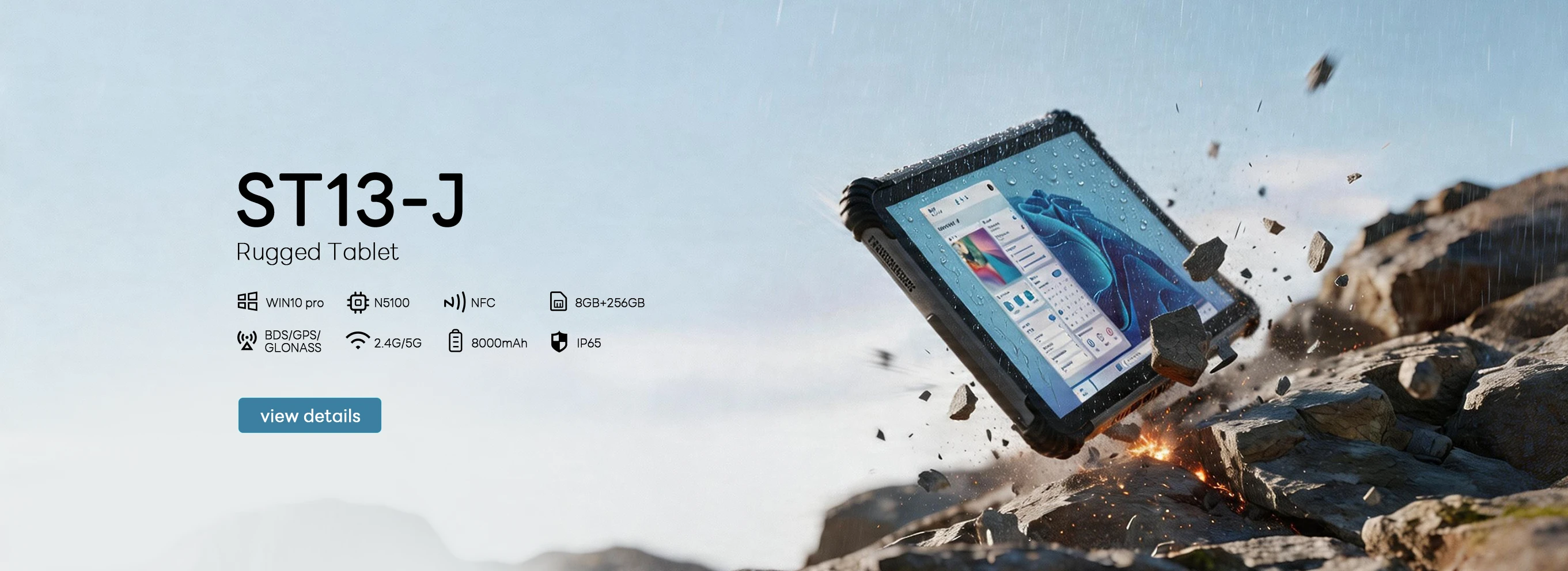
Hotus ST11‑U — Windows tablet for offline SCADA and secure industrial asset management
Contact HOTUS Technology to discuss your industrial cybersecurity needs, request pilot units, or explore custom Windows handheld and tablet solutions for offline‑first operations.