- Select Language
R366-S Thin 5.5-inch Industrial PDA | Qualcomm Oct...
R860-S 5.5-inch Industrial PDA with Thermal Printe...
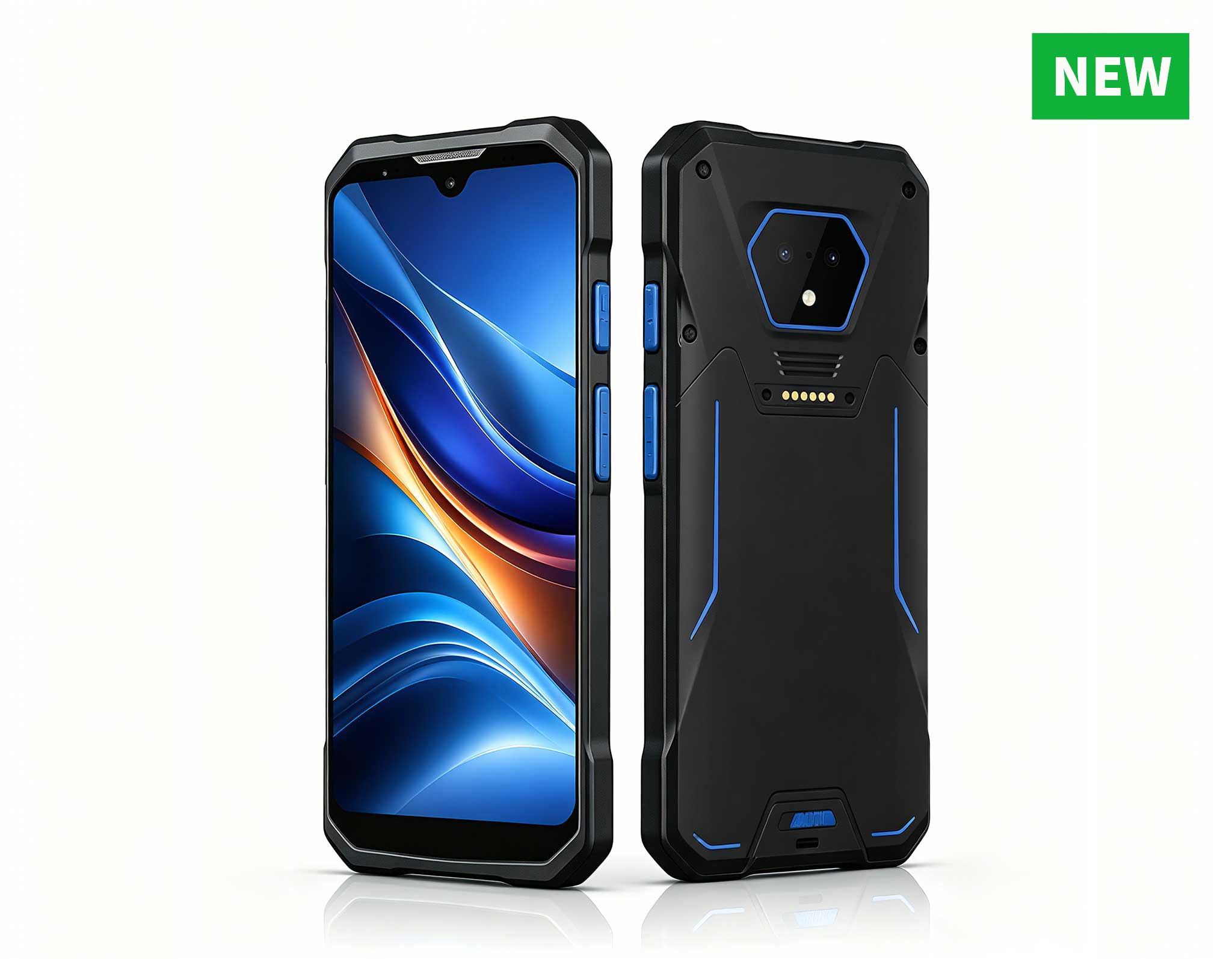
RS51 4G Rugged Handheld Terminal | 6.3" FHD+ ...
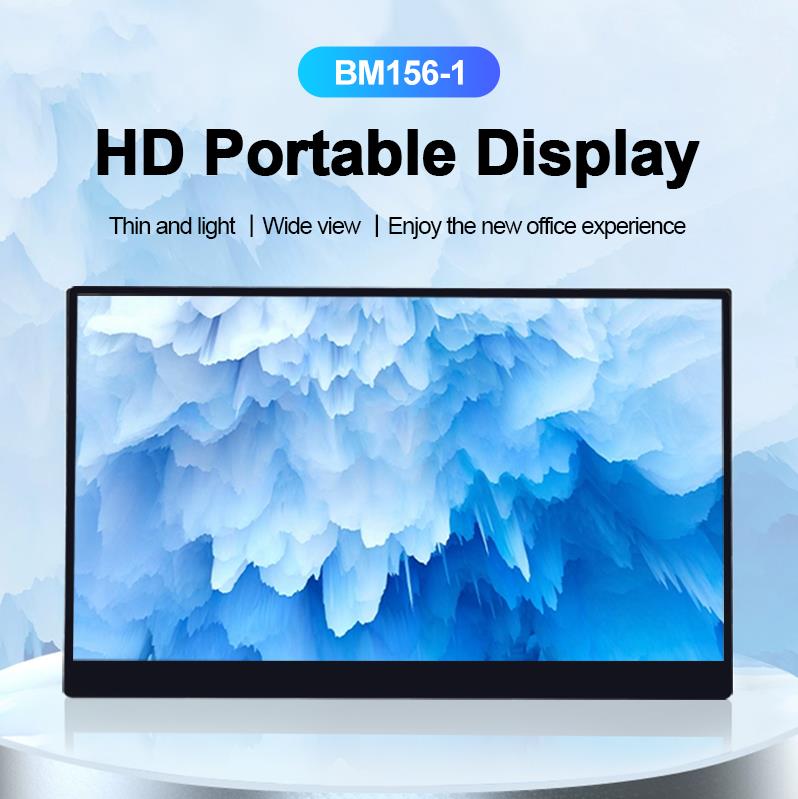
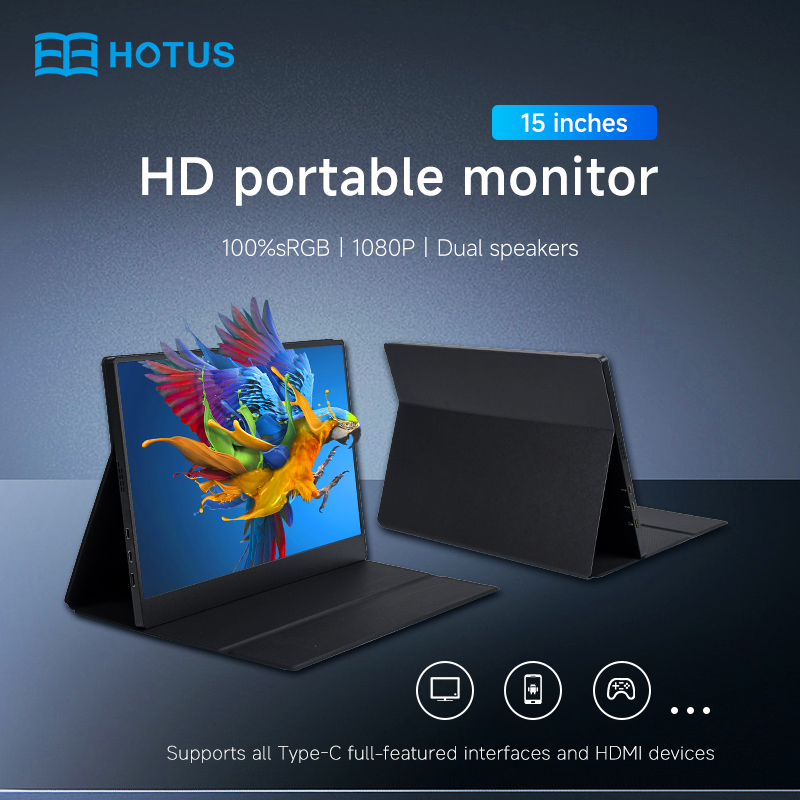
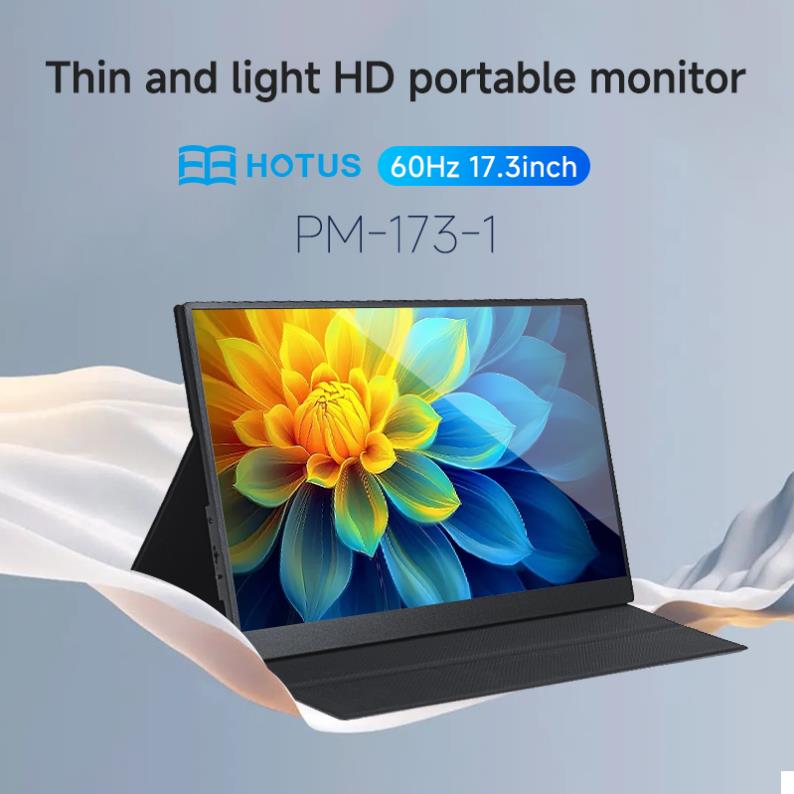
The PM156-1 is a 15.6-inch portable PC monitor fea...
R366-S Thin 5.5-inch Industrial PDA | Qualcomm Oct...
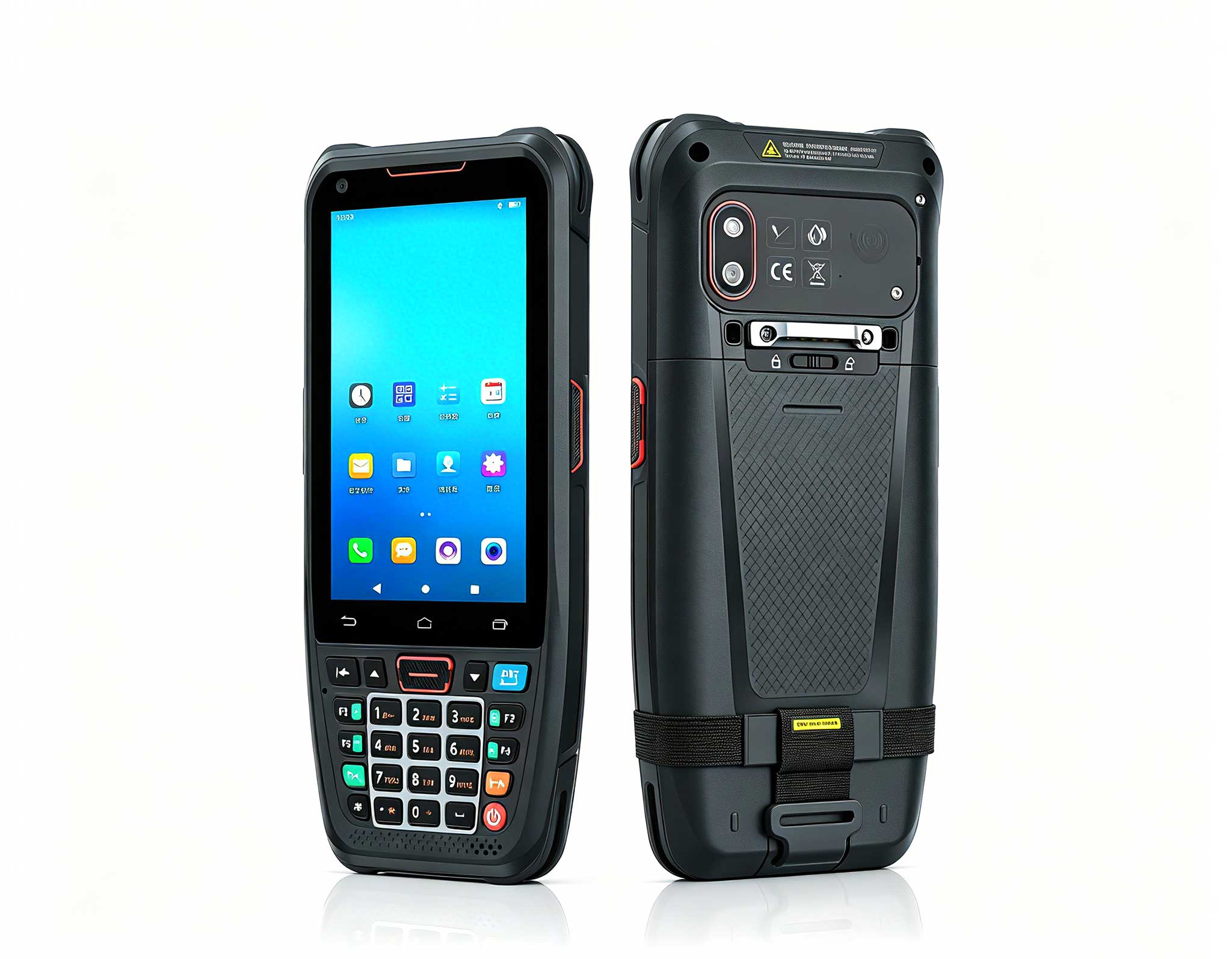
The N40 Android smart PDA features a Cortex-A53 qu...
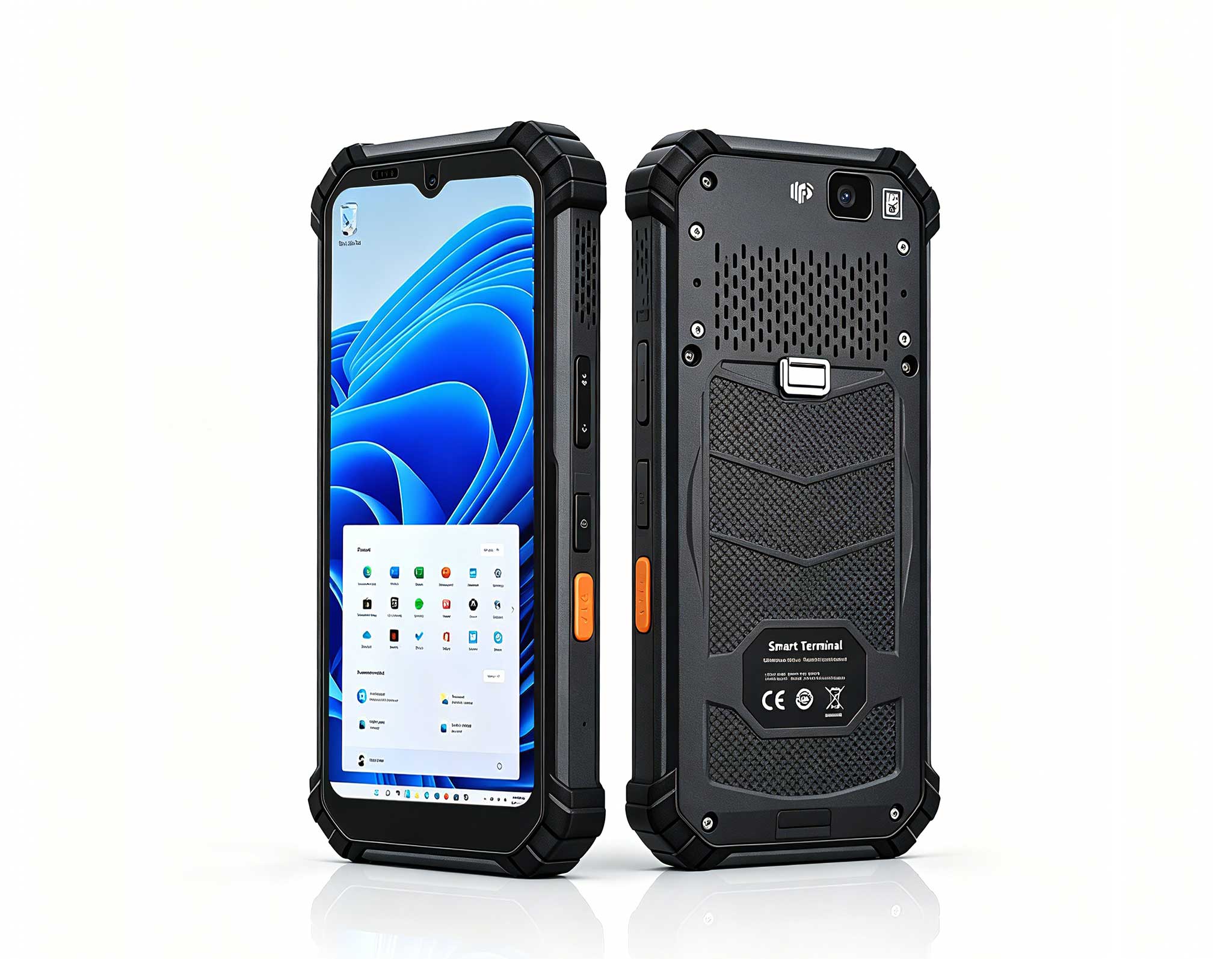
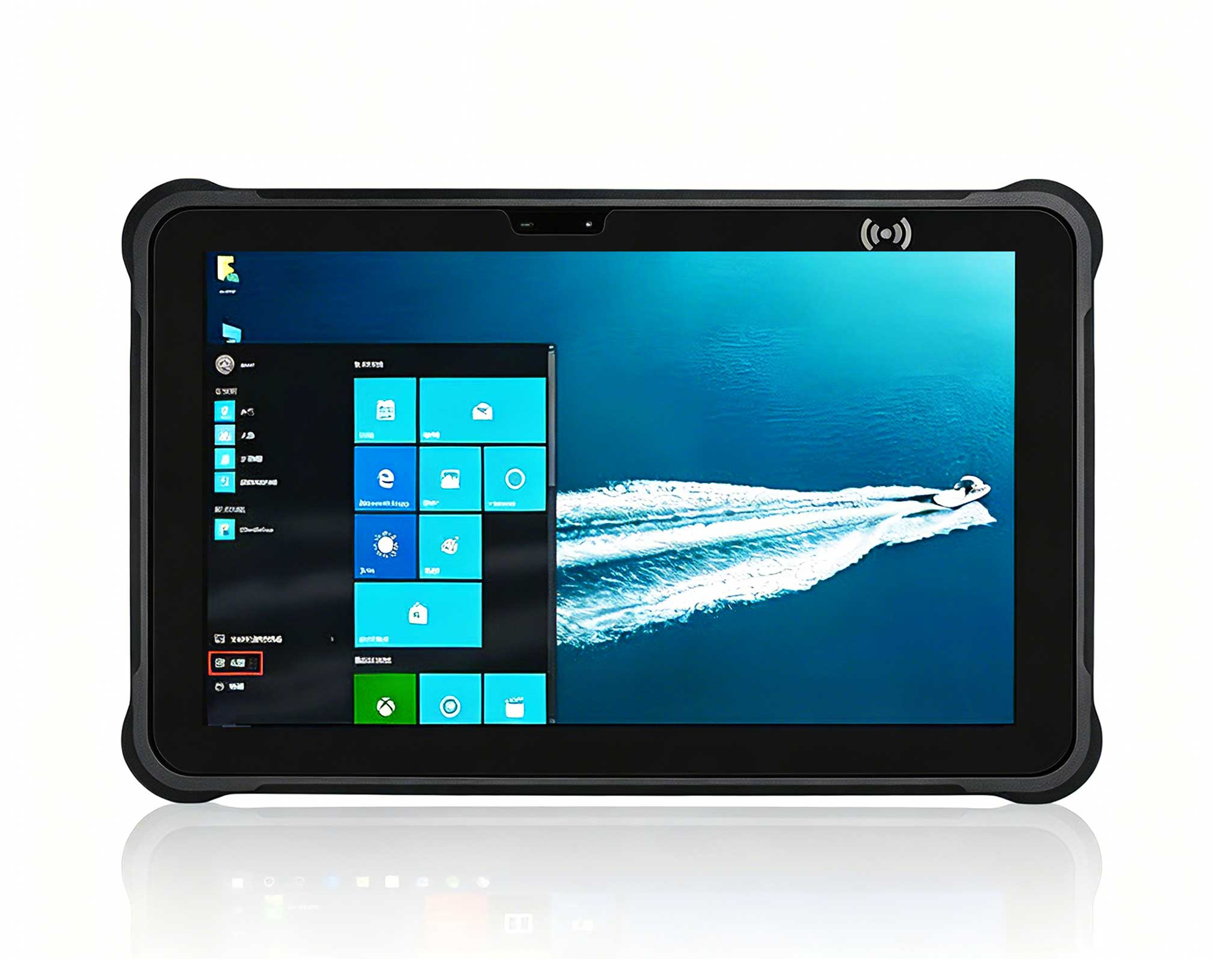
Full SpecificationsModelHotus ST11‑JOSWindows 10 P...

Hotus Mini PC — edge AI gateway for real‑time predictive maintenance and anomaly detection
By HOTUS Technology | April 2026
Here‘s a statistic that should worry every manufacturing executive: as of December 2025, less than 1% of the world‘s 21.1 billion IoT connections were edge‑intelligent devices. That‘s right — 99% of connected industrial sensors, controllers, and machines are sending raw data to the cloud for processing, creating latency, bandwidth costs, and security vulnerabilities.
Yet the potential is staggering. The global edge AI market is projected to grow from $24.9 billion in 2025 to $118.7 billion by 2033, reflecting accelerating demand for distributed intelligence. The industrial edge market — encompassing hardware, software, and services — was valued at $14.90 billion in 2025 and is projected to reach $28.73 billion by 2032 at a 9.82% CAGR. According to IoT Analytics, the global predictive maintenance market is projected to reach $28.2 billion by 2026, with a 31% CAGR.
My take: the manufacturing industry has been solving the wrong problem. We‘ve been obsessed with collecting more data when the real challenge is processing it where it matters — at the edge, in real time, on the factory floor. A 500‑millisecond cloud round‑trip might be acceptable for a monthly report, but for anomaly detection on a high‑speed assembly line, that delay could mean thousands of defective products before the issue is even flagged.
In autonomous warehouse robotics, obstacle avoidance and path optimization decisions must be made within 10‑50 milliseconds to ensure safe, fluid operation. Round‑trip cloud latency — often 100‑300 milliseconds or higher — is impractical. Similarly, in predictive maintenance applications, vibration analysis on a high‑speed spindle requires millisecond‑level response. By the time a cloud model processes the data, the bearing could have failed.
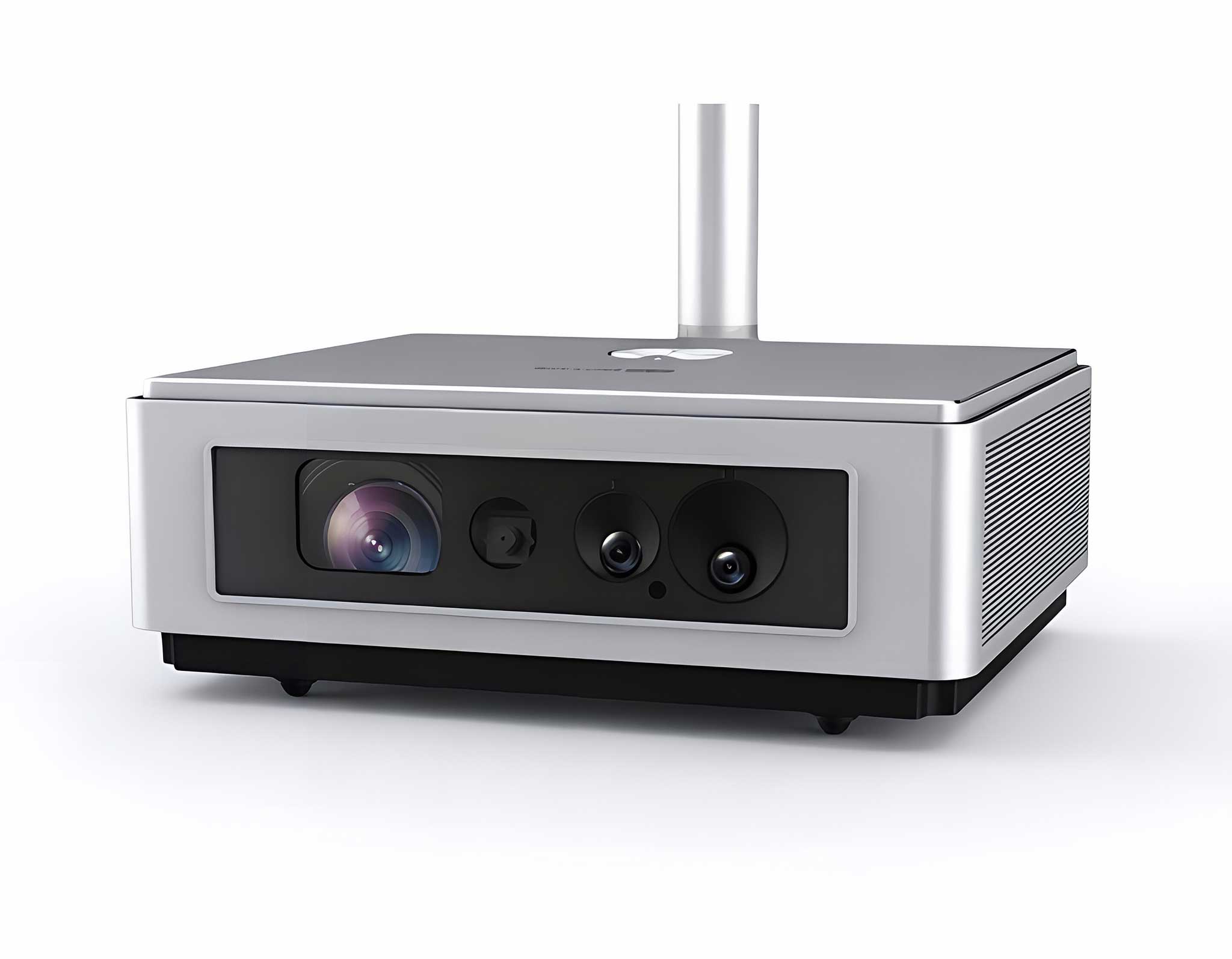
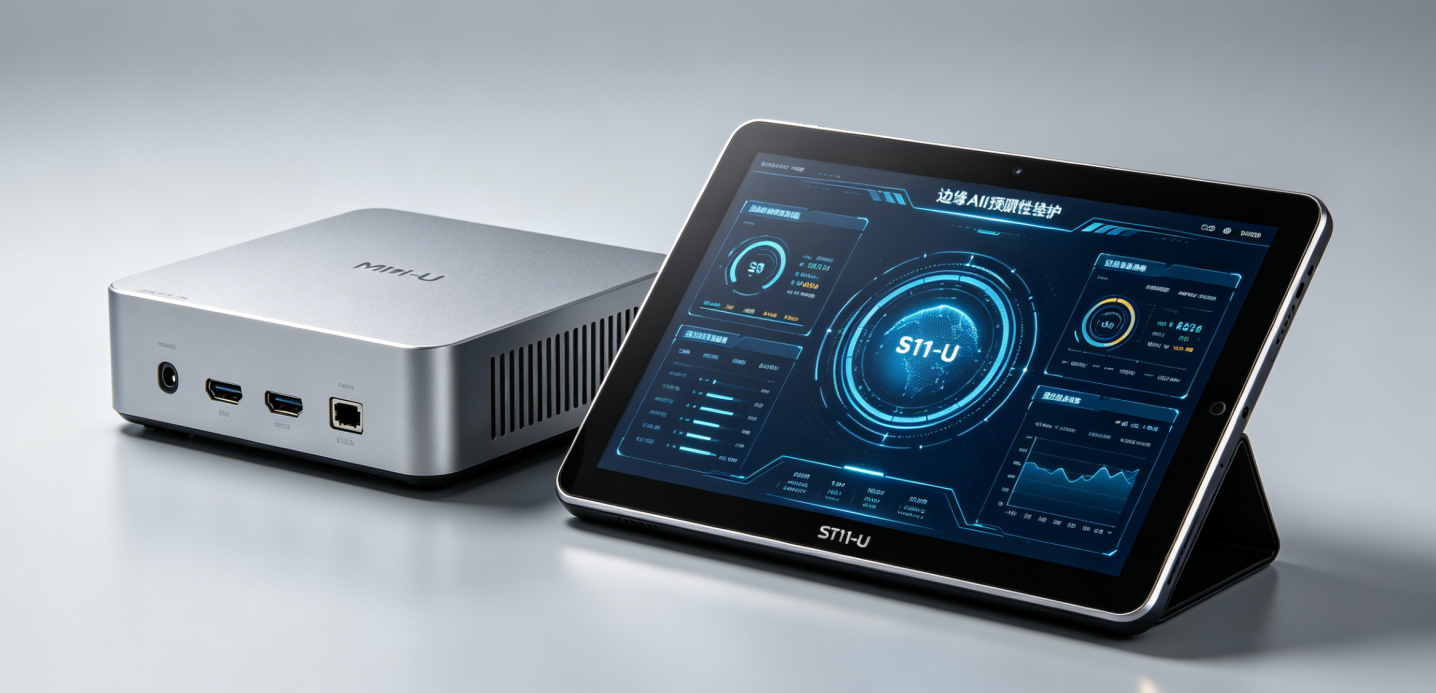
The Hotus Palm‑sized Mini PC is designed as an edge AI gateway for precisely these scenarios. Mounted in control cabinets or on equipment enclosures, it:
Edge AI is powerful, but its value is only realized when humans can act on its insights. The Hotus ST11‑U 10.1″ Windows Rugged Tablet serves as the human interface to edge AI systems:
The reasons for low edge AI penetration are clear: fragmented hardware ecosystems, lack of standardized platforms, and insufficient compute power at the edge. But three trends are accelerating adoption in 2026:
First, industrial edge AI PCs are becoming more capable and affordable. The global Factory Floor Edge AI Industrial PCs market is undergoing a seismic shift, with specialized accelerators and neural processing units delivering higher performance per watt than general‑purpose processors.
Second, private 5G networks are enabling deterministic connectivity. The industrial edge market is being reshaped by advances in private wireless technologies, including 5G and localized LTE, enhancing connectivity for high‑value applications such as real‑time control and remote inspection.
Third, digital twin integration is creating compelling use cases. According to Gartner, more than 75% of manufacturing enterprises will deploy at least one digital twin system by 2026 to improve operational resilience and responsiveness. Digital twins require edge AI to process the real‑time sensor data that keeps them accurate.
A steel mill operating 24/7 rolling mills deployed 30 Hotus Mini PC edge gateways and 20 ST11‑U tablets for predictive maintenance. Results after 12 months:
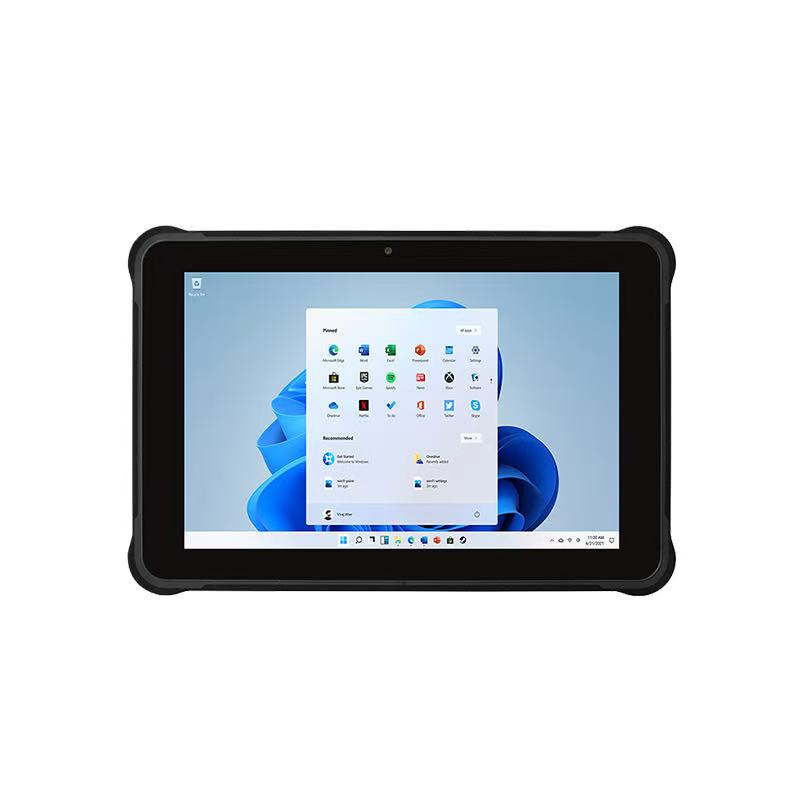
Hotus ST11‑U — Windows tablet for edge AI dashboard and maintenance work orders
Contact HOTUS Technology to discuss your edge AI strategy, request pilot units, or explore custom Mini PC and Windows tablet solutions for real‑time predictive analytics.