- Select Language
RS50 5G Rugged Handheld Terminal | 6.3" FHD+ ...
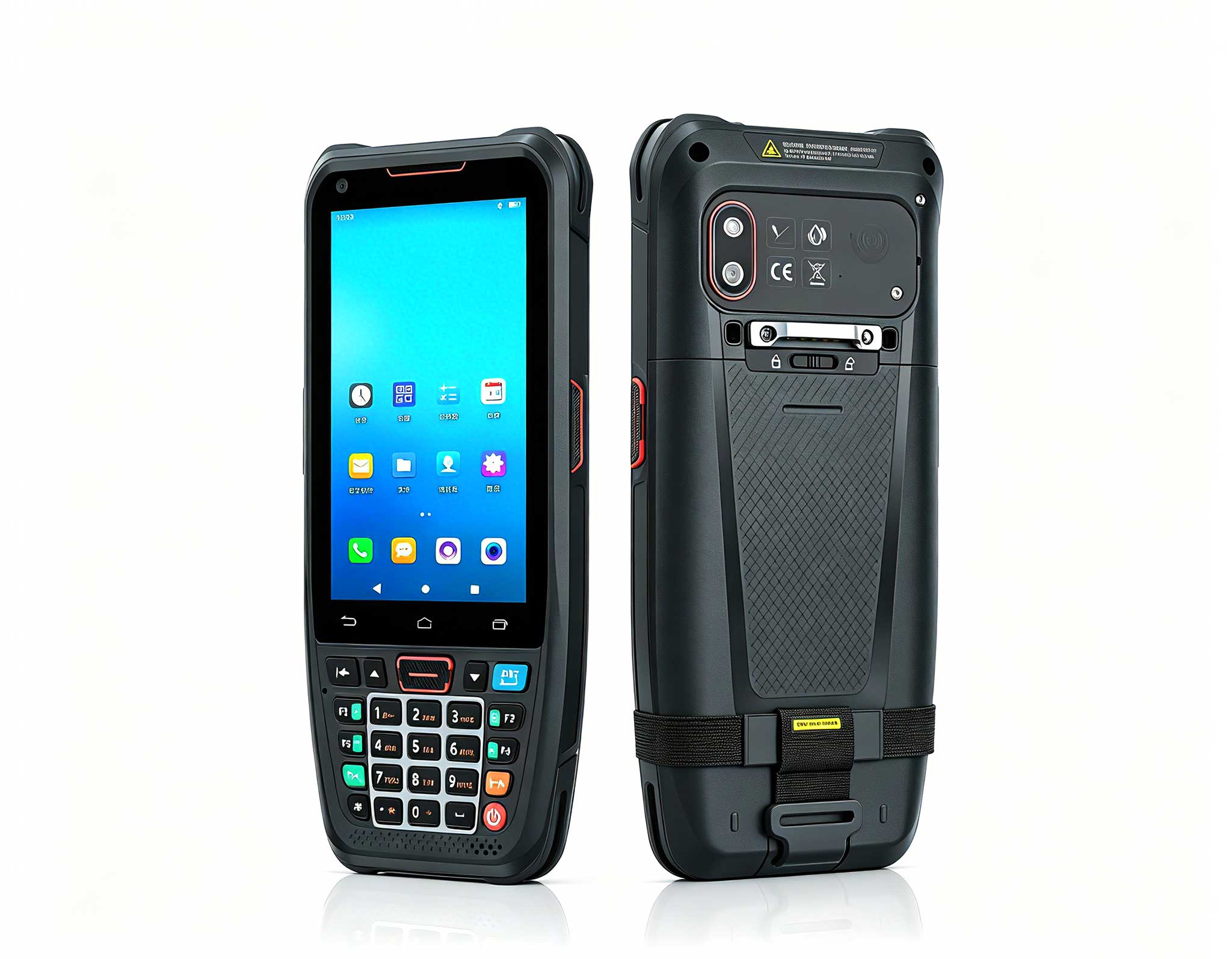
The N40 Android smart PDA features a Cortex-A53 qu...
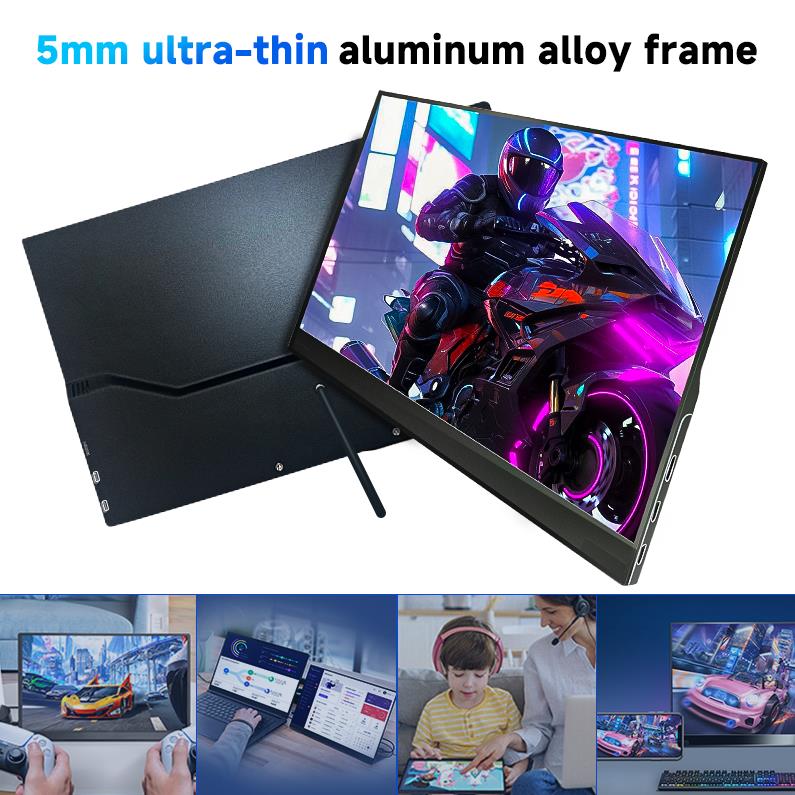
The PM133-2 is a 13.3-inch portable monitor featur...
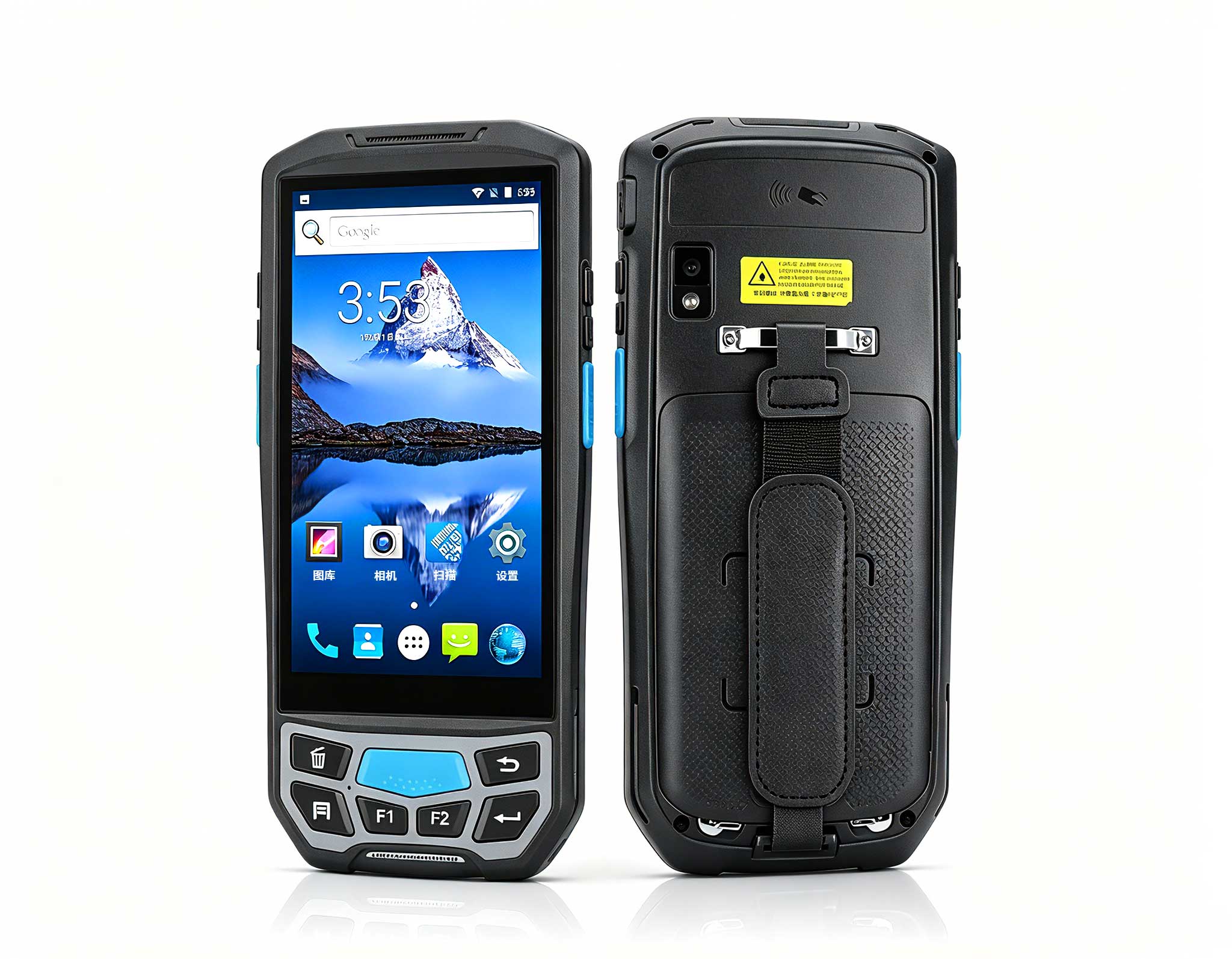
The U9000 handheld PDA combines advanced barcode s...
The N40 Android smart PDA features a Cortex-A53 qu...
The X501 Handheld PDA combines advanced barcode sc...
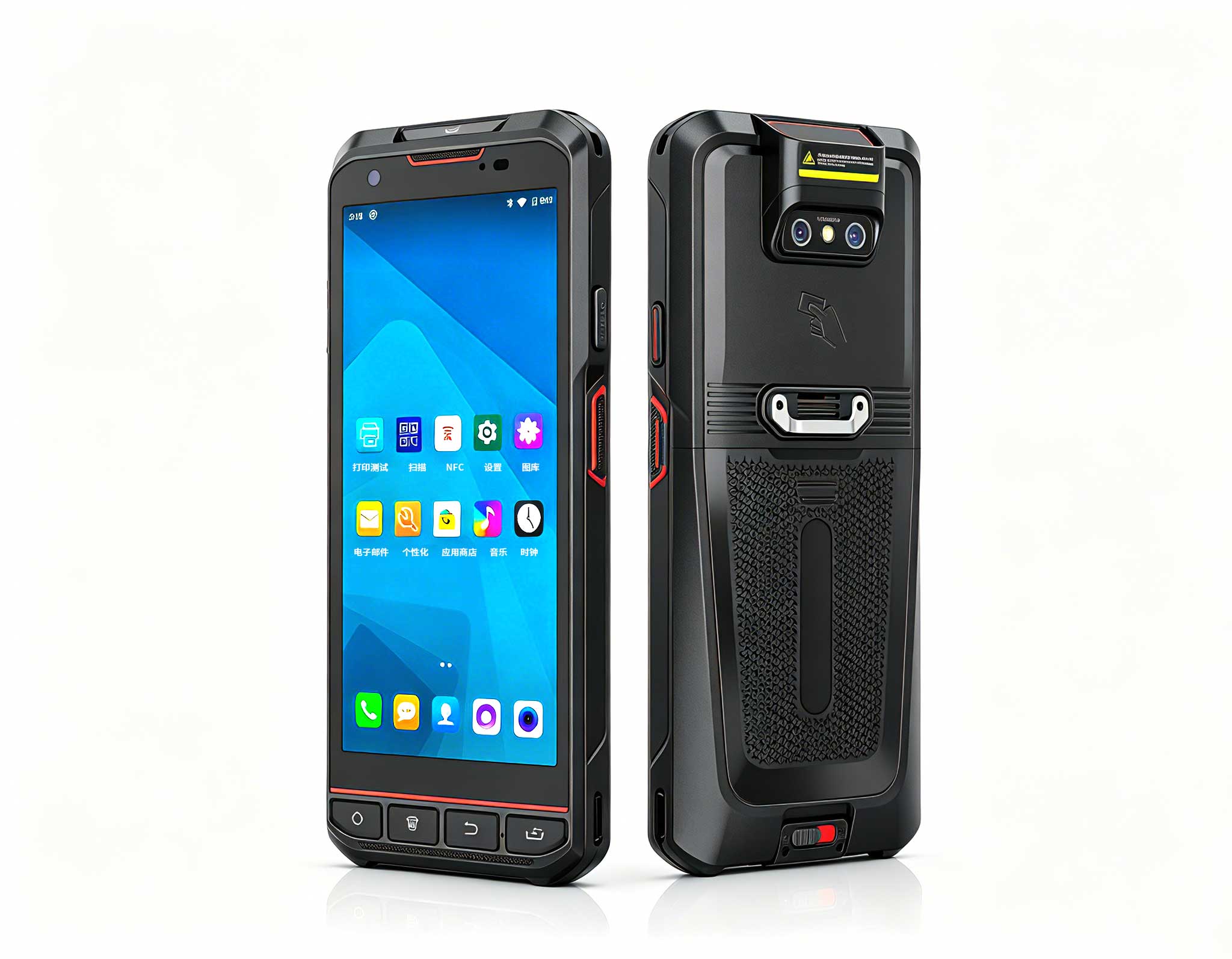
R366-S 5.5-inch Industrial PDA | Qualcomm Octa-cor...
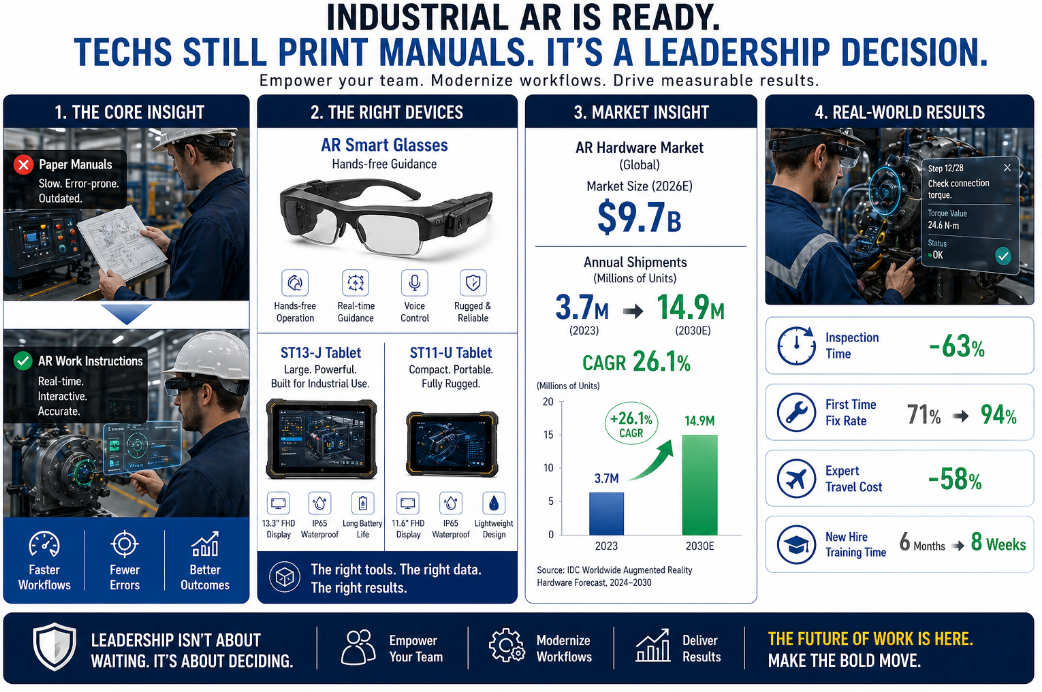
Fig 1 – Hotus AR Smart Glasses: hands‑free guided repair on a pump station
My View: Industrial AR has moved from “cool demo” to “productivity necessity.” Yet I still see technicians printing paper manuals and carrying them into the field. That’s absurd. A paper manual can’t overlay a 3D animation onto a valve. It can’t stream a live video feed to a remote expert. It can’t log the repair steps for compliance. AR glasses have been ready for years – the bottleneck is management courage, not technology.

By HOTUS Technology | April 2026
The industrial augmented reality market has crossed the chasm. ABI Research estimates the AR hardware market will grow to $9.7 billion in 2026, up 64.8% year‑over‑year, with the broader industrial AR market (including software and services) exceeding $12 billion. Manufacturing, energy, and utilities are the top‑three adopter sectors. Annual AR smart glasses shipments in these industries will increase from 3.7 million in 2026 to 14.9 million by 2030.
Yet the dominant field service workflow in many facilities is still: print a PDF, carry it in a plastic sleeve, fill out a paper checklist, scan it back to the office at the end of the shift. This is not just inefficient – it’s dangerous. A paper manual can’t highlight the critical safety step that prevents an arc flash. It can’t show a 3D animation of a complex assembly sequence. It certainly can’t call a remote expert when the technician gets stuck.
The Hotus AR Smart Glasses are designed to replace paper entirely. With a high‑resolution optical display, AI‑powered object recognition, and hands‑free voice control, a technician can see step‑by‑step repair instructions overlaid on the actual equipment. When a bolt is missing, the glasses highlight the empty hole. When a wire needs to be connected, an arrow shows the correct terminal. The technician never puts down their tools, never squints at a smudged printout, never misses a step.

Fig 2 – Hotus ST13‑J: remote expert viewing AR glasses feed and drawing annotations
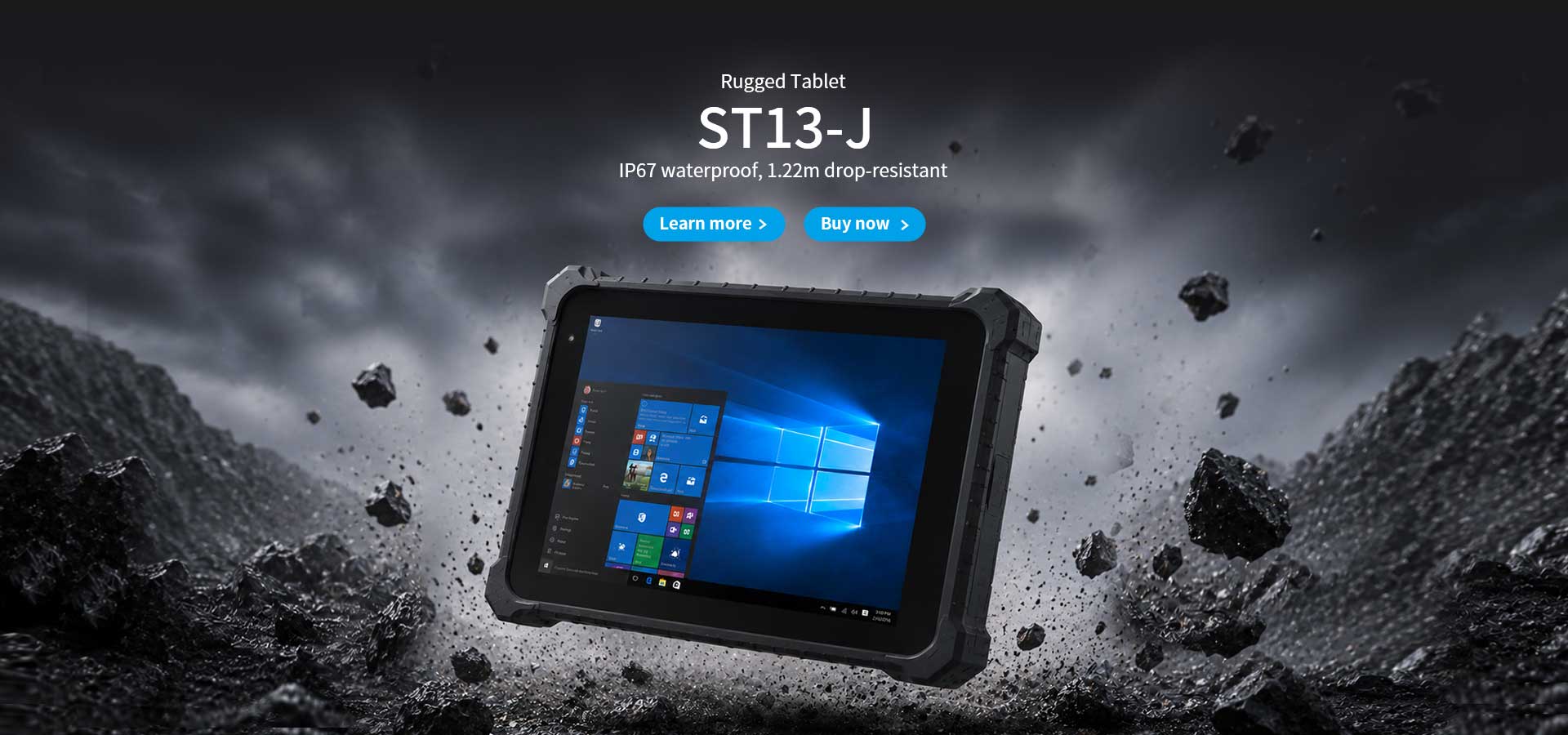
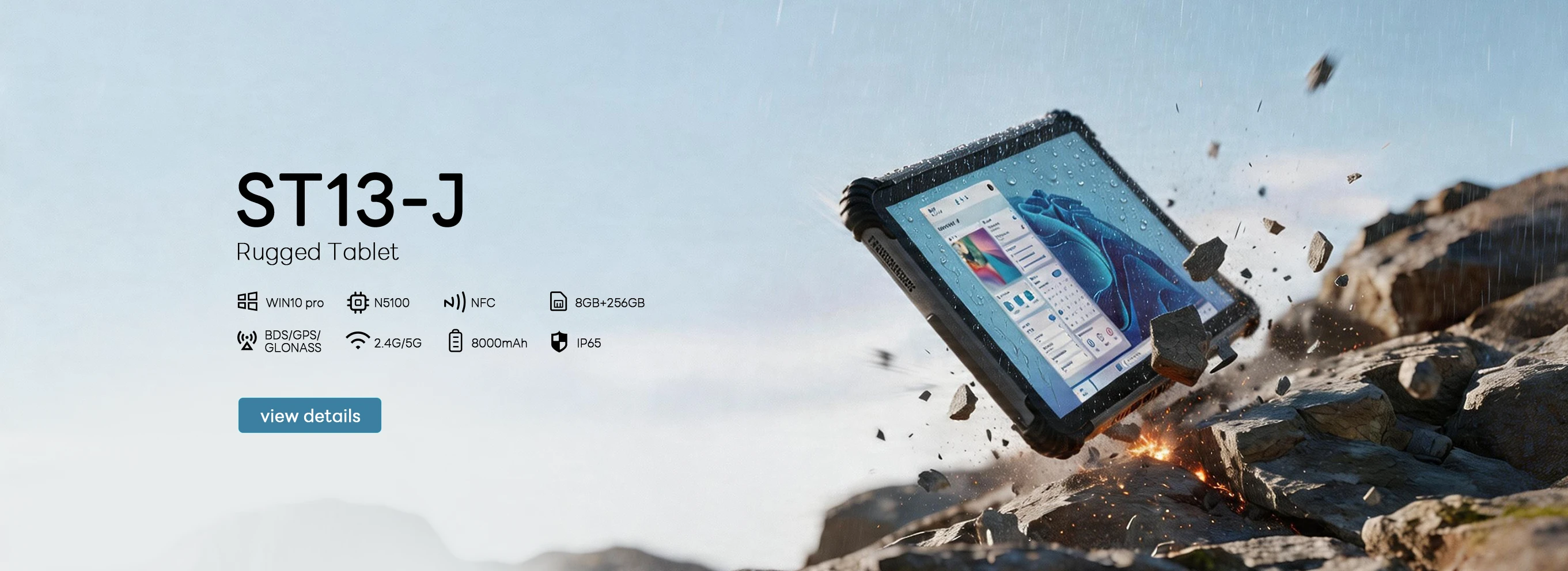
The remote expert capability is a game‑changer. When a technician encounters an unfamiliar fault, they can livestream their view to a senior engineer sitting at a Hotus ST13‑J 13.3″ Windows rugged tablet. The expert sees exactly what the technician sees, draws arrows on the live video, and speaks guidance through the glasses’ audio. This resolves 80‑90% of complex issues without a site visit, saving travel costs and reducing downtime.
For compliance and training, the AR glasses also record the entire repair session. Every step, every annotation, every diagnostic reading is captured and stored. That creates an auditable record for safety regulators and a training library for new technicians.
A global chemical plant deployed 200 Hotus AR glasses and 25 ST13‑J tablets to maintenance teams. After 12 months, inspection time dropped 63%. First‑time fix rates improved from 71% to 94%. Travel costs for expert technicians fell 58%. Safety compliance improved – AI automatically flagged missing PPE. New technician training time dropped from 6 months to 8 weeks. ROI came in just 9 months.
The AR hardware market is projected to approach $38 billion by 2030. The paper manual is an artifact of a slower, less safe era. If your technicians are still printing PDFs, you are wasting hours of productivity and increasing risk. The Hotus AR glasses and ST13‑J tablet give you the tools to modernize now.
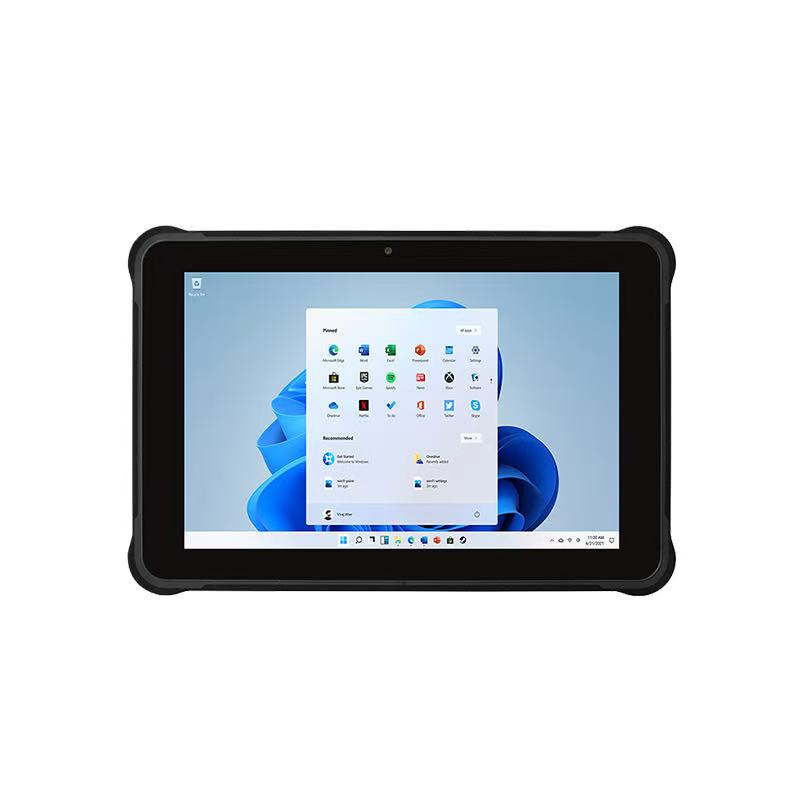
Fig 3 – Hotus ST11‑U: reviewing recorded AR repair sessions for quality and training
Contact HOTUS Technology to discuss your industrial AR deployment, request Hotus AR Glasses pilots, or explore ST13‑J tablets for remote expert support.