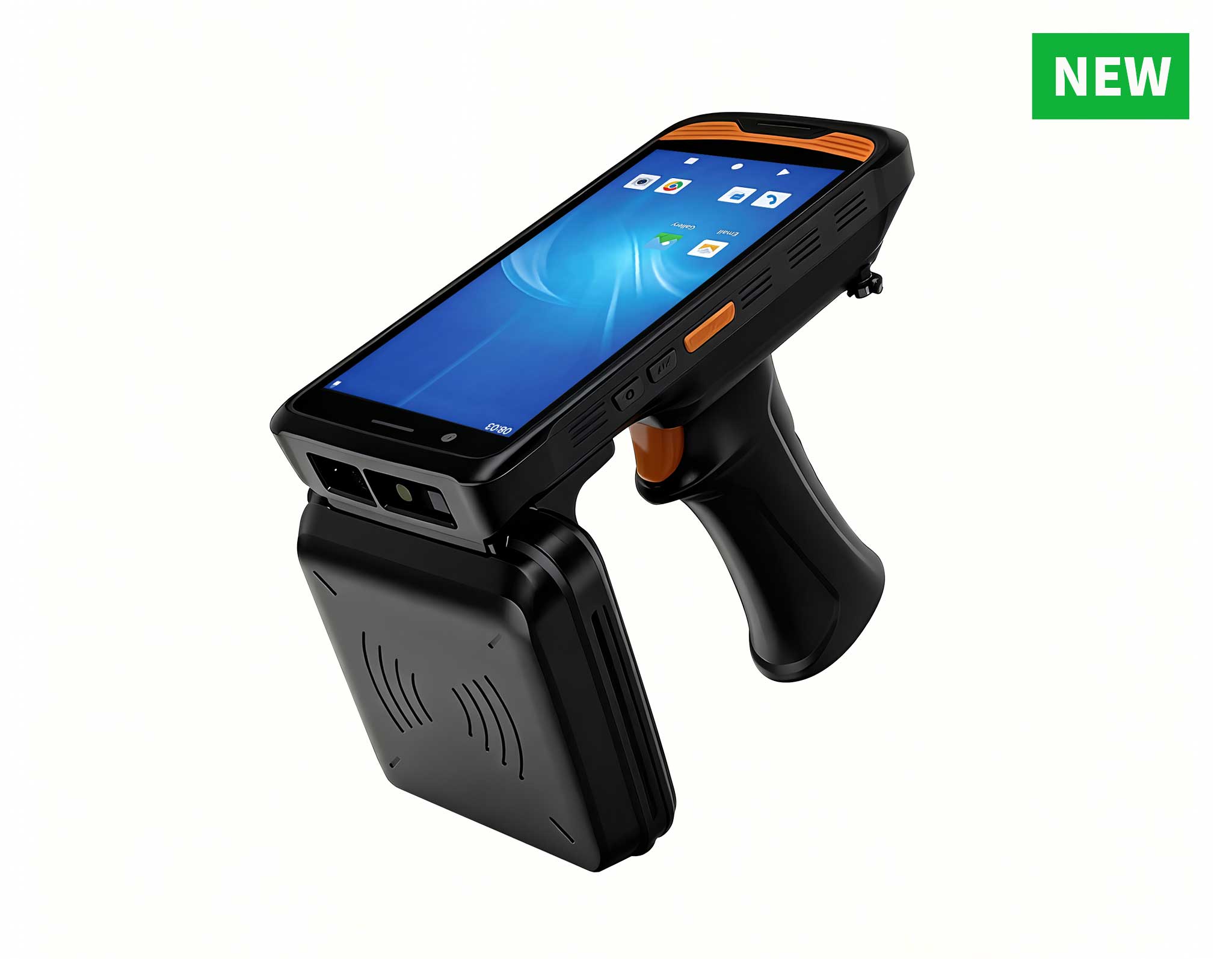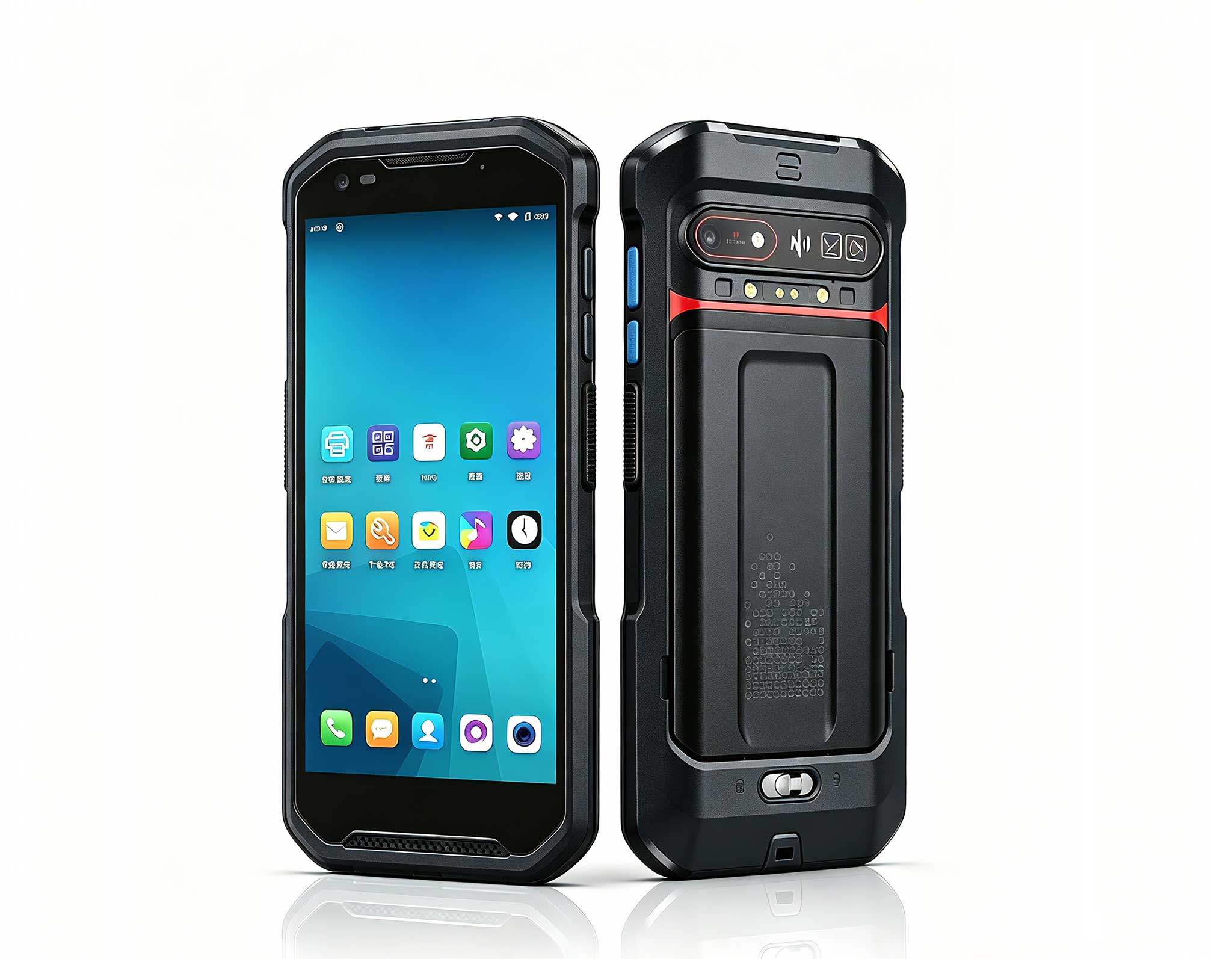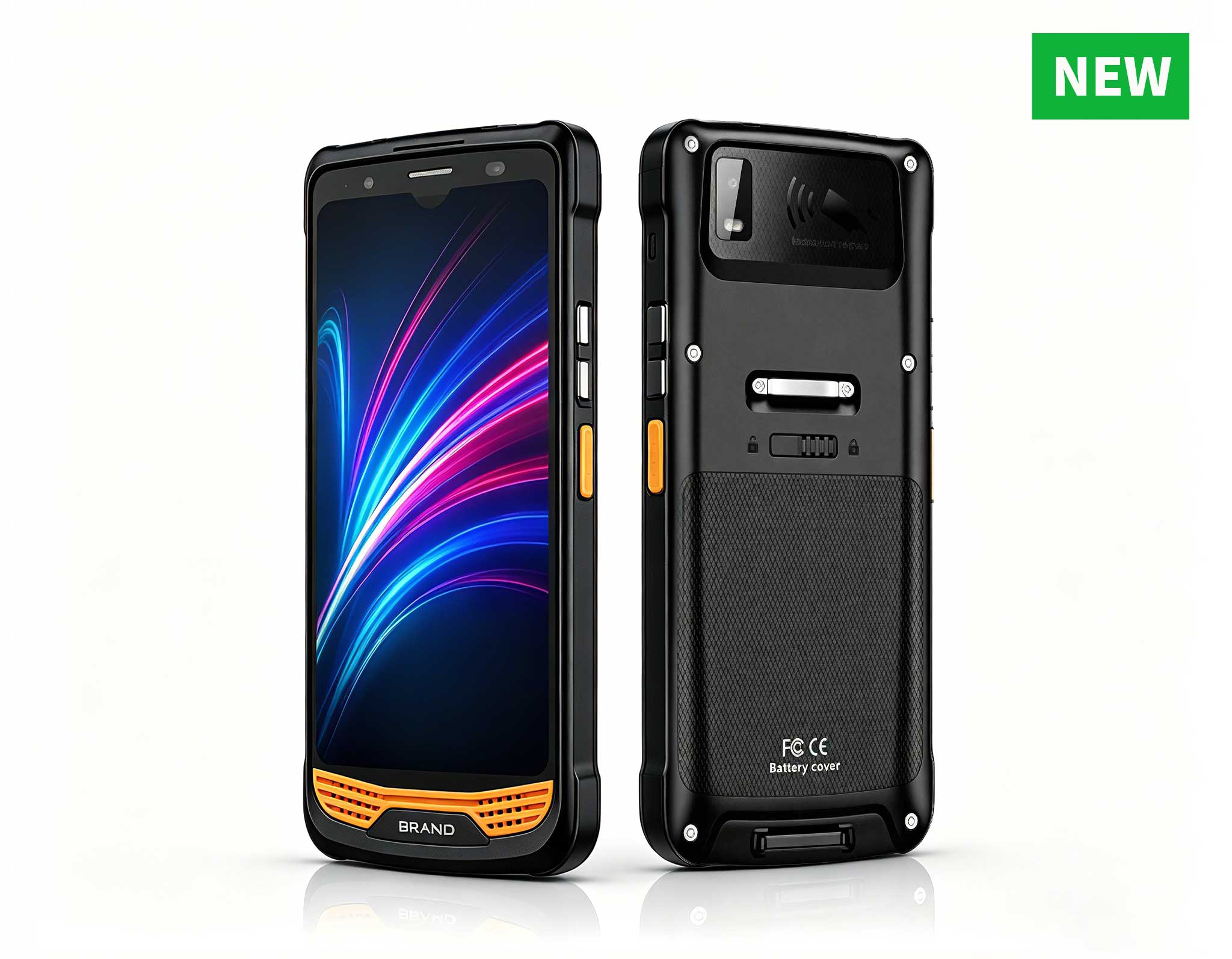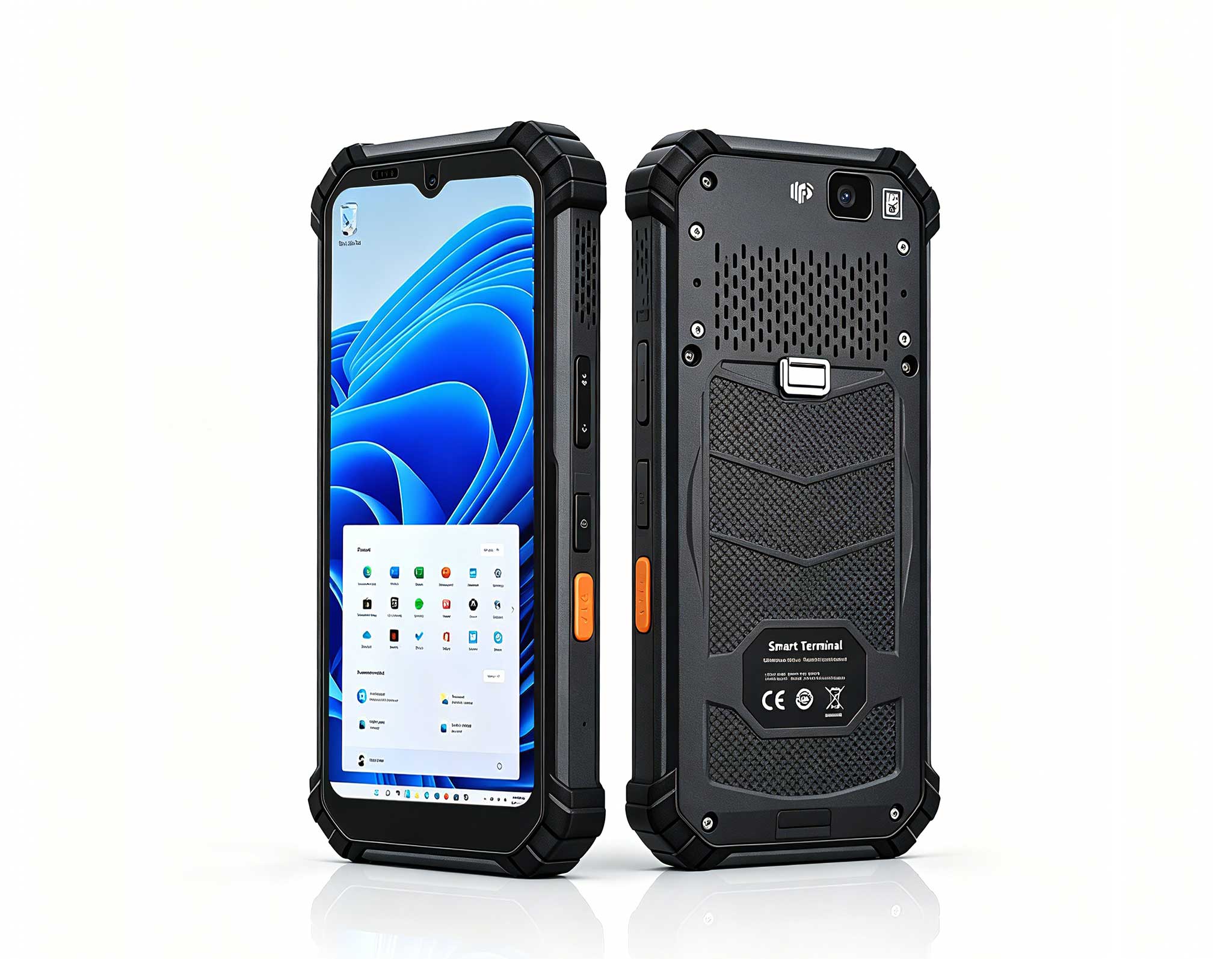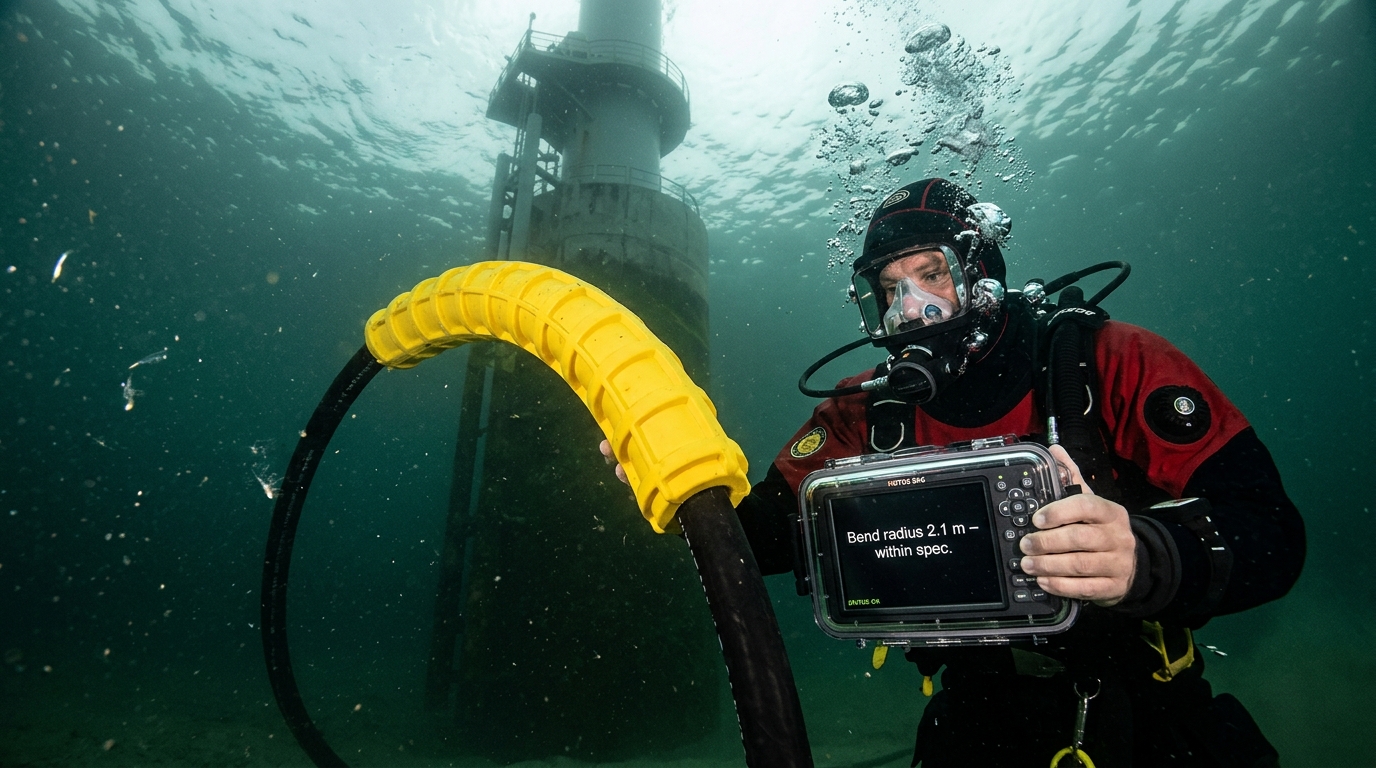
Field Intelligence: A technician utilizes the SH6 rugged handheld to verify dynamic cable bend radius on a floating offshore platform.
The Catenary Crisis: Why Your Cables Are Failing Sooner Than Planned
The rapid expansion of floating offshore wind (FOW) has introduced a brutal engineering reality: dynamic inter-array cables are the single point of failure. Unlike fixed-bottom wind, where cables rest static on the seabed, floating turbines subject their "umbilicals" to relentless wave-induced fatigue. A single cable joint failure isn't just a repair job—it’s a logistical nightmare involving specialized vessels, saturation divers, and millions in lost revenue. If your inspection data still lives on a grease-pencil slate, you aren't managing risk; you're waiting for a catastrophe.
The Engineering Gap: Visual vs. Quantifiable Subsea Data
As we scale to gigawatt-level arrays, the industry is discovering that traditional "eye-balling" is insufficient. A dynamic cable joint must handle millions of flexure cycles. Minor anomalies—a 5% shift in bend radius or a slight drop in insulation resistance—are the early warning signs of copper fatigue or water ingress.
Standard dive logs often fail to capture insulation resistance (IR) trends or connector thermal profiles. This data vacuum prevents predictive maintenance, forcing operators into a "run-to-failure" cycle that is financially unsustainable. Digitalizing these metrics at the source—the subsea joint itself—is the only way to secure long-term bankability for floating wind projects.
Precision at Depth: The HOTUS SH6 Marine Ecosystem
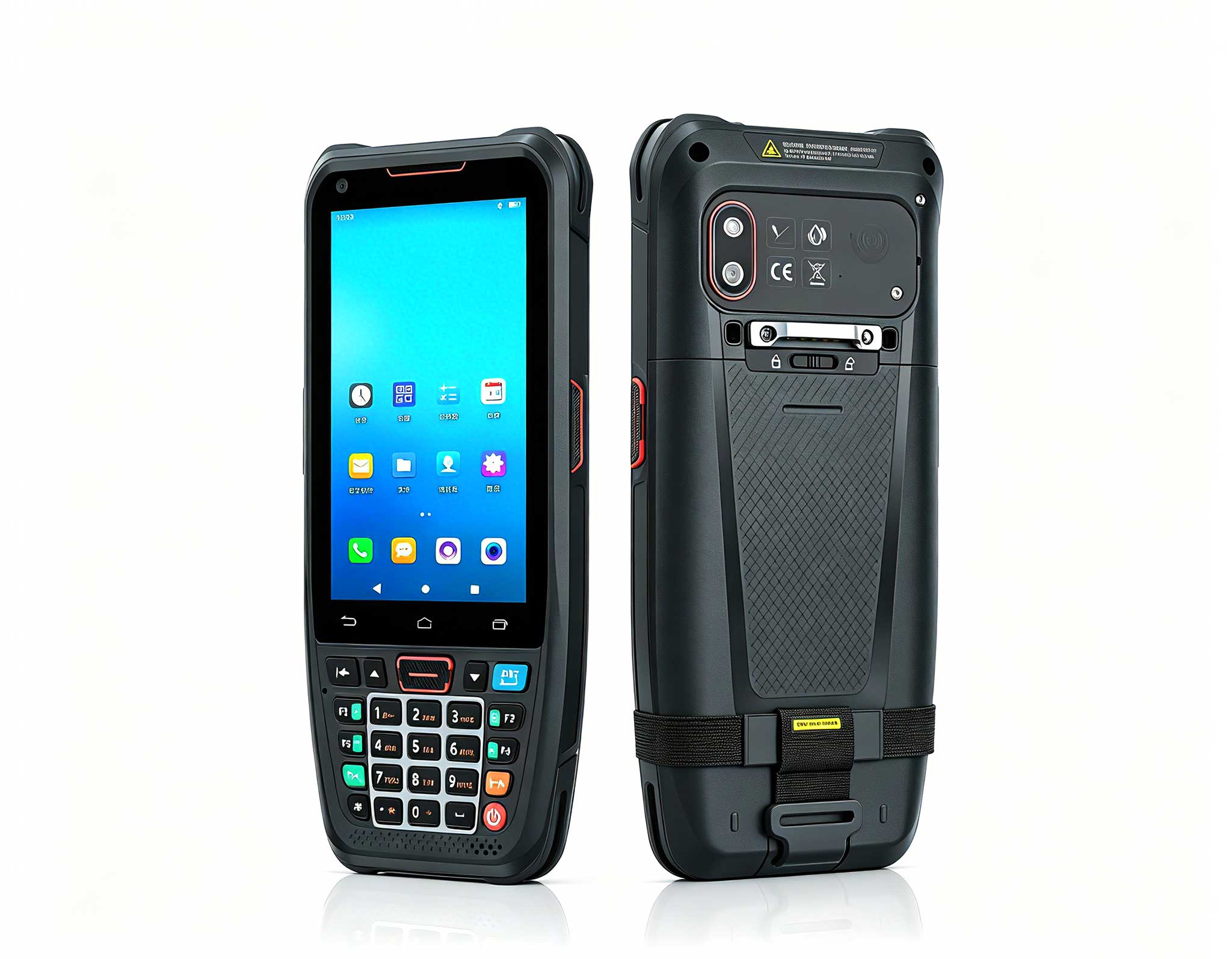
The Hotus SH6 6.5″ Windows rugged handheld is engineered to survive the high-humidity, high-salinity environment of wind farm substructures. When paired with waterproof housings, this device becomes the primary data collector for saturation divers and ROV operators.
- Automated IR Testing: By syncing via localized wireless protocols or tethered ports, the SH6 logs insulation resistance directly from testing hardware, eliminating manual transcription errors.
- Geotagged Visual Evidence: High-resolution sensors capture HD imagery of bend restrictors and buoyancy modules, automatically tagging them to the specific turbine ID and depth.
- Dynamic Bend Analysis: Technicians can input real-time measurements of the catenary curve, comparing them against the design-life parameters stored locally on the device.
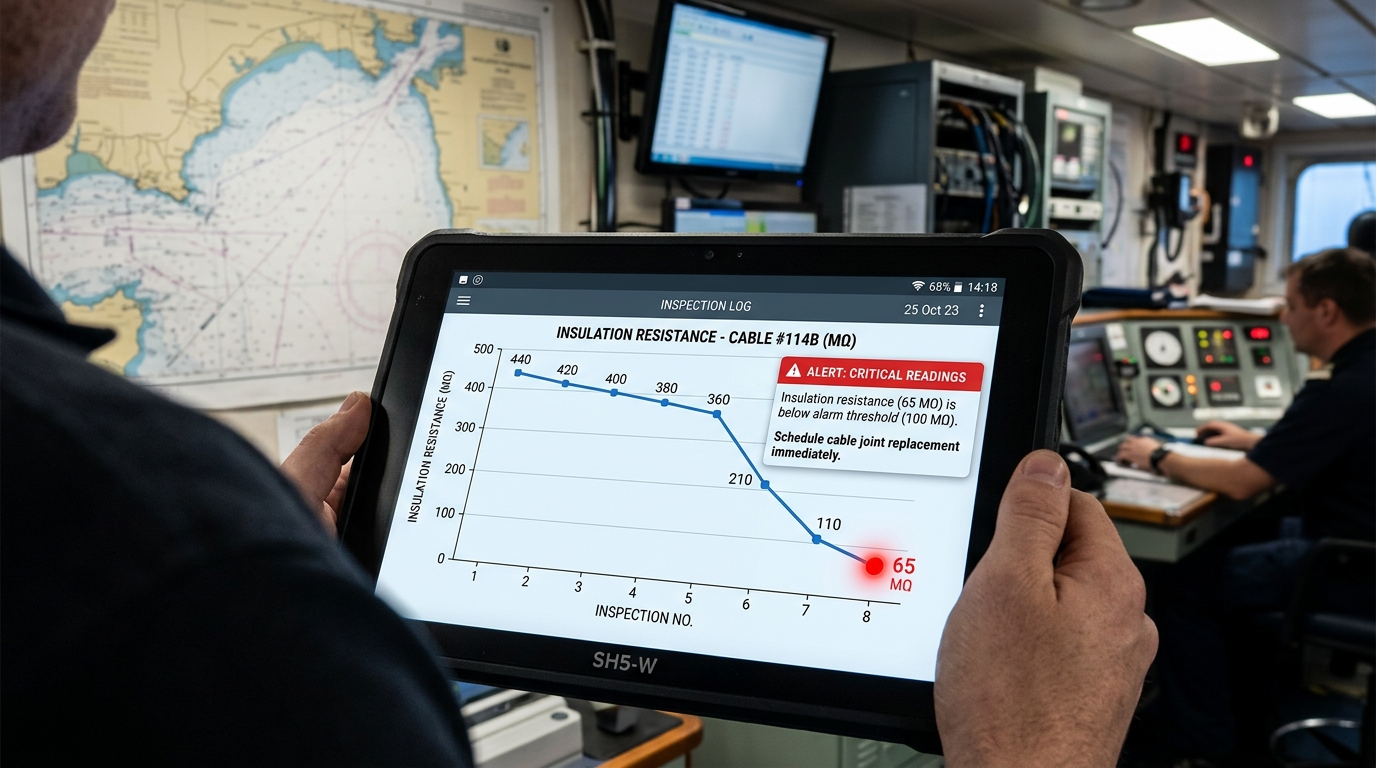
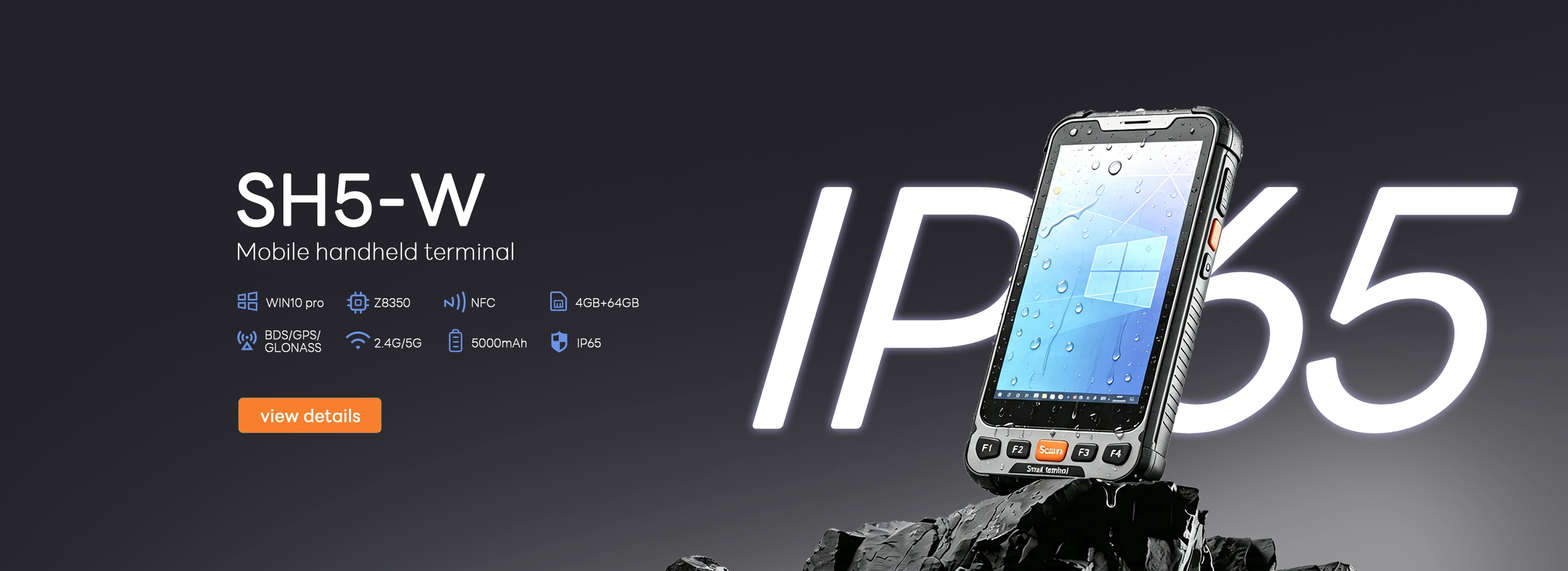
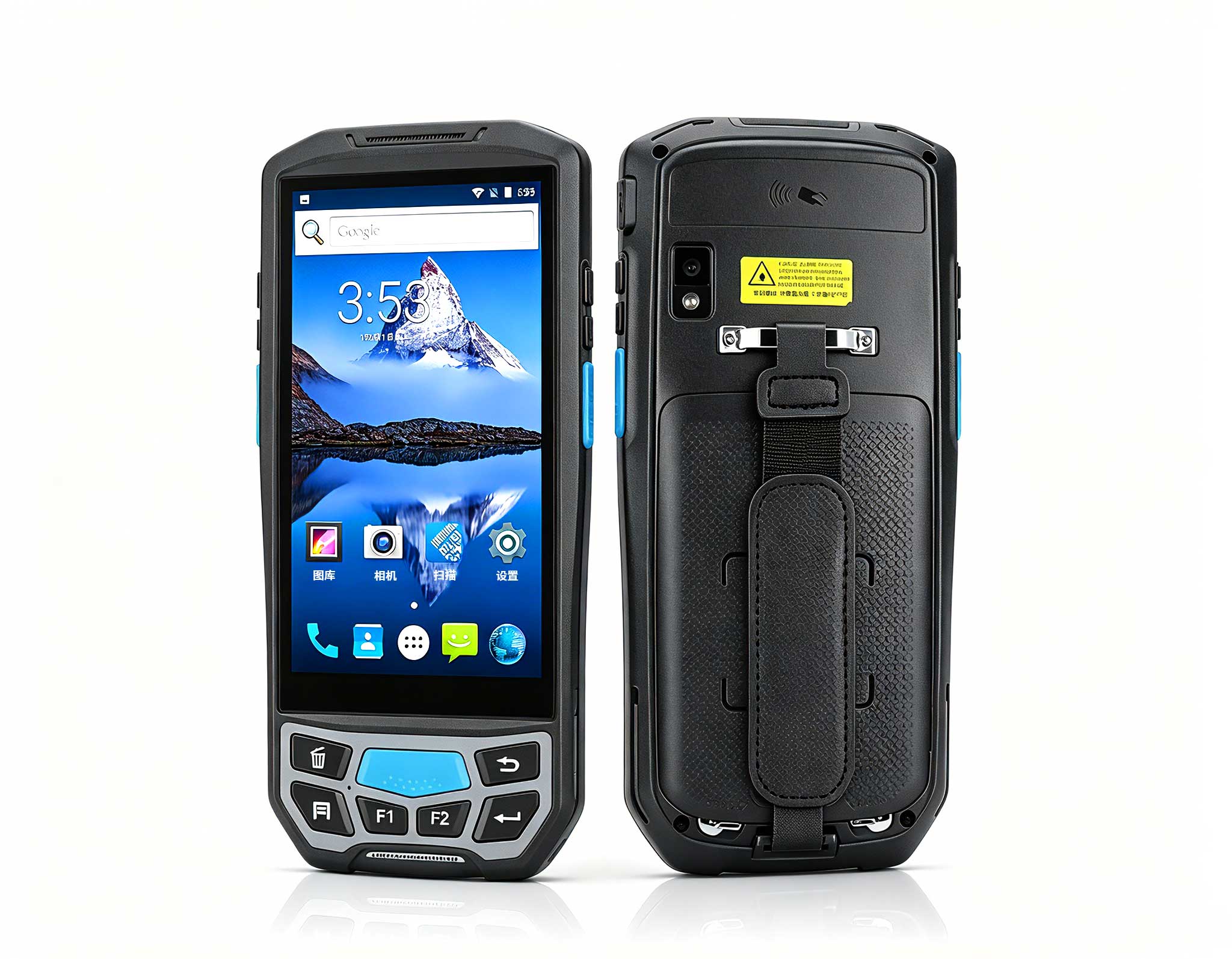
Predictive Analytics: The SH5-W identifies a critical drop in resistance, allowing for a proactive joint replacement before a short circuit occurs.
The Fleet View: ST13-J Rugged Command Center
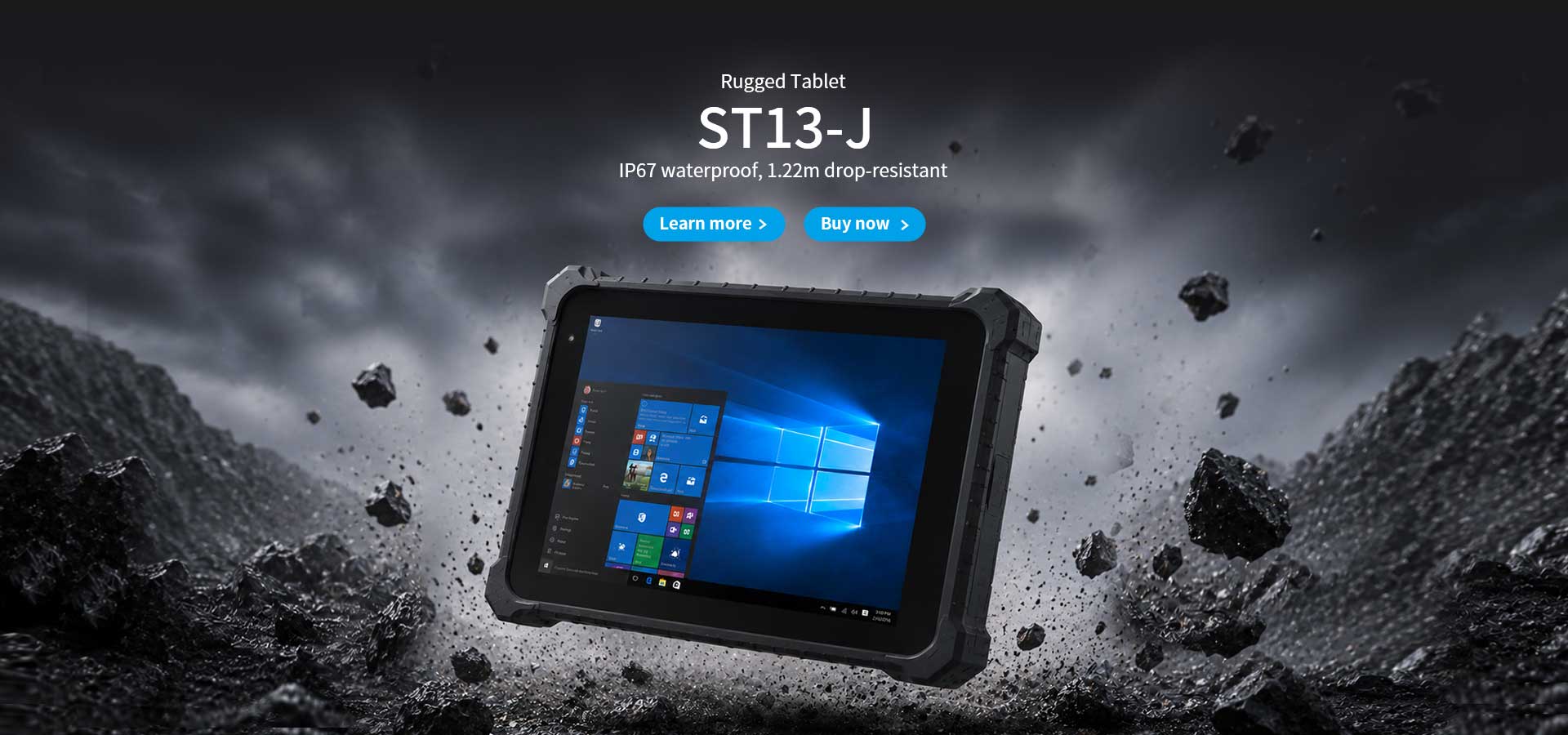
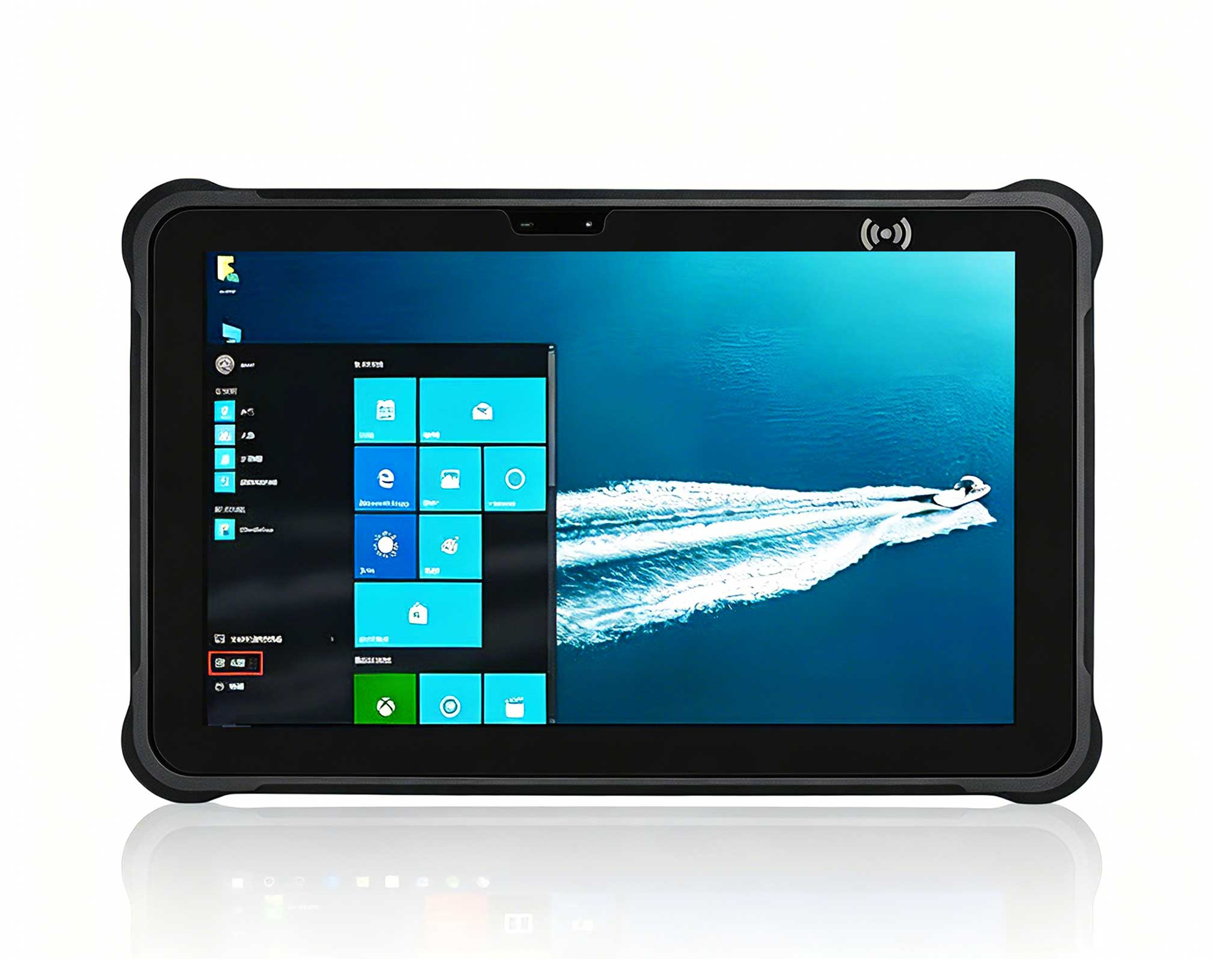
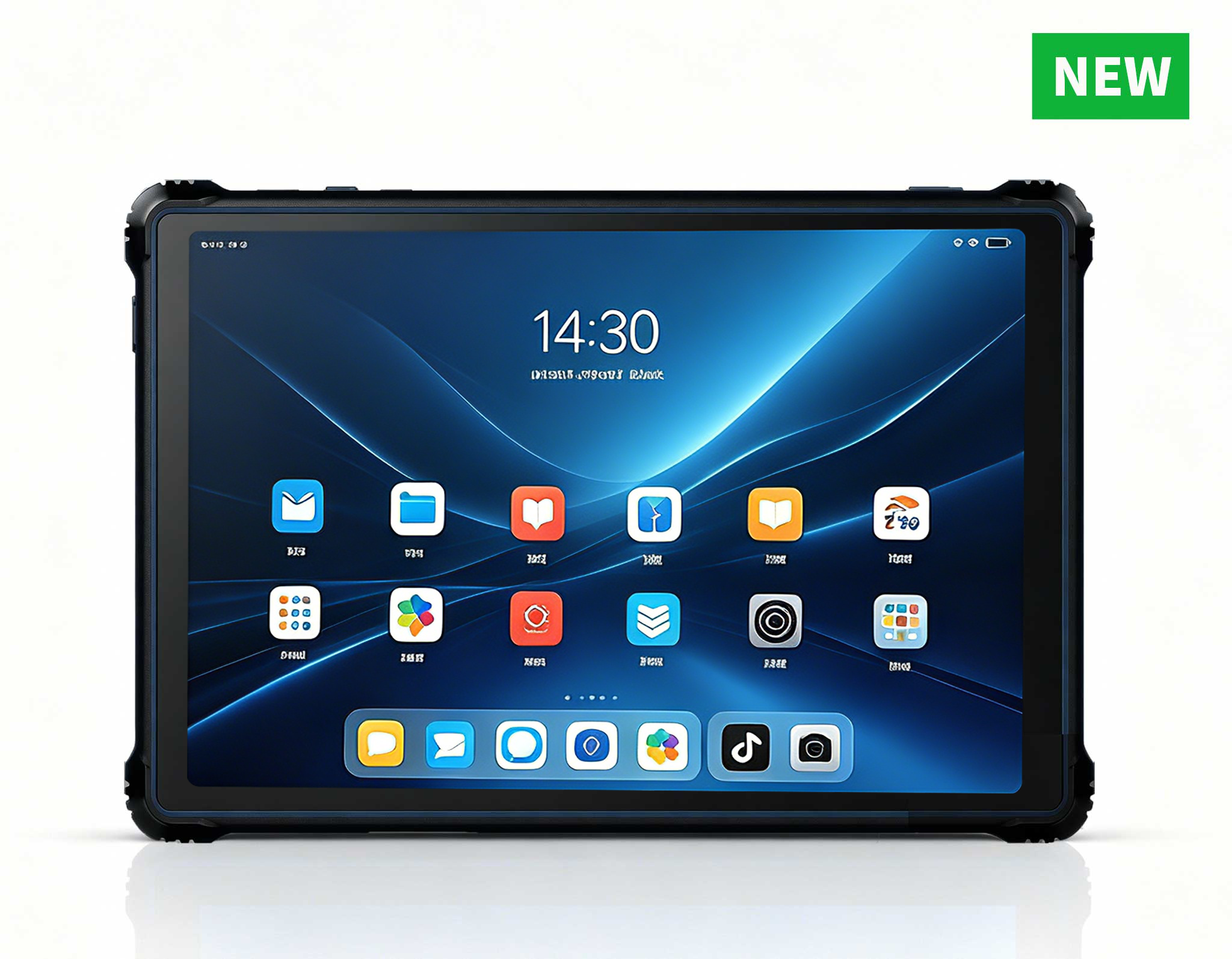
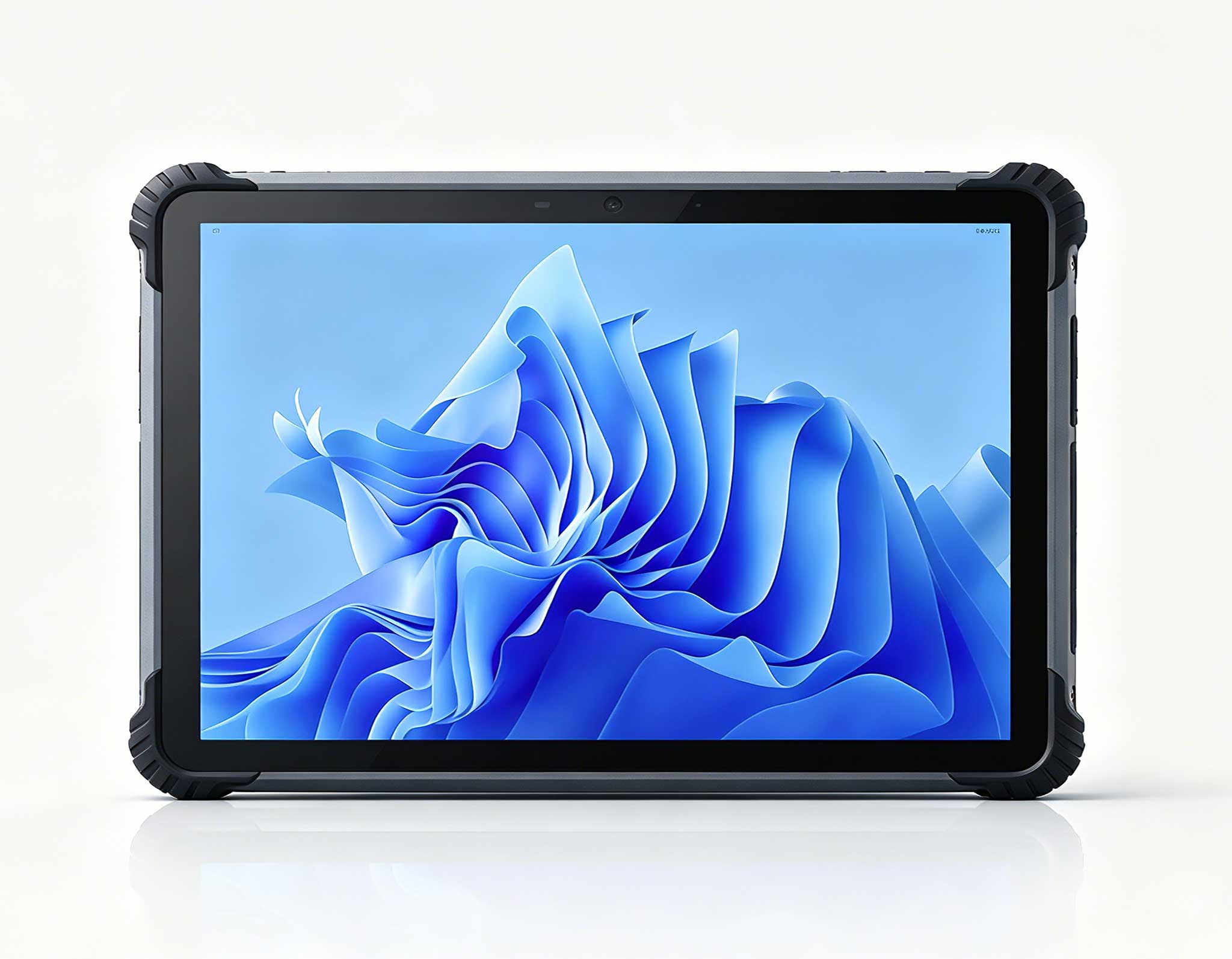
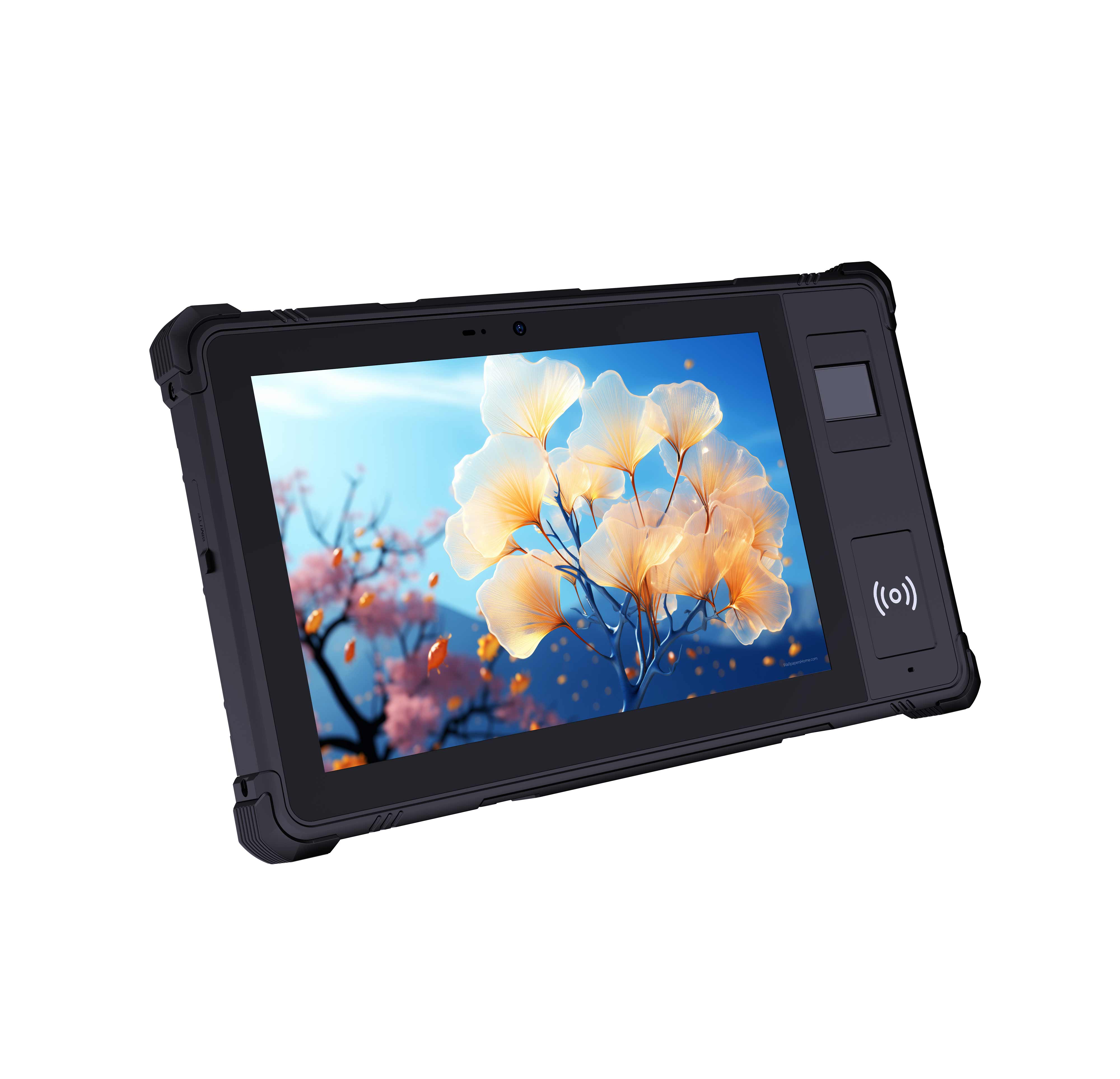
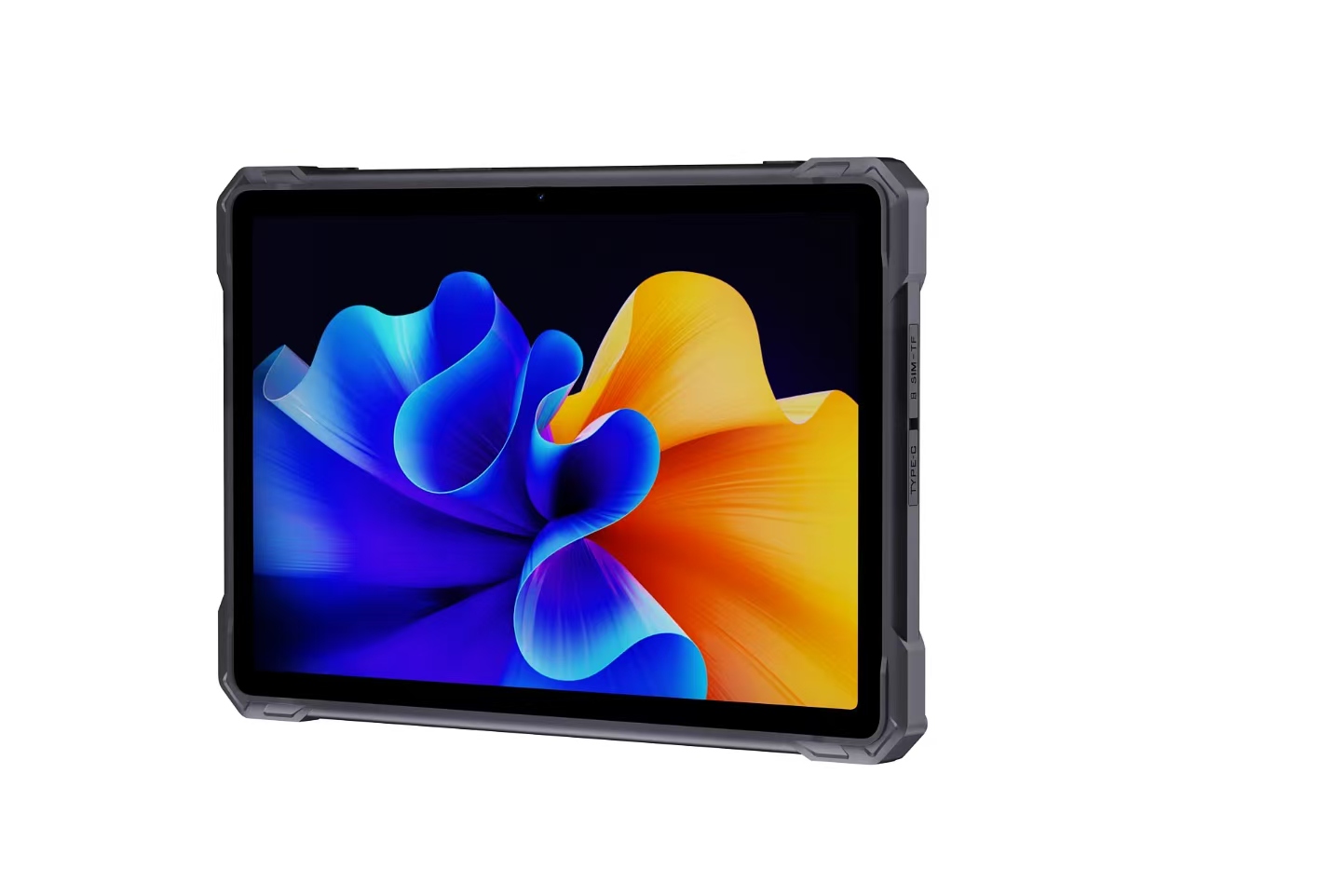
Data collected at the turbine is only as valuable as the engineer's ability to interpret it. The Hotus ST13-J 13.3″ Windows rugged tablet serves as the offshore superintendent’s dashboard. Its expansive, sunlight-readable display provides a geospatial overview of the entire array's health.
By aggregating logs from SH6 and SH5-W units, the ST13-J utilizes Dynamic Cable Monitoring (DCM) software to highlight assets approaching fatigue limits. This high-level visibility allows operators to bundle maintenance tasks, drastically reducing vessel mobilization costs. Instead of reacting to a blackout, the ST13-J allows you to schedule repairs during low-wind windows, maximizing the farm's Capacity Factor.
Case Study: Saving a $4.5M Joint in the North Sea
In early 2026, a major floating wind operator integrated HOTUS digital logging across their 250MW array. During a routine 18-month inspection, a diver using the SH6 noted an IR value of 22 MΩ—well below the 100 MΩ baseline. The ST13-J onshore dashboard instantly flagged this turbine. Subsequent investigation revealed a micro-tear in the joint’s outer sheath. Because the fault was caught early, a simple over-molding repair was performed. Had the joint failed, the total cost (vessel + cable + lost revenue) was estimated at $4.8 million. The cost of the tablets? Less than 0.2% of the savings.
Why Windows-Based Rugged Hardware?
Many subsea sensors and diagnostic tools require legacy Windows software for configuration and data extraction. The HOTUS suite (SH6, SH5-W, ST13-J) provides a seamless bridge between specialized marine engineering software and the harsh field environment. Unlike consumer-grade tablets with "rugged" cases, these are ground-up industrial builds with IP67/IP68 ratings, MIL-STD-810H shock protection, and high-capacity batteries designed for full-shift dive operations.
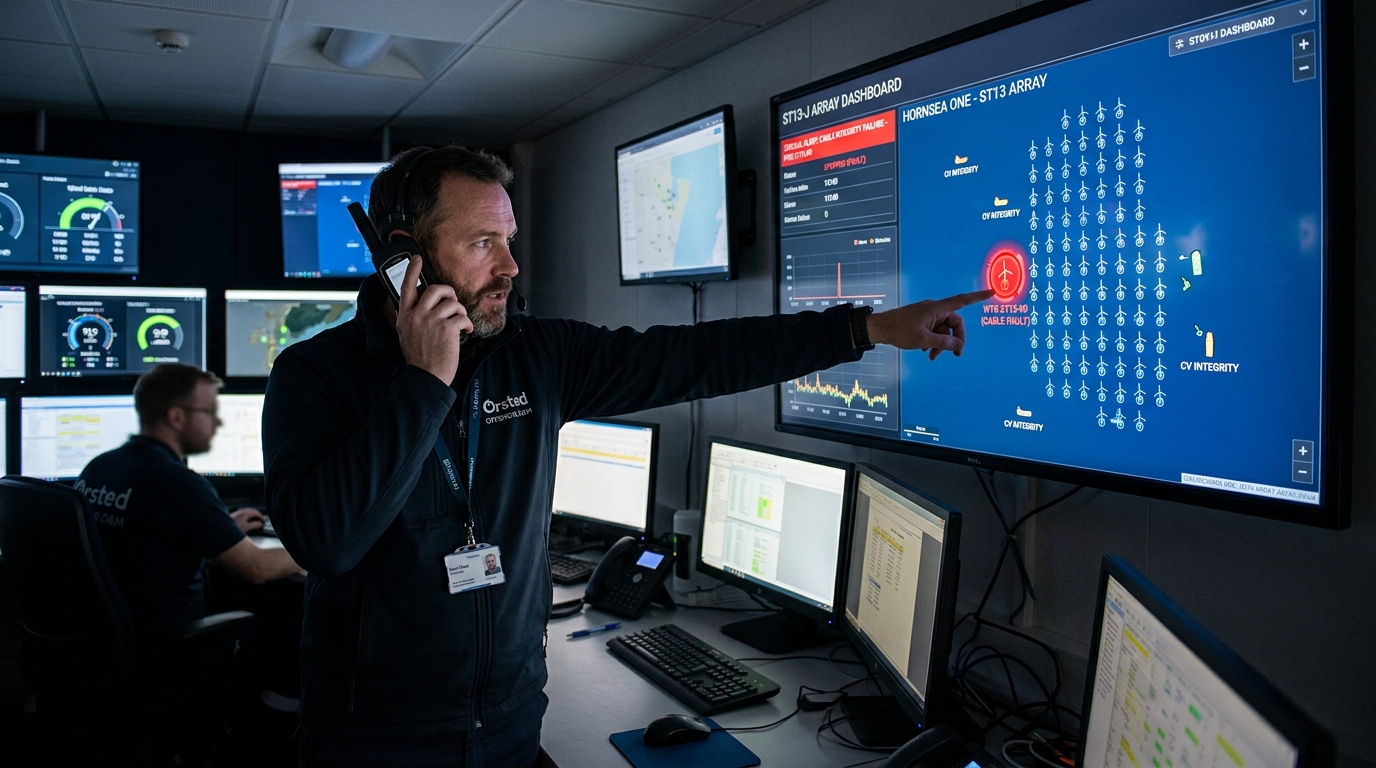
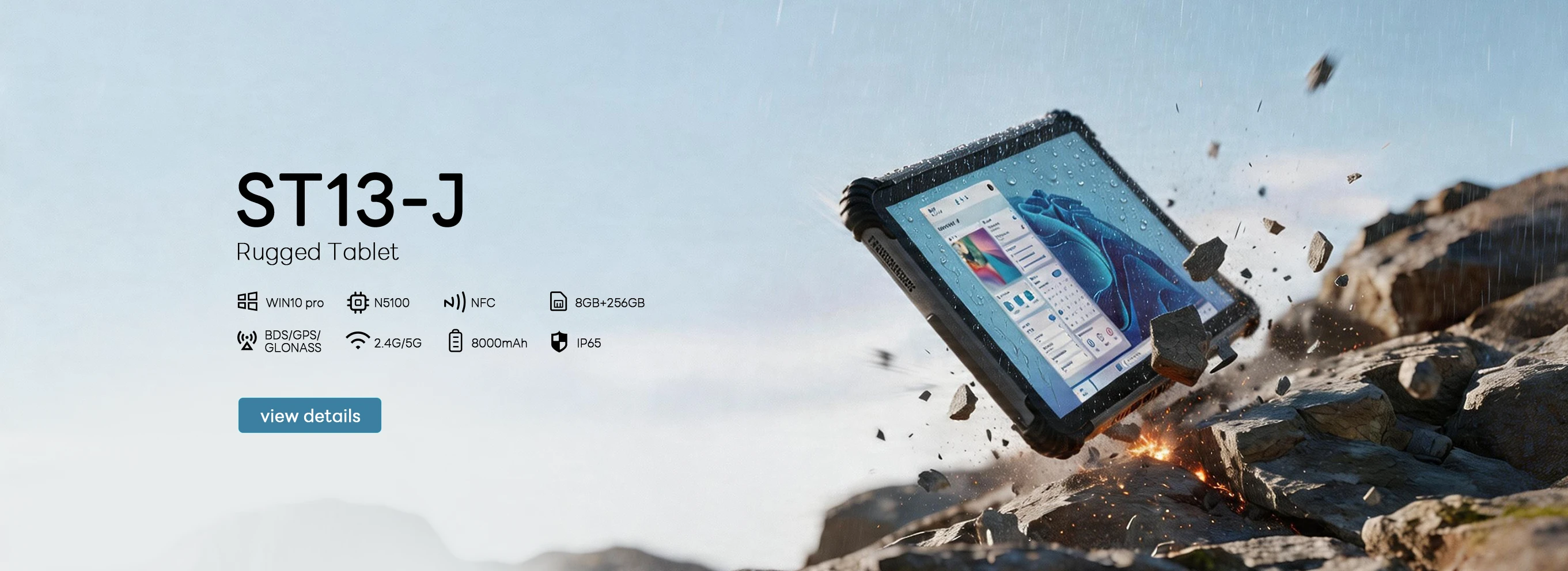
Strategic Oversight: The ST13-J color-codes cable health, ensuring no critical joint is overlooked by the maintenance crew.
As the floating wind industry matures, the "nervous system" of inter-array cables must be protected by more than just luck. A data-driven approach to cable joint integrity—powered by marine-grade Windows tablets—is the standard for operators who prioritize uptime and safety over the high cost of failure.
Protect Your Subsea Infrastructure Today
Failing to document subsea fatigue is a multi-million dollar gamble. Secure your project's ROI with the industry's most reliable marine rugged tablets.
© 2026 HOTUS Technology | Leading Provider of Industrial Rugged Computing & Subsea Asset Management Solutions.