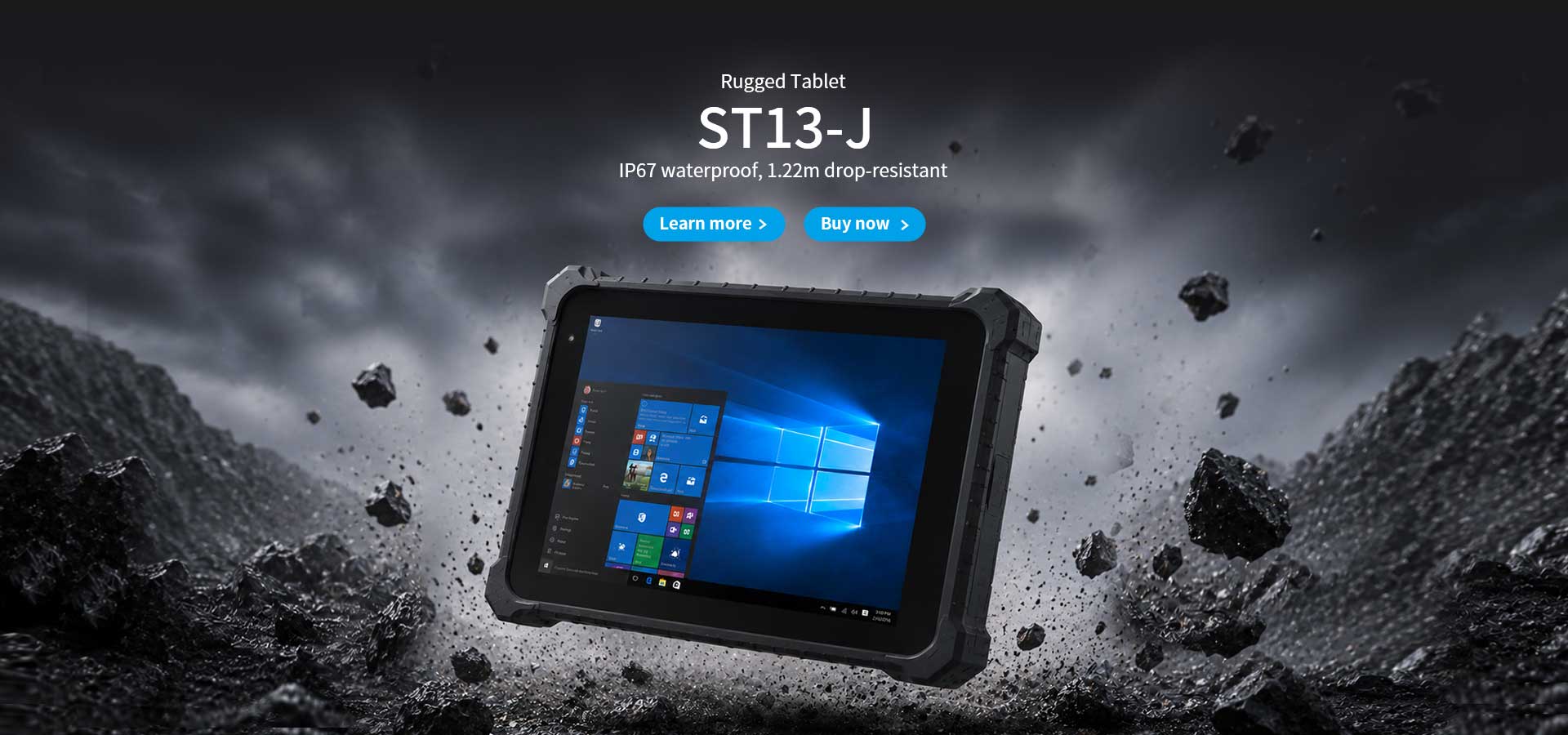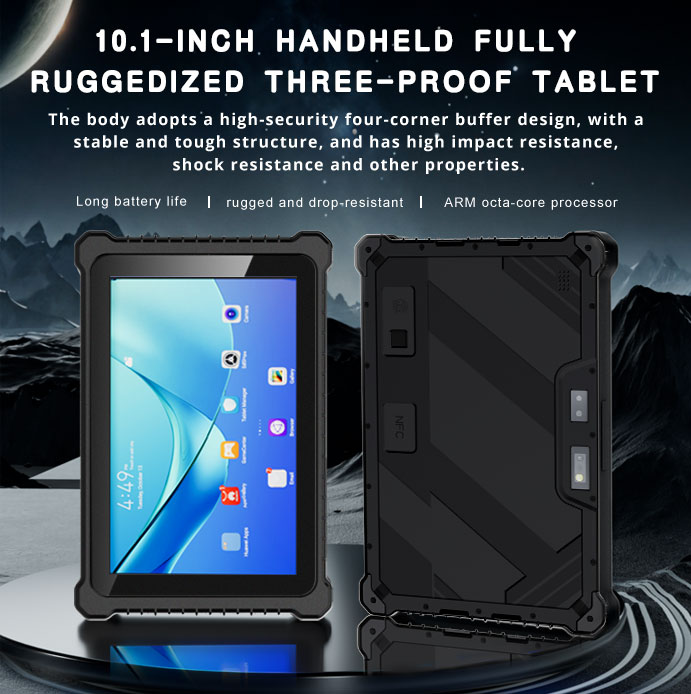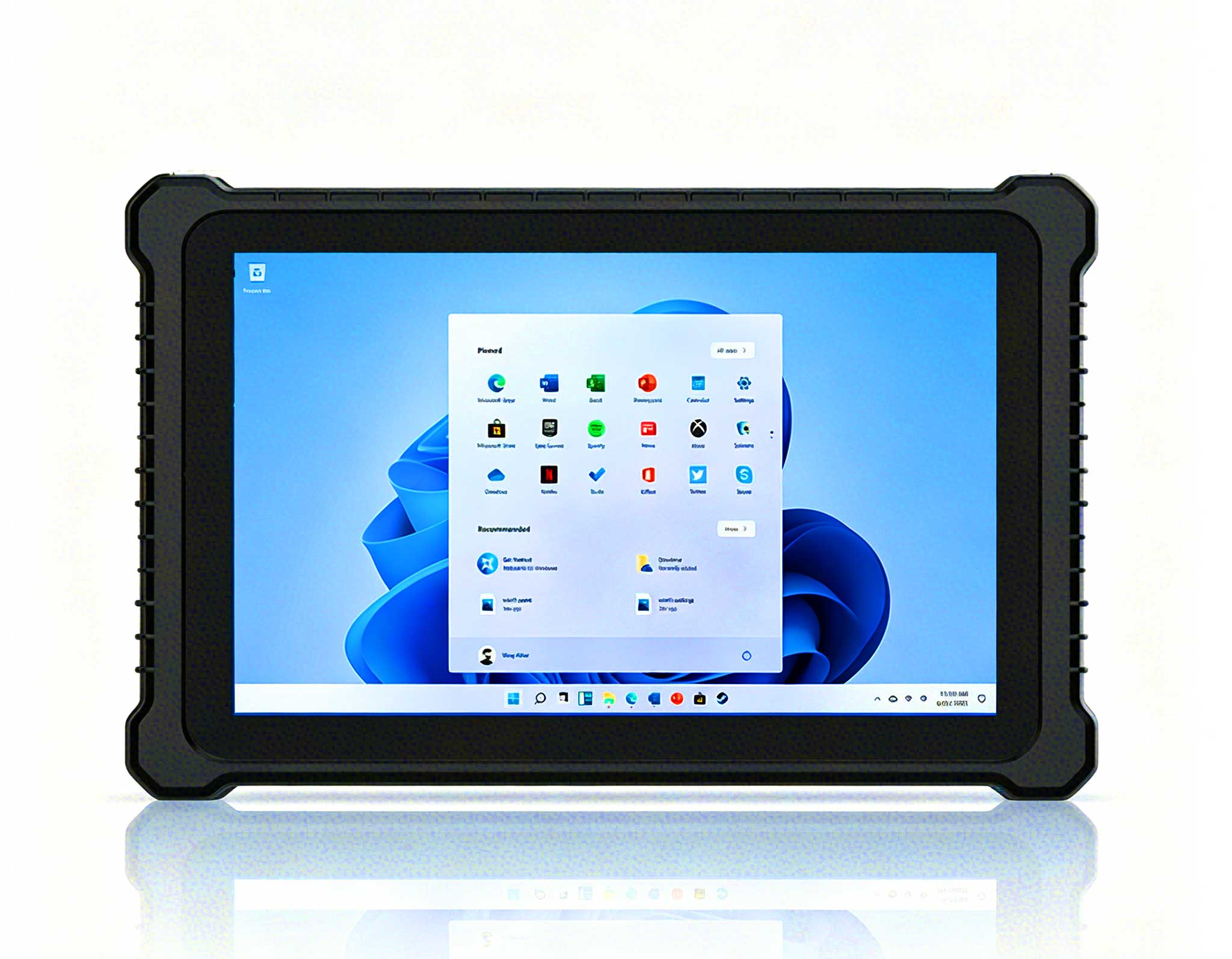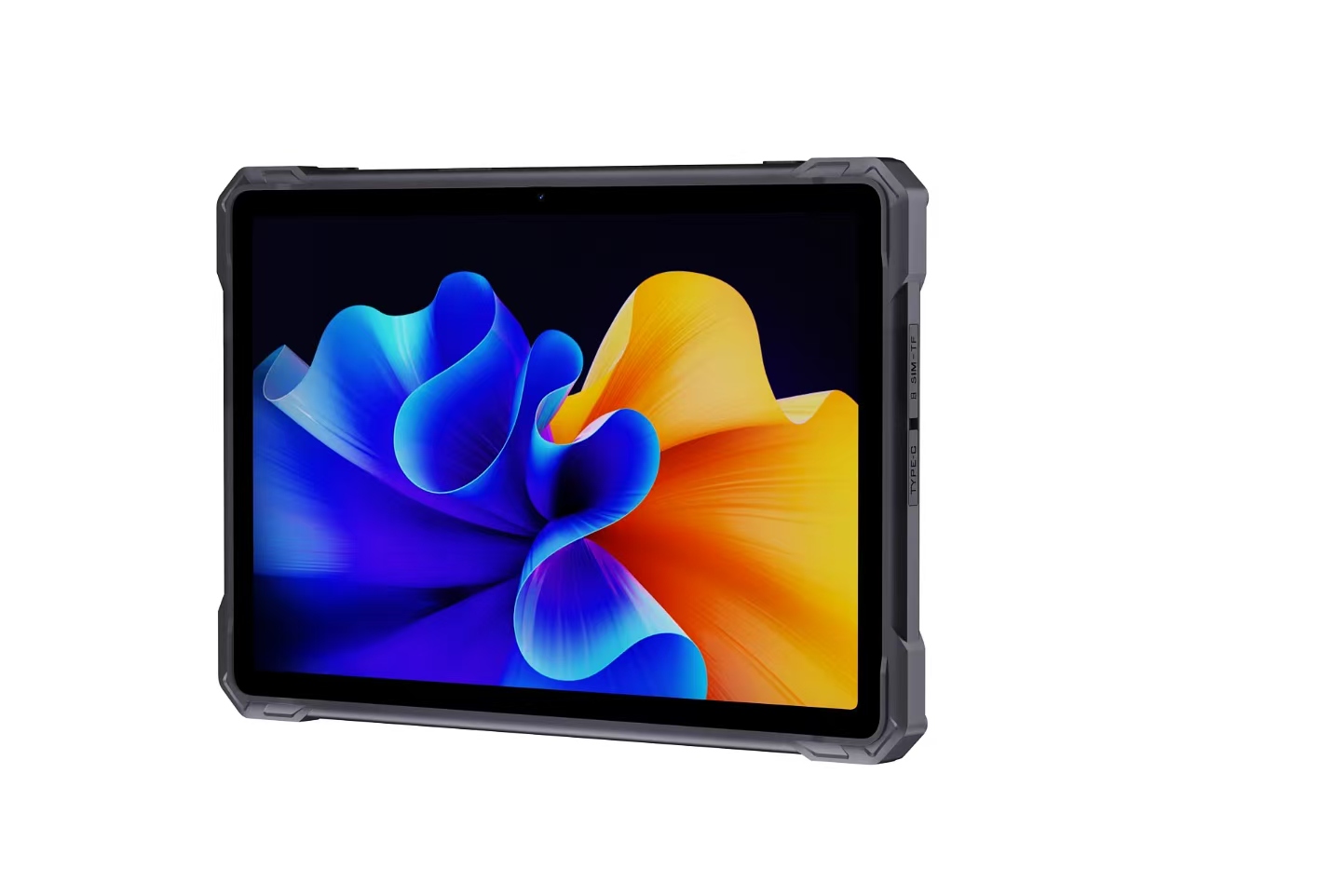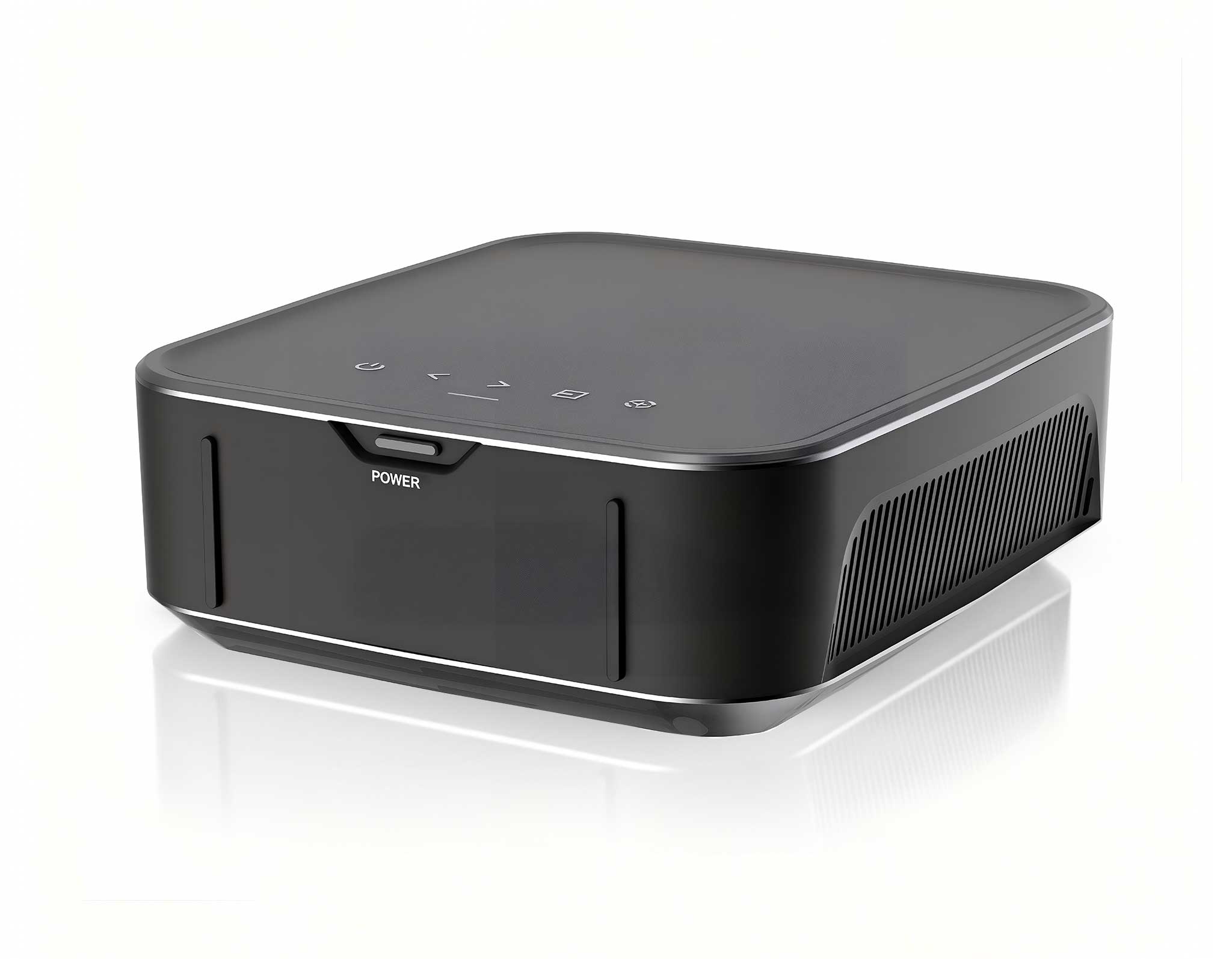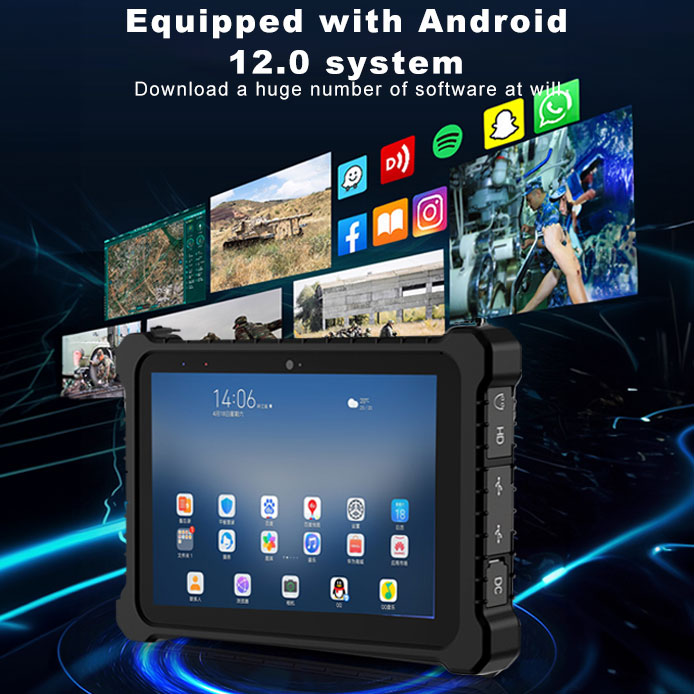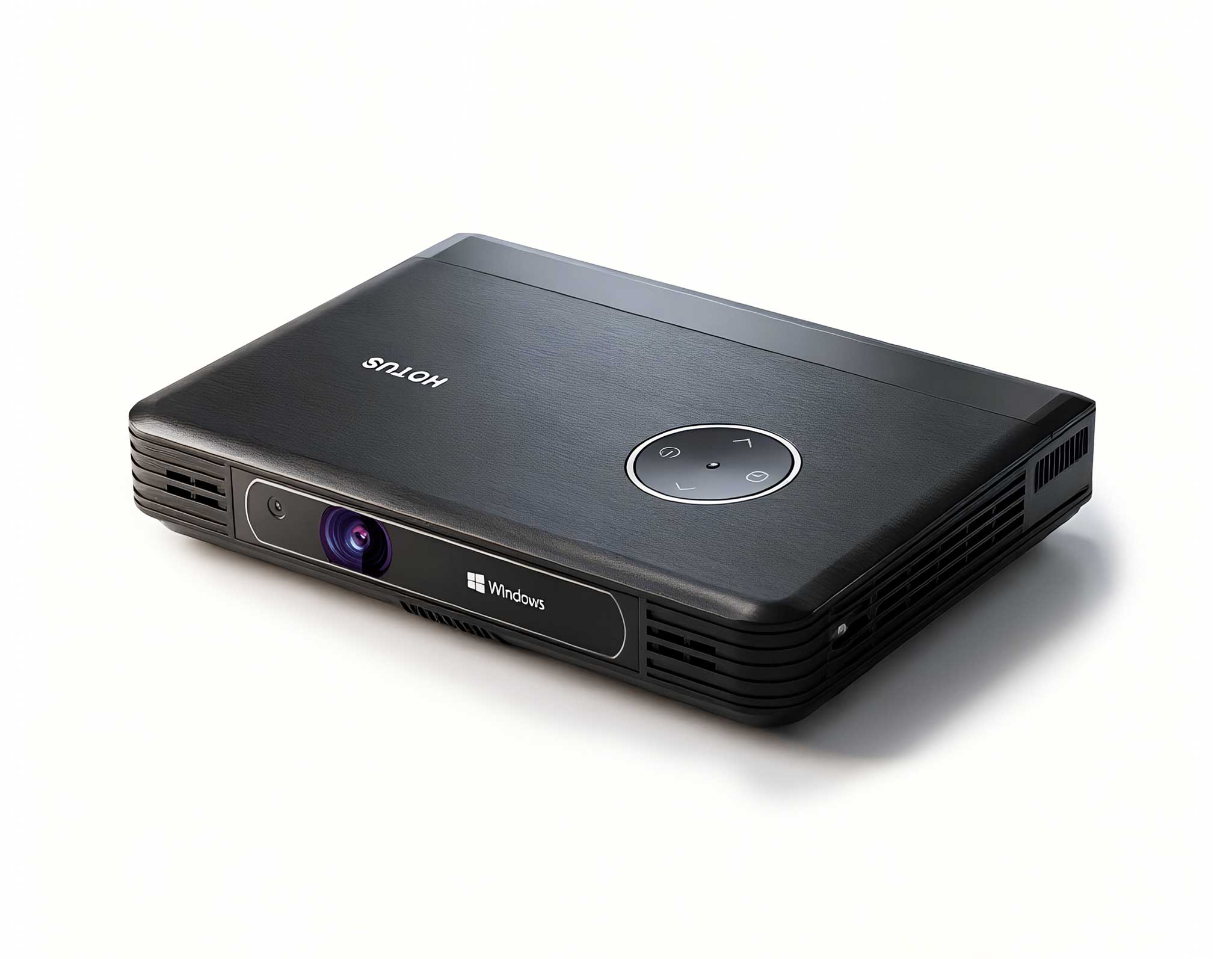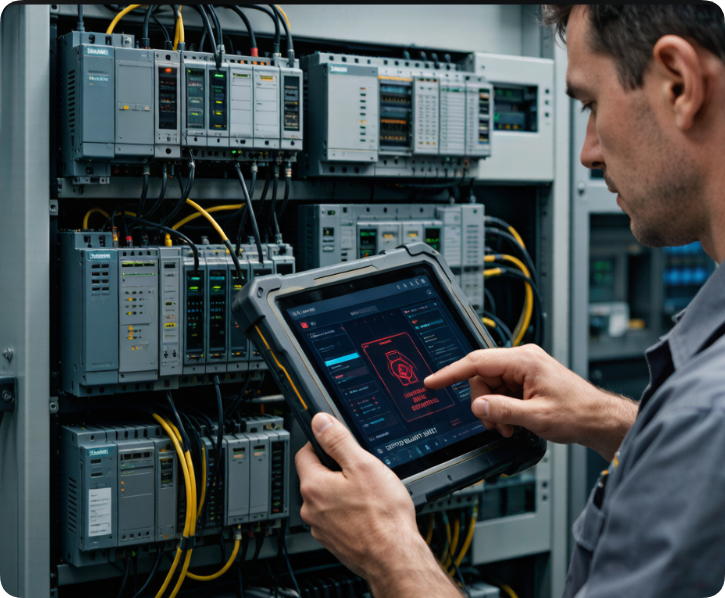
A field technician utilizes a HOTUS ST11‑U Windows rugged tablet inside a water pumping station for secure, offline SCADA verification and hardware-level asset logging.
During a recent security audit, a reliability engineer at a municipal water utility discovered that 56% of their operational technology (OT) networks lacked any visibility below the IT-OT boundary. Despite the widespread belief that these critical networks were completely air-gapped, they were dangerously exposed. Modern threat actors are actively deploying commercial artificial intelligence tools to map, probe, and compromise industrial control systems (ICS). If your facility still relies on paper clipboards and consumer-grade laptops for safety instrumentation logs, you are not just lagging behind—you are wide open to catastrophic breaches. An industrial Windows rugged tablet engineered with an offline-first architecture, hardware-encrypted audit trails, and direct PLC physical connectivity is no longer optional; it is the ultimate barrier protecting your daily operations from a national-level infrastructure incident.
The OT Visibility Crisis Is Costing Millions – Why Your Air-Gapped Myth Demands a Windows Rugged Tablet
Insights by HOTUS Projector Technology Department | Industry Report | June 2026
The global industrial security ecosystem has transformed rapidly over the past several quarters, catching many plant managers and control systems engineers off guard. Cyber threat intelligence from Dragos recently detailed a sophisticated intrusion into a major Mexican water utility. The adversaries bypassed standard perimeter defenses by using commercial AI-driven reconnaissance tools to accelerate network mapping, specifically isolating and targeting high-value OT hardware. The attackers did not require zero-day exploits or state-sponsored malware; they simply took advantage of flat network topologies, shared administrative credentials, and traditional paper-based logs that failed to record the digital footprint of the intrusion.
Data from NCC Group highlights that industrial organizations suffered an unprecedented 2,073 documented ransomware attacks in the 12 months ending March 2026. This data establishes the industrial and manufacturing sectors as the primary targets for cybercriminals every single month of the past year. Within this cohort, capital goods producers—including heavy machinery, control systems, and essential automated equipment—bore the brunt of these disruptions, accounting for 1,192 distinct attacks. Every single one of these security incidents shared a common origin point: an unprotected initial foothold. These vulnerabilities consistently trace back to an exposed engineering workstation, an unmonitored legacy remote access port, or a field technician connecting an unmanaged corporate laptop directly into a programmable logic controller (PLC) network.
The Hidden Threat of Cross-Contamination in Field Maintenance
The structural vulnerability of modern manufacturing stems from treating operational technology security as a basic IT problem. Corporate leadership frequently assumes that installing advanced enterprise firewalls, segmenting corporate subnets, and deploying endpoint detection software fulfills their security obligations. However, the physical reality of plant maintenance breaks these digital perimeters daily. When a maintenance engineer needs to update an HMI screen, modify a logic loop, or extract diagnostic logs from an isolated PLC, they inevitably use a standard corporate laptop.
This laptop regularly traverses multiple environments. It connects to office docking stations, accesses public Wi-Fi networks at airports, and logs into remote VPNs from home offices before being carried into the heart of a production plant. The moment that technician connects an Ethernet cable from that device into an internal automation network, the theoretical air-gap vanishes. The device becomes a physical bridge, allowing latent malware, credential scrapers, or ransomware strains to cross-contaminate critical infrastructure without passing through a single enterprise firewall.
Eliminating Network Exposure with Offline-First Mobile Computing
Mitigating this operational risk requires a fundamental shift away from perimeter-reliant security models toward strict, offline-first mobile computing workflows. The Hotus ST11‑U 10.1″ Windows rugged tablet is engineered specifically to break this chain of infection. Built from the ground up for industrial field environments, the ST11-U executes critical data collection, configuration changes, and asset verification without needing an active network connection. By removing wireless interfaces and network dependencies during live field operations, technicians can achieve zero-trust isolation while working directly with critical machinery.
When deployed across water utilities, power plants, or chemical processing facilities, the ST11-U alters standard maintenance protocols for the better:
- Direct Physical Interactivity: Technicians connect directly via physical DB9 serial interfaces, industrial USB ports, or dedicated engineering interfaces. This hardware-to-hardware connection ensures that no cellular, Wi-Fi, or Bluetooth signals expose the underlying automation layer to external manipulation.
- Local Application Execution: Because the ST11-U runs a full, uncompromised version of Windows 11 Pro, it natively runs standard SCADA engineering tools, PLC programming applications, and industrial asset management suites locally on the device, eliminating the need for cloud-based compilation or remote server connections.
- Hardware-Enforced Storage Security: Every data point collected, from diagnostic snapshots to ladder logic variations, is protected by an onboard Trusted Platform Module (TPM 2.0) chip and full-disk BitLocker encryption. If a device is lost or stolen in the field, the stored data remains completely inaccessible to unauthorized parties.
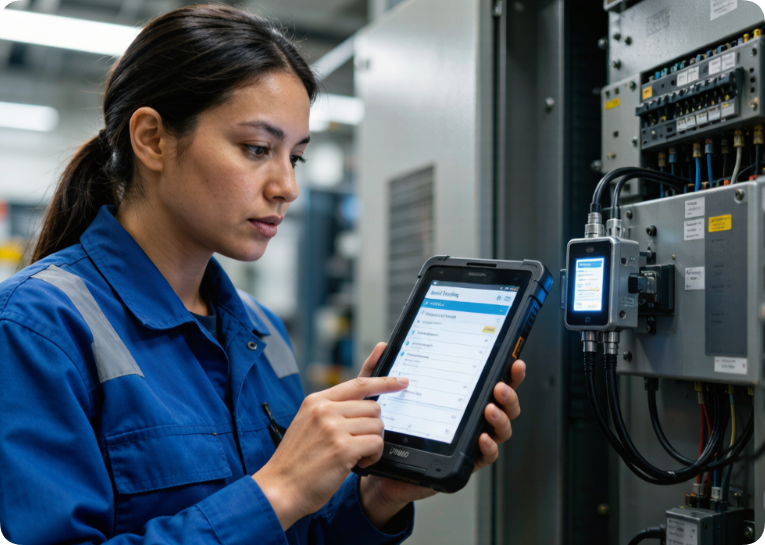
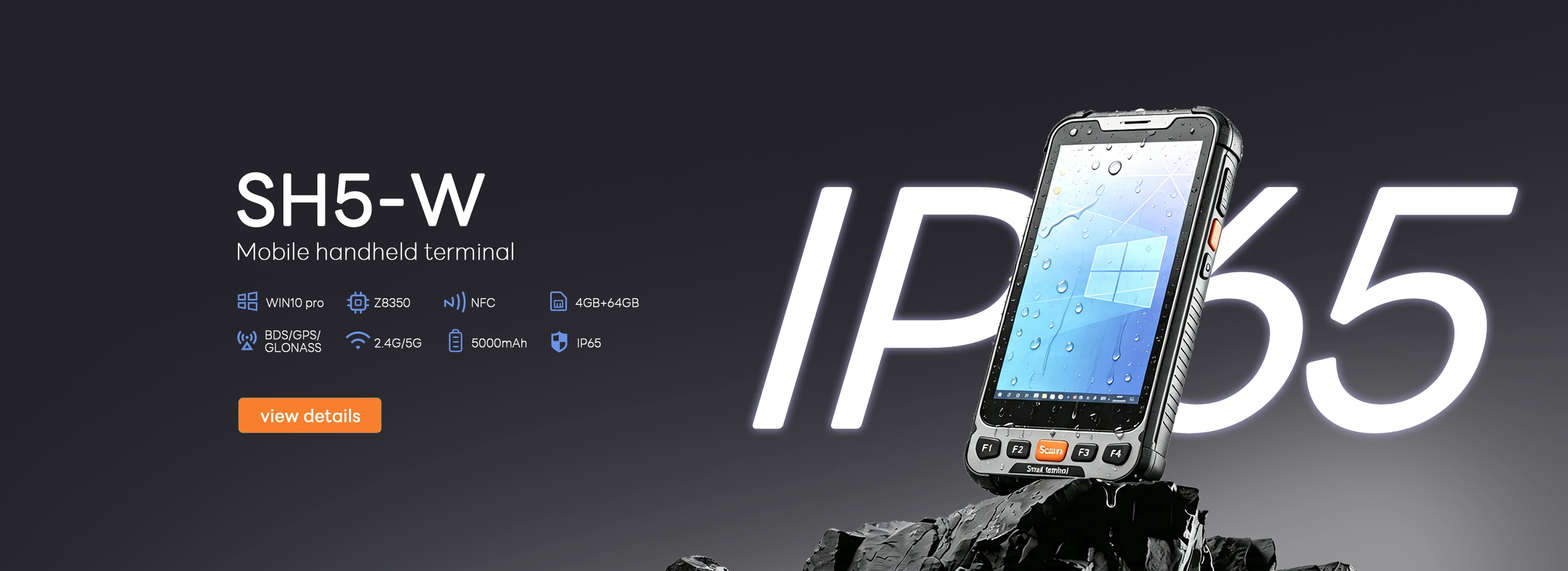
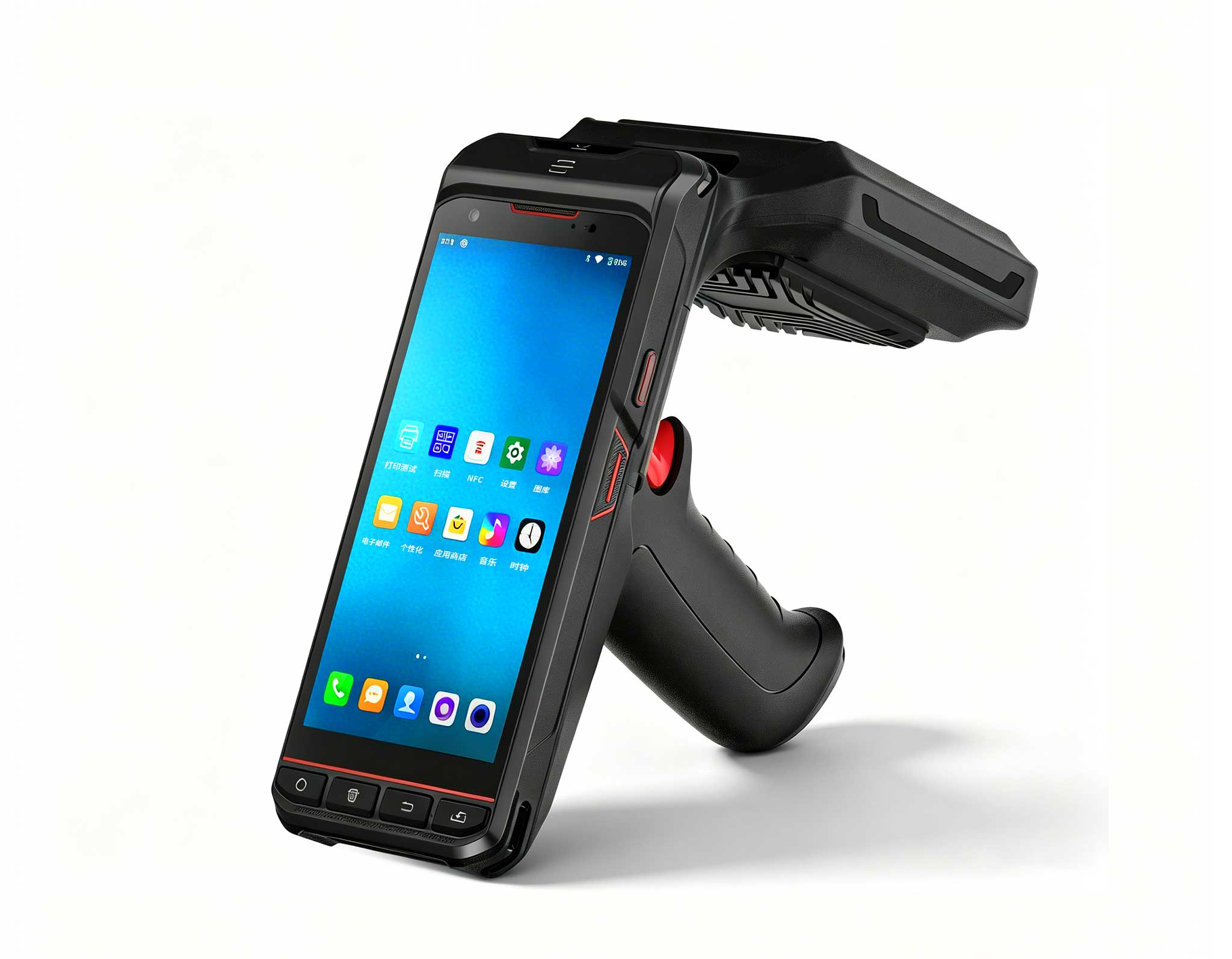
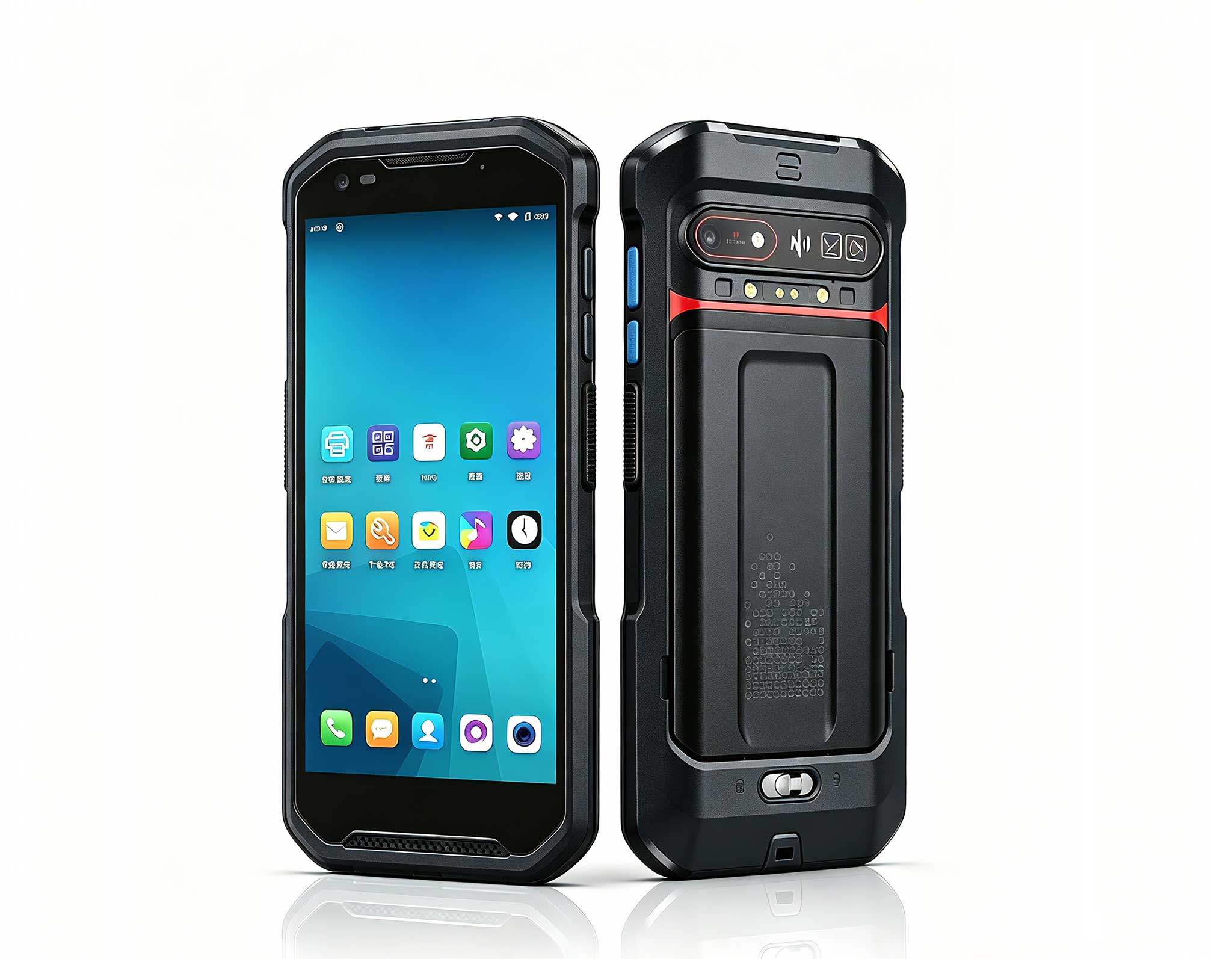
A control systems engineer interfaces the compact HOTUS SH5‑W handheld directly to a PLC rack for secure logic verification without external network routing.
Securing the Hardware Layer via Immutable Asset Tagging
Securing the software layers of an industrial plant is ineffective if the physical inventory remains undocumented or untrusted. For comprehensive physical asset tracking and hardware verification, the Hotus SH5‑W Windows rugged handheld provides an ergonomic, ultra-durable solution for technicians working in cramped server racks or sprawling outdoor processing yards. This enterprise device allows teams to scan barcode designations, read secure RFID tags on individual I/O modules, and log firmware revisions directly at the machine face.
The data gathered by the SH5-W creates a localized, tamper-proof hardware master list. Because this inventory is compiled entirely offline, remote threat actors cannot intercept the data streams, delete the records, or alter inventory logs to mask the introduction of rogue hardware components. When the maintenance shift ends, field personnel return the devices to the central shop, where data syncs occur exclusively via a physical, air-gapped engineering workstation. This architecture blocks lateral movement, prevents credential sharing across zones, and stops threat vectors from navigating from a corporate email inbox down to your critical safety instrumented systems (SIS).
Why Legacy Network Monitoring Fails to Protect Factory Floors
The industrial sector must face the reality that traditional air-gaps are a relic of the past. The integration of corporate reporting, enterprise resource planning (ERP) systems, and vendor-managed remote access lines has quietly broken down these boundaries over time. During a recent cybersecurity seminar, an analyst from the NCC Group observed that traditional enterprise IT controls fail to interpret specialized industrial protocols like Modbus, EtherNet/IP, or Siemens S7. Consequently, these systems frequently overlook anomalous behavior at the controller level. What appears to be routine, legitimate engineering traffic to an IT firewall can actually be an adversary altering safety thresholds or wiping firmware configurations.
Deploying specialized Rugged Tablets running localized applications allows industrial operators to achieve physical segment tracking without relying on network monitoring tools. A real-world application at a major chemical processing facility demonstrated the value of this approach: after deploying 100 ST11-U rugged tablets and 50 SH5-W handheld units, the plant's automation directors discovered that 94% of routine PLC updates and diagnostic tasks could be executed completely offline. This practice successfully isolated their core automation networks from external vectors.
Furthermore, the facility reduced its annual compliance audit prep time from several weeks to less than 48 hours. Because each offline device maintained an immutable, locally generated log of every user interaction, connection timestamp, and firmware hash change, compliance officers received verifiable audit trails without needing complex network forensic tools. Most importantly, while a regional competitor suffered an automated ransomware event that halted production for nearly two weeks and cost over $5 million in remediation, the offline-managed plant reported zero security incidents over an 18-month deployment period.

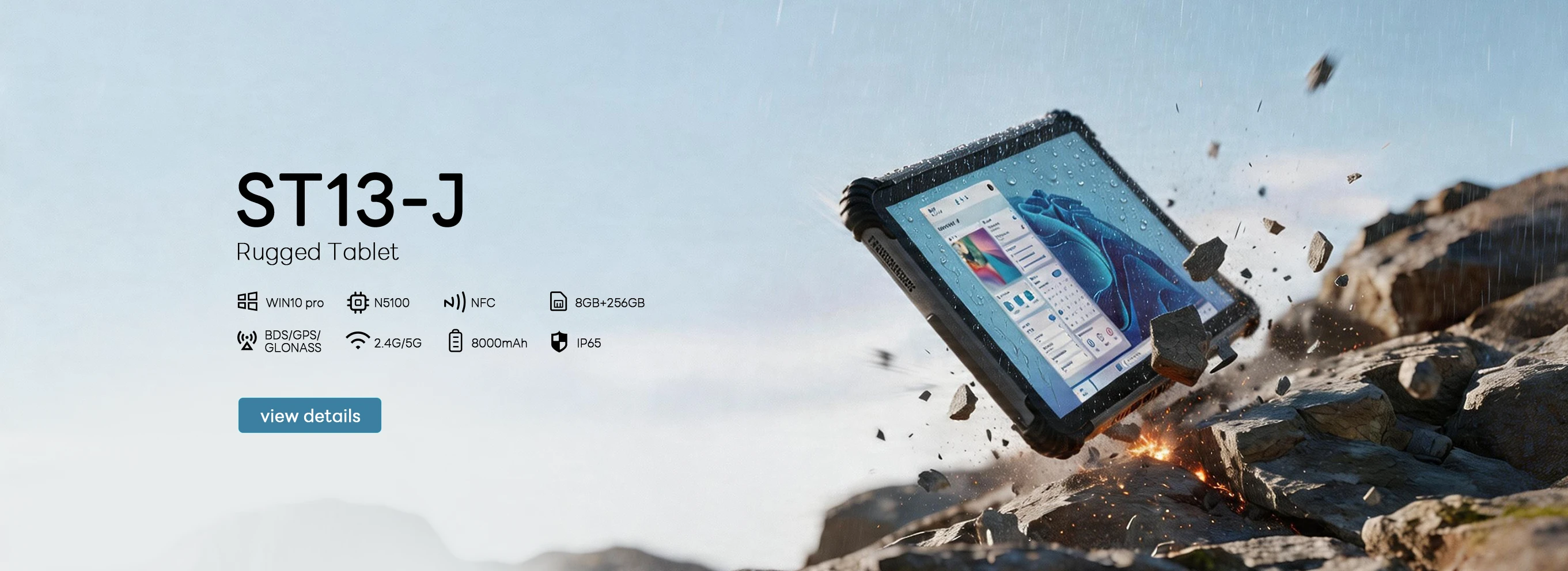
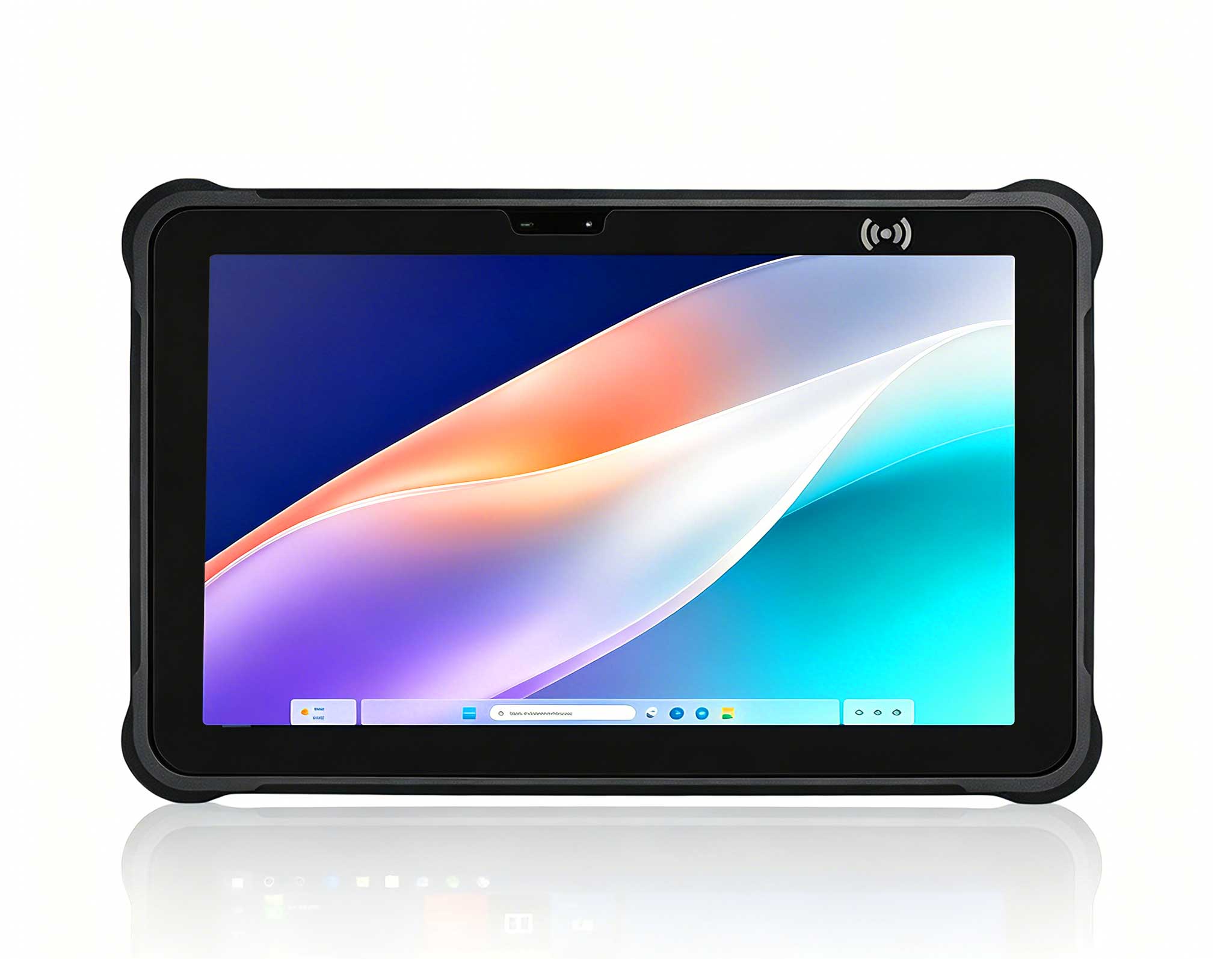
An automation safety manager verifies the local network integrity map using a HOTUS ST13‑J terminal, sourcing data directly from offline-verified field nodes.
Proactive Infrastructure Defense Starts at the Device Level
The OT visibility crisis is not an abstract problem for tomorrow's engineering boards. Sophisticated threat groups are systematically working through the Industrial Control Systems (ICS) Cyber Kill Chain. They are moving methodically from initial IT network access through lateral escalation, conducting deep reconnaissance inside operational environments to understand complex control loops, system dependencies, and safety parameters before executing a disruptive payload.
A paper clipboard cannot track these digital anomalies, and an IT-centric corporate firewall cannot stop physical bridging via compromised field laptops. True defensive resilience requires securing the physical endpoint where the technician meets the machine. Implementing industrial Windows rugged tablets like the Hotus ST11-U and SH5-W gives your organization the hardware-grade tools needed to verify assets, log changes, and maintain operations in an adversarial environment. Do not wait for a critical shutdown to realize your air-gap was only a myth.
Protect Your Industrial Operations with HOTUS Hardware Pilots
Ready to eliminate the security risks of network-connected laptops on your factory floor? Speak with an industrial security hardware specialist at HOTUS Technology today to schedule hardware evaluations or request a pilot deployment of our ST11-U rugged tablets and SH5-W handheld units.
Contact HOTUS Technology Industrial Division →