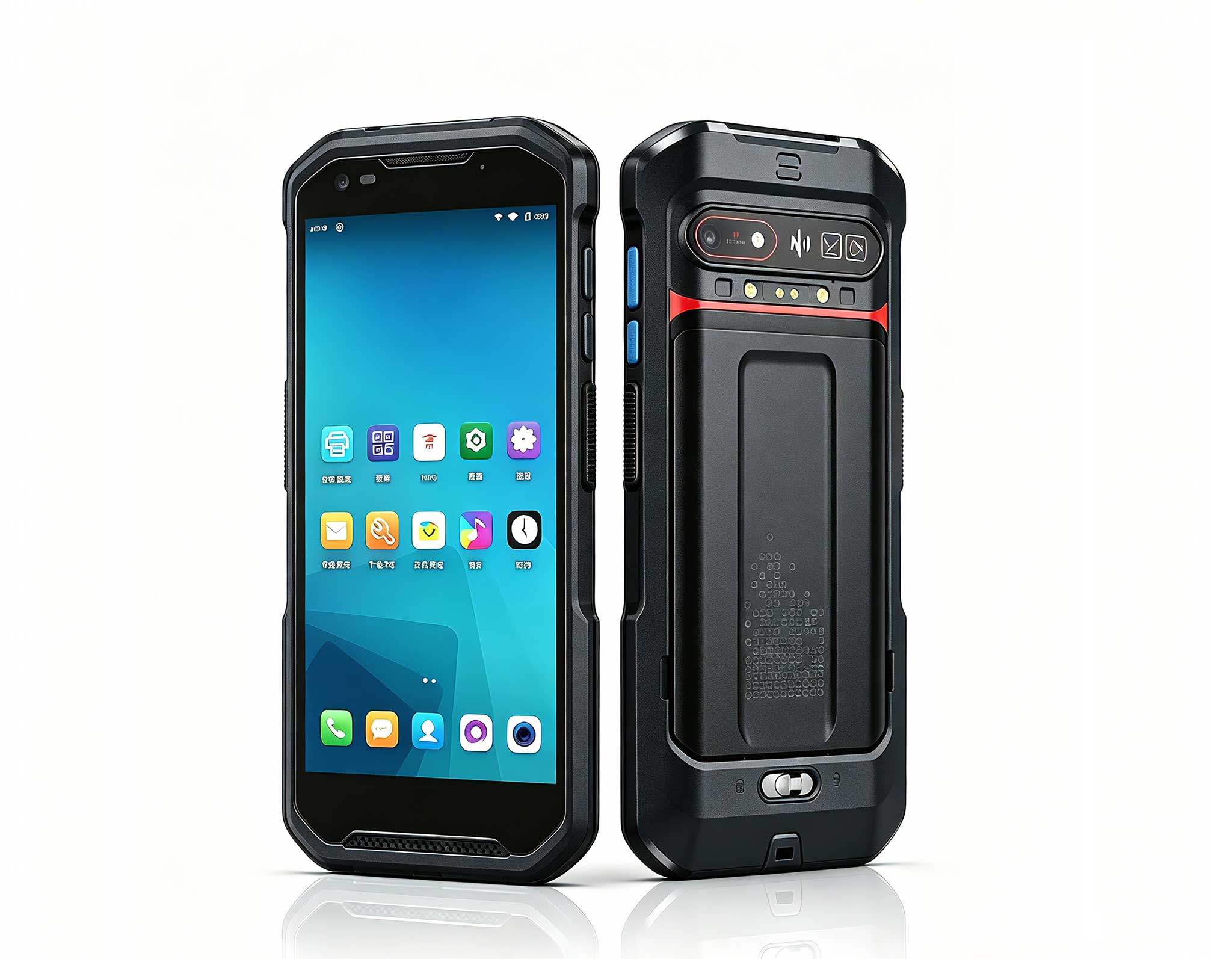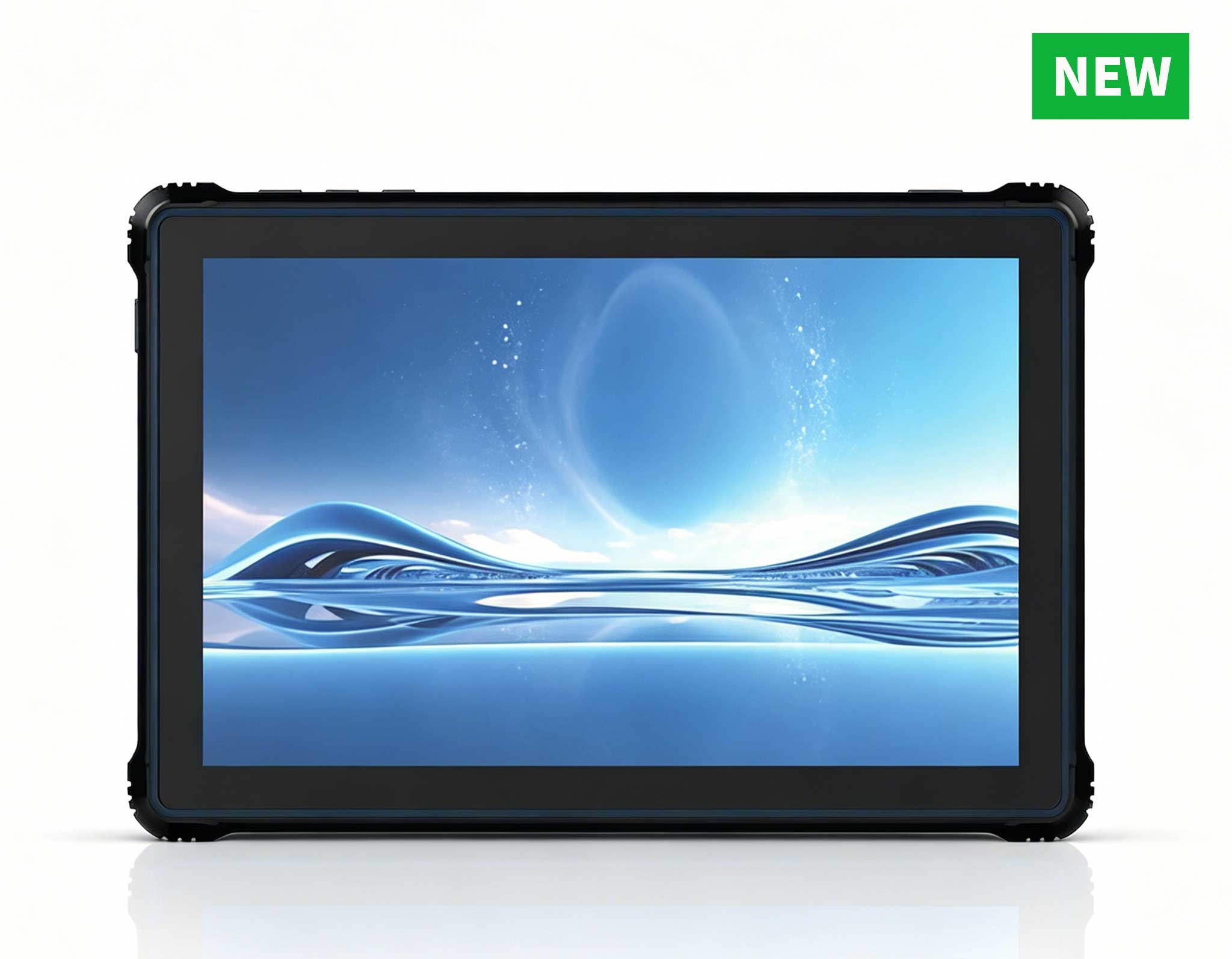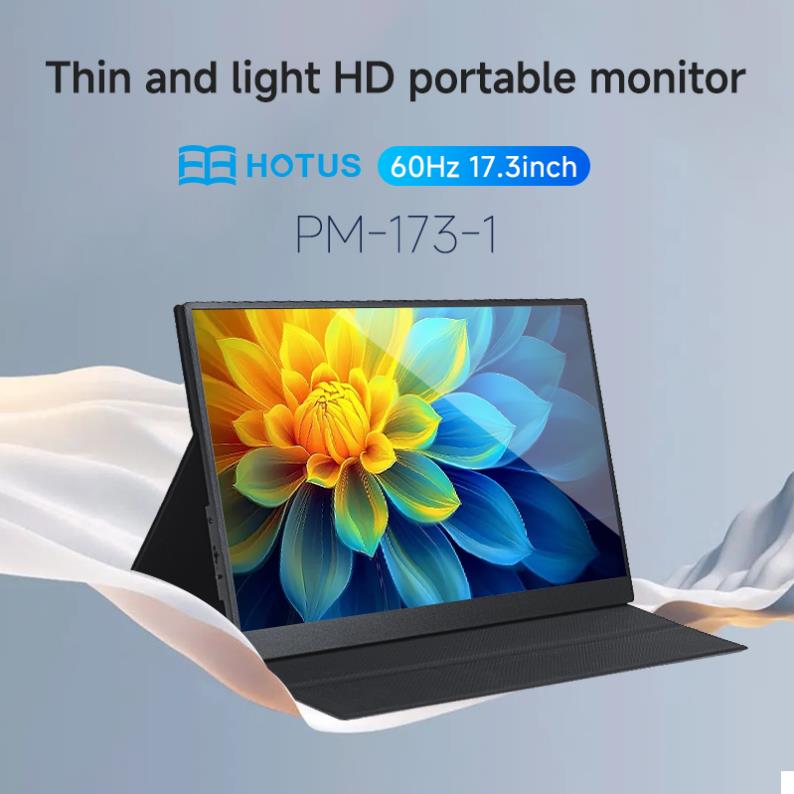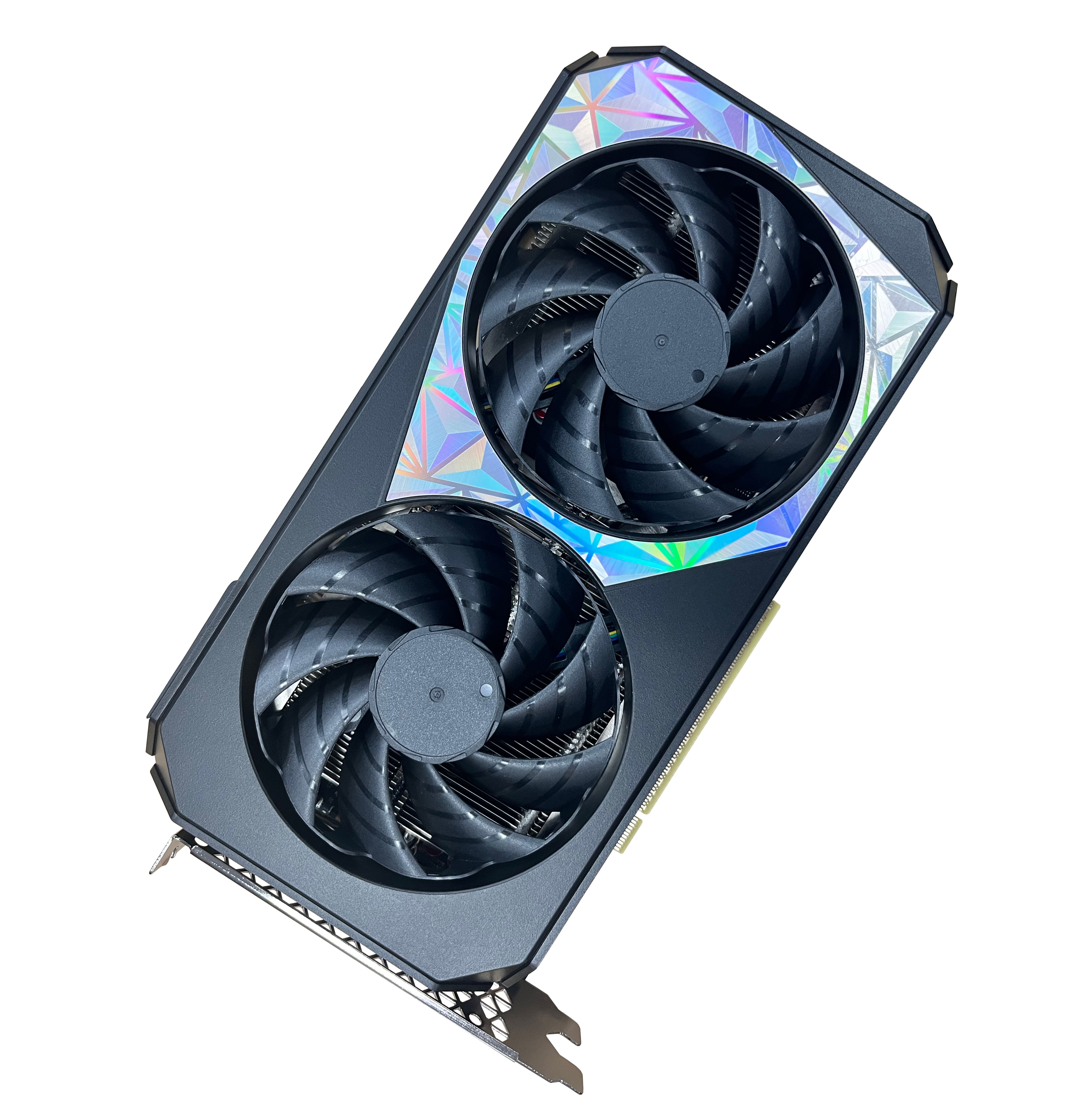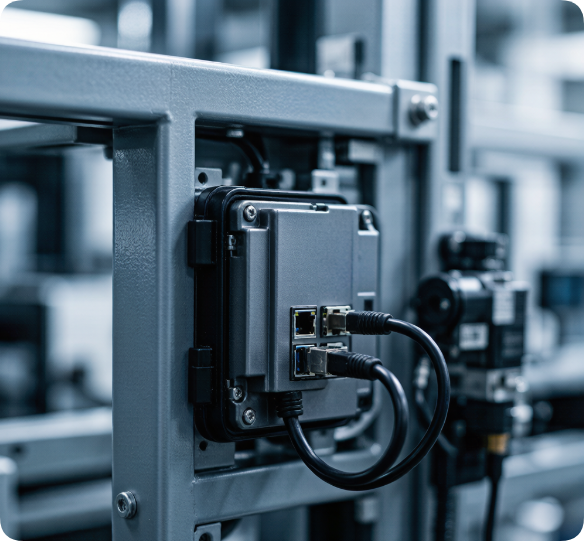
The HOTUS ultra-compact hardware node operates inside a rugged enclosure, processing computer vision models locally at full conveyor line speeds.
During a recent technical review at an EV battery assembly facility, production managers highlighted a critical flaw in their newly deployed cloud-based computer vision system. While the software layer was advanced, network variability introduced significant operational issues. Every time heavy equipment passed the high-resolution optical arrays, wireless signal attenuation caused network latency to spike up to 300 milliseconds. Because of this transport delay, the inspection system routinely missed micro-defects on battery cell welds, forcing the plant to abandon comprehensive inspection and fall back to sampling just 10% of total production volume. The breakdown was not caused by the neural network models; it was a fundamental architectural failure. High-velocity manufacturing environments require a fanless, dust-proof hardware platform running localized machine learning models directly at the machine interface. Shifting processing power to the physical edge is the only viable path to achieve 100% automated inline quality inspection without building expensive, climate-controlled server rooms on the production floor.
Your AI Vision System Is Blinded by Dust – Your Edge Inspection Node Needs a Palm-Sized Mini PC
Technical Analysis by the Engineering Team at mini pcs & Industrial Computing Labs | Industry Report | June 2026
The global market for automated computer vision systems has grown rapidly over the past few years. Independent industrial reports indicate the sector expanded from $29.82 billion in 2025 to $36.84 billion in 2026, maintaining a compound annual growth rate (CAGR) of 23.5%. Market models project the total valuation of this segment will surpass $85 billion by 2030. Driven by stricter quality standards and rising labor costs, global manufacturers are moving away from manual statistical sampling in favor of 100% inline automated validation. The operational advantages of this transition are clear: real-time process feedback, complete inspection coverage, and defect identification rates that consistently exceed 98% under optimal conditions.
However, an operational challenge remains unaddressed by standard software vendors: cloud-dependent machine learning systems frequently fail when deployed in harsh factory environments. While high-resolution imaging sensors are mounted directly on the assembly line, the processing and inference operations often occur on remote cloud servers or distant corporate data centers. This architecture requires high-resolution video streams to traverse multiple corporate network layers that were never optimized for real-time, deterministic data transmission. When local network traffic peaks, packet delivery delays occur, causing the data stream to drop frames and allowing production defects to pass through unflagged. As a result, engineering teams are often forced to lower their inspection standards, checking a fraction of production units because their network pipelines cannot handle the data volume.
Beyond network constraints, the physical factory floor presents tough environmental challenges. Industrial vision components must operate reliably alongside abrasive metallic dust, electrical noise from welding equipment, and rapid ambient temperature shifts. Off-the-shelf commercial computers placed inside standard electrical cabinets often suffer from component degradation within weeks. While the smart manufacturing market is on track to reach an estimated $185 billion, these automated facilities require localized edge computing nodes rather than remote cloud access. Plant engineers who install standard graphics servers directly on the production line quickly face thermal throttling and hardware issues; conventional forced-air cooling systems draw in airborne particulates, coating internal electronics and causing premature hardware failures.
Eliminating Latency Bottlenecks with Fanless Edge Hardware
Overcoming these throughput and environmental limitations requires a shift toward sealed, fanless computing nodes dedicated to local execution. The Hotus Palm‑sized Mini PC is engineered precisely to handle intensive processing workloads in harsh industrial settings. Featuring an ingress protection rating up to IP67 and an operational temperature tolerance spanning from -20°C to 60°C, this compact solid-state device processes complex neural networks directly at the camera interface. By eliminating network round-trips, it ensures consistent, low-latency processing speeds for high-volume manufacturing lines.
When deployed as a dedicated vision gateway, the Hotus hardware platform handles high-speed inspection tasks locally:
- Deterministic Data Processing: The system captures and processes high-resolution imagery locally, delivering object classification and anomaly detection results in under 50 milliseconds to keep pace with fast-moving conveyors.
- Localized Network Support: It natively executes advanced vision models—including YOLOv11, ResNet variants, and optimized TensorFlow Lite frameworks—directly on the internal processor, eliminating the need for constant internet connectivity.
- Bandwidth Optimization: By analyzing data at the source, the unit filters out nominal frames and compresses imagery locally, transmitting only defect flags and metadata snippets to upstream enterprise systems.
This compact computing platform is built specifically for industrial use rather than general office tasks. It features a fanless, solid-state internal layout with no moving parts, making it resistant to constant machinery vibrations and airborne dust. This design eliminates the risk of internal dust accumulation and thermal degradation, allowing the unit to maintain consistent processing performance through multi-shift operations in hot summer environments.
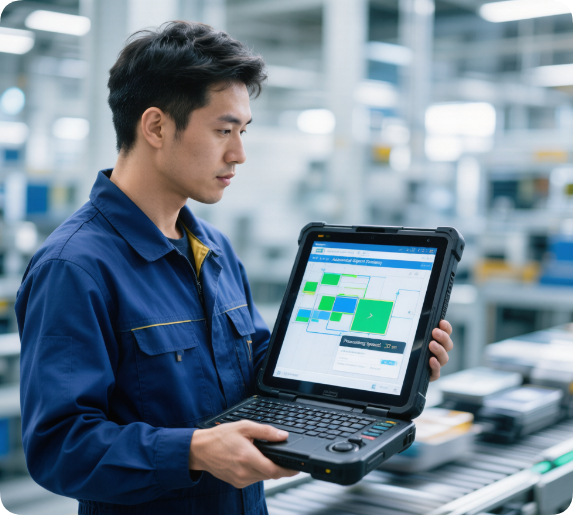
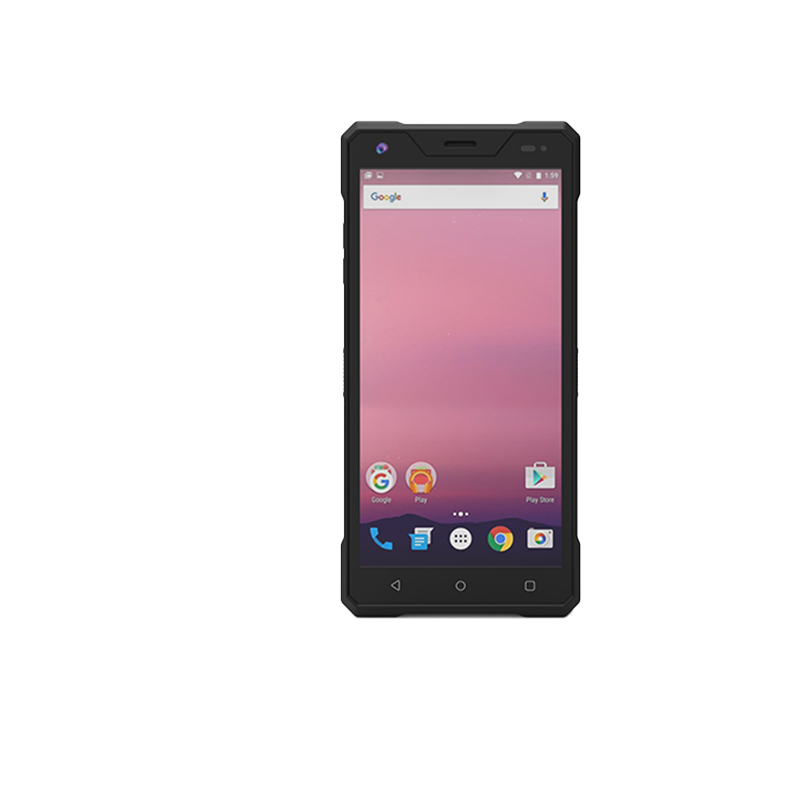
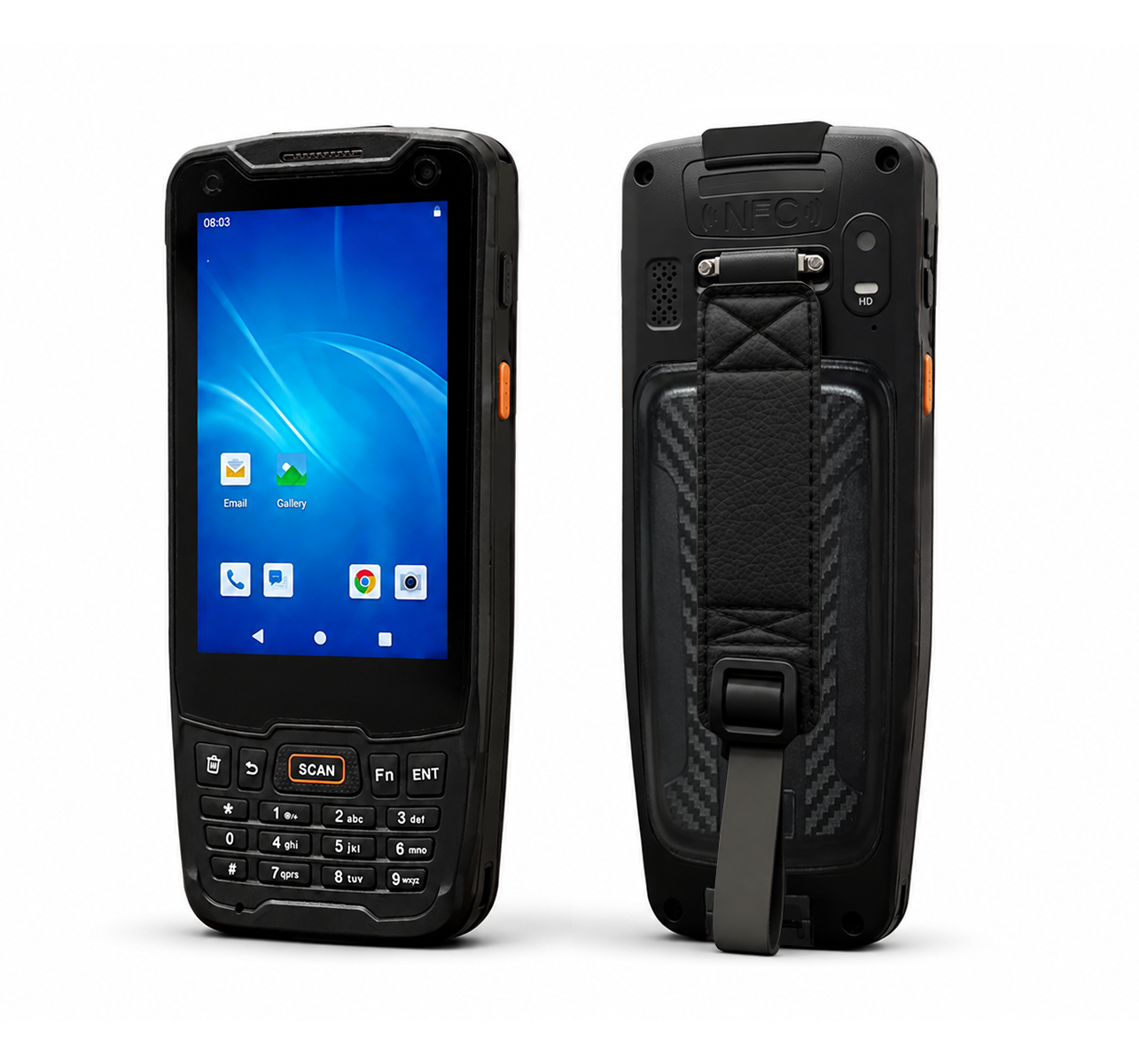
A quality assurance specialist checks real-time error logs on a portable Android terminal, accessing local data streams from the edge computer over an isolated connection.
Empowering Quality Engineers with Real-Time Field Dashboards
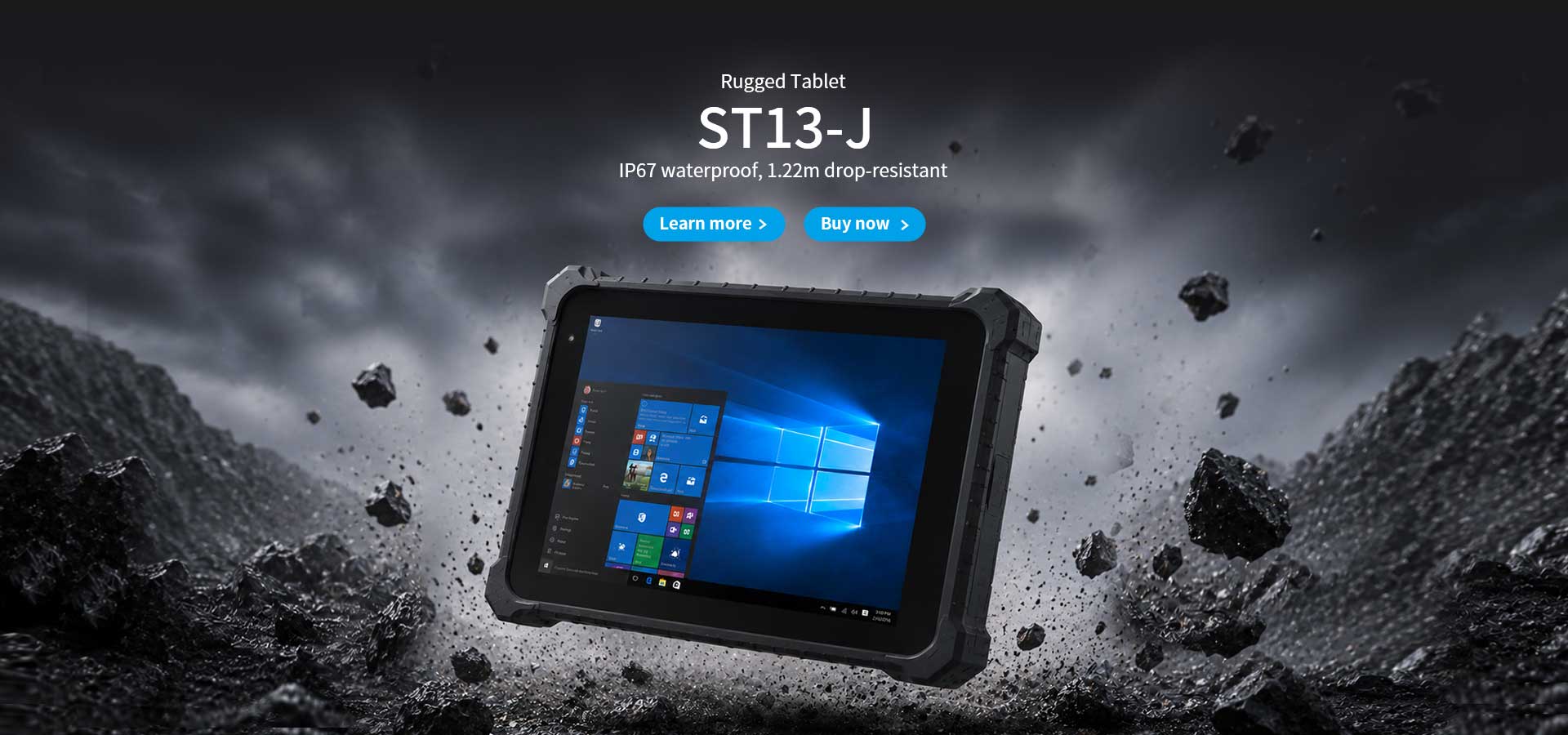
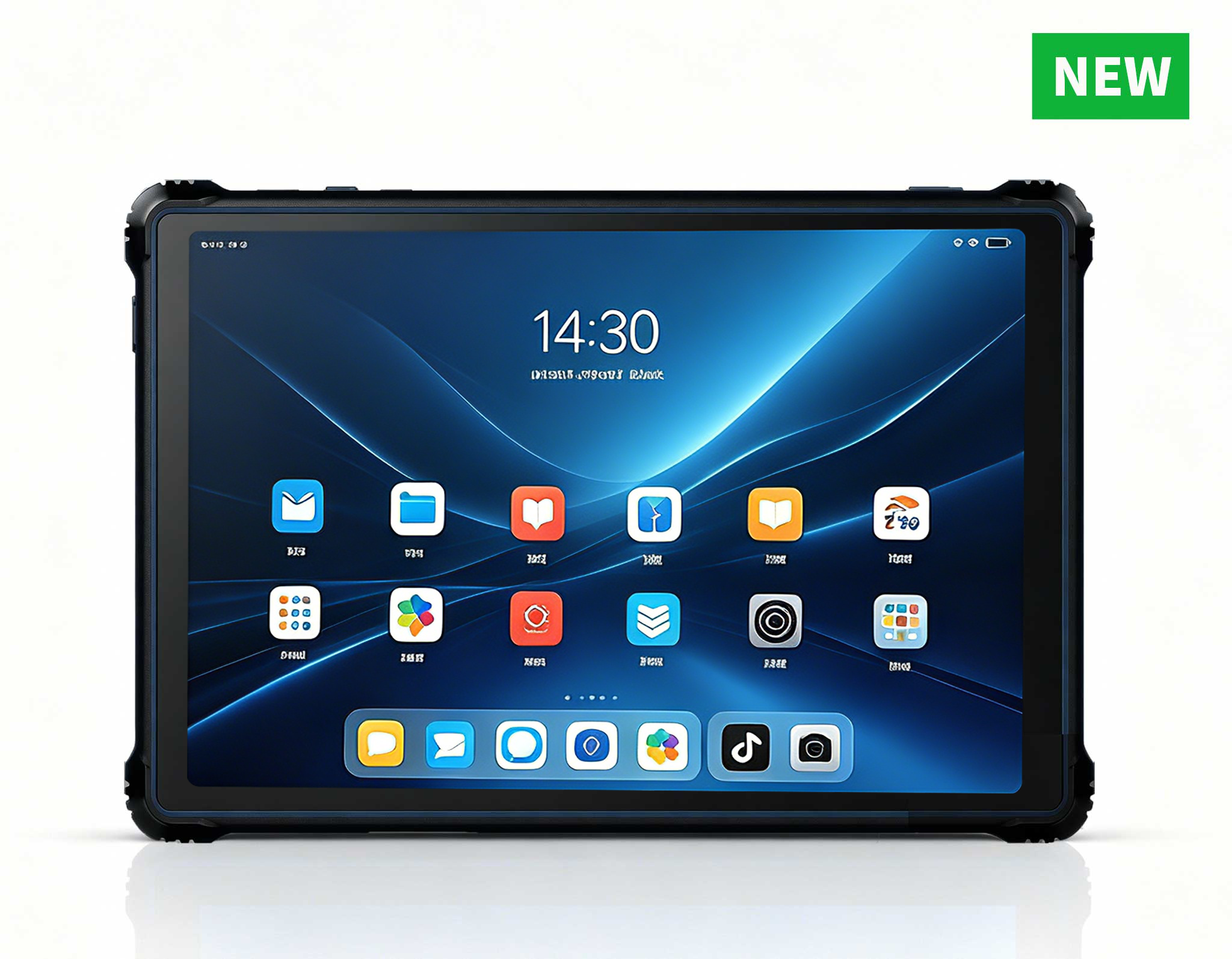
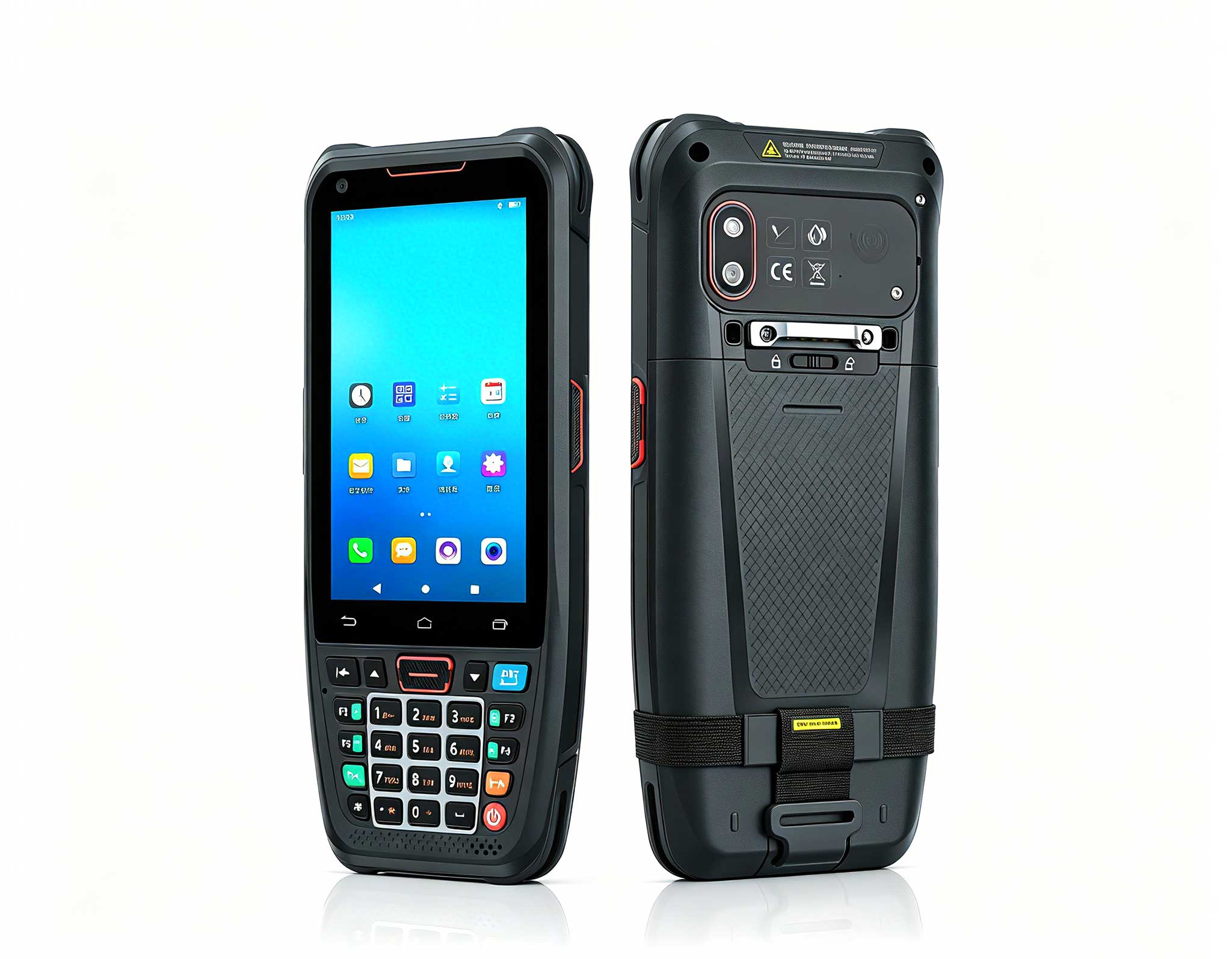
To maximize the value of local data processing, floor inspectors require durable, high-visibility interfaces that display processing metrics directly at the point of manufacture. The Hotus HTQ10A Android Rugged Tablet provides field engineers with immediate access to localized defect tracking, line efficiency metrics, and structural error analytics. Operating on a dedicated local subnet independent of outside internet routing, the rugged device maintains constant uptime regardless of corporate network status.
This localized interface allows quality control teams to optimize automated vision workflows in real time. If the system encounters an unusual part variation, engineers can review and re-classify the image directly on the floor. These annotations are fed back into the local model data set to update the logic loop at the machine layer. This edge-based workflow eliminates the need to export large video logs to external cloud storage for manual re-labeling, protecting data security and ensuring continuous operational refinement.
Lessons from EV Battery Production and Advanced Joinery Verification
Recent manufacturing implementations demonstrate the industry's shift toward localized data processing. In complex EV battery assembly lines, robotic vision systems and inline thermal monitoring are used to inspect critical structural seals and cell connections. Managing the data volume of these high-speed operations via cloud infrastructure is often impractical due to network latency risks. Success relies on processing data directly on-device at the inspection node. The Hotus computing platform delivers this localized processing power, providing an accessible solution for manufacturing facilities looking to implement real-time automated inspection without developing custom proprietary processing chips.
The practical value of this decentralized approach is shown by an automotive component supplier that retrofitted 50 quality control stations with Hotus edge nodes and portable monitoring terminals. Previously, network delays caused their cloud-based system to time out, allowing sub-surface structural defects to pass through unflagged. Transitioning to localized data processing resolved these latency issues, enabling full inline inspection. This architectural update helped the facility reduce its scrap rate by 28%, eliminate an offline manual inspection step, and achieve full return on investment within four months of deployment.

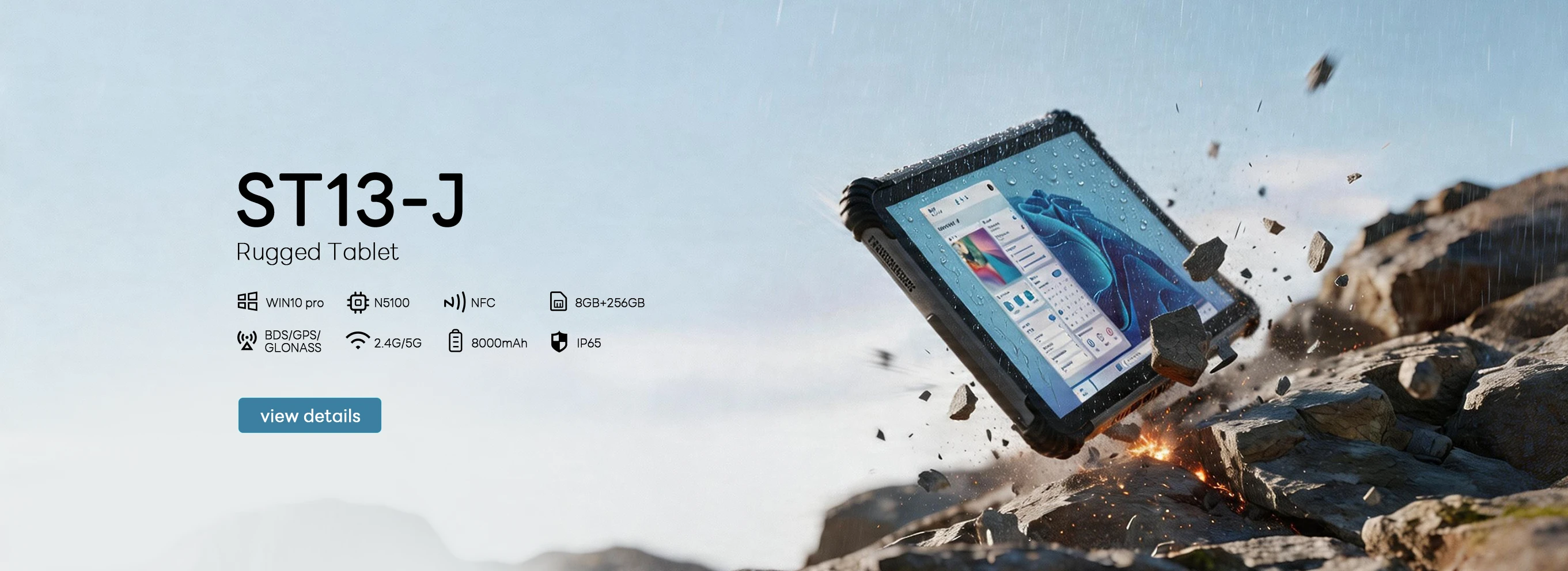
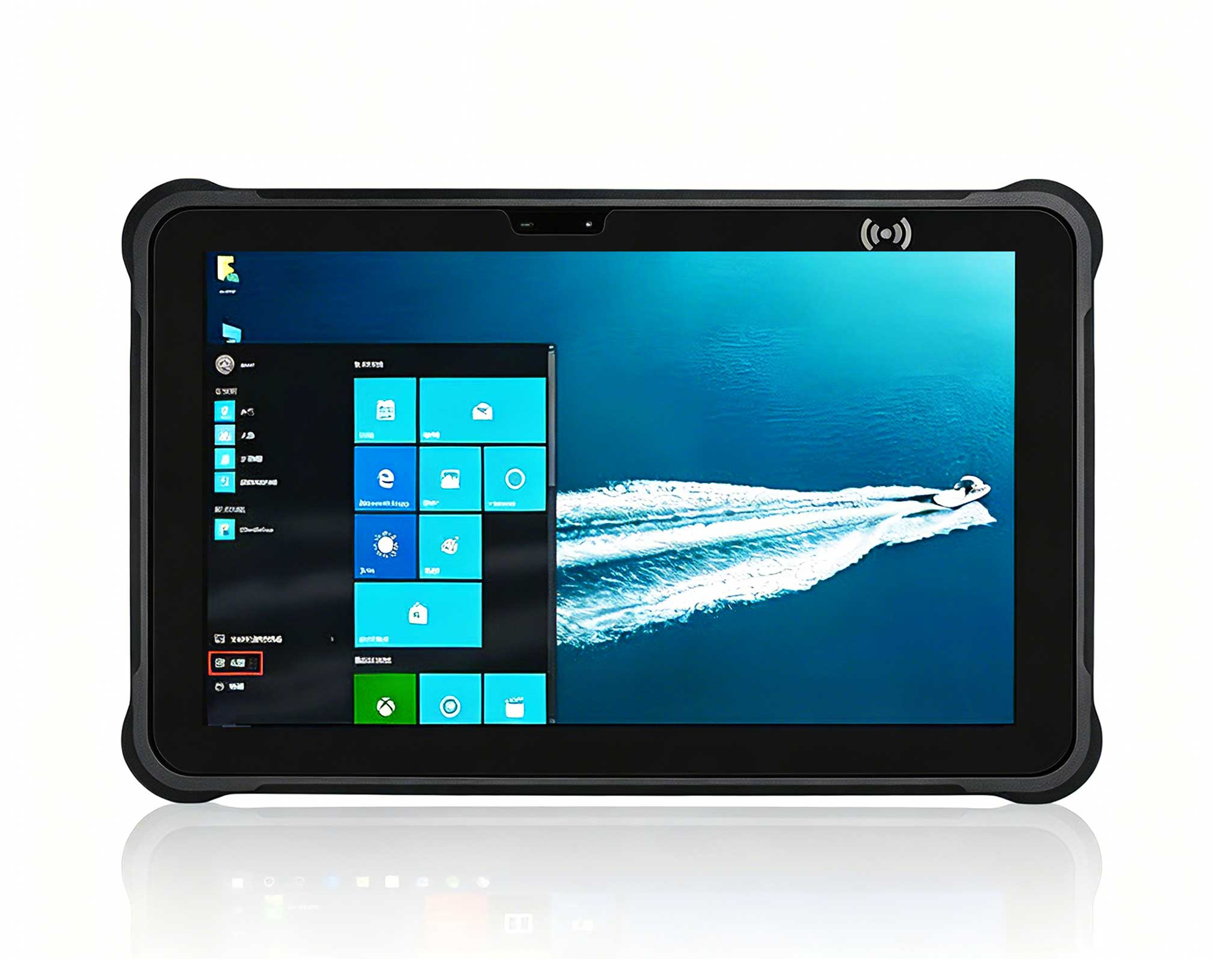
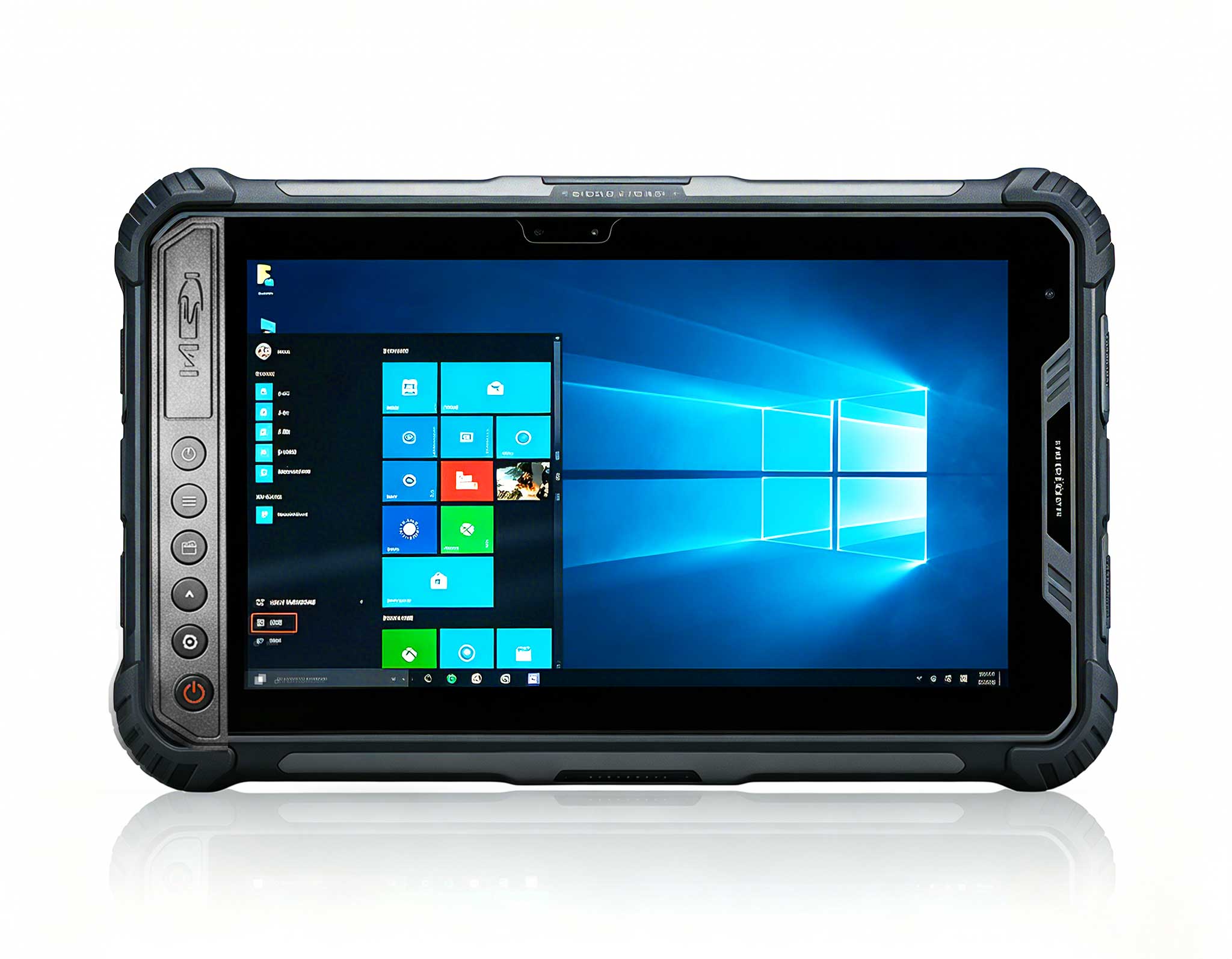
The ST11‑J industrial tablet displays local inspection metrics, showing over 1,400 parts verified without relying on cloud connectivity.
The Realities of Modern Smart Manufacturing Architectures
Decentralized data processing has become a necessary architecture for modern high-speed manufacturing facilities. The Hotus compact computing nodes and rugged tablets allow production teams to place processing power directly where decisions are made, reducing reliance on external network pathways. This edge-focused design helps mitigate the risks of network dropouts, data lag, and component failures common with cloud-dependent systems. Moving processing closer to the camera interface gives industrial operations the tools to achieve consistent quality control and reliable automation. Protect your assembly line from the vulnerabilities of network-dependent architectures.
Deploy Industrial Edge AI Computing Nodes in Your Plant
Want to reduce inspection latency and protect your quality data from network dropouts? Contact the automation hardware team at HOTUS Technology to request pilot evaluation units of our fanless computing platforms and explore rugged terminal options for your factory floor.
Contact HOTUS Technology Edge Computing Division →