A maintenance technician measures blade gap on an e‑waste shredder using the HOTUS U9000 PDA connected to a digital caliper.
An e‑waste recycler I visited was replacing heavy industrial shredder blades every four months based entirely on a rough visual inspection. Each unexpected teardown and replacement cycle cost them $12,000 in raw parts alone. When we initiated precise blade gap tracking with a Bluetooth-linked digital caliper and logged the structural metadata, we discovered the cutter edges were wearing out 40% faster than the manufacturer's predictive curve. The facility operator was running the shredder rotor at an excessively high tip speed relative to the incoming electronic scrap feed stream. Processing facilities require industrial Rugged Tablets and handheld data terminals to eliminate guesswork. In high-volume electronics recycling, a dull, misaligned blade is not just a standard maintenance line item—it is an invisible profit eroder. Your data logging hardware is your ultimate sharpener.
E‑Waste Shredder Blade Wear Is Costing You Millions – Why Your Gap Measurement Log Demands a Shock‑Resistant PDA
By HOTUS Technology | June 2026
The global e‑waste recycling sector is scaling at an unprecedented rate, processing over 50 million tonnes of end-of-life electronics annually to recover precious metals and rare earth elements. The critical first stage in this automated recovery chain is mechanical shredding. Heavy-duty, high-horsepower shredding mills utilizing massive interlocking blade sets or swing hammers strike the discarded electronics to liberate components for downstream optical, eddy-current, and magnetic sorting. Within this severe operating environment, abrasive cutter blade wear is entirely inevitable. As the cutting edges dull from constant impact with hardened fiberglass, steel casings, and ceramic circuit elements, the physical tolerances between opposing blades widen. This expanding gap drastically reduces material shearing efficiency, driving up electrical energy consumption per processed tonne. A blade gap expansion of just 0.5 mm can reduce total plant throughput by a staggering 20%.
Despite these tight mechanical boundaries, the vast majority of electronic scrap recycling facilities monitor blade wear using subjective, archaic methodologies. Operators typically measure cutter gaps once a month using manual vernier calipers, scrawling the dimensions onto paper logs or oil-smeared clipboards. Because these hand-written records are almost never aggregated or mathematically trended, a steady, insidious wear rate of 0.05 mm per week remains completely invisible to the engineering team. Consequently, cutter assemblies are run long past their economic prime and are only replaced when total plant throughput experiences a noticeable drop. By that time, the processing facility has already suffered weeks of degraded capacity, increased power overhead, and unnecessary component stress.
Eliminating Blind Spots in Abrasive Processing Environments
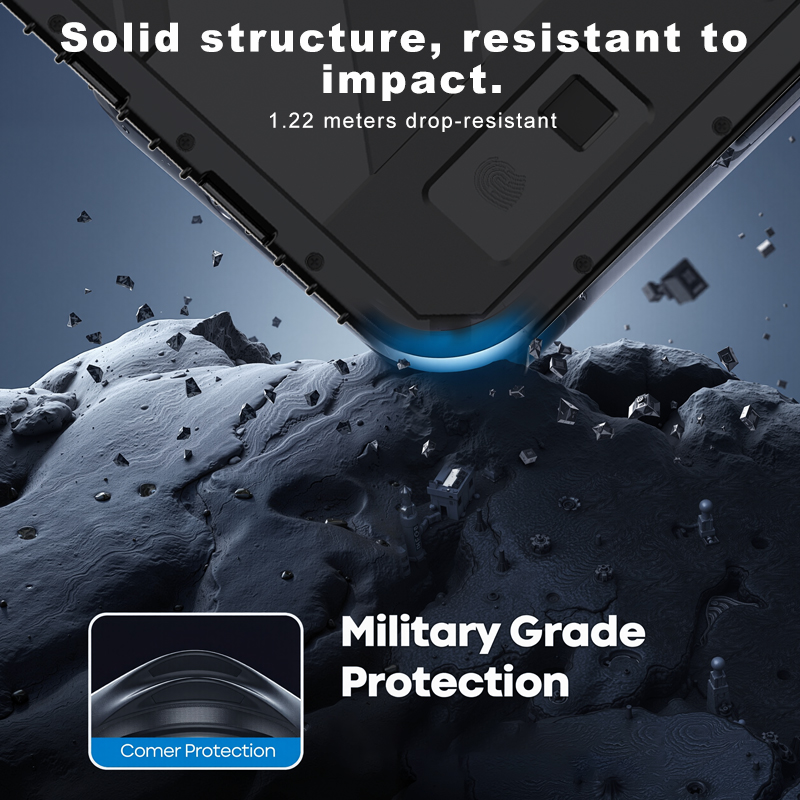
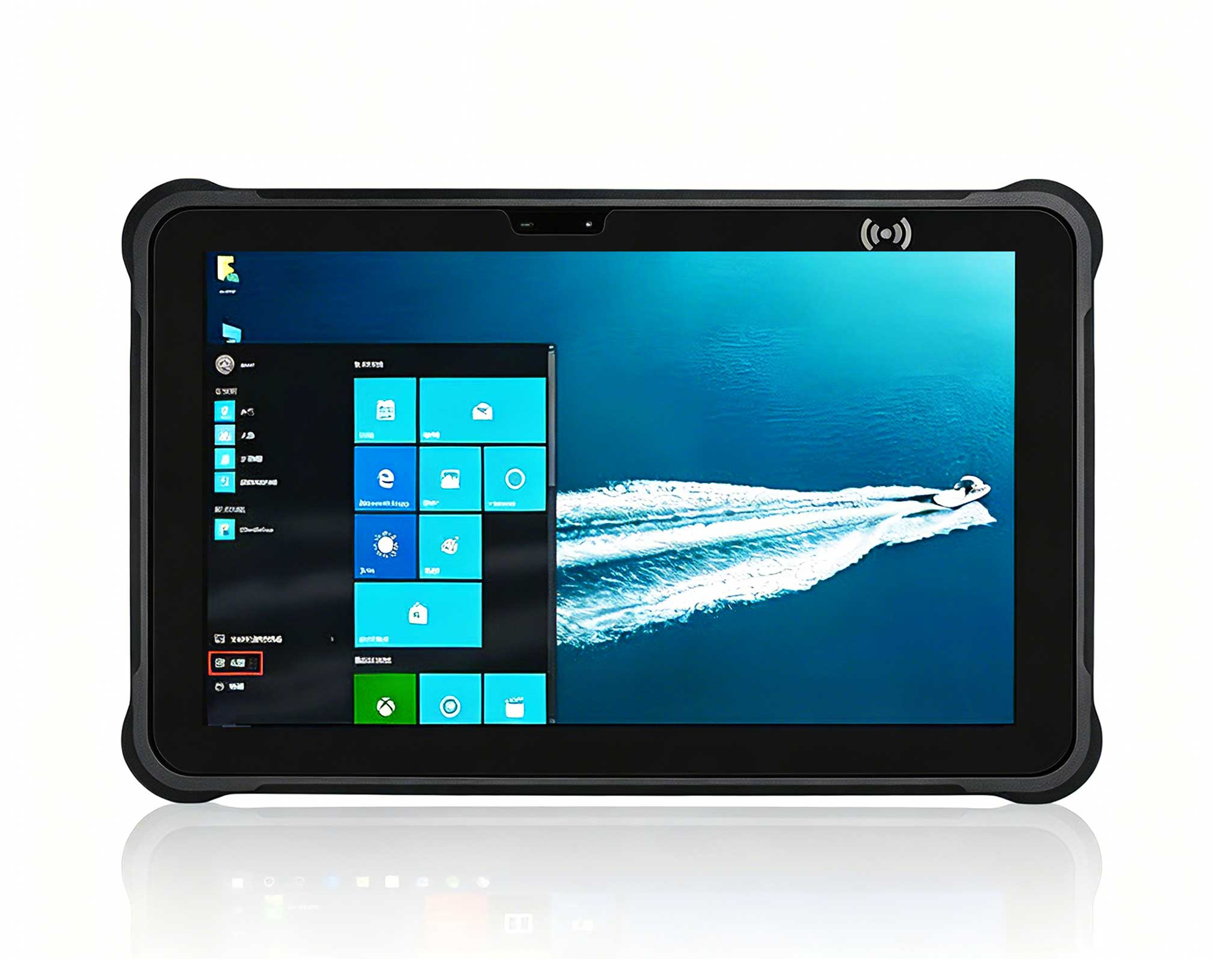
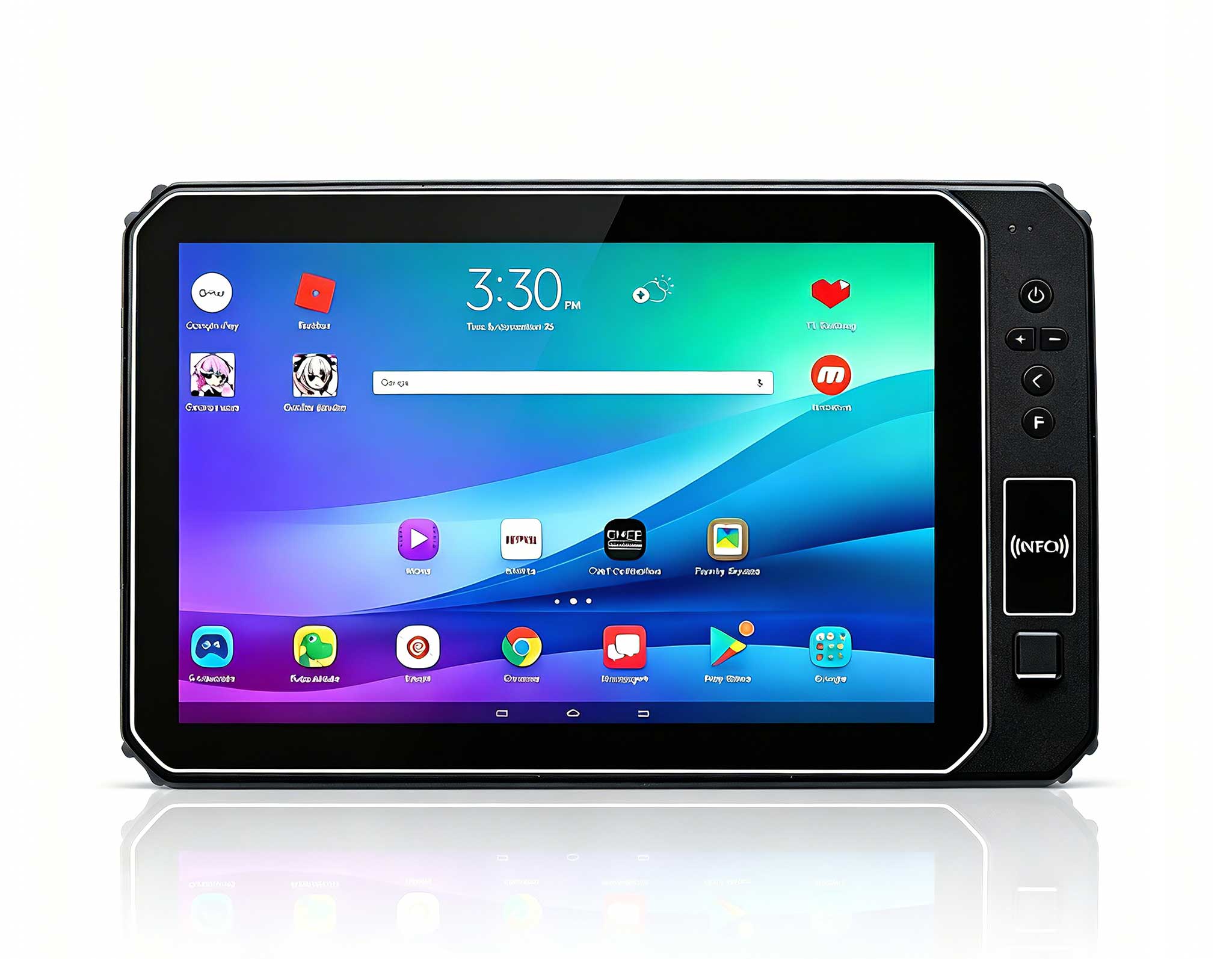
The Hotus U9000 Handheld PDA was custom-engineered to withstand the dust-choked, vibration-heavy conditions of modern metal sorting and scrap shredder plants. Featuring an IP67-rated structural casing and internal shock-dampening components, the U9000 effortlessly survives repeated drops onto hard concrete plant floors. The device interfaces seamlessly via an integrated Bluetooth transceiver with industrial digital calipers, enforcing an objective, repeatable quality inspection sequence across the plant floor:
- Multi-Point Tolerance Mapping: The handheld interface guides the maintenance technician to measure blade gaps at precise, pre-defined intervals—such as every 200 mm along the main rotor axis.
- Automated Metadata Logging: Data entries are cryptographically stamped with the exact time, date, and unique operator ID, preventing backdating or missing logs.
- Variance Calculation Matrix: The internal processor instantly computes average clearance changes and tracks maximum deviations from the machine's baseline factory specifications.
- Real-Time Degradation Plotting: Predictive software translates raw dimensional metrics into an on-screen linear trend graph, clearly showing wear progression.
When the calculated average gap expands by 20% beyond nominal operating parameters, the U9000 immediately prompts the maintenance team to schedule a blade reversal or complete edge replacement. Crucially, the handheld calculates remaining operational hours based on the active wear slope and current material feed type. This allows maintenance planners to organize blade rotations during planned, low-impact shift changes rather than suffering a sudden breakdown during peak operational hours.
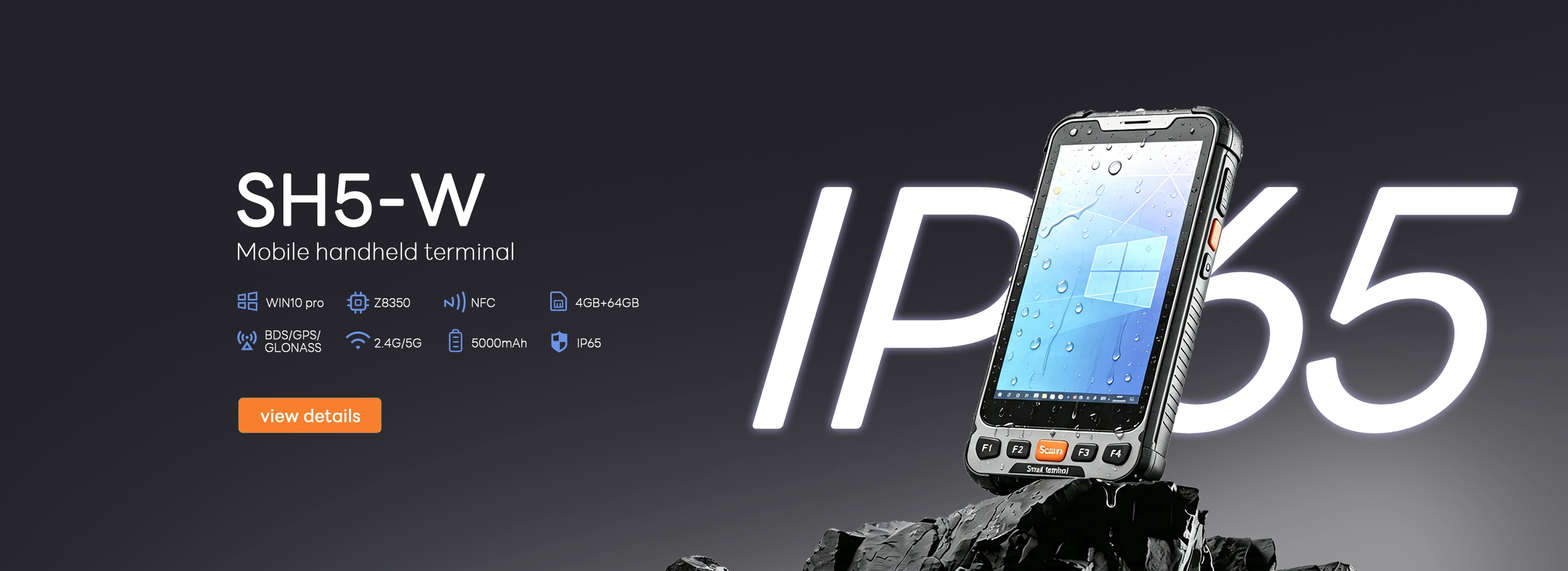
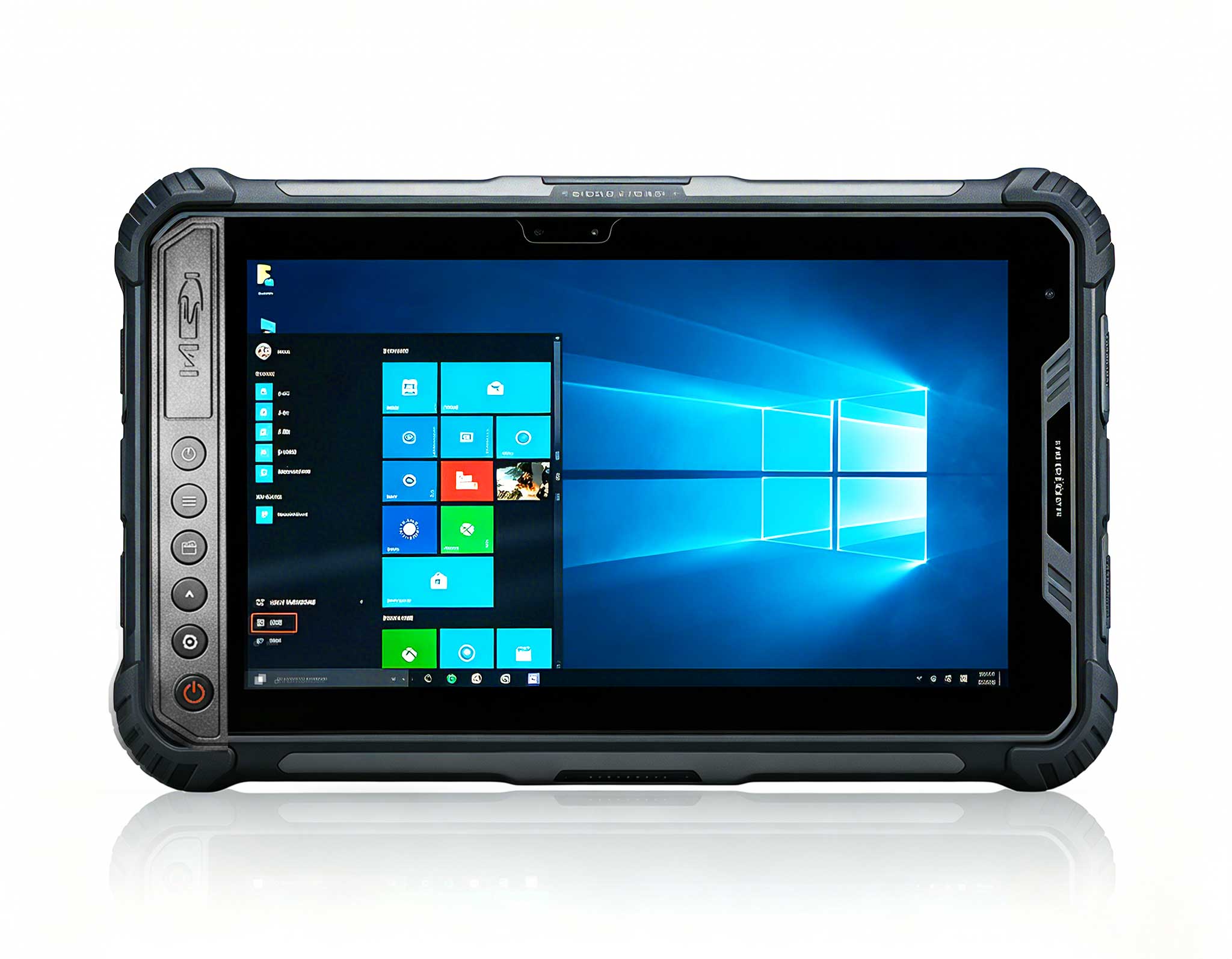
The SH5‑W handheld displays a blade gap trend graph over time, with a yellow threshold indicating that replacement should be scheduled.
Enterprise Asset Synchronization: Fleet-Wide Reliability Management
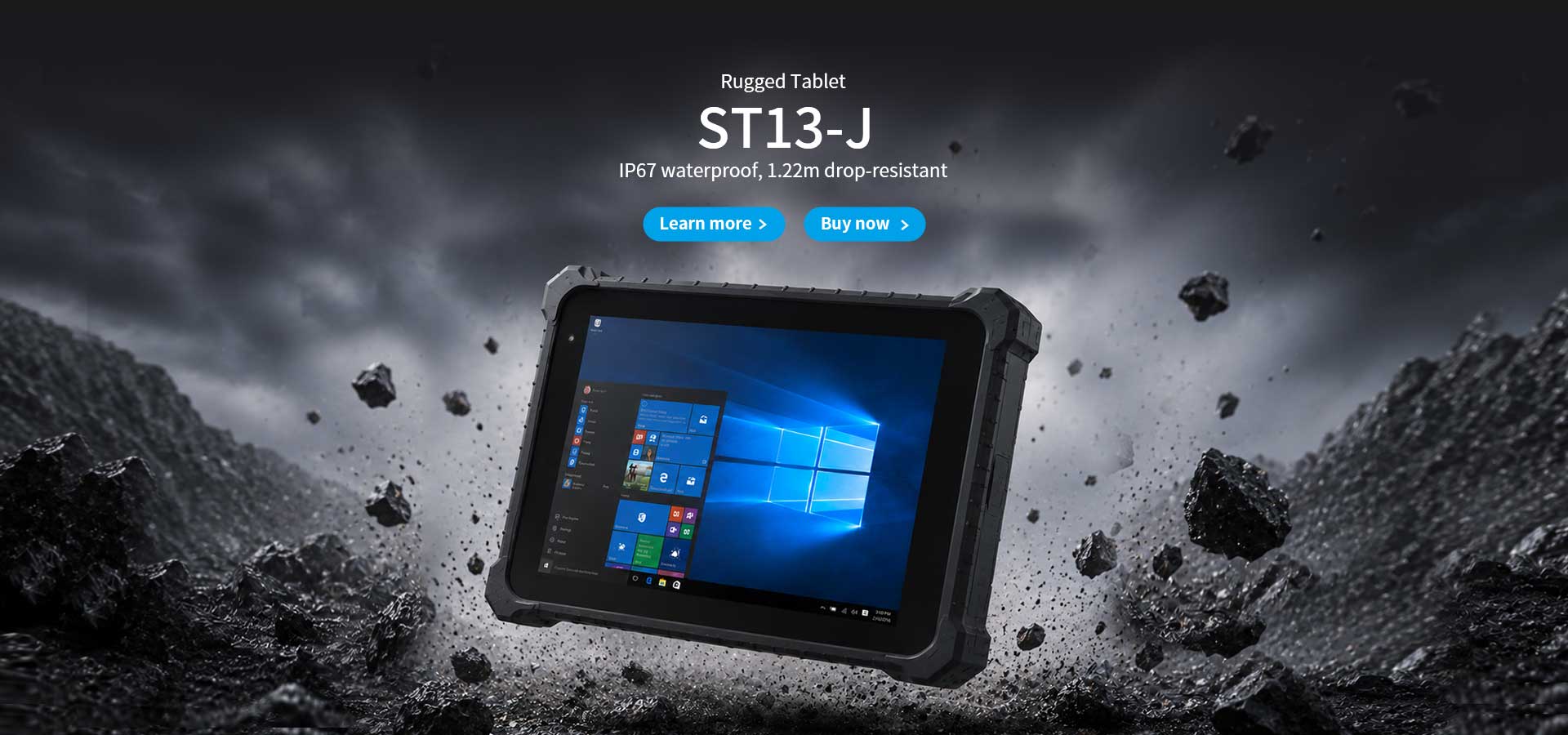
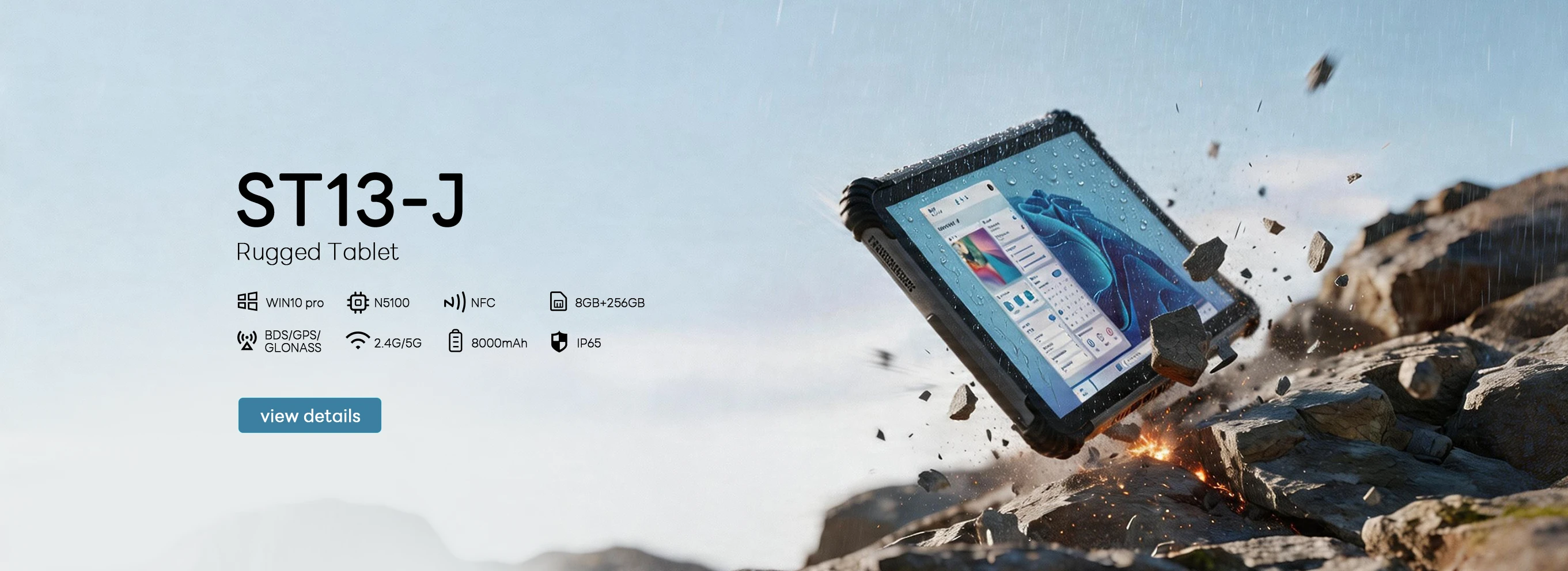
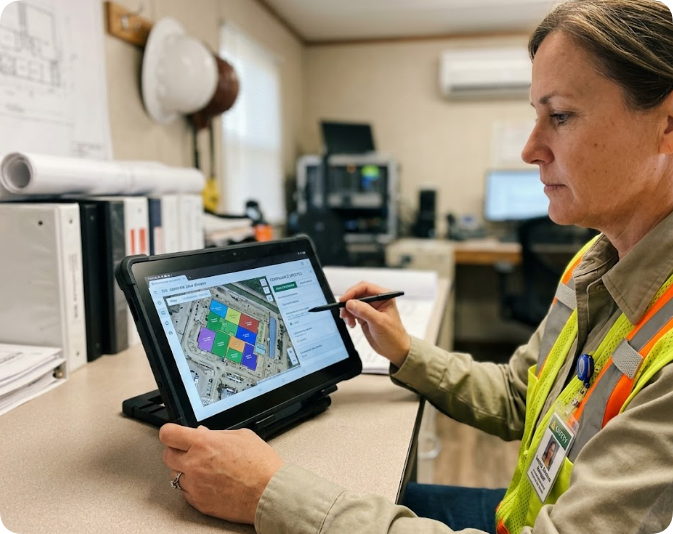
To provide comprehensive oversight across multi-line processing facilities, the high-performance Hotus ST13‑J 13.3″ Windows rugged tablet serves as the central optimization hub for the plant manager. The ST13-J automatically consolidates wear data uploaded from all U9000 units across the facility, populating an executive reliability dashboard. This allows managers to view real-time blade gap statuses, estimated cutter longevity, and historical wear metrics across every active production line.
Any shredding unit exhibiting accelerated edge degradation is immediately flagged for review. This allows engineers to quickly determine if a change in feed composition—such as an influx of heavier industrial telecom gear—or a mechanical misalignment is causing uneven rotor loading.
A heavy e‑waste processing facility is an incredibly unforgiving environment for mobile hardware. Abrasive particulate matter, airborne metallic dust, and constant mechanical vibration quickly ruin standard commercial tablets and smartphones. The HOTUS U9000 and the Windows-powered Hotus SH5-W handheld are purpose-built to eliminate these operational vulnerabilities.
Featuring an ultra-bright, sunlight-readable display, technicians can audit indoor mill components or outdoor sorting bays with equal ease. The glove-compatible capacitive touchscreen allows maintenance crews to safely log critical blade measurements without removing heavy, puncture-resistant protective work gloves.
Proven Economics: $150,000 Saved in Maintenance Costs
The tangible financial impact of moving to a data-driven wear management framework is demonstrated by an e‑waste recycling plant operating four large-scale particle reduction mills. The company updated its maintenance workflow by deploying 20 U9000 digital caliper integration kits, 15 SH5‑W handheld support terminals, and 12 ST13‑J master tablets.
Within the first year of data collection, the system isolated two specific shredder lines where cutting edge degradation was progressing 30% faster than the original equipment manufacturer's theoretical lifespan models.
A detailed review of the aggregated ST13-J data charts showed that the primary feed conveyor velocity had been altered to maximize volume without a corresponding adjustment to the shredder's internal tip speed. This mismatched timing caused incoming scrap to impact the cutter faces at an optimal fracture angle, accelerating blade wear.
By recalibrating the rotor velocities based on the data, the engineering team extended active blade lifespans by 40%. This simple operational tweak saved the company $150,000 in annual replacement part outlays and completely eliminated two costly, unplanned breakdown events caused by blade fatigue.

The ST13‑J dashboard displays blade gap status for four shredders – one flagged yellow, predicted blade change due in 2 weeks.
Cutter edge wear is a highly predictable physical process—but only if you have the digital tools to measure and monitor it. Manual tools and paper clipboards cannot capture or isolate microscopic degradation patterns before they impact plant throughput.
An industrial, shock-resistant PDA featuring integrated Bluetooth caliper logging and integrated predictive analytics provides the only reliable way to protect your plant's output. The HOTUS U9000, SH5-W, and ST13-J ecosystem provides the ruggedness and analytical precision modern recycling facilities require to maximize uptime. Protect your milling equipment, optimize your maintenance cycles, and stop letting dull cutting edges erode your recycling margins.
Optimize Your Plant's Processing Efficiency Today
Consult with the industrial mobile hardware specialists at HOTUS Technology to integrate digital wear tracking across your material processing lines.
Contact HOTUS Technology