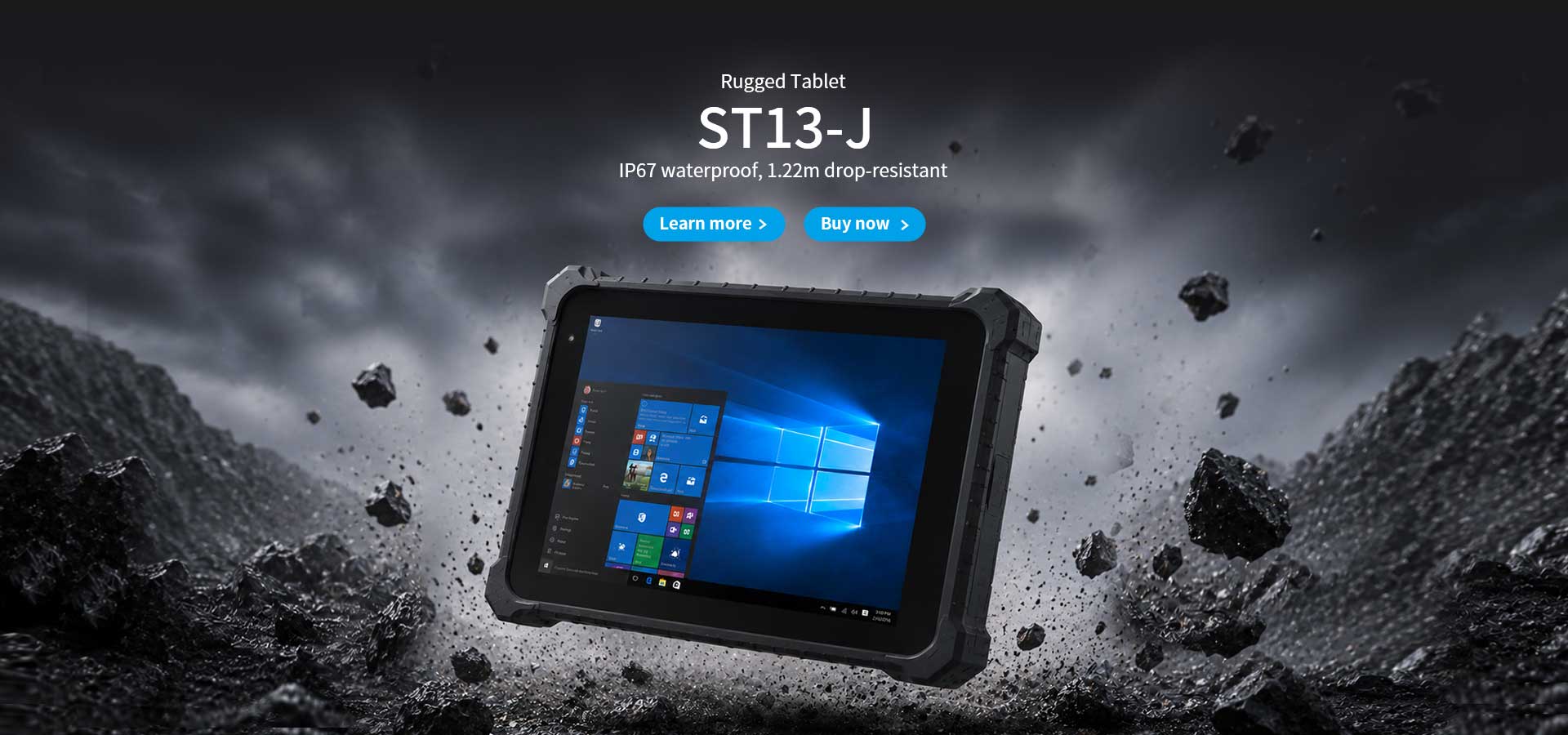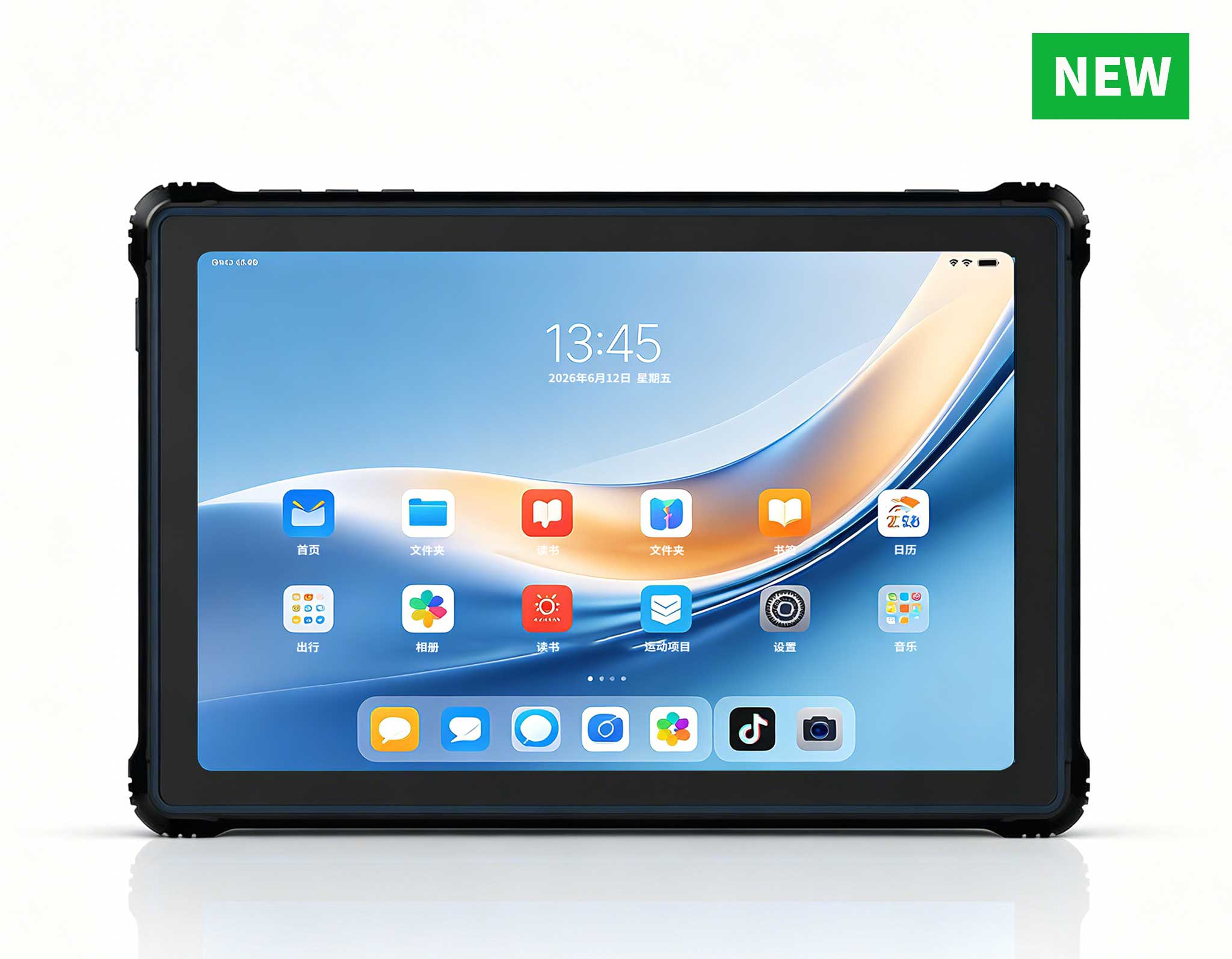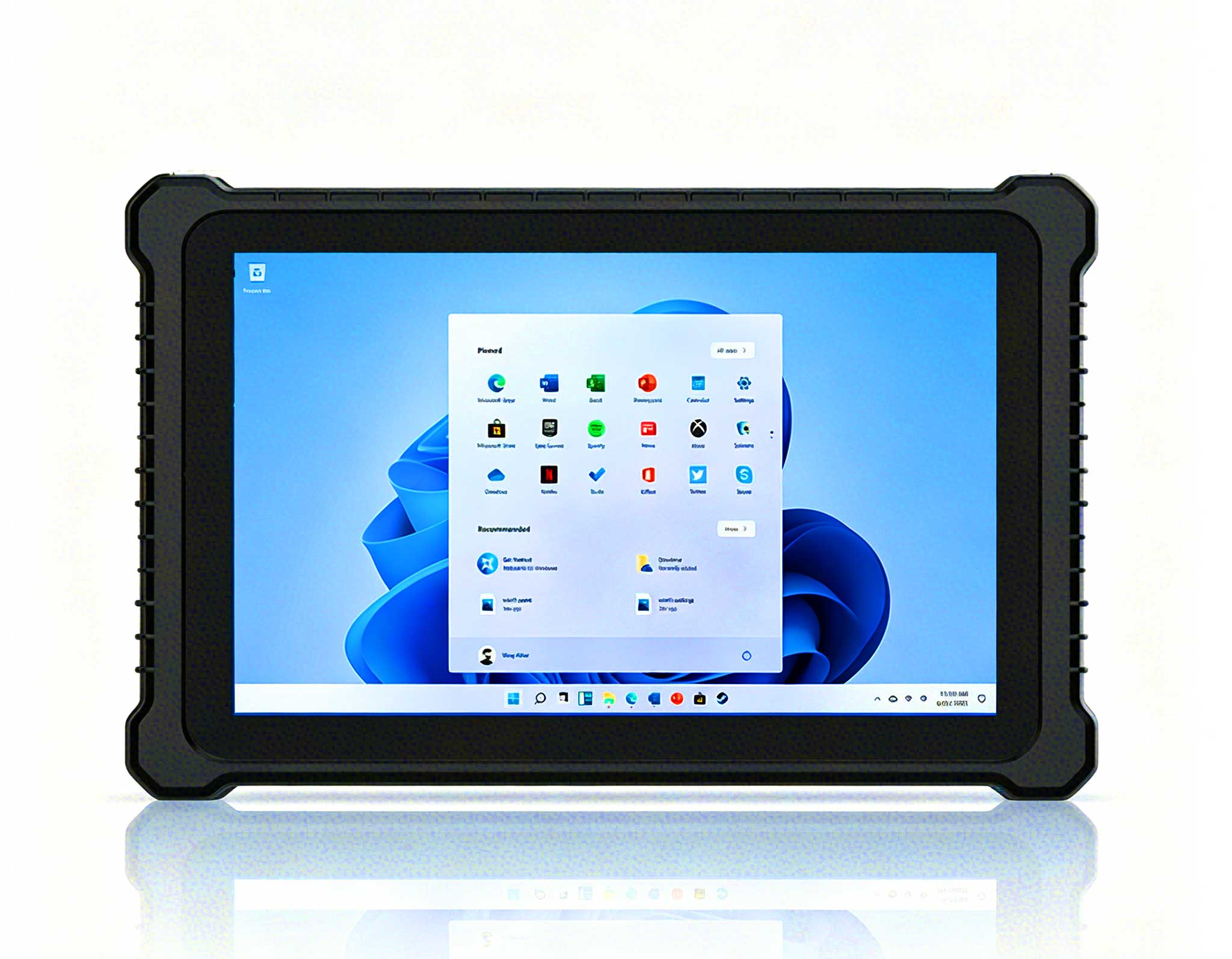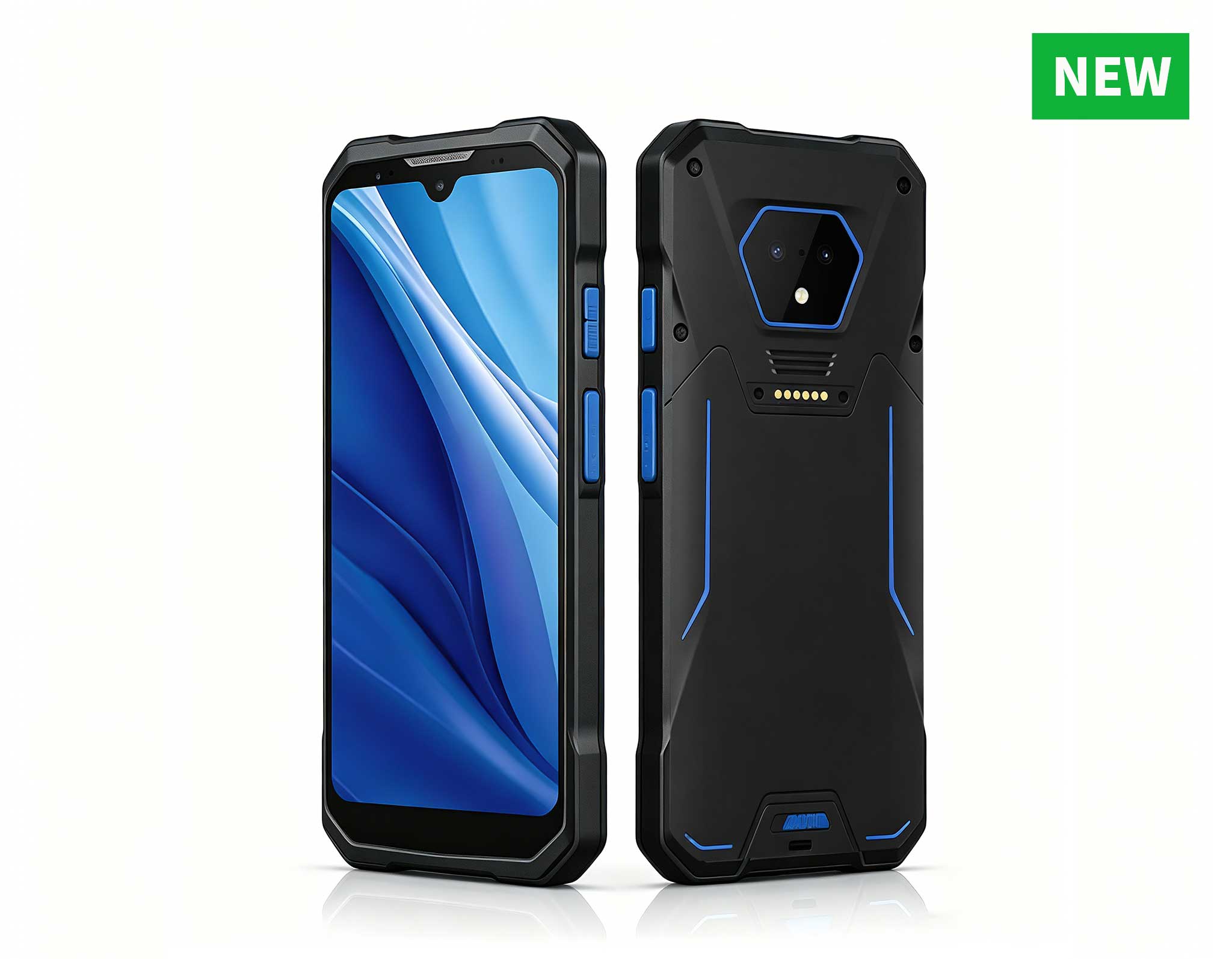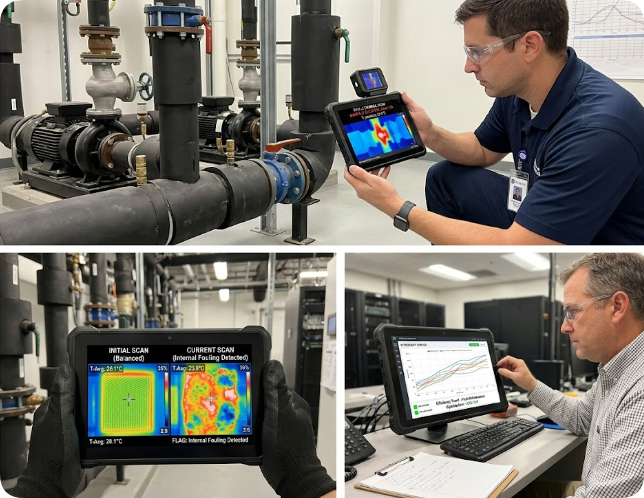
A spreader truck operator uses the HOTUS ST11‑U tablet with RTK GPS to record biochar application rates and coverage areas in real time.
A high-profile carbon credit buyer recently rejected an entire 5,000‑tonne batch of biochar carbon removal credits because the agricultural spreader logs were handwritten and completely unvouched. The investment fund had zero empirical fallback to confirm whether the processed biochar actually reached the designated soil profile or was simply stockpiled in an off-grid location. In the modern carbon removal asset class, deploying professional Rugged Tablets with real-time field logging capabilities is no longer a luxury—it is an absolute baseline to secure contract fulfillment. Within the voluntary carbon market, an unchecked 1-meter position error or a series of unverified paper logs can immediately transform a premium environmental credit asset into an undefendable corporate write-off. Your data collection hardware is your license to trade.
Biochar Carbon Credits Require Hard Proof – Why Your Spreader Log Demands a High‑Precision GPS Rugged Tablet
By HOTUS Technology | June 2026
The voluntary carbon marketplace for engineered carbon dioxide removal (CDR) is experiencing an unprecedented capital surge. Institutional registries indicate that over 2 million tonnes of verified biochar-based carbon removals were successfully transaction-credited, with transaction values holding a strong premium average of $150 per sequestered tonne. Global enterprise buyers—including corporate tech giants like Microsoft, climate syndicates like Frontier, and major international airlines—are imposing incredibly stringent verification mechanisms before releasing capital. The absolute critical point of failure within the biochar registry chain occurs during the final agricultural soil application stage. Carbon brokers demand undeniable, chain-of-custody proof that the carbonized biomass was precisely incorporated into verified agricultural acreage to provide permanent geological storage, rather than being diverted, sold, or lost.
Despite this extreme reliance on data accuracy, the current baseline verification method remains remarkably primitive. Spreader truck operators routinely depend on manual paper logs, writing down subjective field numbers, estimated cargo weight figures, and arbitrary operational time frames from memory. These analog logs are highly prone to transcription mistakes, lack geographic metadata, and fail to provide spatial proof of actual deposition. When carbon registry auditors ask, "What data guarantees that the operator didn't merely unload half the structural biochar load at the field gate and dump the remaining volume into a non-monitored ravine?" the project developer has no objective response. Without empirical tracking, validation fails, and high-value carbon credit tranches are immediately frozen.
Centimeter-Accurate Ground-Truth Telemetry
The Hotus ST11‑U 10.1″ Windows rugged tablet completely redefines environmental field auditing by replacing human logging error with direct, automated machine telemetry. Configured with a dedicated high-precision RTK GPS module achieving a tight 2‑cm spatial positioning accuracy, the in-cab mounted ST11‑U creates a continuous, high-fidelity metadata trail during the entire application sweep, seamlessly charting:
- High-Frequency Spatial Mapping: Logs the tractor or spreader truck’s exact geographic coordinates every single second to map absolute ground pathing.
- Direct CAN Bus Flow Integration: Captures true application volume metrics ($kg/m^2$) straight from the spreader’s hydraulic or mechanical controller bus line.
- Automated Area Coverage Tonnage: Computes real-time field spatial area density matrices, identifying under-saturation points on the fly.
- Cryptographic Visual Verification: Prompts the integrated high-resolution camera to document time-lapse progress visuals at set time intervals, embedding unalterable watermarks.
Upon completing a field sector layout, the ST11‑U instantly compiles a secure, exportable verification manifest. This manifest generates a highly detailed, color-coded GIS map layer illustrating exactly where the biochar volume was applied, overlaid with precise, real-time distribution metrics.
The resulting digital log is locked with a hardware-rooted cryptographic digital signature before being uploaded directly to registry portals. When a carbon validation auditor reviews the asset file, they can zoom into individual parcel sectors, evaluating the specific application rates across every square meter. This leaves zero room for data disputes or credit rejections.
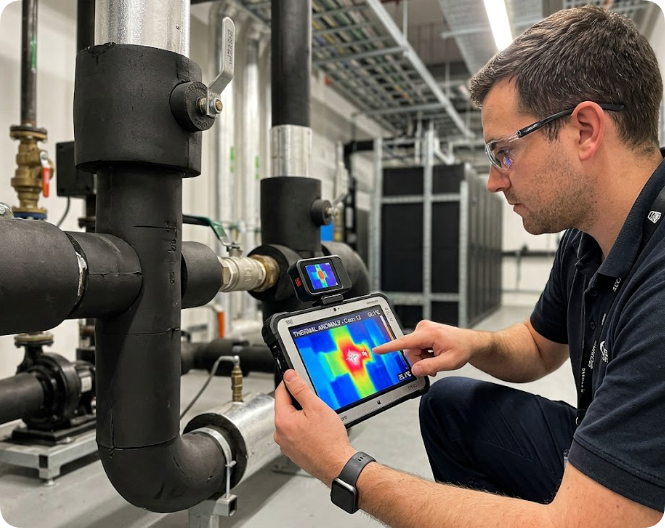
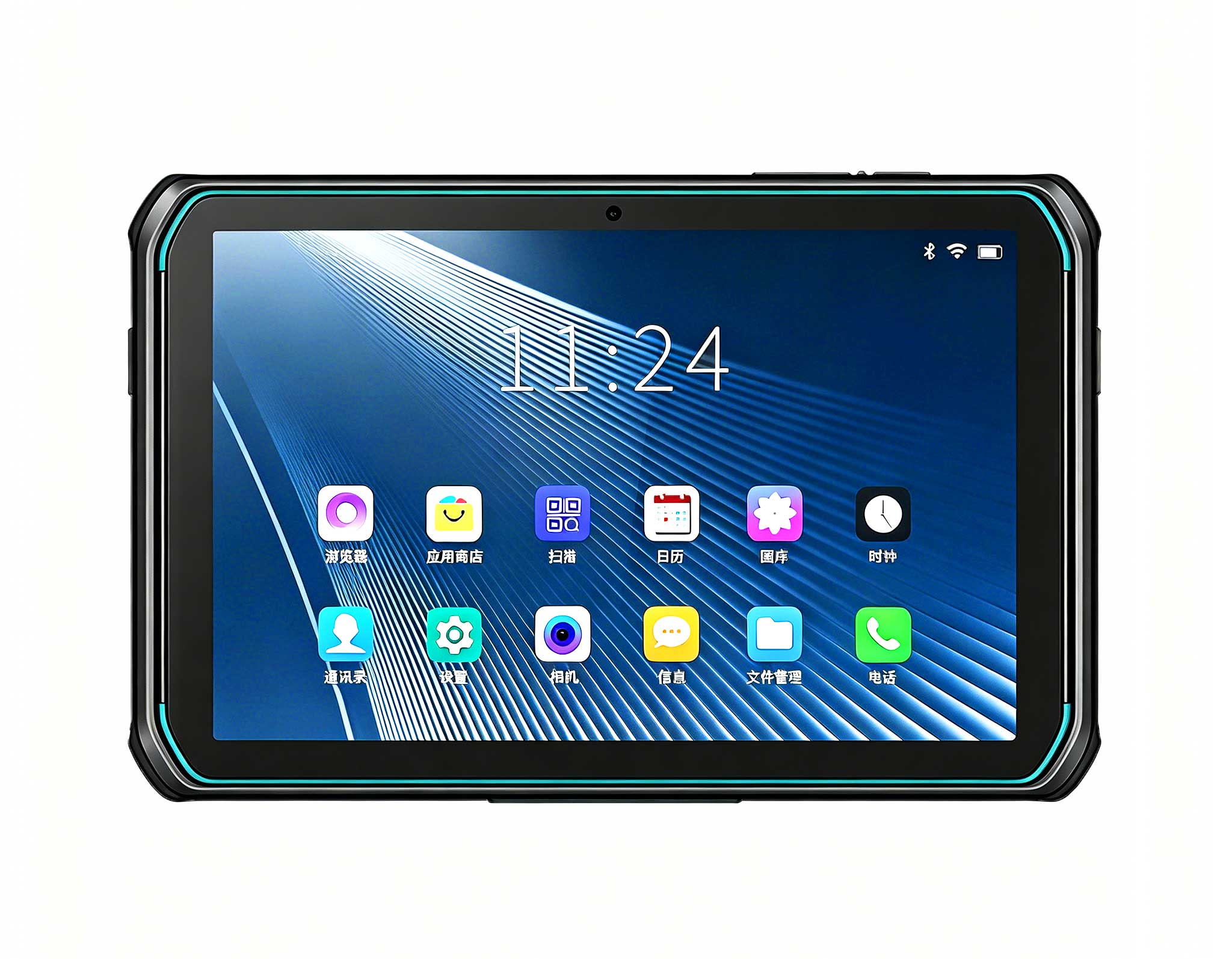
The ST11‑J tablet displays a color‑coded map of a field with biochar application rate – green for target rate, red for missed areas.
Multi-Device Coordination: Field-to-Office Chain of Custody
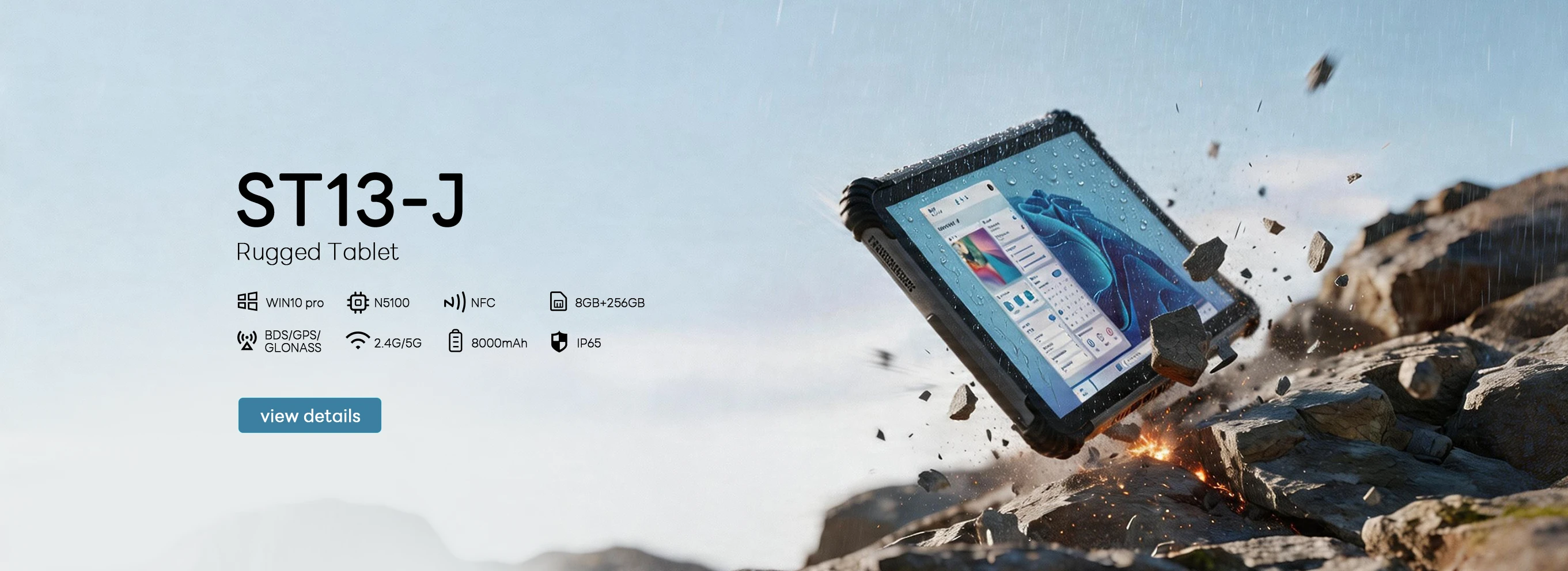
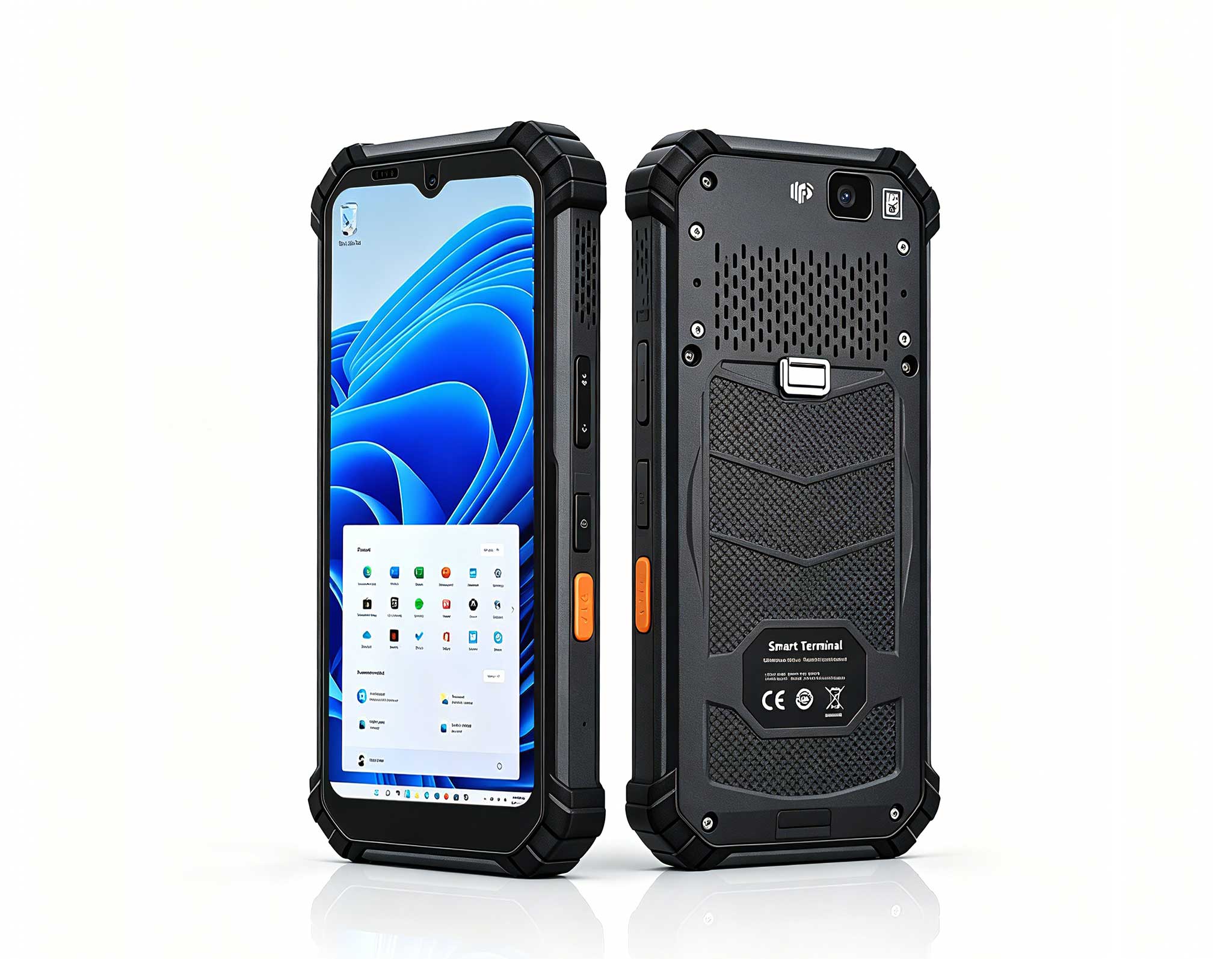
For project coordinators overseeing sprawling multi-farm carbon removal portfolios, the high-capacity Hotus ST13‑J 13.3″ Windows rugged tablet functions as a centralized command and control dashboard. The ST13‑J automatically consolidates real-time geospatial field feeds from dozens of active spreading vehicles simultaneously. This allows managers to instantly cross-reference aggregate applied volumes against total raw feedstock batches, tracking active inventory and verification processing across counties.
If a field tractor leaves a sector with incomplete distribution lines, the ST13-J platform flags the parcel in red, prompting operators to complete remediation before submitting the data package to international carbon accounting bodies.
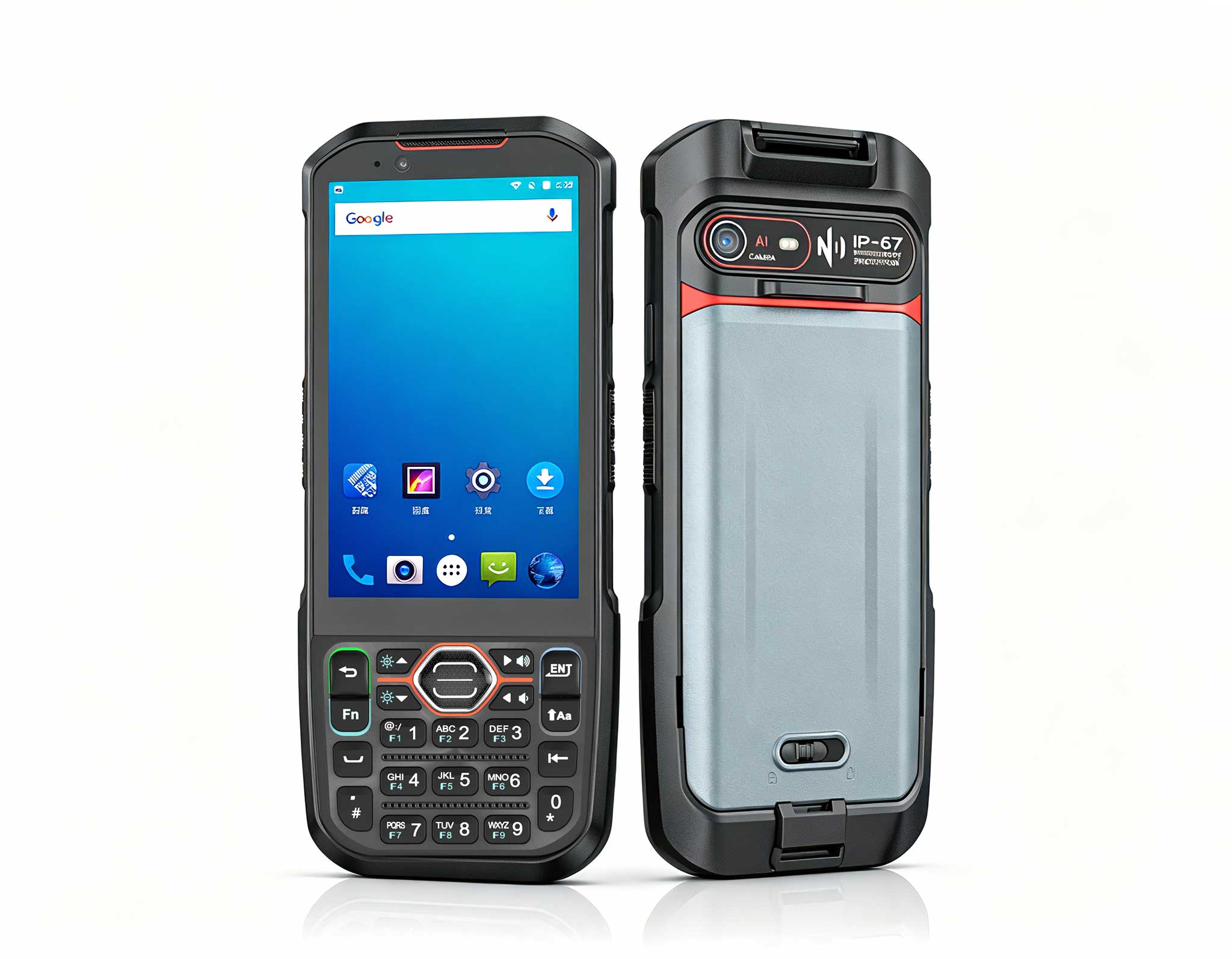
To lock down the initial supply side of the credit chain, logistics personnel use the industrial Hotus U9000 Handheld PDA at processing centers and loading docks. The U9000's integrated high-frequency RFID and laser barcode scanning modules scan individual tracking tags attached to bulk biochar containers. This process links specific production kiln batches directly to individual transport trucks, verifying raw weight figures and establishing an unassailable digital chain of custody from the production line straight to the furrow.
Surviving the Extreme Pressures of Modern Agriculture
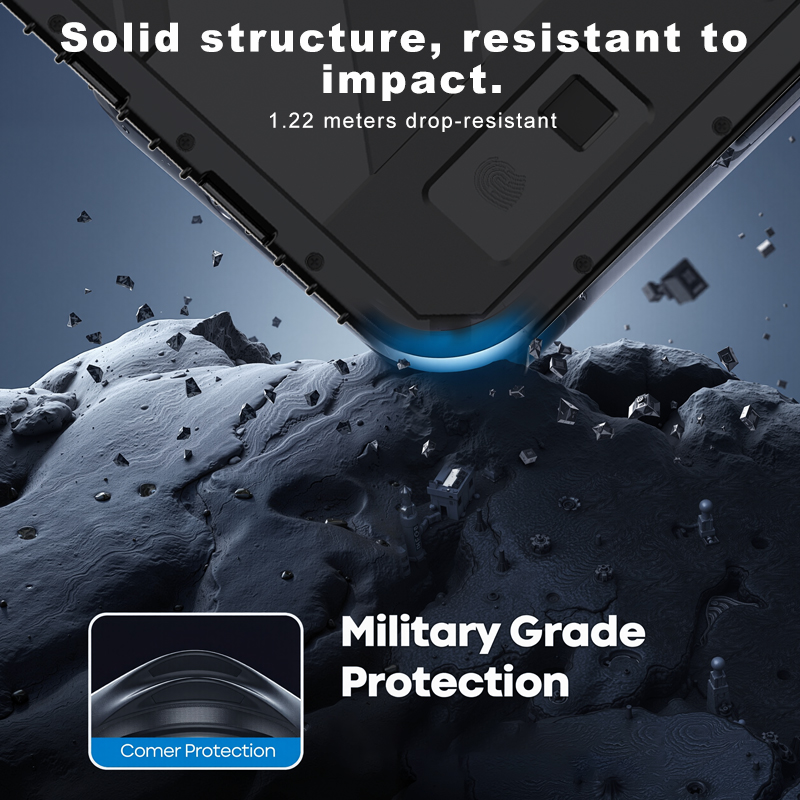
Agricultural application sites expose hardware to intense physical punishment, including heavy vibration, extreme dust, mud splashes, and intense thermal swings. Standard consumer tablets quickly fail under these conditions due to overheating or structural cracks. HOTUS technology eliminates these deployment risks. With certified IP67 environmental sealing and MIL-STD-810G impact protection, these rugged systems operate reliably inside vibrating cabs or during outdoor tracking sweeps. The 1000+ nit high-contrast touch screens remain completely readable even under blinding midday sun, ensuring field operators can easily review map tracks without straining.
Empirical ROI: Achieving a 100% Verification Issuance Success Rate
A large-scale commercial biochar company managing a 10,000-tonne annual biomass sequestration network updated its field tracking by deploying 25 ST11‑U in-cab tablets, 15 ST13‑J command dashboards, and 20 U9000 secure logistics PDAs. Within the first 12 months of deployment, the enterprise achieved a perfect 100% credit issuance and audit verification pass rate. Conversely, an adjacent competitor relying on manual spreadsheet entries and paper field tracking suffered a severe 35% rejection rate from corporate ESG buyers due to insufficient data logs. Because the HOTUS system provided unassailable, RTK-verified spatial proof, the company secured an exclusive supply agreement with an international buyer, commanding a 20% price premium over unverified competitors.
Biochar carbon removal is ultimately a trust-based financial market. Paper logs provide no real security, and generic mobile tablets lack the precise location tracking and hardware security required to protect high-value environmental credits.
Centimeter-accurate GPS tracking and automated machine data capture provide the only unassailable verification mechanism that institutional carbon buyers accept. The HOTUS ST11‑U, ST13‑J, and U9000 product line delivers the precise field architecture needed to protect and verify carbon removal investments. Keep your operations accurate, protect your data logs, and don't let an unverified paper record invalidate your carbon portfolio.
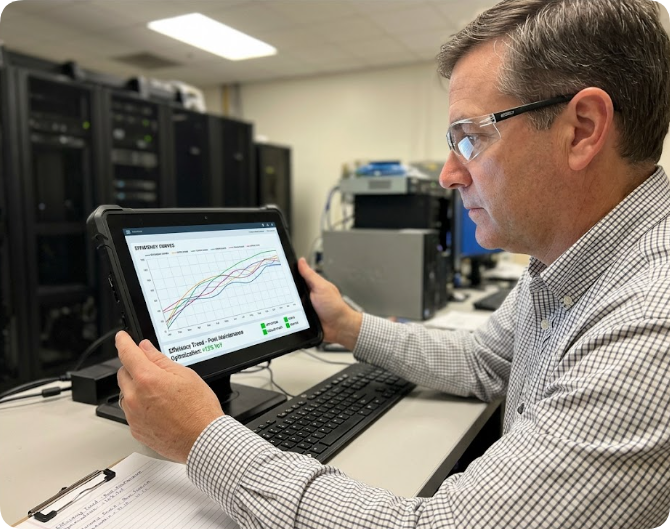
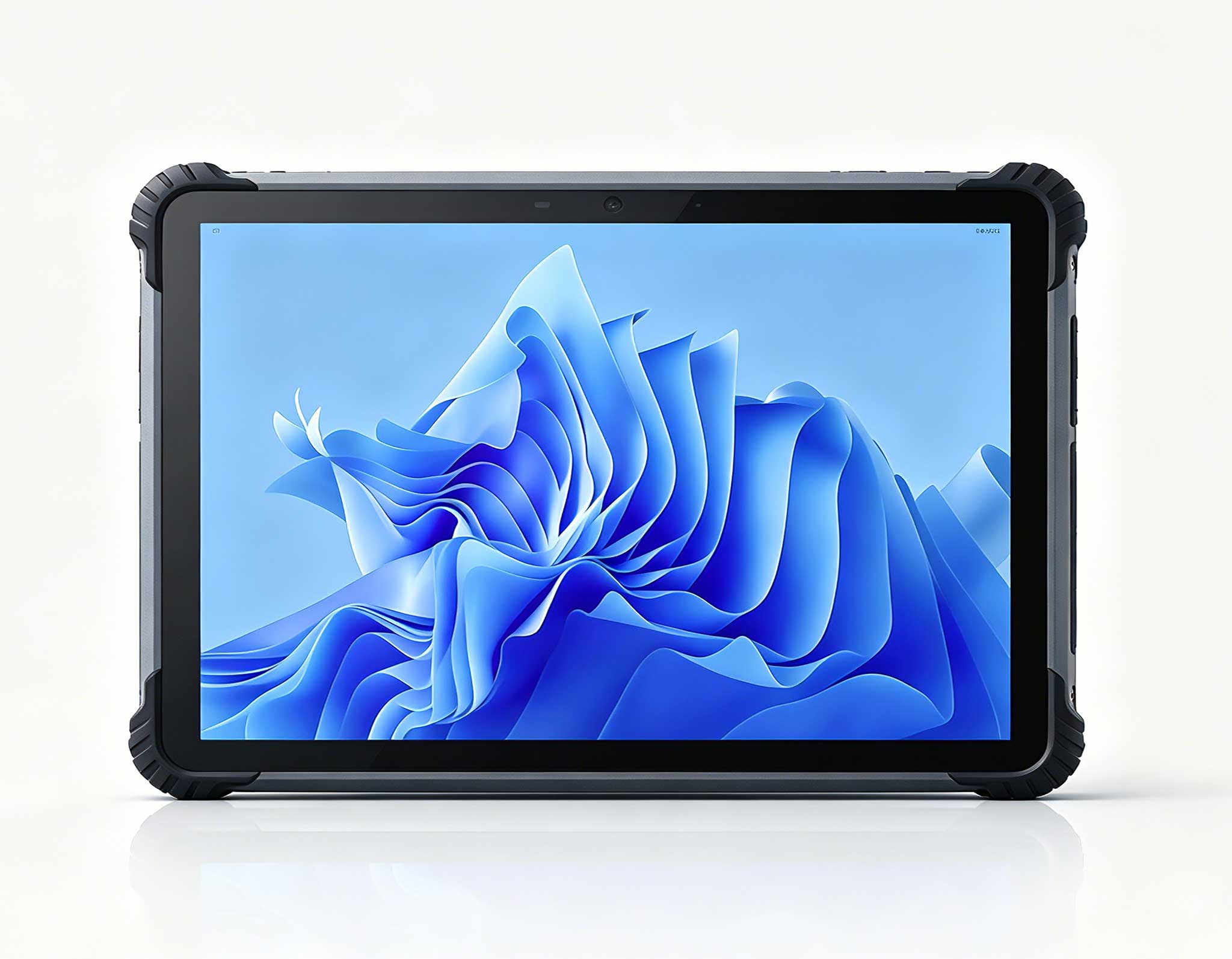
The ST13‑J dashboard displays a map of applied fields – green for fully verified, yellow for partial, red for rejected.
Secure Your Environmental Asset Compliance Today
Consult with the industrial mobile hardware experts at HOTUS Technology to integrate high-precision digital validation loops across your field operations.
Contact HOTUS Technology