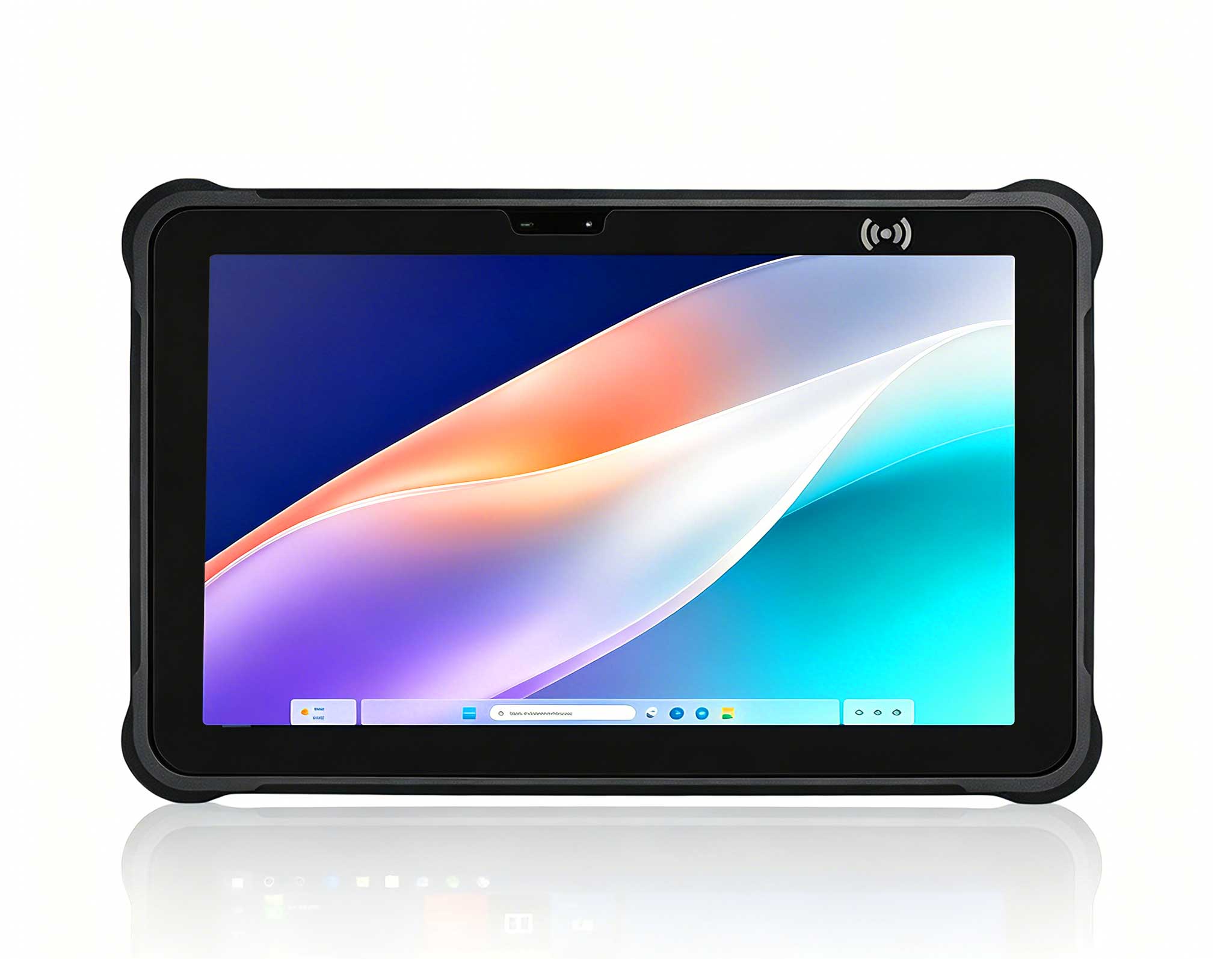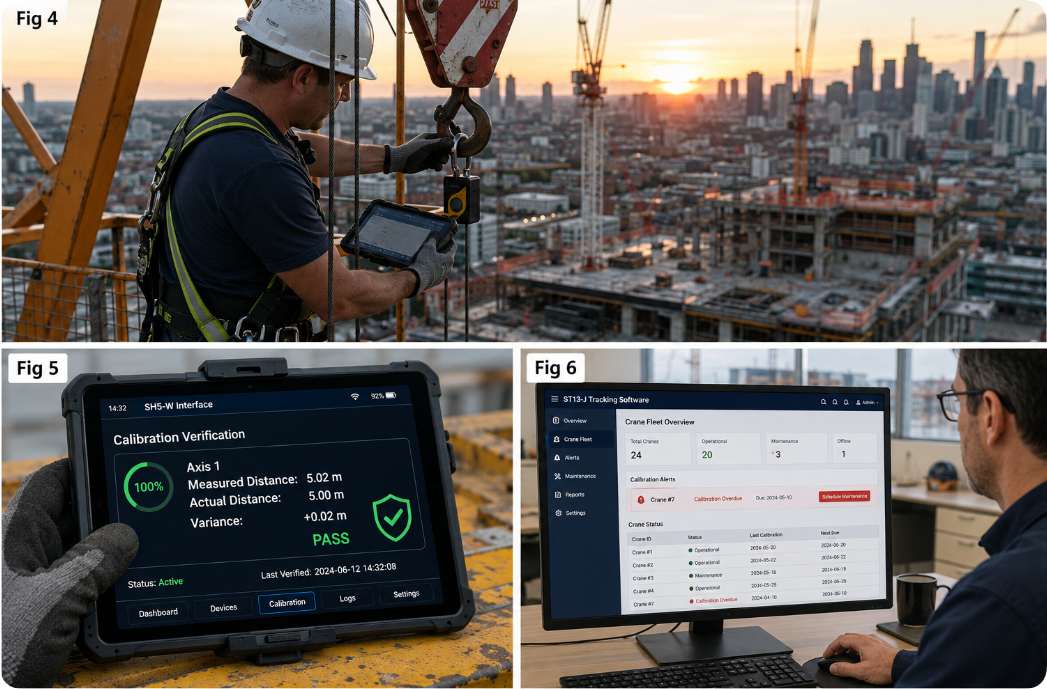
A certified safety inspector uses the HOTUS SH6 rugged tablet to perform precise field calibration on a high-rise tower crane anti-collision array.
When a tower crane incident occurs on a high-density urban job site, the consequences are catastrophic—resulting in structural failure, extended project shutdowns, and legal liabilities. Investigators frequently trace the root cause back to unverified safety logs: paper checklists signed off without actual telemetry data. In heavy industry, passive compliance is no longer enough to mitigate risk. High-stakes jobs require an active, data-driven system that interfaces directly with crane PLCs to verify proximity metrics in real time. Your field hardware acts as the definitive safety vault for the entire site.
Tower Crane Anti-Collision System Validation: Ensuring Site Safety with Industrial Rugged Tablets
By HOTUS Technology | Site Safety & Hardware Engineering
The global construction equipment market is expanding rapidly, fueled by complex infrastructure projects and high-density vertical developments. Modern construction zones frequently feature overlapping radius lines where multiple tower cranes operate simultaneously. To manage this spatial hazard, regulatory bodies enforce the use of active anti-collision systems designed to automatically throttle or halt machinery before booms intersect. However, these proximity sensors are only effective if their underlying baseline data is accurate, reliable, and constantly verified.
Industry data reveals that a substantial percentage of on-site crane mishaps involve proximity detection systems that were either improperly calibrated or deactivated due to false triggers. The primary failure point is administrative: relying on handwritten maintenance cards that lack physical proof of measurement. Technicians often follow basic setup routines, noting operational readiness on a standard form without verifying that the optical or laser sensors accurately identify physical boundaries. This disconnect creates a dangerous blind spot in site management workflows.
Hardware Built for Extreme Environments: The HOTUS SH6 Rugged Handheld
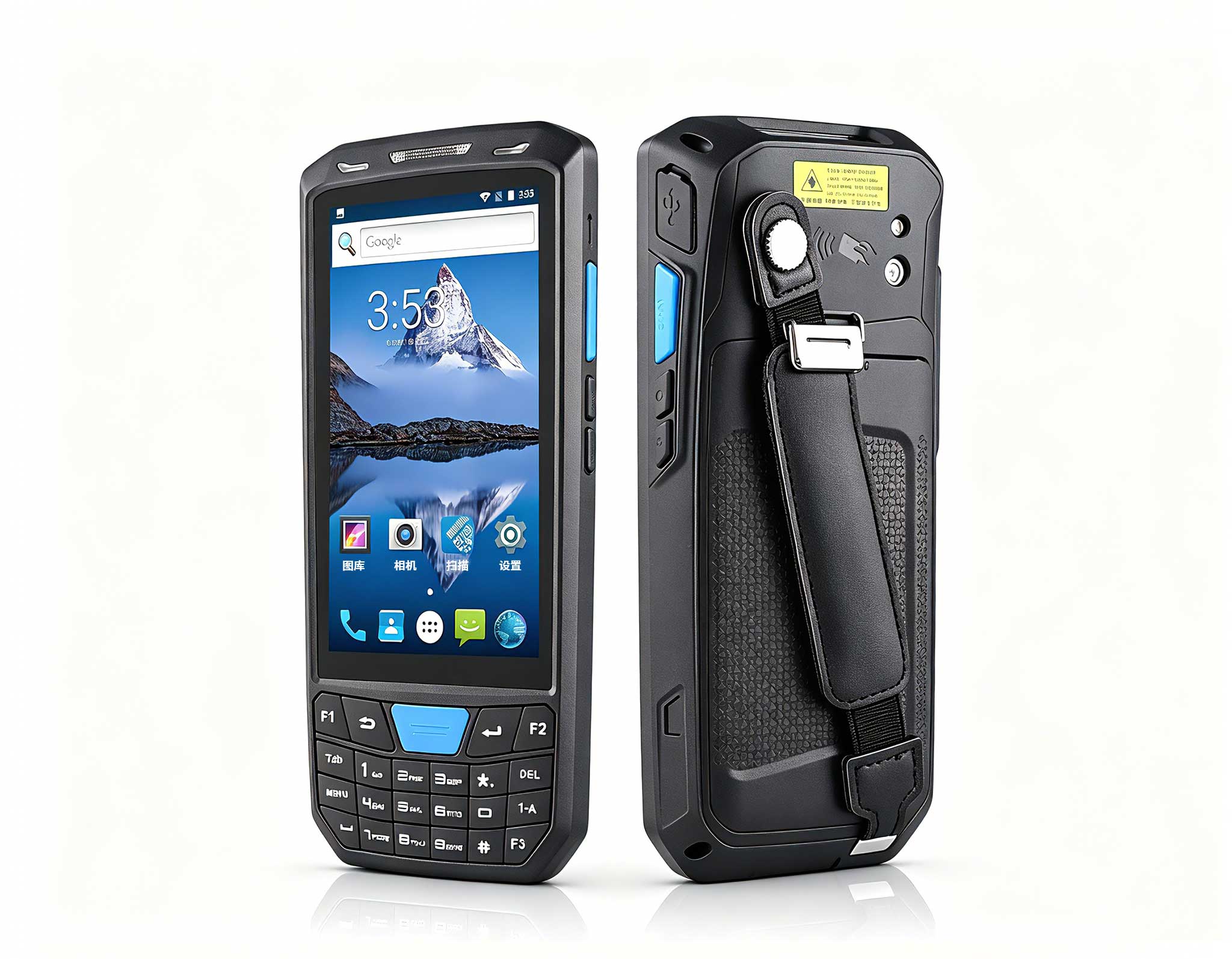
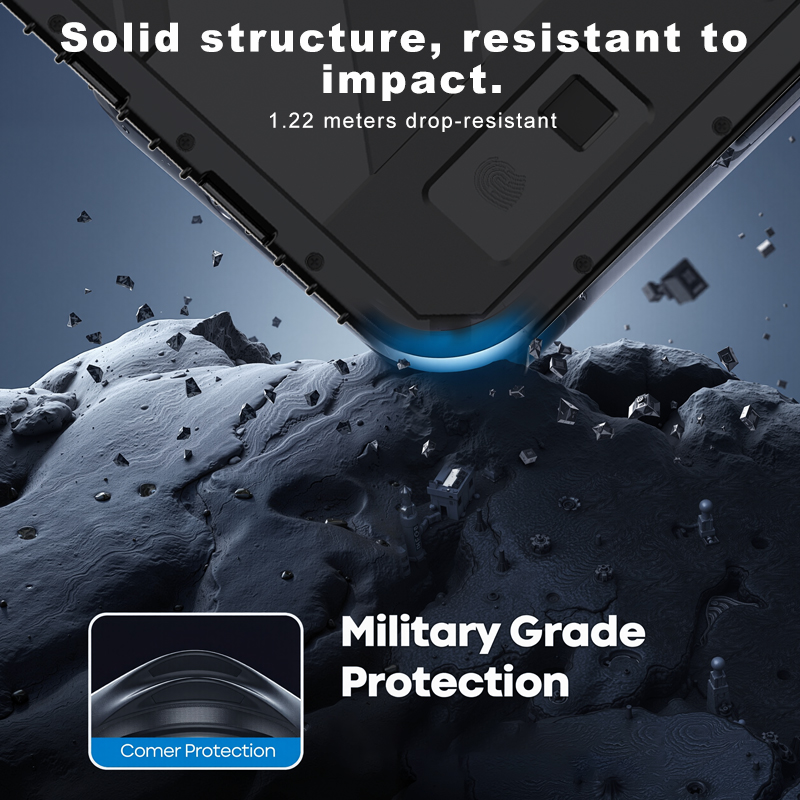
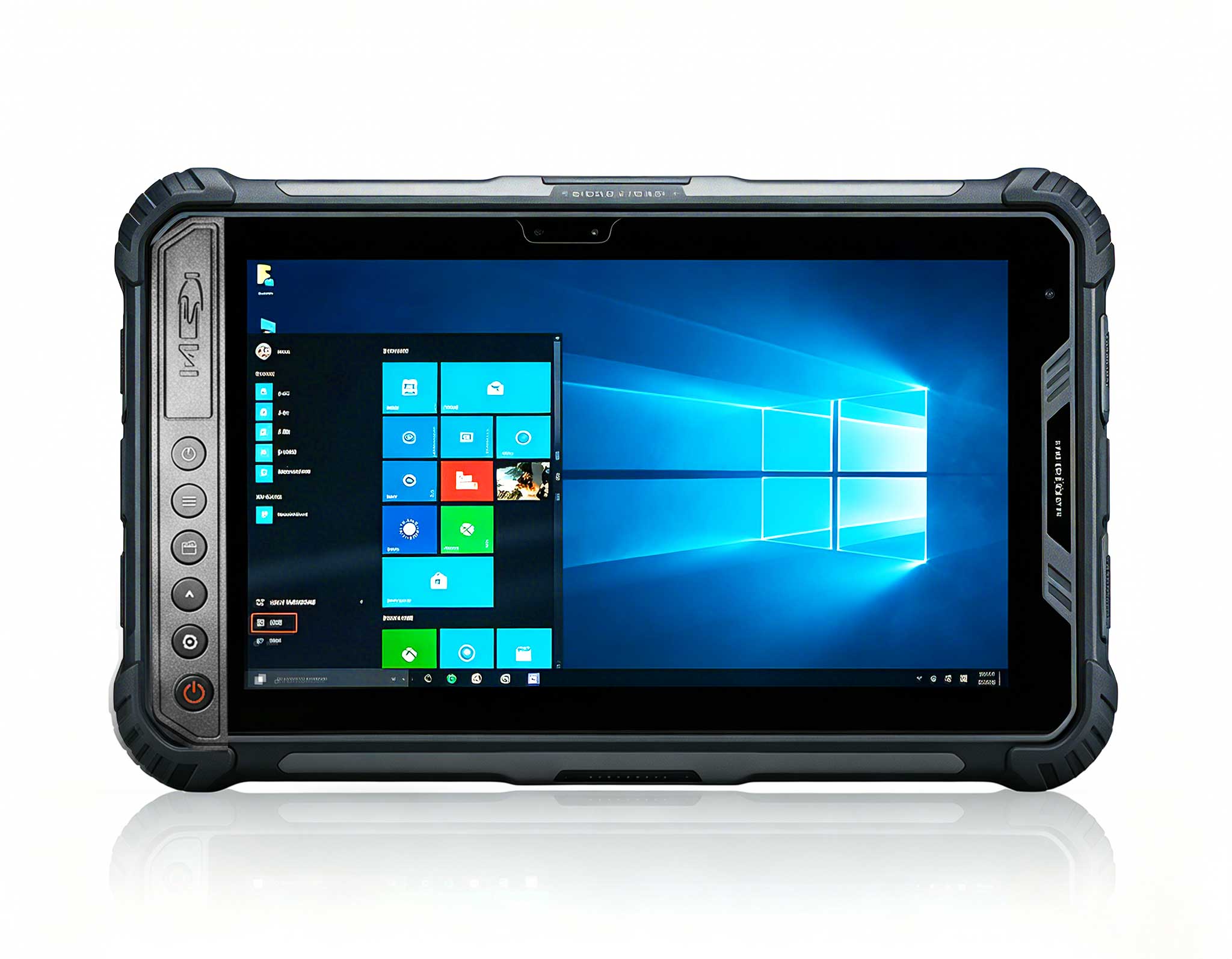
The Hotus SH6 6.5″ Windows rugged handheld is engineered to withstand the demanding conditions of major construction zones. Featuring an IP69K-rated structural shell, the device offers complete protection against fine concrete dust, heavy rain, and accidental drops from elevated scaffolding. Its sunlight-readable screen ensures clear visibility for operators working high above the ground on crane cabs and machinery decks.
The SH6 connects directly to the crane's core Programmable Logic Controller (PLC) via hardwired Ethernet or industrial CAN bus interfaces. During a standard safety inspection, the mobile computer manages the entire diagnostics sequence through automated workflows:
- Automated Positioning Commands: Directs the crane through preset testing positions to systematically analyze radar, lidar, or radio-frequency distance tracking.
- Direct PLC Telemetry Capture: Extracts real-time distance data directly from the machine's internal tracking computer, removing human logging errors.
- Cross-Vector Discrepancy Analysis: Automatically compares the machine's internal metrics against live reference measurements from a paired laser rangefinder, highlighting dangerous software drift.
- Immutable Safety Logs: Generates tamper-proof verification certificates that are automatically timestamped and geo-tagged to the exact job site coordinates.
By capturing the physical serial number plates via its integrated camera and embedding digital inspector signatures into the data payload, the SH6 turns standard maintenance into an audit-ready asset. The completed log files sync directly with cloud-based safety management systems, providing corporate risk officers and insurance underwriters with solid proof of operational compliance.
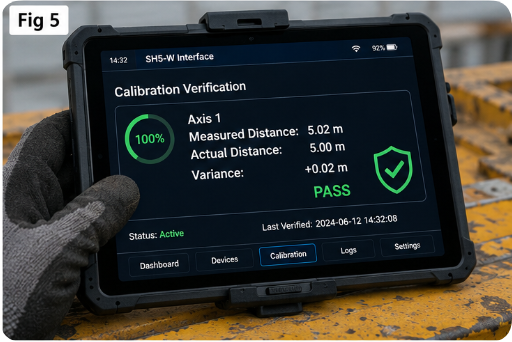
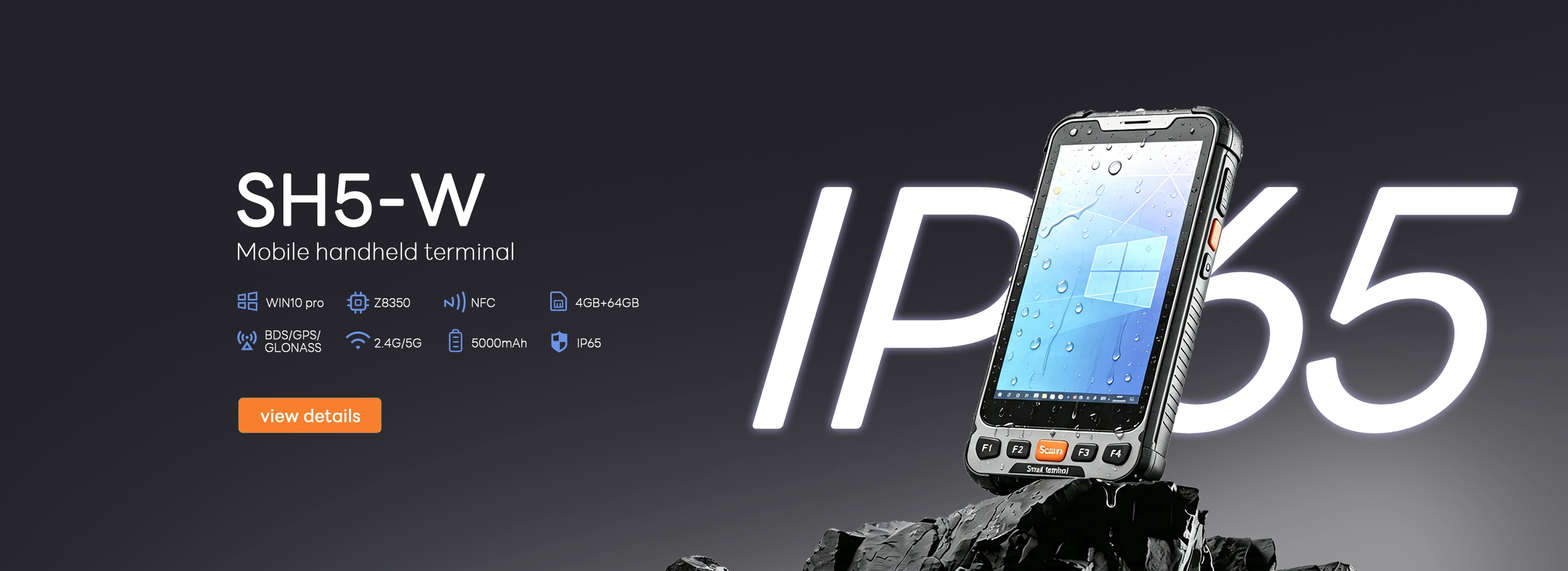
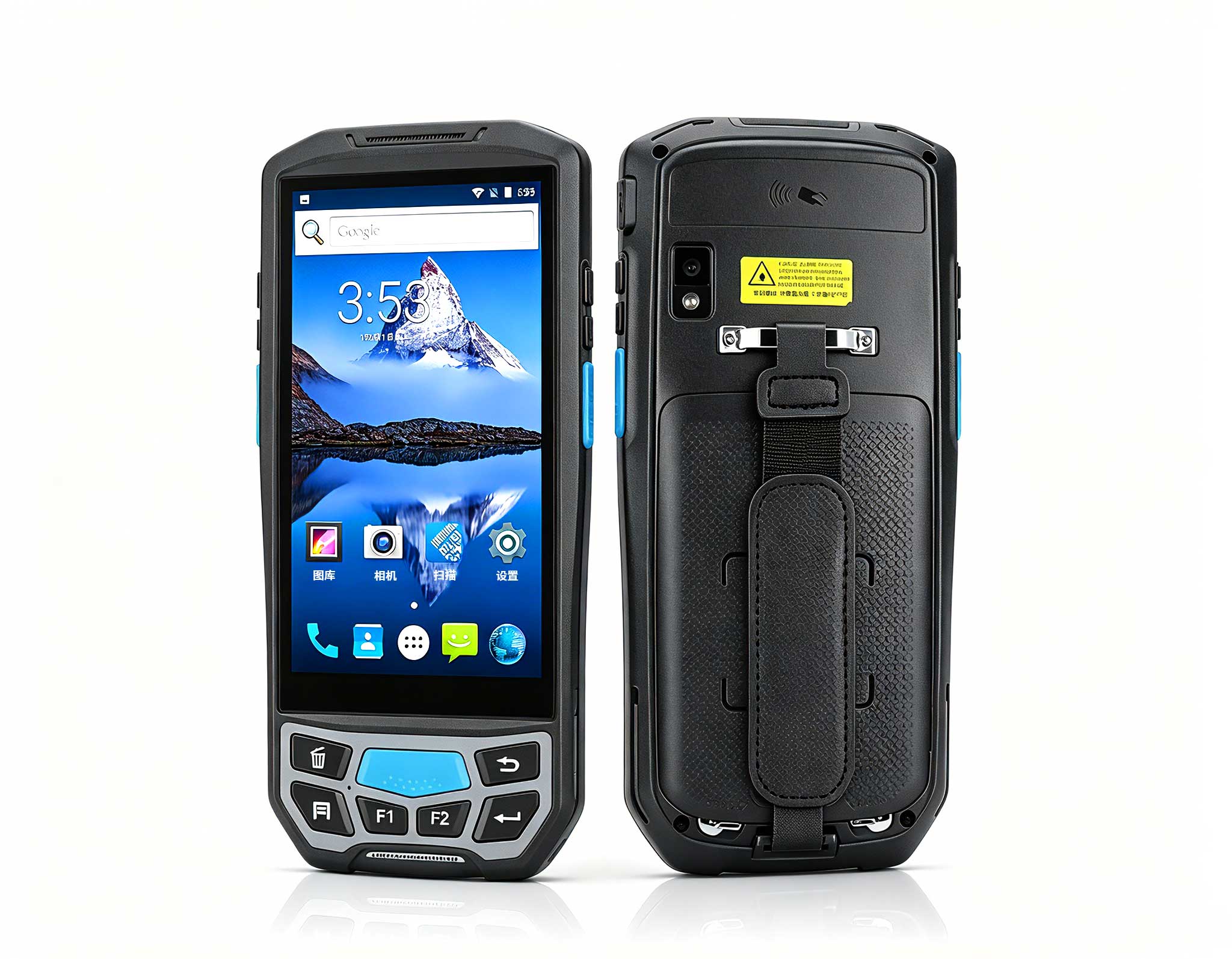
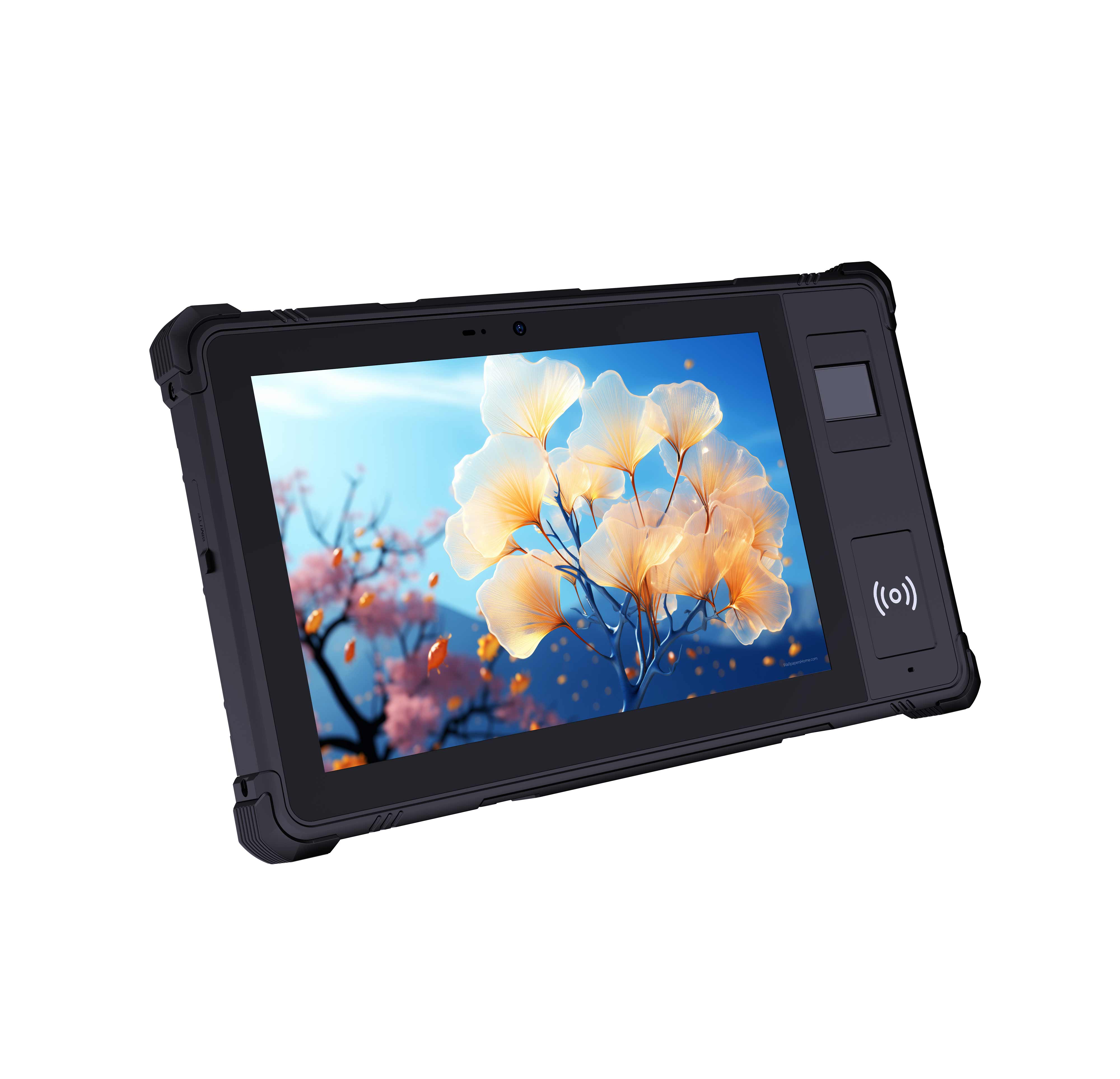
The SH5‑W handheld displays structured pass/fail calibration metrics, recording live deviations across three dimensional axes for third-party safety audits.
Site-Wide Safety Coordination: The ST11-U Windows Rugged Tablet
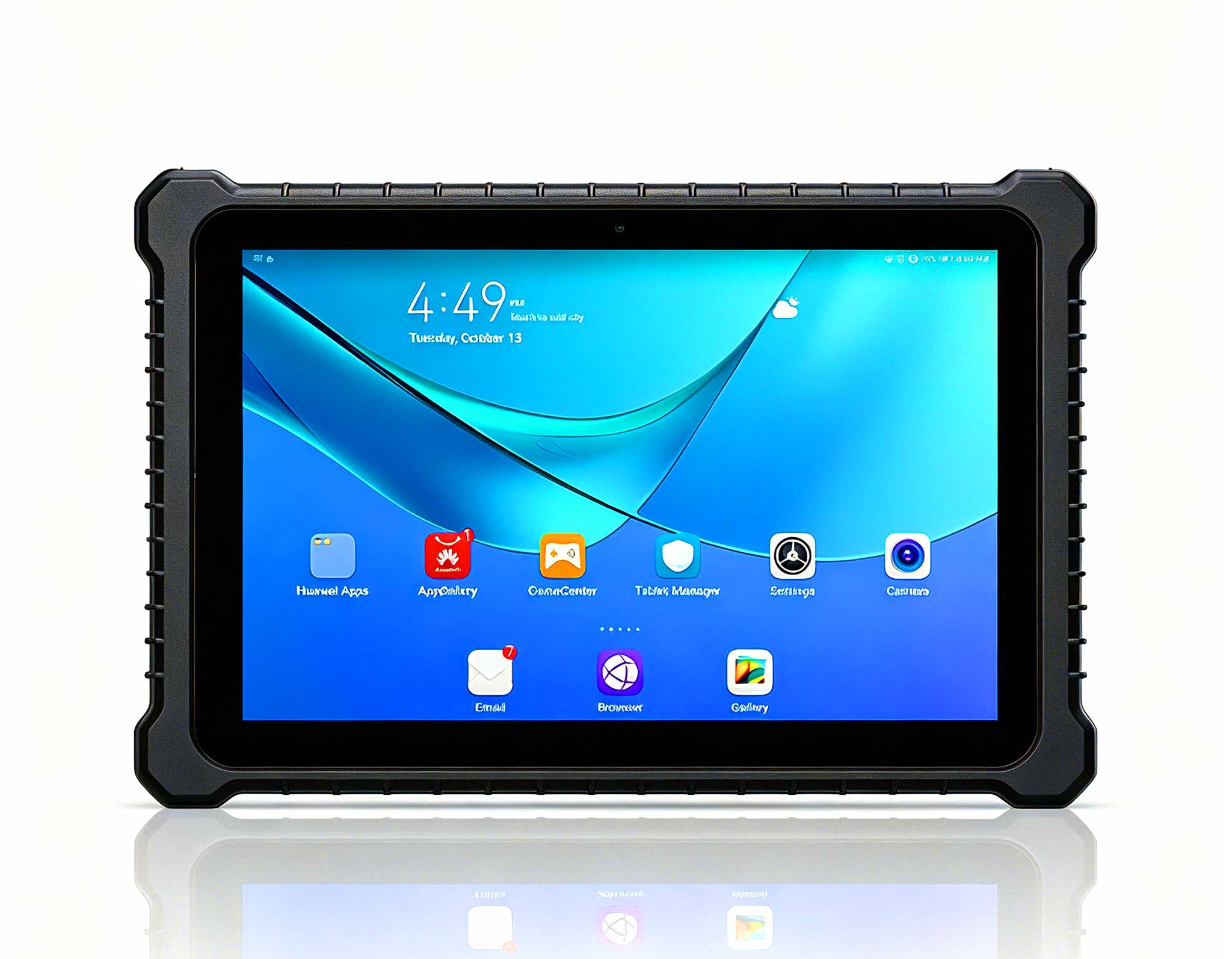
For safety directors supervising expansive, multi-crane industrial projects, data aggregation is key to maintaining site integrity. The Hotus ST11‑U 10.1″ Windows rugged tablet serves as a mobile command dashboard. It compiles data streams from every crane on the site, providing management with an accurate overview of calibration lifecycles, pending inspections, and sensor alerts.
To complement this ecosystem, the pocket-sized Hotus SH5‑W Windows rugged handheld gives field supervisors a quick way to perform spot-checks. Supervisors can read RFID asset tags or query localized networks to verify that a crane's anti-collision parameters are active and up to date before operators begin their shifts.
Quantifiable Risk Reduction: Digital Validation vs. Paper Liabilities
In modern construction engineering, safety metrics are heavily tied to project funding and insurance premiums. Actively tracking safety parameters helps protect general contractors from major liabilities and unexpected downtime. Relying on traditional paper records leaves firms open to regulatory fines and litigation if a system fails in the field.
An infrastructure firm managing a fleet of 50 heavy-duty tower cranes replaced their paper log books with 30 HOTUS SH6 calibration kits, 25 ST11-U centralized dashboards, and 20 SH5-W inspection handhelds. During initial deployment, the digital system identified 12 cranes with sensor variances exceeding 10%—meaning their anti-collision software allowed the booms to operate much closer than safe limits. Correcting these calibration errors prevented potential contact incidents, saving the firm from substantial repair costs, structural damage, and project delays. The digital workflow proved its value by replacing guesswork with clear, measurable data.

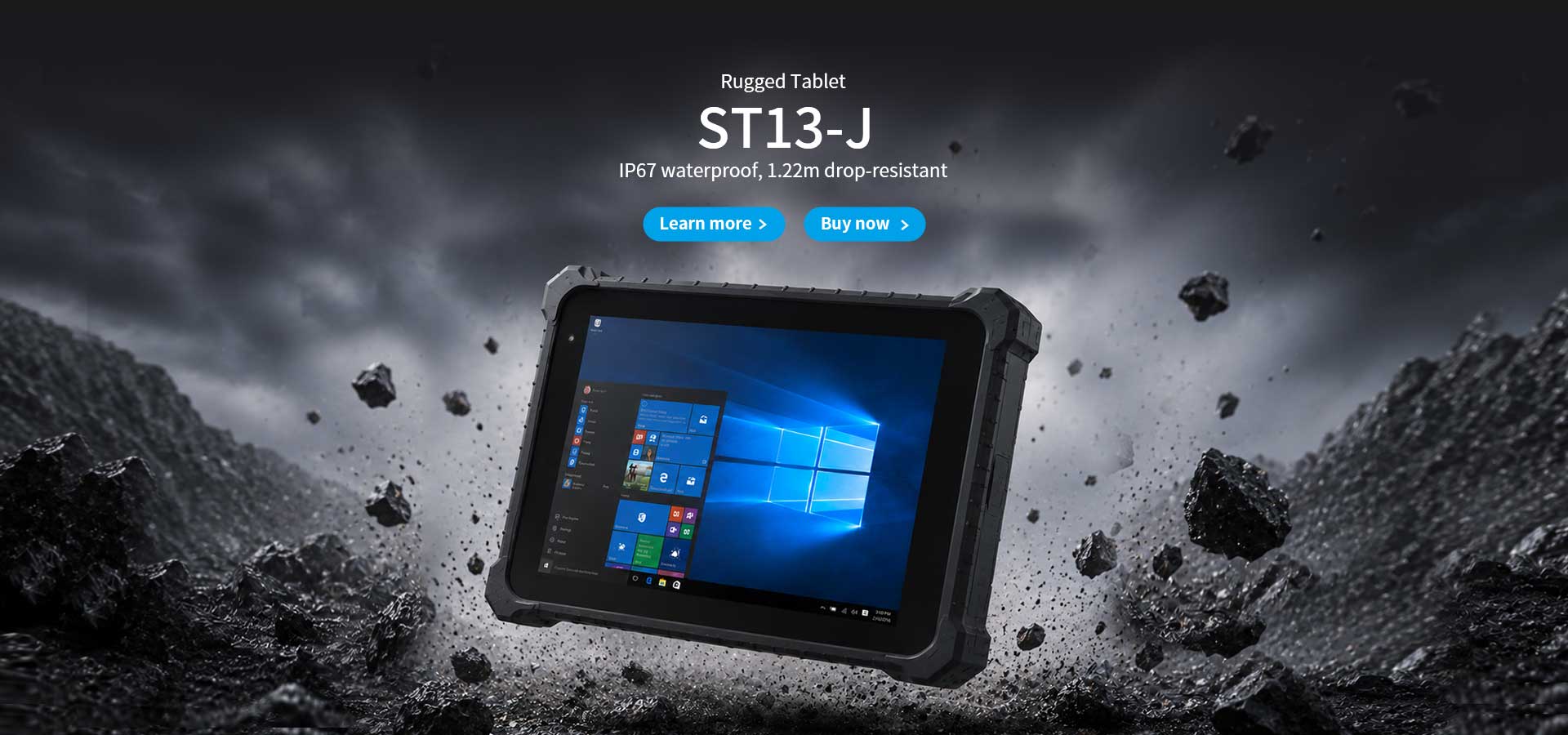
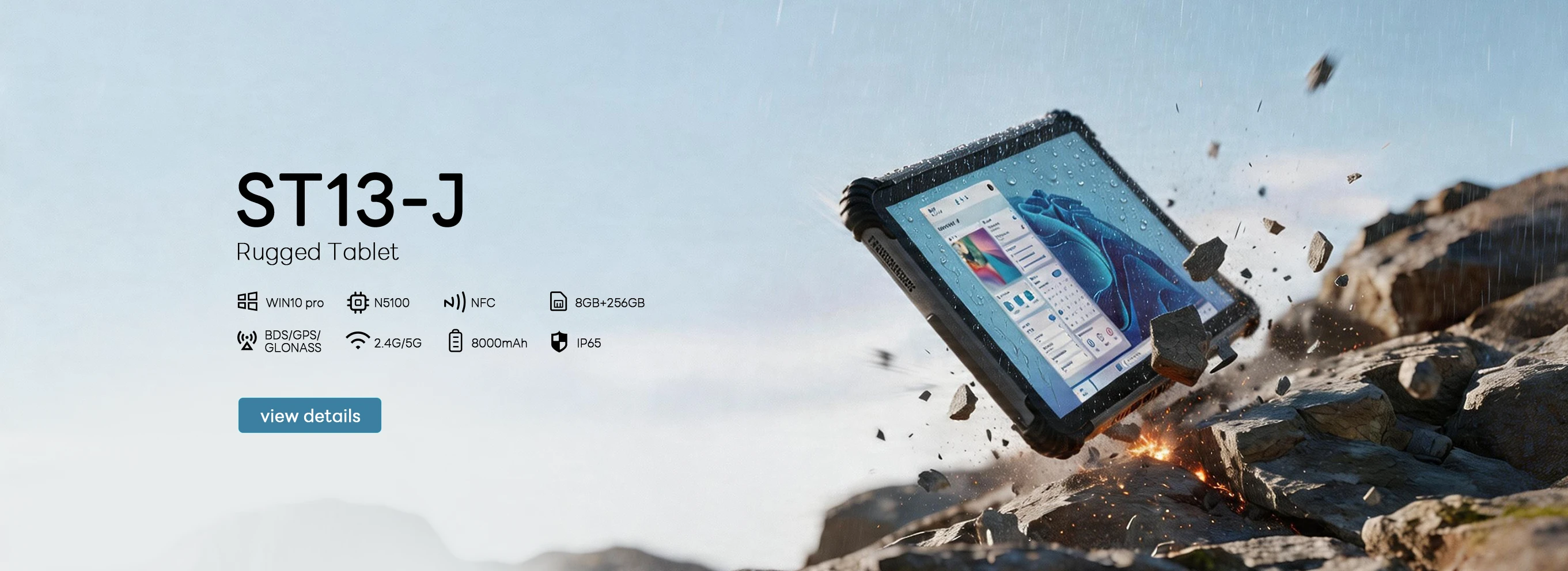
The centralized ST13‑J dashboard map interface visualizes the operational status of every heavy asset across the job site, flagging equipment that requires re-calibration.
A Protocol for Zero-Incident Infrastructure Projects
Maintaining safety on modern construction sites requires hardware that can keep pace with heavy machinery. Moving away from manual logging practices reduces human error, provides clear operational oversight, and ensures job sites remain compliant with international safety standards.
Upgrading to a digital validation process provides clear advantages across all phases of heavy asset management:
| Safety Indicator | Legacy Inspection Methods | HOTUS Digital Safety Workflow |
|---|
| Accuracy | Subjective verification without supporting data | Direct PLC validation and sensor diagnostics |
| Data Security | Paper sheets prone to damage or loss | Encrypted cloud logs with digital signatures |
| Fleet Visibility | Isolated record keeping per machine | Real-time asset mapping and expiration flags |
| Regulatory Proof | Manual forms that face strict scrutiny | Comprehensive, verifiable compliance histories |
Switching from paper checklists to integrated rugged computers helps construction projects run more safely and efficiently. By collecting accurate data directly from equipment sensors, project managers can protect their workforce, secure asset deployment, and maintain full compliance with modern safety mandates.
Upgrade Your Construction Safety Systems
Equip your safety personnel with high-durability computers designed for reliable sensor verification and asset management in harsh environments.
Contact HOTUS Technology Today