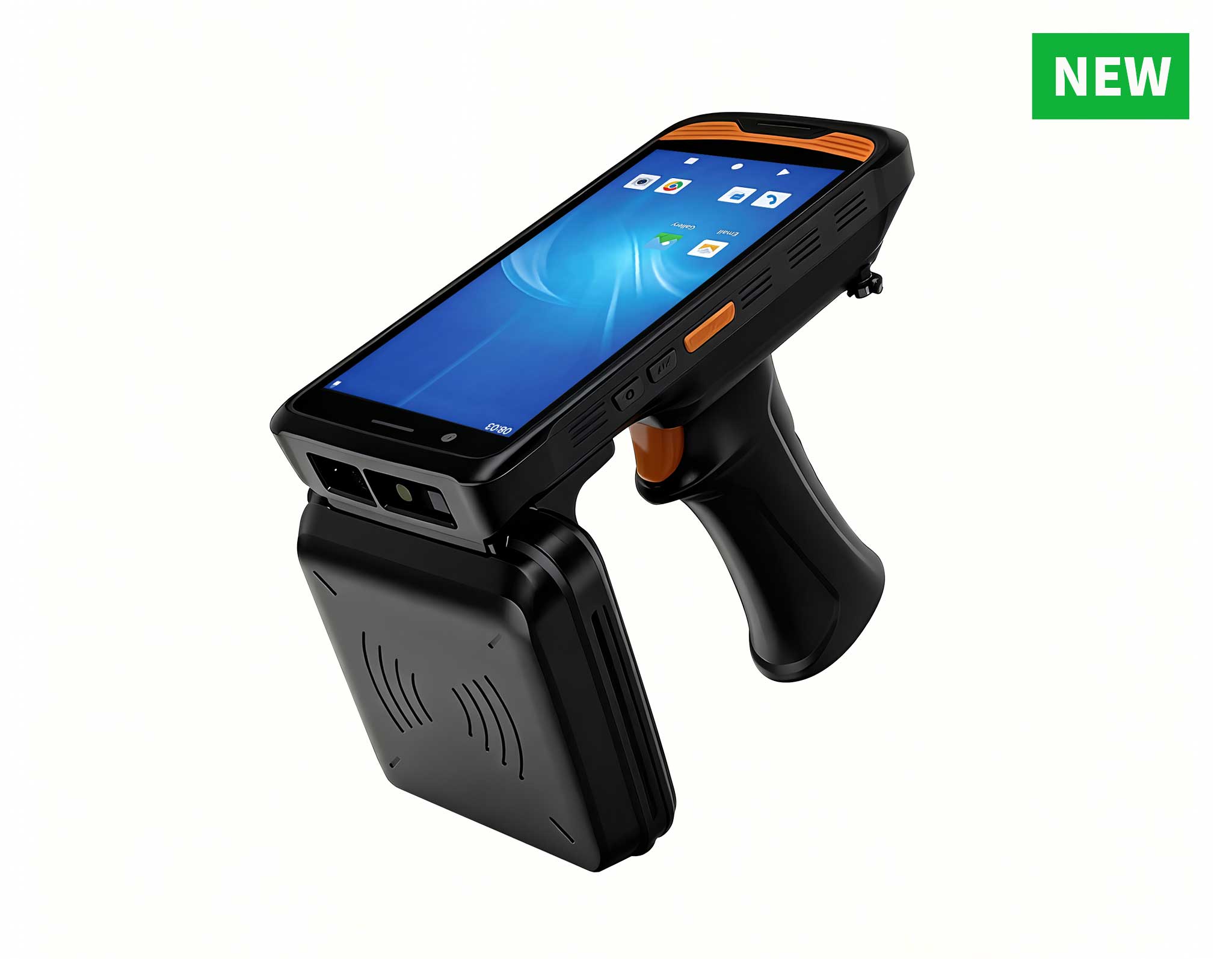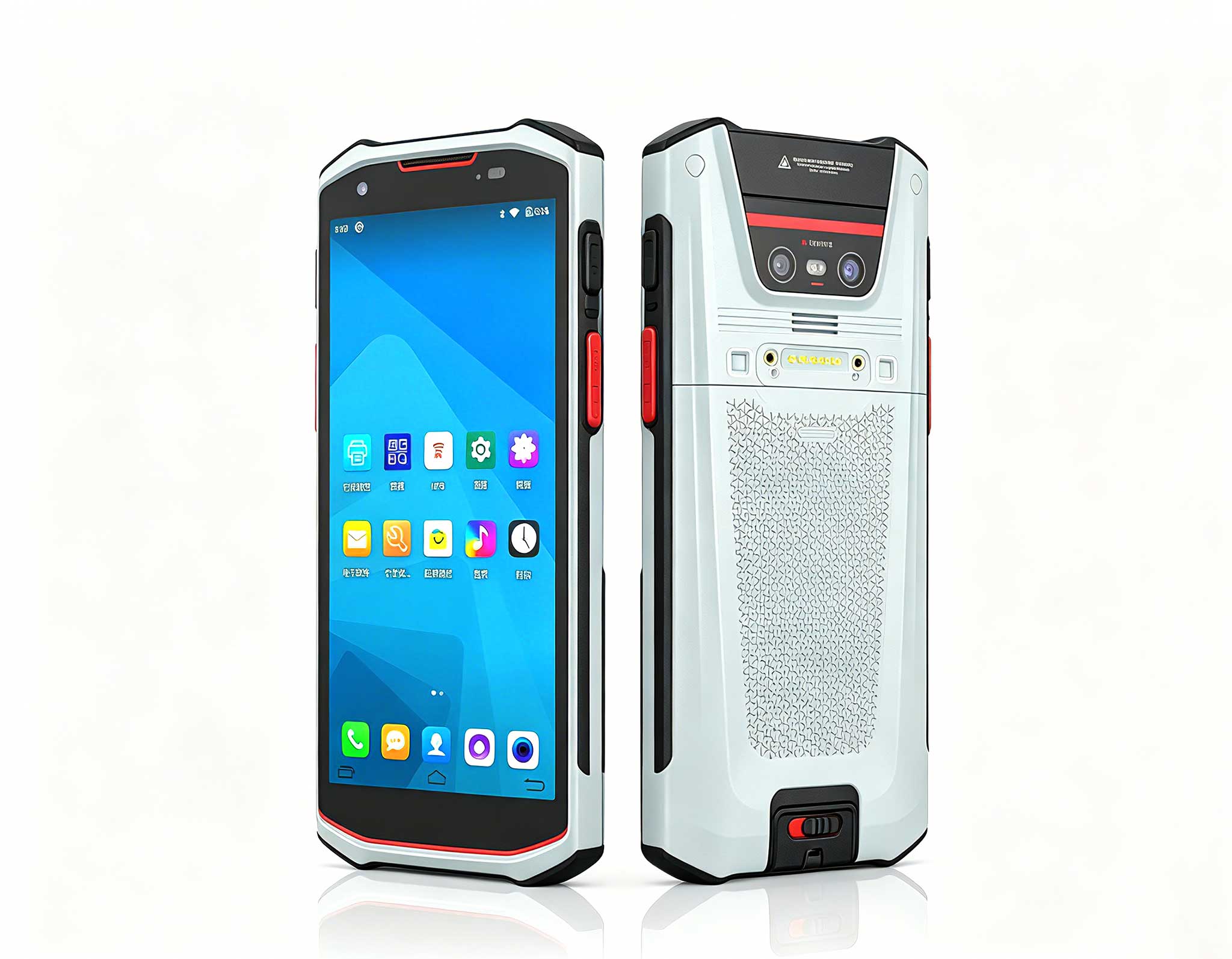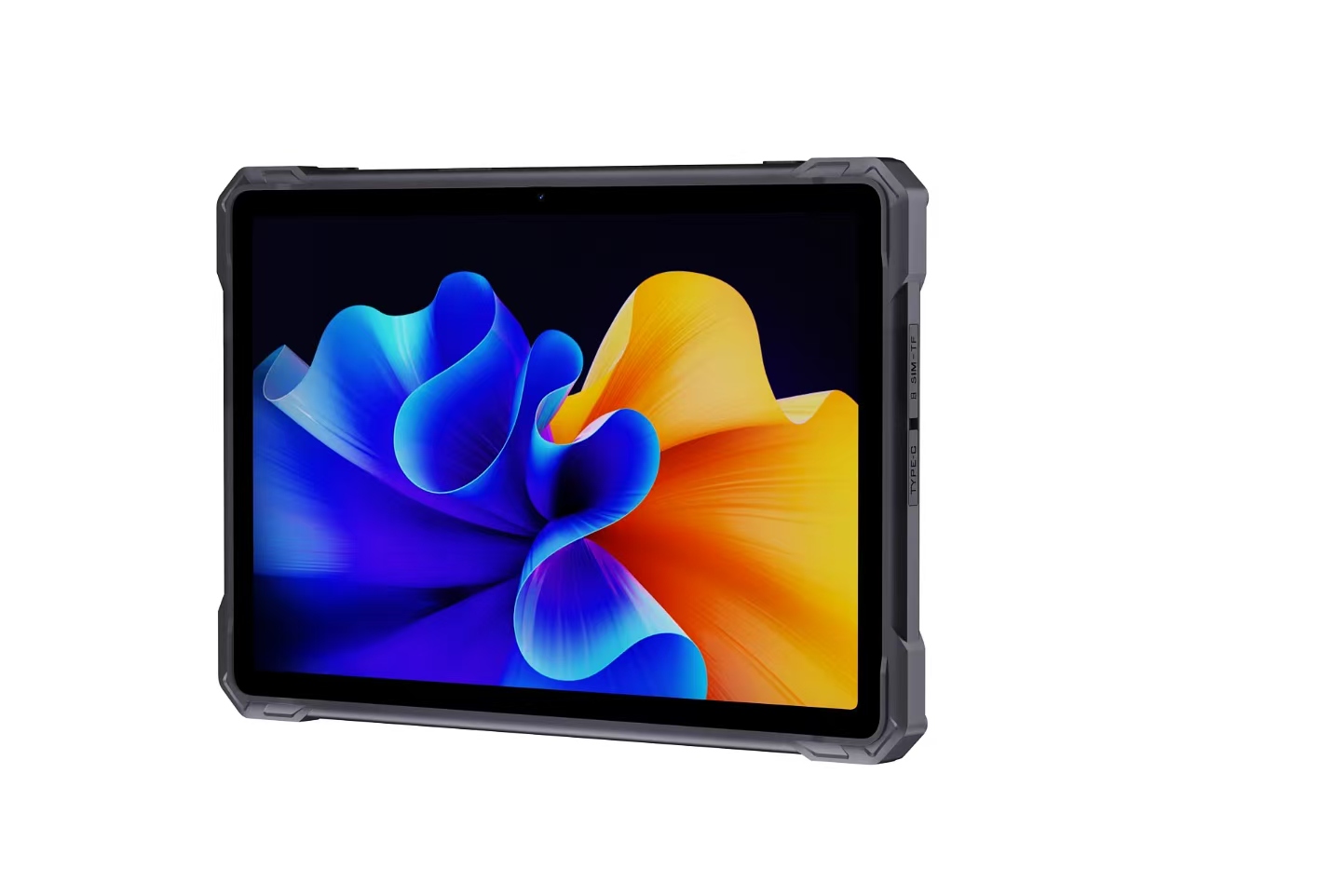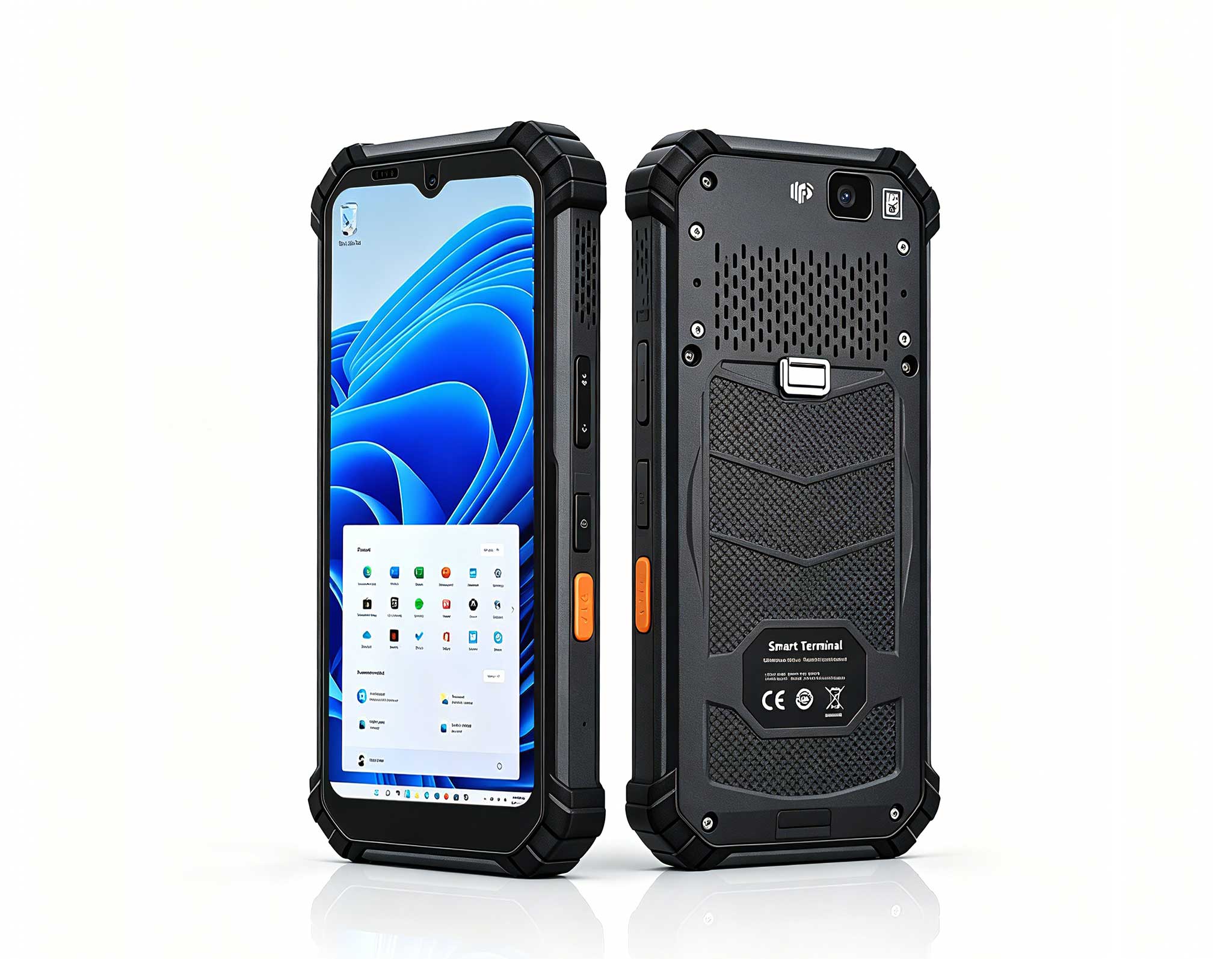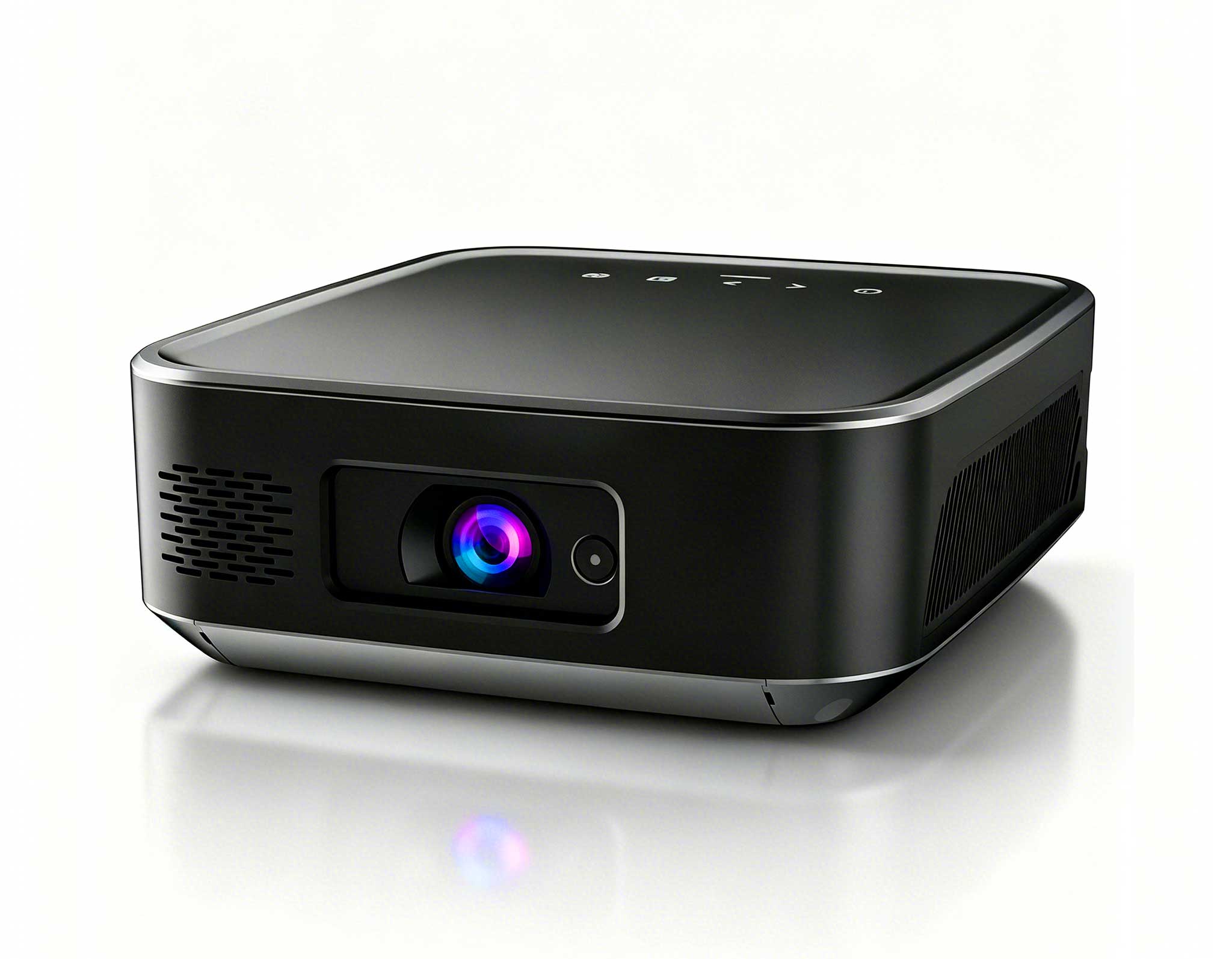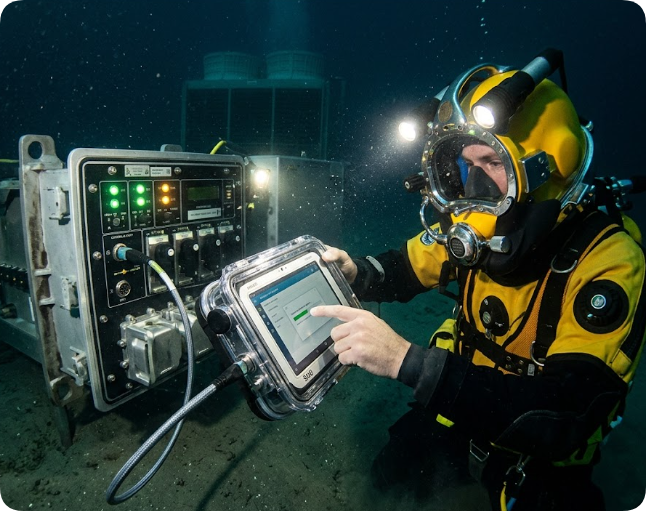
A specialized dive technician utilizes the HOTUS SH6 marine‑grade tablet configuration to log subsea data center cooling loop metrics directly at the submerged hull asset.
Deploying infrastructure beneath the ocean surface provides massive thermal advantages, yet subsea data centers present unparalleled maintenance access challenges. When high-density computing pods operate a hundred feet below the waves, traditional server-room diagnostic workflows are entirely obsolete. Relying on basic wet-slates or disconnected dive clipboards to track thermal transfer rates introduces an unacceptable level of operational risk. Ocean floor deployments require edge hardware capable of capturing real-time thermodynamic telemetry directly through specialized wet-mate connectors. Your field platform acts as the critical link preserving multi-million dollar computing operations from unexpected thermal failure.
Subsea Data Center Cooling Optimization: Safeguarding Undersea Assets with Enterprise Rugged Tablets
By HOTUS Technology | Marine Engineering & Industrial Computing
The global push for energy-efficient computing infrastructure has moved beyond traditional land-based facilities. Subsurface data centers represent a breakthrough frontier, leveraging natural deep-water temperatures to eliminate the massive electricity overhead typically consumed by mechanical chilling plants. These autonomous, modular compute pods are sealed under hyperbaric conditions, charged with dry nitrogen, and dependent upon continuous liquid-to-liquid heat exchanger loops to dump server-generated heat into the surrounding ocean. However, the isolated nature of these marine deployments creates strict operational limitations, meaning hardware diagnostic routines can only be executed during narrow sea-state weather windows.
The primary systemic threat to underwater server pods is biofouling on the exterior marine heat exchangers. Biological accumulation—including micro-algae film, barnacle colonies, and marine growth—creates an insulating layer over titanium alloy cooling fins, significantly degrading thermal transfer efficiency. Early signs of fouling manifest as a gradual compression of the system delta-T. A small 5°C spike in core coolant temperature can force server clusters into protective thermal throttling, cutting raw compute availability by up to 20%. Left unaddressed, a progressive 10°C escalation can trigger automated safety shutdowns, severing mission-critical data pipelines and costing providers thousands per second in service-level agreement (SLA) penalties.
Subsea Diagnostics Architecture: The HOTUS SH6 Rugged Handheld
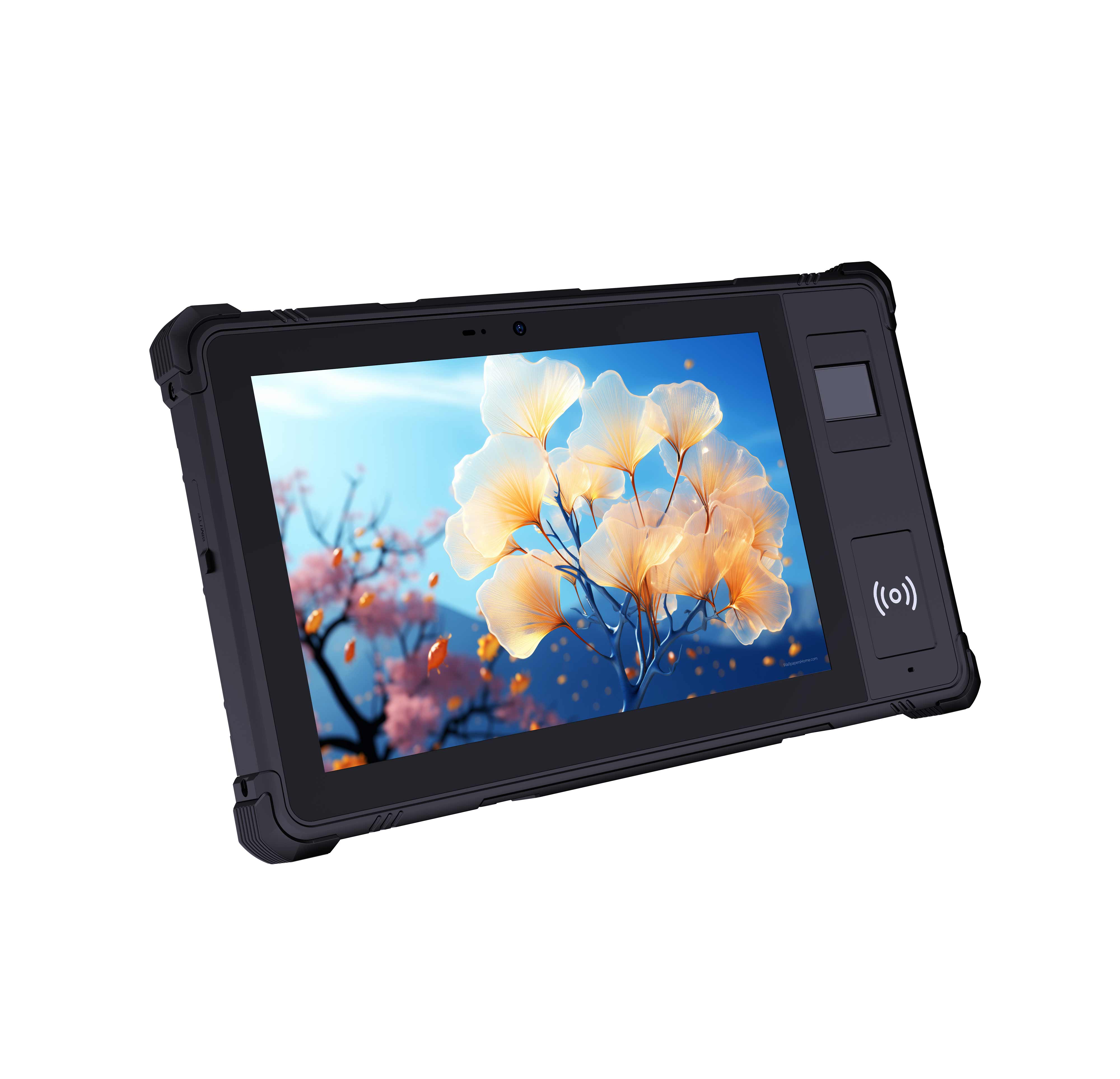
The Hotus SH6 6.5″ Windows rugged handheld, when integrated into deep-water protective housings, provides dive engineering crews with a high-performance platform for underwater data acquisition. Designed to survive extreme pressure differentials and heavy vibrations, the device allows technicians to bridge the physical gap between marine operations and host software systems. Through robust wet-mateable localized interface ports, the SH6 directly extracts data from internal pod telemetry sensors:
- Volumetric Flow Rates: Tracks localized velocity within the internal fresh-water loop to identify pump impeller degradation or blockage.
- External Marine Temperature Sensors: Records precise ambient seawater intake values against output temperatures to verify localized thermal mixing.
- Internal Coolant Thermal Gradients: Measures internal supply and return temperatures to map the exact heat rejection profile across server blocks.
- Differential Pressure Metrics: Monitors hydraulic resistance across internal and external exchange manifolds to pinpoint early-stage physical fouling.
The SH6 processes these values locally, comparing live measurements against original installation baselines. A sudden 15% increase in manifold differential pressure provides early evidence of internal scaling or bio-obstruction. By allowing technicians to overlay physical inspections with live sensor logs and high-definition video diagnostics captured at the valve panel, the handheld transforms an empirical inspection routine into an actionable data record, enabling preventative maintenance before server performance degrades.
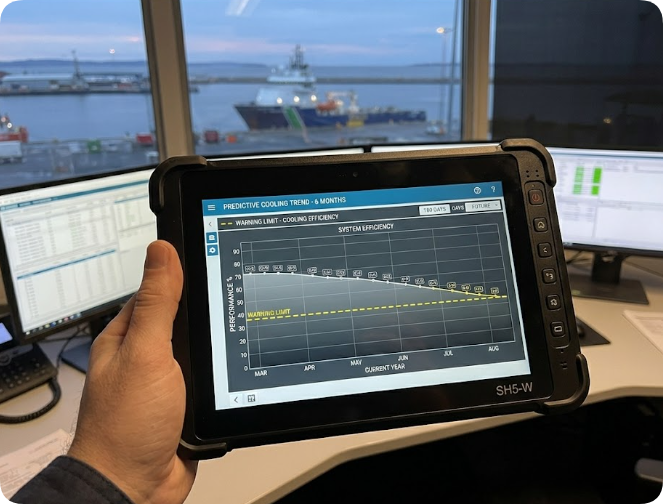
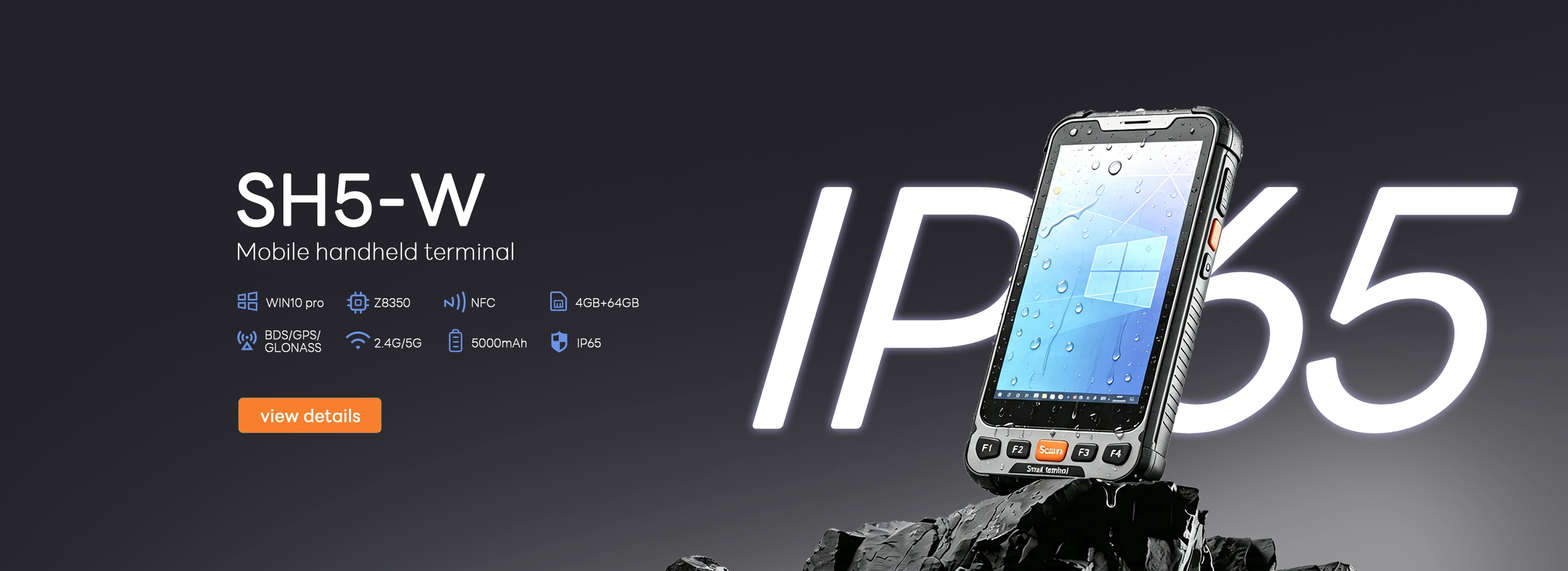
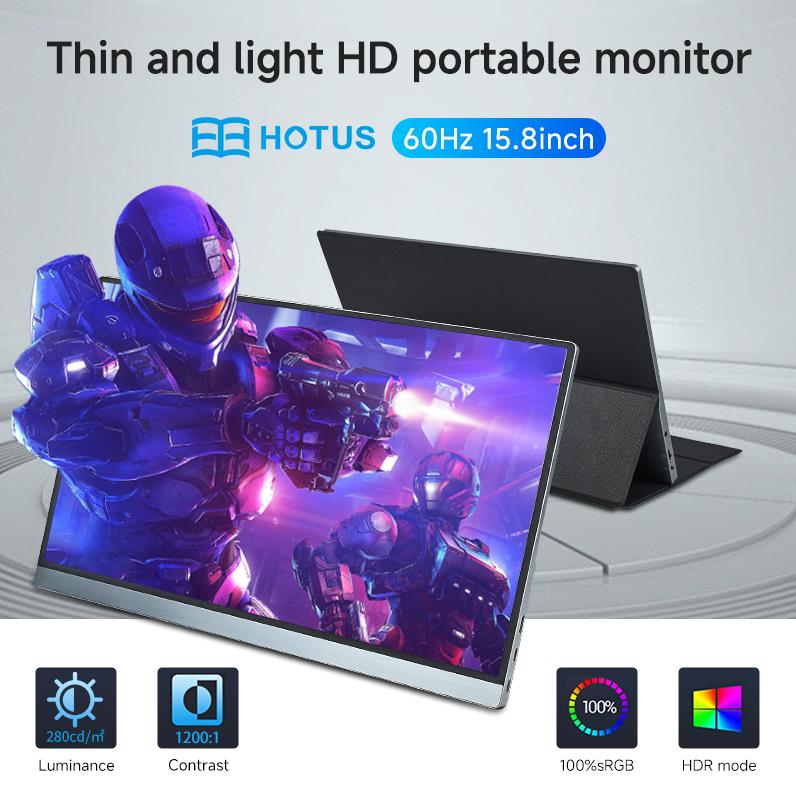
The SH5‑W handheld renders field-side thermodynamic trend curves, displaying delta-T metrics over time to identify early signs of system efficiency decline.
Onshore Command and Mobile Field Operations: ST11-U and SH5-W Integration
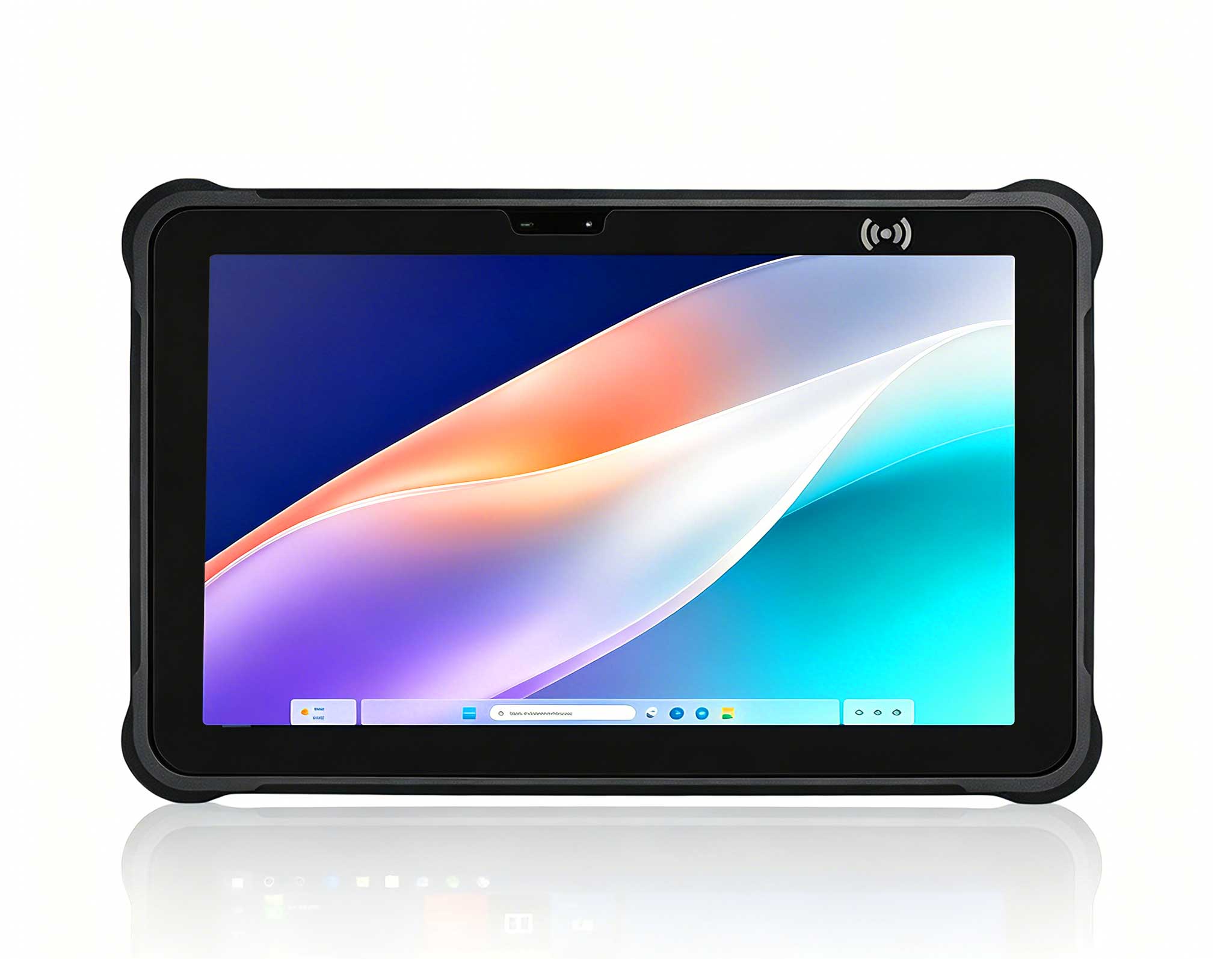
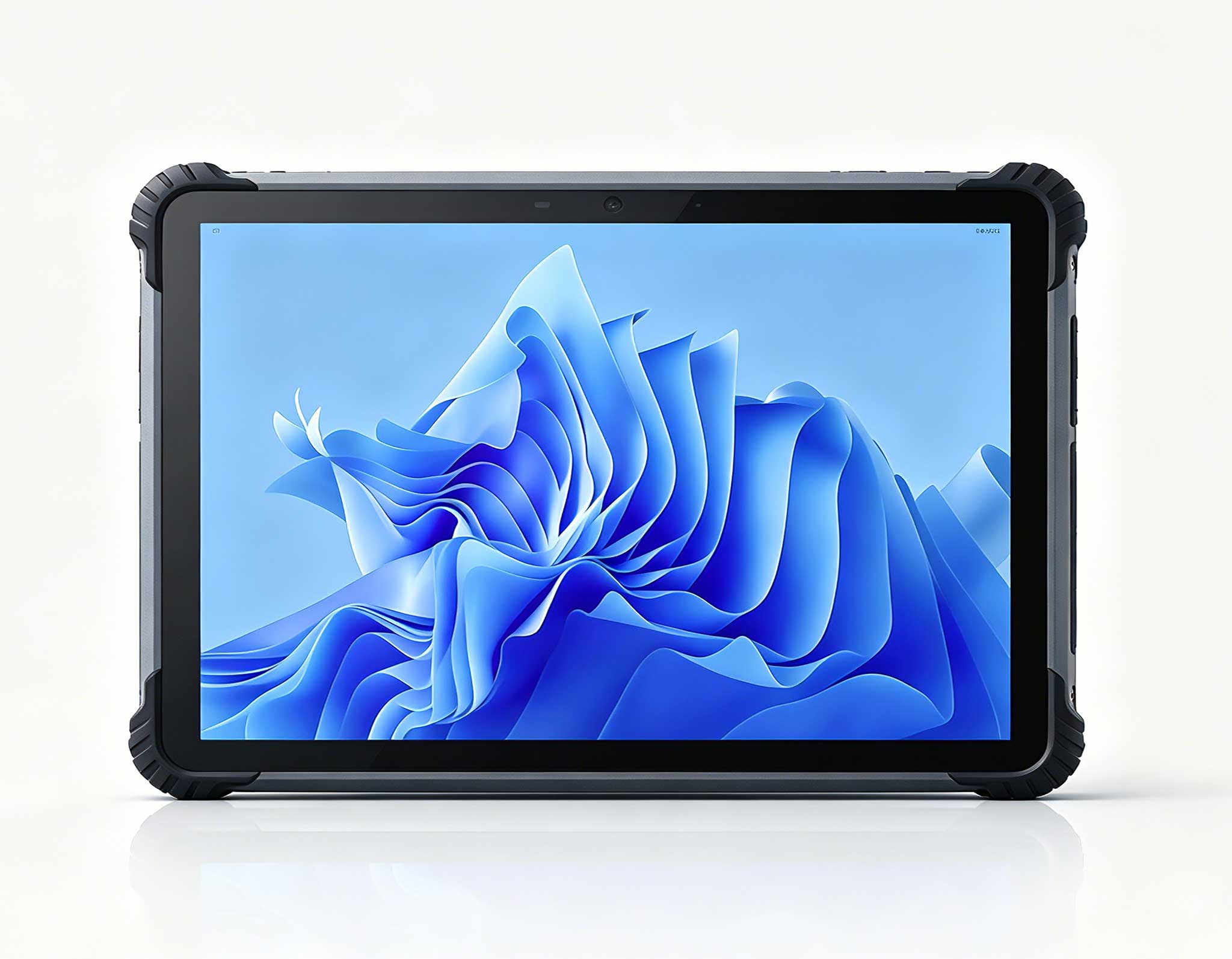
Managing an offshore array of subsea compute blocks requires close coordination between marine maintenance teams and land-based engineers. The Hotus ST11‑U 10.1″ Windows rugged tablet serves as a reliable command station for shore-side terminal operators. It collects data packages uploaded via subsea fiber links or vessel telemetry systems, offering engineers a high-resolution dashboard to monitor cooling health across the entire deployed array.
For deck-side supervisors managing logistics aboard maintenance ships, the Hotus SH5‑W Windows rugged handheld offers full desktop application compatibility in an ergonomic form factor. This allows technicians on the vessel deck to analyze dive logs immediately upon asset recovery, ensuring all thermal metrics fall within acceptable limits before the ship leaves the site.
Field Validation: Shifting from Reactive Response to Predictive Maintenance
In high-density subsea data storage, data precision directly impacts infrastructure lifespan and profitability. Relying on manual field notes or delayed reports creates operational blind spots that can lead to unexpected outages and expensive marine rescue operations. Utilizing direct sensor tracking protects equipment from thermal degradation and secures data integrity under challenging marine conditions.
An ocean-floor computing operator managing 5 hyperbaric server modules replaced traditional dive logs with a fleet of 10 SH6 underwater diagnostic kits, 15 SH5-W vessel handhelds, and 8 shore-side ST11-U analytics dashboards. During its first seasonal deployment, the digital monitoring platform detected an 18% drop in delta-T efficiency on a newly positioned module. The real-time data allowed teams to identify external bio-accumulation early, enabling them to clear the blockage during a scheduled maintenance windows. This proactive intervention prevented performance throttling and protected the firm from substantial contract penalties and downtime liabilities, demonstrating the value of replacing guesswork with clear data.
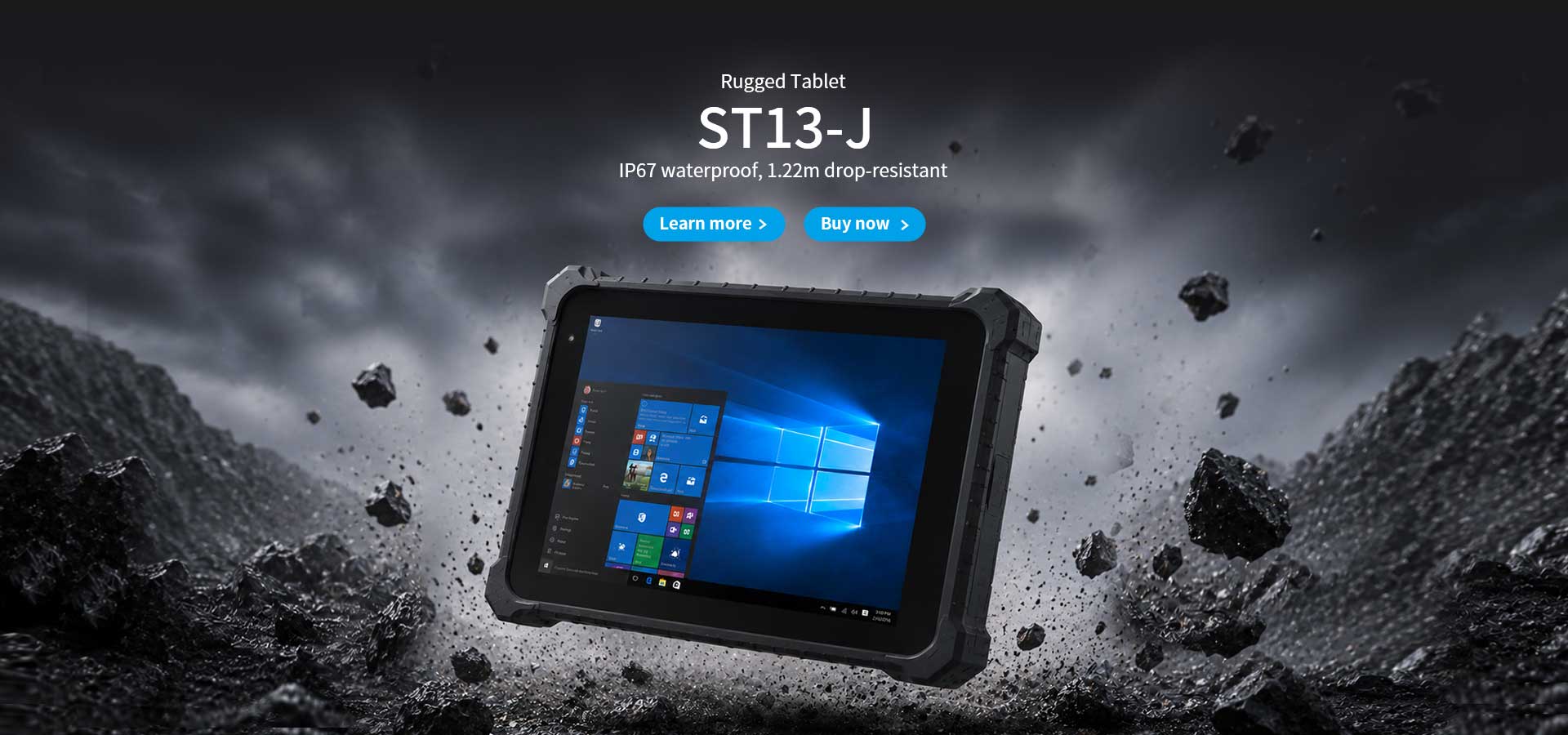
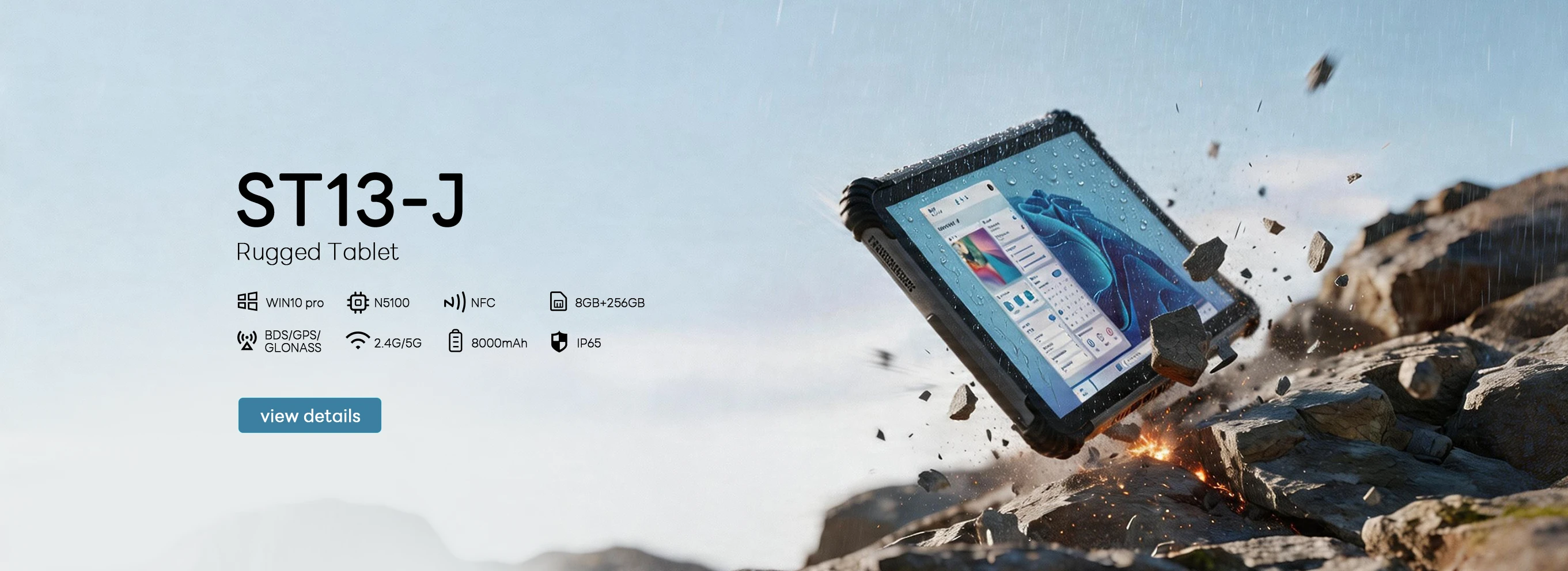
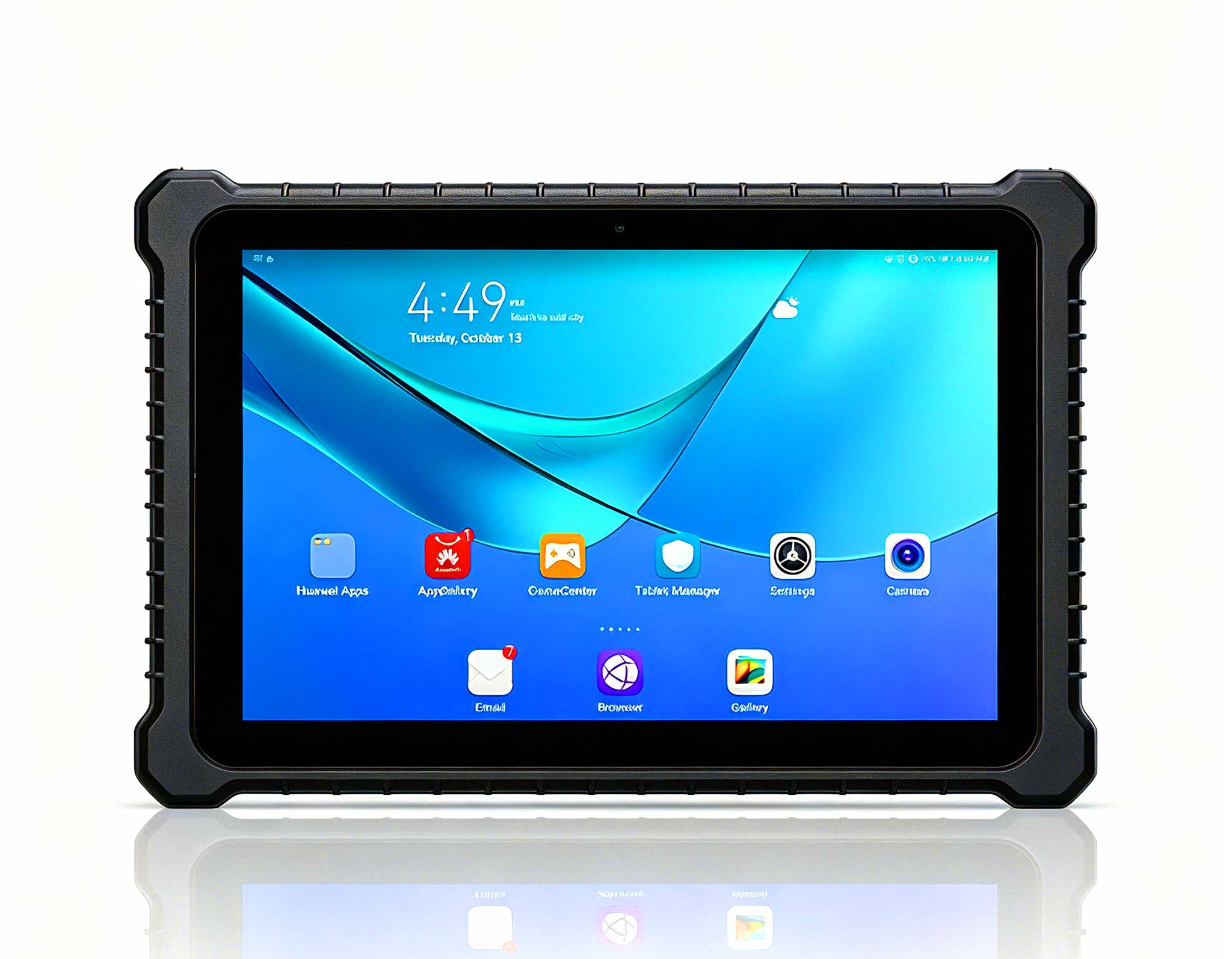
The centralized ST13‑J dashboard system provides comprehensive fleet mapping, color-coding submerged assets based on thermal efficiency and maintenance schedules.
Establishing a Reliable Standard for Offshore Data Infrastructure
Protecting data infrastructure from harsh marine environments requires specialized, high-performance technology. Integrating connected rugged hardware into field operations minimizes data entry backlogs, simplifies asset management, and provides clear visibility for engineering audits.
Upgrading to an automated, hardware-secured digital diagnostic workflow delivers clear benefits across the entire equipment lifecycle:
| Marine Engineering Factor | Traditional Dive Logs | HOTUS Digital Marine Workflow |
|---|
| Telemetry Precision | Subjective text notations lacking physical baseline data | Direct sensor data polling with real-time discrepancy logs |
| Trend Analysis | Isolated record keeping prone to data loss | Continuous, automated thermodynamic tracking curves |
| Media Verification | Detached photographic references requiring manual pairing | Embedded inspection videos linked directly to asset tags |
| System Visibility | Fragmented documentation reviewed after port return | Centralized, cloud-enabled dashboards for shore-side access |
Replacing manual logging processes with integrated, high-durability computing solutions allows offshore operations to run with greater predictability and confidence. By capturing accurate data directly from equipment sensors, marine engineers can minimize unexpected downtime, safeguard submerged assets, and maintain optimal cooling efficiency across the entire infrastructure network.
Optimize Your Marine Engineering Infrastructure
Equip your technical dive crews and operations personnel with high-durability computing systems designed for reliable sensor verification and subsea data management.
Contact HOTUS Technology Today