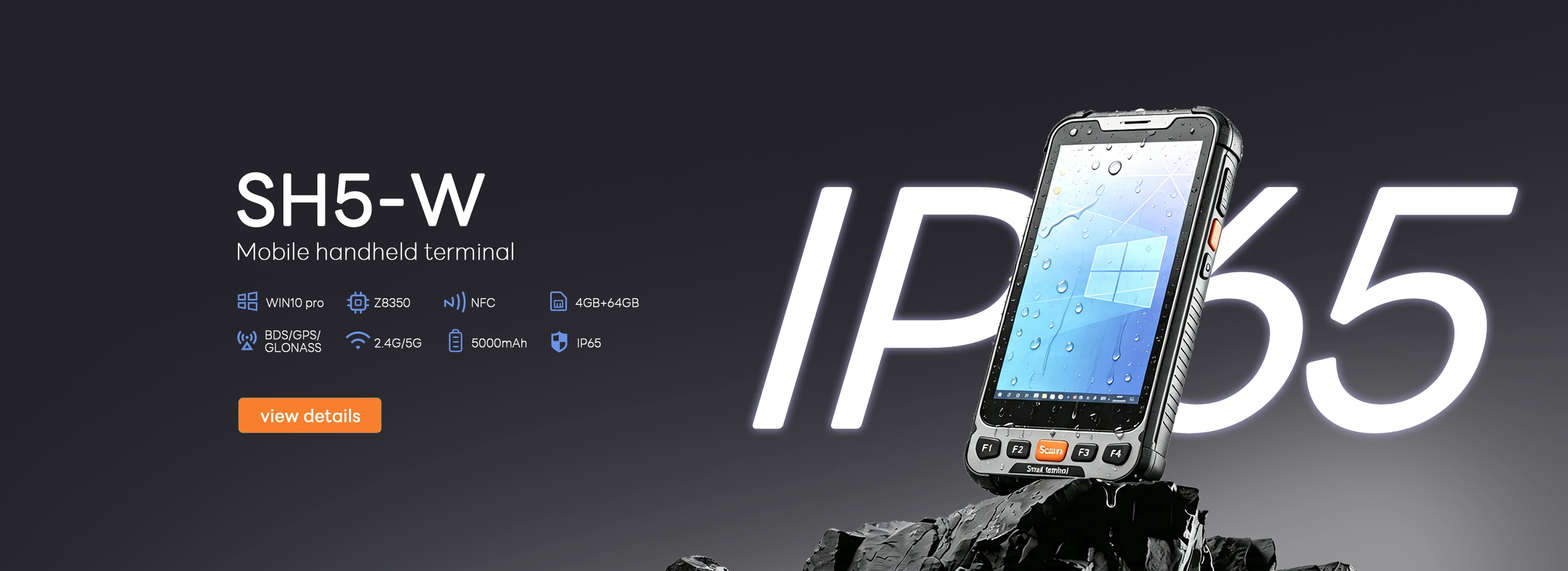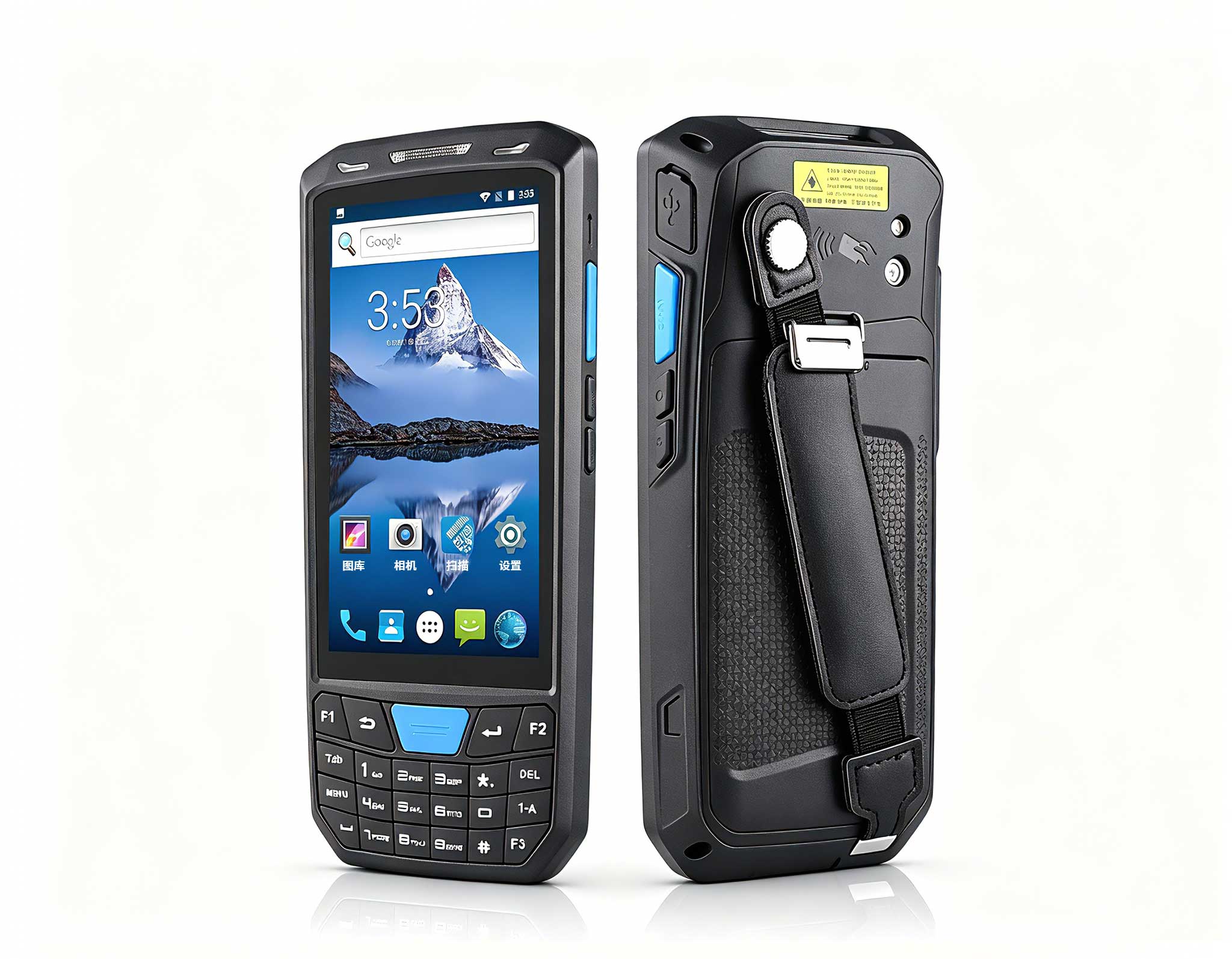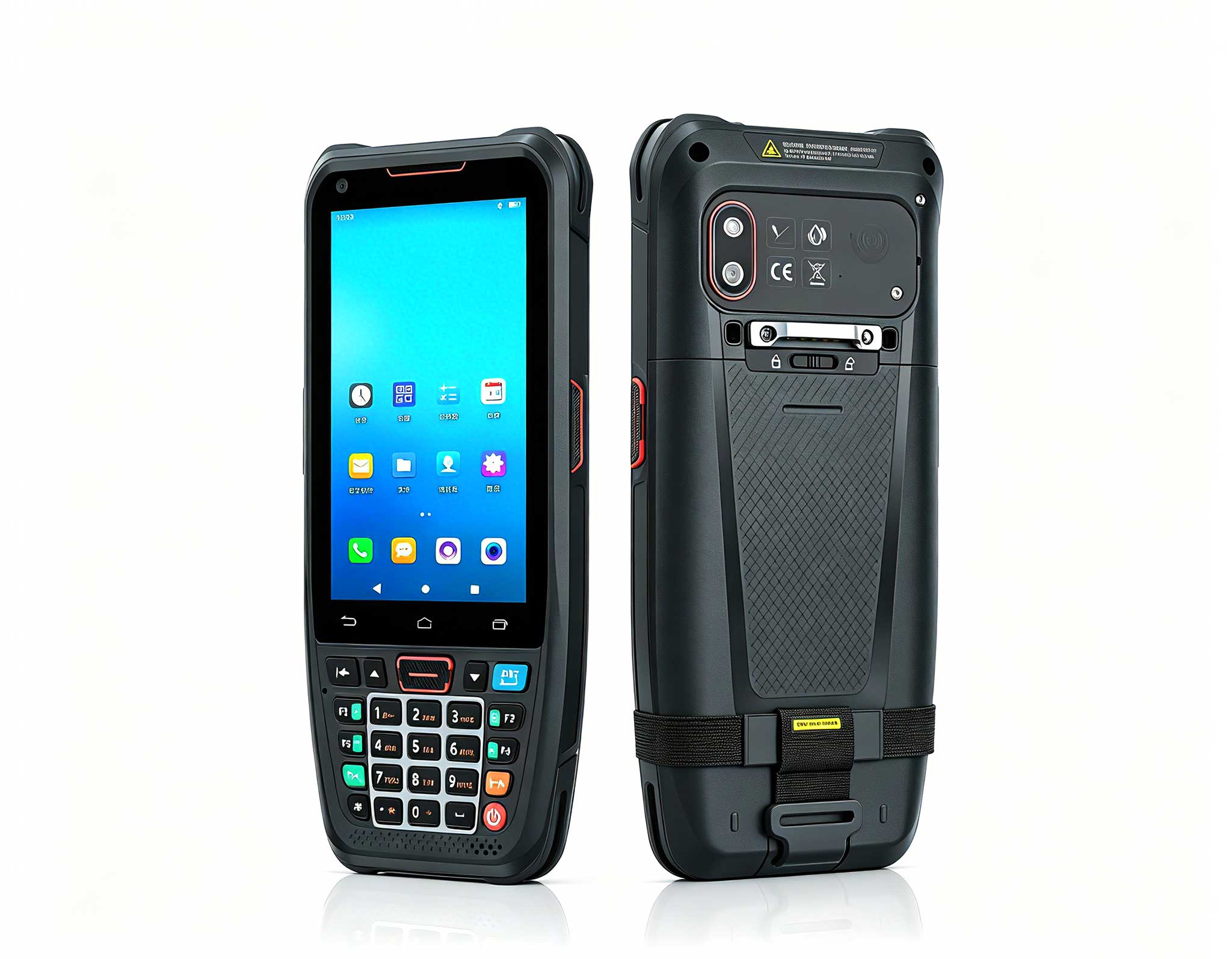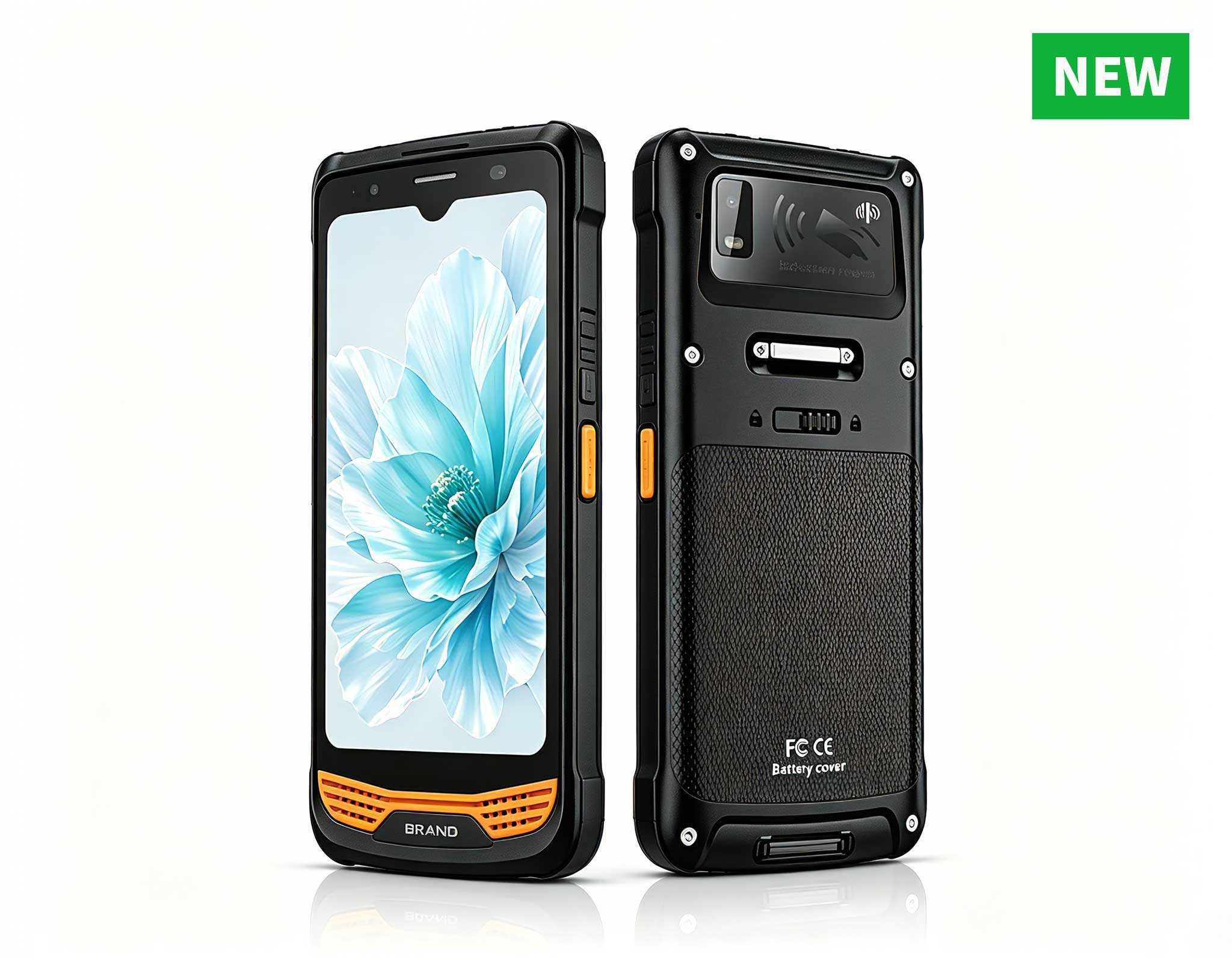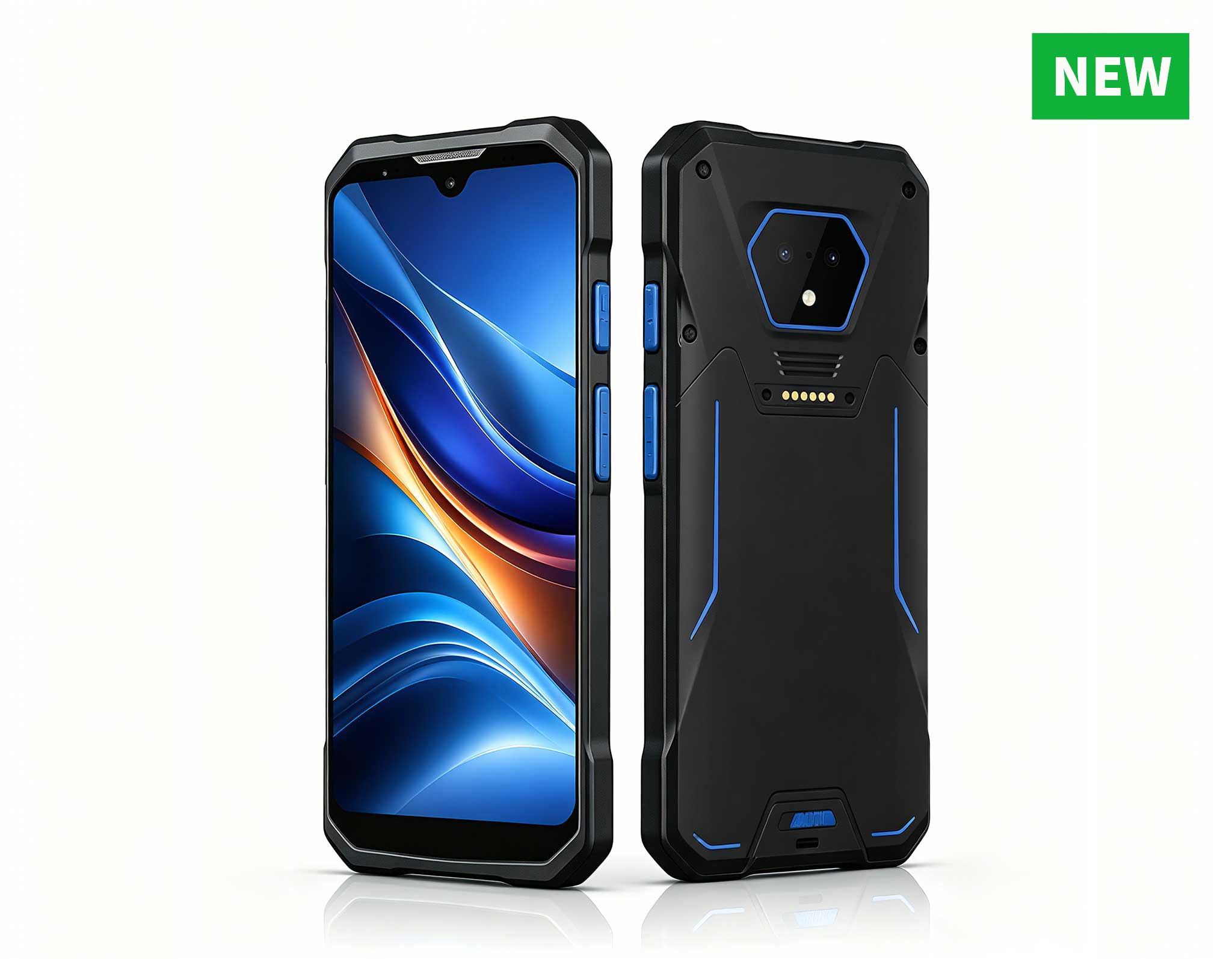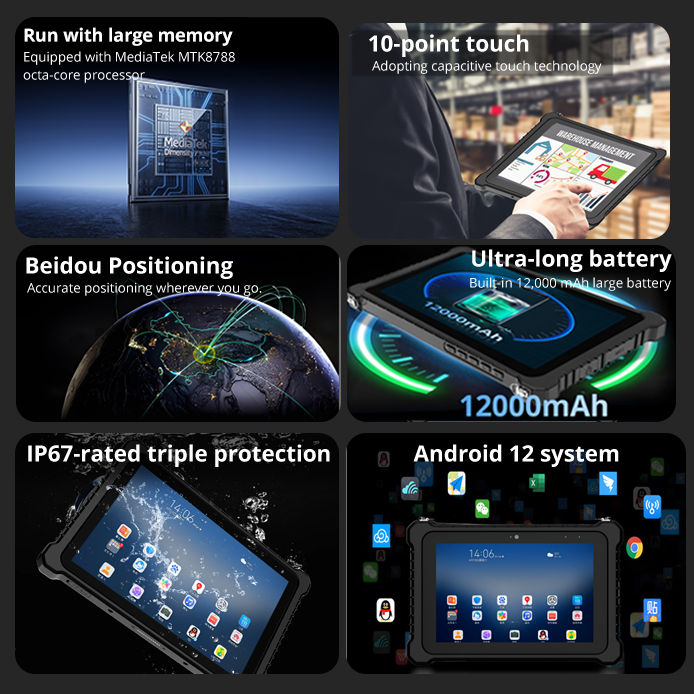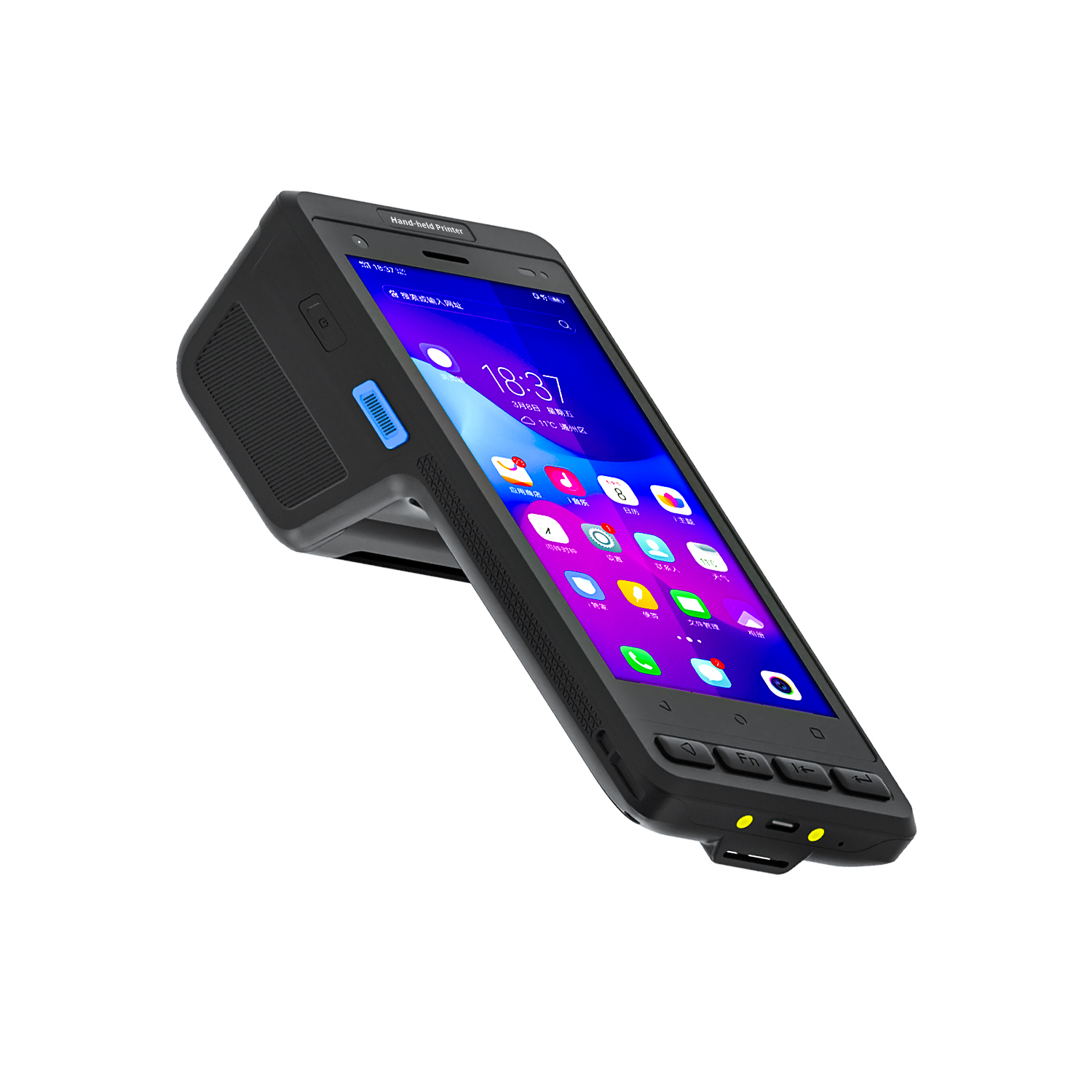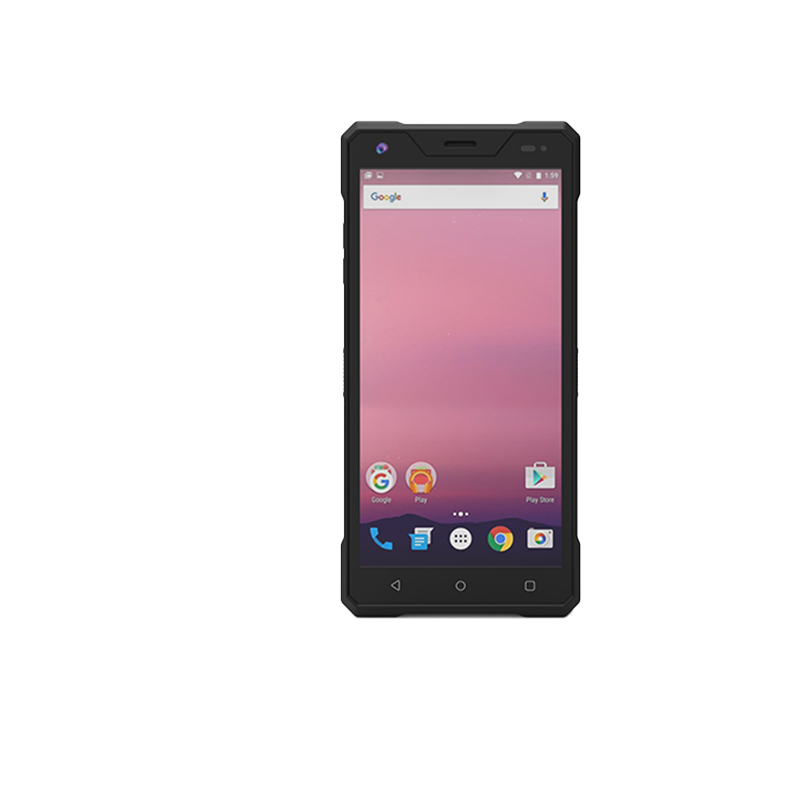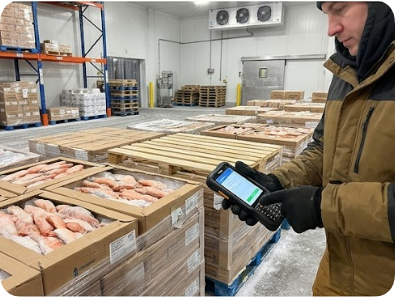
Figure 1: Critical pre-dive diagnostics on deck. A marine technician utilizes a HOTUS SH5‑W rugged PDA to calibrate a heavy seafloor collector vehicle's thrust load sensor prior to a deep ocean dive.
"I observed a deep-sea mining vehicle assembly bay last month, watching an engineering team calibrate the hydraulic thrusters responsible for driving a multi-ton machine across the abyssal plain. They were relying on a basic digital hand-meter and a paper clipboard. A simple 5% calibration variance in directional thrust can easily strand a 30-ton asset 6,000 meters below the surface. There are no recovery vehicles at those depths. Operations require a high-reliability Windows PDA that logs localized load cell output directly against certified reference weights, records full multi-point calibration curves, and preserves the metadata with automated GPS and cryptographic timestamps. In deep-sea resource extraction, an unmonitored calibration drift isn't just a quality assurance finding—it is a one-way path to total vehicle loss. Your hand-held computer is the primary line of asset defense."
Deep-Sea Mining Thruster Sensor Calibration Security: Preventing Seafloor Vehicle Strandings via Marine-Grade Rugged Tablets
Insights by HOTUS Technology Subsea Engineering Division | Offshore Operational Integrity Series | June 2026
The international deep-sea mining sector is advancing rapidly from exploration phases to pilot commercial harvesting operations. Valuable polymetallic nodules containing exceptional concentrations of manganese, nickel, cobalt, and copper are located across remote abyssal zones worldwide, submerged under 4,000 to 6,000 meters of water. Extracting these materials relies on heavy tracked seafloor collector vehicles that navigate treacherous topographies under immense hydrostatic pressures.
To move reliably on soft, low-shear abyssal sediments, these large machines utilize specialized hydraulic or electric propulsion thrusters. High-precision strain-gauge load cells are integrated directly into each thruster assembly to measure real-time dynamic thrust force vectors. This force telemetry allows the vehicle's automated control system to calculate soil traction limits, balance wheel torque, adjust power distribution, and prevent the machine from sinking into the soft seafloor or sliding backward down steep underwater slopes.
The Core Vulnerabilities of Manual Pre-Dive Sensor Logs
Calibrating thruster strain gauges is a mandatory pre-dive step conducted on the deck of the surface vessel. Marine technicians apply precise incremental loads using calibrated weights or hydraulic rams, recording sensor voltage returns at each step. Given the unforgiving nature of the subsea environment, acceptable error margins are tight, requiring total measurement accuracy within a fraction of a percent.
If a system registers a hidden 5% calibration error, the vehicle's automated tracking system will miscalculate available traction. This can cause the thruster to deliver less power than expected, stranding the machine in thick sediment. Once an asset drops to the ocean floor, physical maintenance becomes impossible, turning minor sensor errors into costly recovery scenarios.
Despite these risks, many offshore crews track calibration history through physical logbooks stored in control room binders. This disconnected documentation method fails to identify long-term signal degradation. If a load cell's zero-point output drifts progressively by a few millivolts over consecutive deployments, a technician checking standalone values can easily overlook the change. The compounding error often goes unnoticed until the vehicle is deployed and struggles to balance torque under full load.
Deploying the HOTUS SH5-W Industrial PDA for Automated Subsea Telemetry Tracking
To eliminate transcription mistakes and verify system alignment, the Hotus SH5-W Windows rugged handheld connects directly to subsea sensor instrumentation. Featuring a robust, impact-resistant housing built for active ship decks, the SH5-W provides reliable protection against saltwater spray and fine abrasive dust.
The SH5-W links seamlessly with sensor signal conditioners and subsea multiplexers via secure industrial Bluetooth or waterproof serial data lines. The hand-held system guides technicians through a structured, multi-point verification protocol:
- Automated Step Verification: Prompting operators through required zero-point checks and incremental load sequences.
- Digital Voltage Logging: Logging sensor millivolt outputs directly to remove human reading errors.
- On-Device Curve Computations: Automatically calculating linearity, hysteresis, and sensitivity metrics.
- Operational Metadata Capture: Storing technician identities, system timestamps, and vessel GPS coordinates within an encrypted file structure.
The internal software automatically evaluates new tracking slopes against the vehicle's initial factory reference metrics. If the baseline curve shifts by more than 2%, the SH5-W flags a warning alert on its high-visibility screen, advising the crew to replace the sensor before the vehicle is launched. The verified data profile then transfers directly to the ship's maintenance system via localized networks.
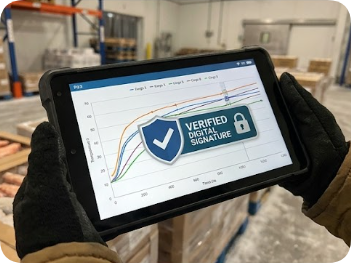
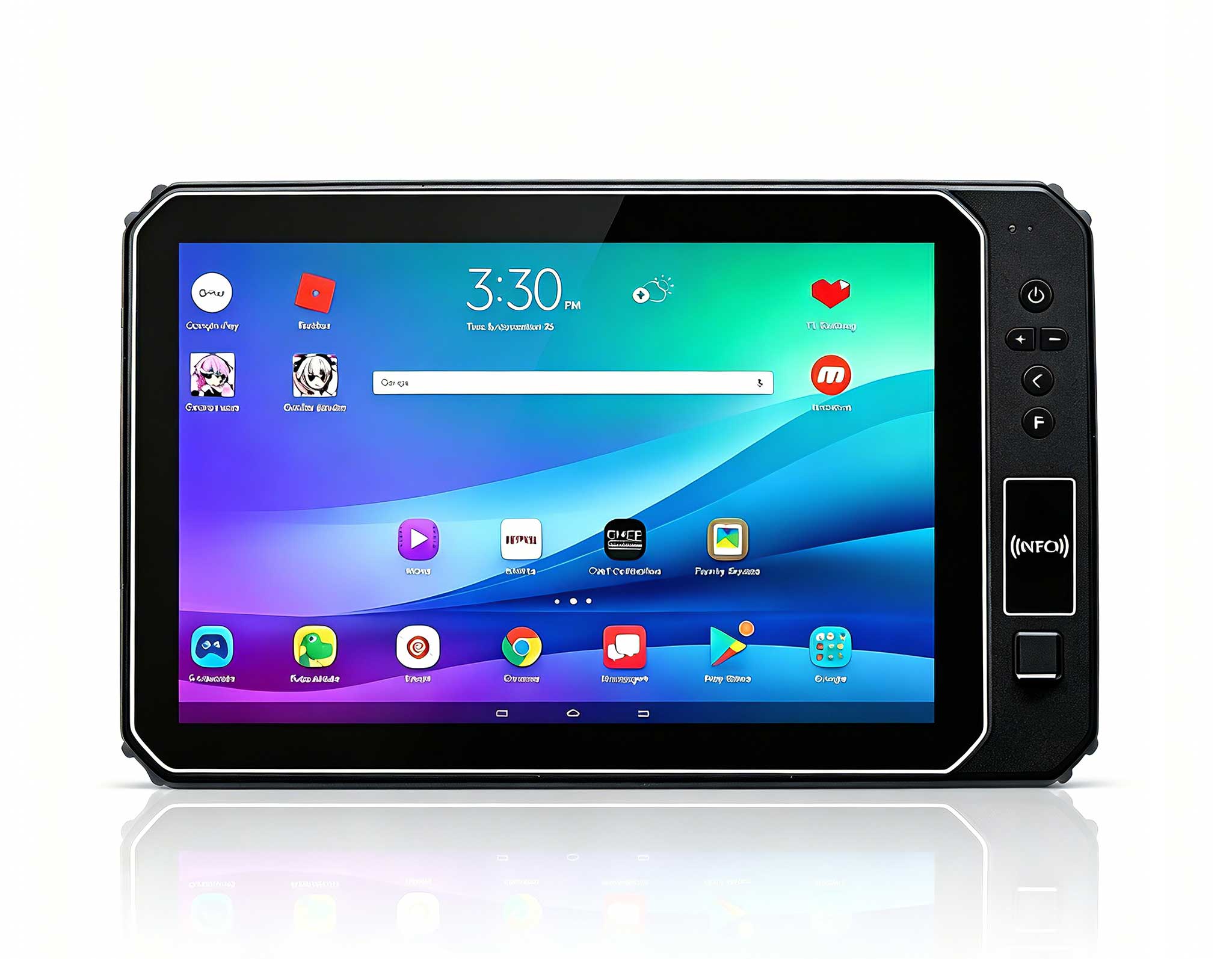
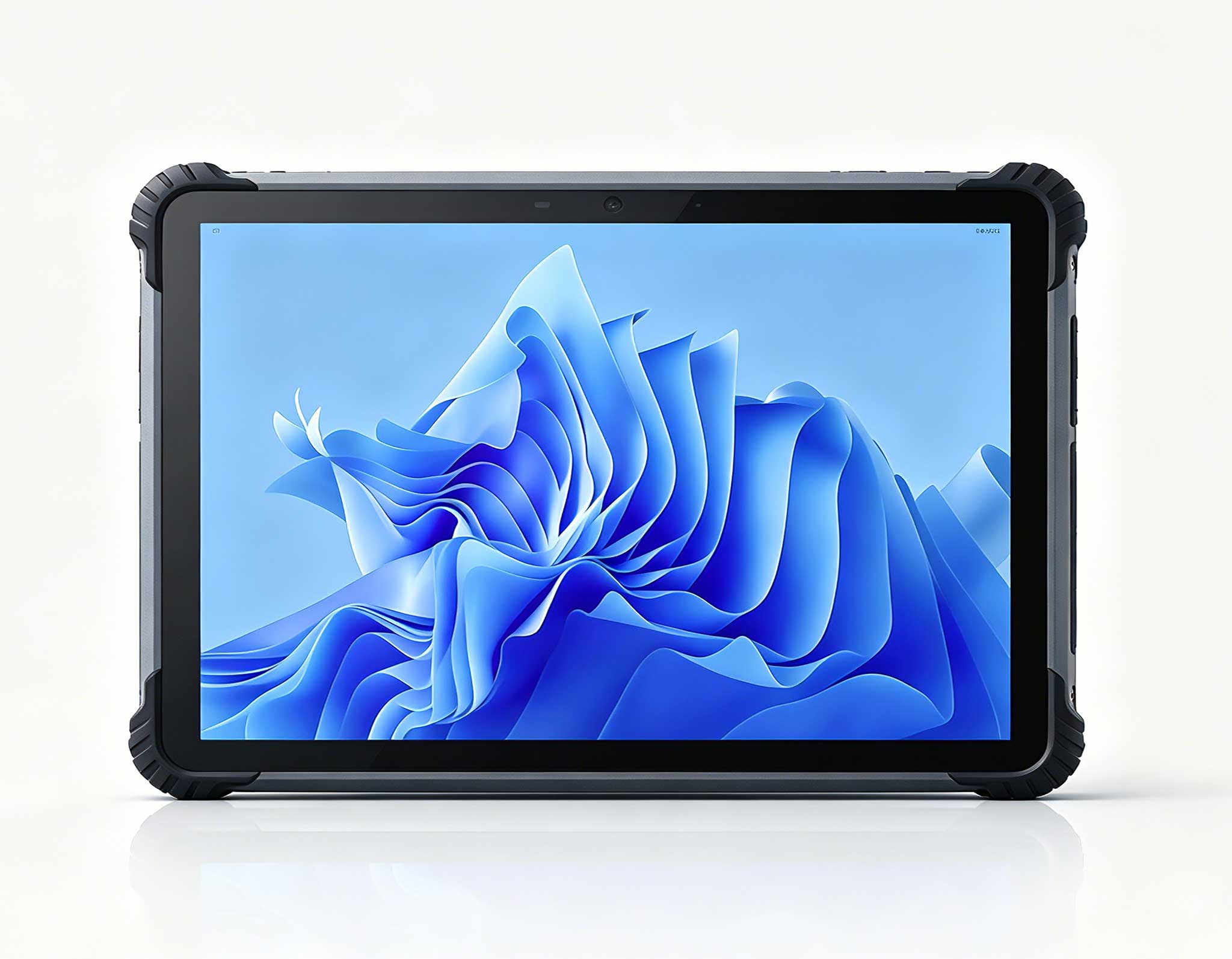
Figure 2: Hyperbaric testing verification. The HOTUS SH6 marine-grade tablet displays sensor outputs inside a pressure chamber to verify zero stability prior to deployment.
Figure 4 demonstrates an on-deck testing procedure where a heavy thruster assembly undergoes multi-point validation. Connected directly to the load cell array, the technician can monitor real-time force tracking plots on the HOTUS SH5-W handheld screen to verify signal stability.
Centralized Asset Management via HOTUS ST11-U and ST13-J Rugged Tablets
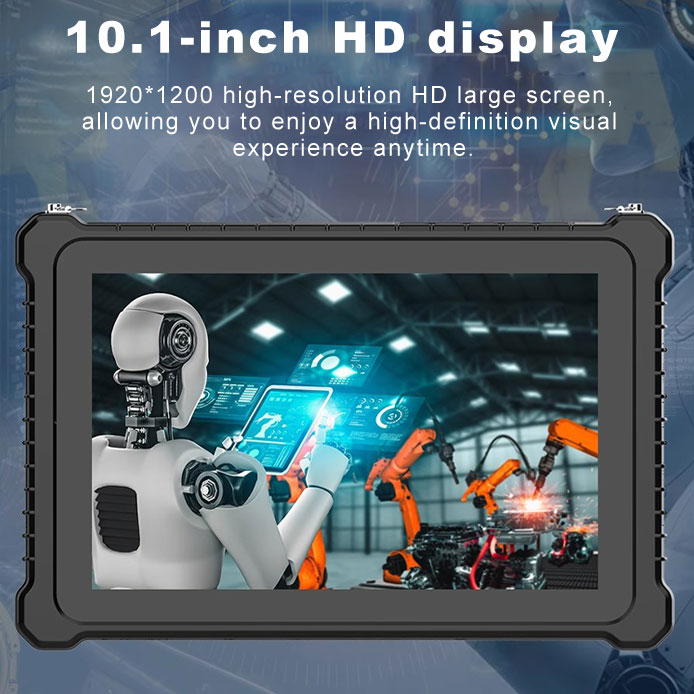
Ensuring long-term fleet reliability requires connecting individual deck checks into a broader engineering database. The larger Hotus ST11-U 10.1″ Windows rugged tablet serves as an ideal terminal for offshore shift supervisors, aggregating test history from multiple subsea vehicles into an integrated health interface.
As shown in Figure 5, the high-resolution interface on the SH6 platform displays clear degradation trends across several calibration cycles. Highlighting slow, incremental signal changes allows engineers to identify a failing strain gauge long before it reaches a critical failure point on the ocean floor.
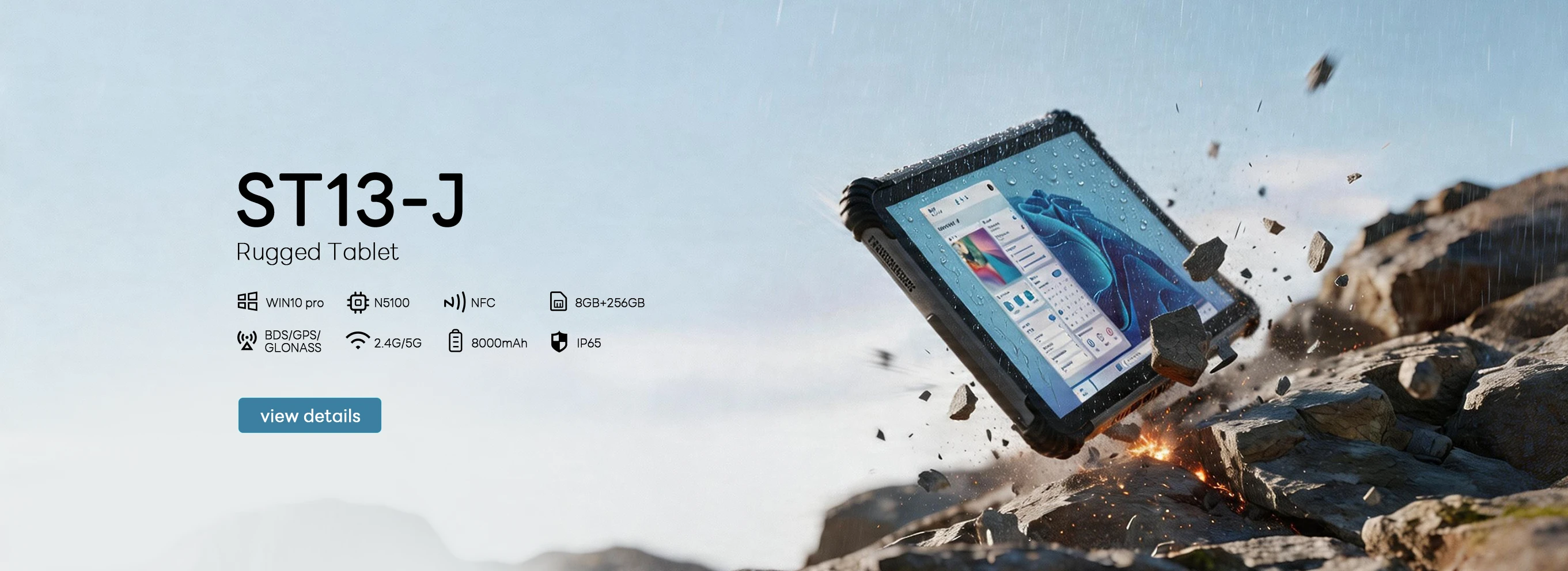
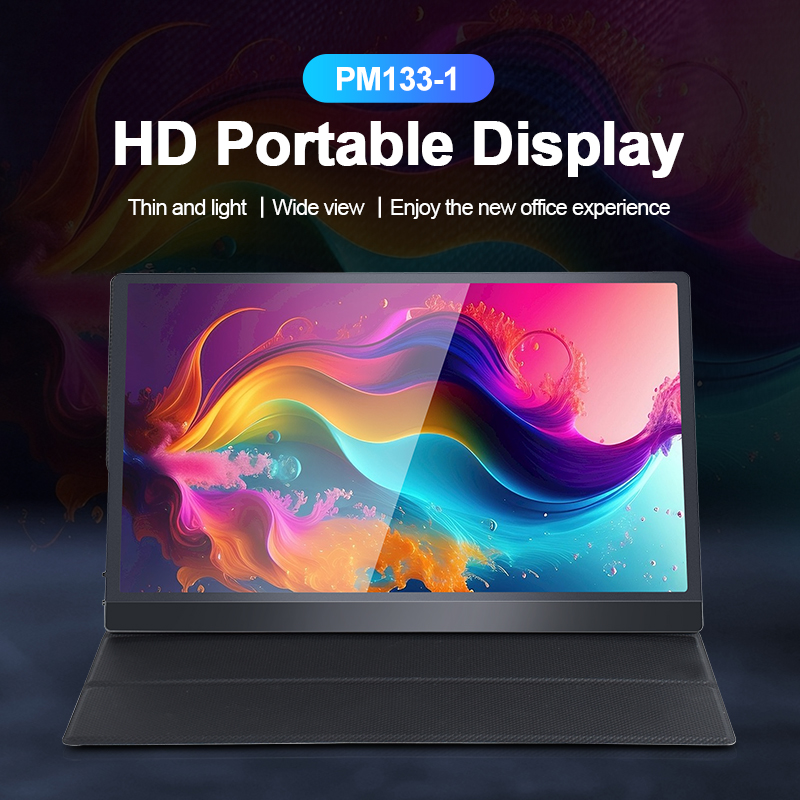
At the ship's operations center, the Hotus ST13-J 13.3″ Windows rugged tablet functions as a central asset dashboard. The platform tracks instrument conditions across all onboard systems, allowing managers to plan component updates during scheduled vessel maintenance stops.
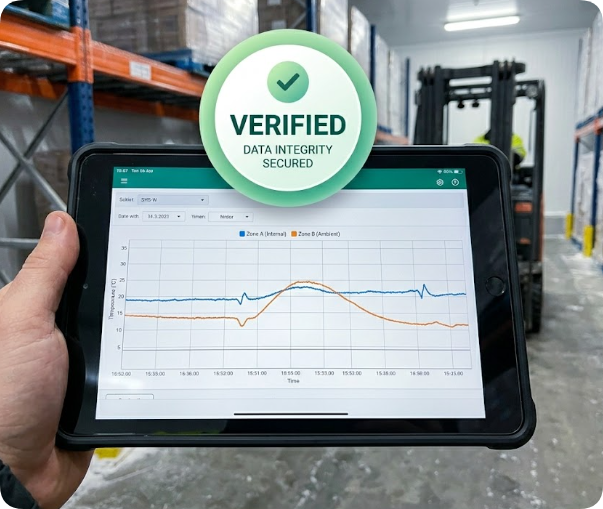
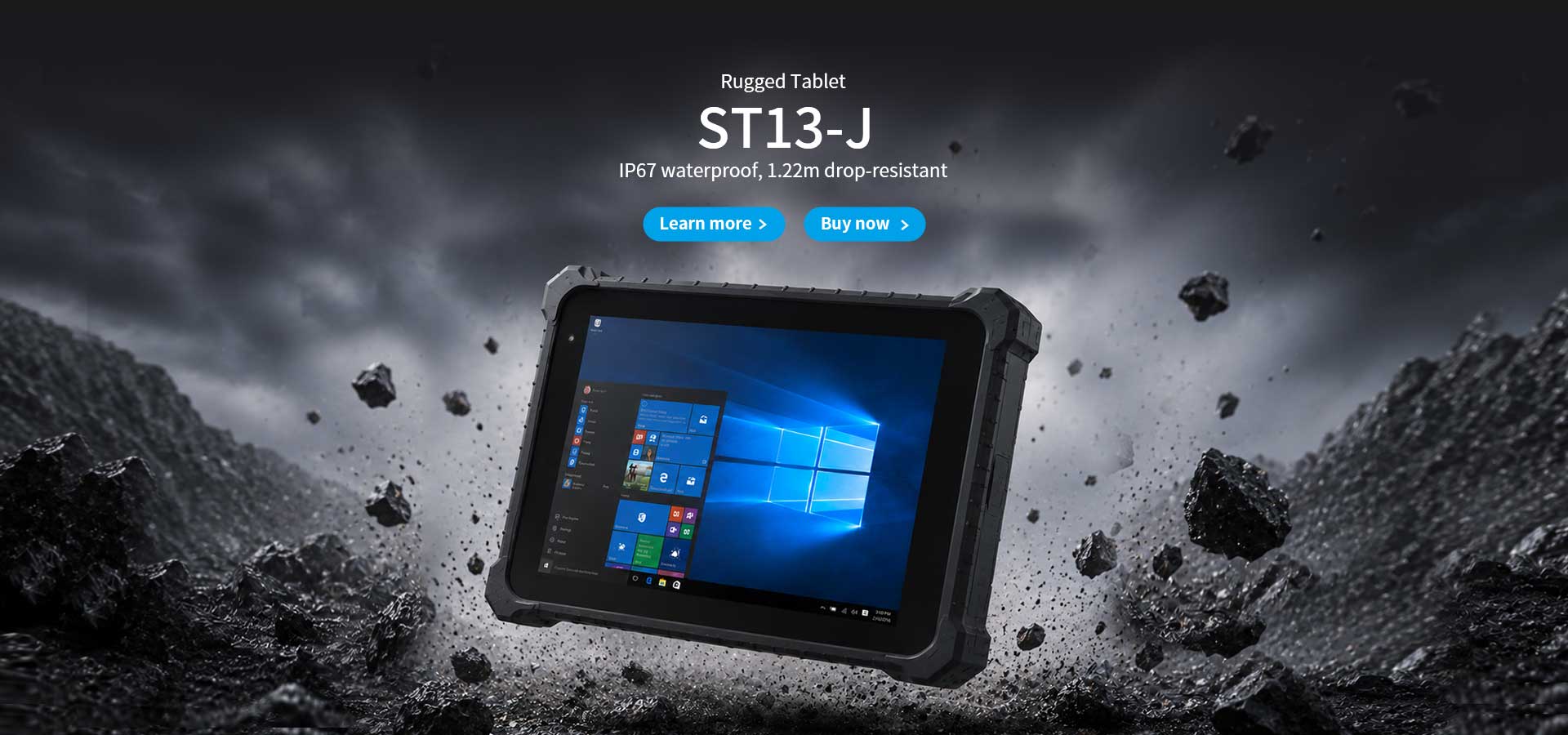
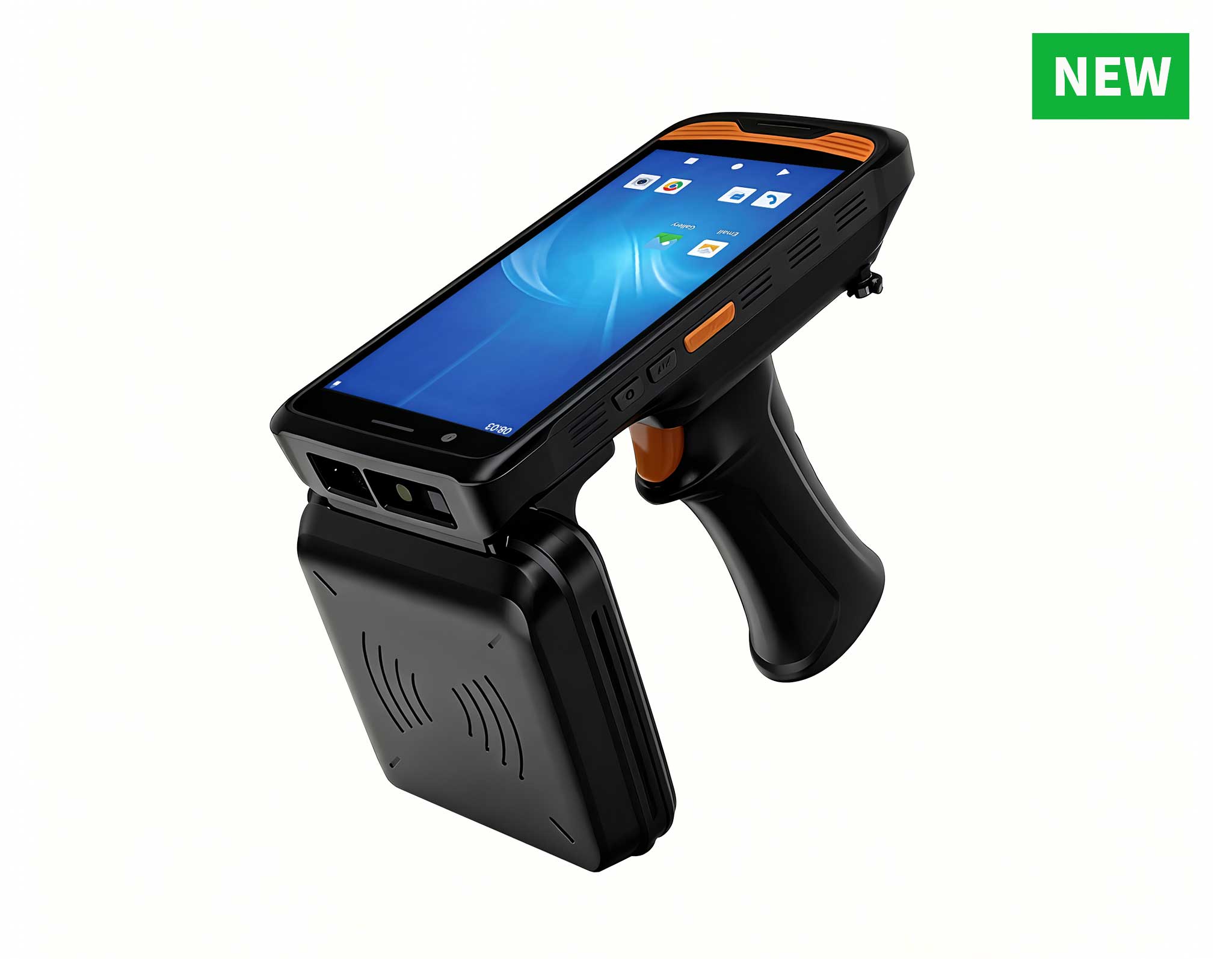
Figure 3: Fleet operational status. The ST13-J central command tablet gives offshore operations managers real-time insight into system readiness across multiple deep-sea assets.
Field Validation: Enhancing Safety Compliance in Deep-Sea Mining
The practical impact of systematic digital tracking is demonstrated by an offshore resource contractor operating three heavy seafloor collector vehicles. Their marine engineering department moved away from paper logs, deploying 20 HOTUS SH5-W verification PDAs, 15 SH6 tablet units, and 10 ST11-U monitoring dashboards across their fleet.
During the initial year of use, the digital reporting network flagged an uncharacteristic zero-offset drift pattern on an active vehicle's starboard thruster sensor. The load cell's baseline reading was shifting by roughly 0.5% after every dive. While the total variance sat at 3%—technically within the absolute 5% maximum allowance—the trend analysis software flagged a yellow alert due to the steady drift velocity.
The support team pulled the thruster during a planned maintenance window and discovered a micro-fissure within the internal amplifier housing that was letting in moisture under pressure. Swapping out the sensor prevented an over-torque condition that could have damaged the drive train on a steep slope. The early identification protected a major equipment investment and avoided an expensive operational delay.
As highlighted in Figure 6, when the ST13-J command dashboard signals a component warning, engineers can drill down into historical tracking data with a single tap. The display provides immediate access to signal graphs, calibration steps, and hardware conditions, allowing managers to confirm part orders and assign maintenance tasks to deck crews.
Transitioning to Modern Subsea Engineering Analytics
High-capacity strain gauges are essential components for protecting the structural balance of deep-sea mining vehicles. Paper records cannot provide the automated trend analysis needed to identify slow sensor degradation, leaving expensive subsea assets vulnerable to unexpected failures. Using marine-grade Windows handheld platforms with direct device telemetry, automated comparison modeling, and secure data storage provides the operational clarity required to keep heavy offshore equipment safe, reliable, and efficient.
Looking to protect your subsea exploration assets against calibration drifts and unexpected equipment failures?
Contact HOTUS Technology Today
to consult with our marine systems group, request evaluation units for the SH5-W handheld PDA, or review automated fleet tracking options with our ST11-U and ST13-J tablet platforms.